

Walk down any supermarket aisle and the word “organic” is everywhere. 🥦
It sounds simple, but it actually describes how food was grown and handled — not a promise about taste, freshness, or health.
This guide explains what the label means, how to shop for organic food without overspending, and what the research honestly shows.
For the claimed advantages in list form, see our companion article, Top 5 Benefits of Organic Foods — this page deliberately does not repeat that list.
What “Organic” Actually Means 🌱
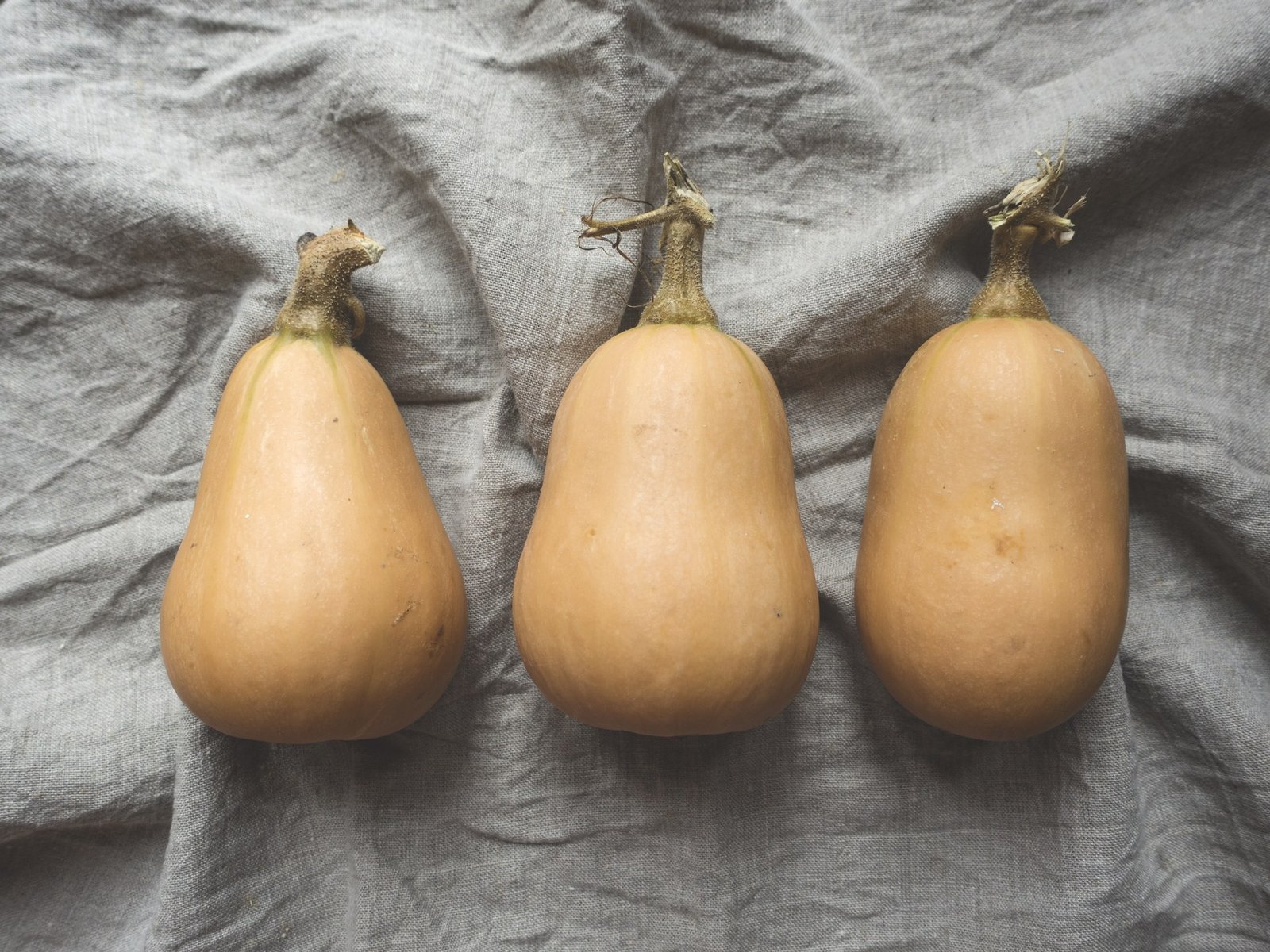
In general terms, organic farming avoids most synthetic pesticides and synthetic fertilisers, and it does not use genetically modified organisms.
Instead, growers rely first on methods like crop rotation, compost, natural soil care, and pest control approved under organic rules.
For animals, organic standards generally require organic feed and no routine antibiotics or added growth hormones.
That is a description of a production method. It is not, by itself, a nutrition score or a safety guarantee.
How Certification and Labelling Work 🏷️
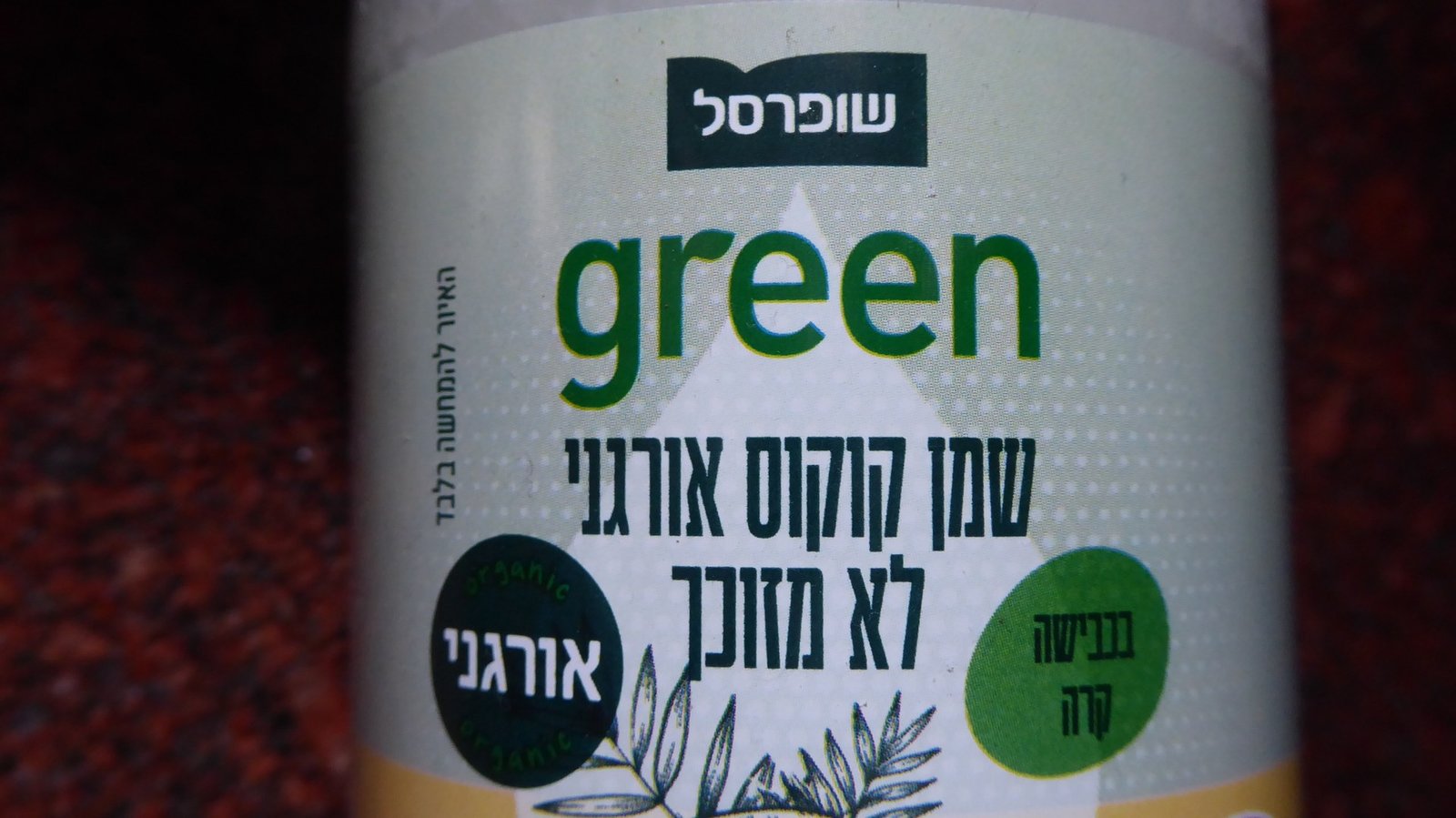
A certified organic product has been checked by an approved certifier, not simply declared organic by the seller.
In the United States, the system runs through the USDA National Organic Program, with accredited certifiers carrying out inspections.
Producers normally write an organic system plan, keep detailed records, and face an on-site inspection, with certification reviewed each year.
Land also needs a transition period free of prohibited substances before its crops can be certified — commonly three years in the US system.
Labels matter too, so read the exact wording. “100% organic” and “organic” are stronger claims than “made with organic ingredients.”
Different countries run their own schemes, so a label that counts in one country may not mean exactly the same thing in another.
And one common misunderstanding is worth clearing up: organic does not mean pesticide-free, since some approved natural — and a few approved synthetic — substances are allowed.
How to Shop for Organic Food 🛒
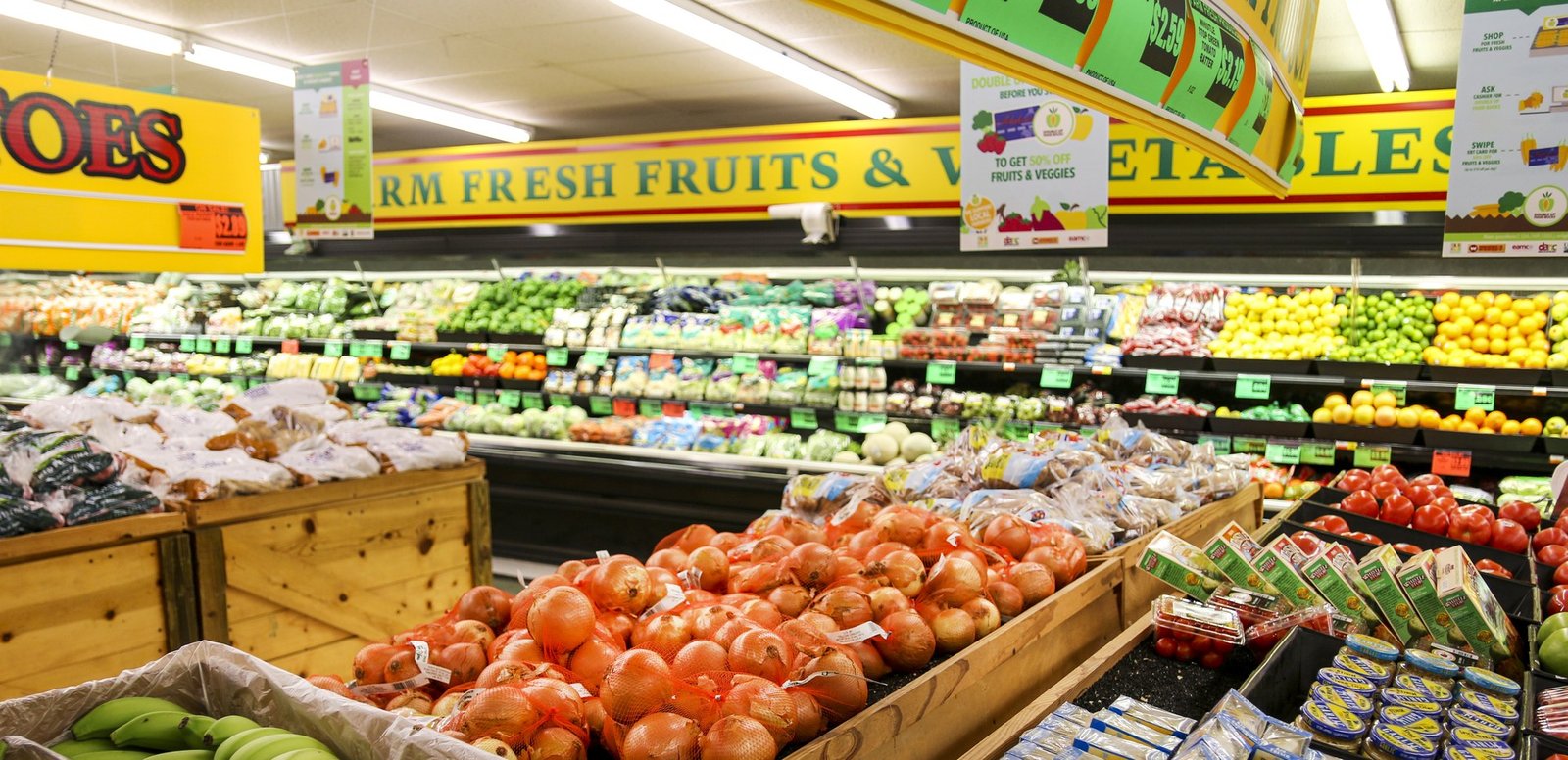
Start with the label, not the packaging colour. Green designs and pictures of farms are marketing, not certification.
Check for the certifier’s mark and the ingredient wording, especially on processed foods where only part of the product may be organic.
Next, shop the way you would for any fresh food. Look for firm, fresh-looking produce and check dates on packaged items.
Wash all fresh produce under running water before eating it — organic or not — and peel it if you prefer, knowing peeling also removes some fibre.
If your budget is tight, you do not have to buy everything organic. Many shoppers mix organic and conventional foods.
Choosing more fruit and vegetables overall usually matters more than whether every single item carries an organic label.
Cost and Availability: The Honest Reality 💰
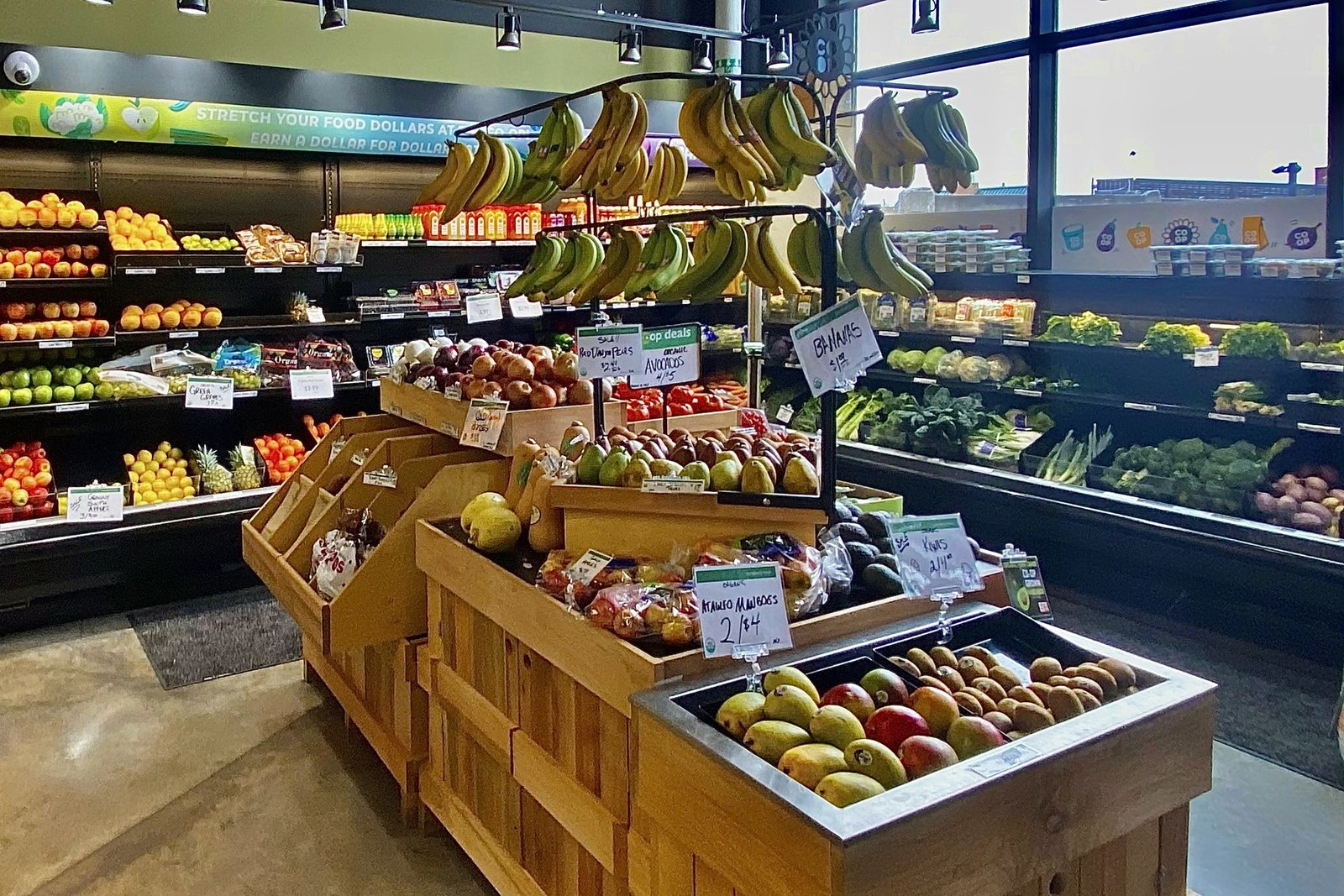
Organic food usually costs more, and that gap has real reasons behind it.
Certification, record-keeping, inspections, smaller yields, and separate handling all add time and expense for producers.
Availability also varies a lot. Larger stores and cities tend to stock a wider organic range than smaller shops or rural areas.
Seasonal and local produce can help: foods in season are often easier to find and better value, organic or conventional.
For more ideas on building a balanced plate on a budget, see 15 Best Weight Loss Foods.
If organic is out of reach right now, that is not a reason to skip fresh food — conventional fruit and vegetables still count.
What the Evidence Does — and Does Not — Show 🔍

Here is the honest summary, without hype in either direction.
What is established: organic produce tends to carry lower residues of synthetic pesticides on average than conventional produce.
What is not established: a clear, consistent nutritional advantage. Reviews comparing the two find only small, mixed differences in most nutrients.
Some studies report slightly higher levels of certain antioxidants in organic crops, while others find little difference — and those differences have not been shown to change health outcomes on their own.
There is also no proven disease-prevention claim here. No diet, organic or otherwise, can be presented as preventing or curing illness.
Conventional foods are also regulated, with residue limits in place, so “not organic” does not mean unsafe or full of toxins.
The strongest, least disputed advice in this whole area is simple: eat a varied diet rich in fruit, vegetables, and whole foods.
For a single-food example of how one fruit fits into a healthy pattern, see Papaya – The Best Organic Food.
Frequently Asked Questions ❓
Is organic food always healthier?
Not necessarily. The evidence on nutrients is mixed, so “organic” should not be read as an automatic health upgrade.
Is organic food pesticide-free?
No. Organic rules restrict synthetic pesticides, but approved substances are allowed, and traces can also come from soil or drift.
Should I wash organic produce?
Yes. Washing under running water helps remove dirt and surface residues from all fresh produce, organic or conventional.
Is it worth paying more for organic?
That depends on your budget and values. Some people pay more for farming practices or lower residues; others prioritise eating more fresh food overall.
Either choice can sit inside a healthy diet, and neither needs guilt attached to it.
This article is general information only and is not medical advice. If you have a health condition, allergy, or specific dietary need, talk to a clinician or registered dietitian for advice suited to you.