

No single food can turn back the clock, and no meal makes skin look years younger. 🕰️
What food can do is quieter and more realistic: it supplies the nutrients skin needs to function normally, as part of a varied diet.
This guide keeps that distinction throughout. Every food below is described for the general skin-health role its nutrients play — not as a promise about how anyone will look.
The bigger factors come first
Before any food list, the honest order matters. Sun protection is the biggest everyday factor for skin over time.
Ultraviolet light damages skin, so shade, covering up, and sunscreen matter more than any single ingredient on a plate. ☀️
Sleep matters too, and so does drinking enough fluid across the day. Tired, dehydrated skin tends to look dull — and no food fixes a poor night’s sleep on its own.
Think of the foods below as supporting players in that wider picture, not as the main event.
1. Fatty fish: salmon and sardines 🐟

Fatty fish such as salmon and sardines supply protein and omega-3 fats, both of which the body uses in normal skin structure and function.
Protein matters because skin itself is built largely from protein, and a diet short on protein gives skin less of what it needs to maintain itself.
Try it grilled or baked with vegetables, a couple of times a week, as part of an otherwise varied diet.
2. Bell peppers 🌶️
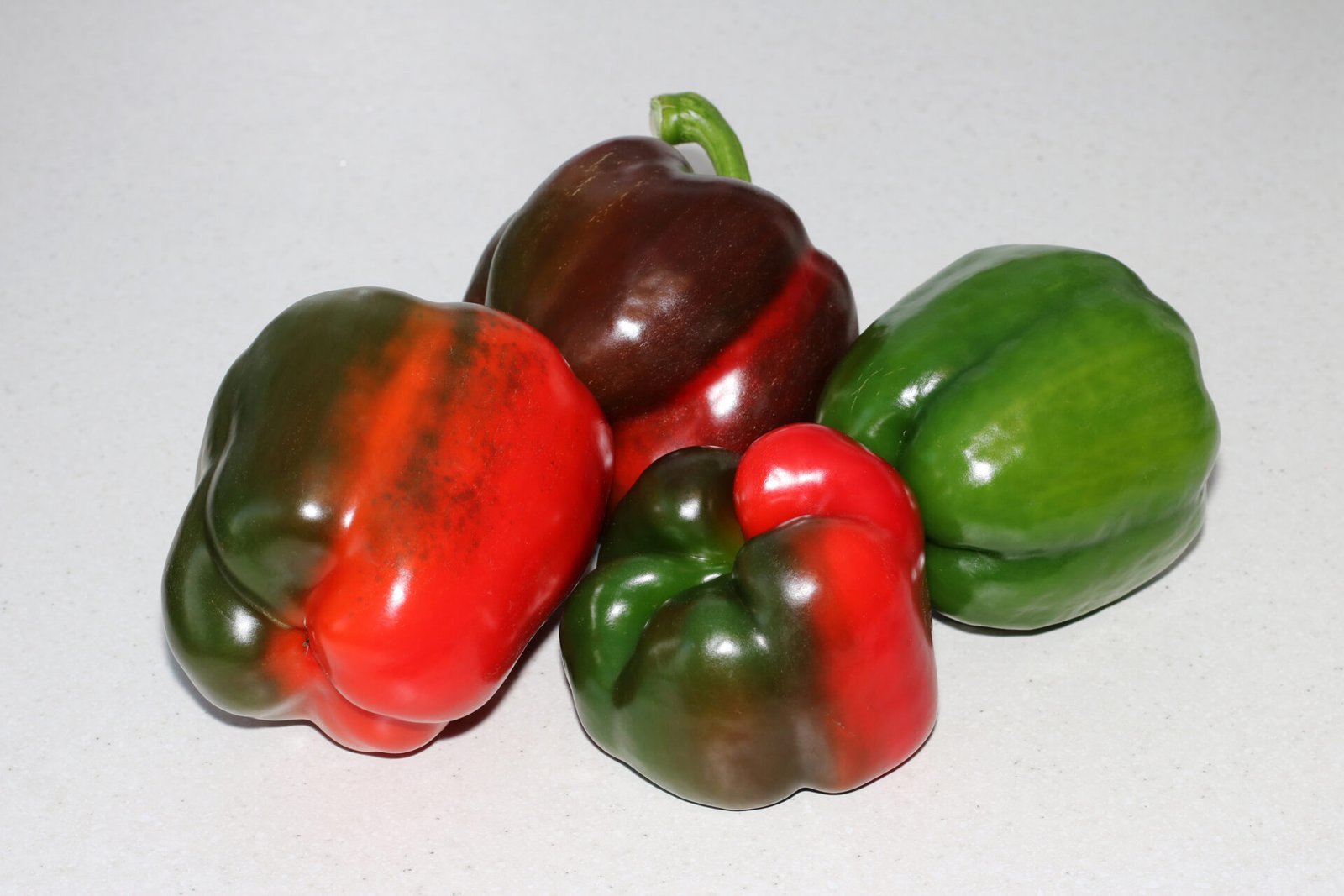
Bell peppers are a rich source of vitamin C, and vitamin C is needed for normal collagen formation — the process that gives skin its structure.
That is a normal-function role, not a cosmetic promise. Meeting your vitamin C needs supports the process; eating extra does not multiply it.
Red peppers are an easy win here: add them raw to salads, or roast them for a warm side dish.
3. Sweet potatoes 🍠

Sweet potatoes are rich in beta-carotene, which the body converts into vitamin A, a nutrient involved in normal skin function.
They also bring fibre and potassium, so they earn their place as a filling, everyday staple rather than a special “beauty food”.
Roast them in wedges, mash them, or add cubes to soups and stews.
4. Spinach 🥬
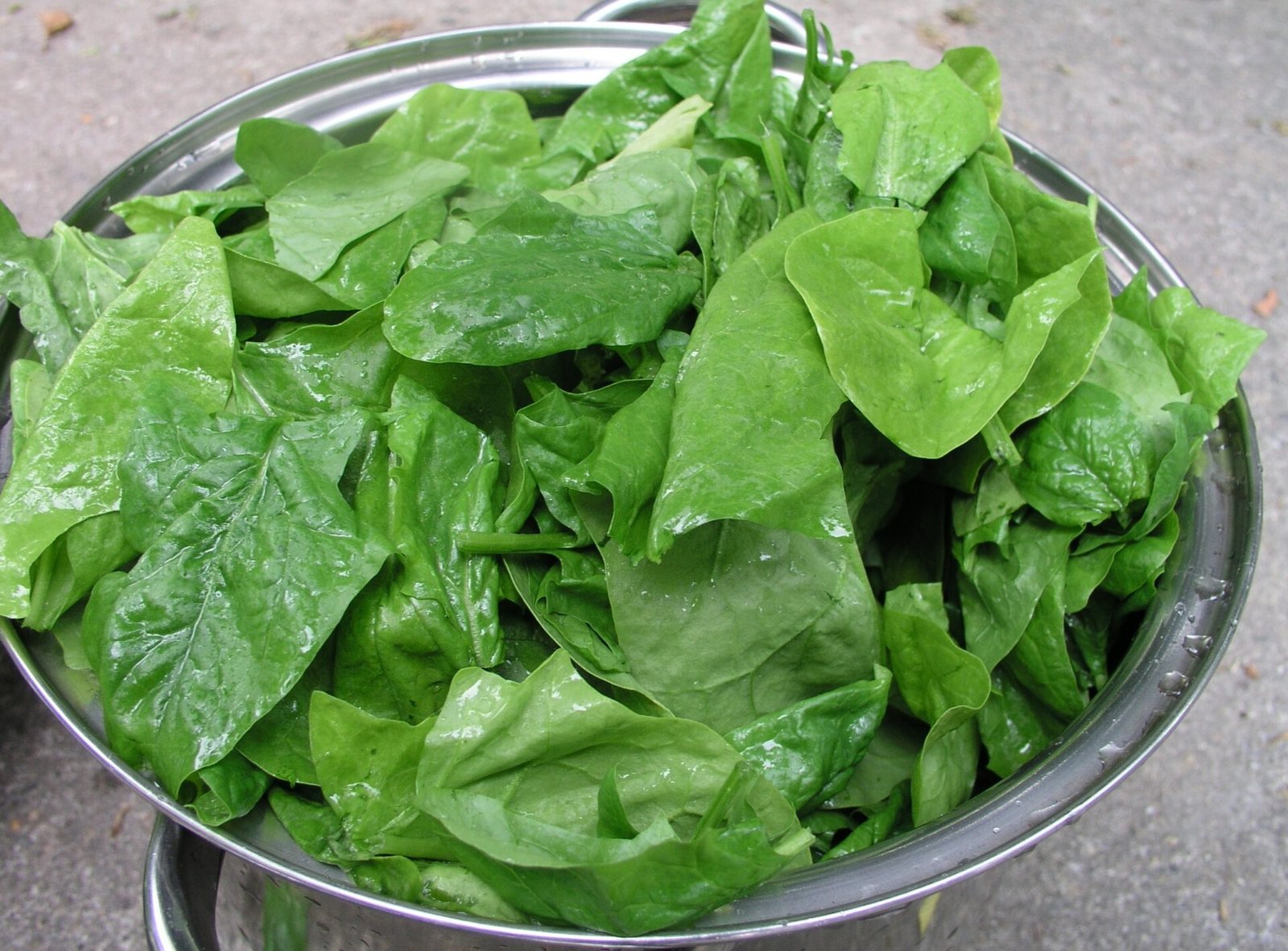
Spinach supplies vitamin C and folate, plus plenty of water content, which fits naturally into a varied, plant-rich diet.
Leafy greens are useful precisely because they are ordinary: easy to add to salads, smoothies, soups and egg dishes without overhauling how you eat.
A handful a day, in whatever dish you already enjoy, is a realistic habit.
5. Flax seeds 🌱
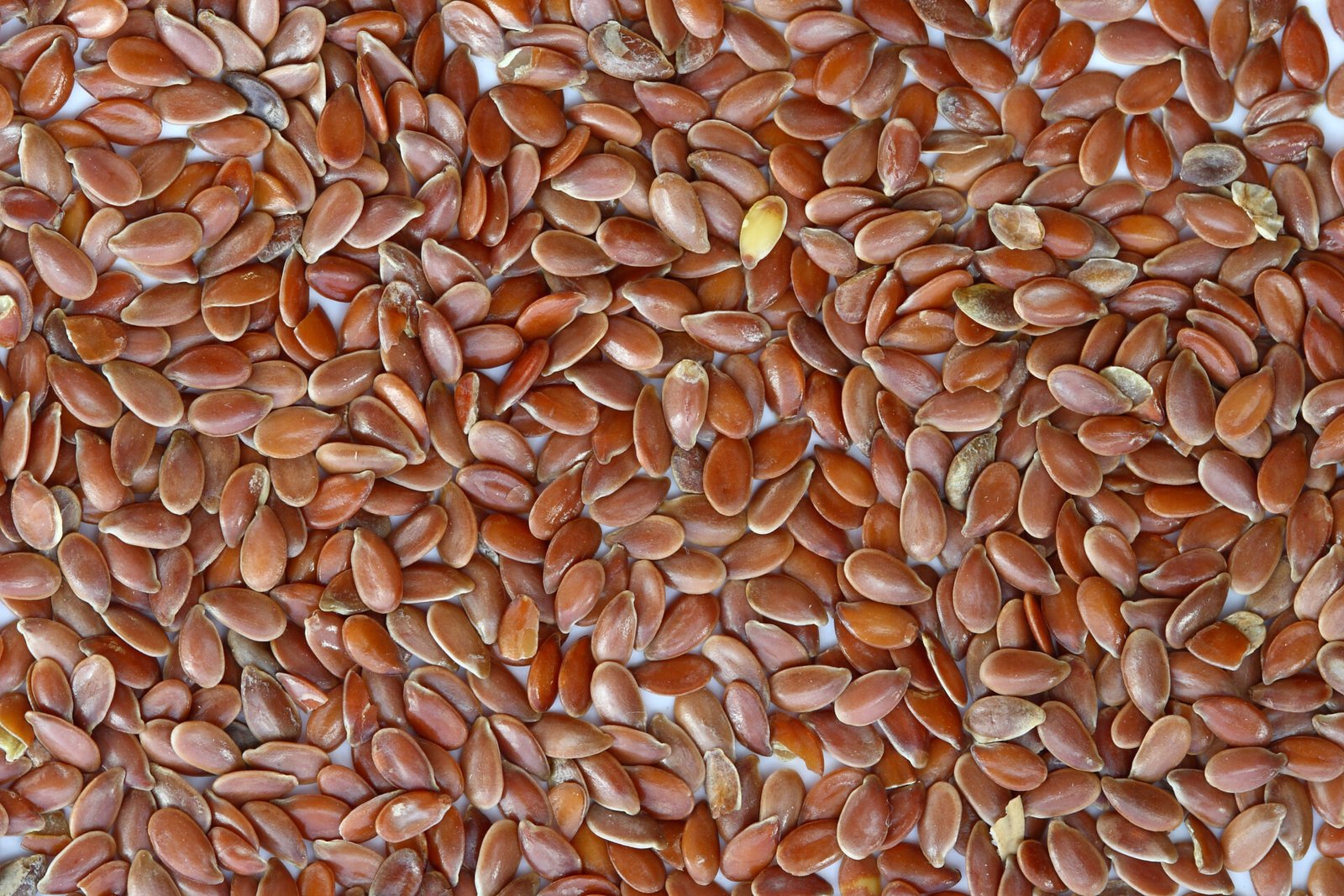
Flax seeds supply alpha-linolenic acid, a plant omega-3 fat, along with fibre and lignans, a type of plant compound.
Ground flax stirs easily into oatmeal, yoghurt or smoothies, which is the simplest way to use it regularly.
Because flax is high in fibre, keep portions modest and drink water alongside it — the old advice to go slowly with high-fibre foods still holds.
6. Green tea 🍵
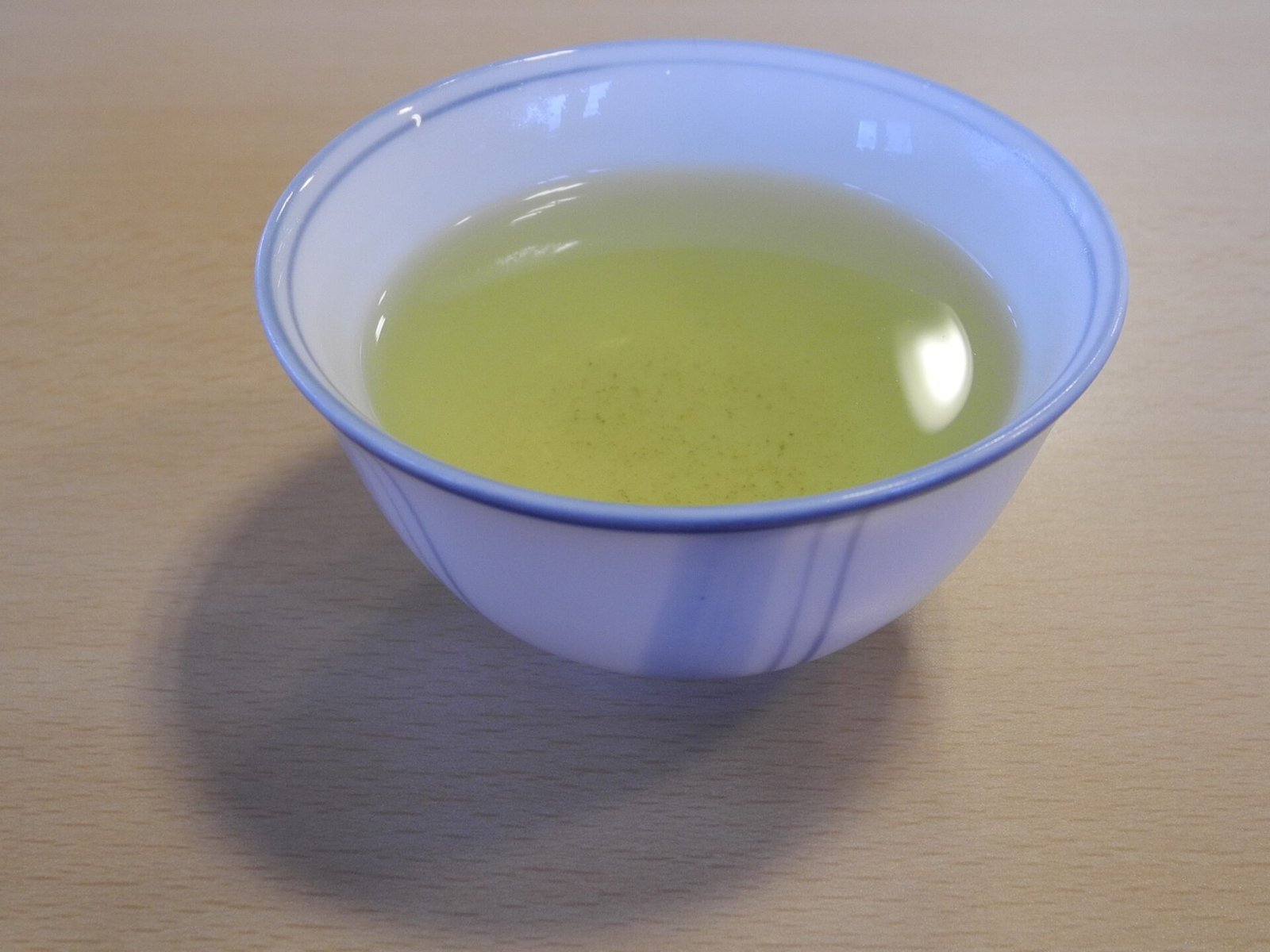
Green tea is a low-calorie drink that contains polyphenols, plant compounds studied for their antioxidant activity.
It also simply counts toward daily fluid intake, which supports normal skin hydration from the inside.
Enjoy it unsweetened if you can — added sugar works against the balanced pattern this guide is describing.
What this guide does not claim
None of these foods has been shown to remove wrinkles, reverse ageing, or clear up skin conditions. Claims like that were in the old version of this article, and they have been removed.
Skin changes can also signal health issues, allergies or reactions to products. If something about your skin worries you, a clinician — not a food list — is the right next step.
Frequently asked questions
Can food change how old I look?
No. Food supports normal skin function as part of a varied diet, but ageing is a natural process no diet reverses.
Does “organic” matter for skin?
There is no good evidence that organic produce itself changes skin. What matters for skin is the overall dietary pattern — plenty of vegetables, fruit, protein and fluids.
For what “organic” actually means on a label, and what it costs, see our companion guide.
What helps skin most, day to day?
Sun protection, enough sleep, enough fluids, and a varied diet. Those four beat any single “superfood” every time.
Keep reading
If you want the wider organic picture, start with Top 5 Benefits of Organic Foods (post 221366).
For labels, shopping and cost, see What Organic Food Really Means: Labels, Shopping, Cost and the Evidence (post 221379).
For a different angle — foods discussed for immune support rather than skin — see Top Organic Foods to Boost up Your Immunity Level (post 221398). It is a companion piece, not a repeat of this one.