

🏠 You do not need a gym membership to stay fit. A living room, a mat, and a little floor space are enough to build strength, raise your heart rate, and stretch out properly.
This article began life in 2020, when lockdowns kept everyone indoors. It has now been fully rewritten for 2026 as an evergreen home-fitness guide, because working out at home is still one of the simplest ways to stay active. 💪
The plan below is simple on purpose. Warm up, move your whole body, get your heart pumping, and finish with something gentle. Small, regular sessions beat one exhausting session you never repeat.
How Much Movement Should You Aim For? 🎯
Health authorities give a clear weekly target for adults. The World Health Organization (WHO) recommends at least 150 minutes of moderate activity a week, or 75 minutes of vigorous activity, or a mix of the two.
Moderate means you can still talk, but not sing — brisk walking and easy cycling count. Vigorous means you can only say a few words at a time, like running or fast dancing.
On top of that, WHO recommends muscle-strengthening activity for all major muscle groups on 2 or more days a week. The UK’s NHS guidance gives the same weekly numbers, which is a useful cross-check that this target is widely agreed.
Do not worry about hitting the full target in week one. Start with 10 to 20 minutes a day, then build up gradually as it starts to feel easier. Consistency matters more than perfection. ✅
Warm Up First 🔥
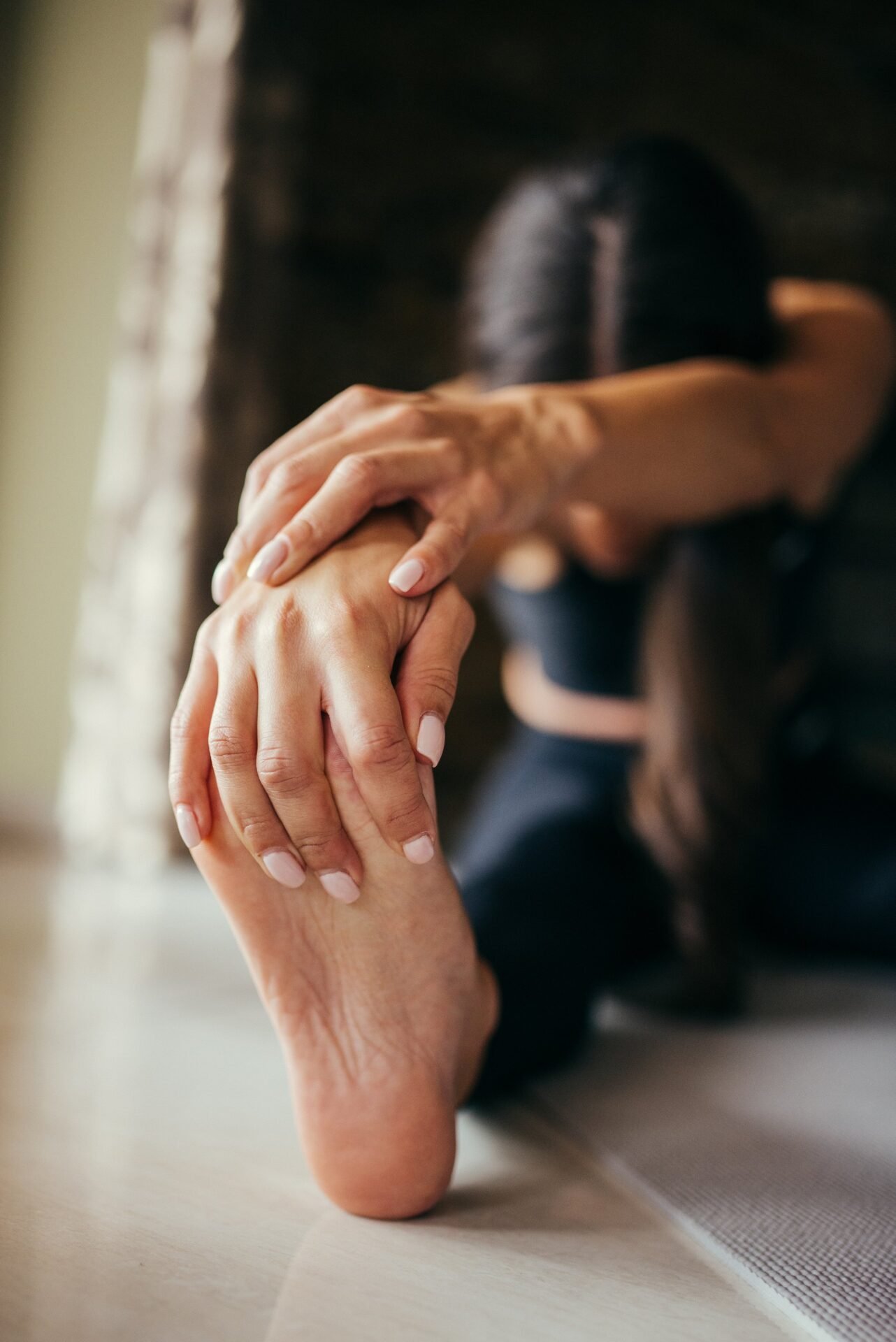
Never jump straight into hard exercise cold. A warm-up wakes up your muscles and joints and helps you move better through the whole session.
Spend 5 minutes on easy movement: march on the spot, roll your shoulders, swing your arms gently, and do slow leg swings. Then add a few gentle stretches, holding each one for about 20 to 30 seconds without bouncing.
You should feel warm and slightly out of breath by the end — not tired. If something pinches or hurts, ease off and pick a gentler version. Your body is giving you useful feedback, so listen to it. 👂
Bodyweight Strength at Home 🏋️
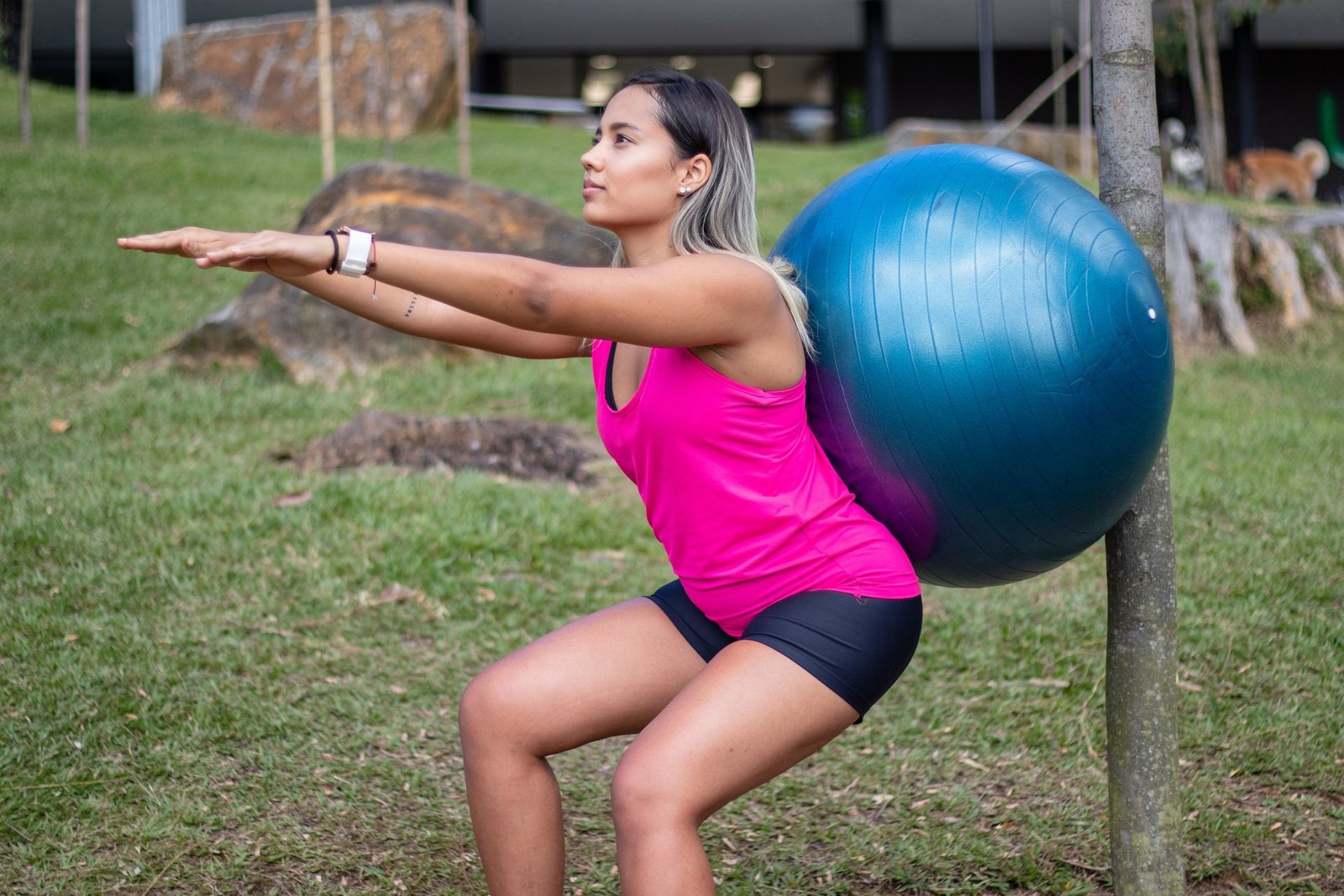
Strength work does not need weights to start with — your own body weight is plenty. Squats, push-ups, lunges, and glute bridges cover the legs, chest, back, and hips.
For squats, stand with feet shoulder-width apart, sit your hips back as if into a chair, and keep your chest up. Aim for 2 to 3 sets of 8 to 12 slow, controlled reps.
Push-ups can start on your knees or against a wall if full push-ups are too hard. That is not cheating — it is smart scaling, and it still builds real strength over time.
Rest about a minute between sets, and leave at least a day between hard strength sessions for the same muscles. Strength days twice a week are enough to begin with. 💪
Cardio Without Any Equipment ❤️

Cardio at home is simpler than most people think. Marching on the spot, jumping jacks, high knees, and burpees all raise your heart rate with zero equipment.
A beginner-friendly circuit looks like this: 30 seconds of marching, 30 seconds of step-touch side to side, then 30 seconds of rest. Repeat 4 to 6 times and you have a solid 10 to 15 minute session.
Burpees are the hardest move here — squat down, jump back to a plank, jump forward, and stand or jump up. Do them slowly at first, and skip the jump if your knees or neighbours complain. 😄
For more cardio ideas, see our guide to fat-burning cardio workouts, which you can adapt to a living room.
Core Work — and an Honest Myth-Buster 🧱
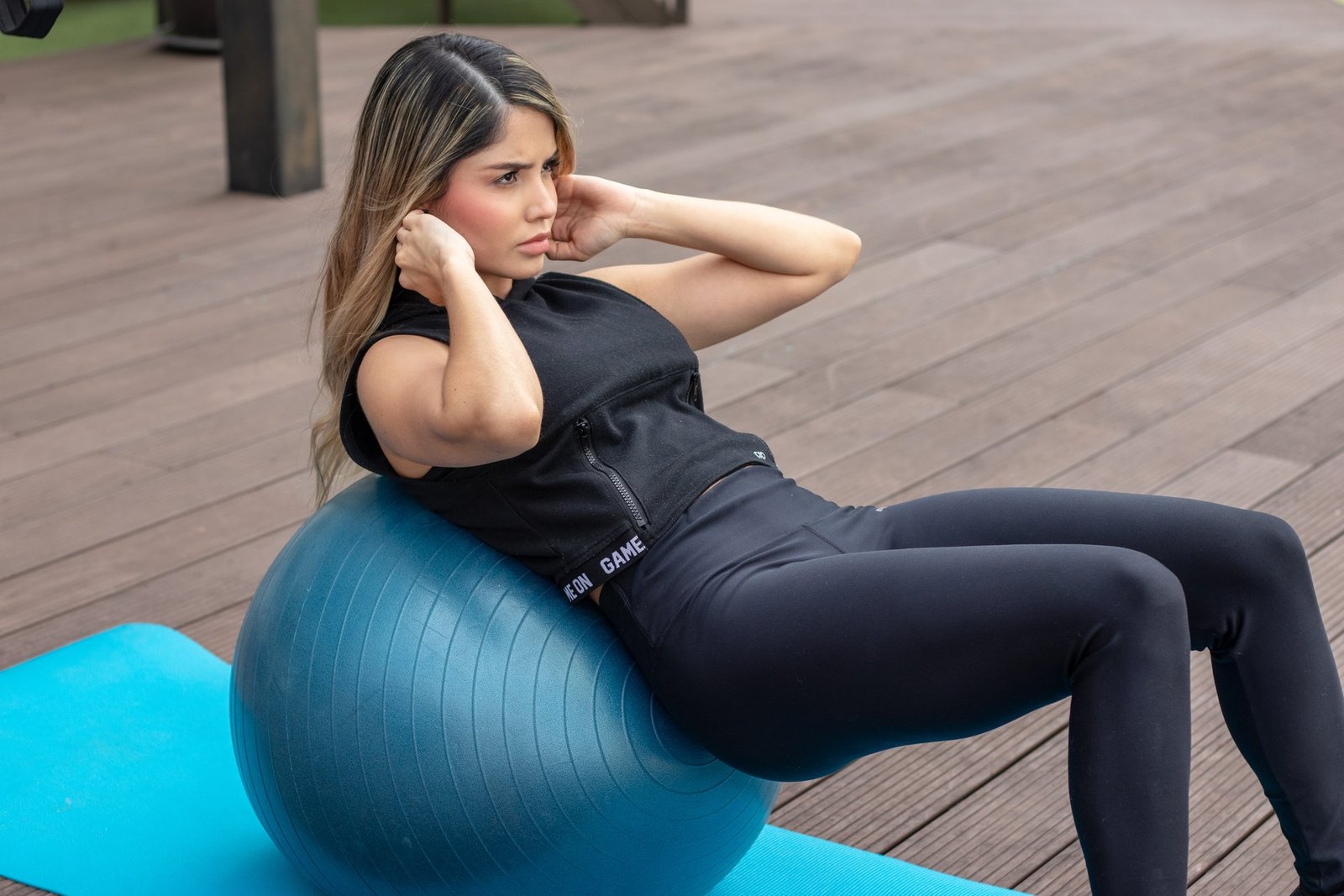
Sit-ups and crunches strengthen your core, which helps your posture and everyday movement. Keep them slow and controlled, with your lower back supported and your neck relaxed — pulling on your neck helps nothing.
Here is the honest part: crunches alone will not melt belly fat. A 2011 study found six weeks of abdominal exercise improved endurance but did not reduce abdominal fat, and a 2013 study found training one leg did not slim that leg more than the other.
Fat loss across the body comes from overall activity and eating habits over time, not from targeting one spot. One small recent trial hinted at a possible local effect, but it was small and men-only, so it is far from proof — do not buy any programme that promises spot fat loss.
Train your core because a strong core is useful, not because it will carve out one area. Planks, dead bugs, and bird-dogs are gentler alternatives if sit-ups bother your back. 👍
Yoga and Flexibility at Home 🧘
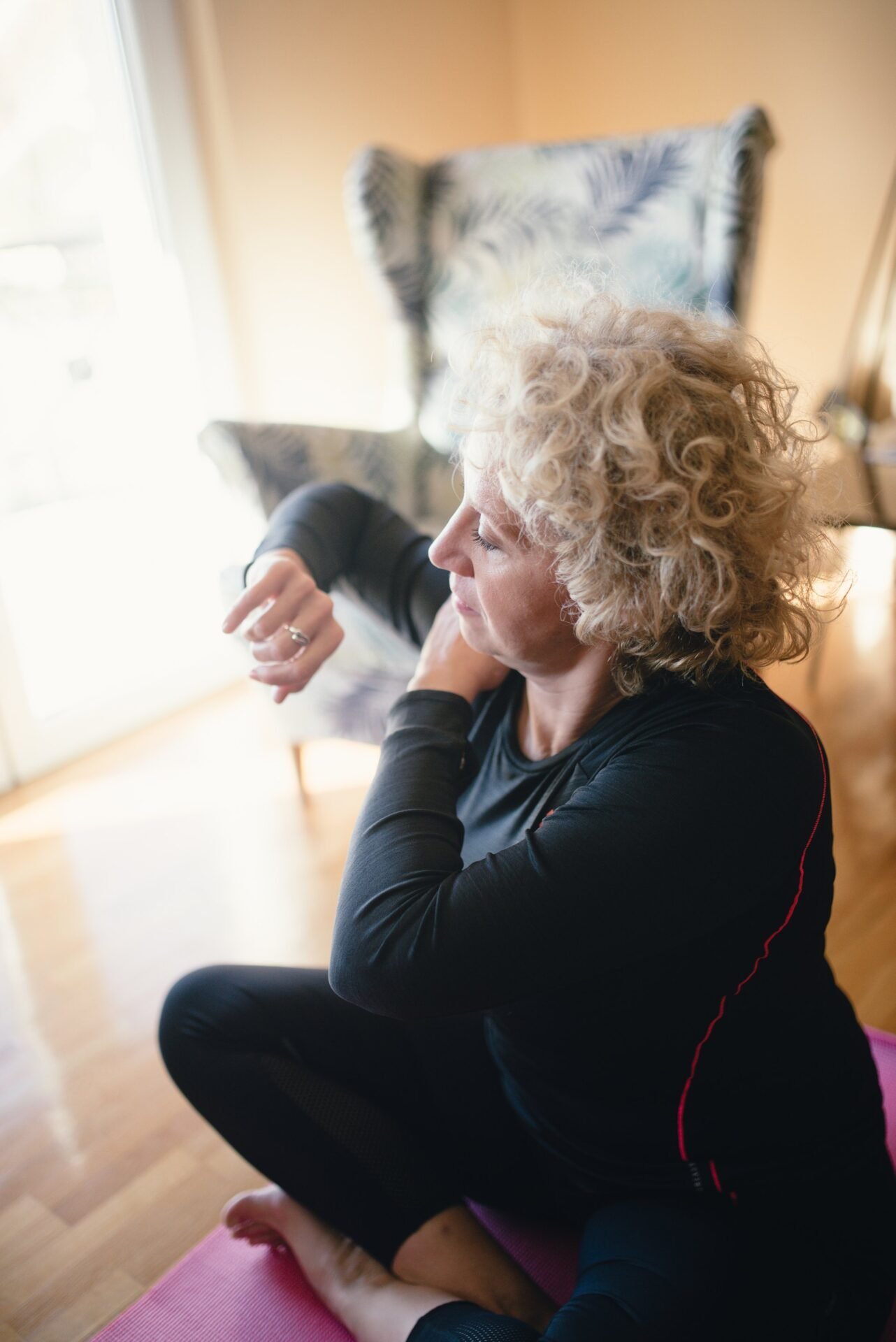
Yoga is a natural fit for home workouts. It builds flexibility, balance, and calm focus, and it needs nothing more than a mat and a quiet corner.
Simple poses to start with include child’s pose, cat-cow, downward dog, and a gentle seated twist. Move slowly, breathe normally, and never force a stretch into pain.
Even 10 to 15 minutes a day makes a difference to how stiff or loose you feel. Our guide to yoga poses for women is a good next step, and most of its poses work for anyone.
Put It Together: A Simple Weekly Plan 📅
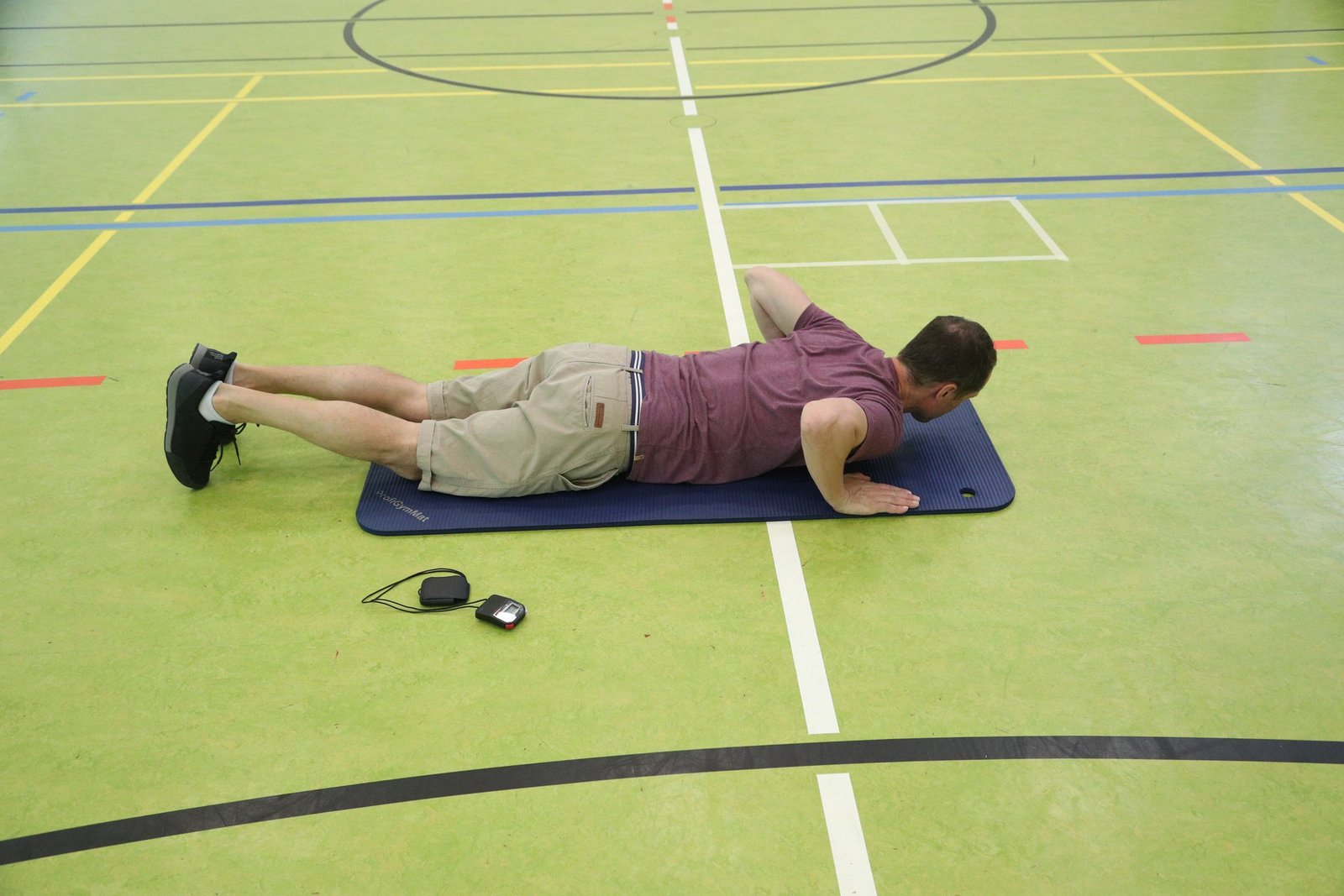
Here is a starter week that hits the weekly target without overwhelming you. Monday: 20 minutes of bodyweight strength. Tuesday: 20 minutes of easy cardio, like marching and step-touch.
Wednesday: rest or gentle yoga. Thursday: strength again, with different moves if you like. Friday: 20 minutes of cardio, a little faster if you feel ready.
Saturday: yoga and stretching. Sunday: a walk, or a full rest day — rest is part of training, not a failure. 😌
Pair your workouts with enough sleep, water through the day, and regular meals. If you want to read about protein and recovery, see our guide to protein powders for strength athletes.
FAQs ❓
Can I get fit working out only at home?
Yes. Bodyweight strength, cardio, and yoga at home cover the main bases for general fitness, as long as you train regularly and progress gradually.
How long should a home workout be?
Start with 15 to 20 minutes. Build towards 30 minutes most days, which adds up to the weekly activity target over the week.
Do I need equipment?
No. A mat helps, and a resistance band or light dumbbells are useful later, but every move in this guide can start with body weight alone.
What if I feel pain while exercising?
Stop that move and rest. Sharp pain, dizziness, or chest discomfort are signals to stop and get checked by a clinician — never push through them.
Staying fit at home is not about a perfect routine. It is about showing up most days, moving in ways you enjoy, and giving your body time to adapt. Start small today, and let the habit grow. 🌱
This article is general health information only, not medical advice. If you have a health condition, an injury, or you are new to exercise, check with a clinician before starting a new routine.