

Everyone has an Adonis belt already — it is just usually hidden. 👀
That V-shaped line low on the torso is one of the most chased looks in fitness. But most of what people believe about it is wrong, and that is why so many people train hard for it and never see it.
This guide clears up the anatomy first, then covers the honest route: overall leanness, a strong core, and patience. No shortcuts, no week-count promises.
What Is The Adonis Belt, Really? 🧠
The Adonis belt, also called Apollo’s belt or the iliac furrow, is the pair of shallow grooves running diagonally from the hip bones down toward the groin.
Here is the key fact: it is not a muscle. Its shape comes mainly from the inguinal ligament, a band of connective tissue that runs through the lower abdominal area toward the front of the hip bone.
That means you cannot make the belt itself bigger the way you can grow a bicep. Everyone has the ligament. Whether the grooves show depends mostly on how much fat sits over them, plus the thickness of the core muscles framing the area.
Genetics play a part too. Where your body stores fat, and how your hip and waist are shaped, differ from person to person — so two people at similar fitness levels will not always show the same lines.
The Myth To Drop First: Spot Reduction ❌
You cannot burn fat from one chosen spot by exercising the muscle underneath it. Fat loss is overall, driven by your total energy balance, not by which muscle is working.
The classic evidence is clear. In a 2011 trial, six weeks of abdominal training improved core endurance but did not reduce belly fat compared with a control group (Vispute et al., 2011).
A 2013 trial found the same pattern in reverse: training one leg for 12 weeks did not make that leg lose more fat than the untrained leg (Ramírez-Campillo et al., 2013).
One small 2023 trial in 16 men did report a modest extra trunk-fat loss when ab work was combined with running — but it was men only, small, and unrepeated. Treat it as an interesting hint, not a reason to build a plan around crunches.
So crunches do not carve out the belt. They build the muscles underneath it. Visibility still comes down to overall body fat — which is why the rest of this guide is about the whole picture, not one magic move.
Eating: The Boring Part That Does The Most 🥗
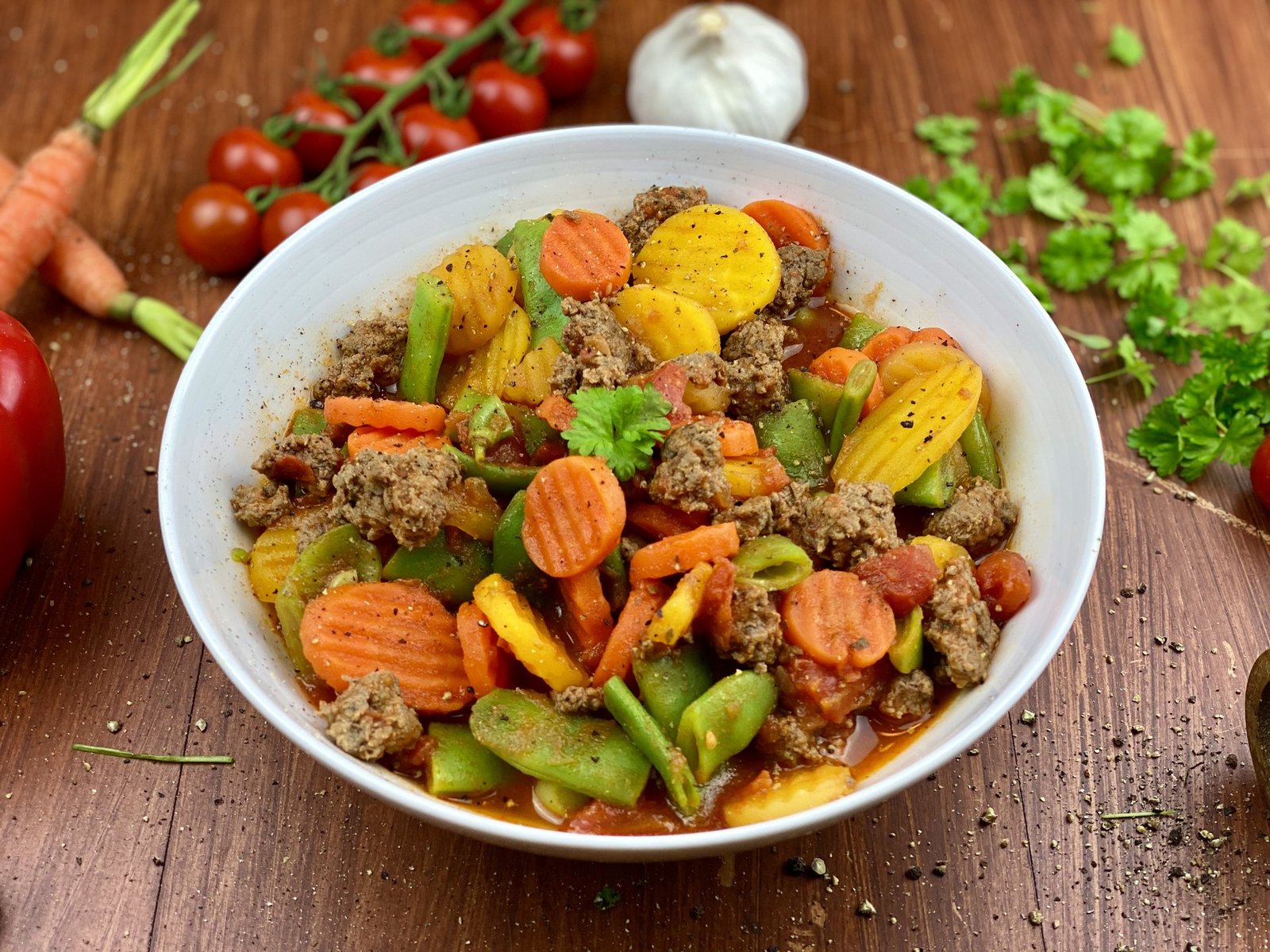
Fat loss comes from a sustained calorie deficit — using a little more energy than you take in, over time. There is no special “Adonis belt diet” beyond that basic rule.
A practical way to get there is to build meals around whole, filling foods: vegetables, fruit, whole grains, and enough protein to help protect muscle while you lose fat.
Cutting back on sugary drinks and ultra-processed snacks helps many people, simply because those foods add a lot of calories without keeping you full.
Protein will not target the belt itself — no food can. But eating enough of it supports the muscle you are training, which is what frames the area once fat comes down.
Keep it sustainable. A plan you can actually live with for months beats a harsh plan you quit in two weeks.
Full-Body Training Beats Ab-Only Workouts 🏃

For overall fat loss, workouts that use large muscle groups tend to help most, because they burn more energy than isolated ab work alone.
Good options include running, swimming, cycling, circuit training, jumping rope, and sports that keep you moving. Pick the one you enjoy — the best workout is the one you will repeat.
Strength training matters too. Building muscle across the whole body supports a leaner look and helps you keep muscle while losing fat.
There is no need to punish yourself with ever-longer, ever-harder sessions. Steady, regular training you recover from beats exhausting workouts that leave you injured or burnt out.
For a wider taper-focused routine, see our guide to best V-shape exercises — it covers the shoulder-and-back work that makes the waist look narrower by comparison, a different angle from this article.
Core Moves That Frame The Area 💪
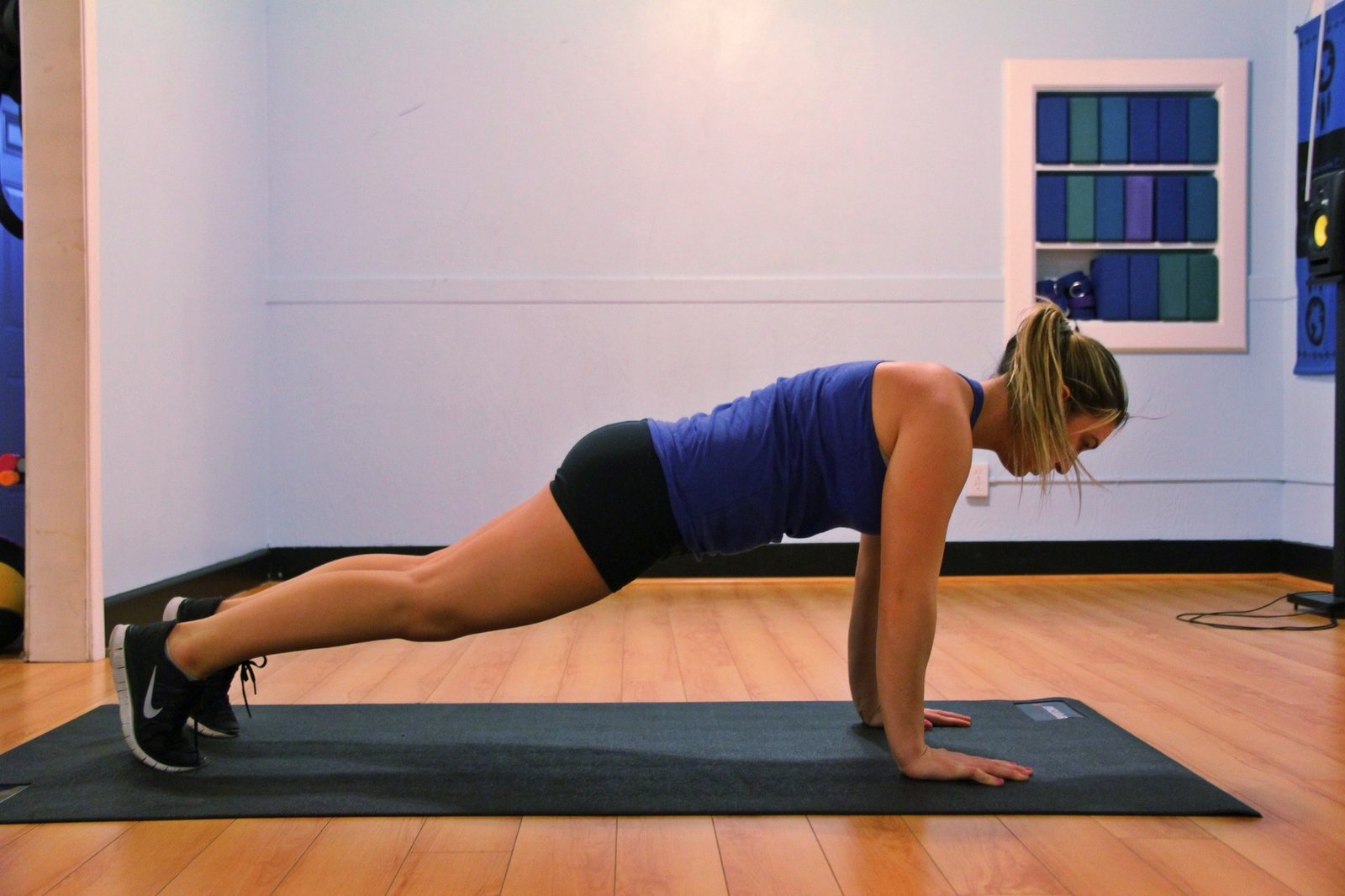
Core training will not melt fat off your waist, but it builds the muscles that sit around the belt and make the area look more defined once you are lean.
The plank is the simplest place to start. Hold a straight line from head to heels, with your core tight, and build up your hold time gradually.
A side plank works the same idea from the side, loading the obliques that run along the waist. Keep your hips lifted and your body in one line.
Reverse crunches and lateral heel touches add variety for the lower abs and obliques. Move slowly, keep your lower back comfortable, and never force a movement that hurts.
The stomach vacuum — breathing out and gently drawing the belly button toward the spine — is an old bodybuilding drill for deep-core control. It is a control exercise, not a fat-burning trick.
Sit-ups are not required for any of this. If they strain your back, skip them and use the moves above instead. Pain is a stop signal, not a badge of effort.
For more plank variations, see our top 10 plank exercises for six-pack abs, and for lower-belly training ideas, our belly pooch exercises guide.
Can Women Have An Adonis Belt? 👩
Yes — the ligament and the grooves exist in everyone. But visibility works differently across sexes, because women typically carry more essential body fat than men.
That makes the very lean look harder to reach for most women, and riskier to chase. Very low body fat can disrupt hormones, periods, bone health, and immunity in anyone — and those risks arrive sooner for women.
So the honest answer is: possible, but not a sensible goal for everyone. A strong, healthy core at a comfortable body fat level is a better target than a photo-perfect V at any cost.
The Honest Warning About Chasing Extreme Leanness ⚠️
Here is the part most fitness posts skip: very low body fat carries real health risks. Hormone levels can drop, energy and mood can suffer, bones can weaken, and getting ill becomes harder to bounce back from.
There is no single body-fat percentage that guarantees the belt will appear, and no percentage worth damaging your health for. Figures quoted online vary widely, and they differ by sex, age, and measurement method.
If you are thinking about pushing to a very low body fat level, talk to a clinician first — especially if you have a history of disordered eating, hormone problems, or any medical condition.
A visible belt does not prove someone is healthy, and not having one does not prove someone is unfit. Plenty of strong, fit people never show it.
FAQs ❓
What is the Adonis belt made of?
Its shape comes mainly from the inguinal ligament, a band of connective tissue — not from a single muscle you can enlarge. The deep transverse abdominis muscle sits underneath the area, but it is not the groove itself.
Can I get an Adonis belt just by doing ab exercises?
No. Ab work builds the muscles around the area, but the grooves only show when overall body fat is low enough. Full-body training and eating habits matter far more than any single ab move.
How long does it take?
There is no honest week count. It depends on your starting point, genetics, and how steadily you train and eat. Anyone promising a belt in a set number of weeks is selling, not informing.
Do I need to be a bodybuilder to have one?
No. Lean athletes in many sports show it — swimmers, gymnasts, and physique athletes among them. Examples on this site include Brandon Hendrickson and Big Ramy, whose stage leanness makes the lower-ab definition visible.
Bottom Line ✅
The Adonis belt is a groove shaped by a ligament, revealed by overall leanness — not a muscle you can sculpt in isolation.
Train your whole body, build a strong core, eat in a way you can sustain, and let the lines appear if your body allows. And if they never do, that says nothing bad about your fitness.
General information only — not medical advice. Talk to a clinician before making major changes to your diet or training, especially if you plan to lose a large amount of weight or aim for very low body fat.