

Many people notice extra fullness on the outer thighs — often called “saddlebags” — or dimpled skin on the thighs and hips, known as cellulite. 🍑
Both are common, and neither is a sign that you have done something wrong. This guide explains what lower-body exercise can honestly do, what it cannot do, and a simple routine you can actually stick with.
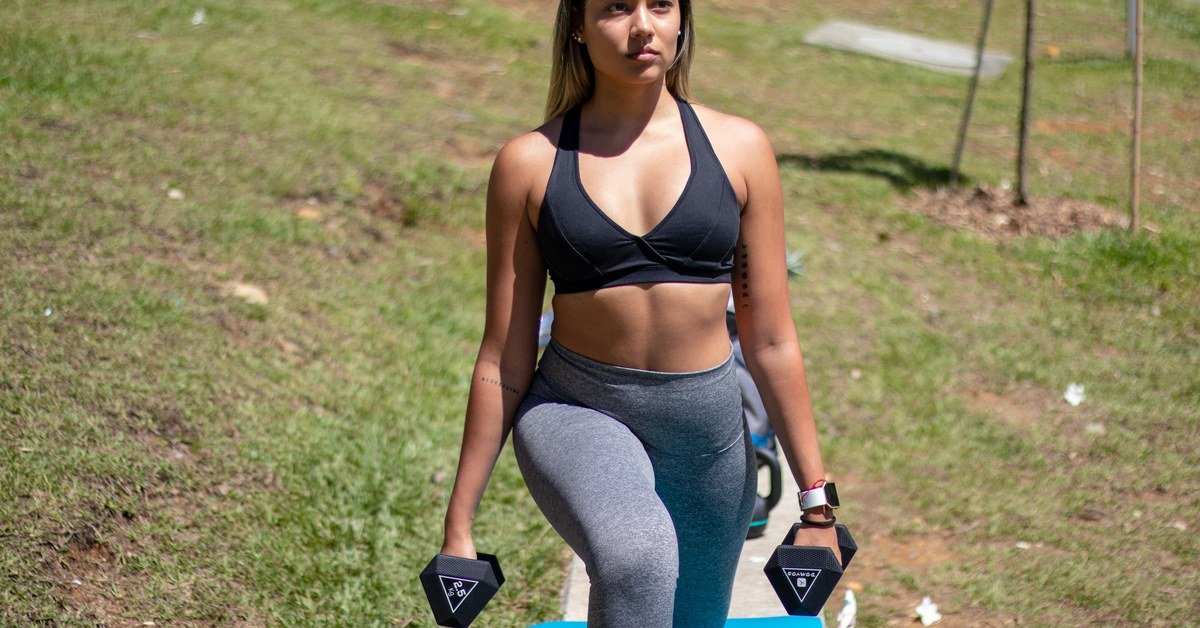
First, the honest part: you cannot target fat from one spot
It is a popular idea that working one area burns the fat sitting over it. The evidence says otherwise for practical purposes.
When you exercise, your body draws energy from fat stores across the whole body, not just from beside the muscle that is working. Where fat comes off first depends mostly on your genes, hormones, and overall energy balance — not on which exercise you pick.
One well-known trial makes the point clearly. In 2011, Vispute and colleagues had adults do abdominal exercises five days a week for six weeks. Their core endurance improved, but there was no significant change in belly fat compared with the control group.
A 2013 study by Ramírez-Campillo and colleagues points the same way. People trained one leg with very high-repetition leg presses for 12 weeks, yet the fat loss did not show up preferentially in the trained leg — it showed up elsewhere, in the upper body and trunk.
There is one small wrinkle worth stating fairly. A small 2023 trial in 16 men with overweight reported a modest extra loss of trunk fat when abdominal endurance work was combined with running, compared with running alone. That is interesting, but it was small, short, and limited to men — far too thin a basis to promise targeted fat loss from the thighs or hips.
The fair summary: train the muscles you want to strengthen, and let overall activity and eating habits do the work on overall body fat. No thigh exercise can promise to remove fat from the thighs alone.
What about cellulite?
Cellulite is the dimpled, uneven look of skin on the thighs, hips, and buttocks. It happens when bands of connective tissue under the skin pull downward while the fat layer beneath pushes upward.
It is extremely common. Cleveland Clinic notes that between 80% and 90% of women who have gone through puberty have cellulite, while fewer than 10% of men do. Differences in connective-tissue structure and the hormone oestrogen are thought to be the main reasons.
That means cellulite is a normal feature of skin for most women — not a flaw, and not something exercise can erase. Stronger, more active legs may change how your thighs look and feel overall, but no exercise removes cellulite itself.
Anyone selling a cream, wrap, device, or supplement that promises to “melt” cellulite is selling a promise the evidence does not support. This guide recommends none of them.
What lower-body exercise CAN do for you
Lower-body training builds strength in the glutes, thighs, and hips. 💪
That strength supports everyday movement — climbing stairs, carrying shopping, getting up from a chair — and helps you stay active, which supports overall health and body composition over time.
It can also change the shape and firmness of the muscles under the skin, which is a real benefit. It just should not be sold as spot fat removal, and this article does not sell it that way.
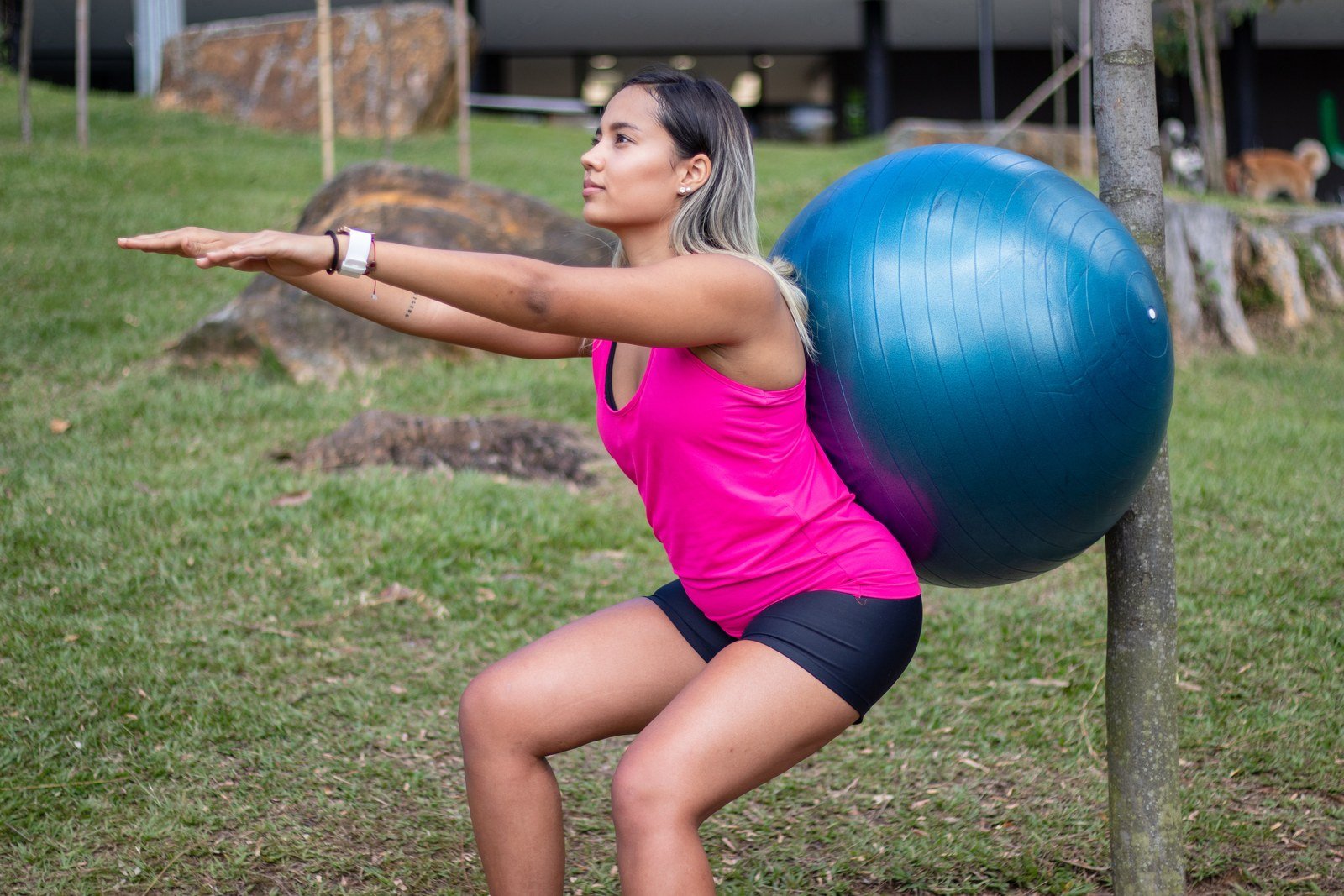
A simple lower-body routine (2–3 times a week)
You do not need a gym. Body weight is enough to start, and you can add dumbbells later if you like. Rest a day between sessions so your muscles recover.
Warm up first with five minutes of easy walking or marching in place. Then work through the moves below, moving slowly and keeping your back straight.
1. Squats
Stand with feet shoulder-width apart and toes slightly turned out. Push your hips back and bend your knees as if sitting into a chair, keeping your chest up.
Go only as low as feels comfortable, then press through your heels to stand. Aim for 2–3 sets of 10–12 repetitions.
2. Lunges
Step forward with one foot and lower until both knees are roughly bent at right angles, keeping your front knee behind your toes. Push back to standing and switch sides.
Hold a chair or wall for balance if you need it — that is good form, not cheating. Aim for 2–3 sets of 8–10 repetitions per side.
3. Glute bridges
Lie on your back with knees bent and feet flat on the floor. Press through your heels and lift your hips until your body forms a straight line from shoulders to knees.
Squeeze your glutes at the top, hold for a couple of seconds, and lower slowly. Aim for 3 sets of 12–15 repetitions.
4. Side-lying leg lifts
Lie on your side with legs straight and your head resting on your lower arm. Keeping your hips stacked, lift your top leg slowly, pause, and lower it without letting your hips roll.
This works the outer hip muscles that support balance and stability. Aim for 2–3 sets of 12–15 repetitions per side.
5. Clamshells
Lie on your side with knees bent and feet together. Keeping your feet touching, open your top knee like a clamshell, pause, and close slowly.
Keep the movement small and controlled — if your hips roll backward, you have gone too far. Aim for 2–3 sets of 12 repetitions per side.

Add everyday movement around the routine
Walking is the easiest partner to strength work. 🚶
A daily walk costs nothing, needs no equipment, and adds up: it supports your overall activity, mood, and energy without punishing your joints. Build it gradually — a comfortable 20–30 minutes most days is a great target.
Small habits help too. Take the stairs when you can, stand up and move around once an hour if you sit for work, and pick activities you actually enjoy. The best routine is the one you will still be doing in three months.
Eating and sleep matter — without crash diets
Overall fat loss, when that is your goal, comes down to overall energy balance over time — not to any single food, juice, or “detox” plan.
Crash diets tend to backfire: they are hard to sustain and can leave you tired and hungry. A steadier approach — regular meals, plenty of vegetables and protein, and portions that leave you satisfied rather than stuffed — is easier to live with.
Sleep matters as well. When you are short on sleep, appetite and energy both get harder to manage, so a regular sleep routine quietly supports everything else here.
A realistic timeline
Strength usually improves within a few weeks — stairs feel easier, and the moves feel smoother. Visible changes to muscle shape take longer, typically a couple of months of consistent training.
Changes in overall body fat, if that is your goal, are gradual and vary a lot from person to person. There is no honest one-month promise here: anyone guaranteeing visible results in a set number of weeks is guessing about your body.
Track what you can control instead — sessions done, weights lifted, walks taken, and how you feel. Those are real wins, and they compound.
When to get advice
Stop an exercise if it causes sharp pain, and get it checked rather than pushing through. If you have knee, hip, or back problems, are pregnant, or live with a health condition, talk to a clinician or physiotherapist before starting a new routine.
This article is general information only and is not medical advice. It does not replace professional guidance for your situation.
Frequently asked questions
Can exercises get rid of saddlebags?
No exercise removes fat from the outer thighs alone. Lower-body exercises strengthen the muscles there, and overall fat loss — through activity and eating habits over time — reduces fat across the body, including the thighs.
Can exercise remove cellulite?
No. Cellulite is a normal structural feature of skin and connective tissue, especially in women. Exercise can improve strength and overall fitness, but it does not erase cellulite.
How often should I do this routine?
Two to three times a week, with a rest day between sessions, is a solid starting point. Add daily walking around it and progress gradually.
Do I need equipment?
No. Every move in this routine works with body weight alone. Dumbbells or resistance bands are optional extras once the body-weight versions feel easy.
The bottom line
Saddlebags and cellulite are normal, common, and nothing to be ashamed of. Lower-body exercise is still well worth doing — for strength, balance, everyday ease, and overall health.
Do it for what it genuinely gives you, not for a spot-reduction promise it cannot keep. That honest framing is also the approach taken in our belly-fat guides: how to burn belly fat and exercises to reduce belly fat. 💛