

Belly fat can feel stubborn, and that frustration is exactly what quick-fix promises feed on. 🧭
This guide takes the opposite approach: slow, steady habits that you can actually keep.
One honest point up front: research so far has not shown a reliable way to direct fat loss to one single spot on the body. 🔍
Abdominal exercises can strengthen the muscles underneath, but the fat above them tends to come down as part of overall body-fat reduction, not because one exercise targeted it.
That is why this article is an overview of the whole picture, rather than a trick for one area.
For the detail, it points to the site’s refreshed companion guides instead of repeating them.
What Counts as a Realistic Pace? ⚖️
Both the NHS and the CDC point to roughly the same steady range for most adults.
The NHS suggests aiming to lose 1 to 2 lbs, or 0.5 to 1 kg, a week.
The CDC describes a gradual, steady pace of about 1 to 2 pounds a week as more likely to be kept off than faster loss.
That agreement is reassuring: there is no need to chase a far faster number to make progress.
Early scale changes can also include water shifts, so a quiet week does not automatically mean nothing is working. 📉
Rapid loss, crash diets and extreme restriction are not part of this guide, and anyone with a medical condition, on medication, pregnant, or with a history of disordered eating should talk to a clinician before changing their eating or activity.
Eat for Fullness, Not for Punishment 🥗
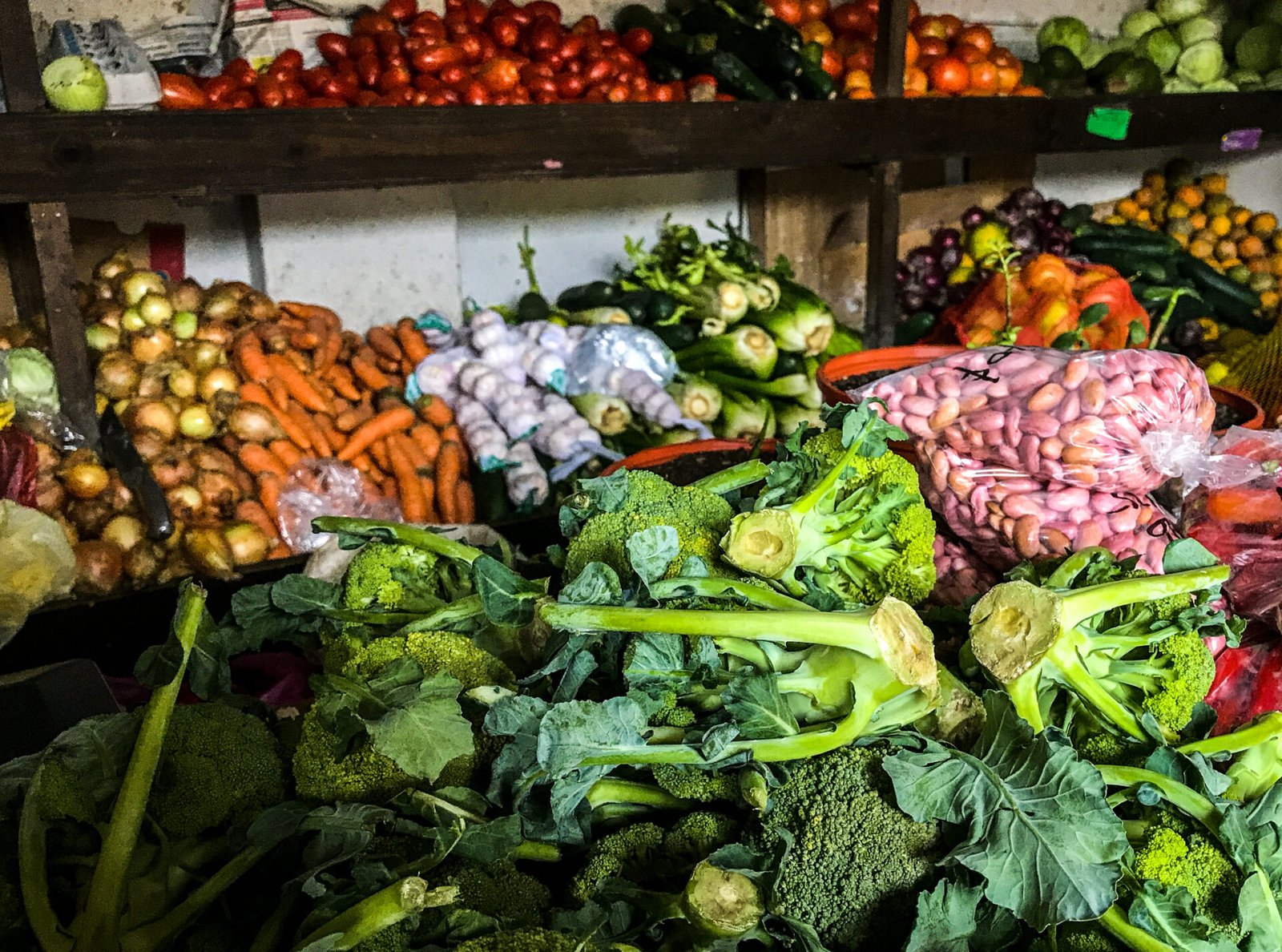
Filling meals make a steady pace far easier to live with than constant hunger.
Protein-rich foods, fibre-rich foods and plenty of vegetables all help meals feel satisfying for longer.
Think in swaps, not bans: more whole foods most of the time, and treats kept as treats rather than everyday defaults.
Planning the broad shape of your meals — rather than following a rigid fixed plan — leaves room for real life, celebrations and busy days. 🍽️
If you want the fuller belly-fat eating guide, read how to burn belly fat next.
Move More, and Build Some Strength 🚶

Regular movement is the other half of the picture, and walking counts.
Short daily walks, stairs instead of lifts, and activities you enjoy all add up across a week.
Strength work matters too: building muscle supports everyday strength and helps you stay active as you get older. 💪
You do not need a perfect gym routine to start — consistency beats intensity that you abandon after two weeks.
For the exercise detail, see belly-fat exercises.
Sleep and Stress Deserve a Place in the Plan 😴

Poor sleep makes everything harder, including food choices the next day.
A regular wind-down, less late caffeine, and a dark, cool bedroom are small steps that many people find helpful.
Stress plays a similar role: when days feel chaotic, quick comfort food and skipped walks become the easy option.
None of this needs to be perfect. A calmer routine supports the eating and movement habits above it. 🌙
Drinks and Sugary Foods: an Easy Win 🥤

Sugary drinks are one of the simplest places to cut back without feeling deprived.
Water, sparkling water and unsweetened drinks give you the refreshment without the extra sugar load.
The same idea applies to very sugary snacks: enjoy them sometimes, but do not let them quietly become the daily default.
Reading labels for a few weeks can be eye-opening, especially for drinks and sauces. 🔎
Plateaus, Setbacks and Keeping Going 🌱

Progress is rarely a straight line, and a flat few weeks is normal.
When the scale stalls, look at the wider picture: are you sleeping better, walking more, and feeling stronger?
A setback is not a reason to restart from zero — it is a reason to return to the next ordinary meal and the next walk.
How fast should I expect results? At the steady pace above, visible change usually takes weeks, not days, and varies a lot between people.
Do I need supplements? No — this guide does not recommend any, and no supplement replaces steady eating, movement and sleep.
When should I get professional help? If you have a medical condition, take regular medication, notice unexplained weight change, or feel your eating is becoming distressing, talk to a clinician or a registered dietitian.
For the broader weight-loss picture, the site’s reframed guide how to lose weight sustainably covers the same steady principles in more depth.
The bottom line ✅ There is no fast lane here — and that is the good news.
Steady food, regular movement, decent sleep and patience give you something a crash plan cannot: habits you can still be doing next year.
This article is general information only and is not medical advice. Talk to a clinician about what is right for you.