

⚠️ General information only: This article explains liposuction in general terms. It is not medical advice, it is not a recommendation for or against the procedure, and it is not a substitute for advice from a qualified clinician who knows your personal circumstances. 💙
Liposuction is a surgical cosmetic procedure that removes small, localised deposits of fat from under the skin. 🩺
It is usually described as a way to change body shape in specific areas, rather than as a way to treat overall weight.
What liposuction is, in general terms

Generic illustration of a medical consultation. Photo: Shixart1985 / Wikimedia Commons
In general terms, a surgeon marks the area to be treated, then makes small cuts in the skin. 💉
A thin tube is passed through those cuts to loosen and draw out fat, often after fluid containing anaesthetic and other medicines has been injected into the area.
Some versions of the procedure use vibrations, a weak laser pulse, or a high-pressure water jet to help break up fat before it is removed.
The procedure is usually carried out under general anaesthetic, although other forms of anaesthetic may be used for lower parts of the body.
It commonly takes one to three hours, depending on the area treated, and many people stay in hospital overnight.
Liposuction is not a weight-loss method, and it is not a treatment for obesity. ⚖️
It does not remove cellulite or stretch marks, and it does not by itself tighten loose skin.
Guidance generally describes it as most relevant for people close to a healthy weight who have firm, elastic skin in the treated area.
Costs vary widely and are set by individual providers; no price is given here, and cost should never be the reason for choosing a provider.
General risks and possible complications
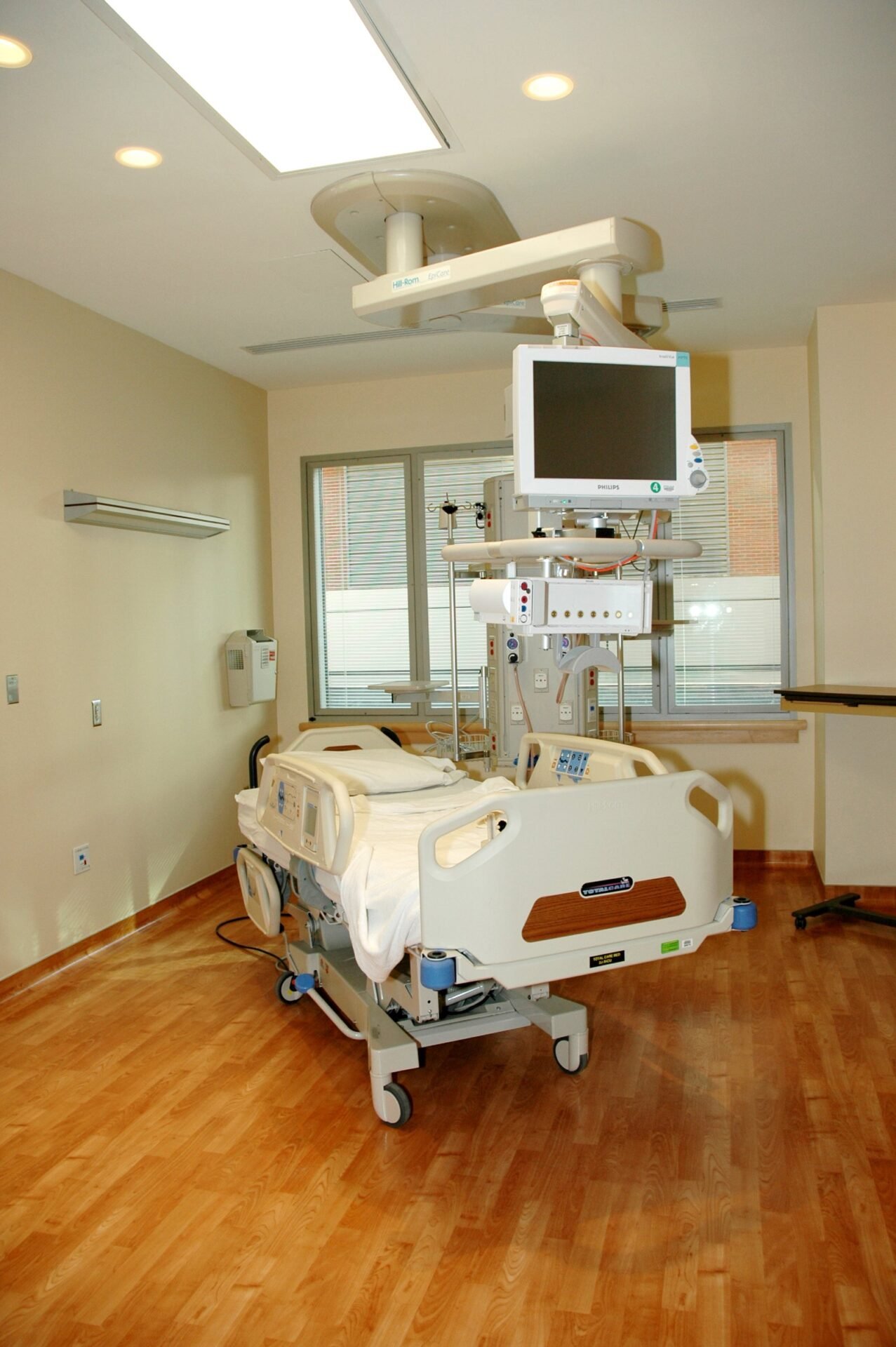
Generic illustration of a hospital room. Photo: Diane A. Reid / Wikimedia Commons
Every operation carries risk, and liposuction is no exception. ⚠️
Common effects after the procedure can include bruising and swelling, numbness, scars, inflammation, and fluid coming from the cuts.
Swelling and bruising may last for weeks, and in some cases for months, while numbness usually settles within weeks but can sometimes last longer.
Less common problems reported in reputable guidance include uneven or lumpy results, bleeding under the skin, and changes in skin colour.
Rarer but serious risks include infection, excessive bleeding, fluid imbalance, a blood clot, damage to internal organs, and reactions to anaesthetic.
Results cannot be guaranteed, and in some cases a person may feel the desired effect was not achieved.
Seek urgent medical care promptly if you have severe pain, unexpected symptoms, shortness of breath, chest pain, or an unusual heartbeat after any surgery. 🚨
Otherwise, contact the clinic or hospital where the procedure was carried out as soon as possible if you are worried about symptoms after surgery.
Recovery in general terms

Generic illustration of a park bridge. Photo: Dietmar Rabich / Wikimedia Commons
After surgery, a support corset or compression bandages are usually fitted to help reduce swelling and bruising. 🩹
These are often worn constantly for several weeks, following the treating clinician’s instructions.
Mild painkillers are commonly used for pain and swelling, and antibiotics may be given straight after the procedure to reduce infection risk.
Walking and gentle movement are usually fine, but strenuous activity is generally avoided for the first couple of weeks.
As a rough general guide only, gentle exercise may be possible at around three to four weeks, while strenuous activity is often avoided for ten to twelve weeks.
Always follow your own surgeon’s instructions rather than a general timeline, and check with them before driving or returning to work.
Swelling can take a long time to settle, and it can take up to six months for the treated area to settle completely.
That means early swelling is not a reliable guide to the final shape, and individual recovery varies a great deal.
Questions to discuss with a clinician

Generic illustration of fresh fruit and vegetables. Photo: formulatehealth / Wikimedia Commons
Anyone considering liposuction should discuss personal suitability, risks, alternatives, and realistic expectations with a qualified clinician first. 💬
Useful questions include what the risks are in your case, what follow-up is provided if something goes wrong, and what non-surgical alternatives exist.
It is also worth asking how a clinician’s experience and complication record can be checked through the relevant medical regulator.
A healthy lifestyle, including balanced eating and regular activity, remains important for general health whatever decision is made.
For general reading on this site, see the Health Tips section, and for general nutrition reading, the site’s protein powders guide — neither is medical advice about liposuction.
Frequently asked questions
Is liposuction a weight-loss procedure?
No. It is described by reputable guidance as a body-contouring procedure for localised fat, not as a method for losing weight overall.
Does liposuction remove cellulite or tighten loose skin?
No. It does not remove cellulite or stretch marks, and loose skin may not reshape itself to a new contour on its own.
How long does recovery take?
It varies by person and area treated. Swelling and bruising are common for weeks, and the area may take up to six months to settle completely.
⚠️ Closing note: This article is general information only. It does not recommend liposuction, it does not replace medical advice, and any personal decision should be made only after a full discussion with a qualified clinician. 💙