

Dorian Yates is still the name most fans reach for when they talk about the moment bodybuilding got bigger, denser and harder. 🏆
Born in 1962, he turned 64 in April 2026.
His competitive days ended in 1997, but his story did not stop there.
This is a “now” profile, not a full career biography.
It looks at where he came from, what he built after the stage, and what has changed since this article was first written in early 2024, when he was 61.
Birmingham Roots
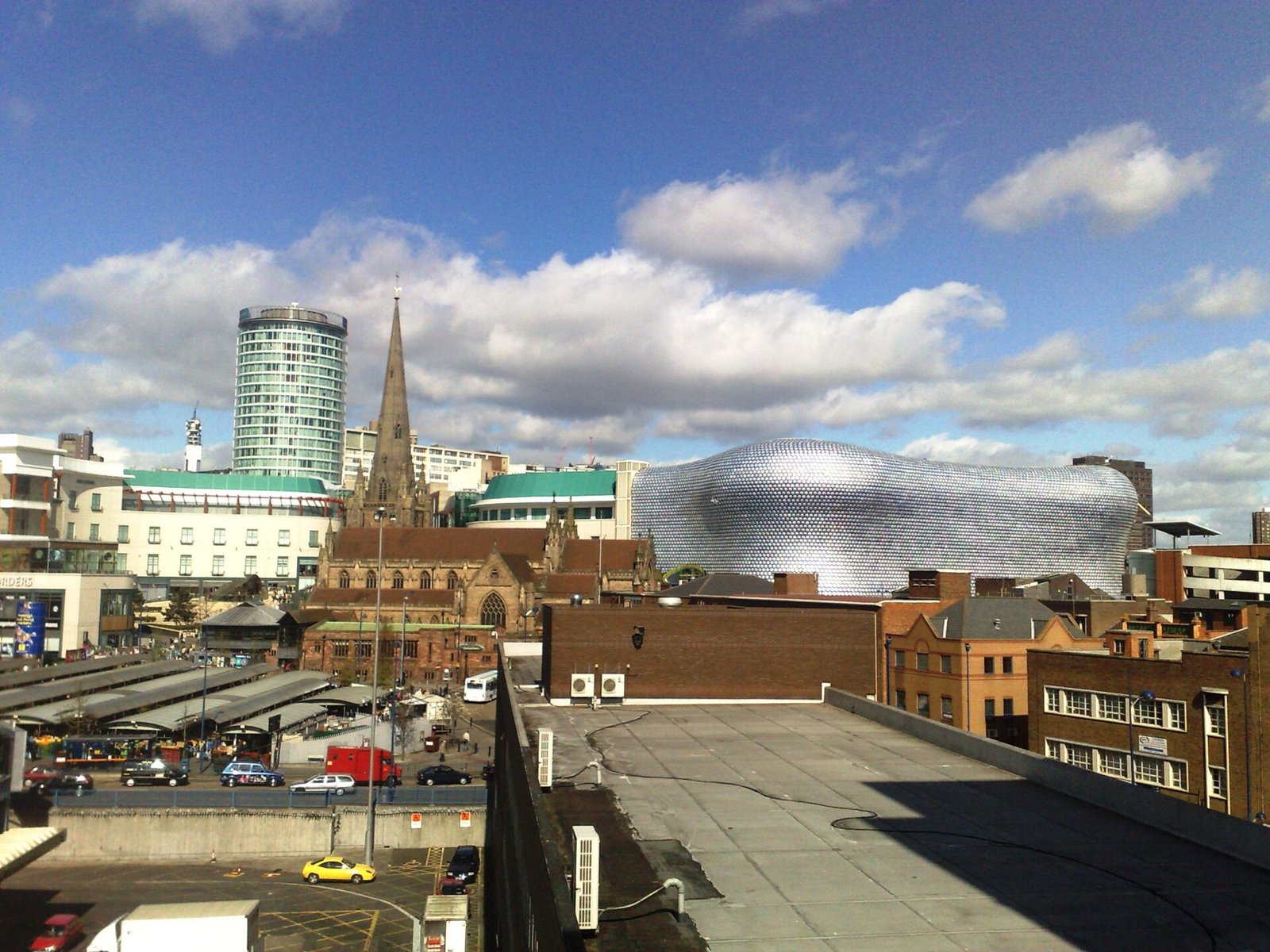
Yates was born in Solihull, England, on 19 April 1962.
His childhood was spent around Hurley and the Birmingham area, far from the bright lights of professional sport.
His father died when he was 13, and the family years that followed were not easy ones.
He started training properly in Birmingham in 1983, at a small gym on Temple Row.
Within a few years he was winning at local and then national level, including the British heavyweight title.
That Birmingham start matters, because he never really left it behind.
Even at the top of the sport, he trained away from the usual bodybuilding centres and kept his own circle tight.
Temple Gym, His Birmingham Base
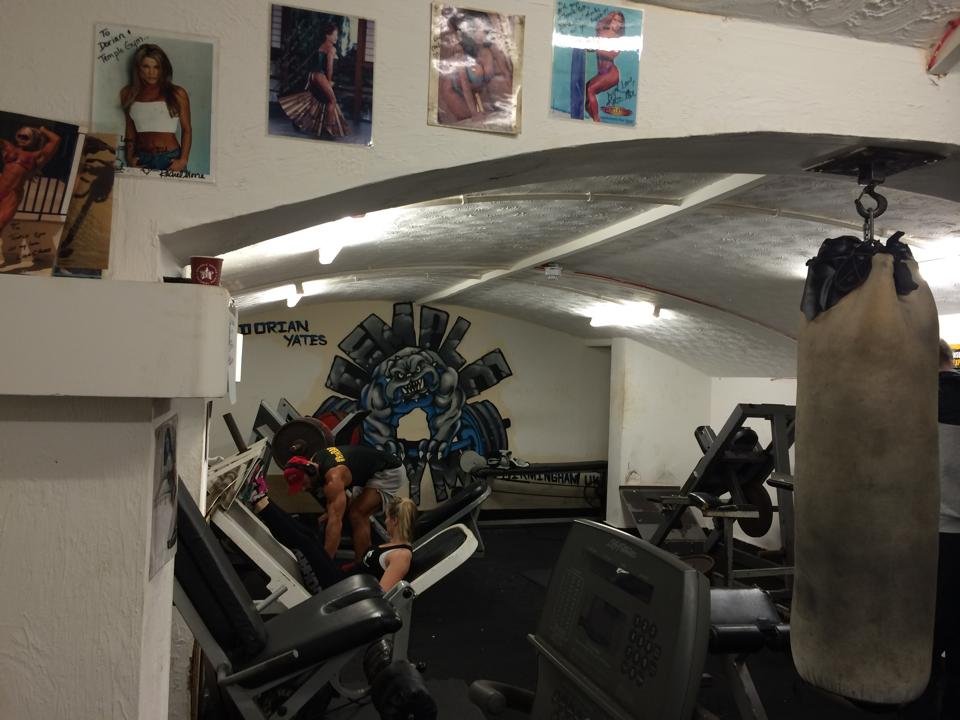
In 1987 Yates bought Temple Gym, a basement gym on Temple Street in Birmingham.
It became his base, and the place most closely linked with his name.
The gym was the opposite of a glossy fitness club.
It was dark, crowded with heavy equipment, and built for serious training rather than for show.
That setting shaped his reputation as “The Shadow”, a nickname given because he stayed out of sight between contests and then appeared to win.
The photo above shows the inside of Temple Gym in 2015, with his name painted on the wall.
It is a gym interior, not a training photo of Yates himself, and it is captioned as such.
Six Olympia Titles — The Short Version
Yates won SIX Mr. Olympia titles, in consecutive years from 1992 to 1997.
He was runner-up in 1991, to Lee Haney, before his winning run began.
His calling card was his back: wide, thick and deeply conditioned, matched with a heavy, dense physique.
He retired from competition in 1997, after winning his sixth title despite a torn triceps suffered shortly before the contest.
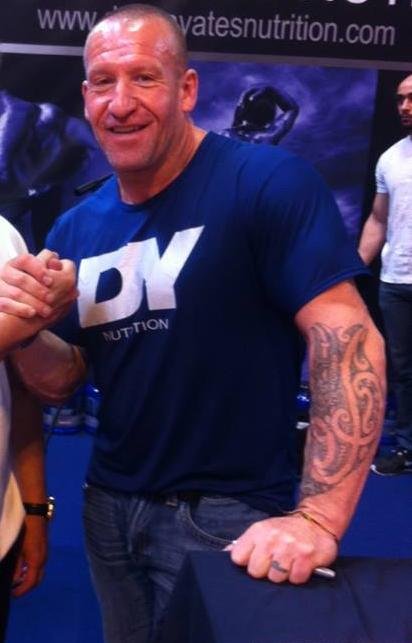
The photo above is a portrait of Yates from 2016, long after retirement.
It is used at its native size and is not presented as a contest photograph.
For the full story of his rivalry with the man who followed him as champion, see Dorian Yates vs Ronnie Coleman.
Life Now After the Hip Operation
The biggest change in Yates’s later life came in late 2024.
On 6 November 2024 he told fans he had undergone hip replacement surgery, after hip trouble that dated back to an operation in 1987.
He said the joint had become too worn for stretching and mobility work alone to manage.
He also said the wear had begun to affect everyday activities he enjoyed, such as hiking and cycling.
His message after the operation was upbeat, looking forward to many more years of staying active.
In a January 2026 podcast interview, Yates said he still exercises every day, lifting with moderate weights a couple of times a week alongside cycling, yoga, Pilates and hiking, and that he had brought his weight down from around 250 lb to around 230 lb after a checkup showed his blood pressure was a bit high — a change he framed as health-driven, not appearance-driven.
That interview is the latest firm “now” update verified for this article.
Earlier reports from his post-competition years described a very different routine from his contest days.
Instead of all-out heavy sessions, they described lighter weights, cable work, chest-and-back pairings, and mobility work including yoga and Pilates.
This article describes that reported history only. It is not a training plan, and it is not advice for any reader.
Yates also stayed connected to the sport through coaching and through his DY Nutrition brand, whose shirt he wears in the 2016 portrait above.
He worked with other athletes in later years, including a coaching spell with Sergio Oliva Jr. that ended in 2024.
For his training method in historical terms only, see Dorian Yates’ Blueprint for Maximum Muscle Growth.
Legacy That Still Shapes the Sport
Yates changed what judges and fans expected from a champion’s back and overall density.
The era after him was dominated by even bigger physiques, and his influence is part of that story.
One record is often misunderstood, so it is worth stating plainly.
Yates and Ronnie Coleman shared eight contests between 1992 and 1997, and Yates won all eight.
Their peaks never met on stage, because Yates retired in 1997, the year before Coleman’s first Olympia win.
That is why the rivalry is a debate about eras, not a head-to-head contest at both men’s best.
Readers who follow the “now” stories of other champions may also like Ronnie Coleman Now.
Two more refreshed profiles from recent waves show the same era from different angles: Victor Martinez and Dallas McCarver.
How many Mr. Olympia titles did Dorian Yates win?
Six, from 1992 to 1997. He did not win eight titles.
How old is Dorian Yates in 2026?
He turned 64 in April 2026, having been born on 19 April 1962.
What happened with his hip?
He underwent hip replacement surgery in November 2024, after long-standing hip trouble dating back to 1987.
Is Temple Gym still linked to him?
Temple Gym in Birmingham is the gym he bought in 1987 and built his career around.
This article does not claim a verified 2026 ownership or day-to-day role there, because that was not verified in this prep run.
His legacy is simple to sum up, even without new headlines. 💪
He came from Birmingham, built a gym culture around hard, brief, focused work, won six Olympia titles, and kept going long after the stage.
The hustle, as the old version of this article put it, never really stopped. It just changed shape.