

🎨 Terry Crews is easy to sum up badly: big man, big laugh, big muscles. The fuller story starts earlier, and quieter, with a sketchbook in Flint, Michigan.
Born Terry Alan Crews on 30 July 1968 in Flint, he grew up in a strict Christian household as the son of Terry Crews Sr. and Patricia Crews. Art came first in his life, football second, and acting third — and that order still explains his career better than any single label.
This refresh corrects the old version of his story. He was a professional football player, not a star player, and he has never been a competitive bodybuilder. The sections below keep what checks out, fix what does not, and leave out what could not be verified.
The Artist Before the Athlete

Young Crews drew constantly, and his talent opened doors before his tackling did. He worked as a courtroom sketch artist for local television in Flint, drawing proceedings that cameras could not film.
That skill took him to a summer at the Interlochen Center for the Arts, and then to Western Michigan University on an Art Excellence scholarship. He was an art student who played football, not a footballer who dabbled in art.
Art stayed with him through every later change of career. He painted portraits of fellow players to earn money during his football years, and he later worked as a children’s book illustrator. The paintbrush was never a hobby he picked up after fame.
Football, Honestly Told
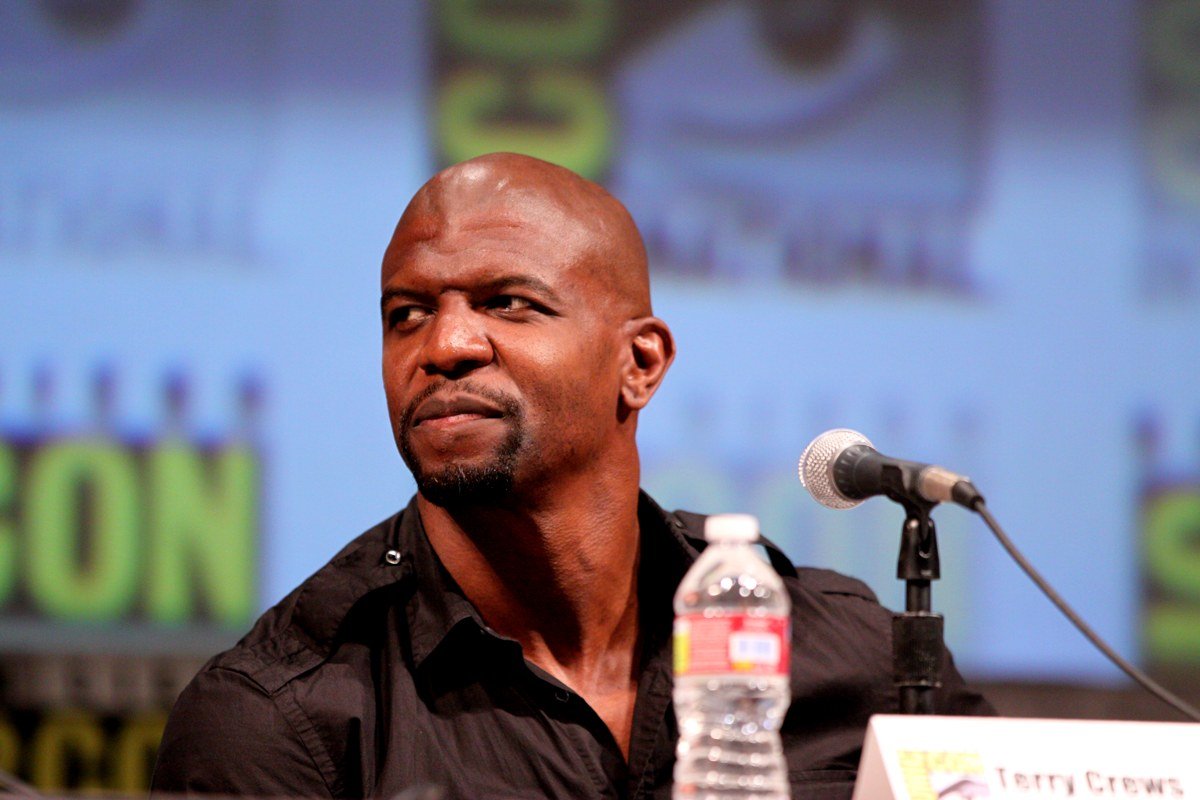
At Western Michigan, Crews played defensive end for the Broncos and earned all-conference honours. He was part of the 1988 team that won the Mid-American Conference championship with a 9–3 record.
The Los Angeles Rams drafted him in the 11th round of the 1991 NFL draft, 281st overall. From there his professional career was short, scattered and mostly spent on the edge of rosters rather than at the centre of them.
He played six games for the Rams in 1991, spent time on the Green Bay Packers practice squad without playing a game, and played ten games for the San Diego Chargers in 1993. In 1995 he played for the Rhein Fire in the World League of American Football, then played 16 games for Washington that same year.
He spent time with the Philadelphia Eagles organisation in 1996 without playing a game, and retired from professional football in 1997. That is 32 NFL games in total — a real professional career, but a journeyman’s career, and this article says so plainly.
From Hollywood Hopeful to Comedy Breakthrough
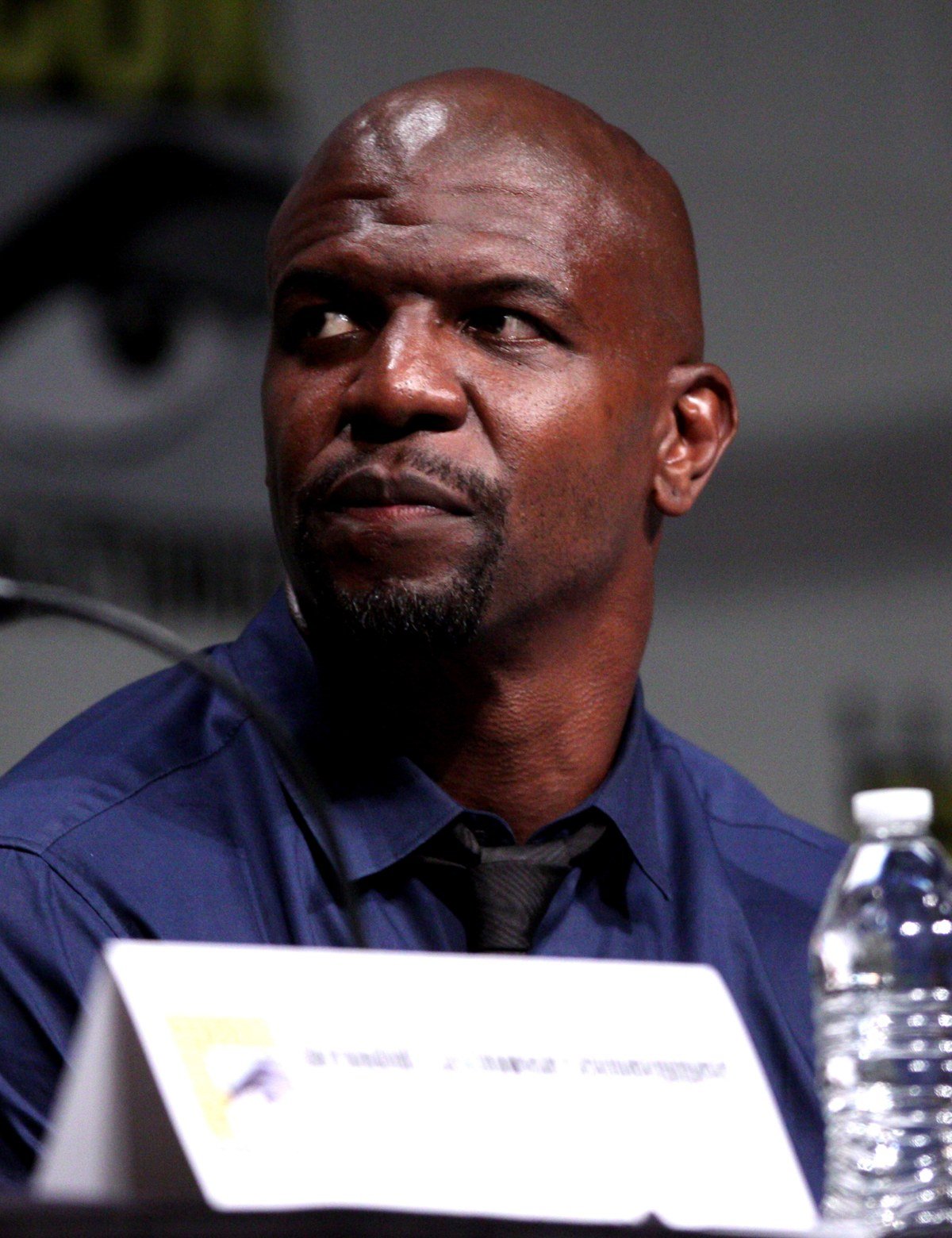
After football, Crews moved to Los Angeles to try acting. Early screen work included The 6th Day (2000), alongside Arnold Schwarzenegger, before his breakthrough film role arrived.
That breakthrough was Friday After Next (2002), where he played Damon. Two years later, White Chicks (2004) showed the other side of his screen presence: a physically imposing actor playing comedy with total commitment.
Film work kept coming through the 2000s and 2010s, including The Longest Yard (2005), Idiocracy (2006) and the comedy Blended (2014). The joke, again and again, was the gap between how he looked and how funny he was willing to be.
Julius, Jeffords and Hale Caesar
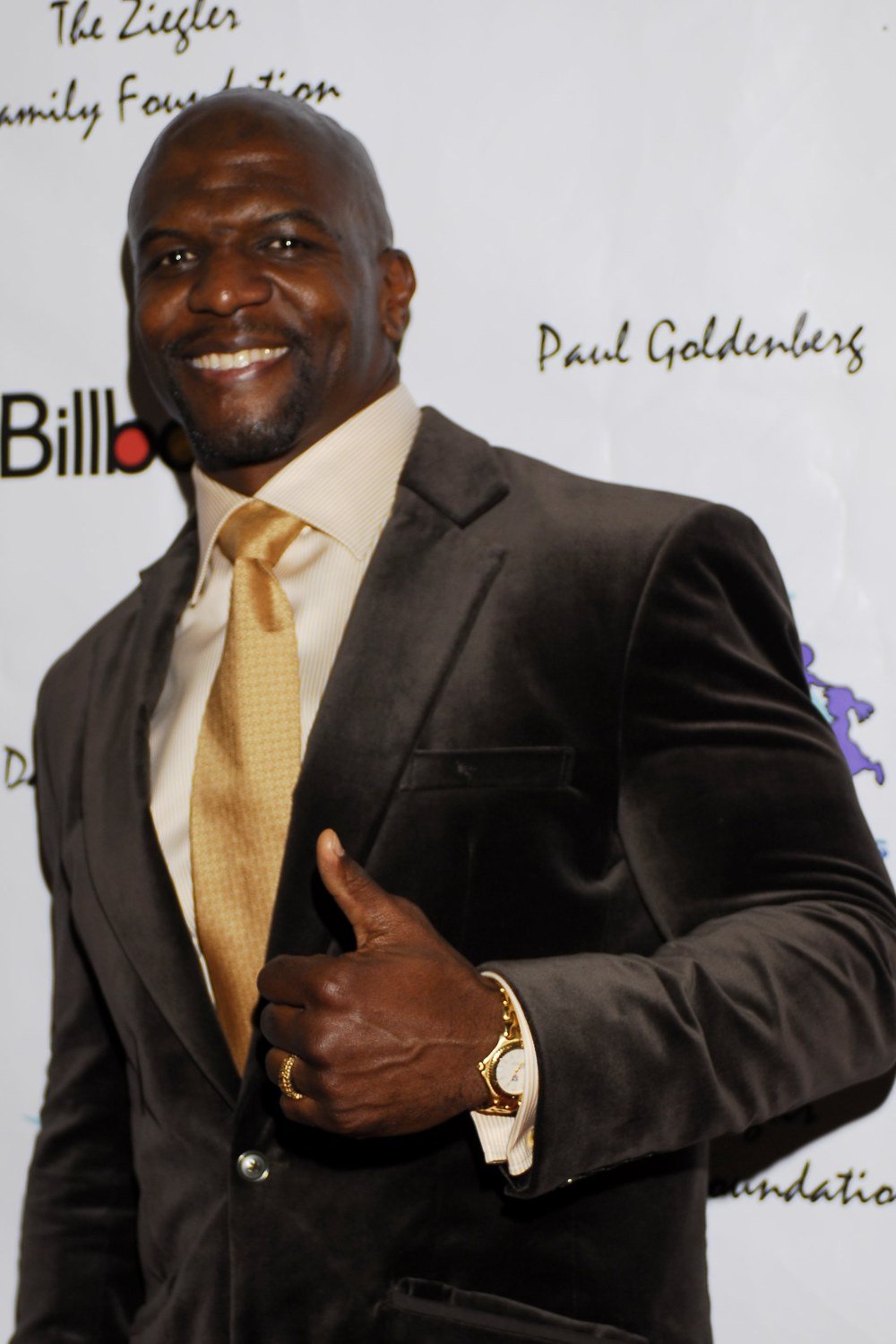
Television gave Crews his most-loved roles. From 2005 to 2009 he played Julius Rock, the thrifty, hard-working father at the centre of Everybody Hates Chris. He later returned to the character’s voice in the animated revival Everybody Still Hates Chris, which began in 2024.
From 2013 to 2021 he played Sergeant, later Lieutenant, Terry Jeffords in Brooklyn Nine-Nine. Jeffords was strong, anxious, warm and funny all at once, and the role made Crews a fixture of a whole new audience’s television week.
Between those sitcom runs he also played Nick Kingston-Persons in Are We There Yet? (2010–2013) and starred in the reality series The Family Crews (2010–2011). On film, his action home was The Expendables series (2010–2014), where he played Hale Caesar alongside Sylvester Stallone and Jason Statham.
The Host in the Middle of the Stage
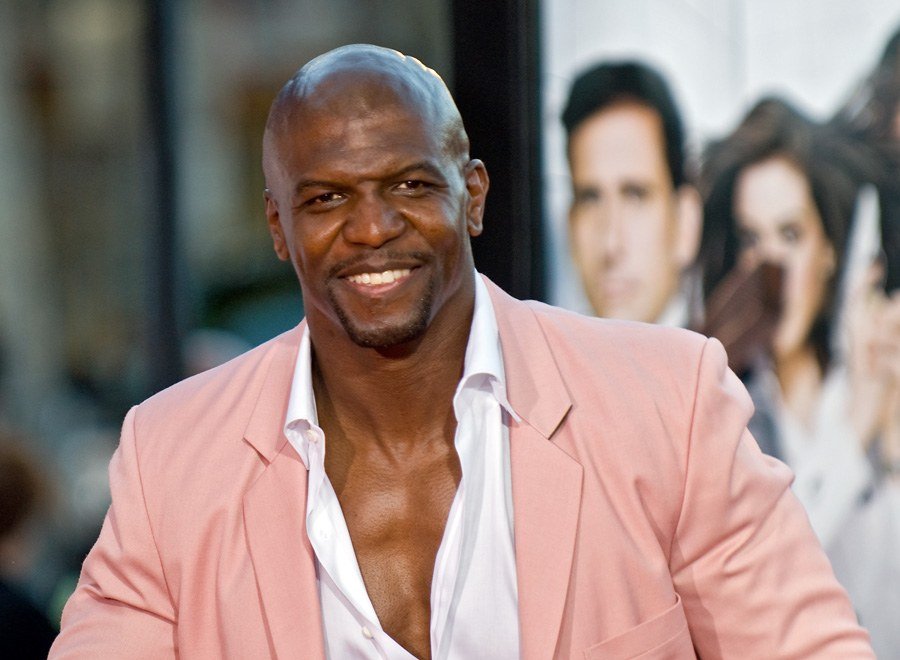
Hosting turned out to suit him as well as acting did. He hosted the American version of Who Wants to Be a Millionaire from 2014 to 2015, bringing the same warmth to a quiz stage that he brought to a sitcom set. 📺
He began hosting America’s Got Talent in 2019, after hosting its spin-off America’s Got Talent: The Champions. The job plays to his real strengths: energy, encouragement and a total lack of embarrassment about enjoying the moment.
That hosting career is a useful correction to the old article, which never mentioned it at all. Any profile of Crews that stops at his film roles misses the stage where millions of viewers now know him best.
Books, Family and Fitness Without the Bodybuilder Label
Crews has written about his life with unusual openness. His book Manhood: How to Be a Better Man or Just Live with One appeared in 2014, and his memoir Tough: My Journey to True Power followed on 26 April 2022.
In 2021 he and his wife released the Audible memoir Stronger Together, about their marriage and how they rebuilt it after serious difficulties. The books, taken together, argue that strength means facing weaknesses rather than hiding them. 📚
He met his wife, Rebecca King-Crews, while both were students at Western Michigan University, and they married on 29 July 1989. They have five children: Naomi, whom Crews adopted, Azriél, Tera, Wynfrey and Isaiah.
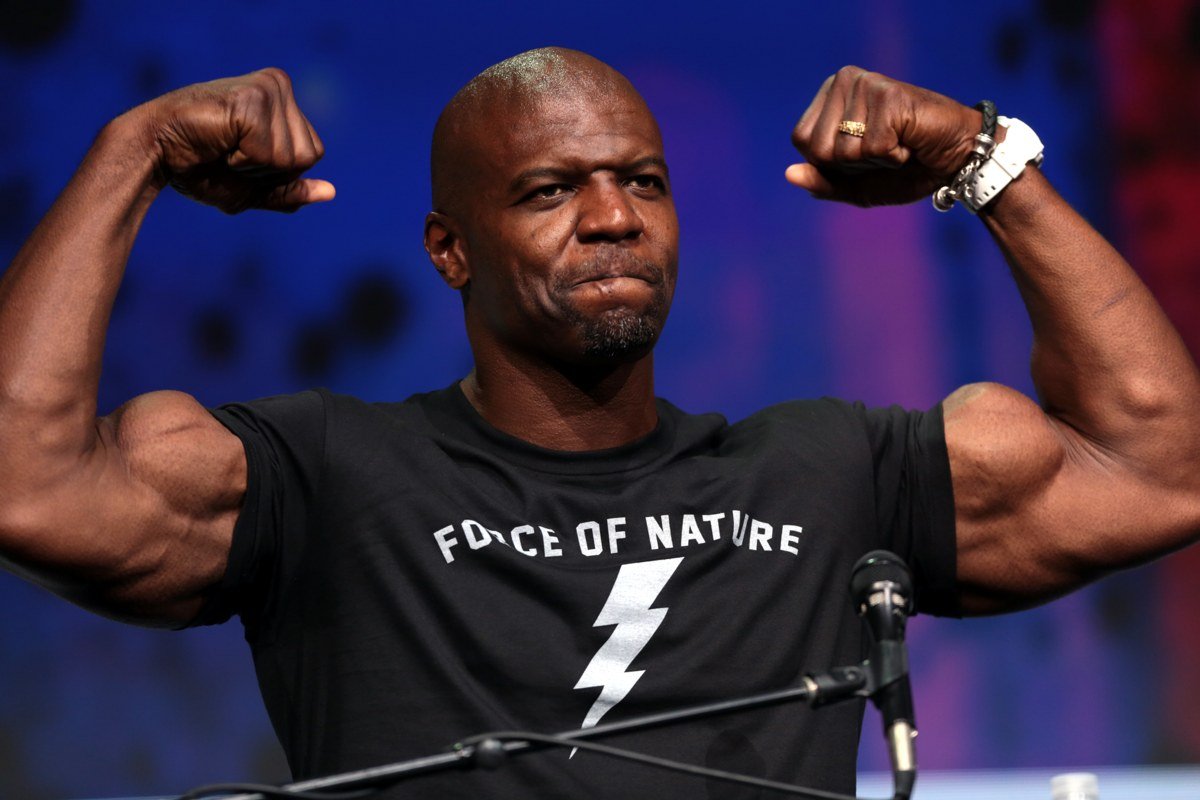
On fitness, the honest line is simple. Crews has an athletic build from years of football and training, and he has talked publicly about staying in shape for roles and for life. He is not, and has never presented himself as, a competitive bodybuilder.
That distinction matters for this site. Unlike a competitive bodybuilder such as Phil Heath, Crews never chased a stage physique or a contest title. This refresh therefore gives no workout routine, no diet plan and no training advice in his name. 💪
Put together, the picture is of a man who kept changing shape without losing the thread: artist, footballer, comedian, action actor, host and author. The muscles were always the least interesting part of the story, and the most misleading if taken on their own.