

Phil Heath and Derek Lunsford are both Mr. Olympia champions, but they belong to different eras. 🏆
That is the first thing to say plainly, because the old version of this article did not. It scored the two men pose by pose, six to two, as if they had stood side by side on one stage.
They never did. Heath won seven straight Olympias from 2011 to 2017, and Lunsford made his Open debut in 2022. This refresh removes that invented scorecard completely.
What follows is a fairer kind of comparison: what each man actually achieved, what the eight mandatory poses are designed to show, and where their physiques genuinely differ on the verified record. No winner is declared here, because no head-to-head contest ever happened.
Phil Heath: Seven Straight Sandows, 2011–2017
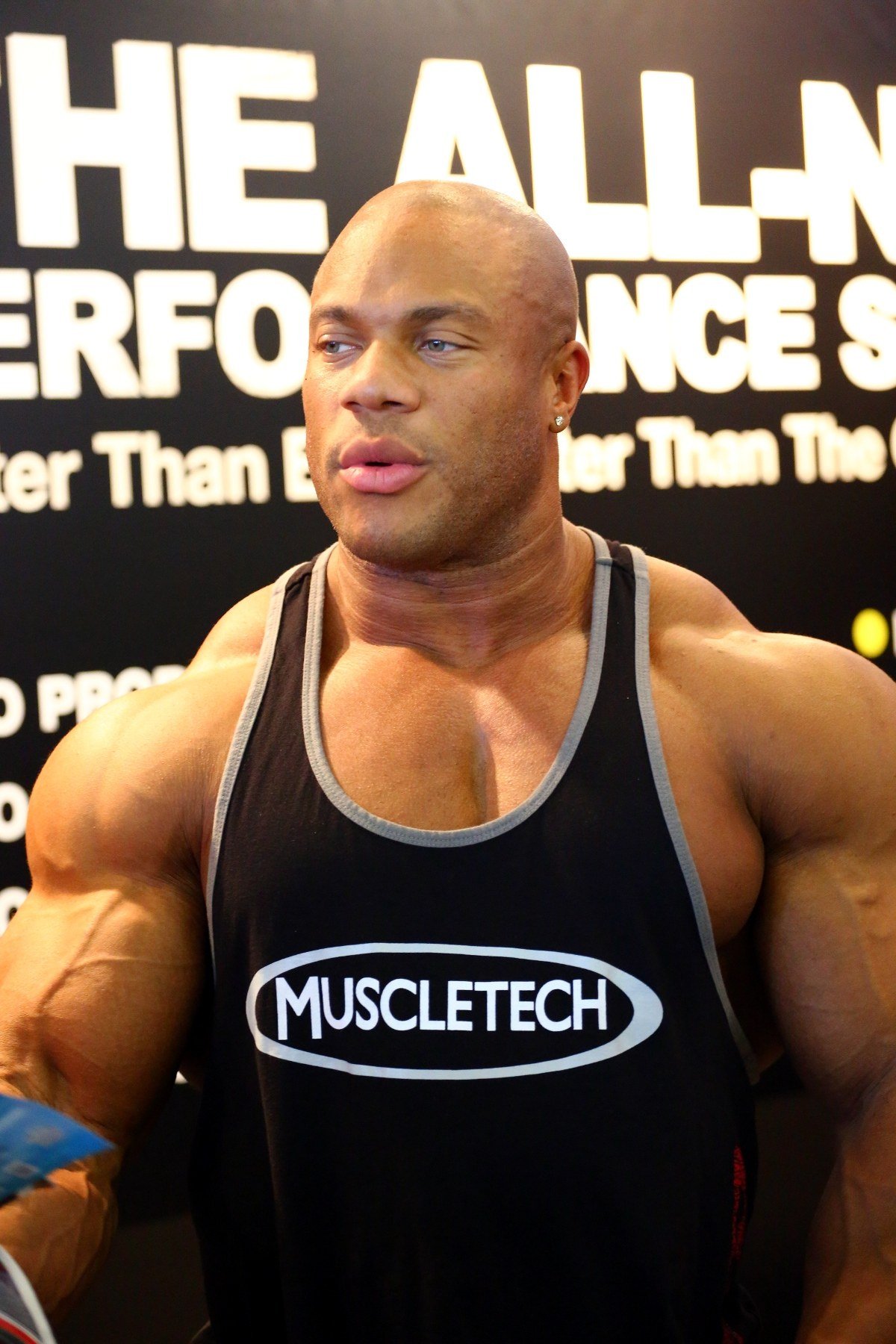
Phillip Jerrod Heath, known as “The Gift”, was born on December 18, 1979, in Seattle, Washington. He came to bodybuilding from basketball, having played at the University of Denver.
His rise was fast. He won the overall NPC USA Championships title in 2005, turned professional, and took his first Mr. Olympia in 2011 by beating the reigning champion, Jay Cutler.
He then defended the title every year through 2017 — seven wins in a row. That total ties him with Arnold Schwarzenegger, behind only Ronnie Coleman and Lee Haney, who hold eight each.
Heath lost the title to Shawn Rhoden in 2018 and came back for a final Olympia appearance in 2020, finishing third. His reign, though, remains one of the longest unbroken runs in the contest’s history.
Read his full story in our Phil Heath biography.
Derek Lunsford: First Man to Win Olympia in Two Divisions
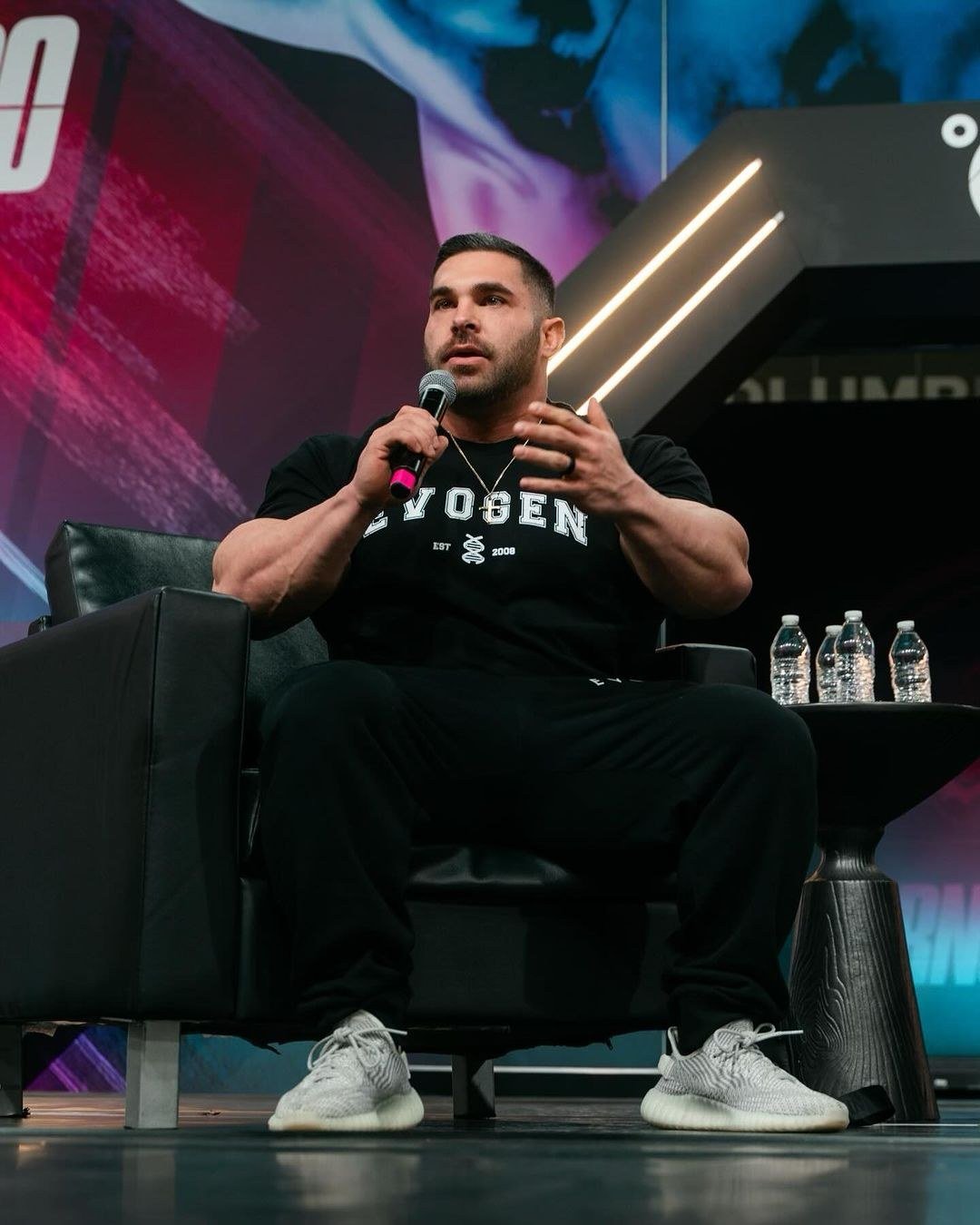
Derek Lunsford was born on May 14, 1993, in Petersburg, Indiana. His route to the top took a different shape from Heath’s, because he first built his name in a weight-limited division. 💪
He won the 212 Olympia in 2021, then received a special invitation to the Men’s Open in 2022 and finished second to Hadi Choopan on his Open debut.
A year later he went one better, winning the 2023 Open title — and with it becoming the first competitor ever to win Mr. Olympia in two divisions, 212 and Open.
He lost the title to Samson Dauda in 2024, finishing third, then won it back in 2025. That comeback made him a two-time Open champion and the first man since Jay Cutler in 2009 to regain the title after losing it.
At the 2026 Mr. Olympia he finished third, behind winner Nick Walker and runner-up Samson Dauda. His Open record therefore reads: second in 2022, first in 2023, third in 2024, first in 2025, third in 2026.
Follow his journey in our Derek Lunsford biography and his transformation story.
The Eight Poses, Grouped: What Judges Are Actually Looking At
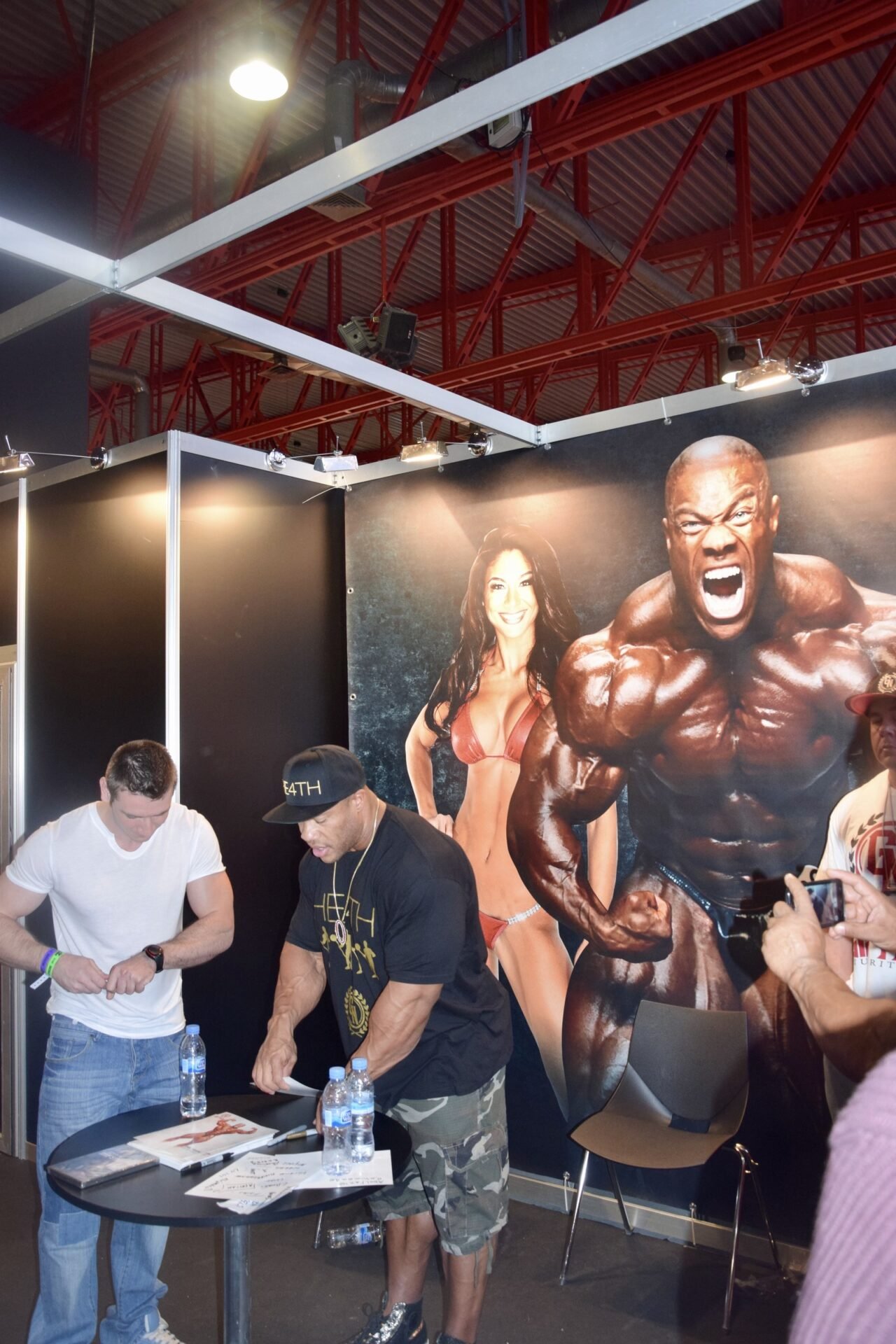
Men’s Open judging uses eight mandatory poses: front double biceps, front lat spread, side chest, back double biceps, back lat spread, side triceps, abdominals and thighs, and most muscular.
It helps to think of them in three groups rather than as eight separate contests. The front poses test width, taper and balance from the front; the side poses test chest, arm and leg thickness from the side; and the back poses test width, detail and completeness from behind.
The most muscular pose, struck last, is the exclamation mark — every muscle flexed at once, showing density and conditioning together.
Judges compare all of this in callouts, standing athletes next to each other and running them through the same poses. That is exactly what never happened between Heath and Lunsford, since their competitive peaks are a decade apart.
For a reminder of how brutal this sport can be at the top, read the lifelong battle of bodybuilders who pushed the limits.
Front and Side: Shape, Taper and the Famous “3-D” Look
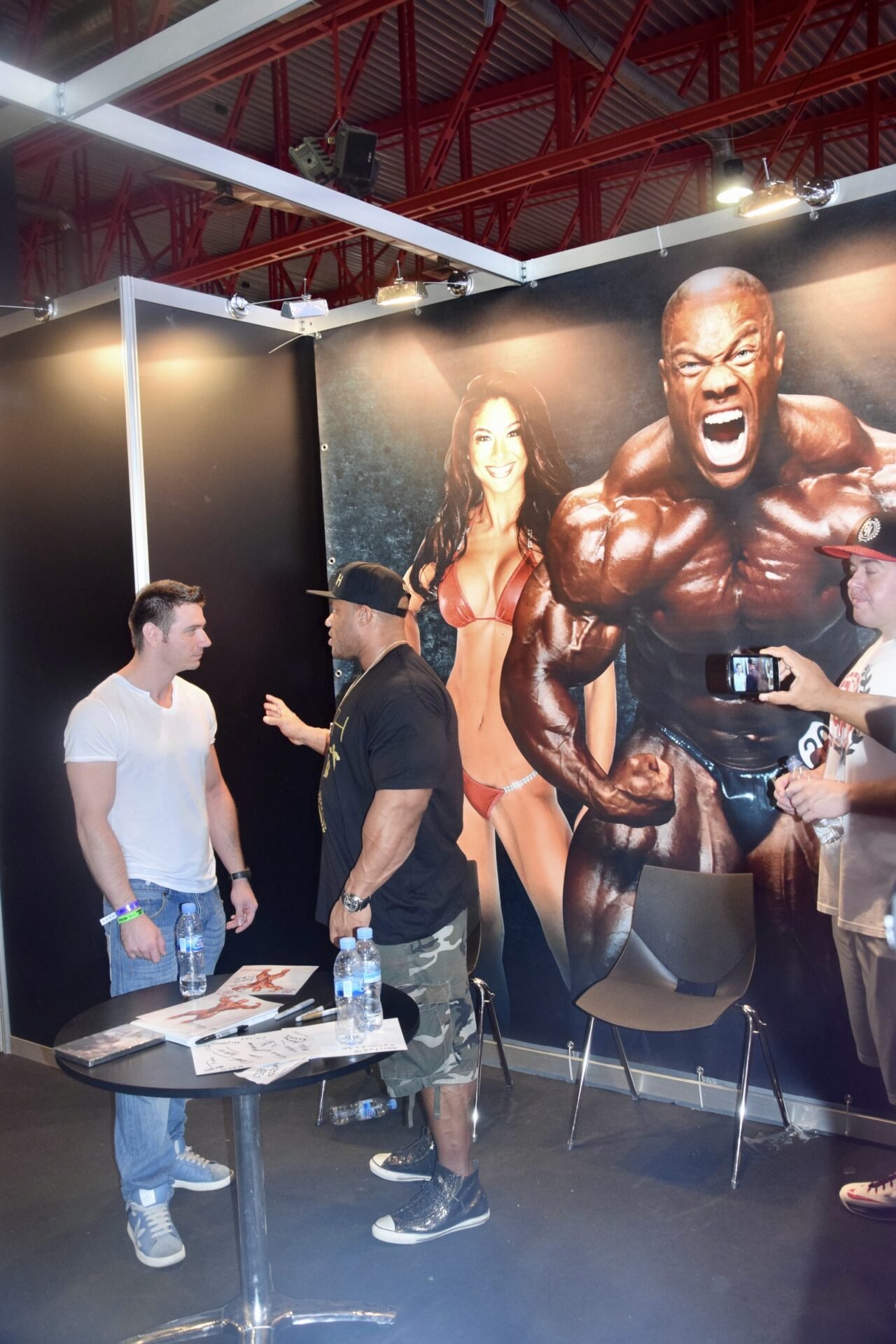
Heath was famous for round, full muscle bellies and a three-dimensional look, especially in his chest, shoulders and arms. Commentators during his reign kept returning to his completeness: very few visible weak points from the front.
Lunsford brings a different front profile. At 5 ft 6 in, he is a shorter, more compact Open champion, and his shape is built around a small waist and a wide upper body — the taper that fans notice first in his front poses.
From the side, both men have drawn praise for chest thickness, but the comparison ends there in honest terms. Heath’s side poses came against the rivals of the 2010s; Lunsford’s come against the giants of the 2020s, and the judging panels, rivals and even the size of the division have all changed.
One link between them is real, though: both worked with coach Hany Rambod, who guided Heath through his Olympia reign and later coached Lunsford to his 212 title. Lunsford has also said publicly that Heath inspired him growing up — a fan of the champion who later became one himself.
Back Poses, Conditioning and the Honest Verdict: No Scorecard
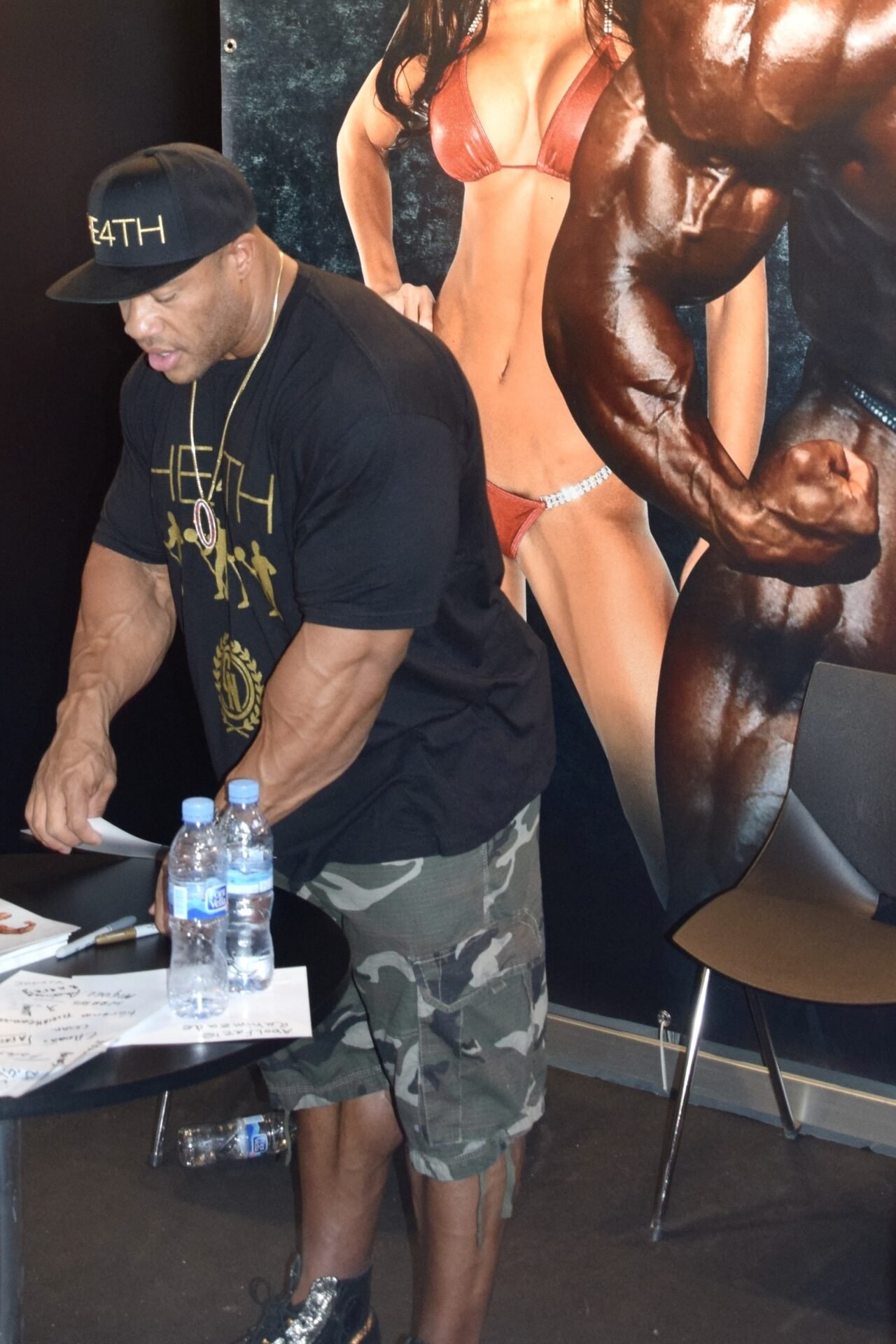
Back poses are where Lunsford has earned some of his loudest praise, with a wide, detailed back that photographs well from behind. Heath’s back, meanwhile, was a key weapon in his seven title defences, pairing width with the dense conditioning of his era.
Conditioning — how sharp and separated the muscles look on stage — was a hallmark of Heath’s best years, and it remains the standard Lunsford is measured against in every Open prejudging.
So who wins this fantasy matchup? Nobody, and this article will not pretend otherwise. ❌
Any pose-by-pose score between two athletes who never shared a stage would be guesswork dressed up as a result. What can be said, fairly, is that Heath owns the longer reign, while Lunsford owns a piece of history Heath does not: titles in two Olympia divisions.
That is a strong enough story without inventing a winner. For another champion who never quite got his crown, read Victor Martinez, the uncrowned legend of bodybuilding.
Frequently asked questions
Did Derek Lunsford and Phil Heath ever compete against each other?
No. Heath’s Olympia wins ran from 2011 to 2017, and his last Olympia appearance was in 2020. Lunsford’s Open debut came in 2022, two years later.
How many Mr. Olympia titles has each man won?
Heath has seven, all in the Men’s Open. Lunsford has three Olympia titles in total: one in the 212 division (2021) and two in the Open (2023 and 2025).
Why was the old version of this article rewritten?
It awarded poses six to two and described a side-by-side footage comparison that never took place. Those claims were not supported by any contest record, so they have been removed.
Who is the greater bodybuilder?
That is a matter of opinion, and fans will argue it for years. On titles alone, Heath’s seven straight Open wins are the bigger reign; on versatility, Lunsford’s two-division feat is unique. This article leaves the argument to the fans, where it belongs. 🏋️