

Why Vertical Climbers Belong in a Home Gym
A vertical climber is a home cardio machine that copies climbing: arms reach overhead in turn while legs step, so shoulders, back, arms and legs share the work in one smooth motion. Unlike a stepper, which only moves your feet up and down, a true climber pulls with the arms on every stroke — that full-body pattern is the whole point of the category.
For a home gym, the appeal is simple. One upright machine covers cardio and upper-body effort together, it needs no rack and no spotter, and it folds into a corner better than a treadmill. It will not replace a barbell or a rowing machine, but it trains a kind of steady, full-body climbing effort those tools miss — continuous motion without the footstrike of running.
If climbing-style cardio is the gap in your home gym, a vertical climber sits well alongside our air bikes and kettlebells guides — bikes for seated and standing intervals, kettlebells for ballistic hips, and a climber for the arms-overhead middle ground between the two.
How We Picked
We scored each climber on the details that decide whether it actually gets climbed, not on height levels alone. A climber that is too tall for your ceiling, too heavy to fold away or capped below your weight is a bad buy at any number of levels.
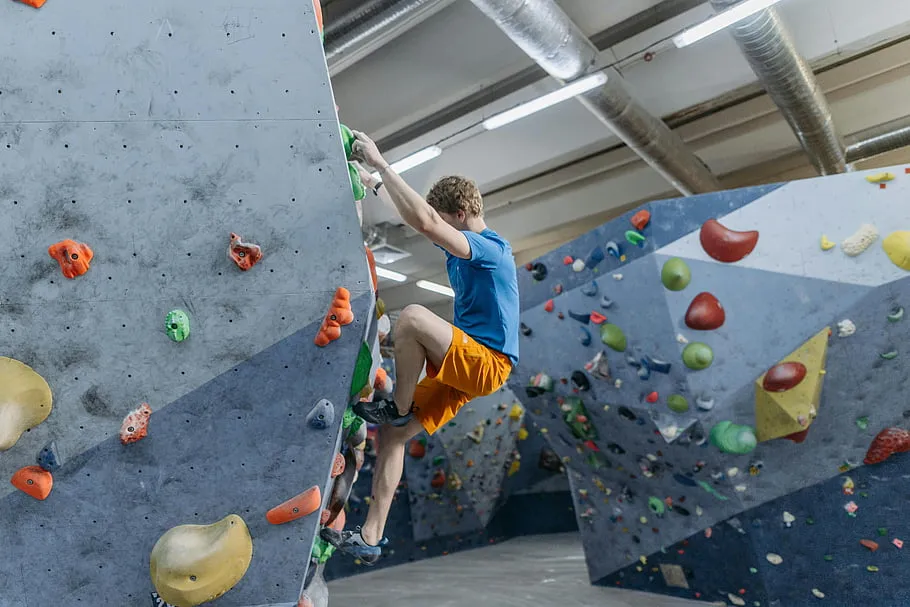
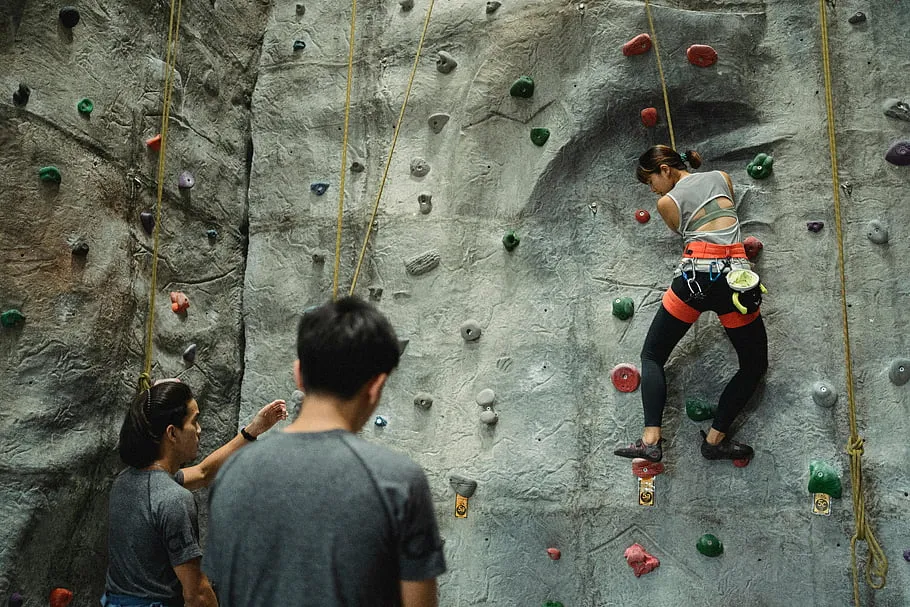
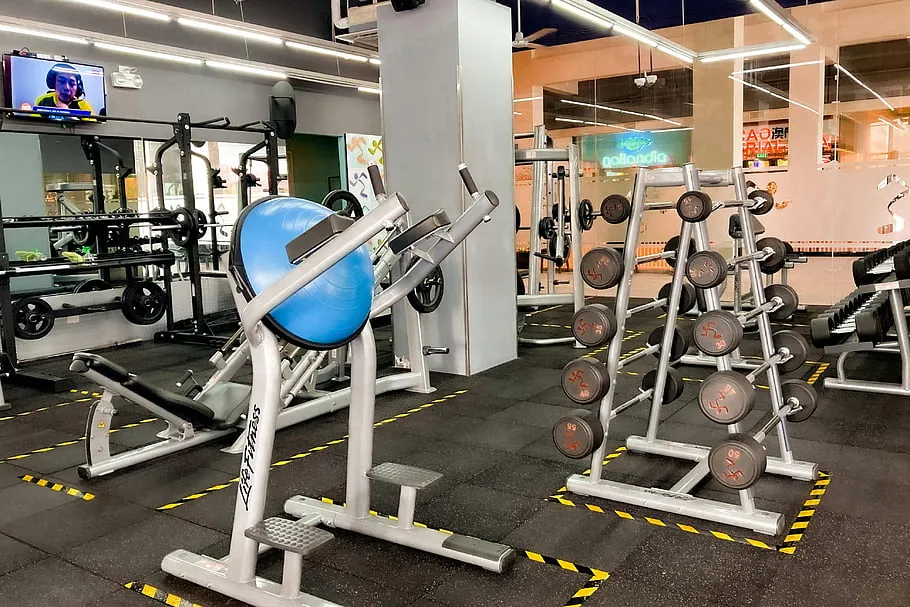
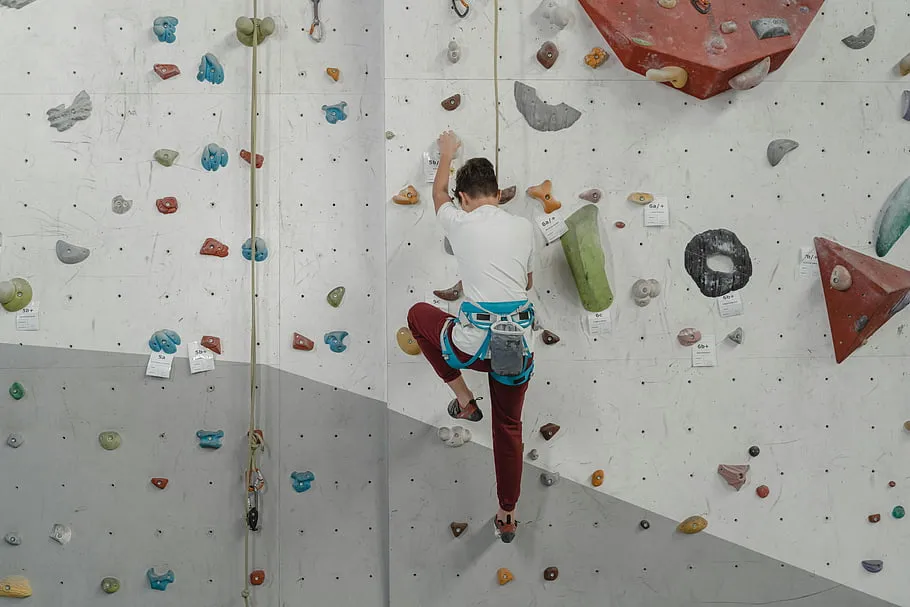
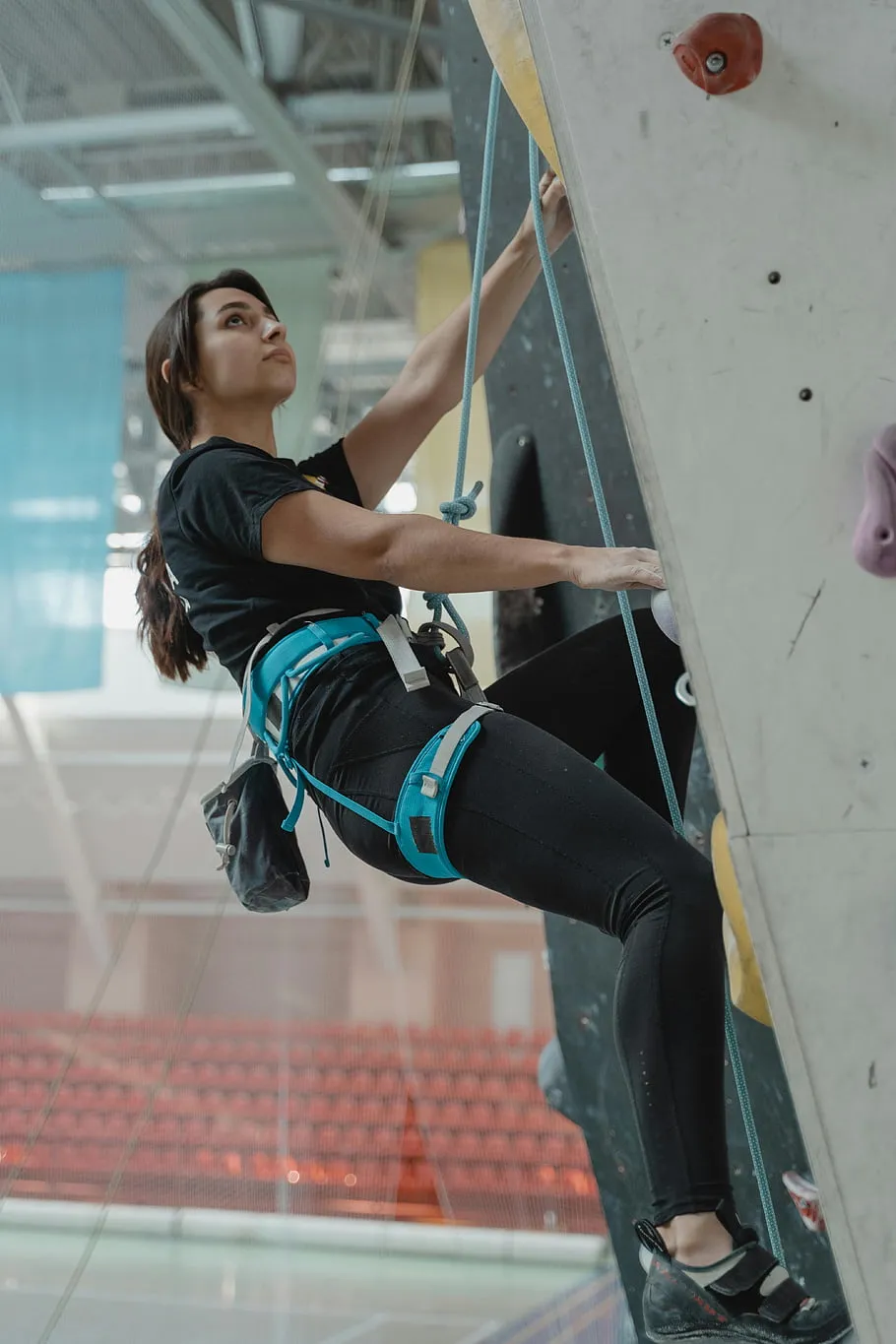
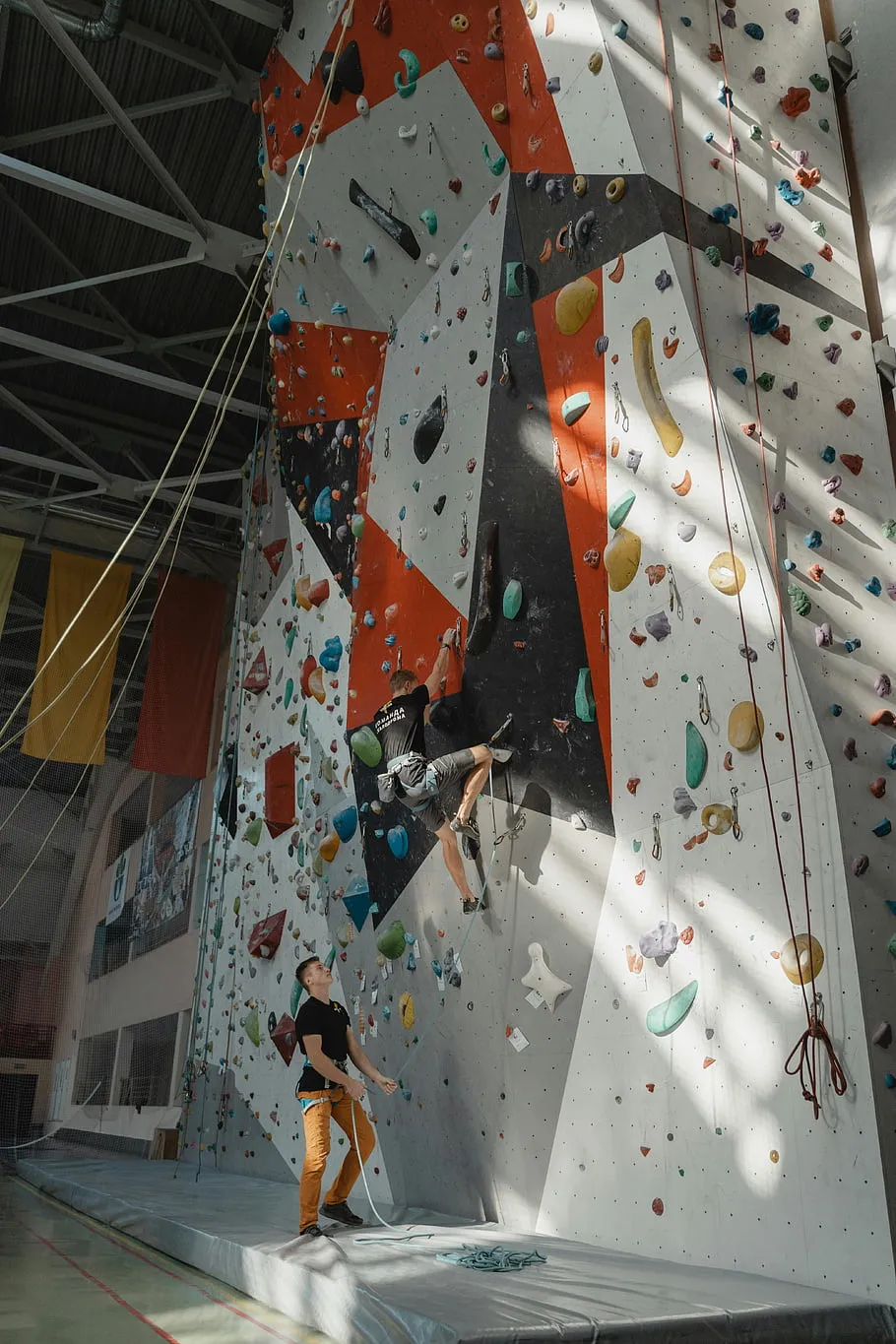
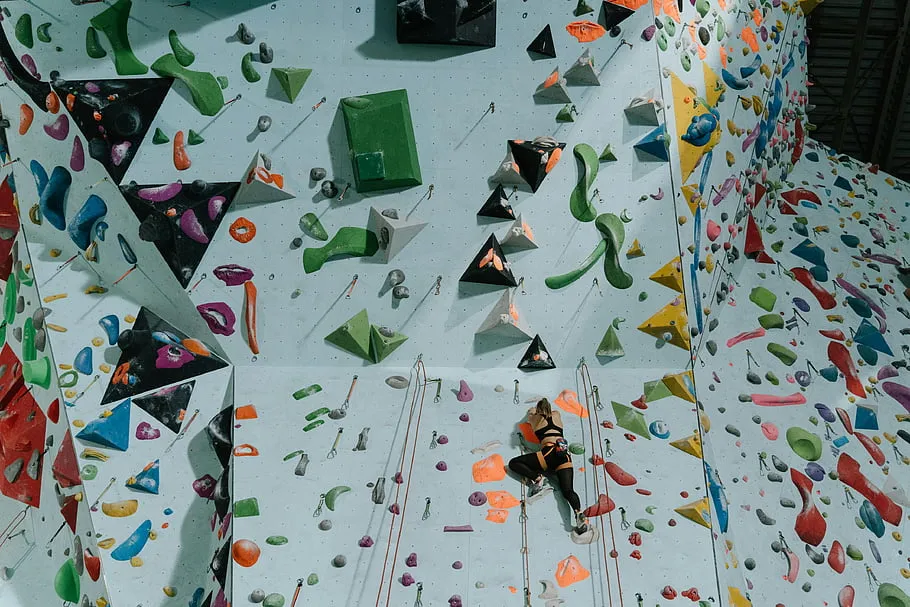
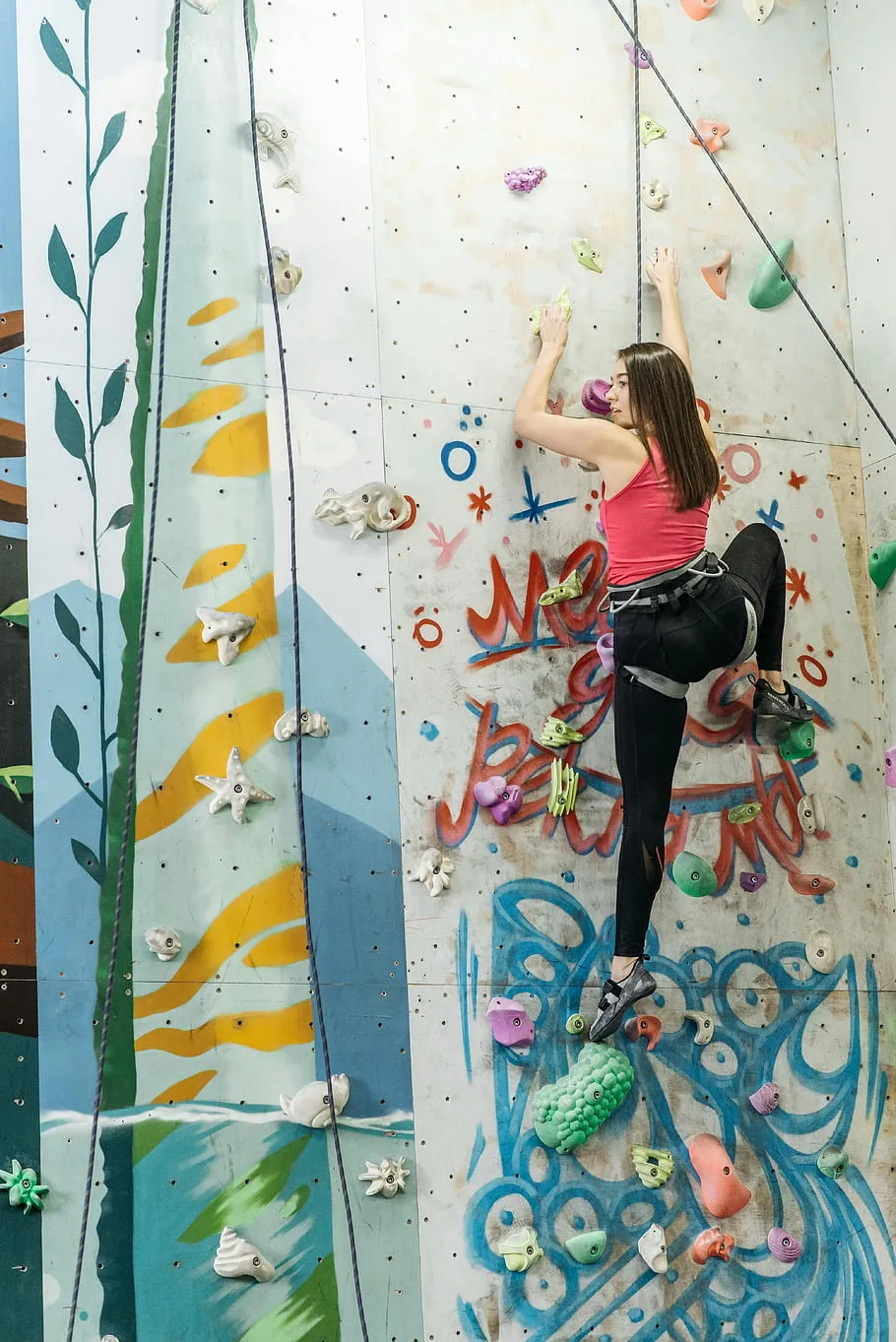
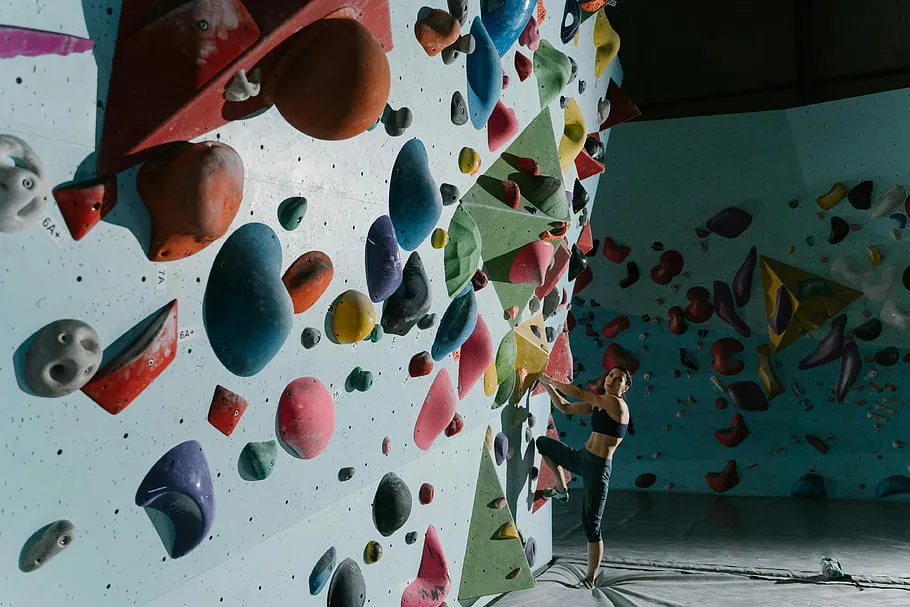
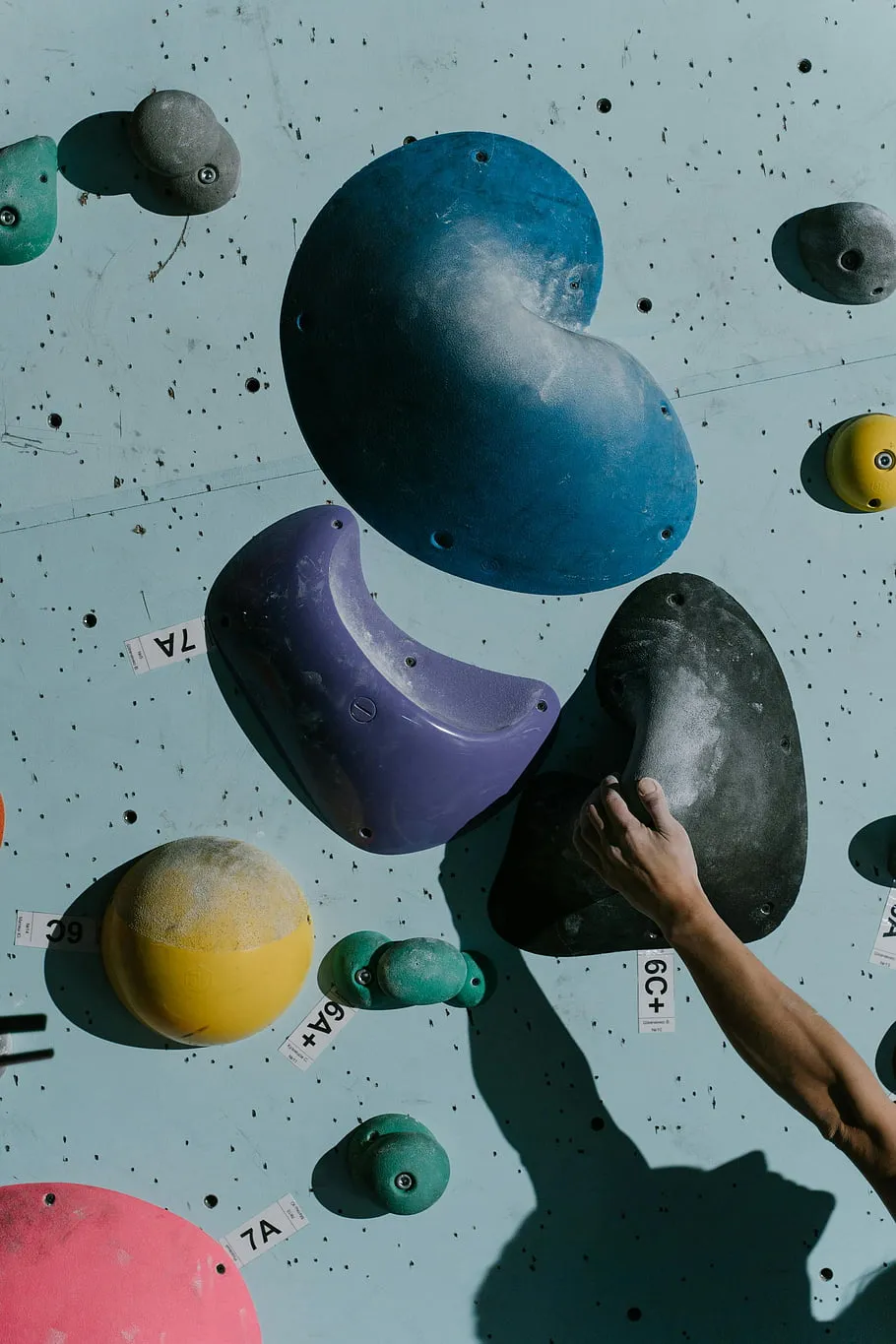
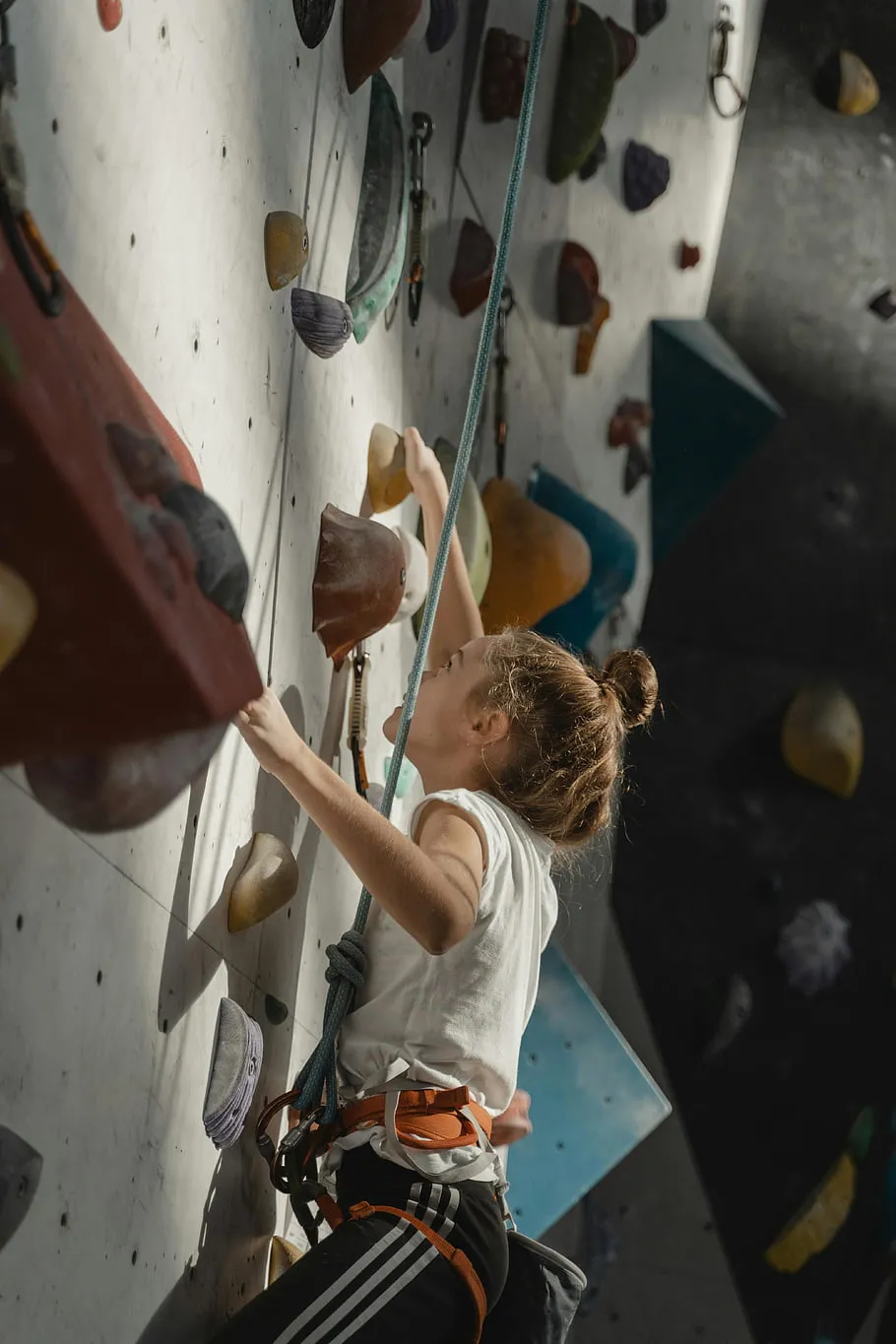
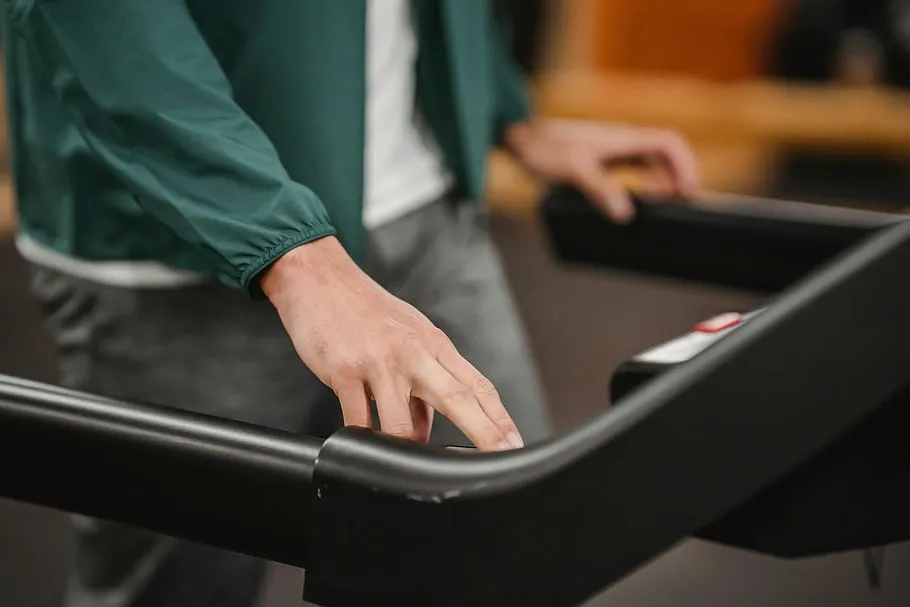
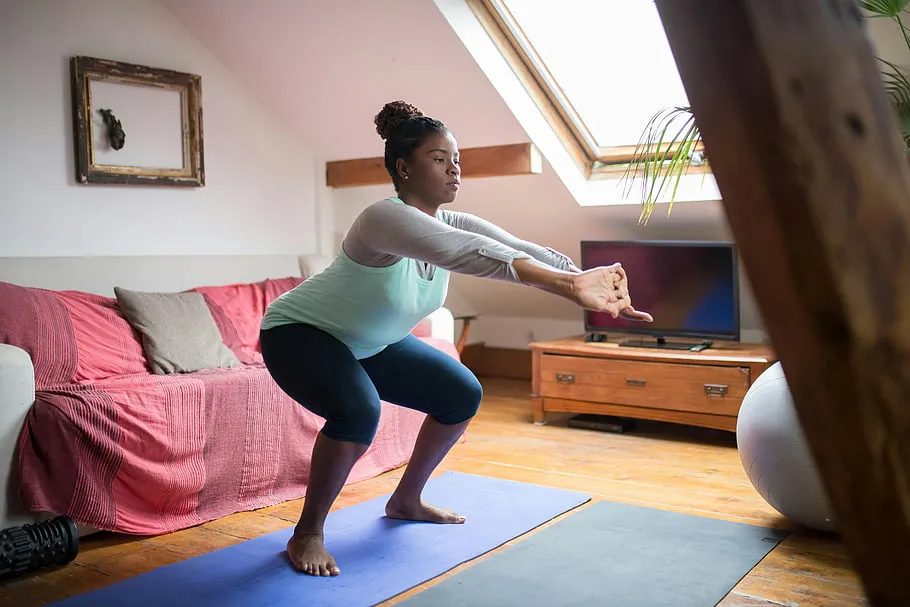
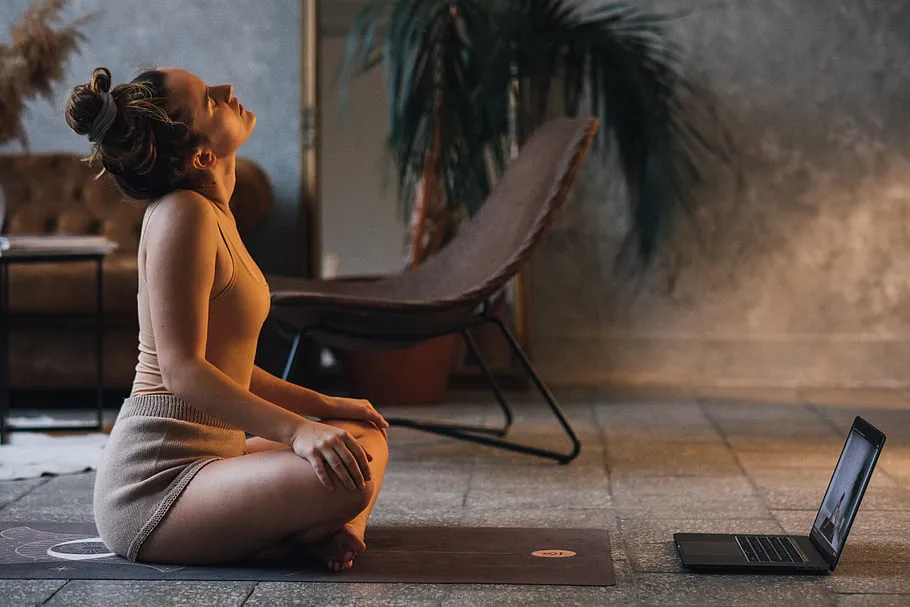
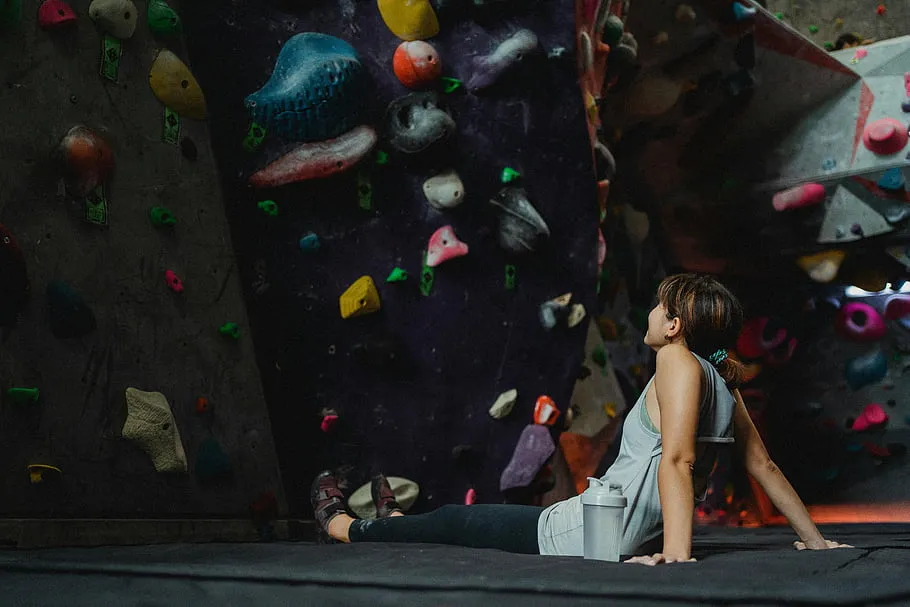
One limit applies to every photo in this guide: no free-license photo of any of the six named vertical climbers exists, so every figure is an honest generic scene — climbers on indoor walls, gym interiors and home workouts — captioned as what it actually shows, never presented as a product shot.
- Resistance type, and whether it adjusts at all — hydraulic, elastic or body-weight only
- Height levels and height fit, and whether tall riders are actually covered
- Footprint folded and unfolded, and whether one person can fold and move it
- Ceiling height needed, with the tallest machine stated plainly
- Max user weight, and whether it is a settled figure or a disputed one
- Honest availability, with conflicting figures stated as conflicts, not resolved by guesswork
Merax, VersaClimber, the MERACH 2438 stair stepper, the Sunny SF-E3919 cardio climber, Conquer and Goplus were also considered and set aside for the six below, which give the clearest spread of hydraulic, elastic and body-weight resistance. Our gym flooring and medicine balls guides cover the floor under your climber and the closest conditioning cousin to climbing, and our stair climbers guide covers steppers — a different motion from the true climbers here, even though one of its picks carries a loosely-worded vertical-climber label.
Comparison
| Climber | Best for | Resistance | Max user weight | Standout |
|---|---|---|---|---|
| MaxiClimber XL-2000 | Hydraulic choice | Hydraulic, 12 levels | 300 lb | 7.74 ft tall, fitness app |
| MaxiClimber XL-1000 | Simple body-weight | Body-weight only | 300 lb | Same footprint as XL-2000 |
| MaxiClimber 2.0 | Elastic classic | Elastic | 240 lb | Fits to 6 ft 2 in |
| Relife CT01 | Height steps, rails | Body-weight, 5 levels | Disputed | 4 metal guide rails |
| Ancheer Vertical Climber | Height steps, LCD | Body-weight, 5 levels | Disputed | 90% pre-assembled |
| Doufit Vertical Climber | Most height levels | Body-weight | 220 lb | 7 height levels |
Read the max-user-weight column with care, because two of its six cells are not settled figures at all. The Relife reads Disputed because records give 250 lb, 300 lb and 330 lb, and the Ancheer reads Disputed because the manual states 350 lb while older reviews give 220 lb and 330 lb — both climbers are left out of the capacity ranking entirely, and a buyer who sits between the disputed figures should treat the lowest one as the limit until the seller confirms.
On the settled figures, the highest capacity is a tie at 300 lb between the XL-2000 and the XL-1000, and the lowest settled figure is the Doufit at 220 lb. No lightest or heaviest unit-weight winner is declared here, because unit weight is only settled for the Relife at 43 lb and the Ancheer at 44.1 lb, and no smallest-footprint winner is declared either, because the Doufit dimensions are stated ambiguously and the 2.0 record gives only two unfolded numbers. The XL-2000 is the tallest machine here at 7.74 ft unfolded, and the only hydraulic pick, while the 2.0 is the only elastic pick.
MaxiClimber XL-2000
The MaxiClimber XL-2000 is the full-featured pick. Twelve hydraulic resistance levels, a 300 lb max user weight, fit for users to 6 ft 6 in, an unfolded footprint of 25.78 × 41.33 in folding to 14.17 × 25.78 in, a height of 7.74 ft unfolded, 90% pre-assembled, a fitness app and a step counter with timer and calories.
That hydraulic system is the practical point. Twelve levels let two riders of very different strength share one machine without changing pace to change effort, and the app plus step counter turn a plain climb into a tracked session. The folding footprint is genuinely smaller than the unfolded one, so the machine can live against a wall between sessions.
One flag must be stated plainly. The unit weight is disputed: records give 33 lb in one place and 56 lb in another, so this guide states neither as settled and does not rank the XL-2000 on unit weight. The XL-2000 is also the tallest machine here at 7.74 ft, so ceiling height is the first measurement to take, before any other spec.
✅ Pros
- Only hydraulic pick here, 12 resistance levels
- 300 lb max user weight, fits to 6 ft 6 in
- Fitness app plus step counter, timer and calories
- 90% pre-assembled, folds to 14.17 × 25.78 in
⚠️ Cons
- Tallest here at 7.74 ft unfolded, needs high ceilings
- Unit weight disputed: 33 lb or 56 lb
- Hydraulic resistance adds parts a body-weight frame lacks
Listing check: no confident listing code was found for this climber, so the link above is a tagged search — confirm the version, the dimensions and the max user weight on the listing before ordering.
Best for: riders who want adjustable hydraulic resistance, app tracking and the tallest, most adjustable frame here.
May not fit: low ceilings, or buyers who need a settled unit weight before ordering.
MaxiClimber XL-1000
The MaxiClimber XL-1000 is the simpler XL. Body-weight resistance only, with no hydraulic system, a 300 lb max user weight, fit for users to 6 ft 6 in, and the same unfolded and folded footprints as the XL-2000: 25.78 × 41.33 in unfolded, 14.17 × 25.78 in folded.
That simplicity is the practical point. Nothing to adjust means nothing to learn and nothing hydraulic to maintain — climb faster for a harder session, slower for an easier one. The shared frame keeps the same 300 lb tier and the same tall-rider fit as the XL-2000, so the choice between the two XL models is about resistance, not size.
One flag must be stated plainly. With no adjustable resistance, intensity comes from pace alone, so a rider who wants to turn a dial rather than move faster will find the XL-1000 limiting. It is also explicitly not the XL-2000: the hydraulics, the app and the step counter of that model are absent here.
✅ Pros
- 300 lb max user weight, fits to 6 ft 6 in
- Same footprints as the XL-2000, folded and unfolded
- No hydraulics to learn or maintain
⚠️ Cons
- No adjustable resistance — pace alone sets effort
- No app or step counter stated, unlike the XL-2000
- Tall frame still needs ceiling height checked
Listing check: no confident listing code was found for this climber, so the link above is a tagged search — confirm the version, the dimensions and the max user weight on the listing before ordering.
Best for: riders who want the XL frame and 300 lb tier with the simplest possible resistance.
May not fit: riders who want to adjust resistance without changing pace.
MaxiClimber 2.0
The MaxiClimber 2.0, also called the Classic, is the elastic pick. Elastic resistance, a 240 lb max user weight, fit for users to 6 ft 2 in, and an unfolded footprint of 28.3 × 35.82 in.
That elastic system is the practical point. It gives a springier, more forgiving pull than a fixed body-weight frame, which suits steady climbing sessions rather than all-out intervals. The 2.0 is the original shape of the line, and its shorter height fit makes it the pick for smaller rooms and shorter riders.
One flag must be stated plainly. The 2.0 must not be confused with the XL models: it is a different machine with a lower 240 lb tier and a lower 6 ft 2 in height fit, and a taller rider who orders it by brand name alone will outgrow it. Its record also gives only two unfolded footprint numbers, so depth and height should be confirmed with the seller.
✅ Pros
- Only elastic pick here, forgiving pull
- Classic shape of the line, simple to use
- Shorter height fit suits smaller rooms
⚠️ Cons
- 240 lb max user weight, below the XL tier
- Fits only to 6 ft 2 in, not 6 ft 6 in
- Footprint record gives only two unfolded numbers
Listing check: no confident listing code was found for this climber, so the link above is a tagged search — confirm the version, the dimensions and the max user weight on the listing before ordering, and make sure it is the 2.0 Classic, not an XL model.
Best for: riders who want the classic elastic feel in a smaller frame.
May not fit: taller riders, or anyone over the 240 lb tier.
Relife Vertical Climber CT01
The Relife Vertical Climber CT01, part RL-JL-02, is the guided-rail pick. Five height levels, four metal guide rails, a folding frame, dimensions of 37.5 × 28 × 85 in, a unit weight of 43 lb and an LCD step counter.
Those four rails are the practical point. Metal guide rails keep the climbing motion on a fixed path, which steadies the stroke for a beginner who has never climbed on a machine. Five height levels adjust the frame to the rider, and the folding frame plus 43 lb unit weight make it one of the two climbers here whose moving weight is actually settled.
One flag must be stated plainly. The max user weight is disputed: the listing spec gives 250 lb while roundups give 300 lb and 330 lb, so this guide states none of them as settled and leaves the Relife out of the capacity ranking. A buyer over 250 lb should treat 250 lb as the limit until the seller confirms otherwise.
✅ Pros
- 4 metal guide rails steady the stroke
- 5 height levels adjust the frame
- Folding frame, 43 lb settled unit weight
- LCD step counter included
⚠️ Cons
- Max user weight disputed: 250 lb, 300 lb or 330 lb
- Body-weight resistance only, no levels of effort
- Largest dimension 85 in, needs ceiling height checked
Listing check: no confident listing code was found for this climber, so the link above is a tagged search — confirm the part number RL-JL-02, the dimensions and the max user weight on the listing before ordering.
Best for: beginners who want guided rails and height adjustment in a folding frame.
May not fit: buyers over 250 lb until the seller confirms a higher limit.
Ancheer Vertical Climber
The Ancheer Vertical Climber is the standalone LCD pick. Body-weight resistance, five height levels, an LCD showing time, distance, speed, calories and scan, alloy steel construction, dimensions of 39.4 × 26.8 × 78.8 in, a unit weight of 44.1 lb and 90% pre-assembled.
That LCD is the practical point. Time, distance, speed and calories on one small screen cover the tracking most home climbers actually check, without an app or a subscription. The alloy steel frame and 90% pre-assembly keep setup short, and 44.1 lb is a settled unit weight, unlike the disputed figures elsewhere in this guide.
Two flags must be stated plainly. First, the max user weight is disputed: the manual states 350 lb while older reviews give 220 lb and 330 lb, so this guide leaves the Ancheer out of the capacity ranking and a buyer over 220 lb should treat 220 lb as the limit until the seller confirms. Second, this is the standalone Ancheer climber, explicitly not the brand’s 2-in-1 climber-plus-bike model, which is a different machine at 220 lb, 46.4 × 25.7 × 85.5 in and 55.9 lb.
✅ Pros
- LCD with time, distance, speed, calories and scan
- 5 height levels adjust the frame
- Alloy steel, 90% pre-assembled
- 44.1 lb settled unit weight
⚠️ Cons
- Max user weight disputed: 350 lb, 330 lb or 220 lb
- Body-weight resistance only, no levels of effort
- Easy to confuse with the 2-in-1 climber-plus-bike model
Listing check: no confident listing code was found for this climber, so the link above is a tagged search — confirm the standalone model, the dimensions and the max user weight on the listing before ordering, and do not accept the 2-in-1 climber-plus-bike as a substitute.
Best for: riders who want LCD tracking and height adjustment without an app.
May not fit: buyers over 220 lb until the seller confirms a higher limit, or anyone who actually wants the 2-in-1 bike combination.
Doufit Vertical Climber
The Doufit Vertical Climber is the folding value pick. Seven height levels, a foldable frame and a 220 lb max user weight, with dimensions stated as 4.6 ft × 2 ft × 1.1 ft.
Those seven height levels are the practical point. More height levels than any other climber here means finer adjustment to the rider, and the folding frame suits a room where the machine must disappear between sessions. At 220 lb it is the lowest settled capacity in this guide, stated plainly rather than rounded up.
Two flags must be stated plainly. First, the dimensions are stated ambiguously: the record gives 4.6 ft × 2 ft × 1.1 ft without saying which number is height, width or depth, so no footprint ranking is built on them and the buyer should confirm all three with the seller. Second, there is no adjustable resistance, so effort comes from pace alone, and no taller-rider fit is stated, so taller users should confirm fit before ordering.
✅ Pros
- 7 height levels, the most here
- Foldable frame for small rooms
- 220 lb settled limit, stated honestly
⚠️ Cons
- Lowest settled capacity here at 220 lb
- No adjustable resistance — pace alone sets effort
- Dimensions ambiguous, taller-rider fit not stated
Listing check: no confident listing code was found for this climber, so the link above is a tagged search — confirm the dimensions, the height levels and the max user weight on the listing before ordering.
Best for: small rooms where folding and fine height adjustment matter most.
May not fit: heavier riders, taller riders without a confirmed fit, or anyone who wants adjustable resistance.
How to Choose
Start with resistance, because it decides how effort feels. Hydraulic resistance, found only on the XL-2000 here, turns a dial through 12 levels; elastic resistance, found only on the 2.0, gives a springier pull; body-weight resistance, on the XL-1000, the Relife, the Ancheer and the Doufit, leaves effort to pace alone. A rider who wants to change effort without moving faster needs the hydraulic pick, while a rider who is happy to set effort by pace can save the complexity.
Then check the two numbers that cannot be fixed after delivery: ceiling height and weight limit. The XL-2000 stands 7.74 ft before you stand on it, and the largest stated dimensions on the Relife and the Ancheer are 85 in and 78.8 in, so measure the room with your own height added. On weight, trust only settled figures: 300 lb on both XL models, 240 lb on the 2.0 and 220 lb on the Doufit, with the Relife and Ancheer left disputed and judged at their lowest figures until the seller confirms.
Size and Ceiling
Ceiling height is the first measurement, not an afterthought. A vertical climber is tall by nature: the XL-2000 reaches 7.74 ft unfolded, and your head and arms rise above the machine while you climb, so a standard low ceiling can fail even when the floor footprint fits easily.
Measure twice: once for the machine’s stated height, and once for your standing reach on it. The XL models fit riders to 6 ft 6 in and the 2.0 to 6 ft 2 in, but no height fit is stated for the Relife, the Ancheer or the Doufit, so taller buyers should confirm fit with the seller rather than assume it. Tape the unfolded footprint on the floor too — the XL pair need 25.78 × 41.33 in in use, even though they fold smaller.
Folding and Storage
Folding matters only if you actually fold it. The XL pair fold from 25.78 × 41.33 in to 14.17 × 25.78 in, the Relife folds on its rail frame and the Doufit folds for small rooms, while the 2.0 and the Ancheer state no folding at all — so a buyer who needs the floor back should pick from the folding four, not from the whole six.
Check two things before trusting a folded size: whether the latch locks without tools, and whether one person can move the folded frame alone. The Relife at 43 lb and the Ancheer at 44.1 lb are the only settled unit weights here, so the folded weight of the other four should be confirmed with the seller, especially the XL-2000, whose unit weight is disputed.
Console and Tracking
Climber consoles are modest, and that is worth knowing before ordering. The XL-2000 pairs a fitness app with a step counter, timer and calories; the Relife shows steps on an LCD; the Ancheer shows time, distance, speed, calories and scan; and the XL-1000, the 2.0 and the Doufit state no console at all in the records checked.
Match the console to how you actually train. App tracking suits a rider who logs every session, a small LCD suits a rider who glances at time and calories mid-climb, and no console suits a rider who trains by feel or wears their own tracker. Do not pay for a screen you will ignore, and do not expect a climber console to match a treadmill display.
Noise and Neighbours
Vertical climbers have no motor and no fan on the records checked, so their noise is movement, not machinery: feet on pedals, hands on grips, and the frame working under effort. That is quieter than a fan bike at full sprint, but it is not silent, and a hard session in a flat will still travel through the floor.
Three habits keep the peace: a rubber mat under the machine, daytime sessions for hard climbs, and a frame that is bolted tight rather than rattling loose. The folding models add one more check — a latch that is not fully locked will knock with every stroke, so lock it before every session, not just the first.
Pair the climber with tools that cover the rest of the session: our battle ropes guide covers the closest full-body conditioning cousin to climbing, and our hand grippers guide covers the grip strength a climber builds on but never finishes.
Safety
Vertical climber training is safe when the weight limit, the ceiling and the effort are all respected, and unforgiving when any one of them is not. Our wrist wraps guide covers the wrist support some climbers pair with hard arm efforts, and the seven steps below cover the machine itself.
1. Check the weight limit you actually fit. The settled tiers are 300 lb, 240 lb and 220 lb, and the Relife and Ancheer are disputed — if you sit between their disputed figures, treat the lowest one as the limit until the seller confirms.
2. Measure the ceiling with yourself on the machine. The XL-2000 stands 7.74 ft before you climb, so headroom must cover the machine plus your reach, not just the machine alone.
3. Set the machine on a level floor with a mat under it and clear space around it. A climber that rocks or slides will punish shoulders and knees that a stable one never touches.
4. Warm up off the machine first, then start with short, easy climbs. Arms-overhead work loads shoulders fast, so build session length over weeks rather than forcing a long first climb.
5. Step centered and hold both handles evenly. A lopsided stroke twists the frame and the body together, and bouncing at the top of the stroke adds impact the machine was not built to absorb.
6. Lock every folding latch and check guide rails and pins before each session. A latch left half-closed will knock, shift or fold under effort, and worn rails change the stroke without warning.
7. Cool down, stretch and keep children and pets clear of moving arms and folding joints. The machine is quiet enough to surprise a child who walks up behind it mid-session.
Vertical climber training is general fitness information, not medical advice. Stop and seek professional advice if you feel pain, dizziness or shortness of breath, and check the weight limit and ceiling height before ordering.
Frequently Asked Questions
Is a vertical climber the same as a stair climber?
No. A stair climber moves only the feet, stepping up and down, while a true vertical climber pulls with the arms overhead on every stroke. Note the label trap: our stair-climbers guide lists a MERACH stepper under a vertical-climber label, but that machine steps, it does not climb arms-overhead, so this guide covers true climbers only.
How much ceiling height do I need?
More than the machine’s height alone. The XL-2000 stands 7.74 ft unfolded, and the largest stated dimensions on the Relife and the Ancheer are 85 in and 78.8 in, and your head and arms rise above the machine while climbing — so measure the machine plus your reach, and confirm fit for the Relife, Ancheer and Doufit, whose height fits are not stated.
Do I need adjustable resistance?
Only if you want to change effort without moving faster. The XL-2000 turns through 12 hydraulic levels and the 2.0 pulls against elastic, while the XL-1000, Relife, Ancheer and Doufit leave effort to pace alone. Pace-only suits steady climbers; dial-adjustable suits shared machines and interval training.
What weight limit should I check?
Two kinds, not one. Settled limits are 300 lb on both XL models, 240 lb on the 2.0 and 220 lb on the Doufit, while the Relife and Ancheer are disputed — 250 lb, 300 lb and 330 lb on the Relife, and 350 lb, 330 lb and 220 lb on the Ancheer. Until the seller confirms, treat the lowest disputed figure as the limit.
Are vertical climbers loud?
Quieter than fan machines, but not silent. No motor or fan is stated for any of these six, so the sound is feet, grips and frame under effort — a rubber mat, tight bolts and daytime hard sessions keep it neighbour-friendly, and a half-locked folding latch is the commonest rattle.
What should I pair with a climber?
Recovery tools, because climbing loads shoulders and grip hard. After a climb, easy stretching plus a roller session helps more than another climb — our foam rollers guide covers the tools for that.
Our Pick: Start Here
Start with the MaxiClimber XL-2000 if the ceiling fits it — 7.74 ft tall before you stand on it — because the 12 hydraulic levels, the fitness app and the 300 lb tier make it the most complete climber here. Choose the MaxiClimber XL-1000 if you want the same frame and tier without hydraulics, and step to the Doufit Vertical Climber only when folding and seven height levels matter more than the 220 lb limit.
As an Amazon Associate, this site earns from qualifying purchases made through links in this article, at no extra cost to you.
Product details are based on manufacturer and retailer research at the time of writing, and specifications may change — confirm weights, dimensions, capacities and warranties with the seller before ordering.