

Your grip is usually the first thing to give out. 💪
The bar slips before your back does. The pull-up set ends because your hands quit, not your lats.
A hand gripper is the cheapest fix for that problem. It fits in a drawer, needs no setup, and trains the squeeze your main lifts depend on.
This guide picks six grippers worth buying for a home gym — from the classic steel benchmark to a one-tool adjustable. Every pick is research-based: we did not hands-on test these, and we say so wherever it matters.
One honest limit up front: grippers train crush grip — closing your hand hard. They do not directly train pinch grip or support grip. We explain all three below, so you buy the right tool for your goal.
If you are tracking the rest of your home gym, our previous guide covers Best Smart Scales for Home Gyms.
How We Picked These Hand Grippers
We picked grippers that are genuinely sold as a category — not novelty toys — with a clear resistance, a clear progression path, and a US listing record we could check.
Our criteria were:
- A stated resistance (or resistance range) for every pick
- A way to progress — a ladder, levels, or an adjustable dial
- A design suited to home use: small, quiet, no setup
- An honest listing record, including where availability looked shaky
Listing records below are the search index’s last-crawl figures for the Amazon pages, retrieved 2026-11-02. Across the six picks they run from 196 to 348 days old — always check the live listing before ordering, because availability can change.
We also name what we dropped: the Heavy Grips 3-pack (no confident US listing found), the Captains of Crush No. 3 at 280 lb (too advanced for a general starter guide — noted as a benchmark only), the GD EXT 90 (overlaps the EXT 80 we kept), and the FitBeast metal 40–100 lb gripper (its record showed no featured offers, so we kept the fuller kit instead).
Photos in this guide are generic training scenes, not photos of the named products. Captions say what each photo actually shows.
Quick Comparison
| Gripper | Resistance | Type | Standout |
|---|---|---|---|
| IronMind Captains of Crush Trainer | 100 lb fixed | Steel crush gripper | The classic crush benchmark |
| GD IRON GRIP EXT 80 | 55–176 lb | Adjustable, 6 levels | Six levels plus extension handles |
| FitBeast 5-Pack Kit | 10–132 lb | Kit: gripper plus accessories | Most varied kit |
| Logest 6-Pack Set | 100–350 lb in 50 lb steps | Fixed set of 6 | Highest top resistance (350 lb) |
| Prohands Gripmaster | 3 lb per finger (X-Light) | Finger pistons | Trains each finger separately |
| NIYIKOW Adjustable Gripper | 22–132 lb | Adjustable dial | Low 22 lb start, adjustable dial |
1. IronMind Captains of Crush Trainer
The Captains of Crush line is the benchmark every other gripper gets judged against. 🏆
The Trainer is the 100 lb entry point into an 11-strength line that runs from the 60 lb Guide up to the 365 lb No. 4. Handles are knurled aircraft-grade aluminium, the springs are GR8, and the grippers are made in the USA.
That ladder is the real selling point. Close the Trainer cleanly for reps, and the next strength up is already waiting. Certification exists for the No. 3, No. 3.5 and No. 4, which tells you how seriously the grip world takes this line.
- The benchmark crush gripper — the standard others are compared with
- Knurled aircraft-grade aluminium handles with GR8 springs
- Made in the USA
- Clear upgrade ladder across 11 strengths, Guide to No. 4
- Fixed 100 lb — no adjustment, so it is a serious first close
- Knurling can feel rough on untrained hands
- No accessories included — just the gripper
Check the IronMind Captains of Crush Trainer on Amazon
⚠️ Listing check: this page covers all 11 Captains of Crush strengths — confirm you have selected the Trainer (100 lb) variant before ordering. Listing record about 322 days old.
Best for: lifters who want the classic crush-gripper benchmark and a clear strength ladder.
May not fit: complete beginners (100 lb is a serious first close) or anyone wanting adjustable resistance.
2. GD IRON GRIP EXT 80
The GD IRON GRIP EXT 80 covers 55–176 lb across six levels in a single tool. 🔧
It is made in South Korea to a patented design, with a 3-level handle-width adjustment and extension handles for bigger hands. That width adjustment matters: a gripper that fits your hand closes more cleanly than one that does not.
The trade-off is the listing itself — read the warning below before ordering.
- 55–176 lb across six levels in one tool
- Extension handles included for bigger hands
- 3-level handle-width adjustment
- Made in South Korea to a patented design
- Top end of 176 lb may cap advanced trainers
- Extension handles add bulk in a pocket or drawer
Check the GD IRON GRIP EXT 80 on Amazon
⚠️ Listing check: the most recent crawl of this listing showed no featured offers, and the record is about 348 days old — the oldest in this guide. Confirm availability and the EXT 80 (55–176 lb) model before ordering.
Best for: home-gym trainers who want six levels in one tool and have larger hands.
May not fit: anyone needing a sub-55 lb start or a proven in-stock listing right now.
3. FitBeast 5-Pack Kit
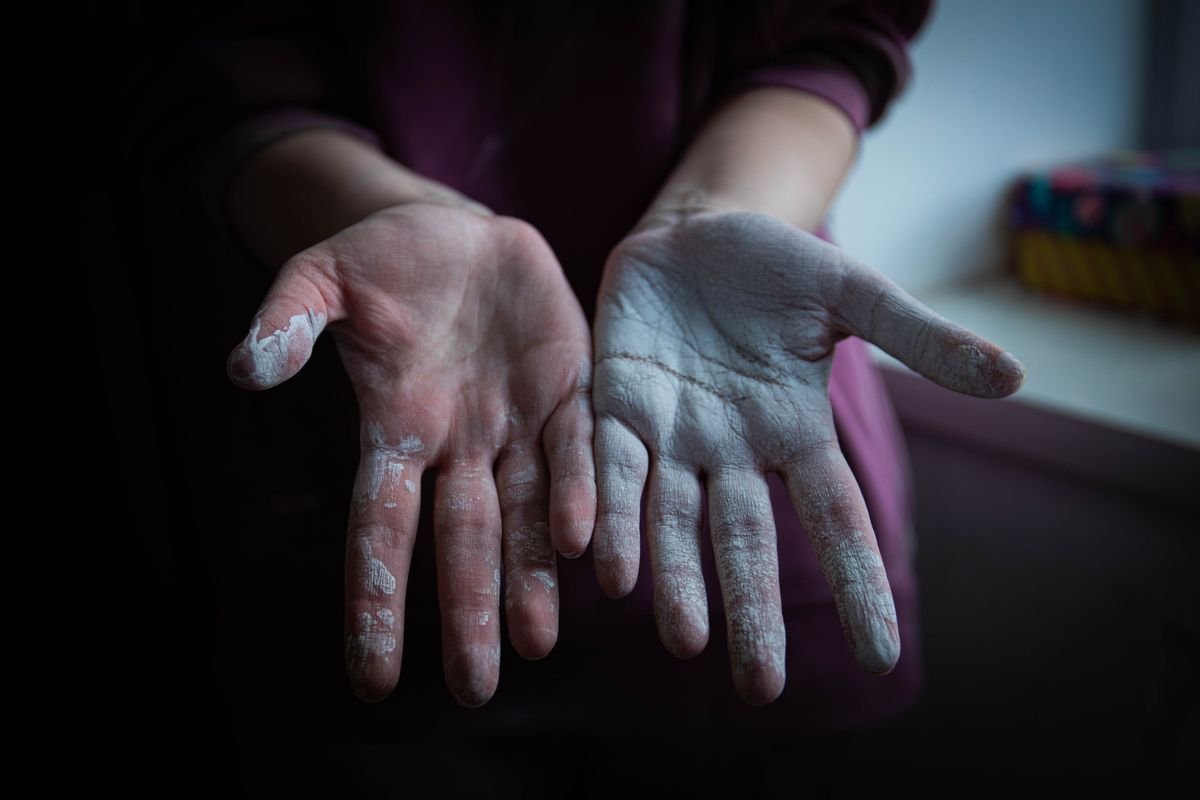
The FitBeast kit is the variety pick. 🎁
Five pieces centre on a counting gripper rated 10–132 lb, plus a finger stretcher, a grip ring and a stress ball. The counter is a small thing that matters: it keeps your sets honest when you train alone at home.
The finger stretcher is the piece most grippers ignore. Crush work closes the hand; the stretcher works the extensors that open it. That balance is good practice for healthy hands.
- Five-piece kit: counting gripper, finger stretcher, grip ring and stress ball
- Counting gripper tracks your reps
- Finger stretcher trains the extensors, not just the squeeze
- Starts at 10 lb — genuinely beginner-friendly
- A kit spreads value across pieces rather than one heavy-duty tool
- Top gripper of 132 lb may cap stronger users
Check the FitBeast 5-Pack Kit on Amazon
⚠️ Listing check: other FitBeast listings showed no featured offers, so confirm this exact Black 5-pack kit before ordering. Listing record about 199 days old.
Best for: beginners and households sharing one kit, including finger and extensor work.
May not fit: advanced crush trainers (top gripper 132 lb) or buyers wanting a single heavy-duty steel gripper.
4. Logest 6-Pack Set
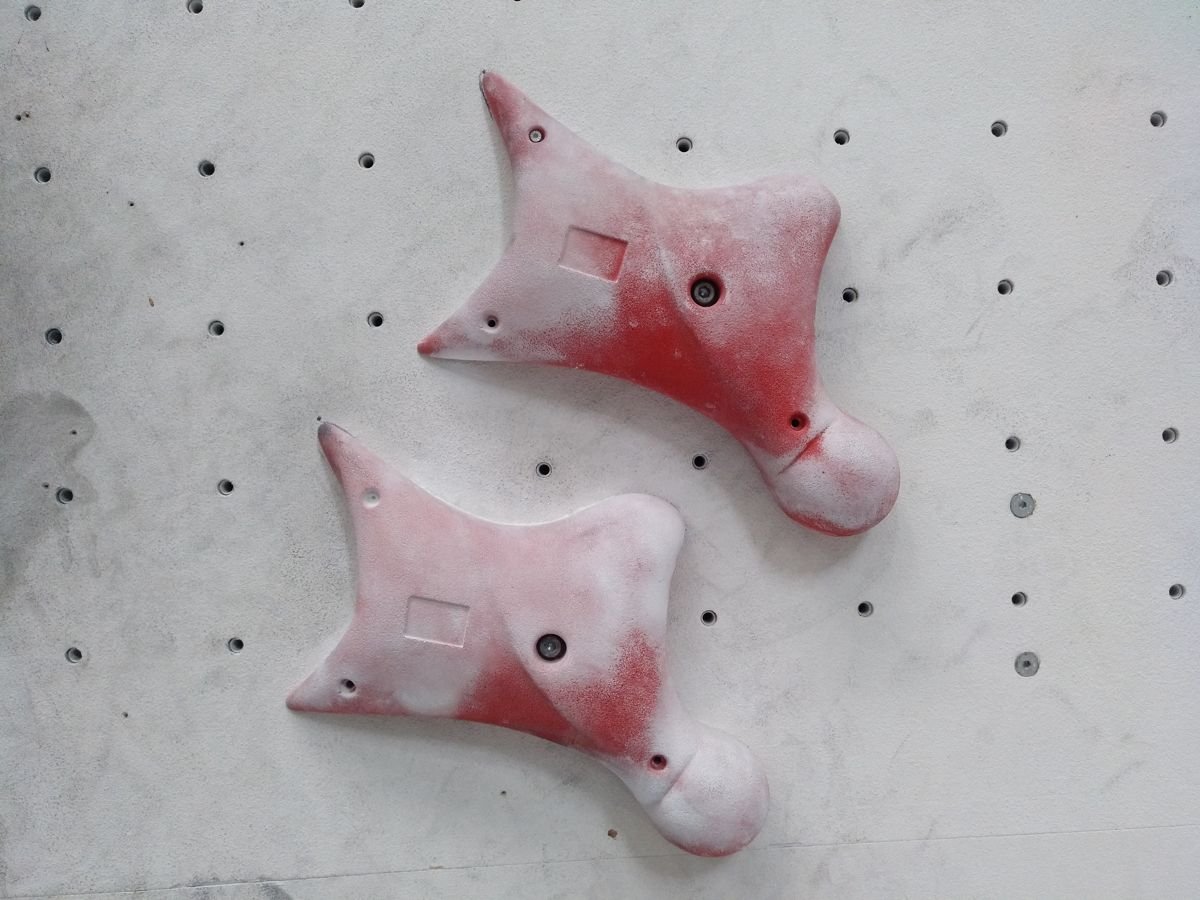
The Logest set is a ladder in a box. 🪜
Six fixed grippers run 100–350 lb in 50 lb steps, with silicone covers and a gift box. When one gripper gets easy, the next one is already in the box — no dialling, no guessing, just the next step.
The catch is the bottom rung. There is no beginner weight here: the lightest gripper is 100 lb, the same as the Captains of Crush Trainer. This set suits someone who already closes 100 lb and wants the road to 350 lb.
- Six grippers from 100 lb to 350 lb in clear 50 lb steps
- Silicone covers included
- Gift box keeps the set together
- No adjustment to fiddle with — pick up the next gripper and go
- Starts at 100 lb — no beginner weight in the box
- Six grippers take more storage space than one adjustable tool
Check the Logest 6-Pack Set on Amazon
⚠️ Listing check: the most recent crawl showed no featured offers — confirm availability before ordering. Listing record about 265 days old.
Best for: committed trainers climbing a fixed ladder from 100 lb toward 350 lb.
May not fit: beginners (no light gripper in the box) or small storage spaces.
5. Prohands Gripmaster
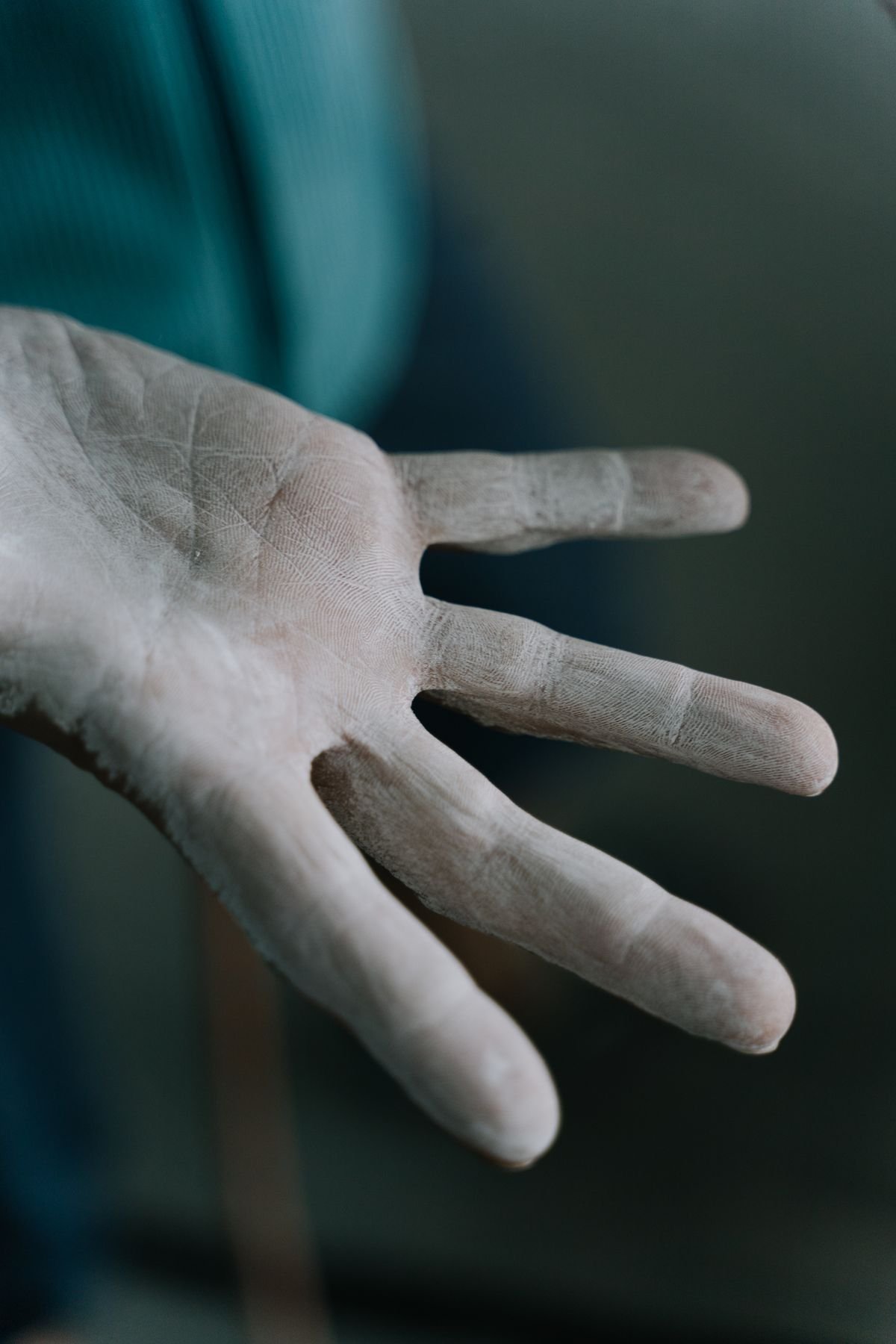
The Gripmaster does something no crush gripper can: it trains each finger alone. ☝️
Each finger gets its own spring-loaded piston. The X-Light yellow model here is 3 lb per finger; across the line, tensions run 1–9 lb by colour — blue 5 lb, red 7 lb medium, black 9 lb heavy — with VIA (1–6 lb), Rehab (0.75–9 lb, with a palm cushion) and PRO (5–13 lb) models alongside.
That makes it the pick for musicians, climbers and anyone whose fingers need individual work — or for a very light start. It will not replace a heavy crush gripper, and it is not trying to.
- Spring-loaded pistons train each finger separately
- X-Light 3 lb model suits a very light start
- Colour-coded tensions across the line (1–9 lb)
- Compact enough for a desk drawer
- Light resistances will not challenge a strong crush grip
- Finger pistons do not train the full-hand crush pattern
Check the Prohands Gripmaster on Amazon
⚠️ Listing check: tensions vary by colour — confirm the yellow X-Light (3 lb) model before ordering. Listing record about 211 days old.
Best for: musicians, climbers and anyone training fingers individually or starting very light.
May not fit: lifters chasing a heavy full-hand crush close.
6. NIYIKOW Adjustable Gripper
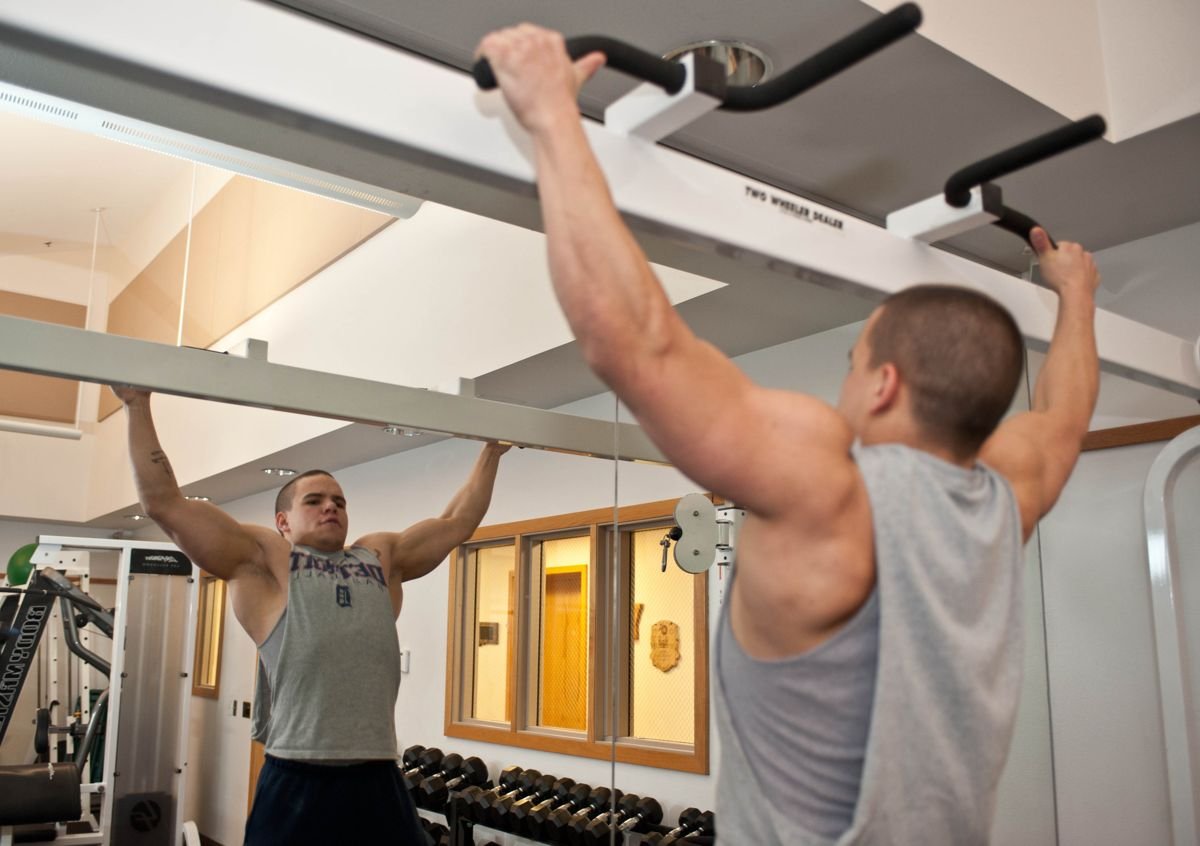
The NIYIKOW is the one-tool answer for most first-time buyers. 🎯
One adjustable gripper covers 22–132 lb, with TPR handles, in a single Black 1-pack. Start at 22 lb — lower than the GD adjustable’s 55 lb start — and dial up as you get stronger, without buying a second tool.
It also carries the most recent listing record in this guide, which is worth something when several other listings look shaky.
- 22–132 lb in one adjustable tool
- Low 22 lb starting resistance, lower than the GD adjustable’s 55 lb
- TPR handles for a comfortable grip
- Most recent listing record in this guide (about 196 days)
- Dial mechanisms rarely feel as solid as a fixed steel gripper
- TPR handles will not give the knurled-steel feel of a Captains of Crush
Check the NIYIKOW Adjustable Gripper on Amazon
⚠️ Listing check: another record for this gripper was about 322 days old — confirm the Black 1-pack (22–132 lb) listing before ordering. Most recent record about 196 days old.
Best for: first-time buyers who want one adjustable gripper from 22 lb to 132 lb.
May not fit: purists who want knurled steel or a fixed competition-style gripper.
How to Choose a Hand Gripper

Start lighter than your ego wants. A gripper you can close for about 10 clean reps is a training tool; one you cannot close at all is a paperweight.
Match the tool to your goal:
- General home-gym strength: an adjustable gripper (NIYIKOW or GD) covers the most ground in one purchase.
- The classic crush path: a fixed steel gripper (Captains of Crush Trainer) with a ladder to climb.
- Variety and family use: a kit (FitBeast) with light weights and extensor work.
- Finger work: a piston trainer (Prohands), not a crush gripper.
Check your hand size against the gripper’s span before ordering — small hands on a wide gripper close less cleanly. And always confirm the exact variant on the listing page: several picks in this guide share pages with other models.
For the rest of your grip setup, see our guides to Best Lifting Straps, Best Lifting Chalk and Best Workout Gloves.
Fixed vs Adjustable: Which Progression Fits You
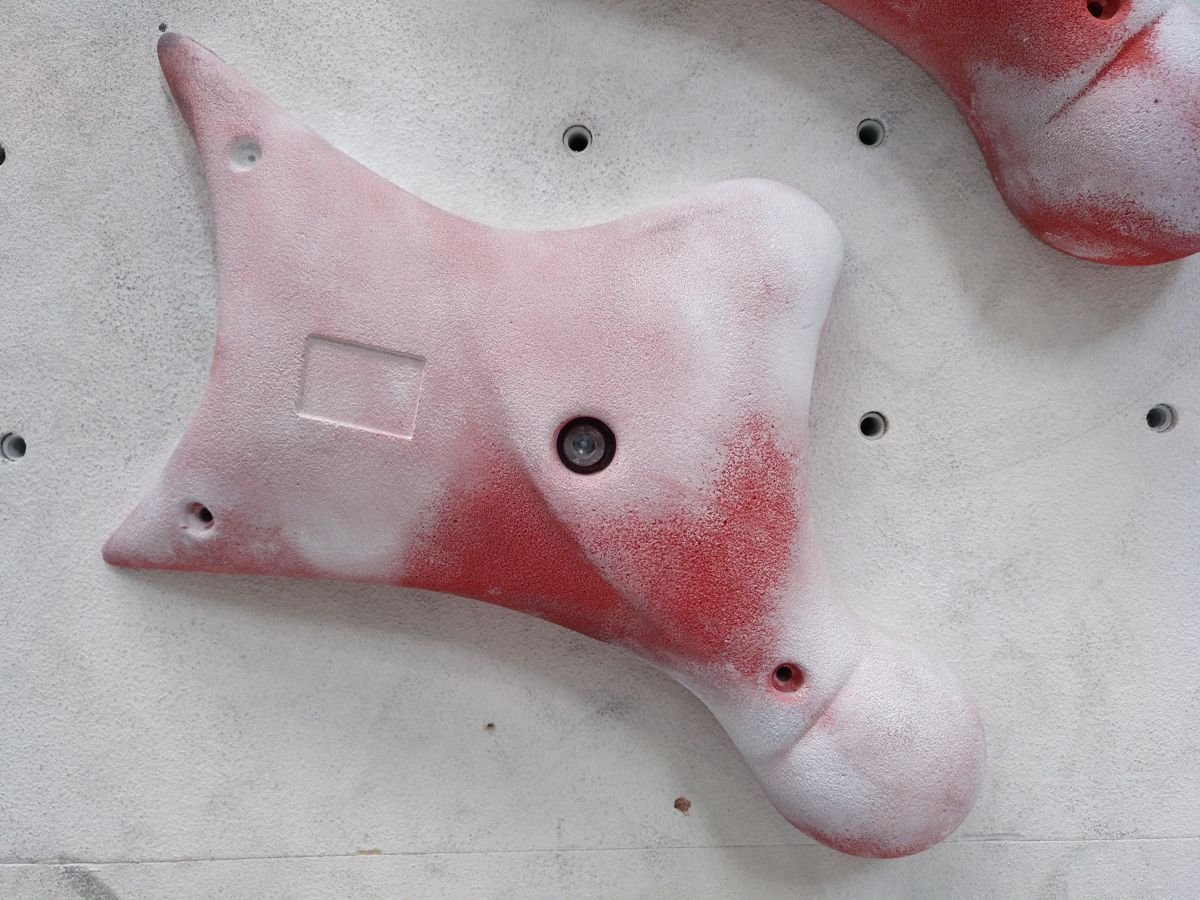
Fixed grippers give you one honest number. You either close it or you do not, and the next step is a heavier gripper. That clarity is why serious grip trainers love them — and why the Captains of Crush line has a certification culture around it.
Adjustable grippers give you a dial instead of a drawer full of steel. One tool covers beginner to intermediate, which suits most home gyms and most budgets. The feel is rarely as solid as fixed steel, and the top end usually stops around 130–176 lb.
Neither is wrong. If you love the process and want the classic path, go fixed. If you want one purchase that lasts from your first close to a respectable one, go adjustable. Many trainers end up with both: an adjustable for daily work and a fixed benchmark they test against.
Crush, Pinch and Support: The Three Grip Types
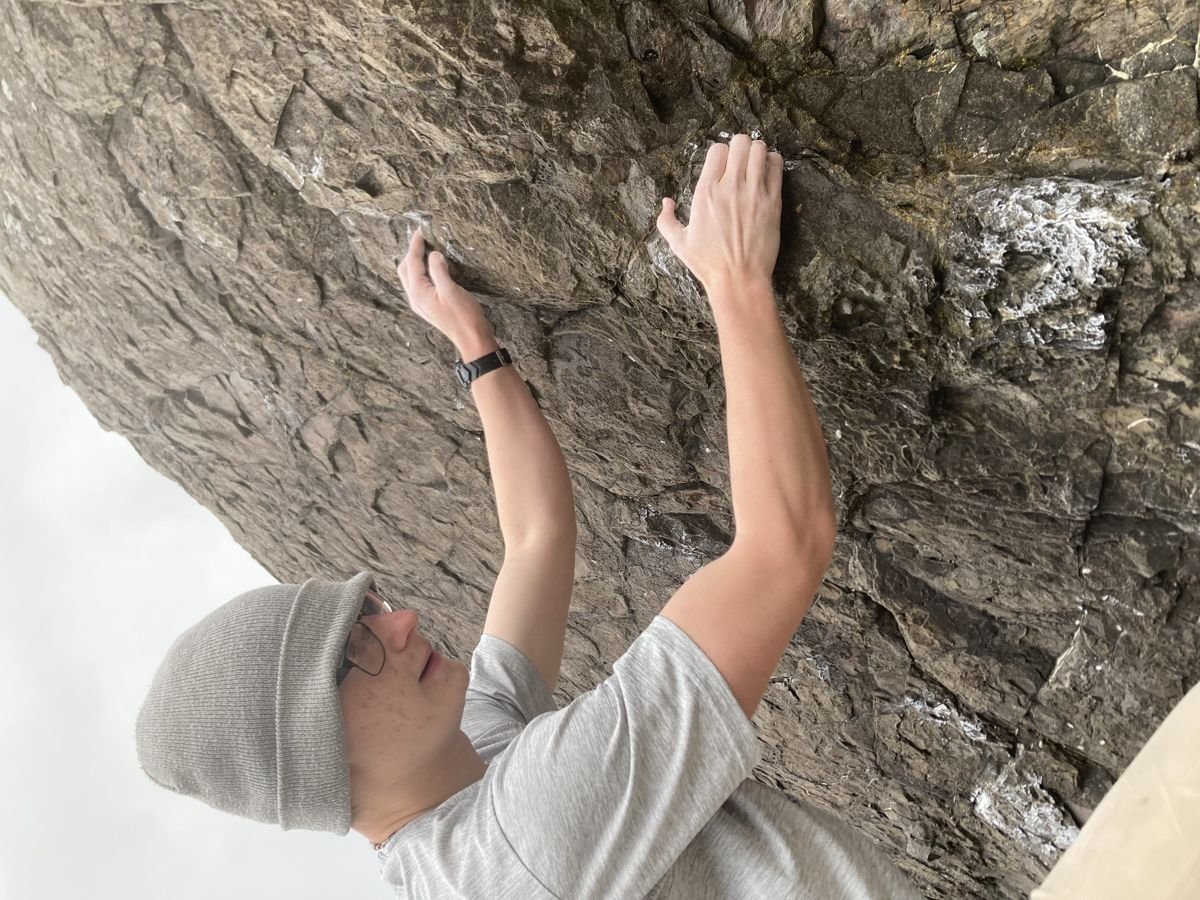
Grip is not one thing. Coaches usually split it three ways:
- Crush grip: closing your hand hard — exactly what a hand gripper trains. Think closing a Captains of Crush or shaking a strong hand.
- Pinch grip: holding something between thumb and fingers — plate pinches, block pinches, thick-book holds. A gripper does not train this directly.
- Support grip: holding on for time — dead hangs from a bar, farmer’s carries, holding a heavy barbell. Grippers help indirectly (stronger hands hold longer), but hangs and carries train it directly.
A gripper alone will not cover all three. If your goal is deadlift grip, pair gripper work with dead hangs from your pull-up bar. If your goal is climbing, add hangs and finger work alongside the gripper.
Test Your Grip Before You Buy
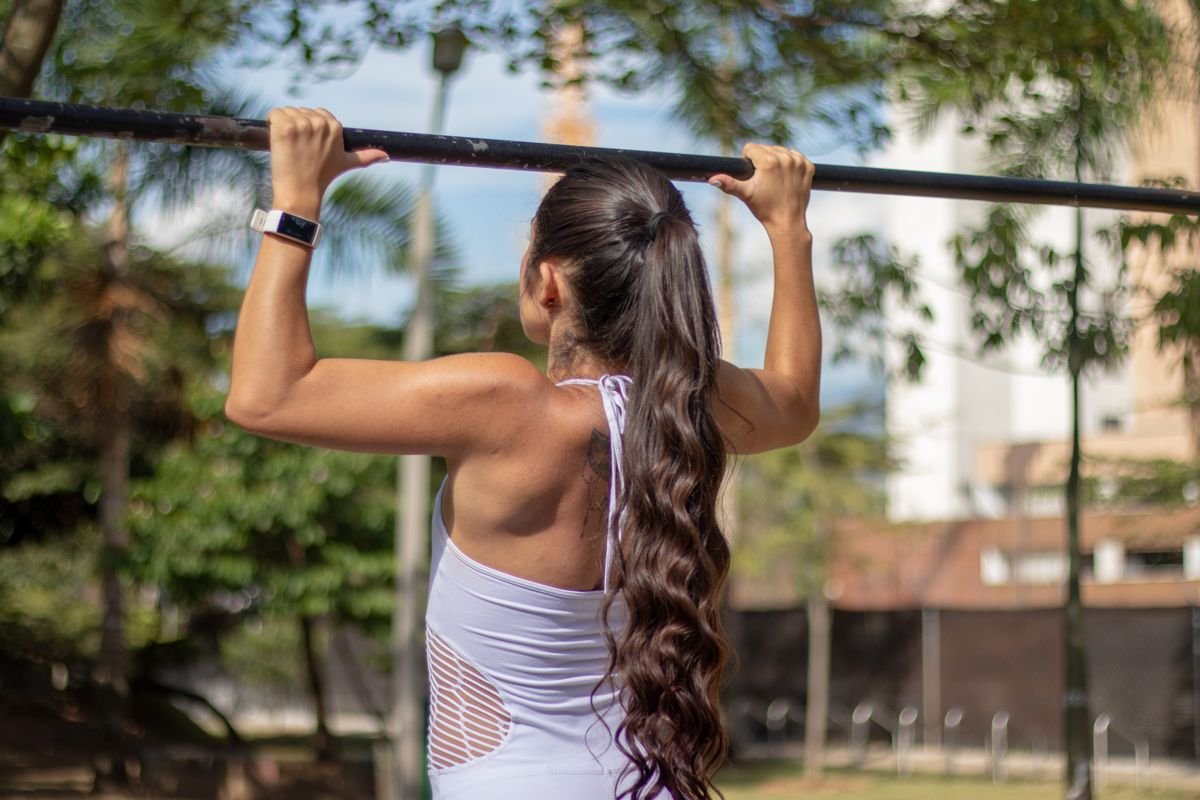
Two minutes of testing beats guessing a resistance. Try these before you order:
- Dead hang: hang from a bar with straight arms. If you cannot hold 20 seconds, start with a light gripper (under 60 lb) or an adjustable set low.
- Bar hold: hold a heavy dumbbell at your side for time. If it slips before 20 seconds, your support grip needs work alongside any gripper.
- Close test: if you already own any gripper, count clean closes. Ten clean closes means you are ready for the next step up; fewer than three means stay put.
- Compare sides: test both hands. A big left-right gap is normal — train the weaker side first and let it catch up.
- Retest monthly: same test, same bar, same time of day. Grip improves slowly; a monthly check shows it honestly.
Write your numbers down. Grip progress is easy to feel and hard to remember.
Programming: Sets, Reps and Recovery
Grip is small muscle work with a big recovery cost if you overdo it. Keep it simple:
- Frequency: 2–3 grip sessions per week, on non-consecutive days where possible.
- Crush work: 3–5 sets of 5–10 clean closes per hand, resting 60–90 seconds between sets.
- Do not train to failure daily. Grinding out failed closes every day beats up your hands without building strength.
- Pair it with main lifts: grip work after deadlifts, rows or pull-ups fits naturally — your hands are already warm.
- Rest counts as training: tendons adapt slower than muscles. If your elbows or fingers ache for days, cut a session, don’t add one.
For wrist support on heavy pressing days, our Best Wrist Wraps guide covers the other side of hand health. And remember: lifting grips and straps are tools for top sets, not replacements for grip training.
Hand Care: Skin, Calluses and Soreness
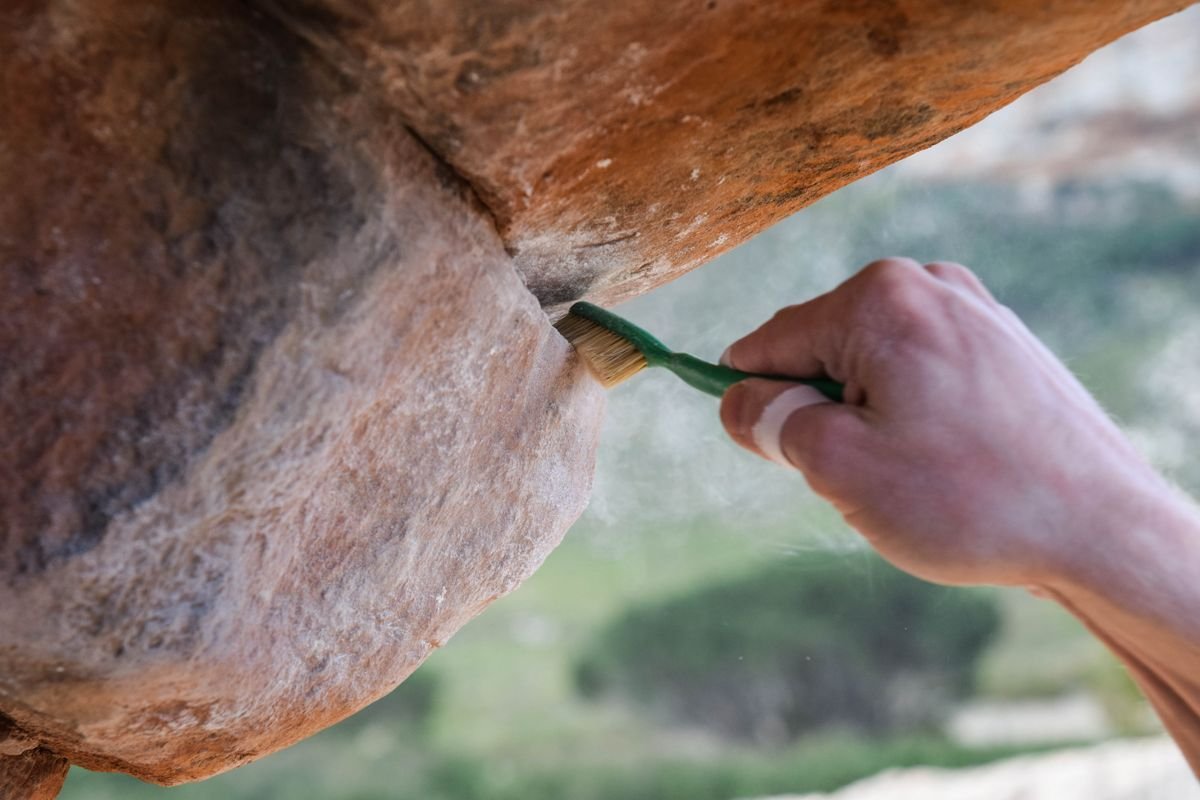
Strong hands need looked-after skin. A torn callus costs more training days than any missed session.
- Chalk helps: a little chalk keeps the handles from slipping in sweaty hands. Our Best Lifting Chalk guide covers blocks, balls and liquid chalk.
- File calluses, don’t tear them: smooth thick calluses down gently after a shower, before they catch and rip.
- Moisturise after training: chalk dries skin out; plain moisturiser overnight keeps hands supple.
- Tape hot spots: if one finger rubs raw, tape it and keep training around it.
- Rest split skin: an open split or blister is a rest day for that hand, not a toughness test.
Safety: What No Gripper Makes Safe
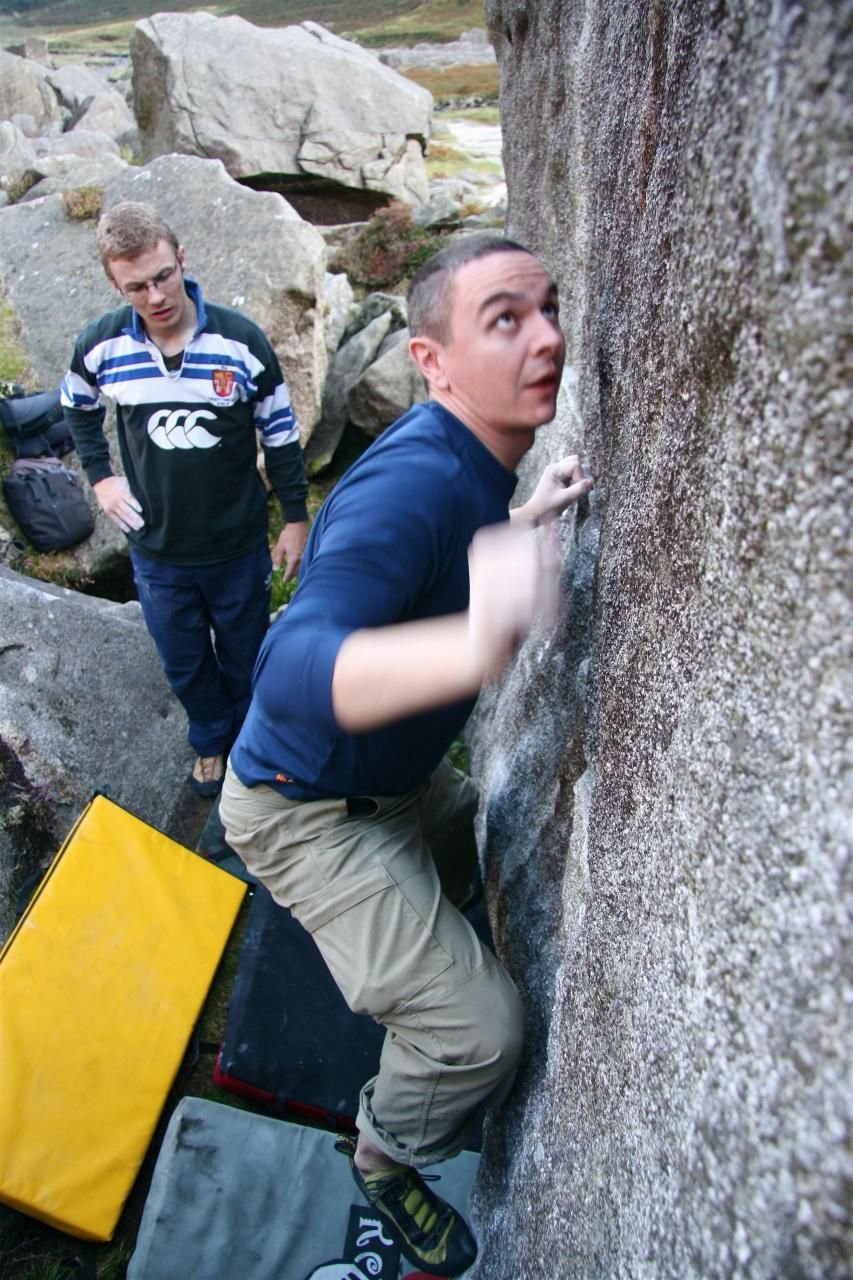
Grippers are simple tools, but hands are easy to overtrain. Keep these rules:
- Stop on sharp pain. Muscle burn is normal; sharp pain in a finger, wrist or elbow is a stop signal, not a challenge.
- Numbness or tingling means stop. Pins and needles in the fingers during or after grip work means something is compressed — stop and reassess.
- Never train through a hand or wrist injury. A sprain, fracture or tendon problem needs rest and professional advice, not more closes.
- Warm up first. A minute of easy closes on a light gripper, plus wrist circles, before heavy attempts.
- Start light and progress slowly. Jumping from an easy gripper to a 100 lb close in one session is how hands get hurt.
- Protect your skin. Torn calluses and split skin need rest, not chalk and another set.
- General information only: this section is general information, not medical advice. If you have arthritis, carpal tunnel, a recent hand or wrist injury, diabetes, circulation problems or any nerve condition, talk to a clinician before starting a grip programme.
Frequently Asked Questions
Do hand grippers build bigger forearms?
Progressive gripper training strengthens the forearm muscles that close the hand, and stronger forearms often look a little bigger over time. But size also depends on your overall training and nutrition — a gripper alone will not transform your forearms.
Will a gripper improve my deadlift grip?
A stronger crush helps you hold the bar, yes. But deadlift grip is mostly support grip, so pair gripper work with dead hangs and carries for the best carryover — and keep straps for your heaviest top sets.
How often should I train grip?
Two to three sessions per week works for most people. Daily training to failure is the fastest way to sore elbows and stalled progress.
What resistance should a beginner start with?
One you can close cleanly for about 10 reps. For most adults that is well under 100 lb — an adjustable gripper set low, or a light kit, is the honest starting point.
Fixed or adjustable — which is better?
Neither is better in general. Fixed grippers give you a clear benchmark and a ladder; adjustable grippers give you one tool from beginner to intermediate. Pick the path you will actually stick with.
Do I need chalk for gripper training?
Not required, but it helps if your hands sweat. A little block or liquid chalk keeps the handles from slipping; indoors, liquid chalk makes less dust.
Our Pick: Start Here
Start with the NIYIKOW Adjustable Gripper. 🎯
One tool covers 22–132 lb, it starts at 22 lb, lower than the GD adjustable’s 55 lb, and it carries the most recent listing record in this guide. For a first gripper, that combination is hard to beat.
If you already close 100 lb and want the classic path, get the Captains of Crush Trainer instead and climb its ladder. Either way, test your grip first, start lighter than you think, and let the numbers climb month by month.
As an Amazon Associate, we earn from qualifying purchases made through links on this page, at no extra cost to you.
This guide is based on product research, not hands-on testing. Grip training information here is general information only and is not medical advice — if you have a hand, wrist or nerve condition, talk to a clinician before starting a grip programme.