

A smart scale does more than show your weight. ⚖️ It logs the trend, estimates body composition, and sends it all to your phone — so you can see whether your training is actually moving the needle.
But not every smart scale does the same job. Some measure weight and BMI only. Others estimate a dozen body metrics, track heart readings, or remember a whole household. This guide compares six widely sold scales so you can pick the one that fits your routine — and skip the features you will never use.
One honest limit up front: no home scale measures body fat directly. Every body-composition figure here is an estimate made by the scale, and the trend over weeks matters far more than any single reading. If you also track training data, our guides to fitness trackers and heart-rate chest straps sit alongside this one.
How We Picked These Smart Scales
We picked scales that are genuinely sold as home-gym and bathroom scales, with clear maker descriptions and a track record of owner reviews. 📋 Every pick below links to its own listing, and every figure quoted comes from the maker’s description or the listing record.
Listing records checked for this guide were 180–319 days old. That range is worth knowing: a scale listing can change, sell out, or be replaced by a new variant, so always confirm the current offer before you buy. The oldest record in this guide is the RENPHO Elis 1, at about 319 days.
We also left four models out on purpose. The original Withings Body (WBS06) is superseded by the Body Smart. The RENPHO Elis Evo is a newer model with fewer US listing records, so we kept the long-established Elis 1 instead. The eufy P2 non-Pro is superseded by the P2 Pro. And the Fitbit Aria 2 is the discontinued predecessor of the Aria Air.
This is a research-based guide. We did not test these scales hands-on, and no maker paid for a place on this list. What a scale does NOT do matters too: none of these replaces a medical check-up, and none of them can tell you why your weight changed — only that it did.
Quick Comparison
| Scale | Sync | Body metrics | Also good to know |
|---|---|---|---|
| Withings Body Smart | Wi-Fi + Bluetooth | 8 body composition metrics, Visceral Fat Index | 15-month battery, up to 8 users |
| Withings Body Scan | Wi-Fi | Segmental body composition, 6-lead ECG | 400 lb capacity |
| Garmin Index S2 | Wi-Fi | Weight trend, body fat, BMI, muscle mass, bone mass, body water | Up to 16 user profiles, 4 AAA batteries included |
| Fitbit Aria Air | Bluetooth only | Weight + BMI only | 3 AAA batteries, simplest pick |
| RENPHO Elis 1 | Bluetooth only | 13 metrics | 400 lb capacity, 0.2 lb increments, unlimited users |
| eufy Smart Scale P2 Pro | Wi-Fi + Bluetooth | 16 measurements | 180 kg (397 lb) range, IPX5, standing heart rate |
1. Withings Body Smart
The Withings Body Smart is the all-rounder of this guide. 🎯 It tracks 8 body composition metrics, including a Visceral Fat Index, with 50 g precision, and it syncs over both Wi-Fi and Bluetooth.
Its long 15-month battery means you will rarely think about power, and it supports up to 8 users, so one scale can serve a whole household. Dedicated pregnancy, baby and athlete modes make it flexible for changing needs.
✅ Pros
- 8 body composition metrics plus Visceral Fat Index
- Wi-Fi + Bluetooth sync
- 15-month battery
- Up to 8 users, with pregnancy, baby and athlete modes
- 50 g precision
⚠️ Cons
- No ECG or segmental readings — the Body Scan covers those
- Variant confusion: a different Body Smart listing has shown no featured offers, so check the exact model
- Body-composition figures are estimates, not medical measurements
Check the Withings Body Smart on Amazon
⚠️ Listing check: the listing record for this model is about 245 days old, and a different Body Smart variant has shown no featured offers — confirm the exact model and the current offer before buying.
Best for: households that want one scale with broad tracking and a battery they can forget about.
May not fit: buyers who want ECG readings or segmental body composition — look at the Body Scan instead.
2. Withings Body Scan
The Withings Body Scan is the most advanced pick in this guide. 🫀 It is the only scale here with segmental body composition — separate readings for arms, legs and trunk — plus a 6-lead ECG with AFib detection.
It syncs over Wi-Fi and handles up to 400 lb. That combination makes it the pick for someone who wants the deepest health picture from a bathroom scale, not just a weight trend.
✅ Pros
- Segmental body composition — arms, legs and trunk separately
- 6-lead ECG with AFib detection, unique in this guide
- Wi-Fi sync
- 400 lb capacity
- Most recent listing record in this guide
⚠️ Cons
- ECG and body-composition readings are not a substitute for medical testing
- More features than a simple weight-tracker needs
- People with a pacemaker or implanted device should check with a clinician before using a scale like this
Check the Withings Body Scan on Amazon
⚠️ Listing check: the most recent listing record for this model is about 180 days old — still confirm the current offer before buying.
Best for: buyers who want the deepest health picture a home scale can give, including ECG and segmental readings.
May not fit: anyone who only wants a simple weight trend — the extra readings will go unused.
3. Garmin Index S2
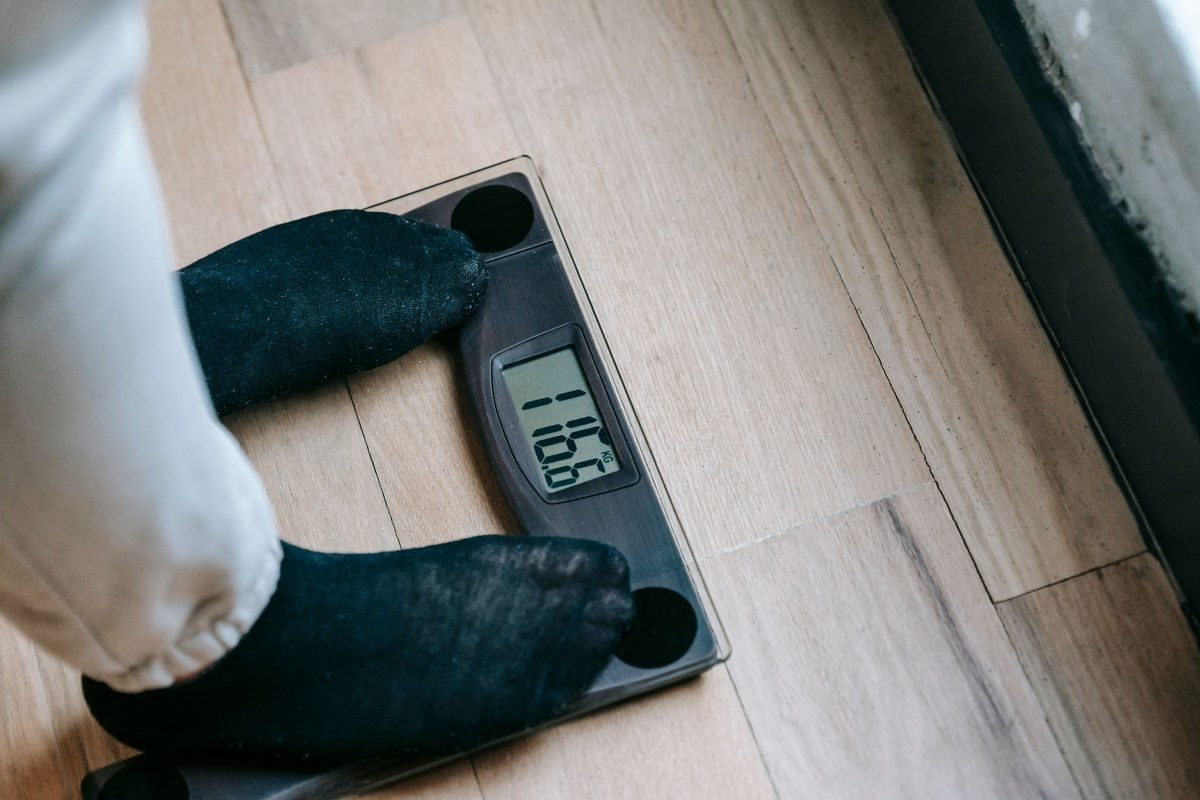
The Garmin Index S2 is the natural pick if you already live in Garmin’s world. ⌚ It syncs over Wi-Fi and shows your weight trend alongside body fat, BMI, skeletal muscle mass, bone mass and body water.
It supports up to 16 user profiles, and runs for about 9 months on the 4 AAA batteries included in the box.
✅ Pros
- Wi-Fi sync with weight trend in the Garmin app
- Up to 16 user profiles
- Body fat, BMI, skeletal muscle mass, bone mass and body water
- About 9-month battery, 4 AAA batteries included
⚠️ Cons
- An older listing record showed no featured offers — confirm the current offer
- No ECG or segmental readings
- Most useful inside the Garmin ecosystem
Check the Garmin Index S2 on Amazon
⚠️ Listing check: the most recent listing record for this model is about 216 days old, and one older record at about 341 days showed no featured offers — confirm the current offer before buying.
Best for: Garmin watch and app users who want weight trends in the same place as their training data.
May not fit: buyers outside the Garmin ecosystem, or anyone who wants ECG readings.
4. Fitbit Aria Air
The Fitbit Aria Air is the simplest scale in this guide — and that is its whole point. 🪶 It measures weight, and the Fitbit app calculates BMI from your stored height. There is no body fat measurement and no Wi-Fi.
It syncs over Bluetooth only and runs on 3 AAA batteries. If you already wear a Fitbit and just want your weight in the same app, nothing here gets in your way.
✅ Pros
- Simple: weight plus BMI in the Fitbit app
- Easy fit for existing Fitbit users
- Bluetooth sync, 3 AAA batteries
⚠️ Cons
- No body fat measurement
- Bluetooth only — no Wi-Fi sync
- BMI is calculated in the app from your stored height, not measured by the scale
Check the Fitbit Aria Air on Amazon
⚠️ Listing check: the most recent listing record for this model is about 232 days old — confirm the current offer before buying.
Best for: Fitbit users who want a no-fuss weight log in the app they already use.
May not fit: anyone who wants body composition, Wi-Fi sync, or an ECG reading.
5. RENPHO Elis 1
The RENPHO Elis 1 packs a lot in for a Bluetooth-only scale. 📊 It reports 13 metrics in 0.2 lb increments, handles up to 400 lb, and allows unlimited users — handy for a busy household or a shared gym corner.
It also syncs with Samsung Health, the Fitbit app and Apple Health, so your readings are not locked into one app. That broad app support is its real strength.
✅ Pros
- 13 metrics with 0.2 lb increments
- 400 lb capacity, unlimited users
- Syncs with Samsung Health, the Fitbit app and Apple Health
⚠️ Cons
- Bluetooth only — no Wi-Fi sync
- Oldest listing record in this guide, and its US record showed no featured offers — confirm carefully
- Body-composition figures are estimates, not medical measurements
Check the RENPHO Elis 1 on Amazon
⚠️ Listing check: this is the oldest listing record in this guide at about 319 days, and its US record showed no featured offers available — confirm the current offer carefully before buying.
Best for: households that want broad metrics and app freedom, with as many users as they like.
May not fit: buyers who need Wi-Fi sync, or who want a freshly confirmed listing — check the offer first.
6. eufy Smart Scale P2 Pro
The eufy Smart Scale P2 Pro lists the most readings of any pick in this guide: 16 measurements. 🔢 It syncs over Wi-Fi and Bluetooth, measures standing heart rate, and offers a 3D virtual body mode.
Its ITO-coating surface and 50 g accuracy aim at steady, repeatable readings, and it covers a 180 kg (397 lb) range with an IPX5 rating for bathroom use. It runs on 4 AAA batteries.
✅ Pros
- 16 measurements — the most readings listed by any pick in this guide
- Wi-Fi + Bluetooth sync
- Standing heart rate and 3D virtual body mode
- 50 g accuracy, 180 kg (397 lb) range, IPX5
⚠️ Cons
- No ECG reading
- Standing heart rate is a scale reading, not a medical heart check
- Body-composition figures are estimates, not medical measurements
Check the eufy Smart Scale P2 Pro on Amazon
⚠️ Listing check: the listing record for this model is about 248 days old — confirm the current offer before buying.
Best for: buyers who want the widest set of readings plus heart rate, with both Wi-Fi and Bluetooth.
May not fit: anyone who wants ECG readings, or a scale from the Withings or Garmin ecosystems.
How to Choose a Smart Scale
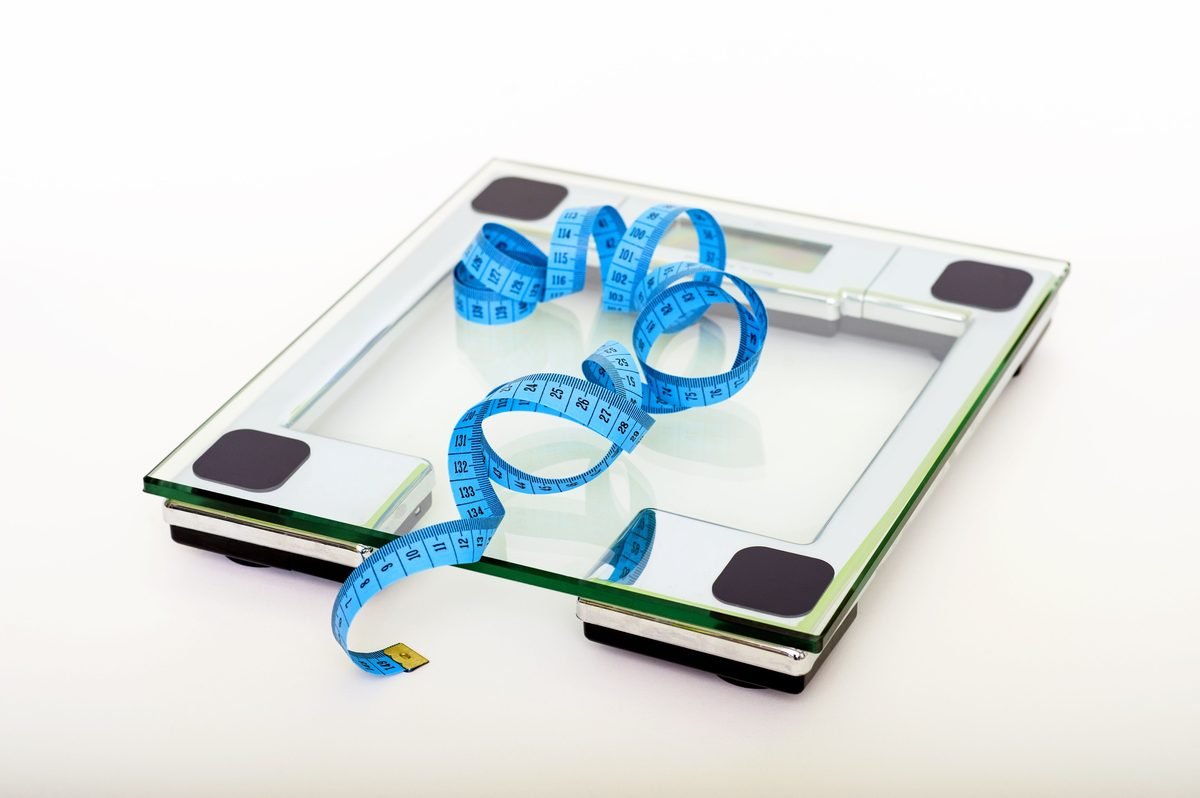
Start with the app you already use. 📱 A Fitbit user gets the most from the Aria Air, and a Garmin user from the Index S2, because the readings land where the rest of the training data already lives.
Next, decide how much data you actually want. If weight and BMI are enough, a simple scale saves money and fuss. If you want muscle, water and fat trends, pick a scale with real body-composition metrics — and accept that they are estimates.
Then check the sync. Wi-Fi scales send readings even when your phone is in another room; Bluetooth-only scales need your phone nearby. For a shared household, count the user profiles too — the Elis 1 allows unlimited users, while the Body Smart supports up to 8 and the Index S2 up to 16.
Finally, check the capacity and the floor. Every pick here covers normal adult weights, but the Body Scan and Elis 1 both go to 400 lb, and the eufy P2 Pro to 180 kg (397 lb). A scale on carpet or a soft mat will read wrong whatever you buy — hard, flat floor first, always.
Body Composition: What the Numbers Really Mean
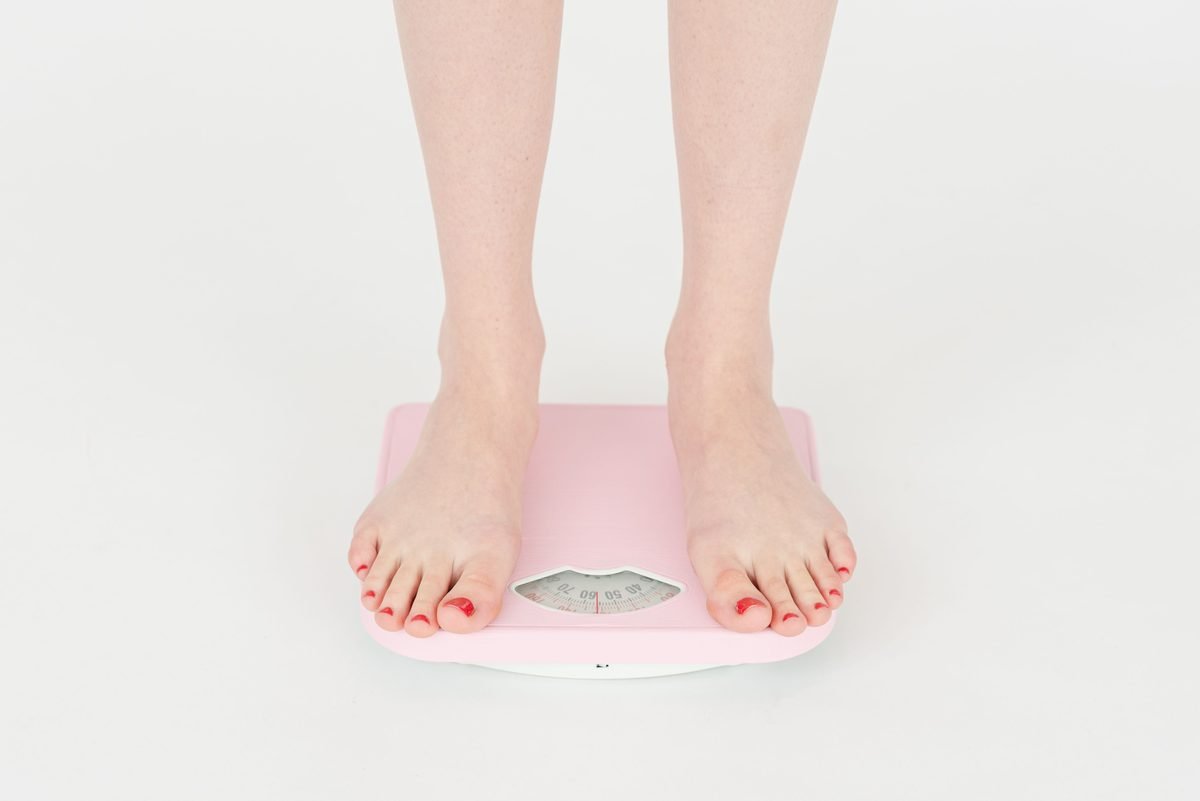
Most smart scales estimate body composition with bioelectrical impedance — a tiny current sent up through your feet. 💧 The scale measures resistance and uses it to guess fat, muscle and water.
That guess moves with hydration, meals, and even a hot shower. A glass of water or a salty meal can shift the numbers overnight, which is why a single reading is almost useless and a four-week trend is gold.
Use the numbers this way: weight for the headline, body fat and muscle trends for direction, and a tape measure for the reality check. If the scale says fat is down, the tape says your waist is down, and your lifts are up — that is a real result. Any one of those alone is just a hint.
Wi-Fi vs Bluetooth Sync
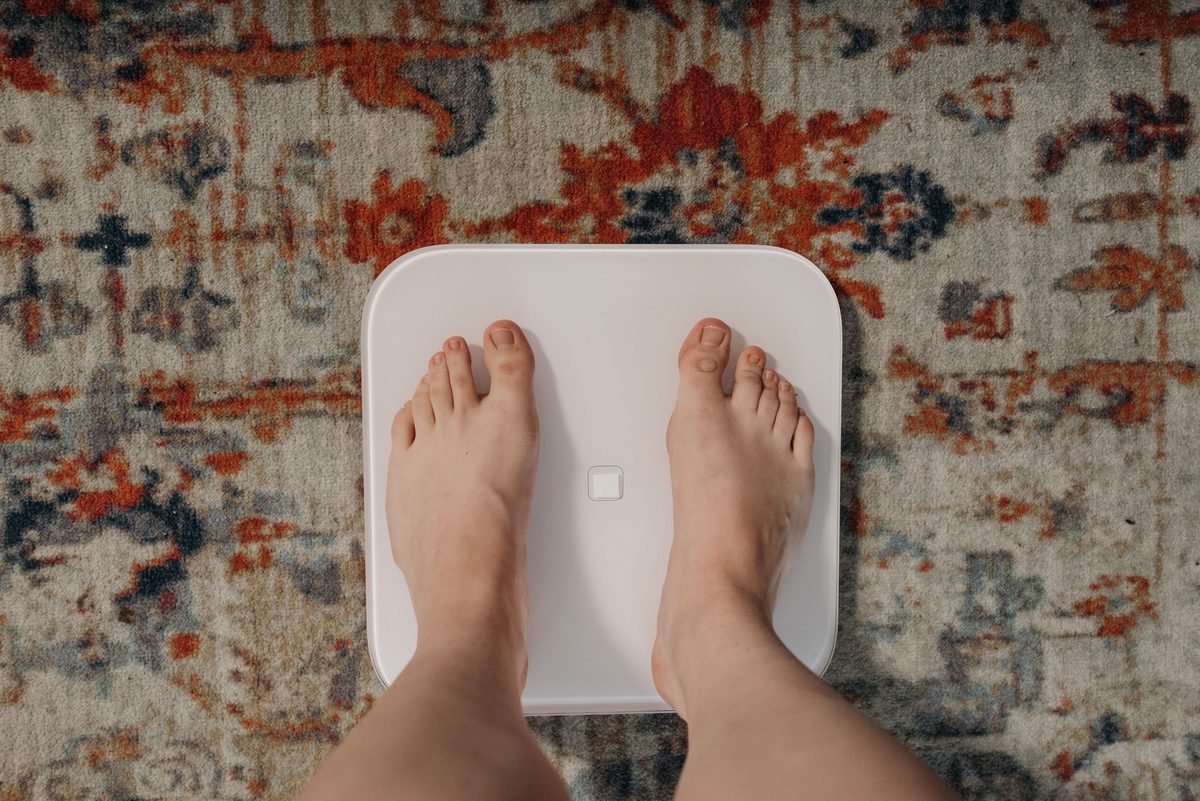
Wi-Fi scales — the Body Smart, Body Scan, Index S2 and eufy P2 Pro — send each weigh-in to your account on their own. 📶 Step on, step off, and the reading is waiting in the app later.
Bluetooth-only scales — the Aria Air and the Elis 1 — need your phone nearby with Bluetooth on. That is fine if you weigh in with your phone in hand, and a small hassle if you do not.
One more thing to check: who else sees the data. Multi-user scales split readings by profile, so a partner’s weigh-in should not land in your chart. If you share a scale, set up profiles before the first weigh-in, not after.
Weighing Routine: Getting Consistent Readings
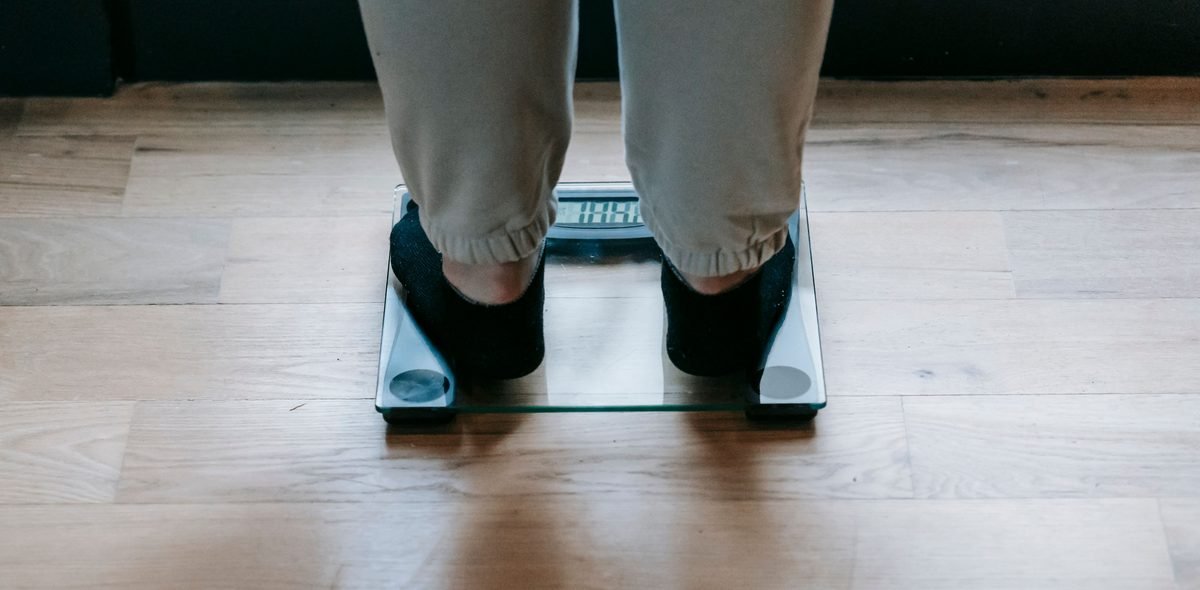
Consistency beats precision. 🌅 Weigh at the same time, in the same state, on the same floor — first thing in the morning, after the bathroom, before breakfast, is the routine most people can actually keep.
Wear as little as possible, or at least the same clothes each time. Step on barefoot for body-composition readings, stand still with feet placed evenly, and wait for the reading to finish before stepping off.
Then zoom out. Weigh daily if you like the habit, but judge by the weekly average, not the daily number. Water alone can move the scale by a kilo or more overnight, and that is normal — it is not fat gained or lost.
Bathroom Setup: Floor, Light and Storage
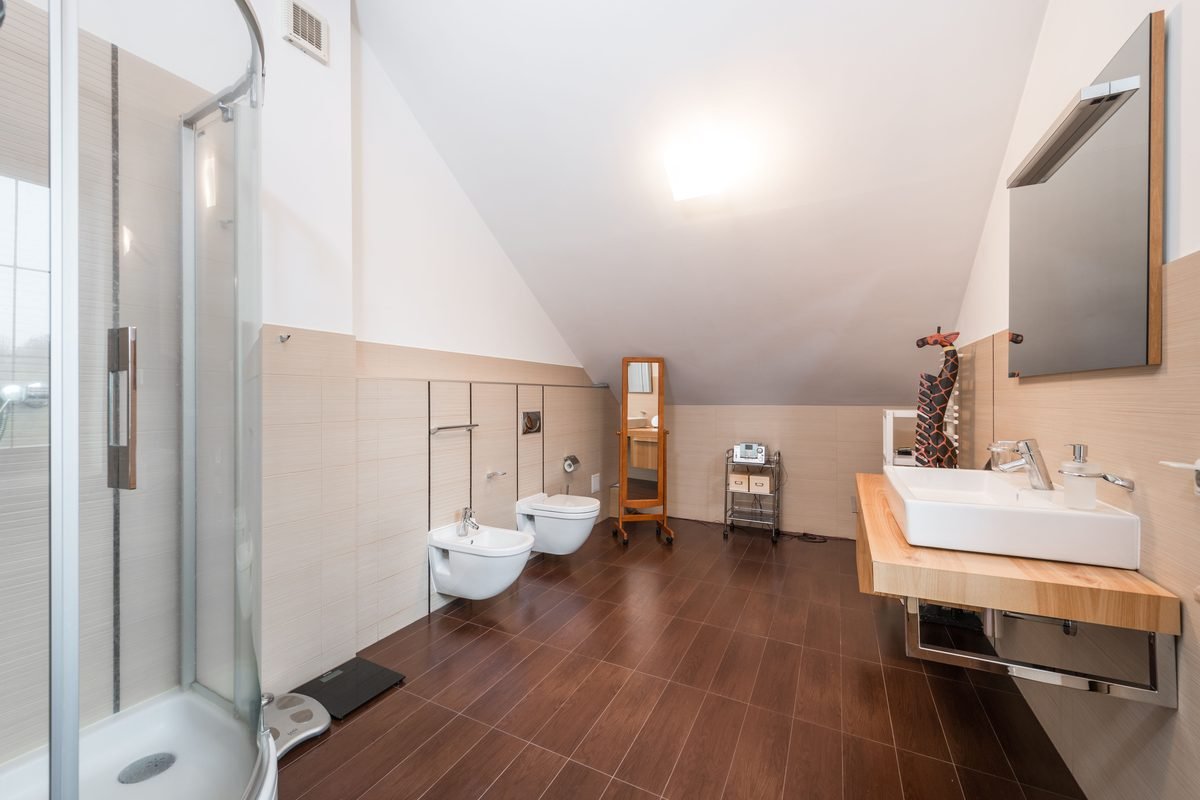
Floor first. 🏠 A smart scale belongs on hard, flat tile or wood — never on carpet, a bath mat, or a rug. Even a thin mat can tilt the scale and skew every reading.
Give it a permanent spot. A scale that lives in one place, out of the splash zone but close to where you dress, gets used. A scale stored upright in a cupboard gets forgotten — and a forgotten scale tracks nothing.
Light matters less than you think, but a dim corner makes the display hard to read. If your scale has a small screen, place it where morning light or the bathroom light falls on it, and wipe the surface dry after steamy showers.
Battery and Care
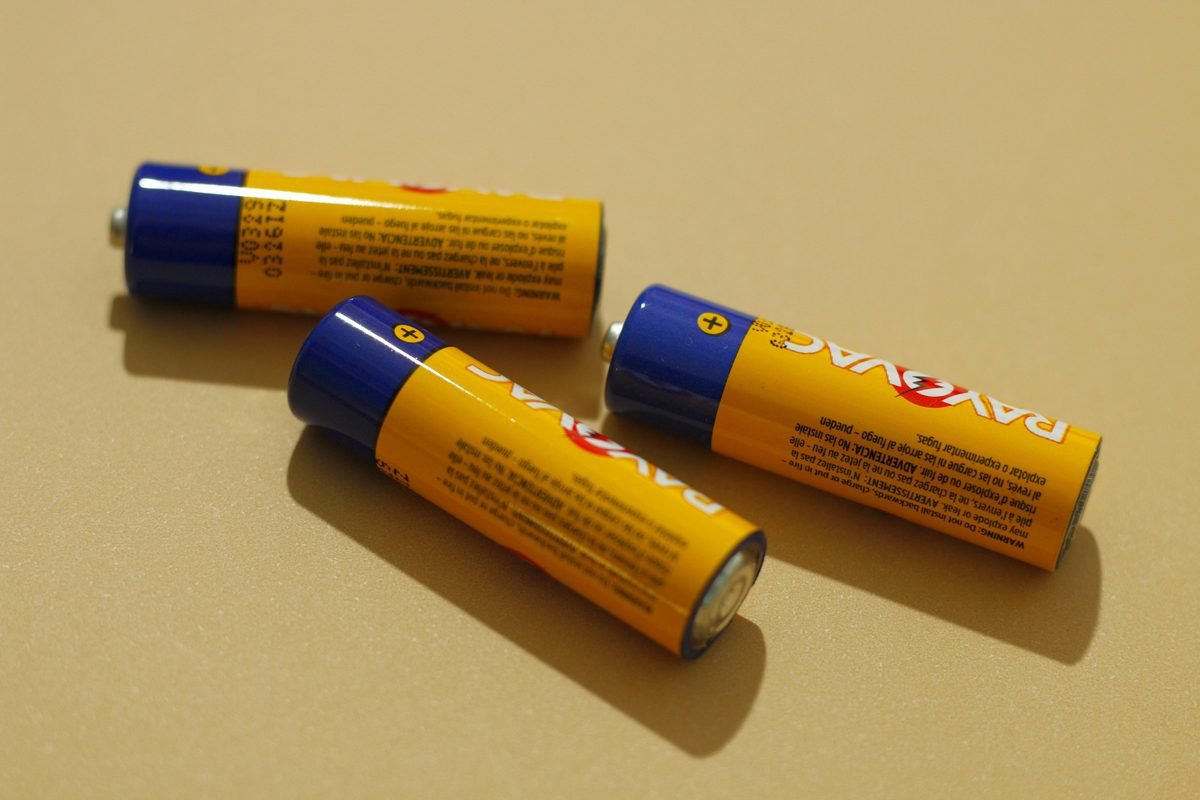
Battery life varies a lot here. 🔋 The Body Smart runs for about 15 months, the Index S2 for about 9 months on its included AAA cells, and the other picks run on replaceable AAA batteries with no fixed life quoted.
Keep a spare set of the right cells at home. Most picks in this guide take AAA batteries — the Aria Air takes 3, the Index S2 takes 4, and the eufy P2 Pro takes 4 — so check your model’s battery type before buying spares.
Care is simple: wipe the platform with a dry or slightly damp cloth, never soak it, and keep it dry between uses. If readings start jumping, change the batteries first — weak cells are the most common cause of a scale acting strangely.
Safety: What No Smart Scale Makes Safe
A smart scale is a tracking tool, not a medical device. These steps keep it useful and safe:
- Step on and off slowly, with dry feet, on a dry floor — a wet bathroom floor plus a glass scale is a slip waiting to happen.
- If you have a pacemaker, implanted defibrillator, or any implanted electronic device, check with your clinician before using a body-composition scale — these scales send a small electrical current through the body.
- If you are pregnant, use a pregnancy mode where offered and discuss weight and body-composition readings with your clinician rather than judging them yourself.
- Treat every body-composition figure as an estimate. A scale cannot diagnose anything, and a sudden unexplained change is worth a clinician visit, not a new scale.
- Do not let one reading set your mood or your meals. Judge the weekly trend, and talk to a clinician or dietitian if weight changes worry you.
- Keep the scale clean and dry, and store it flat on a hard floor — a damp or tilted scale reads wrong and wears out faster.
- This guide gives general information only, not medical advice. For heart conditions, high blood pressure, diabetes, pregnancy, or an implanted device, a clinician’s advice comes before any scale’s numbers.
Frequently Asked Questions

Do smart scales really measure body fat accurately?
Not exactly. They estimate body fat from electrical resistance through your feet, and hydration, food and even a shower can shift the result. Treat body fat as a trend over weeks, and check it against a tape measure and your training.
Do I need Wi-Fi, or is Bluetooth enough?
Bluetooth is enough if you weigh in with your phone nearby. Wi-Fi is better if you want readings to arrive in your account on their own, or if several people share the scale without thinking about syncing.
Can more than one person use the same scale?
Yes. The Body Smart supports up to 8 users, the Index S2 up to 16 profiles, and the Elis 1 allows unlimited users. Set up profiles first so nobody’s readings land in the wrong chart.
Are smart scales safe with a pacemaker?
Body-composition scales send a small current through the body, so if you have a pacemaker or implanted defibrillator, check with your clinician before using one. A plain weight-only reading does not use that current, but ask first either way.
Why does my weight jump day to day?
Mostly water. Food, salt, training, heat and hormones all move water in and out of your body, and the scale shows all of it. Judge the weekly average, not any single morning.
Do I need the same brand’s watch or app?
No, but it helps. A Fitbit user gets the smoothest ride from the Aria Air and a Garmin user from the Index S2, while the Elis 1 syncs with Samsung Health, the Fitbit app and Apple Health if you mix brands.
Our Pick: Start Here
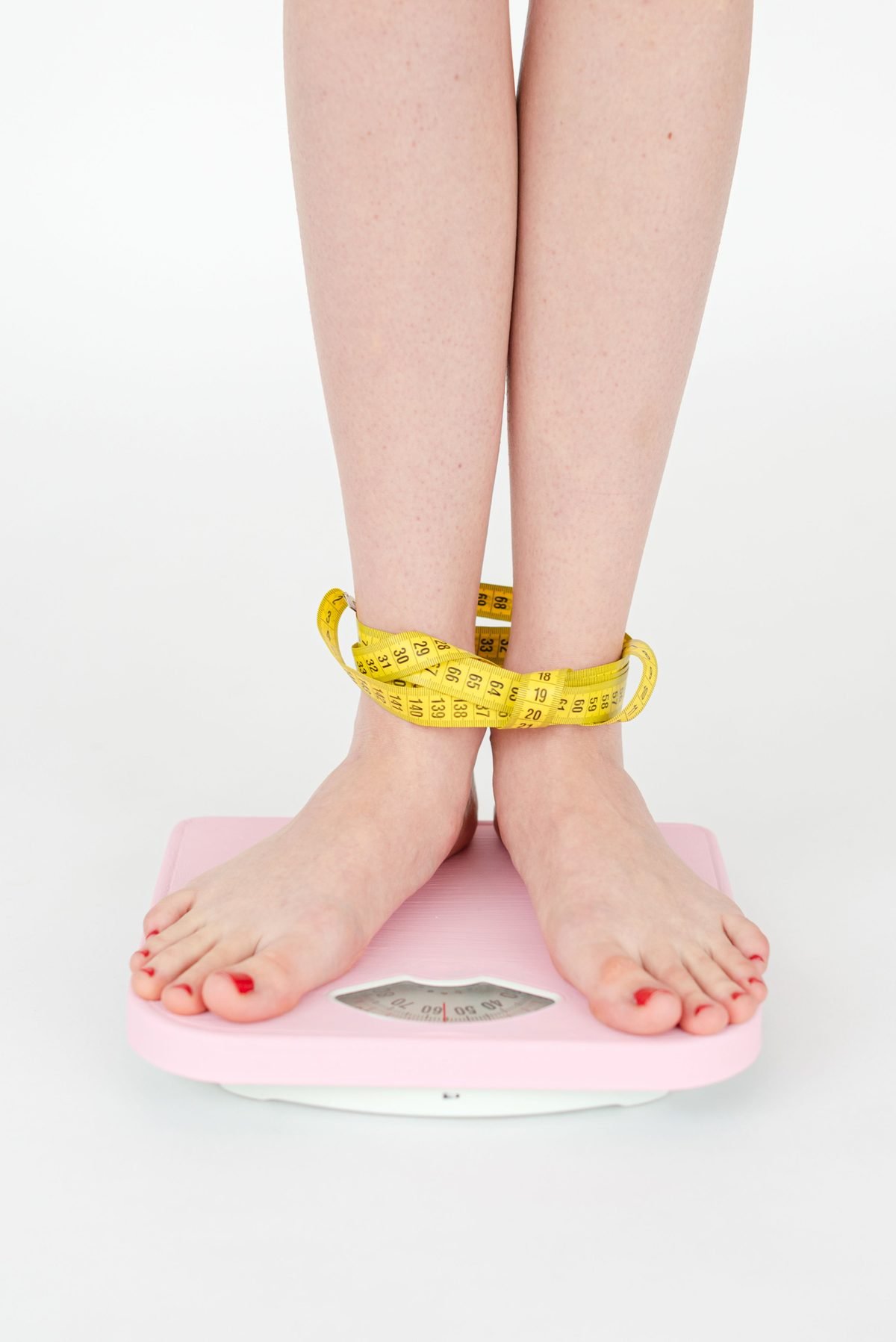
If you want one answer: start with the Withings Body Smart. ✅ It covers 8 body-composition metrics, syncs over Wi-Fi and Bluetooth, runs for 15 months, and handles up to 8 users — the broadest fit for a home gym.
If you want the deepest health data, step up to the Withings Body Scan for its segmental readings and ECG. If you live in Garmin’s app, the Index S2 keeps everything in one place. And if you only want weight in the Fitbit app, the Aria Air does exactly that and nothing more.
Whichever you pick, pair it with the routine in this guide: same time, same floor, weekly averages — and keep your workout shoes by the door and your cable machine routine honest, because the scale only reports what the training does.
As an Amazon Associate, we earn from qualifying purchases made through links on this page, at no extra cost to you.
This guide is research-based and gives general information only. Body-composition figures from home scales are estimates, not medical measurements — for health concerns, pregnancy, or an implanted device, speak to a clinician.