

A wrist watch guesses your heart rate from your skin. ❤️ A chest strap reads the electrical signal of each heartbeat directly — and that is why, for intervals, treadmill sessions and indoor cycling, a strap still beats a watch for steadiness.
This guide covers six chest straps that suit home gym training: treadmill runs, indoor cycling, rowing, lifting circuits and pool sessions. Every pick is sold on Amazon US, and every link below is tagged so you can check the current offer.
If you are building out the rest of your kit, our fitness trackers guide is the previous guide in this series, and our workout socks guide, exercise bikes guide and treadmills guide cover the rest of the setup, while our rowing guide and elliptical guide cover the cardio side.
How We Picked These Chest Straps
We researched chest straps that are genuinely sold on Amazon US, with listing records we could verify — not roundups copied from other sites. Each pick below names its model so you can match the exact strap.
This is a research-based guide. We did not wear-test these straps, and we claim no hands-on results. What we did do is check each strap’s sensor type, connectivity, battery, water rating and size range, and flag where variant sprawl or availability needs a second look before you order.
One warning that applies to the whole guide: the listing crawls behind these picks are 173–353 days old, so confirm the current offer, exact variant and availability on the listing before ordering. Listings change, and a strap that was in stock months ago may not be today.
A few names did not make the cut, and we name them honestly:
- Garmin HRM 200 — a fine simple Garmin strap, but we found no confident US listing record for it (only Canada and UK records), so it was left out rather than listed on a guess.
- CooSpo H6 (B07BS6B4PD) — the older CooSpo strap; its US record showed no featured offers, so it was left out in favour of the newer H808S.
- Wahoo TICKR FIT armband (B078GRMFSN) — an optical armband, not a chest strap, so it does not belong in this guide.
- Polar Verity Sense — an optical arm and temple sensor, not a chest strap, so it was left out rather than stretched into this guide.
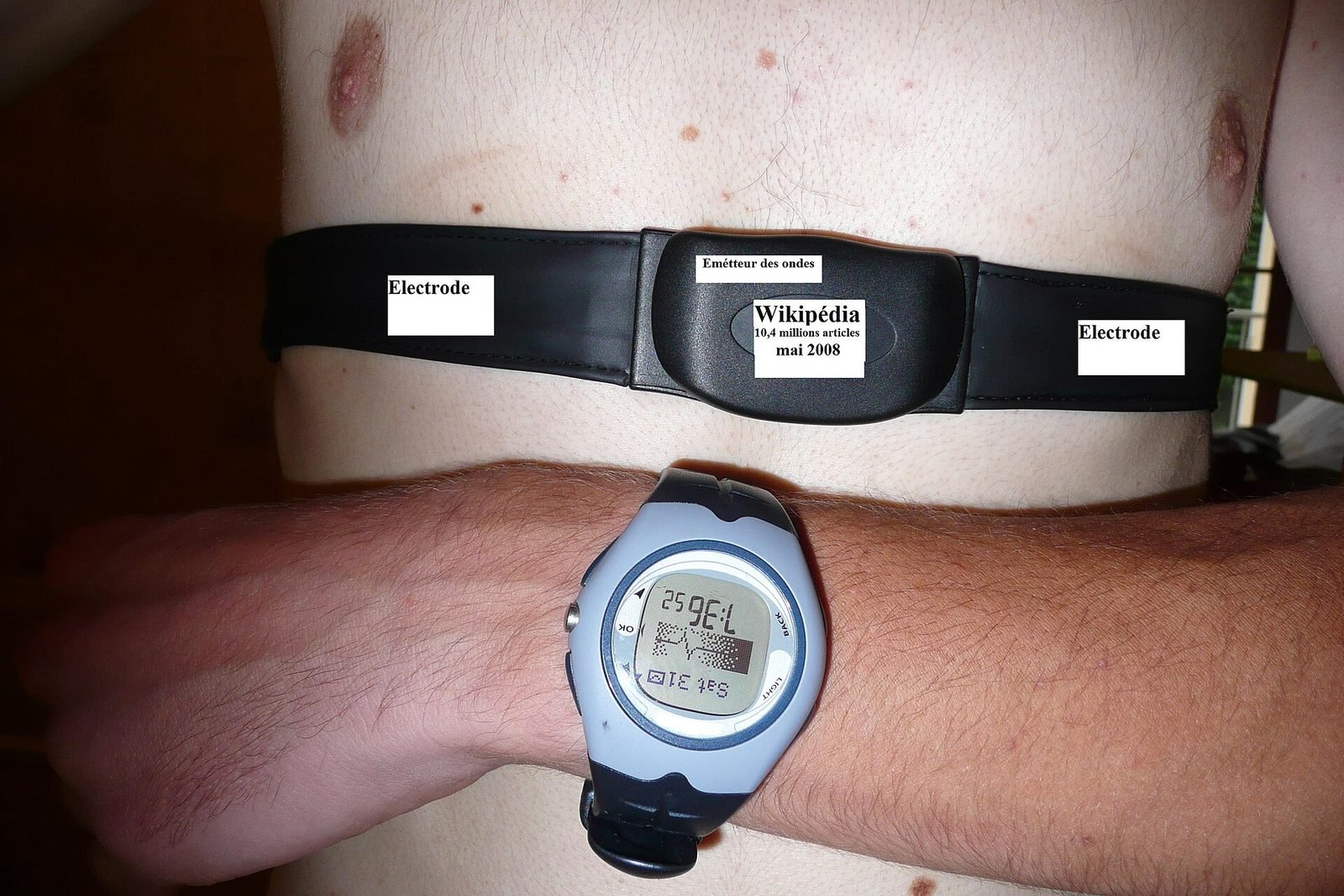
One honest limit up front: no strap makes you fitter, prevents injury, or replaces medical advice. A strap only measures — what you do with the numbers is the training. The photos in this guide are generic training scenes, not photos of the named straps.
Quick Comparison
| Strap | Connection | Battery | Standout |
|---|---|---|---|
| Polar H10 | Bluetooth + ANT+ + 5 kHz | CR2025, ~400 hours | Dual Bluetooth + phone-free recording |
| Polar H9 | Bluetooth + ANT+ + 5 kHz | CR2025, ~400 hours | Same ECG basics, simpler and washable |
| Garmin HRM-Pro Plus | ANT+ + Bluetooth | ~12 months | Running dynamics + swim storage |
| Wahoo TRACKR | Bluetooth + ANT+ (up to 3 Bluetooth) | Rechargeable, 100+ hours | No coin cell to replace |
| CooSpo H808S | Bluetooth + ANT+ | ~300 hours | Budget everyday strap |
| Moofit HR8 | Bluetooth 5.0 + ANT+ | CR2032, up to 500 hours per listing | Longest hour figure in this guide |
Battery figures are not directly comparable across brands: some are quoted in hours, one in months, and one per charge. Compare within the same unit, and treat every figure as the maker’s or listing’s claim, not a measured result.
1. Polar H10 Heart Rate Sensor
Polar’s H10 is the most complete strap in this guide: an ECG chest sensor with Bluetooth, ANT+ and 5 kHz connections, two simultaneous Bluetooth connections, and internal memory that records one session of up to 30 hours without a connected device. The listing record we verified is the Black, M-XXL variant with the Polar Pro strap.
The memory is the feature that sets it apart. Swim a session, or train without your phone, and the H10 stores the workout and syncs it afterward — no other strap in this guide records phone-free except through a watch. It is also waterproof to 30 metres, and runs about 400 hours on a replaceable CR2025 cell.
✅ Pros
- Two simultaneous Bluetooth connections, plus ANT+ and 5 kHz
- Internal memory records one session up to 30 hours without a device
- Waterproof to 30 metres — the swim pick of this guide
- About 400 hours on a replaceable CR2025 cell
⚠️ Cons
- Coin cell, not rechargeable — keep a spare CR2025
- Many size and colour variants — easy to order the wrong one
- Electrodes need moistening and cleaning for a steady reading
⚠️ Check before ordering: the listing record behind this pick is about 173 days old — confirm the current offer, the exact variant (Black, M-XXL) and availability on the listing before you buy. Polar sells the H10 in XS-S and M-XXL sizes, so match the strap size to your chest, not just the sensor name.
Best for: swimmers, multi-device trainers, and anyone who wants phone-free recording in one strap.
May not fit: anyone who wants a rechargeable battery, or who only ever trains with one phone.
2. Polar H9 Heart Rate Sensor
Polar’s H9 is the simpler sibling of the H10: the same ECG chest measurement, Bluetooth, ANT+ and 5 kHz connections, and about 400 hours on a replaceable CR2025 cell — without the memory and second Bluetooth connection. The listing record we verified is the M-XXL variant with the Polar Soft Strap.
What you give up is phone-free recording: the H9 only sends live data, so a phone, watch or machine must be connected during the session. What you keep is the measurement itself, plus a machine-washable soft strap — the easiest strap in this guide to keep fresh.
✅ Pros
- Same ECG chest measurement basics as the H10
- Machine-washable Polar Soft Strap
- About 400 hours on a replaceable CR2025 cell
- Two strap sizes: XS-S (20–26 in) and M-XXL (26–36 in)
⚠️ Cons
- No onboard memory — a device must stay connected during the session
- Single Bluetooth connection, unlike the H10’s two
- Remove the sensor module before washing the strap
⚠️ Check before ordering: the listing record behind this pick is about 175 days old — confirm the current offer, the exact variant (M-XXL) and availability on the listing before you buy. One record for this sensor ships from and is sold by Amazon.com; other sellers may list the same sensor, so check the seller too.
Best for: runners, cyclists and gym users who train with one phone or watch and want accurate live data.
May not fit: swimmers who want phone-free recording, or anyone who connects two Bluetooth devices at once.
3. Garmin HRM-Pro Plus
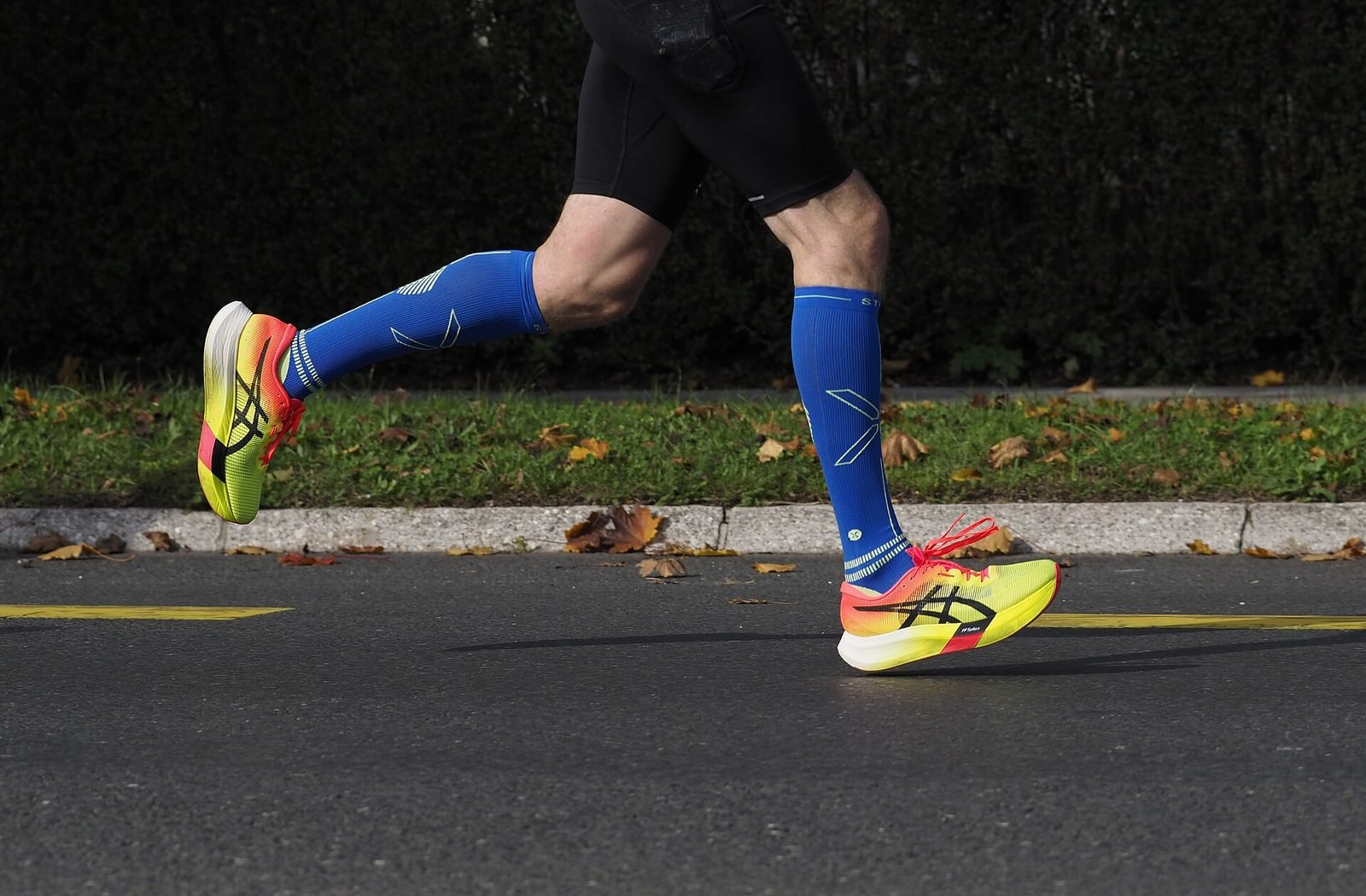
Garmin’s HRM-Pro Plus, model 010-13118-00, is the runner’s strap in this guide: it transmits live heart rate and heart rate variability over ANT+ and Bluetooth, and captures running dynamics — vertical oscillation, ground contact time, stride length, vertical ratio and running power on a compatible Garmin watch.
It also stores heart rate data during a swim and sends it to your device afterward, and during team sports it tracks steps, calories and intensity minutes that sync to a Garmin watch. Battery life is about 12 months on a replaceable cell.
✅ Pros
- Running dynamics on a compatible Garmin watch
- Stores swim heart rate data and syncs afterward
- Steps, calories and intensity minutes sync to a Garmin watch
- About 12 months of battery life
⚠️ Cons
- Full value needs a Garmin watch — running dynamics do not appear on other apps
- Coin cell, not rechargeable
- No display of its own — it only feeds another device
Check the Garmin HRM-Pro Plus on Amazon
⚠️ Check before ordering: the listing record behind this pick is about 326 days old — confirm the current offer, the exact model (010-13118-00) and availability on the listing before you buy. Garmin sells several similar straps (HRM-Pro, HRM 200, HRM 600), so match the Pro Plus name and model number, not just the brand.
Best for: Garmin watch owners who want running form data and swim storage in one strap.
May not fit: anyone outside the Garmin ecosystem, or who wants a rechargeable battery.
4. Wahoo TRACKR Heart Rate Monitor

Wahoo’s TRACKR is the rechargeable pick in this guide: an ECG chest sensor with a built-in lithium-ion battery that recharges over USB-C to a magnetic cable, giving over 100 active hours per charge — no coin cell to buy or replace. It broadcasts over Bluetooth and ANT+ at the same time, with up to three simultaneous Bluetooth connections.
At 39 grams with the strap it is a light, slim unit, and the strap adjusts from 26.25 to 34.5 inches to fit chests up to 50 inches. Water rating is IPX7, and the strap is hand-wash only with the pod detached. Note the trade-off: unlike the H10 and HRM-Pro Plus, the TRACKR has no onboard memory, so a device must stay connected to record a session.
✅ Pros
- Rechargeable battery — no coin cell to replace
- Over 100 active hours per charge
- Up to three simultaneous Bluetooth connections, plus ANT+
- Light at 39 grams with the strap
⚠️ Cons
- No onboard memory — a device must stay connected to record
- Built-in battery cannot be swapped when it eventually wears out
- Strap is hand-wash only, with the pod detached
Check the Wahoo TRACKR on Amazon
⚠️ Check before ordering: the listing record behind this pick is about 353 days old — the oldest in this guide — so confirm the current offer and availability on the listing before you buy. The TRACKR replaced the older TICKR and TICKR X, so do not confuse it with those earlier straps, and confirm the TRACKR strap itself, since it does not fit TICKR straps.
Best for: cyclists, runners and indoor trainers who want rechargeable convenience and multi-device connections.
May not fit: swimmers who want phone-free recording, or anyone who prefers a swappable coin cell.
5. CooSpo H808S Heart Rate Monitor Chest Strap
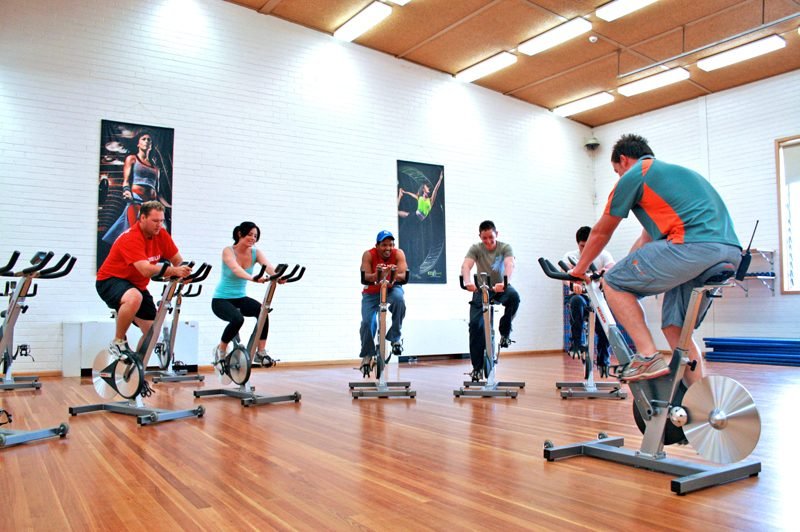
CooSpo’s H808S is the budget everyday strap in this guide: a Bluetooth and ANT+ chest strap, IP67 rated, with about 300 hours of battery life. The listing record we verified ships from Amazon and is sold by CooSpo.
It covers the core job — steady live heart rate to a phone, watch, bike computer or app such as Strava, Zwift, Polar Beat, Peloton or DDP Yoga — without the running dynamics, swim memory or multi-Bluetooth features of the premium straps. For a home gym user who just wants a number on screen, that is the whole point.
✅ Pros
- Bluetooth and ANT+ for phones, watches, bike computers and apps
- About 300 hours of battery life
- IP67 rated against sweat and splashes
- Verified listing ships from Amazon and is sold by CooSpo
⚠️ Cons
- No running dynamics or swim-memory features named in the record we verified
- CooSpo sells several similar straps — confirm the H808S, not the H6
- Smaller brand support network than Polar, Garmin or Wahoo
Check the CooSpo H808S on Amazon
⚠️ Check before ordering: the listing record behind this pick is about 205 days old — confirm the current offer and availability on the listing before you buy. CooSpo’s H6, H808S and H9Z straps look alike in search results, so match the H808S model name exactly.
Best for: home gym users who want steady live heart rate on screen at the lowest fuss.
May not fit: runners who want form data, or swimmers who want phone-free recording.
6. Moofit HR8 Heart Rate Monitor Chest Strap
Moofit’s HR8 is the long-battery budget pick in this guide: a Bluetooth 5.0 and ANT+ chest strap, IP67 rated, with a CR2032 cell included and up to 500 hours of battery life per the listing — the longest hour figure in this guide. It pairs with phones, tablets, bike computers and gym equipment, and works with apps including Strava, Zwift and Peloton.
The sensor powers on when it detects a heart rate signal and powers off when removed from the strap, so there is no button to remember. Treat the 500-hour figure as the listing’s claim: battery life depends on how often and how long you train.
✅ Pros
- Up to 500 hours of battery life per the listing
- Bluetooth 5.0 and ANT+ for a wide range of devices and apps
- IP67 rated against sweat and splashes
- Auto on/off when worn and removed — no button to remember
⚠️ Cons
- Single-source listing record — confirm the exact HR8 chest-strap listing before ordering
- No running dynamics or swim-memory features named in the record we verified
- Smaller brand support network than Polar, Garmin or Wahoo
Check the Moofit HR8 on Amazon
⚠️ Check before ordering: the listing record behind this pick is about 306 days old and comes from a single source — confirm the current offer, the exact HR8 chest-strap listing and availability before you buy. Moofit’s own manual references a different listing for the same HR8 model, so match the chest-strap version, not the armband version, and not just the HR8 name.
Best for: budget buyers who want the longest claimed battery life and simple auto on/off.
May not fit: anyone who wants verified multi-source availability, running form data, or swim recording.
How to Choose a Chest Strap
Choosing a strap comes down to four decisions: what it connects to, whether you need recording without a device, how it is powered, and whether the strap fits your chest.
Start with your main device. A Garmin watch owner gets the most from the HRM-Pro Plus; a Zwift or Peloton user just needs Bluetooth or ANT+; a swimmer needs memory or a watch that stays poolside. Buy the strap that fits the setup you already own, not the one with the longest feature list.
Then check the size range, not just the sensor name. Straps come in sizes — Polar’s XS-S covers 20–26 inches and M-XXL covers 26–36 inches, while Wahoo’s TRACKR strap adjusts to fit chests up to 50 inches. Measure around your chest at the level the strap will sit, and match that number to the strap’s range.
Finally, decide on power. Coin cells last months and swap in seconds but need spares; rechargeable straps never need a coin cell but must be charged and eventually wear out. Neither is better in general — pick the one you will actually maintain.
Chest vs Wrist: Why a Strap Reads Steadier
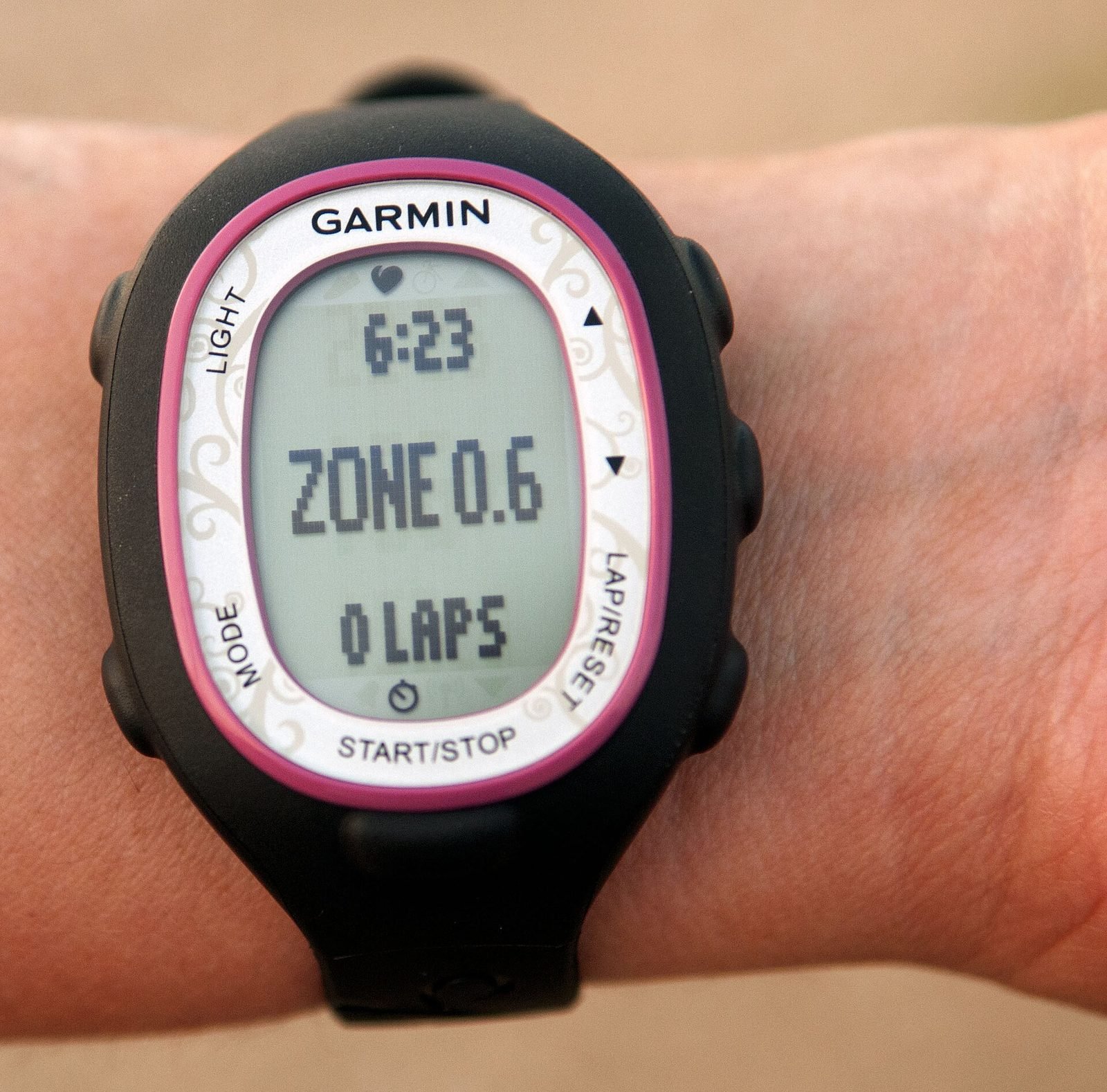
A chest strap reads the heart’s electrical signal with electrodes against the skin. A wrist watch shines light into the skin and watches blood flow change. Both work, but the electrical reading is steadier when you move hard — sprint intervals, burpees, rowing and heavy lifting are exactly where wrist readings wobble.
The wrist still wins on convenience: no strap to wet, position or wash, and it tracks all day without thinking. Many trainers use both — a watch for all-day tracking and a strap for sessions where the number matters.
One honest note: a strap is not automatically accurate. A dry electrode, a loose strap or a strap sliding down mid-set will all give jumpy numbers. The steadiness comes from correct fit and contact, not from the strap alone.
Connectivity: Bluetooth vs ANT+
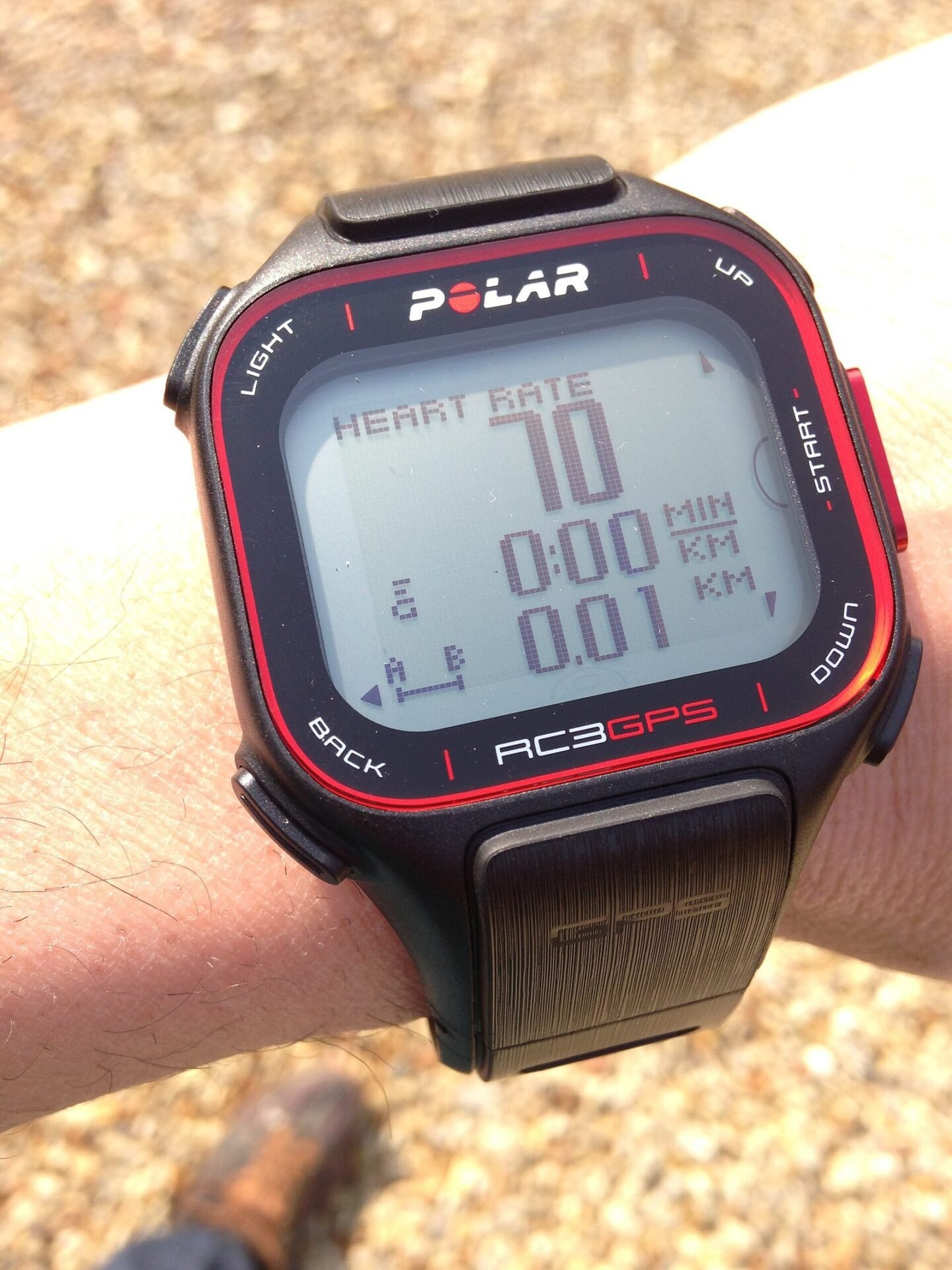
Bluetooth connects a strap to phones, tablets and most apps — one device at a time per connection, though the H10 holds two and the TRACKR holds three. ANT+ connects to watches, bike computers and gym equipment, and one strap can broadcast to several ANT+ receivers at once.
Most straps in this guide carry both, so you rarely have to choose. The exception that matters is gym equipment: older treadmills and bikes often speak ANT+ only, while phones and apps mostly speak Bluetooth. A dual-band strap covers both rooms.
One more connection type appears on the Polar straps: 5 kHz. That is the older gym-equipment signal, useful on compatible machines that predate Bluetooth and ANT+. If your machine is new, you will likely never use it — but it costs nothing to have.
Pairing With Your Phone, Watch or Machine

Pairing is simple in principle: wet the electrodes, put the strap on, open the app or device, and select the strap from its sensor list. The strap appears only while it detects a heartbeat, so put it on first and search second.
If it does not appear, the usual causes are a dry electrode, a dead or loose battery, or another device already holding the strap’s Bluetooth connection. Wet the electrodes again, check the battery, and disconnect the strap from any other app before retrying.
For indoor apps such as Zwift or Peloton, pair the strap inside the app’s sensor menu, not just in your phone’s Bluetooth settings. An app paired only at system level may still show no heart rate inside the workout.
Getting the Fit Right
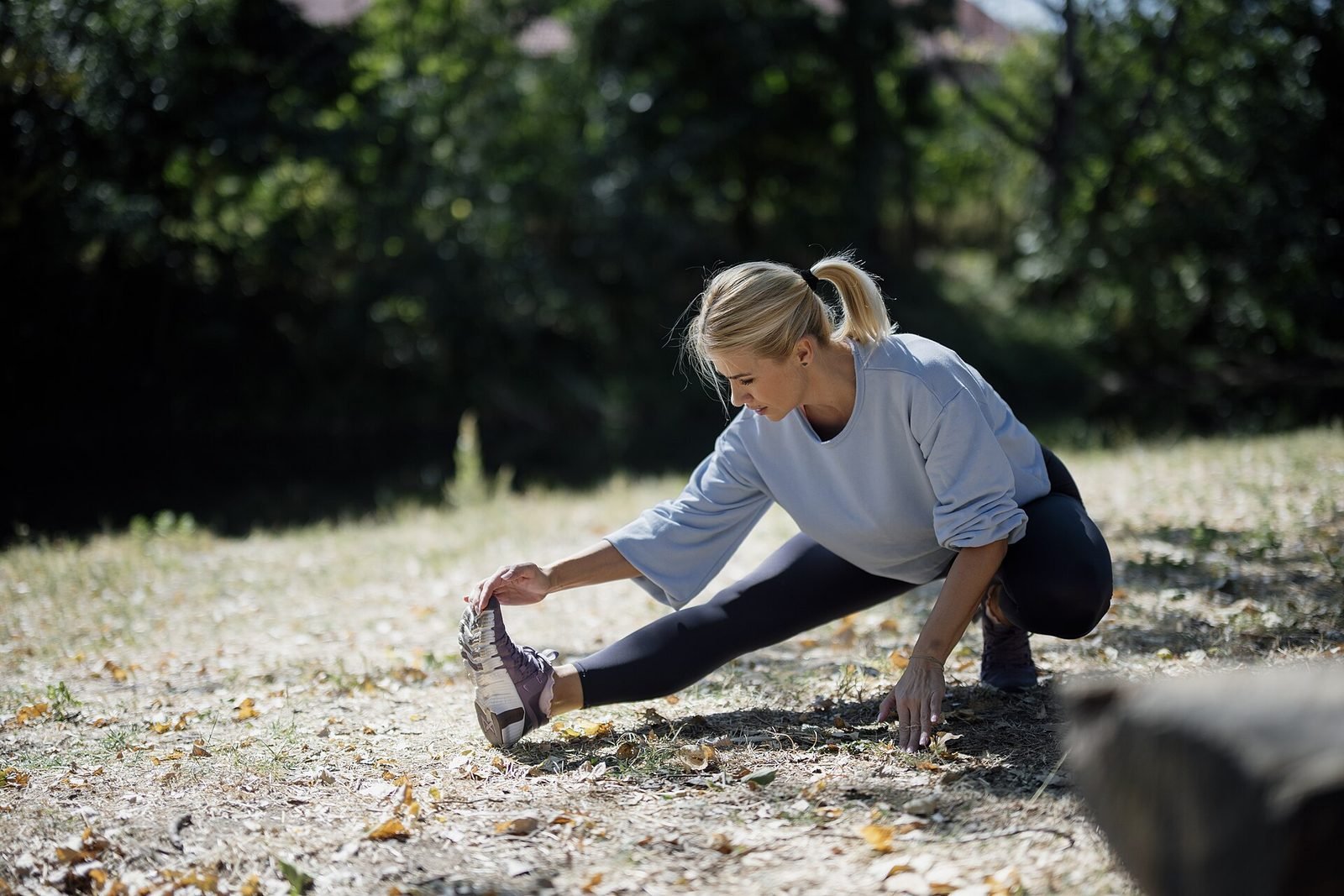
Fit comes down to three checks. First, the sensor pod should sit centred on the chest, just below the chest muscles, with the electrodes flat against the skin. Second, the strap should feel snug but not tight — you should be able to breathe fully and talk normally. Third, it should stay put through a full session without sliding down.
Wet the electrodes with water or saliva before every session. Dry electrodes are the single most common cause of dropouts and wild readings, and no strap reads well dry.
If the strap keeps slipping, the cause is usually size, not quality. A strap a size too big will ride down no matter the brand, and a strap worn too low will lose contact on every stride. Move it up, tighten it one notch, and re-check — change the size before blaming the sensor.
Battery and Care
Coin-cell straps run for months: the Polar straps claim about 400 hours, the CooSpo about 300, and the Moofit up to 500 per its listing, all on replaceable cells. The Garmin HRM-Pro Plus claims about 12 months. Rechargeable straps are different: the TRACKR gives over 100 active hours per charge, then needs its USB-C magnetic cable.
Care matters as much as battery. Rinse the strap under running water after sweaty sessions and let it dry fully — dried sweat corrodes electrodes and causes dropouts. Machine-washable straps, such as the Polar Soft Strap, go in the machine only with the sensor module removed; the TRACKR strap is hand-wash only, pod detached.
Replace a strap when the elastic gives up or the electrodes look cracked and worn. A worn-out strap gives the same jumpy readings a cheap strap does, whatever it cost originally.
Safety: What No Heart-Rate Strap Makes Safe
A strap measures heart rate — it does not judge it, diagnose anything, or keep you safe on its own. Treat this section as the habits that keep a home session safe:
- Warm up first. A few minutes of easy movement before hard sets beats any gear choice.
- Stop on chest pain, dizziness or unusual breathlessness. Those are stop-and-seek-care signals, not numbers to watch on a screen.
- Remember a strap is not a medical device. Its reading is training data, not a diagnosis — never use it to decide about medication or symptoms.
- Ask your clinician first if you have a pacemaker or implanted defibrillator. Chest straps use electrical sensing, so get the all-clear before wearing one.
- Do not over-tighten. Numbness, tingling or skin marks mean the strap is too tight — loosen it or change the size.
- Keep the strap clean and dry between sessions. A damp, sweaty strap irritates skin and reads badly.
- See a clinician about persistent symptoms. Recurring chest discomfort, palpitations or faintness is a medical question, not a strap question.
This is general information, not medical advice. If you have a heart condition, high blood pressure, diabetes or any implanted device, ask your clinician about heart-rate training and strap use before changing anything.
Frequently Asked Questions
Do I need a chest strap if my watch already measures heart rate? Not always. For easy sessions a watch is fine. For intervals, rowing, lifting and racing, a strap reads steadier because it measures the heart’s electrical signal directly.
Will a chest strap work with my treadmill or exercise bike? If the machine accepts Bluetooth or ANT+ heart rate, yes — check the machine’s manual for which signal it takes. Older machines may take ANT+ or 5 kHz only, which is where the Polar straps’ extra signals help.
Bluetooth or ANT+ — which should I use? Bluetooth for phones and apps, ANT+ for watches, bike computers and gym equipment. Most straps here carry both, so use whichever your device finds first.
Can I swim with a chest strap? Only the straps rated for it, and only with memory or a poolside device. The H10 (30 metres, with memory) and the HRM-Pro Plus (swim storage) are the swim options here; the TRACKR is IPX7 but has no memory, so it cannot record a swim on its own.
How long do the batteries really last? Coin cells last months of regular training; the TRACKR needs charging after about 100 active hours. Real life depends on session length and frequency, so treat every figure as a claim, not a promise.
Why does my reading drop out mid-session? Usually dry electrodes, a loose strap, or a dying battery. Wet the electrodes, tighten one notch, and check the battery before assuming the strap is broken.
Our Pick: Start Here

If you buy one strap first, make it the Polar H10: dual Bluetooth, ANT+ and 5 kHz, phone-free recording, 30-metre waterproofing and about 400 hours on a coin cell cover every session in this guide. Confirm the Black, M-XXL variant before ordering.
If you want the same ECG basics for less fuss, the Polar H9 with its washable strap is the value pick. If you hate coin cells, the Wahoo TRACKR is the rechargeable pick. And if you just want a number on screen at the lowest fuss, the CooSpo H808S is the budget pick.
For the rest of the kit, our fitness trackers guide is the previous guide, and our workout socks guide, exercise bikes guide and treadmills guide complete the setup.
As an Amazon Associate, we earn from qualifying purchases made through links on this page, at no extra cost to you.
This guide is based on research of Amazon US listing records and general training knowledge, not on hands-on testing. Listing details, availability and offers change over time — always confirm the current listing before ordering. This article is general information only, not medical advice.