

A treadmill is the most-used cardio machine in most home gyms — and the easiest to buy wrong. 🏃
The mistake is almost always the same: a walking pad bought for running, or a full-size runner squeezed into a room it never fits. Motor power, deck length and folded size matter far more than the screen.
This guide compares six treadmills you can actually buy for a home gym, from a full-size runner to a fold-flat walking pad, with their real limits stated plainly. No hands-on testing is claimed here: this is research-based, built from published roundups and listing details, so you can choose with honest expectations.
How We Picked
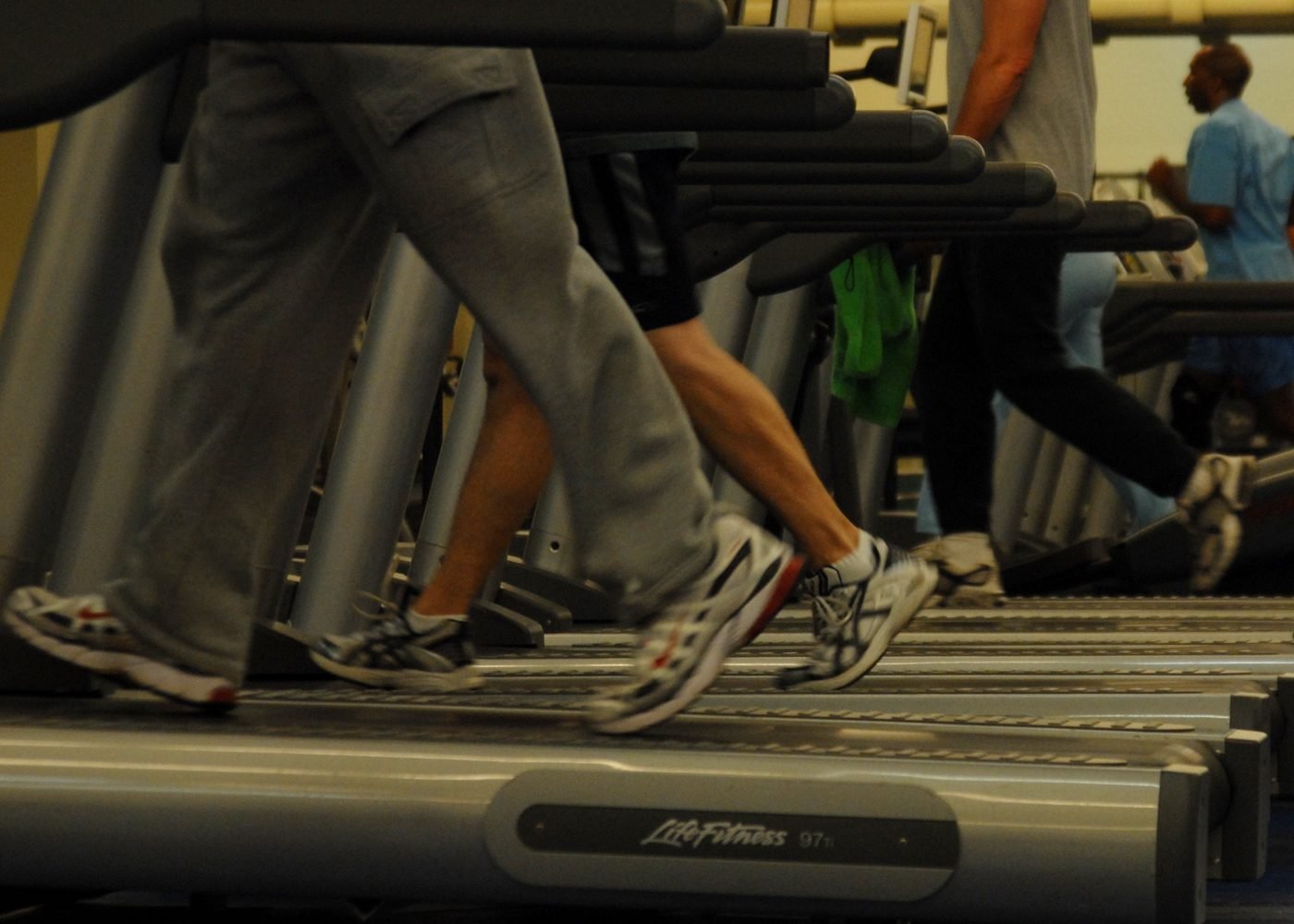
We started from published home-treadmill roundups, including keensift, fitnessvolt, activeman and treadmillreviews, then checked each model’s listing details for motor power, deck size, speed range, incline, weight capacity and folded size.
A pick had to meet three tests: a confidently sourced US listing, a clear home-gym use case, and specs that hold up for everyday training — not just a headline feature.
Some famous names did not make the list, and we say why:
- Sperax walking pads — one roundup flags safety concerns, so we left the brand out rather than recommend it.
- Peloton Tread — a subscription-led, direct-sale model, which changes the real long-term cost in a way this guide does not compare.
- ProForm Carbon TL — an iFIT machine that overlaps the NordicTrack pick without adding a different use case.
- Echelon Stride — no confidently sourced US Amazon listing found during research.
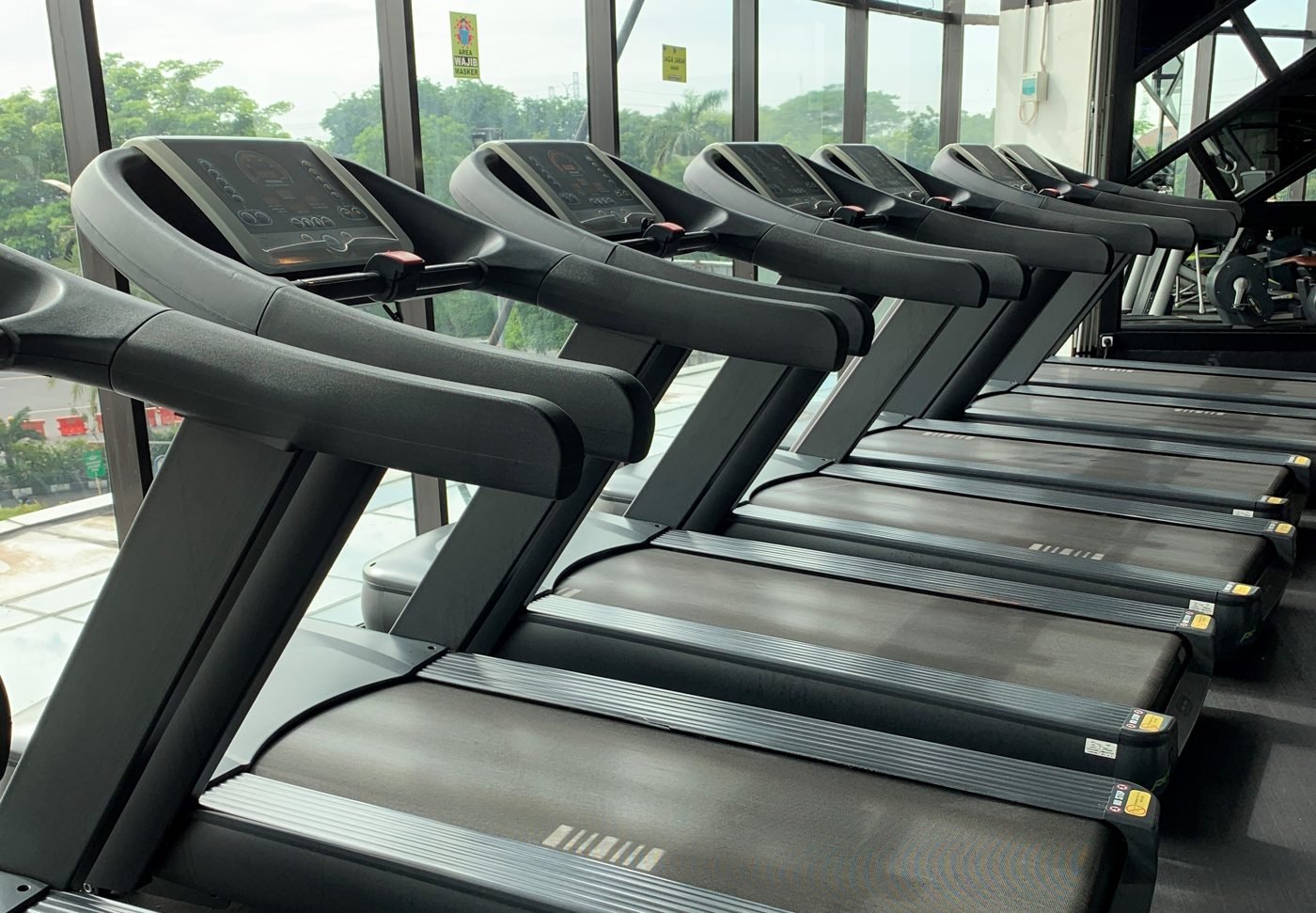
Photos in this guide are real gym and treadmill scenes, not the sellers’ product photos. The machine in a photo may not be the exact model named — captions say honestly what each photo shows.
Quick Comparison
| Treadmill | Motor | Top Speed | Incline | Max User Weight | Best For |
|---|---|---|---|---|---|
| NordicTrack Commercial 1750 | 4.25 CHP | 12 mph | -3% to 12% | 400 lb | Best overall |
| Sole F63 | 3.0 HP | 12 mph | 0–15% | 325 lb | Best value runner |
| Horizon 7.0 AT | 3.0 CHP | 12 mph | 0–15% | 325 lb | Best no-subscription runner |
| XTERRA TR150 | 2.25 HP | 10 mph | 3 manual levels | 250 lb | Best budget folding |
| UREVO Strol 2E | 2.25 HP | 6.2 mph | None listed | 265 lb | Best 2-in-1 walking pad |
| Sunny SF-T4400 | 2.2 HP | 9 mph | 3 manual levels | 220 lb | Best compact budget |
Short version: runners need a 3.0+ HP motor and a 60-inch deck, walkers need a quiet pad that stores flat, and everyone needs to measure the room first. 🎯
1. NordicTrack Commercial 1750 — Best Overall
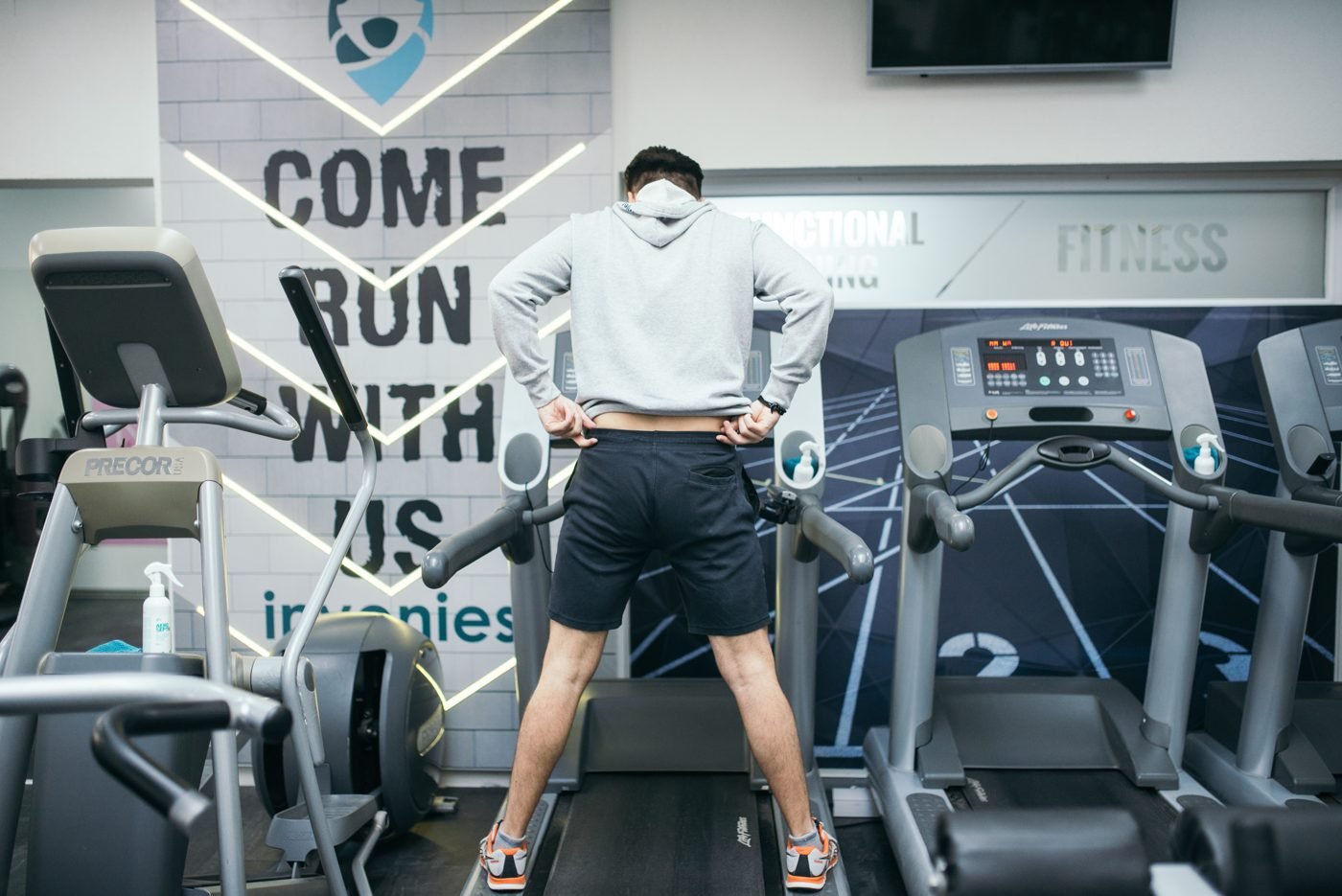
The NordicTrack Commercial 1750 is our overall pick because it covers the most bases: a 4.25 CHP motor, a 22 by 60 inch deck, speeds to 12 mph, and an incline range from -3% decline to 12% incline.
The catch is the subscription. Its best trainer-led workouts and auto-adjusting classes sit behind iFIT, so the real long-term cost is the machine plus a membership. If you will use those classes, it is excellent value; if you will not, the Sole and Horizon picks below give you the same running without the lock-in. 📺
✅ Pros
- Strongest motor here at 4.25 CHP, with the widest deck at 22 inches.
- Decline as well as incline — rare on home treadmills, and useful for race training.
- 400 lb capacity, the highest in this guide.
- Folding frame, so a full-size runner still frees floor space.
⚠️ Cons
- Full iFIT features need an ongoing membership, sold separately.
- Big and heavy — measure doorways and stairs before delivery, not after.
Check the NordicTrack Commercial 1750 on Amazon
Please confirm the current offer, seller, and included parts before you buy — listing details were last verified in research crawls several months ago, and several of those crawls showed no featured offers for this listing, so availability needs a fresh check. Older 1750 listings also exist — confirm the current model on the page.
2. Sole F63 — Best Value Runner
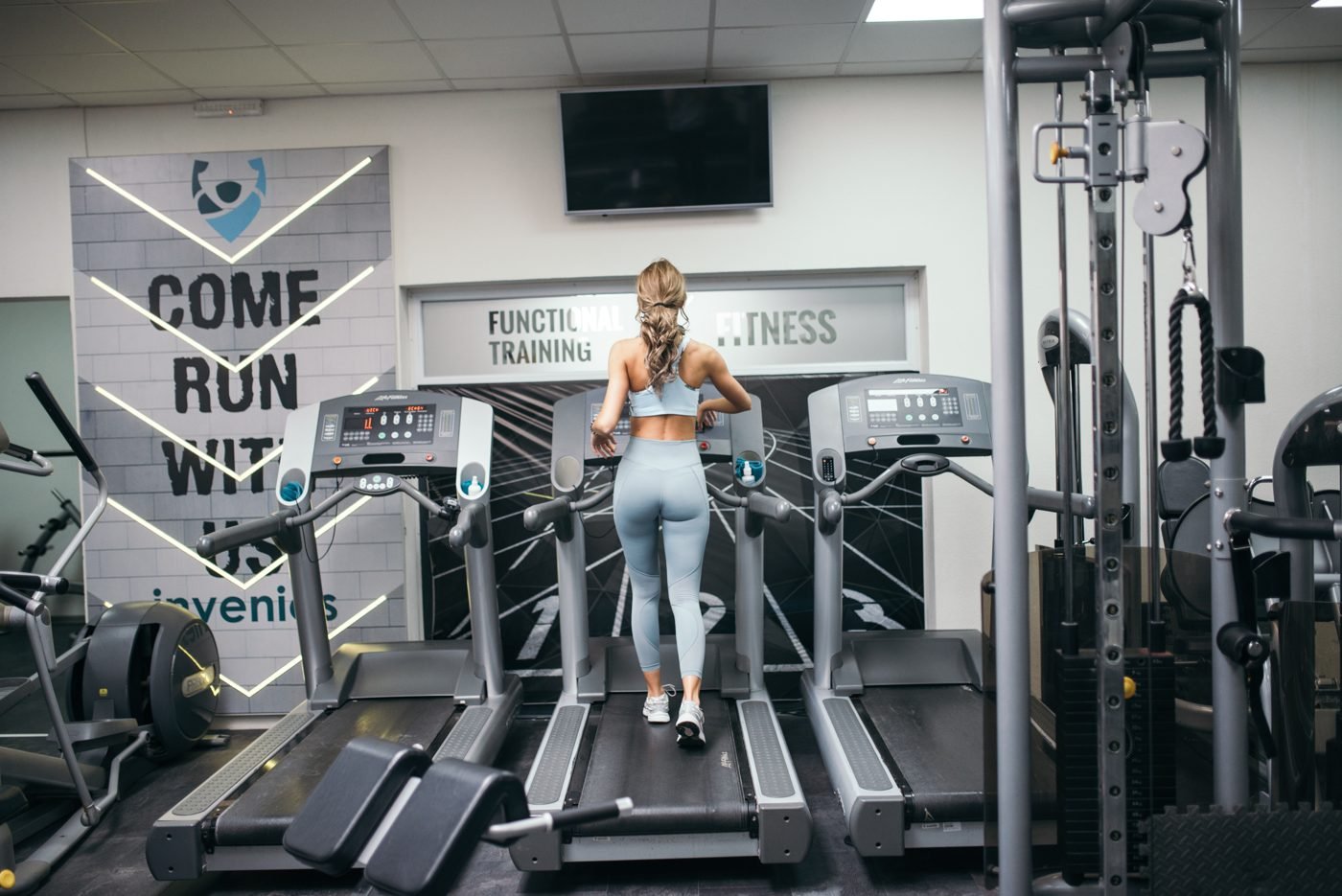
The Sole F63 is the value runner: a 3.0 HP motor, a 20 by 60 inch deck, speeds to 12 mph, and 15 levels of incline — the same running surface as far pricier machines, with no subscription required.
Sole’s pitch is durability over screens. You get a 6.5-inch LCD, 10 built-in programs, Bluetooth and a Cushion Flex Whisper Deck that Sole says cuts impact by up to 40% versus asphalt — but no big touchscreen and no class library. For runners who just run, that is a feature, not a gap. ✅
✅ Pros
- Full 20 by 60 inch deck at a value position in the range.
- No subscription needed for the basics — Bluetooth syncs with common fitness apps.
- 325 lb capacity with a folding frame.
- 10 built-in programs, including cardio and fat-burner sessions.
⚠️ Cons
- Basic LCD display — no touchscreen classes or streaming.
- Heavy to move, even folded — plan its permanent spot before it arrives.
Please confirm the current offer, seller, and included parts before you buy — listing details were last verified in research crawls several months ago, and those crawls showed no featured offers for this listing, so availability needs a fresh check. An older F63 listing also exists — confirm the current model on the page.
3. Horizon 7.0 AT — Best No-Subscription Runner
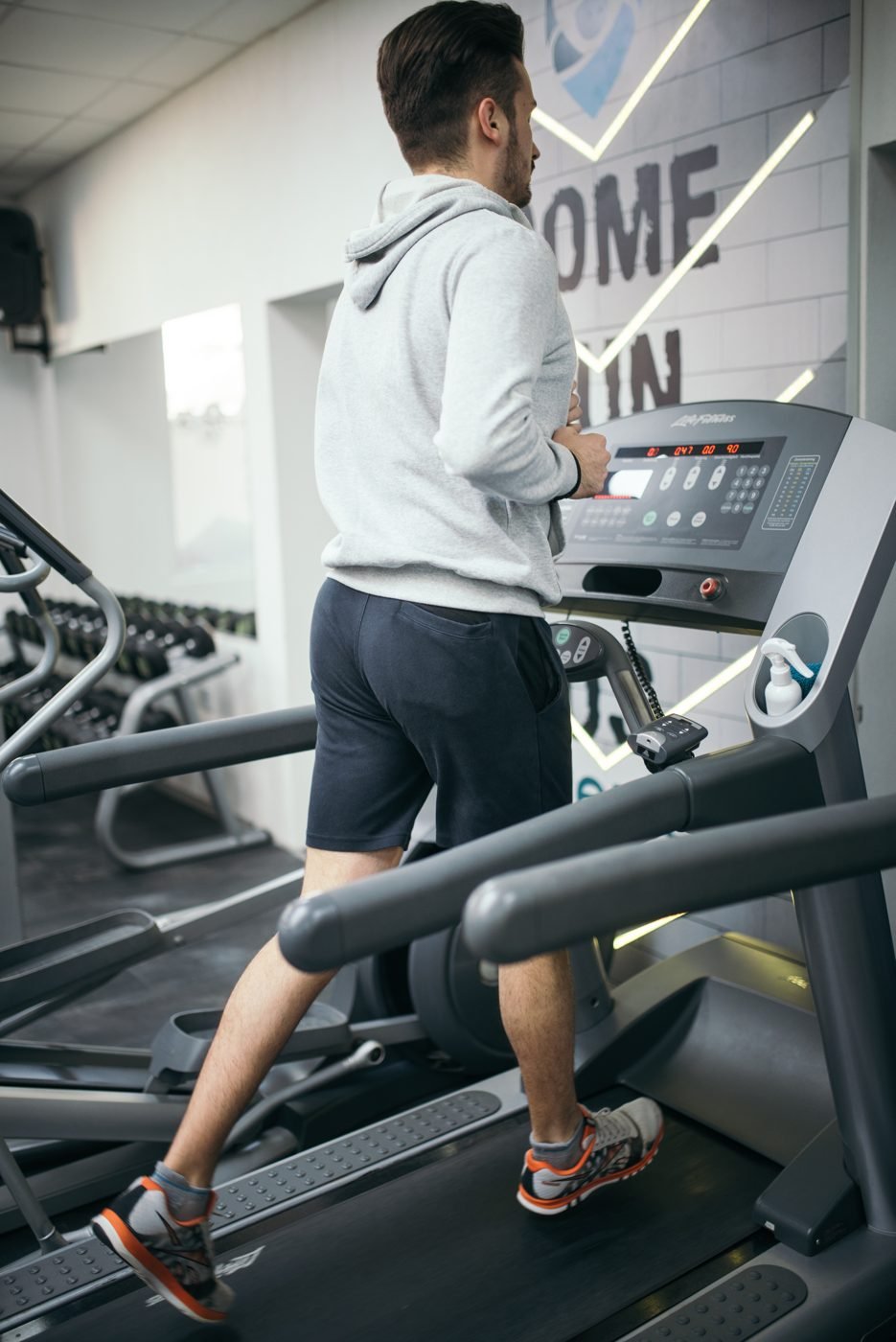
The Horizon 7.0 AT is the runner for people who already pay for an app — or pay for none. Its 3.0 CHP RapidSync motor, 20 by 60 inch deck, 12 mph top speed and 15% incline match the Sole, but Bluetooth connects to Peloton, Zwift, Apple Watch and Samsung watches with no single-platform lock-in.
RapidSync is Horizon’s name for fast speed and incline changes, which matters most for intervals: the belt catches up with your program instead of lagging behind it. 🏃
✅ Pros
- App-agnostic Bluetooth — use the apps you already pay for, or none at all.
- Full 20 by 60 inch cushioned deck with a 325 lb capacity.
- Quick speed and incline response for interval training.
- Folding frame with a 3-zone cushioned deck.
⚠️ Cons
- No built-in class library — you supply the app and the screen.
- Another Horizon listing for the same model exists — confirm the Studio Series version before ordering.
Check the Horizon 7.0 AT on Amazon
Please confirm the current offer, seller, and included parts before you buy — listing details were last verified in research crawls several months ago and may have changed. Confirm the Studio Series model on the page, since a second listing for this treadmill exists.
4. XTERRA TR150 — Best Budget Folding
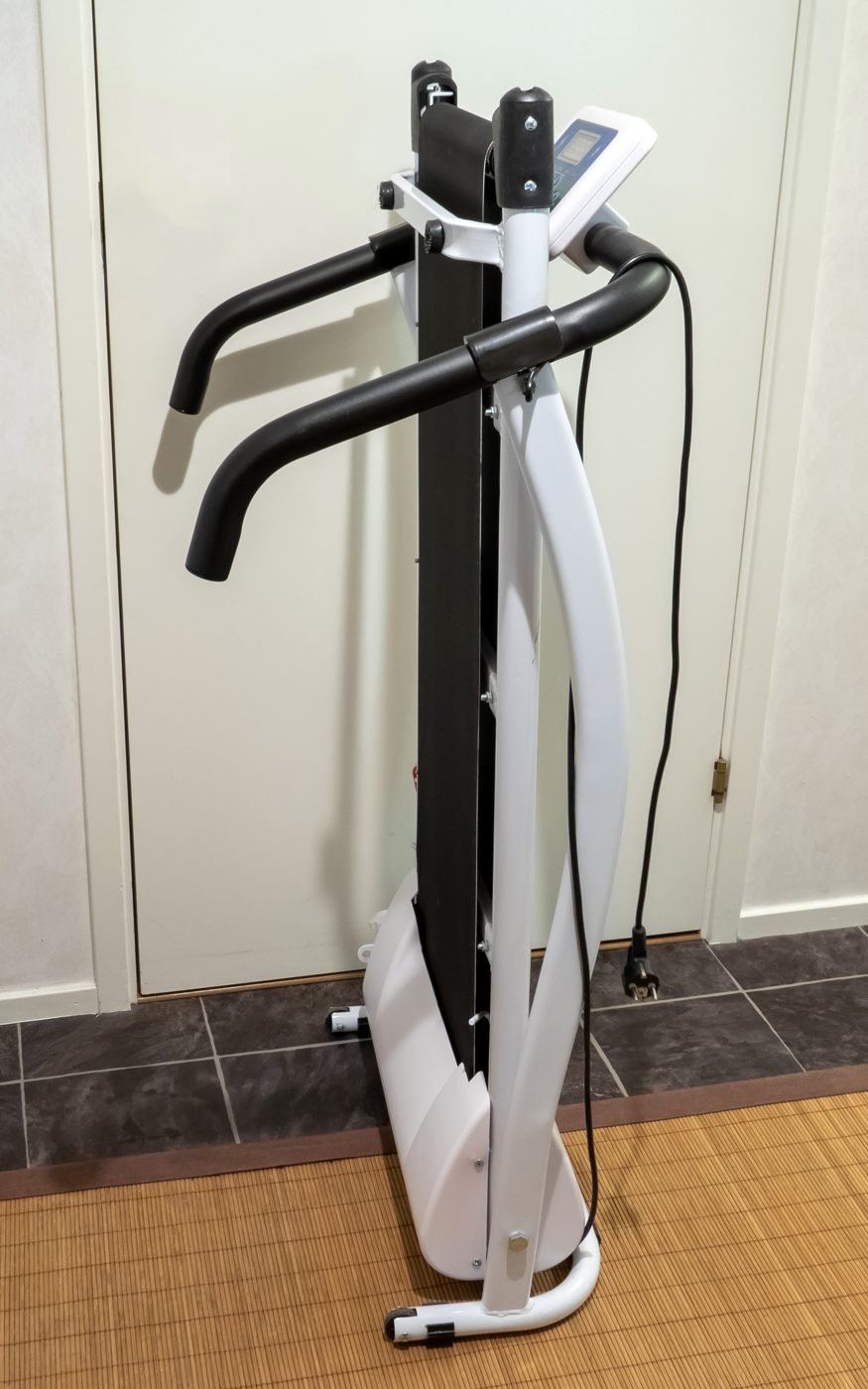
The XTERRA TR150 is the budget folder: a 2.25 HP motor, speeds from 0.5 to 10 mph, 3 manual incline levels, and a 16 by 50 inch deck that folds up for storage.
That deck is the honest limit. At 50 inches long and 16 inches wide it suits walking and light jogging, not long-stride running — tall runners will feel cramped at full speed. But for daily walks and gentle jogs in a small home, it is the cheapest way into a real folding treadmill. 🏠
✅ Pros
- Folding design that stores in a corner after training.
- 12 preset programs plus a manual mode for variety.
- Quiet 2.25 HP motor suited to shared homes.
⚠️ Cons
- 250 lb max user weight — the second-lowest in this guide.
- Short, narrow deck — not a full running treadmill, whatever the headline speed says.
- Manual incline means stepping off to change the level.
Check the XTERRA TR150 on Amazon
Please confirm the current offer, seller, and included parts before you buy — listing details were last verified in research crawls several months ago, and one of those crawls showed no featured offers for this listing, so availability needs a fresh check.
5. UREVO Strol 2E — Best 2-in-1 Walking Pad
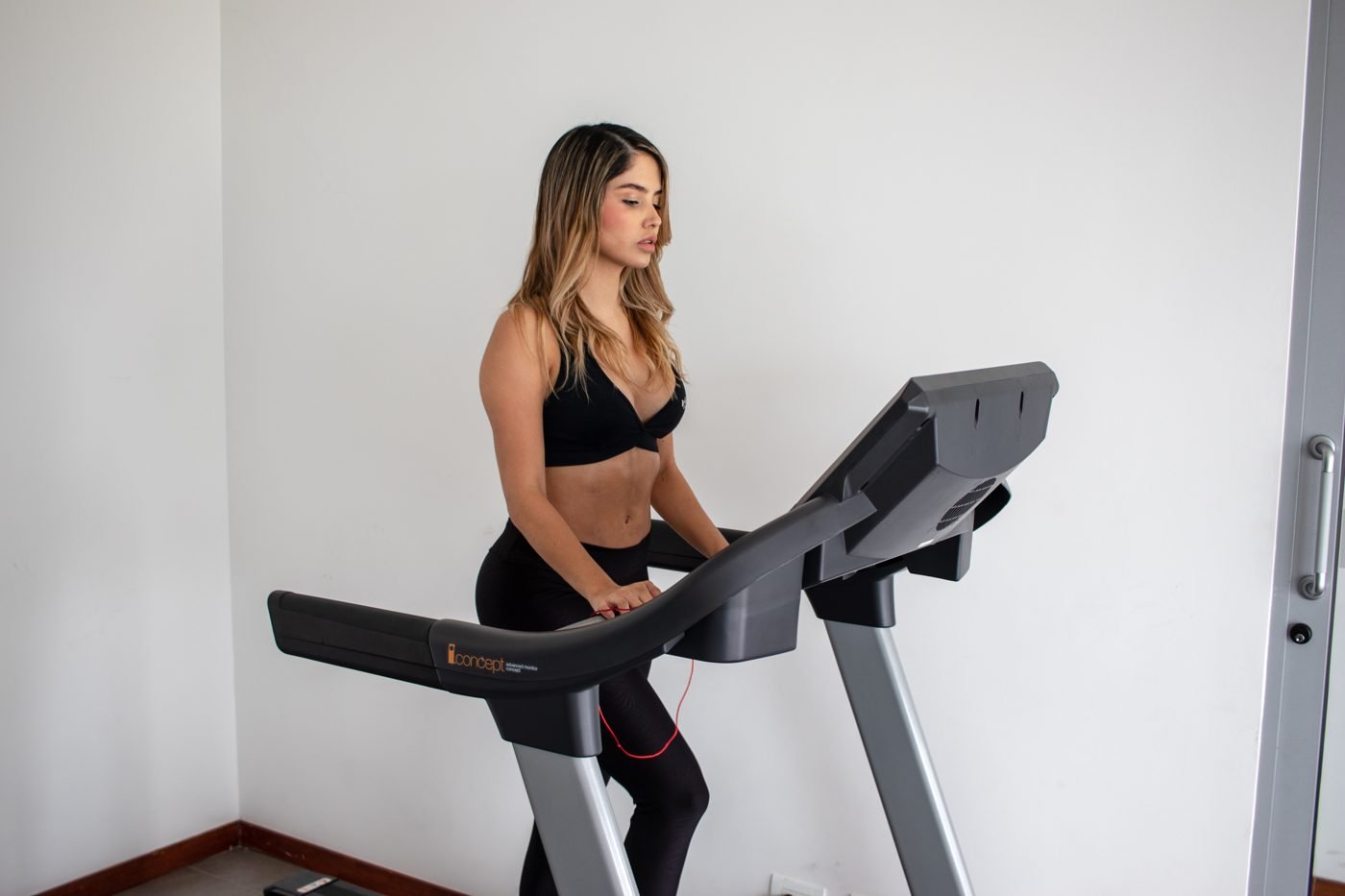
The UREVO Strol 2E is the walking pad pick: a 2-in-1 design with a handle that folds down for walking mode (0.6 to 4 mph, flat enough to slide under a standing desk) and raises for running mode (up to 6.2 mph).
Folded flat it is only about 5 inches high, so it slides under a bed or sofa — the best storage in this guide by far. The trade-offs are a 265 lb capacity, a 46.8-inch deck, and no incline on the listing specs: this is a walker and light jogger, not a runner’s machine. ⚠️
✅ Pros
- Two modes in one machine — under-desk walking and open running.
- Folds to about 5 inches high for under-bed or under-sofa storage.
- Remote control, dual display and app connectivity included.
- Plug-and-play setup with almost no assembly.
⚠️ Cons
- No incline listed on the listing specs — one roundup table claims 12%, but the listing does not support it, so do not buy it for hills.
- 6.2 mph top speed rules out serious running.
- Short deck suits walking strides, not long running strides.
Check the UREVO Strol 2E on Amazon
Please confirm the current offer, seller, and included parts before you buy — listing details were last verified in research crawls several months ago, and one crawl of a variant listing showed no featured offers, so availability needs a fresh check. Confirm the colour and variant on the page.
6. Sunny SF-T4400 — Best Compact Budget
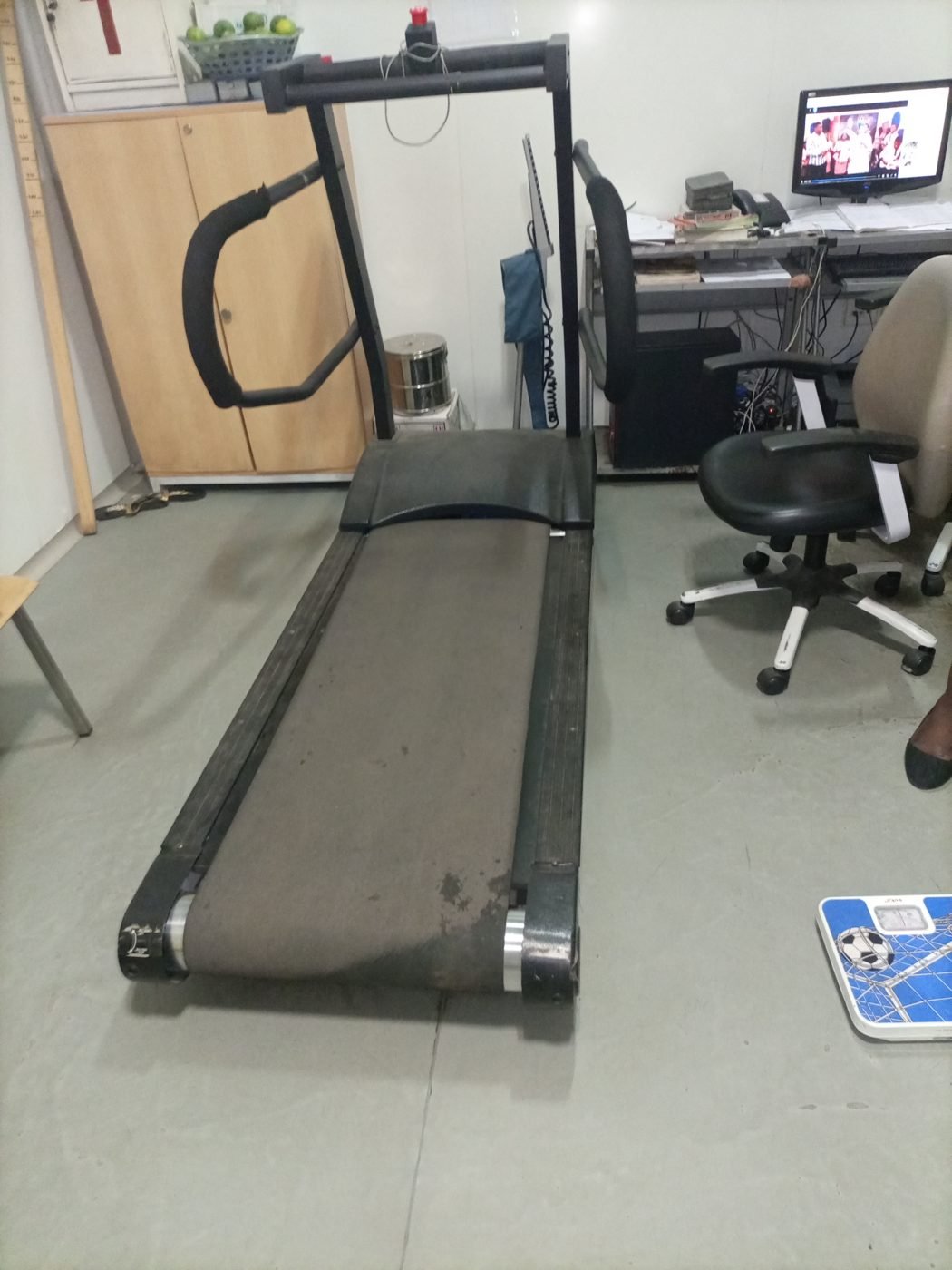
The Sunny SF-T4400 is the compact budget pick: a folding treadmill with a 9 mph top speed, 3 manual incline levels, a tablet holder, and a frame that folds to about 36 by 25.5 by 58 inches.
Its belt is about 49 inches long and 15.5 inches wide — smaller than every other pick here — and its capacity is 220 lb, the lowest in this guide. That makes it a walker and light-jogger machine for smaller users, not a family running treadmill. But for a single person in a flat who wants a real frame rather than a pad, it is the cheapest honest option. 🧽
✅ Pros
- Smallest folding footprint of the full-frame picks.
- Tablet holder for classes on your own device.
- Simple design with little to maintain.
⚠️ Cons
- 220 lb max user weight — check it against your body weight first.
- Short, narrow belt — walking and light jogging only, not long-stride running.
- Manual incline means stepping off to change the level.
Check the Sunny SF-T4400 on Amazon
Please confirm the current offer, seller, and included parts before you buy — listing details were last verified in research crawls several months ago and may have changed.
How to Choose
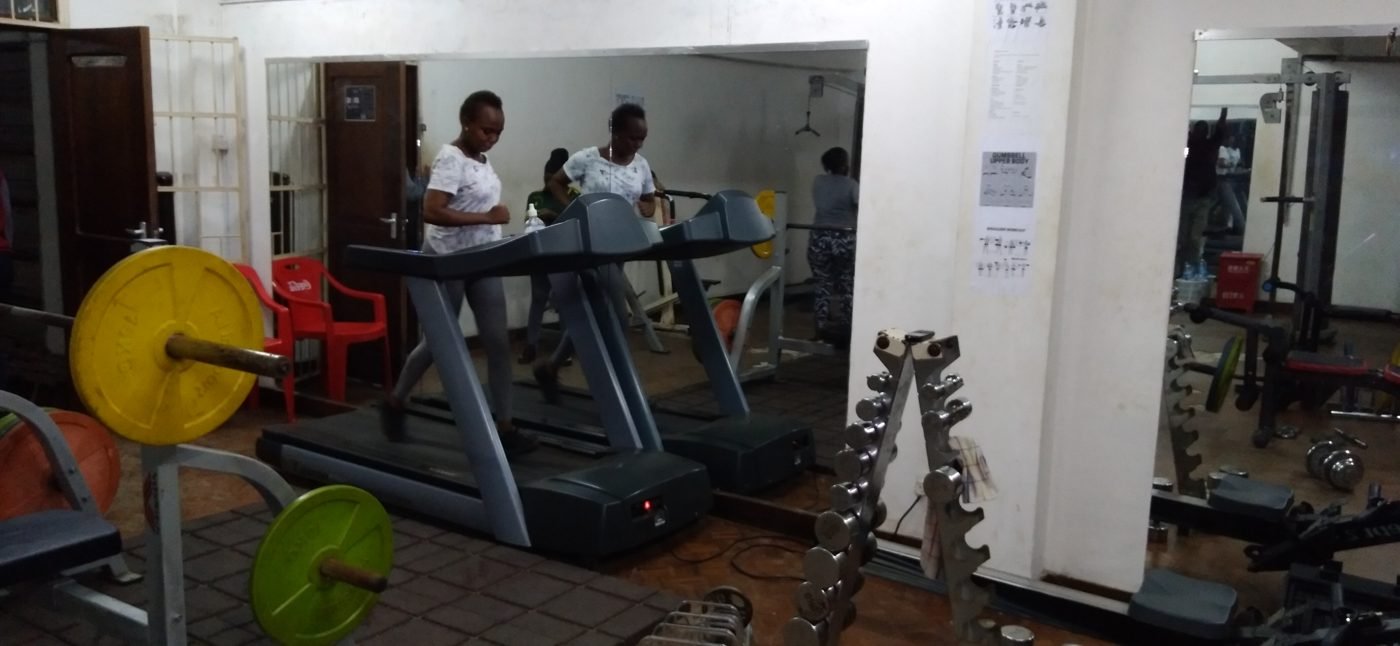
Use this section before you buy. The wrong motor or a deck that is too short is the most common treadmill regret. 🧭
Motor Power (HP vs CHP)
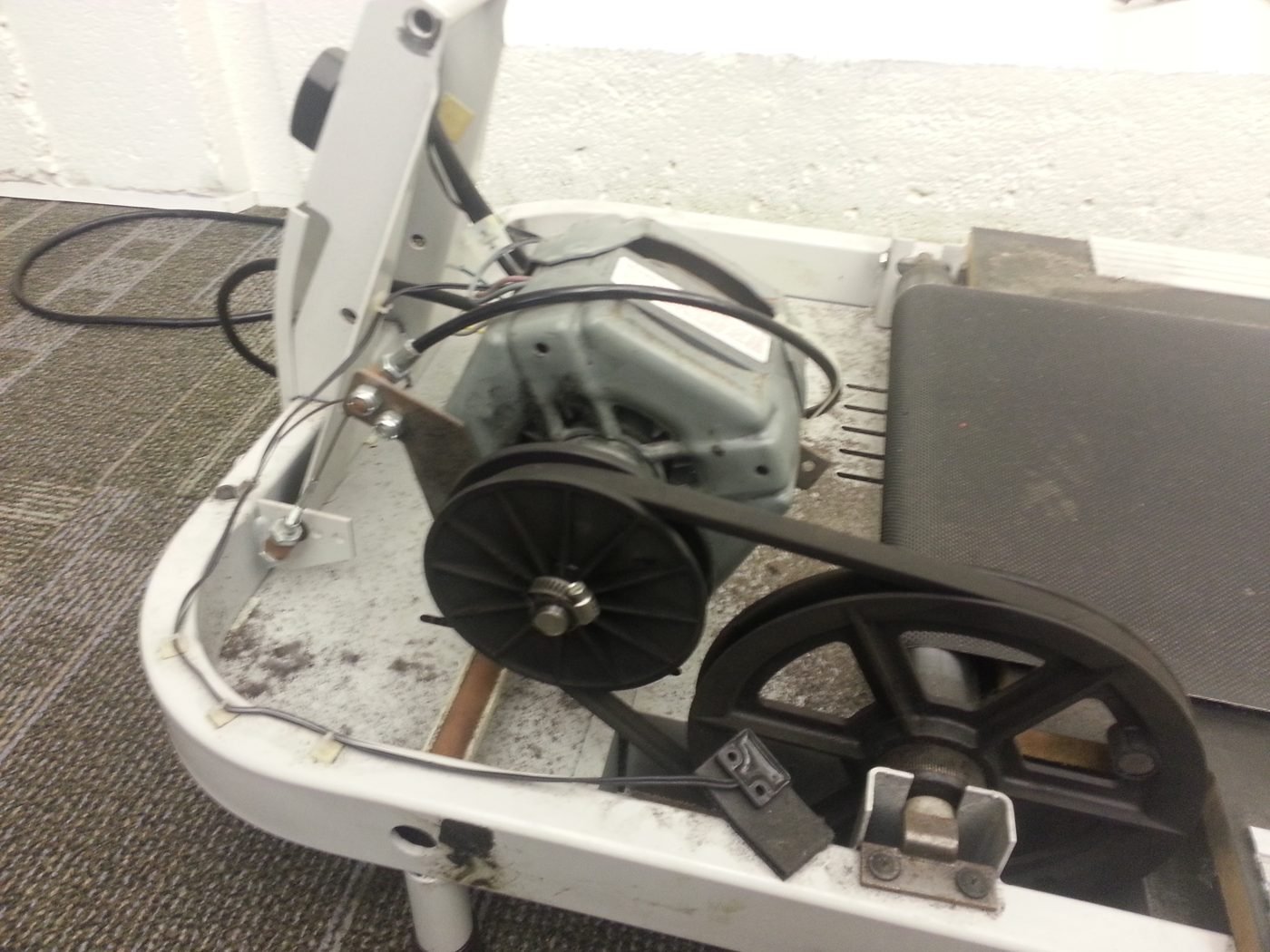
Motor ratings come in two flavours. HP is peak power; CHP (continuous horsepower) is what the motor sustains without overheating, and it is the number that matters for runners.
As a rule: walkers can live with 2.0 to 2.5 HP, joggers want around 2.5 to 3.0, and daily runners should insist on 3.0 CHP or more. A small motor run hard wears out faster, runs hotter, and feels jerky at speed.
Ignore headline horsepower on cheap pads — check whether the rating is continuous, and whether the maker states a duty rating at all.
Deck Size and Your Stride
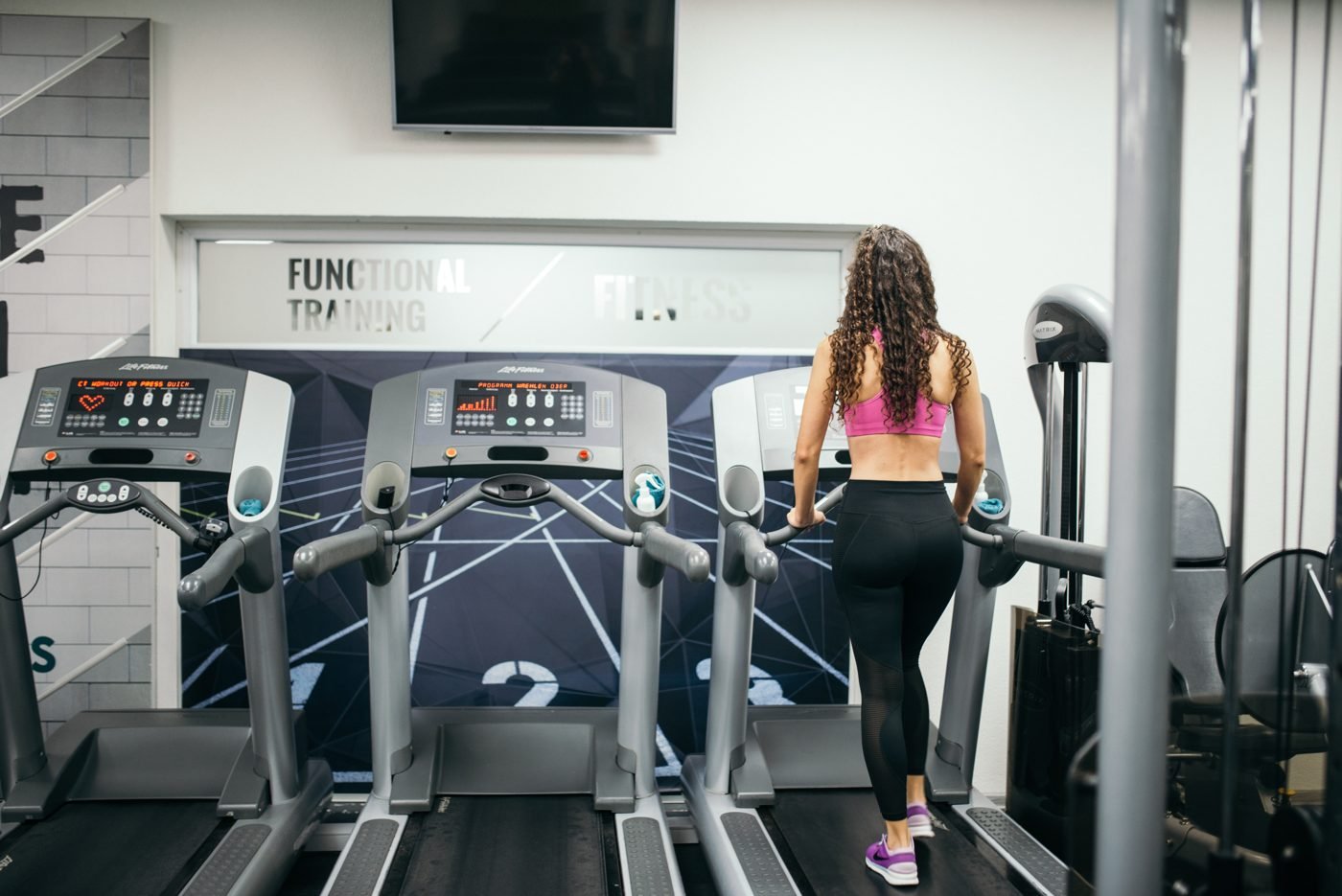
Your stride decides the deck, not your height alone. Walkers manage on 50 inches, joggers want 55, and runners should look for 60 inches — the length every full-size pick here except the compact ones offers.
Width matters too. A 20 to 22 inch belt gives room for natural drift; a 16-inch belt demands concentration and punishes any sideways step. If you are tall or run fast, favour the longest, widest deck you can fit — a short deck forces a cramped stride and sore knees.
Incline (and Decline)
Incline is the cheapest way to make a workout harder without running faster. A 10 to 15% incline burns far more energy at walking pace and builds hill strength for outdoor running.
Power incline changes at the touch of a button; manual incline means stepping off and moving a pin. Decline, found here only on the NordicTrack, mimics downhill running for race training — a bonus, not a must.
Walking pads usually have no incline at all. If hills matter to you, buy a framed treadmill, not a pad.
Folding and Space
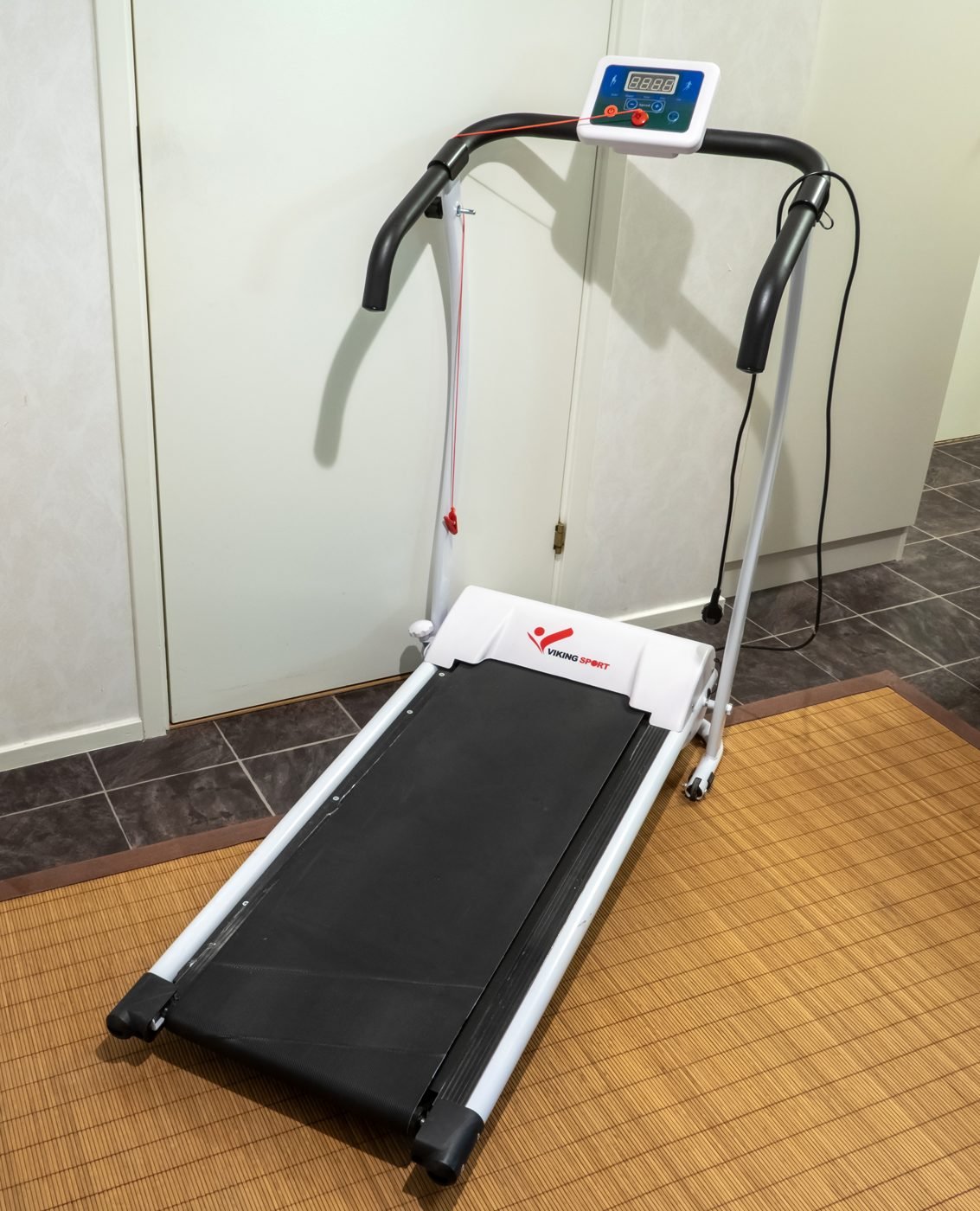
A treadmill in use is roughly 6 to 7 feet long. Measure your floor, then add room to get on and off safely and for the belt to throw heat.
For storage, folding frames (like the XTERRA and Sunny) stand upright in a corner, while the UREVO pad slides flat under furniture. Check the folded dimensions on the listing — not just the in-use length — and check your doorways: a full-size treadmill arrives in a very large box.
A mat underneath protects floors, damps vibration for neighbours, and catches sweat. It is a small buy that every treadmill owner ends up grateful for. 🧽
Apps and Subscriptions
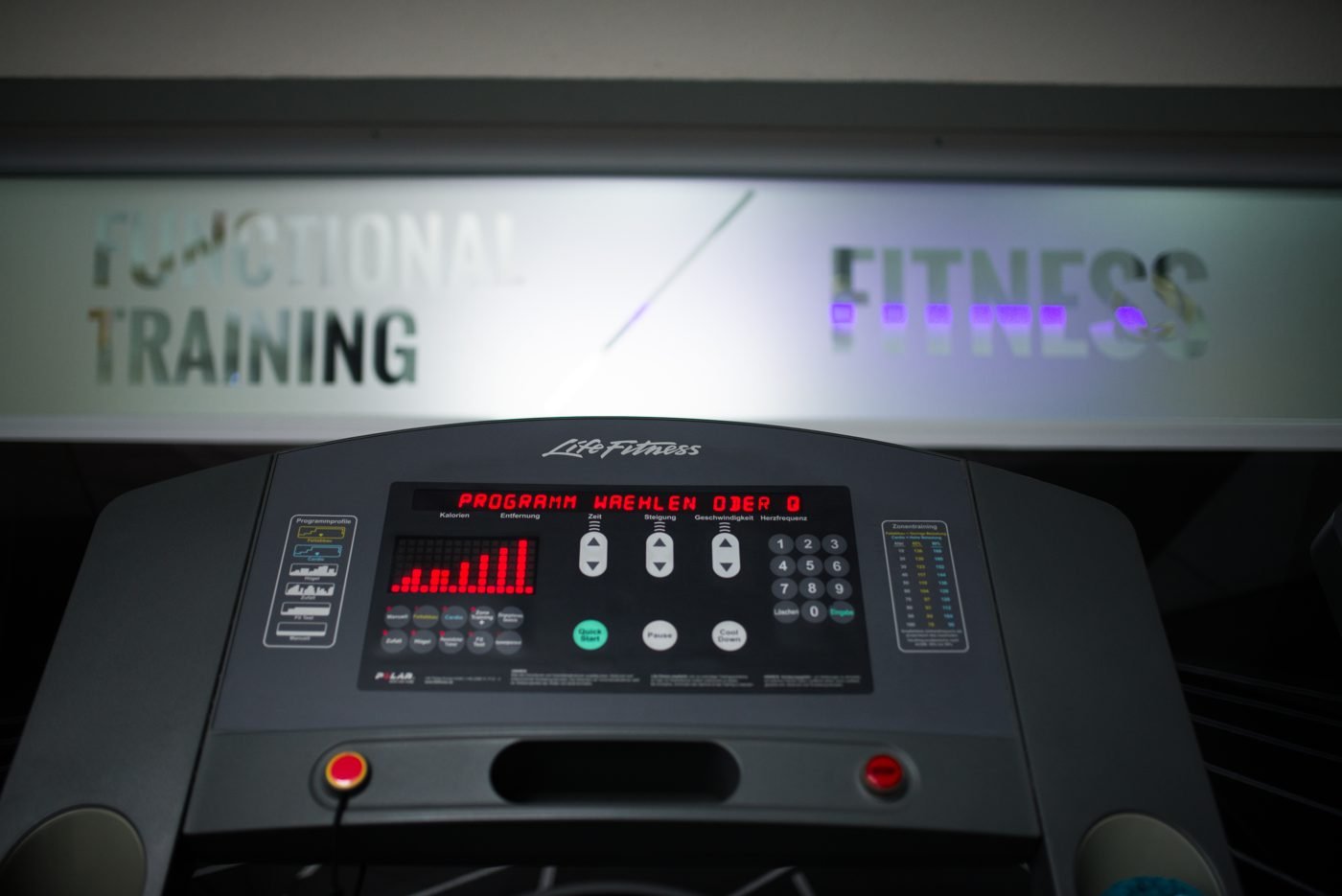
Apps fall into three groups. Free brand apps, like SunnyFit and the UREVO app, give you guided sessions at no extra cost. Third-party apps, like Zwift and Peloton, charge a subscription but work across many machines. Built-in screens, like NordicTrack’s iFIT, usually lock you into one platform.
The Horizon takes the flexible route: no screen, but Bluetooth to the apps you already pay for. The Sole takes the simple route: built-in programs and no subscription at all. Neither route is wrong — it depends on whether you already pay for an app.
Before you buy a screen treadmill, check two things: whether the screen works without a subscription, and whether the app runs on your phone. A screen that goes dark without a paid plan is an expensive tablet holder.
What No Treadmill Makes Safe
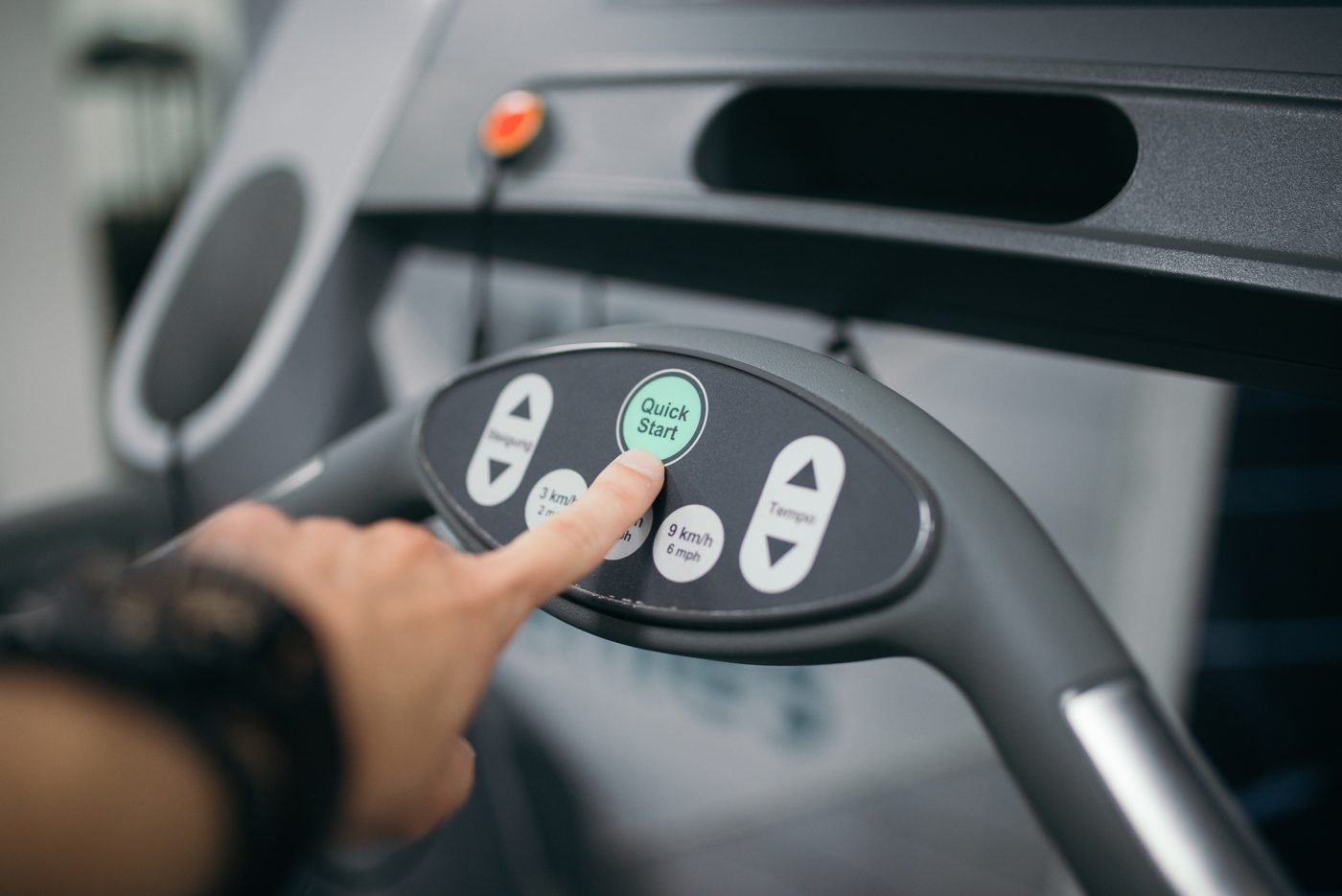
A treadmill is low-impact compared with road running, but it is not risk-free — especially for knees, balance and the lower back. No treadmill, however good, makes bad habits safe. ⚠️
Follow these steps every session:
- Clip the safety key to your clothing before you start — it stops the belt if you fall.
- Start at a slow walking pace and build up gradually — never step onto a moving belt.
- Keep your eyes forward, not down at your feet or phone.
- Use the handrails for balance when starting and stopping, not as a crutch throughout.
- Stop if you feel sharp pain, dizziness, or chest discomfort, and get medical advice if it persists.
- Keep children and pets clear of the belt and the rear roller while it runs.
- Check the belt alignment and lubrication on the maker’s schedule, and wipe the belt clean after use.
If you have a heart, joint, or balance condition, talk to a doctor before starting a treadmill programme. This guide is general information, not medical advice.
Frequently Asked Questions
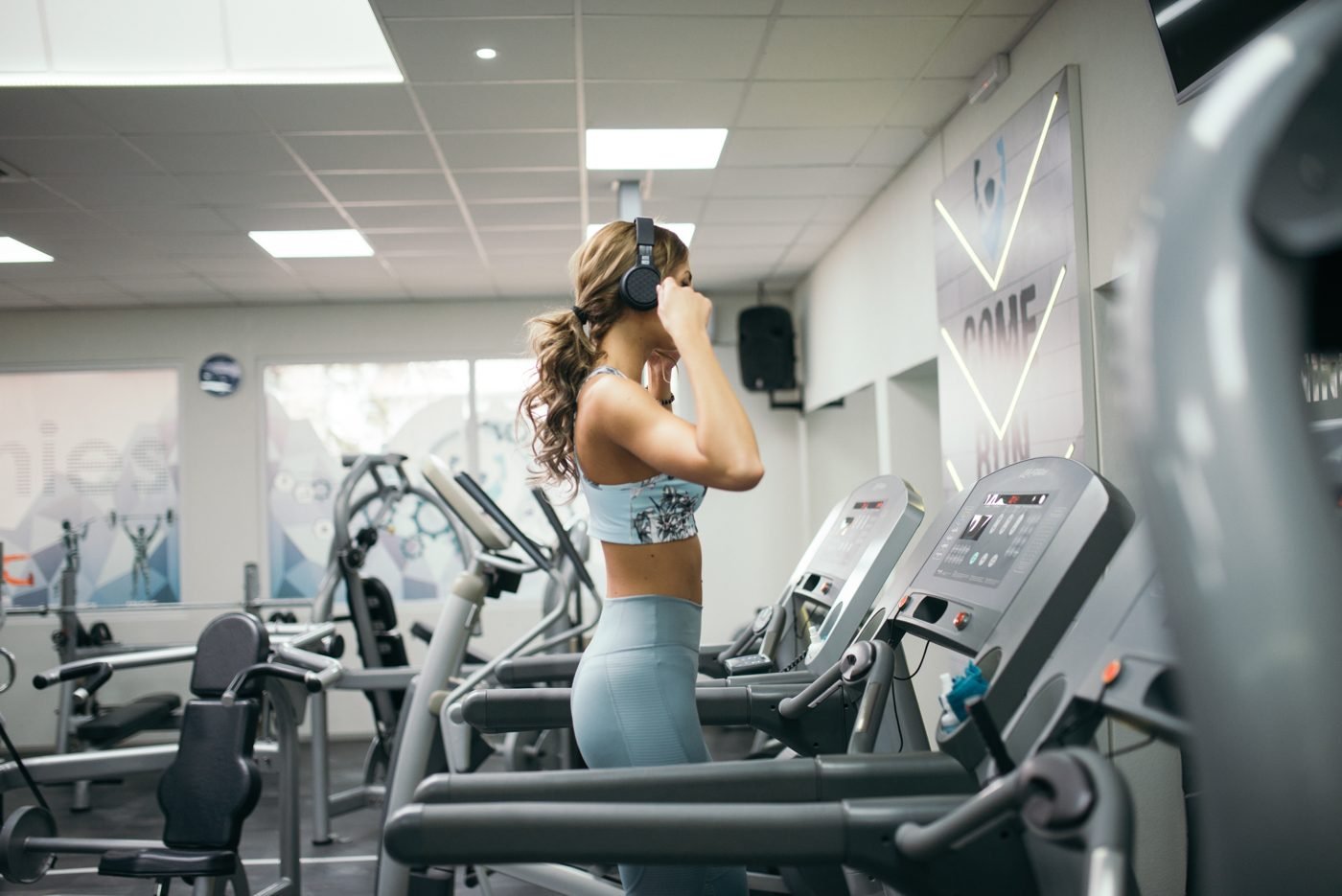
Are walking pads good for running?
No. Walking pads top out around 6 mph with short decks and no incline. They are excellent for daily steps and light jogging, but runners need a framed treadmill with a 60-inch deck.
What motor power do I need?
Walkers can live with 2.0 to 2.5 HP, joggers want around 2.5 to 3.0, and daily runners should insist on 3.0 CHP or more. Check whether the rating is continuous, not just peak.
Do I need incline?
It helps a lot. Incline raises effort without raising speed, which is kinder on joints and builds hill strength. Power incline is worth it if you train hills often; manual incline suits occasional use.
Can a treadmill help me lose weight?
It helps, because it makes regular cardio easy to stick with — and consistency matters more than any single workout. No treadmill burns fat on its own; food and total activity still decide the result.
How much space does a treadmill need?
Plan for the machine’s footprint plus room to mount and dismount safely. A full-size runner needs about 7 feet of length in use; a folding pad needs almost none once stored flat.
Do I need a mat under my treadmill?
It is strongly recommended. A mat protects your floor, damps vibration for neighbours, and makes cleanup easier.
Our Pick in One Line
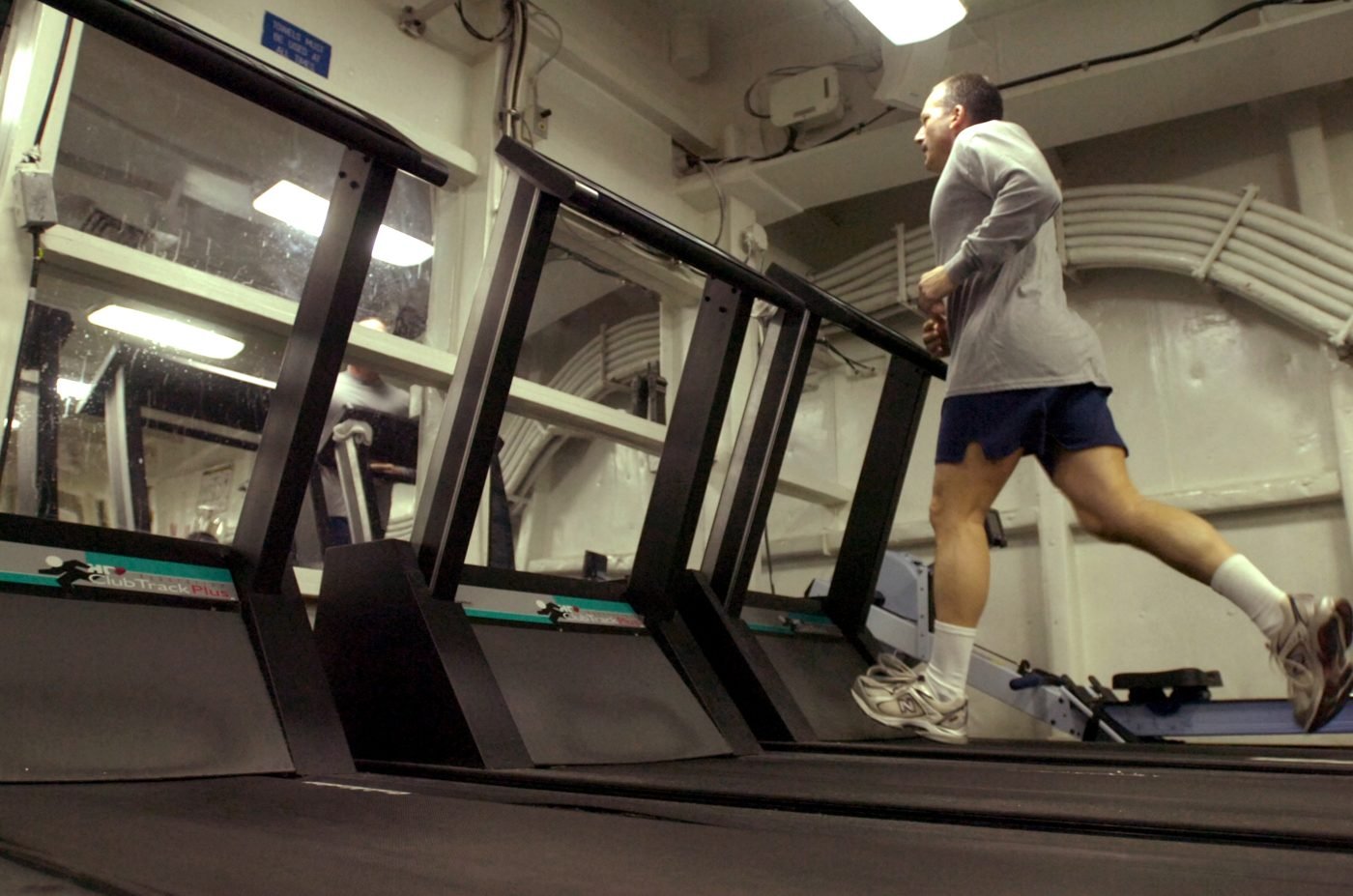
If you want one answer: buy the NordicTrack Commercial 1750 for the strongest all-round home running — and if subscriptions put you off, the Sole F63 gives you the same deck without one. 🏃
Whichever treadmill you choose, measure your space, check the weight rating, and confirm the current listing before you buy — and link back here if you found this guide useful.
For the rest of your home gym, see our Best Exercise Bikes for Home Gyms guide, our Best Rowing Machines for Home Gyms guide, our Best Power Racks for Home Gyms guide, our Best Home Gym Mirrors guide, our Best Workout Headphones and Earbuds guide, and our Best Gym Fans guide.
As an Amazon Associate, we earn from qualifying purchases made through links on this page, at no extra cost to you. This helps support the site and keeps our guides free to read.
This guide is research-based general information, not hands-on testing or professional advice. Always check the current listing details and, for health questions, speak to a qualified professional before starting a new exercise programme.