

A power rack is the one piece of home gym equipment that lets you lift heavy alone. 🏋️ Squat, bench and press inside four steel uprights, with safety bars set to catch the bar if you fail — no spotter required, no gym membership required.
This guide covers six genuinely sold power racks, from a budget cage under a low ceiling to a heavy-duty 1,100 lb cage and a rack with a built-in pulley system. Every pick states plainly what it is made of, how tall it is, what it can hold, and what is NOT included — because a rack never includes the bar, the plates or the bench unless the listing says so.
Not the same thing: a power rack is not a squat stand (two uprights, no cage around you, no full safeties), not a Smith machine (the bar runs on fixed rails instead of moving freely), and not a weight bench (the bench goes inside the rack — it is not the rack). It holds your barbell and your bumper plates; it is not the weights themselves. And it is a very different buy from our previous guide, the adjustable dumbbells guide — dumbbells are lifted in your hands, a rack catches a barbell over your body.
Prices are not quoted in this guide because they change often — check the current offer on the product page before you buy.
How We Picked
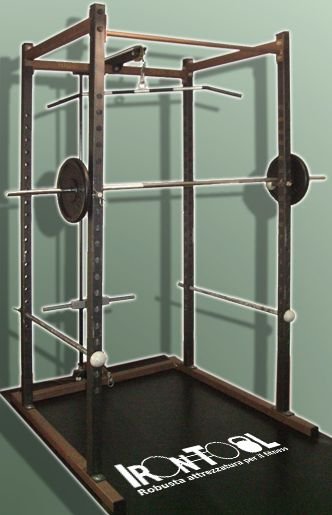
We picked racks that are genuinely sold as full power cages, with clear maker specifications, and we checked each one against verified buyer reviews and spec comparisons.
This is a research-based guide. We did not buy or hands-on test these racks, and nothing here claims personal testing. Where a listing detail was old, conflicted or varied by variant, we say so instead of smoothing it over.
We favoured variety over repetition: a budget starter cage, a low-ceiling cage, a heavy mid-range cage, a most-reviewed budget cage, the cheapest cage, and a cage with cables. That way most readers find their rack in one list.
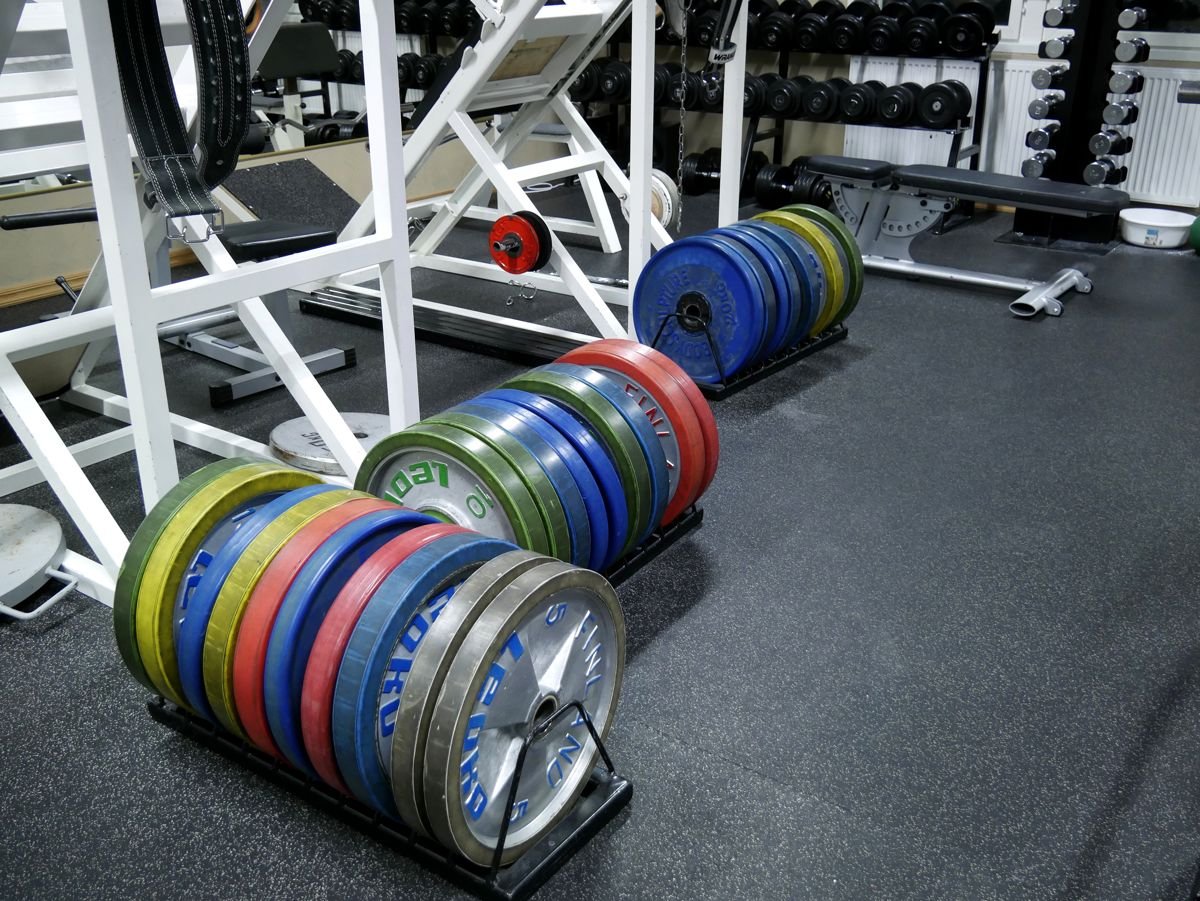
One thing to know before you buy: every pick here is the RACK ONLY. No pick includes a barbell, plates or bench unless its section says so. If a listing photo shows a full setup, read the included-components list — the photo is not the offer.
Not picked, and why: Rogue racks and REP’s PR-4000 and PR-5000 are excellent racks, but they are sold direct through their makers’ own configurators, not through a confident US Amazon listing we could link honestly — so they are mentioned here, not picked. A folding wall-mounted rack is a different category and is not covered here.
Quick Comparison
| Pick | Height | Rackable capacity (maker) | Steel | Best for |
|---|---|---|---|---|
| REP PR-1100 | 85 in | 700 lb | 2 × 2 in, 14-gauge | Best overall budget cage |
| Titan T-2 Short | 71 in | 850 lb | 2 × 2 in steel | Best for low ceilings |
| Titan T-3 Short 82 in | 82 in | 1,100 lb | 2 × 3 in, 11-gauge | Best heavy mid-range cage |
| Sunny SF-XF9931 | 87 in | 805 lb | Alloy steel | Best most-reviewed budget cage |
| CAP FM-8000F Gray | 85 in | 300 lb (this listing) | 12- and 14-gauge | Best cheapest cage |
| SPORTSROYALS RK2 Pulley Rack | 82.6 in | 1,200 lb | 50 × 50 mm steel | Best rack with cables |
Read the short version here, then the full section for the rack that matches your room and your lifting. Every pick carries a confirm-current-offer note, because the listing details we verified are months old.
1. REP PR-1100 — Best Overall Budget Cage
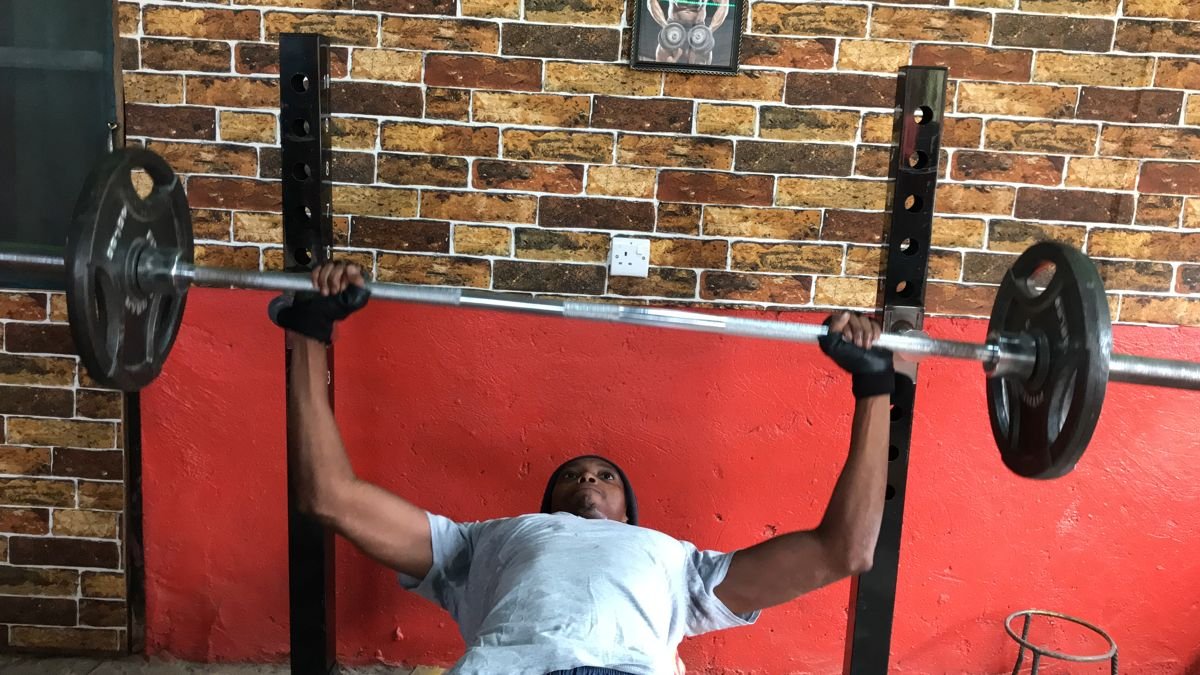
The REP PR-1100 is the best-known starter cage for a reason: a full cage, full-length safeties and a multi-grip pull-up bar at the lowest rung of REP’s range. 🏠 It suits first-time home gym owners who want a real cage without paying for a configurator-built rack.
Height: 85 in. Footprint: 48.5 × 58.1 in. Rackable capacity: 700 lb (maker figure). Steel: 2 × 2 in, 14-gauge uprights. Hole spacing: 3 in. Included: multi-grip pull-up bar, plastic-lined J-cups, pin-and-pipe safeties. A bench, barbell and plates are NOT included.
The pull-up bar can be inverted to save a little height, which helps in rooms where the ceiling is tight. Numbered uprights make it easy to set the J-cups to the same height on both sides.
Pros:
- Full cage with full-length safeties at a starter price
- Multi-grip pull-up bar included — wide, narrow, neutral and standard grips
- Compact footprint for a full cage
- Compatible with REP’s 1000 Series attachments, so it can grow
Cons:
- 3-inch hole spacing is coarse — you cannot fine-tune safety height the way Westside spacing allows
- 14-gauge steel is thinner than the 11-gauge racks further down this list
- The maker says it is NOT intended for kipping pull-ups or muscle-ups — controlled lifts only
- Freestanding flat-foot base with no floor-anchor points
Check price on Amazon — REP PR-1100 Power Rack
⚠️ Confirm the current offer before you buy: we could not verify a confident US Amazon listing for the PR-1100, so this is a search link, not a direct product link — and REP sells this rack direct from its own store, so compare both before you order.
2. Titan T-2 Short 71 in — Best for Low Ceilings
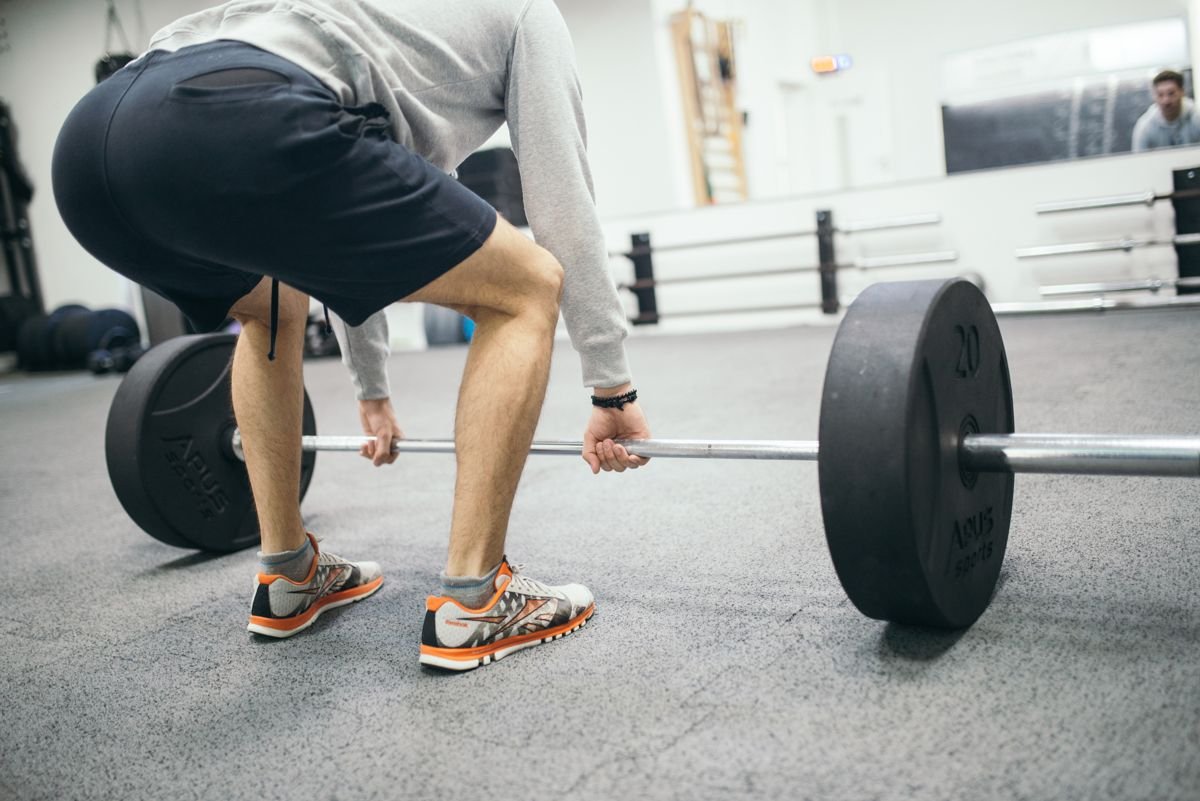
The Titan T-2 Short is the rack for basements and spare rooms where a standard 85-inch cage would hit the ceiling. At 71 inches tall it fits under most 7-foot ceilings with room to spare. 🏠 It suits lifters whose room, not their strength, is the limiting factor.
Height: 71 in (an 83 in version also exists — confirm which one you are buying). Rackable capacity: 850 lb (maker figure). Steel: 2 × 2 in steel uprights. Hole spacing: 2 in. Included: skinny pull-up bar, pin-and-pipe safeties, standard J-hooks. A bench, barbell and plates are NOT included.
The T-2 is also the base of a wide attachment family — dip bars, lat towers and extension kits all fit the same 2 × 2 frame, so a short rack does not mean a dead-end rack.
Pros:
- 71-inch height fits rooms where taller racks cannot go
- 850 lb rackable capacity — more than most lifters will ever need
- 2-inch hole spacing for finer safety and J-cup adjustment than 3-inch racks
- Wide T-2 attachment family for later upgrades
Cons:
- Short height means no overhead pressing inside the rack and a low pull-up bar
- Steel gauge is reported differently across sources — check the current listing rather than trusting any single roundup figure
- Pin-and-pipe safeties are solid but slower to adjust than spotter arms
- Some buyers report the same rack sold by third-party sellers at similar prices — buy from Titan’s own storefront where possible
Check price on Amazon — Titan T-2 Series Short Power Rack
⚠️ Confirm the current offer before you buy: the listing we verified was last checked about 290 days ago, and you must confirm the 71-inch short version, so the offer, contents and price may have changed.
3. Titan T-3 Short 82 in — Best Heavy Mid-Range Cage
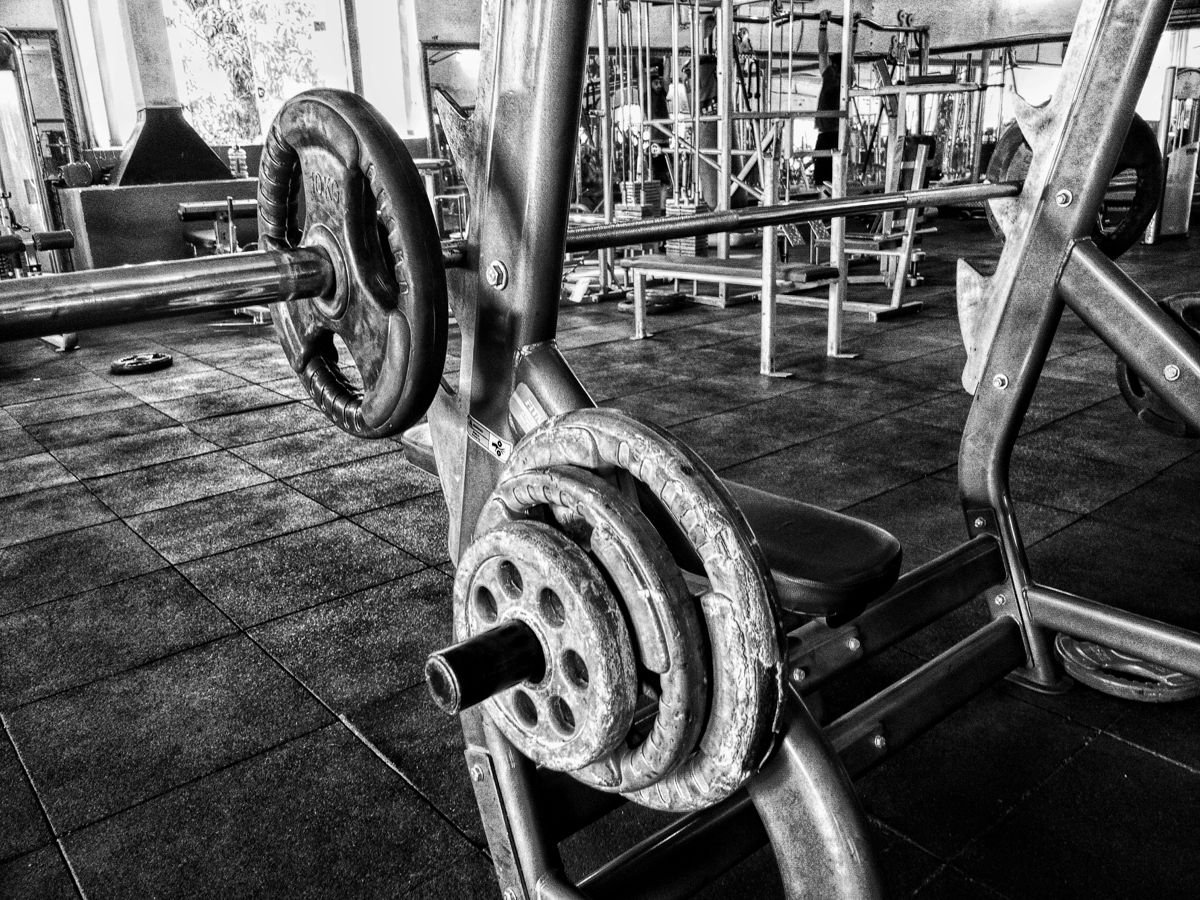
The Titan T-3 is the step up for lifters who have outgrown a budget cage: thicker steel, tighter hole spacing and a 1,100 lb rackable capacity. 💪 It suits lifters who plan to keep the same rack for a decade and want attachments to match.
Height: 82 in (a 91 in version also exists — confirm which one you are buying). Depth: 24 or 36 in. Rackable capacity: 1,100 lb (maker figure). Steel: 2 × 3 in, 11-gauge uprights. Hole spacing: Westside spacing through the bench and clean-pull zones, 2 in elsewhere. Included: two pull-up bars (1.25 in and 2 in fat bar), J-hooks, weight plate holders. Dip bars are NOT included. A bench, barbell and plates are NOT included.
One figure to read carefully: Titan also quotes a 4,400 lb “total rack capacity.” That is NOT the weight you can lift in it — it is the total static load across the whole frame. The number that matters for your lifts is the 1,100 lb rackable capacity.
Pros:
- 11-gauge steel and 1,100 lb rackable capacity — genuinely heavy-duty
- Westside hole spacing for precise safety height in the bench zone
- Two pull-up bars included, including a fat bar for grip work
- Plate holders included, so plates live on the rack, not the floor
Cons:
- The maker recommends bolting it down for stability — renters should plan for that
- 2 × 3 in uprights are fading as a standard, so some third-party attachments fit 3 × 3 racks better
- No dip bars included at this price — they cost extra
- Height and depth options share listings, so confirming the exact variant matters
Check price on Amazon — Titan T-3 Series Short Power Rack
⚠️ Confirm the current offer before you buy: this ASIN comes from a single source, and a second listing shows a different ASIN for the 82 × 36 in version with holders — confirm the 82-inch short version before you order.
4. Sunny Health & Fitness SF-XF9931 — Best Most-Reviewed Budget Cage
Sunny Health & Fitness’s Power Zone cage is the most-reviewed budget cage in this guide, with buyer ratings around 4.7 stars across roughly 3,890 reviews in roundups. ⭐ It suits buyers who trust a long review history over a premium brand name.
Height: 87 in. Footprint: 38 × 53 in. Weight limit: 805 lb (maker figure). Steel: alloy steel. J-hook positions: 18 height settings. Included: adjustable pull-up bar, J-hooks, safety spotter arms. A bench, barbell and plates are NOT included, and an optional bench and lat attachment are sold separately.
The tall frame suits taller lifters and full pull-ups, but 87 inches needs a ceiling to match — measure before you order, because this is the tallest rack in this guide.
Pros:
- Longest review history in this guide — thousands of buyer ratings to read
- 805 lb capacity covers nearly every home lifter
- 18 J-hook heights for fine adjustment
- Adjustable pull-up bar with several grip positions
Cons:
- 87 inches tall — too tall for many basements and low-ceiling rooms
- Smaller upright holes limit third-party attachments — most Rogue, REP and Titan attachments will not fit
- Buyer reports include some wobble under heavy loads unless the rack is bolted down
- At our check, no featured offers were available on this listing — availability may have changed
Check price on Amazon — Sunny Health & Fitness Power Zone Cage SF-XF9931
⚠️ Confirm the current offer before you buy: the listing we verified was last checked about 251 days ago, and at that check no featured offers were available, so availability and price may have changed.
5. CAP Barbell FM-8000F Gray — Best Cheapest Cage
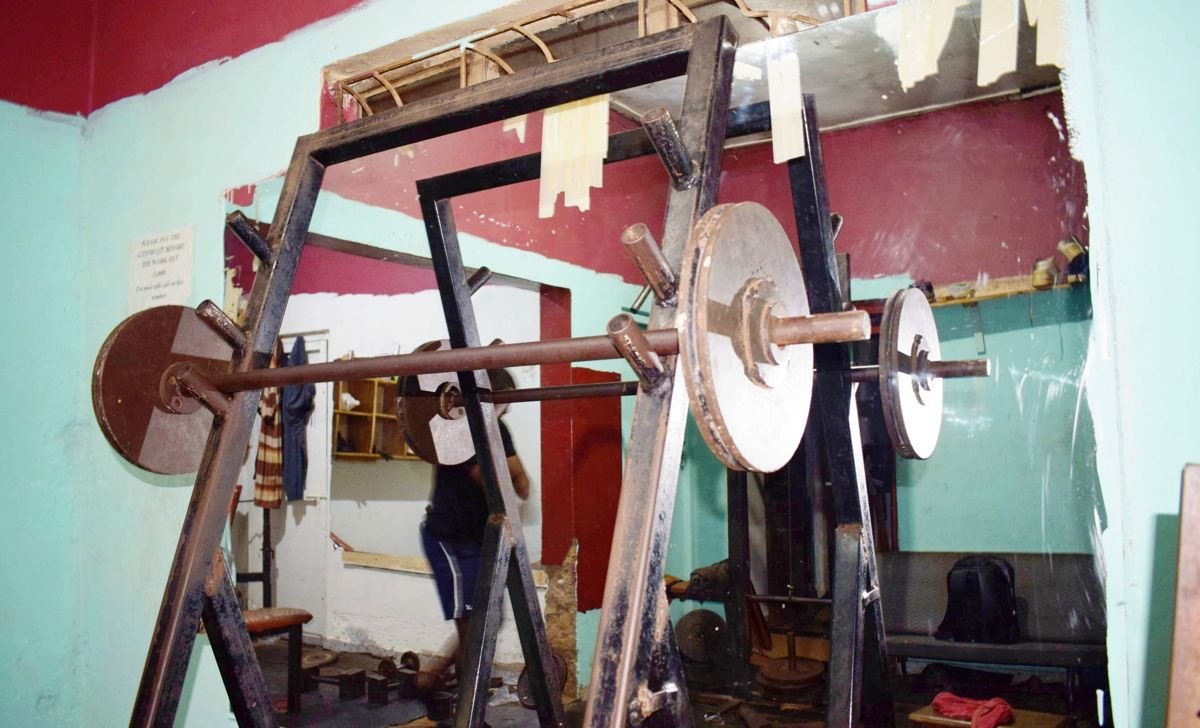
CAP’s FM-8000F is the cheapest full cage in this guide — a simple steel frame with safety catches and a pull-up station, nothing more. 💰 It suits light lifters and beginners who want a cage shape on the smallest budget.
Height: 85 in. Footprint: 45.6 × 61.4 in. Weight limit: 300 lb on this gray listing (maker figure — see the warning below). Steel: 12- and 14-gauge. Included: 2 safety catches, 2 J-cup bar catches, overhead workout station. A bench, barbell and plates are NOT included.
Read the capacity warning carefully: this gray listing says 300 lb, while other colours in the same FM-8000F family list different capacities. That is a variant problem, not a typo you should ignore — confirm the exact colour and listing before you buy.
Pros:
- Lowest-priced full cage in this guide
- Full cage shape with safety catches included
- Simple assembly with no configurator or options to get wrong
- Wide enough for a standard 7 ft Olympic bar
Cons:
- 300 lb limit on this listing is the lowest in this guide — strong lifters will outgrow it
- Capacity varies across colours in the same family — confirm your exact variant
- Only a 30-day maker warranty per roundups, far shorter than REP or Titan
- Buyer reviews include loose spotter arms and rubber wearing off the catches within weeks
Check price on Amazon — CAP Barbell FM-8000F Deluxe Power Rack Gray
⚠️ Confirm the current offer before you buy: the listing we verified was last checked about 197 days ago, and you must confirm the gray variant, since other colours list different capacities, so the offer, contents and price may have changed.
6. SPORTSROYALS RK2 Pulley Rack — Best Rack With Cables
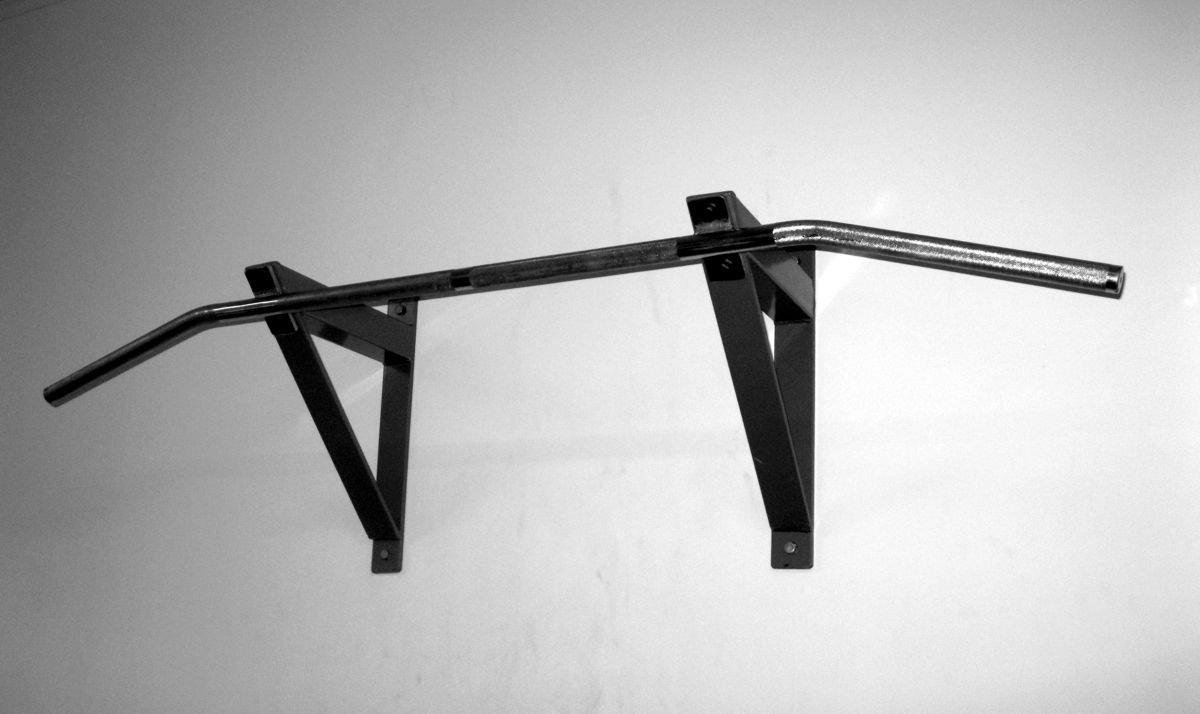
SPORTSROYALS’s RK2 is the only rack in this guide with a built-in pulley system: upper and lower pulleys, a lat pulldown bar and cable handles, alongside the usual cage. 🔌 It suits lifters who want cable work without buying a separate cable machine — see our cable machine attachments guide for the bars and handles that pair with it.
Height: 82.6 in. Footprint: about 59.6 × 59.6 in (dimensions vary slightly by variant — confirm). Weight capacity: 1,200 lb (maker figure). Steel: 50 × 50 mm frame. Cable rating: 500 lb. Included: lat pulldown bar, cable handles, tricep rope, dip bars, landmine, plate storage, band pegs, J-hooks, safety bars. A bench, barbell and plates are NOT included.
The pulley is the trade-off to weigh: buyers say it works, but it feels less smooth than commercial gym cable gear. If cables are your main training, a dedicated cable machine will feel better; if they are a bonus on top of barbell training, this rack is good value.
Pros:
- Full cage plus upper and lower pulleys in one footprint
- 1,200 lb maker capacity — the highest in this guide
- Most attachments included: dip bars, landmine, plate storage, band pegs
- Compact for a cable-equipped rack at under 83 inches tall
Cons:
- Pulley action is less smooth than commercial cable machines, per buyer reports
- Dimensions vary slightly across variants — confirm your exact listing’s footprint
- Plate storage on the rear means the rack cannot sit flush against a wall
- More moving parts than a plain cage, so more to assemble and maintain
Check price on Amazon — SPORTSROYALS Power Rack with Pulley System
⚠️ Confirm the current offer before you buy: this ASIN comes from a single source, and the listing family shares one page across colours and variants, so confirm the RK2 pulley version before you order.
How to Choose a Power Rack

Choosing a power rack comes down to six questions. Answer them in order, and the right cage usually picks itself.
Full Cage, Half Rack or Smith Machine?

A full cage surrounds you on four sides with safeties you set yourself — the safest way to lift alone, and every pick in this guide is one. A half rack has two uprights and spotter arms but no cage around you; it saves space but catches less. A Smith machine runs the bar on fixed rails, so the bar cannot move freely — it is stable, but it is not free-weight training and it does not teach balance.
If you train alone, buy a full cage. If space is truly tight, a half rack or a squat stand is the compromise — see our squat stands guide for those. Do not buy a Smith machine thinking it is a power rack; the two train differently.
Steel Gauge and Upright Size
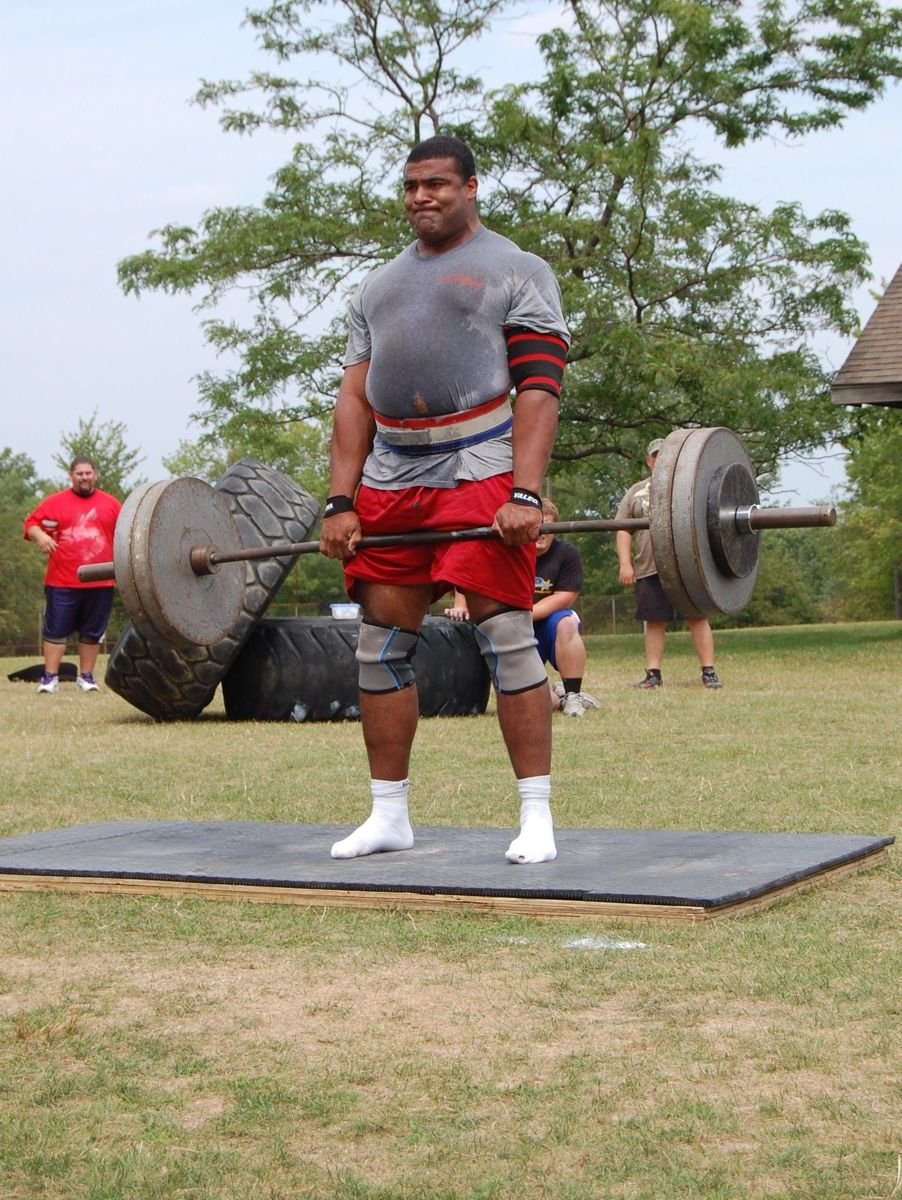
Gauge measures steel thickness, and lower numbers mean thicker steel: 11-gauge is commercial grade, 12-gauge is heavy duty, 14-gauge is standard for home racks. Upright size matters too: 2 × 2 in is the budget standard, 2 × 3 in is the mid-range standard, 3 × 3 in is the premium standard.
Thicker steel and bigger uprights matter most in two places: how much the rack flexes under a heavy bar, and which attachments fit it later. A 3 × 3 rack takes the widest attachment range; a 2 × 2 rack takes its own family’s attachments only. Buy the steel for the lifter you will be in three years, not the lifter you are today.
Also read capacity figures carefully. “Rackable capacity” is the weight you can lift inside the rack. “Total rack capacity” is the static load across the whole frame, and it is always a much bigger number. Only the first one matters for your training.
Height, Footprint and Ceiling

Measure three things before you order: ceiling height, floor space, and the bar path. A full cage needs roughly 4 × 6 ft of floor, plus room to walk around it and load plates. Ceiling height decides the rack: under 7 ft, buy a short rack like the Titan T-2 at 71 in; at 7 ft or above, an 82–85 in cage fits; the 87 in Sunny needs a genuinely tall room.
Also check the pull-up bar: on most racks it sits at the very top, so your head plus your pull-up clearance must fit under the ceiling too. And check the floor: heavy racks on a suspended wooden floor need a platform or a ground-floor room, and bolt-down racks need a floor you are allowed to drill.
Safeties: Pin-Pipe vs Straps vs Arms
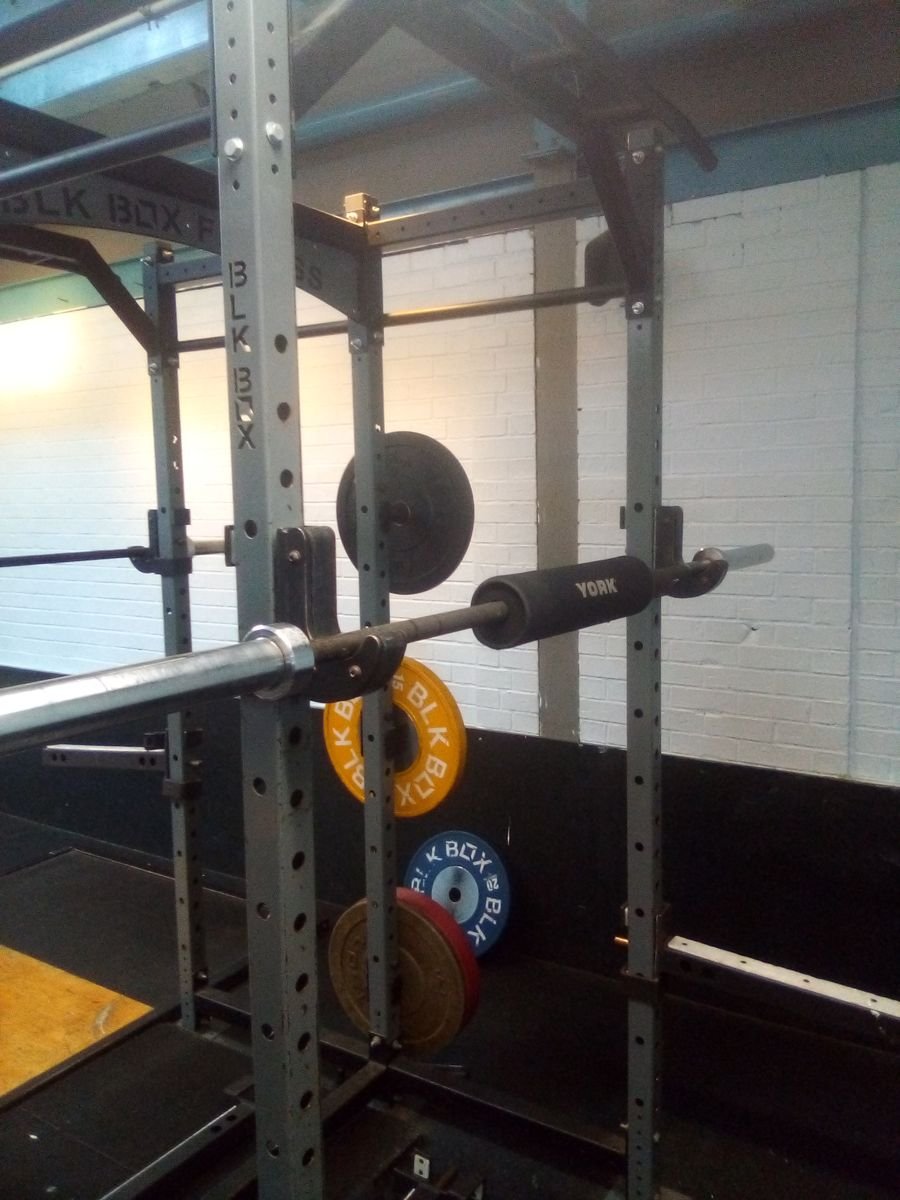
Pin-and-pipe safeties are a steel pipe through a pin — simple, strong, and slow to adjust, because you pull the pin, move the pipe and re-seat it. Spotter arms slide into the uprights and stick out the front — faster to move, but they only protect the front of the rack. Safety straps are webbing slings that catch the bar softly and quietly — kindest to your bar, but sold separately on most racks.
Whatever type you have, set the safeties just below your lowest bar position: below chest level for bench press, just below parallel for squats. Too high and the bar rests on them before you finish the rep; too low and they cannot catch a failed rep in time.
Hole Spacing and Attachments
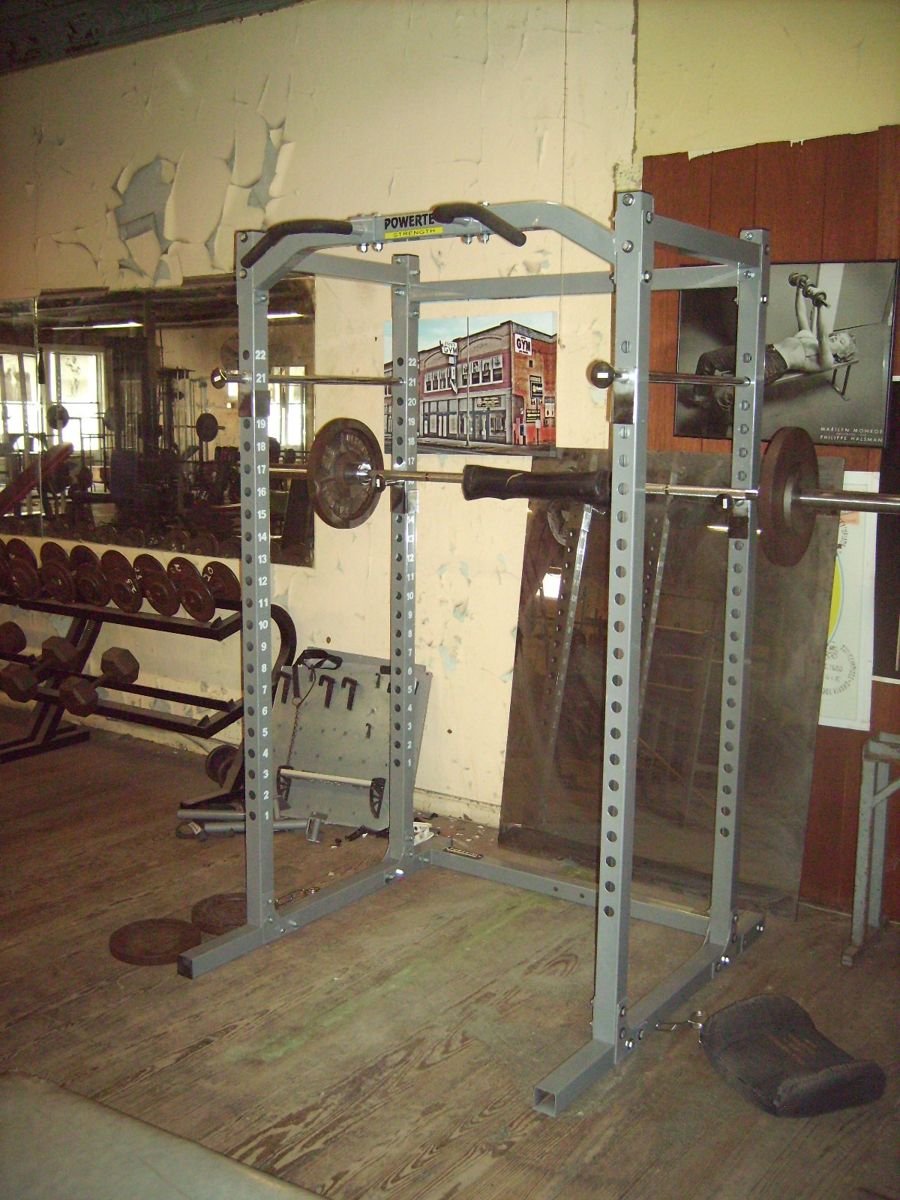
Hole spacing decides how precisely you can set J-hooks and safeties. Standard 2-inch or 3-inch spacing through the whole upright is coarse — fine for squats, frustrating for bench press, where an inch matters. Westside spacing gives 1-inch steps through the bench and clean-pull zones and wider spacing elsewhere, which is the best of both.
Attachments decide the rack’s future: dip bars, landmines, lat towers, plate storage and lever arms all bolt to the uprights — but only if the hole size and upright size match. A rack with an odd hole size locks you into one maker’s attachments, so check the attachment family before you buy, not after.
Use barbell collars on every loaded bar in a rack: a plate sliding off mid-set changes the balance and can throw the bar into an upright.
What No Power Rack Makes Safe
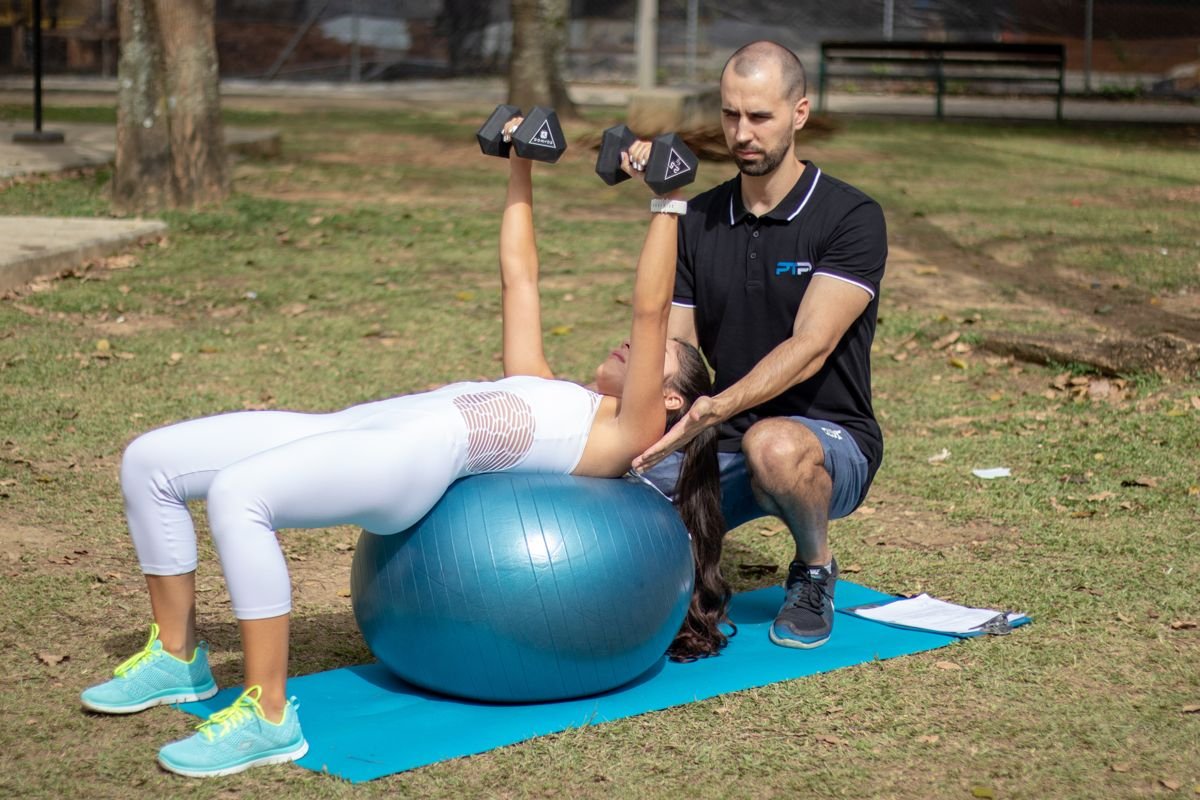
A power rack does not build strength by itself. It does not replace progressive training, coaching, or a spotter, and it does not make heavy lifting safe. A good rack is a tool — the training, the technique and the safety setup are yours. A rack also does not fix a bad floor, a bent bar or plates that slide off because the collars were left loose.
How to set up a rack safely, every time:
- Set the safeties just below your lowest bar position — below chest level for bench, just below parallel for squats — and test them with an empty bar first.
- Push every pin fully through its hole and check the J-hooks are seated evenly on both sides before you load.
- Bolt the rack down if the maker recommends it, or load its plate storage to steady it — a rocking rack is not a safe rack.
- Use collars on every loaded bar, and check they are tight before each set.
- Use a spotter for maximal attempts, even inside a cage — safeties catch a failed rep, they do not lift it off you.
- Stop if the rack rocks, a pin bends, a weld cracks or a safety slips — do not train through equipment damage.
Never kip on a rack the maker says is not rated for it, and never climb a rack that is not bolted down. This is general information only, not medical or coaching advice — if you have an injury or a health condition, talk to a qualified professional before starting a new programme.
Frequently Asked Questions
Do I need to bolt a power rack down?
It depends on the rack. Some makers recommend it (the Titan T-3 does), some racks are flat-foot designs that stand free, and plate storage loaded with plates steadies most racks a lot. If you kip, use bands or train explosively, bolting down is the safer choice — and it needs a floor you are allowed to drill.
Can I bench press alone in a power rack?
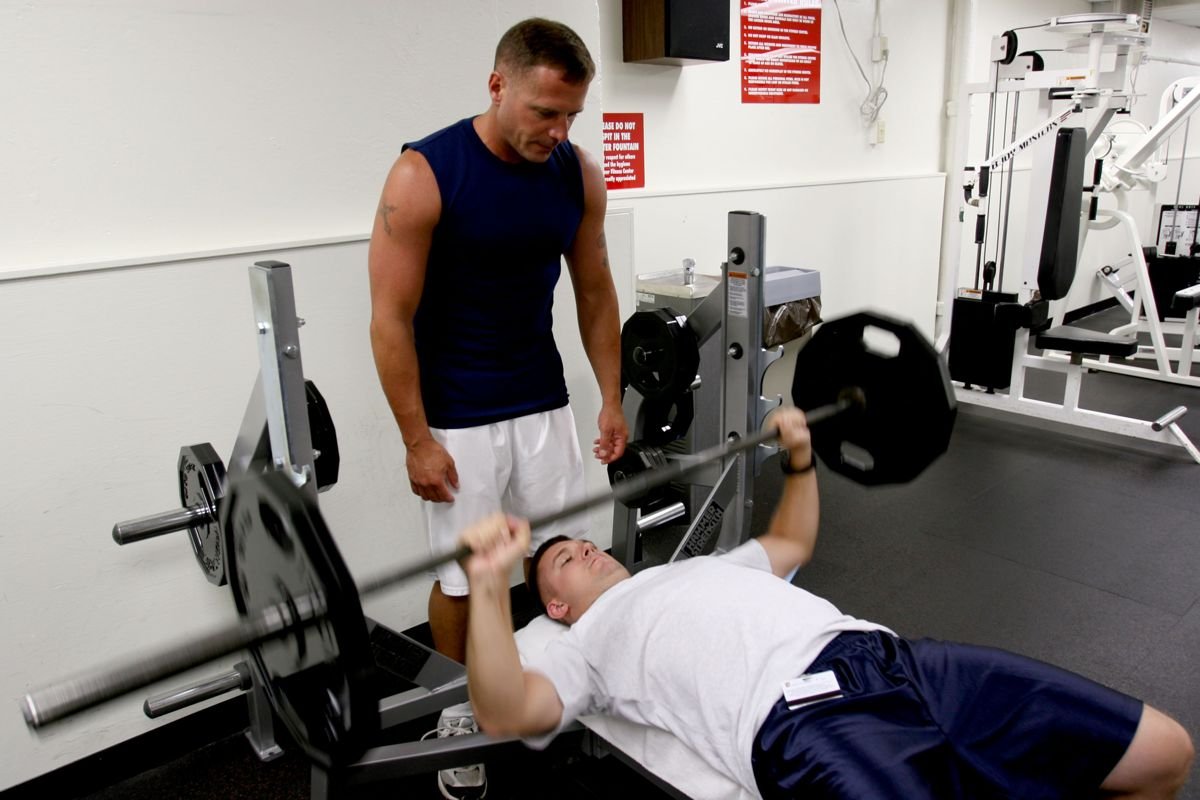
Yes — that is the rack’s main job. Set the safeties just below chest level, bench inside the cage, and a failed rep lands on the safeties instead of on you. Practise failing with an empty bar first so you know the bar will actually land where you set the safeties.
What barbell length fits a power rack?
A standard 7 ft Olympic bar fits every rack in this guide — inside widths run about 42–44 inches, and a 7 ft bar leaves plenty of sleeve outside the uprights. Shorter 6 ft or standard 1-inch bars can work but leave less room to load plates and may not reach the J-hooks properly on wide racks.
Does a power rack include a bench, barbell or plates?
No — not in any pick in this guide. Racks are sold as the frame plus J-hooks and safeties, sometimes with plate storage or a pull-up bar. Budget separately for a bench, a barbell and plates, and read the included-components list before you order.
Can I do pull-ups on any power rack?
Most racks include a pull-up bar, but check two things: the bar height against your ceiling, and the maker’s rating. The REP PR-1100, for example, is not rated for kipping pull-ups or muscle-ups — controlled pull-ups only. A rack that rocks during pull-ups needs bolting down or plate storage loaded.
What is the difference between rackable capacity and total rack capacity?
Rackable capacity is the weight you can lift inside the rack — the number that matters. Total rack capacity is the static load the whole frame can hold, including plates stored on it, and it is always much larger. A rack quoting 4,400 lb total capacity may only be rated for 1,100 lb of lifting — read which figure the maker is quoting.
Our Pick in One Line
🏆 Best overall: REP PR-1100 — a full cage with full-length safeties and a multi-grip pull-up bar at a starter price. Under a low ceiling, the Titan T-2 Short at 71 inches is the pick. For lifters planning years of heavy training, the Titan T-3 Short is the only cage here with 11-gauge steel and Westside spacing. On the smallest budget, the CAP FM-8000F gets you a cage shape — within its 300 lb limit.
Whichever rack you choose, measure your ceiling, confirm the exact variant, set the safeties before every session, and use collars on every bar. The best power rack is the one that fits your room and catches the bar, rep after rep, year after year.
As an Amazon Associate, we earn from qualifying purchases made through links on this page, at no extra cost to you.
This guide is research-based: it compares maker specifications and verified buyer reviews, and it does not claim hands-on testing of any product. Prices and offers change, so always check the current listing before you buy. Training information here is general information only and is not a substitute for professional coaching or medical advice.