

You finish a set of squats and realise you have no idea what your back looked like. That is what a home gym looks like without a mirror. 🏋️
A home gym mirror — a full-length mirror, a wall pair, or a set of tiles — lets you watch your form as you lift, so a rounded back or a drifting knee gets caught in the moment, not weeks later.
But let us be plain from the start: a mirror helps you check form, but it does not fix bad form by itself, it does not replace coaching, and it does not make a room safe for lifting.
Used the right way — big enough to see your whole body, mounted solidly, placed where the bar never travels — a mirror is a cheap, unglamorous upgrade that makes every session more useful.
How We Picked These Mirrors
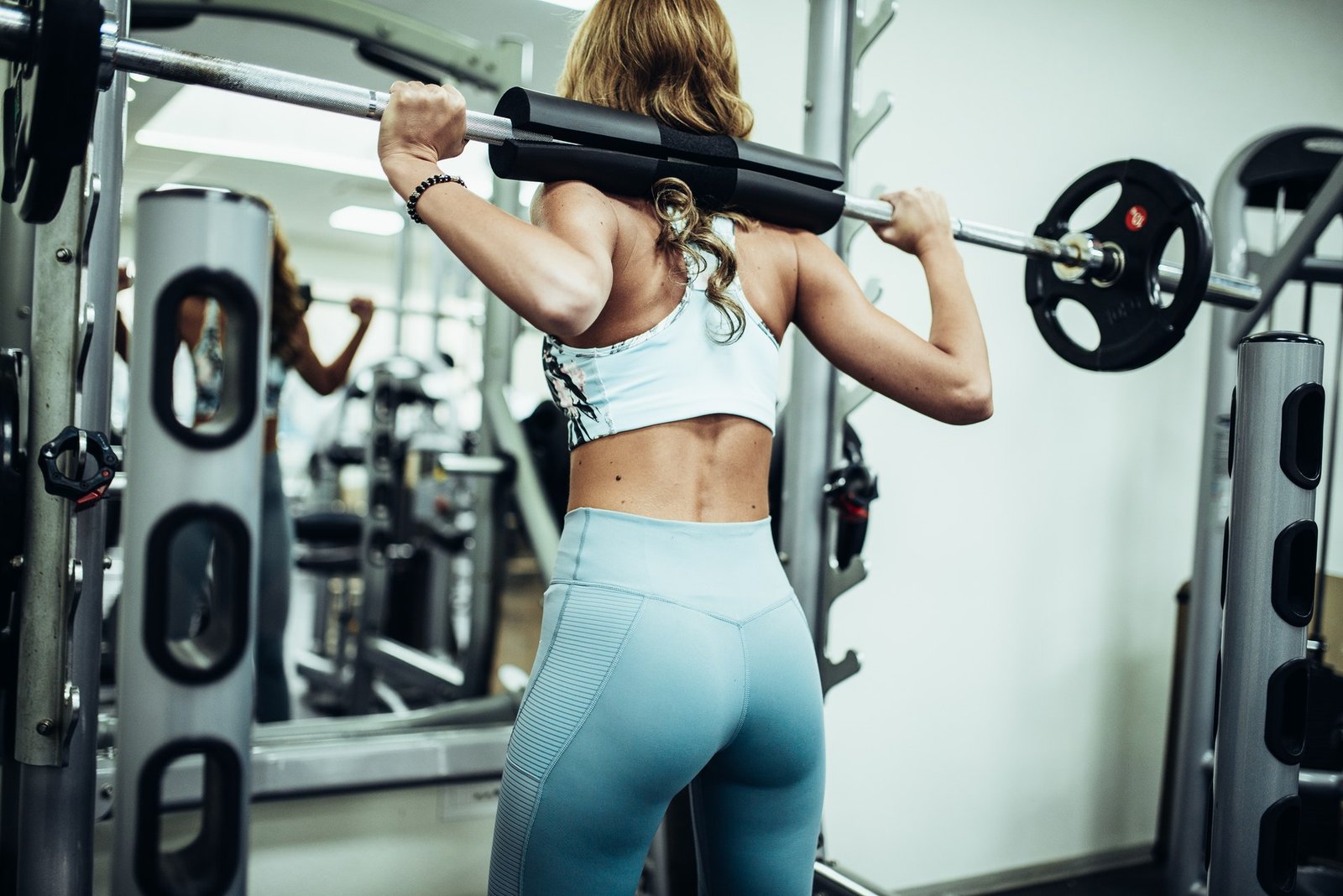
Photo: Nenad Stojkovic / Wikimedia Commons
This guide is research-based. We did not buy or hands-on test these mirrors, and we do not claim otherwise.
We compared verified buyer reviews and manufacturer specifications, and we checked each product’s Amazon listing status through search results and listing trackers.
We picked 6 mirrors that are genuinely sold and cover different needs: a full-length framed mirror, a tempered glass wall pair, a shatterproof glassless mirror, a glass tile set, an acrylic tile set, and a small budget acrylic sheet set.
Prices are not quoted in this guide because they change often. The check-price links take you to the current listing, where you can see the latest price and availability.
Availability and size options vary, so if your option shows as unavailable, check the listing’s other options before switching products.
One note on reflection quality: glass reflects truer than acrylic, and acrylic reflects safer than glass. That trade — clarity against safety — runs through every pick below, and there is no option that wins both outright.
Quick Comparison
Photo: Wikimedia Commons
| Mirror | Type | Size | Best for |
|---|---|---|---|
| BEAUTYPEAK 65″x24″ Full Length Mirror | Framed glass | 65″ × 24″ | Best overall |
| LOAAO 48″x24″ Gym Mirror 2PCS | Tempered glass pair | 48″ × 24″ × 2 | Best wall-mounted pair |
| Fab Glass and Mirror Glassless Gym Mirror 30″x40″ | Glassless nano-film | 30″ × 40″ | Best shatterproof |
| Ruomeng 12″ Glass Mirror Tiles 12PCS | Glass tiles | 12″ × 12″ × 12 | Best glass tiles |
| PopularLdo 12×12 Acrylic Mirror Tiles 16 Pack | Acrylic tiles | 12″ × 12″ × 16 | Best acrylic tiles |
| JUNEBRUSHS 8×8 Acrylic Mirror Sheets 4 Pack | Acrylic sheets | 8″ × 8″ × 4 | Best budget acrylic |
1. BEAUTYPEAK 65″x24″ Full Length Mirror — Best Overall
Photo: Tyler Read / Wikimedia Commons
Who it suits: lifters who want one mirror that shows their whole body, standing, leaning, or wall-mounted, without building a mirror wall.
BEAUTYPEAK’s full-length mirror is 65 inches tall and 24 inches wide, with a thin aluminium frame and rounded corners, weighing about 19 pounds. It stands on the floor, hangs on the wall, or leans against it — the same mirror, three placements.
Sixty-five inches is the practical point: it covers a tall lifter head to toe, and it covers a lifter plus a barbell’s width in a side view. Shorter mirrors cut off feet or heads, and feet are exactly what you need to see on a squat or deadlift.
Pros: true full-body height at 65 inches; three placements (standing, hanging, leaning); light enough at about 19 pounds for one person to hang; thin aluminium frame that suits a gym wall.
Cons: 24 inches wide covers one lifter, not a whole wall — a mirror wall needs several; check the size variant on the listing, since BEAUTYPEAK sells arched, rectangular, and irregular shapes side by side; a leaning mirror must be secured, never just propped.
2. LOAAO 48″x24″ Home Gym Mirror 2PCS — Best Wall-Mounted Pair

Photo: Wikimedia Commons
Who it suits: lifters who want a proper gym mirror wall — two large tempered glass panels side by side — for a bench or rack station.
LOAAO’s pair is two frameless tempered glass mirrors, each 48 inches by 24 inches, wall-mounted with all mounting hardware included. Together they cover 48 inches wide by 48 inches tall when hung side by side, and the pair weighs about 33 pounds in total.
Tempered glass is the safety detail: it is stronger than ordinary glass, and if it does break, it breaks into small blunt pieces rather than sharp shards. The listing also describes the panels as shatterproof, which in practice means the tempered construction plus a backing that holds fragments.
Pros: two large panels make a real mirror wall; tempered glass for strength and safer breakage; frameless, so panels sit flush side by side; mounting hardware included; a popular listing with heavy recent sales.
Cons: one recent listing crawl showed no featured offers available, so check availability before ordering; two panels at 33 pounds need solid wall anchors, not adhesive alone; 48 inches tall hung as a pair still needs the right height — hang them so your feet stay in view.
👉 Check price on Amazon (check availability — one recent crawl showed no featured offers).
3. Fab Glass and Mirror Glassless Gym Mirror 30″x40″ — Best Shatterproof
Photo: Isiwal / Wikimedia Commons
Who it suits: lifters who train where a bar could reach the mirror — a tight garage, a rack facing the wall — and want no glass at all.
Fab Glass and Mirror’s glassless mirror is a 30-inch by 40-inch panel built on a 0.04 mm nano film rather than glass, in a chrome frame, wall-mounted. It is ultra light compared with a glass panel of the same size, and because there is no glass, there is nothing to shatter.
The trade is reflection quality: a film mirror reflects well enough to check form, but it will not match thick glass for flatness and clarity, and it can show slight distortion if the wall behind it is uneven. Mount it on a flat wall, and it does the job it is bought for.
Pros: no glass to break — the safest pick where bars move near the wall; ultra light, so mounting is easy; chrome frame suits a gym wall; 30 by 40 inches covers the torso and legs for most lifts.
Cons: film reflection is good, not glass-perfect — slight distortion is possible on an uneven wall; smaller than the full-length and pair picks above; check the frame colour and size variant on the listing.
4. Ruomeng 12″ Home Gym Mirror Tiles 12PCS — Best Glass Tiles
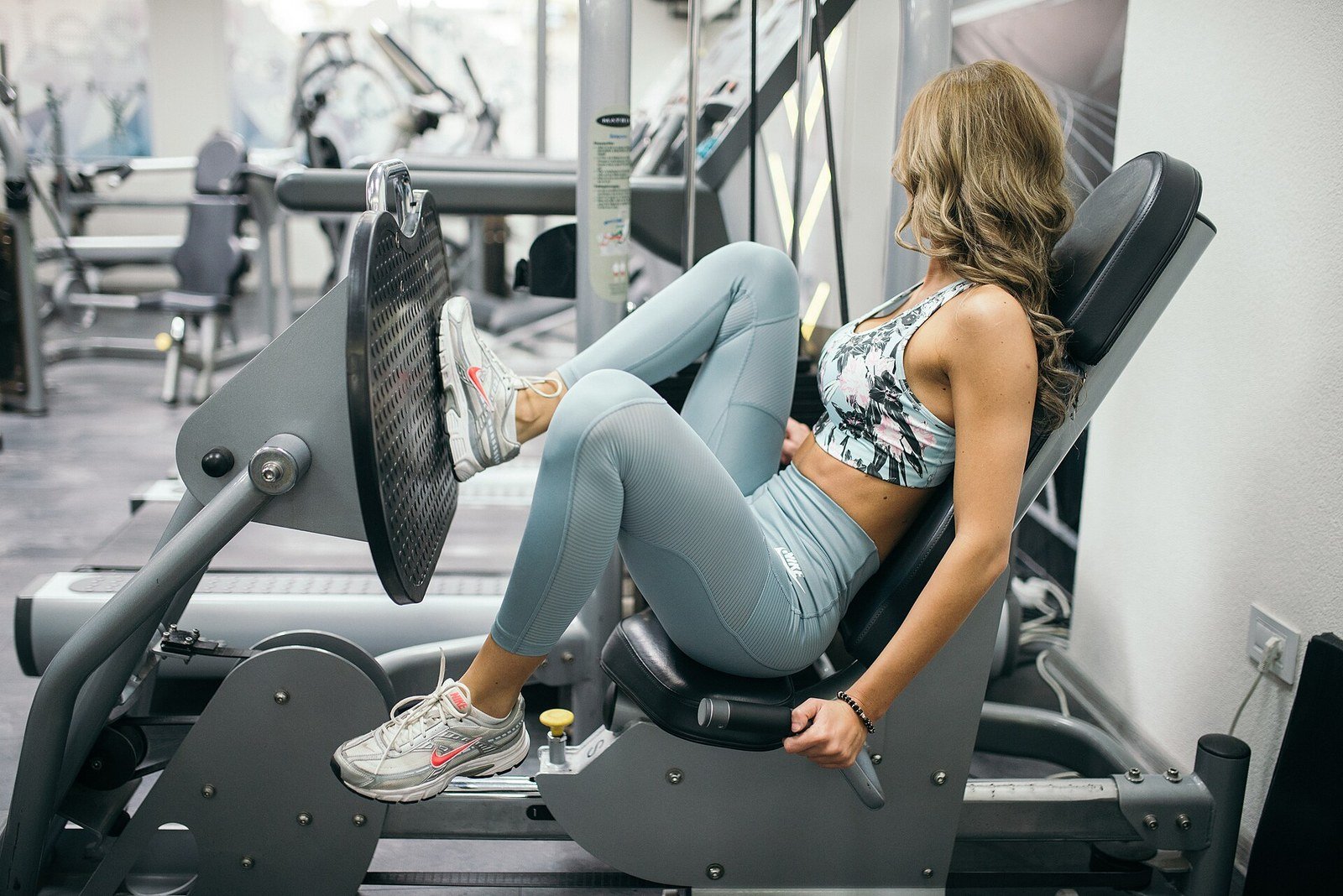
Photo: Wikimedia Commons
Who it suits: lifters who want a glass mirror wall built to fit their room, tile by tile, instead of one big panel.
Ruomeng’s set is twelve frameless glass mirror tiles, each 12 inches square, wall-mounted, for home gyms, bedrooms, doors, and bathrooms alike. Twelve tiles cover 12 square feet as a block, or a taller, narrower strip if you stack them two wide.
Tiles are the flexible option: a wall that is not a neat rectangle, a corner, or a space above a rack all take tiles where a single panel will not fit. The cost is seams — every tile edge is a line across the reflection, so form checks need a glance, not a stare.
Pros: real glass reflection, tile by tile; fits awkward walls, corners, and narrow strips; frameless, so tiles sit close together; ships from Amazon.
Cons: seams break the reflection into a grid — not one clean image; twelve tiles mean twelve mountings, so installation takes longer than one panel; glass tiles still need solid mounting, not weak adhesive alone.
5. PopularLdo 12×12 Acrylic Mirror Tiles 16 Pack — Best Acrylic Tiles
Photo: PTPioneer / Wikimedia Commons
Who it suits: lifters who want the biggest tile wall for the least money, with no glass anywhere near the weights.
PopularLdo’s set is sixteen self-adhesive acrylic mirror tiles, each 12 inches square, flexible, shatterproof, and unbreakable in the maker’s description. Sixteen tiles cover 16 square feet — a full wall section — and they stick on with their own adhesive, so no drilling is needed.
Acrylic’s trade is the same as the film mirror’s, at a lower cost: the reflection is good for form checks, but it is softer than glass, and it scratches more easily. Peel the protective film only once the tiles are placed, and clean them with a soft cloth, never an abrasive pad.
Pros: sixteen tiles cover a whole wall section; self-adhesive, no drilling; shatterproof acrylic — no glass near the weights; light and flexible, easy to cut around sockets and corners.
Cons: acrylic reflection is softer than glass and scratches more easily; adhesive needs a smooth, flat, clean wall — textured or dusty walls will not hold; seams break the reflection, like any tile set.
6. JUNEBRUSHS 8×8 Acrylic Mirror Sheets 4 Pack — Best Budget Acrylic
Photo: Buidhe / Wikimedia Commons
Who it suits: lifters who want a mirror on a door, a narrow wall, or a small corner — or who want to try a mirror wall before committing to glass.
JUNEBRUSHS’s set is four self-adhesive acrylic mirror sheets, each 8 inches square and about 2 mm thick, flexible plastic rather than glass. Four sheets cover under 2 square feet as a block, but stacked vertically they make a tall, narrow strip — enough to check posture on a door or beside a rack.
Two millimetres is thicker than the thinnest acrylic sheets on the market, which helps the reflection stay flat — but a small sheet is still a small mirror. This is a form-check strip, not a mirror wall, and it suits a single station, not a whole gym.
Pros: cheapest way to get a mirror on the wall; 2 mm acrylic, thicker than the thinnest sheets; self-adhesive, no drilling; flexible, so it follows a slightly curved surface; many sizes and quantities on the same listing.
Cons: four 8-inch sheets are small — a full-body view needs several sets stacked; acrylic reflection is softer than glass; check the size variant on the listing, since JUNEBRUSHS sells 6-by-9, 8-by-8, and larger sheets side by side.
👉 Check price on Amazon (check the size variant — the listing sells several sizes).
How to Choose the Right Home Gym Mirror

Photo: Pexels
Start with where you stand. The mirror goes on the wall you face during your main lifts — squat, deadlift, press — and it must show your feet, or it is decoration, not a tool.
Then check what you can attach to: a leaning mirror needs floor space and a secure top, a wall mirror needs studs or solid anchors, and an adhesive tile needs a smooth, flat wall.
Mirror type: framed glass vs frameless panels vs acrylic and shatterproof
Photo: Wikimedia Commons
Framed glass (BEAUTYPEAK) is the clearest reflection and the most finished look. It is also the heaviest and the most breakable, so it suits a wall away from the bar’s path, mounted properly.
Frameless glass panels (LOAAO, Ruomeng) are the gym look — big, flat, and seamless when hung side by side. Tempered glass is the safer glass, but it is still glass, so keep it out of the drop zone.
Acrylic and glassless (Fab Glass film, PopularLdo, JUNEBRUSHS) trade a little clarity for a lot of safety. Where a bar could strike the wall, acrylic or film is the honest choice, even if the reflection is softer.
No mirror type fixes form by itself. Glass shows the fault more clearly; acrylic shows it safely. Either way, the fix comes from the lifter, not the mirror.
Size and coverage for form checking
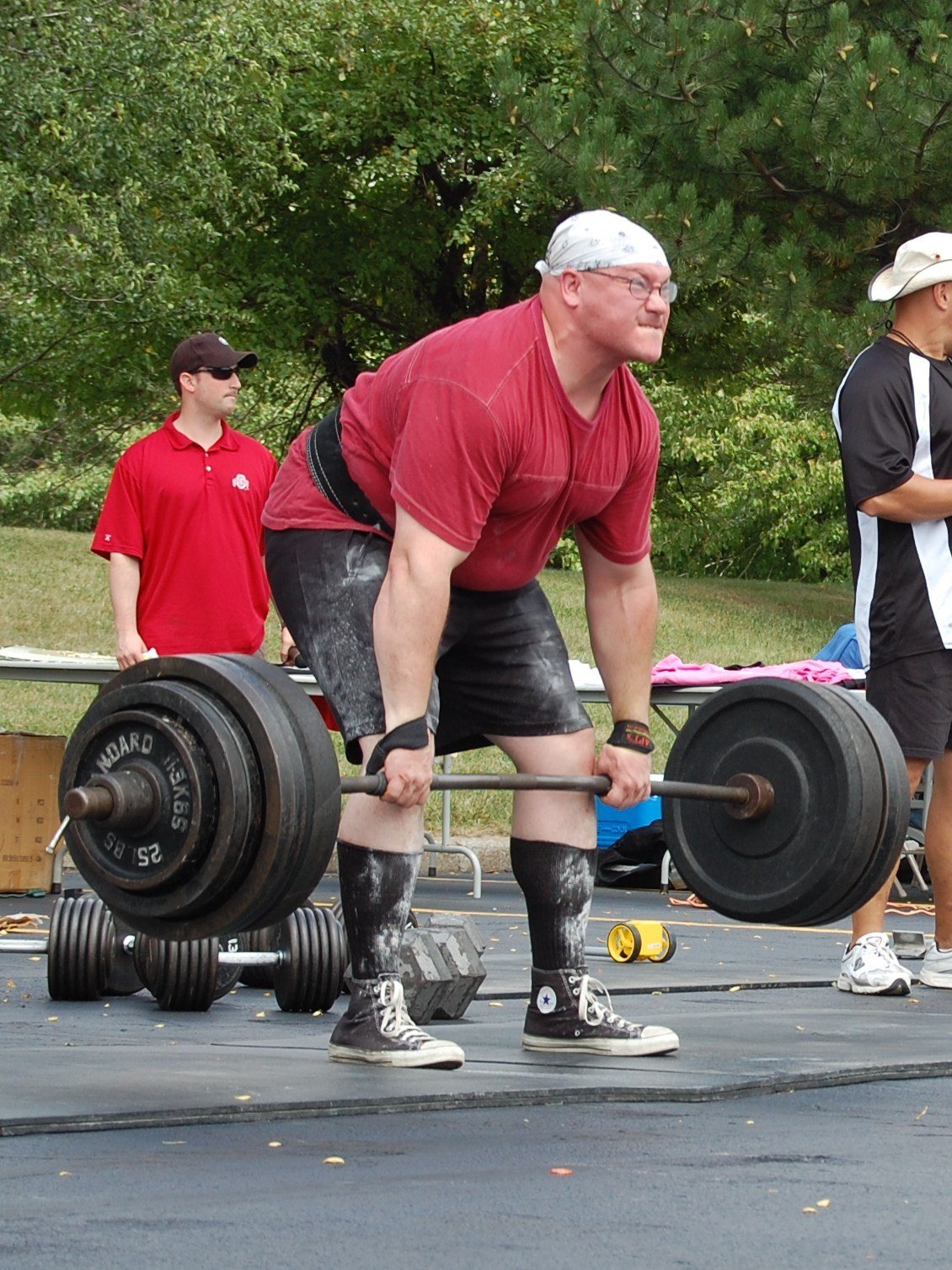
Photo: stu_spivack / Wikimedia Commons
For form checking, height matters more than width. A mirror 60 inches or taller shows most lifters head to toe; a mirror 48 inches tall shows the torso and legs if hung at the right height, but it will cut off something.
Hang the mirror so its bottom sits about 12 to 18 inches from the floor. Any lower and you see the floor, not your feet; any higher and your feet leave the frame on a squat or deadlift.
Width matters for side views and for two lifters training together. One 24-inch mirror covers one lifter; a pair or a tile wall covers a station. Measure the wall, then buy the coverage, not the other way round.
Do not buy smaller than you need to save money on the main mirror. A mirror that cuts off your feet is not a bargain — it is a mirror you stop using.
Wall mounting and anchoring
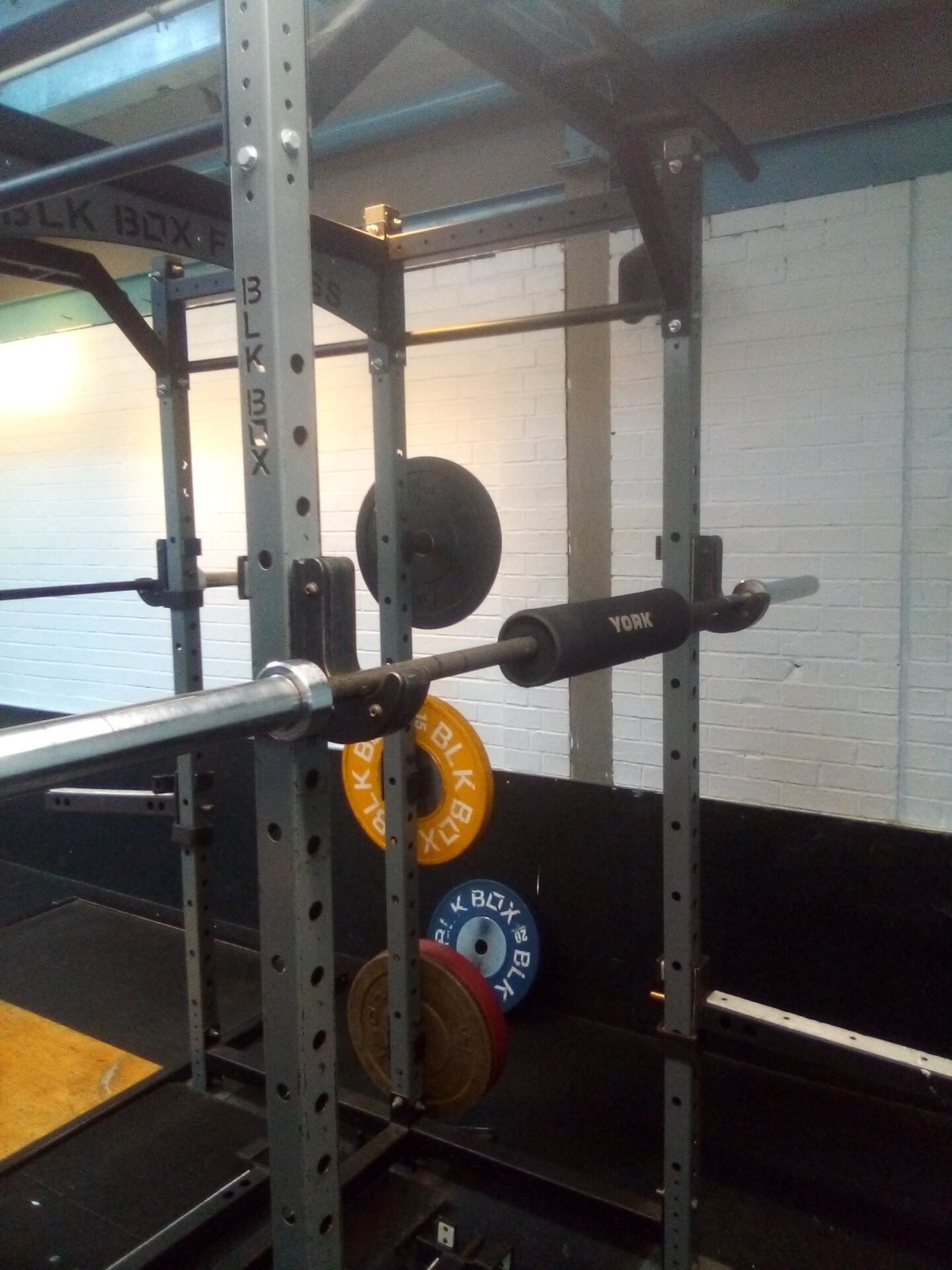
Photo: RickyBennison / Wikimedia Commons
A wall mirror is only as strong as its anchors. Mount into wood studs where the maker says to, with the maker’s hardware, and never hang a heavy glass panel from drywall anchors alone — a mirror falling from a wall is a serious injury, not a breakage.
Use a bottom support as well as top fixings: a J-channel or rail at the bottom carries the mirror’s weight, so the top fixings only stop it tipping forward. Never rely on adhesive alone for heavy glass.
Renters or concrete walls need a different plan: concrete anchors for concrete, or a leaning or freestanding mirror instead of a wall mount. If you cannot anchor properly, do not wall-mount heavy glass.
Check the mounts every few months. A mirror that has loosened will shift before it fails — re-tighten it or take it down before it falls.
Safety for a room where weights move

Photo: Marcus Cyron / Wikimedia Commons
Keep mirrors out of the bar’s path. A mirror behind the rack, beside the platform, or anywhere a dropped bar could reach it is in the wrong place, whatever the mirror is made of.
Where a bar could strike the wall, prefer shatterproof or acrylic — the Fab Glass film mirror or an acrylic tile wall — over glass. Tempered glass is safer than ordinary glass, but it is still glass, and a barbell is heavier than any mirror.
Never lean a mirror unsecured against a wall in a lifting room. A leaning mirror slides, and a sliding mirror falls — usually onto feet, plates, or the next person through the door. Secure the top, always.
A mirror does not make a room safe for lifting. Clear walkways, collars locked, and plates stored still matter more than anything on the wall.
Cleaning and glare
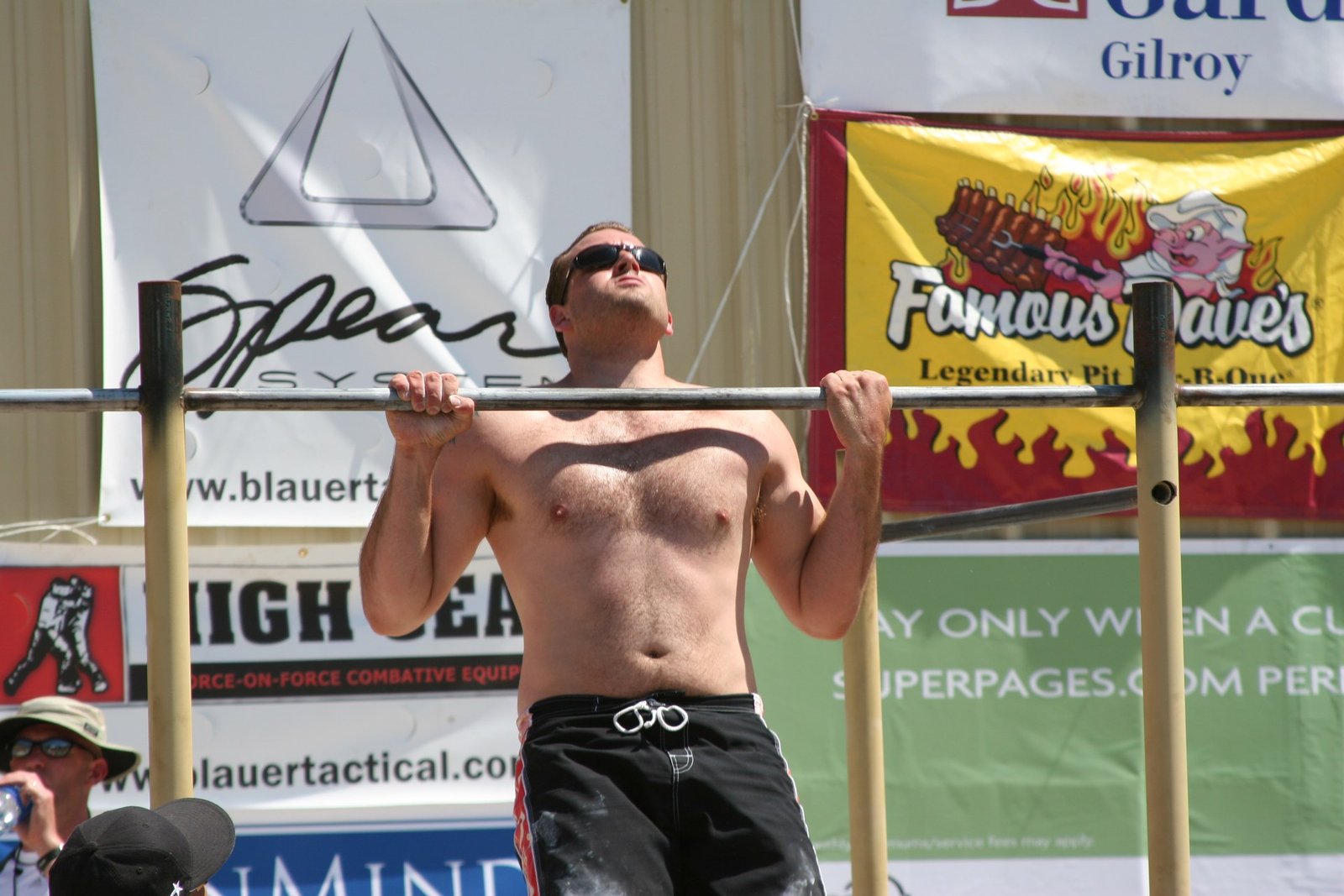
Photo: Wikimedia Commons
Clean glass with a soft cloth and glass cleaner; clean acrylic with a soft cloth and warm water only, never an abrasive pad or ammonia cleaner, which clouds acrylic over time. Peel protective film only once the mirror is placed.
Glare is a placement problem, not a mirror problem. A mirror facing a window, a bare bulb, or a bright garage door will blind you at certain hours — angle the mirror, or the light, so the reflection shows you, not the sun.
Chalk dust settles on every surface in a lifting room, mirrors included. A quick wipe before a session keeps the reflection clear; a dusty mirror is a mirror you stop trusting.
If you have an injury, or a condition that affects how safely you can lift, talk to a clinician or qualified coach before changing your training based on what a mirror shows. This guide is general information only, not medical advice.
Frequently Asked Questions
Photo: Wikimedia Commons
What size mirror is best for a home gym?
About 60 inches tall or more for a full-body view, hung with its bottom 12 to 18 inches from the floor. A 48-inch panel works if hung at the right height, but it will cut off something — usually the feet.
Is glass or acrylic better for a gym mirror?
Glass reflects truer; acrylic breaks safer. If the mirror sits away from the bar’s path, glass is the better reflection. If a bar could reach it, acrylic or glassless film is the safer choice, even with a softer reflection.
Can I use adhesive tiles instead of a big mirror?
Yes, for coverage on a budget — tiles fit awkward walls and cost less than a big panel. The trade is seams across the reflection, and adhesive needs a smooth, flat, clean wall to hold.
How do I mount a heavy gym mirror safely?
Into wood studs with the maker’s hardware, plus a bottom rail or J-channel to carry the weight. Never hang heavy glass from drywall anchors alone, and never rely on adhesive alone for glass.
Will a mirror actually improve my form?
It shows you the fault, which is half the fix — a rounded back or a drifting knee is visible in the moment. It does not correct the fault by itself, and it does not replace coaching for a lifter who cannot tell what they are seeing.
Where should I NOT put a gym mirror?
Anywhere a bar could strike it — behind the rack, beside the platform, or in the path of a dropped bar. Put the mirror on the wall you face, not the wall the bar travels toward.
Our Pick in One Line

Photo: US Air Force / Wikimedia Commons
If you want one answer: the BEAUTYPEAK 65-inch full-length mirror is the best all-round buy because true full-body height covers every lift’s form check — but if you want a real gym mirror wall, the LOAAO tempered pair hung side by side is the wall version of the same idea.
For the rest of your home gym setup, see our dumbbell racks guide and our bumper plates guide, and for keeping the bar loaded safely, see our barbell collars guide.
As an Amazon Associate, we earn from qualifying purchases made through links on this page, at no extra cost to you.
This guide is research-based: we compared verified buyer reviews and manufacturer specifications, and we did not buy or hands-on test these products. Prices and availability change, so check the listing before ordering. The training information here is general information only, not medical advice — if you have an injury or a condition that affects how safely you can lift, talk to a clinician first.