

A fitness tracker is the quiet training partner in a home gym. ⌚ It counts your sessions, nudges you on rest days, and shows whether your sleep is actually recovering you — without a screen demanding attention mid-set.
This guide covers six fitness trackers that suit home gym training: treadmill and bike sessions, lifting, bodyweight circuits and short runs from the front door. Every pick is sold on Amazon US, and every link below is tagged so you can check the current offer.
If you are building out the rest of your kit, our workout shoes guide is the previous guide in this series, and our treadmill guide, elliptical guide, stair climber guide and rowing machine guide cover the cardio side, while our workout shirts guide covers the rest of the outfit.
How We Picked These Fitness Trackers
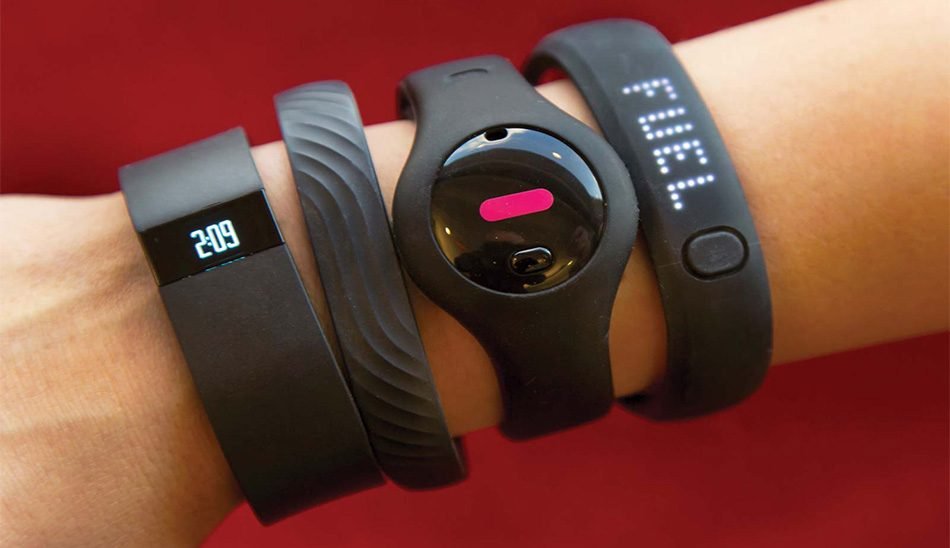
We researched fitness trackers that are genuinely sold on Amazon US, with listing records we could verify — not roundups copied from other sites. Each pick below names its model or variant so you can match the exact tracker.
This is a research-based guide. We did not wear-test these trackers, and we claim no hands-on results. What we did do is check each listing’s style, battery claim, GPS type, health features and phone compatibility, and flag where variant sprawl, subscriptions or availability needs a second look before you order.
One warning that applies to the whole guide: the listing crawls behind these picks are 20–326 days old, so confirm the current offer, exact variant and availability on the listing before ordering. Listings change, and a tracker that was in stock months ago may not be today.
A few names did not make the cut, and we name them honestly:
- Xiaomi Smart Band 9 — no confident US listing for the main band was found; only a global Active version through a third-party seller turned up, so it was left out rather than listed on a guess.
- Amazfit Helio Strap — its record showed “Currently unavailable”, so it was left out rather than listed on hope.
- Apple Watch — a full smartwatch, a different category from the fitness bands and GPS watches picked here, so it was left out rather than stretched into this guide.
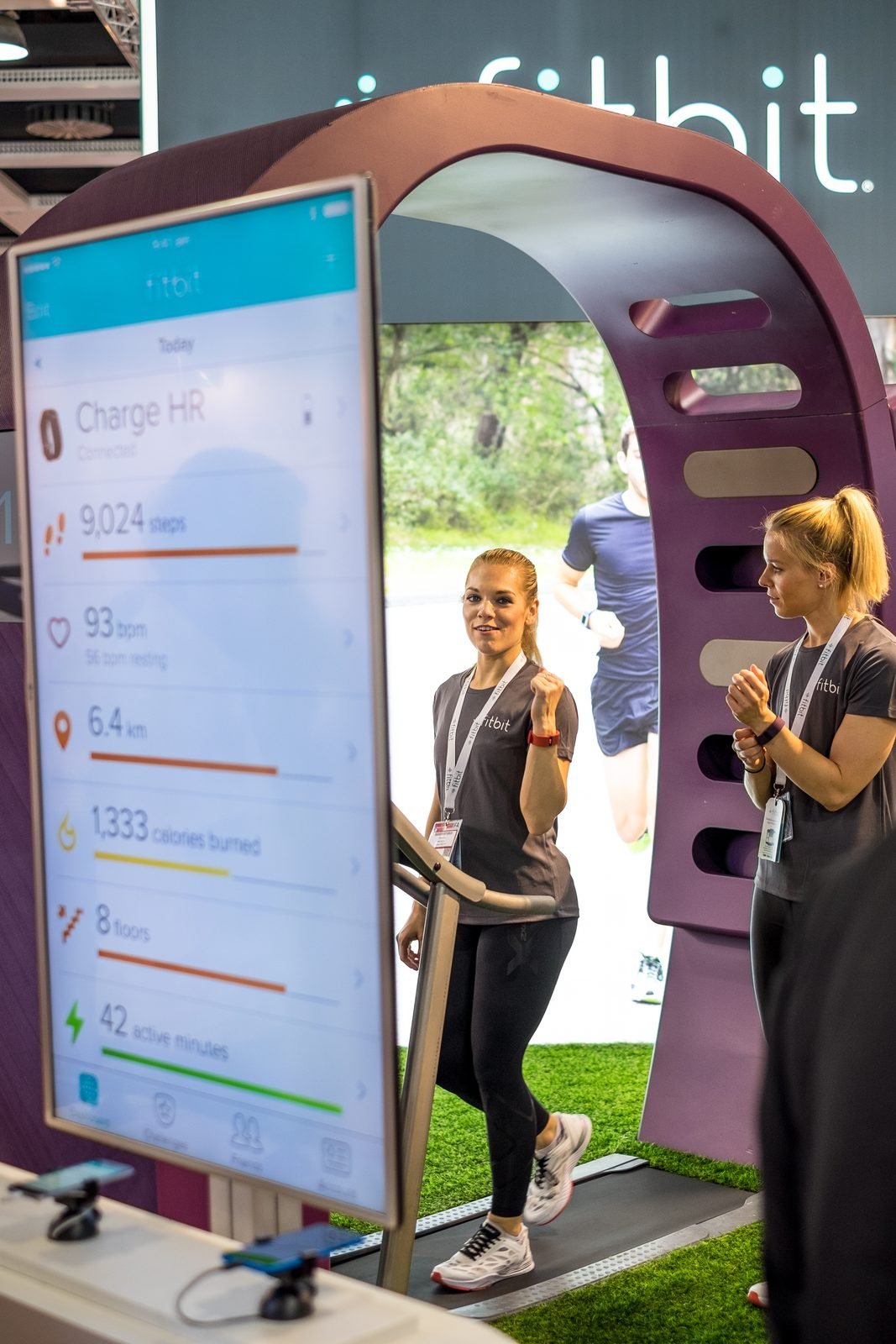
One honest limit up front: no tracker builds fitness, prevents injury, or diagnoses anything. A tracker records what you did — it does not do the training for you, and its heart-rate, sleep and calorie numbers are estimates, not medical measurements. The photos in this guide are generic tracker and training scenes, not photos of the named trackers, except the Amazfit Band 7 photo, which is a free-license photo of that actual band.
Quick Comparison
| Tracker | Style | Battery (maker claim) | Standout |
|---|---|---|---|
| Fitbit Charge 6 | Band with built-in GPS | Up to 7 days | Built-in GPS plus Google apps in a band |
| Fitbit Inspire 3 | Slim band | Up to 10 days | Slim, light, longest Fitbit battery here |
| Garmin Vivosmart 5 | Slim band | Up to 7 days | Simplest Garmin here, no subscription wall |
| Garmin Vivoactive 5 | GPS watch | Up to 11 days | AMOLED watch screen with built-in GPS |
| Amazfit Band 7 | Band with AMOLED screen | Up to 18 days | Longest battery claim in this guide |
| Samsung Galaxy Fit3 | Band with AMOLED screen | 13–14 days (records vary) | Big bright screen, Android-first pick |
Battery claims are the makers’ figures under light use, not promises. GPS sessions, bright screens and frequent notifications all shorten real battery life — sometimes a lot. Treat the table as a ranking, not a guarantee.
1. Fitbit Charge 6 Fitness Tracker
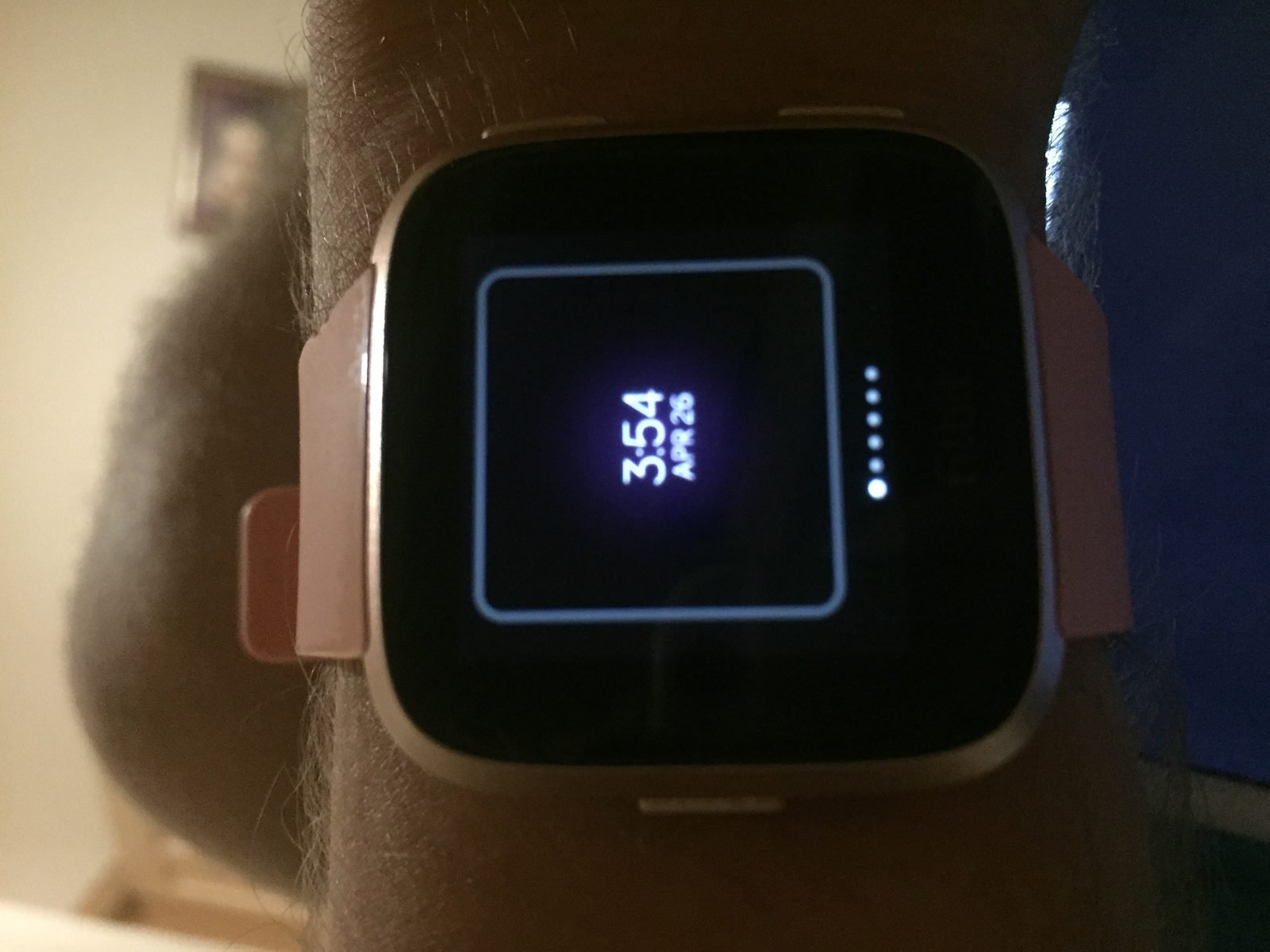
Fitbit’s Charge 6 is the all-rounder in this guide: a band-style tracker with built-in GPS, heart-rate tracking, and Google apps including Maps and Wallet. The listing record we verified is the Gold/Coral variant, which ships from Amazon.com and is sold by Amazon.com — check the colour before ordering, because Fitbit sells this tracker in several colour combinations and each has its own listing.
Built-in GPS is the detail that matters. It records outdoor runs and rides without your phone, which is exactly what a home-gym user wants on the days training moves outside the front door. The listing also includes S and L bands in the box, and a 6-month Premium membership.
✅ Pros
- Built-in GPS records outdoor sessions without a phone
- Google Maps and Wallet on the wrist
- Verified listing ships from and is sold by Amazon.com
- S and L bands included, plus 6 months of Premium
⚠️ Cons
- Some deeper insights need Premium after the trial ends
- Many colour variants — easy to order the wrong one
- Band-style screen is smaller than a watch-style screen
Check the Fitbit Charge 6 on Amazon
⚠️ Check before ordering: the listing record behind this pick is about 176 days old — confirm the current offer, the exact variant (Gold/Coral) and availability on the listing before you buy. Note that some features sit behind the Premium subscription once the included 6 months run out.
Best for: home gym users who want one tracker that covers indoor sessions and phone-free outdoor runs.
May not fit: anyone who dislikes subscriptions, or who wants a big watch-style screen.
2. Fitbit Inspire 3 Fitness Tracker
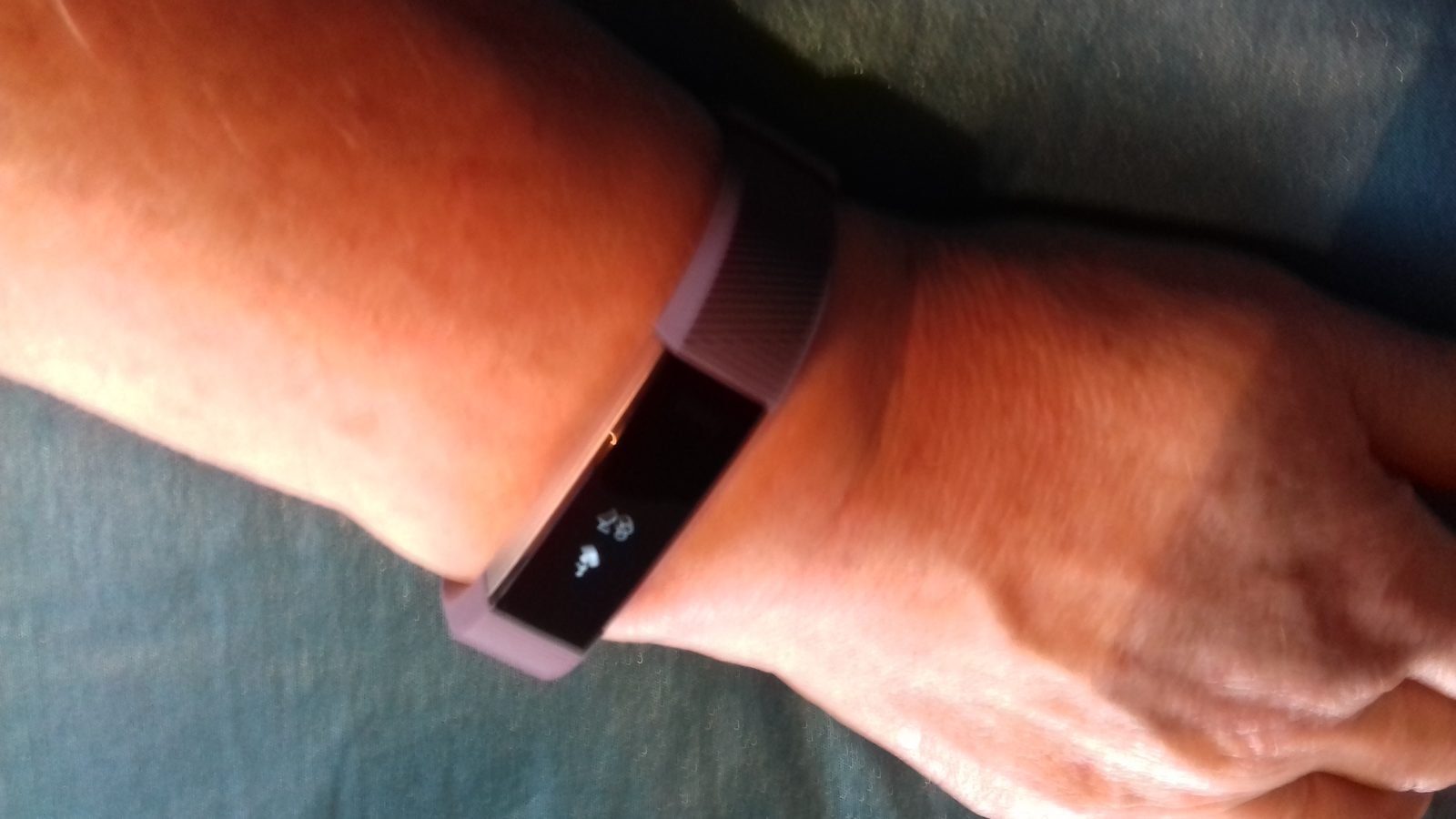
Fitbit’s Inspire 3 is the slim, sleep-friendly pick in this guide: a light band with 24/7 heart-rate tracking, stress management and sleep tracking, and the longest Fitbit battery claim here at up to 10 days. The listing record we verified is the Lilac Bliss/Black variant, which includes small and large bands.
Slim matters most at night. A tracker only tracks sleep if you actually wear it to bed, and a slim band is far easier to sleep in than a watch. If sleep data is the reason you are buying, comfort beats screen size.
✅ Pros
- Slim and light — the easiest pick here to sleep in
- Up to 10-day battery claim, longest of the Fitbits here
- 24/7 heart rate, stress management and sleep tracking
- Small and large bands included in the box
⚠️ Cons
- No built-in GPS — outdoor routes need your phone nearby
- Small display shows less at a glance than a watch screen
- Some deeper insights need Premium after the trial ends
Check the Fitbit Inspire 3 on Amazon
⚠️ Check before ordering: the listing record behind this pick is about 177 days old — confirm the current offer, the exact variant (Lilac Bliss/Black) and availability on the listing before you buy. Do not confuse it with the Charge 6: the Inspire 3 has no built-in GPS of its own.
Best for: anyone who mainly wants sleep and daily-activity tracking in the lightest band possible.
May not fit: runners who want phone-free GPS, or anyone who wants a large readable screen.
3. Garmin Vivosmart 5 Fitness Tracker
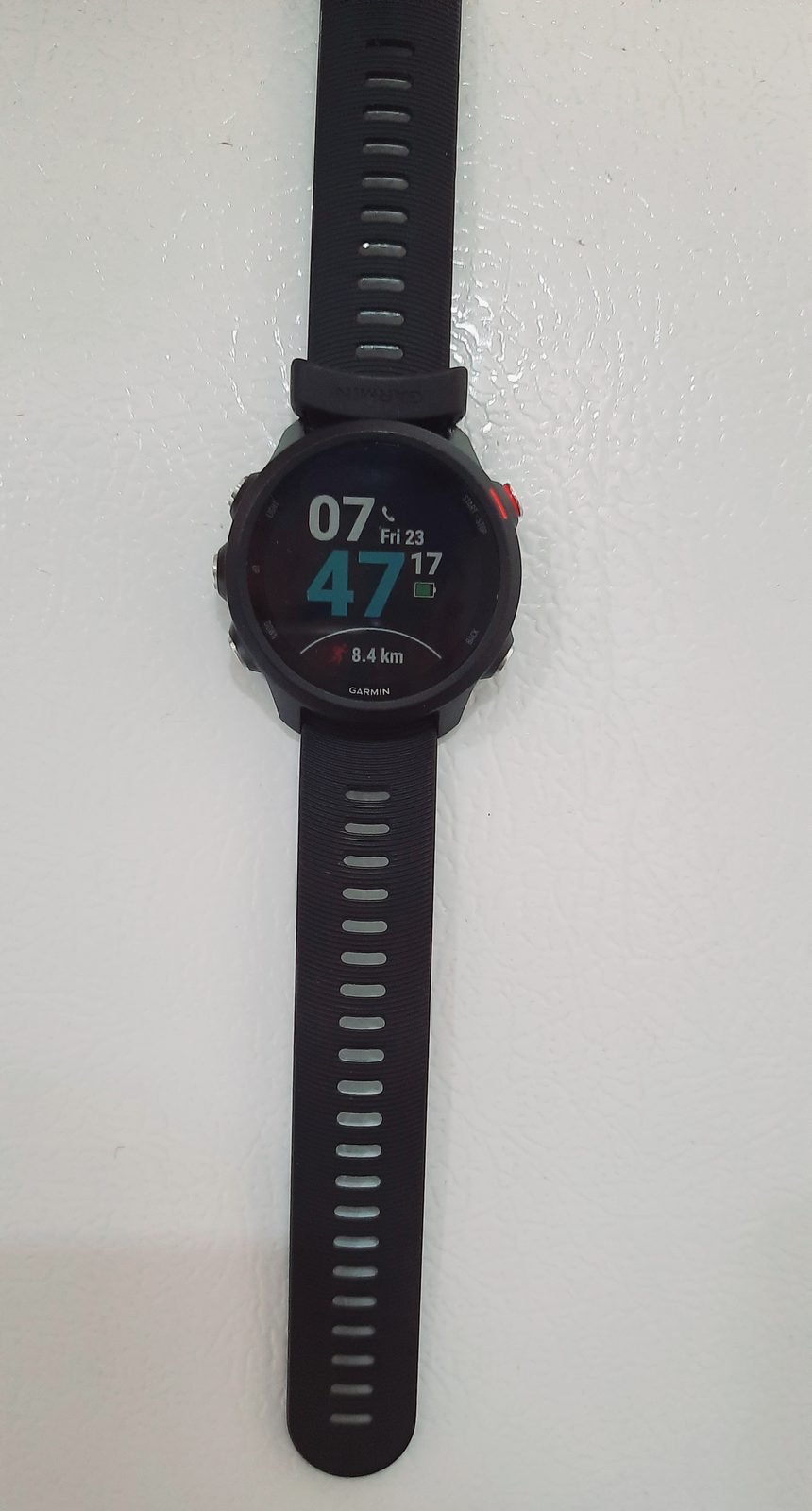
Garmin’s Vivosmart 5 is the simplest Garmin in this guide: a slim band with heart-rate and sleep tracking, an up to 7-day battery claim, and no subscription wall for its core features. The listing record we verified is the Black, Large variant.
Simple is the point. Garmin’s app holds the detail; the band itself stays out of the way during lifting and circuits, where a big watch case can catch on bars and straps. If you want tracking without a monthly fee debate, this is the pick that sidesteps it.
✅ Pros
- Slim band that stays out of the way during lifting
- No subscription needed for its core tracking features
- Up to 7-day battery claim
- Garmin’s app holds the detailed history
⚠️ Cons
- No built-in GPS — outdoor routes need your phone nearby
- Small display shows less at a glance than a watch screen
- Size variants (S/M vs Large) — check the size before ordering
Check the Garmin Vivosmart 5 on Amazon
⚠️ Check before ordering: the listing record behind this pick is about 185 days old — confirm the current offer, the exact variant (Black, Large) and availability on the listing before you buy. Garmin also sells this band in S/M and other colours under different listings.
Best for: lifters and minimalists who want Garmin tracking without a subscription or a bulky case.
May not fit: runners who want phone-free GPS, or anyone who wants a large colour screen.
4. Garmin Vivoactive 5 GPS Smartwatch
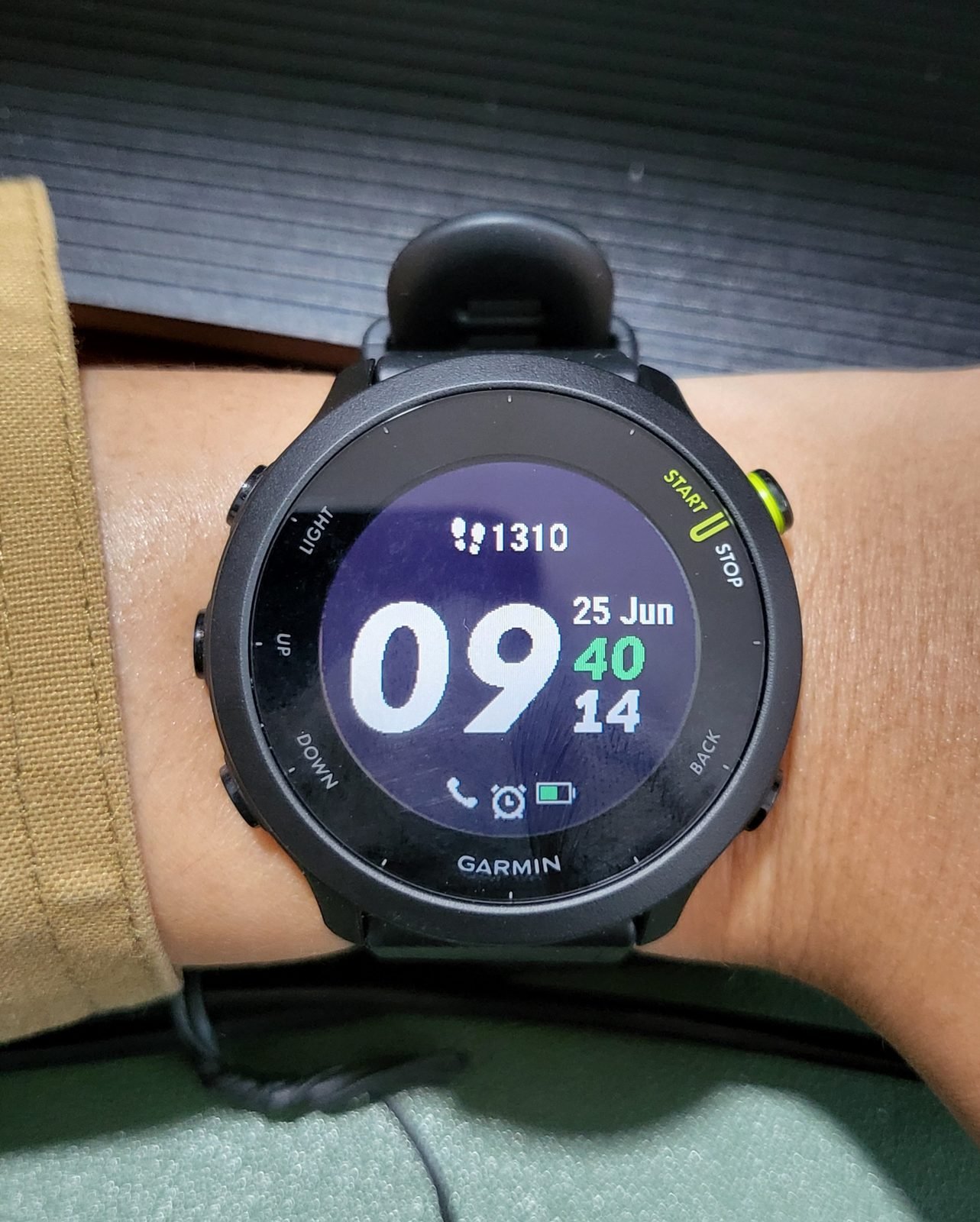
Garmin’s Vivoactive 5 is the watch-style pick in this guide: an AMOLED-display GPS watch with an aluminium bezel and an up to 11-day battery claim. The listing record we verified is the Slate Aluminium Bezel with Black Case and Silicone Band variant.
A watch screen changes how you train. Mid-session stats — heart rate, time, distance — are readable at a glance without stopping to wake a small band display, and built-in GPS means outdoor sessions record without your phone.
✅ Pros
- AMOLED display — stats readable at a glance mid-session
- Built-in GPS for phone-free outdoor sessions
- Up to 11-day battery claim, longest of the Garmins here
- No subscription needed for its core tracking features
⚠️ Cons
- Watch-style case is bulkier than a band for lifting and sleep
- Not a full smartwatch — no LTE calls or app store depth
- Listing record over 200 days old — confirm the listing carefully
Check the Garmin Vivoactive 5 on Amazon
⚠️ Check before ordering: the listing record behind this pick is about 216 days old, so confirm the current offer, the exact variant (Slate/Black) and availability on the listing before you buy.
Best for: runners and all-rounders who want a readable GPS watch without a subscription.
May not fit: anyone who wants the lightest sleep band, or a full phone-on-the-wrist smartwatch.
5. Amazfit Band 7 Fitness Tracker
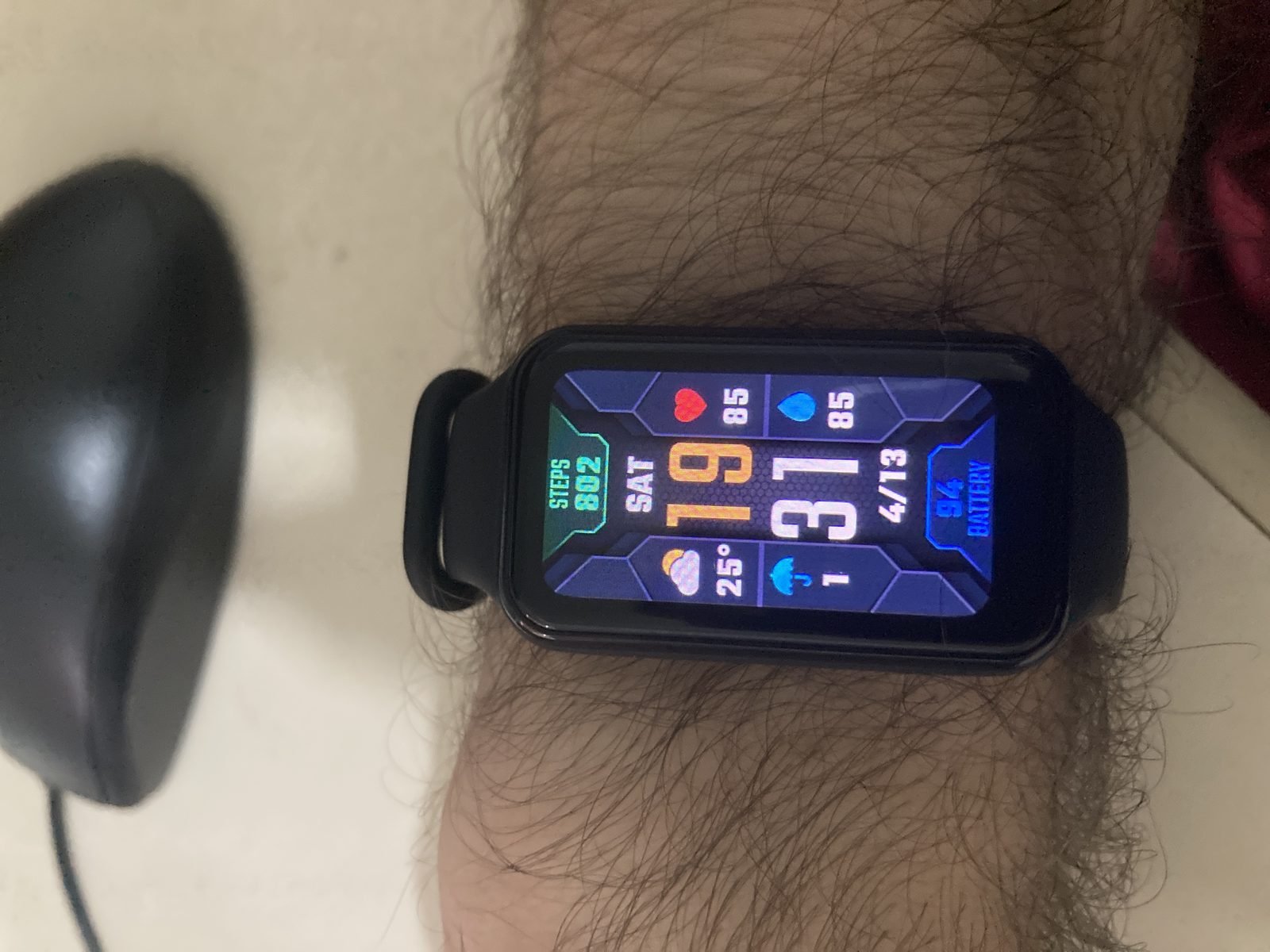
Amazfit’s Band 7 is the battery champion in this guide: a 1.47-inch AMOLED band with an up to 18-day battery claim, Alexa built in, 120 sports modes, 5 ATM water resistance, and heart-rate and SpO₂ monitoring. The listing record we verified is the Black variant.
Eighteen days changes the habit. A tracker you charge roughly twice a month is a tracker you forget about — and a tracker you forget about is one you actually wear every night, which is when the sleep data comes from.
✅ Pros
- Up to 18-day battery claim — the longest in this guide
- Bright 1.47-inch AMOLED display for a band
- Alexa built in, 120 sports modes, 5 ATM water resistance
- Heart-rate and SpO₂ monitoring included
⚠️ Cons
- One listing record showed no featured offers — availability uncertain
- Alexa and some features need your phone connected
- The Zepp app takes some learning if you are new to Amazfit
Check the Amazfit Band 7 on Amazon
⚠️ Check before ordering: the listing records behind this pick are 177–316 days old, and one of them showed no featured offers — confirm the current offer, the exact variant (Black) and availability on the listing before you buy. Do not confuse the new Band 7 listing with the Renewed (refurbished) listing under a different ASIN.
Best for: anyone who hates charging and wants the longest battery plus a bright screen for the money.
May not fit: anyone who wants built-in GPS, or who wants the most polished app experience.
6. Samsung Galaxy Fit3 Fitness Tracker
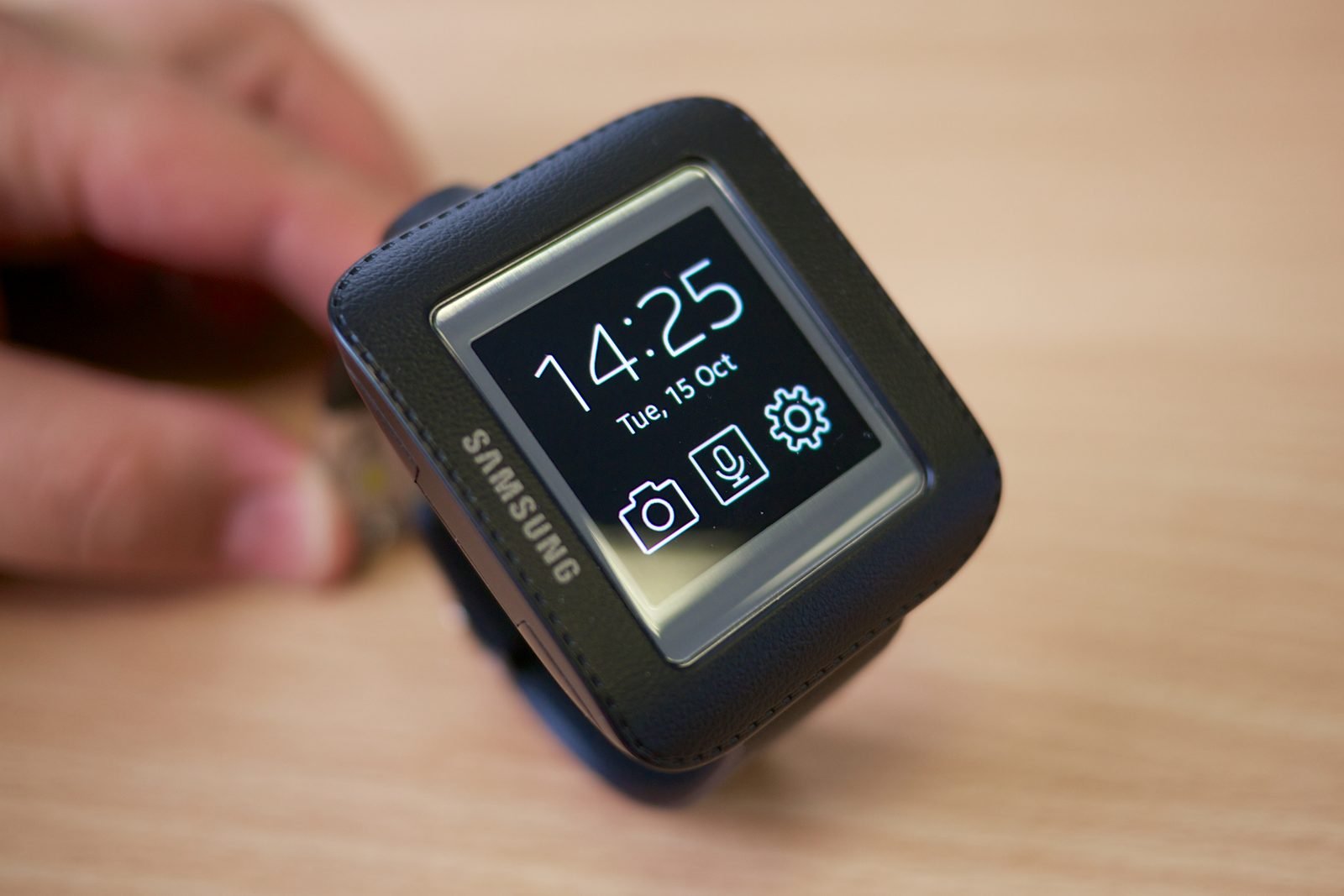
Samsung’s Galaxy Fit3 is the Android-first pick in this guide: a band with a 1.6-inch AMOLED display, 100+ exercise modes, 100+ watch faces, IP68 water resistance, and a 13–14 day battery claim. The listing record we verified is the International Model (Black) bundle.
The big screen is the draw. At 1.6 inches it is the largest display in this guide, which makes mid-workout stats genuinely easy to read — but the international-model detail below is the part to read twice before ordering.
✅ Pros
- Largest display in this guide at 1.6 inches AMOLED
- 100+ exercise modes and 100+ watch faces
- 13–14 day battery claim with IP68 water resistance
- Freshest listing record in this guide (20 days old)
⚠️ Cons
- International Model — records state no warranty in the US
- Phone compatibility is confusing across records (Android-only vs Android and iOS)
- One listing record showed no featured offers — availability uncertain
Check the Samsung Galaxy Fit3 on Amazon
⚠️ Check before ordering: the listing records behind this pick are 20–326 days old, and one showed no featured offers. Most importantly, the verified listing is the International Model, which records state carries no US warranty and is Android-focused — and the US Version listing’s record showed “Currently unavailable”. Confirm the exact version, warranty and phone compatibility on the listing before you buy.
Best for: Android users who want the biggest screen in this guide and do not mind an international-model listing.
May not fit: iPhone users, or anyone who wants a US-warranty model with no version confusion.
How to Choose a Fitness Tracker
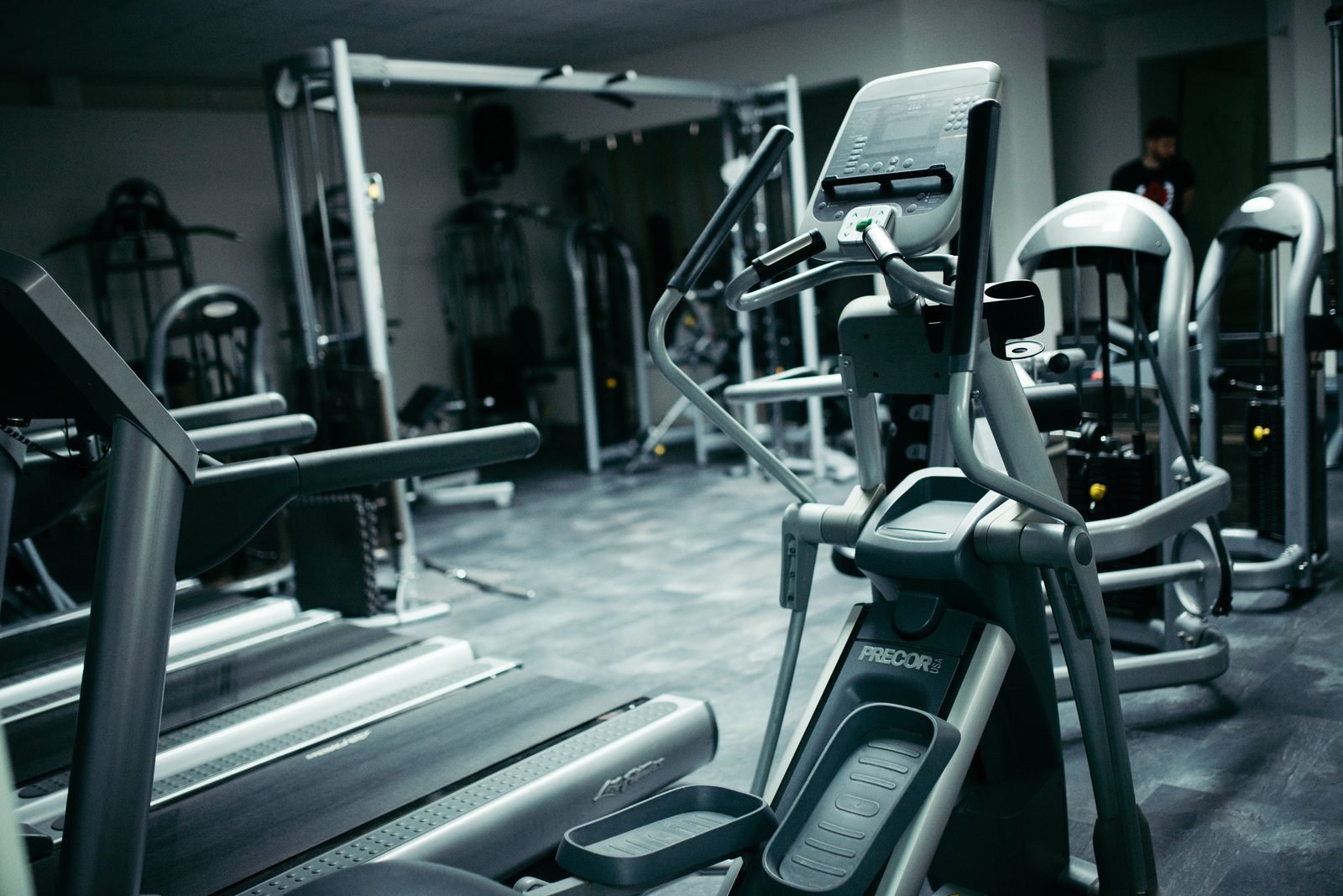
Choosing a tracker is simpler than choosing a treadmill, but three decisions still matter: style, phone compatibility and GPS. Get those right and the rest — colour, watch faces, sport-mode counts — is easy.
Start with your phone. A tracker is only as good as its app, and some trackers pair far better with one phone family than the other. Check compatibility on the listing before anything else — an Android-first tracker on an iPhone, or the reverse, is a daily frustration, not a bargain.
Then choose band or watch. Bands are lighter, cheaper to charge less often, and easier to sleep in. Watches show more at a glance and usually carry built-in GPS. Lifters often prefer bands; runners usually prefer watches.
Finally, decide what you actually want measured. Steps and heart rate are table stakes on every pick here. GPS, sleep stages, SpO₂ and voice assistants are the extras — pay for the ones you will use, not the longest spec list.
Display, Size and Comfort
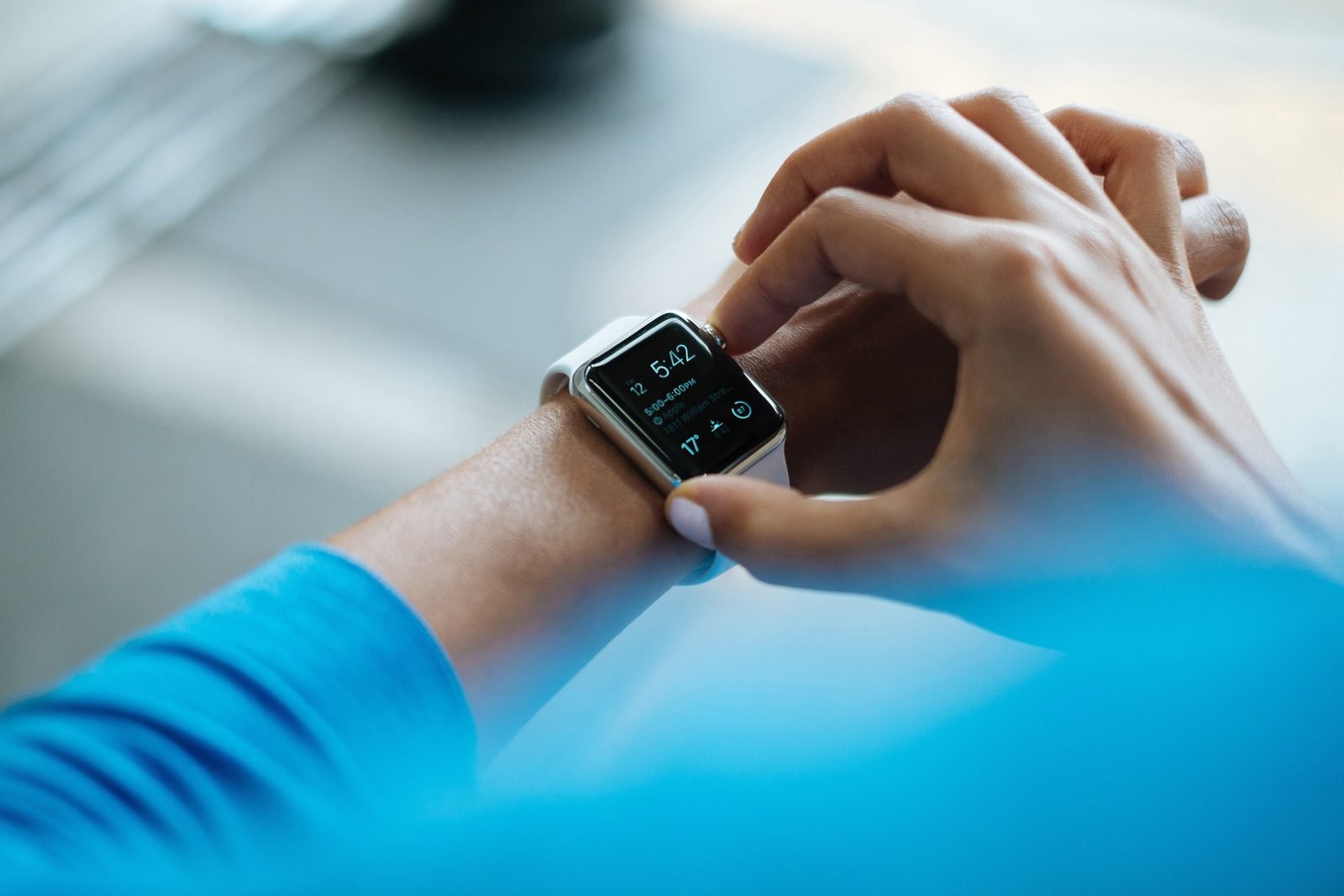
Display size decides what you can read mid-set. A watch screen shows heart rate, time and distance in one glance. A slim band usually shows one number at a time and needs a tap or wrist raise to wake.
Comfort decides whether the tracker stays on. A band that pinches, itches or catches on a barbell will spend more time in a drawer than on your wrist. Wear it snug but not tight — tight enough that the sensor keeps contact, loose enough that you forget it is there.
Size ranges matter more than they look. Bands come in S/M and Large variants, and watch cases come in different diameters. Check the maker’s sizing guide against your wrist measurement, not your shoe size or your guess.
Battery Life and Charging
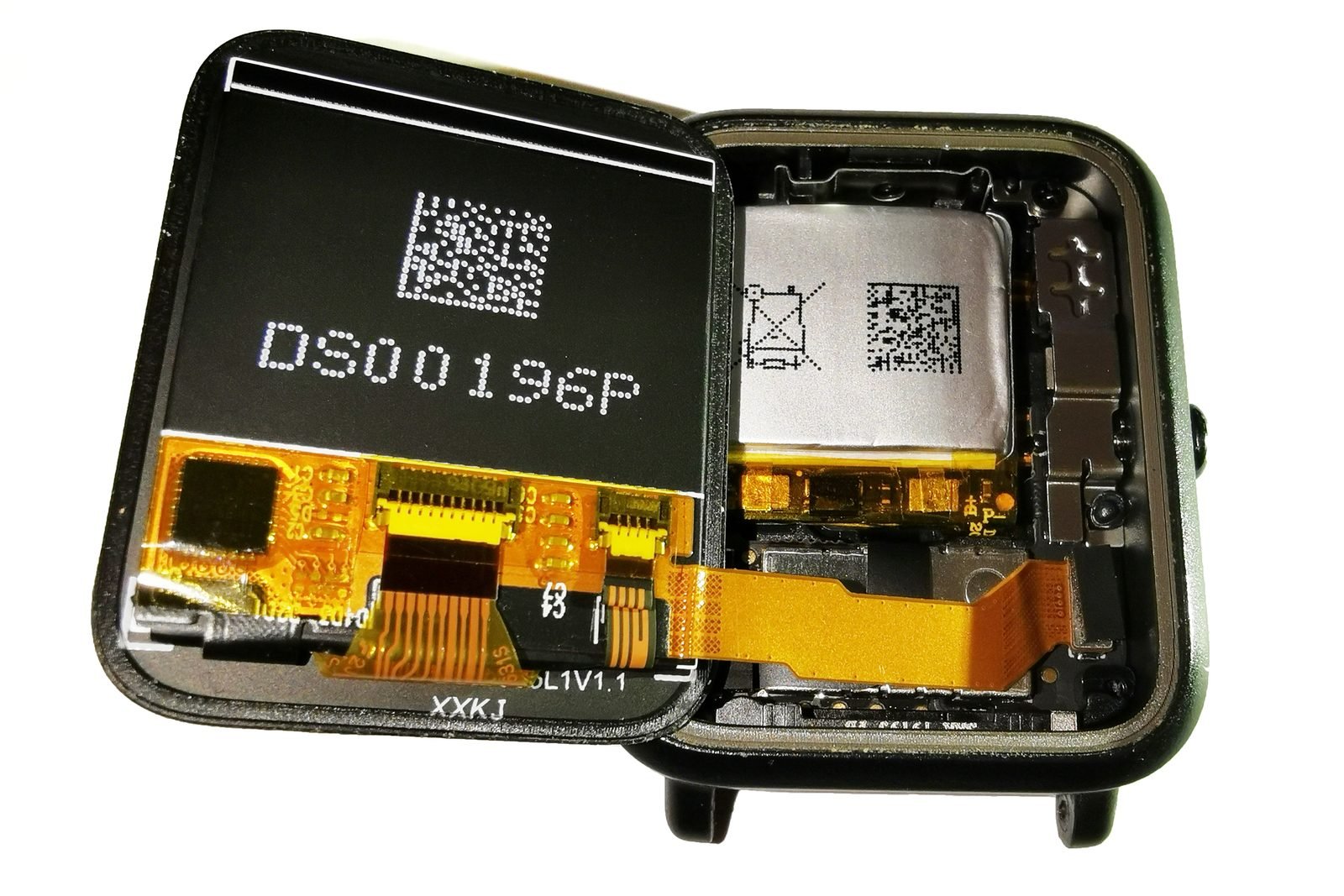
Maker battery claims assume light use: notifications off, brightness low, GPS rarely on. Turn GPS on for daily runs and the same tracker may last half as long — that is normal, not a fault.
Charging habit matters more than the headline number. A tracker that charges in an hour or two is easy to top up while you shower. A tracker with a fiddly proprietary cable is easy to lose the charger for — keep the cable in one place and treat a spare as cheap insurance.
One practical tip: charge on a schedule, not when the battery dies. A tracker that dies mid-night records no sleep, and a tracker that dies mid-run records half a run. A weekly top-up habit beats a dead battery every time.
GPS and Workout Tracking
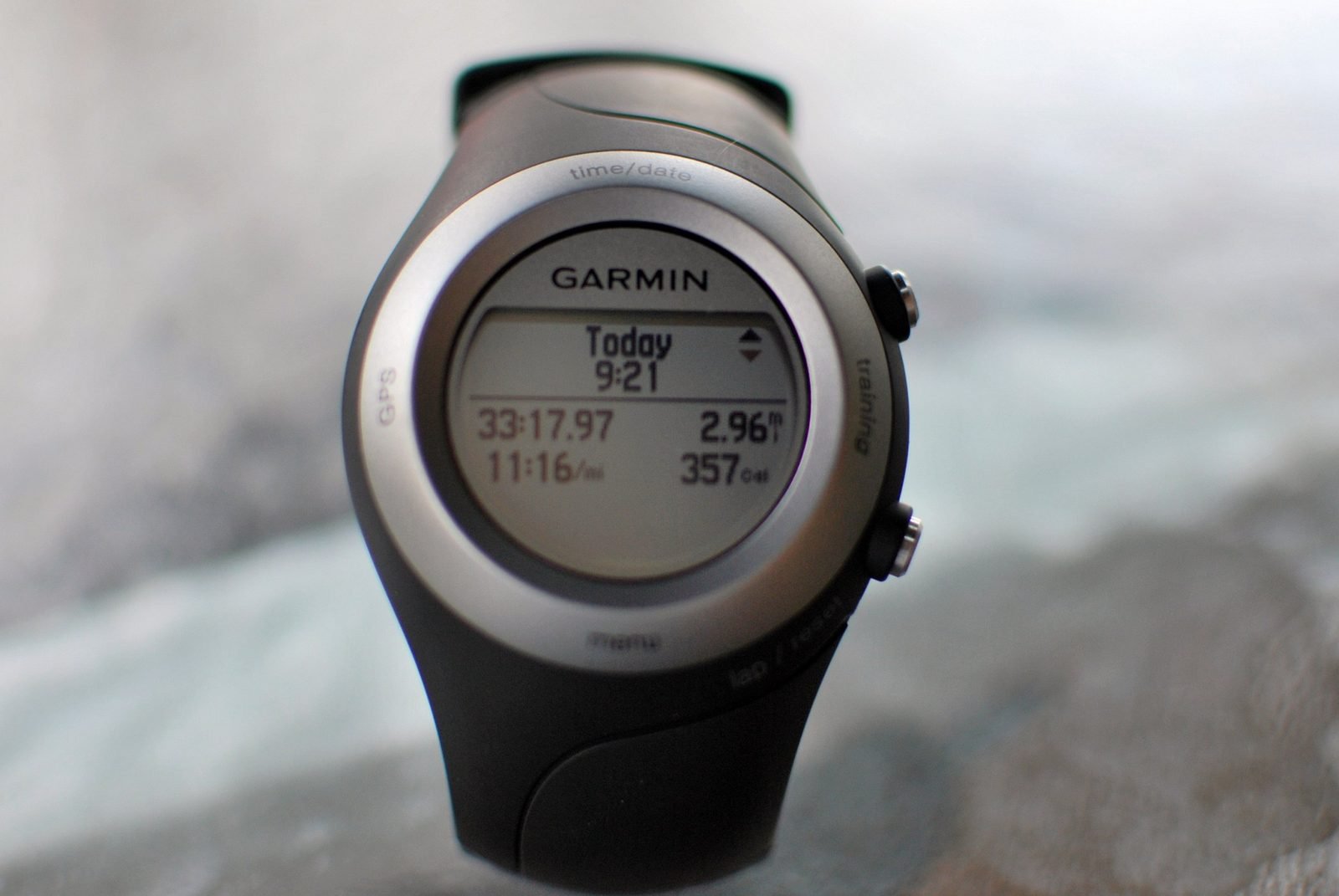
Built-in GPS records outdoor routes on the tracker itself. Connected GPS borrows your phone’s location instead — it works, but it means carrying your phone on every outdoor session, and the route accuracy follows the phone, not the tracker.
For home gym sessions, GPS matters less than you might think. Treadmill, bike and lifting sessions are tracked by motion and heart rate, not satellites. GPS earns its keep on outdoor runs, rides and walks — if most of your training is indoors, a band without GPS is no real loss.
Sport-mode counts are marketing more than measurement. A tracker advertising 120 modes is not automatically more accurate than one advertising 20 — what matters is whether it has the modes you actually use, and whether its heart-rate sensor holds contact during your hardest sets.
Heart Rate, Sleep and Health Features

Wrist heart-rate sensors estimate your pulse with light, and they are best at steady efforts — a treadmill jog, a bike session. They struggle most during fast grip changes and heavy lifting, when the wrist moves and the sensor loses contact. Treat lifting heart-rate numbers as rough, not exact.
Sleep tracking works the same way: it estimates sleep stages from movement and heart rate. It is good at showing patterns — bedtime drift, short nights before hard days — and poor at diagnosing anything. If your sleep numbers worry you, that is a clinician conversation, not a tracker-setting fix.
SpO₂, stress scores and readiness scores are the same story: useful trends, not medical results. A tracker that says your stress is high is telling you to rest and breathe, not giving you a diagnosis. The trend over weeks is the valuable part; any single day’s number is noise.
How to Care for Your Tracker
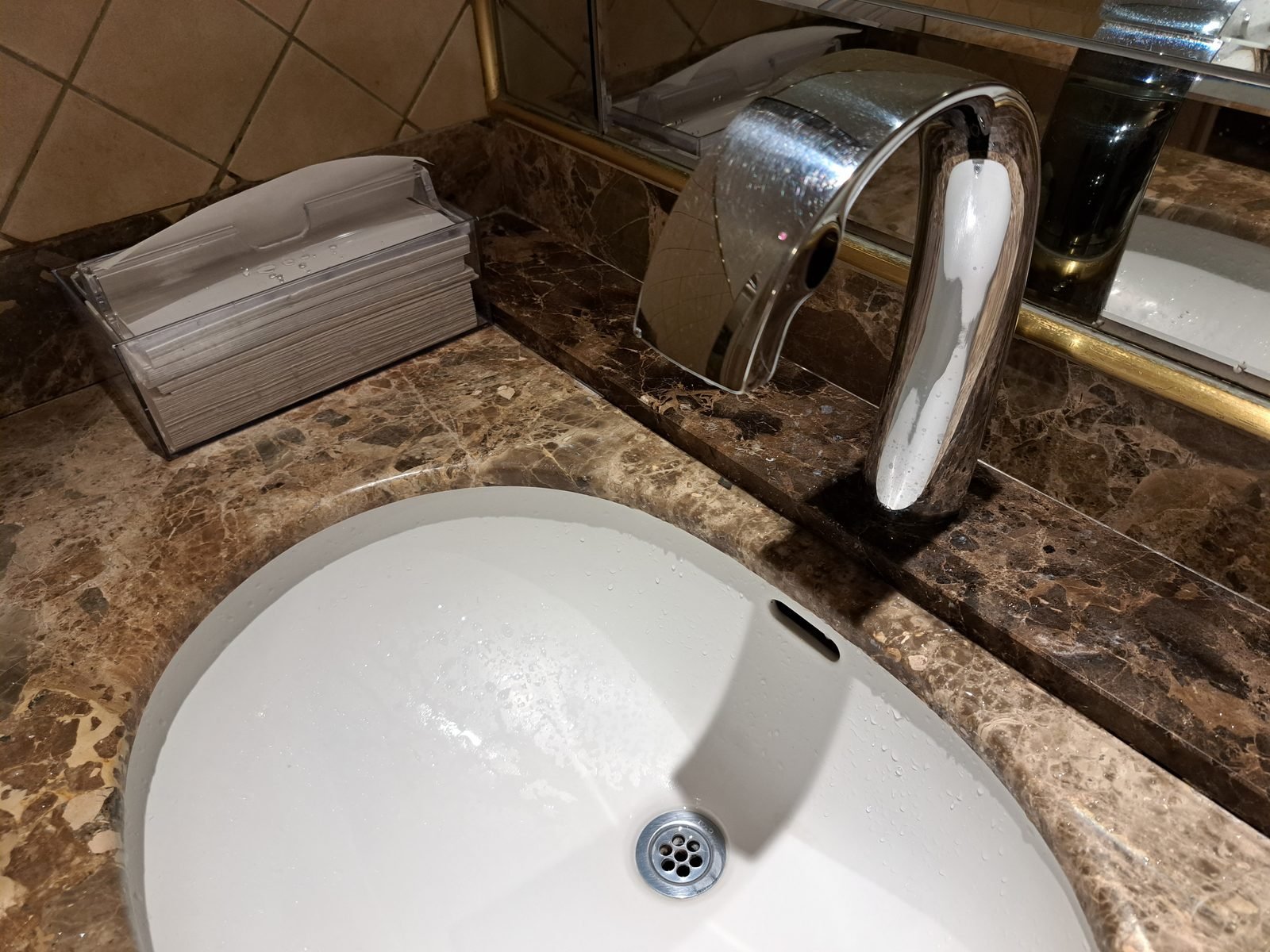
Good care keeps the sensor accurate and the band comfortable longer. Rinse the band under clean water after sweaty sessions, and dry both the band and the sensor before charging — charging a wet tracker is the fastest way to corrode its contacts.
Clean the sensor window gently with a soft, damp cloth. Do not use harsh cleaners or scrub it — a scratched sensor reads worse, and no software update fixes a scratched lens.
Loosen the band if your wrist gets red, itchy or sore, and give the skin a break. Irritation under a tracker is usually trapped sweat and a too-tight fit, not an allergy — but if it persists after loosening and cleaning, stop wearing it and ask a clinician.
Keep the charger somewhere fixed. Proprietary chargers are small, easy to lose, and annoying to replace — a single charging spot by the bed or the gym bag ends the hunt.
Safety: What No Tracker Makes Safe

Trackers record training, they do not make it safe on their own. No tracker prevents injury, fixes form, or replaces a proper warm-up, good shoes, or a clear floor. Treat this section as the habits that keep a home session safe:
- Warm up first. A few minutes of easy movement before hard sets beats any gear choice.
- Stop on sharp pain. A sore muscle from training is one thing; sharp joint or muscle pain is a stop signal, not a push-through signal.
- Do not train through chest pain or dizziness. Stop, sit down, and get medical help promptly — a tracker number never overrules what your body is telling you.
- Treat tracker numbers as estimates. Heart rate, calories, sleep stages and stress scores are trends, not medical measurements.
- Keep the floor clear. Charging cables and loose bands on a hard floor are a trip hazard; put them straight away.
- Wear proper shoes for lifting. A tracker on your wrist gives no grip under a loaded barbell — train in proper shoes.
- See a clinician about persistent pain or odd readings. Recurring pain, or heart-rate readings that look wrong again and again, is a medical question, not a tracker question.
This is general information, not medical advice. If you have a heart condition, diabetes, circulation problems, or any medical condition, ask your clinician about tracker and training choices before changing them.
Frequently Asked Questions
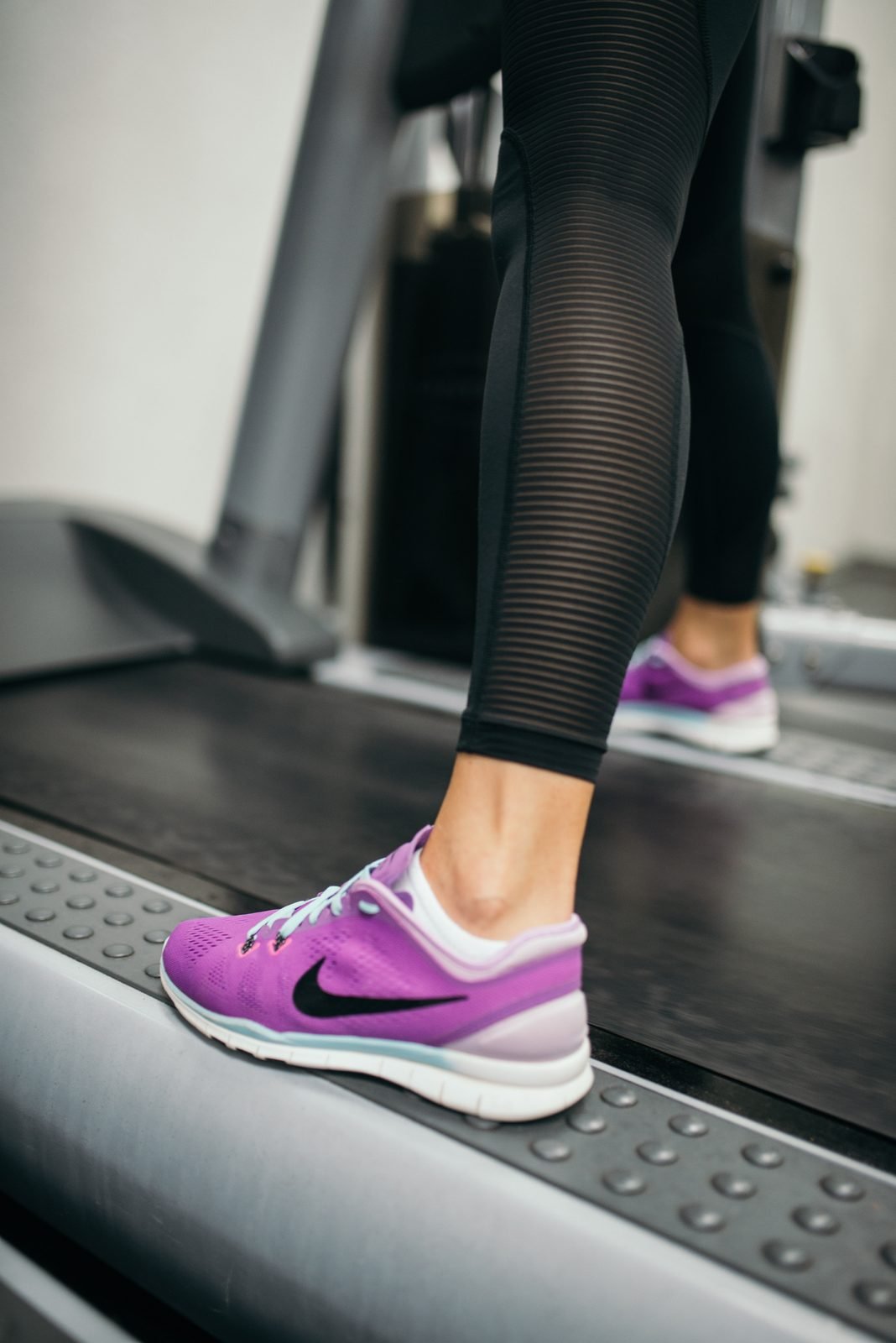
Do I need a fitness tracker for home gym training, or will my phone do? A phone counts steps and runs, but it cannot track heart rate, sleep or all-day activity from your pocket. If you want those three, a wrist tracker is the upgrade.
What is the difference between built-in GPS and connected GPS? Built-in GPS records outdoor routes on the tracker itself. Connected GPS borrows your phone’s location, so your phone must be with you on the run. For indoor training the difference does not matter.
Do trackers work without a phone nearby? Yes, for recording — every pick here stores sessions on the device and syncs later. You only need the phone for setup, detailed history and software updates.
How accurate are step and calorie counts? Steps are usually close on walks and runs, and shakier during lifting and housework. Calories are estimates built from your profile and heart rate — useful for trends, not exact accounting.
Can I swim with these trackers? Water resistance varies by model — 5 ATM and IP68 ratings in this guide cover swimming and showers in principle, but check the exact rating on the listing for your pick, and rinse after pool or sea water.
Do I need a subscription? Garmin, Amazfit and Samsung do not require one for core tracking. Fitbit keeps some deeper insights behind Premium after the included trial — check what is free before you buy.
How often will I need to charge? Bands in this guide claim 7–18 days and the watch claims 11, but GPS use and bright screens shorten that. Expect to charge weekly in real use, and top up on a schedule rather than waiting for a dead battery.
Our Pick: Start Here

If you buy one tracker first, make it the Fitbit Charge 6: built-in GPS, Google apps, a verified Amazon-sold listing, and S and L bands in the box. It is the most complete all-rounder in this guide, and the only Fitbit here that records outdoor runs without your phone.
If you want the lightest sleep band, try the Fitbit Inspire 3 first. If you want a readable GPS watch without a subscription, the Garmin Vivoactive 5 is the one. And if you hate charging above all else, the Amazfit Band 7 and its 18-day claim is the pick — just confirm availability first, since one of its records showed no featured offers.
For the rest of the kit, our workout shoes guide is the previous guide, and our treadmill guide, elliptical guide and stair climber guide cover the cardio side.
As an Amazon Associate, we earn from qualifying purchases made through links on this page, at no extra cost to you.
This guide is based on research of Amazon US listing records and general training knowledge, not on hands-on testing. Listing details, availability and offers change over time — always confirm the current listing before ordering. This article is general information only, not medical advice.