

A good cable machine turns one wall of your home gym into a full training station. 🏋️
With adjustable pulleys, you can press, pull, row and fly from different heights — without swapping machines or clearing floor space.
This guide compares six wall-mounted cable stations and functional trainers built for home use. Every pick is a dedicated cable machine, not a power rack with cables bolted on.
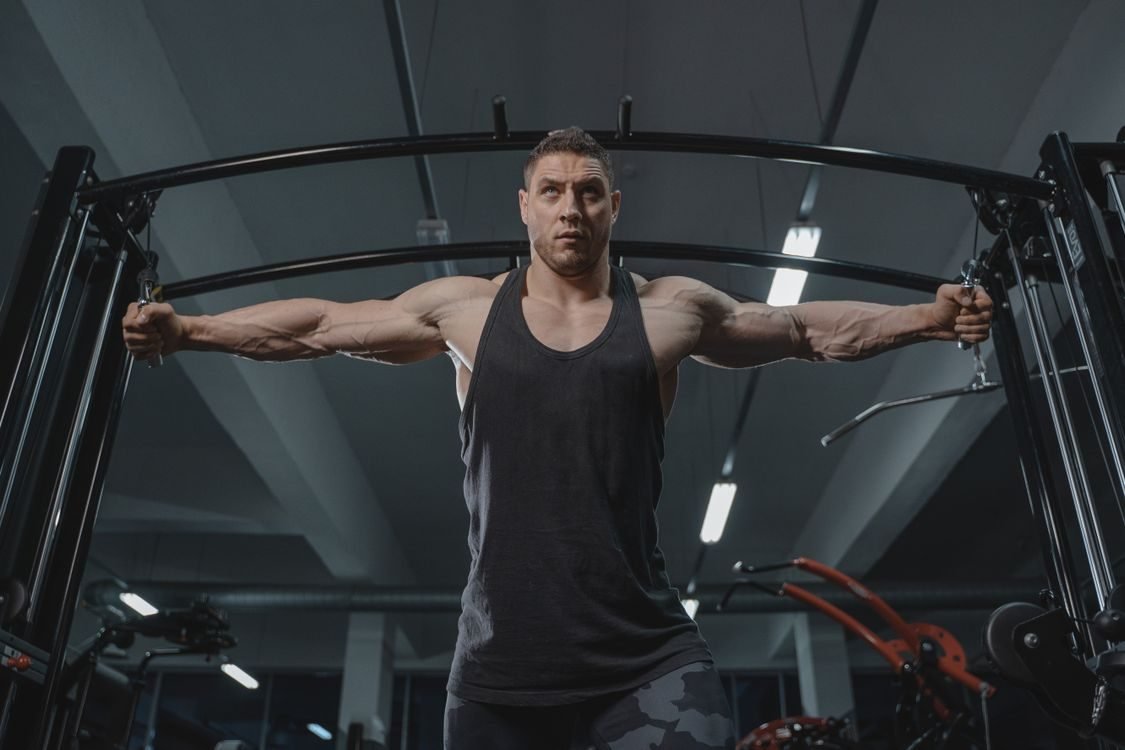
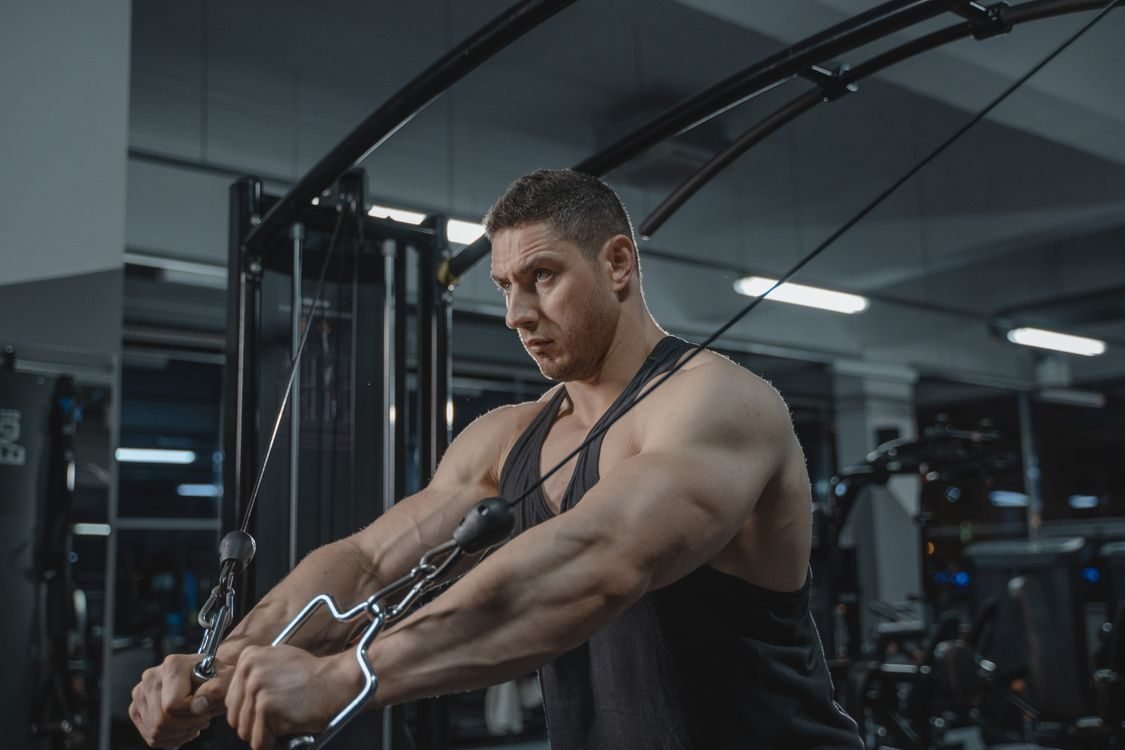
One honest note before we start: the photos in this guide are generic gym scenes, not photos of the named products. Each caption says exactly what its photo shows.
How We Picked These Cable Machines
We looked for machines made to live on a wall or in a small home gym space. That ruled out a lot of near-misses, and we name them here so you can see the line we drew.
Smith machines were dropped — the RitFit M1 and M2 are Smith machines, not cable machines, even though they carry cables.
The Major Fitness F22 was dropped too. It is a power rack with cables, and racks already have their own guide — see our best power racks for home gyms.
The Sunny Health & Fitness SF-HG92401 all-in-one home gym was dropped as well. It is not a dedicated cable machine, and its listing showed no featured offers at the last check.
The GMWD Leverage Gym was dropped for a different reason: it is a lever gym, not a cable station, and its record showed it as currently unavailable.
What survived is six dedicated wall-mounted cable stations and functional trainers. A functional trainer is the compact, dual-cable version of a cable machine — narrower than a full cable crossover, which is wider, usually pricier, and built for two people at once.
This is a research-based guide. We did not test these machines hands-on. Specs below come from maker and retailer listings, and where listings disagreed, we say so instead of picking one number quietly.
All six picks link to Amazon with our affiliate tag. Availability changes often, so every pick carries a check-the-current-offer warning — please read it before you buy.
Quick Comparison
| Machine | Pulley positions | Key feature | Watch out |
|---|---|---|---|
| Mikolo M-G3 | 18 | Dual pulleys; lat bar, cable bar and tricep rope included | Wall-mounted only |
| Valor Fitness BD-62 | 16 | Plate-loaded; 12 nylon pulleys with steel bearings | Plates not included; capacity figures differ across listings |
| GMWD G7 | 22 | Switchable 2:1 and 1:1 cable ratio; dual swivel arms | Last check showed no featured offers |
| ExploreHorizon | 19 | Lat pulldown and row attachments; 400 lb capacity | Single-source listing |
| GarveeLife | 19 | 2,200 lb tensile cables; adjustable footplate | Last check showed no featured offers |
| PeakPursuit | 18–19 (listings differ) | Works freestanding or wall-mounted | Position count differs across listings |
If you already own plates, the Valor is the natural shortlist. If you rent or may move, the PeakPursuit’s freestanding option matters more than any spec.
Mikolo Wall Mount Cable Station
The Mikolo M-G3 is a wall-mounted dual-pulley station with 18 adjustable positions. That range covers low rows, mid-height presses and high pulldowns without moving the machine.
It ships with the three attachments most people buy first anyway: a lat bar, a cable bar and a tricep rope. That saves a separate attachments order — and our best cable machine attachments guide explains what each one is for.
The listing is sold by Mikolo Fitness, and it appeared across more than one source at our checks, which is why it leads this guide.
✅ Pros
- 18 adjustable pulley positions for a wide exercise range
- Dual-pulley design for single-arm and two-arm work
- Lat bar, cable bar and tricep rope included
- Wall-mounted, so it takes no floor footprint
⚠️ Cons
- Needs a solid wall and proper fixings — not a freestanding option
- Loading type and weight stack details were not stated in the listings we checked
Check the Mikolo Wall Mount Cable Station on Amazon
⚠️ Listing check: our last listing checks for this model were around six months ago, and offers change — please confirm the current offer, what is included, and the delivery details on the Amazon page before you buy.
Best for: home gym owners who want a wall-mounted dual-pulley station with the three core bars included.
May not fit: anyone who wants a freestanding machine or a built-in weight stack.
Valor Fitness BD-62
The Valor BD-62 is a compact wall-mounted station with 16 adjustable positions and a dual-pulley layout. It measures 25 by 25 by 80 inches and weighs 62 lb before plates.
It is plate-loaded, which means you add your own weight plates — and plates are NOT included. If you already train with plates, that keeps the machine simple and cheap to run. If you do not, budget for plates on top.
The hardware spec is unusually detailed: 12 nylon pulleys with stainless steel ball bearings, and steel cables rated at 2,000 lb tensile strength with a PVC coating. The warranty runs 3 years on the frame, 2 years on cables and 1 year on pulleys.
One flag, stated plainly: listings disagree on capacity. One Amazon record says it supports up to 200 lb, while a review source says 250 lb. We are not picking one figure for you — check the current listing and confirm before you load it heavy.
✅ Pros
- Compact 25 by 25 inch footprint on the wall
- Plate-loaded, so resistance grows with plates you already own
- 12 nylon pulleys with stainless steel ball bearings
- Detailed warranty: frame 3 years, cables 2 years, pulleys 1 year
⚠️ Cons
- Weight plates are NOT included
- Capacity figures conflict across listings (200 lb vs 250 lb)
- Only 16 pulley positions, fewer than most picks here
Check the Valor Fitness BD-62 on Amazon
⚠️ Listing check: our last listing checks for this model were around seven to nine months ago, and offers change — please confirm the current offer, what is included, and the capacity figure on the Amazon page before you buy.
Best for: lifters who already own plates and want a compact plate-loaded wall station.
May not fit: anyone without plates, or anyone who needs a settled capacity figure before buying.
GMWD G7 Wall-Mounted Functional Trainer
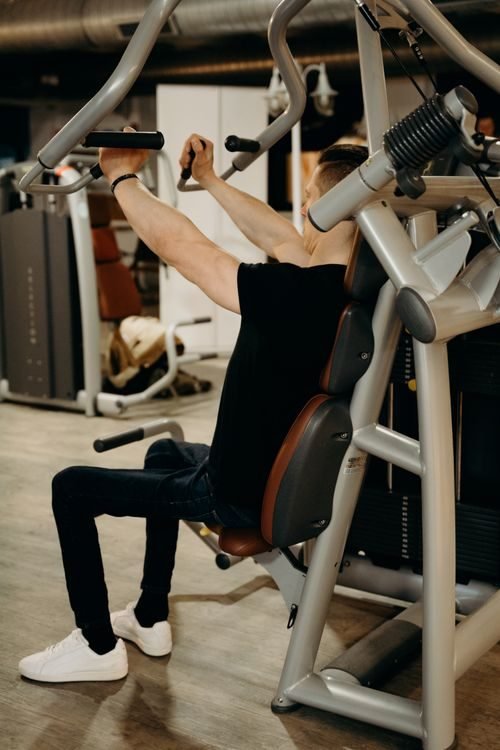
The GMWD G7 is the most adjustable station in this guide, with 22 pulley positions and dual swivel arms that angle to the movement instead of forcing your shoulders into one track.
Its headline feature is a switchable cable ratio: 2:1 for smoother, lighter-feeling reps, or 1:1 when you want the full loaded weight on the handles. Maximum capacity is listed at 350 lb.
Attachments are generous — a lat pulldown bar, a cable bar, a tricep rope and D-handles are all included.
Now the strong flag: at our last check, around ten months ago, the listing showed no featured offers available. That does not mean it will never be back, but do not plan a gym around it until the Amazon page shows a live offer.
✅ Pros
- 22 pulley positions — the most in this guide
- Switchable 2:1 and 1:1 cable ratio
- Dual swivel arms for angled movements
- Lat bar, cable bar, tricep rope and D-handles included
⚠️ Cons
- Last check showed no featured offers available — availability is uncertain
- Our listing evidence is older than for most picks here
Check the GMWD G7 Functional Trainer on Amazon
⚠️ Listing check: our last listing check for this model was around ten months ago and showed no featured offers — please confirm a live offer exists on the Amazon page before planning around this pick.
Best for: trainers who want to switch between a 2:1 and a 1:1 cable ratio.
May not fit: anyone who needs a live offer today — the last check showed no featured offers.
ExploreHorizon Wall Mount Cable Station
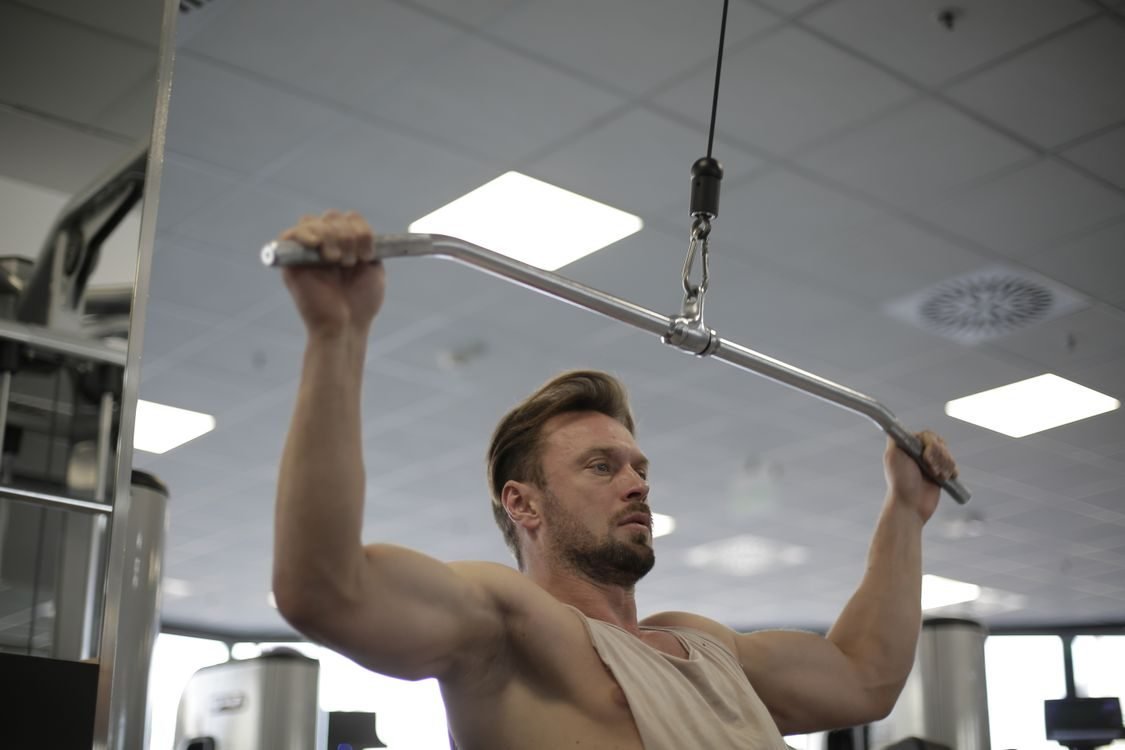
The ExploreHorizon station gives you 19 pulley positions on a dual-pulley wall frame, with a lat pulldown and row attachment in the box. That pairing covers the two back movements most home gym owners ask about first.
Capacity is listed at 400 lb, the highest figure quoted in this guide alongside the GarveeLife and PeakPursuit. The listing ships from Amazon.com.
One honest caveat: this pick rests on a single-source listing, so we have less cross-checking behind it than behind the Mikolo or Valor. Treat the spec sheet as the seller’s word until you verify it on the product page.
✅ Pros
- 19 pulley positions on a dual-pulley frame
- Lat pulldown and row attachment included
- 400 lb listed capacity
- Ships from Amazon.com
⚠️ Cons
- Single-source listing — less independent cross-checking
- Fewer included attachments than the GMWD or PeakPursuit
Check the ExploreHorizon Wall Mount Cable Station on Amazon
⚠️ Listing check: our last listing check for this model was around six months ago, and this is a single-source listing — please confirm the current offer, what is included, and the delivery details on the Amazon page before you buy.
Best for: small home gyms that want lat pulldown and row work from one wall station.
May not fit: buyers who want multi-source confirmation before ordering.
GarveeLife Wall Mount Cable Machine
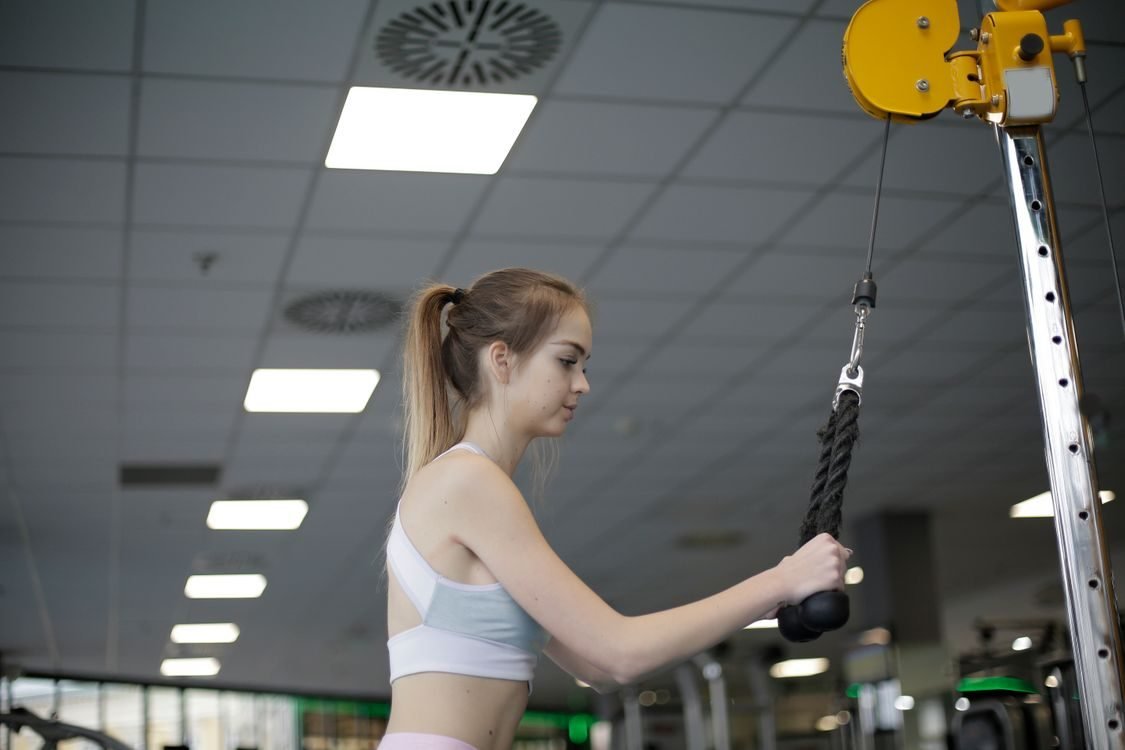
The GarveeLife station is a dual-cable wall machine with 19 pulley positions and a 400 lb load capacity. Its cables are described as aviation-grade, rated at 2,200 lb tensile strength.
An adjustable footplate is included, which matters for seated rows — without a solid foot brace, heavy rows pull you toward the machine instead of working your back.
Like the GMWD, this pick carries an availability flag: at our last check, around seven months ago, the listing showed no featured offers available. Check for a live offer before you shortlist it.
✅ Pros
- 19 pulley positions on a dual-cable frame
- 400 lb load capacity
- Cables rated at 2,200 lb tensile strength
- Adjustable footplate for braced rows
⚠️ Cons
- Last check showed no featured offers available — availability is uncertain
- Attachment set beyond the footplate was not fully detailed in the listings we checked
Check the GarveeLife Wall Mount Cable Machine on Amazon
⚠️ Listing check: our last listing check for this model was around seven months ago and showed no featured offers — please confirm a live offer exists on the Amazon page before planning around this pick.
Best for: home gym owners who want a 400 lb wall station with a footplate for rows.
May not fit: anyone who needs a live offer today — the last check showed no featured offers.
PeakPursuit Wall Mount Cable Station
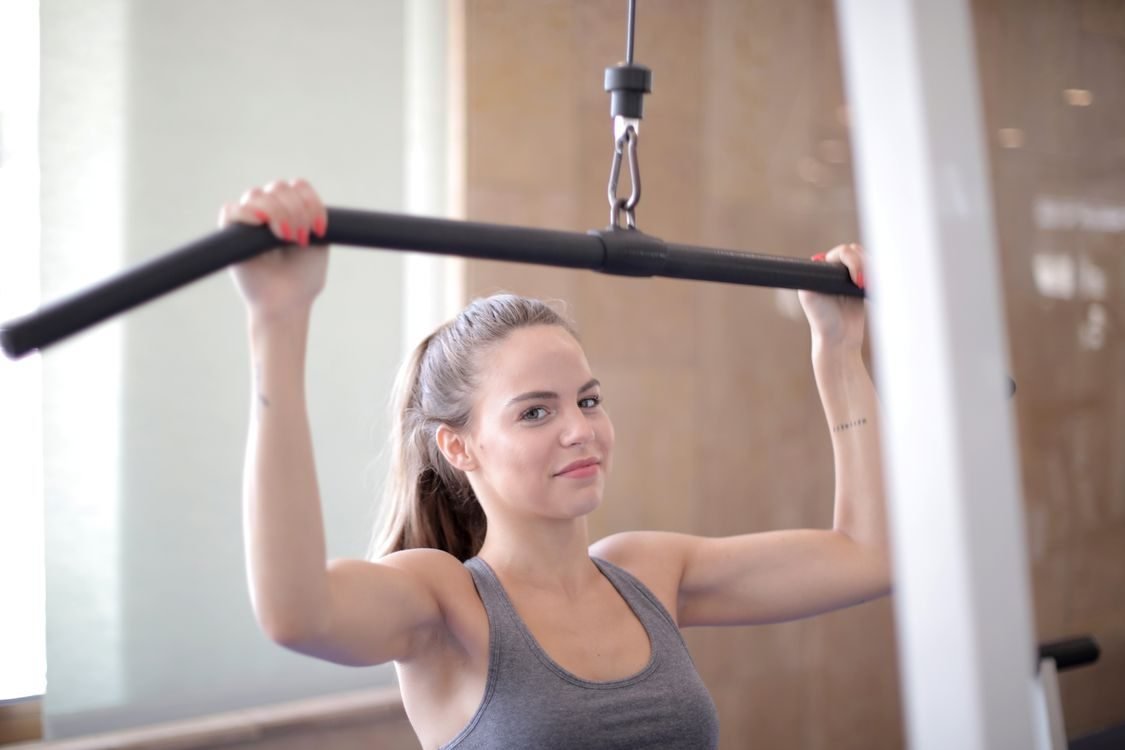
The PeakPursuit is the flexible pick in this guide: it works freestanding or wall-mounted. That matters if you rent, if your wall is not suitable for heavy fixings, or if you may move the gym to another room.
It is a dual-pulley station rated at 400 lb, and the attachment set is the fullest here after the GMWD: a tricep rope, a T-bar, a lat pulldown bar and a foot board.
One conflict to flag: most listings say 18 pulley positions, but one says 19. The difference is small, but we are not smoothing it over — confirm the count on the current listing if positions are your deciding factor.
✅ Pros
- Works freestanding or wall-mounted
- 400 lb capacity on a dual-pulley frame
- Tricep rope, T-bar, lat pulldown bar and foot board included
- Backed by listings from more than one source
⚠️ Cons
- Pulley position count differs across listings (18 vs 19)
- Freestanding use needs floor space a wall mount does not
Check the PeakPursuit Wall Mount Cable Station on Amazon
⚠️ Listing check: our last listing checks for this model were around six to eight months ago, and offers change — please confirm the current offer, what is included, and the delivery details on the Amazon page before you buy.
Best for: renters or anyone who may move the station, since it works freestanding or wall-mounted.
May not fit: buyers who want an exact position count confirmed — listings say 18 or 19.
How to Choose a Cable Machine
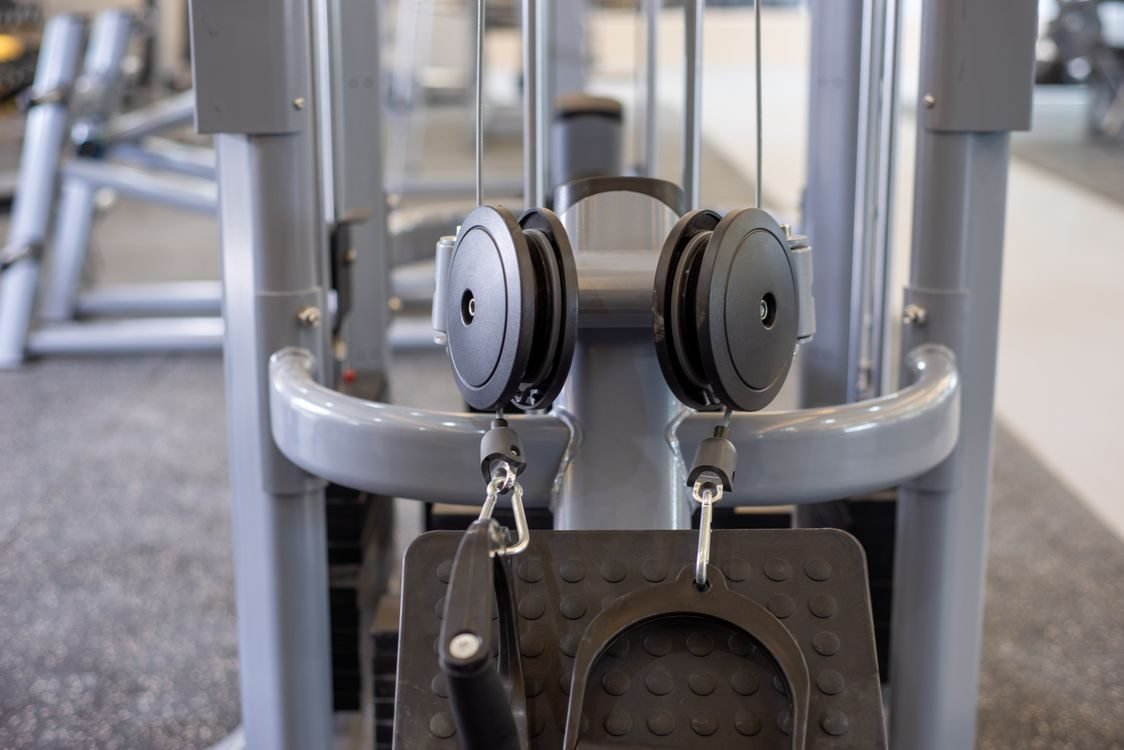
Start with your wall, not the machine. A wall station is only as good as its fixings, and a freestanding station still needs floor space around it for full-range movements.
Next, count what you will actually do. If your training is mostly presses, rows and pulldowns, 16 to 19 positions is plenty. The extra positions on the GMWD matter most for small, angled isolation work.
Then check loading. Plate-loaded machines like the Valor are simple and expandable, but only if you own plates. Weight-stack machines cost more and cap out at the stack — check the stack weight, not just the frame rating.
Finally, read the attachment list like a shopping list. A station that ships without a lat bar or rope will cost you a second order. Our cable attachments guide covers what each handle is actually for.
Wall Space and Mounting
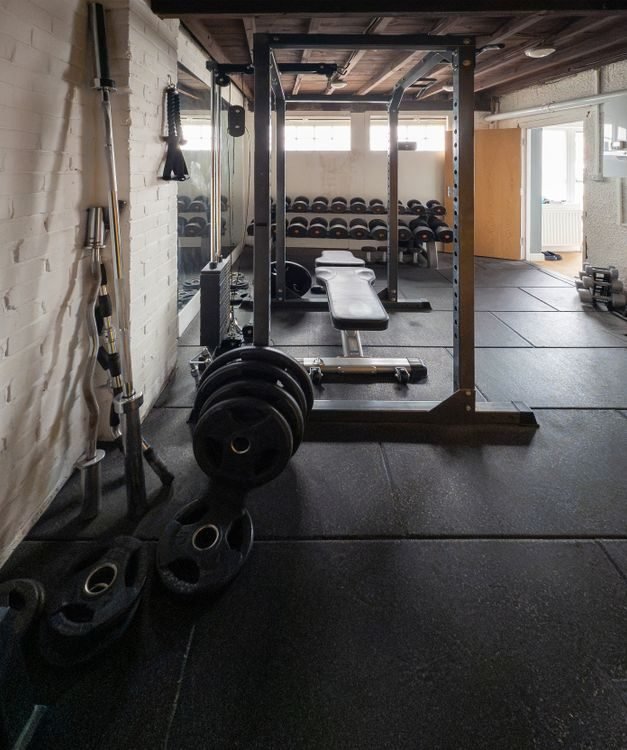
Measure twice: the machine’s width, plus arm’s reach on both sides, plus room to step back for rows and flyes. A station that fits on paper can still feel cramped if a bench or rack crowds it.
Wall-mounted stations must bolt into studs or masonry — never into plasterboard alone. If you are unsure what your wall is made of, get someone who knows to check before you drill.
Ceiling height matters too. High pulley work needs clearance above the top of the frame, and the Valor stands 80 inches tall before you add any overhead movement.
If your wall cannot take the load, that is exactly when the PeakPursuit’s freestanding option earns its place on the shortlist. Pair it with our power racks guide if you are planning the whole room at once.
Pulley Positions and Cable Ratios
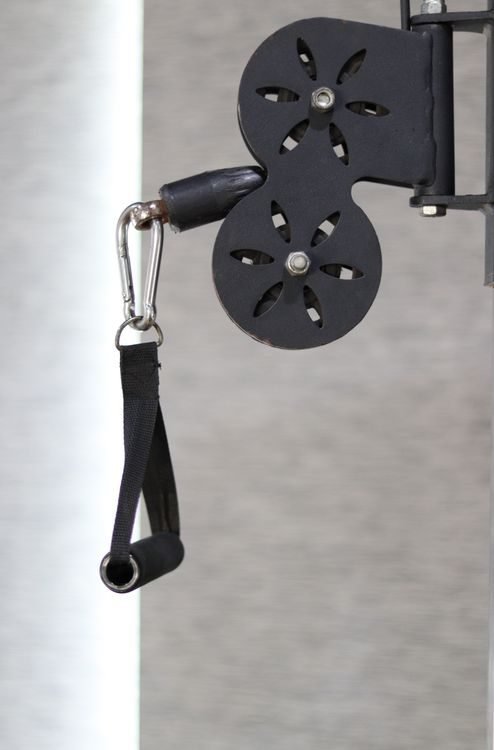
More pulley positions mean finer height adjustment. That is not about showing off a bigger number — it is about setting the cable at shoulder height for presses, hip height for rows, and overhead for pulldowns without compromise.
Cable ratio is the other number worth understanding. On a 1:1 ratio, the handle feels like the full loaded weight. On a 2:1 ratio, the handle feels like half the loaded weight, but the cable travels twice as far — smoother reps, longer range, less load per rep.
Neither ratio is better in itself. Heavy strength work suits 1:1; high-rep, controlled work suits 2:1. The GMWD is the only pick here that lets you switch between the two.
Also check the pulleys themselves. Nylon pulleys with steel ball bearings, like the Valor’s, run smoother and last longer than plain bushings — and smooth matters when you are chasing a clean rep.
Attachments Worth Having
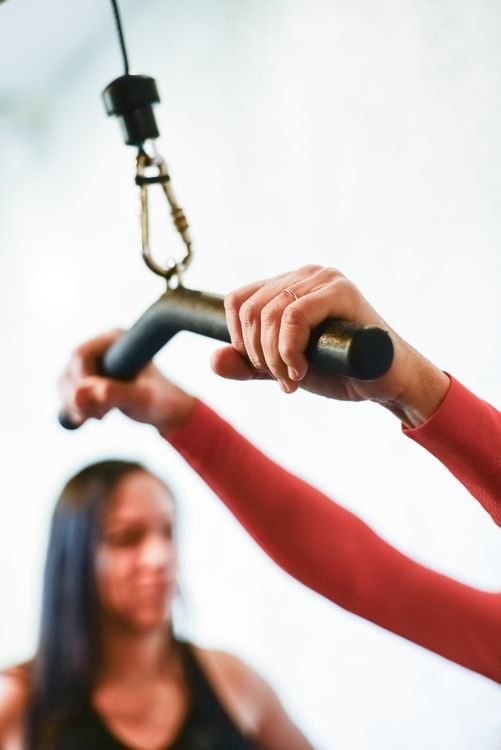
Five attachments cover nearly everything a home cable station does:
- Lat pulldown bar — wide back work and pulldowns.
- Straight or curl bar — presses, curls and pushdowns with both hands.
- Tricep rope — pushdowns and overhead extensions with a natural wrist angle.
- D-handles — single-arm rows, presses and flyes.
- Ankle strap — glute kickbacks and leg work on the low pulley.
The GMWD and PeakPursuit include the widest sets, and the Mikolo and ExploreHorizon include the core bars. If your pick ships light, our cable attachments guide lists the add-ons worth buying first.
One practical tip: check the clip size before ordering extras. Not every carabiner fits every cable eye, and a handle you cannot clip on is a handle you cannot use.
Plates and Loading
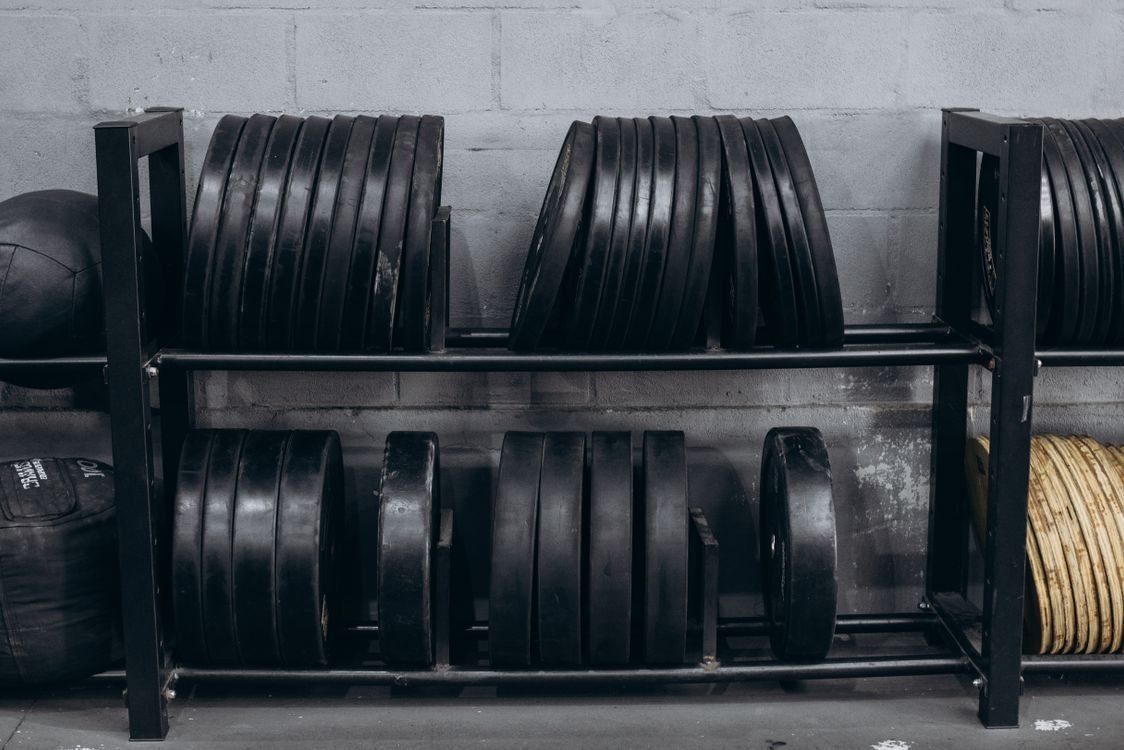
Plate-loaded stations like the Valor use the plates you already own, so the machine stays cheap and the resistance has no ceiling except the plates and the frame rating.
The trade-off is handling: you load and unload plates by hand, and you need storage for them. Our best weight benches guide can help plan the room around that.
Weight-stack stations are tidier — move a pin, change the load — but the stack is the ceiling. A 200 lb stack will never give you a 250 lb row, no matter how strong the frame is.
Whichever loading you choose, remember the ratio lesson above: on a 2:1 station, the plates or stack weight is not the weight in your hands. Compare handle feel, not just the headline number.
Care and Cable Checks
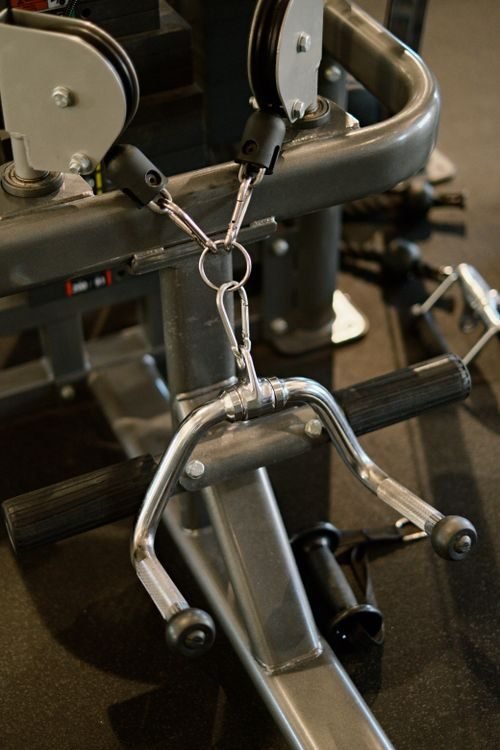
Cables are the wearing part of any cable machine. A quick check before each session takes a minute and catches most problems early.
- Run your eyes along each cable for fraying, kinks or flat spots.
- Spin each pulley by hand — it should turn freely, without grinding or wobble.
- Check carabiners close fully and clips are not bent or cracked.
- Wipe handles and the footplate down after sweaty sessions.
- Keep the area around the pulleys clear of dust and chalk build-up.
Replace a frayed cable immediately and do not train on it in the meantime. Cables are consumables, and a snapped cable under load is exactly the accident this checklist exists to prevent.
If your station lives in a garage, humidity and temperature swings age cables faster — check more often, and store spare cables if the maker sells them.
Safety: What No Cable Machine Makes Safe
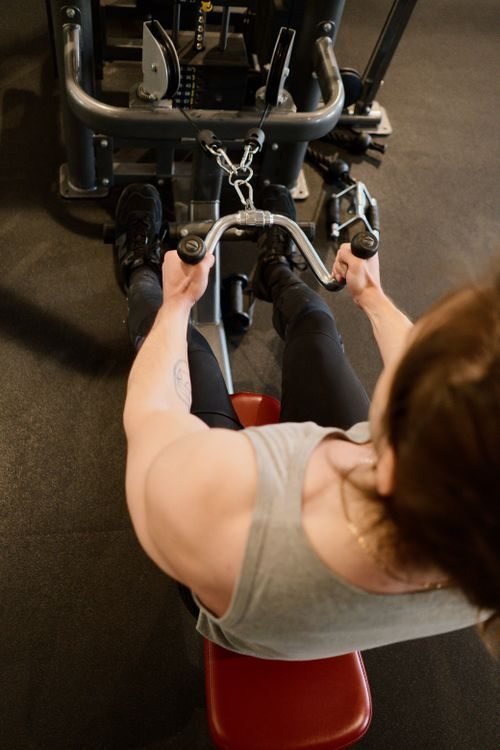
A cable machine gives you smooth, guided resistance. It does not make heavy lifting safe on its own. These steps stay your job:
- Mount the station exactly as the maker instructs, into studs or masonry — never into plasterboard alone.
- Inspect cables, pulleys and carabiners before every session, and retire any frayed cable at once.
- Never exceed the capacity figure on the current listing for your machine.
- Keep hands, hair and clothing clear of pulleys and moving cables.
- On plate-loaded stations, collar every plate before you pull.
- Start light on any new movement, and add load only when the form stays clean.
- Stop the set if a cable feels rough, a pulley grinds, or a fixing moves — and fix it before the next session.
Train with a partner when you go heavy, and keep a phone within reach in a home gym. A cable machine will not spot you, and no machine removes the need for good form and sensible loads.
If you are returning from an injury or managing a health condition, talk to a qualified professional before starting a new cable routine. This guide is general information, not medical advice.
Frequently Asked Questions
Do I need a wall-mounted or freestanding cable machine?
Wall-mounted suits a dedicated gym wall and saves floor space, but it needs solid fixings. Freestanding suits renters and rooms where the wall cannot take the load — the PeakPursuit is the only pick here that offers both.
Are wall-mounted cable stations strong enough?
Yes, when mounted properly and used within their rated capacity. The picks here list capacities up to 400 lb depending on the model — but note the Valor’s capacity conflict above, and always confirm the current listing figure.
Do plate-loaded cable machines include plates?
Usually not. The Valor BD-62 explicitly excludes plates, so budget for them separately if you do not already own a set.
What does a 2:1 cable ratio mean?
On a 2:1 ratio, the handle feels like half the loaded weight, while the cable travels twice as far. Reps feel smoother and the range is longer. On 1:1, the handle feels like the full loaded weight. The GMWD G7 lets you switch between the two.
Can one cable machine replace a full gym?
It covers a lot — presses, rows, pulldowns, flyes, curls and pushdowns — but it does not replace a barbell, a bench or leg machines. Think of it as the most versatile single station, not the whole gym. Our suspension trainers guide is a good companion if you want more bodyweight variety.
How much wall space do I need?
At minimum, the machine’s width plus arm’s reach on both sides and room to step back. Measure your wall, check the ceiling height for overhead work, and leave space for a bench if you plan seated rows.
Our Pick: Start Here
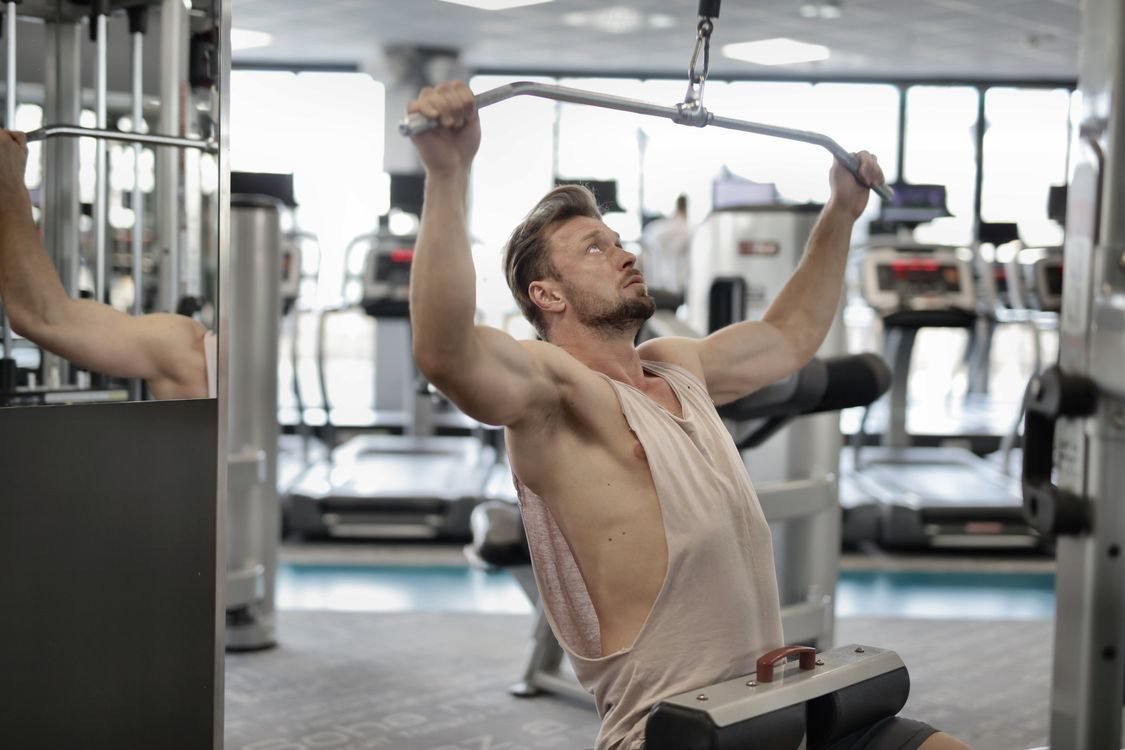
If you want one short answer: start with the Mikolo M-G3. 🏆
It balances the things that matter most — 18 pulley positions, a dual-pulley layout, and the three core attachments in the box — with multi-source listing evidence behind it.
If you already own plates, the Valor BD-62 is the smarter buy: simpler, cheaper to run, and built around plates you have. Just confirm the capacity figure first, given the 200 lb vs 250 lb conflict.
If you rent or may move, pick the PeakPursuit for its freestanding option. And if the GMWD G7 or GarveeLife shows a live offer when you check, both are worth a second look — but only once the offer is actually there.
Whichever you choose, check the current Amazon offer first, measure your wall, and mount it properly. That is the whole game with a cable machine. 💪
New to home gym gear? Our previous guide, best workout socks for home gyms, covers the small stuff that makes training more comfortable — and our best workout leggings for home gyms guide covers training clothing for the same sessions.
As an Amazon Associate, we earn from qualifying purchases made through links on this page, at no extra cost to you.
This guide is based on research of maker and retailer listings, not hands-on testing. Specs, availability and offers change over time — please verify the current details on the product page before buying.