

Your wrists give out before your chest does. That is the moment most lifters start shopping for wrist wraps — and it is exactly when a good pair earns its place in your gym bag. 🏋️
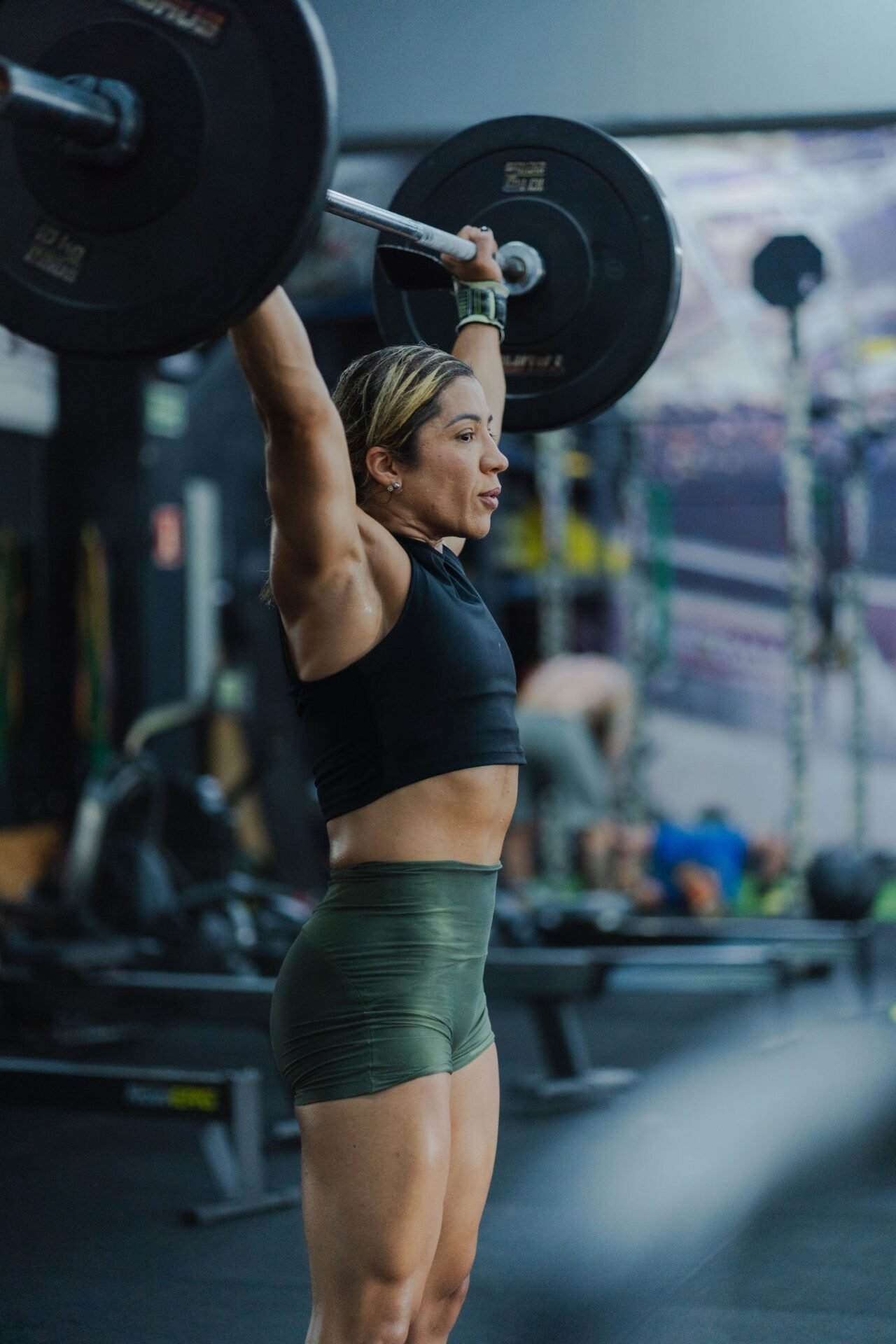
Wrist wraps are short, stiff bands that wrap around your wrist and fasten with hook-and-loop. They hold the wrist joint steady during pressing, so the wrist stays stacked over the forearm instead of bending back under a heavy bar.
They are not magic, though. A wrap supports the joint while you lift. It does not build wrist strength, and it does not prevent injury. Keep that honest picture in mind and the picks below will serve you well.
How we picked these wraps
This guide is research-based. We did not buy or hands-on test these wraps, and we do not claim otherwise.
We compared verified buyer reviews with the brands’ own specifications: stiffness, length, material, thumb loop, and competition approval. Where listings disagreed with each other, we say so openly instead of picking the flattering version.
Prices are not quoted in this guide because they change often. Check the linked listing for the current price before you order, and double-check the exact variant — colour and stiffness choices often sit on separate listings.
Quick comparison
| Wrap | Best for | Length | Stiffness | Thumb loop |
|---|---|---|---|---|
| Gymreapers Stiff 18″ | Heavy pressing | 18″ | Stiff | Yes |
| Rip Toned 18″ | Choosing your stiffness | 18″ | Stiff or Flex | Yes |
| DMoose Fitness 18″ | Everyday pressing | 18″ | Moderate | Yes |
| Inzer Iron Z 20″ Medium | Powerlifting | 20″ (linked variant) | Stiff | Yes |
| Iron Bull Strength 18″ | Heavy-duty training | 18″ title / 20″ in description | Moderate to stiff | Yes |
| WOD Nation | Cross-training | 12″ or 18″ | Light to moderate | Check listing |
1. Gymreapers Stiff 18″ Wrist Wraps — Best Overall
Gymreapers’ stiff 18-inch wraps are the pair we would hand to most lifters first. They are built for heavy pressing: a stiff elastic body, a thick thumb loop to anchor the wrap, and a hook-and-loop closure that holds under load.
Who it suits: lifters whose wrists bend back on heavy bench press, overhead press, or dips. If your main problem is wrist position under a heavy bar, this is the straightforward answer.
Pros: genuinely stiff support; 18 inches gives several wraps around the wrist for adjustable tightness; thick thumb loop; widely reviewed.
Cons: stiff wraps feel restrictive at first and need a short break-in; not the best choice for high-rep mixed workouts where you want your wrists free between movements.
Watch the variant: Gymreapers sells more than one 18-inch wrap, including an IPF-approved version. The link below goes to the stiff 18-inch listing — check the listing title before ordering so you get the wrap described here.
2. Rip Toned 18″ Wrist Wraps — Best Choice of Stiffness
Rip Toned’s clever move is selling the same 18-inch wrap in two fits: Stiff for maximum lockdown on heavy presses, and Flex for support with more wrist movement. Beginners who are unsure how stiff they want their first serious pair get to choose instead of guessing.
Who it suits: lifters moving up from a soft beginner wrap, and anyone who wants one trusted pair in either a stiff or a flexible version.
Pros: two stiffness options; 18 inches with thumb loop and hook-and-loop closure; approved by both USPA and USAPL for competition; the brand backs its gear with a lifetime replacement warranty.
Cons: stiffness and colour variants sit on separate listings, so check the variant carefully; one recent crawl of a variant page showed no featured offer, so availability can vary by variant.
3. DMoose Fitness 18″ Wrist Wraps — Best Everyday Value
DMoose’s 18-inch wraps are the sensible everyday pick: polyester, 3 inches wide, with a thumb loop and a hook-and-loop fastener, approved by USPA. They give solid support for regular pressing without the locked-in feel of a competition-stiff wrap.
Who it suits: gym-goers who press two or three times a week and want reliable support at a fair price.
Pros: good all-round support for everyday pressing; simple to put on; widely bought, with steady buyer feedback.
Cons: not as rigid as the stiff competition wraps on this list; like most elastic wraps, the stretch may soften with long use — replace the pair when it stops holding tight.
4. Inzer Iron Z Wrist Wraps (20″ Medium) — Best Powerlifting Classic
Inzer’s Iron Z wraps have been on powerlifting platforms for decades, and that history is the point. These are old-school nylon wraps with a stiff, no-nonsense feel, sold in 12, 20, and 36-inch lengths — the linked variant is the 20-inch Medium.
Who it suits: powerlifters and heavy pressers who want a proven competition-style wrap and do not mind a firm break-in.
Pros: long powerlifting pedigree; stiff nylon build; the 20-inch length suits most wrists for heavy bench and overhead work.
Cons: the Amazon listing is sold by a third-party seller rather than Inzer direct, so check the seller before ordering; the stiff feel and setup time are overkill for casual lifters.
5. Iron Bull Strength 18″ Wrist Wraps — Best Heavy-Duty Cotton and Elastic
Iron Bull’s wraps mix thick cotton and elastic with double stitching and an extra-thick thumb loop, and they carry USPA and IPL approval. They are a rugged, workhorse pair for lifters who press heavy and want their wraps to last.
Who it suits: heavy pressers who prefer a cotton-and-elastic feel over pure nylon stiffness.
Pros: thick, durable build; double stitching; USPA and IPL approved; thumb loop helps position the wrap.
Cons: the listing itself disagrees on length — the title says 18 inches while the description says 20 inches long and 3 inches wide — so confirm the length on the listing before ordering. One recent crawl of the US listing showed no featured offer, while the Canadian listing showed stock, so check availability first.
6. WOD Nation Wrist Wraps — Best for Cross-Training
WOD Nation’s wraps come in 12-inch and 18-inch options and are made for mixed training: enough support to steady the wrist during pressing, without locking it down so hard that the next movement feels awkward.
Who it suits: lifters who mix barbell work with bodyweight and conditioning movements in the same session.
Pros: two length options; flexible enough for varied workouts; a popular, well-reviewed training wrap.
Cons: lighter support than the stiff wraps here — not the pick for a max bench attempt. We could not confidently source a single US Amazon product page for this wrap, so the link below is a tagged Amazon search: check the listing title, length, and seller before ordering.
How to choose the right wrist wraps
Stiffness first. Flexible wraps give gentle support and keep your wrists mobile. Moderate wraps suit most gym pressing. Stiff wraps lock the wrist down for heavy bench and overhead work, but feel restrictive and need breaking in.
Length second. Twelve inches is light and quick to put on. Eighteen inches is the default for most lifters — enough material for several wraps and adjustable tightness. Twenty-four and 36 inches give maximum support for very heavy pressing, at the cost of setup time.
Material matters. Cotton wraps feel softer and break in gently. Elastic blends stretch more and tighten harder. Nylon wraps, like Inzer’s, feel the stiffest and most old-school. None of these materials is objectively best — it is about the feel you prefer under load.
Thumb loop or loop-free? A thumb loop anchors the wrap so it starts in the right place and stays put while you wind it. Loop-free wraps skip that step. Either works for training; for competition, check the rules — under IPF rules, the loop must come off your thumb before the actual lift.
Competition rules. If you plan to compete, do not assume any wrap on this list is legal for your federation. IPF rules cap wrist wraps at 1 metre long and 8 cm wide, forbid wearing a wrap together with a sweatband, and require the wrap to come from the federation’s approved list. Check your federation’s current rulebook and approved list before meet day.
Wraps, straps, and sleeves are different tools. Wraps support the wrist during pressing. Lifting straps help your grip during pulls like deadlifts and rows. Sleeves add compression and warmth. If your grip fails on pulls, you need straps, not wraps — our lifting straps guide covers those separately.
Using wraps honestly: what they can and cannot do
Wraps support the wrist joint during heavy pressing sets. They do not build wrist strength — if anything, wearing them for every set can hide weak wrists instead of fixing them.
Train your wrists separately: wrist curls, reverse wrist curls, and loaded carries all build the forearms and wrists that wraps merely support. Use wraps mainly for your heavy pressing sets, and do your warm-ups and lighter sets bare-wristed.
Never wrap so tight that your hands go numb or tingle. That is your cue to loosen up immediately. Loosen or remove wraps between sets, and do not sleep in them or wear them all day.
If you have a wrist injury, circulation problems, or pain that keeps coming back, talk to a clinician before strapping on tighter wraps. This guide is general information only, not medical advice, and wraps are not a treatment for any condition.
Frequently asked questions
Do wrist wraps build wrist strength? No. They support the joint while you lift. Wrist strength comes from training the wrists and forearms directly, with wraps off.
Should I wear wraps for every set? No. Save them for heavy pressing sets where your wrist position breaks down. Warm-ups and lighter sets are better done bare-wristed.
What length should I start with? Eighteen inches suits most lifters and is where most stay. Twelve inches is lighter and quicker; 24 inches and up is for very heavy pressing and competition-style support.
Can I compete in these wraps? It depends on your federation. Check its approved equipment list and size limits first — IPF rules cap wraps at 1 metre long and 8 cm wide, and the thumb loop must come off before the lift.
Do I leave the thumb loop on while lifting? In training, most lifters leave it on. In IPF competition, the loop must not be over the thumb or fingers during the actual lift.
Wraps or straps — which do I need? Pressing problem, get wraps. Grip problem on pulls, get straps. Many lifters eventually own both — see our lifting straps guide, our dumbbells guide, and our beginners equipment guide for the rest of the kit.
As an Amazon Associate, we earn from qualifying purchases made through links on this page, at no extra cost to you. This guide is research-based: we compared verified buyer reviews and product specifications rather than testing products ourselves, and the training notes here are general information only, not medical advice.