

A good yoga mat is the floor of your home gym. 🧘
It gives you grip when your hands get sweaty, cushion when your knees hit the floor, and a defined space that says “practice starts here” — even in a living room.
This guide covers portable roll-up mats for yoga, Pilates and floor work. It does NOT cover rubber gym flooring tiles or lifting platforms — those are a different product, built to sit under racks and weights.
Every pick below is research-based: we did not hands-on test these mats, and we say so wherever it matters. No prices are quoted, because prices move — always check the live listing.
One honest limit up front: a mat gives you grip and cushion, not skill. It will not fix your balance, straighten your alignment by itself, or make a hard pose safe. That part is still practice.
If you are building out the rest of your home gym, our previous guide covers Best Hand Grippers for Home Gyms.
How We Picked These Yoga Mats
We picked mats that are genuinely sold as yoga mats — not repurposed gym flooring — with a stated thickness, a stated size, and a US listing record we could check.
Our criteria were:
- A stated thickness and size for every pick
- A clear material: PVC, TPE, or natural rubber
- A design suited to home use: rolls up, stores in a corner, works on a hard floor
- An honest listing record, including where availability looked shaky
Listing records below are the search index’s last-crawl figures for the Amazon pages, retrieved 2026-11-02. Across the six picks they run from 172 to 354 days old — always check the live listing before ordering, because availability can change.
We also name what we dropped: the Manduka PROlite 4.7mm (overlaps the PRO we kept); the Liforme Travel mat (a thinner travel version of the Original); Gaiam Premium Print and Reversible variants (we kept the Solid instead — print variants multiply listings); the BalanceFrom GoYoga 7-piece set (a kit, not a single mat, and its record showed no featured offers); the BalanceFrom GoYoga single mat (we could not pin a single-mat listing with a usable crawl record, so we kept the GoCloud instead); and the JadeYoga Travel mat (a foldable travel version of the Harmony).
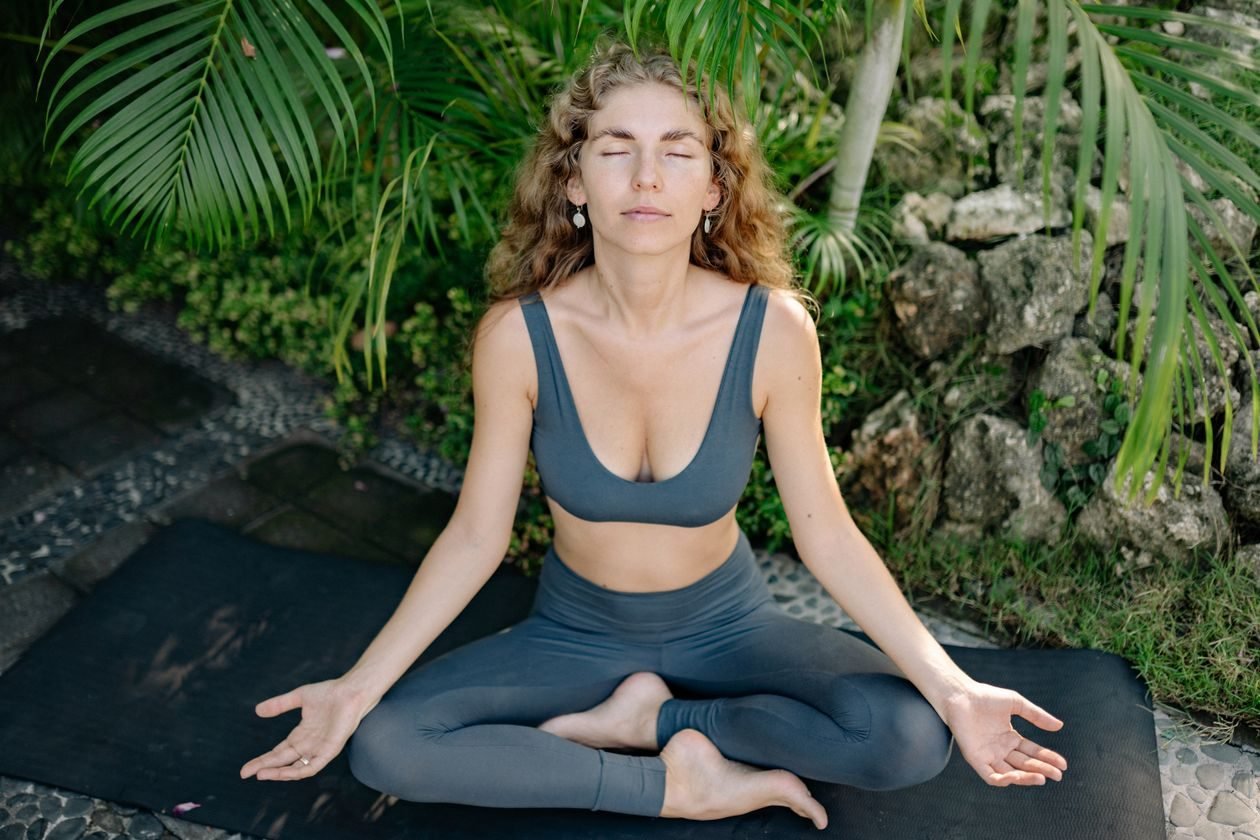
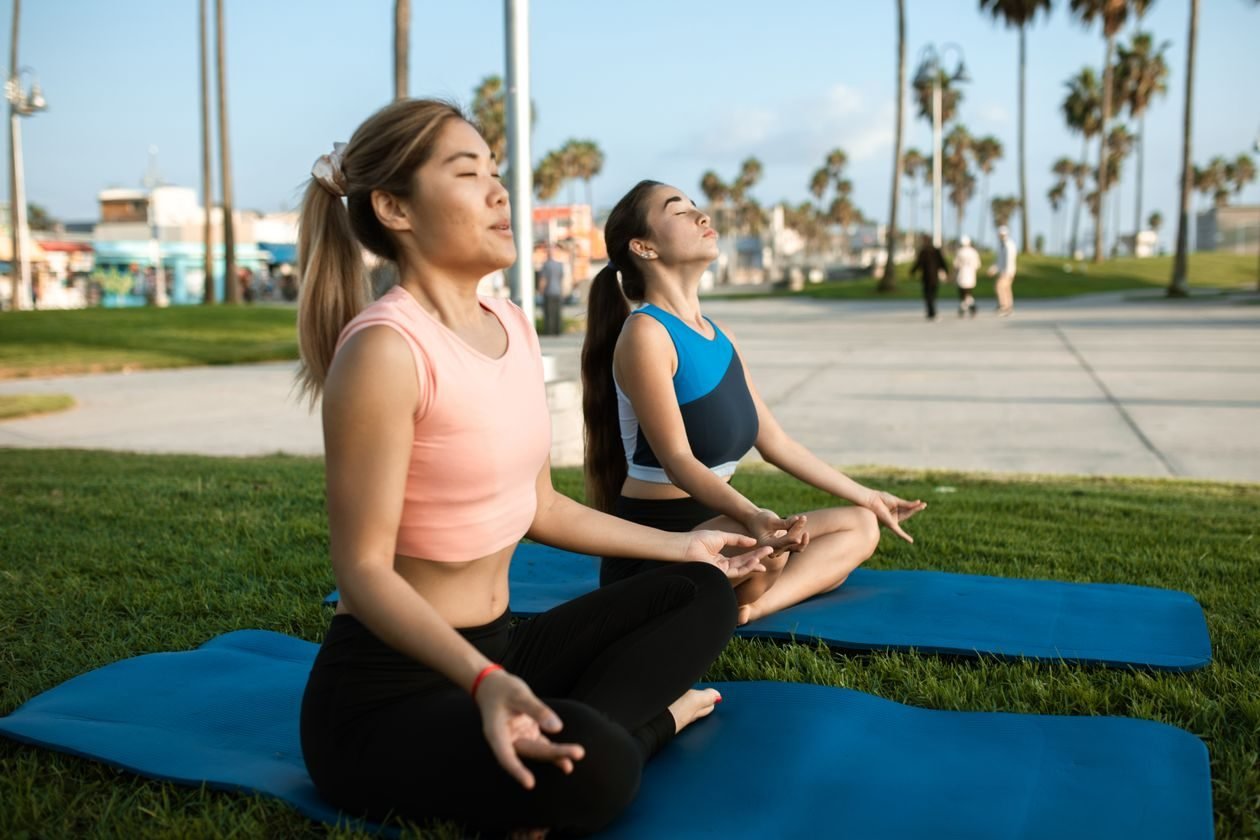
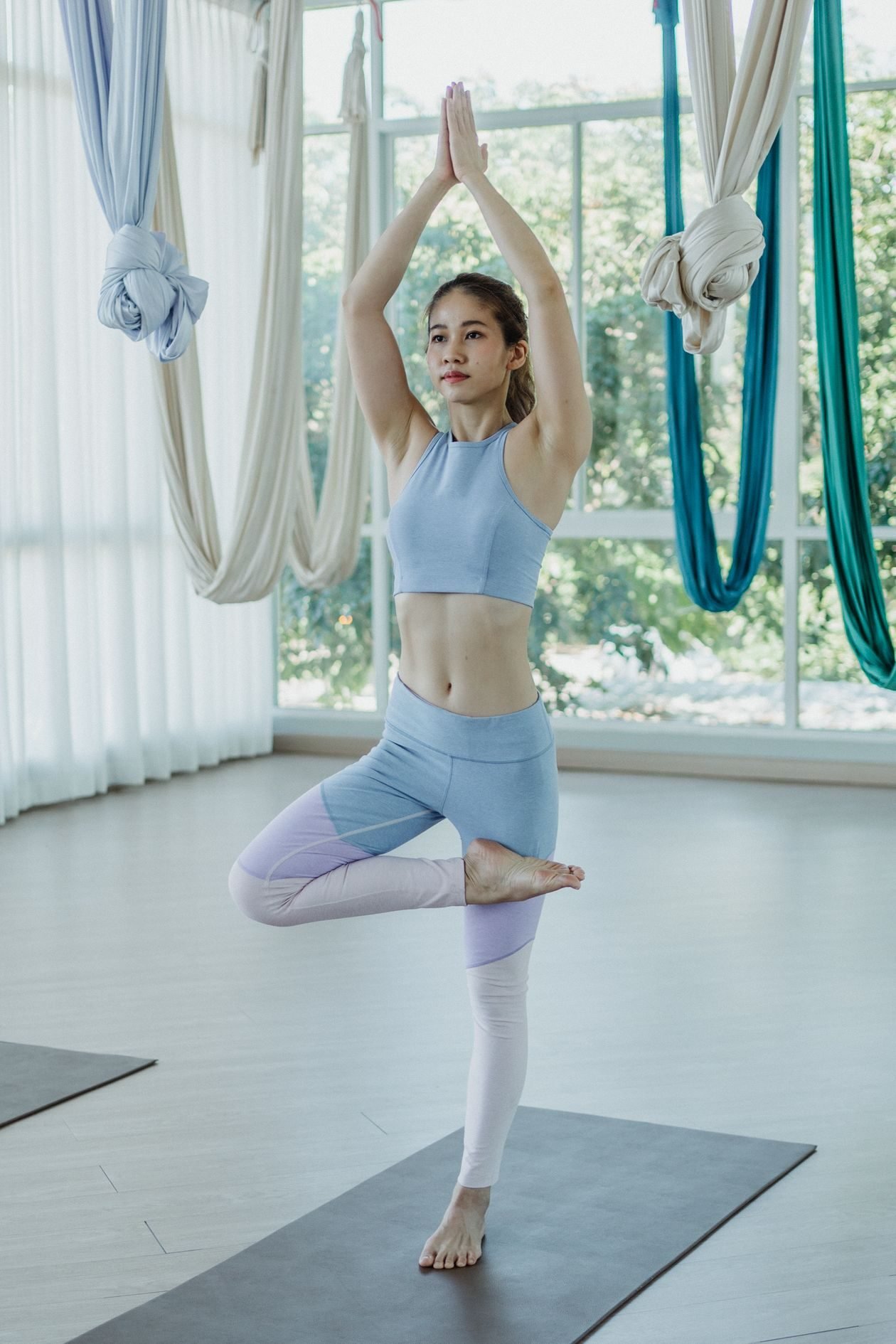
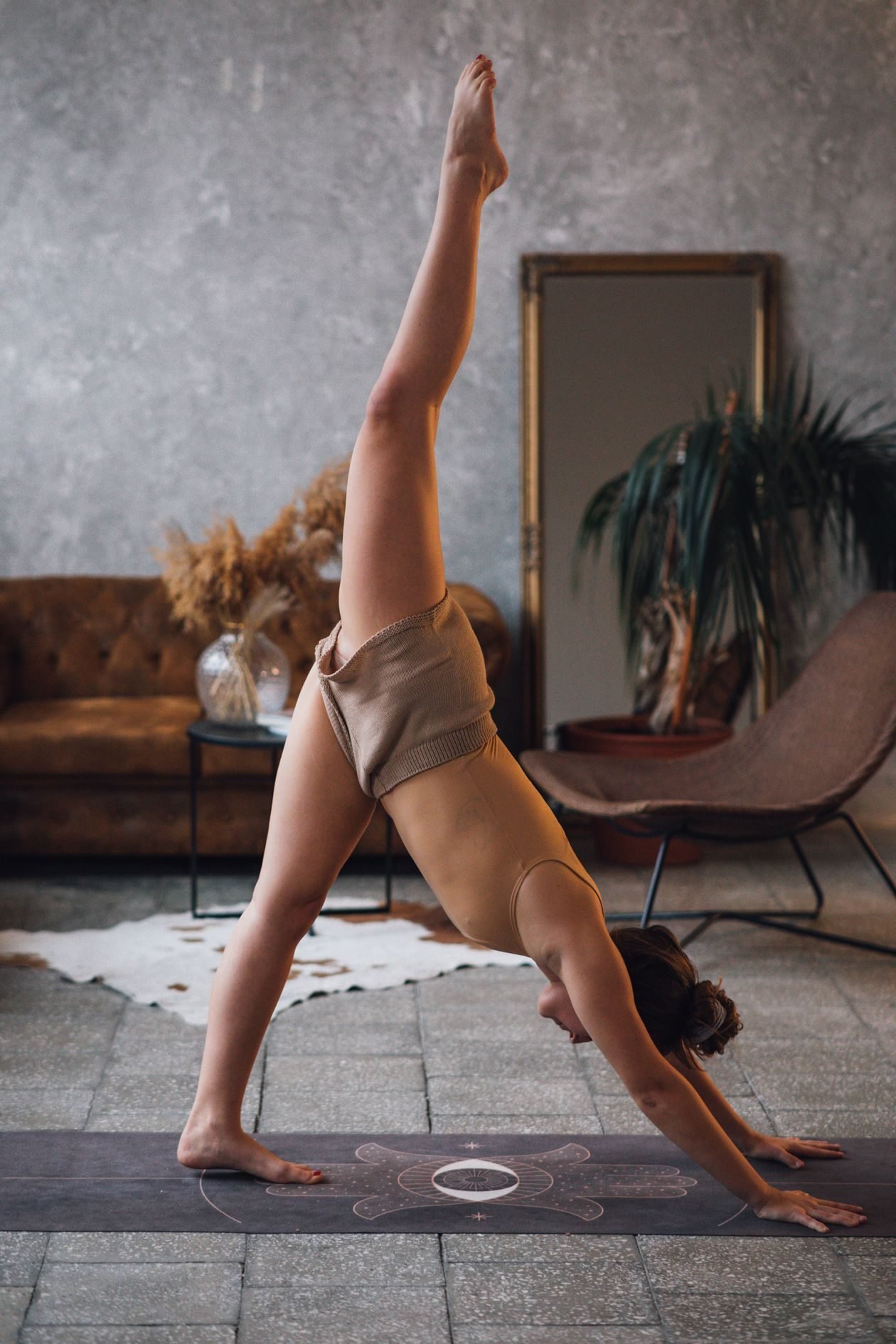
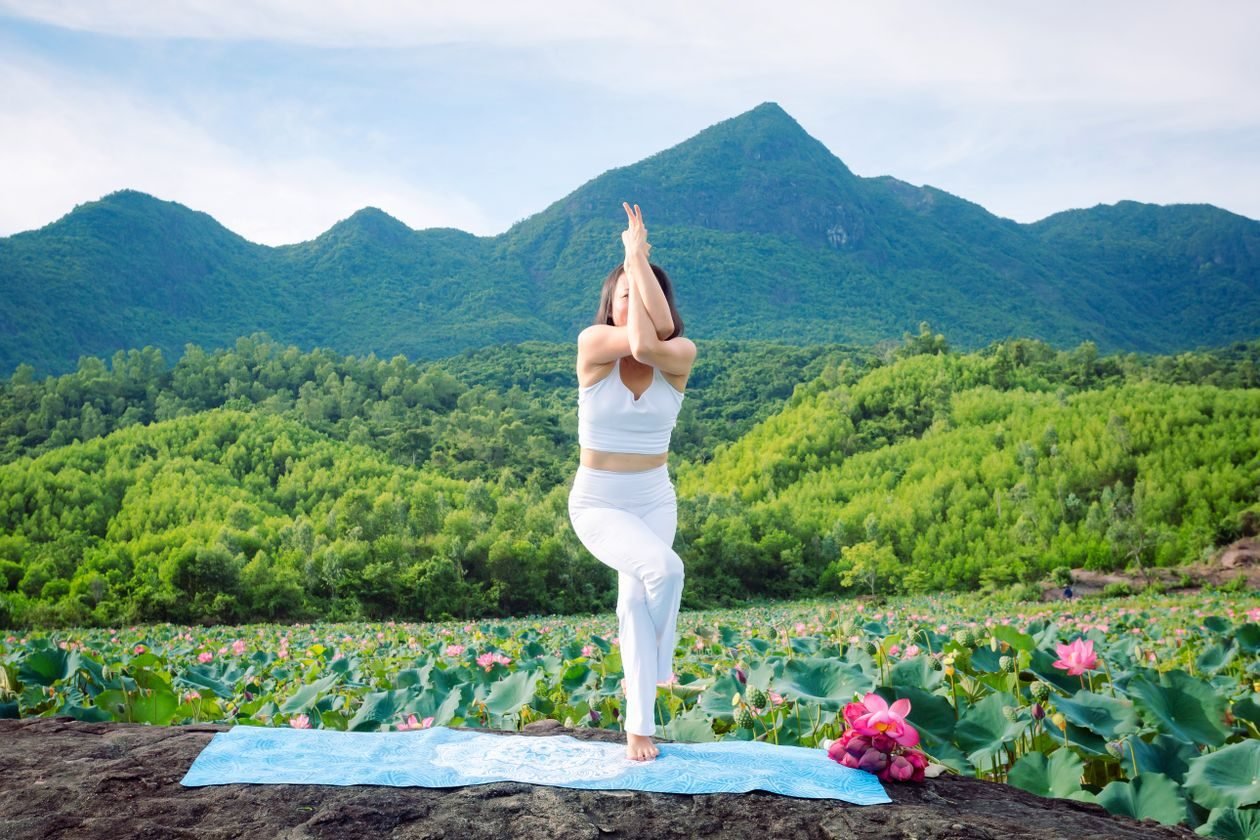
Photos in this guide are generic yoga scenes, not photos of the named products. Captions say what each photo actually shows.
Quick Comparison
| Mat | Thickness | Size | Material | Standout |
|---|---|---|---|---|
| Manduka PRO | 6mm | 71″ x 26″ | PVC | The studio workhorse, built to last |
| Liforme Original | 4.2mm | 72.8″ x 26.8″ | PU top + natural rubber base | Longest and widest in this guide, printed alignment |
| Gaiam Premium Solid | 5mm | 68″ x 24″ | PVC | Reversible two-colour, clean listing record |
| BalanceFrom GoCloud | 1 inch | 71″ x 24″ | High-density foam | Thickest in this guide |
| JadeYoga Harmony | 3/16″ (~4.8mm) | 68″ x 24″ | Natural rubber | Grippy open-cell rubber |
| IUGA Eco Friendly | 6mm | 72″ x 24″ | TPE | Light at around 2 lb, strap included |
1. Manduka PRO Yoga Mat
The Manduka PRO is the studio workhorse of this guide. 🏆
At 6mm thick and 71″ x 26″, it is a dense PVC mat with a reputation for lasting years in daily studio use. It lies flat, stays put, and gives a firm, stable base rather than a soft, sinking one.
That firmness is the point. Balance poses feel steadier on a dense mat than on a thick soft one, and the PRO’s weight — it is heavy to carry — is part of why it stays where you put it.
✅ Pros
- 6mm of dense PVC — firm, stable, built to last
- 71″ x 26″ gives room to move without crowding the edges
- Stays flat and stays put on a hard floor
- A long-standing studio favourite with a durability reputation
⚠️ Cons
- Heavy to carry to class — better kept at home
- Can feel slippery when brand new until it breaks in
- No printed alignment guides on the surface
Check the Manduka PRO Yoga Mat on Amazon
⚠️ Listing check: the last crawl of this listing showed no featured offers — confirm availability and the exact Black 71″ x 26″ variant carefully before ordering. Listing record about 354 days old, the oldest in this guide.
Best for: daily home practice on a firm, long-lasting mat that stays put.
May not fit: anyone who carries a mat to class every day, or anyone wanting printed alignment guides.
2. Liforme Original Yoga Mat
The Liforme Original is the alignment mat of this guide. 📏
At 72.8″ x 26.8″, it is the longest and widest mat here — a real difference if you are tall or you travel up and down the mat in flows. Its AlignForMe system prints alignment guides on the surface, so hand and foot placement has a reference instead of a guess.
The build is an eco-polyurethane top over a natural rubber base, PVC-free, with a free carry bag included. The grippy top is the part sweaty practitioners notice first.
✅ Pros
- Longest and widest in this guide at 72.8″ x 26.8″
- Printed AlignForMe alignment guides for hand and foot placement
- Grippy eco-polyurethane top over a natural rubber base
- PVC-free, with a free carry bag included
⚠️ Cons
- Heavier than the lighter picks here — not a travel mat
- PU top needs wiping after sweaty sessions
- 4.2mm gives less knee cushion than the thick picks
Check the Liforme Original Yoga Mat on Amazon
⚠️ Listing check: confirm the exact Purple variant before ordering — a separate Green listing record showed no featured offers. Listing record about 274 days old.
Best for: alignment-focused practice and taller users who want the most mat space here.
May not fit: anyone wanting maximum knee cushion, or a featherweight mat to carry.
3. Gaiam Premium Solid Yoga Mat
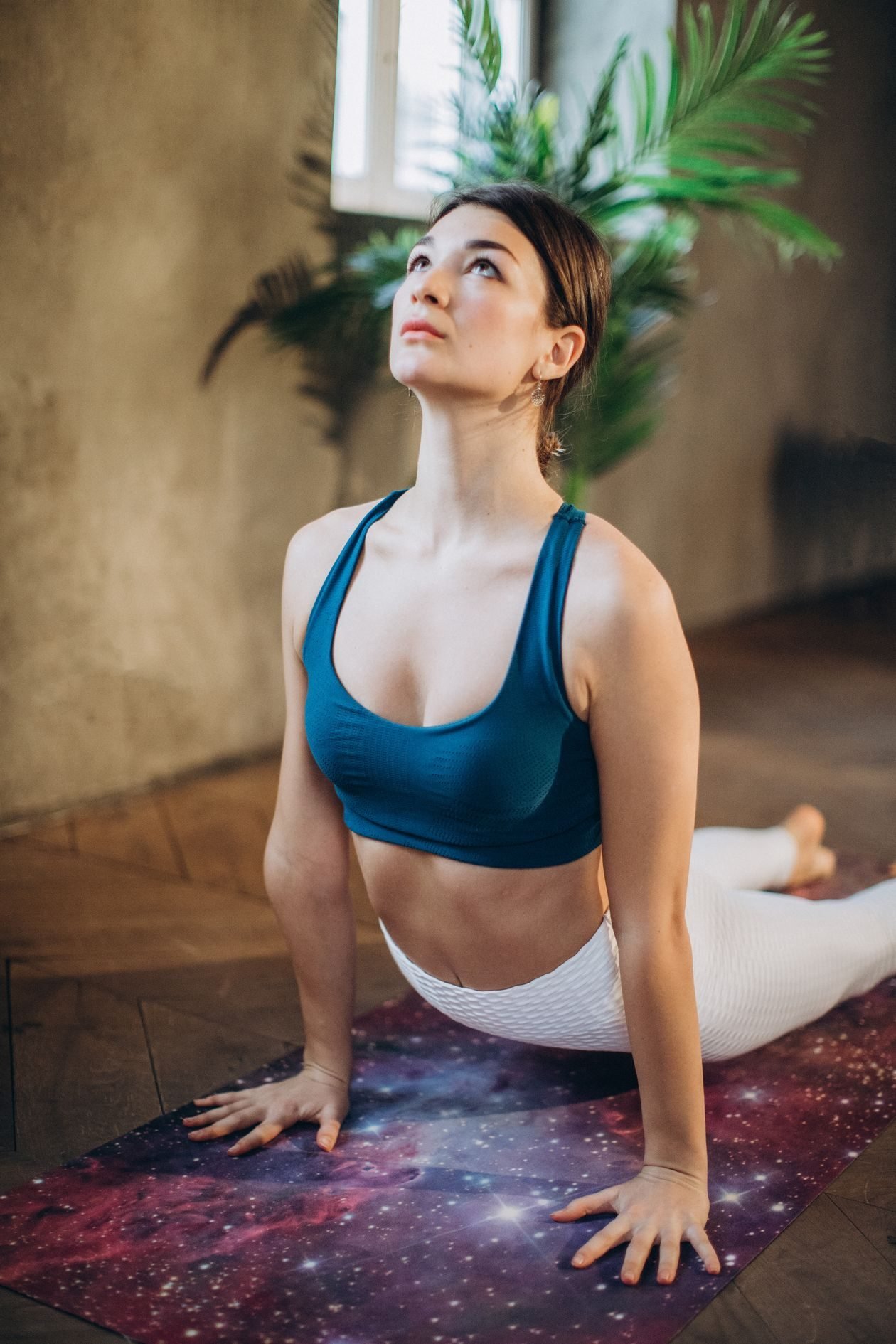
The Gaiam Premium Solid is the straightforward pick of this guide. 🌿
At 68″ x 24″ and 5mm thick (per the listing title — see the warning below), it is a reversible two-colour PVC mat that is latex-free and 6P-free. Flip it over and you get a second colour, which is a small thing that keeps a daily practice feeling fresh.
Its listing record is the cleanest here: the record shows it ships from and is sold by Amazon.com, and at about 172 days old it is the most recent crawl in this guide.
✅ Pros
- Reversible two-colour design — flip it for a fresh look
- Latex-free and 6P-free PVC
- Clean listing record: ships from and sold by Amazon.com
- Middle thickness — cushion without wobble
⚠️ Cons
- 68″ x 24″ is shorter and narrower than the Liforme and PRO
- Listing text varies between 5mm and 6mm — see the warning below
- PVC, so not the eco pick of this guide
Check the Gaiam Premium Solid Yoga Mat on Amazon
⚠️ Listing check: this mat is described here as 5mm per the listing title, but the listing text also mentions 6mm cushioning — confirm the thickness before ordering. Listing record about 172 days old, the most recent in this guide.
Best for: beginners wanting a simple, reversible mat with a clean listing.
May not fit: taller users who need more than 68″ of length, or anyone avoiding PVC.
4. BalanceFrom GoCloud 1-Inch Mat
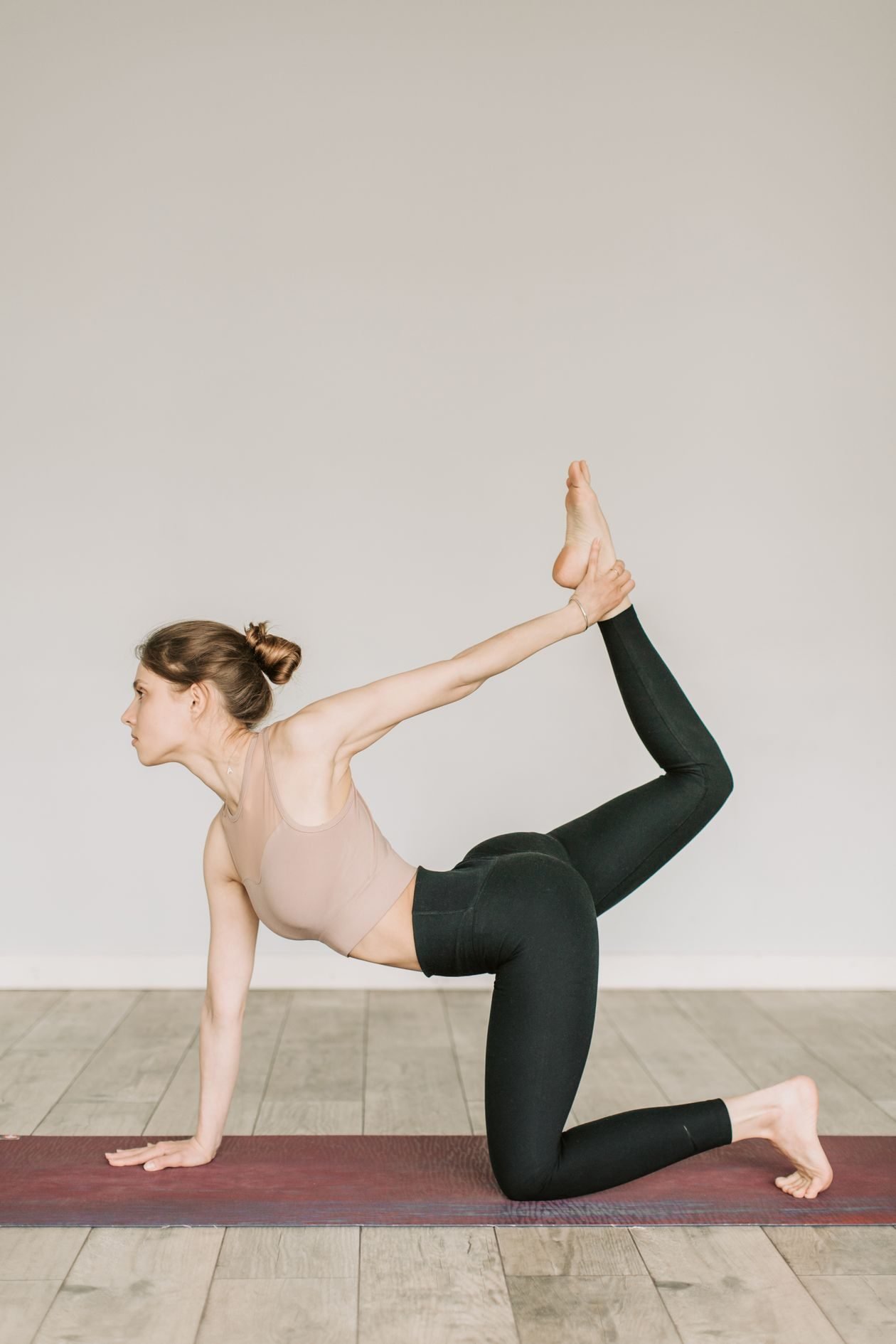
The BalanceFrom GoCloud is the cushion pick of this guide. 🛏️
At a full 1 inch thick and 71″ x 24″, it is the thickest mat here by a wide margin — more than four times the thickness of the 6mm picks. High-density foam keeps it from bottoming out, both sides are non-slip, and a carrying strap is included. At 2.2 lb it stays light for its thickness.
That thickness is a trade-off, not a free win. Knees love it; balance poses feel wobblier on it. And foam this thick is for barefoot floor work — not for shoes or heavy weights, which dent it.
✅ Pros
- Thickest in this guide at 1 inch — the best knee cushion here
- High-density foam that resists bottoming out
- Double-sided non-slip surface
- Carrying strap included, and light for its thickness at 2.2 lb
⚠️ Cons
- 1 inch of foam can wobble in balance poses
- Not for shoes or heavy weights — foam dents
- Bulky when rolled, compared with the thin mats
Check the BalanceFrom GoCloud 1-Inch Mat on Amazon
⚠️ Listing check: confirm the exact Purple 71″ x 24″ x 1″ variant before ordering. Listing record about 287 days old.
Best for: sensitive knees, Pilates, stretching and floor work where cushion matters most.
May not fit: balance-heavy practice, or anyone planning to use it under shoes or heavy weights.
5. JadeYoga Harmony Yoga Mat
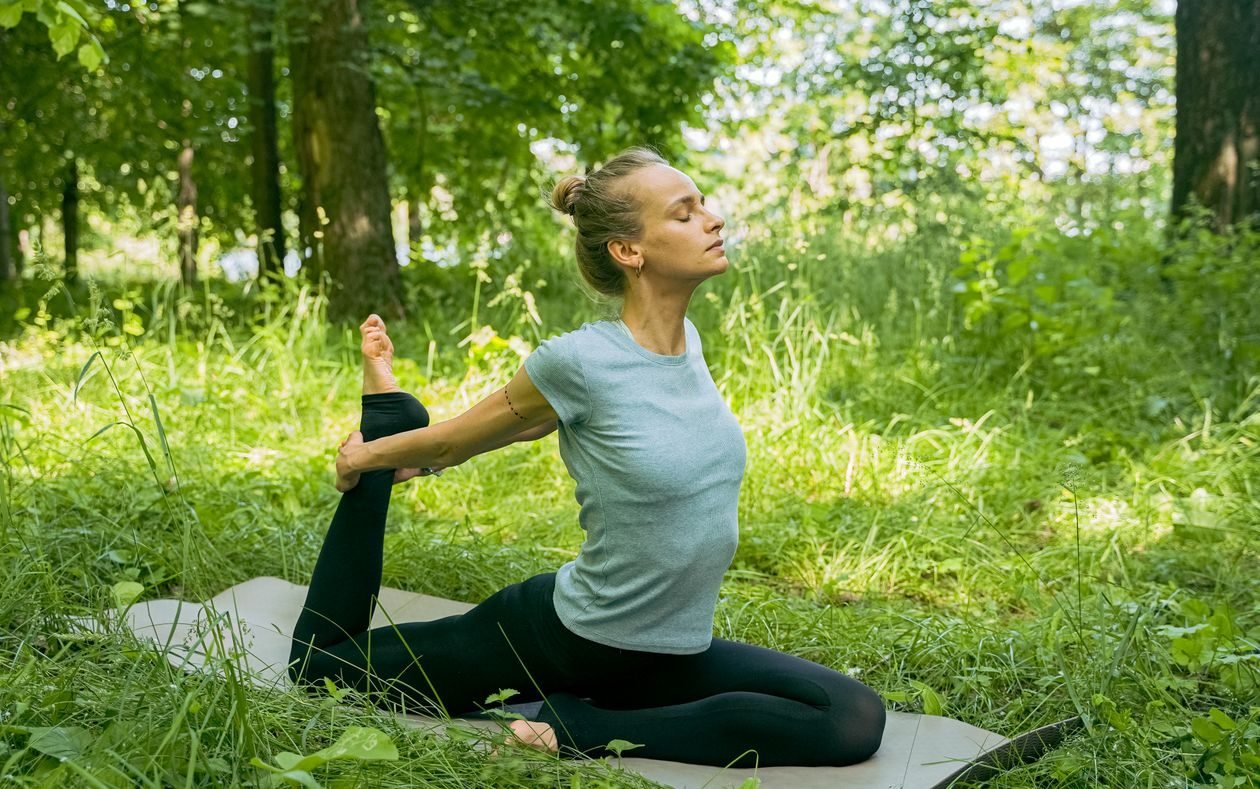
The JadeYoga Harmony is the natural-rubber pick of this guide. 🌳
At 3/16″ (about 4.8mm) thick and 68″ x 24″, it is an open-cell natural rubber mat — the open cells are what give it its grip, and many users find that grip holds even when hands get damp. It weighs 4.2 lb, and a 71″ version exists, so check the length before ordering (we link the 68″ here).
Rubber honesty matters: natural rubber means latex, a strong smell when new, and a surface that attracts lint and fuzz and is harder to clean than a sealed PVC top. Those are real trade-offs, not footnotes.
✅ Pros
- Open-cell natural rubber grip that holds when hands get damp
- Good middle thickness at about 4.8mm
- A 71″ version exists for taller users
- Natural rubber build for eco-minded buyers
⚠️ Cons
- Natural rubber contains latex — avoid if latex-allergic
- Strong rubber smell when new — needs airing out
- Attracts lint and fuzz, and is harder to clean than sealed mats
Check the JadeYoga Harmony Yoga Mat on Amazon
⚠️ Listing check: confirm the 68″ Black version before ordering — a 71″ version exists and listings can mix them. Also note the latex warning above. Listing record about 310 days old.
Best for: grippy natural-rubber feel and eco-minded buyers without a latex allergy.
May not fit: latex-allergic users, or anyone bothered by rubber smell or lint.
6. IUGA Eco Friendly Yoga Mat
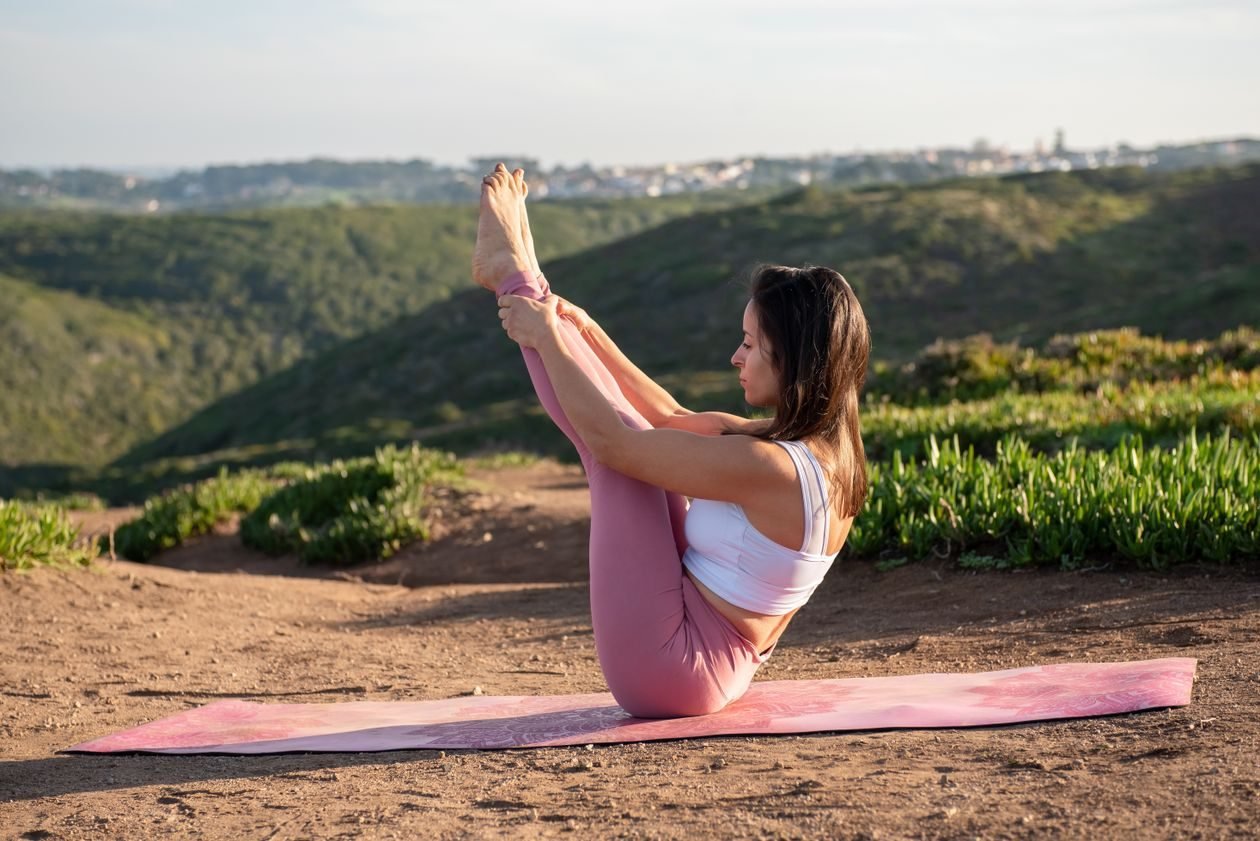
The IUGA Eco Friendly is the light, latex-free pick of this guide. 🪶
At 6mm thick and 72″ x 24″, it is an SGS-certified TPE mat with no latex and no PVC. A textured top and a “Bone” pattern underside give it grip from both sides, a middle mesh layer resists tearing, and it weighs around 2 lb with a free carrying strap included.
That lightness is the trade. It carries anywhere and stores anywhere — but TPE grip, while good, is generally less planted than natural rubber when a session gets very sweaty, and 6mm is still far less cushion than the GoCloud’s full inch.
✅ Pros
- Light at around 2 lb, with a free carrying strap
- Latex-free and PVC-free SGS-certified TPE
- Middle mesh layer resists tearing
- 72″ length with a textured top and patterned underside
⚠️ Cons
- TPE grip is generally less planted than rubber in very sweaty sessions
- 6mm is far less cushion than the GoCloud’s 1 inch
- Light mats can slide more on smooth floors — check the floor advice below
Check the IUGA Eco Friendly Yoga Mat on Amazon
⚠️ Listing check: the last crawl of this listing showed no featured offers — confirm availability and the exact Purple/Pink 72″ x 24″ variant carefully before ordering. Listing record about 323 days old.
Best for: a light, latex-free everyday mat that travels well with its strap.
May not fit: hot-yoga regulars wanting maximum sweaty grip, or anyone wanting the thickest cushion.
How to Choose a Yoga Mat
Choosing a mat is mostly choosing three things: how thick, how grippy, and what it is made of. Get those right and the rest — colour, brand, bag — is easy.
Start from your practice, not the product page. Knees that complain need thickness. Hands that sweat need grip. A small room needs a mat that rolls tight and stores upright.
The five sections below walk through each choice in turn.
Thickness: Cushion vs Stability
Thickness is a trade-off between cushion and stability. 🧱
Thin mats (around 3–5mm) keep you close to the floor, so balance poses feel steadier. Thick mats (6mm and up) cushion knees and elbows, but the extra foam can wobble under a one-foot balance.
As a rule of thumb: 3–5mm suits general yoga and balance work; 6mm suits all-round home practice; 1 inch (like the GoCloud here) suits floor work, Pilates and anyone whose knees demand cushion.
One caution: a thick mat does not fix bad alignment. It just makes a bad position more comfortable — which can hide the problem. Use the cushion, but keep the form honest.
Grip: What Keeps You in Place
Grip is what stops hands and feet sliding mid-pose. 🤲
Open-cell rubber (like the Harmony) grips by texture and absorption, and many users find it holds even when damp. Sealed PVC tops (like the PRO) start slicker and improve as they break in. Textured TPE (like the IUGA) sits in between.
Sweat changes everything. If your hands get very sweaty, a grippy top matters more than thickness — and a small towel over the top of the mat is a legitimate fix, not a failure.
Test grip the honest way: press a hand down and try to slide it. If it moves on a dry floor in the shop, it will move more when you sweat.
Materials: PVC, TPE and Natural Rubber
Three materials cover nearly every yoga mat sold. 🧪
PVC is the workhorse: dense, durable, easy to clean, and cheap to make well. Its downsides are weight and eco credentials — it is a plastic, and it stays one.
TPE is the lighter middle ground: latex-free, PVC-free, recyclable in principle, and easy to carry. It generally grips less than rubber when very sweaty and can wear faster under daily hard use.
Natural rubber is the grippy eco option: renewable, open-celled, and excellent under damp hands. It brings latex (allergy warning), a strong smell when new, and a surface that grabs lint and needs more careful cleaning.
None of the three is “best” in the abstract. Match the material to your hands, your allergies, and how much cleaning you will actually do.
Size and Storage
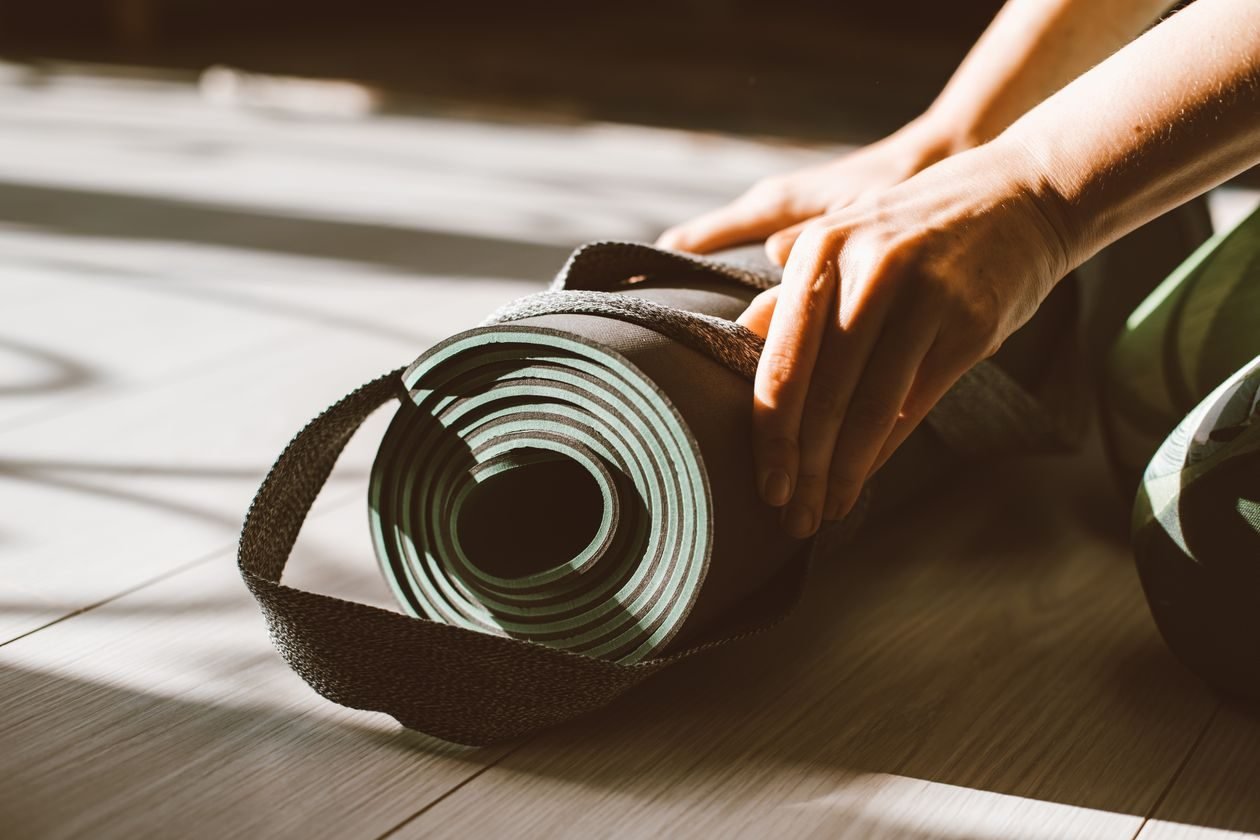
Size is length first, width second. 📐
Most mats are 68″ long, which suits most people under about 5’8″. Taller users, or anyone who travels up and down the mat in flows, should look at 71″–72.8″ — the PRO, GoCloud, IUGA and Liforme all reach that range here.
Width matters less than length, but 26″–26.8″ (PRO, Liforme) gives noticeably more elbow room than the standard 24″.
Storage is simple: roll the mat loosely, strap it if it has one, and stand it in a corner out of direct sun. A mat left unrolled on the floor becomes a trip hazard and a dust magnet.
Cleaning and Care
A mat lasts longer when it is cleaned, not just used. 🧼
After practice, wipe the top with a damp cloth and a drop of mild soap, then let it air-dry flat before rolling — rolling a damp mat traps smell. Never soak a rubber or PU-top mat, and never machine-wash one unless the maker explicitly says so.
Rubber mats need the most care: wipe, dry, and keep them out of direct sun, which dries rubber out. Sealed PVC and TPE mats are more forgiving — a quick wipe is usually enough.
Store mats rolled loosely, not folded — folding creases foam and cracks sealed tops over time. And keep shoes off yoga mats: grit from soles grinds into the surface and shortens its life.
Safety: What No Yoga Mat Makes Safe
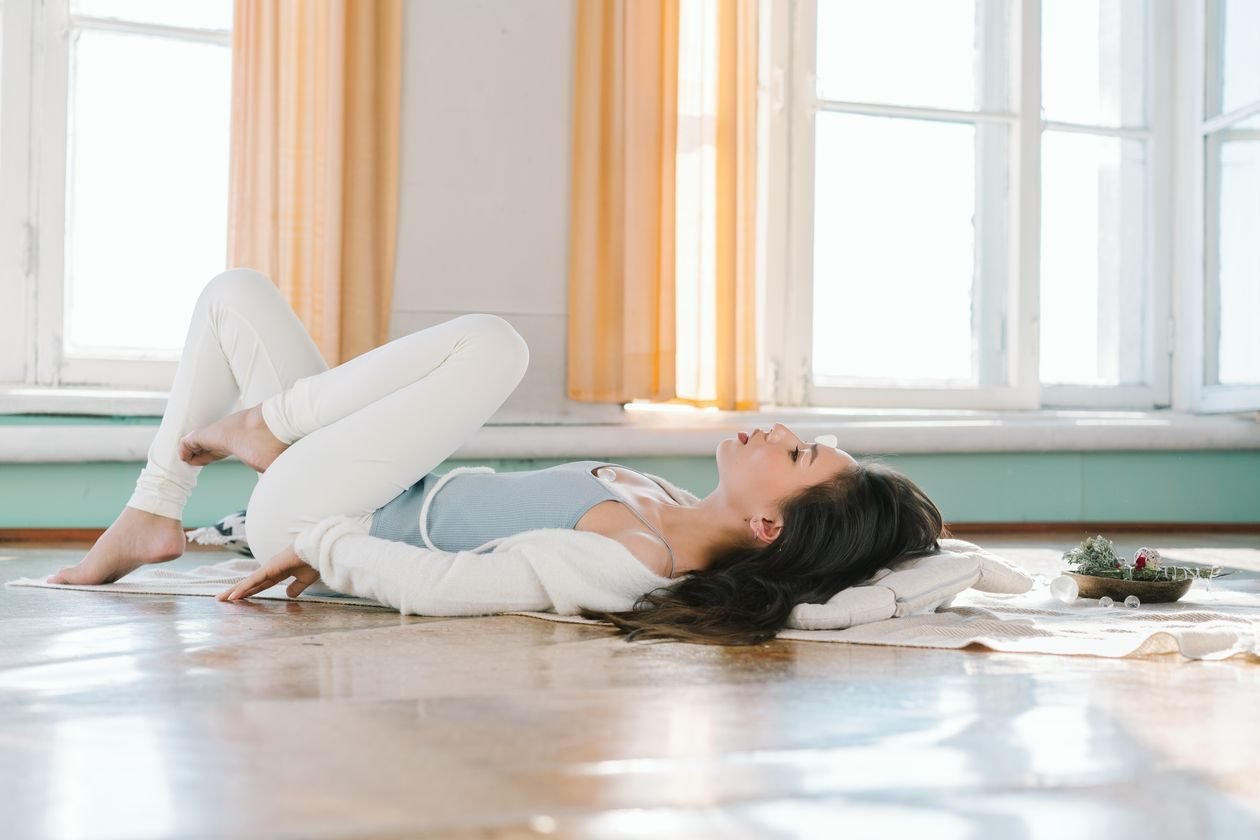
A mat supports your practice. It does not make any pose safe by itself. Follow these seven steps:
- Use the mat flat on a hard floor. Curled edges trip; carpet underneath slides and wrinkles.
- Keep the mat clean and dry, and do not share a sweaty mat — damp, shared surfaces spread skin irritation.
- Go barefoot or wear grip socks. Shoes damage the surface and slip on it.
- Add extra cushion or a knee pad for sensitive knees, and never force a joint into a deep pose to “get there.”
- Check the latex warning: natural rubber mats (like the Harmony here) are not for latex-allergic users — TPE or PVC alternatives exist in this guide.
- If you are pregnant or have balance trouble, practice near a wall for support and ask a clinician what is appropriate for you.
- This guide is general information, not medical advice. For back or joint conditions, pregnancy, or balance disorders, talk to a clinician before starting a new practice.
Frequently Asked Questions
Which mat is best for hot yoga?
Look for grip when sweaty above all else: open-cell rubber tops and PU tops hold best when damp, and a towel over the mat helps any mat. Sealed PVC tops are the weakest hot-yoga choice until broken in.
What thickness should I choose?
3–5mm is the balance point for general yoga; 6mm suits all-round home practice with a little more cushion; 1 inch suits knees, Pilates and floor work — but expect wobble in balance poses.
PVC vs TPE vs natural rubber — which is best?
PVC is durable and easy to clean; TPE is lighter, latex-free and PVC-free; natural rubber grips best when damp but brings latex, smell and extra cleaning. Match the material to your hands, allergies and cleaning habits — there is no single winner.
How do I stop my mat sliding on the floor?
Clean the underside, use it on a hard floor (not carpet), and unroll it fully flat — curled edges lift and slide. A damp cloth under a light mat can add friction in a pinch, and heavier mats slide less than very light ones.
How do I clean a yoga mat?
Wipe with a damp cloth and mild soap, air-dry flat, then roll loosely. Do not soak rubber or PU-top mats, and do not machine-wash unless the maker explicitly says so. Keep mats out of direct sun.
Can I use a yoga mat for other home workouts?
Yes for bodyweight work, Pilates and stretching — that is what these mats are for. No for heavy weights or shoes: weights dent foam and crack sealed tops, and shoe grit grinds into the surface. For weights, use gym flooring instead.
Our Pick: Start Here
If you want one mat for general home practice, start with the Gaiam Premium Solid. 🎯
It is the simplest choice here: a reversible middle-thickness mat with the cleanest listing record in the guide and the most recent crawl. Nothing about it is extreme, and that is the point of a first mat.
Then adjust from there. Sensitive knees? Move to the GoCloud’s full inch. Alignment-focused? The Liforme’s printed guides and extra length earn their place. Sweaty hands and no latex allergy? The Harmony rubber grip is the upgrade. Want the easiest carry? The IUGA at around 2 lb with its strap.
Pair your mat with the rest of the home-gym basics: Best Foam Rollers, Best Balance Boards for balance work, Best Workout Socks for grip-sock options, and Best Gym Towels for the towel-over-mat trick. And if you missed it, the previous guide is Best Hand Grippers for Home Gyms.
Whichever mat you pick, unroll it fully, check it lies flat, and confirm the exact variant on the live listing before ordering — these listing records are months old, and availability changes.
As an Amazon Associate, we earn from qualifying purchases made through links on this page, at no extra cost to you.
This guide is research-based and written from listing records and published guidance, not hands-on testing. Product details, availability and offers can change — always confirm the exact variant on the live listing before ordering. The safety and care notes here are general information, not medical advice.