

Why Squat Shoes Belong in a Home Gym
A squat shoe is a lifting shoe with a raised, hard heel. The heel lifts the ankle a little, which lets the knees travel forward more easily and keeps the torso upright at the bottom of a squat — the position most lifters lose first when ankle mobility runs out. Unlike a running shoe, the sole does not compress under load, so the foot stays planted on the same flat base from the first rep to the last.
For a home gym, the appeal is simple. One pair of shoes fixes the most common squat fault — heels lifting or the chest folding — without a rack attachment, a platform or a coach watching every set. They will not replace mobility work or a good rack, but they turn a squat that fights your ankles into a squat that works your legs, and that difference shows up in every session.
If heavy leg work is the gap in your home gym, squat shoes sit well alongside our vertical climbers and kettlebells guides — climbers for arms-overhead cardio, kettlebells for ballistic hips, and squat shoes for the barbell work both of those miss.
How We Picked
We scored each shoe on the details that decide whether it actually gets squatted in, not on heel height alone. A shoe that pinches, slides or sizes wrong is a bad buy at any heel height, and a heel that does not match your ankle mobility will fight you on every rep.
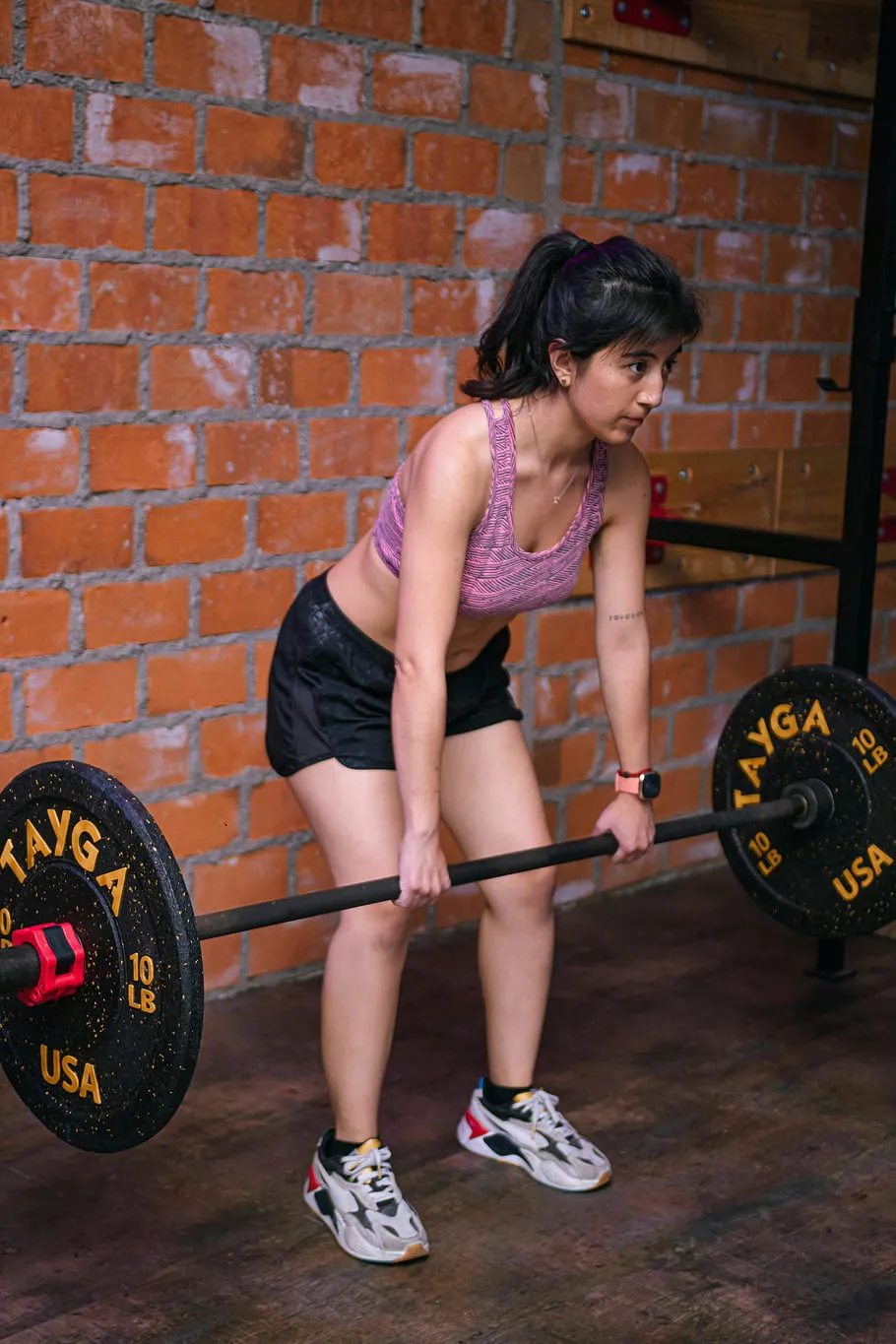
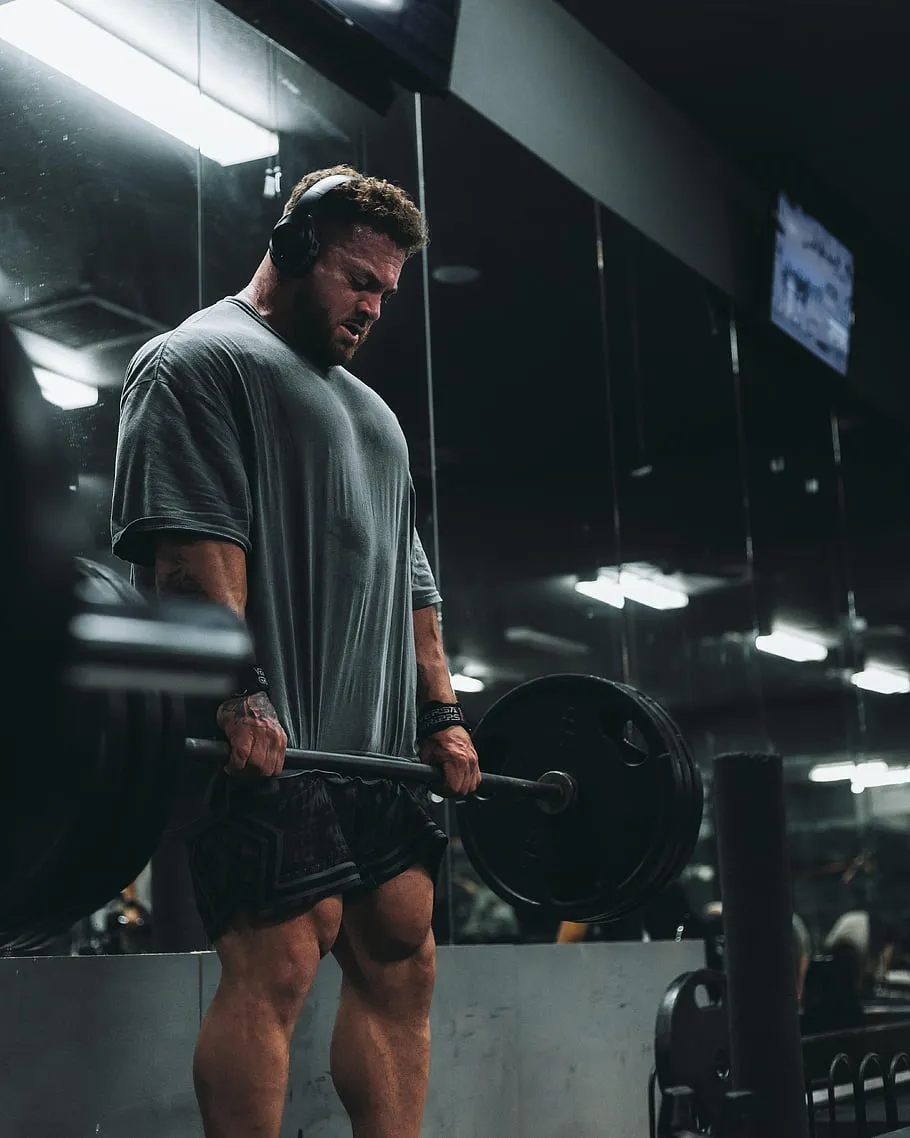
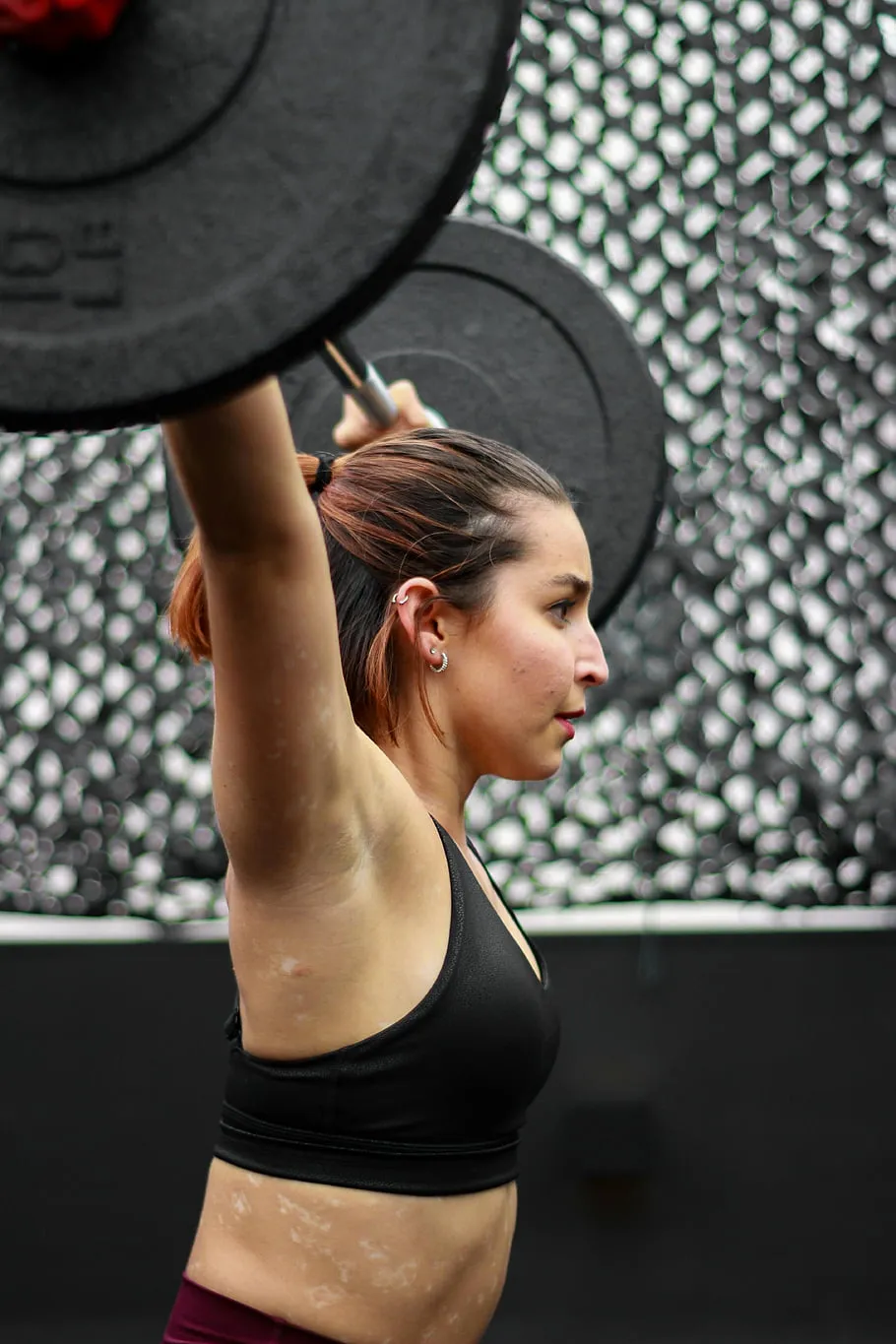
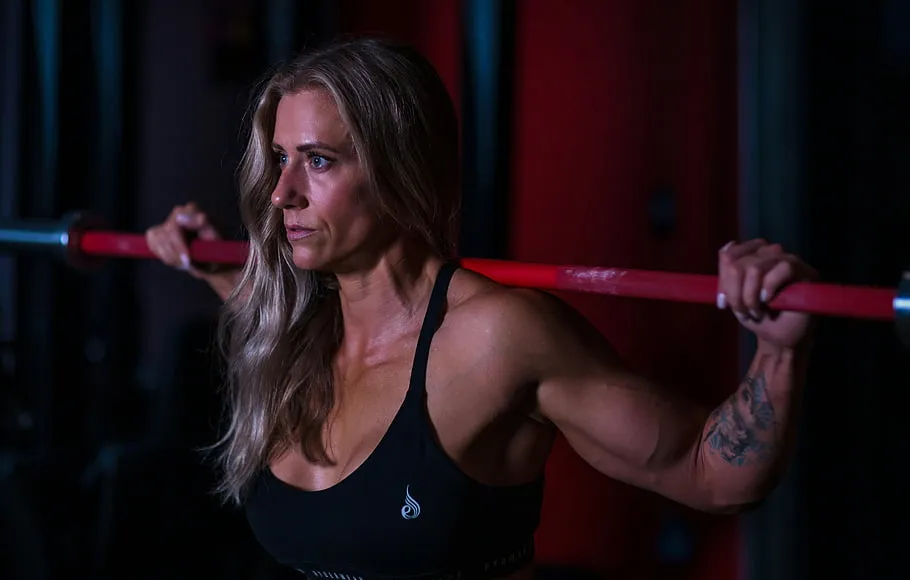
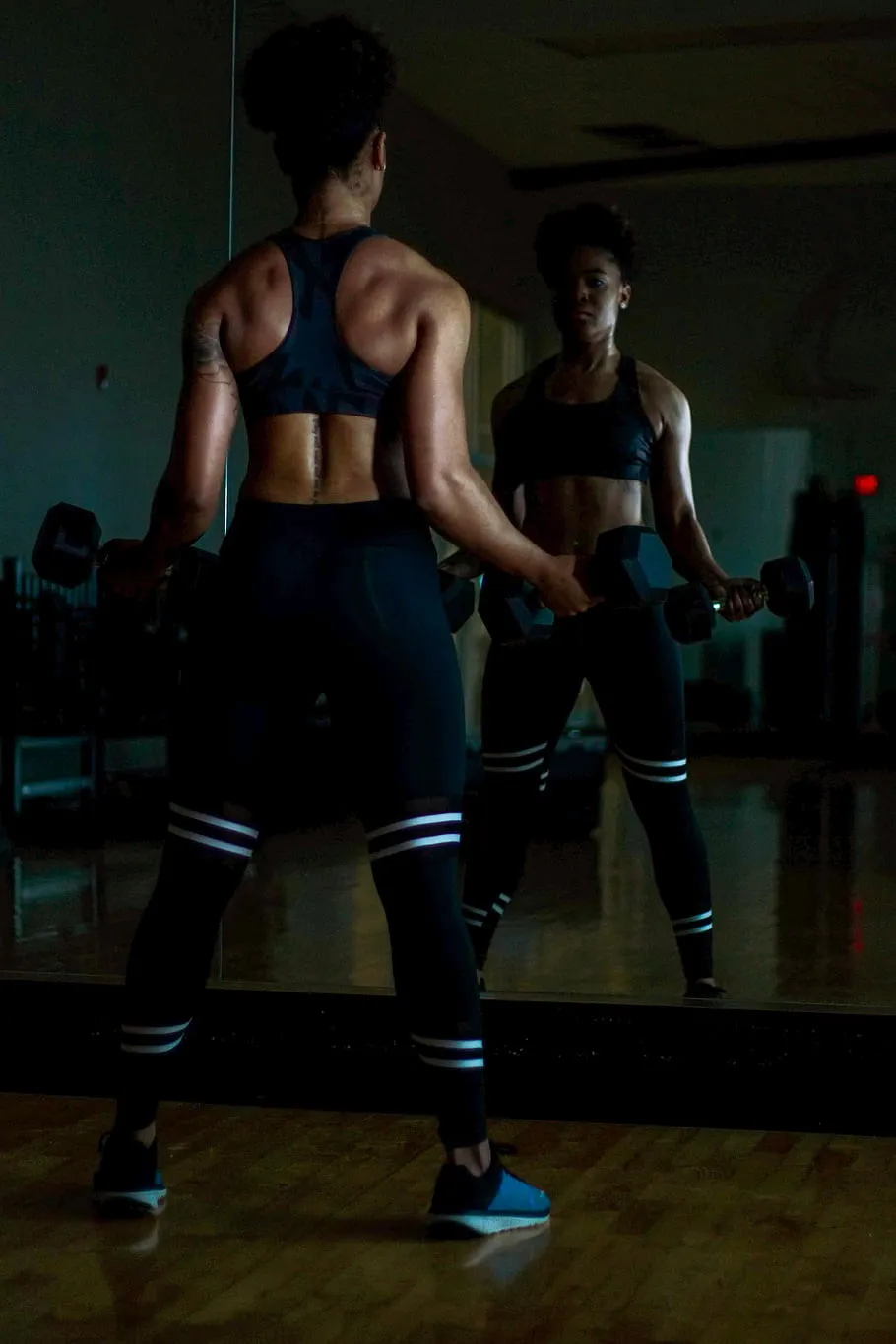
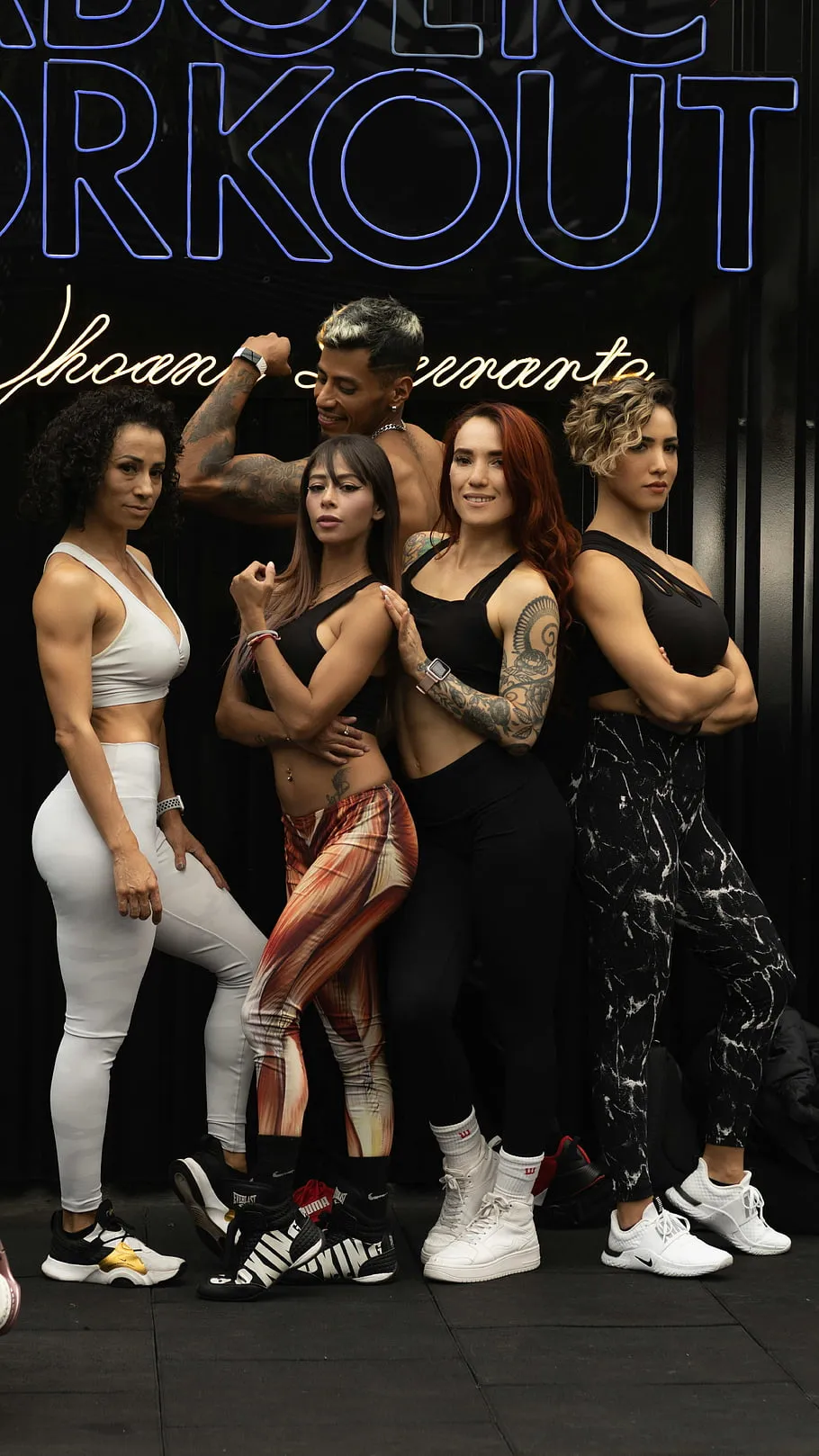
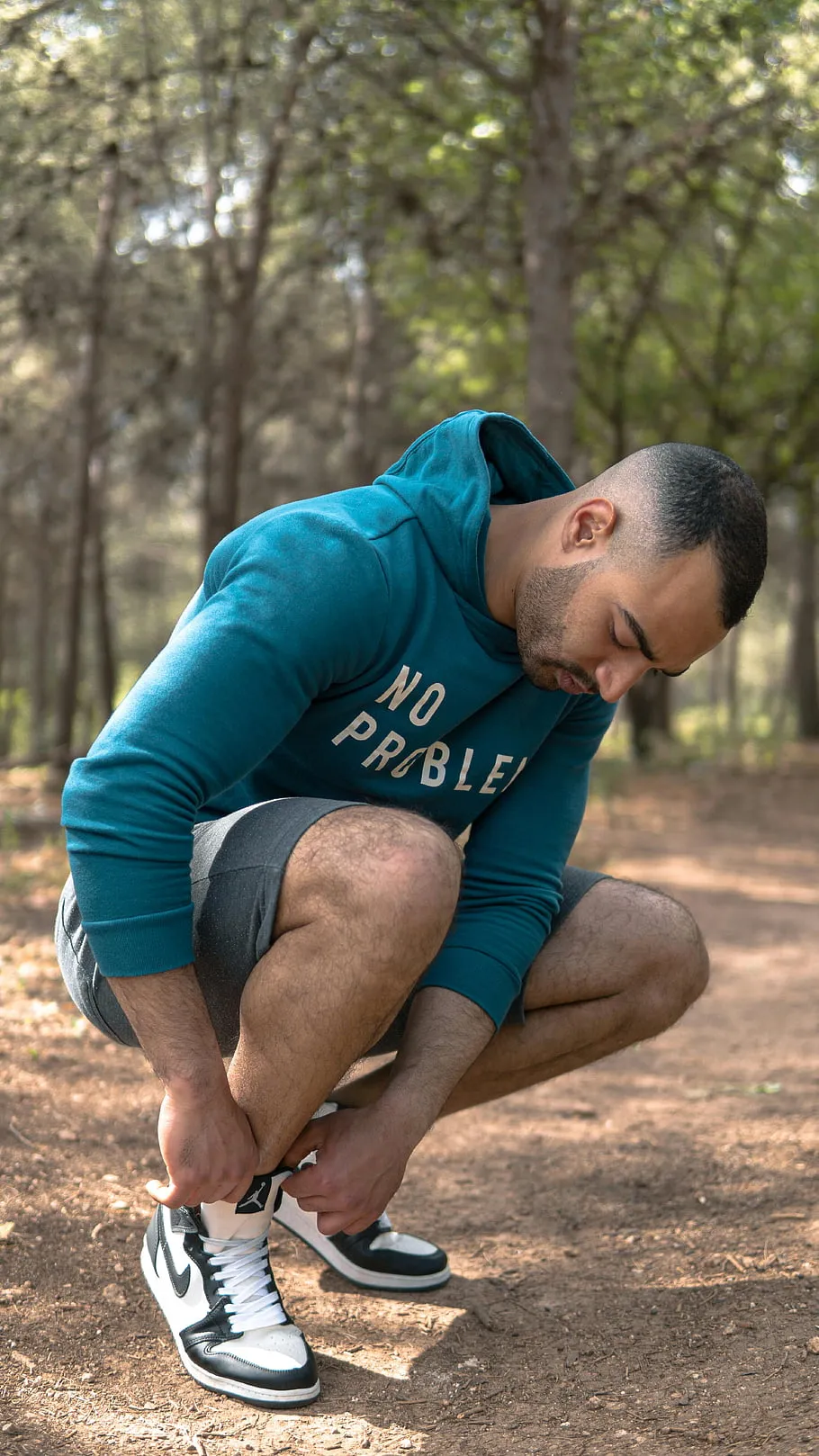
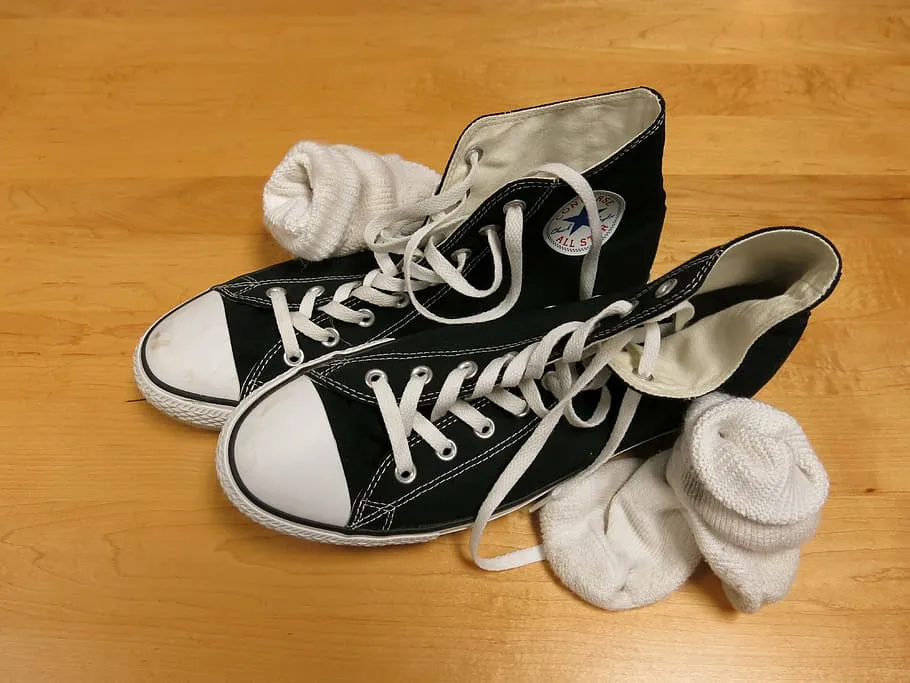
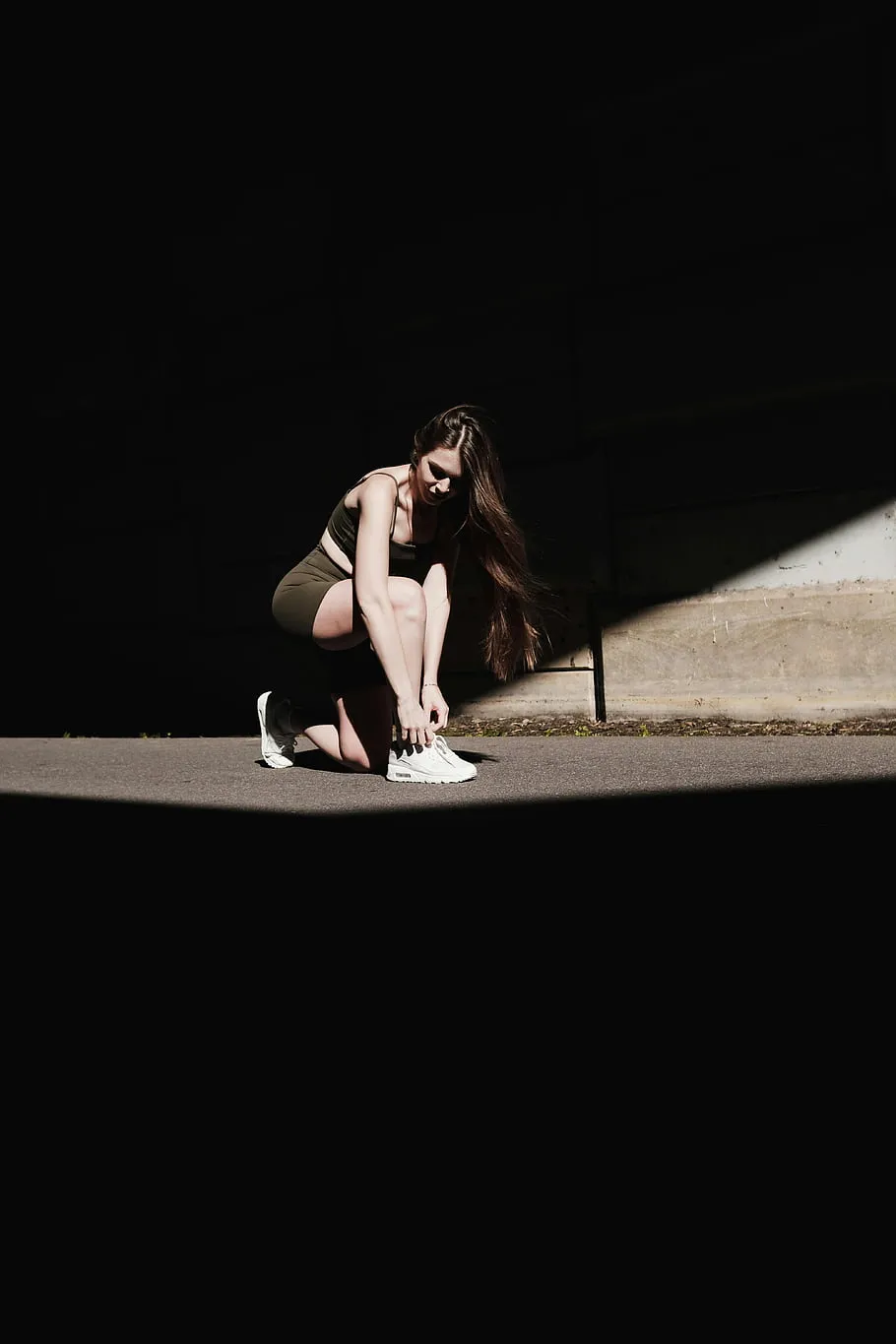
One limit applies to every photo in this guide: no free-license photo of any of the six named squat shoes exists, so every figure is an honest generic scene — lifters squatting, deadlifting and pressing, gym interiors and shoe close-ups — captioned as what it actually shows, never presented as a product shot.
- Effective heel lift, and whether it is settled or disputed across records
- Straps and lockdown, and whether the foot can slide inside the shoe
- Weight, and whether the figure is settled, conflicting or size-unstated
- Toe box width, and whether wide feet are actually covered
- Sizing direction, and whether records agree on true to size or size up
- Honest availability, with conflicting figures stated as conflicts, not resolved by guesswork
Adidas Powerlift 5, Reebok Lifter PR 3, Inov-8 Fastlift 370 BOA, Nike Savaleos, TYR L-2 Lifter, Velaasa Strake, NOBULL Lifter and Castiron Lift PowerLifter 3 were also considered and set aside for the six below, which give the clearest spread of heel heights, strap layouts and toe-box widths. Our gym flooring and medicine balls guides cover the floor under your rack and the closest conditioning cousin to squatting.
Comparison
| Shoe | Best for | Heel lift | Straps | Standout |
|---|---|---|---|---|
| Nike Romaleos 4 | All-round lifter | 20 mm | Dual | TPU heel and midsole, narrow fit |
| Adidas Adipower Weightlifting 3 | Tallest heel tie | 22 mm | Single | 33 mm heel stack, narrow toe box |
| Reebok Legacy Lifter III | Wide feet, Pump fit | 22 mm | Single + Pump | Heaviest weights here, removable insole |
| TYR L-1 Lifter | Roomiest toe box | 21 mm | Dual | Leather upper, wide fit |
| Inov-8 Fastlift 335 | Lightest, lowest heel | 16.5 mm | Single | 335 g, external heel cage |
| Do-Win Classic Lifter | Classic leather-heel value | 19 mm advertised | Double | Stacked leather heel |
Read the heel-lift column with care, because two of its six cells carry a footnote, not a plain figure. The Do-Win cell reads 19 mm advertised because a men’s size 11 measured 21 mm, so the lift varies by size and the advertised figure is not the whole story. The Legacy Lifter III cell reads 22 mm on its advertised effective heel, while a lab measurement gives a 20.5 mm drop, so the two tallest-heel picks tie on advertised heel only. The tallest advertised heel is that 22 mm tie between the Adipower 3 and the Legacy Lifter III, and the lowest heel is the Fastlift 335 at 16.5 mm.
On weight, no single heaviest figure is declared, because the heaviest pick’s own records conflict: the Legacy Lifter III reads 23.1 oz at size 10 in one record and 22.4 oz in another, and both readings sit above every other pick’s stated figure, so the guide states the range rather than crowning a winner. The lightest pick is settled: the Fastlift 335 at 335 g (12 oz) sits below every other pick’s lowest weight reading. The Romaleos 4 weight also conflicts at about 20.1 oz at size 10 against 19 oz at size 10.5 and 592 g, the Adipower 3 weight conflicts across 17.6 oz, 16.4 oz and about 15 oz, and the Do-Win weight of about 17 oz states no size at all. No footprint winner is declared here, because shoe sizes are foot sizes, not room sizes.
Nike Romaleos 4
The Nike Romaleos 4 is the all-round pick. A 20 mm effective heel, about 20.1 oz at size 10, dual midfoot and forefoot straps, and a TPU heel and midsole that keep the platform firm under load.
That dual-strap layout is the practical point. Two straps lock the foot at two points instead of one, so the midfoot cannot slide when the knees drive forward, and the TPU heel gives the same lift on the last set as on the first. For a lifter who wants one shoe for squats, presses and pulls without rethinking footwear between lifts, this is the default shape of the category.
Two flags must be stated plainly. First, the weight conflicts: about 20.1 oz at size 10 in one record, 19 oz at size 10.5 in another, and 592 g in a third, so no single weight is stated as settled. Second, the fit runs narrow and small — wide feet should go half a size up rather than trusting their usual size.
✅ Pros
- 20 mm heel, the proven middle of this guide’s range
- Dual straps lock midfoot and forefoot
- TPU heel and midsole stay firm under load
⚠️ Cons
- Narrow fit, runs small
- Weight records conflict across three figures
- Wide feet must size up half a size
Listing check: no confident listing code was found for this shoe, so the link above is a tagged search — confirm the version, the heel height and the sizing on the listing before ordering.
Best for: lifters who want the all-round dual-strap build with a proven 20 mm heel.
May not fit: wide feet that will not size up, or buyers who need a settled weight before ordering.
Adidas Adipower Weightlifting 3
The Adidas Adipower Weightlifting 3 is the tallest-heel pick, tied. A 22 mm lift from a 33 mm heel stack over an 11 mm forefoot, a single midfoot strap, a high-density TPU midsole, a narrow toe box, and sizing mostly true to size.
That 22 mm lift is the practical point. For a lifter whose ankles run out early, the tallest heel in this guide buys the most upright torso at the bottom of the squat, and the single strap keeps the closure simple — one strap, one pull, no second strap to set. The TPU midsole keeps the platform from compressing under the bar.
Two flags must be stated plainly. First, the weight conflicts across three figures: 17.6 oz, 16.4 oz (466 g) and about 15 oz, so no single weight is stated as settled. Second, the toe box is narrow, so a wide foot that fits the length may still pinch at the toes.
✅ Pros
- Joint-tallest heel here at 22 mm
- Single strap keeps closure simple
- High-density TPU midsole stays firm
⚠️ Cons
- Weight conflicts across three figures
- Narrow toe box pinches wide feet
- Tallest heel is not for every squat style
Listing check: no confident listing code was found for this shoe, so the link above is a tagged search — confirm the version, the heel height and the sizing on the listing before ordering.
Best for: lifters who need the tallest heel to keep the torso upright at depth.
May not fit: wide feet, or buyers who need a settled weight before ordering.
Reebok Legacy Lifter III
The Reebok Legacy Lifter III is the Pump-fit pick. A 22 mm effective heel, a single strap plus a Pump inflatable tongue, a TPU heel clip, a wider toe box, a removable insole with arch support, and 23.1 oz at size 10.
That Pump tongue is the practical point. Pumping air into the tongue fills the space over the foot, so a lifter between sizes can tune the fit without changing size, and the wider toe box gives toes room the narrower picks here do not. The removable insole adds arch support that can also be swapped out.
Three flags must be stated plainly. First, the weight conflicts: 23.1 oz at size 10 in one record and 22.4 oz in another. Second, the heel conflicts: 22 mm advertised effective heel against a lab-measured 20.5 mm drop. Third, the sizing conflicts: true to size per one review source, runs small per another — so the buyer should check the seller’s sizing notes rather than trusting either report alone.
✅ Pros
- Joint-tallest heel here at 22 mm advertised
- Pump tongue tunes fit between sizes
- Wider toe box, removable insole with arch
⚠️ Cons
- Heaviest weights recorded here, and they conflict
- Heel lab figure 20.5 mm against 22 mm advertised
- Sizing reports conflict: true to size or runs small
Listing check: no confident listing code was found for this shoe, so the link above is a tagged search — confirm the version, the heel height and the sizing on the listing before ordering.
Best for: wider feet and lifters between sizes who want a tunable Pump fit.
May not fit: buyers who need a settled weight, heel or size before ordering.
TYR L-1 Lifter
The TYR L-1 Lifter is the roomy-toe-box pick. A 21 mm heel, about 19.05 to 19.2 oz at size 10, dual straps, a TPU heel, a leather upper, a wide anatomical toe box, and sizing mostly true to size.
That toe box is the practical point. Reviewed as the roomiest here, it gives toes space to spread under load instead of squeezing them into a narrow last, and the leather upper breaks in around the foot over time rather than holding one stiff shape. Dual straps lock the midfoot down on top of that roomier fit.
Two flags must be stated plainly. First, even the roomiest pick is not roomy for everyone: some wide-foot reports still found it tight, so very wide feet should still check the seller’s width notes. Second, the L-2 Lifter has been released, so the L-1 may be phased out — confirm the L-1 version on the listing rather than accepting a substitute.
✅ Pros
- Roomiest toe box reviewed here
- Dual straps, leather upper that breaks in
- Mostly true to size
⚠️ Cons
- Some wide-foot reports still found it tight
- L-1 may be phased out now the L-2 is out
- 21 mm sits just under the tallest heels
Listing check: no confident listing code was found for this shoe, so the link above is a tagged search — confirm it is the L-1, not the L-2, and confirm the heel height and sizing on the listing before ordering.
Best for: lifters who want the roomiest toe box with dual-strap lockdown.
May not fit: very wide feet that need more than the roomiest pick here, or buyers who want the newest model.
Inov-8 Fastlift 335
The Inov-8 Fastlift 335 is the light, low pick. A 16.5 mm heel (0.65 in), 335 g (12 oz), an external heel cage with Power-Truss, a Meta-Flex forefoot, a single strap plus laces, and a narrower fit that runs small.
That lightness and lowness is the practical point. At 335 g it is the lightest shoe here by a clear margin, and at 16.5 mm it is the lowest heel here, so it feels closest to a flat shoe while still giving a real lift. The external heel cage holds the heel steady, and the Meta-Flex forefoot lets the front of the foot bend naturally at the bottom of the squat.
Two flags must be stated plainly. First, it runs small — go half a size up rather than trusting your usual size. Second, it is explicitly not the Fastlift 360 or the 370 BOA, which are different shoes with different heels and closures, so confirm the 335 on the listing.
✅ Pros
- Lightest here at 335 g, lowest heel at 16.5 mm
- External heel cage with Power-Truss
- Meta-Flex forefoot bends naturally
⚠️ Cons
- Runs small, go half a size up
- Narrower fit than the roomy picks
- Single strap only, easy to confuse with the 360 and 370 BOA
Listing check: no confident listing code was found for this shoe, so the link above is a tagged search — confirm it is the Fastlift 335, not the 360 or 370 BOA, and confirm the heel height and sizing on the listing before ordering.
Best for: lifters who want the lightest shoe and the lowest real heel.
May not fit: lifters who need a tall heel, a wide fit, or their usual size without sizing up.
Do-Win Classic Lifter
The Do-Win Classic Lifter is the classic-heel pick. A stacked leather heel that looks like wood, an advertised 19 mm (0.75 in) heel drop, double metatarsal straps, a suede and mesh upper, about 17 oz, and men’s sizes only.
That leather heel is the practical point. Stacked leather is the original weightlifting-shoe heel, firm under the bar with a classic feel that synthetic heels copy rather than replace, and the double metatarsal straps lock the forefoot at two points. For a lifter who wants the traditional build rather than the newest material, this is the pick that still sells it.
Three flags must be stated plainly. First, the heel varies by size: advertised 19 mm, but a men’s size 11 measured 21 mm, so the lift you get depends on the size you order. Second, the sizing direction conflicts: one source says go half a size up, another says Rogue advises half a size down, so the buyer should check the seller’s current sizing note. Third, the weight of about 17 oz states no size, and the shoe is sold in men’s sizes only.
✅ Pros
- Classic stacked leather heel
- Double metatarsal straps lock the forefoot
- Suede and mesh upper
⚠️ Cons
- Heel varies by size: 19 mm advertised, 21 mm at size 11
- Sizing direction conflicts: half up or half down
- Men’s sizes only, weight size unstated
Listing check: no confident listing code was found for this shoe, so the link above is a tagged search — confirm the version, the heel height for your size and the sizing on the listing before ordering.
Best for: lifters who want the classic stacked-leather heel and double straps.
May not fit: buyers who need a single settled heel figure, agreed sizing, or women’s sizes.
How to Choose
Start with your ankles, not the shoe. A deep bodyweight squat barefoot tells the story: if your heels lift or your chest folds before depth, a raised heel will help, and the 16.5 to 22 mm spread here covers that help from a gentle lift to the tallest. If you already squat deep barefoot with an upright torso, the lowest heel here — or a flat shoe — may serve you better than the tallest.
Then check fit before any other spec, because three of these six run small and one more carries conflicting sizing reports. A shoe that fits the length but pinches the toes, or locks the heel but slides at the forefoot, will punish every set. Read the sizing note on each pick above, and treat the seller’s current sizing note as the final word where reports conflict.
Heel Height and Mobility
Heel height is a mobility tool, not a strength tool. More heel lets the knees travel further forward with the same ankle bend, which keeps the torso upright and the bar over the midfoot. That is why the 22 mm picks suit lifters with stiff ankles, and why the 16.5 mm Fastlift suits lifters who already move well and want only a small lift.
More heel is not always better. A taller heel shifts weight slightly forward and changes the squat pattern, so a lifter who squats well flat may find a tall heel pushes the knees too far forward. Test the pattern with light sets first, and keep the heel that lets you hit depth upright without forcing it.
Fit and Toe Box
Fit has two separate questions: length and width. Length is mostly sizing — the Romaleos 4, the Fastlift 335 and the Do-Win run small, the Legacy Lifter III sizing reports conflict, and the Adipower 3 and TYR L-1 sit mostly true to size. Width is the toe box: the TYR L-1 is reviewed as the roomiest here and the Legacy Lifter III is wider, while the Adipower 3 and the Fastlift 335 are narrower.
Check both before ordering. A shoe that matches your length but squeezes your toes will numb the forefoot under load, and a shoe with room to spare but a loose heel will slide inside itself on every rep. If your feet sit between sizes, the Legacy Lifter III Pump tongue is the one fit adjustment here that can take up the gap.
Straps and Lockdown
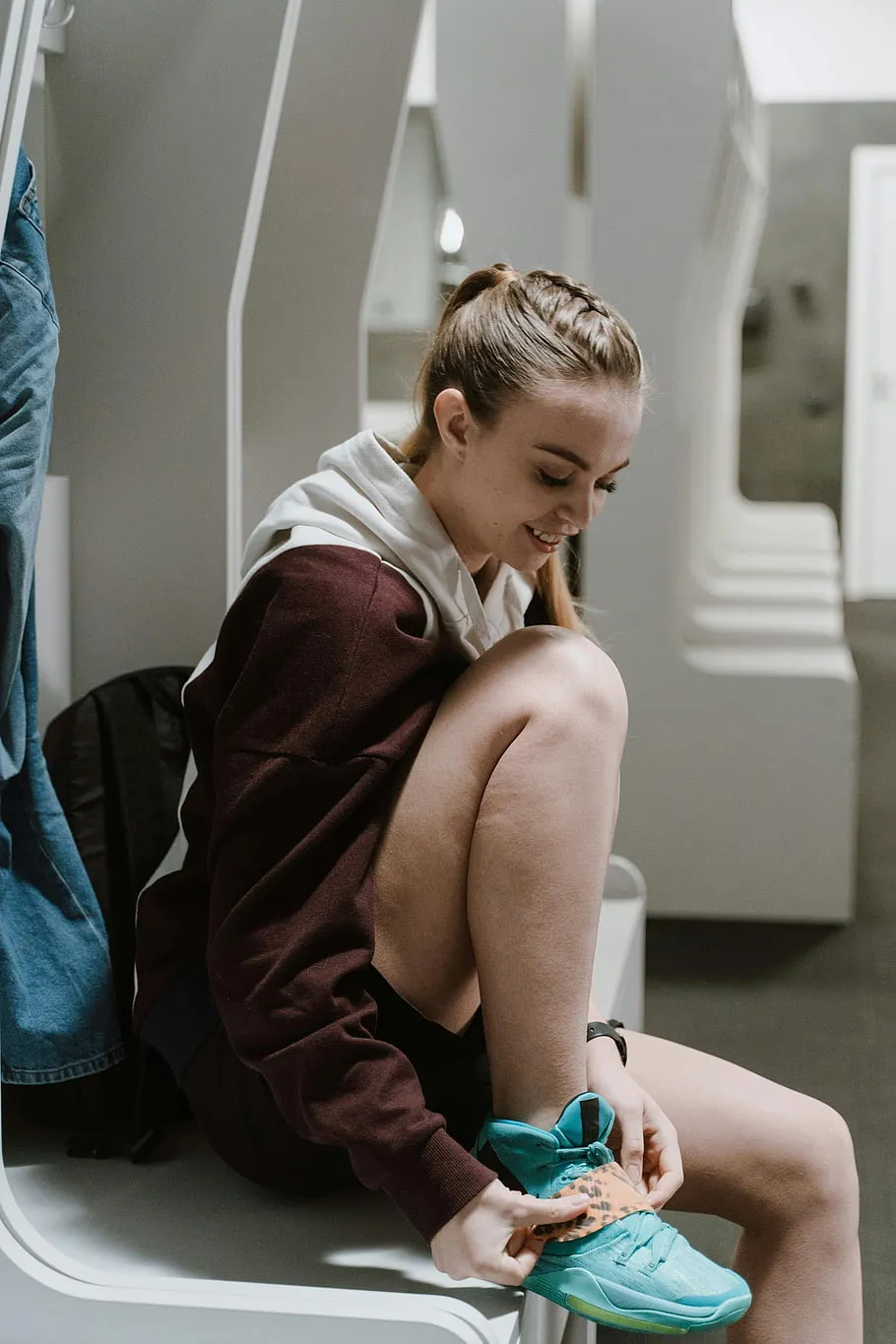
Straps do the job laces cannot do alone. A strap across the midfoot locks the foot to the sole, so the foot cannot slide forward when the knees drive, and a second strap — on the Romaleos 4 forefoot or the Do-Win metatarsals — locks a second point. The Legacy Lifter III Pump tongue works differently: air fills the tongue to take up space over the foot, which suits a foot between sizes.
Count the straps against your foot, not against the spec sheet. One strap suits a foot that already fits snugly, two straps suit a foot that slides, and the Pump suits a foot that changes volume between sessions. Whichever layout you pick, set the straps before the first work set and check them again after warm-ups, when the foot has spread.
Sole and Durability
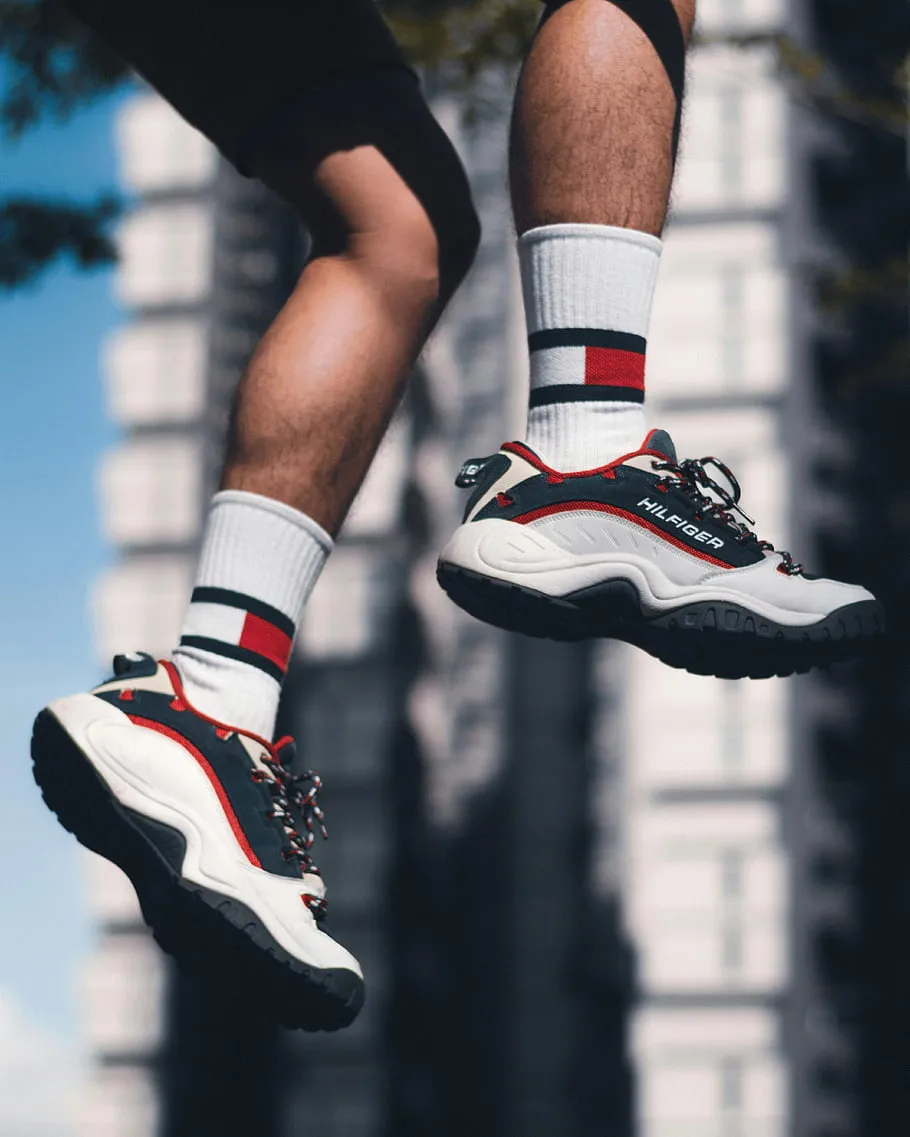
A squat sole must be flat, hard and thin enough to feel the floor. TPU heels and midsoles, on the Romaleos 4, the Adipower 3 and the TYR L-1, hold their height under load, while the Do-Win stacked leather heel gives the classic firm feel. A soft, springy running sole is the opposite of what a squat needs: it compresses unevenly and lets the foot roll.
Check the sole and heel before every session, not once a year. A heel that has compressed on one side, a sole that has worn smooth, or a strap that no longer holds will change the lift without warning. Replace the shoe when the heel height is no longer even, not when the upper finally tears.
Pair the shoes with the rest of the lifting kit: our weightlifting belts guide covers the belt for heavy sets, our knee sleeves guide covers knee warmth and support, and our lifting straps guide covers grip on pulls — three accessories that meet the shoe at the bar.
Safety
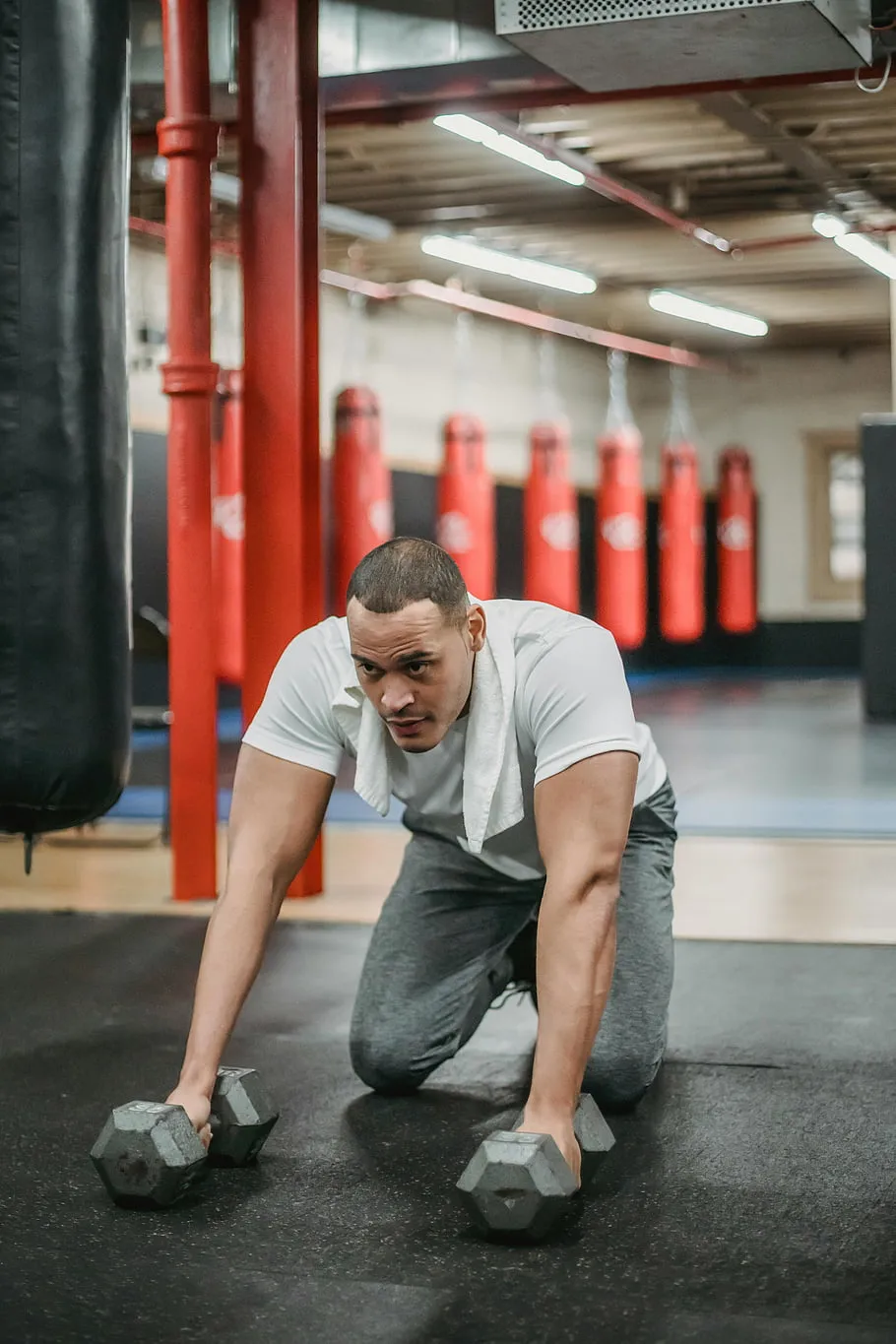
Squat-shoe training is safe when fit, heel and load are all respected, and unforgiving when any one of them is not. Our wrist wraps guide covers the wrist support some lifters pair with heavy pressing, and the seven steps below cover the shoe itself.
1. Check the fit before load. The midfoot should feel locked, the toes should have room, and the straps should hold without cutting — a loose shoe shifts under a squat and takes the knees with it.
2. Break raised heels in light first. A new heel height changes the ankle angle, so start with light sets and build over sessions rather than testing a new shoe under a heavy bar.
3. Squat on a level, non-slip floor inside a rack with safety bars set. Check the plates are locked and the bar is centered before the first rep, not after it.
4. Keep the knees tracking over the toes and the heels planted inside the shoe. If the heels lift inside the shoe, the fit is wrong or the mobility is not there yet — do not push through it.
5. Do not pull heavy deadlifts in a tall heel without testing it first. A raised heel shifts balance slightly forward, and most lifters prefer a flat shoe for deadlifts — test light before deciding.
6. Check straps, soles and heel stack for wear before each session. A compressed heel, a smooth sole or a strap that no longer holds changes the lift without warning.
7. Cool down, stretch calves and ankles, and keep children and pets clear of loaded bars and plates. A bar left loaded on a rack is a hazard to anyone who walks past it.
Squat shoe training is general fitness information, not medical advice. Stop and seek professional advice if you feel pain, dizziness or shortness of breath, and check fit and heel height before ordering.
Frequently Asked Questions
Do I need squat shoes if I already lift in flat shoes?
Only if your squat needs the help. Flat shoes suit lifters who already hit depth upright, while a raised heel suits lifters whose heels lift or whose chest folds at depth. Test a deep bodyweight squat barefoot: if the pattern breaks before depth, a heel in the 16.5 to 22 mm range here is worth trying.
What heel height should I start with?
Start in the middle unless your ankles say otherwise. The 20 to 21 mm picks — the Romaleos 4 and the TYR L-1 — cover most lifters, the 22 mm picks suit the stiffest ankles, and the 16.5 mm Fastlift suits lifters who want only a small lift. A heel that forces the knees too far forward is worse than a heel that is slightly short.
Can I deadlift in squat shoes?
You can, but most lifters should not pull heavy in them. A raised heel shifts balance slightly forward and adds range to the pull, so a flat shoe is the usual deadlift choice. If you only own one pair, test light deadlifts in the squat shoes before loading them.
How should squat shoes fit?
Snug at the midfoot, room at the toes, heel locked down. Three picks here run small — the Romaleos 4, the Fastlift 335 and the Do-Win — and the Legacy Lifter III sizing reports conflict, so read the sizing note on each pick and the seller’s current note before ordering. A shoe that pinches or slides is the wrong shoe at any heel height.
Are squat shoes allowed in competition?
It depends on the federation, so check before competing. Raised-heel weightlifting shoes are standard equipment in weightlifting, while powerlifting federations set their own rules on soles and heel height. The shoes here are sold as general lifting shoes, not as a guarantee for any one federation’s platform.
What should I pair with squat shoes?
Recovery tools, because heavy squat sessions load knees, ankles and the lower back hard. After a session, easy stretching plus a roller session helps more than another set — our foam rollers guide covers the tools for that.
Our Pick: Start Here
Start with the Nike Romaleos 4 if you want the all-round dual-strap build — a 20 mm heel, TPU heel and midsole, and the default shape of the category. Choose the Adidas Adipower Weightlifting 3 if you need the tallest 22 mm heel to keep your torso upright, and step to the Inov-8 Fastlift 335 only when the lightest shoe and the lowest heel matter more than a tall lift.
As an Amazon Associate, this site earns from qualifying purchases made through links in this article, at no extra cost to you.
Product details are based on manufacturer and retailer research at the time of writing, and specifications may change — confirm weights, dimensions, capacities and warranties with the seller before ordering.