

Your floor takes every rep you do. Barbells land on it, racks stand on it, machines sit on it for years, and a bad surface shows up as cracked tiles, dented timber, or a mat that slides mid-set. Good gym flooring protects the room underneath, steadies your feet, and deadens the noise your neighbours hear. 🏋️
This guide compares six flooring options that are genuinely sold for home gyms, from wall-to-wall rubber rolls to peel-and-stick carpet tiles. If heavy pulling already runs through our previous guide, trap bars, the floor underneath the bar matters just as much — and a power rack needs a flat, firm base before anything else goes on top of it.
Why a Gym Flooring Belongs in a Home Gym
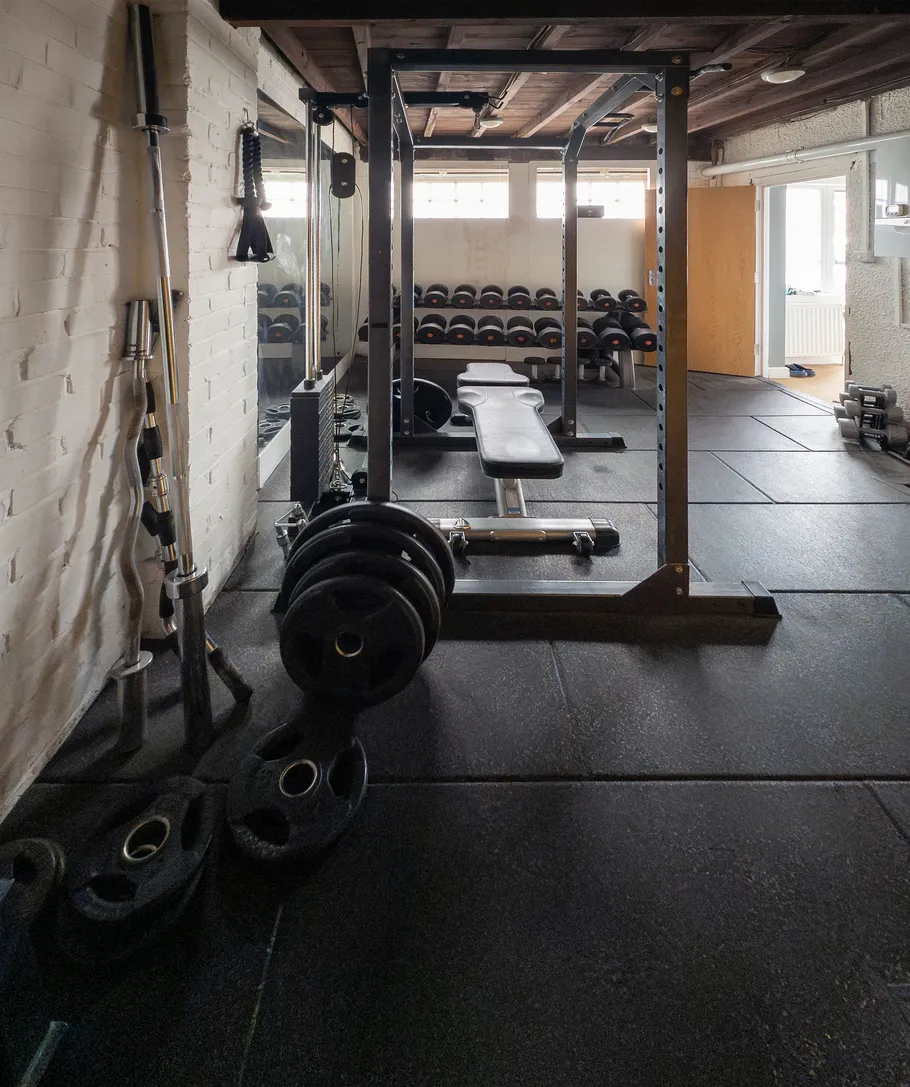
Flooring is the least glamorous home gym buy and the one you regret skipping. A bare concrete slab is hard on joints and loud, timber dents under dropped plates, and carpet compresses under a rack until the whole setup sits uneven.
The right floor does three jobs at once: it absorbs impact so plates and dumbbells do less damage, it grips so your feet stay planted during squats and lunges, and it spreads the load so heavy kit does not gouge one spot. Pick the surface for the training you actually do, not the one that looks best in a photo.
How We Picked
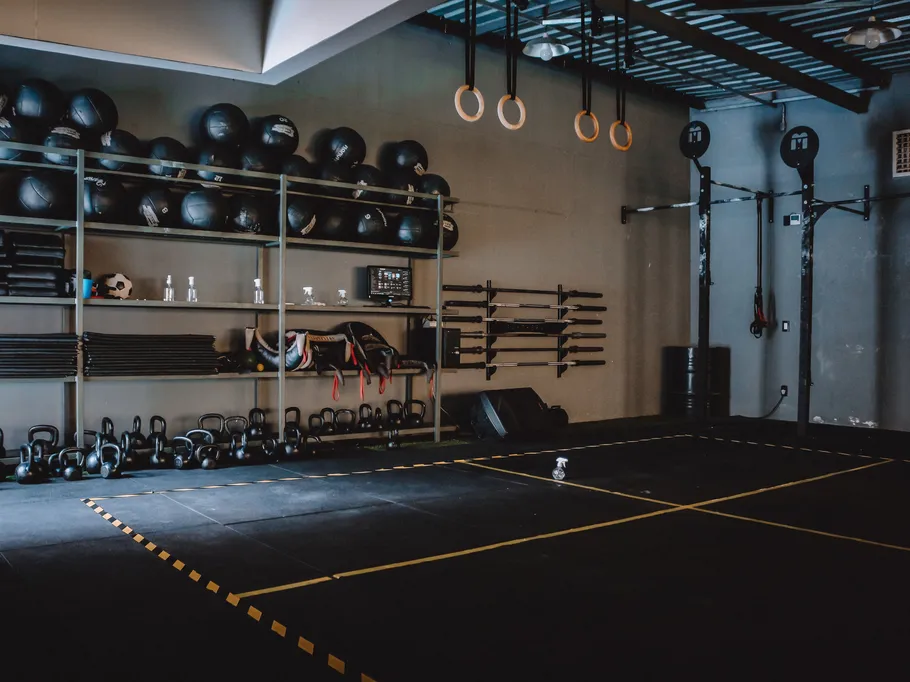
Every pick below was scored on the same points, and the limits are stated rather than smoothed over. Where a listing record showed no featured offers, or an offer status was not recorded, the article says so plainly — confirm before buying.
- Material and density — rubber, foam or carpet fibre, and how each handles dropped weights
- Thickness matched to training — thin for cardio and floor work, thick for heavy lifting zones
- Format and coverage — rolls, tiles or single mats, and how much floor each option actually covers
- Grip and surface — checker plate, smooth rubber, foam give or carpet pile underfoot
- Installation and subfloor — adhesive-free, peel-and-stick or loose-lay, and what sits underneath
- Care and odour — how each surface cleans up and whether new rubber smell is a factor
- Warranty and availability honesty — stated warranties only, and gaps flagged where records conflict
Three of the six links are tagged search links, because Living.Fit and Rubber-Cal sell direct and no confident US product listing was pinned for those picks. The other three are product links, each flagged where its record needs a confirmation check. Our home gym systems guide covers the kit that stands on these floors, and our treadmills guide explains why machines need a firm, level base under every foot.
Comparison
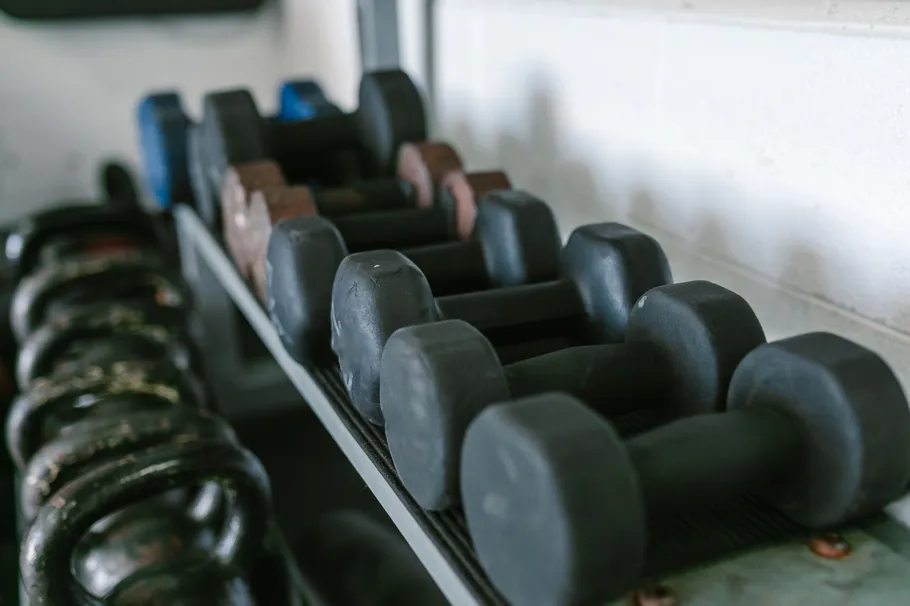
| Flooring | Best for | Format | Thickness | Standout |
|---|---|---|---|---|
| Living.Fit Rubber Flooring Rolls | Full-room coverage | Roll, 4 ft wide | Custom cut | 5-year warranty, USA-made |
| Living.Fit Interlocking Rubber Tiles 24″ | Flexible tile layouts | Interlocking tiles, 24×24 in | 6–18 mm | 9 mm most popular, no adhesive |
| IncStores 4’×6′ Premium Mat | Heavy lifting zones | Single mat, 4×6 ft | 3/4 in | Thickest here, 5-year warranty |
| Rubber-Cal Shark Tooth II | Grip-first heavy mats | Single mat, up to 4×6 ft | 1/2 in | Checker-plate top, 60 Shore A |
| ProsourceFit Puzzle Exercise Mat ½ in | Soft floor workouts | Puzzle tiles, 24×24 in | 1/2 in | 12 tiles cover 48 sq ft |
| Eclipse Peel and Stick Carpet Tiles | Soft, quiet rooms | Peel-and-stick tiles, 18×18 in | Not stated | Memory-foam cushion, 10 tiles 22.5 sq ft |
One thickness note needs stating plainly: the IncStores mat is listed at 0.79 in in one record and sold as a 3/4 in mat — both figures describe the same mat, and this guide treats it as the 3/4 in class. Living.Fit tiles top out at 18 mm, about 0.71 in, just under 3/4 in, so IncStores stays the thickest option here either way.
Two superlatives are safe across all six picks. The largest single mat is a 24 sq ft tie between the IncStores mat and the biggest Shark Tooth II size, while Living.Fit rolls cover the most area overall because they are cut to length. The joint-longest stated warranty is 5 years, shared by both Living.Fit options and IncStores — and the thinnest stated thickness, 1/2 in, is shared by Shark Tooth II and ProsourceFit, since Eclipse states no overall thickness and is not counted there.
Living.Fit Rubber Flooring Rolls
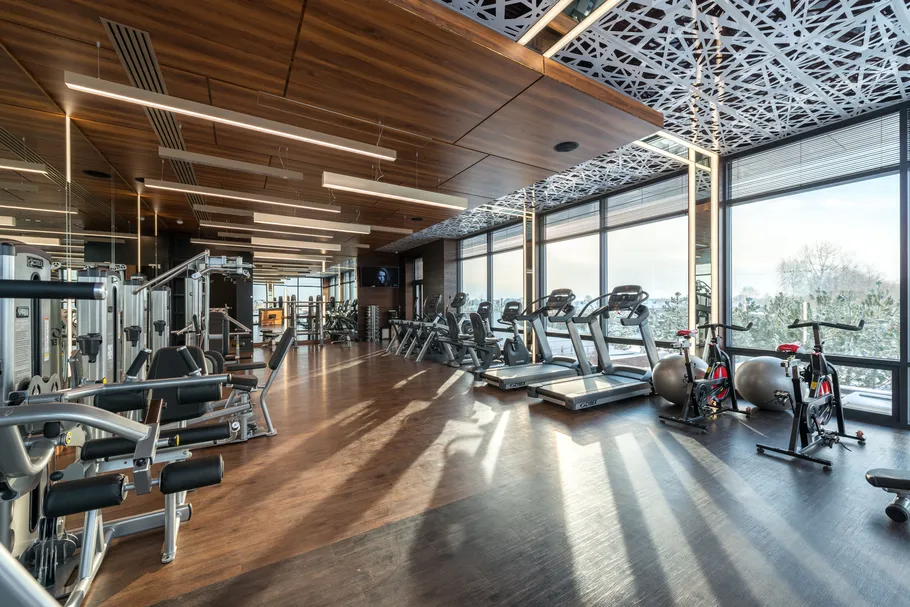
Living.Fit rolls are the full-room answer, and Garage Gym Reviews’ pick for best home gym flooring overall. The rolls are 4 ft wide, cut to the length you order, and made in the USA from recycled rubber buffings with EPDM flecks — so a big room gets a near-seamless floor instead of a patchwork of tiles.
The trade-off is handling: the smallest cut is 11 ft long, about 44 sq ft, and full rolls run up to 150 lb, so this is a two-person job to unroll and position. A 5-year warranty backs the flooring, and a 30-day money-back guarantee on flooring is noted — but measure twice, because a custom-cut roll cannot be sent back as a standard size.
✅ Pros
- Covers the most area of any pick here, cut to your room length
- Near-seamless surface with far fewer joints than tiles
- USA-made recycled rubber with EPDM flecks
- 5-year warranty, the joint-longest stated here
⚠️ Cons
- 11 ft minimum cut means small rooms pay for floor they do not need
- Rolls up to 150 lb are awkward to move and position alone
- Custom-cut length cannot be trimmed back once ordered
⚠️ Listing check: this is a tagged search link, not a product page — Living.Fit sells direct, and no confident US product listing was pinned for these rolls. Confirm the roll length, thickness and current offer before buying.
Best for: large home gyms and garage gyms that want one continuous rubber floor.
May not fit: small rooms, renters who need to lift the floor and move, or anyone buying alone without help to unroll it.
Living.Fit Interlocking Rubber Tiles 24″
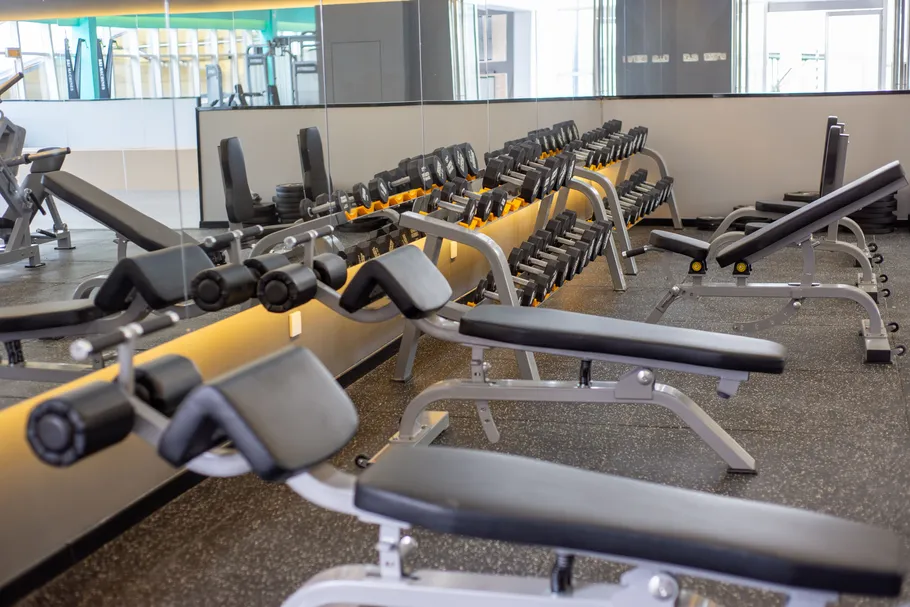
When rolls are more than you need, Living.Fit tiles are the flexible version of the same idea. Each tile is 24×24 in, so 4 sq ft, with interlocking edges and no adhesive — lay them outward from a wall, trim the last row, and lift the whole floor later if you move.
Thickness is the real choice here: 6, 8, 9, 12 and 18 mm options, with 9 mm the most popular per the maker. The maker’s own guidance is plain — 12 mm (1/2 in) suits most home gyms with a rack and free weights, 18 mm (3/4 in) is for deadlifts, Olympic lifts and regularly dropped weights, and 9 mm (3/8 in) fits cardio, yoga, mobility and light dumbbells. Tiles run 6–18 lb by thickness, and edge pieces come included in the 8 mm set of 6.
✅ Pros
- Five thickness options, so you buy only the protection your training needs
- No adhesive — tiles lift and move with you
- USA-made recycled SBR rubber, 5-year warranty on 24 in tiles
- Easy to replace a single damaged tile instead of a whole floor
⚠️ Cons
- Seams are visible and can catch a toe if a tile lifts
- Heavy tiles at 18 mm are a workout on their own to lay
- Edge pieces are only bundled in the 8 mm set of 6
⚠️ Listing check: this is a tagged search link, not a product page — Living.Fit sells direct, and no confident US product listing was pinned for these tiles. Confirm the thickness, tile count and current offer before buying.
Best for: home gyms that want rubber protection in sections, with a thickness matched to their training.
May not fit: lifters who want a seamless floor, or rooms where tile seams would sit under a rack’s feet.
IncStores 4’×6′ Premium Mat
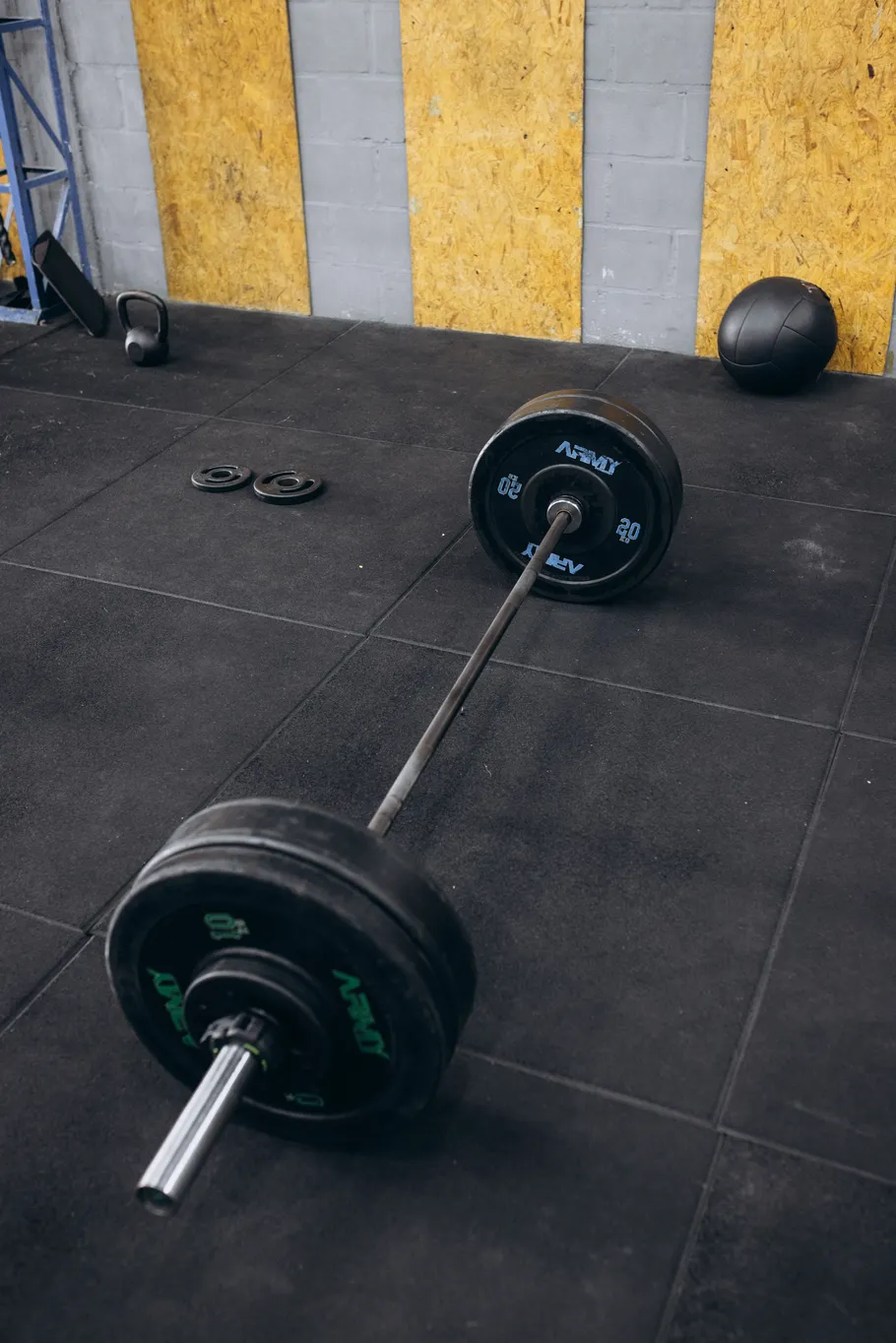
The IncStores premium mat is the heavy-lifting zone in a single piece: 4×6 ft, 24 sq ft, of 3/4 in vulcanized rubber, also sold as a horse stall mat. It is the thickest option in this guide, it is odor-resistant and liquid-proof, and it carries a 5-year warranty — the joint-longest stated here.
One figure needs care: a 600 lb package weight appears in one record, but that covers five mats, not one — do not read it as a single-mat weight. A single mat is still a heavy, awkward lift for one person, so plan the carry from the door to the gym before it arrives. The checked record showed no featured offers available, so confirm availability before counting on this one.
✅ Pros
- Thickest option here at 3/4 in, built for dropped weights
- Single 24 sq ft piece — no seams under the lifting zone
- Odor-resistant and liquid-proof vulcanized rubber
- 5-year warranty, the joint-longest stated here
⚠️ Cons
- One mat covers one zone — a full room needs several
- Heavy and awkward to move alone
- Checked record showed no featured offers — confirm availability first
⚠️ Listing check: confirm the exact model, the 3/4 in thickness and the current offer on the listing before buying — one checked record showed no featured offers available for this mat.
Best for: a dedicated deadlift or Olympic lifting zone on top of any other floor.
May not fit: full-room coverage on a budget, or anyone who needs to move the mat often.
Rubber-Cal Shark Tooth II
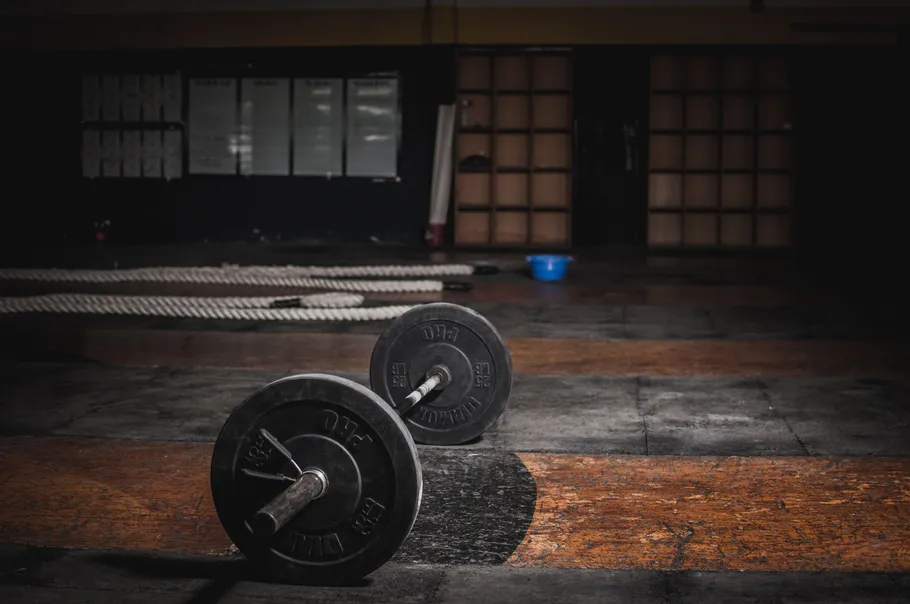
Shark Tooth II is the grip-first mat. Its checker-plate top bites underfoot, the vulcanized SBR rubber rates 60 Shore A for hardness, and it comes in 2×3 ft (20 lb), 3×4 ft (40 lb) and 4×6 ft (80 lb) — the biggest size ties the largest single mat in this guide at 24 sq ft.
Do not confuse it with the original Shark Tooth, which is 3/4 in thick — the II is 1/2 in, a different mat under a similar name. That half inch is plenty for general lifting and machine zones, but for repeated heavy barbell drops the thicker IncStores mat is the better zone pick. No confident US product listing was pinned for Shark Tooth II, so the link below is a tagged search link.
✅ Pros
- Checker-plate top gives the strongest grip feel in this guide
- Three sizes up to 4×6 ft, the joint-largest single mat here
- Vulcanized SBR rubber at 60 Shore A hardness
- Per-size weights stated plainly, from 20 lb to 80 lb
⚠️ Cons
- 1/2 in is thinner than the heavy-drop mats here — not the first pick for repeated barbell drops
- Easy to confuse with the original 3/4 in Shark Tooth — check the II on the listing
- Biggest size at 80 lb needs two people to place well
⚠️ Listing check: this is a tagged search link, not a product page — Rubber-Cal sells direct, and no confident US product listing was pinned for Shark Tooth II. Confirm the II version, the size and the current offer before buying.
Best for: lifters who want maximum grip underfoot in a general lifting or machine zone.
May not fit: dedicated heavy-drop zones, or buyers who want a one-click product page rather than a search.
ProsourceFit Puzzle Exercise Mat ½ in
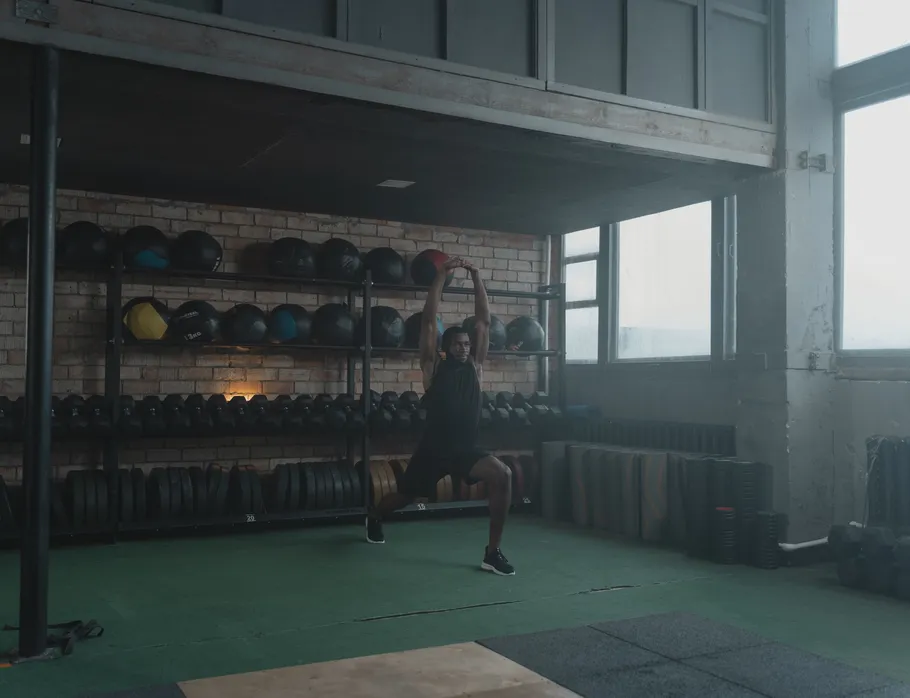
ProsourceFit puzzle tiles are the soft-floor pick for workouts that live on the ground: yoga, Pilates, stretching, mobility and bodyweight sessions. The grey 12-tile set covers 48 sq ft with 24×24×1/2 in high-density EVA foam tiles — the most coverage per set of any tile pick here.
Foam is honest about its limits: it cushions knees and elbows beautifully, but it dents under heavy racks and will not protect a floor from dropped barbells the way rubber does. Tile weight is not stated in the records checked, so no weight claim is made for this pick. The checked record did not record an offer status, so confirm availability before buying.
✅ Pros
- 48 sq ft per 12-tile set — the most tile coverage here
- Soft EVA foam suits floor work, yoga and stretching
- Puzzle edges lay fast with no adhesive and no tools
- Light tiles are easy to lift, rearrange and store
⚠️ Cons
- Foam dents under heavy racks and will not stop dropped barbell damage like rubber
- Not the pick for a heavy lifting zone — keep it to floor-work areas
- Offer status was not recorded in the checked record — confirm before buying
⚠️ Listing check: confirm the exact model, the grey 12-tile 48 sq ft set and the current offer on the listing before buying — the checked record did not record an offer status for this set.
Best for: yoga, Pilates, stretching and bodyweight zones where softness matters most.
May not fit: heavy lifting zones, rack footprints, or any area where plates get dropped.
Eclipse Peel and Stick Carpet Tiles
Eclipse carpet tiles are the odd one out, and deliberately so: they are for the room that doubles as a gym, not a dedicated lifting dungeon. Made by Five Diamond Flooring from PET fibre, each 18×18 in tile carries a 6 lb memory-foam attached cushion, and the peel-and-stick backing lays over a hard floor with no adhesive tubs and no tools.
Ten tiles cover 22.5 sq ft, and the 10-tile pack weighs 4.38 kg — light enough to carry upstairs in one trip. High pile feels warm and quiet underfoot, which is the point, but it also means this is not a lifting surface: heavy kit will compress the pile, and the overall thickness is not stated, so no thin-or-thick claim is made here. The checked record showed no featured offers available, so confirm availability first.
✅ Pros
- Warm, quiet high-pile surface for multi-use rooms
- Memory-foam cushion built into every tile
- Peel-and-stick fitting — no adhesive, no tools
- Single tiles lift for cleaning or replacement
⚠️ Cons
- Not a lifting surface — heavy kit compresses carpet pile
- Overall thickness is not stated, so it cannot be ranked on thickness
- Checked record showed no featured offers — confirm availability first
⚠️ Listing check: confirm the exact model, the 10-tile 22.5 sq ft pack and the current offer on the listing before buying — one checked record showed no featured offers available for these tiles.
Best for: spare rooms and multi-use spaces where the gym shares the floor with everyday living.
May not fit: heavy lifting zones, rack footprints, or rooms where plates get dropped.
How to Choose
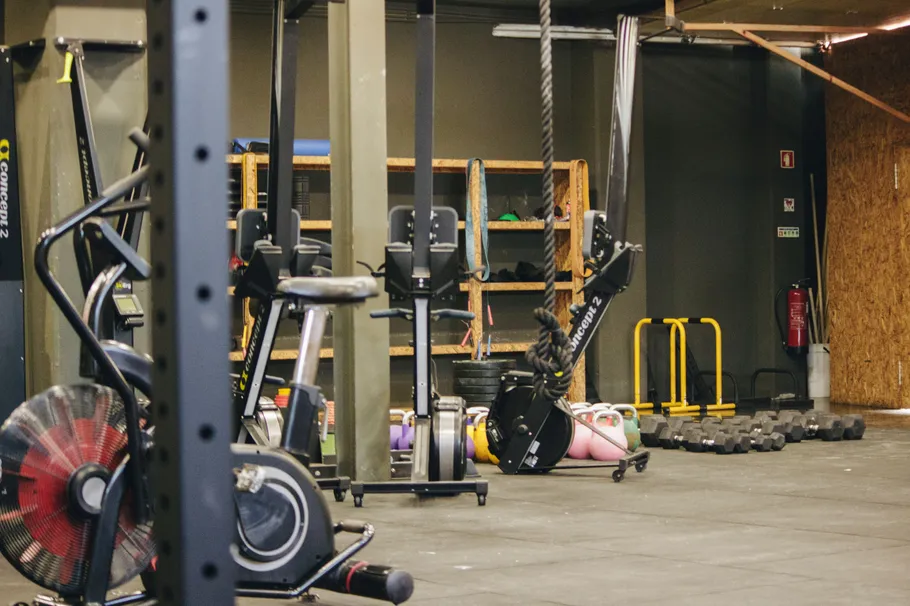
Flooring choice comes down to four decisions: the format, the thickness, the subfloor underneath, and how you will clean it. Get those four right and the brand almost picks itself. Measure your room first — length times width, minus anything that never moves — then buy for that number, not for the room you wish you had.
Rolls, Tiles or Mats?
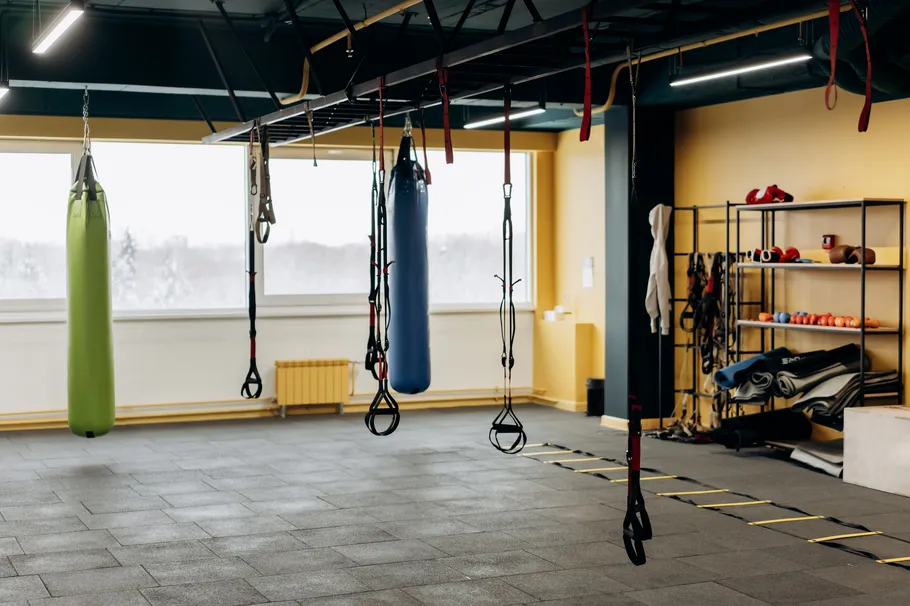
Rolls suit big, permanent rooms: fewest seams, cleanest look, hardest to move. Tiles suit rooms that change: lay in sections, replace one damaged piece, lift the lot when you move. Single mats suit zones: one heavy mat under the barbell area, foam or carpet tiles everywhere else.
A split setup is often the smartest spend — thick rubber where weights land, lighter tiles around it for the bench and stretching space. Our squat stands guide covers the kit that needs the firmest footing of all, and stands sit best on rubber, not foam or carpet.
Thickness: How Thick Is Thick Enough?
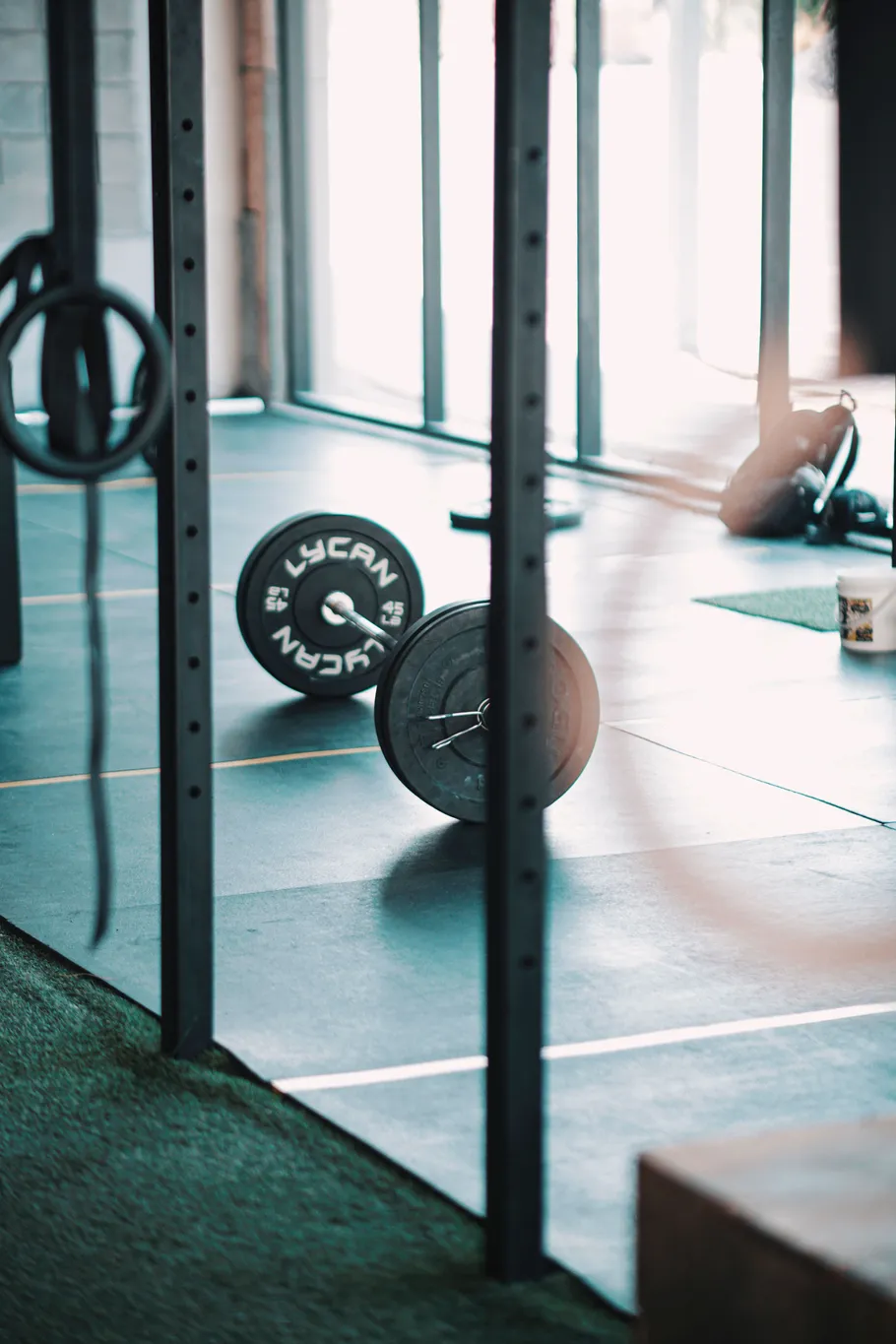
Match thickness to impact, not to ego. Cardio, yoga and light dumbbells are fine on 6–9 mm rubber or 1/2 in foam. A rack with free weights wants 12 mm rubber under it. Repeated deadlifts and Olympic lifts want 18 mm rubber or a 3/4 in mat in the drop zone — and even then, a lifting platform beats a mat alone for serious drops.
Thickness also changes how equipment sits: very soft or compressible mats let machines rock and shift, so treadmills, bikes and racks need a firm, level base under every foot. Our plyo boxes guide makes the same point from the jumping side — a box that wobbles on soft flooring is a box you should not jump on.
Subfloor and Installation
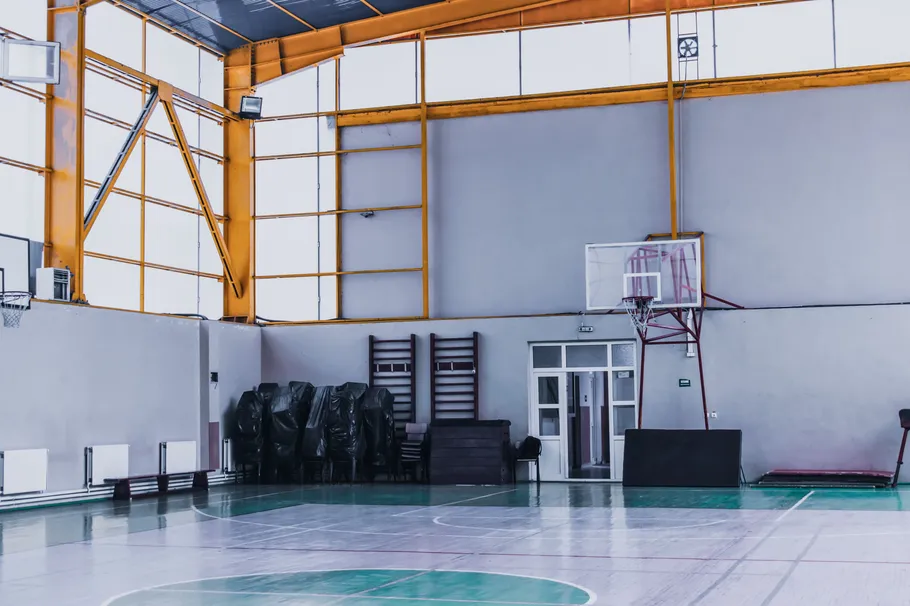
What sits underneath decides what works on top. On concrete, almost anything lays well — rubber, foam or carpet tiles all sit flat. On laminate, engineered wood or tile, dense rubber suits machines and weights better because it resists compression and movement.
On carpet, neither rubber nor foam turns deep pile into a perfectly stable lifting platform. Dense rubber over firm, low-pile carpet is generally more secure than foam — check interlocking edges lie flat and equipment sits level before training. Peel-and-stick tiles need a hard, clean floor to grip; over carpet they will not hold. No adhesive is needed for interlocking tiles or loose-lay mats, which is the whole point for renters.
Care and Cleaning
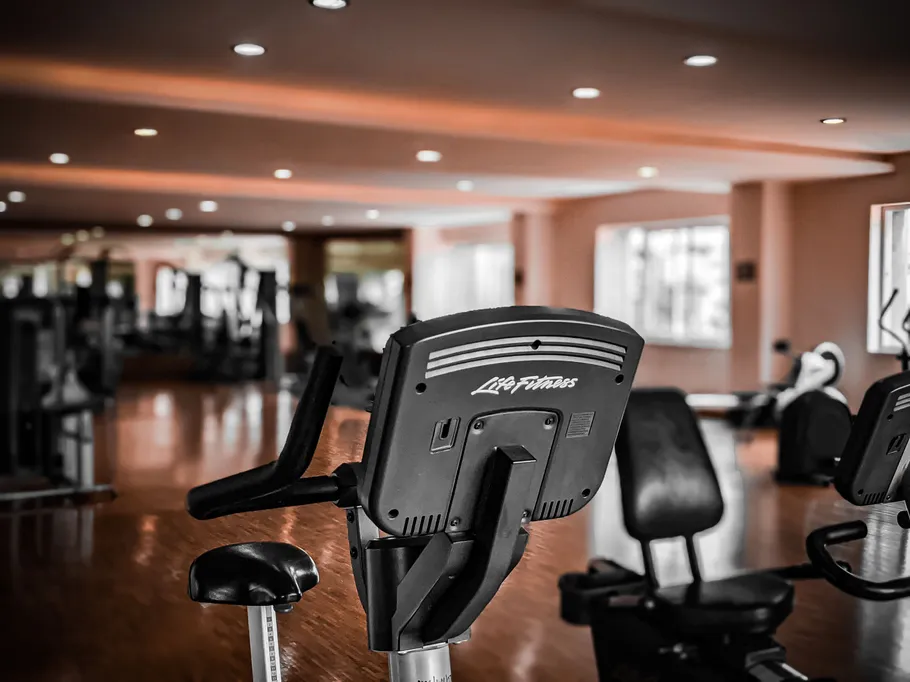
Rubber sweeps and mops clean, and the liquid-proof mats here shrug off sweat and chalk. Foam tiles wipe too, but they stain and dent more easily — keep them out of the chalk zone. Carpet tiles vacuum like any carpet, and single tiles lift out when one gets stained beyond saving.
New rubber smells. Air rolls and mats outside or in a ventilated room before laying them, and give the room a day or two before hard sessions. If the smell bothers you, the foam and carpet options here skip that problem entirely — one more reason to split the room by zone.
Safety
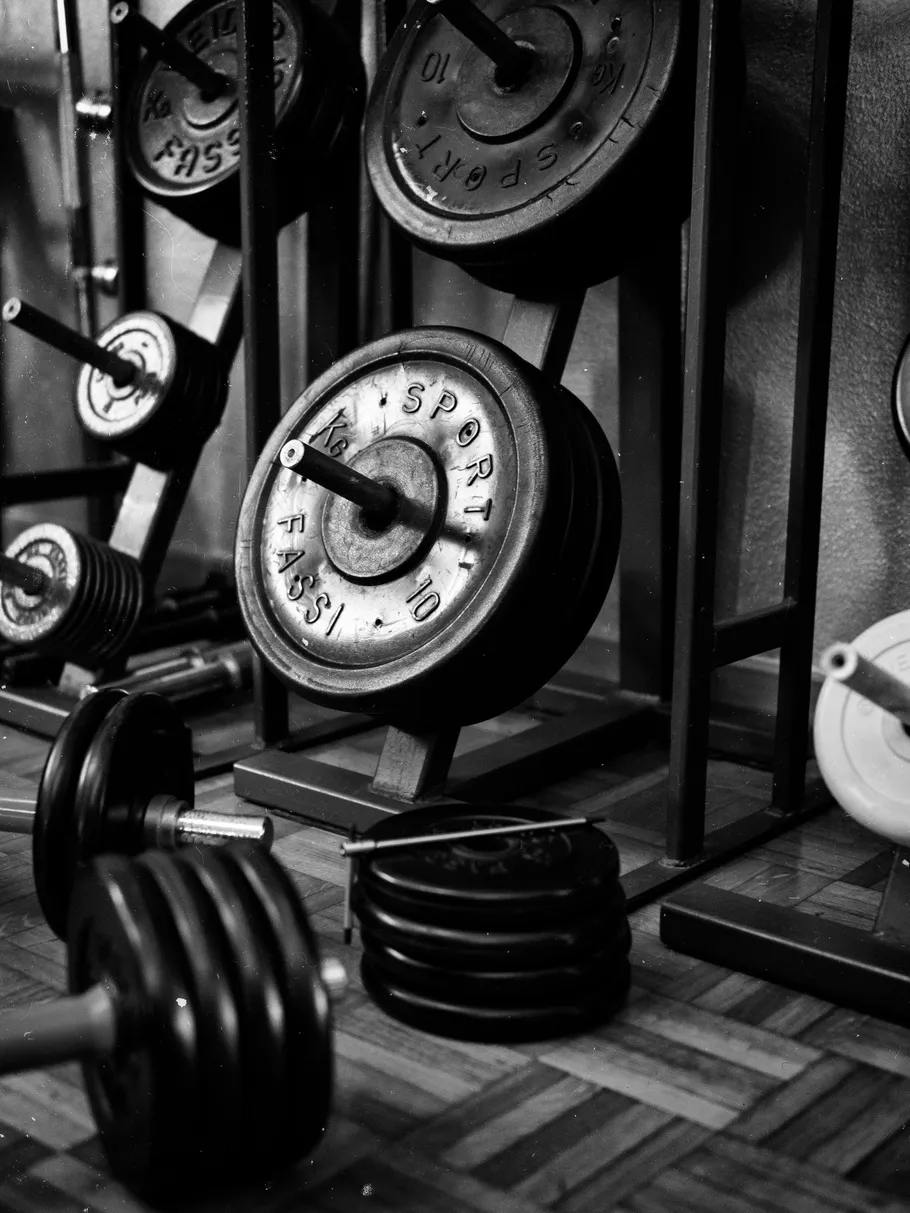
Flooring prevents injuries quietly — until it causes one. A curled edge, a sliding mat or a soft spot under a rack turns a normal session into a fall, so check the floor as part of your warm-up, not after something goes wrong. Recovery work after hard sessions, like our foam rollers guide covers, starts with a safe surface to train on.
- Measure the room and keep a clear space around every station — no mat edge in a walkway.
- Check seams lie flat and interlocks are fully joined before every session.
- Wear grippy shoes on rubber and smooth floors — socks on a dusty mat slide without warning.
- Replace or tape down any tile or mat edge that curls, lifts or bubbles.
- Keep heavy racks and machines off foam and carpet — soft surfaces let kit tilt and shift.
- Ventilate new rubber well before training on it, and keep the room aired during early sessions.
- Stop on any slip, trip or ankle roll, and talk to a clinician first for ongoing pain or an injury.
This guide is general information only, not medical advice. Flooring does not treat, prevent, or rehabilitate injuries — if something hurts, swells, or feels unstable, stop and get it assessed before training on it again.
Frequently Asked Questions
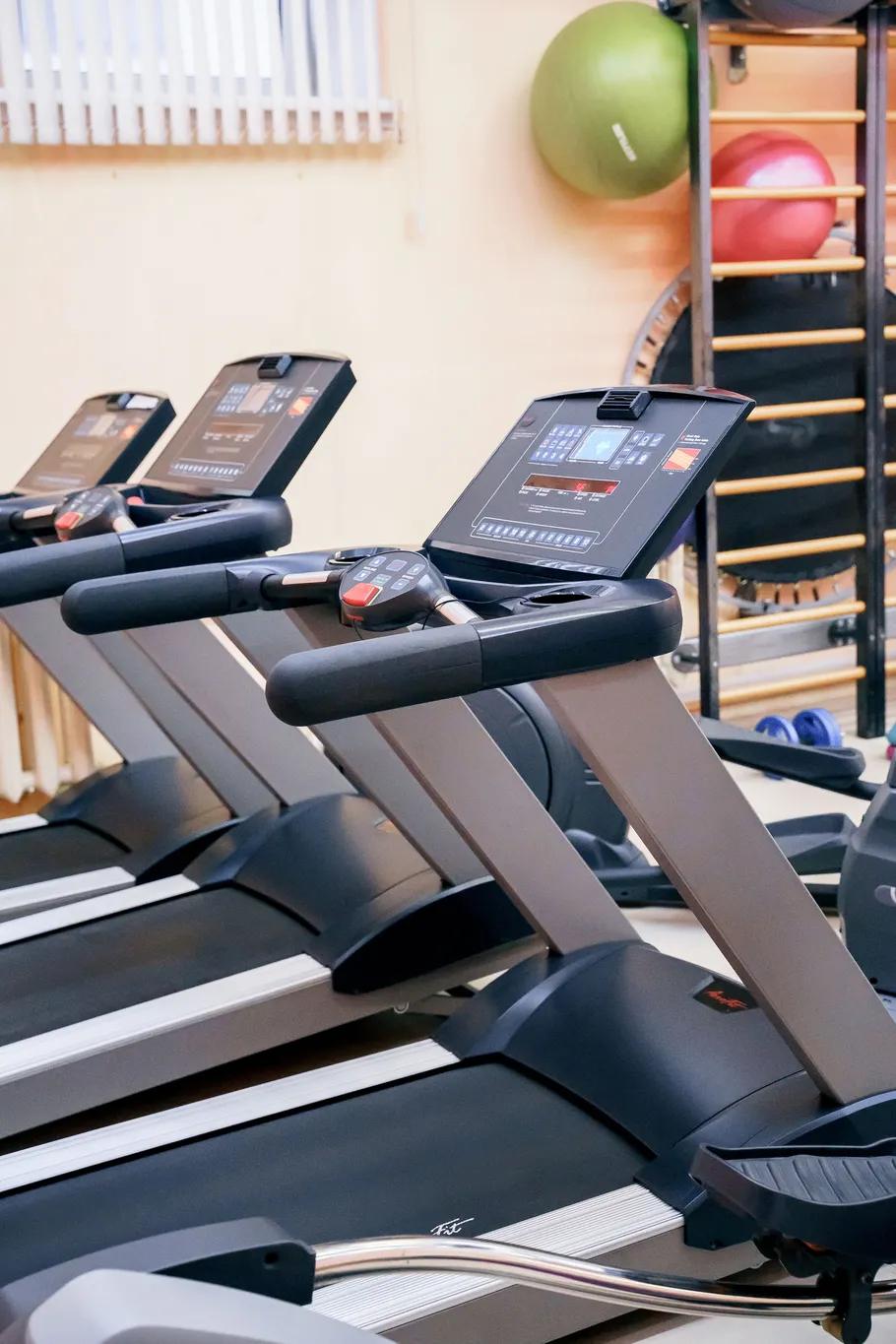
Do I need gym flooring over concrete? Yes, if you lift or use machines on it. Bare concrete is loud, hard on joints, and chips along the edges where plates land. Even a single heavy mat in the lifting zone saves the slab and your knees.
Rubber or foam — which suits heavy lifting? Rubber, every time. Foam cushions floor work beautifully but dents under racks and will not protect concrete from dropped barbells. Keep foam for stretching zones and rubber for anything heavy.
Can I put gym flooring over carpet? Over firm, low-pile carpet, dense rubber tiles or mats can work — check edges lie flat and kit sits level first. Deep pile carpet will not give a stable lifting platform under any flooring here, and peel-and-stick tiles need a hard floor to grip at all.
How do I stop rubber mats smelling? Air them outside or in a ventilated room before laying, mop them once laid, and give the room a day or two. The smell fades with ventilation — and if it still bothers you, foam or carpet tiles skip the problem entirely.
How much flooring do I need for a home gym? Measure length times width for the training area, then add a margin for trimming and for the last tile row. A 10×10 ft room needs 100 sq ft before waste — rolls are cut to length, so order the length, not just the area.
Do I need anything else for heavy leg days? The floor is only half the setup — a firm base, a rack that sits level, and joint support all matter together. Our knee sleeves guide covers the support side of heavy squats and pulls, whichever floor you train on.
Our Pick: Start Here
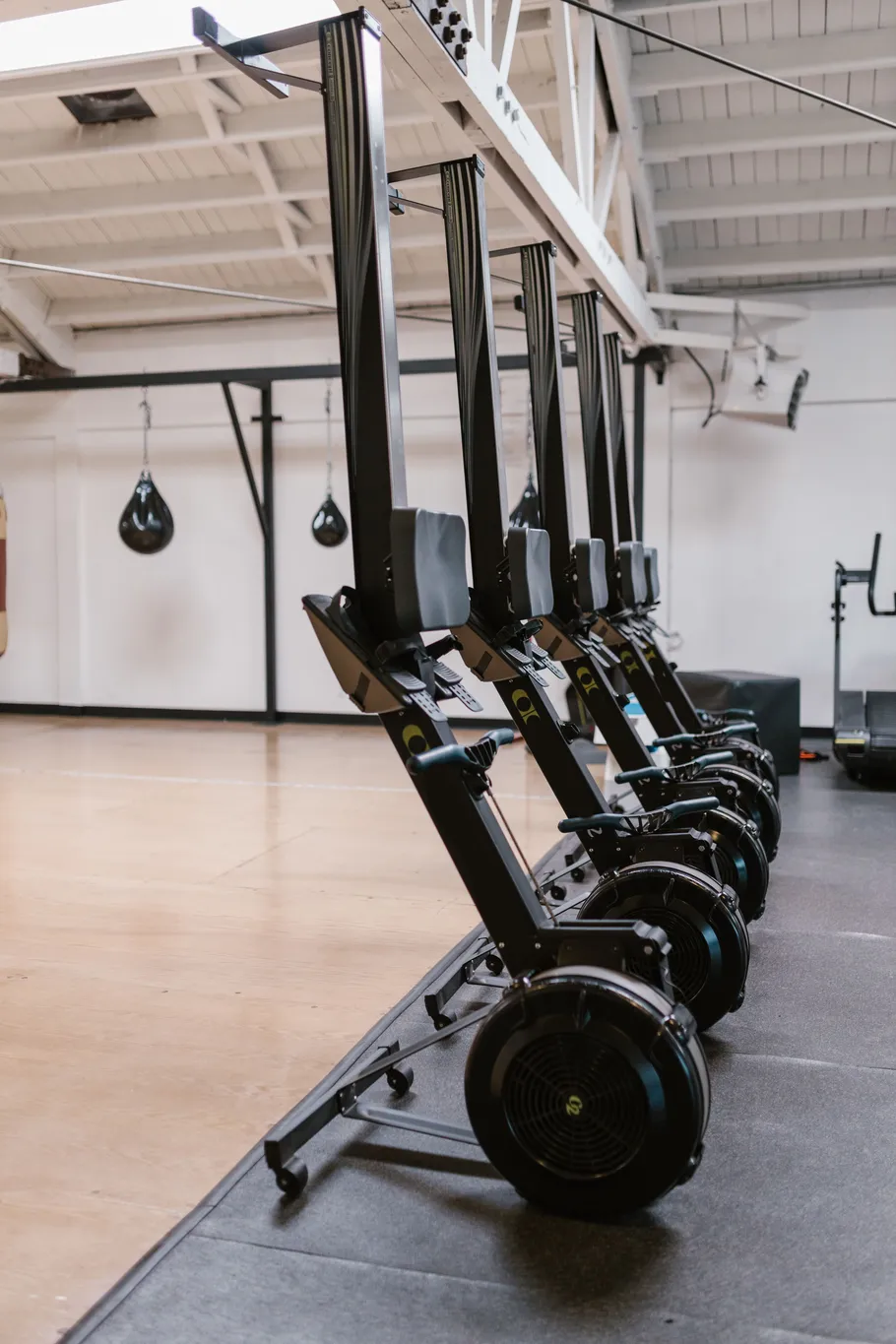
If you want one answer: start with the Living.Fit Rubber Flooring Rolls if you have a big room to cover wall to wall, the IncStores 4’×6′ Premium Mat if you need one serious heavy lifting zone, and the Eclipse Peel and Stick Carpet Tiles if your gym shares a room with everyday living.
Special cases change the answer: the Living.Fit Interlocking Rubber Tiles 24″ for rooms that need sections and a thickness matched to training, the Rubber-Cal Shark Tooth II for the grippiest general lifting surface, and the ProsourceFit Puzzle Exercise Mat ½ in for the softest, biggest floor-work area.
Whatever you choose, confirm the exact model and variant, the thickness, the coverage and the current offer on the listing before buying — and measure your room first. The best gym flooring is the one that fits your space, survives your training, and stays flat under your feet every session.
As an Amazon Associate, we earn from qualifying purchases made through links on this page, at no extra cost to you.
Some links on this page are affiliate links. If you buy through them, we may earn a commission at no extra cost to you. Availability and specifications change over time, so please confirm the model, variant, thickness, coverage and current offer on the listing before buying.