

A trap bar — also called a hex bar — is the friendliest way to deadlift heavy at home. You stand inside the frame, grab the handles at your sides, and lift with the load centred on your body instead of dragging it up your shins. That neutral grip and centred load is why lifters with cranky backs, long legs, or a plain dislike of the straight-bar setup keep coming back to it. 🏋️
This guide compares six bars that are genuinely sold for home and garage lifters, from a compact open bar to the highest-capacity frame here. If your heavy leg days already run through our previous guide, knee wraps, a trap bar is the natural next step for pulling strength — and a weightlifting belt pairs with it for the same heavy sets.
Why a Trap Bar Belongs in a Home Gym
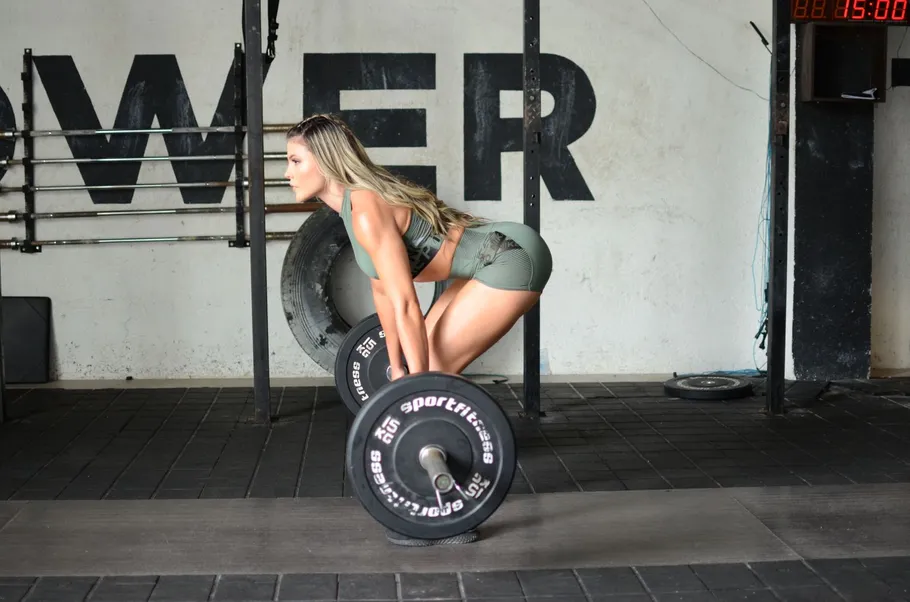
The straight barbell deadlift is a great lift with a learning curve: the bar must travel close to the body, the shins take the odd scrape, and the lower back carries the leverage. A trap bar removes most of that friction. The handles sit beside you, the weight hangs through your centre, and the start position looks more like a squat than a hinge.
That does not make the trap bar a lesser lift — it makes it a different one. It loads the legs a little more and the back a little less, which suits lifters training around a sensitive back, athletes chasing jump power, and anyone who wants heavy pulling without a long technique apprenticeship first.
The honest limit matters too. A trap bar will not teach you a straight-bar deadlift, it takes up real floor space, and it needs Olympic plates to be useful at all. If you have no plates yet, buy those first — the bar is the second purchase, not the first.
How We Picked
We compared trap bars the way a home lifter actually buys them: by the numbers the maker states, by what independent roundups agree on, and by whether the link you land on is the bar you think it is. This is a research-based guide — no hands-on testing is claimed, and no bar here was tested by us.
- Stated capacity — the maker’s own load rating, not a reviewer’s guess
- Sleeve length — how many plates actually fit per side, bumpers included
- Frame type — open, closed, or rackable, and what each one allows
- Handles — height, diameter, knurl, and whether they swap out
- Footprint — length and width against a real home-gym floor
- Listing clarity — the exact model and variant must be identifiable before buying
Five of the six links below are tagged search links rather than product pages, because REP, Rogue, Bells of Steel and Titan sell direct — the search link is the honest route to their stores, and each section says so plainly. Plates matter as much as the bar, so our bumper plates guide covers what fits these sleeves, and barbell collars covers keeping those plates put.
Comparison
| Bar | Best for | Type | Capacity | Standout |
|---|---|---|---|---|
| REP Fitness Open Trap Bar | Versatile home pulling | Open, rackable | 1,350 lb | Four handle sets + built-in jack |
| Rogue TB-2 Trap Bar | Classic closed-bar deadlifts | Closed, rackable | Not disclosed | USA-made, 16 in sleeves |
| Bells of Steel Open Trap Bar 3.0 | Compact open bar | Open, not rackable | 700 lb | Lightest here at 47 lb |
| Titan Fitness Open Trap Bar | Heaviest stated loads | Open, rackable | 1,500 lb | Highest stated capacity here |
| Titan Fitness Rackable Hex Bar V3 | Rack work + deadlifts | Closed, rackable | 800 lb | Narrowest stated handle spacing |
| CAP Barbell Olympic Trap Bar | Budget Amazon buy | Closed | 750 lb | Shortest here at 56 in |
One capacity gap is stated plainly rather than smoothed over. Rogue discloses no capacity for the TB-2, while roundups variously claim 800 lb, 1,000 lb, or over 1,500 lb — three figures that cannot all be right. This guide claims none of them: if a stated rating matters to you, buy a bar whose maker states one.
The safe superlatives across every source checked: the Titan Open Bar carries the highest stated capacity here at 1,500 lb, the Bells of Steel is the lightest at 47 lb, the CAP is the shortest overall at 56 in, and the REP has the longest sleeves at 16.5 in. The Bells of Steel’s sleeves, at about 10 in, are the shortest stated here — fine for iron plates, tight for thick bumpers.
REP Fitness Open Trap Bar
The REP Open Trap Bar is the most versatile bar in this guide, and the one to buy if you want a single bar to do the most jobs. Its open frame lets you walk in, deadlift, carry, lunge and step out the back — and the round tube frame doubles as a cambered bar for squats and presses, a trick no closed bar can copy.
The handle system is the real story: four removable sets in Narrow, Standard, Wide and Rotating, so the same bar fits different shoulder widths and grip preferences. A built-in deadlift jack lifts one side for plate changes, the bar racks inside a power rack, and the 16.5 in sleeves are the longest here — thick bumpers included, you will run out of strength before you run out of sleeve.
✅ Pros
- Four removable handle sets cover narrow to wide grips
- Open frame allows carries, lunges and walk-through loading
- Built-in deadlift jack for easy plate changes
- Rackable, with the longest sleeves in this guide at 16.5 in
⚠️ Cons
- Handles are bought and swapped separately in practice — keep track of the set you use
- Long 84.3 in frame needs real floor space
- Frame weight plus handles runs heavier than the bare 58.4 lb figure suggests
⚠️ Listing check: this is a tagged search link, not a product page — REP sells direct, and no confident US product listing was pinned for this bar. Confirm the handle set included and the current offer before buying.
Best for: home lifters who want one bar for deadlifts, carries, lunges and rack work.
May not fit: small rooms, or lifters who want the simplest possible closed bar with nothing to swap.
Rogue TB-2 Trap Bar
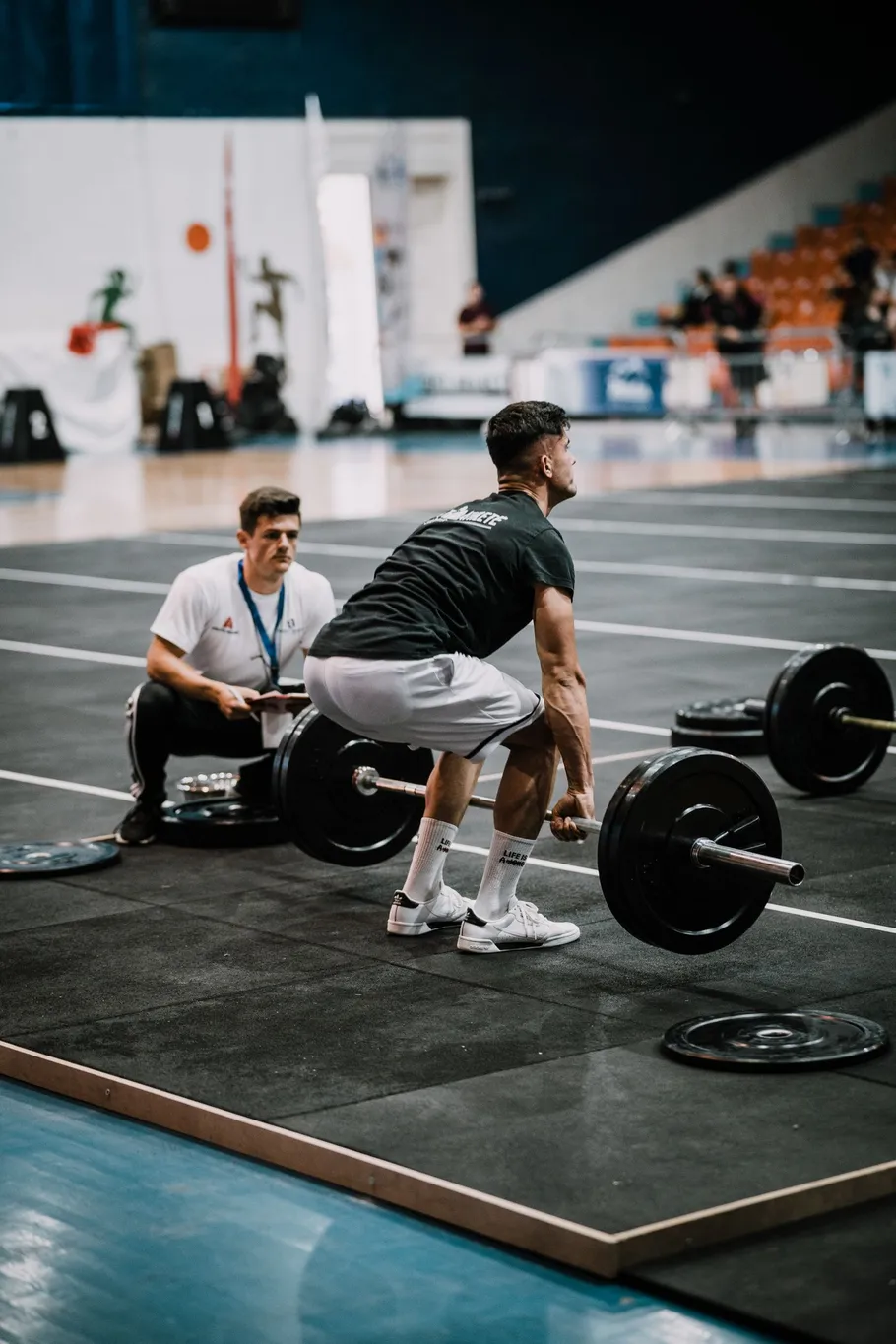
The Rogue TB-2 is the classic closed trap bar, and the one most home lifters picture when they hear the name. It is a heavy, simple, USA-made frame: 60 lb of steel, 88.5 in long, dual knurled handles, and 16 in Schedule 80 pipe sleeves that swallow bumper plates without complaint.
It racks inside a standard power rack, which turns it into a rack-pull and shrug station as well as a deadlift bar. The closed frame keeps the bar simple and stiff — there is nothing to swap, adjust, or lose — and the dual handles give a high and a low grip for different lifters and different days.
The honest gap is the capacity: Rogue discloses none for the TB-2. Roundups claim 800 lb, 1,000 lb, or over 1,500 lb, and those cannot all be true. Treat the bar as a well-built closed frame with an unstated rating, not as a bar with any of those numbers.
✅ Pros
- USA-made closed frame with nothing to adjust or lose
- 16 in Schedule 80 sleeves take thick bumpers easily
- Rackable for rack pulls and shrugs
- Dual knurled handles give high and low grip options
⚠️ Cons
- Maker discloses no capacity — roundup figures disagree wildly
- Closed frame cannot do carries or walk-through loading
- Long 88.5 in frame needs real floor space
⚠️ Listing check: this is a tagged search link, not a product page — Rogue sells direct, and no confident US product listing was pinned for this bar. Confirm the current model before buying, and do not rely on any roundup capacity figure.
Best for: lifters who want a simple, heavy, USA-made closed bar for classic deadlifts.
May not fit: lifters who need a stated capacity rating, or anyone wanting carries and lunges.
Bells of Steel Open Trap Bar / Hex Bar 3.0
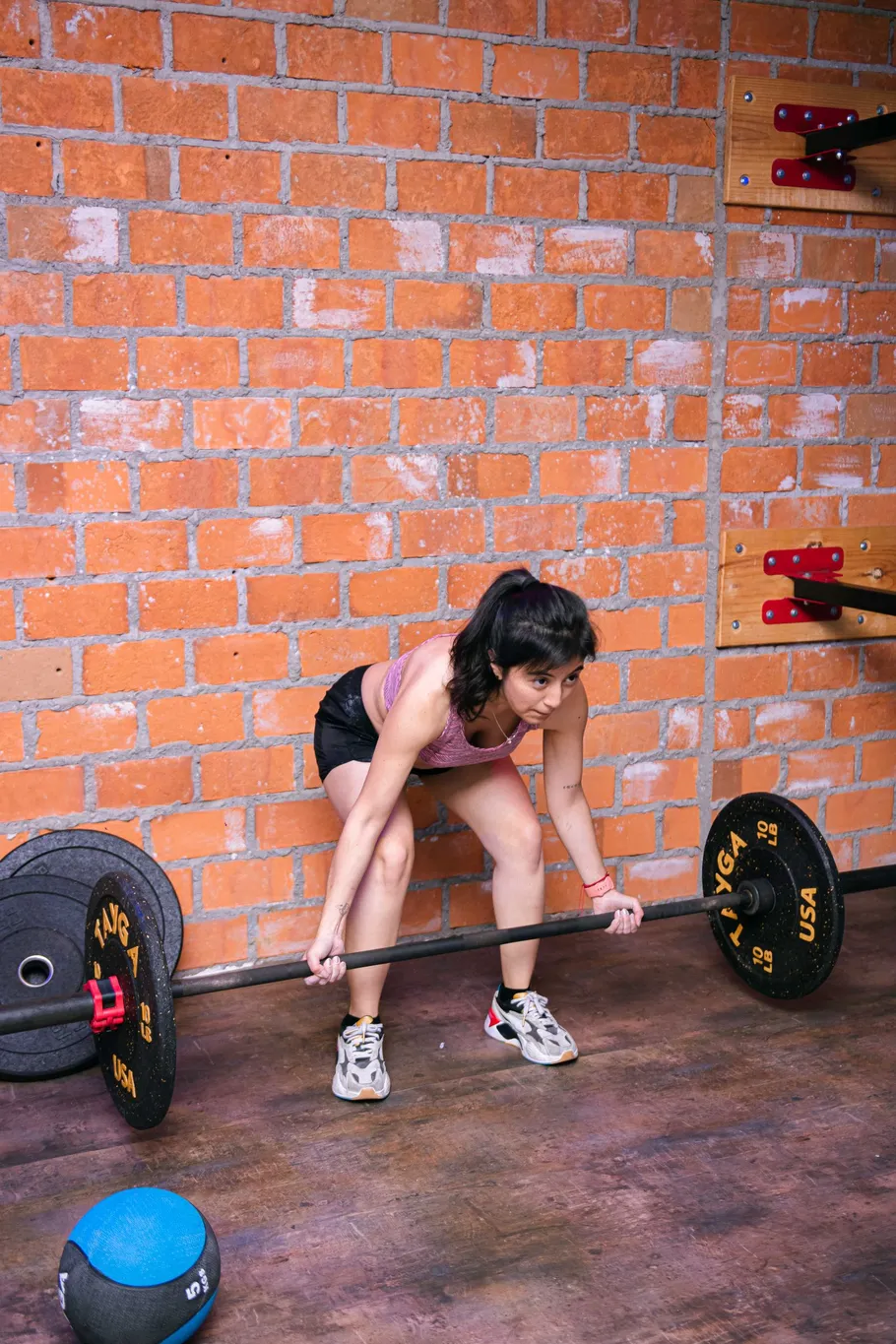
The Bells of Steel Open Trap Bar 3.0 is the compact open bar in this guide — and the lightest here at 47 lb. At 59 in long it fits rooms the big 88 in bars cannot, and the open frame still gives you carries and walk-through loading that a closed bar never will.
It carries a 700 lb rating, rotating sleeves, a built-in deadlift jack, and dual handles. For most home lifters that rating is more than enough — 700 lb is a serious deadlift by any standard — and the lighter frame is easier to move, store upright, and load without help.
The trade is the sleeves. At about 10 in (one review measures 9.7 in), they are the shortest stated here, fitting only about three to four thick 45 lb bumper plates per side once collars are on. Iron plates stack thinner and go further, but bumper-only lifters chasing big numbers should check their plate math first.
✅ Pros
- Lightest here at 47 lb, and compact at 59 in long
- Open frame for carries and walk-through loading
- Rotating sleeves and built-in deadlift jack
- 700 lb rating covers most home lifters comfortably
⚠️ Cons
- Shortest stated sleeves here at about 10 in — tight for thick bumpers
- Not rackable, so no rack pulls or shrug station
- One roundup benched it pending restock — availability can vary
⚠️ Listing check: this is a tagged search link, not a product page — Bells of Steel sells direct, and no confident US product listing was pinned for this bar. Confirm availability before ordering, since one roundup benched it pending restock.
Best for: smaller rooms and lifters who want an open bar without the big-bar footprint.
May not fit: bumper-only lifters chasing big numbers, or anyone wanting rack work.
Titan Fitness Open Trap Bar
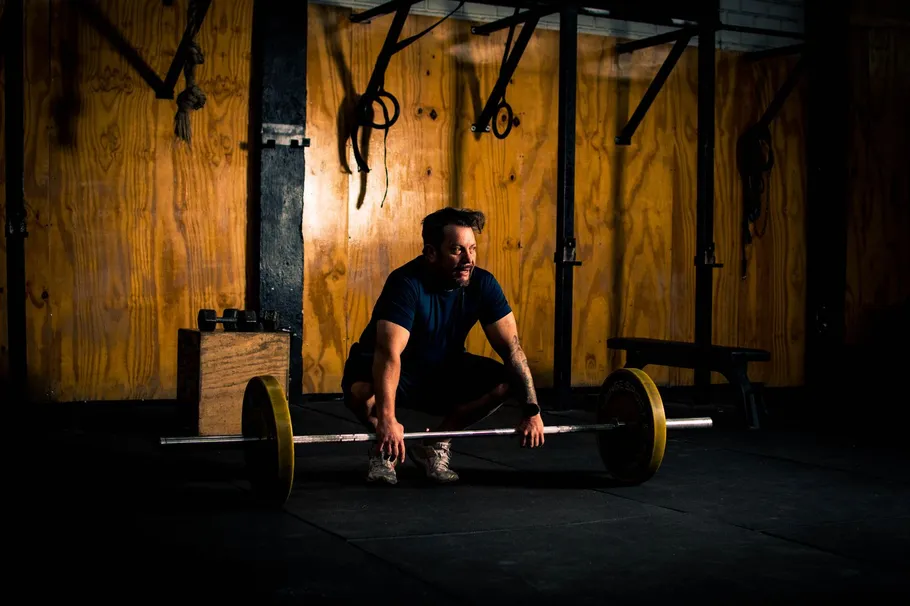
The Titan Fitness Open Trap Bar is the load king of this guide: a 1,500 lb rating, the highest stated here, on an 88.5 in open frame. If your deadlift is already big or still climbing fast, this is the bar that will not become the limit.
It pairs that rating with the details heavy lifters care about: 16 in hard-chrome sleeves, dual fixed handles in a skinny 32 mm and a fat 38 mm, medium-diamond knurl, 11-gauge steel, a built-in jack, and rackability. The two handle diameters let you train grip on the fat bar and pull heavy on the skinny one without buying twice.
The cost is size and weight. At 65 lb and 88.5 in long it is a big, heavy frame that needs a big room and a strong floor — and the open back, while great for carries, means the bar can flex differently from a closed frame under extreme loads. Check your floor space before you fall for the rating.
✅ Pros
- Highest stated capacity here at 1,500 lb
- Dual fixed handles: skinny 32 mm and fat 38 mm
- 16 in hard-chrome sleeves, built-in jack, rackable
- Open frame for carries and walk-through loading
⚠️ Cons
- Big and heavy at 65 lb and 88.5 in long
- Fixed handles — no swapping diameters beyond the two fitted
- Overkill for lifters who will never approach its rating
⚠️ Listing check: this is a tagged search link, not a product page — Titan sells direct, and no confident US product listing was pinned for this bar. Confirm the open-trap-bar model, not Titan’s closed hex bars, before buying.
Best for: strong lifters who want the highest stated rating and two grip diameters in one bar.
May not fit: small rooms, or lifters who want a light bar they can move easily.
Titan Fitness Rackable Hex Bar V3
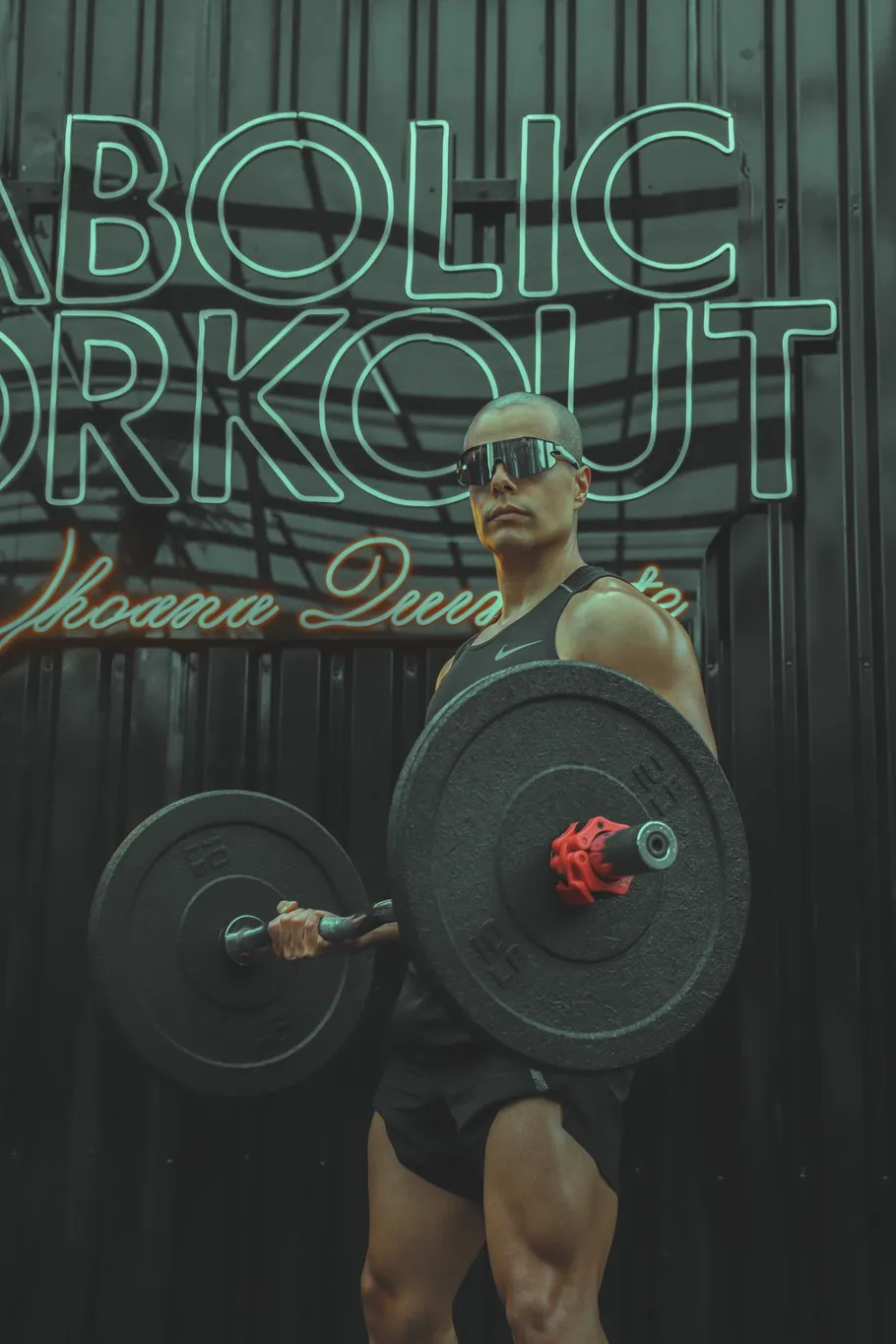
The Titan Rackable Hex Bar V3 is the closed bar for lifters who also want rack work. It is a 60 lb, 800 lb-rated closed frame that sits inside a standard power rack, so deadlifts, rack pulls and shrugs all happen on the same bar without swapping equipment.
Its handle spacing is the narrowest stated here at 22 in between handles, which suits narrower lifters and keeps the pull compact. The handles sit 7.5 in off the floor — a slightly higher start than a standard bar — and the black powder-coat finish grips chalk well and hides wear.
Rack fit is the honest caveat: reviewers note that fit varies by rack, since inside widths differ between brands. Measure your rack’s inside width before ordering, and confirm the bar’s rackable width against it — a bar that does not fit your rack is just a deadlift bar with a wasted feature.
✅ Pros
- Rackable closed frame for deadlifts, rack pulls and shrugs
- 800 lb rating with a 60 lb frame
- Narrowest stated handle spacing here at 22 in
- Powder-coat finish holds chalk and hides wear
⚠️ Cons
- Rack fit varies by rack — measure your inside width first
- Closed frame cannot do carries or walk-through loading
- 7.5 in handle height changes the start position versus a standard bar
⚠️ Listing check: this is a tagged search link, not a product page — Titan sells direct, and no confident US product listing was pinned for this bar. Confirm the V3 rackable model and your rack’s inside width before buying.
Best for: rack owners who want one closed bar for deadlifts and rack work.
May not fit: lifters without a rack, or anyone wanting carries and lunges.
CAP Barbell Olympic Trap Bar (Combo Grips, Chrome)
The CAP Barbell Olympic Trap Bar is the budget way into trap-bar training, and the only bar here with a direct Amazon product link. It is a 52 lb chrome closed frame, 56 in long — the shortest here — with combo grips and a 750 lb rating that covers nearly every home lifter.
Its size is its secret weapon: at 56 in it fits rooms and corners the big bars cannot, stores upright easily, and still takes Olympic plates on both sleeves. Combo grips give two hand positions without swapping anything, and chrome wipes clean and resists rust better than raw steel.
The warning matters more than the praise. CAP sells several near-identical trap bars — the OB-93 at 500 lb and 28 lb, the raised-grip OB-88HC at 750 lb, and this combo-grip chrome version at 750 lb and 52 lb — and listings mix them up. Confirm the exact combo-grip chrome listing, its weight, and its rating before ordering, or you may receive a different bar.
✅ Pros
- Shortest here at 56 in — fits small rooms and stores upright
- 750 lb rating covers nearly every home lifter
- Combo grips give two hand positions with nothing to swap
- Chrome finish resists rust and wipes clean
⚠️ Cons
- Near-identical CAP variants are easily confused — verify the exact listing
- Closed frame cannot do carries or walk-through loading
- Sleeve length is not stated in the records checked — confirm plate fit
⚠️ Listing check: our last crawl of this listing was about 199 days ago and did not record an offer status — confirm the current offer, and confirm the combo-grip chrome variant (750 lb, 52 lb) rather than the near-identical OB-93 or OB-88HC, before ordering.
Best for: budget buyers and small rooms that need the shortest bar here.
May not fit: lifters wanting carries, rack work, or a stated sleeve length.
How to Choose
Choosing a trap bar is mostly choosing a frame type, then checking three numbers: capacity, sleeve length, and the room you actually have. Get those four decisions right and the brand almost chooses itself.
Open, Closed or Rackable?
Open bars let you walk in, lift, carry, lunge, and step out the back — the frame never blocks you. Closed bars are simpler and stiffer, with nothing to adjust, but every lift starts and ends inside the frame. Rackable bars add a third trick: they sit inside a power rack for rack pulls and shrugs.
Buy open if you want carries and lunges, closed if you want the simplest heavy deadlift bar, and rackable if you already own a rack and want one bar doing three jobs. If you own no rack, ignore rackability entirely — it is a wasted feature without one.
Capacity and Sleeve Length
Capacity is the maker’s rating, and only five bars here state one — the Rogue does not, so it cannot be ranked on rating at all. Buy a rating comfortably above your current deadlift, not equal to it: a bar loaded near its limit flexes, and flex changes the lift.
Sleeve length is the quieter limit. Sixteen-inch sleeves take a full stack of bumpers, while the Bells of Steel’s roughly 10 in sleeves fit only a few thick plates per side. Count your plates, measure their thickness, and do the maths before buying — a cheap bar that cannot hold your plates is not cheap.
Handles and Knurl
Handles decide how the bar feels in your hands, and the differences are real: the REP swaps between four sets, the Titan Open fits a skinny and a fat pair, and the rest give you one fixed choice. Narrower spacing suits narrower lifters, wider spacing suits broader shoulders — and the Titan V3’s 22 in spacing is the narrowest stated here.
Knurl matters at heavy loads: too smooth and the bar slips, too sharp and it tears skin. Medium-diamond knurl, as on the Titan bars, is the middle ground most lifters prefer. If grip is your limit before your legs are, our lifting straps guide covers the honest aid — but straps never replace a handle diameter that fits your hands.
Footprint and Storage
A trap bar lives on the floor, and the big ones are genuinely big: the Rogue and Titan Open bars run 88.5 in long, longer than most people expect. Measure your lifting area, then add room to walk around the bar and load plates from the sides.
Storage is the second half of the question. Short bars like the 56 in CAP stand upright in a corner, light bars like the 47 lb Bells of Steel move easily, and rackable bars can live inside the rack itself. If your gym is a shared garage, the bar you can move is the bar you will actually use — and our power racks guide covers the rack side of that storage question.
Safety
Trap bars are safer than straight bars for most lifters, but heavy is heavy — and recovery work after pulling, like our foam rollers guide covers, matters as much as the bar itself.
- Warm up with light sets before any heavy pull — cold muscles and heavy bars do not mix.
- Check collars are tight on both sleeves before every set, without exception.
- Keep the bar centred: stand in the middle of the frame, not toward either end.
- Start with hips down and chest up — do not yank the bar off the floor.
- Stop immediately on sharp pain, dizziness, or a grip that is failing.
- Never train through back pain, numbness, or a joint that locks or gives way.
- Talk to a clinician first for any back injury, ongoing pain, or post-surgery training.
This guide is general information only, not medical advice. Trap bars do not treat, prevent, or rehabilitate injuries — if something hurts, swells, or feels unstable, stop and get it assessed before loading it again.
Frequently Asked Questions
Is a trap bar deadlift easier than a straight-bar deadlift? Easier to learn, not easier in effort. The centred load and neutral grip shorten the learning curve and spare the shins, but the weight is the same weight — your legs and back still do the work, just from a friendlier start position.
Do I need Olympic plates for a trap bar? Yes. Every bar here takes 2 in Olympic plates, and standard 1 in plates will not fit the sleeves. Bumpers work on all six bars, but check sleeve length first — short sleeves run out of room with thick bumpers faster than you expect.
Can I squat with a trap bar? Yes, with the open bars. An open frame lets you hold the bar at your sides and squat inside it, and the REP’s round tube frame even works as a cambered bar. Closed bars cannot do this — the frame blocks the movement.
What is the difference between a trap bar and a hex bar? Nothing — the two names describe the same bar. “Trap bar” comes from the trapezius muscles it trains, “hex bar” from the six-sided frame shape. Sellers use both names for the same product, so search both terms when comparing listings.
Can beginners use a trap bar? Yes — it is arguably the best beginner deadlift tool. The neutral grip feels natural, the start position is forgiving, and the bar path needs less coaching than a straight bar. Start light, learn the setup, and add weight gradually.
Do I still need a straight barbell if I own a trap bar? For a complete home gym, yes — a straight bar still owns squats, presses and Olympic lifts, while the trap bar owns deadlifts, carries and shrugs. Our knee sleeves guide covers the joint-support side of heavy leg days, whichever bar you pull with.
Our Pick: Start Here
If you want one answer: start with the REP Fitness Open Trap Bar if you want the most versatile bar here, the Rogue TB-2 Trap Bar if you want a simple, heavy, USA-made closed bar, and the CAP Barbell Olympic Trap Bar if you want the shortest, budget-friendly way in.
Special cases change the answer: the Titan Fitness Open Trap Bar for the highest stated rating and two grip diameters, the Titan Fitness Rackable Hex Bar V3 for rack owners who want deadlifts and rack work on one bar, and the Bells of Steel Open Trap Bar 3.0 for smaller rooms that still want an open frame.
Whatever you choose, confirm the exact model and variant, the capacity, the sleeve length, and the current offer on the listing before buying — and measure your floor first. The best trap bar is the one that fits your room, holds your plates, and gets used every week.
As an Amazon Associate, we earn from qualifying purchases made through links on this page, at no extra cost to you.
Some links on this page are affiliate links. If you buy through them, we may earn a commission at no extra cost to you. Availability and specifications change over time, so please confirm the model, variant, capacity, sleeve length and current offer on the listing before buying.