

🏋️ Your legs can squat the weight. Your back can hold position. But halfway up, your core feels soft — and the lift wobbles.
That is the exact problem a weightlifting belt addresses. It gives your abs something firm to push against, so you can brace harder on heavy lifts.
But belts come in very different styles, and the wrong one either digs into your ribs or slides around uselessly. This guide compares six real, currently sold belts — leather and nylon, prong, lever, and self-locking — with the evidence stated plainly, including what belts cannot do.
🔍 What a Belt Actually Does — and What It Does Not
A belt does not hold your back up for you. It works by raising intra-abdominal pressure: you take a deep breath, brace your core outward, and the belt pushes back, stiffening your trunk from the inside.
Studies have measured that pressure rise at roughly 25–40% during belted squats, and belted squats were also performed faster in the same research — small but real performance effects.
Here is the honest limit: injury prevention is NOT proven. A widely cited review found no effect of belts on muscle strength, fatigue, or low-back injury incidence, and researchers note the evidence has barely moved in twenty years.
So the fair summary is this: a belt helps you brace and may help you lift slightly more on heavy compound lifts. It is not a back protector, not a substitute for good form, and not a reason to skip core training.
📋 How We Chose These Picks
This is a research-based guide. We did not buy or test these belts, and no product here is described as personally tested.
Picks were scored on five things: material and rigidity, buckle type and how fast it adjusts, width and thickness, verified buyer-review volume, and value.
Prices change constantly, so this guide does not quote them. Use the check-price links to see the current price before you buy.
Every product below is currently sold on Amazon with a verified listing. If a listing could not be verified, the product did not make the list.
⚡ Quick Comparison
| Product | Material | Buckle | Best for |
|---|---|---|---|
| Dark Iron Fitness Genuine Leather | Leather, 4″ wide | Double prong | Best overall |
| Hawk Sports 10mm Lever | Leather, 10mm, 4″ wide | Lever | Best lever belt |
| Element 26 Self-Locking | Nylon, 4″ profile | Self-locking metal | Best quick-lock nylon |
| Harbinger Padded Leather Contoured | Leather, padded, suede lining | Steel roller buckle | Best padded leather |
| RDX 6″ Leather Padded | Cowhide leather, 7mm, 6″ back | Prong | Best wide lumbar support |
| Harbinger 4″ Nylon | Nylon, foam core | Buckle | Best budget |
One sizing warning before the details: measure around your navel, not your pant size. Every belt below is sized by waist measurement, and pant sizes run smaller than the belt size you need.
1. 🏆 Dark Iron Fitness Genuine Leather Weightlifting Belt — Best Overall
Who it suits: most lifters buying one belt to last years, and anyone who wants the proven leather default.
The Dark Iron belt is a 4-inch genuine leather belt with a double-prong buckle, 12 adjustment points, and double rows of heavy-duty stitching through the centre and the edges.
It comes in five sizes covering waists from 22 to 49 inches, and it carries one of the largest review volumes of any belt on Amazon — close to 25,000 ratings averaging around 4.6 to 4.7 stars across third-party roundups.
Pros: genuine leather that moulds to your waist over time; double-prong buckle holds securely; huge verified review volume; lifetime warranty if the belt fails.
Cons: leather needs breaking in before it feels comfortable; it is not approved for most powerlifting federations, so competitors should check their federation’s list; check the listing before ordering, as one recent crawl showed no featured offer on a variant page.
Check the current price of the Dark Iron Fitness Genuine Leather Weightlifting Belt on Amazon
2. 🔧 Hawk Sports 10mm Lever Belt — Best Lever Belt
Who it suits: lifters who want the fastest on-and-off belt for heavy squats and deadlifts.
The Hawk Sports lever belt is a 10mm thick, 4-inch wide genuine leather belt with a steel lever buckle. Flip the lever and the belt is locked at exactly the same tightness every set — no re-threading, no guessing.
It is sold by Hawk Sports and fulfilled by Amazon, and it is one of the most-bought lever belts in its class.
Pros: lever closure is the fastest to put on and take off; consistent tightness every set; 10mm leather is the standard competition thickness; strong value for a lever belt.
Cons: changing size needs a screwdriver and a few minutes — it is fast between sets, not between lifters; leather is stiff at first and needs breaking in; measure carefully, as size charts vary.
Check the current price of the Hawk Sports 10mm Lever Belt on Amazon
3. ⚡ Element 26 Self-Locking Weightlifting Belt — Best Quick-Lock Nylon
Who it suits: functional-fitness athletes and lifters who want a light belt that goes on and off in seconds.
The Element 26 is a 100% nylon belt with a uniform 4-inch profile and a full-metal self-locking buckle: thread the strap through, pull it snug, and the mechanism locks it in place.
It is competition-approved for functional fitness and Olympic lifting events, it is far lighter than any leather belt here, and it has thousands of verified reviews averaging around 4.5 stars.
Pros: the fastest adjustment of any belt here; light and flexible, so it suits dynamic workouts as well as heavy lifts; lifetime warranty; easy to travel with.
Cons: nylon is less rigid than leather, so it gives less bracing feedback on maximal lifts; the unpadded construction suits some lifters and not others; several variant listings exist, so check you are buying the self-locking model.
Check the current price of the Element 26 Self-Locking Weightlifting Belt on Amazon
4. 🧸 Harbinger Padded Leather Contoured Belt — Best Padded Leather
Who it suits: lifters who want leather support with extra comfort, and anyone whose ribs and hips ache under a straight-cut belt.
The Harbinger padded leather belt is genuine leather with interior foam cushioning and a suede lining, in a contoured shape that follows the body’s curves rather than sitting as a straight band.
It uses a steel roller buckle, and it comes in 4-inch and 6-inch widths — the 4-inch version suits most lifters, while the 6-inch gives more coverage for larger bodies.
Pros: foam cushioning and suede lining make it the most comfortable leather belt here; contoured fit reduces digging at the ribs and hips; proven brand with a long sales history.
Cons: the contoured shape suits general training better than competition, where a uniform 4-inch profile is the standard; check the width variant before ordering, as the 4-inch and 6-inch versions differ.
Check the current price of the Harbinger Padded Leather Contoured Weightlifting Belt on Amazon
5. 🛡️ RDX 6″ Leather Padded Belt — Best Wide Lumbar Support
Who it suits: lifters who want the widest back coverage here, and anyone who prefers a padded feel on heavy pulls.
The RDX belt is genuine cowhide leather at 7mm thick, with a 6-inch padded back section, a suede lining, double-stitched edges, and 10 adjustment holes.
It is sold by Brands Inn and shipped from Amazon, and the wider back panel spreads pressure across more of the lower back than a standard 4-inch belt.
Pros: the widest lumbar coverage in this guide; thick cowhide with a padded, suede-lined feel; 10 holes give fine size adjustment; strong sales volume.
Cons: a 6-inch back can feel bulky for smaller lifters and during deep squats; it is a training belt, not a competition-profile belt; measure your waist, not your pant size, before ordering.
Check the current price of the RDX 6″ Leather Padded Belt on Amazon
6. 💰 Harbinger 4″ Nylon Belt — Best Budget
Who it suits: first-time belt buyers who want to learn bracing without paying leather prices.
The Harbinger 4-inch nylon belt is a foam-core belt with an extra-wide support strap, built for general weightlifting rather than competition.
Nylon makes it light, flexible, and easy to pack in a gym bag, and it needs no breaking in — it feels the same on day one as on day one hundred.
Pros: the cheapest route in; light and flexible; no break-in period; a proven budget pick across many roundups.
Cons: nylon gives less rigid bracing feedback than leather; it will not satisfy competition rules that require leather; the support strap design suits general training, not maximal powerlifting.
Check the current price of the Harbinger 4″ Nylon Weightlifting Belt on Amazon
🧭 How to Choose the Right Weightlifting Belt
Leather vs nylon
Leather is rigid, durable, and moulds to your waist over time — which is why every serious powerlifting belt is leather. It needs breaking in, and it costs more.
Nylon is light, flexible, and instantly comfortable, and it suits dynamic training and functional fitness. It gives less bracing feedback than leather on maximal lifts, and most powerlifting federations do not allow it in competition.
If you only buy one belt and you lift heavy, buy leather. If you train functionally and want one light belt for everything, nylon is the honest choice.
10mm vs 13mm thickness
10mm is the standard: rigid enough for heavy lifting, flexible enough to break in within a few weeks, and the most common thickness by far.
13mm is stiffer and thicker, and it suits advanced lifters moving very heavy weights who want maximum rigidity. It takes much longer to break in, and many lifters find it uncomfortable at first.
Start with 10mm unless you already know you want the stiffest belt available. Thickness is not a score — a 13mm belt you hate wearing helps no one.
Prong vs lever buckle
Prong buckles (single or double) give fine adjustment — one hole at a time, no tools, and they work across small weight changes between sessions.
Lever buckles lock at exactly the same tightness every time and come off in one motion, which is ideal between heavy sets. The trade-off is that changing size needs a screwdriver.
Self-locking buckles (Element 26) sit in between: fast to adjust like a prong, secure like a lever, but only on nylon belts.
Width rules for competition
Most powerlifting federations cap belt width at 10 cm (4 inches) and thickness at 13 mm, with a uniform profile all the way around — no tapered or contoured shapes.
If you plan to compete, check your federation’s current rulebook before buying, and buy a belt that is approved for that federation. A contoured or 6-inch training belt will not pass a kit check.
Sizing: measure your waist, not your pants
Measure around your navel (belly button) with a tape, standing relaxed — not sucked in, not pushed out. Match that number to the brand’s size chart, not to your trouser size.
A belt should be snug with room to take a full breath and brace hard against it. If you cannot breathe and brace, it is too tight; if it slides when you brace, it is too loose. If you sit between sizes, most brands advise sizing up or down by their own guidance — check the listing’s chart before ordering.
⚠️ Safety: A Belt Is a Bracing Tool, Not a Back Protector
A belt helps you brace. It does not check your load, your form, or your spine.
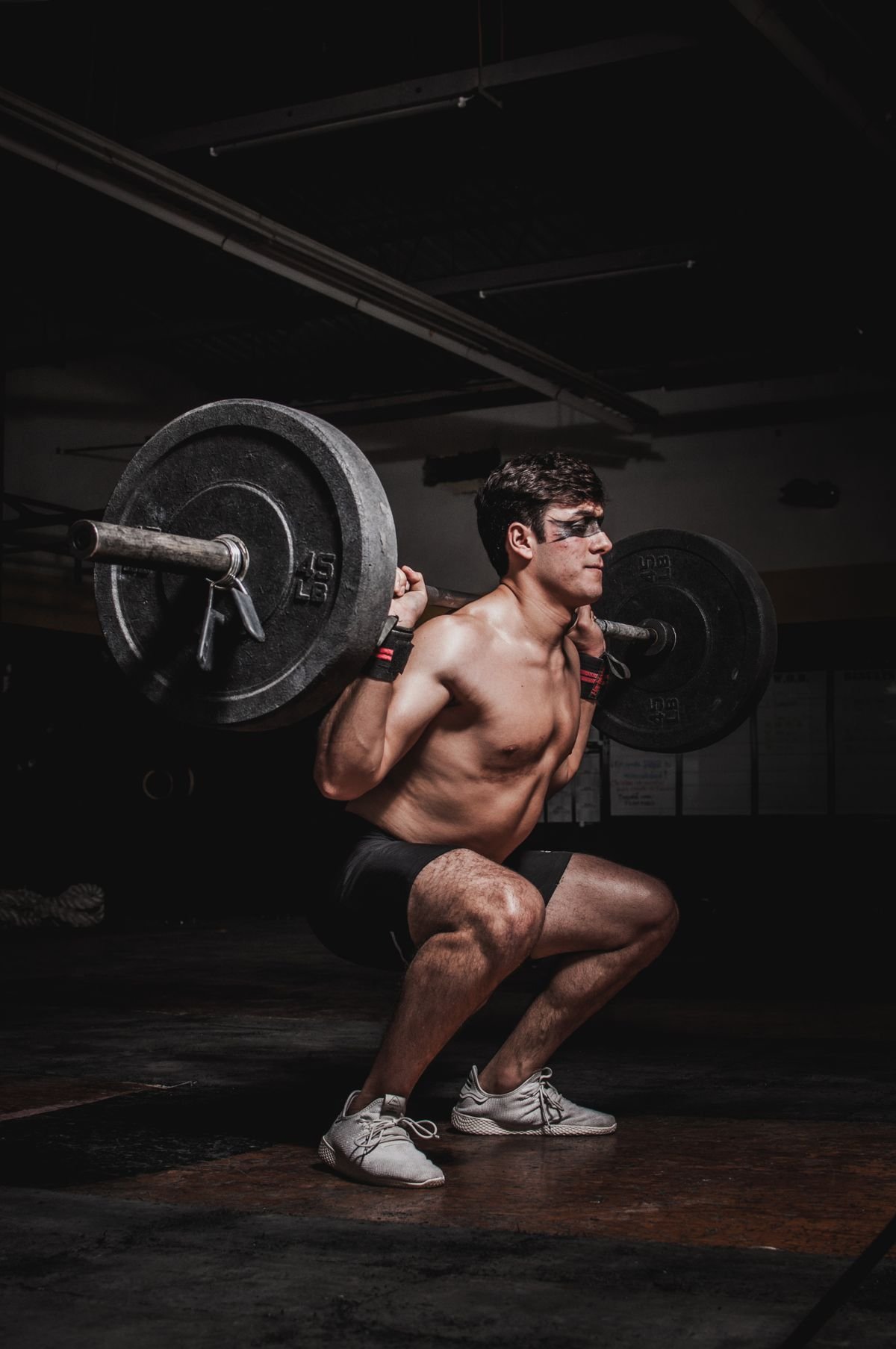
Wear it at your natural waist — between your lower ribs and your hip bones, roughly at belly-button height — and tighten it enough to brace against, not so tight that you cannot take a full breath.
Do not wear a belt as a substitute for good form, and do not wear it for every exercise. It belongs on heavy compound lifts — squats, deadlifts, and overhead presses — while warm-ups, lighter sets, and accessory work are better done beltless, so your core keeps training on its own.
Loosen or remove the belt between sets rather than wearing it cinched for a whole session. And talk to a clinician first if you have blood pressure issues, a hernia, are pregnant, or have a back condition — a belt raises pressure inside your abdomen, which matters for those groups.
This section is general information only, not medical or professional advice.
❓ Frequently Asked Questions
Do weightlifting belts prevent back injuries?
Not proven. Belts raise intra-abdominal pressure and may help you lift slightly more, but reviews have found no clear effect on low-back injury incidence. Treat a belt as a performance and bracing tool, not as injury insurance.
Should beginners use a weightlifting belt?
Not for every set. Beginners build the most core strength by lifting without a belt first. A belt earns its place once your compound lifts are heavy enough that bracing becomes the limiting factor — and even then, warm-ups stay beltless.
How tight should a belt be?
Snug enough that you can brace hard against it, loose enough that you can take a full breath. If you cannot breathe properly, it is too tight; if it slides when you brace, it is too loose.
Lever or prong buckle — which is better?
Neither is better in the abstract. Levers win on speed and consistency between sets; prongs win on fine adjustment without tools. Your training style decides — lever for heavy powerlifting sets, prong for varied training.
10mm or 13mm — which thickness?
10mm for almost everyone: rigid enough, breaks in within weeks, and the standard competition thickness. 13mm only if you already lift very heavy and want maximum stiffness — and accept a much longer break-in.
Do I need a belt for every exercise?
No. Belts belong on heavy squats, deadlifts, and overhead presses, where trunk bracing matters most. They add little to curls, lateral raises, or machine work — and wearing one all session teaches your core to rely on it.
🔗 Keep Reading
For the wider home-gym picture, see our best lifting straps guide — straps pair naturally with a belt on heavy pulls — and our best dumbbells for home guide.
And if you are building the whole setup, our beginners equipment guide covers the rest.
As an Amazon Associate, we earn from qualifying purchases made through links on this page, at no extra cost to you.
This is a research-based guide: products were compared from verified buyer reviews and published specifications, not from personal testing. Prices change frequently, so always check the current price before buying. The health and safety information here is general information only and is not medical advice — talk to a qualified clinician about your own situation.