

A medicine ball is the simplest throwing tool in the home gym — a heavy ball, a wall or a floor, and your own bodyweight. No motor, no screen, no subscription. Just slams, throws, twists, and carries, for as long as your grip and core hold out. 🏋️
Pick it up, throw it, catch it, repeat. The ball’s weight decides the difficulty, its bounce decides the movement, and its shell decides whether it survives the floor you train on.
But let us be plain from the start: a ball gives you throwing, slamming, and rotational training, but it does not build power or prevent injury by itself, it does not replace progressive training, and it does not make a damaged ball or an unsuitable wall or floor safe.
Used the right way — the right ball for the movement, checked before every session, on a floor and wall that can take it — a medicine ball is one of the cheapest ways to add real power training to a home gym.
How We Picked These Medicine Balls
Photo: Taco fleur / Wikimedia Commons
This guide is research-based. We did not buy or hands-on test these balls, and we do not claim otherwise.
We compared verified buyer reviews and manufacturer specifications, and we checked each product’s Amazon listing status through search results and listing trackers.
We picked 6 balls that are genuinely sold and cover different needs: a best-overall everyday ball, a slam ball, a grip-focused slam ball, a leather wall ball, a soft wall ball, and a multi-weight set.
Prices are not quoted in this guide because they change often. The check-price links take you to the current listing, where you can see the latest price and availability.
Availability and size options vary, so if your option shows as unavailable, check the listing’s other options before switching products.
One note before we start: slam balls, wall balls, and general medicine balls are three different tools, and using one as another is how balls split and walls dent. Read the ball-type section before you buy — it is the whole guide in miniature.
Quick Comparison
Photo: GymNation / Wikimedia Commons
| Ball | Type | Weight | Best for |
|---|---|---|---|
| Amazon Basics Weighted Medicine Ball | General, rubber | 10 lb | Best overall everyday |
| Yes4All Slam Ball | Slam, PVC sand-filled | 10–40 lb | Best slam ball |
| ProsourceFit Slam Ball, Tread Grip | Slam, tread grip | 20 lb | Best grip slam ball |
| Titan Fitness Soft Leather Wall Ball | Wall ball, leather | 10 lb | Best wall ball |
| ProsourceFit Soft Medicine Ball | Wall ball, soft | 8 lb | Best soft wall ball |
| RitFit Weighted Medicine Ball Set | General, rubber set | 6 / 8 / 10 lb | Best set |
1. Amazon Basics Weighted Medicine Ball, 10 Pounds — Best Overall Everyday
Photo: Wikimedia Commons
Who it suits: lifters who want one honest, no-fuss ball for core work, partner throws, and full-body training, at the lowest honest cost.
Amazon Basics’ weighted medicine ball is a 10-pound ball made from sturdy, firm rubber with a lightly textured surface for grip, measuring 9.3 inches across, with its weight labelled on both sides. It is designed to bounce off hard surfaces, which is what makes it a general medicine ball rather than a slam ball.
The bounce is the real detail here: a general ball that rebounds lets you do wall throws, chest passes, and partner catches without chasing a dead ball across the floor. The same ball comes in 4, 6, 8, and 12-pound versions, so the family scales from rehab-light to genuinely heavy.
Pros: firm rubber construction with a textured grip; bounce-friendly for throws and catches; weight labelled on both sides; 4 to 12-pound family in the same line; long-running budget brand with a large buyer base.
Cons: this is NOT a slam ball — slamming it hard will shorten its life, so buy a dead-weight ball for slams instead; a single fixed weight means progression needs a second ball; Amazon Basics sells several ball lines under close names, so confirm the listing matches the rubber weighted ball, not the slam ball.
2. Yes4All Slam Ball, 10–40 Pounds — Best Slam Ball
Photo: Lance Cpl. Donald Holbert / Wikimedia Commons
Who it suits: lifters who want one slam ball for overhead slams, wall slams, squats, and core power work, with a weight range that grows with them.
Yes4All’s slam ball is a sand-filled ball with a durable PVC shell and a heavy-duty textured surface for grip, built with a seamless construction so it keeps its shape through repeated slams. It comes in 10, 15, 20, 25, 30, and 40-pound options, and it is designed not to bounce or roll — it stays where it lands.
Dead weight is the whole point of a slam ball: a ball that bounces back at your face after a hard slam is a hazard, not a feature, and the sand filling is what kills the rebound. The textured shell matters just as much — a smooth ball slips out of sweaty hands mid-slam, and a slam ball that slips goes somewhere unintended.
Pros: sand-filled dead-weight design with no bounce; durable PVC shell with a textured, non-slip surface; seamless construction that holds its shape; 10 to 40-pound range in one family; long-running budget brand with a very large buyer base.
Cons: Yes4All lists several close variant ASINs for this ball family, so confirm the listing matches the 10–40-pound slam ball before ordering; a slam ball is useless for wall throws that need a rebound — buy a wall ball for those; sand-filled balls feel heavier than their weight suggests, so start lighter than you think.
👉 Check price on Amazon (confirm the listing matches the Yes4All 10–40 lb slam ball — close variant listings exist).
3. ProsourceFit Slam Medicine Ball, Tread Grip, 20 Pounds — Best Grip Slam Ball
Photo: Tpikonen / Wikimedia Commons
Who it suits: lifters who slam hard and sweat hard, and who want the grippiest slam ball here rather than the cheapest one.
ProsourceFit’s tread-grip slam ball is a 20-pound sand-filled ball with a robust tire-tread surface for traction, built to minimise bouncing and rolling so slams stay controlled. The same ball runs from 5 to 50 pounds, with a smooth-grip version alongside the tread version.
The tread is the honest difference here: most slam balls rely on a lightly textured shell, and this one borrows a tire tread pattern that holds through sweat in a way smooth shells do not. That matters most at heavy weights, where a slipped 20-pound ball is a real hazard rather than an embarrassment.
Pros: tire-tread surface for superior grip in sweaty sessions; sand-filled dead-weight design with no bounce; 5 to 50-pound range in the same family; PVC shell built for repeated slams; long-running fitness brand.
Cons: the tread version and the smooth version share close listings, so confirm the listing matches the tread-grip ball; a 20-pound ball is heavy for beginners — lighter lifters should start at 10 or 15 pounds in the same family; the tread collects chalk and dust, so wipe it down between sessions.
👉 Check price on Amazon (confirm the listing matches the 20 lb tread-grip version).
4. Titan Fitness Soft Leather Wall Ball, 10 Pounds — Best Wall Ball
Photo: Tyler Read / Wikimedia Commons
Who it suits: lifters who want a proper wall ball for squat throws, wall tosses, and core conditioning, with a soft shell that catches comfortably.
Titan Fitness’ soft leather wall ball is a 10-pound, 14-inch ball with a soft PU leather exterior, PP cotton filling, double-stitched seams, and colour coding, built for a balanced, even weight distribution. The same ball runs from 6 to 30 pounds, all at the same 14-inch diameter.
The fixed diameter is the real detail here: every Titan wall ball is 14 inches whether it weighs 6 or 30 pounds, so your catch and throw mechanics never change as you progress — only the weight does. And the honest warning that comes with it: this ball is NOT meant for slamming, and Titan says so plainly — slam it and the seams will give out.
Pros: soft PU leather shell that catches comfortably; even, balanced weight distribution; double-stitched seams; same 14-inch diameter across the whole 6 to 30-pound family; colour-coded by weight; long-running strength brand.
Cons: one older listing crawl showed no featured offers available for the 10-pound ball, so check availability before ordering; NOT a slam ball — never slam it on the floor; a 14-inch ball feels large for smaller lifters, so check the size before ordering.
👉 Check price on Amazon (check availability — one older crawl showed no featured offers — and never slam this ball; it is a wall ball, not a slam ball).
5. ProsourceFit Soft Medicine Ball, 8 Pounds — Best Soft Wall Ball
Photo: Wikimedia Commons
Who it suits: beginners and home lifters who want a soft, forgiving ball for wall throws, core work, and full-body training, without the firmness of a leather wall ball.
ProsourceFit’s soft medicine ball is an 8-pound soft ball built for wall-ball work and full-body dynamic exercises, with colour-coded weights across 6, 8, 10, 14, 20, and 25 pounds. It is the softer, lighter end of the wall-ball category: easier to catch, easier on walls, and easier to start with than a leather ball.
Soft matters for two reasons: a soft ball will not dent a plaster wall the way a firm ball can, and it will not sting your hands or chest on a mistimed catch. That is why soft balls are the usual first wall ball for home gyms, where the wall is your own.
Pros: soft shell that is kind to walls and hands; colour-coded weights from 6 to 25 pounds; suits wall throws, core work, and full-body training; lighter starting weights for beginners; long-running fitness brand.
Cons: a soft ball is not a slam ball — never slam it on the floor; soft shells wear faster than leather under heavy daily use, so check the seams regularly; 8 pounds is light for advanced throwers, who should look at the 14 or 20-pound versions in the same family.
6. RitFit Weighted Medicine Ball Set, 6 / 8 / 10 Pounds — Best Set
Photo: Akhlispurnomo / Wikimedia Commons
Who it suits: households where several people train at different levels, and lifters who want progression in small steps without buying balls one at a time.
RitFit’s weighted medicine ball set bundles three rubber balls — 6, 8, and 10 pounds — with a non-slip rubber shell and a dual-texture grip, including a basketball-like textured surface for handling. The same line runs from 2 to 20 pounds in single balls, so the set can grow one ball at a time.
A set is the honest answer to progression: a single 10-pound ball is either too heavy or too light within weeks, while three balls give you a warm-up weight, a working weight, and a stretch weight in one purchase. The rubber shell also bounces, so the set covers throws and catches that a slam ball cannot.
Pros: three weights in one purchase for genuine progression; non-slip rubber shell with a dual-texture grip; basketball-like surface for comfortable handling; sturdy rubber construction; 2 to 20-pound family for later additions.
Cons: RitFit sells single balls under close ASINs, so confirm the listing matches the 6/8/10-pound set, not a single ball; rubber balls are not slam balls — never slam them hard on concrete; three balls need storage, and a rack or corner helps more than a pile on the floor.
👉 Check price on Amazon (confirm the listing matches the 6/8/10 lb set — single-ball listings share close names).
How to Choose the Right Medicine Ball
Photo: Wikimedia Commons
Start with your movement, then your weight, then your floor and wall. A ball that does not match the movement is the wrong ball whatever its weight says, and a ball that damages your floor or wall is the wrong ball whatever its grip says.
Then buy in this order: a general rubber ball first if you train alone with core work and throws, a slam ball first if you slam, and a wall ball first if you do squat throws — and a set only when you know you will use the range.
Ball type: slam vs wall vs soft medicine — what each actually does
Photo: Rodhullandemu / Wikimedia Commons
Slam balls (Yes4All, ProsourceFit tread) are sand-filled dead-weight balls that do not bounce: you throw them down hard and they stay down. They suit overhead slams, wall slams, and conditioning — and nothing else, since a ball that will not rebound cannot be caught off a wall.
Wall balls (Titan leather, ProsourceFit soft) are soft, larger balls built to be thrown at a wall or straight up and caught: they rebound just enough to catch, and their soft shells forgive mistimed catches. They suit squat throws, wall tosses, and core conditioning — and they are NOT slam balls, however tempting the floor looks.
General medicine balls (Amazon Basics rubber, RitFit set) are firm rubber balls that bounce off hard surfaces: they suit core work, partner throws, rotational work, and balance training. They are the most versatile ball here — and the least specialised, so they lose to a slam ball at slams and to a wall ball at wall throws.
Weight and progression: what each weight actually suits
Photo: Taco fleur / Wikimedia Commons
4–8 pounds suits beginners, rehab-style work, and fast rotational throws: the Amazon Basics 4 and 6-pound balls, the RitFit 6-pound ball, and the ProsourceFit soft 6 and 8-pound balls all live here. If you cannot throw with full speed and control at this weight, you have no business going heavier yet.
10–15 pounds suits most home lifters: the Amazon Basics 10-pound ball, the RitFit 10-pound ball, the Titan 10-pound wall ball, and the Yes4All and ProsourceFit 10 and 15-pound slam balls all cover this range. This is where most real medicine-ball training happens.
20 pounds and up suits advanced lifters and heavy slam work: the ProsourceFit 20-pound tread ball, the Yes4All 20 to 40-pound slam balls, and the Titan 20 to 30-pound wall balls. A ball that feels heavy in your hands will feel twice as heavy at full throw speed — start lighter than your ego suggests.
Progress in small steps: add 2 to 5 pounds at a time, and only when you can throw with full speed and clean catches at the current weight. A set makes that progression natural; a single ball does not.
Material and grip: what keeps a ball in your hands
Photo: Wikimedia Commons
Texture decides grip: a tire-tread surface (ProsourceFit tread) holds through sweat better than a smooth shell, a lightly textured rubber surface (Amazon Basics, RitFit) holds well for general work, and a smooth leather surface (Titan) holds well dry but needs chalk or dry hands when sweaty.
Shell material decides durability: PVC (Yes4All, ProsourceFit slam) takes repeated floor impacts, rubber (Amazon Basics, RitFit) takes throws and bounces, and leather or soft shells (Titan, ProsourceFit soft) take wall throws but not floor slams. Match the shell to the impact, not to the look.
Filling decides behaviour: sand filling (slam balls) kills bounce and shifts slightly on impact, which challenges stability; air or gel cores (general and wall balls) give bounce and a consistent feel. A ball whose filling has leaked or shifted permanently is done — retire it, do not tape it.
Size and bounce: what the diameter and rebound actually do
Photo: Wikimedia Commons
Diameter decides handling: a 9.3-inch ball (Amazon Basics 10-pound) fits one-handed grips and tight core work, while a 14-inch ball (Titan wall ball) needs two hands and suits squat throws and catches. Bigger is not better — it is just bigger, and a ball too large for your hands is a ball you will drop.
Bounce decides the movement: a dead-weight slam ball stays where it lands, which is safe for slams and useless for wall throws; a bouncing general ball rebounds off walls and floors, which is essential for throws and dangerous for slams. Never expect one ball to do both jobs.
Check the bounce before you commit: drop the ball from waist height on your training floor — a slam ball should thud and stay, a general ball should rebound to roughly knee height, and a wall ball should rebound softly enough to catch. If the bounce surprises you, the ball is wrong for the movement, not for the gym.
What no ball makes safe
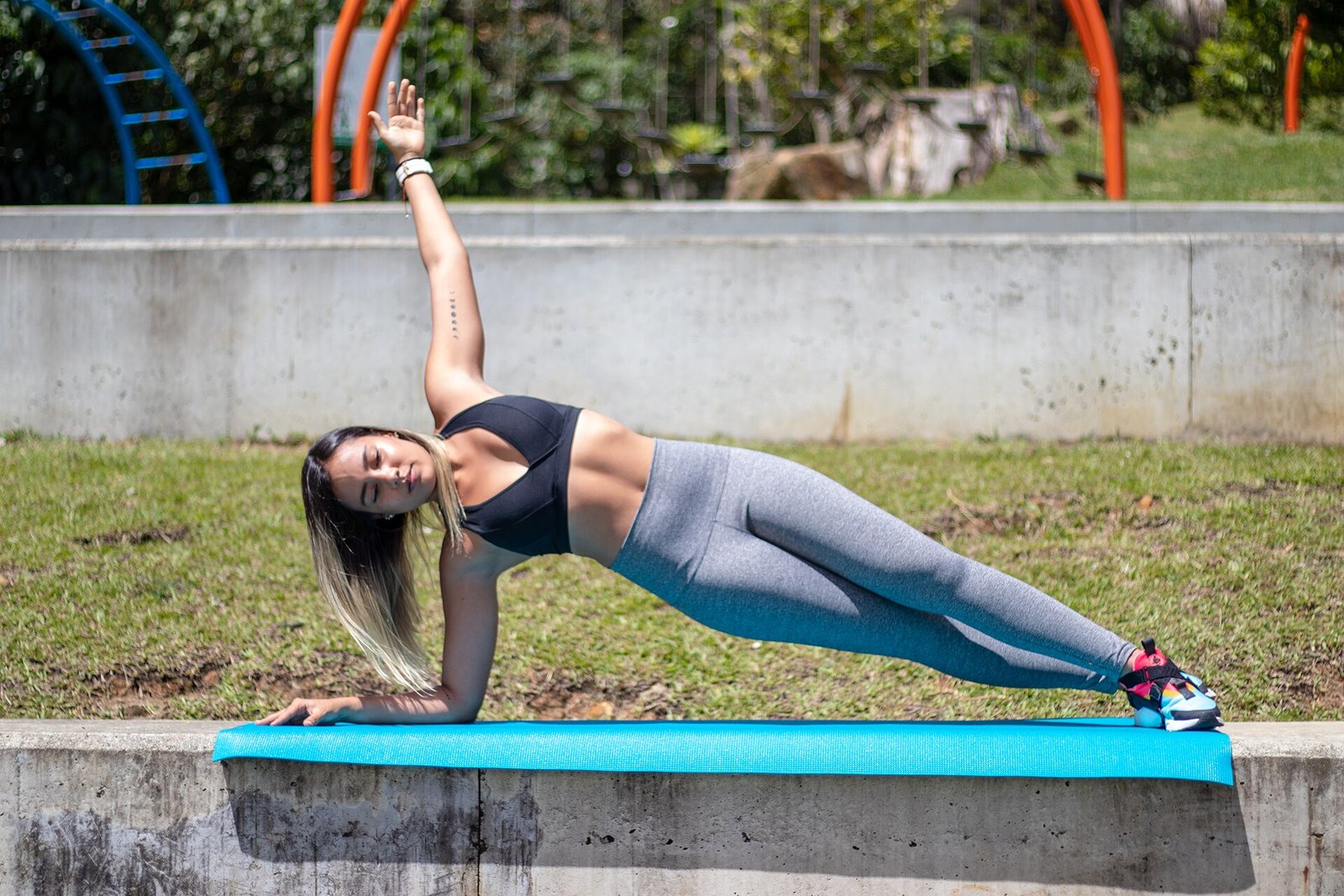
Photo: Tyler Read / Wikimedia Commons
A ball does not make a throw safe by itself, does not fix a floor that cannot take slams or a wall that cannot take throws, and does not protect shoulders, backs, or wrists that are already injured. The ball adds load; it does not judge whether the load is wise.
Check the ball before every session: cracks, leaks, loose filling, split seams, or a shell gone slick mean the session waits. A ball that splits mid-slam scatters sand across the floor — and a ball that slips mid-throw goes somewhere unintended.
Keep the area clear of the bounce and throw path — a medicine ball travels fast and far, and anything in its arc gets hit. Slam balls belong on floors that can take them, never on hardwood you care about, and wall balls belong on walls that can take them, never on plasterboard. Never train through sharp pain, and never use a damaged ball hoping it holds one more session. If you have an injury, or a condition that affects how safely you can train, talk to a clinician or qualified coach before starting medicine-ball training. This guide is general information only, not medical advice.
Frequently Asked Questions
Photo: Tokumeigakarinoaoshima / Wikimedia Commons
What is the difference between a slam ball and a wall ball?
Bounce: a slam ball is sand-filled dead weight that stays where it lands, built for floor slams; a wall ball is a soft, larger ball built to be thrown at a wall and caught. Slam a wall ball and its seams give out; throw a slam ball at a wall and it drops at your feet.
What weight medicine ball should a beginner buy?
A 6 to 10-pound ball: light enough to throw with full speed and control, heavy enough to feel like training. Start at 6 pounds for rotational work and 8 to 10 pounds for slams and core work, then add weight in small steps.
Can I use a medicine ball on any floor?
No — slam balls need a floor that can take repeated impacts, like rubber gym flooring or concrete, and will damage hardwood or tile. General and wall balls are kinder to floors, but even they should stay off surfaces you cannot afford to mark.
Do I need a set, or is one ball enough?
One ball is enough to start — a 10-pound general ball or a 15-pound slam ball covers most first programmes. A set earns its keep when you progress: a light ball for speed work, a medium ball for daily training, and a heavy ball for strength days.
How long does a medicine ball last?
With a shell matched to the movement and good storage — indoors, out of sun, away from heaters — a quality ball lasts years of weekly training. A general ball used as a slam ball, or a ball left in sun and heat, can fail in months. Inspect before every session, whatever its age.
When should I replace a medicine ball?
When the shell cracks, splits, or leaks filling, the seams open, the surface goes slick and will not grip, or the weight feels uneven because the filling has shifted permanently. Worn balls fail without warning — replace them before they do.
Our Pick in One Line

Photo: Staff Sgt. Clinton Firstbrook / Wikimedia Commons
If you want one answer: the Amazon Basics 10-pound rubber ball is the best all-round buy because its bounce, grip, and honest starter weight cover almost any home-gym lifter — but if you slam, buy the Yes4All slam ball first, because a bouncing ball is the wrong tool for slams no matter how good it is at everything else.
For the rest of your home-gym setup, see our plyometric boxes guide and our battle ropes guide, and for the bench those throws complement, see our weight benches guide.
As an Amazon Associate, we earn from qualifying purchases made through links on this page, at no extra cost to you.
This guide is research-based: we compared verified buyer reviews and manufacturer specifications, and we did not buy or hands-on test these products. Prices and availability change, so check the listing before ordering. The training information here is general information only, not medical advice — if you have an injury or a condition that affects how safely you can train, talk to a clinician first.