

Why a Lat Pulldown Machine Belongs in a Home Gym
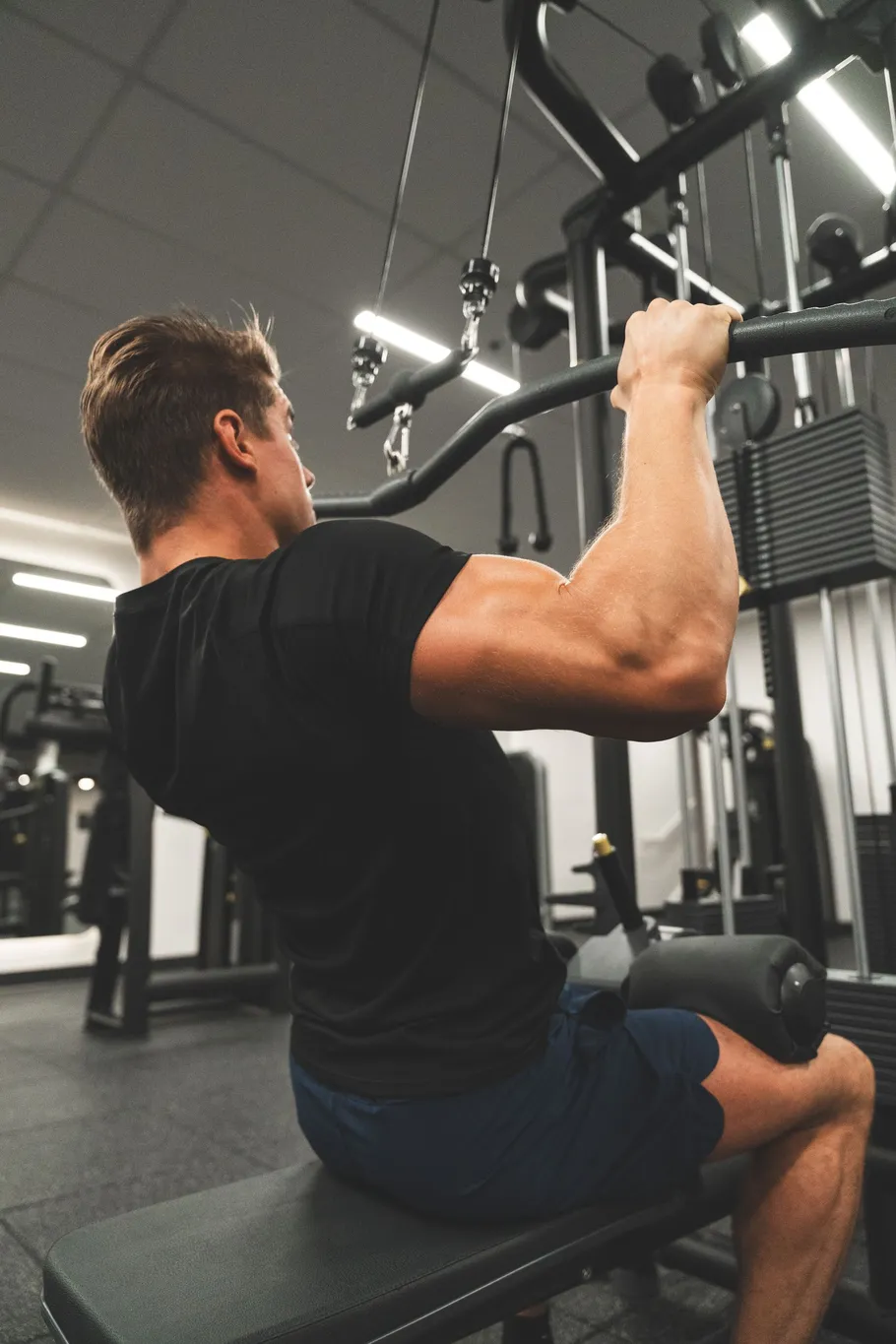
Pull-ups are the classic back builder, but they demand your full bodyweight from rep one. A lat pulldown machine lets you start lighter, add weight in small steps, and keep strict form while your back gets stronger.
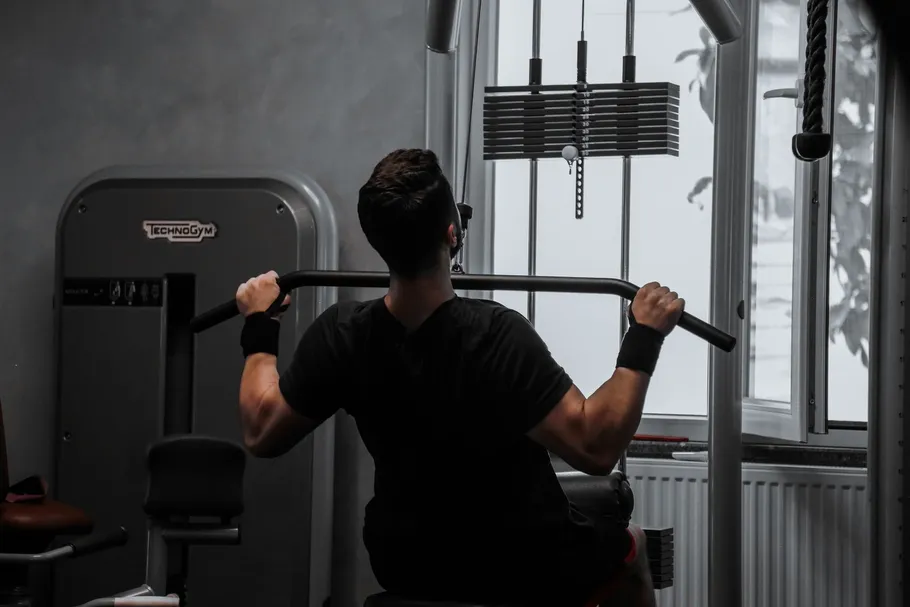
That control is the whole point. You sit down, lock your thighs under the pads, and pull a bar to your chest through the same path every set. No swinging, no half reps, no wondering whether your back or your arms did the work.
Most of the machines below also add a low row station, so one frame covers two of the best back movements. If your back is the weak link in your upper body, this is the machine that targets it directly — and it sits well alongside our calf raise machines and cable machines guides for a balanced home gym.
How We Picked
We scored each machine on the details that decide whether it actually gets used, not on headline numbers alone. A machine that does not fit your ceiling or your plates is a bad buy at any capacity.
- Stated load capacity, and whether that figure is a carriage load, a cable rating or a stack weight
- Footprint, measured in floor area, and ceiling height, since these frames run tall
- Thigh-pad adjustment for different leg lengths and body sizes
- Plate compatibility, including Olympic posts and 1-inch plate fit
- Frame build, including stated steel size and gauge where the maker gives one
- Whether the machine also trains the low row, the second back movement a home gym needs
Bells of Steel Lat Pulldown Low Row, Titan T-2 Lat Tower Attachment, Body-Solid SLM300G, Powerline PLM180X, GMWD Leverage Gym and Valor CB-15 were also considered and set aside for the six below, which give the clearest spread of load types, footprints and capacities. Our power racks and gym flooring guides cover the room and floor these machines sit on.
Comparison
| Machine | Best for | Type | Top load | Standout |
|---|---|---|---|---|
| Titan Fitness Plate-Loaded LAT Tower | Plate-loaded versatility | Plate-loaded, lat + low row | 400 lb | 4-position thigh pads, bolt-down holes |
| Titan Fitness Selectorized Lat Tower | Pin-and-go convenience | Selectorized, lat + low row | 300 lb stack | 6 thigh-pad positions, band pegs |
| Body-Solid GLM83 Pro Lat Machine | A commercial feel | Plate-loaded, lat + low row | Not stated | No-cable-change design, lifetime warranty |
| XMark XM-7618 Lat Pulldown and Low Row | Balanced capacity | Plate-loaded, lat + low row | 400 lb | 200 lb per side, lifetime warranty |
| Valor Fitness CB-12 Lat Pulldown Machine | Smallest footprint | Plate-loaded, lat + mid row | 250 lb carriage | Mid-pulley station, plate storage pegs |
| Powertec Lat Machine | Highest stated capacity | Plate-loaded, lat + low row | 500 lb | Swivel seat, optional 190 lb stack |
Read the top-load column with care, because the six machines do not measure the same thing. Powertec’s 500 lb comes from the current catalog and listing, while an older dealer review rates the same line at 400 lb — model generations may differ, so confirm on the listing. Body-Solid’s maker data sheet states no maximum load at all, so one review’s 300 lb claim is left out of the table. Valor’s 250 lb is a carriage load, not a cable rating — its cable is rated separately at 300 lb.
On the size extremes, the Titan selectorized tower is the heaviest stated unit here at 530 lb and the tallest at 87 in, while the Valor CB-12 is the lightest stated unit at about 80 lb net and has the smallest stated frame floor area. XMark and Powertec state no unit weight, so they sit outside the weight ranking rather than inside it on a guess.
Titan Fitness Plate-Loaded LAT Tower
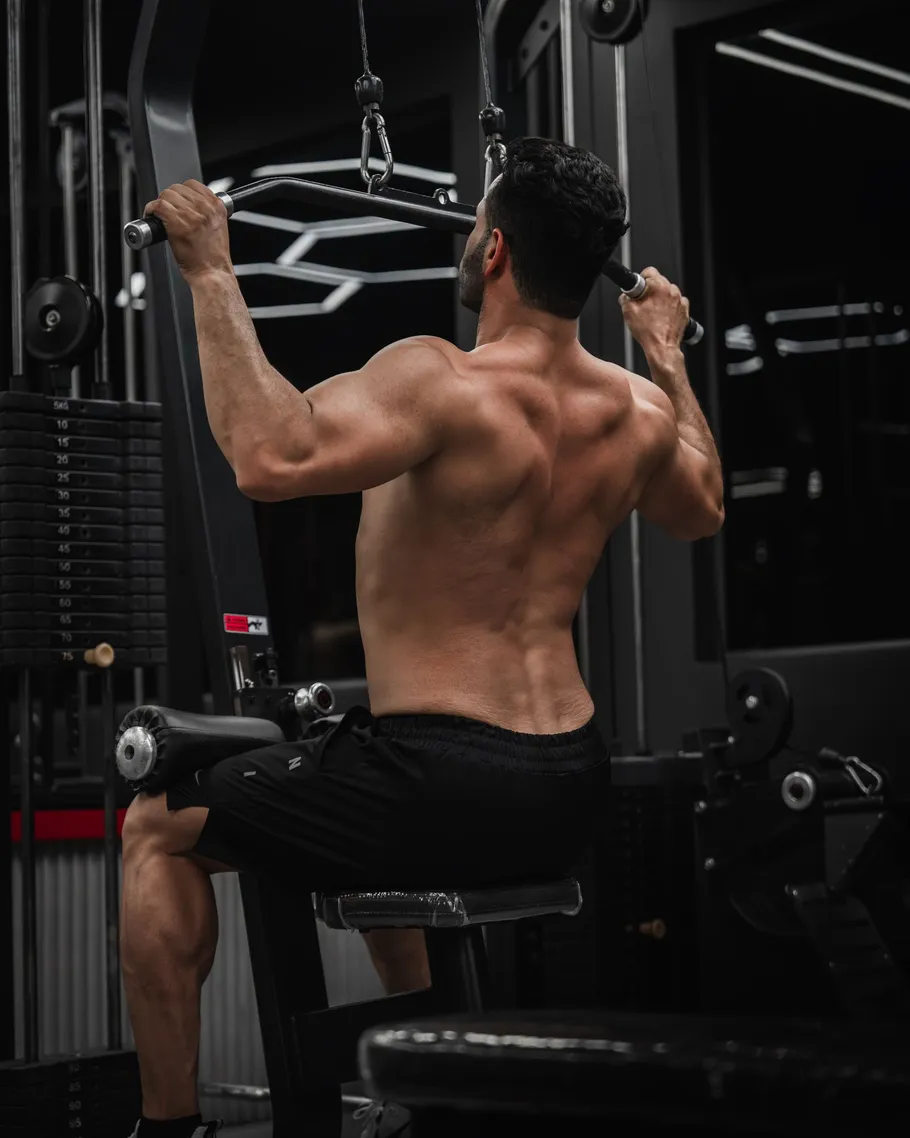
The plate-loaded Titan tower is the most flexible pick here. It runs lat pulldowns and low rows from one frame, loads with the Olympic plates most home gyms already own, and keeps a true 1:1 ratio — the weight you load is the weight you pull.
Its details suit a shared home gym. The thigh pads adjust across four positions, the lat bar spans 37.5 in, the low-row handle is 15 in, and the loadable sleeves run 13 in, so two full-size plates fit each side with room for collars. Bolt-down holes in the feet let you anchor it if your floor allows.
At 85 in tall and 47 in wide it is not a small machine, and at 120 lb it is heavy enough to want a second person for assembly. But for lifters who already own plates, it is the simplest route to a full lat and row station.
✅ Pros
- Lat pulldown and low row in one frame
- True 1:1 ratio, no pulley math
- 13 in Olympic sleeves take full-size plates
- 4-position thigh pads and bolt-down holes
⚠️ Cons
- Needs plates you already own — none included
- 85 in tall, so low ceilings are a problem
- 120 lb frame wants two people for assembly
Listing check: Titan sells two towers under a shared name family, so check the product title for “plate-loaded” before ordering — the selectorized tower below is a different machine with a pin stack, not sleeves.
Best for: lifters who already own Olympic plates and want lat pulldowns plus low rows from one frame.
May not fit: buyers with ceilings under 86 in, or anyone who wants a pin stack instead of loading plates.
Titan Fitness Selectorized Lat Tower
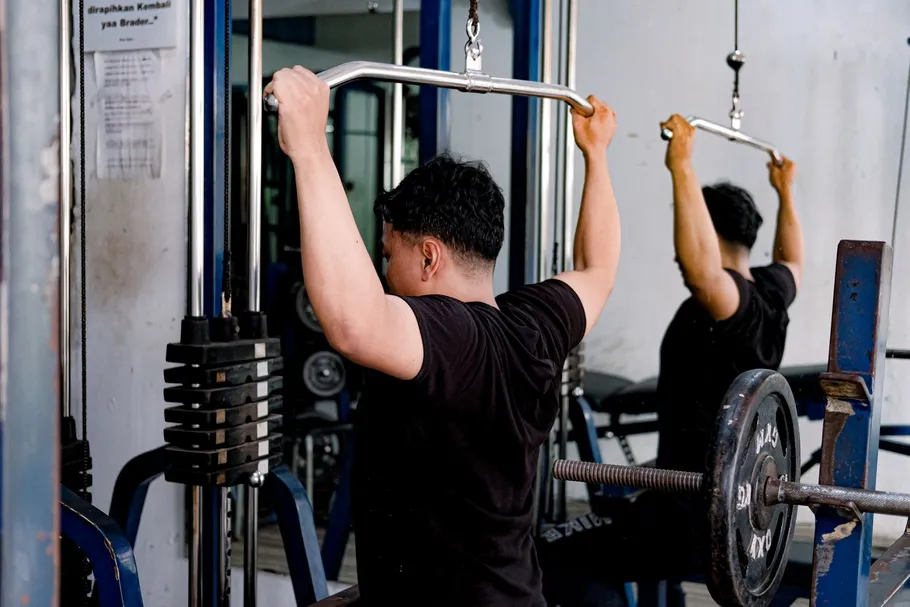
The selectorized Titan tower trades plates for a pin. Its 300 lb stack moves in 10 lb steps from 10 lb to 300 lb, so changing weight between sets takes two seconds and nobody has to load plates mid-workout.
It is also the most adjustable machine here for fit. Six thigh-pad positions and eight footplate settings cover a wide range of leg lengths, and band pegs add resistance options for lifters who want accommodating work. The frame is 3 by 3 in, 11-gauge steel, and the whole unit weighs 530 lb — the heaviest stated unit in this guide.
One flag to know before ordering: one review source notes the low-row handle is not included, even though another record lists a low pull handle with the machine. If low rows matter to you, confirm exactly which handles ship in the box.
✅ Pros
- 300 lb pin stack in 10 lb steps, no plates needed
- 6 thigh-pad positions and 8 footplate settings
- Band pegs for extra resistance options
- Heavy 3 by 3 in, 11-gauge steel frame
⚠️ Cons
- 530 lb unit — the heaviest stated here, and a freight delivery
- 87 in tall, the tallest machine in this guide
- Low-row handle inclusion is disputed across records
Listing check: no confident listing code was found for this tower, so the link above is a tagged search — confirm the 300 lb stack and the included handles on the listing before ordering.
Best for: lifters who want fast pin changes, a wide fit range, and no plate loading at all.
May not fit: buyers with low ceilings, tight delivery access, or a strict plate-only setup.
Body-Solid GLM83 Pro Lat Machine
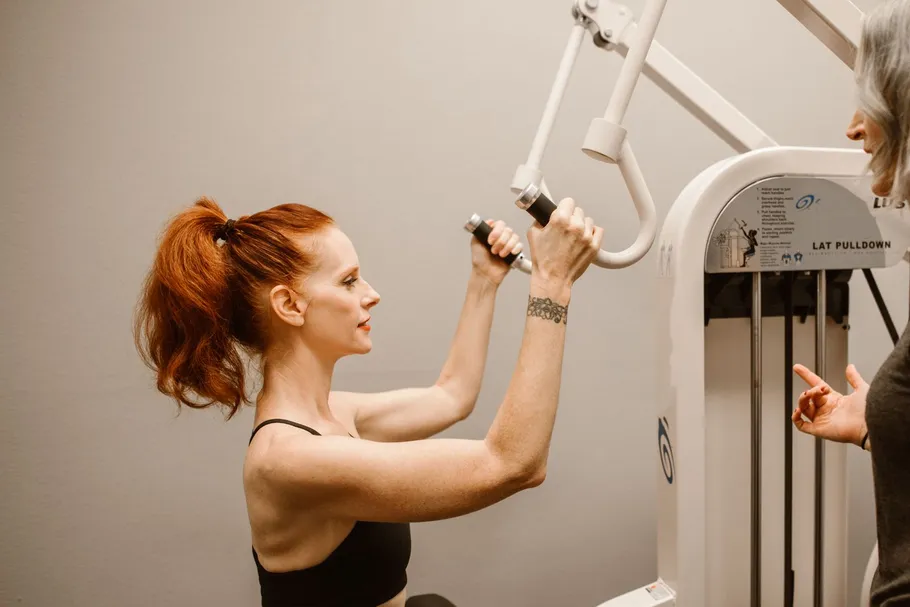
The Body-Solid GLM83 is the commercial-feel pick. Its “no-cable-change” design means you switch between the lat bar and the low row without rethreading cables, which keeps a two-movement back session flowing instead of stopping to rig the machine.
The bars tell the same story. A 48 in lat bar and a 20 in straight bar cover wide and close grips, and the lifetime warranty is the strongest stated here for a plate-loaded machine. At 60 in long, 32 in wide and 82 in tall, it is narrower than both Titan towers.
Two limits to weigh. The maker data sheet states no maximum load, so this guide lists its top load as “not stated” rather than repeating one review’s 300 lb claim. And it takes 1 in plates as standard, with Olympic adapter sleeves sold separately — check your plate set before ordering.
✅ Pros
- No-cable-change switching between lat and row
- 48 in lat bar plus 20 in straight bar included
- Lifetime warranty, the strongest stated here
- Narrow 32 in width for tighter rooms
⚠️ Cons
- No maximum load stated by the maker
- 1 in plates standard — Olympic users need adapter sleeves
- Dealer-sold, so availability varies by seller
Listing check: do not confuse this machine with the Body-Solid SLM300G selectorized lat machine — a different, heavier machine with a pin stack. Confirm the GLM83 model code on the listing before ordering.
Best for: lifters who want a commercial feel, fast lat-to-row switching, and a lifetime warranty.
May not fit: lifters who need a stated maximum load, or who train only with Olympic plates.
XMark XM-7618 Lat Pulldown and Low Row
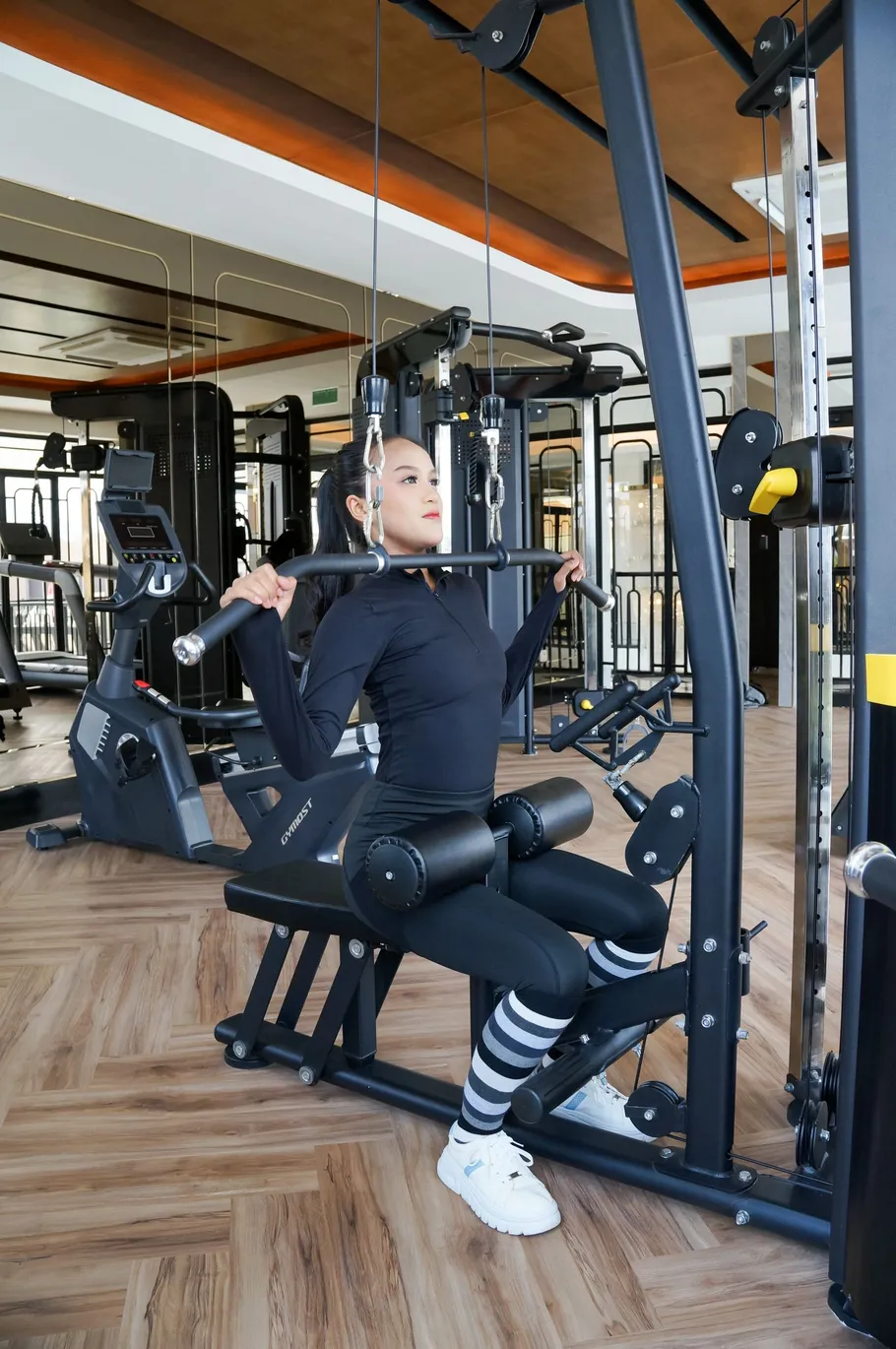
The XMark XM-7618 matches the Titan plate-loaded tower on capacity at 400 lb, but splits it evenly — 200 lb per side. That split loading keeps both sides honest and suits lifters who already think in per-side plate math.
Its frame is 2 by 3 in steel, and the 48 in lat bar matches the Body-Solid for grip width. A lifetime warranty is stated by a review source, which puts it alongside the GLM83 for long-term cover among the plate-loaded picks.
The honest gap is weight: no unit weight was found in the records for this machine, so it sits outside the weight ranking in this guide. Its footprint, at 56.7 by 48 in, is also the widest stated here — measure your floor before falling for the capacity.
✅ Pros
- 400 lb capacity, split 200 lb per side
- 48 in lat bar for wide-grip work
- Lifetime warranty stated by a review source
- Lat pulldown and low row in one frame
⚠️ Cons
- Unit weight not stated in the records found
- Widest stated footprint here at 56.7 by 48 in
- No confident listing code found — search link used
Listing check: no confident listing code was found for this machine, so the link above is a tagged search — confirm the 400 lb capacity is split 200 lb per side on the listing before ordering.
Best for: lifters who want 400 lb of plate-loaded capacity with even per-side loading.
May not fit: small rooms, since this is the widest stated frame here, or buyers who need a stated unit weight.
Valor Fitness CB-12 Lat Pulldown Machine
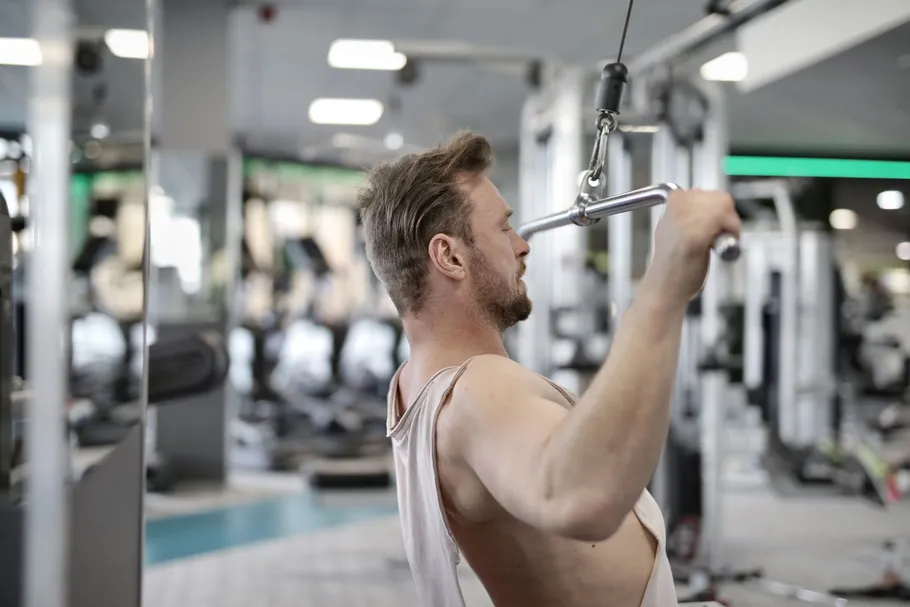
The Valor CB-12 is the small-room pick. Its frame measures 57.5 by 23.5 in — the smallest stated frame floor area in this guide — and at about 80 lb net it is also the lightest stated unit, so moving it into position is a one-person job.
It still trains more than pulldowns. A mid-pulley station adds a third movement between the lat pulldown and the low row, plate storage pegs keep your plates on the frame, and the 38 in lat bar suits lifters who prefer a slightly narrower grip.
Read its load figures by scope. The carriage load is 250 lb, the cable is rated separately at 300 lb, and the user weight limit is 325 lb — three different numbers that measure three different things. It takes 1 in plates as standard, with Olympic adapters needed for 2 in plates, and the 80 by 70 in usage area is bigger than the frame itself, so leave working room around it.
✅ Pros
- Smallest stated frame floor area here
- Lightest stated unit at about 80 lb net
- Mid-pulley station plus plate storage pegs
- Lowest stated usable load, honest for beginners
⚠️ Cons
- 250 lb carriage load is the lowest stated usable load here
- 1 in plates standard — Olympic users need adapters
- Usage area of 80 by 70 in is bigger than the frame
Listing check: the Valor CB-15 is a different, newer model with a much higher rating — do not order by “Valor lat pulldown” alone. Confirm the CB-12 model code on the listing before ordering.
Best for: small rooms, beginners, and lifters who want the lightest machine here.
May not fit: strong lifters who will outgrow a 250 lb carriage load, or Olympic-only plate owners.
Powertec Lat Machine
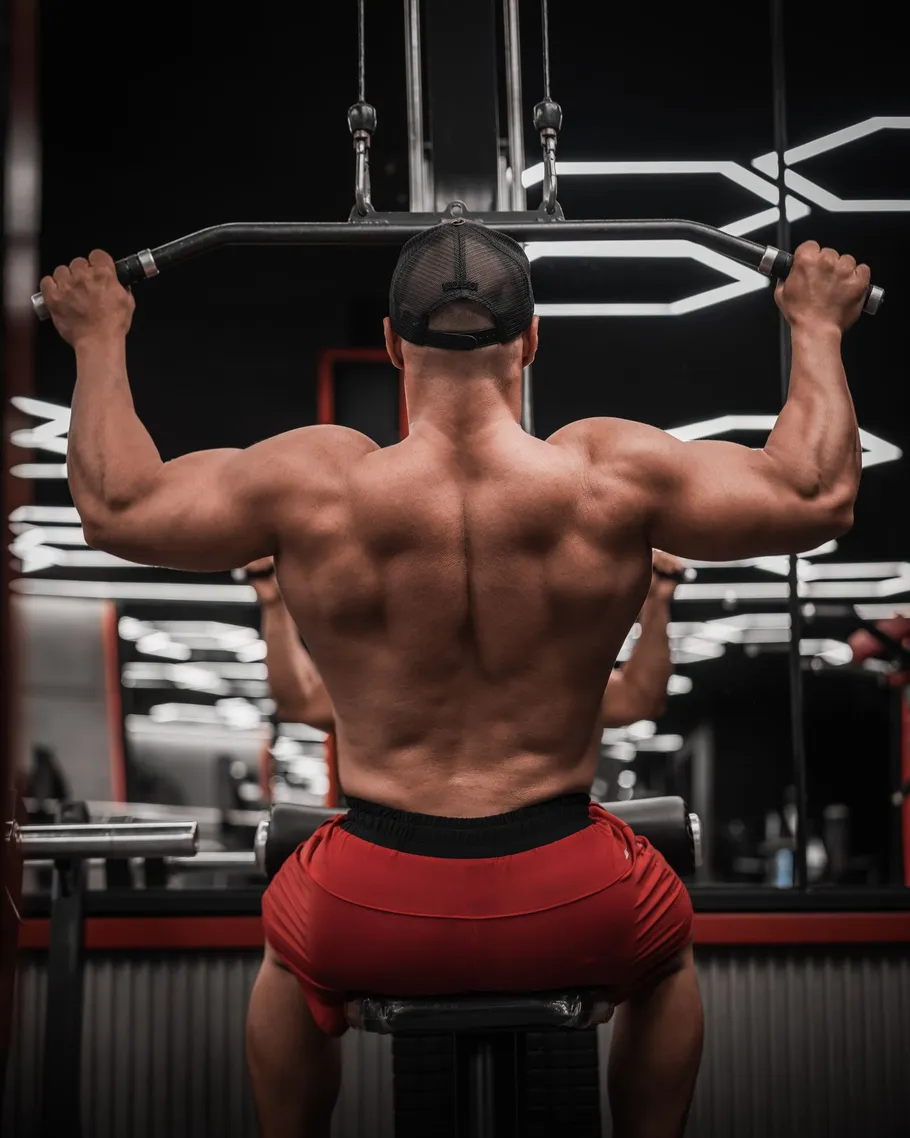
The Powertec lat machine carries the highest stated capacity in this guide at 500 lb, and pairs it with a swivel seat that turns the machine between lat pulldowns and low rows without moving the whole frame. An optional 190 lb weight stack is offered for lifters who would rather pin than load plates.
Its catalog footprint of 55.3 by 39.3 in sits mid-pack, and it takes Olympic plates as standard, with standard-size horns sold separately. That combination — high capacity, swivel seat, plate or stack loading — makes it the most configurable pick here.
One conflict must be stated plainly. The 2016 catalog and the current P-LM20 listing state 500 lb, while an older dealer review rates the P-LM at 400 lb. Model generations may differ, so treat 500 lb as the current-listing figure and confirm it on the listing you buy from. No unit weight was found in the records, so this machine sits outside the weight ranking.
✅ Pros
- Highest stated capacity here at 500 lb
- Swivel seat for lat and row positions
- Optional 190 lb weight stack offered
- Olympic plates as standard
⚠️ Cons
- Capacity conflict: 500 lb current vs 400 lb older review
- Unit weight not stated in the records found
- Standard-size plate horns sold separately
Listing check: the listing code used here comes from a single listing snippet, not from multiple corroborating records — confirm the P-LM20 model code and the 500 lb figure on the listing before ordering.
Best for: strong lifters who want the highest stated capacity with a swivel seat.
May not fit: buyers who need a settled capacity figure with no conflicting records, or a stated unit weight.
How to Choose
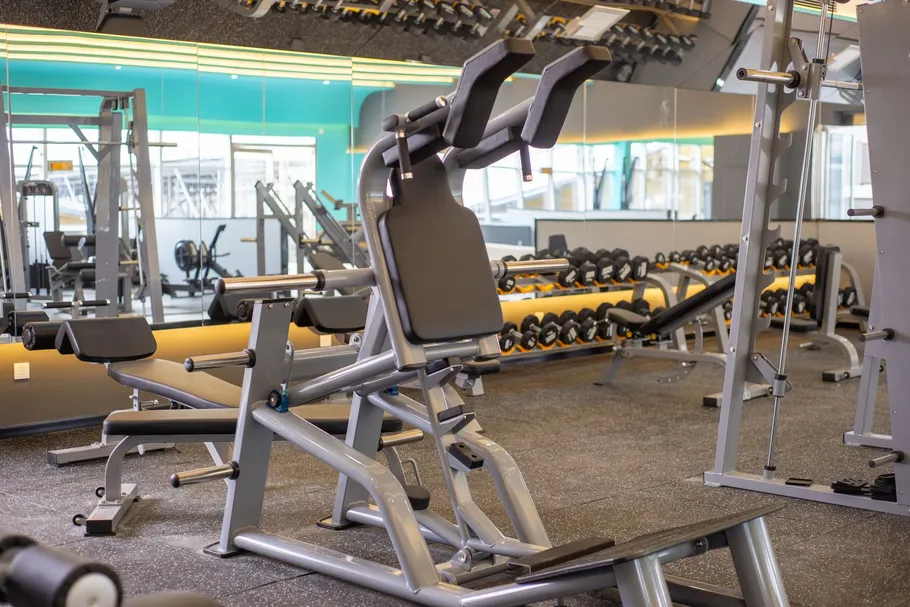
Four choices decide the right machine: how it loads, how much floor and ceiling it needs, whether the seat and pads fit your body, and whether its capacity matches your training. Work through them in that order and the shortlist narrows fast.
Plate-Loaded or Selectorized?
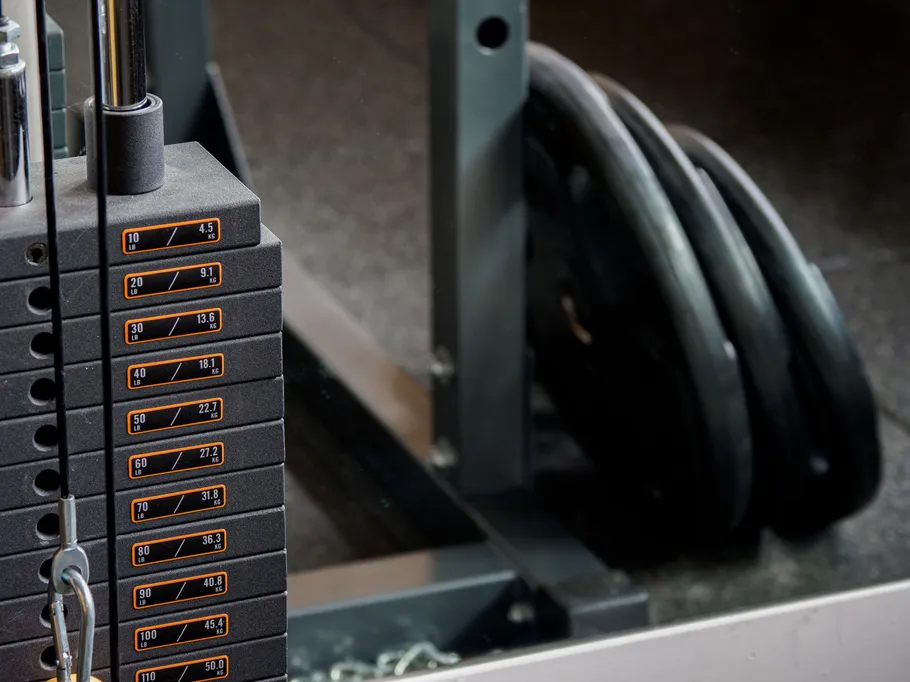
Plate-loaded machines are cheaper to buy and grow with your plate collection, but every weight change means loading and unloading plates. Selectorized machines cost more and weigh more, but a pin change takes two seconds and suits households where several people train at different weights.
The deciding factor is usually what you already own. If your garage already holds Olympic plates, a plate-loaded tower like the Titan or the XMark uses them directly. If you own no plates, a selectorized tower avoids that whole purchase — but check where the plates would live, since our weight plate storage racks guide covers the storage a plate-loaded setup needs.
Footprint and Floor Space
Frame size is not the whole story. The Valor CB-12 frame is only 57.5 by 23.5 in, but its usage area runs 80 by 70 in once you count the low-row position and your own body. Always check both numbers, and leave room to step in and out of the machine safely.
Ceiling height matters just as much. The tallest machine here reaches 87 in, and you still need clearance above the top pulley for the cable and your hands at full stretch. Measure twice, and compare against our squat stands guide if your room already holds tall equipment.
Seat, Pads and Fit
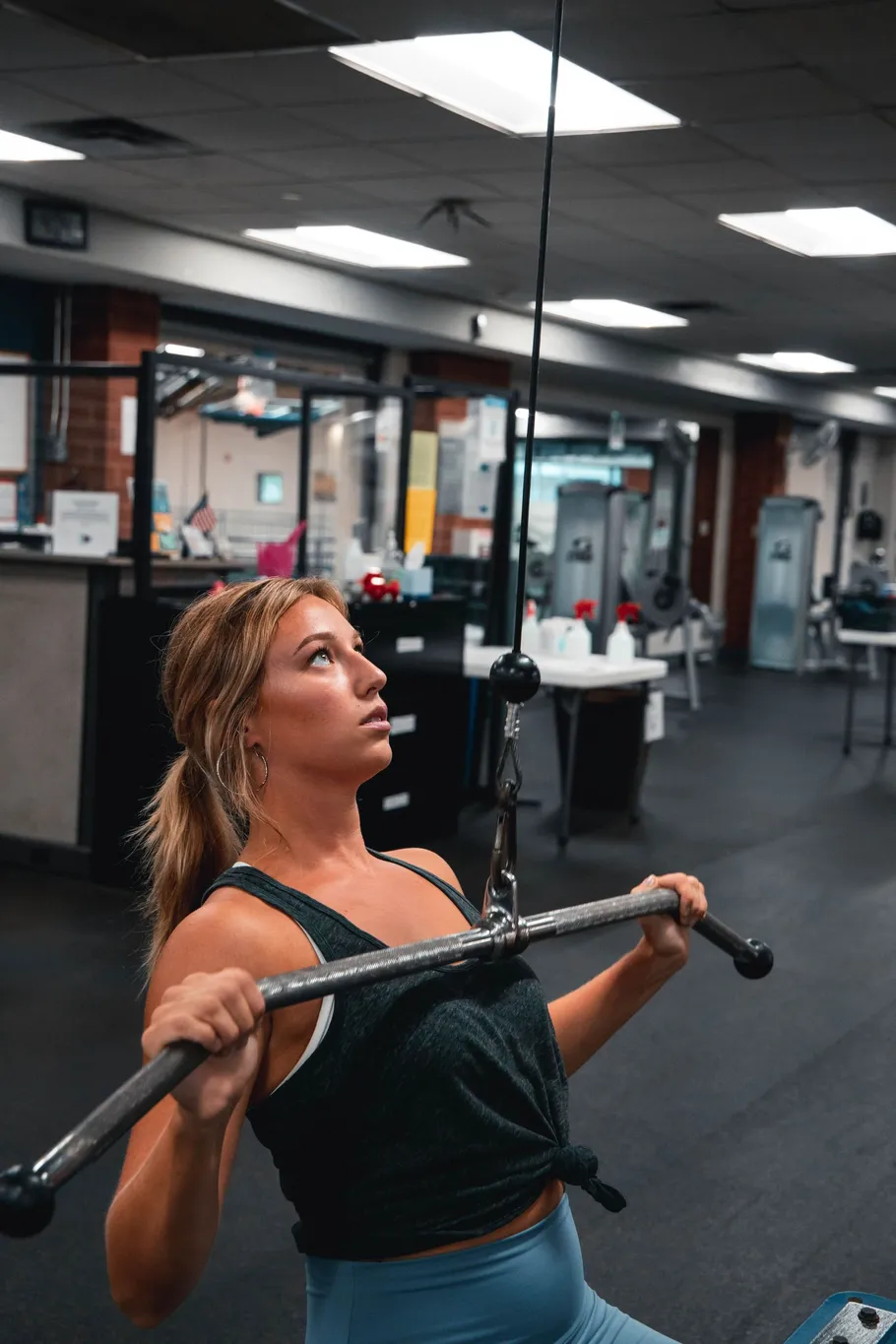
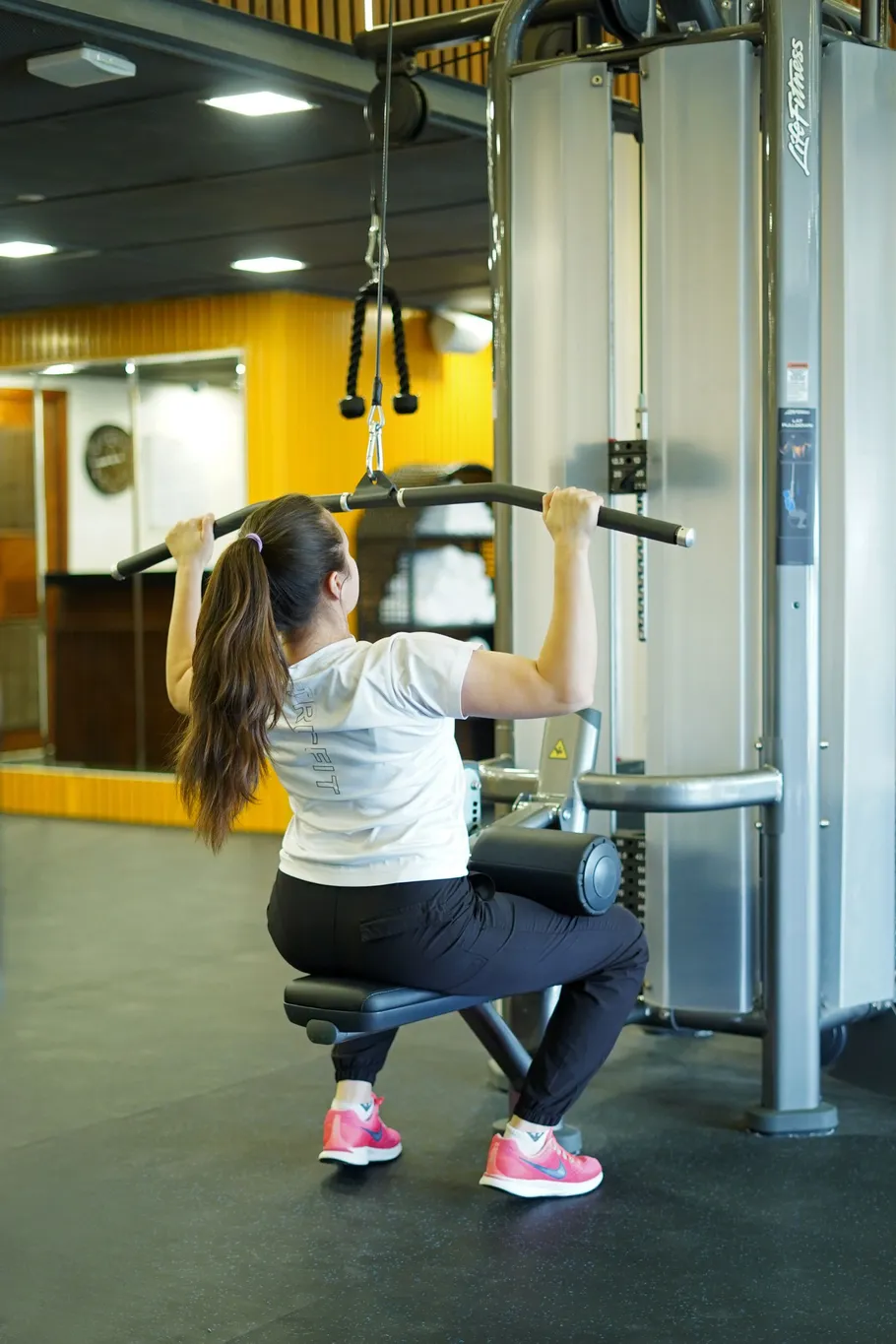
Thigh pads are what make a pulldown a pulldown. Without them, heavy sets lift you off the seat. Count the pad positions — six on the Titan selectorized tower, four on the Titan plate-loaded tower — and sit on the machine if you can, because pad height and seat depth decide comfort more than any spec sheet.
Bar width matters too. A 48 in bar suits wide-grip pulldowns, while the Valor’s 38 in bar suits lifters with narrower shoulders. If several people will use the machine, the widest pad and footplate adjustment range wins.
Capacity and Who It Fits
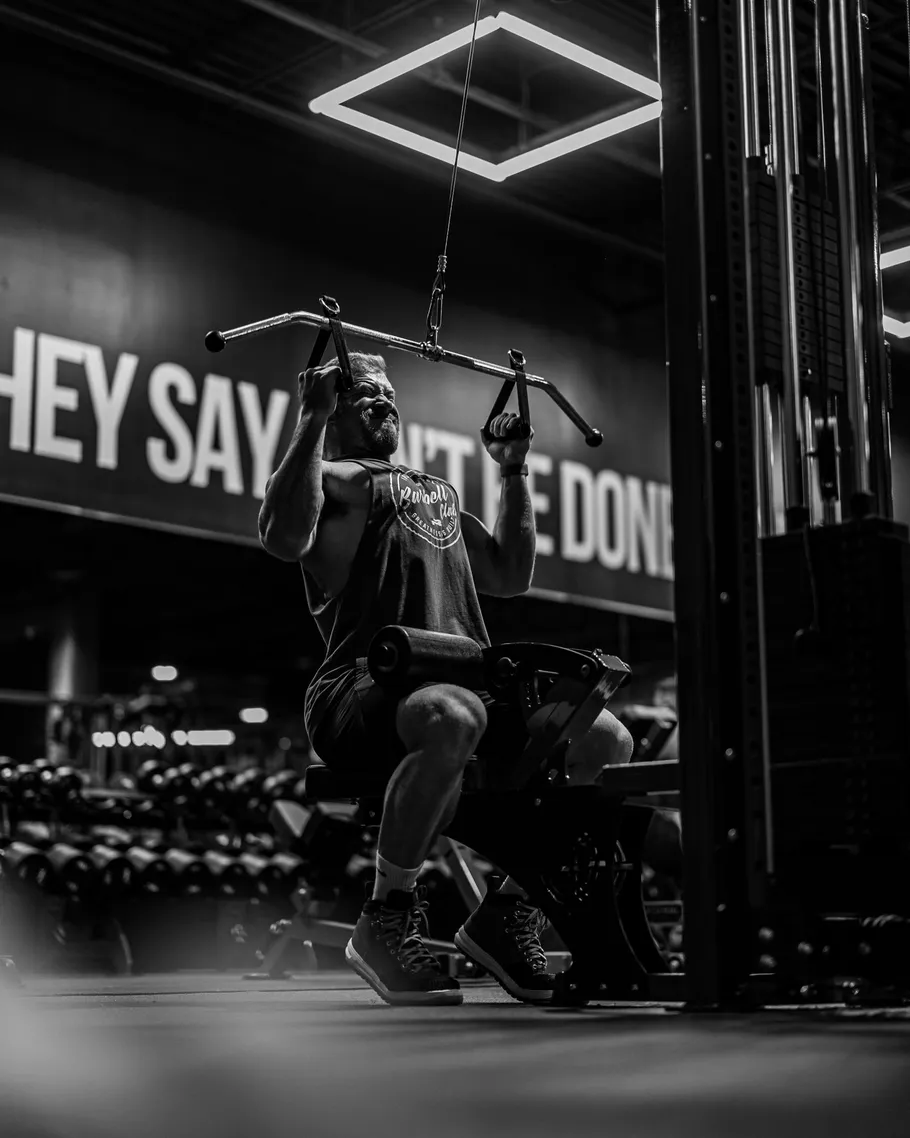
Capacity figures in this guide measure different things, so compare them by scope, not by size alone. A 250 lb carriage load, a 300 lb cable rating and a 500 lb plate capacity are not three versions of the same number — they describe different parts of different machines.
Beginners rarely need more than 200 to 250 lb on a pulldown, since back work rewards full range and control more than maximal load. Strong lifters should look at the Powertec or the 400 lb plate-loaded pair, and treat any machine with no stated maximum — like the GLM83 — as an unknown, not as unlimited.
Safety
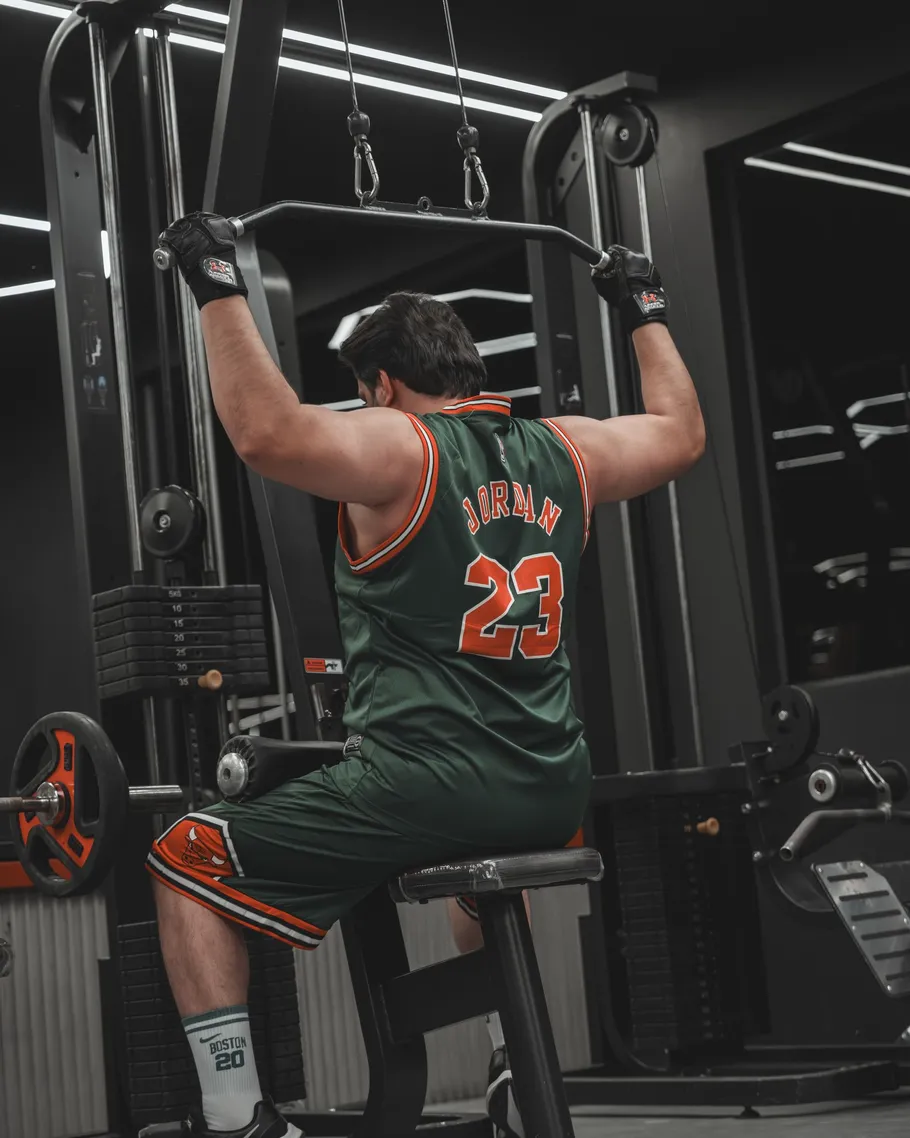
Lat machines are forgiving equipment, but shoulders and elbows still reward a careful setup. Our pull-up bars guide covers the bodyweight alternative, and the seven steps below cover the machine itself.
- Warm up with a light set before loading your working weight.
- Set the thigh pads snug on the lower thigh, never pressing on the kneecap.
- Grip the bar just outside shoulder width and lean back slightly, chest up.
- Pull the bar to your upper chest, not behind your neck.
- Lower slowly and let your arms fully extend without shrugging.
- Lock plates with collars, check pins and cables, and inspect the bar attachment before each session.
- Stop on sharp shoulder or elbow pain, and check the frame, pads and cables regularly for wear.
This guide gives general information only, not medical advice. Stop and seek professional advice if you feel sharp pain, numbness, or a shoulder that clicks or gives way.
FAQ
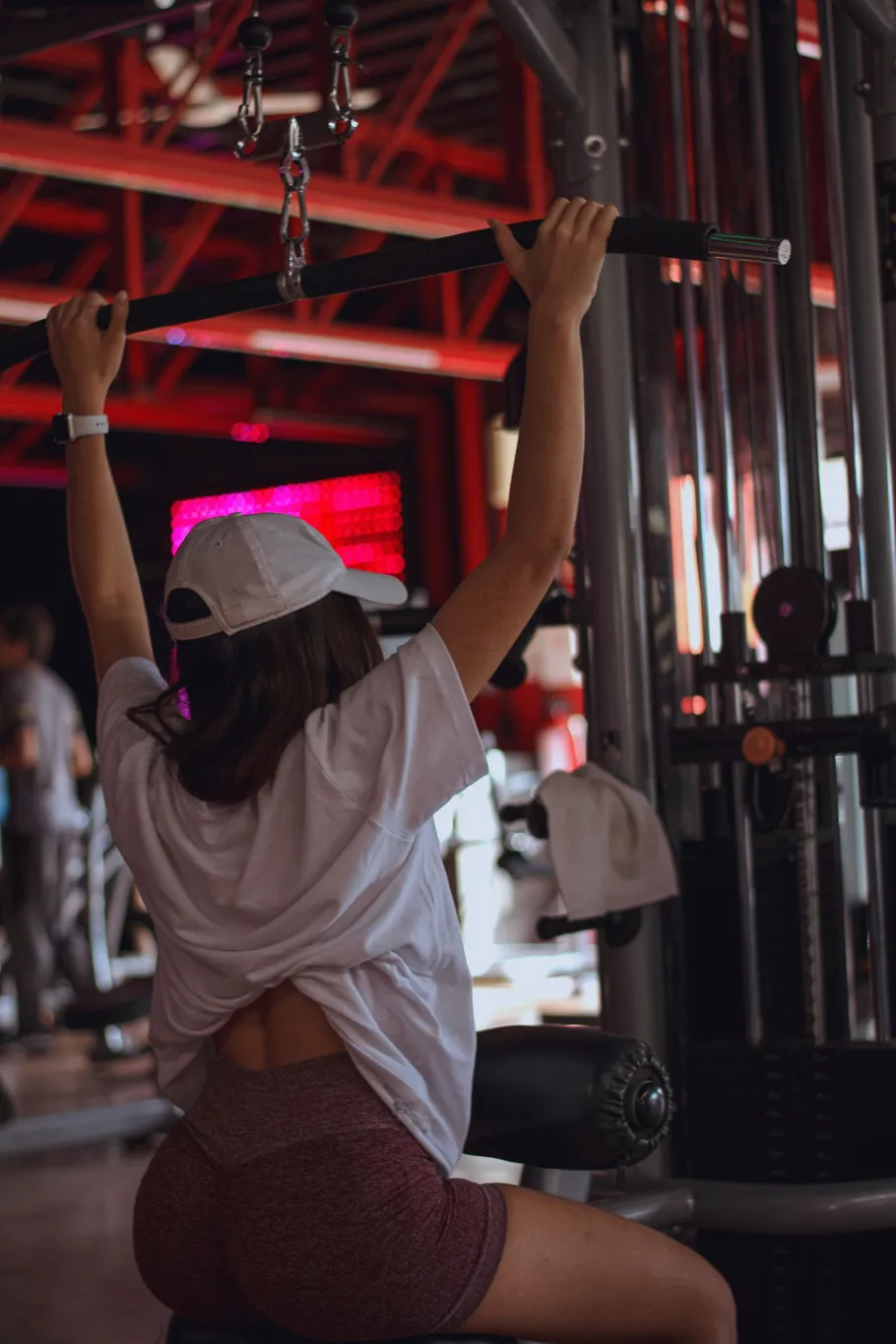
Can a lat pulldown replace pull-ups?
For building back strength, yes — the pulldown trains the same pulling pattern with adjustable load, so you can progress in small steps instead of jumping straight to bodyweight. For pull-up skill itself, no: the balance and grip demands differ, so keep some bodyweight practice if pull-ups are the goal.
Plate-loaded or selectorized for a beginner?
Either works, but the choice usually follows your plate collection. Plate-loaded is cheaper if you already own plates, while selectorized is simpler if you own none, since the weight is built in and changes with a pin.
How much ceiling height do I need?
At least the machine’s stated height plus clearance for the top pulley and your hands at full stretch. The tallest machine here is 87 in, so a standard 8 ft ceiling fits it, but anything lower needs the shorter picks measured first.
Do I need Olympic plates for these machines?
It depends on the pick. The Titan plate-loaded tower and the Powertec take Olympic plates as standard, while the Body-Solid GLM83 and the Valor CB-12 take 1 in plates as standard, with Olympic adapters sold separately. The Titan selectorized tower needs no plates at all, and the XMark listing should be checked for its post size, since the records found do not state it. Check your existing plate set before choosing, because adapters add cost and wobble.
Can I do low rows on all of these?
Five of the six, yes — the Titan pair, the GLM83, the XMark and the Powertec all list a low row station. The Valor CB-12 lists a mid-pulley station instead, which trains a similar rowing pattern from a different pulley height. Confirm the included handles on the listing, since one Titan record disputes the low-row handle.
What else helps back recovery after pulldown sessions?
Light stretching, easy walking and a rest day between hard back sessions cover most recovery needs. For the muscles around the shoulder blades, our foam rollers guide covers the roller work lifters pair with back training.
Our Pick: Start Here
Start with the Titan Fitness Plate-Loaded LAT Tower if you already own Olympic plates: 400 lb capacity, a true 1:1 ratio, and lat plus low row in one frame. Choose the Titan Fitness Selectorized Lat Tower if you want pin changes and no plates at all, and step up to the Powertec Lat Machine only if your training will genuinely use its 500 lb current-listing figure.
As an Amazon Associate, this site earns from qualifying purchases made through links in this article, at no extra cost to you.
Product details are based on manufacturer and retailer research at the time of writing, and specifications may change — confirm capacity, dimensions and model codes with the seller before ordering.