

Why a Chest Press Machine Belongs in a Home Gym
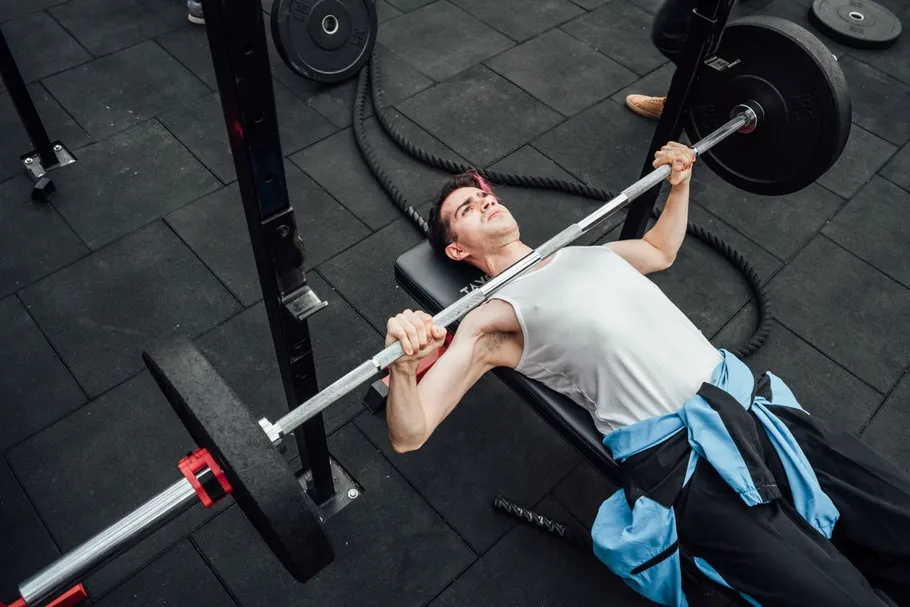
A barbell bench press builds the chest, but it also needs a spotter, safety arms and a careful setup every session. A chest press machine keeps the same pressing pattern on a fixed path, with built-in stops, so you can train hard alone without worrying about a failed rep.
That fixed path is the whole point. You sit or lie down, set the handles to mid-chest height, and press through the same arc every set. No bar drift, no uneven arms, no wondering whether your shoulders or your chest did the work.
Most of the machines below also adjust their arms and bench angles, so one frame covers flat, incline and unilateral pressing. If pressing is the core of your upper-body training, this is the machine that targets it directly — and it sits well alongside our lat pulldown machines and weight benches guides for a balanced home gym.
How We Picked
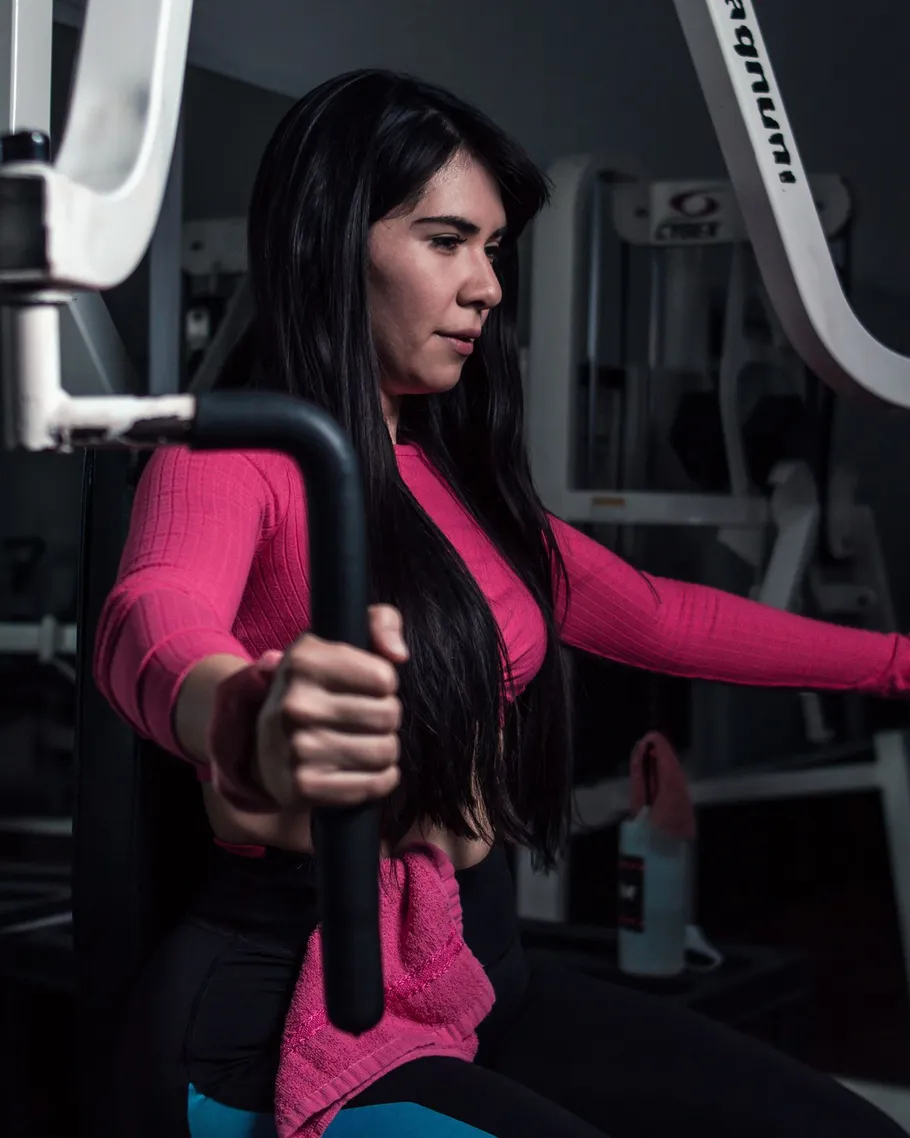
We scored each machine on the details that decide whether it actually gets used, not on headline numbers alone. A machine that does not fit your room, your plates or your arm length is a bad buy at any capacity.
- Usable load capacity, and whether that figure is a plate load, a per-arm load, a per-horn load or a stack weight
- Footprint, measured in floor area, plus ceiling and bench-out depth, since these frames run large
- Arm positions and bench angles, for flat, incline and unilateral pressing
- Plate compatibility, including Olympic posts and 1-inch plate fit
- Frame build, including stated steel size and gauge where the maker gives one
- Whether the machine folds flat or must be bolted down, for small rooms and shared spaces
Body-Solid LVIPB incline leverage press, BodyKore GR801, Dynasty DSH001, FEIERDUN, Mdeam and ANCHEER were also considered and set aside for the six below, which give the clearest spread of load types, footprints and capacities. Our power racks and gym flooring guides cover the room and floor these machines sit on.
Comparison
| Machine | Best for | Type | Top load | Standout |
|---|---|---|---|---|
| Titan Fitness Plate-Loaded Chest Press | Highest usable plate load | Plate-loaded, bench + arms | 1,000 lb | FID bench, 13 depth positions |
| Body-Solid LVBP Leverage Bench Press | Converging leverage arms | Plate-loaded leverage | Not stated | Gas-assisted starts, lifetime frame |
| GMWD Chest Press Machine V1 | Fold-flat small rooms | Plate-loaded, folding | 200 lb per arm | 11 arm positions, 1 in + 2 in plates |
| Gronk Fitness Seated Chest Press | Seated pressing | Plate-loaded, seated | 220 lb per horn | Band pegs, welded frame |
| GOIMU Z1-PRO | Angles + fold-flat | Plate-loaded, folding | 300 lb per arm (disputed) | 7 arm + 3 bench positions |
| HOIST CL-3301 Chest Press | Pin-stack convenience | Selectorized | 300 lb stack | Select-A-Grip handles, foot assist |
Read the top-load column with care, because the six machines do not measure the same thing. The Titan’s 1,000 lb is a stated plate load, the GMWD’s 200 lb is per arm, the Gronk’s 220 lb is per horn, and the Hoist’s 300 lb is a pin stack — four different scopes, not four versions of one number. The GMWD and GOIMU headline totals that circulate in listings are summed marketing figures, not press loads, so they are left out of the table. Body-Solid’s maker records state no maximum load at all, so its cell reads “Not stated” rather than repeating an unverified claim.
On the size extremes, the Hoist is the heaviest stated unit here at 613 lb, while the GOIMU is the lightest stated unit at about 62 lb item weight and has the smallest stated frame floor area at 61 by 30 in. Titan and Gronk state no unit weight, so they sit outside the weight ranking rather than inside it on a guess, and Gronk states no assembled dimensions, so it sits outside the footprint ranking too.
Titan Fitness Plate-Loaded Chest Press
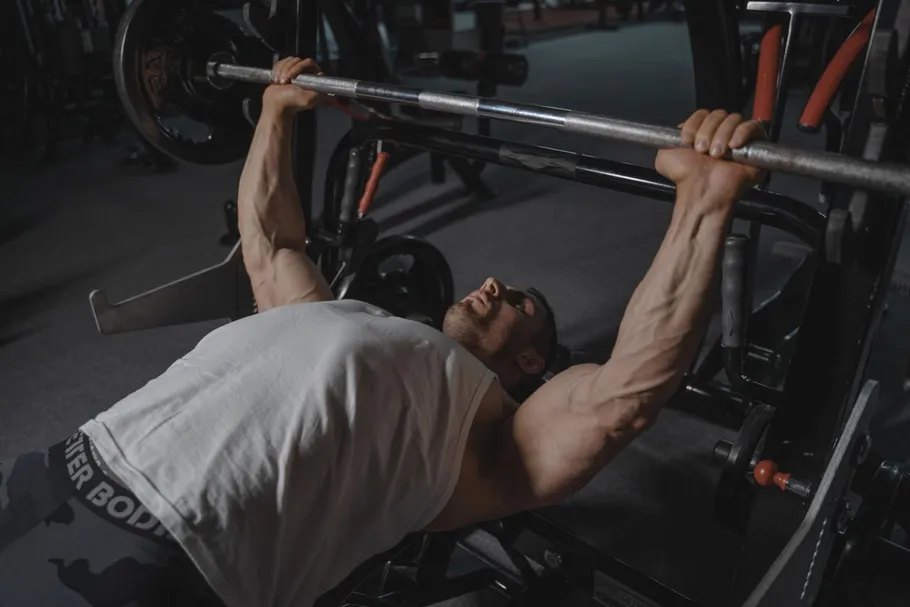
The Titan plate-loaded chest press is the highest-capacity pick here. Its stated 1,000 lb load is the highest usable plate load in this guide, and it pairs that capacity with an FID bench that adjusts across 13 depth positions, so flat, incline and decline pressing all come from one frame.
Its arms adjust independently across 5 positions, which keeps both sides honest and suits lifters whose arms are not perfectly even. Built-in safety stops catch a failed rep, and the 11-gauge steel frame is the joint-heaviest gauge stated here alongside the Body-Solid.
Two gaps to weigh. No unit weight or assembled height was found in the records, so this machine sits outside the weight and height rankings in this guide. And at 64 by 63 in — 77 in deep with the bench rolled out — it needs a proper corner of the room, not a gap between other equipment.
✅ Pros
- Highest usable plate load here at 1,000 lb
- FID bench with 13 depth positions
- 5 independent arm positions, unilateral work
- Built-in safety stops for solo training
⚠️ Cons
- Unit weight and assembled height not stated
- Large footprint, 77 in deep with bench out
- Needs Olympic plates you already own — none included
Listing check: Titan sells direct and no confident listing code was found for this press, so the link above is a tagged search — confirm the 1,000 lb capacity and the FID bench on the listing before ordering.
Best for: strong lifters who already own Olympic plates and want the highest usable plate load with adjustable bench angles.
May not fit: small rooms, since this frame runs 77 in deep with the bench out, or buyers who need a stated unit weight before delivery.
Body-Solid LVBP Leverage Bench Press
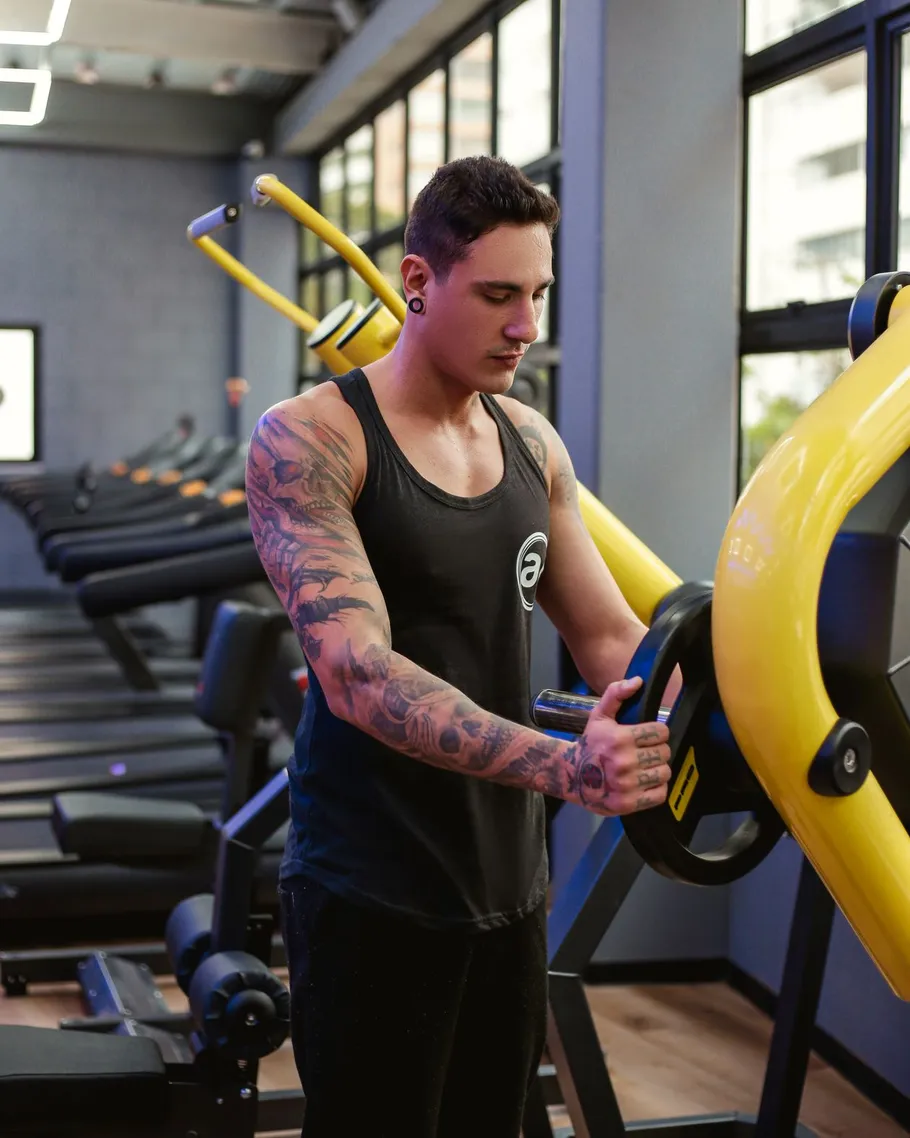
The Body-Solid LVBP is the leverage pick. Its converging unilateral arms swing inward as you press, which tracks the natural arc of a chest press better than a straight up-and-down path, and each arm moves on its own so a stronger side cannot carry a weaker one.
Gas-assisted start positions let you set the arms where your press starts, rather than wrestling them into place under load. Sealed bearing pivots keep the movement smooth, plate storage posts hold your plates on the frame, and the lifetime frame warranty is the longest stated warranty in this guide.
Two flags must be stated plainly. The maker records state no maximum load, so this guide lists its top load as “Not stated” rather than repeating an unverified figure. And the unit weight conflicts across records — 154 lb on the current maker page, 171 lb on an older data sheet, 169 lb from dealers — so it sits outside the weight ranking. Do not confuse it with the LVIPB incline variant, which is a different machine.
✅ Pros
- Converging unilateral arms track the press arc
- Gas-assisted start positions
- Sealed bearing pivots and plate storage posts
- Lifetime frame warranty, longest stated here
⚠️ Cons
- No maximum load stated by the maker
- Unit weight conflicts: 154 vs 171 vs 169 lb
- Dealer-sold, so availability varies by seller
Listing check: no confident listing code was found for this press, so the link above is a tagged search — confirm the LVBP model code, and do not accept the LVIPB incline variant as a substitute, before ordering.
Best for: lifters who want converging leverage arms, unilateral work and a lifetime frame warranty.
May not fit: buyers who need a stated maximum load, or who want a settled unit weight before delivery.
GMWD Chest Press Machine V1
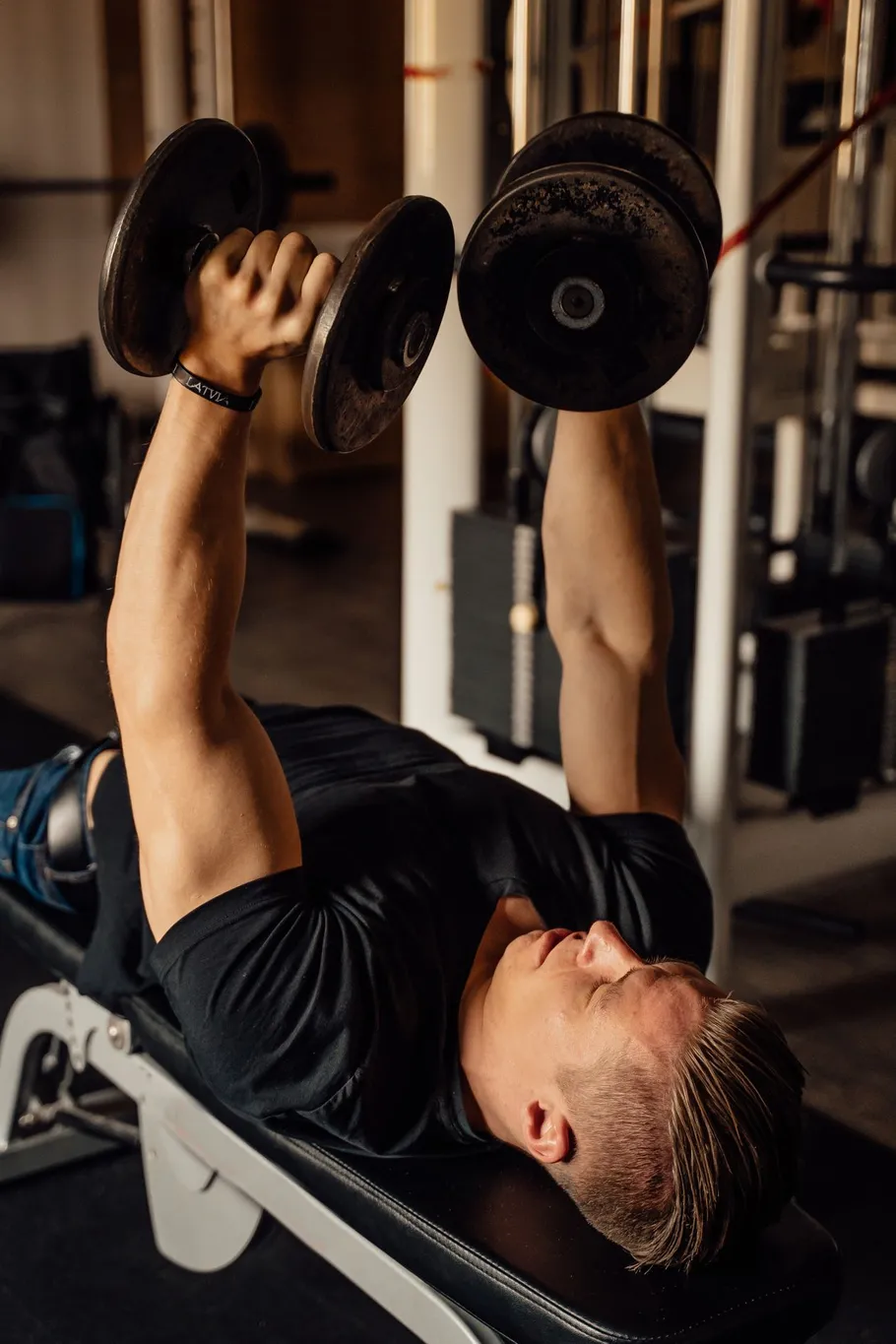
The GMWD V1 is the fold-flat pick. Its frame folds away when the session ends, which makes it the most honest choice here for a spare room or a garage that still needs to park a car. Unfolded it measures 64.8 by 55.8 in, with independent converging arms across 11 positions.
Its sleeves take both 1 in and 2 in plates, so lifters with either plate set can load it without adapters. The detachable sleeves also keep the folded package slimmer, which matters when the machine has to lean against a wall between sessions.
Read its numbers with care. The headline totals that circulate in listings are summed marketing figures, not press loads — the usable figures are 200 lb per arm, 200 lb per holder and a 450 lb bench rating, and this guide ranks it on the 200 lb per arm figure. Folded dimensions also disagree across records, with the maker stating 35.4 by 30.5 by 54 in and a review record giving 35 by 55.8 by 53 in, so measure your storage spot against both.
✅ Pros
- Fold-flat design for small rooms and shared spaces
- 11 independent converging arm positions
- Sleeves fit 1 in and 2 in plates, no adapters needed
- 200 lb usable load per arm
⚠️ Cons
- Headline load totals are marketing sums, not press loads
- Folded dimensions disagree across records
- 14-gauge steel is lighter than the Titan and Body-Solid frames
Listing check: colour-variant listing codes circulate for this machine but conflict, so the link above is a tagged search — confirm the V1 model code and the 200 lb per arm figure on the listing before ordering.
Best for: small rooms and shared spaces where the machine must fold away after training.
May not fit: lifters who need more than 200 lb per arm, or who want heavier-gauge steel.
Gronk Fitness Seated Chest Press
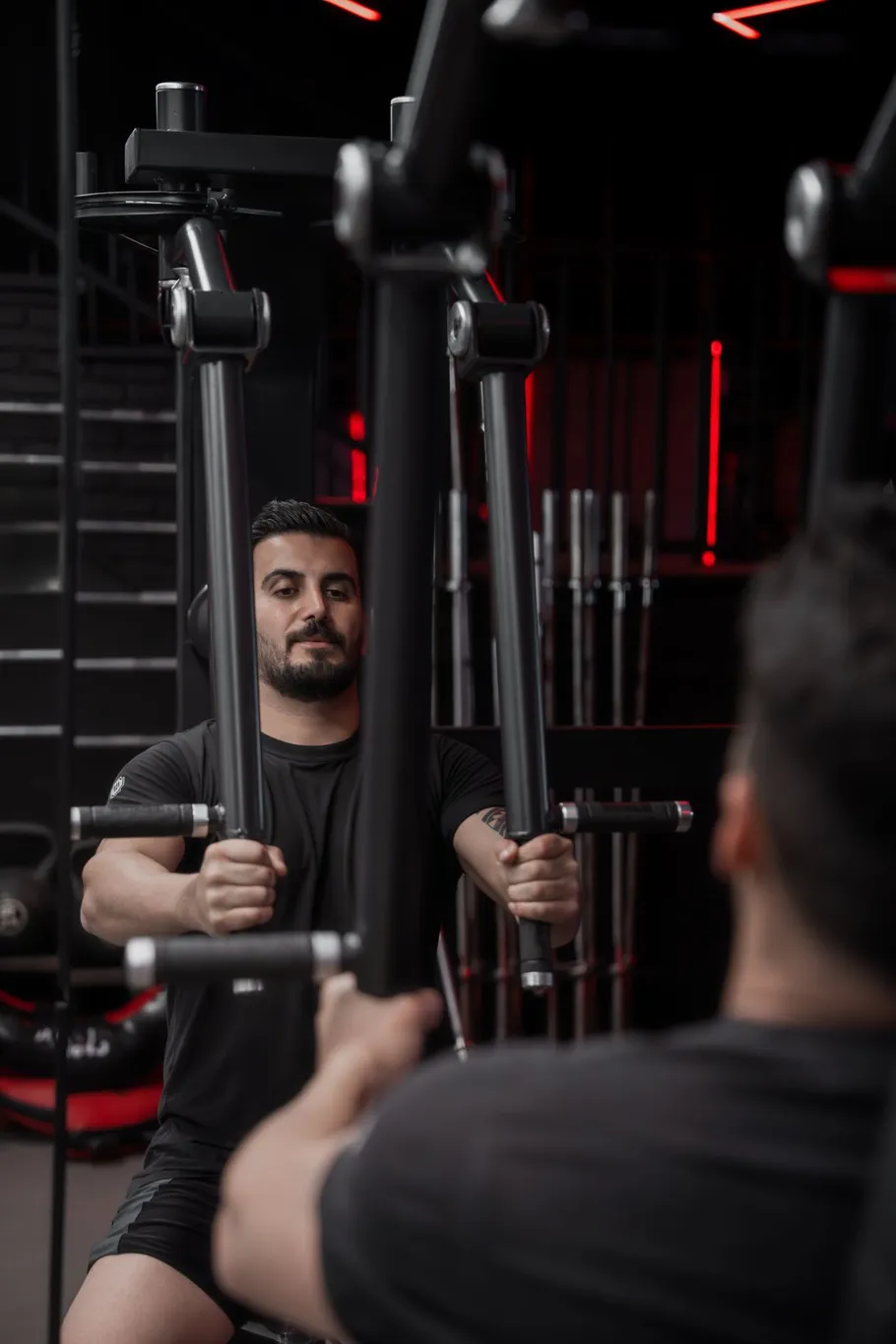
The Gronk is the seated pick. Its upright seated position suits lifters who prefer pressing from a chair-height seat rather than lying on a bench, and it keeps the lower back supported through the whole rep instead of asking you to hold a bridge.
Each horn loads 220 lb, for 440 lb total, on Olympic 2-in sleeves. Band pegs add resistance options for lifters who want accommodating work at the top of the press, and the welded frame keeps the whole unit rigid under load.
The honest gap is dimensions: no assembled dimensions or unit weight were found in the records, so this machine sits outside the footprint and weight rankings in this guide. Measure the listing’s stated footprint before ordering, and do not guess it from the seated photo.
✅ Pros
- Seated position with back support
- 220 lb per horn, 440 lb total
- Band pegs for extra resistance options
- Welded frame for rigidity
⚠️ Cons
- Assembled dimensions not stated
- Unit weight not stated
- Dealer-sold, so availability varies by seller
Listing check: no confident listing code was found for this press, so the link above is a tagged search — confirm the 220 lb per horn figure and the assembled footprint on the listing before ordering.
Best for: lifters who prefer seated pressing with back support and band-peg options.
May not fit: buyers who need stated dimensions and weight before ordering, or who want a lying bench press.
GOIMU Z1-PRO
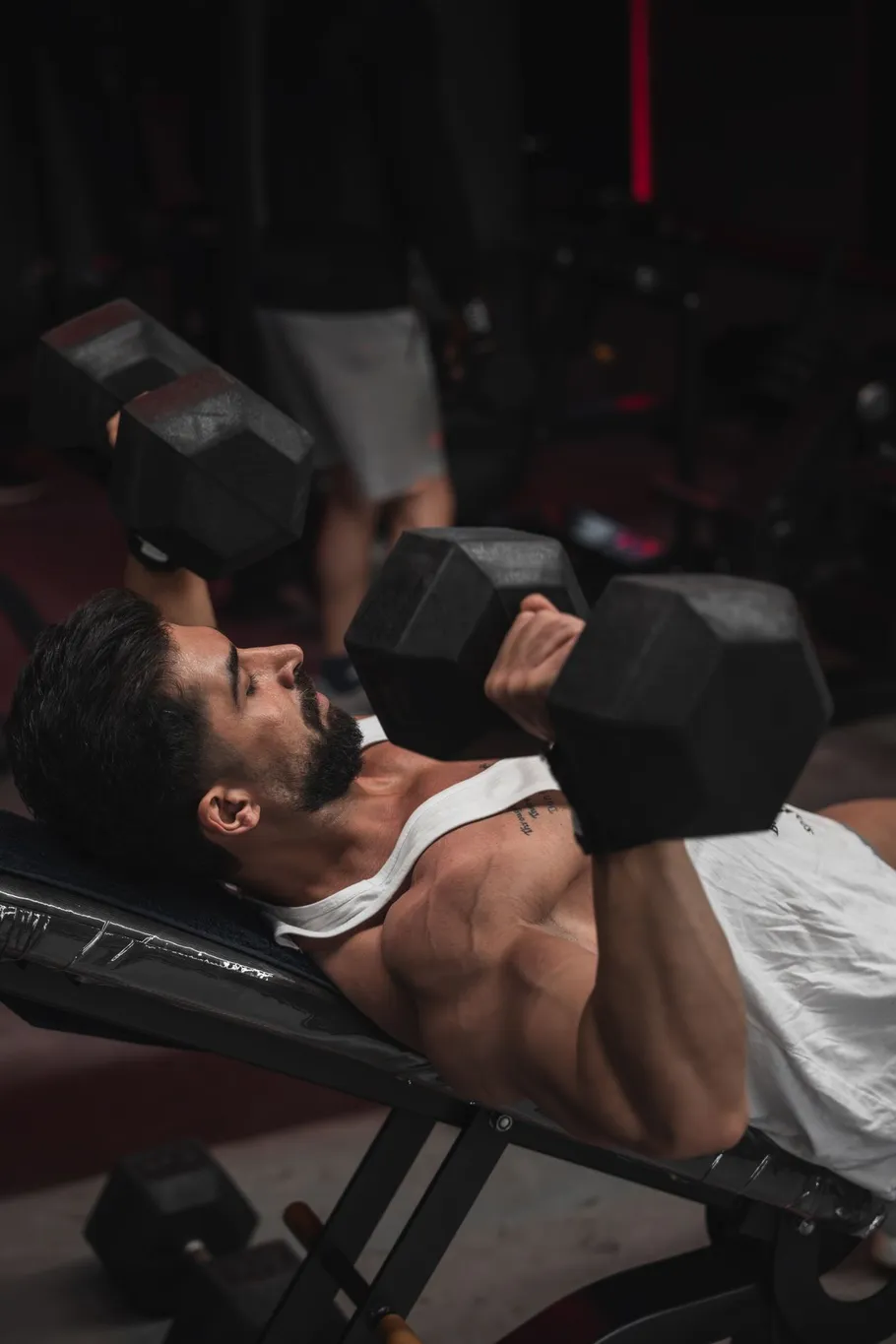
The GOIMU Z1-PRO is the angles pick. Its bench runs flat, incline and decline, plus a sit-up mode, and its independent arms adjust across 7 positions — the widest bench-angle range here alongside the Titan’s 13 depth positions, which adjust depth rather than angle.
It also folds flat, and at 61 by 30 in it has the smallest stated frame floor area in this guide. At about 62 lb item weight it is the lightest stated unit here too, so moving it into position is a one-person job. Its sleeves take both 1 in and 2 in plates.
Its capacity must be stated as disputed, not settled. One review source gives 300 lb per arm, another gives 200 lb per arm, and the 1,300 lb headline figure in listings is a marketing total, not a press load — the table uses “300 lb per arm (disputed)” and you should confirm the figure on the listing you buy from. Item weight is about 62.2 lb while the package weight is 69.45 lb, two different scopes. And the Z2 manual’s figures belong to a different model, not this one.
✅ Pros
- Flat, incline and decline bench positions plus sit-up mode
- 7 independent arm positions
- Smallest stated frame area here at 61 by 30 in
- Lightest stated unit at about 62 lb, and fold-flat
⚠️ Cons
- Capacity disputed: 300 vs 200 lb per arm across records
- Headline 1,300 lb figure is a marketing total
- Item and package weights differ (62.2 vs 69.45 lb)
Listing check: one circulating listing code is a reseller mirror and another is a single listing snippet, so the link above is a tagged search — confirm the Z1-PRO model code and the per-arm capacity on the listing before ordering, and do not use Z2 manual figures for this model.
Best for: lifters who want flat, incline and decline angles plus fold-flat storage in the smallest stated footprint here.
May not fit: buyers who need a settled capacity figure with no conflicting records.
HOIST CL-3301 Chest Press
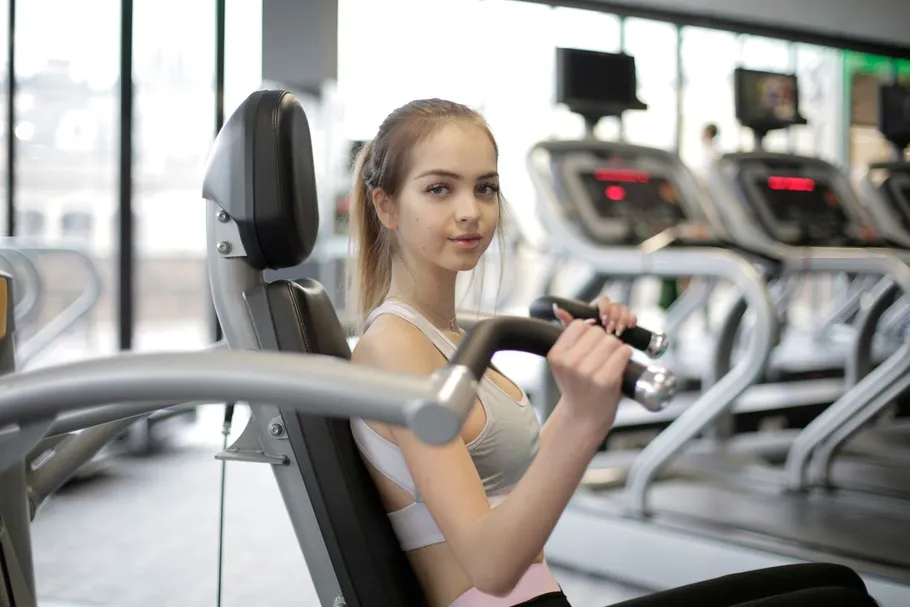
The Hoist CL-3301 is the selectorized pick, and the only pin-stack machine here. Its 300 lb weight stack changes with a pin, so weight changes between sets take two seconds and nobody has to load plates mid-workout — the fastest setup in this guide for households where several people train at different weights.
Its Select-A-Grip handles offer three grip options at 0, 45 and 90 degrees, which lets you shift emphasis without changing machines. A foot assist helps you start the first rep from a dead stop, and a gas-spring seat adjuster moves the seat without tools.
Two things to know before ordering. The owner’s manual requires the machine to be bolted to the floor, so it is a permanent installation, not a move-it-around pick. And its dimensions and weight conflict across maker documents — 58 by 53.75 by 48.5 in at 613 lb in the 2024 spec, 51.5 by 51.75 by 50 in at 613 lb in the 2019 spec, and a 58.5 in length with 629 lb in the 2019 catalog — so measure your room against the largest figures and confirm the current spec with the dealer.
✅ Pros
- 300 lb pin stack, fastest weight changes here
- Select-A-Grip handles with 3 grip options
- Foot assist and gas-spring seat adjuster
- No plates needed at all
⚠️ Cons
- Must be bolted to the floor per the manual
- Heaviest stated unit here at 613 lb
- Dimensions and weight conflict across maker documents
Listing check: this is a dealer and commercial line with no confident listing code found, so the link above is a tagged search — confirm the CL-3301 model code, the 300 lb stack and the current dimensions with the dealer before ordering.
Best for: lifters who want pin-stack convenience, three grip options and no plates at all.
May not fit: renters or anyone who cannot bolt a 613 lb machine to the floor, or buyers who need settled dimensions.
How to Choose
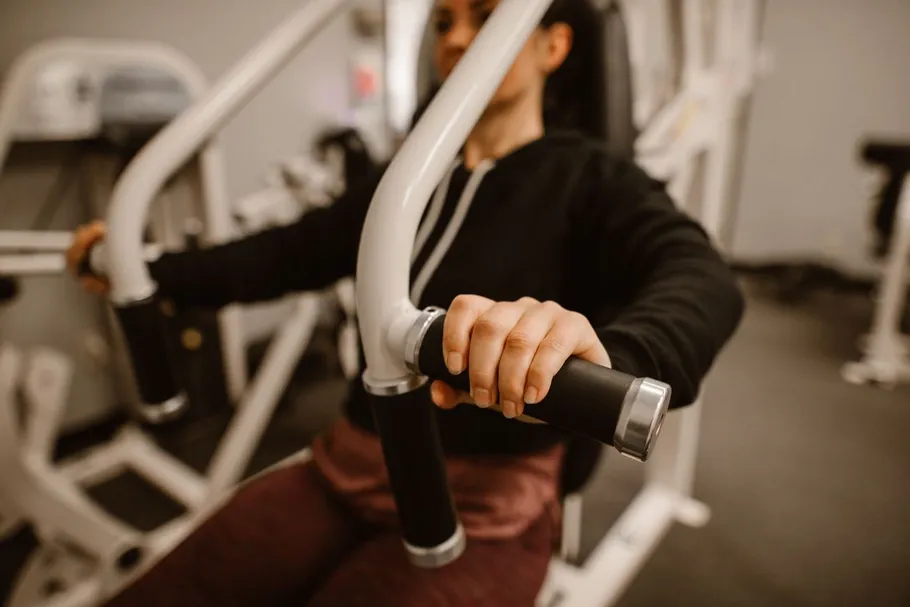
Four choices decide the right machine: how it loads, how much floor it needs, whether the arms and bench fit your body, and whether its capacity matches your training. Work through them in that order and the shortlist narrows fast.
Plate-Loaded or Selectorized?
Plate-loaded machines are cheaper to buy and grow with your plate collection, but every weight change means loading and unloading plates. Selectorized machines cost more and weigh more, but a pin change takes two seconds and suits households where several people train at different weights.
The deciding factor is usually what you already own. If your garage already holds Olympic plates, a plate-loaded press like the Titan, the Body-Solid or the Gronk uses them directly. If you own no plates, the Hoist selectorized press avoids that whole purchase — but check where plates would live if you go plate-loaded, since our weight plate storage racks guide covers the storage a plate-loaded setup needs.
Footprint and Floor Space
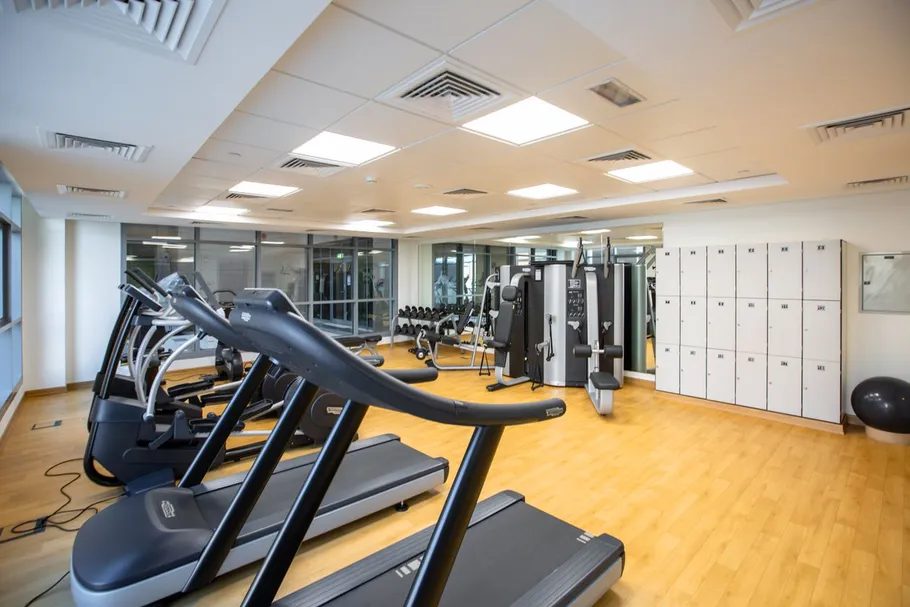
Frame size is not the whole story. The Titan frame is 64 by 63 in, but it runs 77 in deep once the bench rolls out, and the Hoist needs floor bolts plus room to step in and out. Always check both the frame size and the in-use size, and leave room to load plates from the sides.
Folding frames change the maths. The GMWD and the GOIMU fold flat, so their stored footprint is far smaller than their in-use footprint — but only if you actually fold them after every session. Compare against our squat stands guide if your room already holds tall equipment, and measure twice before ordering a machine that must be bolted down.
Arm Positions, Bench Angles and Fit
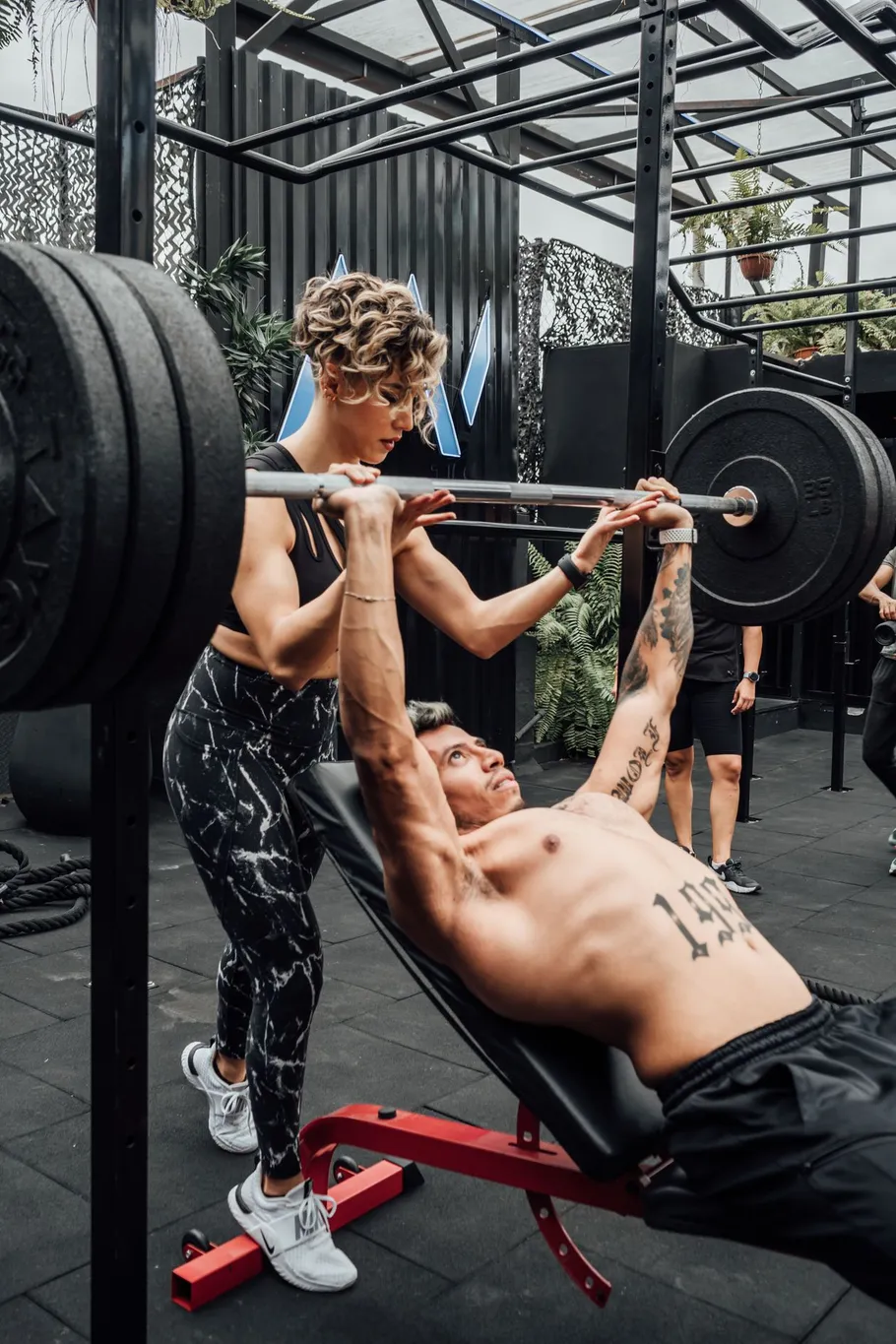
Arm positions decide whether the handles meet your chest at the right height. Count them — 11 on the GMWD, 7 on the GOIMU, 5 on the Titan — and check that the lowest position still lets you start a rep without shrugging, because a press that starts too low strains the shoulders.
Bench angles decide which part of the chest works hardest. The GOIMU bench runs flat, incline and decline, the Titan FID bench adjusts depth across 13 positions, and the Gronk presses from a fixed seated position. If several people will use the machine, the widest arm and bench adjustment range wins.
Capacity and Who It Fits
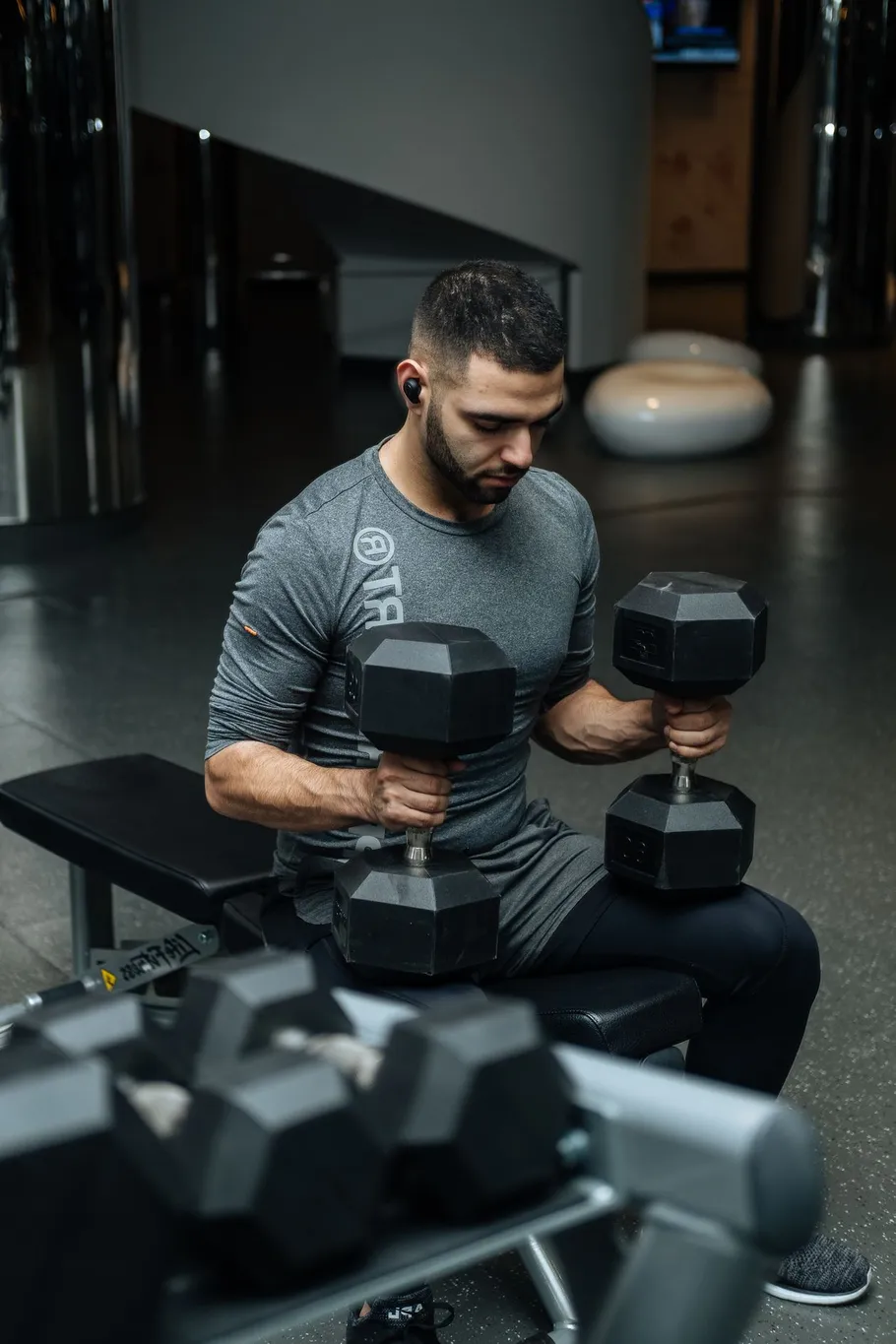
Capacity figures in this guide measure different things, so compare them by scope, not by size alone. A 1,000 lb plate load, a 200 lb per-arm load, a 220 lb per-horn load and a 300 lb stack are not four versions of the same number — they describe different parts of different machines.
Beginners rarely need more than 200 to 250 lb on a chest press, since pressing rewards full range and control more than maximal load. Strong lifters should look at the Titan or the 440 lb Gronk total, and treat any machine with no stated maximum — like the Body-Solid LVBP — as an unknown, not as unlimited.
Safety
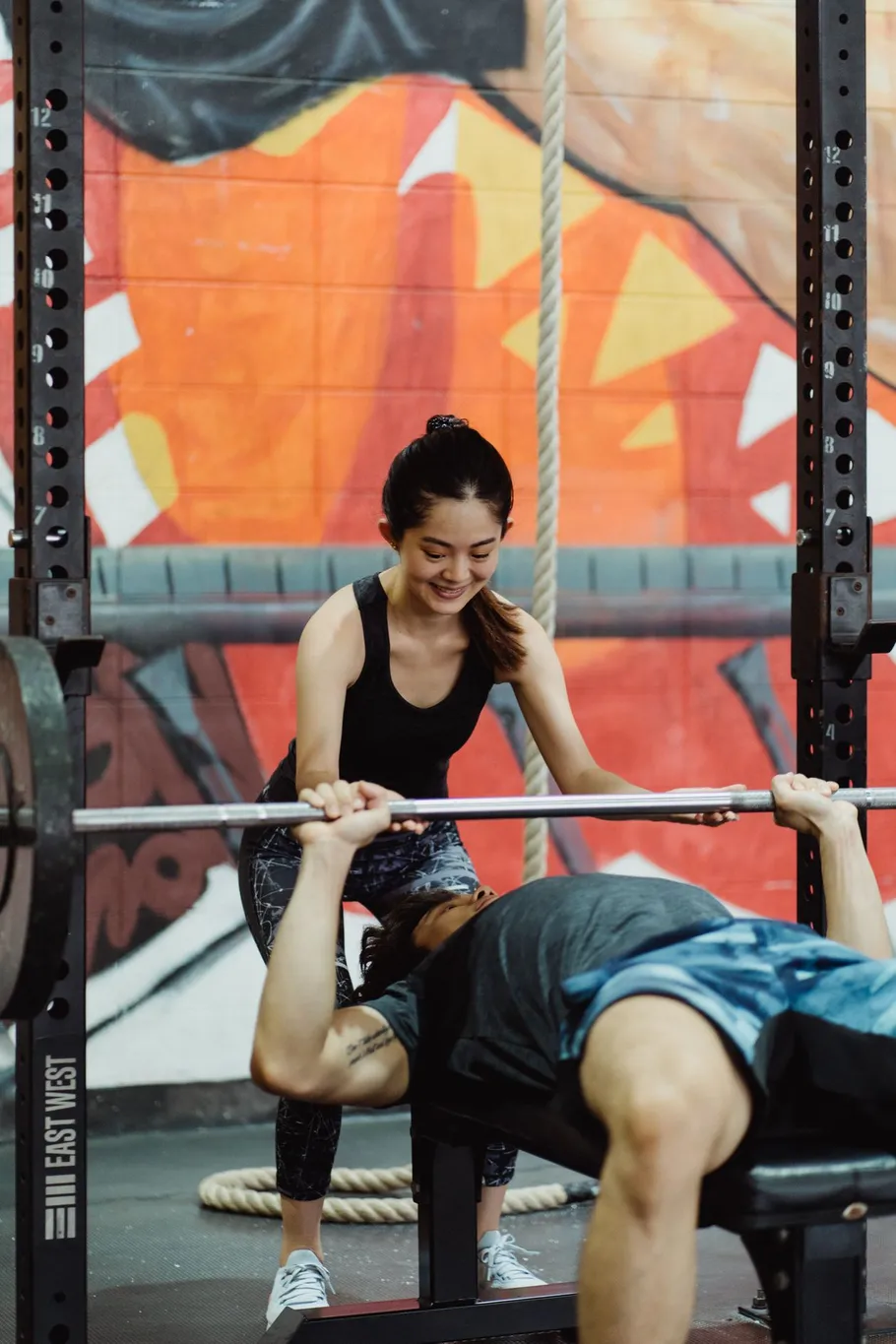
Chest press machines are forgiving equipment, but shoulders, elbows and wrists still reward a careful setup. Our wrist wraps guide covers the wrist support some pressers pair with heavy sets, and the seven steps below cover the machine itself.
- Warm up with a light set before loading your working weight.
- Set the bench and handles so the grips align with mid-chest, not with your shoulders or stomach.
- Keep your feet flat, your shoulder blades on the pad, and your lower back in contact with the seat or bench.
- Grip the handles with straight wrists and a closed grip, thumbs wrapped around the bar.
- Press smoothly without bouncing, and lower under control — never drop the last inches of a rep.
- Lock plates with collars, check pins, catches and safety stops, and inspect cables and arms before each session.
- Stop on sharp shoulder, elbow or wrist pain, and check the frame, pads and bolts regularly for wear.
This guide gives general information only, not medical advice. Stop and seek professional advice if you feel sharp pain, numbness, or a shoulder that clicks or gives way.
FAQ
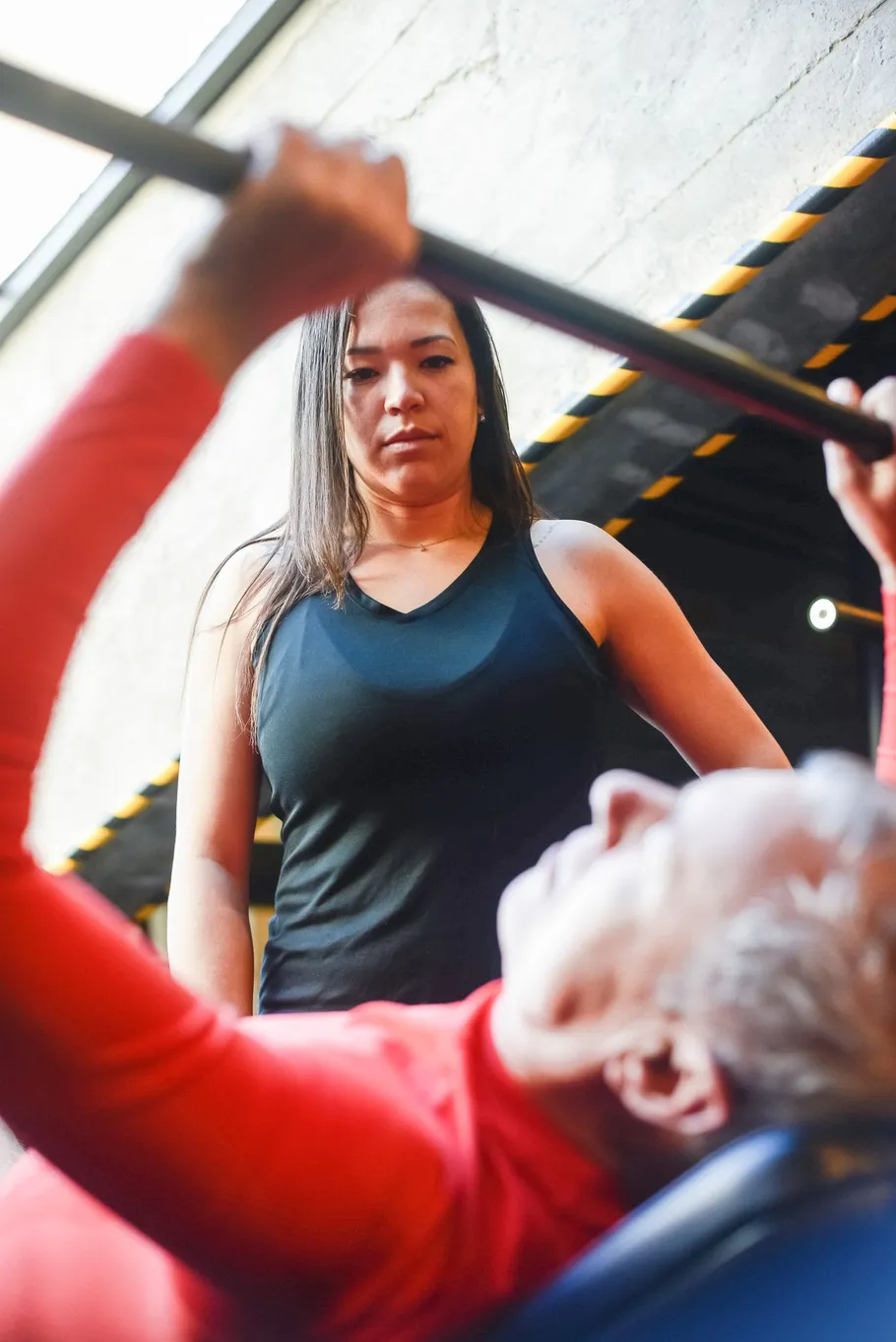
Do I need a chest press machine if I already own a bench and barbell?
Not strictly — a bench and barbell already train the chest well. A machine earns its floor space when you train alone, want unilateral arms, or want built-in safety stops for heavy sets without a spotter.
Plate-loaded or selectorized for a first chest machine?
Either works, but the choice usually follows your plate collection. Plate-loaded is cheaper if you already own plates, while selectorized is simpler if you own none, since the weight is built in and changes with a pin.
How much floor space does a chest press machine need?
More than the frame alone. The GOIMU frame is only 61 by 30 in, but the Titan runs 77 in deep with its bench out, and the Hoist needs bolt-down room plus space to step in and out. Measure the frame, the bench-out depth and your loading space before ordering.
Can one machine train flat, incline and decline?
Two of these can. The GOIMU bench runs flat, incline and decline, and the Titan FID bench adjusts across 13 depth positions for the same range. The Gronk presses from a fixed seated position, so it covers one angle well rather than three.
What load should a beginner start with?
Start light enough to press 10 to 12 clean reps with full range and straight wrists, then add weight in small steps. The Hoist 300 lb stack and the GMWD 200 lb per arm both leave plenty of room to grow, and safety stops or a spotter matter most when the weight gets serious.
What else helps chest recovery after pressing sessions?
Light stretching, easy walking and a rest day between hard pressing sessions cover most recovery needs. For the muscles around the shoulders and upper back, our foam rollers guide covers the roller work lifters pair with pressing training.
Our Pick: Start Here
Start with the Titan Fitness Plate-Loaded Chest Press if you already own Olympic plates: 1,000 lb usable load, an FID bench with 13 depth positions, and safety stops for solo training. Choose the GOIMU Z1-PRO if your room is small and you want flat, incline and decline angles in a fold-flat frame, and step up to the HOIST CL-3301 Chest Press only if you can bolt it to the floor and want pin-stack convenience with three grip options.
As an Amazon Associate, this site earns from qualifying purchases made through links in this article, at no extra cost to you.
Product details are based on manufacturer and retailer research at the time of writing, and specifications may change — confirm capacity, dimensions and model codes with the seller before ordering.