

Why Deadlift Jacks Belong in a Home Gym
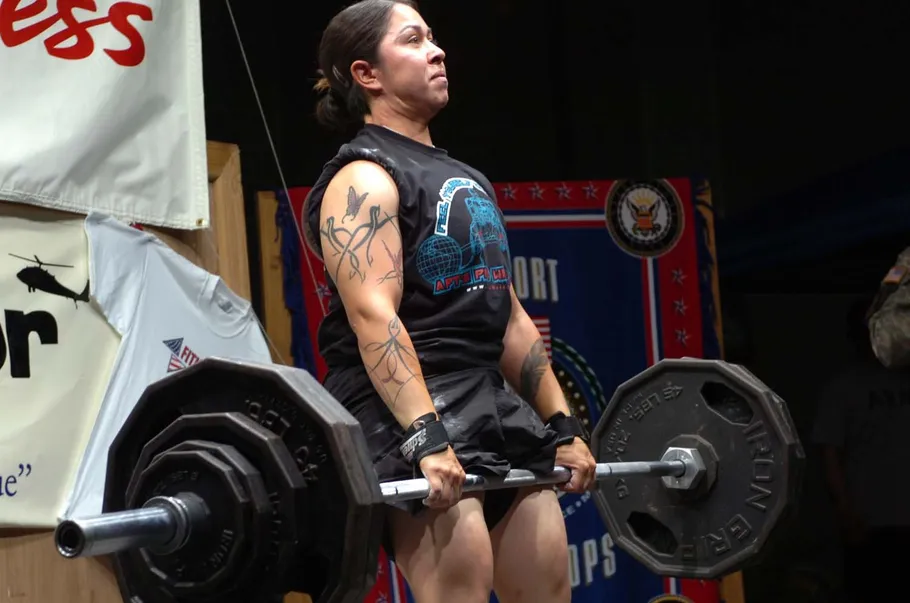
Loading a deadlift bar is the unglamorous half of deadlifting. The first plate slides on easily, the second takes a shove, and by the third plate per side you are lifting one end of a loaded bar with one hand while fumbling a plate with the other. A deadlift jack ends that wrestling match: it lifts one end of the bar — or both ends at once — so plates slide on and off freely. 🏋️
The bar this jack loads matters as much as the jack itself. Our deadlift bars guide covers the bars, from budget bars to calibrated steel, and every jack here is judged against a standard Olympic bar with a 2-inch sleeve — the bar most home lifters already own.
The previous guide in this series, our walking pads guide, covers the lightest end of the home gym. Deadlift jacks are the opposite end: a small steel tool that exists only because the heavy end of the gym is awkward to load by hand.
One honest scope note first. This guide covers jacks for straight-bar deadlifts only — lever jacks and wedges that lift a loaded Olympic bar so plates can be changed. It does not cover hex bars, trap bars or plate-loading machines, and it does not cover jacks for other lifts: a jack sized for a deadlift bar is not automatically right for a squat rack or a bench station.
How We Picked
We compared six currently sold deadlift jacks: two full-size steel levers, two compact steel minis, one foot-activated mini and one rubber wedge, so the guide answers which loading job each jack does best instead of crowning one winner for everyone. Every spec below comes from maker pages, listings, manuals or review records, and every disagreement found is stated in the pick sections rather than averaged away.
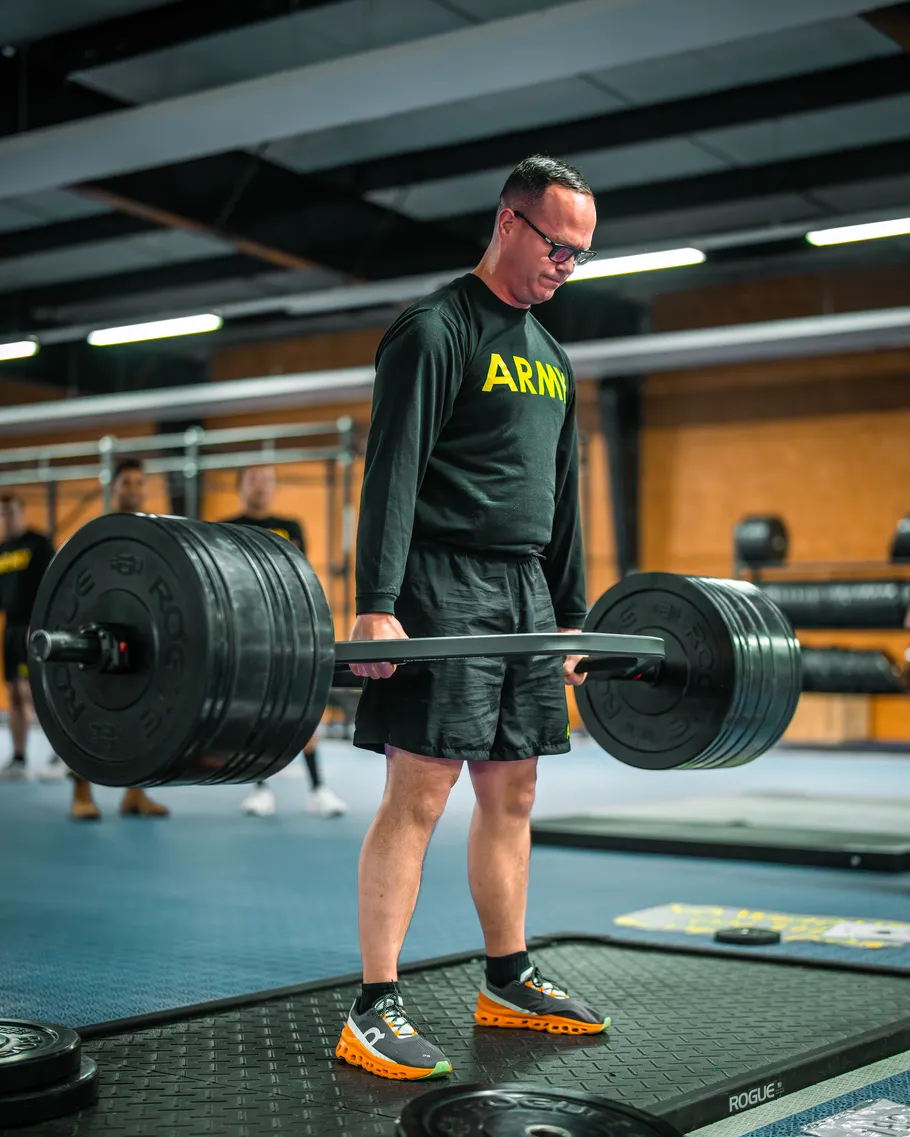
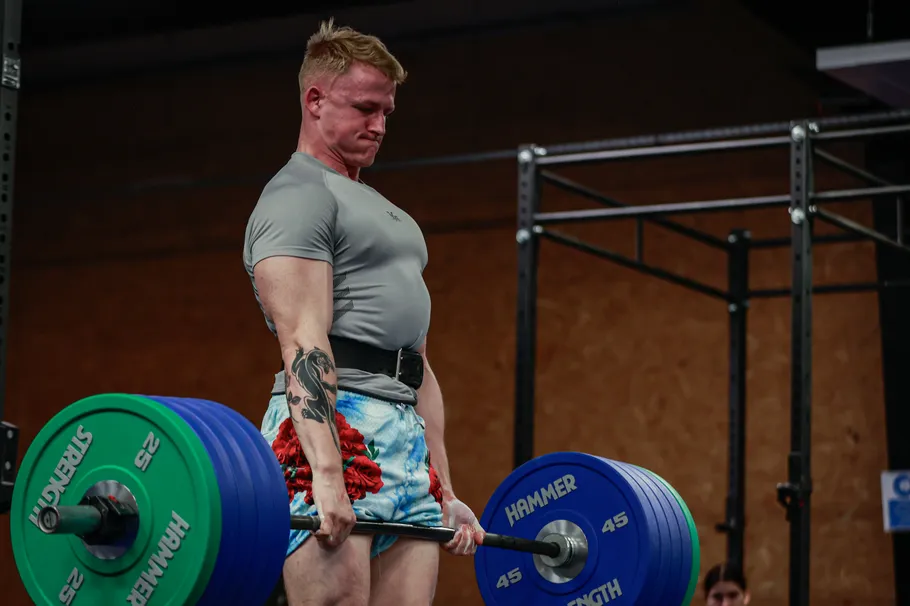
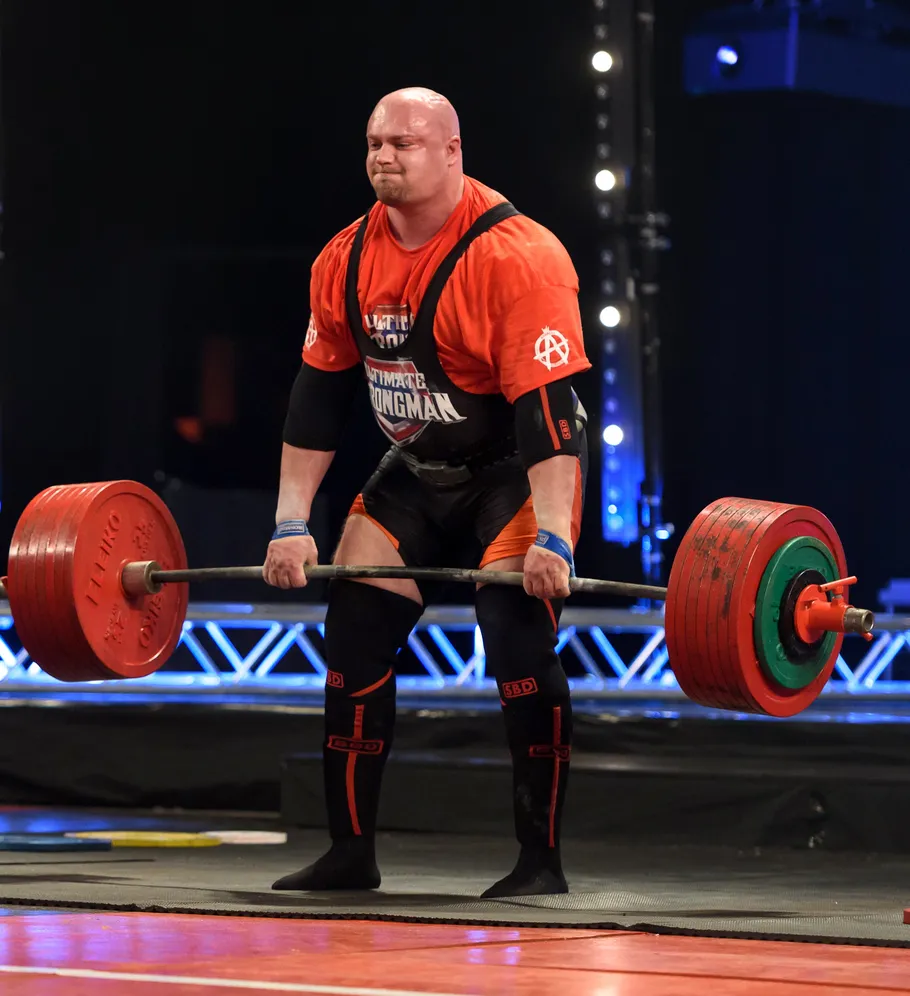
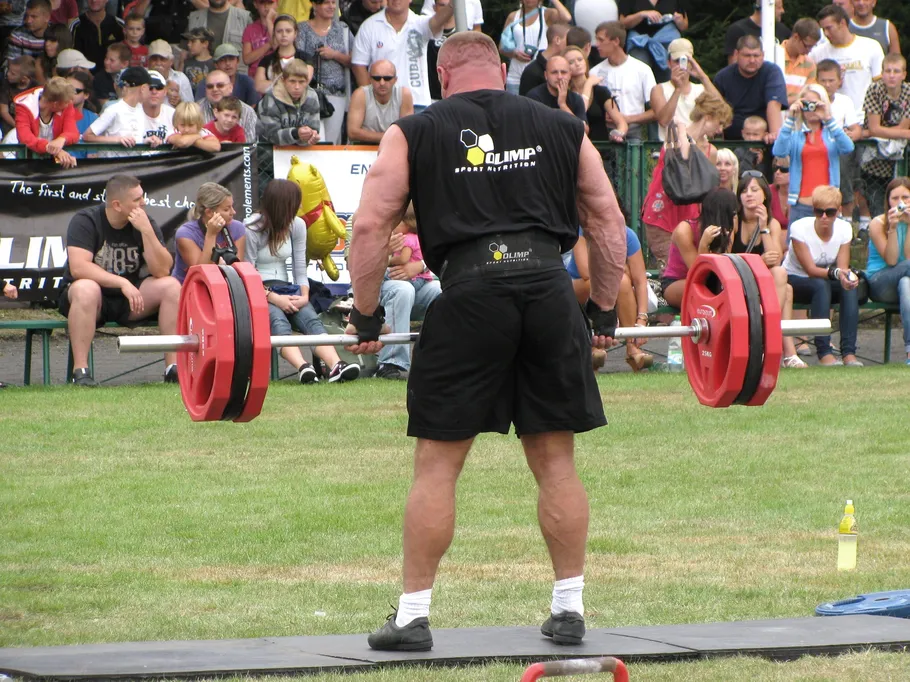
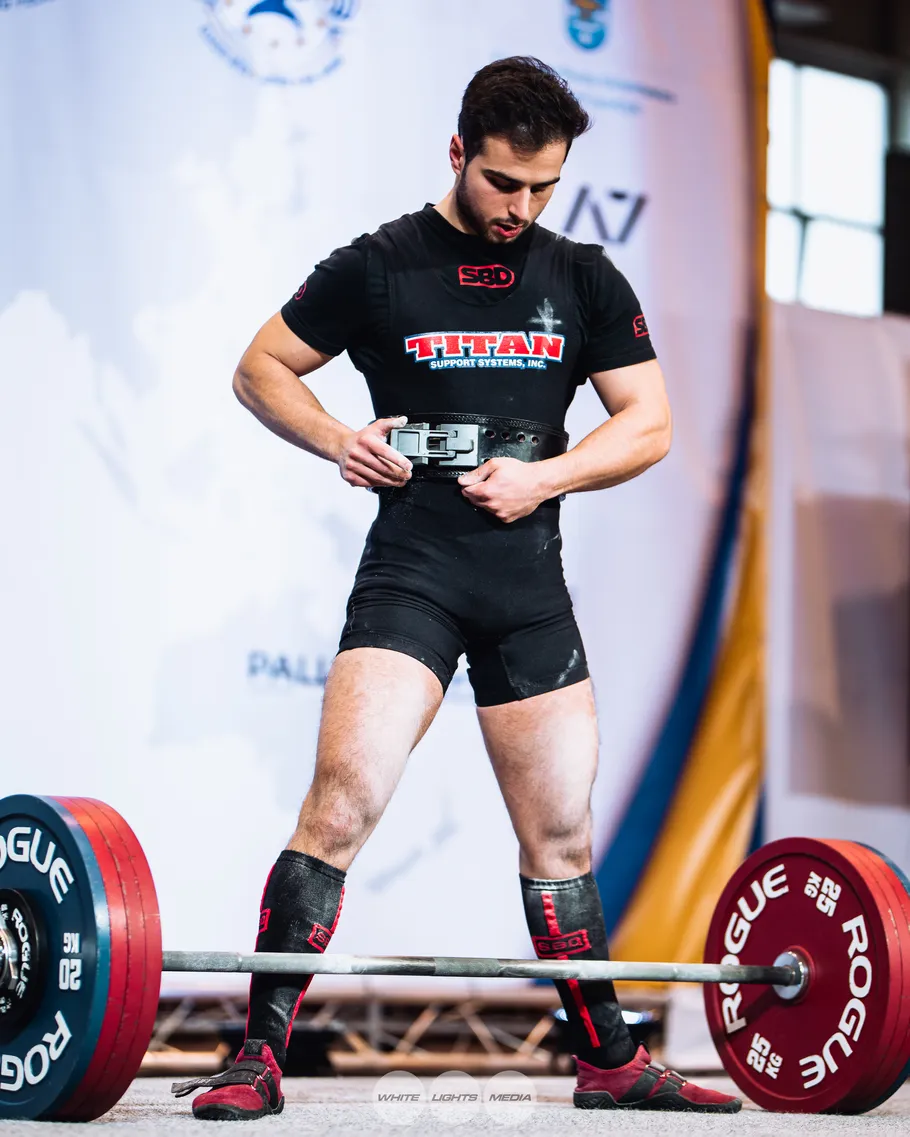
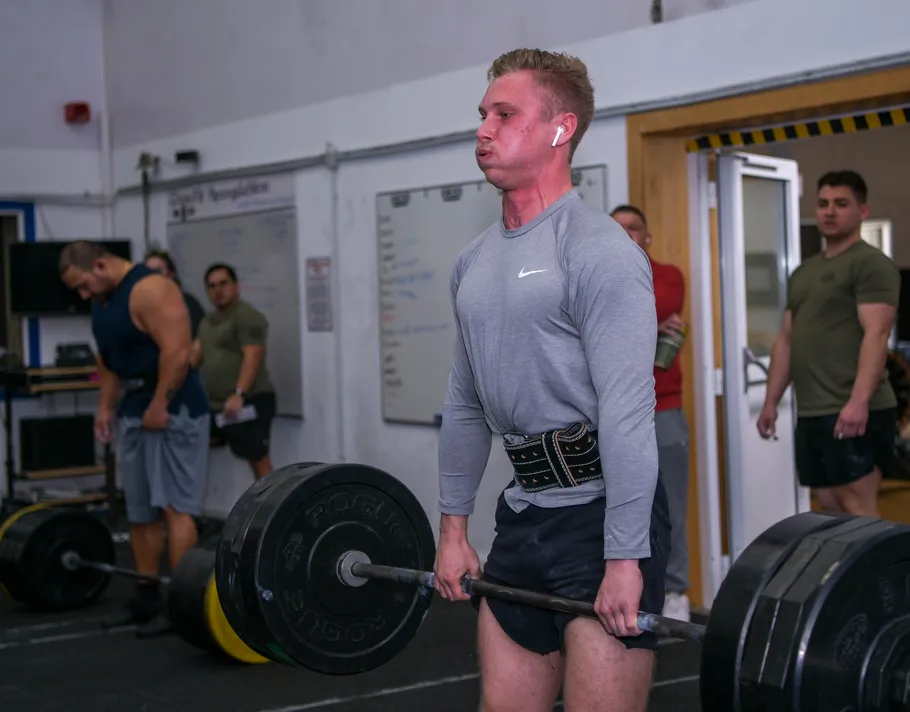
One limit applies to every photo in this guide: no free-license photo of any of the six named deadlift jacks exists, so every figure is an honest generic scene — lifters deadlifting loaded bars, hands on bars, gym floors and plate racks — captioned as what it actually shows, never presented as a photo of the named jack. No figure here is called high-definition where it is not.
- Scored on: lift type, stated capacity, unit weight, footprint, cup and bar fit, and storage.
Also considered: Rogue HD Bar Jack is a wheeled, premium full-size jack with a BoxLife capacity figure of 800 lb and a 36-inch T-handle, left out because its record adds nothing the two full-size picks do not already cover. Rogue A-Jack is an injection-moulded plastic mini at 800 lb, 9-1/8 inches tall on a 7 by 2-inch base, left out as a plastic alternative to the steel minis. Barbell 1 Lift-EZ wedges carry an 800 lb rating as a wedge pair, left out because the Dead Wedge already covers the wedge job. Barbell Jack is a glass-fibre-reinforced nylon jack, Intertek lab-tested at 250 kg (550 lb) per side and sized for 28 to 32 mm bars, left out for a thinner home-gym record than the steel minis. BRTGYM is a carbon-steel mini at 600 lb, left out because its record duplicates the Titan Mini’s capacity without adding a new job.
Scoped superlatives: the heaviest stated capacity here is the Titan Full’s 2,000 lb, a maker and listing claim disputed by a BoxLife table figure of 1,000 lb — stated as a dispute, never settled. The lightest jack here is the Dead Wedge at 0.45 lb, and the lightest steel jack is the Yes4All mini at about 8.1 lb, just under the Rogue Mini’s 9 lb. The only wedge is the Dead Wedge, the only foot-activated jack is the Titan Mini, and the only both-sides-at-once full-size jacks are the Rogue Full and the Titan Full. The smallest footprint among the picks is the Rogue Mini’s 19 by 4.5 inches, with the Yes4All’s 20.13 by 4.5 inches close behind; the Titan Mini is kept out of the footprint ranking because its dimension records conflict. The only wheeled jack is the HD model in Also considered, not a pick.
Comparison
| Pick | Job | Type | Capacity | Unit weight |
|---|---|---|---|---|
| Rogue Deadlift Bar Jack | Both-sides steel jack | Lever, both sides | Not stated | 28 lb |
| Rogue Mini Deadlift Bar Jack | Compact steel mini | Lever, one side | Not stated | 9 lb |
| Titan Fitness Full Bar Jack | Capacity-claim full jack | Lever, both sides | 2,000 lb (1,000 lb disputed) | 30 lb |
| Titan Fitness Mini Bar Jack | Foot-activated mini | Lever, one side, foot-activated | 600 lb | 13 lb |
| Yes4All Mini Deadlift Barbell Jack | Budget mini | Lever, one side | 400–880 lb (disputed) | 3.67 kg (≈8.1 lb) |
| The Dead Wedge | Wedge, portable | Ramp wedge | No numeric rating (any-weight claim) | 0.45 lb |
The Capacity column mixes four different kinds of figure, and none of them is a tested rating. The Titan Full’s 2,000 lb is a maker and listing claim disputed by a 1,000 lb table figure; the Yes4All’s range runs from a 400 lb UK listing through a 600 lb Canada listing to an 880 lb roundup figure; the Titan Mini’s 600 lb is the only settled numeric capacity among the lever jacks; and both Rogue jacks state no capacity in the records checked, so this guide claims none for them. The Dead Wedge’s maker claim that it can handle any weight amount is not a numeric rating, so its cell says so plainly. Confirm the capacity on the listing before ordering, every time.
The Unit weight column mixes pounds and kilograms because the sources do. The Yes4All’s 3.67 kg converts to about 8.1 lb, which makes it the lightest steel jack here, just under the Rogue Mini’s 9 lb — but the Dead Wedge at 0.45 lb is in a different class entirely, lighter than a single small plate. Unit weight matters twice for a jack: once when you carry it to the bar, and again when you store it.
Rogue Deadlift Bar Jack
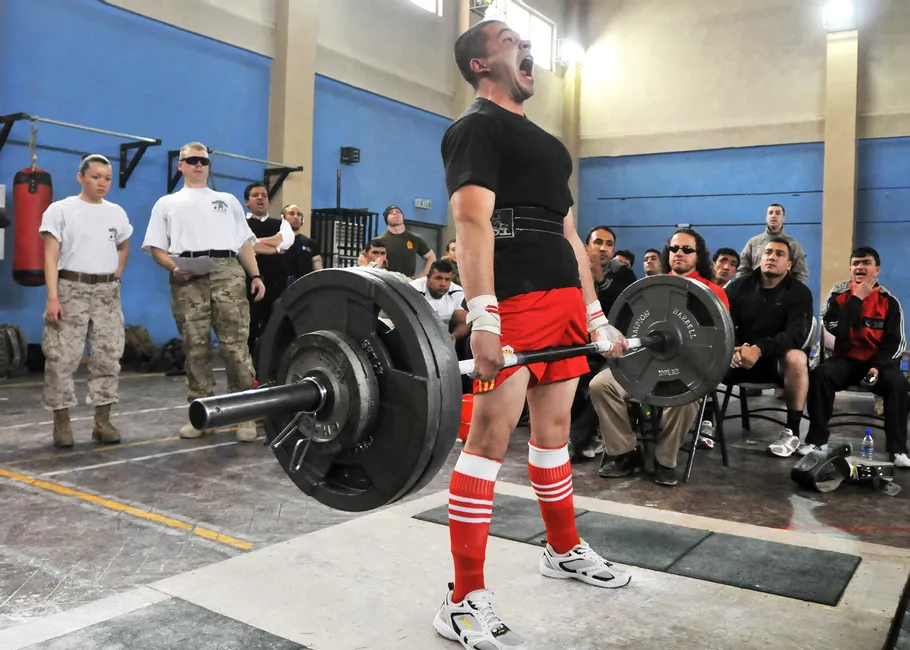
The Rogue Deadlift Bar Jack is the full-size pick of this guide, and its argument is simple: it lifts both sides of the bar at once. Built from 2 by 2-inch 11-gauge steel at 42 inches long and 28 lb per review record, it rolls under the bar, cups it in a UHMW-lined 1/4-inch formed-steel cup, and raises the whole bar so plates slide on and off both sleeves without moving the jack between sides.
Both-sides lifting is the real time saver. A mini jack lifts one side, you change plates, then you walk around and repeat; a full-size jack lifts the bar once and both sleeves are free. For lifters who change plates between every set — warm-ups, working sets, back-off sets — that difference adds up across a session.
Two flags stay open. First, the handle length reads 34 inches in one review against 42 inches in another — the 42-inch figure matches the stated overall length, but this guide states both rather than picking one. Second, no maker-stated capacity was found for this jack in the records checked, so the table cell reads Not stated and this guide claims none — judge it on its steel spec, not on a capacity number it does not carry.
✅ Pros
- Lifts both sides at once — the fastest plate changes here
- 2 by 2-inch 11-gauge steel with a UHMW-lined cup that protects the bar
- Full-size lever gives easy leverage on a heavily loaded bar
⚠️ Cons
- No maker-stated capacity found — judge it on steel spec, not a rating
- Handle-length records conflict — 34 inches against 42 inches
- 28 lb and 42 inches long, so it needs a wall or corner to live in
Listing check: no confident listing code was verified for this jack, so the link above is a tagged search — confirm the full-size model, the UHMW-lined cup and the overall length on the listing itself before ordering, and do not confuse it with the Rogue Mini below.
Best for: lifters who change plates often and want both sleeves free in one lift.
May not fit: small rooms with nowhere to store a 42-inch steel lever, or buyers who need a stated capacity figure before ordering.
Rogue Mini Deadlift Bar Jack

The Rogue Mini Deadlift Bar Jack is the compact steel pick: the same 2 by 2-inch 11-gauge steel and UHMW cup idea as the full-size Rogue, shrunk to a 19 by 4.5-inch footprint at 9 lb, made in the USA. It lifts one side of the bar at a time, so plate changes take two lifts instead of one — but it stores in a fraction of the space.
That trade is the whole mini-jack bargain. You give up both-sides lifting and gain a tool that leans against a wall, tucks beside a plate rack or rides in a gym bag. For home gyms where floor space is the binding constraint, that trade wins.
Two flags stay open. First, like its full-size sibling, the Rogue Mini states no capacity in the records checked, so the table cell reads Not stated. Second, the small cup and short lever mean leverage is lower than on a full-size jack — on a very heavily loaded bar, expect more effort per lift than the full-size Rogue’s long handle gives.
✅ Pros
- Smallest footprint among the picks at 19 by 4.5 inches
- Same 11-gauge steel and UHMW cup idea as the full-size Rogue
- Made in the USA, at 9 lb it stores almost anywhere
⚠️ Cons
- One side at a time — plate changes take two lifts, not one
- No maker-stated capacity found in the records checked
- Short lever means more effort on a very heavily loaded bar
Listing check: no confident listing code was verified for this jack, so the link above is a tagged search — confirm the mini model, the 19 by 4.5-inch footprint and the 9 lb weight on the listing itself before ordering, and do not confuse it with the full-size Rogue above.
Best for: small home gyms where storage space matters more than both-sides speed.
May not fit: lifters who change plates between every set and want one lift per change, or buyers who need a stated capacity figure.
Titan Fitness Full Bar Jack
The Titan Fitness Full Bar Jack is the capacity-claim pick: a full-size lever jack at 30 lb with a 42.5 by 18-inch footprint, a J-cup height of 10 inches, a 35-inch handle and a cup opening of 2.25 by 2.25 inches. Like the Rogue Full, it lifts both sides of the bar at once — but it pairs that with the largest capacity number in this guide.
The capacity number is where the honesty work starts. Maker and listing records claim 2,000 lb for this jack, while a BoxLife comparison table gives 1,000 lb for the Titan full jack. Both figures are stated here and neither is settled — a buyer planning loads anywhere near either figure should confirm the rating on the listing and treat the lower figure as the working limit until then.
On the settled figures, the Titan Full is the heaviest steel jack here at 30 lb with the largest footprint, and its 10-inch J-cup height gives generous plate clearance — the bar sits high enough that even thick bumper plates clear the floor easily. The 2.25-inch cup opening clears a standard 2-inch sleeve with room to spare.
✅ Pros
- Highest stated capacity here at 2,000 lb, even with the dispute noted
- Lifts both sides at once, so both sleeves are free in one lift
- 10-inch J-cup height gives generous clearance for thick plates
⚠️ Cons
- Capacity disputed — BoxLife gives 1,000 lb against the 2,000 lb claim
- Heaviest steel jack here at 30 lb, with the largest footprint
- Needs the most floor space of any lever jack in this guide
Listing check: no confident listing code was verified for this jack, so the link above is a tagged search — confirm the full-size model, the 2.25-inch cup opening and the capacity figure on the listing itself before ordering, and do not confuse it with the Titan Mini below.
Best for: lifters who want both-sides lifting with the biggest stated capacity number in this guide.
May not fit: buyers who need one settled capacity figure, or small rooms that cannot spare a 42.5 by 18-inch footprint.
Titan Fitness Mini Bar Jack
The Titan Fitness Mini Bar Jack is the foot-activated pick: the only jack here you work with your foot instead of your hands. At 13 lb with a lifted bar height of 10 inches and a 2.25-inch cup, it leaves both hands free to slide plates on and off — a small difference that matters when the plates are heavy and the bar is already loaded on the other side.
The capacity figure is the settled one among the lever jacks: 600 lb, stated without a competing record in the sources checked. That makes the Titan Mini the honest middle of this guide — not the biggest claim, but the only mini with a single capacity figure behind it.
One flag stays open, and it is about size. Dimension records conflict: one review record lists an overall length of 4 inches and a width of 18 inches, while listing records give 4 by 4 by 10 inches. Those cannot both describe the same box, so this guide states both and keeps the Titan Mini out of the footprint ranking — confirm the footprint on the listing before ordering, especially if storage space is tight.
✅ Pros
- Only foot-activated jack here — both hands stay free for plates
- 600 lb capacity, the only settled mini capacity in this guide
- 10-inch lifted bar height gives good plate clearance for a mini
⚠️ Cons
- Dimension records conflict — 4 by 18 inches against 4 by 4 by 10 inches
- One side at a time, like every mini here
- Kept out of the footprint ranking until the dimensions settle
Listing check: no confident listing code was verified for this jack, so the link above is a tagged search — confirm the mini model, the foot-activated lever and the 600 lb capacity on the listing itself before ordering, and do not confuse it with the Titan Full above.
Best for: lifters who want hands-free plate changes at a settled 600 lb capacity.
May not fit: buyers who need a settled footprint figure before ordering, or lifters who want both-sides lifting.
Yes4All Mini Deadlift Barbell Jack

The Yes4All Mini Deadlift Barbell Jack is the budget pick: an alloy-steel mini at 20.13 by 12.2 by 4.5 inches and 3.67 kg, about 8.1 lb, with a UHMW padded grip, a 70-degree post leg and a 1-year warranty. It is the lightest steel jack here and the cheapest tier of this guide — the lowest-cost way to stop wrestling plates by hand.
The capacity figure is the widest dispute in this guide, and it needs all three records stated. A UK listing gives 400 lb, a Canada listing gives 600 lb, and a BoxLife roundup gives 880 lb — three figures for what is sold as the same mini, differing by more than double from lowest to highest. Until a listing settles it, treat the lowest figure, 400 lb, as the working limit.
Two smaller flags stay open. The footprint is the largest of any mini here at 20.13 inches long, so the budget saving costs a little floor space. And the build is alloy steel rather than the specified 11-gauge steel of the Rogue and Titan minis — a different spec sheet, not necessarily a worse tool, but not the same steel claim either.
✅ Pros
- Budget pick — the lowest-cost steel mini here
- Lightest steel jack here at about 8.1 lb, with a UHMW padded grip
- 1-year warranty stated, the only warranty figure among the picks
⚠️ Cons
- Capacity three-way conflict — 400 lb, 600 lb and 880 lb all circulate
- Largest mini footprint here at 20.13 inches long
- Alloy steel, not the specified 11-gauge steel of the Rogue and Titan minis
Listing check: no confident listing code was verified for this jack, so the link above is a tagged search — confirm the mini model, the 3.67 kg weight and the capacity figure on the listing itself before ordering, and work to the lowest figure, 400 lb, until the listing settles it.
Best for: buyers who want the cheapest steel mini and will work to the lowest capacity figure.
May not fit: buyers who need one settled capacity figure, or lifters loading anywhere near the disputed upper figures.
The Dead Wedge

The Dead Wedge is the wedge pick, and it works differently from every other jack here: there is no lever, no cup and no handle. It is a contoured ramp of natural rubber at 0.45 lb, sold individually in orange and black, that you set against the loaded plate and roll the bar up. The plate rides up the ramp, the bar rises, and the next plate slides on.
The wedge’s advantages are all about simplicity. At 0.45 lb it weighs less than a single small plate, it fits in a pocket or a gym bag, and because it grips the plate rather than cupping the bar, it works with hex and polygonal plates as well as standard round plates — a job cup jacks handle only through the bar, not the plate shape.
Two flags stay open. First, the maker’s claim that the wedge can handle any weight amount is not a numeric rating, so the table cell reads No numeric rating and this guide claims none — judge it on its rubber and shape, not on a capacity number it does not carry. Second, it is sold individually, so loading both sides needs two wedges — and a wedge lifts the bar only as high as its ramp, less than the Titan jacks’ 10-inch cup height, so it suits plate changes better than full bar builds from scratch.
✅ Pros
- Lightest jack here by far at 0.45 lb — pocket-portable
- Works with hex, polygonal and standard plates alike
- No moving parts, nothing to adjust, nothing to break
⚠️ Cons
- No numeric capacity rating — the any-weight claim is not a rating
- Sold individually, so both sides need two wedges
- Lifts less high than a lever jack, so it suits plate changes over full builds
Listing check: no confident listing code was verified for this wedge, so the link above is a tagged search — confirm the single-wedge sale, the orange and black colour options and the natural-rubber build on the listing itself before ordering, and buy two if you load both sides.
Best for: lifters who want the lightest, simplest loading aid, including hex-plate lifters.
May not fit: buyers who need a numeric capacity rating, or lifters who want maximum lift height from a lever.
How to Choose
Four decisions cover almost every deadlift jack purchase: type, capacity, bar fit and storage. Answer them in that order and the right jack usually picks itself. 🔧
Choose Your Type
Type is decided by how often you change plates. A full-size lever lifts both sides at once and suits lifters who change plates between every set; a mini lifts one side at a time and suits lifters who load once and lift; a wedge suits lifters who want the lightest possible aid and mostly change one or two plates.
The plates themselves are part of the type decision. Our weight plates guide covers bumper and iron plates, and thick bumper plates are where a jack earns its keep fastest — a stack of 450 mm bumpers is exactly the load that is hardest to change by hand.
Choose Your Capacity
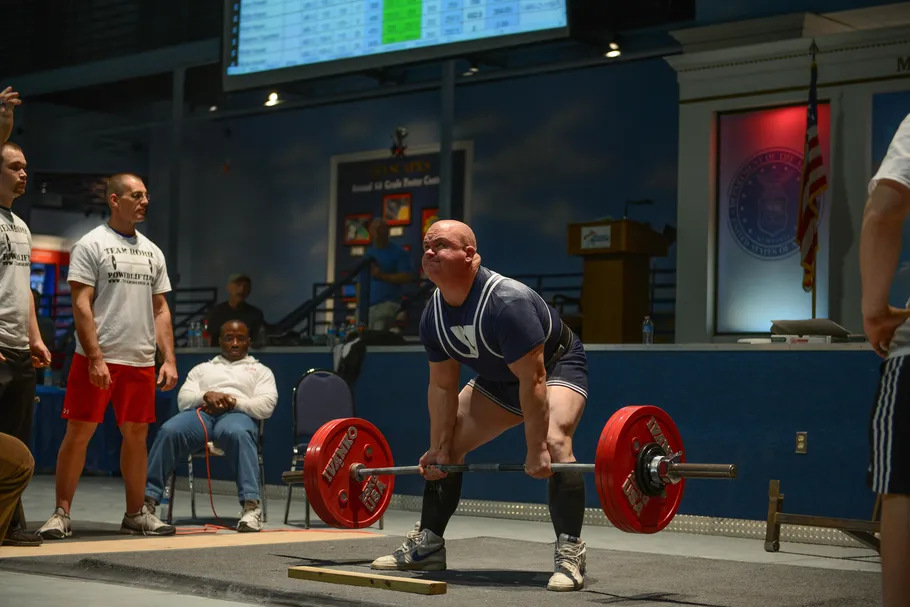
Capacity is the number to distrust most in this guide. Four of the six capacity cells are disputed or blank: the Titan Full’s 2,000 lb against 1,000 lb, the Yes4All’s 400 to 880 lb spread, and both Rogue jacks with no stated figure at all. Only the Titan Mini’s 600 lb stands without a competing record.
The practical rule is simple: work to the lowest figure you can verify. If the listing for the exact jack you buy states a capacity, use that; if it does not, judge the jack on its steel spec and keep your heaviest planned load comfortably inside what similar steel jacks claim. Never plan a load on the highest disputed figure.
Choose Your Bar Fit
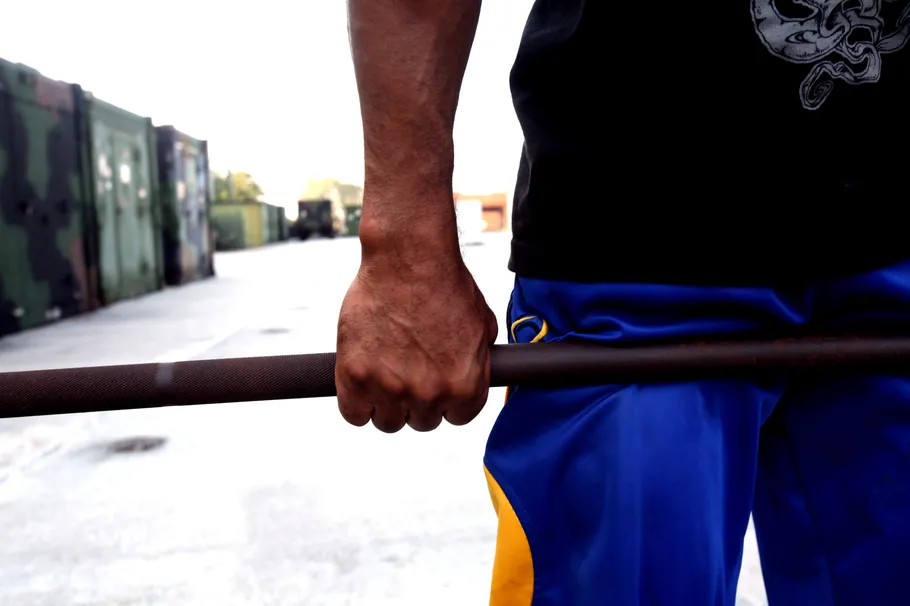
Bar fit is decided by the sleeve, not the grip. Lever jacks cup the bar, so the cup opening must clear your bar’s sleeve diameter: the Titan cups open at 2.25 inches, which clears a standard 2-inch Olympic sleeve with room to spare. Specialty bars with thicker sleeves need a check before ordering, and the Dead Wedge sidesteps the question entirely because it grips the plate, not the bar.
Collars are part of the fit story too. Our barbell collars guide covers the collars that keep plates on the bar while you jack one side — a jack lifts the bar, but a collar is what stops the far-side plates sliding off while it is up.
Choose Your Storage
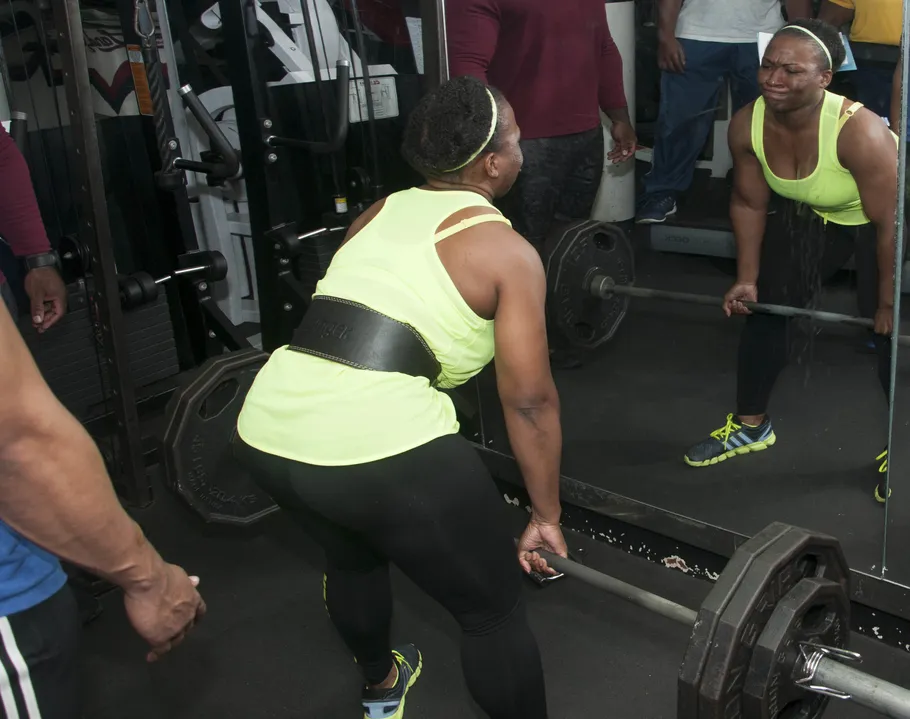
Storage splits this guide into three kinds of tool. A full-size lever at 42 inches long leans against a wall or stands in a corner; a mini at 9 to 13 lb tucks beside a plate rack or on a shelf; a wedge at 0.45 lb drops into a gym bag or a drawer. Measure the spot before ordering — a jack that does not fit its storage spot lives in the middle of the floor instead.
Weight matters for storage too. The Titan Full at 30 lb is a two-hand lift into a corner, while the Rogue Mini at 9 lb and the Dead Wedge at 0.45 lb are one-hand tools. If the jack must disappear after every session, the lightest tool that still lifts your bar beats a heavier tool with better specs.
Safety
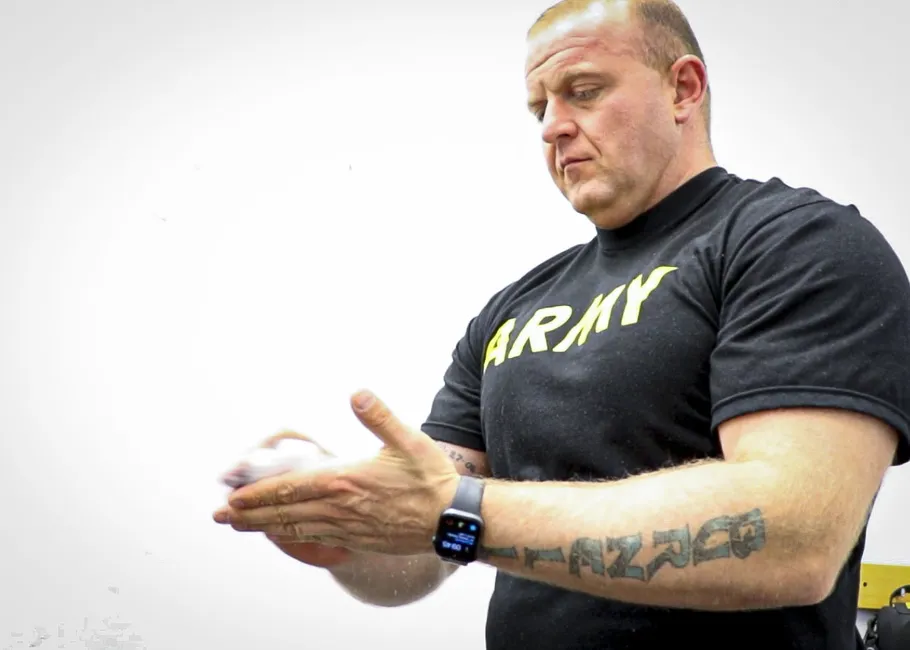
Deadlift jacks are simple tools, but the bar they lift is heavy, and a lifted bar deserves the same respect as a racked one. A home gym’s safety basics start with the big equipment — our power racks guide covers racks that catch a failed lift — and the same clear-floor rule applies around a jacked bar.
1. Set the jack on a flat, hard floor before every use — a lever on rubber matting that compresses, or on an uneven garage floor, can shift under load.
2. Keep your hands and fingers out of the cup and off the plate edges while levering — the pinch point is where the bar meets the cup, not where the plates are.
3. Collar the far-side plates before jacking one side — an uncollared plate can slide off a raised bar and land on a foot.
4. Never exceed the lowest verified capacity for your jack — where the records dispute the figure, work to the lowest one, not the highest.
5. Keep children and pets clear of a levered bar — a bar held up by a jack is not a racked bar, and a bumped lever drops it.
6. Lower the bar gently and check the jack after heavy sessions — look for bent levers, worn UHMW lining, cracked rubber on a wedge, or a cup that no longer sits square.
7. With a wedge, chock the plates so the bar cannot roll off the ramp — a wedge holds the bar only as long as the plates stay put on it.
Safety note: this guide is general information, not medical advice. If you have a back problem, a grip problem or any injury affecting lifting, speak to a clinician or physiotherapist before training with heavy deadlifts.
Frequently Asked Questions
Do I need a jack for light weights?
Usually not. Under about 135 lb, plates slide on and off by hand with a small lift of the bar end. A jack earns its keep at three or more plates per side, with thick bumper plates, or whenever changing plates between sets starts costing more effort than the sets themselves.
Full-size jack or mini?
Full-size if you change plates between every set and have wall space to store a 42-inch lever; mini if you load once and lift, or if storage space is tight. The full-size jacks here lift both sides at once, while every mini here lifts one side at a time.
Do jacks work with hex plates?
Lever jacks lift the bar, so plate shape does not matter to them — the cup holds the bar, not the plate. Wedges grip the plate itself, and the Dead Wedge is made for hex and polygonal plates as well as round ones, which is its special case.
Will a jack fit my bar?
Check the cup opening against your sleeve diameter. The Titan cups open at 2.25 inches, which clears a standard 2-inch Olympic sleeve; specialty bars with thicker sleeves need a check before ordering. The Dead Wedge needs no bar check at all, because it grips the plate.
Can one wedge replace a jack?
For one side, yes; for a full plate change, you need two, because one wedge lifts one side of the bar. A wedge also lifts less high than a lever jack — the Titan jacks here lift to 10 inches — so it suits plate changes better than building a heavy bar from scratch.
Where do I store a jack?
Lean a full-size lever against a wall, tuck a mini beside a plate rack or on a shelf, and drop a wedge in a gym bag or drawer — measure the spot first, because a jack that does not fit its storage spot lives in the middle of the floor. A mat underneath protects the floor and damps noise, and our gym flooring guide covers mats and platforms for home gyms.
Our Pick: Start Here
Start with the Rogue Deadlift Bar Jack if both-sides lifting and the fastest plate changes matter most, the Rogue Mini Deadlift Bar Jack if the smallest footprint matters most, the Titan Fitness Full Bar Jack if the biggest stated capacity matters most and you will work to the lower disputed figure, the Titan Fitness Mini Bar Jack if hands-free, foot-activated loading matters most, the Yes4All Mini Deadlift Barbell Jack if the lowest cost matters most and you will work to the lowest capacity figure, and The Dead Wedge if the lightest, simplest loading aid matters most, including for hex plates.
As an Amazon Associate, this site earns from qualifying purchases made through links in this guide, at no extra cost to you. The Amazon links above are tagged search links, not direct product listings, because no confident listing code was verified for these jacks — always confirm the exact version, capacity and dimensions on the listing before ordering.
Specifications in this guide come from maker pages, listings, manuals and review records that frequently disagree, and every disagreement found is stated in the pick sections rather than averaged away. Capacity, dimensions, weight and handle-length figures in particular mix maker claims, review measurements and older records, so treat this guide as a comparison of published records, not as a substitute for the listing on the day of purchase.