

Why a Deadlift Bar Belongs in a Home Gym
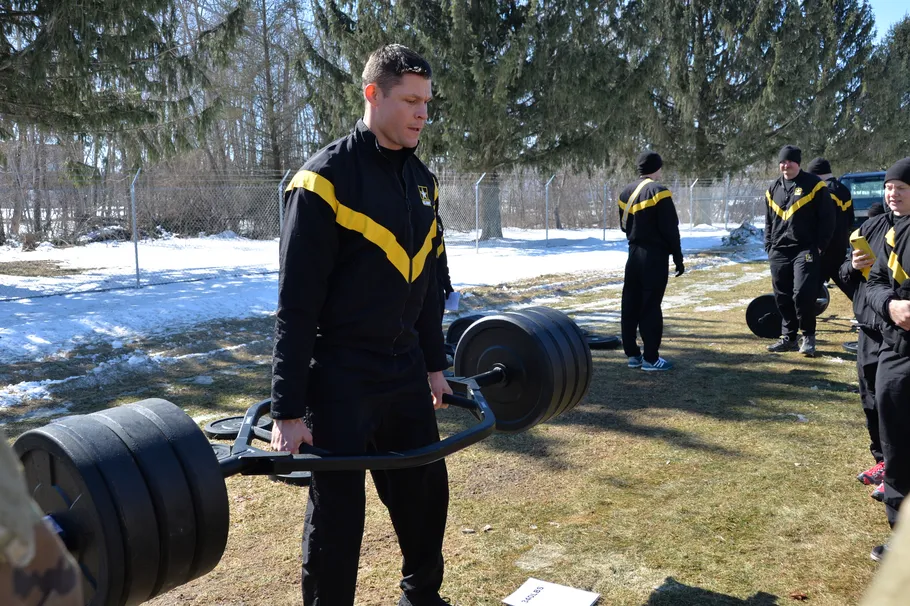
A deadlift bar is a specialty barbell built for one lift. Its shaft is thinner than a power bar — usually 27 mm against 29 mm — and its overall length is longer, usually past 90 inches against a standard bar’s 86 inches. That combination makes the bar flex, or whip, as you pull: the centre of the bar rises a little before the plates break the floor, so the hardest first inches of the lift get a small mechanical help.
For a home gym, the appeal is simple. A deadlift bar costs far less than a machine, needs no floor space beyond the platform you already pull on, and it turns the plates you already own into a better deadlift. It will not fix bad form, and it will not replace a stiff power bar for squats and bench presses, but for a lifter whose deadlift has stalled off the floor, it trains exactly that gap.
If accommodating resistance is new to you, our lifting chains guide covers the other way to change the load through a lift — chains that add weight as they leave the floor, next to a bar that bends before the plates move.
How We Picked
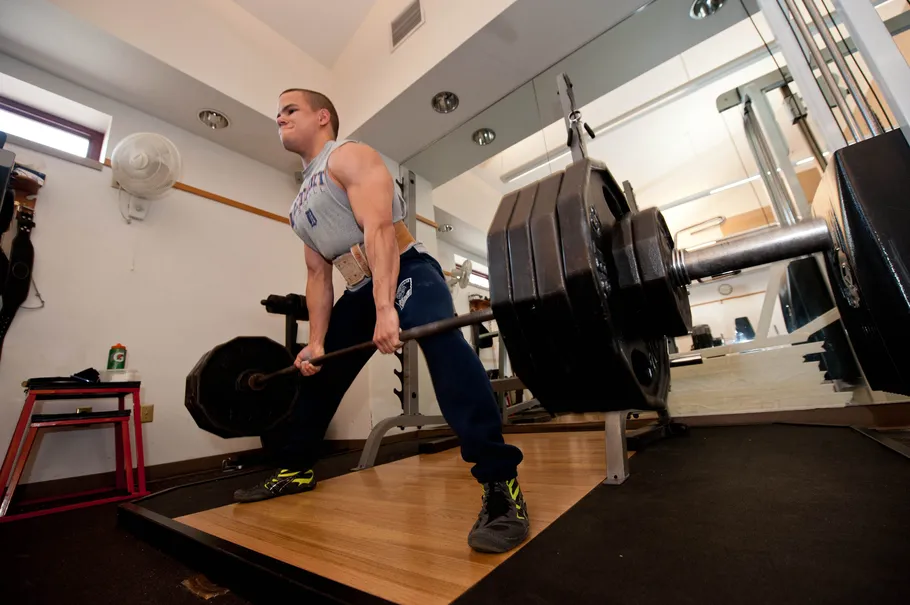
We scored each deadlift bar on the details that decide whether it actually gets pulled with, not on brand name alone. A bar that is too stiff to whip, too short to flex, or knurled so softly that it slips at heavy weights is a bad buy at any finish, and a spec figure that no record agrees on is not a figure at all.
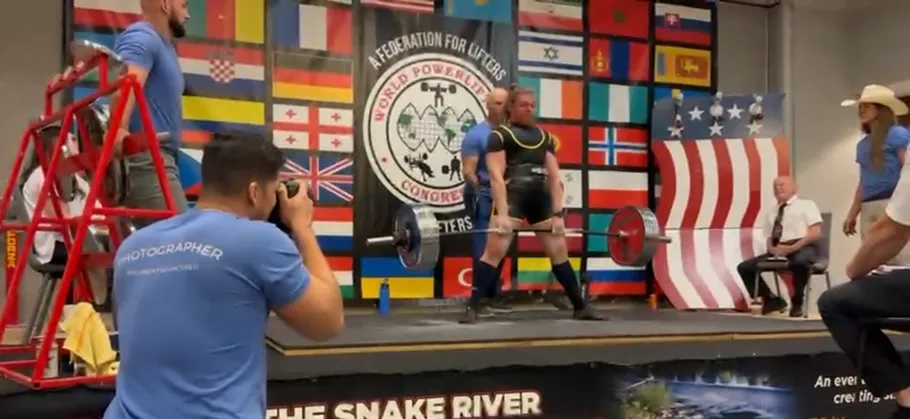
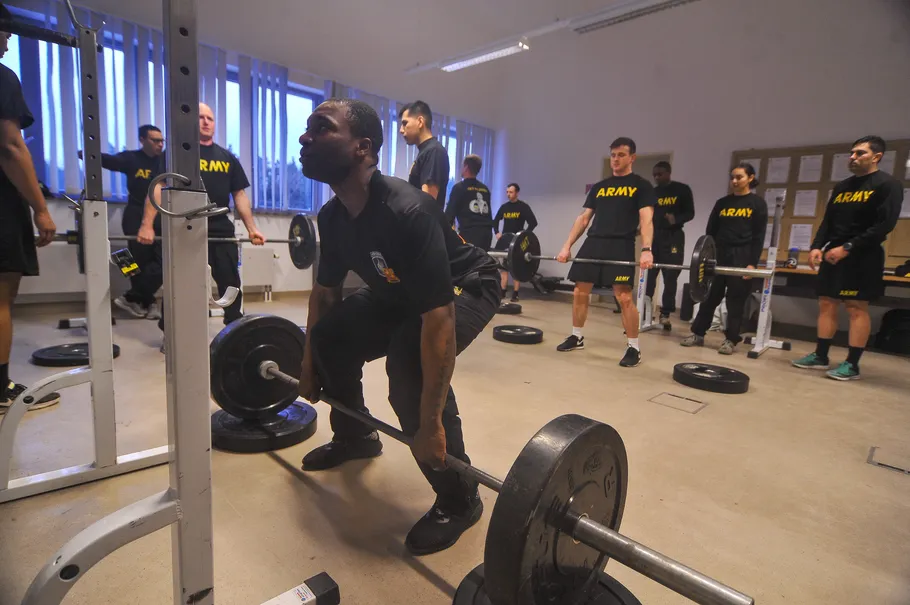
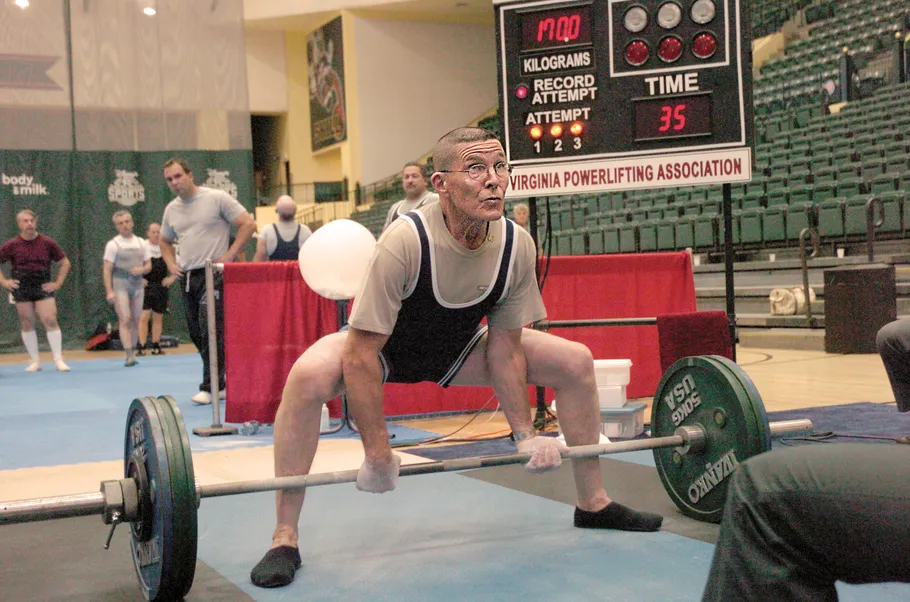
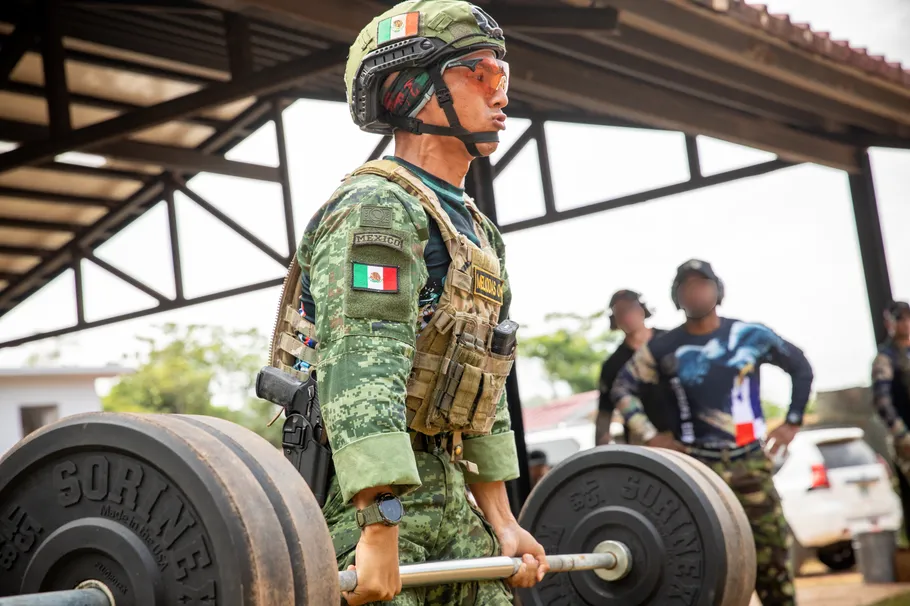
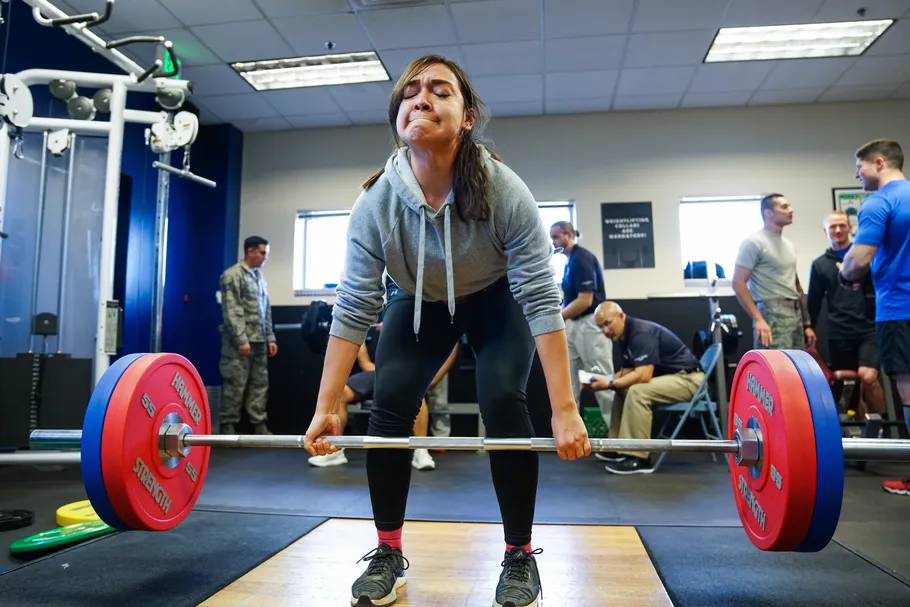
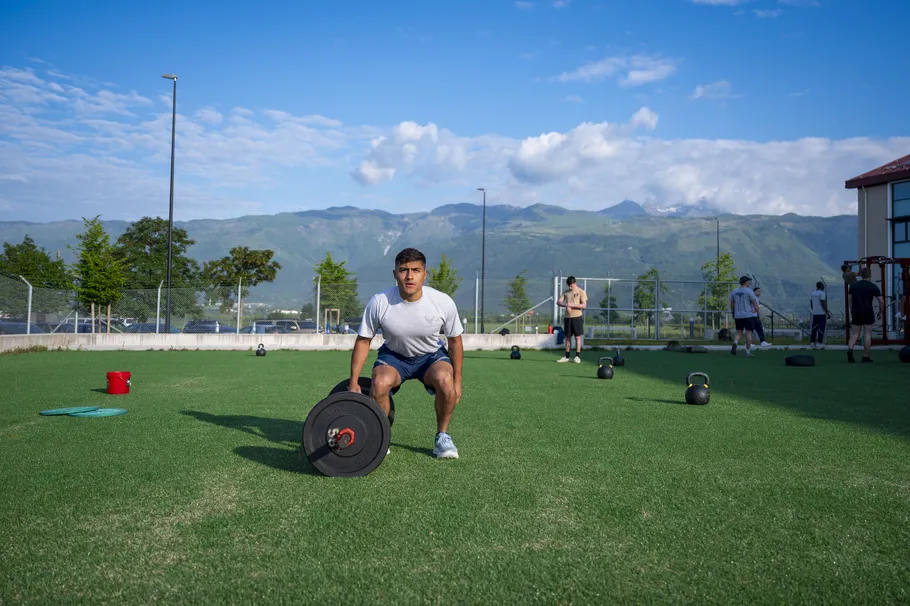
One limit applies to every photo in this guide: no free-license photo of any of the six named deadlift bars exists, so every figure is an honest generic scene — people deadlifting, setting up bars and loading plates, plus grip close-ups — captioned as what it actually shows, never presented as a product shot.
- Shaft diameter, and whether the bar follows the usual 27 mm deadlift standard or departs from it
- Overall length, and whether the figure is a current record or an older one
- Tensile strength, and whether the figure is corroborated or rests on one record
- Knurl, and whether it grips without tearing the hands up
- Finish, and whether the bar resists rust in a garage gym
- Honest availability, with conflicting figures stated as conflicts, not resolved by guesswork
StrongArm Sumo Deadlift Bar was also considered and set aside to avoid doubling the brand — it shares the conventional bar’s 90.9 in length and 27 mm shaft but adds a centre knurl for sumo pulling. Cerberus Deadlift Bar was considered and set aside for a tighter six. Bells of Steel Powerlifting Bar was excluded outright — it is a 29 mm power bar, not a deadlift bar, a different category. Eleiko IPF Powerlifting Competition Bar was excluded outright — it is a 29 mm stiff power bar built for all three lifts, not a whippy deadlift bar. Fringe Sport bars were excluded outright — no dedicated deadlift bar was found in the range checked. Our gym flooring and Olympic barbells guides cover the floor under the bar and the general-purpose bar a deadlift bar sits next to.
Comparison
| Bar | Best for | Shaft | Length | Standout |
|---|---|---|---|---|
| Rogue Ohio Deadlift Bar | All-round starter, four finishes | 27 mm | 90.5 in | Four finishes, made in USA |
| Texas Deadlift Bar | Classic competition bar, longest sleeves on record | 27 mm | 92.5 in (disputed) | USPA and IPL approved |
| Kabuki Strength PR Deadlift Bar | Longest bar here, most whip | 27 mm | 95.25 in | Longest bar here |
| TITAN Series Deadlift Bar | Stiffest-feeling pick, highest corroborated tensile | 28.5 mm | 90.5 in | 200,000 PSI, 2,000 lb capacity |
| StrongArm Conventional Deadlift Bar | Highest recorded tensile, bare-steel grip | 27 mm | 90.9 in | 210,000 PSI (single-chart figure) |
| Okie Deadlift Bar | The original deadlift bar, no bushings | 27 mm | 90 in (disputed) | First deadlift bar, 1984 |
Read the Shaft and Length columns with care, because their cells mix a departure and two disputes, not plain figures. The Shaft column holds five bars at the usual 27 mm and one departure — the TITAN Series bar at 28.5 mm, thicker than the deadlift norm, so it whips less than the rest here. The Length column mixes current records with older ones: the Texas cell reads 92.5 in with a dispute because current records read 92.5 in while older records read 91 in and 90 in, and the Okie cell reads 90 in with a dispute because records read 90 in, 90.16 in, 90.9 in and 91 in across sources. Tensile strength is deliberately not a table column: the StrongArm figure rests on one comparison chart while another review says tensile is not specified, and the Okie figure is disputed between 155,000 PSI and no figure given at all, so ranking tensile across all six in one column would mislead — the tensile figures are stated, with their flags, in the pick sections instead.
On length, the longest bar here is the Kabuki at 95.25 in, and the shortest settled length is a tie between the Rogue and the TITAN Series bars at 90.5 in, with the Texas and Okie bars excluded from the length ranking as disputed. On shaft, the thickest here is the TITAN Series bar at 28.5 mm, and the thinnest is a five-way tie at 27 mm. On tensile strength, the highest recorded figure is the StrongArm at 210,000 PSI, but that figure rests on one comparison chart, so no settled highest-tensile winner is declared — the highest corroborated figure is the TITAN Series bar at 200,000 PSI. All six bars weigh 20 kg, so weight does not separate them. No single best-whip winner is declared either: whip follows length plus thinness, and no record checked measures whip as a number.
Rogue Ohio Deadlift Bar
The Rogue Ohio Deadlift Bar is the all-round starter pick. A 27 mm shaft, 90.5 in overall length, 20 kg weight, 190,000 PSI tensile strength steel, 15.5 in loadable sleeves, no centre knurl, bronze bushings, and four shaft finishes — bare steel, black zinc, Cerakote and E-Coat — machined and assembled in the USA.
That settled spec sheet is the practical point. Every figure here is stated consistently across the maker’s records and independent reviews, so there is nothing disputed to work around — the bar is exactly the deadlift standard, 27 mm and 90.5 in, with the aggressive knurl and longer shaft that make a deadlift bar bend where a power bar stays stiff.
Two flags must be stated plainly. First, the sleeve finish varies by variant — Cerakote, bare steel or bright zinc depending on the finish chosen — so confirm the sleeve finish on the listing for the variant you order. Second, the loadable sleeve length at 15.5 in is a little shorter than a standard bar’s, so very wide plate stacks run out of room sooner.
✅ Pros
- Settled specs — 27 mm shaft, 90.5 in, 190,000 PSI, no disputes
- Four shaft finishes to choose from
- No centre knurl, so the bar does not scrape the shins
⚠️ Cons
- Sleeve finish varies by variant
- 15.5 in sleeves are shorter than a standard bar’s
- Not the longest bar here, so less whip than the Kabuki
Listing check: no confident listing code was found for this bar, so the link above is a tagged search — confirm the finish, the 27 mm shaft and the 90.5 in length on the listing before ordering.
Best for: lifters buying a first deadlift bar who want settled specs and a choice of finishes.
May not fit: buyers who want the longest bar here, or the longest sleeves.
Texas Deadlift Bar
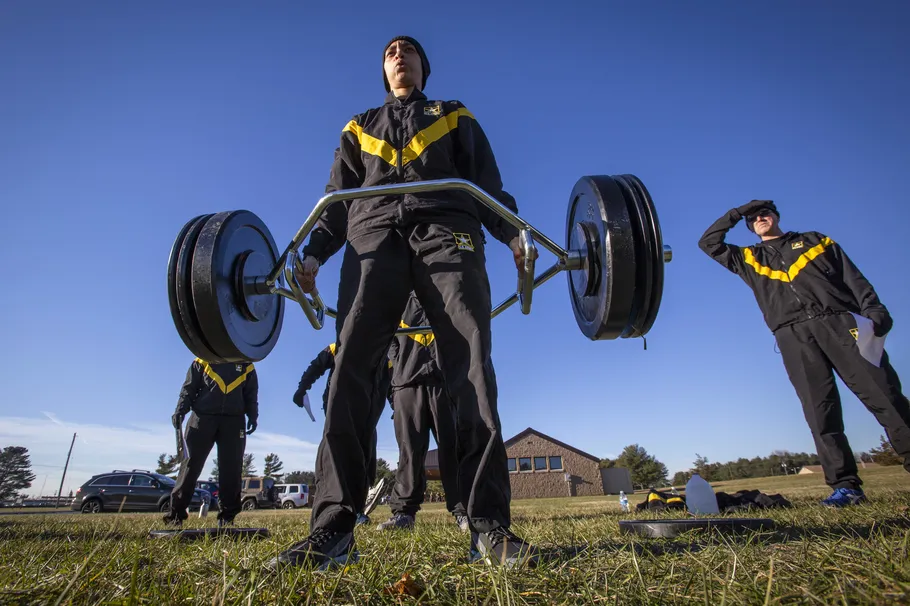
The Texas Deadlift Bar is the classic competition pick. Handbuilt in Texas by Buddy Capps since 1980, with a 27 mm shaft, 20 kg weight, 190,000 PSI tensile strength steel, aggressive knurl, no centre knurl, and USPA and IPL approval.
That history is the practical point. The Texas bar set the pattern other deadlift bars follow — thin shaft, long bar, sharp knurl — and its approval for USPA and IPL competition means a lifter training for those federations pulls on the same kind of bar they will meet on the platform.
Two flags must be stated plainly. First, the overall length is disputed — current records read 92.5 in, while older records read 91 in and 90 in — so the table shows the current figure as disputed, not settled. Second, the loadable sleeve length is disputed too — 15.5 in in one record, 18 in in another — so the longest-sleeve claim in the table’s Best-for cell rests on the 18 in record, not on agreement. One comparison also reads the shaft as 27.5 mm rather than 27 mm.
✅ Pros
- USPA and IPL approved for competition
- Aggressive knurl that holds at heavy weights
- Handbuilt in Texas since 1980
⚠️ Cons
- Overall length disputed, 92.5 in vs 91 in vs 90 in
- Sleeve length disputed, 15.5 in vs 18 in
- One comparison reads the shaft as 27.5 mm, not 27 mm
Listing check: no confident listing code was found for this bar, so the link above is a tagged search — confirm the length, the sleeve length and the finish on the listing before ordering.
Best for: lifters who want the classic competition bar with federation approval.
May not fit: buyers who need a settled overall length, or a settled sleeve length.
Kabuki Strength PR Deadlift Bar
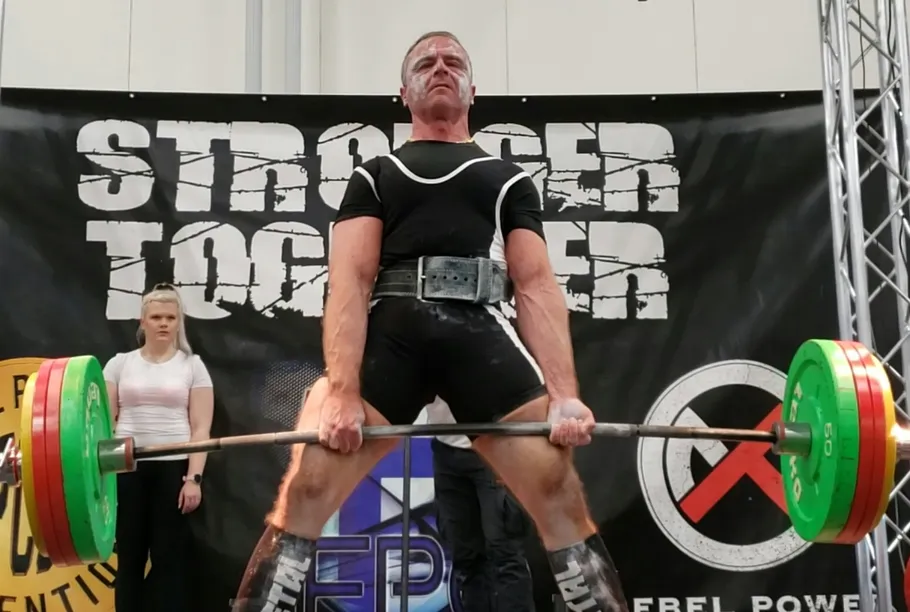
The Kabuki Strength PR Deadlift Bar is the longest-bar pick. A 27 mm shaft, 95.25 in overall length, 20 kg weight, 190,000 PSI tensile strength steel, and finishes in bare steel, black oxide and nickel.
That extra length is the practical point. At 95.25 in, the Kabuki is nearly 8 feet long — longer than every other bar here by almost 3 inches — so it bends more under load than any rival in this guide, which is exactly what a lifter chasing maximum whip wants. On an 8-foot platform it spans nearly end to end.
Two flags must be stated plainly. First, the spec records for this bar are thinner than for the Rogue or Texas bars — the length and shaft figures rest on a comparison and a roundup, not on a full maker spec sheet in the records checked. Second, do not confuse this bar with the Kabuki Strength Power Bar — that is a 29 mm power bar with a far higher tensile figure, a different bar entirely, and none of its figures belong to this pick.
✅ Pros
- Longest bar here at 95.25 in, for the most bend
- 27 mm shaft for grip and whip
- Three finishes to choose from
⚠️ Cons
- Spec records are thinner than for the Rogue or Texas bars
- Nearly 8 feet long — needs room on the platform and in storage
- Easy to confuse with the Kabuki Power Bar, a different bar
Listing check: no confident listing code was found for this bar, so the link above is a tagged search — confirm the 95.25 in length, the 27 mm shaft and the finish on the listing before ordering.
Best for: lifters who want the longest, whippiest bar here and have the room for it.
May not fit: small rooms, short platforms, or buyers who want a full maker spec sheet.
TITAN Series Deadlift Bar
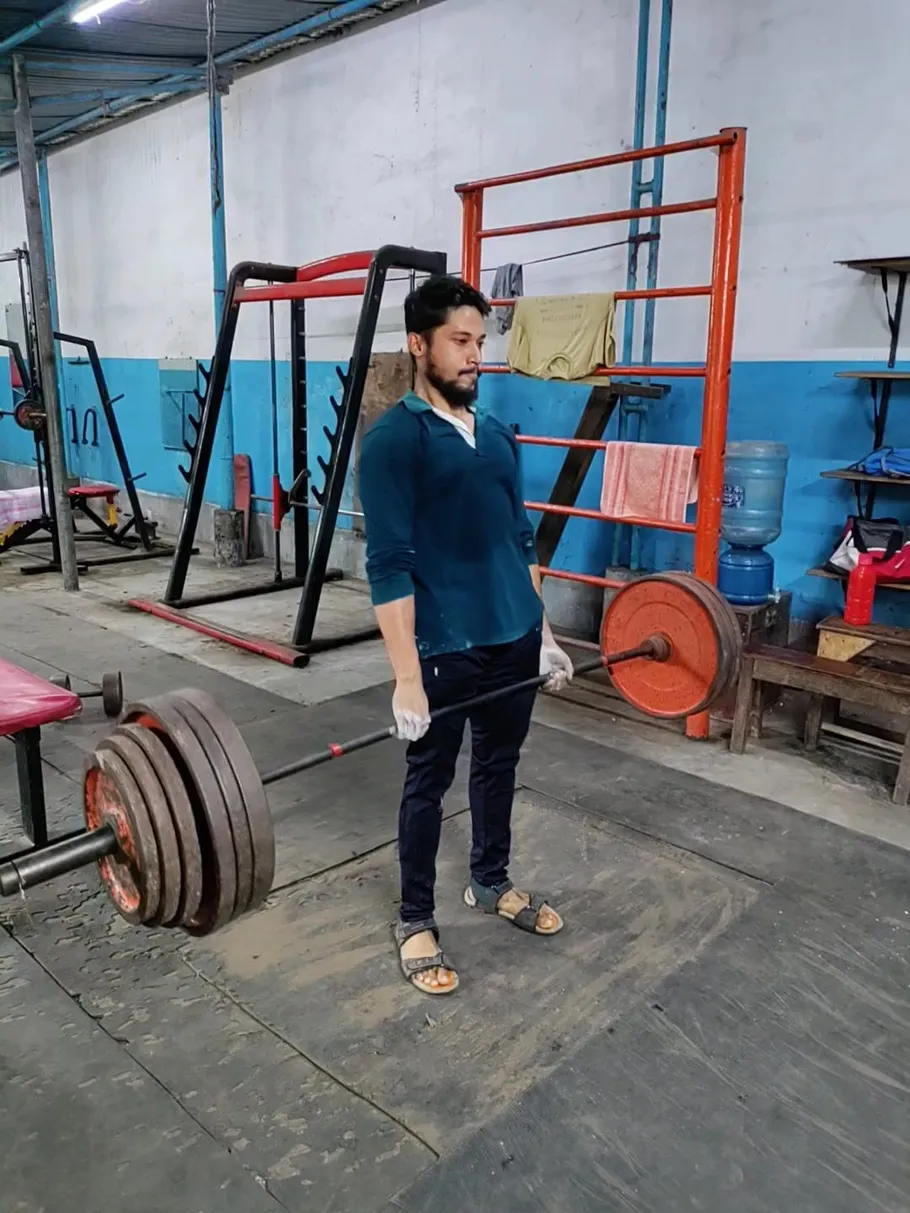
The TITAN Series Deadlift Bar is the stiffest-feeling pick. A 28.5 mm shaft, 90.5 in overall length, 20 kg weight, 200,000 PSI tensile strength steel, 2,000 lb capacity, black zinc finish, and no centre knurl.
That 28.5 mm shaft is the practical point. Every other bar here is 27 mm, so the TITAN bar is the odd one out — thicker, stiffer, and less whippy — which suits a lifter who finds a 27 mm bar too bendy, or who wants one bar that still behaves for heavier pulls without feeling like a spring.
Two flags must be stated plainly. First, the 28.5 mm shaft departs from the deadlift norm, so buyers expecting the usual 27 mm whip will be surprised — check the shaft figure before ordering. Second, confirm the variant on the listing: Titan’s barbell line was renamed, and the deadlift variant must not be confused with Titan’s multipurpose bars, which share the series name but not the extra length.
✅ Pros
- Highest corroborated tensile strength here, 200,000 PSI
- 2,000 lb capacity
- Thicker shaft suits lifters who want less whip
⚠️ Cons
- 28.5 mm shaft departs from the 27 mm deadlift norm
- Less whip than every other bar here
- Variant must be confirmed — Titan’s line was renamed
Listing check: no confident listing code was found for this bar, so the link above is a tagged search — confirm the 28.5 mm shaft, the 90.5 in length and the deadlift variant on the listing before ordering.
Best for: lifters who want a stiffer deadlift bar with a high tensile figure.
May not fit: buyers who want the usual 27 mm whip, or the longest bar.
StrongArm Conventional Deadlift Bar
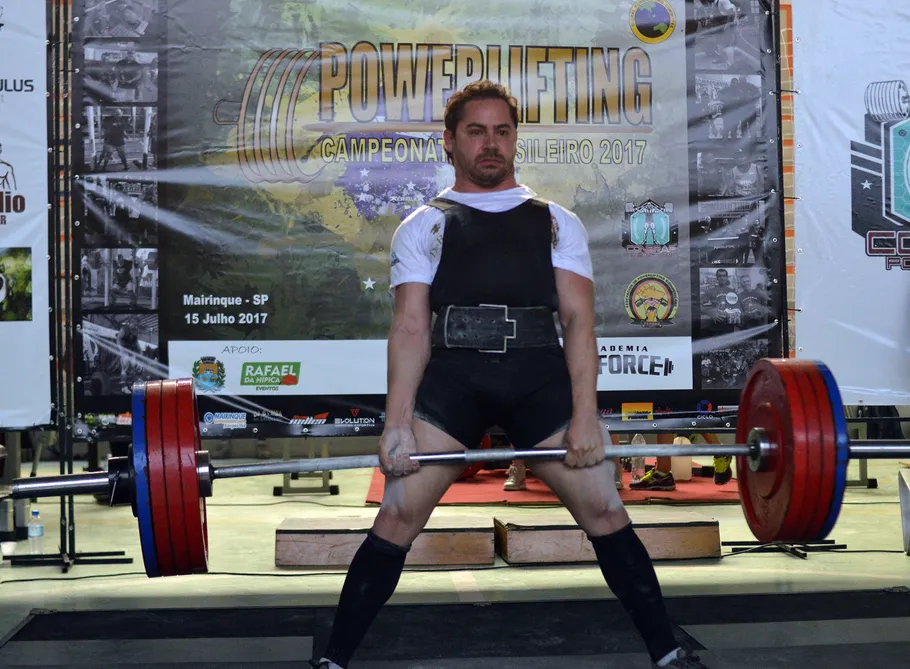
The StrongArm Conventional Deadlift Bar is the bare-steel pick. A 27 mm shaft, 90.9 in overall length, 20 kg weight, 15.5 in loadable sleeves, chromium alloy steel, bare steel finish, and no centre knurl, made to StrongArm’s own specifications in Canada.
That bare steel is the practical point. Uncoated steel grips better than any plating when chalked, and the bar’s mountain-peak knurl pattern is cut for heavy pulls — the combination suits a lifter who chalks up and wants the bar to stay put without straps.
Two flags must be stated plainly. First, the 210,000 PSI tensile figure rests on one comparison chart, while another review says tensile strength is not specified for this bar — so the figure is recorded as disputed, not settled. Second, StrongArm is a Canadian company, and US buyers are pointed to Bells of Steel as the seller in the records checked — confirm the seller and shipping on the listing before ordering.
✅ Pros
- Highest recorded tensile figure here, 210,000 PSI
- Bare steel shaft grips best when chalked
- No centre knurl, so the bar does not scrape the shins
⚠️ Cons
- Tensile figure rests on one chart — another review says not specified
- Bare steel rusts fastest in a damp garage
- US buyers buy through a third-party seller, not direct
Listing check: no confident listing code was found for this bar, so the link above is a tagged search — confirm the 27 mm shaft, the 90.9 in length and the seller on the listing before ordering.
Best for: lifters who chalk up and want a bare-steel bar with a high recorded tensile figure.
May not fit: damp garages, buyers who need a settled tensile figure, or direct-from-maker buying.
Okie Deadlift Bar
The Okie Deadlift Bar is the original pick. Designed by Rickey Dale Crain and first sold as the Oklahoma Deadlift Bar in 1984 — before the Texas bar — with a 27 mm shaft, 20 kg weight, bare steel finish, and no bushing or bearing system: metal-on-metal sleeves.
That originality is the practical point. The Okie set the deadlift-bar pattern — maximum length, minimum diameter, biggest spring off the floor — and it has stayed nearly unchanged since, so a lifter buying one gets the bar that started the category, not a later refinement of it.
Two flags must be stated plainly. First, the overall length is disputed across records — 90 in, 90.16 in, 90.9 in and 91 in all appear — so the table shows the shortest figure as disputed, not settled. Second, the tensile figure is disputed too — 155,000 PSI in one review, no figure given in a comparison chart, and roughly 175,000 PSI assumed in another review — so no tensile figure is stated as settled for this bar. The metal-on-metal sleeves also spin differently from bushed sleeves, which some lifters notice on the pull.
✅ Pros
- The first deadlift bar, from 1984
- 27 mm shaft for grip and whip
- Simple metal-on-metal sleeves, nothing to wear out
⚠️ Cons
- Overall length disputed across four figures
- Tensile strength disputed, 155,000 PSI vs none given vs assumed
- Sleeves spin differently from bushed sleeves
Listing check: no confident listing code was found for this bar, so the link above is a tagged search — confirm the length, the finish and the sleeve type on the listing before ordering.
Best for: lifters who want the original deadlift bar and its old-school feel.
May not fit: buyers who need a settled length or tensile figure, or bushed sleeves.
How to Choose
Choosing a deadlift bar comes down to four questions: what shaft diameter gives you grip without giving up whip, what length fits your room and platform, what knurl holds without tearing your hands, and what finish survives your gym. Answer those four and the six above sort themselves quickly.
Shaft Diameter and Whip
Shaft diameter decides both grip and whip. A thinner shaft is easier to wrap your hands around, and it bends more under load — both help a deadlift. That is why five bars here are 27 mm: the standard the category settled on, against 29 mm for a power bar and 28 mm for a weightlifting bar.
Do not buy a thicker shaft expecting the same pull. The TITAN Series bar at 28.5 mm is the only departure here, and it behaves differently — stiffer, less whip, closer to a power bar. If your deadlift stalls off the floor, the 27 mm bars are the honest choice; if you already find whip unsettling, the thicker bar is worth a look.
Length and Room
Length decides whip. A longer bar bends more because the plates sit further from your hands, so the centre rises sooner. That is why deadlift bars run past 90 inches while a standard bar stops at 86 — and why the Kabuki at 95.25 inches bends the most here.
Measure your platform and your storage before ordering. A 95.25 in bar needs a platform it fits and a wall or rack it stores on without blocking a door, while a 90.5 in bar fits most home setups. And treat disputed lengths with care: the Texas and Okie figures vary across records, so confirm the length on the listing rather than trusting any single number.
Knurl and Grip
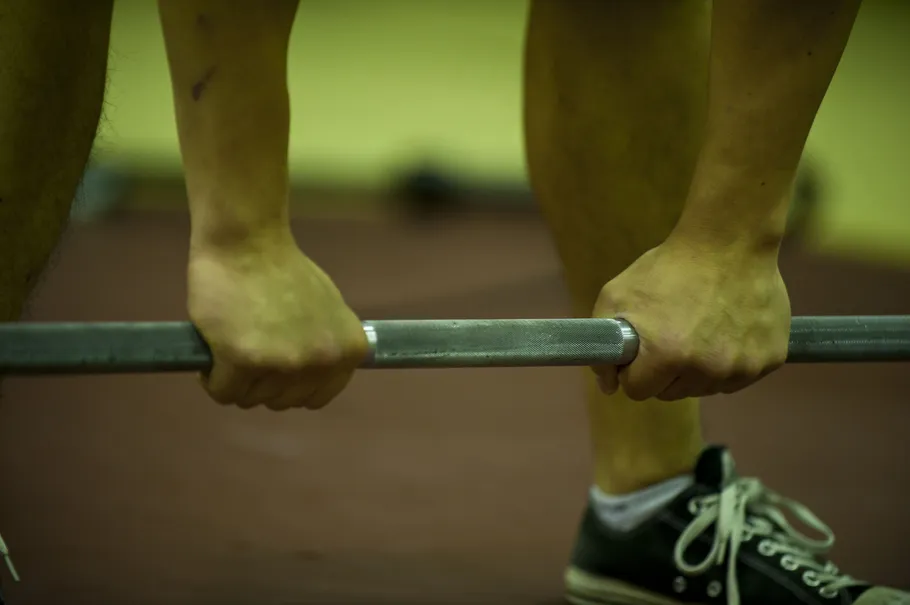
Knurl decides whether the bar stays in your hands. Deadlift bars use aggressive knurl — deep, sharp crosshatching — because the pull starts from a dead stop with no momentum to help the grip. The Texas bar’s aggressive knurl and the StrongArm’s mountain-peak pattern are both cut for this job, while softer knurl slips exactly when the weight gets serious.
Check two things before ordering: whether the bar has a centre knurl, and how sharp the knurl is. None of the six bars here has a centre knurl, which is good news for shins — a centre knurl scrapes the legs on every pull. On sharpness, aggressive knurl grips best but tears calluses faster, so chalk up, tape thumbs if needed, and break the bar in over light sessions before maxing out.
Finish, Sleeves and Collars
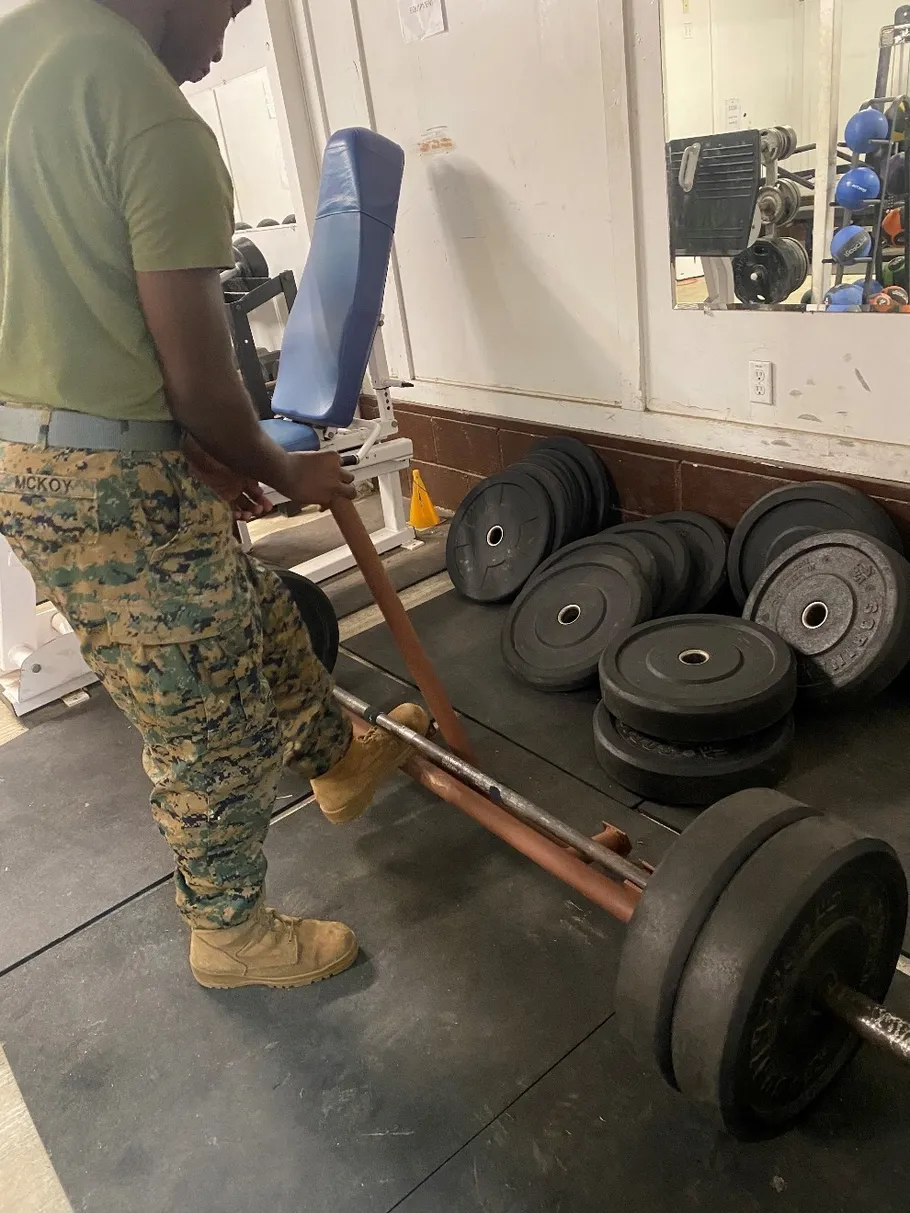
Finish decides rust and grip. Bare steel grips best when chalked but rusts fastest in a damp garage, which is the StrongArm and Okie trade-off. Black zinc and Cerakote resist rust far better, which is the Rogue’s advantage in a garage gym, while an oil finish protects the steel but leaves a feel some lifters dislike.
Sleeves decide loading and spin. Loadable sleeve length runs from 15.5 in on the Rogue and StrongArm bars to a disputed 18 in on the Texas bar, so check your widest plate stacks against the sleeve before ordering. Sleeve spin matters less for deadlifts than for Olympic lifts, but bushed sleeves spin smoother than the Okie’s metal-on-metal sleeves — and collars keep the plates seated when the bar bends, so check every collar before each set. Our barbell collars guide covers the clamps that keep plates seated through the shifting load a bending bar creates. Whatever the finish, wipe the bar down after sweaty sessions and dry it before storage, or even plated bars rust at the sleeve joints over time.
Safety
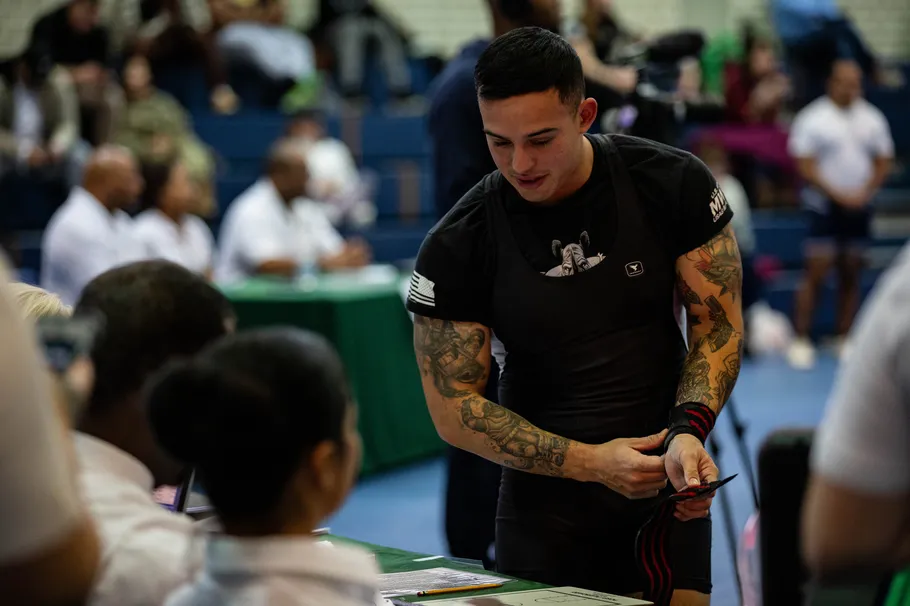
Deadlift work looks simple and loads the back heavily by design, so treat the setup with care. Joint support matters here too — our knee sleeves guide covers sleeves that keep the knees warm and supported through the heavy pulling that usually sits next to deadlift sessions.
1. Start with a light bar and learn the whip before adding weight — a bending bar changes the pull.
2. Check every collar, sleeve and plate before each set, and re-check after any drop.
3. Keep the floor around the bar clear — plates on the floor are a trip hazard between sets.
4. Use a platform or mats under the bar — dropped deadlifts crack bare floors and chip plates.
5. Never pull with a rounded back at weights you cannot control — the bar’s bend does not protect the spine.
6. Keep the bar close to the shins and wear long socks or shin guards — a knurled bar scrapes bare shins on every pull.
7. Store the bar horizontally on a rack, dry and away from walkways, so it does not rust, warp or trip anyone.
Deadlift training is general fitness information, not medical advice. Stop and seek professional advice if you feel sharp back pain, dizziness or shortness of breath, or if you have a back, knee or shoulder condition.
Frequently Asked Questions
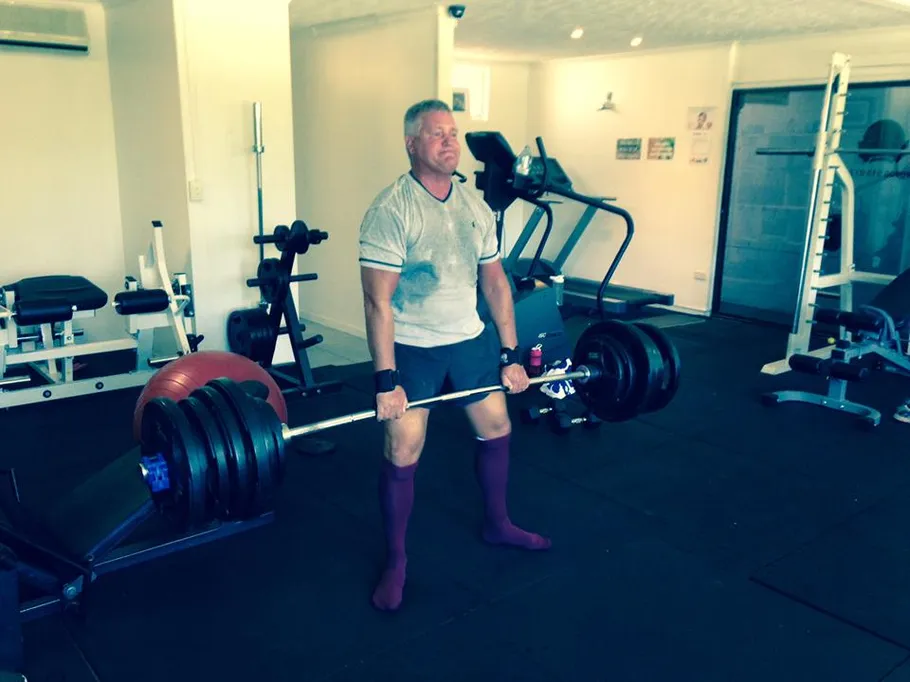
What makes a deadlift bar different from a regular barbell?
A thinner shaft and a longer bar. Most deadlift bars are 27 mm against 29 mm for a power bar, and past 90 inches against 86 inches for a standard bar. That combination bends more under load, so the centre of the bar rises before the plates leave the floor.
What shaft diameter should I choose?
27 mm for most lifters — it is the category standard, and five of the six bars here use it. The exception is the TITAN Series bar at 28.5 mm, which suits lifters who want a stiffer bar with less whip.
How long a bar do I need?
At least 90 inches for a true deadlift bar, and longer if you want more whip — the Kabuki at 95.25 inches bends the most here. Measure your platform and storage first, and confirm disputed lengths on the listing rather than trusting one number.
Do I need a special finish?
No — but finish decides rust and grip. Bare steel grips best chalked and rusts fastest, while black zinc and Cerakote resist rust in a garage gym. Wipe the bar down after sessions and dry it before storage whatever the finish.
Does knurl really matter?
Yes. Aggressive knurl holds at heavy weights where soft knurl slips, and none of the six bars here has a centre knurl, so none scrapes the shins. Chalk up, and break a new bar in over light sessions before maxing out.
What should I pair with a deadlift bar?
Recovery tools, because heavy pulling tightens the back and hips. After a deadlift session, easy stretching plus a roller session helps more than another set — our foam rollers guide covers the tools for that.
Our Pick: Start Here
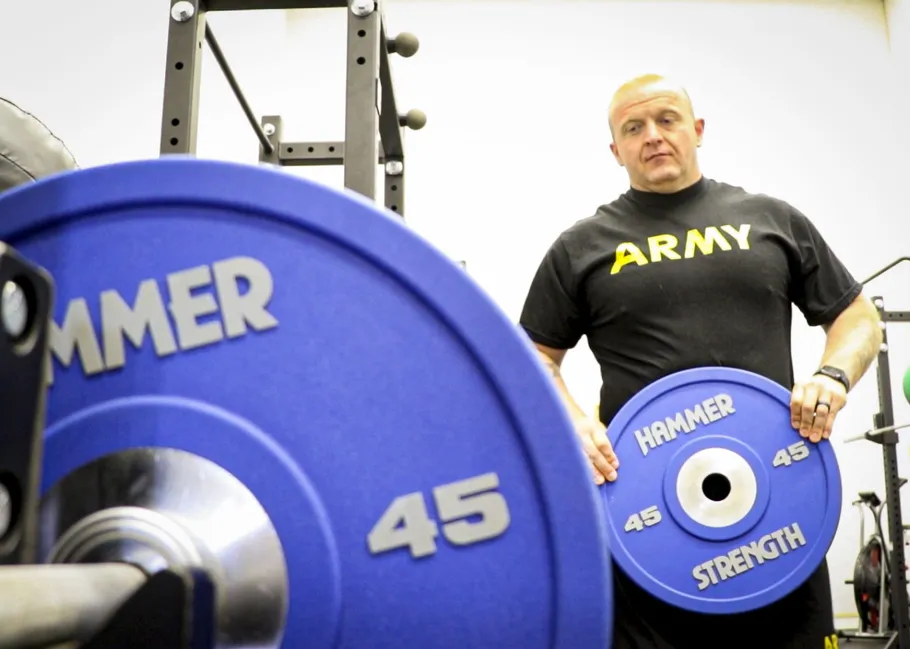
Start with the Rogue Ohio Deadlift Bar if you are new to deadlift bars — settled specs, four finishes, and the standard 27 mm shaft and 90.5 in length. Choose the Texas Deadlift Bar if you want the classic competition bar with federation approval, and step to the Kabuki Strength PR Deadlift Bar only when the longest, whippiest bar here matters more than a full maker spec sheet and a small room.
As an Amazon Associate, this site earns from qualifying purchases made through links in this article, at no extra cost to you.
Product details are based on manufacturer and retailer research at the time of writing, and specifications may change — confirm weights, dimensions, capacities and warranties with the seller before ordering.