

Why Lifting Chains Belong in a Home Gym
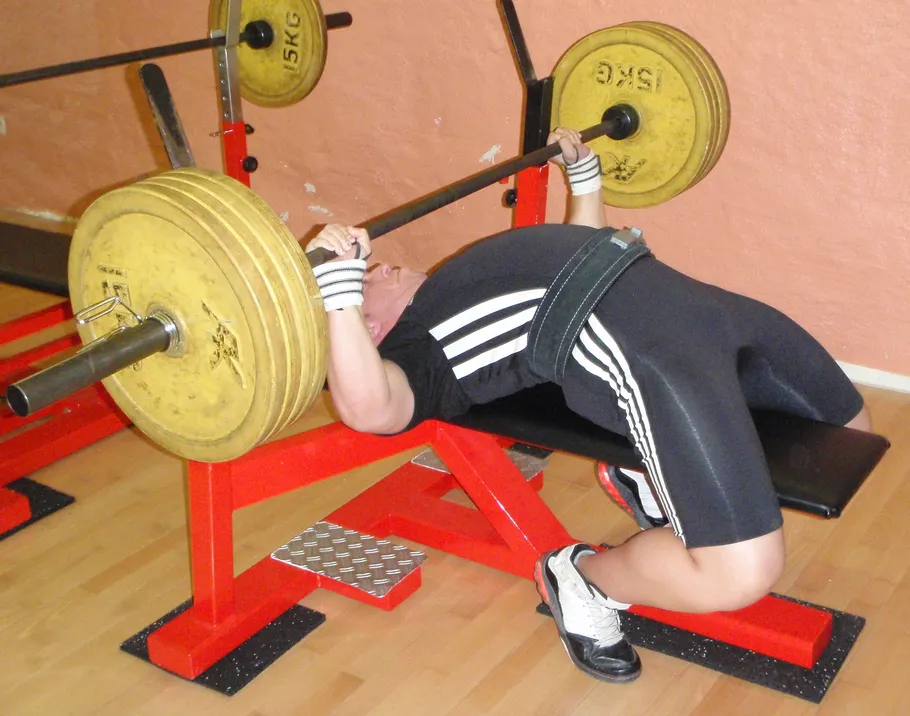
A lifting chain is a heavy steel chain hung from a barbell so the bar gets heavier as you lift it and lighter as you lower it. At the bottom of a squat, bench press or deadlift, much of the chain rests on the floor and adds little; at lockout, most of it hangs off the bar and adds its full weight. That is accommodating resistance — the load matches the part of the lift where you are strongest.
For a home gym, the appeal is simple. A set of chains costs far less than a machine, needs no power and no floor space beyond the rack you already own, and it turns the bar you already have into a variable-resistance tool. It will not replace plates, and it will not fix bad form, but for a lifter whose lockout is stronger than their bottom position, it trains exactly that gap.
If variable resistance is new to you, our glute bands guide covers the lighter, quieter end of the same idea — bands that add resistance as they stretch, next to chains that add it as they lift off the floor.
How We Picked
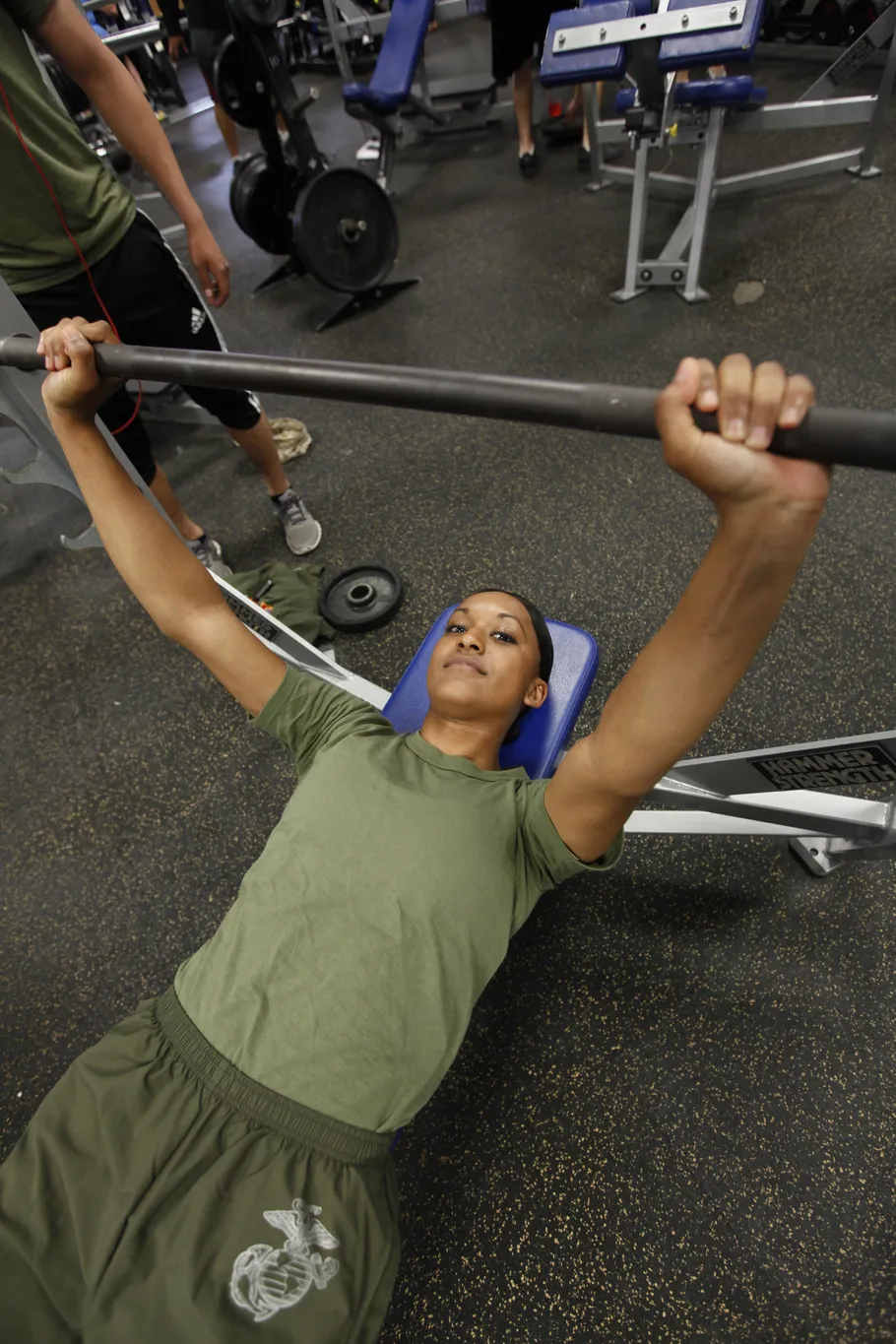
We scored each chain set on the details that decide whether it actually gets trained with, not on brand name alone. A chain that is too heavy to control at the bottom, too short to touch the floor, or hung on weak connectors is a bad buy at any thickness, and a weight figure that no record agrees on is not a figure at all.
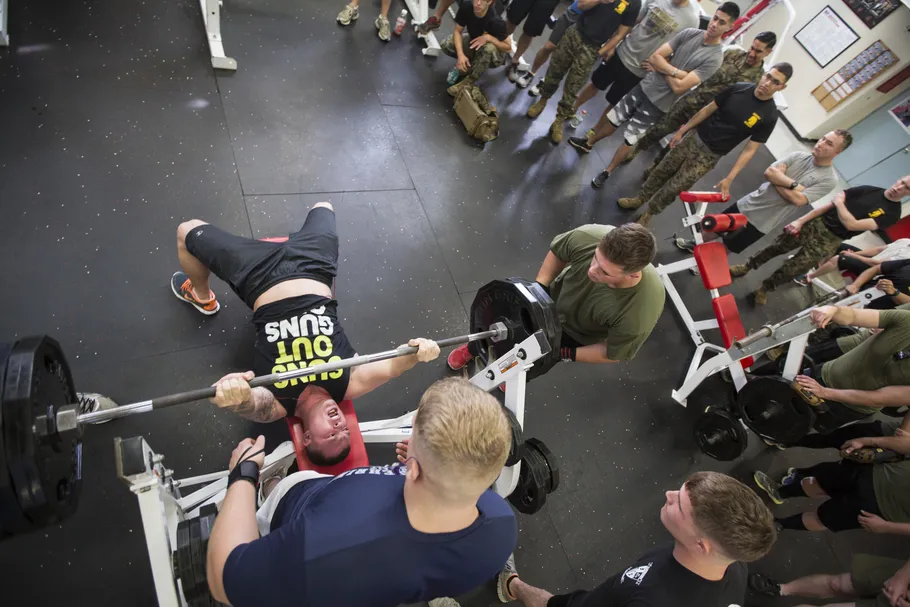
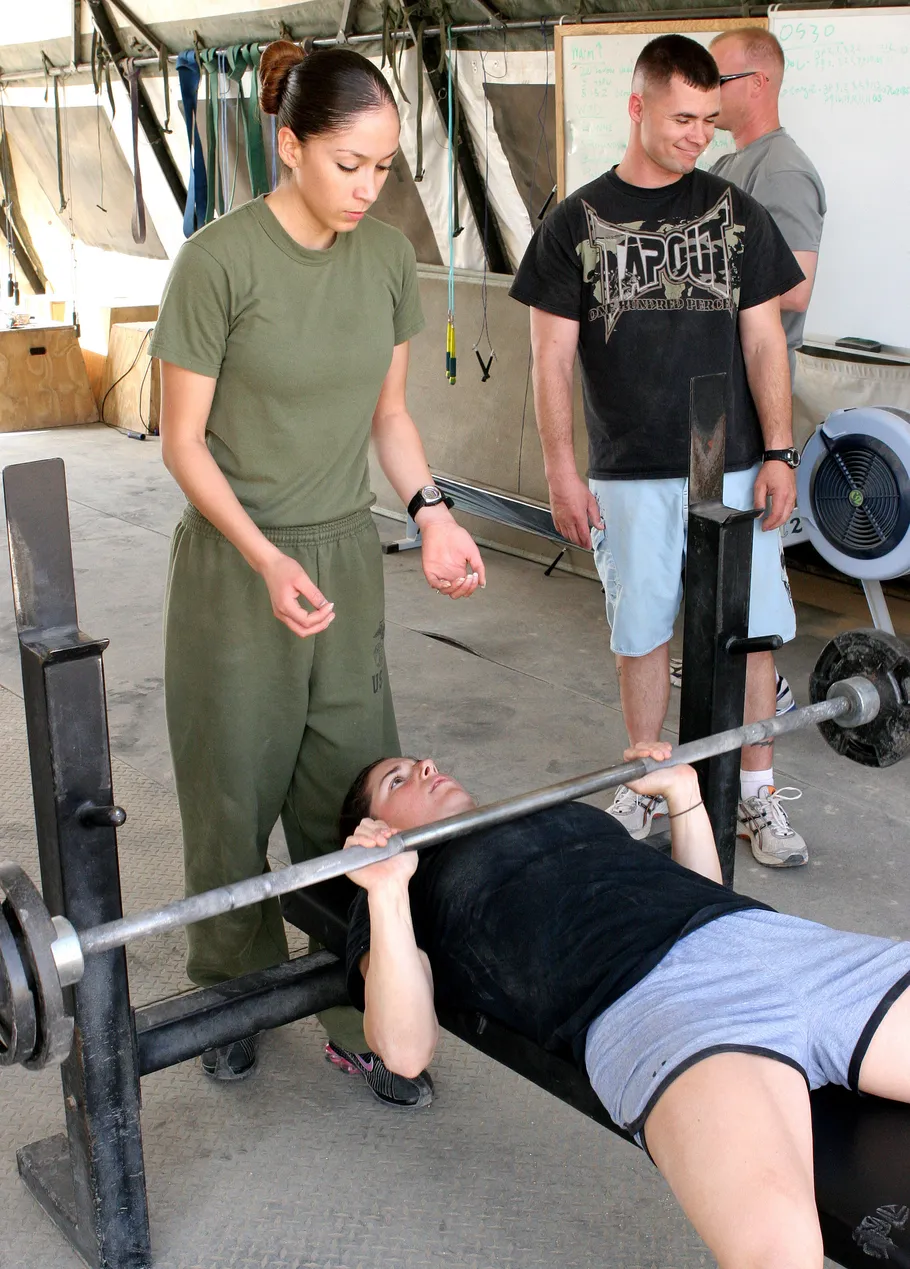
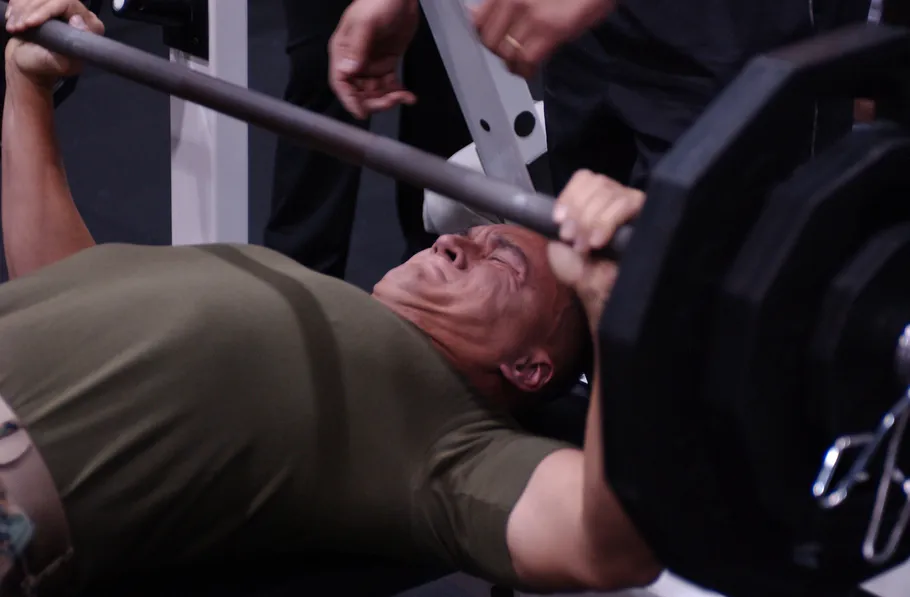
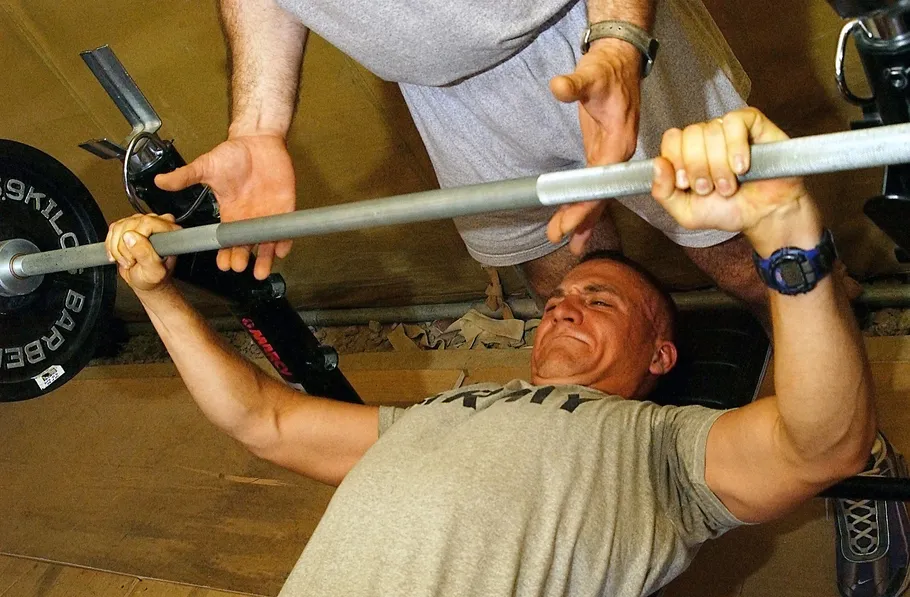
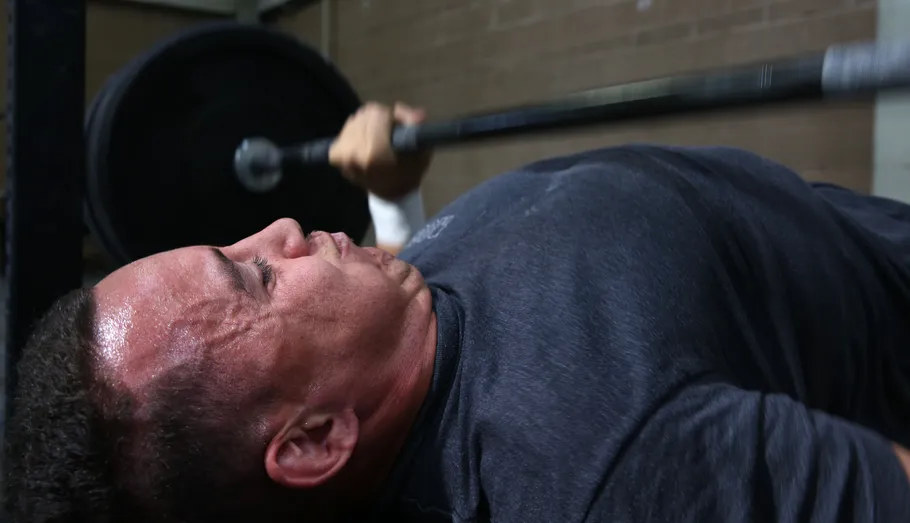
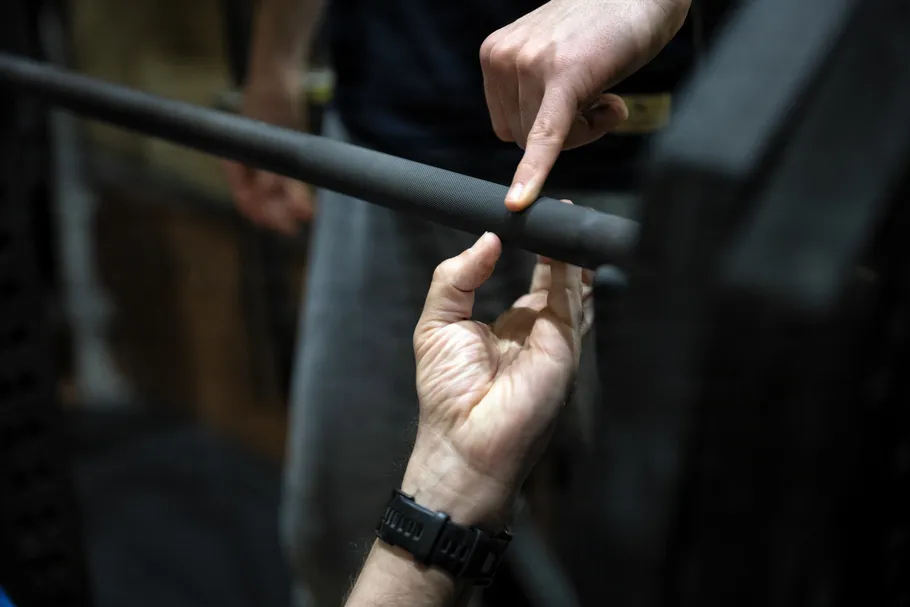
One limit applies to every photo in this guide: no free-license photo of any of the six named lifting chain sets exists, so every figure is an honest generic scene — people bench-pressing, deadlifting and setting up bars, plus gym interiors and equipment — captioned as what it actually shows, never presented as a product shot.
- Chain weight, and whether the figure is per chain, per pair or per stacked set
- Chain length, and whether the figure is a main chain, a leader chain or not stated at all
- Thickness, and whether the set offers one thickness or several
- Finish, and whether the chain resists rust in a garage gym
- Connectors, and whether collars, leaders and carabiners are included
- Honest availability, with conflicting figures stated as conflicts, not resolved by guesswork
Happybuy Weight Lifting Chains were also considered and set aside for a tighter six. EliteFTS chain pairs were considered and set aside — the only record found is a single short snippet, too thin to verify. Gymreapers Dip Belt was excluded outright — it is a chain belt for weighted dips, a different category, not a barbell chain set. Spud Inc. loader straps were excluded outright — they are straps only, with no chains included, a different category. Our gym flooring and Olympic barbells guides cover the floor under the bar and the bar the chains hang on.
Comparison
| Chain | Best for | Weight | Length | Standout |
|---|---|---|---|---|
| Rogue Chain Kit | All-round starter kit, two thicknesses | 10–15 lb per chain (disputed) | 4 ft leaders (see note) | Two thicknesses in one kit, zinc plating |
| Titan Fitness 6 ft 5/8 in pair | Workhorse pair for squat and bench | 20–26.5 lb per chain (disputed) | 6 ft | Longest main chain, low-hang connectors |
| Titan Fitness 6 ft 3/4 in pair | Heaviest recorded pair, advanced lifters | 31 lb per chain (disputed) | 6 ft | Thickest chain here, heaviest recorded figure |
| Bells of Steel Chain Sets | Modular system, widest set range | 28–107 lb sets (stacked) | 5 ft pairs, 6 ft feeder | Widest set range, feeder chain included |
| Body-Solid Tools BSTCH44 | Collars-and-links pair, Olympic fit | 22 lb (disputed — per chain or per pair) | 5 ft | Collars and snap links included |
| Ader Barbell Chain Set | Sized sets by thickness, 30/45/60 lb | 30–60 lb sets | Not stated | Three sized sets, shaft collars included |
Read the Weight and Length columns with care, because their cells mix scopes, disputes and one blank, not plain figures. The Weight column mixes per-chain figures — Rogue, both Titan pairs and Body-Solid — with set totals — Bells of Steel stacked sets and Ader sized sets — so it does not rank like-for-like: a stacked set total covers several pairs, not one. The Rogue Weight cell reads 10–15 lb per chain with a dispute — one current record reads 10 lb for the 1/2 in chain and 15 lb for the 5/8 in chain, while older records put a 5/8 in chain at 20 lb. The Titan 5/8 in Weight cell reads 20–26.5 lb per chain with a dispute — records read 20 lb, 20.5 lb, 21 lb and 26.5 lb with a collar. The Titan 3/4 in Weight cell reads 31 lb per chain with a dispute — one record reads 31 lb each, while another record reads a 54 lb item weight and a question-and-answer record reads 34 lb each. The Body-Solid Weight cell reads 22 lb with a dispute over scope — one record reads 22 lb per chain, another reads 22 lb for the pair. On Length, the Rogue cell reads 4 ft leaders with a note because that figure is the leader chains that connect the main chains to the bar, not the main chains themselves, so the Rogue is excluded from any main-length ranking. The Ader Length cell reads Not stated because no record checked states a chain length for this set — it is left out of the length ranking, not guessed at a number.
On weight, the lightest per-chain start is the Rogue 1/2 in chain at 10 lb on the current record, while the heaviest recorded per-chain figure is the Titan 3/4 in chain at 31 lb — but that figure is disputed, so no settled heaviest winner is declared. On length, the longest main chain is a tie between the two Titan pairs at 6 ft, with the Rogue excluded as a leaders-only figure and the Ader excluded as not stated. On thickness, the thickest chain here is 3/4 in, shared by the Titan 3/4 in pair and the Ader 60 lb set. On set totals, the largest is the Bells of Steel 107 lb stacked set — a scoped figure covering several pairs, not a single pair, so it is not ranked against the single-pair weights.
Rogue Chain Kit
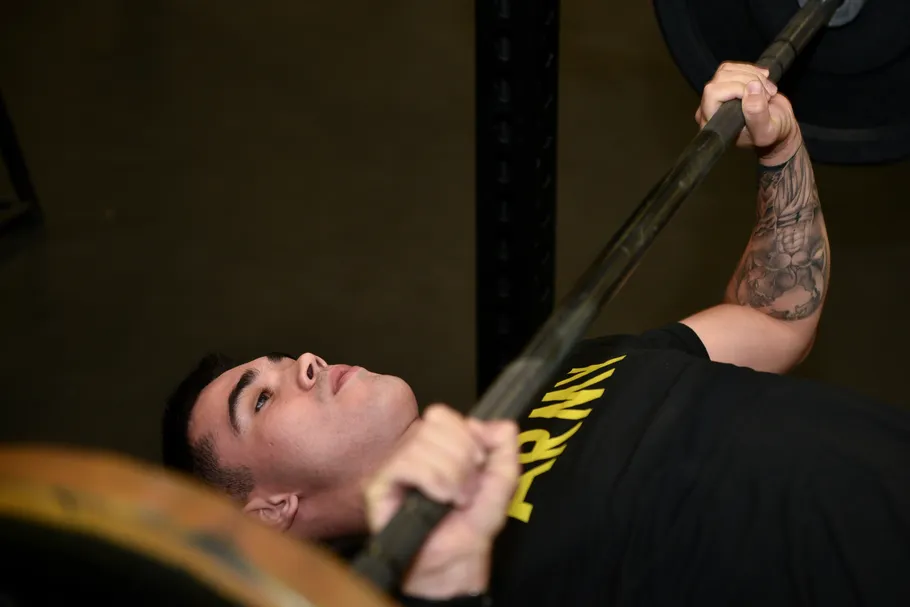
The Rogue Chain Kit is the all-round starter pick. Two kit thicknesses, 1/2 in and 5/8 in, each with two 4 ft 1/4 in leader chains and carabiners, zinc electroplated, stackable so extra pairs add on top.
That two-thickness choice is the practical point. A lifter can start on the lighter 1/2 in chains and move to the 5/8 in chains without buying a second system, and the leader chains plus carabiners are the standard way to hang main chains from a bar. The zinc plating suits a garage gym better than bare steel, which rusts faster in damp air.
Two flags must be stated plainly. First, the per-chain weight is disputed — one current record reads 10 lb for the 1/2 in chain and 15 lb for the 5/8 in chain, while older records put a 5/8 in chain at 20 lb — so the table shows the disputed range, not a settled figure. Second, the stated 4 ft figure is the leader chains, not the main chains, so no main-chain length is claimed for this kit.
✅ Pros
- Two thicknesses in one system, 1/2 in and 5/8 in
- Leader chains and carabiners included
- Zinc plating suits garage gyms
⚠️ Cons
- Per-chain weight disputed across records
- Main-chain length not stated, only leaders
- Stacking extra pairs adds cost and setup time
Listing check: no confident listing code was found for this kit, so the link above is a tagged search — confirm the thickness, the weight and the included leaders and carabiners on the listing before ordering.
Best for: lifters new to chains who want two thicknesses and a standard leader-and-carabiner setup.
May not fit: buyers who need a settled per-chain weight, or a stated main-chain length.
Titan Fitness 6 ft 5/8 in Pair
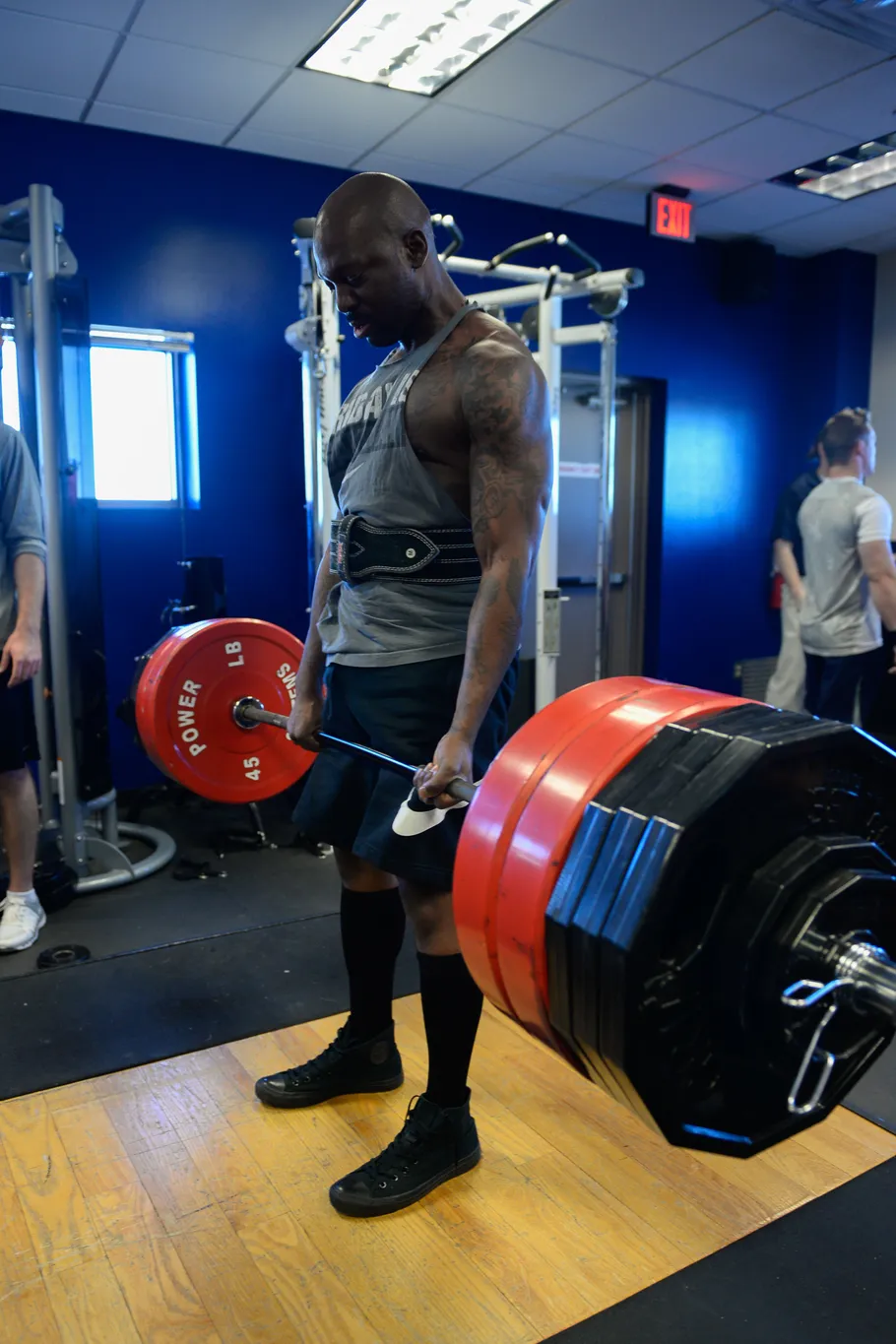
The Titan Fitness 6 ft 5/8 in Pair is the workhorse pick. Two 6 ft 5/8 in chains with carabiners and connector chains for a low hang, so the chain reaches the floor through the full range of a squat or deadlift.
That 6 ft length is the practical point. A longer main chain keeps part of the chain on the floor at the bottom of the lift — the deload that makes accommodating resistance work — while the connector chains let the hang sit low without shortening the working chain. For squat and bench work in a home rack, that low hang is what separates a chain set from a short length of hardware-store chain.
Two flags must be stated plainly. First, the per-chain weight conflicts across records — 20 lb, 20.5 lb, 21 lb and 26.5 lb with a collar — so the table shows the disputed range, not a settled figure. Second, the heaviest record in that range counts a collar with the chain, so it is not directly comparable to the bare-chain records.
✅ Pros
- Longest main chain here, 6 ft, for a true floor deload
- Connector chains included for a low hang
- Carabiners included for bar attachment
⚠️ Cons
- Per-chain weight disputed, 20–26.5 lb across records
- Heaviest record counts a collar with the chain
- Single thickness — no lighter step in the same pair
Listing check: no confident listing code was found for this pair, so the link above is a tagged search — confirm the 5/8 in thickness, the 6 ft length and the weight on the listing before ordering.
Best for: lifters who want one long workhorse pair for squat, bench and deadlift.
May not fit: buyers who need a settled per-chain weight, or a lighter starting thickness.
Titan Fitness 6 ft 3/4 in Pair
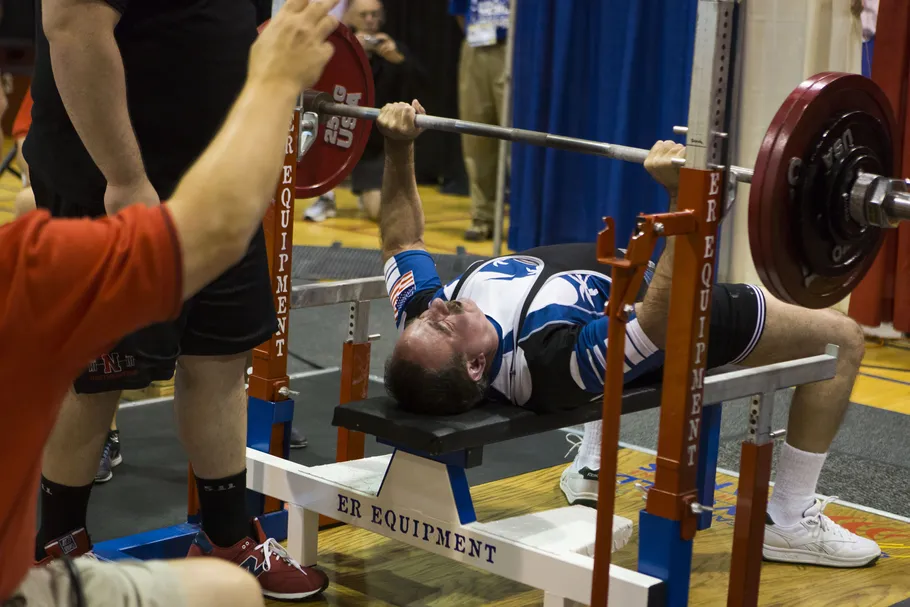
The Titan Fitness 6 ft 3/4 in Pair is the heaviest recorded pick. Two 6 ft 3/4 in chains with carabiners and connector chains for a low hang, the thickest chain in this guide.
That thickness is the practical point. At 3/4 in, each chain carries far more steel per foot than the 5/8 in pair, so a single pair adds serious top-end load without stacking several thinner pairs — useful for an advanced lifter whose lockout already handles heavy bars and who wants the extra load concentrated in one pair.
Two flags must be stated plainly. First, the per-chain weight is disputed — one record reads 31 lb each, while another record reads a 54 lb item weight and a question-and-answer record reads 34 lb each — so the table shows the highest recorded figure as disputed, not settled. Second, because that figure is disputed, no settled heaviest winner is declared in this guide even though this pair holds the heaviest recorded number.
✅ Pros
- Thickest chain here, 3/4 in, for heavy top-end load
- Longest main chain here, 6 ft, for a true floor deload
- Connector chains included for a low hang
⚠️ Cons
- Per-chain weight disputed, 31 lb vs 54 lb item vs 34 lb Q&A records
- Too heavy as a first chain set for most lifters
- Single thickness — no lighter step in the same pair
Listing check: no confident listing code was found for this pair, so the link above is a tagged search — confirm the 3/4 in thickness, the 6 ft length and the weight on the listing before ordering.
Best for: advanced lifters who want the thickest, heaviest recorded pair for top-end loading.
May not fit: beginners, lifters who need a settled weight figure, or anyone buying a first chain set.
Bells of Steel Weightlifting Chain Sets
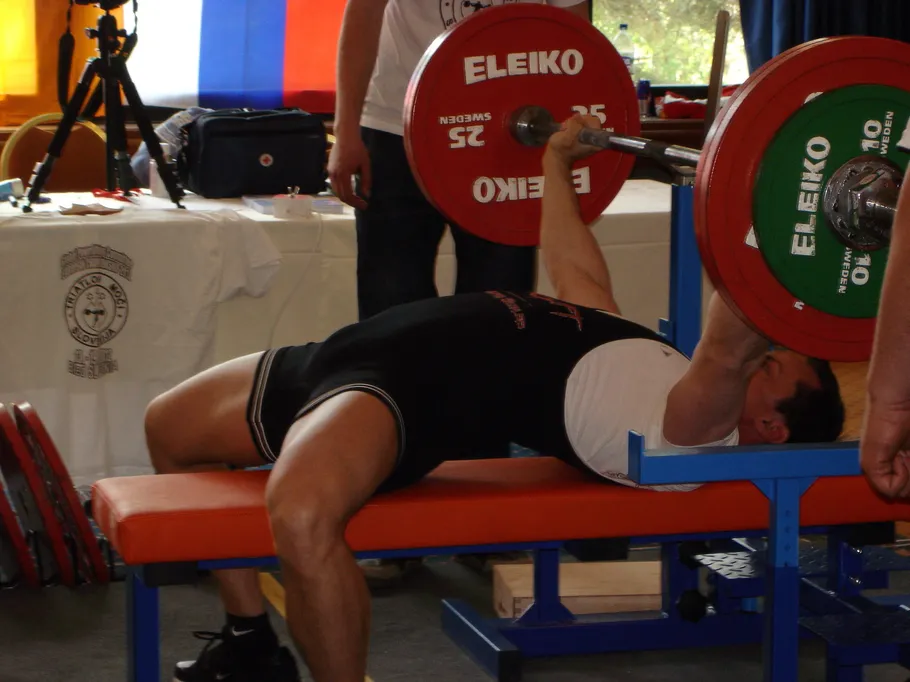
The Bells of Steel Weightlifting Chain Sets are the modular pick. A zinc-plated system built around a 3/16 in 6 ft feeder chain pair at 5 lb, with 1/2 in 5 ft pairs at 23 lb and 5/8 in 5 ft pairs at 39 lb, sold as bundled sets of 28, 44, 51, 74, 83 and 107 lb.
That modular range is the practical point. Instead of one fixed pair, the system stacks pairs to reach the load a session needs — a light pair for technique work, more pairs for heavy lockout work — and the feeder chain is the lighter lead that connects the working chains to the bar. For a home gym that trains several lifters or several lifts, one system covers more ground than one pair.
Two flags must be stated plainly. First, the set totals stack several pairs, so they are not comparable to single-pair weights — a 107 lb set is several pairs hung together, not one pair. Second, the pairs are 5 ft, shorter than the Titan 6 ft pairs, so check hang height against your rack and your bottom position before ordering.
✅ Pros
- Widest set range here, 28–107 lb across six bundles
- Feeder chain included for bar connection
- Zinc plating suits garage gyms
⚠️ Cons
- Set totals stack pairs — not comparable to single-pair weights
- Pairs are 5 ft, shorter than the Titan 6 ft pairs
- More pieces to store and set up than a single pair
Listing check: no confident listing code was found for these sets, so the link above is a tagged search — confirm the bundle, the pair weights and the feeder chain on the listing before ordering.
Best for: lifters who want one modular system that scales from light technique work to heavy lockout sets.
May not fit: buyers who want a single simple pair, or who need a 6 ft main chain.
Body-Solid Tools BSTCH44 Lifting Chains
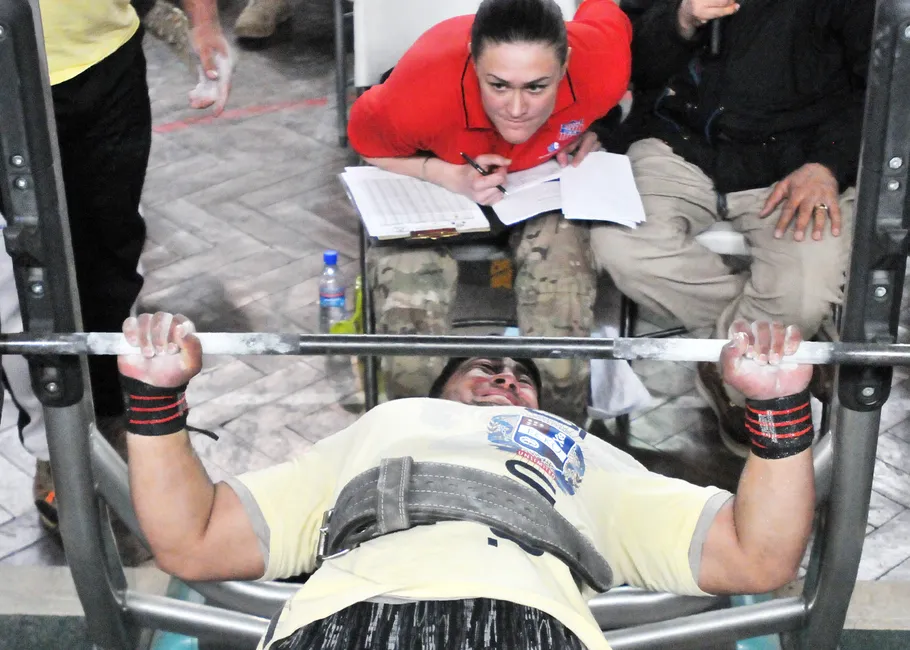
The Body-Solid Tools BSTCH44 Lifting Chains are the collars-included pick. A pair of 5 ft zinc-coated chains with 2 collars and 2 snap links, made to fit Olympic barbells.
That included hardware is the practical point. Collars and snap links in the box mean the chains attach to a standard Olympic bar without a separate hardware order — the collars seat the plates, the snap links clip the chains on — so the set is ready to hang on the bar out of the box.
Two flags must be stated plainly. First, the weight is disputed over scope — one record reads 22 lb per chain, another reads 22 lb for the pair — so the table shows 22 lb as disputed, not settled. Second, at 5 ft the pair is shorter than the Titan 6 ft pairs, so check hang height against your rack before ordering.
✅ Pros
- Collars and snap links included in the box
- Zinc coating suits garage gyms
- Made to fit Olympic barbells
⚠️ Cons
- Weight disputed — 22 lb per chain vs 22 lb per pair
- Pairs are 5 ft, shorter than the Titan 6 ft pairs
- Single thickness — no lighter step in the same pair
Listing check: no confident listing code was found for this pair, so the link above is a tagged search — confirm the 5 ft length, the weight scope and the included collars and links on the listing before ordering.
Best for: lifters who want a complete pair with collars and links included for an Olympic bar.
May not fit: buyers who need a settled weight figure, or a 6 ft main chain.
Ader Barbell Olympic Weight Lifting Chain Set
The Ader Barbell Olympic Weight Lifting Chain Set is the sized-sets pick. Three sets by thickness — 30 lb at 1/2 in, 45 lb at 5/8 in and 60 lb at 3/4 in — in black or zinc, with an oil and non-toxic oxide finish, heavy-duty forged steel and shaft collars included.
That sized range is the practical point. Each set matches one thickness to one total weight, so a lifter can buy the thickness that fits the current training block and step up a size later without rethinking the setup — and the included shaft collars seat the set on an Olympic bar.
Two flags must be stated plainly. First, no record checked states a chain length for this set, so the table shows Length as Not stated and the set sits outside the length ranking. Second, oily-feel complaints are reported for the finish, so expect to wipe the chains down before first use and keep them off mats you want to keep clean.
✅ Pros
- Three sized sets, 30, 45 and 60 lb by thickness
- Heavy-duty forged steel with shaft collars included
- Black or zinc finish options
⚠️ Cons
- Chain length not stated in any record checked
- Oily-feel complaints reported for the finish
- One thickness per set — no mixed-thickness kit
Listing check: no confident listing code was found for this set, so the link above is a tagged search — confirm the size, the finish and the included collars on the listing before ordering.
Best for: lifters who want one thickness per training block with shaft collars included.
May not fit: buyers who need a stated chain length, or a dry, oil-free finish.
How to Choose
Choosing lifting chains comes down to four questions: what chain weight can you control at the bottom of the lift, what length reaches the floor through your range, what finish survives your gym, and what connectors hold the chains on the bar. Answer those four and the six above sort themselves quickly.
Chain Weight and Your Max
Chain weight counts on top of the bar weight, and it counts most at lockout where the full chain hangs. Start with the lightest pair in the set and keep the total load — bar plus plates plus chains at lockout — at a weight you can already lift with clean form. If the bottom of the lift breaks down, the chain is too heavy, whatever the top feels like.
Do not chase the heaviest recorded figure on a first set. The Titan 3/4 in pair holds the heaviest recorded per-chain number here, but that number is disputed and the pair is far too heavy as a first chain set for most lifters. The Rogue 1/2 in chain at 10 lb on the current record is the lightest per-chain start here, and it is the sensible first step.
Length and Hang Height
Length decides whether accommodating resistance actually happens. At the bottom of the lift, part of the chain must rest on the floor — that is the deload — and at lockout, most of it must hang. If the chain is too short, it never touches the floor and just adds dead weight; if it is too long, it piles up and swings.
Measure from the bar to the floor at your own bottom position, for each lift, before ordering. A 6 ft pair suits most rack squat and bench setups, while a 5 ft pair can run short for taller lifters or low deadlift starts — and a leaders-only figure, as on the Rogue kit, tells you nothing about the main chain, so confirm the working length on the listing.
Finish and Floor Protection
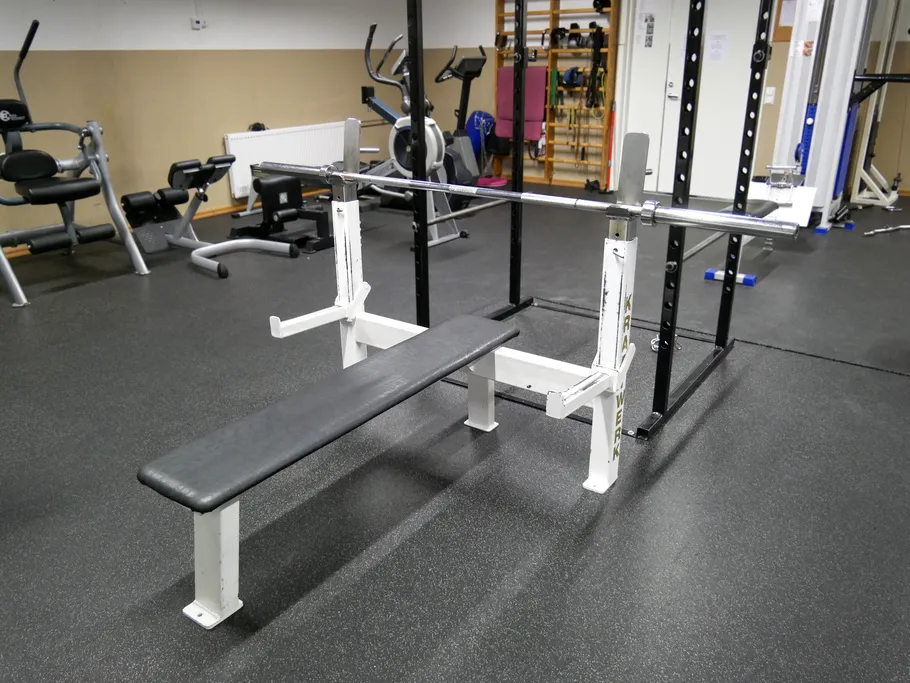
Finish decides rust and mess. Zinc plating, as on the Rogue, Bells of Steel and Body-Solid sets, resists rust in a damp garage far better than bare steel, which rusts fast where humidity sits. An oil and oxide finish, as on the Ader set, protects the steel but leaves an oily feel that transfers to hands, bars and mats.
Whatever the finish, chains mark floors. Bare chain links dragged across a bare floor scratch it, and dropped chain ends chip coatings — lay mats under the bar path and keep the chain ends off the floor when you load and unload. Wipe chains down after sweaty sessions and dry them before storage, or even plated chains rust at the link joints over time.
Collars, Leaders and Setup
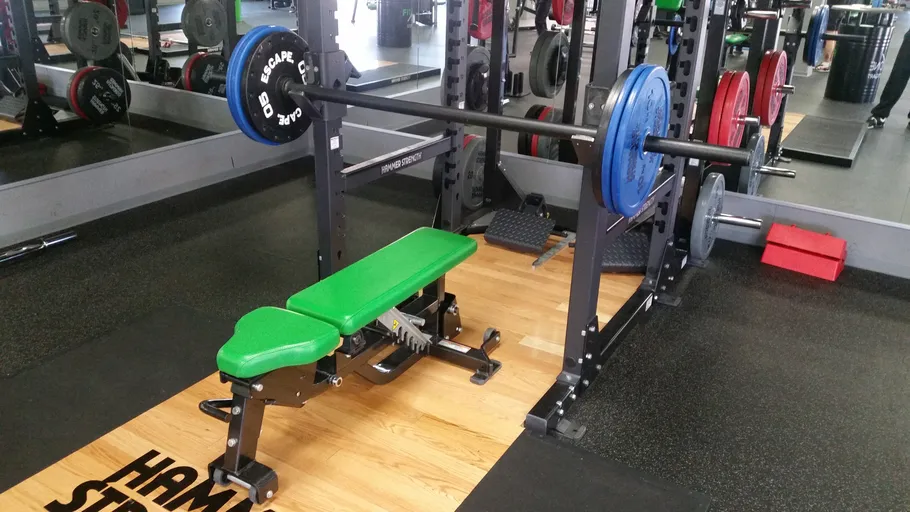
Setup decides whether chains stay on the bar. Leader chains and carabiners connect the main chains to the bar, and collars seat the plates so nothing slides when the chain weight shifts at lockout. A set with leaders, carabiners and collars included, as on the Rogue kit and the Body-Solid pair, is ready to hang; a bare pair needs those parts bought separately.
Check every connector before each set — carabiners fully closed, snap links seated, collars tight — and re-check after any drop. Our barbell collars guide covers the clamps that keep plates seated through the shifting load chains create. Never lift with a cracked, bent or stretched chain link, and retire a damaged chain at once rather than trusting it for one more set.
Safety
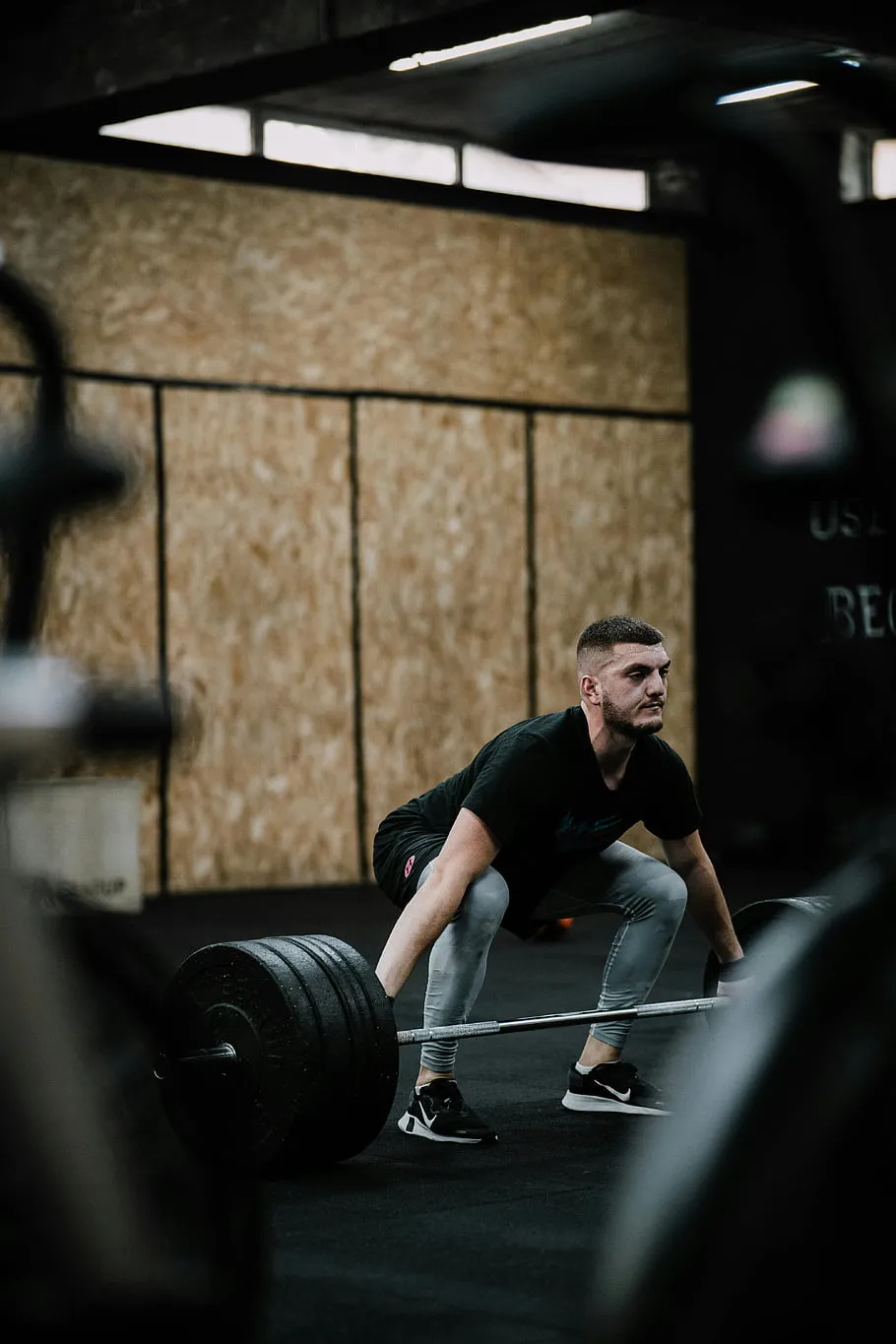
Chain work looks simple and loads the bar unevenly by design, so treat the setup with care. Joint support matters here too — our knee sleeves guide covers sleeves that keep the knees warm and supported through the heavy squat work that usually sits next to chain sessions.
1. Start with the lightest chain in the set — learn the shifting load before adding weight.
2. Check every carabiner, snap link, collar and chain link before each set, and re-check after any drop.
3. Keep the floor around the bar clear — chain ends on the floor are a trip hazard between sets.
4. Use a spotter or rack safeties for bench and squat work with chains, because the load is heaviest at lockout where a miss is hardest to recover.
5. Never load more chain than you can control at the bottom of the lift, the weakest point of the range.
6. Keep plates seated and collars tight — a sliding plate under a shifting chain load throws the bar off balance.
7. Store chains hung or coiled off the floor, dry and away from walkways, so they do not rust, trip or damage the floor.
Lifting-chain training is general fitness information, not medical advice. Stop and seek professional advice if you feel sharp joint pain, dizziness or shortness of breath, or if you have a knee, hip, back or shoulder condition.
Frequently Asked Questions
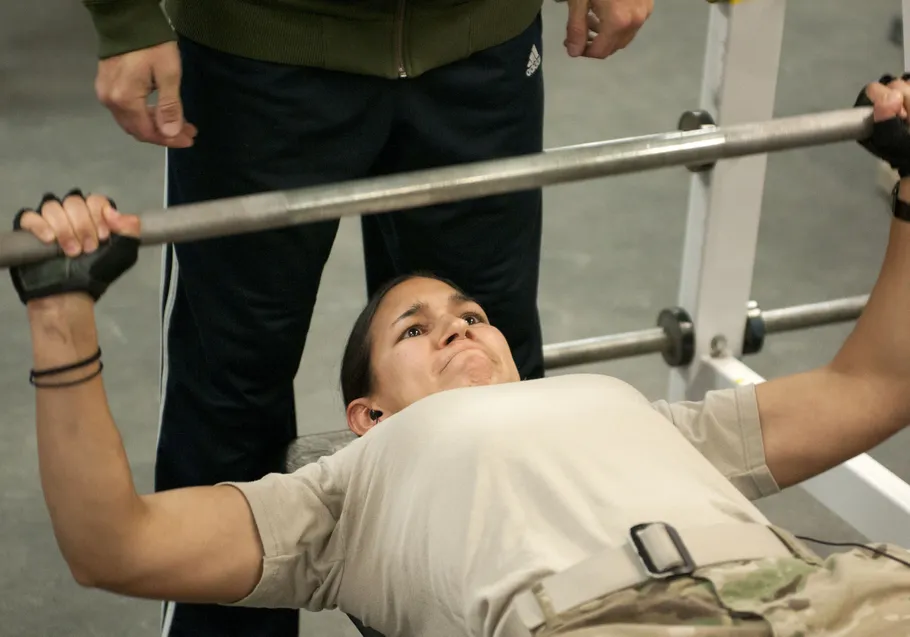
What are lifting chains?
Heavy steel chains hung from a barbell so the bar gets heavier as you lift it and lighter as you lower it. At the bottom of a squat, bench press or deadlift, much of the chain rests on the floor; at lockout, most of it hangs and adds its full weight.
How much chain weight should I start with?
The lightest pair in the set. The Rogue 1/2 in chain at 10 lb on the current record is the lightest per-chain start here. Keep the total load — bar plus plates plus chains at lockout — at a weight you can already lift with clean form, and add chain only when the bottom of the lift stays solid.
Do chains work for squat, bench and deadlift?
Yes, all three — but the setup differs. Squat and bench need a rack with room for the chain to hang and reach the floor, while deadlift needs the chain long enough to touch the floor at the start of the pull. Check hang height for each lift before ordering, because a length that works for bench can run short for deadlift.
Do I need a special bar or special collars?
No — a standard Olympic bar and standard collars work, with leader chains and carabiners connecting the main chains to the bar. Sets with leaders, carabiners and collars included are ready to hang; bare pairs need those parts bought separately.
Will chains damage my floor or bar?
They can. Bare chain links scratch bare floors and chip coatings, and an oily finish transfers to bars and mats. Lay mats under the bar path, keep chain ends off the floor when loading, wipe chains down after sessions and dry them before storage.
What should I pair with lifting chains?
Recovery tools, because heavy lockout work tightens the back and hips. After a chain session, easy stretching plus a roller session helps more than another set — our foam rollers guide covers the tools for that.
Our Pick: Start Here
Start with the Rogue Chain Kit if you are new to chains — two thicknesses, leaders and carabiners included, and the lightest per-chain start here. Choose the Titan Fitness 6 ft 5/8 in Pair if you want one long workhorse pair for squat, bench and deadlift, and step to the Bells of Steel Weightlifting Chain Sets only when one modular system that scales from light technique work to heavy lockout sets matters more than a single simple pair.
As an Amazon Associate, this site earns from qualifying purchases made through links in this article, at no extra cost to you.
Product details are based on manufacturer and retailer research at the time of writing, and specifications may change — confirm weights, dimensions, capacities and warranties with the seller before ordering.