

Why Weight Plates Belong in a Home Gym
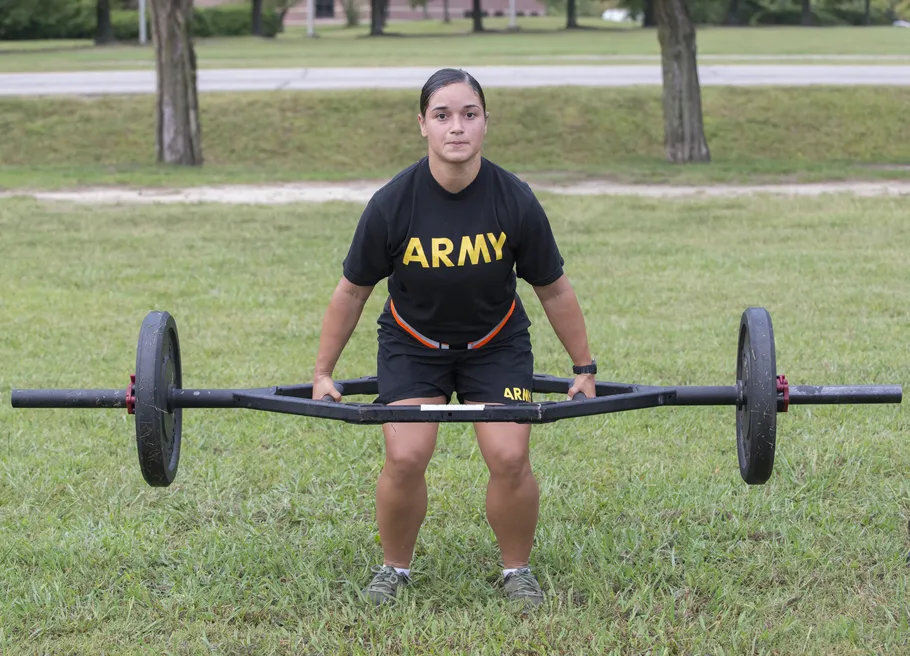
A barbell without plates is a stick. Plates are the load itself: add a pair and you can squat, press, deadlift, row and clean with the same bar, progressing in small jumps for years. 🏋️
That is why plates deserve their own buying decision, not an afterthought to the bar. Diameter decides the bar height off the floor, width decides how much fits on the sleeve, and material decides whether a dropped bar bounces, thuds or cracks the concrete.
The previous guide in this series, our pilates bars guide, covers light bar-and-band kits for low-impact sessions. Plates are the heavy end of the same home gym: real iron and rubber load for strength training, not band tension.
One honest scope note first. This guide covers full-size plates for Olympic bars — bumper plates and cast-iron plates. If you already know you want rubber only, our bumper plates guide goes deeper on rubber alone, and micro-loading is a separate category covered by our fractional plates guide.
How We Picked
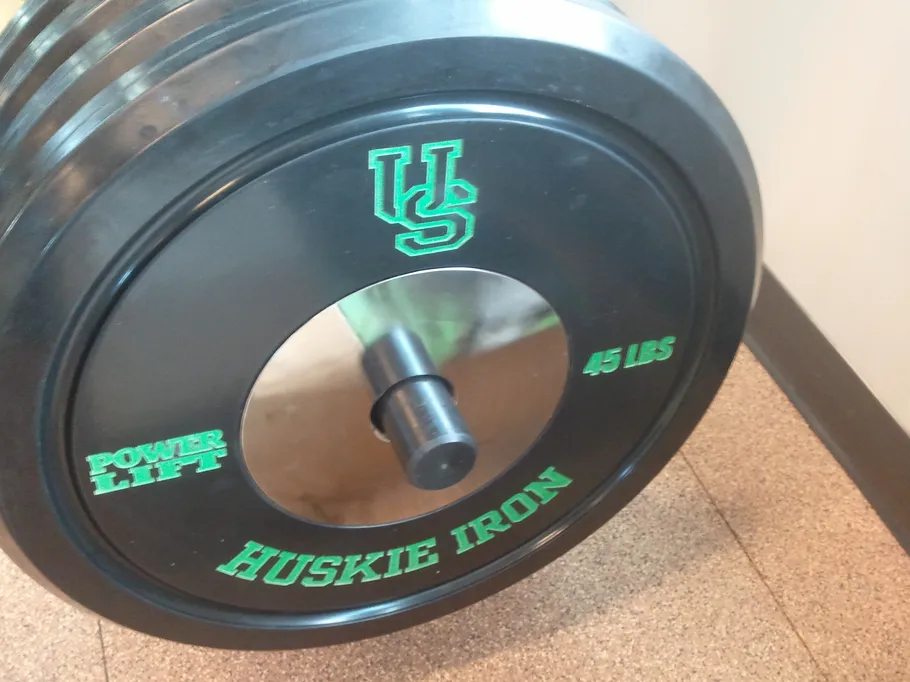
We compared six currently sold plate sets: five bumper sets and one iron set, so the guide answers the bumper-or-iron question instead of assuming it. Every spec below comes from maker pages, listings or review records, and every disagreement found is stated in the pick sections rather than averaged away.
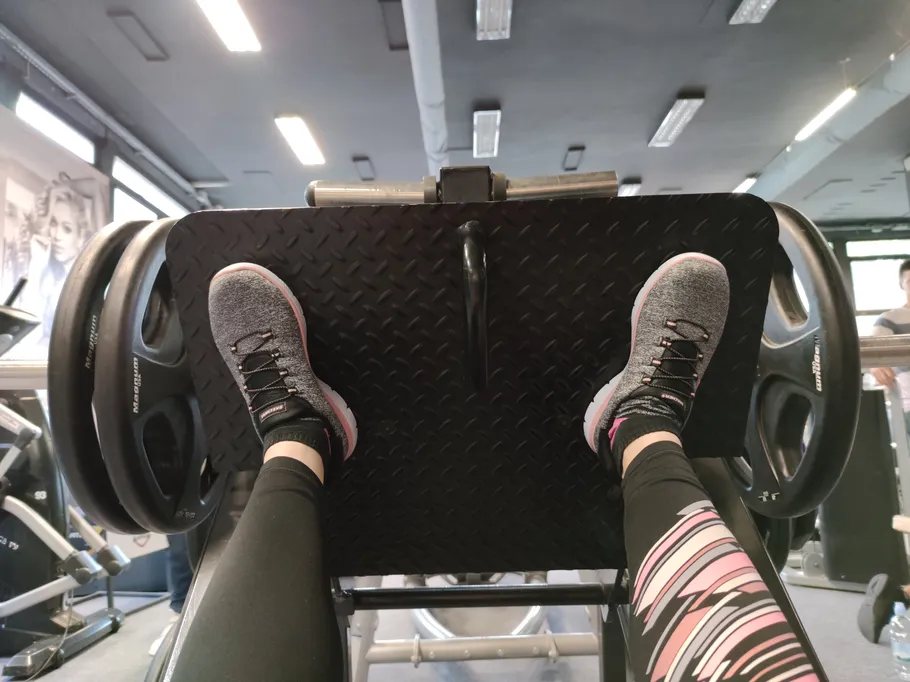
One limit applies to every photo in this guide: no free-license photo of any of the six named plate sets exists, so every figure is an honest generic scene — loaded barbells, plates on racks and lifters mid-lift — captioned as what it actually shows, never presented as a photo of the named product.
- Scored on: plate type, diameter and collar fit, stated tolerance, 45 lb width, warranty terms and listing clarity.
Also considered: Rogue Calibrated Steel Plates and Rogue Competition KG Plates are the calibrated competition end of the range, priced and toleranced beyond this guide’s home-gym brief. Vulcan Alpha Bumper Plates and Bells of Steel Dead Bounce Bumper Plates were checked and left out for thinner records on tolerance and warranty, and Synergee bumper plates were left out because the records checked conflict on the 45 lb width.
Scoped superlatives: the thinnest 45 lb plate here is the Echo V2 at 2.4 in, against REP at 2.8 in, Fringe at 2.9 in and HG 2.0 at 3.25 in — Titan and CAP state no 45 lb width in the records checked, so both sit outside the width ranking. The heaviest single bumper plate here is Titan’s 100 lb plate, while the widest single-plate span is CAP’s 2.5–100 lb. Only HG 2.0 and Fringe offer a 55 lb bumper among the six, and the tightest stated tolerance is ±1% — the ±10–15 g competition figures belong to Rogue’s Competition plates, which are not a pick here, so they are not imported into this guide’s rankings.
Comparison
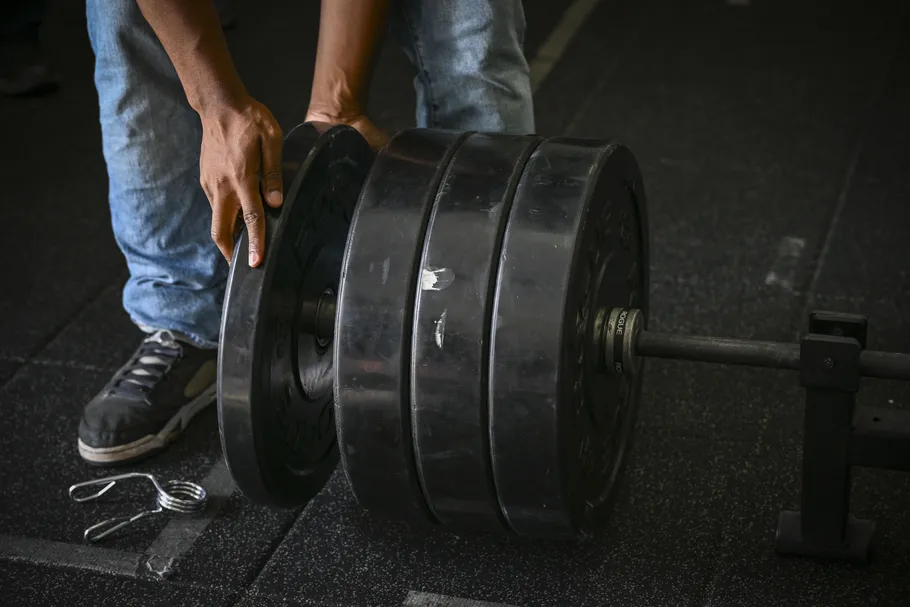
| Pick | Best for | Type | Weight range | Tolerance |
|---|---|---|---|---|
| Rogue HG 2.0 Bumper Plates | All-round bumper set | Bumper | 10–55 lb | ±1% (disputed — see section) |
| REP Black Bumper Plates | Thinner 45 lb bumper | Bumper | 10–45 lb | Disputed (see section) |
| Rogue Echo Bumper Plates V2 | Slim home-gym bumper | Bumper | 10–45 lb | Not stated |
| Fringe Sport MilSpec Bumper Plates | Hard light plates | Bumper | 10–55 lb | ±1% |
| Titan Fitness Economy Bumper Plates | Budget bumper set | Bumper | 10–100 lb | Disputed (see section) |
| CAP Barbell Olympic Grip Plates | Iron grip plates | Iron | 2.5–100 lb | Not stated |
The Type column mixes two different products on purpose. Five picks are bumper plates — rubber discs built to be dropped — while CAP is cast iron, which must never be dropped like a bumper and whose diameter changes with the weight instead of holding the 450 mm bumper standard.
The Tolerance column holds two Disputed cells and two Not stated cells, and neither is a gap to paper over. HG 2.0’s ±1% comes from Rogue’s current page against a 2016 catalog record of ±10 grams; REP’s tolerance reads ±3% in an older Garage Gym Lab record against ±1% in 2026 roundups; Titan’s reads N/A or ±3% in maker and roundup records against a within-1% independent measurement; and Echo and CAP simply state no tolerance in the records checked, so this guide claims none for them.
Rogue HG 2.0 Bumper Plates
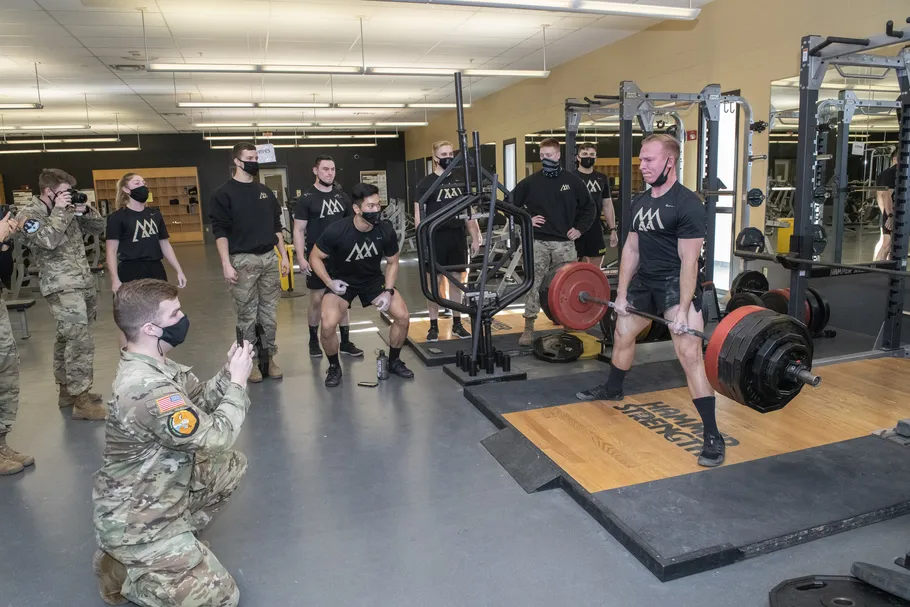
Rogue’s HG 2.0 is the workhorse bumper of this guide: virgin rubber, stainless steel inserts and the IWF-standard 450 mm diameter, with a Shore A durometer of 88. Widths run 10 lb at 1 in, 15 lb at 1.375 in, 25 lb at 2 in, 35 lb at 2.75 in, 45 lb at 3.25 in and 55 lb at 3.75 in, and the collar opening is 50.40 mm.
The tolerance needs a plain statement, because the records disagree. Rogue’s current page states ±1%, while a 2016 Rogue catalog record states ±10 grams — a far tighter figure that the current page does not repeat. This guide reports the current ±1% and flags the older record rather than averaging the two into a settled number.
Warranty is split by weight: 90 days for the 10 and 15 lb plates, 3 years for the 25–55 lb plates. That split matters for beginners, because the lightest plates carry the shortest cover and take the most abuse when dropped alone.
✅ Pros
- IWF-standard 450 mm diameter with stainless steel inserts
- Full 10–55 lb ladder, including a 55 lb plate the REP and Echo sets lack
- Shore A durometer 88 stated on the maker page
⚠️ Cons
- Tolerance conflict — current ±1% against a 2016 catalog record of ±10 grams
- Thickest 45 lb plate here at 3.25 in, so less sleeve room than Echo or REP
- 90-day warranty on the 10 and 15 lb plates, the pair most often dropped alone
Listing check: no confident listing code was verified for this set, so the link above is a tagged search — confirm the HG 2.0 version, the 450 mm diameter and the 50.40 mm collar opening before ordering.
Best for: lifters who want one benchmark bumper set with a full ladder to 55 lb.
May not fit: lifters chasing the thinnest possible 45 lb plate or a single settled tolerance figure.
REP Black Bumper Plates
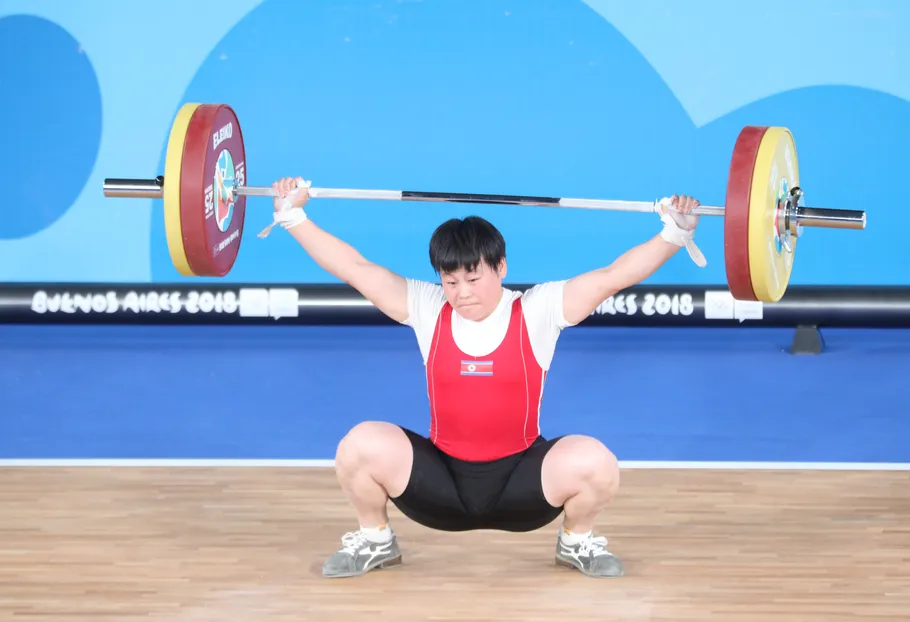
REP’s Black bumpers are the quiet pick of this guide: black rubber, a steel hooked insert and the 450 mm standard, with one deliberate exception — the 10 lb plate is slightly smaller in diameter by design, to stop it folding, or taco-ing, when dropped. Widths run 10 lb at 1 in, 15 lb at 1.2–1.24 in, 25 lb at 1.75–1.8 in, 35 lb at 2.4 in and 45 lb at 2.8–2.83 in.
That 45 lb width is the REP’s real argument: thinner than most bumpers at the weight lifters load most, so more plates fit on a standard sleeve. The set stops at 45 lb, though — there is no 55 lb REP Black plate in the records checked.
Two flags stay open. Tolerance reads ±3% in an older Garage Gym Lab record against ±1% in 2026 roundups, after a 2024 hub rebuild that tightened the figure — this guide reports both, not a winner. And durometer is not published by REP at all: roundups estimate roughly 85–88, and that estimate is never stated here as a maker spec.
✅ Pros
- Thinner than most at 45 lb — 2.8 in against HG 2.0’s 3.25 in
- Steel hooked insert for a firm grip on the bar
- 10 lb plate deliberately smaller in diameter to resist taco-ing
⚠️ Cons
- Tolerance dispute — older ±3% against 2026 roundup ±1%
- Durometer not published by REP; roundup estimates of 85–88 are not maker specs
- No 55 lb plate in the set, so heavy loaders top out at 45 lb plates
Listing check: no confident listing code was verified for this set, so the link above is a tagged search — confirm the Black (not colour) version, the steel hooked insert and the 10–45 lb ladder before ordering.
Best for: lifters who load 45 lb plates most and want sleeve room to spare.
May not fit: lifters who want a 55 lb plate or a maker-stated durometer.
Rogue Echo Bumper Plates V2
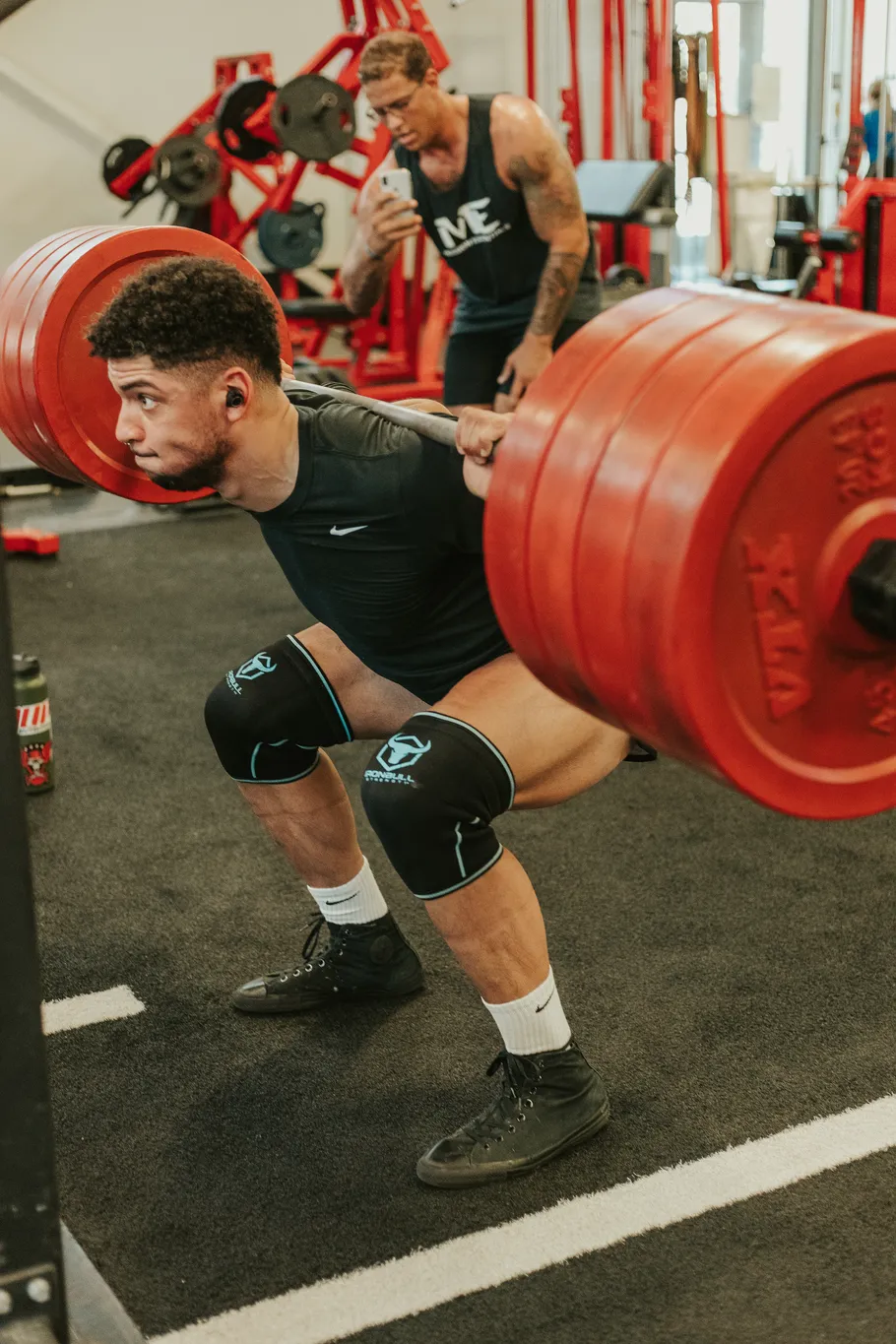
The Echo V2 is Rogue’s slimmer bumper: virgin rubber, durometer 88 and 450 mm diameter within ±3 mm, with widths that undercut REP at every step — 10 lb at 0.83 in, 15 lb at 1.04 in, 25 lb at 1.5 in, 35 lb at 1.9 in and 45 lb at 2.4 in. If sleeve room is your limit, this is the thinnest 45 lb plate in the guide.
Two limits come with the slimness. The set stops at 45 lb, like REP — there is no 55 lb Echo V2 plate. And the warranty covers 3 years only on the 25 lb plates and above, so the lightest plates again carry the least cover.
One small conflict stays open on fit: a Garage Gym Reviews comparison records a 50.6 mm collar opening for the Echo line, against Rogue’s 50.4 mm standard. The difference is two-tenths of a millimetre and will not matter on most bars, but it is stated rather than smoothed over.
✅ Pros
- Thinnest 45 lb plate here at 2.4 in — most sleeve room of the six
- Virgin rubber with a maker-stated durometer of 88
- 3-year warranty on the 25 lb plates and above
⚠️ Cons
- No 55 lb plate — the set tops out at 45 lb
- No tolerance stated in the records checked
- Collar-opening conflict — 50.6 mm in one comparison against Rogue’s 50.4 mm standard
Listing check: no confident listing code was verified for this set, so the link above is a tagged search — confirm the V2 version, the virgin rubber build and the 10–45 lb ladder before ordering.
Best for: lifters on short bar sleeves who need the thinnest 45 lb plate available here.
May not fit: lifters who want a 55 lb plate or a stated weight tolerance.
Fringe Sport MilSpec Bumper Plates
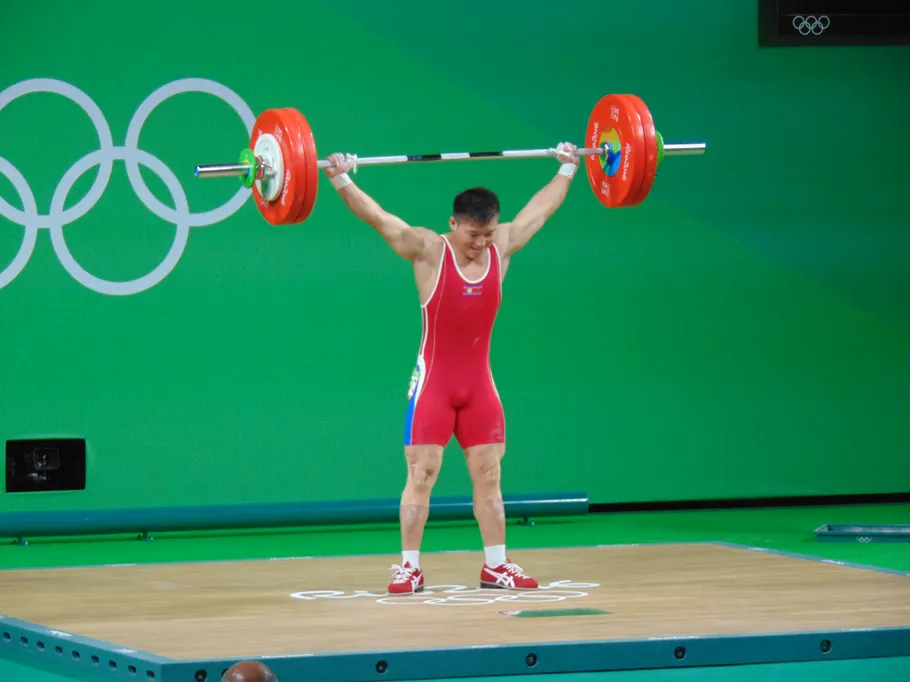
Fringe’s MilSpec set pairs virgin rubber with a stainless steel insert across a full 10–55 lb ladder — one of only two sets here with a 55 lb bumper. Widths run 10 lb at 1.05 in, 15 lb at 1.2 in, 25 lb at 1.87 in, 35 lb at 2.35 in, 45 lb at 2.9 in and 55 lb at 3.2 in, and Garage Gym Reviews records a ±1% tolerance.
The durometer split is the set’s signature: 90 sHA on the 10 and 15 lb plates, 85 sHA on the 25–55 lb plates. The light plates are the hardest here, which is exactly where thin plates need stiffness most — a soft 10 lb plate is the one that folds.
One honest exception sits inside the diameter claim: the 10 lb MilSpec plate measures 445 mm, not the 450 mm of the rest of the set. And the warranty is genuinely unsettled across Fringe’s own pages and review records — 1 year on 25–55 lb with 90 days on 10–15 lb in some records, 3 years with 1 year in others, and a Lifetime listing for Fringe Black plates in Garage Gym Reviews. All three are stated here; none is settled into one.
✅ Pros
- Full 10–55 lb ladder with a stainless steel insert
- Hardest light plates here — 90 sHA on the 10 and 15 lb plates
- ±1% tolerance recorded by Garage Gym Reviews
⚠️ Cons
- Warranty genuinely unsettled — 1-year, 3-year and Lifetime figures all circulate
- 10 lb plate is 445 mm, not the 450 mm of the rest of the set
- 45 lb plate at 2.9 in is thicker than REP and Echo
Listing check: no confident listing code was verified for this set, so the link above is a tagged search — confirm the MilSpec version, the stainless insert and the warranty on the listing itself before ordering.
Best for: lifters who want hard light plates and a full ladder to 55 lb.
May not fit: lifters who want one settled warranty figure in writing before buying.
Titan Fitness Economy Bumper Plates
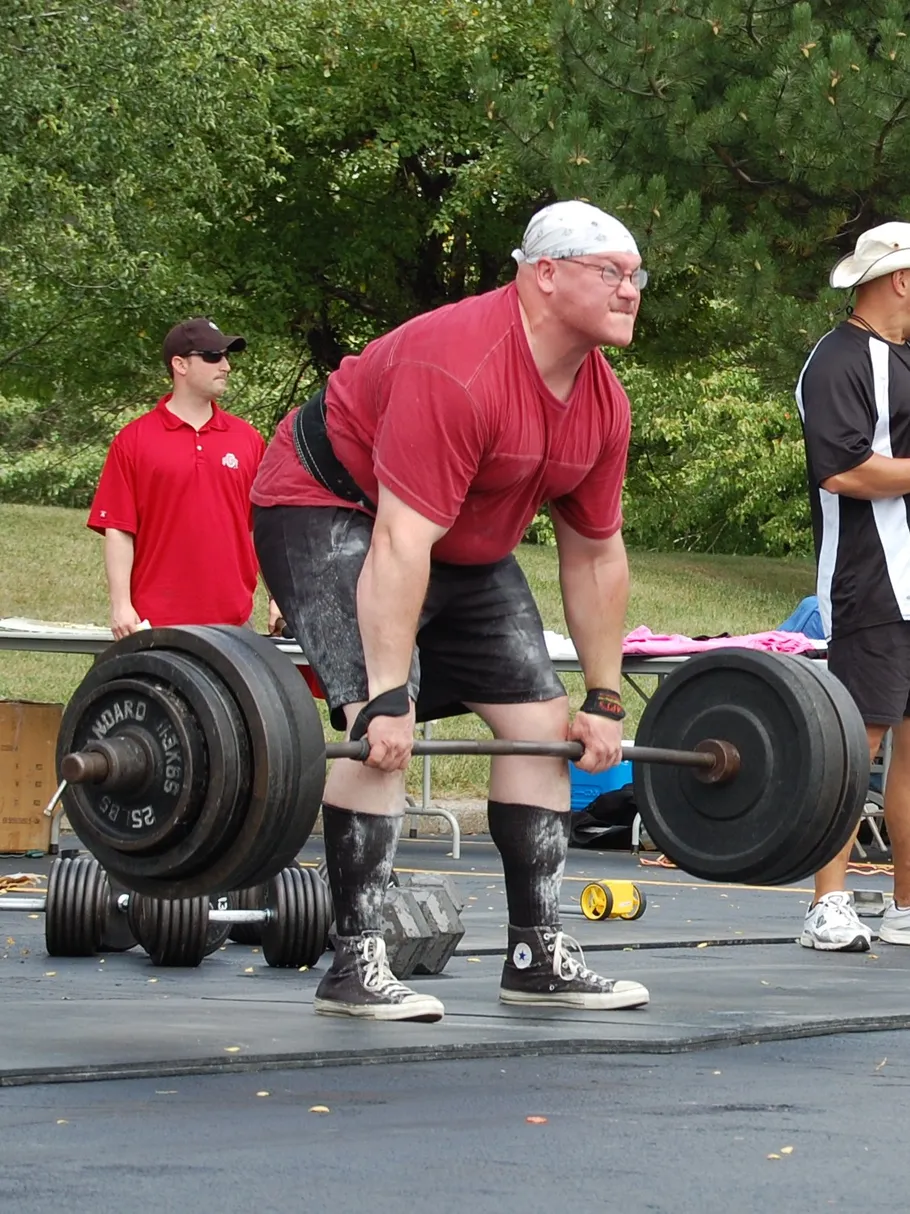
Titan’s Economy set is the budget pick, and its headline is the ladder: 10 lb up to a distinctive 100 lb plate, the heaviest single bumper in this guide. The plates are rubber with a steel insert, hold the 450 mm IWF diameter, and carry a 1-year warranty — but check the listing for the full ladder, since one record notes no 55 lb variant.
The collar is the flag to check before ordering: 2 in, or 50.8 mm, which is larger than the 50.4 mm standard the Rogue and REP sets use. On most Olympic bars the difference is a slightly looser fit rather than a failure, but a loose plate walks along the sleeve, so pair these with collars you trust.
Two more conflicts stay open. Tolerance reads N/A or ±3% in maker and roundup records, while FitnessVolt’s independent measurement came within 1% — this guide reports all three readings, not a winner. And material is described as virgin rubber in some records and vulcanized or crumb rubber in others, while durometer is not published by Titan at all — roundups guess roughly 75–88, and that guess is never stated here as a maker spec. Our deadlift bars guide covers bars that pair well with a heavy, loose-tolerance set like this one, where the bar’s own whip matters more than the plates’ precision.
✅ Pros
- Budget price with the heaviest single bumper here — a 100 lb plate
- 450 mm IWF diameter with a steel insert
- Independent measurement came within 1% despite the ±3% roundup figure
⚠️ Cons
- Collar opening 50.8 mm — larger than the 50.4 mm standard, so a looser fit
- Tolerance dispute — N/A or ±3% in records against a within-1% independent measurement
- Material and durometer unsettled — virgin versus crumb rubber, and no maker durometer figure
Listing check: no confident listing code was verified for this set, so the link above is a tagged search — confirm the Economy version, the 450 mm diameter and the full weight ladder before ordering.
Best for: lifters on a budget who want the heaviest single bumper plate available here.
May not fit: lifters who want a tight collar fit or a single settled tolerance figure.
CAP Barbell Olympic Grip Plates
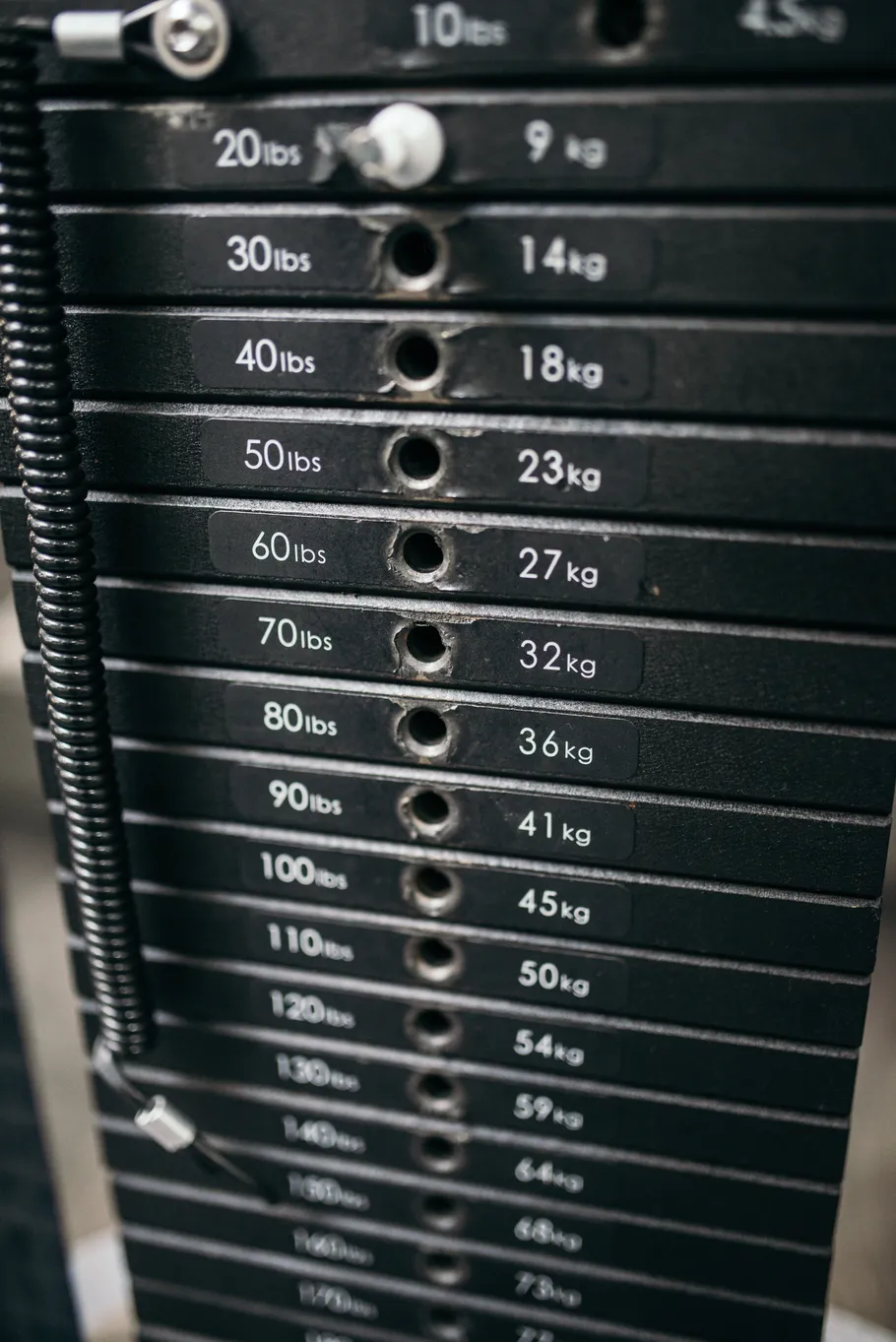
CAP’s Olympic Grip Plates are the only iron pick in this guide: solid cast iron with a black baked-enamel finish, a machined 2-inch center hole, a 3-hole grip design for easy handling, and raised silver weight markings. They are sold as singles in 2.5, 5, 10, 25, 35, 45 and 100 lb, and in sets from 75 to 285 lb.
The grip design is the practical argument: three cut-out handles make a 45 lb iron plate a one-hand carry instead of a pinch-grip struggle. That matters every session, because iron plates are loaded and unloaded far more often than their weight suggests.
Three iron facts must stay plain. First, the center hole is machined for Olympic bars only — these plates do not fit 1-inch standard bars. Second, no weight tolerance is stated anywhere in the records checked: these are not calibrated competition plates, and this guide claims no precision for them. Third, diameter varies by weight rather than holding the 450 mm bumper standard, so the bar sits lower with light iron than with bumpers — and iron must never be dropped like a bumper, because it damages floors and the plates themselves.
✅ Pros
- Only iron pick here — the thinnest plates per pound, so the most sleeve room of all
- 3-hole grip design makes heavy plates a one-hand carry
- Widest single-plate span here, from 2.5 lb to 100 lb
⚠️ Cons
- No stated weight tolerance — not calibrated plates
- Olympic bars only — the machined 2-inch hole does not fit 1-inch standard bars
- Must never be dropped like bumpers — iron damages floors and itself
Listing check: no confident listing code was verified for this set, so the link above is a tagged search — confirm the Olympic Grip version, the 2-inch center hole and the single-versus-set contents before ordering.
Best for: lifters who never drop the bar and want the thinnest, cheapest plates per pound.
May not fit: lifters who drop snatches or cleans, or who train on 1-inch standard bars.
How to Choose
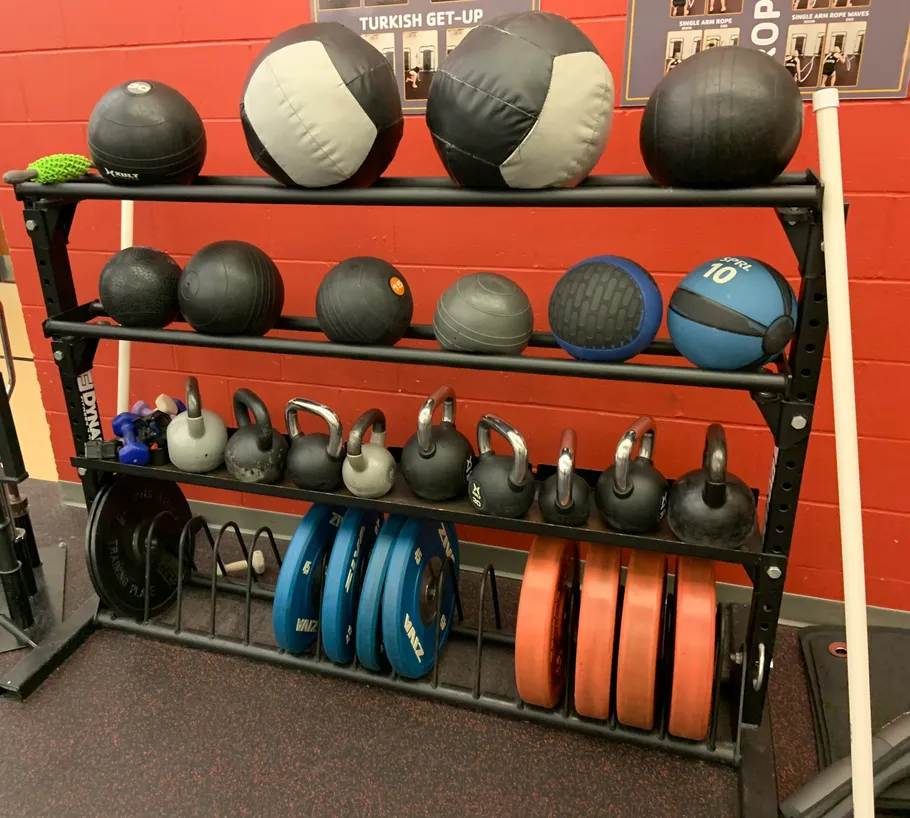
Four decisions cover almost every plate purchase: bumper or iron, diameter, tolerance and use. Answer them in that order and the right set usually picks itself.
Choose Bumper or Iron
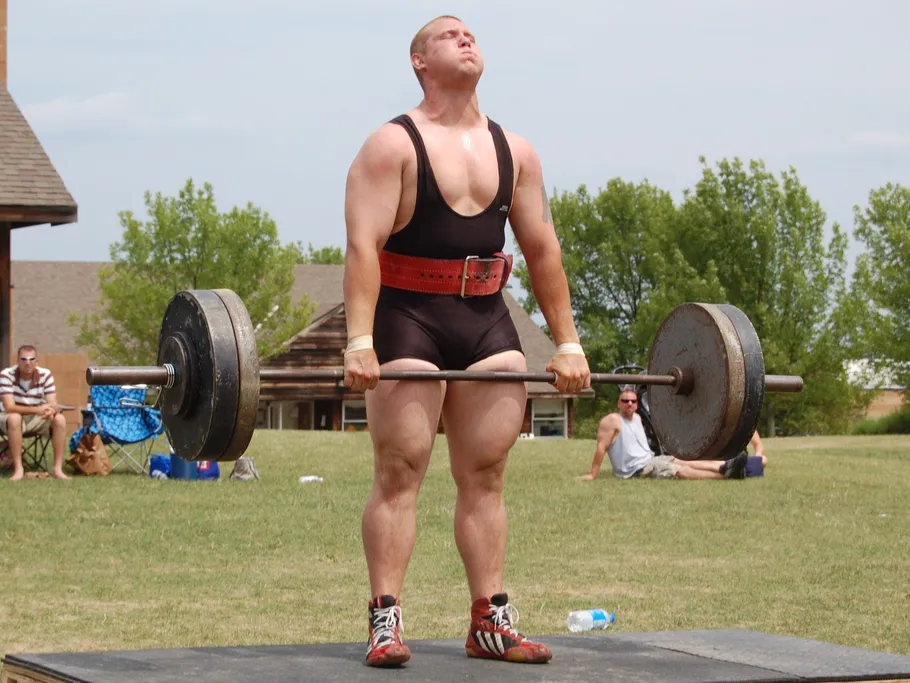
Drop the bar, or lower it? That one question settles the material. Bumpers bounce and forgive a dropped snatch or clean; iron clangs, cracks concrete and chips when it hits the floor. If you do Olympic lifts, or you train alone and sometimes fail a rep, buy bumpers.
Iron wins on thinness and price per pound. A 45 lb iron plate is far slimmer than any bumper here, so a full iron set leaves sleeve room for more weight — and iron costs less for the same pounds. If you squat, bench and deadlift with controlled lowering, iron is the honest budget choice.
Choose Your Diameter
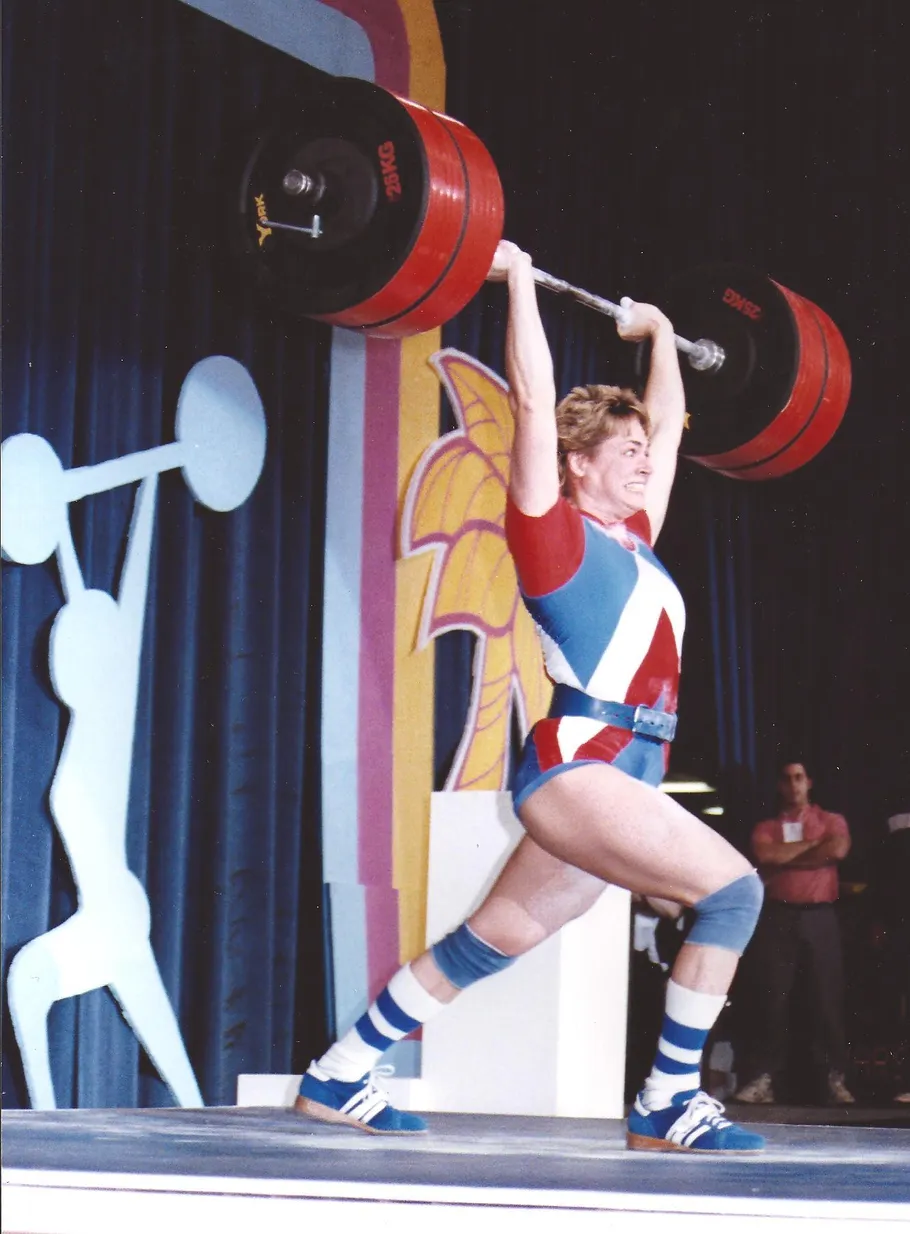
Bumper diameter is a standard, not a preference: 450 mm, the IWF size, puts the bar at the same height off the floor for every pull. All five bumper sets here hold it, with two honest exceptions — REP’s 10 lb plate is slightly smaller by design, and Fringe’s 10 lb plate measures 445 mm.
Iron has no such standard. CAP’s plates grow with the weight, so a bar loaded with light iron sits lower than the same bar loaded with bumpers. That changes the deadlift start position, which is why lifters who pull from the floor usually start with bumpers and add iron later.
Choose Your Tolerance
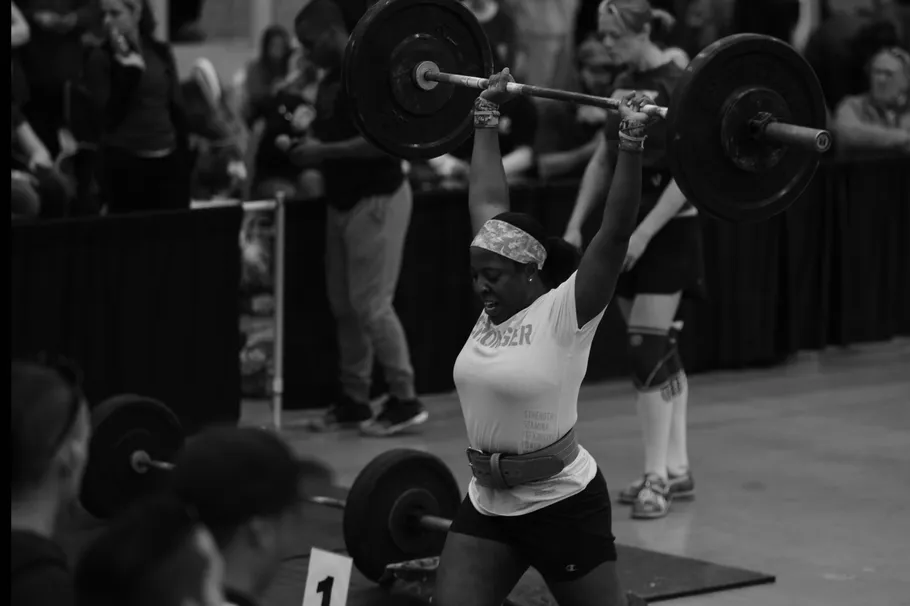
Tolerance is the gap between the number stamped on the plate and what it actually weighs. At ±1%, a 45 lb plate is within half a pound; at ±3%, it can be off by well over a pound — and that error multiplies across a loaded bar.
For most home lifters, ±3% is invisible: training load varies more day to day than the plates do. Pay for tight tolerance only if you compete, test maxes seriously, or load two bars that must match — otherwise spend the difference on more plates.
Choose Your Use and Space
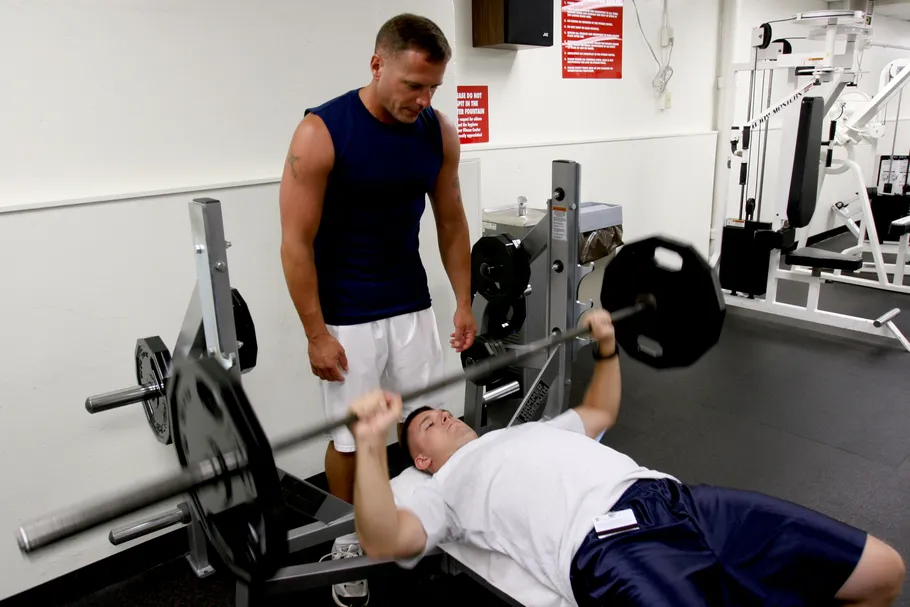
Match the set to the lifts you actually do. Olympic lifts need bumpers and a platform; squat, bench and deadlift work fine on iron or bumpers; and a lifter who trains in a flat needs bumpers plus flooring more than they need a 100 lb plate.
Then count the space honestly. Bumpers are thick — a full set needs a rack or a plate tree, and our weight plate storage racks guide covers that storage. Collars matter just as much, especially on Titan’s looser 50.8 mm fit: our barbell collars guide covers collars that stop plates walking along the sleeve mid-set.
Safety
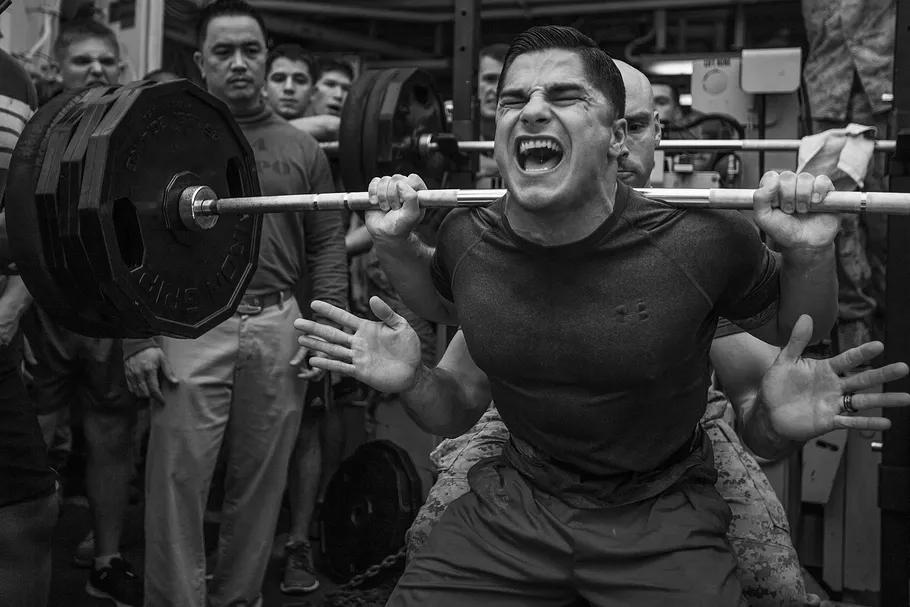
Plates are the heaviest loose objects in a home gym, and most plate injuries come from handling, not lifting. A rack with safeties is the first safety purchase, not an accessory — our power racks guide covers racks that catch a failed squat before the plates do.
1. Never drop iron plates — bumpers are built for drops, iron is not, and a dropped iron plate damages floors, bars and itself.
2. Never drop a 10 or 15 lb bumper alone — thin plates fold and crack without a heavier plate beside them, so always load a 25 lb plate or heavier first.
3. Clip every bar, every set — collars stop plates walking off the sleeve mid-lift, and a sliding plate unbalances the bar without warning.
4. Load and unload one side at a time, evenly — stripping one side bare while the other stays loaded flips the bar off the rack.
5. Lift plates with the grip holes, not a pinch grip — a 45 lb plate with no handle is a dropped plate waiting for a foot.
6. Check inserts and plates before heavy sessions — a loose insert, a cracked bumper or a chipped iron edge means retirement, not one more workout.
7. Keep children and pets clear of the platform, and store plates on a rack or tree, never leaning against a wall where they can topple.
Safety note: this guide is general information, not medical advice. If you have a back, shoulder or joint condition, or any injury affecting lifting, speak to a clinician or physiotherapist before training with loaded barbells.
Frequently Asked Questions
Should I buy bumper or iron plates first?
Buy bumpers if you do Olympic lifts, drop the bar, or train alone and sometimes fail a rep. Buy iron if you squat, bench and deadlift with controlled lowering and want the most weight per pound spent — and never drop it.
Do all these plates fit my bar?
Only if your bar is an Olympic bar with a 2-inch sleeve. Every set here — including CAP’s iron plates with their machined 2-inch hole — fits Olympic bars and does not fit 1-inch standard bars. Check your sleeve diameter before ordering, not after.
Why do 10 lb bumper plates need special care?
Because they are thin, and a thin plate dropped alone folds. REP makes its 10 lb plate slightly smaller in diameter to resist that folding, and Fringe’s 10 lb plate measures 445 mm rather than 450 mm — but no 10 lb bumper should be dropped without a heavier plate beside it.
How much weight do I need to start?
A pair each of 10, 25 and 45 lb plates covers most beginners: the bar plus a pair of 45s is 135 lb, and the smaller plates let you step up in 10 lb jumps. Add 35s and a second pair of 45s once 135 lb feels light, rather than buying a full set on day one.
Can I mix brands on one bar?
Yes, with one rule: keep the same diameter class on each sleeve for Olympic lifts, so the bar stays level. Mixing a 450 mm bumper with a smaller iron plate on the same side tilts the load and changes the pull — fine for a bench press, wrong for a clean.
What flooring and storage do plates need?
Bumpers need a platform or thick rubber mats if you drop them, and iron needs mats simply to protect the floor from chips and dents. Plates also need a rack or tree rather than a wall lean, and our gym flooring guide covers mats and platforms for both materials.
Our Pick: Start Here
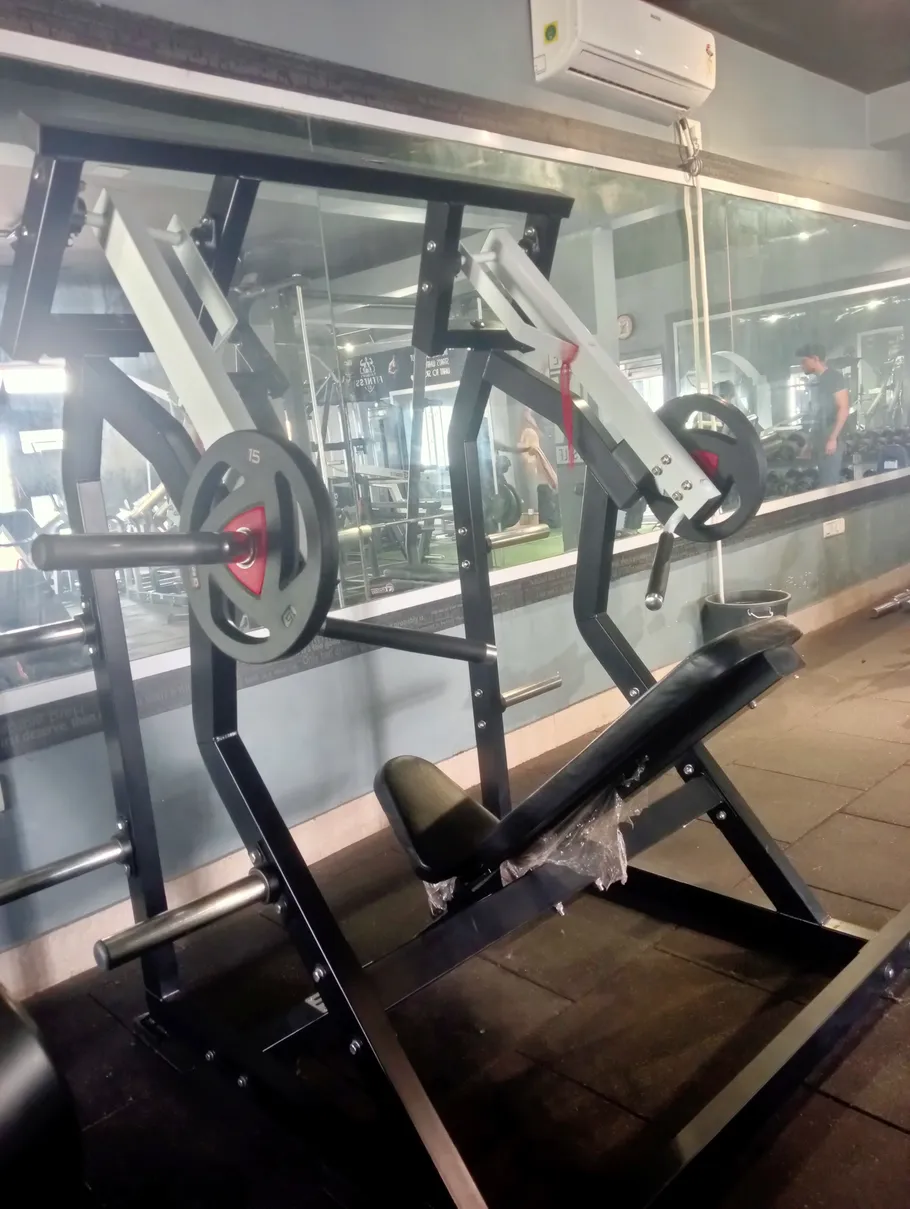
Start with the Rogue HG 2.0 Bumper Plates if one benchmark bumper set with a full ladder to 55 lb matters most, the REP Black Bumper Plates if a thinner 45 lb plate and sleeve room matter most, the Rogue Echo Bumper Plates V2 if the thinnest 45 lb plate of all matters most, the Fringe Sport MilSpec Bumper Plates if hard light plates and a 55 lb option matter most, the Titan Fitness Economy Bumper Plates if budget and a 100 lb plate matter most, and the CAP Barbell Olympic Grip Plates if iron value and easy carrying matter most.
As an Amazon Associate, this site earns from qualifying purchases made through links in this guide, at no extra cost to you. The Amazon links above are tagged search links, not direct product listings, because no confident listing code was verified for these sets — always confirm the exact version, diameter, collar opening and weight ladder on the listing before ordering.
Specifications in this guide come from maker pages, listings and review records that frequently disagree, and every disagreement found is stated in the pick sections rather than averaged away. Tolerance, width, durometer and warranty figures in particular mix maker claims, review measurements and older records, so treat this guide as a comparison of published records, not as a substitute for the listing on the day of purchase.