

Why Pulling Blocks Belong in a Home Gym
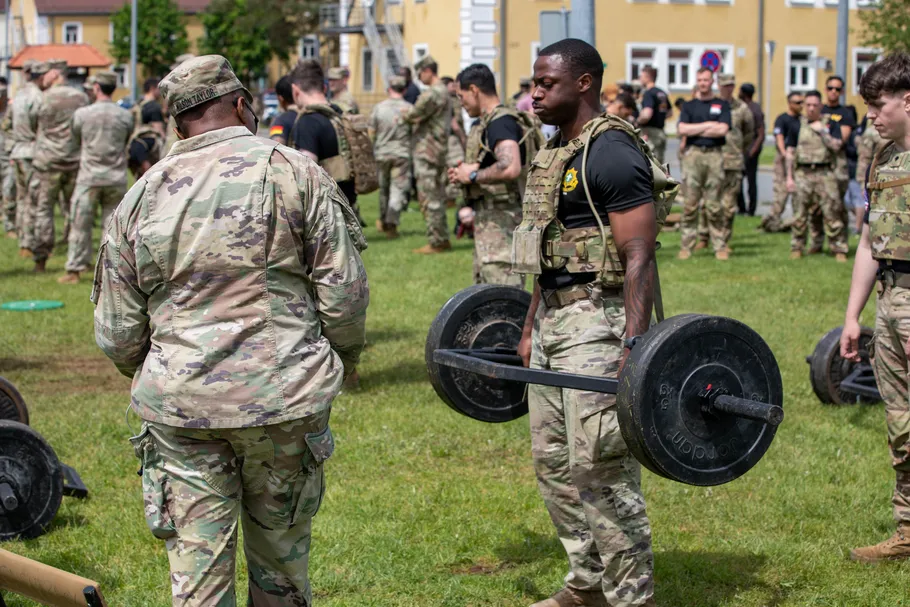
A pulling block is a raised platform the barbell rests on, so the lift starts above the floor instead of from it. Stack two blocks under each sleeve and the bar sits at knee height for a block pull; stack them higher and the bar sits at chest height for a jerk. Low stacks are called pulling blocks, tall stacks are called jerk blocks — but they are the same kind of equipment, and most sets in this guide do both jobs depending on how high you stack them. 🏋️
The point is the start position. A block pull trains the top half of the deadlift without the floor pull; a block clean or snatch starts from the hang position coaches use for technique work; and a jerk from blocks lets you practise heavy jerks without cleaning the bar first. One set of blocks gives you all three, at whatever height your lift needs that day.
This guide is deliberately different from our platform and jack guides. Our best deadlift bars for home gyms covers the bars you pull with, not what the bar rests on. Our best deadlift jacks for home gyms covers levers that lift one side of a loaded bar so you can change plates — a jack is a loading tool, not a raised start position, and it is no substitute for blocks. And if you came from our best multi-grip barbells for home gyms, the previous guide in this series, blocks are the platform that bar can pull from — same home gym, different job.
How We Picked
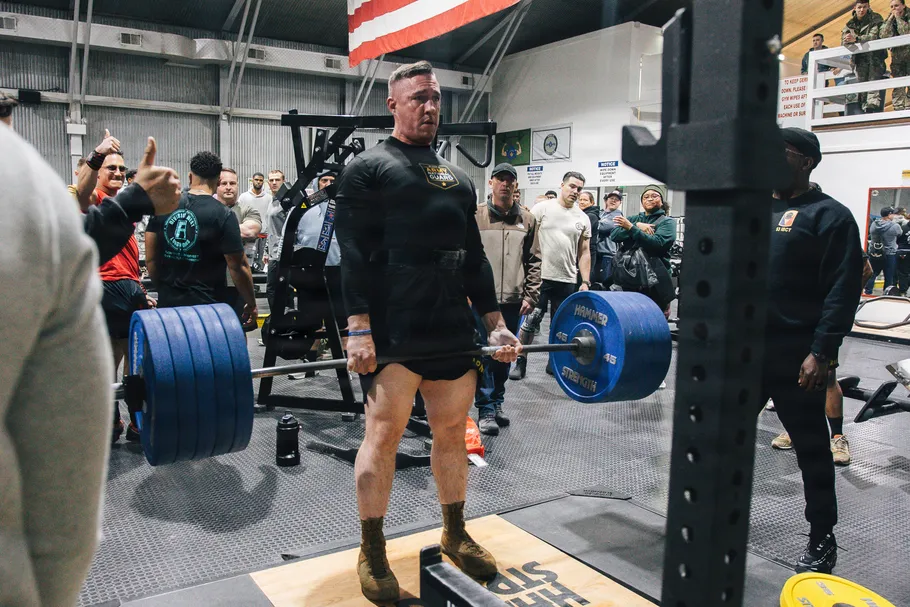
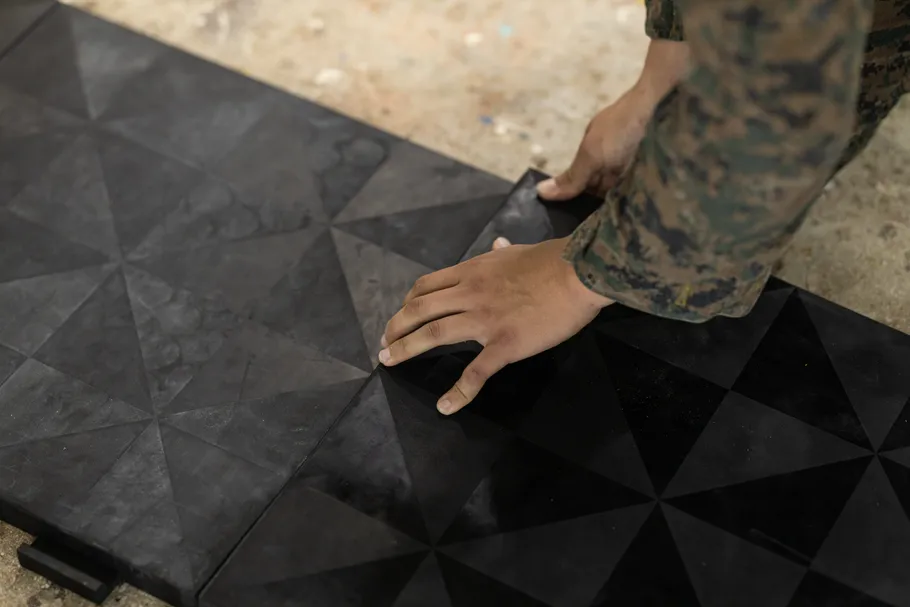
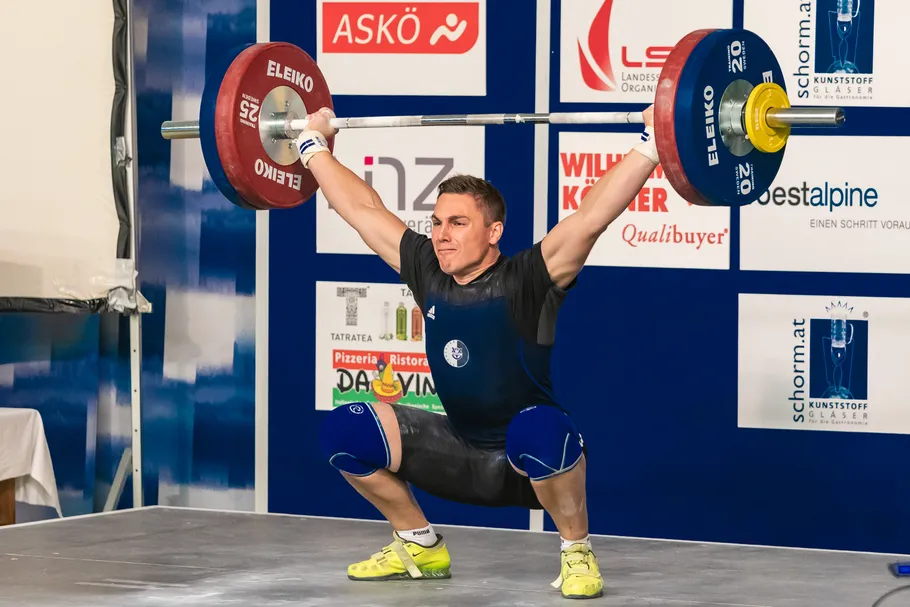
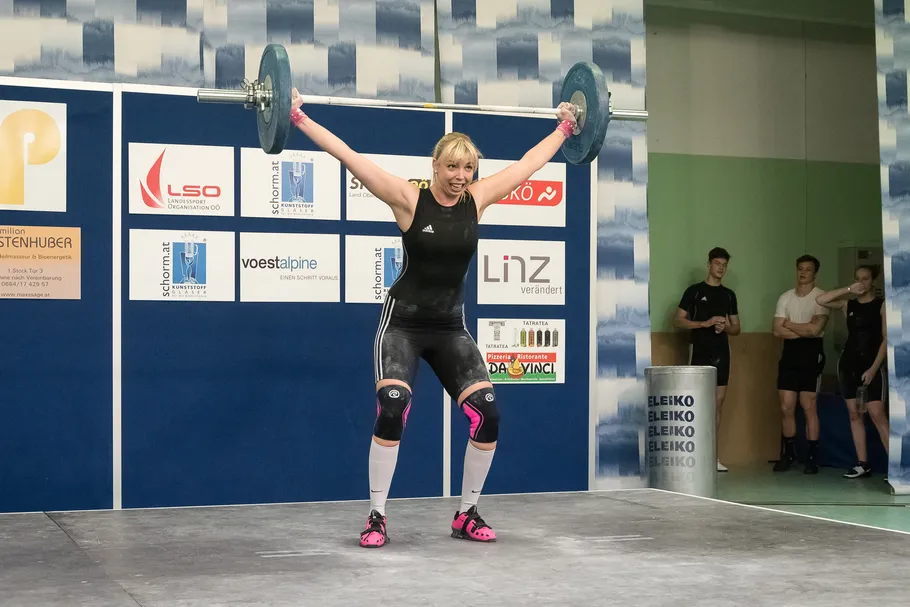
We compared six pulling blocks and block alternatives that are genuinely sold for home gyms right now, using maker pages and listing records — not hands-on testing, and not roundup scores copied from other sites. Every photo in this guide is an honest gym or competition scene, not a product shot of the named block, because free-license photos of the exact named products do not exist for this category. Where records disagree, the article says so instead of picking the flattering number.
- Height steps: how finely the height adjusts, and the tallest stack the set reaches.
- Block type: stackable plastic, wooden jerk blocks, steel blocks, or wagon wheels.
- Footprint: how much floor two stacks take up, stacked and stored.
- Block weight: what each block or wheel weighs before a bar goes on it.
- Capacity honesty: published maker figures only — “Not stated” is stated, not filled in.
- Dual use: whether the same set serves pulls and jerks, or pulls only.
Also considered: the DC Blocks Double Wide pairs (31 in across, 23 lb each — a wider top layer for the DC Blocks system, not a separate pick here); the Titan Wood Jerk Blocks (three pairs in various heights per one older source — record too thin to pin current specs, so named, not picked); DIY utility blocks (a lumber build at a modest materials cost per one guide — named, not picked, because it needs tools and know-how, not a purchase); and Sorinex jerk blocks (mentioned in one guide only, with no settled specs found). None of the six picks below hides a conflict like those — where a pick’s own records disagree, the disagreement is printed in its section.
Comparison
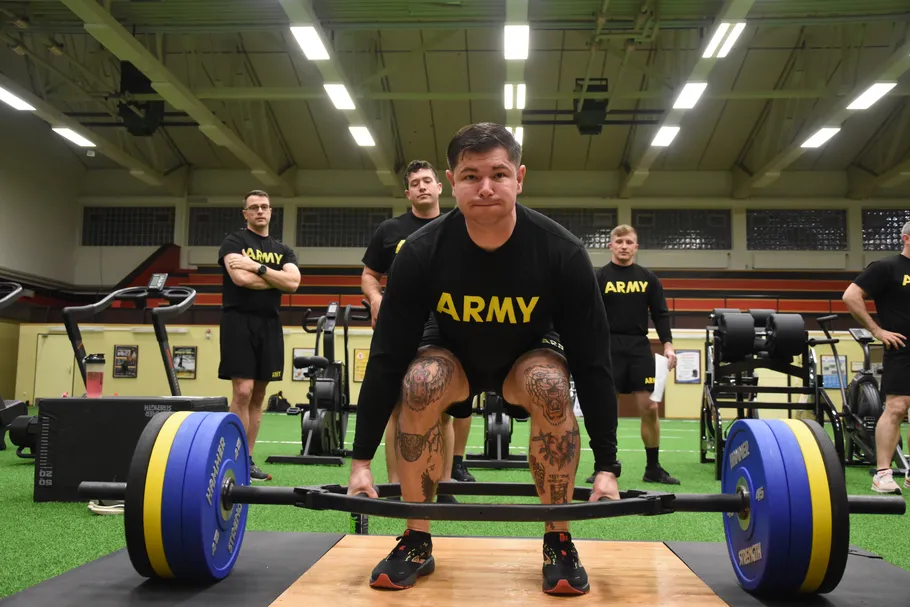
| Block | Type | Height | Size | Standout |
|---|---|---|---|---|
| Rogue DC Blocks | Stackable plastic | 2 in per block; 12-block set to 12 in | 19 × 15.5 in per block | Finest height steps |
| Rogue Wood Jerk Blocks | Wooden jerk blocks | Stackable pieces (2.25 / 6 / 12 / 15 in) | Pieces vary; full set to jerk height | Wooden set, pulls + jerks |
| Fringe Sport Jerk Block Set | Wooden jerk set | 36 in set / 48 in set | 40.5 × 36 in footprint | Full jerk height in one set |
| Rogue Metal Pulling Blocks | Steel pulling blocks | Adjustable 34–44 in (older catalogue) | 26.5 × 38.5 in per block | Heaviest-duty frame |
| Titan Wagon Wheel Pulling Blocks | Steel wheels | Fixed, about 3 in elevation | 26 in diameter, 2 in wide | No blocks to stack |
| Rogue 26’ER Wagon Wheel Pair | Rubber wheels | Fixed, about 4 in elevation | 26 in diameter, 3 in wide | Rubber, quieter drop |
The height figures in this table are not one measure, and they are not ranked against each other. DC Blocks adjust in 2 in steps per block; wooden jerk blocks stack in 2.25, 6, 12 and 15 in pieces; the Fringe set is sold as a 36 in or 48 in stack; the steel blocks adjust across a 34–44 in range per an older catalogue; and the wagon wheels do not adjust at all — their elevation is fixed by their 26 in diameter. A fixed 3 in wheel elevation is not “shorter” than a 12 in DC Blocks stack in any meaningful sense: one is a single pull height, the other is a stack you build. No whole-guide capacity ranking is claimed either, because most blocks in this guide publish no capacity figure at all — the steel blocks’ 265 lb figure is the unit’s own weight, not a load rating, and the wooden sets’ weights are not stated in the records checked. The one scoped height claim in this guide is the DC Blocks’ 2 in step, which is the finest height adjustment among the stackable picks — the wheels are excluded from that comparison, not beaten by it, because they do not adjust.
Rogue DC Blocks
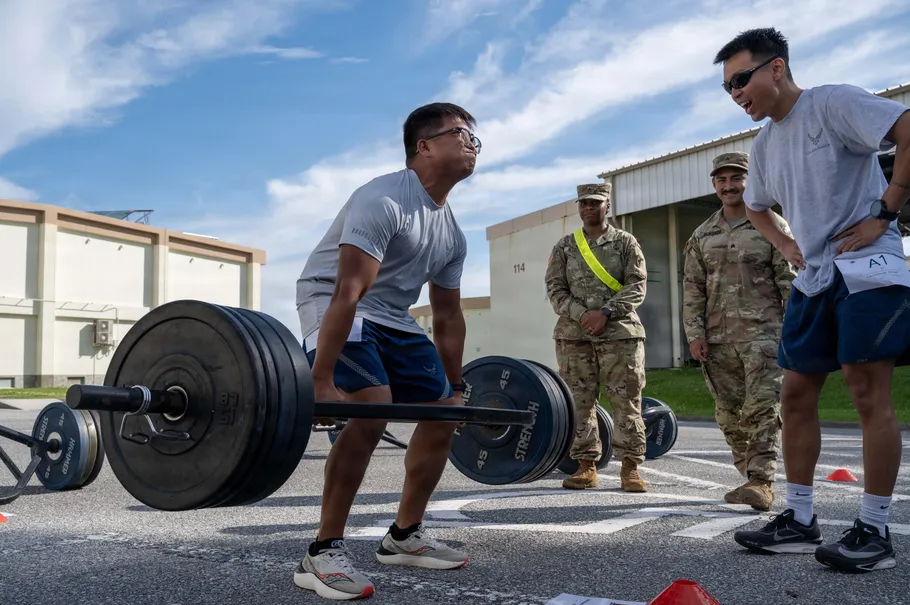
DC Blocks are the stackable plastic pick: each block is 19 in long, 15.5 in wide and 2 in tall, weighs 10.5 lb, and interlocks with the block below it so the stack stays put. They are made in America from machine-moulded recycled plastic, developed by two-time Olympic weightlifter Derrick Crass, and sold in sets of 12, 18, 24, 32 and 40. A set of 12 — two stacks of 6 — generally raises the bar to knee level for an average-sized man, and taller sets go higher in the same 2 in steps.
Pros
- 2 in height steps — the finest adjustment among the stackable picks.
- Interlocking stacks stay put under the bar.
- Light at 10.5 lb per block, so one person restacks fast.
Cons
- Expensive bought new — one coaching site bought theirs used and says they never would have bought new.
- Small 19 × 15.5 in landing area — dropped bars need a careful aim.
- Tall jerk-height stacks need the bigger sets, not the 12-block set.
Listing check: DC Blocks are sold by Rogue in sets of 12, 18, 24, 32 and 40 — if a listing shows a different count, it is a partial set, and the Double Wide pairs (31 in across, 23 lb each) are a wider top layer for the same system, not a separate block type.
Best for: lifters who want fine height steps and fast restacking between athletes.
May not fit: lifters on a tight budget, or anyone dropping heavy snatches onto a small landing area.
Rogue Wood Jerk Blocks
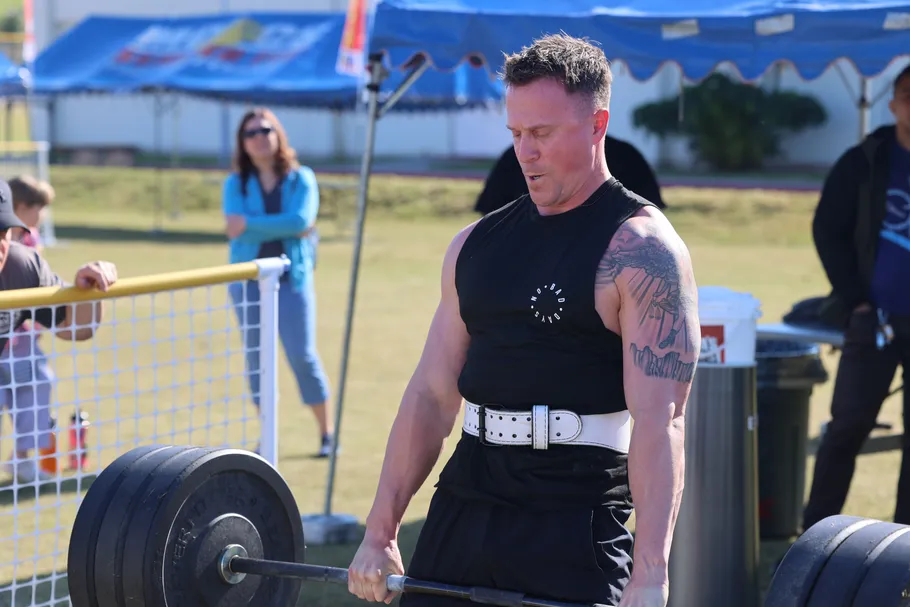
Rogue’s Wood Jerk Blocks are the wooden pick: stackable wooden blocks sold in pieces and sets, with a 2.25 in top piece that always sits on top of the stack. The starter set includes two 2.25 in blocks, two 6 in blocks and six 12 in blocks, and pairs are also sold in 2.25, 6, 12 and 15 in sizes. A full set stacks to jerk height — bar at chest level for split and push jerks — while sections of the same set stack low for pulls: a 6 in block plus the 2.25 in top gives an 8 in pull height, and a 12 in block plus the top gives 14 in.
Pros
- Wooden landing area forgives dropped bars better than plastic.
- One set serves pulls at low stacks and jerks at full height.
- Sections can be bought as pairs for pull-only training.
Cons
- Wooden stacks get heavy fast as the height grows.
- Piece prices and set contents come from older catalogue records — confirm the current set on the listing.
- Needs floor space for a full jerk-height stack plus the bar.
Listing check: Rogue sells these as pieces and sets — if a listing shows only one height, it is a section, not the full set, and the 2.25 in piece is the top of the stack, not a standalone block height to pull from.
Best for: weightlifters who want one wooden set for both pulls and jerks.
May not fit: small gyms, or lifters who restack alone between every set.
Fringe Sport Jerk Block Set
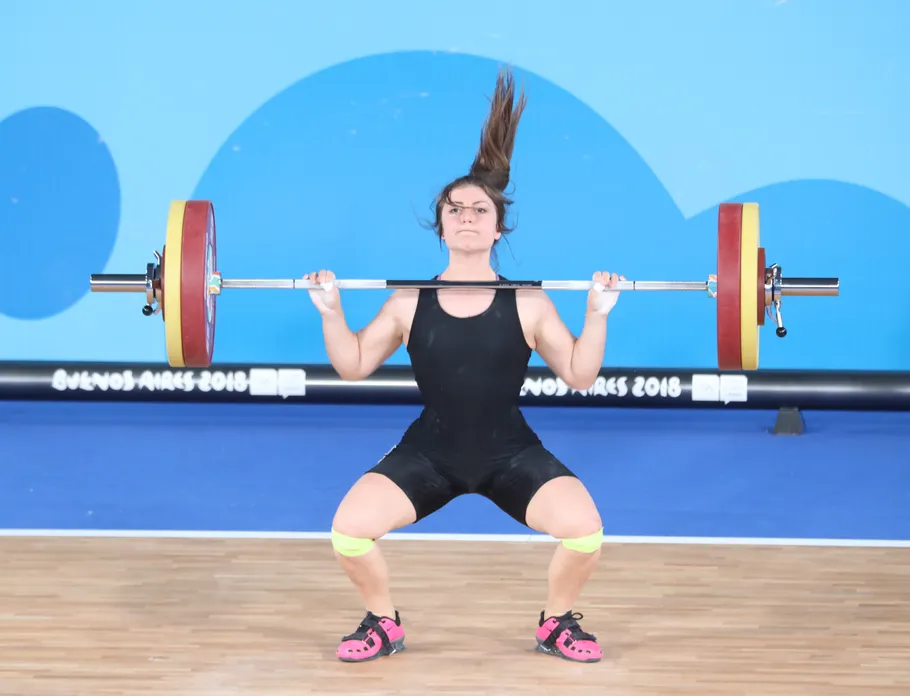
The Fringe Sport Jerk Block Set is the full-height wooden set: the 36 in set includes two 6 in blocks, two 12 in blocks, two 15 in blocks and two 3 in top blocks, on a 40.5 × 36 in footprint, and the 48 in set adds two more 12 in blocks to reach 48 in. The blocks stack in height order with the top block finishing the stack, so one set covers low pulls, knee-height pulls and full jerk height without buying sections separately.
Pros
- Full jerk height in one set — 36 in, or 48 in with the taller set.
- Stacking pieces cover pulls and jerks without extra purchases.
- Wide 40.5 × 36 in footprint gives a stable, forgiving landing area.
Cons
- The 40.5 × 36 in footprint is the largest in this guide — measure the floor first.
- Unit weight is not stated in the records checked — moving a full stack takes two people.
- Wooden height steps are coarse — no 2 in fine-tuning like the DC Blocks.
Listing check: the 36 in set and the 48 in set differ by two 12 in blocks — if a listing does not say which set it is, count the 12 in blocks before you buy.
Best for: home weightlifting gyms that want jerk height without piecing a set together.
May not fit: tight garages, or lifters who only ever pull from knee height.
Rogue Metal Pulling Blocks
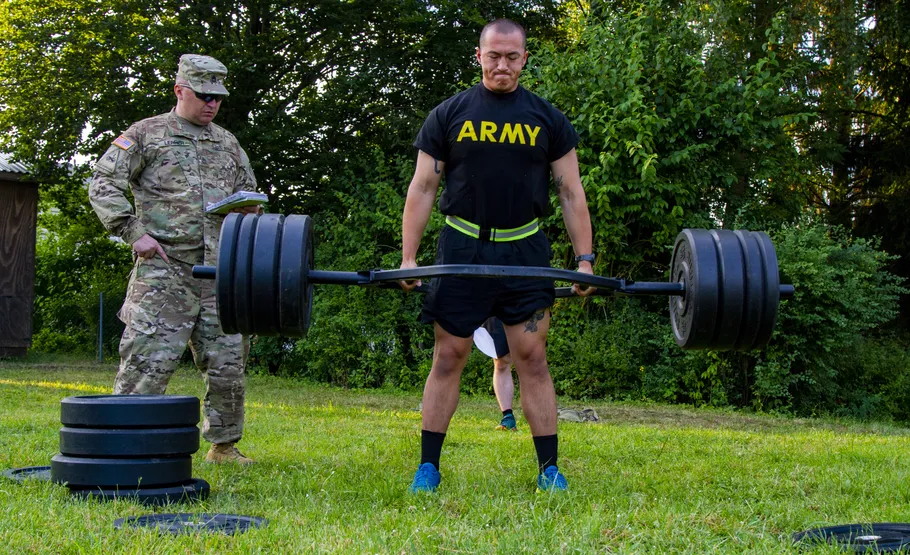
Rogue’s Metal Pulling Blocks are the steel pick: a 2 × 2 in and 2 × 3 in 11-gauge steel frame with a ¼ in thick steel top plate, sold as a pair, with adjustable heights of 34, 36, 38, 40, 42 and 44 in per the maker’s older catalogue. Each block weighs 265 lb and measures 26.5 × 38.5 in at the foot — a permanent, bolt-together station rather than a stack you restack between athletes.
Pros
- Steel frame with a steel top plate — the most durable build in this guide.
- Adjustable heights across 34–44 in for different athletes.
- Wide 26.5 × 38.5 in foot stays put under heavy drops.
Cons
- 265 lb per block — these do not move once placed.
- Priced well above every other pick here per older sources, before shipping.
- Height and weight figures come from an older catalogue — confirm current specs on the listing.
Listing check: Rogue’s metal blocks come in two heights per older guides — if a listing shows one height only, confirm whether it is the pair or a single block, and confirm the adjustable range before you buy.
Best for: dedicated lifting spaces that want a permanent, heavy-duty pulling station.
May not fit: shared garages, renters, or anyone who restacks between athletes.
Titan Wagon Wheel Pulling Blocks
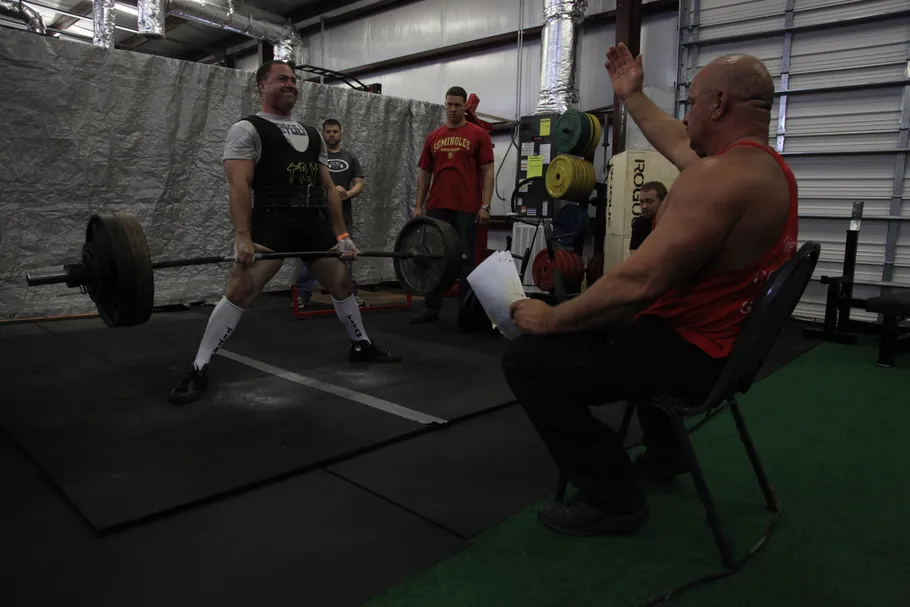
Titan’s Wagon Wheel Pulling Blocks are the steel-wheel pick: two oversized steel plates, 26 in in diameter and 2 in wide, each weighing 45 lb — the same weight as a regular 45 lb plate — with a 2 in collar opening for standard Olympic barbells and a black powder-coat finish. Because the wheels are wider than standard plates, the loaded bar sits higher off the floor — about the same elevation as setting it on 3 in pulling blocks — so a block pull needs no blocks at all.
Pros
- No blocks to stack, store or restack — load the wheels and pull.
- 45 lb each, so they count as plates and load like plates.
- Loading and unloading is easier, with no jack or wedge needed.
Cons
- Fixed height — about 3 in of elevation, and nothing else.
- Pulls only — no jerk-height use, unlike the stackable sets.
- Steel wheels are loud on a bare floor — use them on rubber.
Listing check: Titan’s wagon wheels are sold as a pair at 45 lb each — if a listing shows a single wheel, or a different diameter, it is not this pair.
Best for: powerlifters who only want block pulls, with zero setup time.
May not fit: weightlifters who need jerk height, or lifters who want adjustable pull heights.
Rogue 26’ER Wagon Wheel Pair
Rogue’s 26’ER Wagon Wheel Pair is the rubber-wheel pick: two oversized natural-rubber bumper plates, 26 in in diameter and 3 in wide, each weighing 70 lb — heavier than Rogue’s 45 lb steel wagon wheels, but at a budget-friendly point per Rogue. The wide diameter elevates a loaded bar the same way it would sit on approximately 4 in blocks, so block pulls need no blocks, and the rubber build drops quieter than steel on a home-gym floor.
Pros
- Rubber build drops quieter than steel wheels on a home floor.
- About 4 in of elevation — slightly higher than the steel wheels.
- No blocks to stack, store or restack — load the wheels and pull.
Cons
- 70 lb each — heavier than the steel wheels, and that weight counts toward your load.
- Fixed height — about 4 in of elevation, and nothing else.
- Pulls only — no jerk-height use, unlike the stackable sets.
Listing check: the 26’ER is the rubber wheel pair at 70 lb each — do not confuse it with Rogue’s 45 lb steel wagon wheel pair, which is a different product at a different weight.
Best for: home lifters who want block pulls with a quieter drop than steel.
May not fit: lifters counting every pound, or anyone who needs adjustable heights.
How to Choose
Four decisions, in order: height, type, space, loading. Get them in that order and the blocks you buy are the blocks you keep using. 🧭
Choose Your Height
Start from the lift. Knee-height pulls suit a 12-block DC Blocks stack or a low wooden stack; chest-height jerks need a full wooden set or the steel blocks’ taller range; and a single fixed pull height suits a wagon wheel pair. If two athletes share the set, fine steps matter more than top height — the DC Blocks’ 2 in steps re-level the bar in seconds, while a wooden set restacks piece by piece.
Choose Your Type
Plastic stacks are the portable, fine-step option; wooden jerk sets are the large-landing-area option for weightlifting; steel blocks are the permanent, heavy-duty option; and wagon wheels are the no-stack option for pulls only. If your training is pulls only, wheels are the simplest answer in this guide — but if a jerk ever enters the program, only a stackable set or steel blocks reach chest height.
Choose Your Space
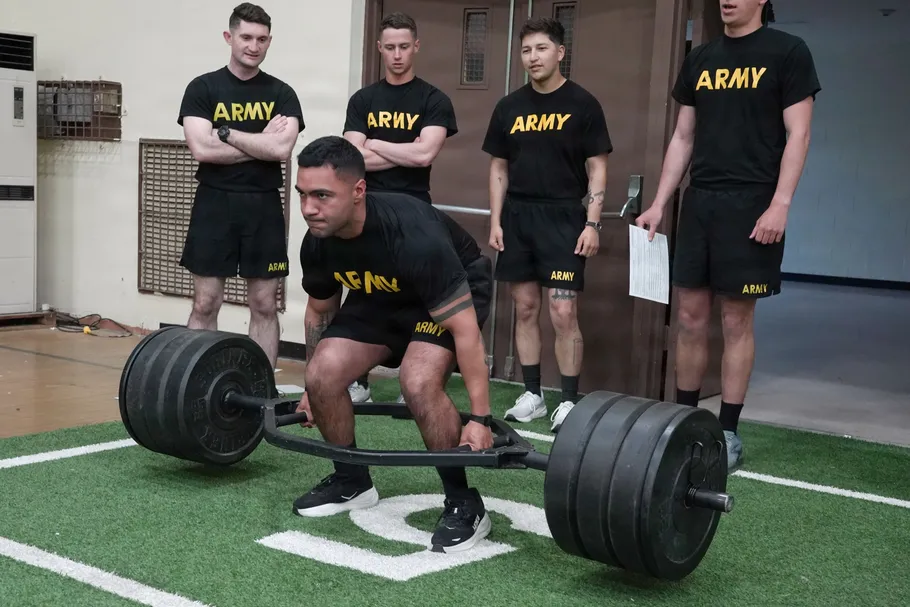
Measure the floor, not just the blocks. Two stacks plus the bar need clear floor on both sides, and a full jerk-height stack needs ceiling height for the bar overhead too. Our best power racks for home gyms covers the racks these blocks sit beside, and the rack’s footprint plus two block stacks is the real floor plan — not the blocks alone. Wheels store like plates; wooden and steel sets do not.
Choose Your Loading
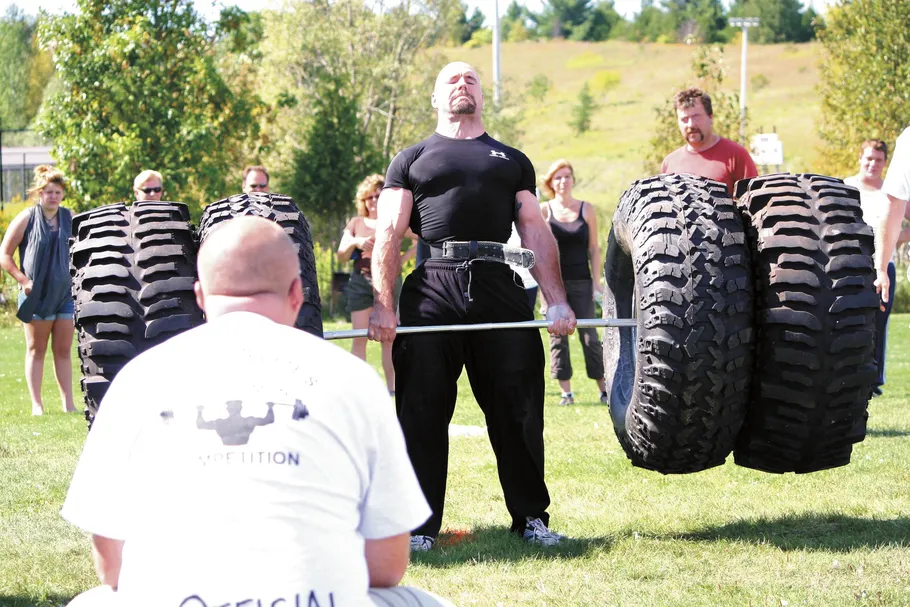
Count the block weight in your load. Wagon wheels are plates — 45 lb steel or 70 lb rubber each — so they add to the bar before any plate goes on. Plastic and wooden blocks add nothing to the bar, which is why a 12-block DC Blocks stack suits technique work at lighter loads. Our best weight plates for home gyms covers the plates that will live on these blocks, and bumper plates suit block work better than iron — they bounce less and forgive a dropped bar.
Safety
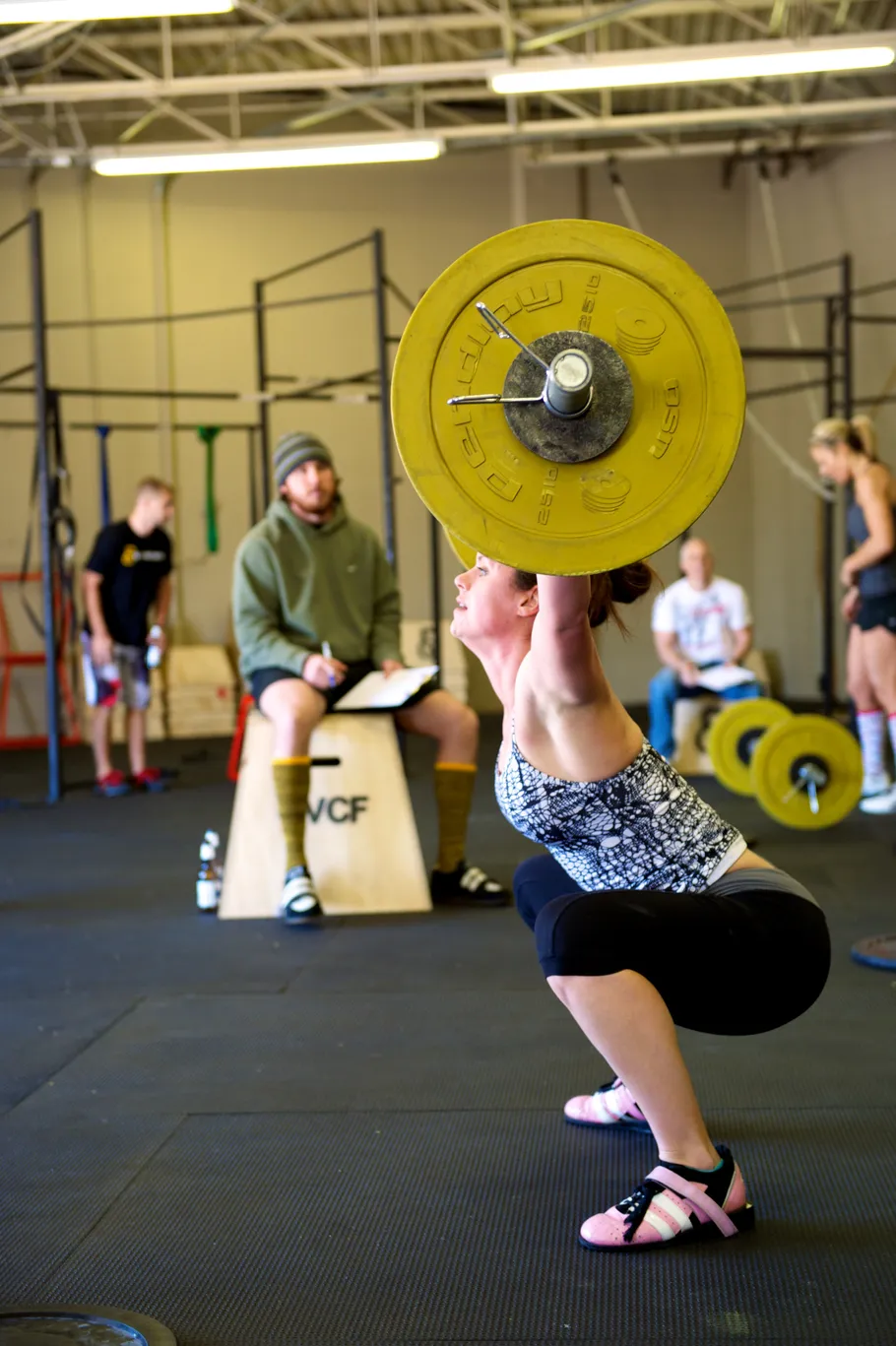
1. Set both stacks to the same height and check them level before every set — an uneven stack tips the bar sideways.
2. Centre the bar on both stacks, with the sleeves fully supported, before loading heavy.
3. Use collars on every set, even warm-ups — a plate sliding off a raised bar falls further than one sliding off the floor.
4. Keep the landing area clear — no plates, bottles or loose kit where a dropped bar can bounce.
5. Use a spotter for heavy jerks from blocks; a failed jerk from chest height needs hands, not hope.
6. Check wooden stacks for cracks and steel frames for loose bolts before heavy sessions.
7. Lower the bar under control where you can — repeated free drops shorten the life of any block, wheel or floor.
These notes are general training guidance, not medical or coaching advice — if pulling or jerking hurts, stop and get checked rather than pushing through it.
Frequently Asked Questions
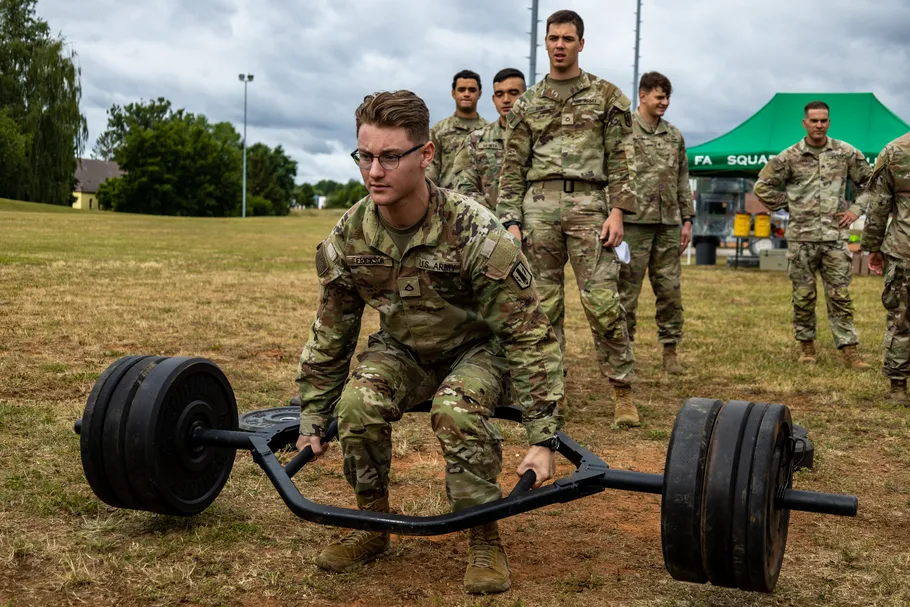
What exactly is a pulling block?
It is a raised platform the barbell rests on, so the lift starts above the floor. Low stacks are called pulling blocks and are used for block pulls, block cleans and block snatches; tall stacks are called jerk blocks and are used for jerks from chest height. Most stackable sets do both, depending on how high you stack them.
Are pulling blocks and jerk blocks the same thing?
Mostly, yes — the difference is height, not hardware. A stackable wooden or plastic set is a pulling block at low heights and a jerk block at full height. The exception is wagon wheels, which are pulls-only: their fixed elevation never reaches jerk height.
Can I just stack weight plates instead of buying blocks?
In a pinch, yes — but plates shift, compress and change height under load, and a stack tall enough for pulls is a wobbling tower. Dedicated blocks interlock or sit flat, hold their height, and give the bar a landing area plates cannot. If you pull from blocks regularly, buy blocks.
What height should I start at?
Start at knee height for block pulls — a 12-block DC Blocks stack, or a low wooden stack, gets most lifters there. For jerks, start at chest height with a full wooden set or the steel blocks’ taller range. Move the height in small steps as the lift improves, not in big jumps.
Do wagon wheels replace blocks completely?
For block pulls, yes — a 26 in wheel pair raises the bar about 3–4 in with no setup at all. For anything else, no: wheels never reach jerk height, never adjust, and their weight counts toward your load. They are a pulls-only shortcut, not a full block set.
What else does my home gym need for blocks?
A bar it fits, plates for the bar, and a floor that can take dropped bars — our best gym flooring for home gyms covers the flooring side, and the rack and plate guides above cover the rest. Buy the blocks after the bar and plates they will live with, not before.
Our Pick: Start Here

Start with the Rogue DC Blocks if you want fine 2 in height steps and fast restacking between athletes — and keep the Titan Wagon Wheel Pulling Blocks as the alternate if your training is pulls only and you want zero setup time. If jerk height matters, the Fringe Sport Jerk Block Set is the full-height wooden route in one purchase. Whichever you pick, level both stacks, centre the bar, and start at knee height before chasing taller stacks.
As an Amazon Associate, we earn from qualifying purchases made through links on this page, at no extra cost to you.
Specifications come from maker pages and listing records at the time of writing and can change without notice — the capacity figures, weights and dimensions above are the settled records we found, with conflicts stated in the text, not smoothed over. Always confirm the current listing before ordering.