

Why a Leg Extension Machine Belongs in a Home Gym
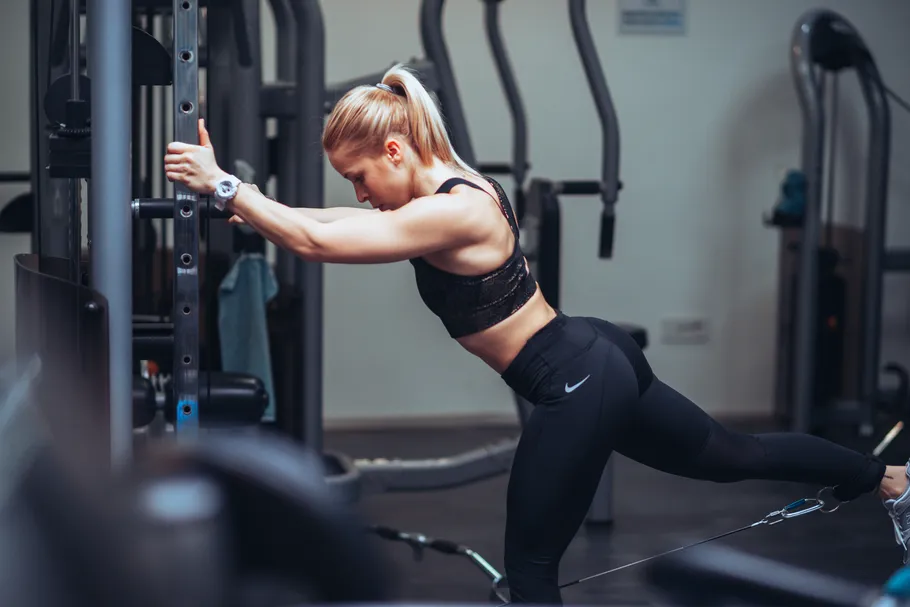
Squats and lunges build legs, but they also demand balance, coordination and a fresh lower back. 🏋️ A leg extension machine removes all three demands: you sit down, your knees bend and straighten against resistance, and your quads do the work.
That isolation is the whole point. 🎯 After heavy compound lifts, or on a day when your back is tired, a leg extension lets you finish your quads safely without loading your spine. It is also the simplest leg machine to learn — there is no bar path to practise and no spotter to arrange.
One honest scope note before the picks: most home-gym units combine leg extension with leg curl, and this guide covers those combos alongside extension-focused machines, because standalone extension-only units are rarer at home-gym sizes. If you already press heavy, start with our leg press machines guide and our adjustable kettlebells guide to see where an extension machine fits your leg day.
How We Picked
We compared leg extension machines the way a home lifter would: what kind of resistance you get, how much it holds, whether it fits your knees and your room, and what the maker does not say loudly. 📋 Every spec below comes from the maker’s own listing, a dealer spec sheet or a named review roundup, and every conflict we found is stated in the article, not smoothed over.
- Type honesty — plate-loaded, CAM, cable or selectorized, and what each type means for how the resistance feels.
- Capacity scope — plate load, overall capacity, cable tension and stack weight are different measures, and we never rank them as if they were one number.
- Adjustability and fit — seat, backrest, knee-pad and leg positions, because a machine that does not fit your knees will not get used.
- Footprint and floor space — the machine’s own size plus the room you need to sit down and move.
- Honest limits — what each machine cannot do, including parts sold separately and figures that conflict across sources.
Two of the six links below use a direct listing code, and both are flagged as single-source in their own sections: the Titan and the RitFit. 🔍 The other four are tagged search links, because Body-Solid sells through dealers, the GMWD listing code we found belongs to a different model, and no confident listing code could be pinned down for the XMark or the S2LECX. Also considered but not picked, without a link: the GMWD LE08 2.0, set aside in favour of the LE02 because the LE02 has fuller sourced specifications, even though the LE08’s adjustable load-ratio system is distinctive.
For the room around the machine, see our power racks guide and our gym flooring guide — the floor underneath matters as much as the machine on top of it.
Comparison
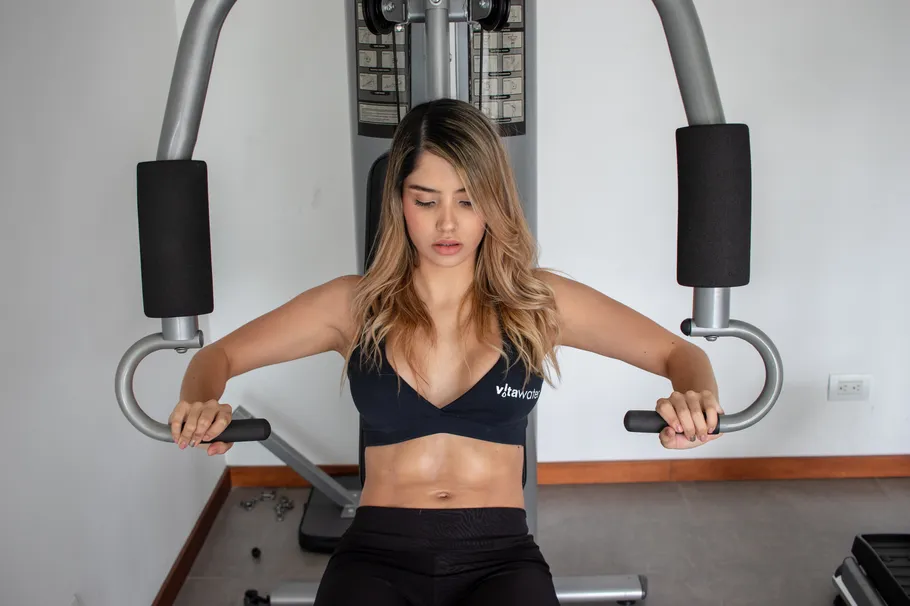
| Machine | Best for | Type | Top load | Standout |
|---|---|---|---|---|
| Titan Fitness Seated Leg Curl/Extension | Adjustable combo | Plate-loaded | 300 lb (conflicted) | 7 seat + 7 knee positions |
| Body-Solid GCEC340 CAM | CAM smoothness | Plate-loaded CAM | 120 kg plates | Lifetime frame warranty |
| RitFit PLC01 | Cable-ratio pick | Cable, plate-loaded | 375 lb overall | Fixed 3:2 cable ratio |
| GMWD LE02 | Most adjustable | Plate-loaded | 500 lb recommendation | 28+5 leg positions |
| XMark XM-7615 | Rotary simplicity | Plate-loaded rotary | 225 lb max load | Smallest floor area |
| Body-Solid S2LECX Pro ClubLine | Full commercial | Selectorized | 160/235 lb stack | Fully shrouded stack |
Conflicts we found and kept visible: Titan’s capacity appears as 300 lb in a current review, 275 lb in its specs table and 220 lb in an earlier review — three different figures for the same machine, so treat its top load as disputed. Body-Solid’s GCEC340 unit weight appears as 72 lb, 79 lb and 105 lb across sources, so we left it out of every weight ranking rather than picking one. A buyer report of 400 lb of plates plus 200 lb of user weight on the GCEC340 is a different scope from the dealer’s 120 kg plate figure and must not be read as the same number. GMWD’s 500 lb maximum recommendation and its 300 lb tension figure are likewise different scopes, not two answers to one question. One source gives the S2LECX as 54 × 51 × 57 in; we use 54 × 52 × 57 in, the figure the majority of sources give.
The superlatives below are safe because each one is scoped to the machines with a stated figure: the heaviest machine is the S2LECX at 467 lb with its standard stack, the largest footprint is the S2LECX at 54 × 52 in, the smallest footprint by floor area is the XMark at 37 × 32 in, and the most adjustments belong to the GMWD at 28+5 leg positions. The GMWD is the lightest machine here at 95 lb only because the GCEC340 is excluded from the weight ranking over its conflicting figures. No single “highest capacity” winner is named, because plate load, overall capacity, cable tension and stack weight are not directly comparable.
Titan Fitness Seated Leg Curl/Extension Machine
Titan’s machine is the adjustable combo pick: one plate-loaded unit for seated leg extension and leg curl, built from 11-gauge steel. 🔩 The headline is adjustability — 7 seat depths and 7 knee-pad positions — with an approximate user-height range of 5 ft to 6 ft 1 in, so more body sizes can line their knees up with the pivot.
The unit itself weighs 108 lb and measures 36 × 42 × 39 in, a middle-of-the-pack footprint here. The capacity needs the conflict note from the comparison table: a current review gives 300 lb, the specs table gives 275 lb and an earlier review gives 220 lb. Until Titan settles that figure, treat the top load as disputed and buy for the adjustments, not for a headline number.
✅ Pros
- 7 seat depths plus 7 knee-pad positions
- Extension and curl in one plate-loaded unit
- 11-gauge steel frame
- Stated height range helps shorter and taller lifters
⚠️ Cons
- Capacity disputed across sources: 300 vs 275 vs 220 lb
- 108 lb unit plus plates needs real floor space
- One shared arm means extension and curl both compromise a little
- Plates sold separately from the machine
Listing check: this listing code comes from a single review roundup’s buy link for the Titan seated leg curl/extension machine (SKU 401556) — confirm the listing shows the plate-loaded combo unit, not Titan’s other leg machines, before buying.
Best for: lifters who want one adjustable machine for both extension and curl and need the seat and knee positions to fit their height.
May not fit: lifters who need a settled, single capacity figure, or anyone short on floor space for a 108 lb unit plus plates.
Body-Solid GCEC340 CAM Series Leg Extension & Curl
Body-Solid’s GCEC340 is the CAM pick: a plate-loaded machine whose 7-gauge steel cam is shaped to vary the resistance through the rep, so the load feels smoother at the hardest part of the movement. ⚙️ DuraFirm pads, a lifetime frame warranty and a 1-inch weight post that takes Olympic plates with an adapter sleeve round out a deliberately simple, durable package.
A dealer spec gives up to 120 kg of plates and an assembled size of 56 × 44 × 37 in — the second-largest footprint here. The unit weight is the problem child: sources give 72 lb, 79 lb and 105 lb, so this guide states no single figure and excludes the GCEC340 from every weight ranking. A separate buyer report of 400 lb of plates plus 200 lb of user weight is a different scope from the 120 kg plate figure, and the two must not be merged into one claim.
✅ Pros
- CAM design smooths the resistance curve
- Lifetime frame warranty
- DuraFirm pads for long sessions
- Takes standard and Olympic plates
⚠️ Cons
- Unit weight conflicts across sources: 72 vs 79 vs 105 lb
- Second-largest footprint here at 56 × 44 in
- Sold through dealers, so listings vary
- No cable or selectorized convenience
Listing check: Body-Solid sells through dealers, so this is a tagged search link — confirm the listing shows the GCEC340 CAM Series machine, not Body-Solid’s other leg units, and check whether the Olympic adapter sleeve is included.
Best for: lifters who want a smooth CAM resistance curve and a lifetime frame warranty on a simple plate-loaded machine.
May not fit: lifters who need a verified unit weight, or anyone whose room cannot spare a 56 × 44 in footprint.
RitFit PLC01 Leg Extension and Curl Machine
RitFit’s PLC01 is the cable pick: a cable-driven, plate-loaded machine that does seated extension, lying curl and single-leg work from one frame. 🔗 The fixed 3:2 cable ratio is its defining feature — the ratio changes how the loaded plates feel compared with a direct plate-loaded arm, so compare it on feel and function, not on plate weight alone.
RitFit’s figures are the fullest cable figures here: 375 lb overall capacity, 325 lb maximum user weight, 109 lb unit weight and a 15.37 sq ft footprint, with 2-inch Olympic and 1-inch standard plates both accepted. The footprint is published as an area rather than length by width, so it cannot be ranked against the other machines’ footprints inch for inch.
✅ Pros
- Fixed 3:2 cable ratio for smooth cable resistance
- Seated extension, lying curl and single-leg work
- Takes Olympic and standard plates
- 375 lb overall capacity with a stated user-weight limit
⚠️ Cons
- Cable ratio makes plate-weight comparisons misleading
- Footprint given as area only, not length by width
- Cable parts add a wear item plate-loaded arms do not have
- 325 lb user-weight limit excludes heavier lifters
Listing check: this listing code comes from a single review roundup’s buy link for the RitFit PLC01 — confirm the listing shows the cable-driven plate-loaded model with the 3:2 ratio, not RitFit’s other leg machines, before buying.
Best for: home lifters who want cable-smooth resistance, single-leg work and one machine for extension and curl.
May not fit: lifters over the 325 lb user-weight limit, or anyone who wants to compare loads plate-for-plate with a direct plate-loaded machine.
GMWD LE02 Leg Extension and Curl Machine
GMWD’s LE02 is the adjustability champion: a plate-loaded multi-function unit with 28+5 leg positions, 8 backrest positions, 4 seat positions and 8 leg hold-down positions. 🎛️ That many settings means more lifters can dial in knee alignment — and it also does glute bridges on top of extension and curl, which no other pick here offers.
At 48 × 32.5 × 41 in and 95 lb, it is the lightest machine here with a stated, undisputed weight — the GCEC340’s conflicting figures keep that machine out of this ranking. Keep the two load figures apart: the 500 lb maximum recommendation and the 300 lb tension figure measure different things, and neither should be quoted as the machine’s single capacity.
✅ Pros
- Most adjustments here: 28+5 leg positions
- Lightest undisputed unit weight at 95 lb
- Extension, curl and glute bridge in one frame
- Compact 48 × 32.5 in footprint for its versatility
⚠️ Cons
- Two load figures (500 lb vs 300 lb) need careful reading
- So many settings take longer to set up at first
- Glute bridge is a bonus, not a replacement for hip thrusts
- Plates sold separately from the machine
Listing check: this is a tagged search link, not a direct listing link — a listing code found during research belongs to the GMWD LE08 2.0, a different model, and must not be used for the LE02. Confirm the listing shows the LE02 with its 28+5 leg positions before buying.
Best for: lifters who share a machine between different heights, or anyone who wants extension, curl and glute work from one adjustable frame.
May not fit: lifters who want one simple capacity number, or anyone who dislikes a longer first setup with many adjustments.
XMark XM-7615 Rotary Leg Extension and Curl Machine
XMark’s XM-7615 is the simplicity pick: a rotary plate-loaded machine built from 2 × 3 heavy-gauge steel tubing, with a rotating arm that serves both extension and curl. 🔄 There are no cables, no CAM and no stack to learn — load plates, sit down, move your knees.
At 37 × 32 × 41 in it has the smallest floor area here at 1,184 sq in, and at 125 lb it sits in the middle of the weight range. The 225 lb maximum load is the lowest top load in this guide, and the rotary arm offers fewer positions than the GMWD’s highly adjustable frame — the trade for its simplicity is a lower ceiling and fewer settings.
✅ Pros
- Smallest floor area here at 37 × 32 in
- Simple rotary design with no cables or stack
- Heavy-gauge 2 × 3 steel tubing
- Takes standard and Olympic plates
⚠️ Cons
- Lowest top load here at 225 lb
- Fewer adjustments than the GMWD or Titan
- Rotary arm suits extension first, curl second
- Plates sold separately from the machine
Listing check: no confident listing code could be pinned down for the XM-7615, so this is a tagged search link — confirm the listing shows the rotary XM-7615, not XMark’s other leg machines, before buying.
Best for: small home gyms that need the tiniest footprint and the simplest possible machine.
May not fit: strong lifters who will pass 225 lb, or anyone who wants the GMWD’s level of adjustment.
Body-Solid S2LECX Pro ClubLine Series II Leg Extension & Leg Curl
Body-Solid’s S2LECX is the only selectorized pick here, and the only full-commercial machine: a 2 × 3 11-gauge steel frame, a fully shrouded weight stack and a lifetime frame warranty. 🏢 Move a pin, not plates — the convenience that defines commercial gyms, now sized for a serious home gym.
The standard stack is 160 lb with a 235 lb upgrade stack available, and the machine weighs 467 lb with the standard stack or 541.7 lb with the upgrade. At 54 × 52 × 57 in it is also the largest machine here by footprint and the heaviest by a wide margin — the price of commercial build is commercial size and weight, and the upgrade stack is a separate purchase.
✅ Pros
- Only selectorized machine here — pin changes, no plates
- Full-commercial 11-gauge steel frame
- Fully shrouded stack for safety and looks
- Lifetime frame warranty
⚠️ Cons
- Heaviest here at 467 lb with the standard stack
- Largest footprint here at 54 × 52 in
- 235 lb stack is an upgrade, not standard
- Needs dealer delivery and a permanent spot
Listing check: Body-Solid sells through dealers, so this is a tagged search link — confirm the listing shows the S2LECX Series II with its shrouded stack, and whether you are buying the 160 lb standard stack or the 235 lb upgrade.
Best for: lifters building a permanent commercial-style home gym who want pin-selected convenience and the heaviest build here.
May not fit: small rooms, upstairs gyms, or anyone who needs to move the machine — at 467 lb, it stays where it lands.
How to Choose
Choosing a leg extension machine comes down to four decisions: what kind of resistance you want, how much floor you can spare, how much load you actually need, and whether the pads and pivots fit your knees. Get those four right and the brand almost picks itself.
Type: Plate-Loaded, Selectorized or Cable?

Plate-loaded machines (Titan, GMWD, XMark) are the simplest: you own the plates, you load what you need, and nothing wears out except the pads. 🏋️ Selectorized machines (S2LECX) trade plate handling for pin convenience — faster changes, but the stack caps your load unless you buy the upgrade. Cable machines (RitFit) sit between the two, with a ratio that smooths the feel but changes how plate weight compares. CAM machines (GCEC340) are plate-loaded with a shaped cam that varies resistance through the rep.
If you already own plates, a plate-loaded or CAM machine costs less to run. If you share the machine with family, a selectorized stack is the friendliest to change between users.
Footprint and Floor Space
The machine’s own size is only half the footprint. 📏 You need room to walk up, sit down, extend your legs fully and stand back up, plus space to load plates from the side. The XMark’s 37 × 32 in frame is the smallest here, while the S2LECX needs a 54 × 52 in patch of floor before you even sit down — and RitFit’s area-only figure cannot be compared inch for inch with the rest.
If a full rack is out of reach for your room, our squat stands guide covers the smaller-footprint alternative for compound leg work, and the same measure-twice rule applies: tape the machine’s outline on your floor before you order.
Load Capacity and Plate Range
Capacity numbers in this guide measure four different things, so read the label every time. ⚠️ Titan’s disputed 300/275/220 lb figures, the GCEC340’s 120 kg of plates, RitFit’s 375 lb overall capacity, GMWD’s 500 lb recommendation against its 300 lb tension figure, XMark’s 225 lb maximum load and the S2LECX’s 160/235 lb stacks cannot be ranked against each other as one list.
Match the figure to your training: a beginner needs far less than any machine here offers, while a strong lifter should check the top end of the specific measure that machine publishes. For the plates themselves, our weight plate storage racks guide keeps the plate-loaded machines’ plates off your floor.
Comfort: Pads and Knee Alignment
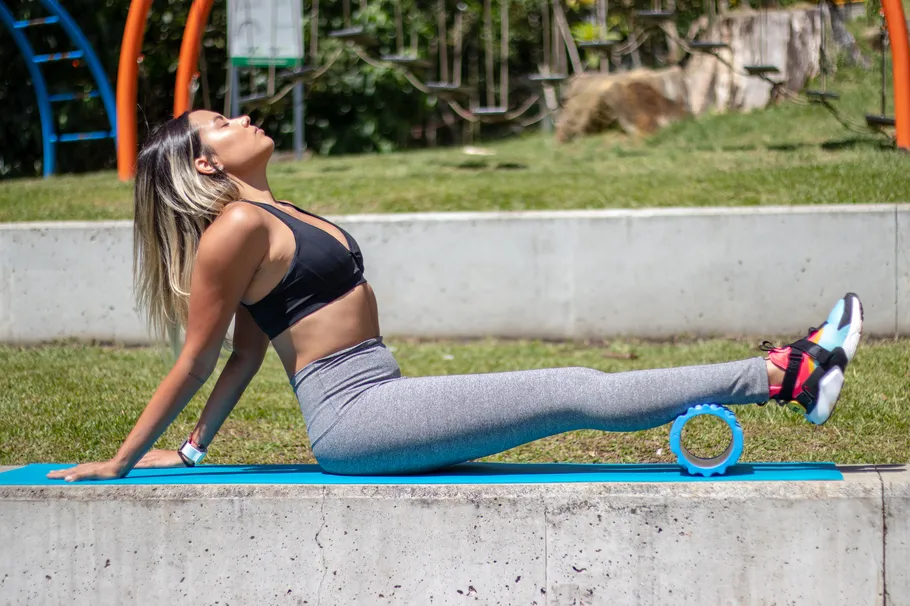
The pivot is the whole exercise: your knee joint should line up with the machine’s pivot point, and the pad should sit above your ankles, not on your feet. 🦵 Machines with more seat, backrest and knee-pad positions (Titan’s 7+7, GMWD’s 28+5 leg positions) fit more body sizes, while simpler machines suit lifters whose knees already line up with the default setup.
Pad quality matters on long sets: DuraFirm-style dense pads hold their shape, thin pads bottom out, and a hold-down that grips your legs keeps your hips on the seat. Sit in the machine, real or imagined, before you judge it on capacity alone.
Safety
A leg extension machine is one of the safest leg tools you can own — provided your knees line up with the pivot and you never force the end position. 🔒 The knee is a hinge, not a crane: smooth reps, a pad above the ankles and a weight you can lower under control beat heavy, jerky reps every time. If you train with knee support, our knee sleeves guide covers that separately.
- Line your knees up with the machine’s pivot before the first rep, and adjust the seat and knee pad until they do.
- Place the pad above your ankles, not on your feet, so the lever works on your shins.
- Start light and learn the full range first; add load only when the whole rep stays smooth.
- Straighten your legs until nearly fully extended, without snapping or locking your knees hard at the top.
- Lower every rep slowly and under control — the lowering half is where sloppy form hurts knees.
- Stop on sharp knee pain, clicking that hurts, or any pain behind the kneecap; soreness in the quads is normal, joint pain is not.
- Check the frame, pads, pins, cables and plate posts regularly, and retire anything cracked, frayed or loose.
This guide is general information only, not medical or coaching advice. If you have a knee problem, a previous knee injury, or you are returning from surgery, talk to a clinician or qualified coach before starting leg extension training.
FAQ
Do I need a leg extension machine if I already squat?
Not necessarily — but it adds something squats cannot. Squats train hips and knees together under a loaded spine, while a leg extension isolates the quads with no balance or back demands. Lifters use it as a finisher after compounds, on back-tired days, or when rebuilding quad strength without heavy spinal loading.
Extension-only or extension/curl combo?
For most home gyms, the combo wins on space and value: one frame, two movements, one footprint. Standalone extension-only units exist but are rarer at home-gym sizes, and a combo’s shared arm is a small compromise, not a deal-breaker. Buy the combo unless you already own a dedicated curl machine.
Plate-loaded or selectorized?
Plate-loaded if you already own plates and want the lowest running cost — the Titan, GMWD and XMark all work this way, and the GCEC340 adds a CAM to the same idea. Selectorized if you share the machine or hate handling plates: the S2LECX changes weight with a pin, but its stack caps your load unless you buy the upgrade.
How much floor space do I really need?
More than the machine’s own footprint. Measure the frame, then add room to sit down, extend fully and load plates from the side — the XMark needs the least at 37 × 32 in, while the S2LECX needs 54 × 52 in before you even sit down. Tape the outline on your floor before ordering, and remember RitFit’s area-only figure cannot be compared inch for inch.
Is knee pain a reason to avoid leg extensions?
Sharp pain, swelling or a history of knee injury means you should talk to a clinician before using one — this guide cannot clear you. For healthy knees, the usual culprits are a misaligned pivot, a pad sitting on the feet instead of the shins, or a weight too heavy to lower under control. Fix the setup first, drop the load second, and stop if joint pain persists.
What should I pair with a leg extension machine?
Plates and storage for the plate-loaded picks, a mat underneath, and something for recovery afterwards. A leg extension session leaves quads tight and pumped, and our foam rollers guide covers the recovery side — ten minutes with a roller after leg day beats another ten minutes of extensions for most lifters.
Our Pick: Start Here
Start with the GMWD LE02 if you want the most adjustments and the lightest undisputed unit weight in one versatile frame. Take the Titan Fitness Seated Leg Curl/Extension Machine if you want a proven combo with 7+7 seat and knee positions and can live with its disputed capacity figure. Choose the XMark XM-7615 if your room is small and you want the simplest machine here, and the Body-Solid S2LECX if you are building a permanent commercial-style gym and want pin-selected convenience.
As an Amazon Associate, we earn from qualifying purchases made through links on this page, at no extra cost to you. Prices and availability change, so confirm the exact model, variant and kit contents on the listing before you buy.
This guide is based on published specifications, dealer spec sheets and named review roundups, not hands-on testing. Capacities, dimensions and settings are the makers’ figures as reported by those sources, and conflicts between sources are stated in the article rather than resolved by guesswork.