

🏋️ A leg press machine lets you load your legs heavy without balancing a barbell on your back. That makes it a favourite for home gym owners who train alone, are coming back from a layoff, or simply want a second heavy leg movement next to squats.
This guide covers dedicated leg press machines only. If you want one station that does everything, our home gym systems guide covers all-in-one stations instead — the machines below are for lifters who want a proper leg press of its own.
We compare six machines: two leg press and hack squat combos, one classic 45-degree press, one compact 45-degree press with a calf raise, and two vertical presses for small rooms. Every pick states its honest limits, including where sources disagree.
Why a Leg Press Machine Belongs in a Home Gym
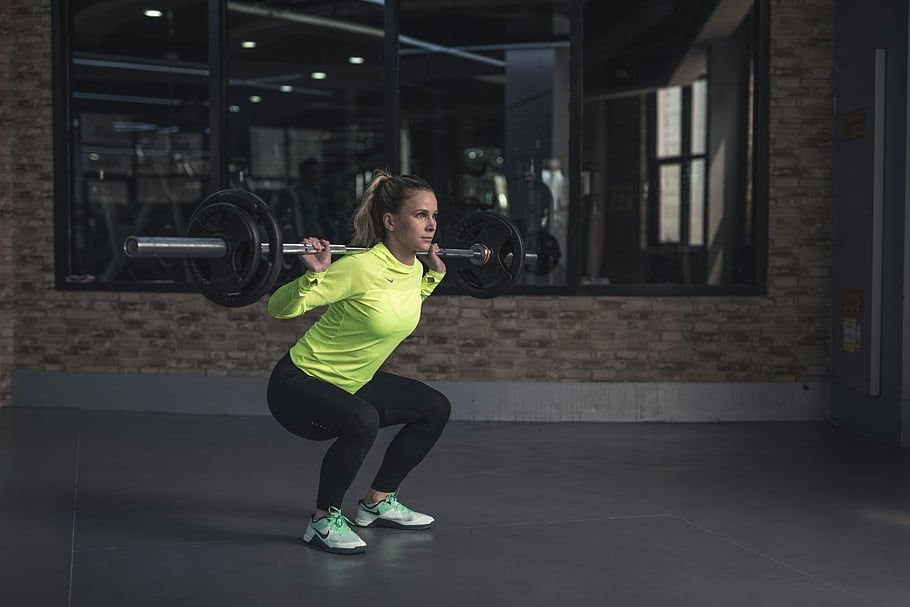
Squats are a skill as much as a strength move. A leg press removes the balance problem, so you can push your legs hard even when your technique, your spotter, or your energy is not at its best.
It also suits lifters who cannot back-squat comfortably. Seated, supported and guided, the press lets you train quads, glutes and hamstrings through a full range of motion with far less demand on your lower back and shoulders.
That does not make the leg press a squat replacement. Free-weight squats still build coordination and core strength that a machine cannot. Think of the press as the heavy, safe second leg movement in your week — especially useful alongside squat stands or power racks for your barbell work.
How We Picked
We researched this guide from maker listings, dealer pages and independent roundups, including FitnessVolt, Total Shape, Strong Home Gym and t7fit, and cross-checked each pick against its maker’s own pages where they were reachable.
We scored every machine on:
- Capacity — the stated maximum load, and whether sources agree on it
- Footprint — length, width and height, and how much floor and ceiling room it really needs
- Safety — lockouts, catches and pins that stop a loaded sled
- Movement — 45-degree, combo or vertical, and what each suits
- Plates — what it takes, and whether plates are included or bought separately
- Build — bearings or bushings, frame weight and warranty terms
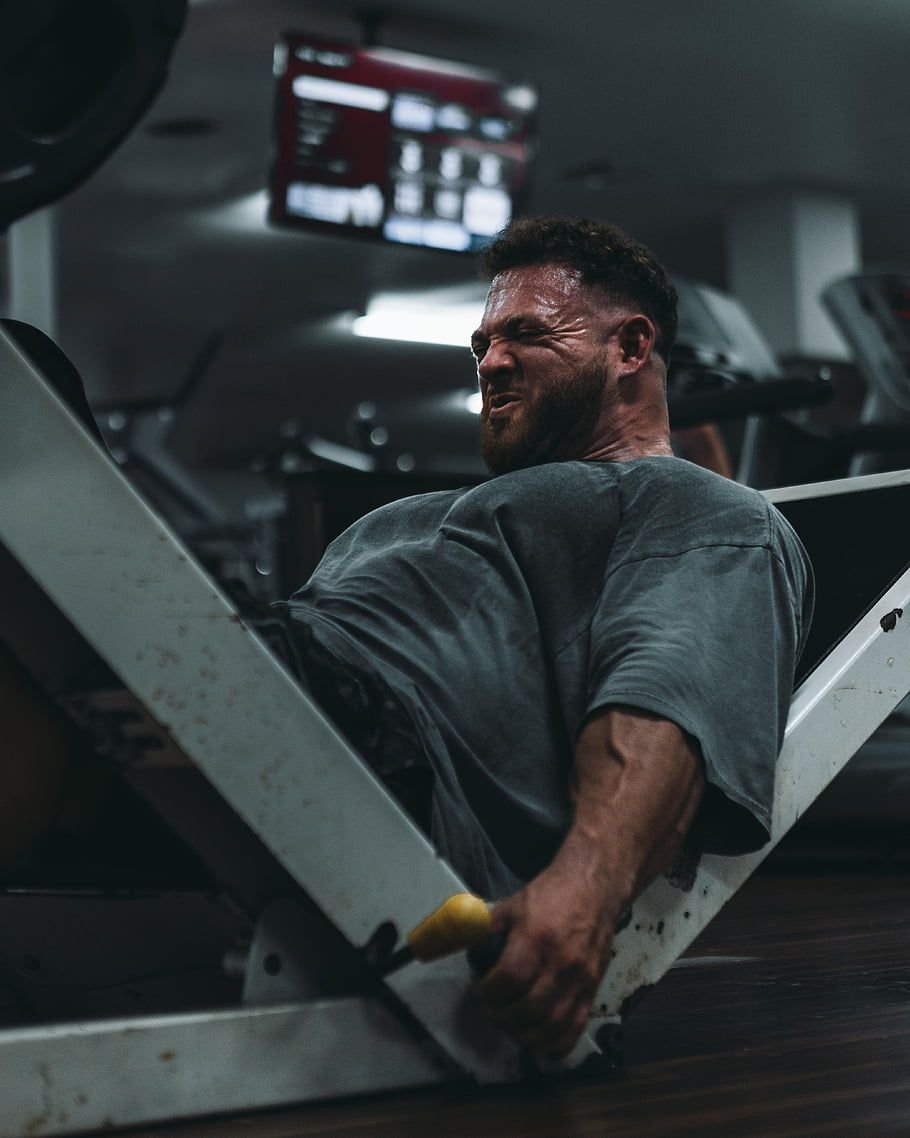
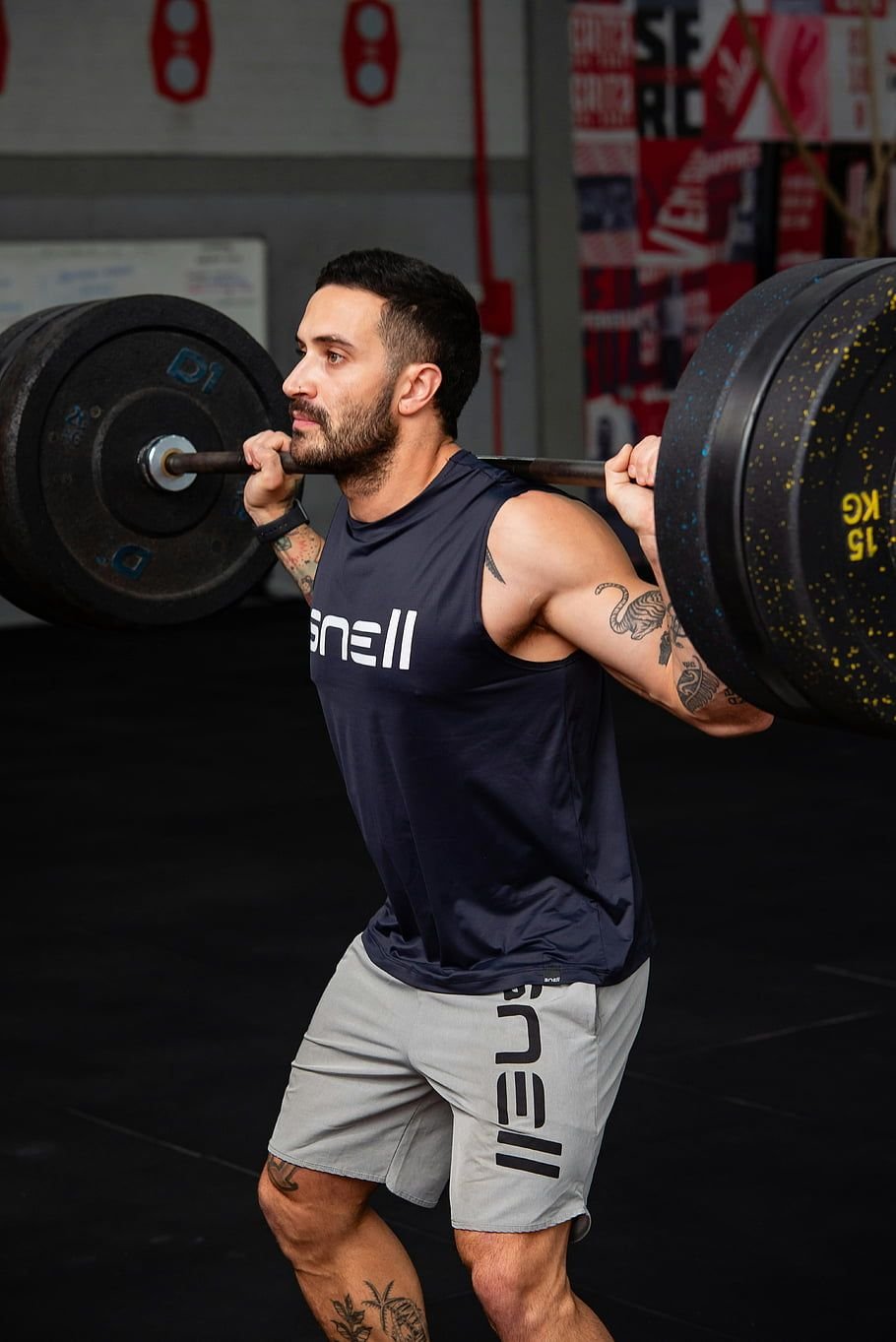
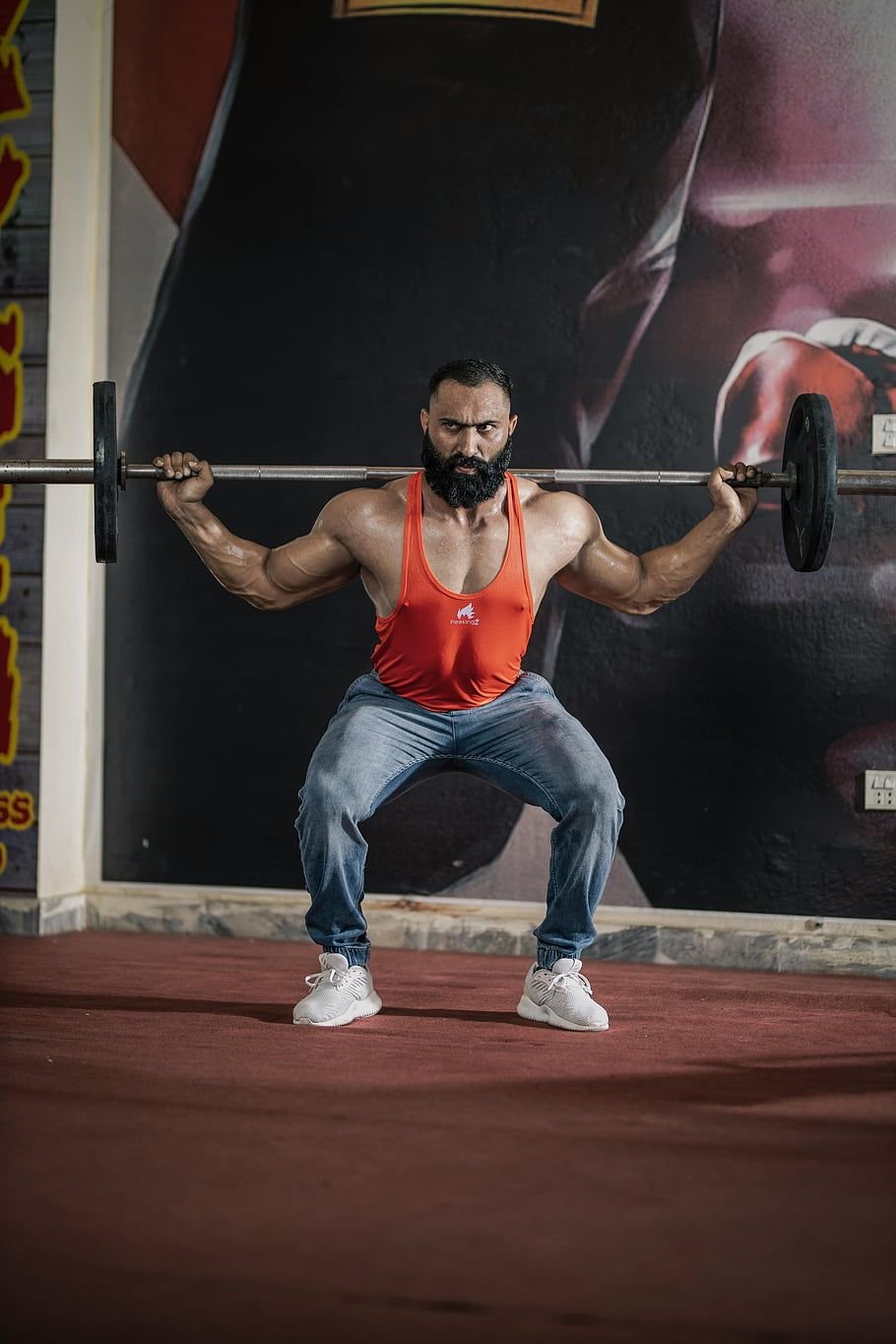
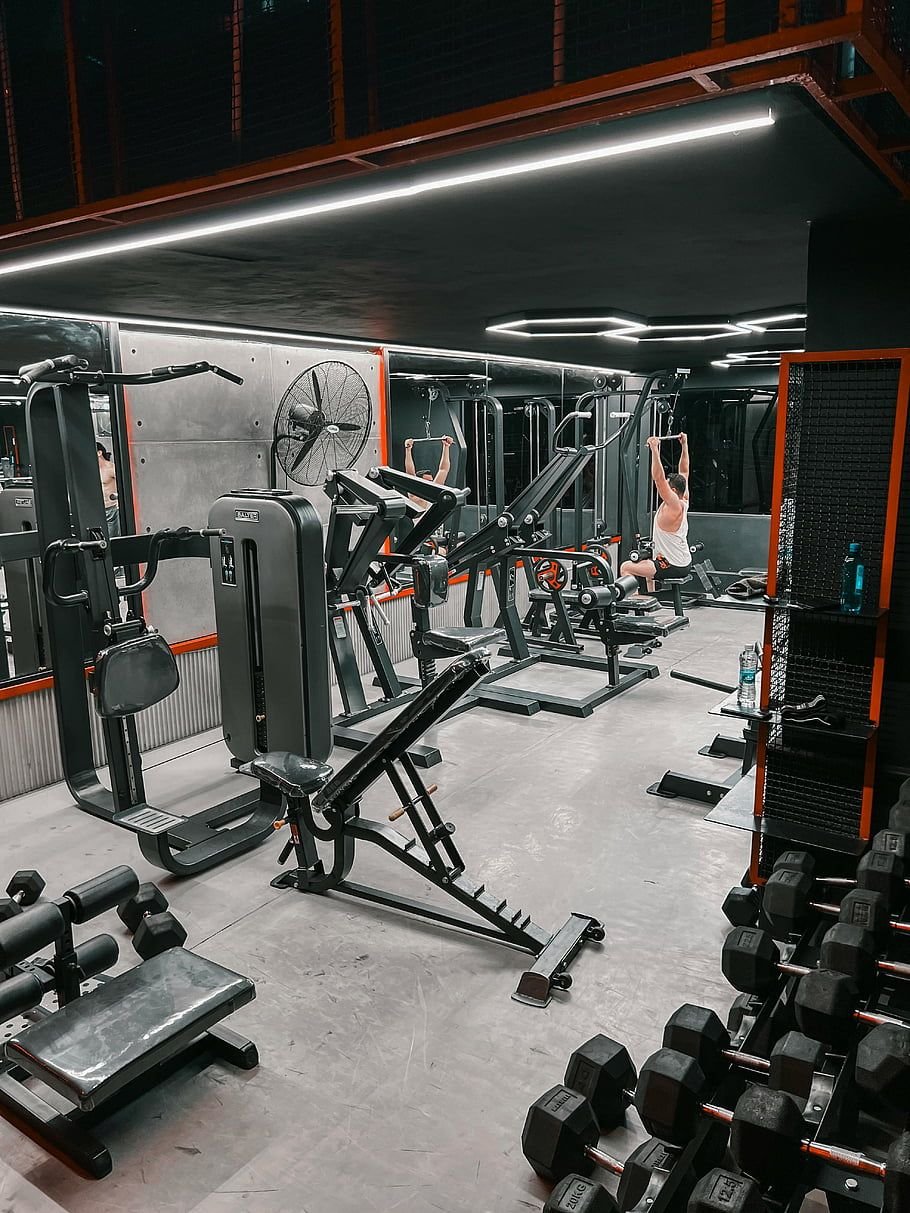
Photos in this guide are generic gym scenes, not photos of the named products. No hands-on testing is claimed — this is a research-based roundup, and every listing note below tells you where a figure is uncertain.
One practical note before you buy: most plate-loaded presses need plates of their own. Check our guides to bumper plates and weight plate storage racks so your plates and your press arrive as one working setup.
Quick Comparison
| Machine | Type | Capacity | Footprint | Standout |
|---|---|---|---|---|
| GMWD DD07 | 45° press + hack squat combo | 1,500 lb (see note) | 84 × 47 × 56 in | Best overall |
| Body-Solid GLPH1100 | Press + hack squat combo | 1,000 lb | 83 × 34 × 56 in | Commercial build |
| Powertec P-LP19 | Classic 45° press | 1,000 lb | 79 × 36.6 × 54 in | Classic 45° feel |
| Body-Solid GCLP100 | Compact 45° press + calf raise | 1,000 lb | 67 × 47 × 46 in | Shortest 45° here |
| Titan Fitness Vertical | Vertical press | 400 lb | Not stated (see note) | Space-saving shape |
| Powerline PVLP156X | Vertical press | 400 lb | 45 × 47 × 55 in | Lightest here |
Two patterns jump out. The four 45-degree machines all carry 1,000 lb or more, while the two vertical presses both top out at 400 lb — a tie for the lowest capacity in this guide. And the GMWD has the longest stated length here at 84 in and is the heaviest at 385 lb, so it needs a big room and help to set up.
Capacity is only half the story, though. A press you can load, lock out and get out of safely beats a bigger number on a listing every time — which is why safety stops feature so heavily in the picks below.
GMWD DD07 Leg Press Hack Squat Combo — Best Overall
The GMWD DD07 is the most complete machine in this guide. It works as a 45-degree leg press and as a hack squat, so one frame covers the two big machine leg movements most home gyms want.
It runs on linear bearings, which should keep the sled gliding smoothly under load, and it includes band pegs for accommodating resistance plus on-board weight storage to keep plates off your floor. Seven depth settings let shorter and taller lifters both find a comfortable range.
At 84 × 47 × 56 in and 385 lb, it has the longest stated length here and is the heaviest machine here. That size is the trade for the combo design — measure your floor and your doorway before ordering, and plan on two people for assembly.
✅ Pros
- Two machines in one — 45° press plus hack squat
- Linear bearings for a smooth sled glide
- 7 depth settings for different heights
- Band pegs and on-board weight storage included
⚠️ Cons
- 84 in long frame — needs a big, flat area
- Heaviest machine here at 385 lb, so assembly takes two people
- Capacity figures differ across sources (see Listing check)
⚠️ Listing check: the Amazon record lists a 1,500 lb maximum weight recommendation — the highest figure in this guide — but older review sources list lower capacities for earlier versions of this machine, including 400 lb in one review and 1,000 lb elsewhere. Treat 1,500 lb as the current listing figure, not a settled fact, and confirm the rating on the live listing before you buy. The Amazon records behind this pick were crawled 244–298 days ago, so re-check stock and specs on the day you order.
Best for: lifters who want one frame for both leg press and hack squat work.
May not fit: small rooms, or anyone who needs to move the machine alone once it is built.
Body-Solid GLPH1100 Leg Press & Hack Squat — Best Commercial Combo
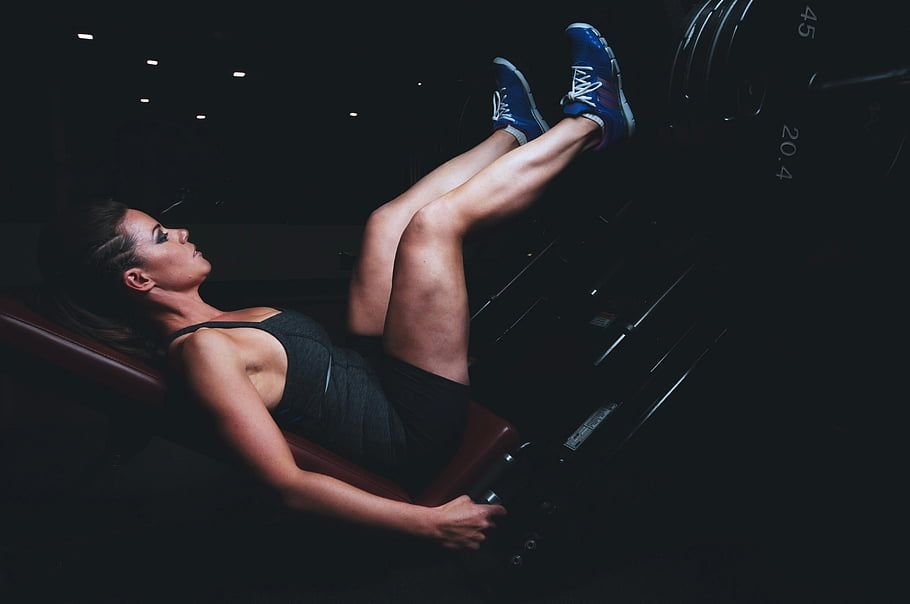
The Body-Solid GLPH1100 is the commercial-style combo in this guide. Like the GMWD it covers both leg press and hack squat, but it is built the way light-commercial gym equipment is built: heavier steel, a quad-track roller system and diamond-plate foot platforms that grip even when your shoes are dusty.
Safety is a strong point. Three lockout positions let you rack the sled at different heights, which matters when you train alone and need a guaranteed stopping point. The frame carries a lifetime frame warranty.
At 83 × 34 × 56 in and 317 lb it is nearly as long as the GMWD but narrower, so it suits a long, narrow wall better than a square corner. Capacity is 1,000 lb, plenty for most home lifters.
✅ Pros
- Commercial-style build with quad-track rollers
- 3 safety lockout positions for solo training
- Diamond-plate foot platforms for grip
- Lifetime frame warranty
⚠️ Cons
- Long 83 in frame needs a long wall
- Heavy at 317 lb — plan assembly help
- Carriage weight differs by source (see Listing check)
⚠️ Listing check: sources disagree on the unloaded carriage weight — the Amazon record states 80 lb while a dealer page states 60 lb. We state both figures here rather than picking one silently; the difference matters if you count the sled in your working weight. The US Amazon record behind this pick was crawled 176 days ago, so confirm current specs on the live listing.
Best for: lifters who want a commercial-feeling combo and train alone with lockouts.
May not fit: rooms where an 83 in long frame will not sit flat against a wall.
Powertec P-LP19 Leg Press — Best Classic 45°
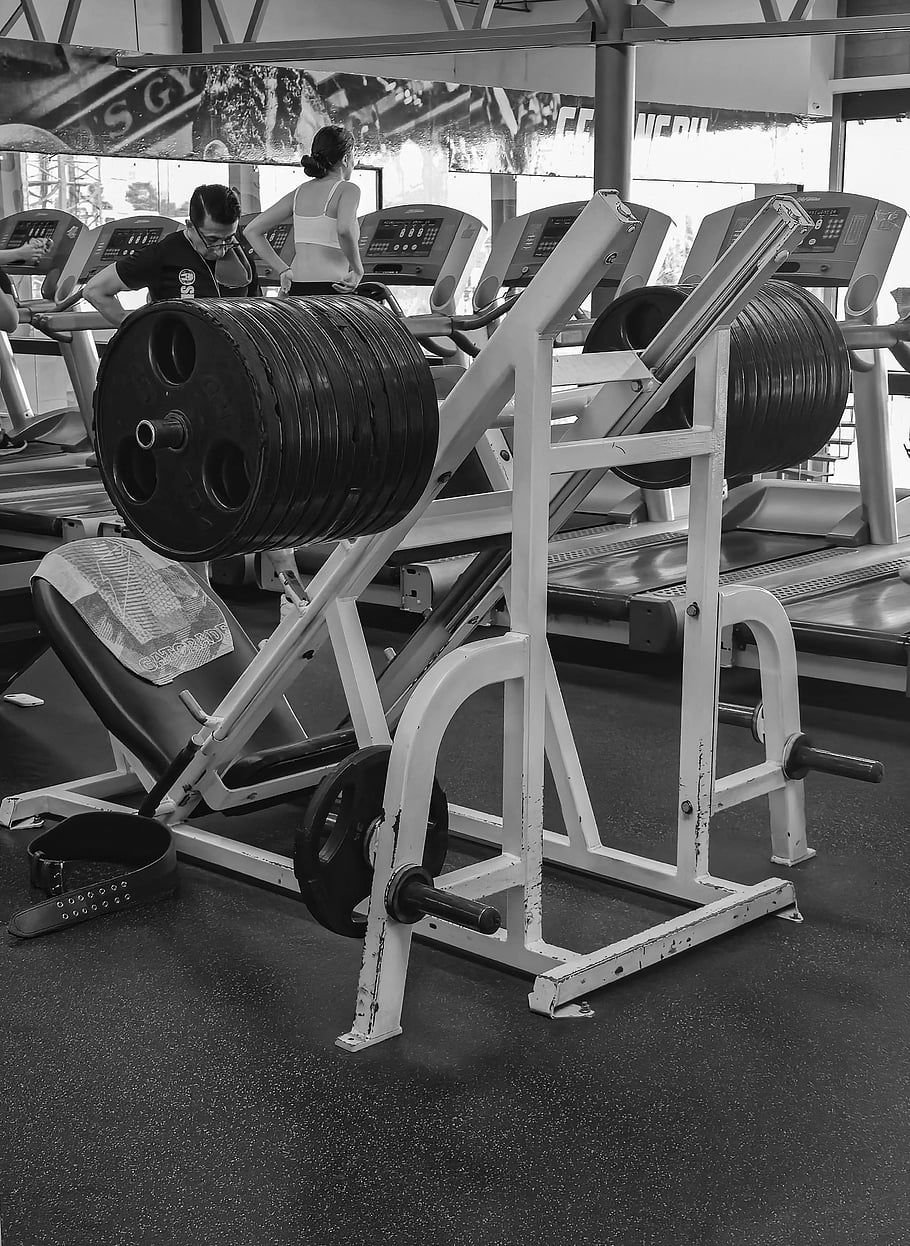
The Powertec P-LP19 is the purist’s pick: a classic 45-degree leg press with no second movement bolted on. If you know you want the traditional angled press and nothing else, this is the shape to buy.
Its numbers are honest and useful. Capacity is 1,000 lb, the unloaded starting weight is 60 lb, and the footplate measures a generous 29 × 22 in, so wide and narrow stances both fit. Dual safety catches back up your set, the backrest adjusts to your torso, and four weight horns spread the plates evenly.
At 79 × 36.6 × 54 in and 258 lb it is a substantial machine, but smaller and lighter than either combo above. Plates are not included, so budget for plates on top of the machine.
✅ Pros
- Classic 45° geometry with no compromises
- 60 lb starting weight suits newer lifters too
- Large 29 × 22 in footplate for stance variety
- Dual safety catches and adjustable backrest
⚠️ Cons
- Plates not included — buy them separately
- No hack squat or calf raise mode
- Confirm the exact model on the listing (see Listing check)
⚠️ Listing check: this ASIN was sourced through a mirror page rather than a direct Amazon record, so it is flagged here as mirror-sourced. The figures above (1,000 lb capacity, 258 lb unit weight, 60 lb starting weight) come from that mirrored record — verify the model number and specs on the live listing before ordering.
Best for: lifters who want the traditional 45-degree press and nothing else.
May not fit: anyone who wants a combo machine or a built-in calf raise.
Body-Solid GCLP100 Compact Leg Press — Best Compact
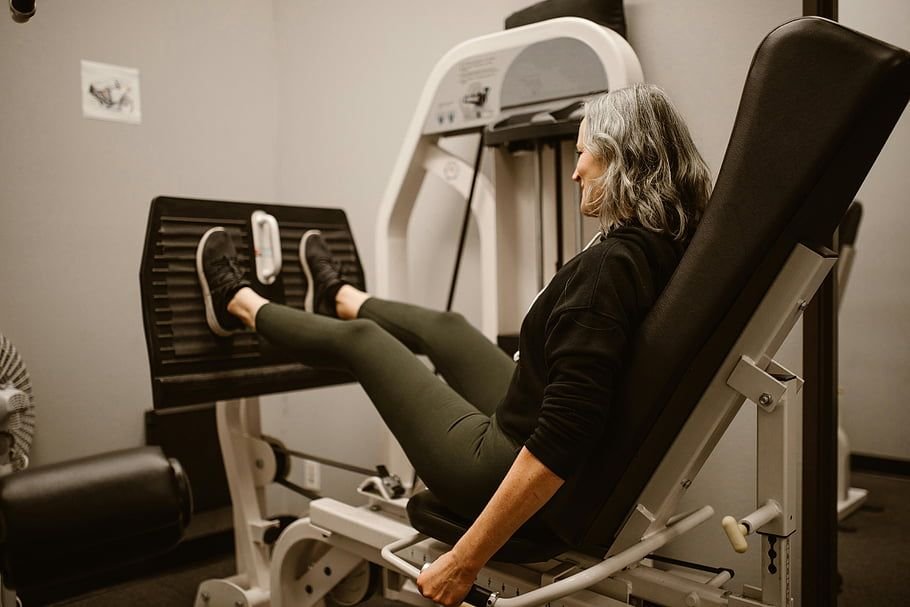
The Body-Solid GCLP100 is the compact 45-degree press in this guide. At 67 × 47 × 46 in it is the shortest 45-degree machine here, and its 46 in height is the lowest of the angled presses — useful if your ceiling is not generous.
Compact does not mean basic. It still carries 1,000 lb, runs on sealed linear bearings, and adds a calf raise to the leg press, so two movements come from one frame. Two 12 in chrome-plated weight horns take the plates.
At 228.7 lb it is the lightest of the 45-degree machines here, but still far too heavy to move alone once assembled. Put it where it will live before you build it.
✅ Pros
- Shortest 45° machine here at 67 in long
- Leg press plus calf raise in one frame
- Sealed linear bearings for a smooth glide
- 1,000 lb capacity despite the smaller frame
⚠️ Cons
- Still 228.7 lb — not a machine you move alone
- No hack squat mode (press and calf raise only)
- Warranty terms vary by seller (see Listing check)
⚠️ Listing check: this ASIN was sourced through a retailer-mirror URL rather than a direct Amazon record, so it is flagged here as mirror-sourced. Warranty also varies by channel: one US retailer states an in-home lifetime warranty, while the light-commercial terms are a 10-year frame warranty. Check which terms apply to your seller before you buy, and confirm specs on the live listing.
Best for: smaller rooms and lower ceilings that still want a real 45-degree press.
May not fit: lifters who want a hack squat mode or a full-size combo frame.
Titan Fitness Vertical Leg Press — Best Compact Vertical
The Titan Fitness Vertical Leg Press is the space-saver of this guide. A vertical press puts you on your back pressing straight up, so the frame stands tall instead of sprawling across your floor — the right shape for a garage corner or a spare room.
It is also strikingly light for a leg machine at 94 lb, and it keeps the useful details: an adjustable footplate starting height, so different leg lengths can set up comfortably, and three weight posts for loading. It takes Olympic plates.
The honest limit is capacity. At 400 lb it ties with the Powerline for the lowest capacity in this guide, so strong lifters will outgrow it. Vertical pressing also feels different from a 45-degree press — your hips and lower back sit differently — so it suits lifters who already know they like the vertical angle.
✅ Pros
- Vertical shape saves floor space
- Light at 94 lb — easy to position
- Adjustable footplate starting height
- Three weight posts, Olympic plates
⚠️ Cons
- 400 lb capacity — tied lowest here, strong lifters will outgrow it
- Vertical angle is not for everyone
- Dimensions not stated (see Listing check)
⚠️ Listing check: this ASIN comes from a comparison table rather than a direct Amazon record, with a regional mirror item crawled 2 days ago — the freshest dated sourcing in this guide, but still mirror-based, so confirm the model on the live listing. We omit dimensions for this pick on purpose: the mirror’s 48 × 38 × 26.5 in figures look suspect against the vertical design, and we would rather state nothing than print a dubious number.
Best for: small rooms where a 45-degree frame simply will not fit.
May not fit: strong lifters who will pass 400 lb, or anyone who dislikes the vertical pressing angle.
Powerline by Body-Solid PVLP156X Vertical Leg Press — Best Budget Vertical
The Powerline PVLP156X is the budget vertical press in this guide, and the lightest machine here at 77 lb. If the Titan’s vertical shape appeals but you want the simplest, lightest version of the idea, this is it.
It still covers the essentials: three start and stop positions set by dual-adjustable half-inch locking pins, a diamond-plate deck for foot grip, and three 1 in weight posts. Olympic plates fit with adapter sleeves, which is worth knowing before you order plates.
Like the Titan it tops out at 400 lb, tied lowest here, and it rides on nylon bushings rather than bearings — a simpler, cheaper glide that suits lighter loads. The 10-year frame warranty is stated plainly and we report it as-is.
✅ Pros
- Lightest machine here at 77 lb
- 3 start and stop positions with locking pins
- Diamond-plate deck for foot grip
- 10-year frame warranty
⚠️ Cons
- 400 lb capacity — tied lowest here
- 1 in posts need adapter sleeves for Olympic plates
- Nylon bushings, not bearings
- Unit weight varies by source (see Listing check)
⚠️ Listing check: the US Amazon record behind this pick was crawled 354 days ago — the oldest dated record in this guide — so specs and availability must be re-checked on the live listing. Unit weight also varies by source: the Amazon figure is 77 lb, while one regional mirror lists 42 kg. We state the Amazon figure in this guide and note the variance here rather than silently choosing.
Best for: tight budgets and tight rooms that want a simple vertical press.
May not fit: lifters who will pass 400 lb, or anyone who wants bearings rather than bushings.
How to Choose
Choosing a leg press comes down to four questions: which angle, how much room, how much load, and how safe it is when you fail a rep. Answer those in order and the right pick usually picks itself.
45-Degree, Vertical or Compact Sled?
A 45-degree press is the default for most home gyms. The angle feels natural, the sled path is long, and calf raises usually come along for free on combo and compact frames.
A vertical press is the small-room answer. You trade the familiar angle for a much smaller footprint, and you accept the lower 400 lb ceiling both vertical picks here share.
A combo adds hack squats to the press. Buy one only if you will actually use both movements — otherwise the classic Powertec press gives you the same angle for less floor.
Footprint and Ceiling Height
Measure twice. A leg press needs its own footprint plus room to walk around it and slide plates on and off — add at least a foot on the loading side to the stated width.
Ceiling height matters less than floor area for most presses, but check the stated height against your room, especially for the 56 in tall combos. And measure your doorways: a 385 lb combo frame does not bend around a tight corner.
Capacity and Build
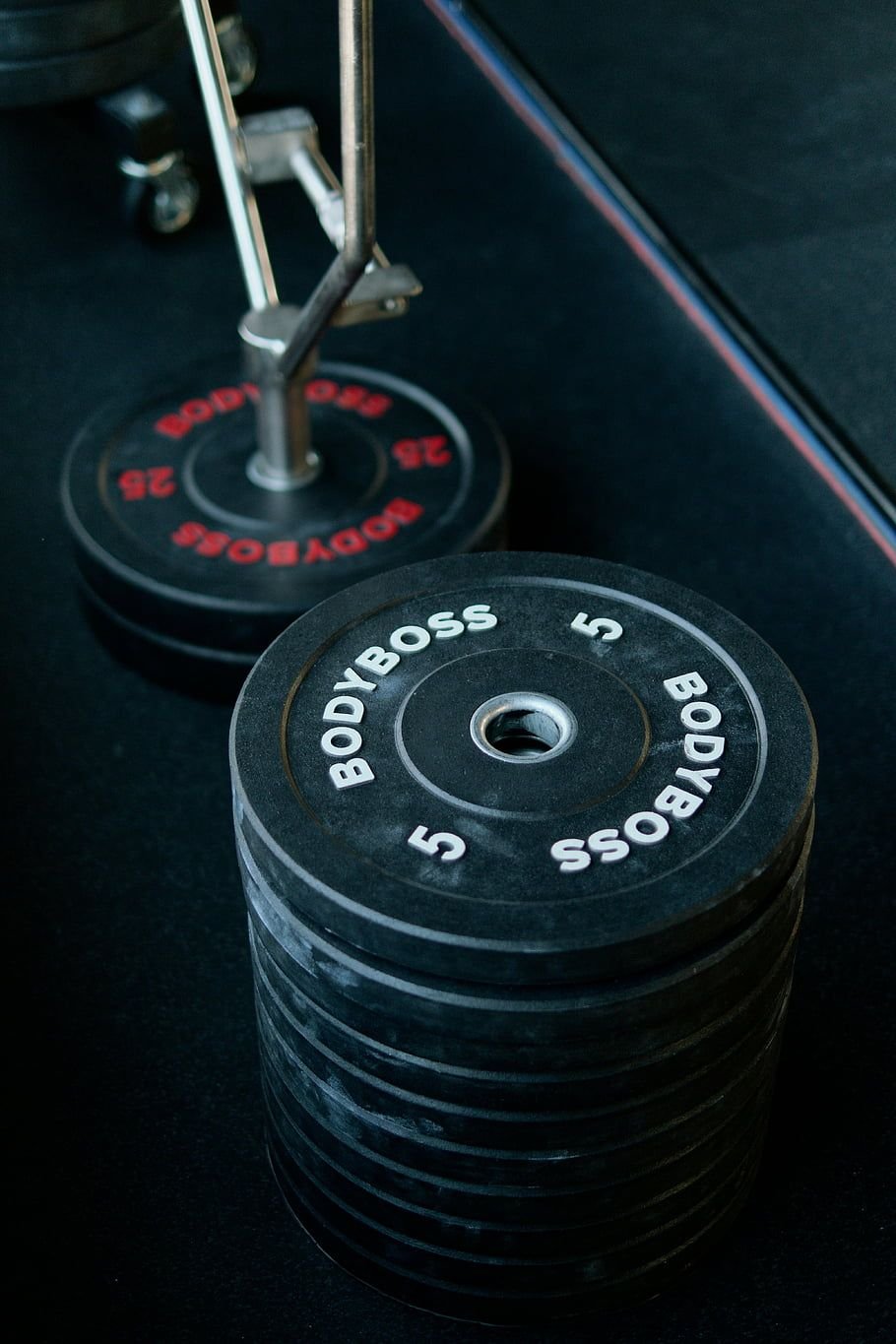
Match capacity to your strength with room to grow. A 400 lb ceiling is plenty for newer lifters and high-rep work, but experienced lifters should start at the 1,000 lb machines.
Build follows load. Bearings glide smoother under heavy plates, bushings are fine for lighter vertical presses, and frame weight is a rough guide to sturdiness — the heaviest frames here are also the highest-capacity ones.
Finally, count your plates. A 1,000 lb press with 200 lb of plates is a 200 lb press. Buy the plates with the machine, not after it.
Safety Stops and Fit
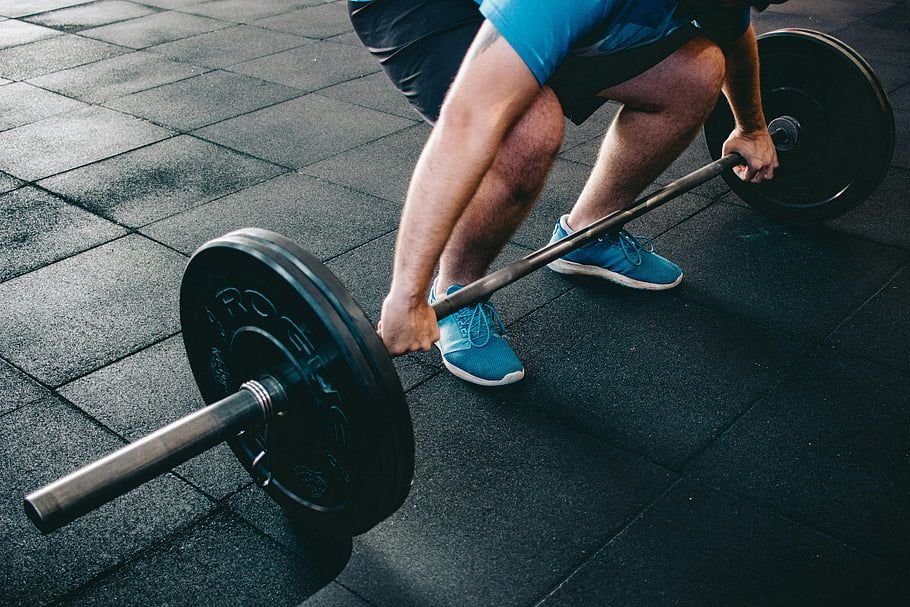
Safety stops are not optional on a leg press. You will fail reps on this machine, and the stops are what catch the sled when you do. Prefer machines with multiple lockout positions over a single stop.
Fit matters just as much. Your knees should track over your toes, your lower back should stay on the pad, and your heels should stay down through the whole rep. If a machine forces your hips to roll off the pad at depth, its geometry does not suit you.
Adjustable backrests and footplate start heights exist for exactly this reason. Use them — a press set up for someone else’s body is a press set up wrong.
Safety
Leg pressing is safe when the setup is respected. Follow these steps every session, not just the first one:
- Set the safety stops or catches before you load a single plate.
- Load plates evenly on both sides and clip or collar them.
- Place feet flat on the platform, heels down, knees tracking over toes.
- Press without locking your knees hard at the top of the rep.
- Keep your lower back on the pad — stop the rep if your hips start to roll.
- Use a helper for your first heavy sets and for any combo changeover.
- Warm up with light sets, and check bolts, pins and the sled glide regularly.
This guide gives general information only, not medical advice. Stop if anything hurts in a joint rather than a muscle, and talk to a qualified professional before training through pain or after an injury.
Frequently Asked Questions
Do I still need to squat if I own a leg press? A leg press builds leg strength well, but squats build balance, coordination and core strength that no machine replaces. Most lifters do best with both, not one instead of the other.
Which is better for a small room — 45-degree or vertical? Vertical, by a clear margin. A vertical press stands tall instead of sprawling, which is why both vertical picks here suit garages and spare rooms. The trade is the 400 lb capacity ceiling both of them share.
Do leg press machines come with weight plates? Usually not. The picks in this guide are plate-loaded machines, and plates are bought separately unless a listing says otherwise. Check the listing before you order, and buy enough plates to actually use the capacity you paid for.
How much capacity do I really need? Newer lifters and high-rep trainers are fine at 400 lb. If you already leg-press several hundred pounds for reps, or you plan to grow into it, start at the 1,000 lb machines and skip the verticals.
Can I do calf raises on a leg press? Yes, on machines built for it — the GCLP100 in this guide includes a calf raise, and most 45-degree presses allow a calf press with the balls of your feet on the platform edge. Keep the load light and the range controlled, and never bounce.
What else do I need with a leg press? Plates first, then the rest of your room. Our previous guide covers speed bags for conditioning work between leg sessions, and the same room logic applies to weight benches for your pressing days, knee sleeves for warm, supported knees, and foam rollers for the cool-down after a heavy leg day.
Our Pick: Start Here
Start with the GMWD DD07 Leg Press Hack Squat Combo if your room fits it — it is the most complete machine here, covering press and hack squat in one frame.
If your room is small, start with the Powerline PVLP156X Vertical Leg Press instead. It is the lightest machine here, the simplest vertical of the two, and the easiest to live with in a tight space.
And if you know you want the classic angled press and nothing else, the Powertec P-LP19 Leg Press is the purist’s choice — traditional geometry, a big footplate, and no second movement you will never use.
As an Amazon Associate, we earn from qualifying purchases made through links on this page, at no extra cost to you.
Links on this page are affiliate links. If you buy through them, we may earn a commission at no extra cost to you, which helps keep our guides free.