

Why BOSU Balls Belong in a Home Gym
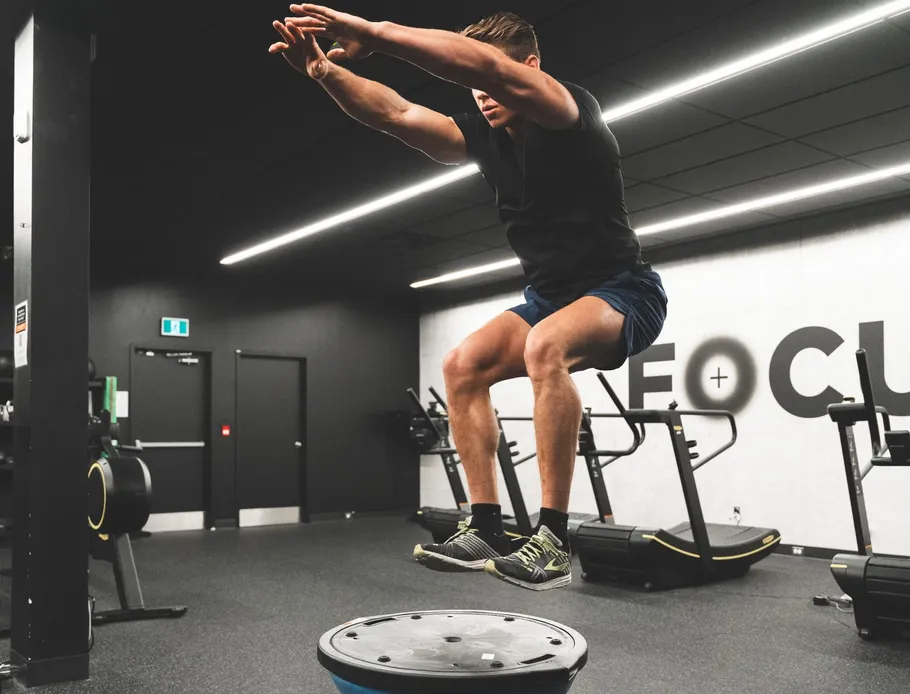
A BOSU ball is a half-dome balance trainer: a flat platform on one side and an inflated dome on the other, and you stand, sit or press on either side. The dome wobbles under you, and the wobble is the workout. 🏋️
The half-dome earns its place in a home gym because balance is a skill, not a side effect. A few minutes on the dome after the bar work trains the ankles, the knees and the core in a way a flat floor never does.
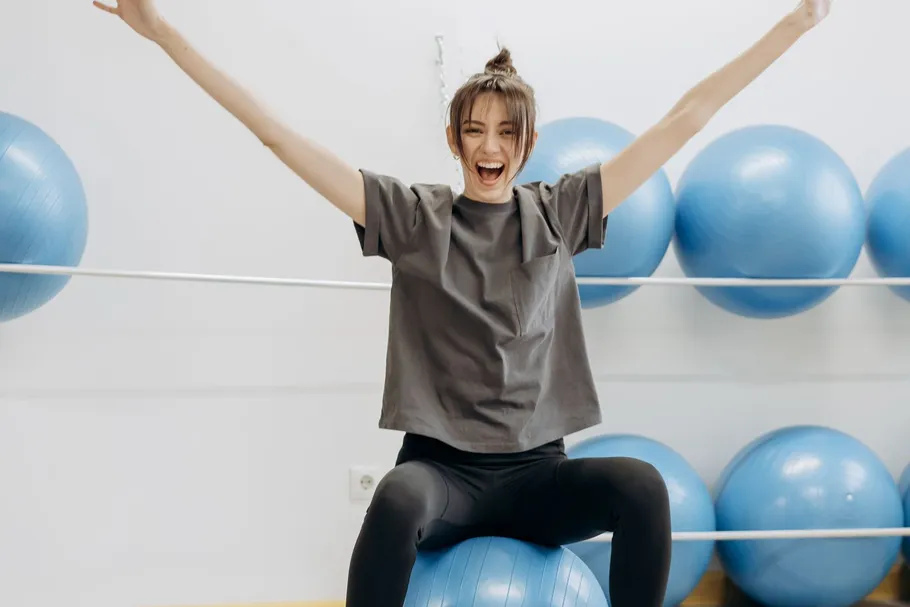
Know what a BOSU ball is not. It is not an exercise ball, which is a full sphere that rolls in every direction — a half-dome has a flat base that stays put, and our best exercise balls for home gyms covers the full sphere in full.
It is not a balance board either. A board is a flat, rigid platform that rocks on a roller or a pivot, while a dome is soft and inflated — and our best balance boards covers the flat boards in full.
One note: the BOSU Pro appears as a pick inside our balance boards guide, because it works dome-down as a wobble platform — but this guide judges it as a dome, and the board guide is the deeper dive on boards.
It is not a wobble cushion, which is a small disc that sits under one foot, and it is not a slant board, which is a fixed wedge for stretching calves. A half-dome is bigger than a cushion and softer than a board, and it works both sides.
The previous guide in this series, our best red light therapy panels for home gyms, covers the recovery panel that hangs on the wall. The session ends with the panel, and the next session can start on the dome.
In a home gym, the dome earns its place on the floor you already train on. It leans against the wall when the session ends, and it comes out when the balance work starts.
How We Picked
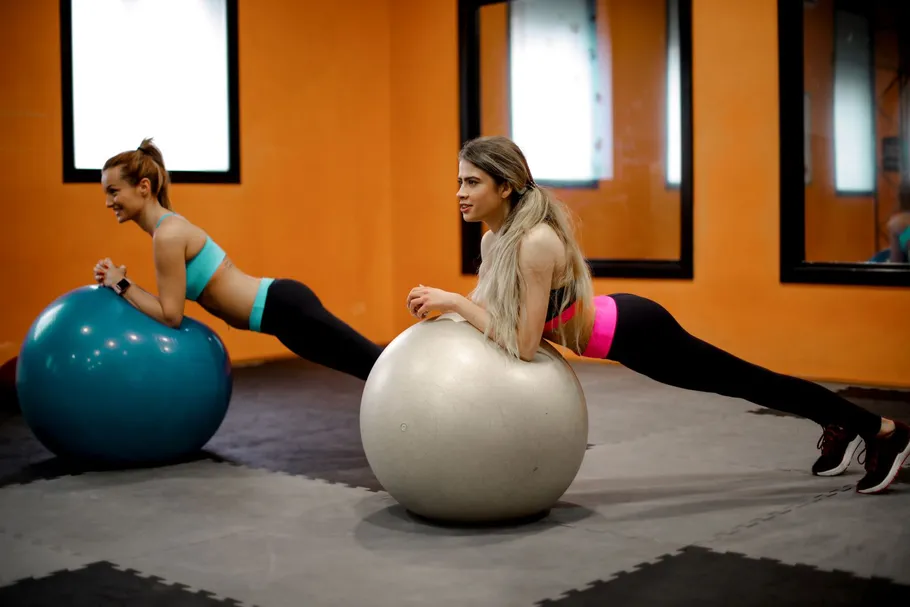
We compared six half-dome balance trainers that are genuinely sold for home gyms right now, using maker records, listing records and independent roundups — not hands-on testing, and not roundup scores copied from other sites.
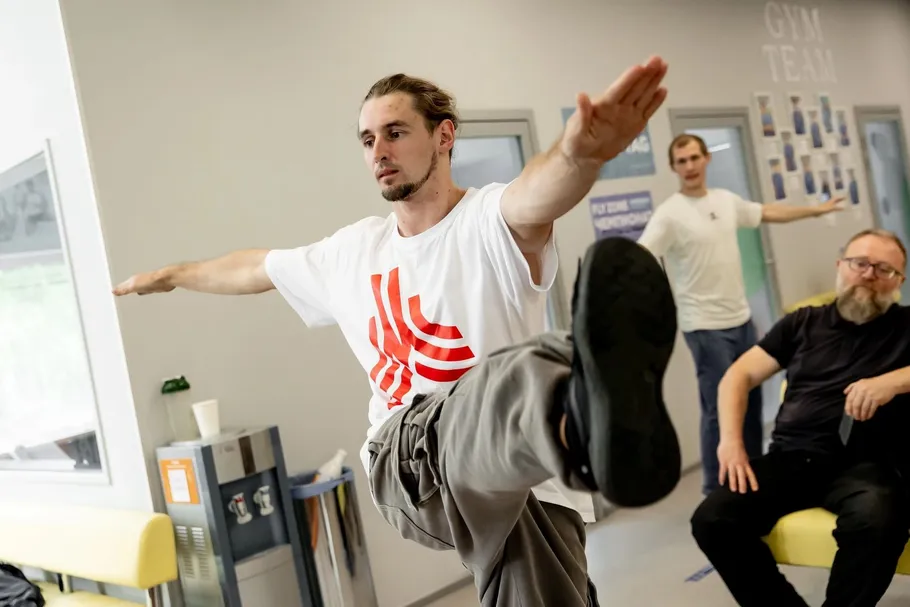
Every photo in this guide is an honest training scene, not a product shot of the named trainer. No maker photo was used anywhere, and no photo is presented as a trainer.
The Home figure is the one exception: it is a genuine half-dome trainer on a gym floor, from Wikimedia Commons, and it shows the shape, not the named Home model.
Where records disagree, the article says so instead of picking the flattering number — and this category disagrees on the basics, because the maker and the retailer print different heights and weights for the same trainer, and prices move with every sale.
- Size: the dome diameter in centimetres or inches, and whether the trainer fits a home gym floor.
- Weight limit: the stated maximum user weight, and whether the figure is maker-stated or retailer-stated.
- Dome: the dome’s firmness and surface, and whether it is textured, smooth or resistance-focused.
- Base: the platform’s grip, the feet and the handles, and whether it stays put on a hard floor.
- Extras: the pump, the manual, the workout chart and any band or ball in the box.
- Price: the stated price as sourced — direct, sale and third-party prices kept apart, never blended.
Also considered: the BOSU NexGen Pro Balance Trainer — a real trainer at $199.99 from BOSU direct, 65 cm, 350 lb, with the NexGen texture on the Pro chassis.
It was set aside because the texture is already represented by the NexGen Home and the commercial grade by the Pro, so it adds no distinct size, limit or use case.
Also considered: the BOSU Balance Pods — a real pair of 6.5-inch mini domes at about $34.99, with a 150 lb limit. They were set aside because they are mini domes for hands and feet, not a full-size half-dome trainer, and the guide is about the full-size dome.
Also considered: the Yes4All half peanut balance trainer — a real double-ball shape at a 1,100 lb stated limit. It was set aside because it is a peanut, not a half-dome, and the guide is about the half-dome shape only.
Comparison
| Pick | Size | Weight Limit | Standout |
|---|---|---|---|
| BOSU Home Balance Trainer | 65 cm | 300 lb | Best Classic, home use |
| BOSU Pro Balance Trainer | 65 cm | 350 lb | Best Pro, commercial grade |
| BOSU Sport Balance Trainer | 50 cm | 250 lb | Best Compact, travel size |
| BOSU NexGen Home Balance Trainer | 65 cm | 300 lb | Best New Design, textured quadrants |
| BOSU Elite | 65 cm | 450 lb | Best Premium, resistance-focused |
| Yes4All Half Ball Balance Trainer | 24 in (~61 cm) | 880 lb* | Best Budget, band + Pilates ball in the box |
Read the table honestly. It carries no strongest crown on purpose: the Yes4All 880 lb figure is maker-stated only, with no independent record behind it, while the Elite’s 450 lb is the highest verified BOSU figure — so a crown would rank a maker’s claim against a tested figure.
It carries no price column either: prices mix direct prices, sale prices and third-party prices, and the Pro, the Sport, the NexGen Home and the Elite all carry conflicting records — so prices sit in the pick sections as sourced, not as settled figures.
It carries no largest-dome crown either, because four of the six picks share 65 cm — the Home, the Pro, the NexGen Home and the Elite are tied at the top, while the Sport is the smallest here at 50 cm.
Two more honesty notes. The Yes4All diameter is 23.5 inches in one variant and 24.4 inches in another, so the table prints the larger figure with the smaller one in its section — and the Home and the Pro carry height and weight conflicts between the maker and the retailer, printed in their sections.
BOSU Home Balance Trainer
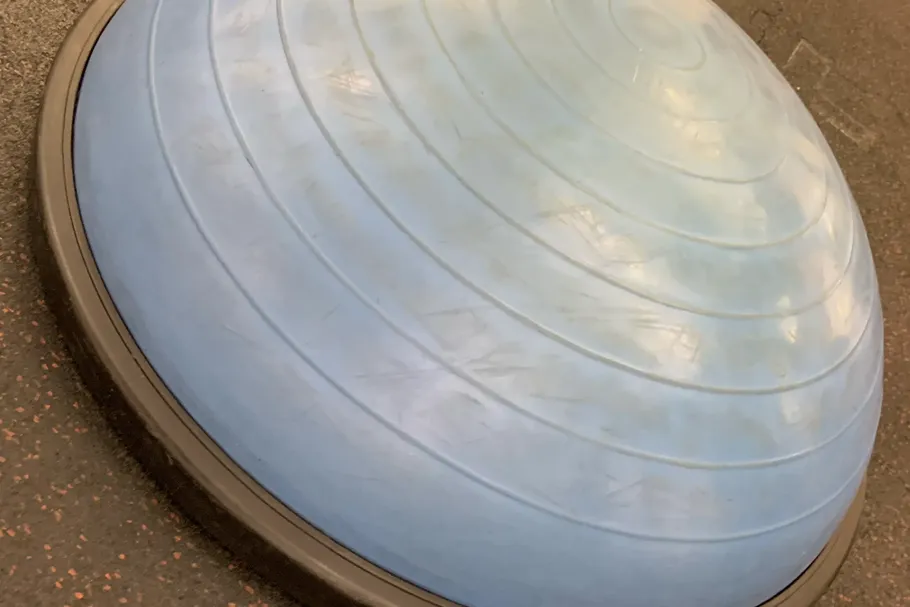
The BOSU Home Balance Trainer is the best classic because it is the original half-dome at the home price: 65 cm across, a 300 lb limit, and $144.99 from BOSU direct.< 🎯/p>
You stand on the dome, flip it over and stand on the platform, or sit on it for core work — and the dome is the point: it gives under your weight and asks your ankles to answer.
The trainer ships with a pump, an owner’s manual and a workout guide, and the warranty runs one year for home use only — it is not rated for commercial use.
The record carries one flag, and it is printed here. The maker’s own page says the dome stands 8.5 inches high when inflated and the trainer weighs 13 lb — but Amazon’s comparison table says 10 inches and 17 lb.
The height and the weight are unsettled between the maker and the retailer, so this guide prints both figures and crowns neither — and the 300 lb limit is the same in both records.
And do not confuse it with the Pro, a different trainer with a rubberized base and a 350 lb limit — the Home is the home-use model, and the Pro is the commercial one.
Pros
- Best classic — the original 65 cm half-dome at the home price.
- Ships with a pump, a manual and a workout guide.
- One-year home-use warranty, and the most reviewed dome here.
Cons
- Height and weight unsettled — 8.5 vs 10 in, 13 vs 17 lb.
- 300 lb limit is the lowest among the BOSU picks here.
- Home use only — not rated for a commercial gym.
Listing check: confirm the BOSU Home Balance Trainer (not the Pro, not the Sport, not the NexGen Home) before ordering, and check the diameter, the limit and the price from that listing itself.
If the listing shows a 50 cm dome, it is the Sport, not this pick, and if it shows a rubberized base, check the model name before ordering.
Best for: a buyer who wants the classic half-dome — 65 cm, 300 lb, and the home price.
May not fit: anyone over 300 lb, anyone who wants a commercial-grade base, or anyone who wants the smallest dome.
BOSU Pro Balance Trainer
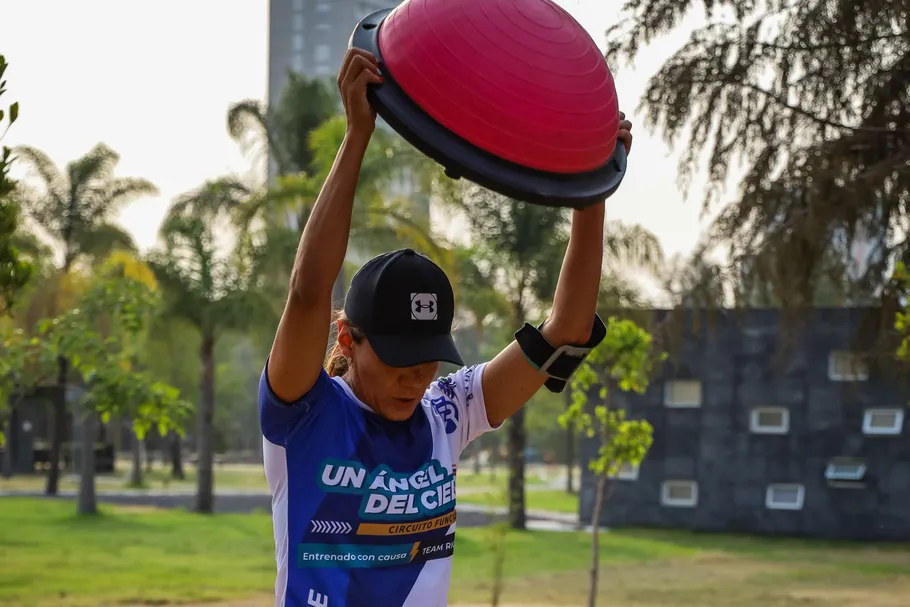
The BOSU Pro Balance Trainer is the best pro pick because it is the commercial half-dome: 65 cm across, a 350 lb limit, an over-molded rubberized base, and $189.99 from BOSU direct. 💪
You train on it the same way as the Home, but the base is the point: the rubberized base grips the floor and the dome takes heavier use, day after day.
The trainer ships with a pump, a manual and a DVD, it is made in the USA, and the warranty runs one year for commercial use — it is the only pick here rated for a gym floor.
The record carries two flags, and both are printed here. First, the price: BOSU direct lists $189.99, but Target lists $127.99 — a gap that big is a reason to check the listing, not a bargain to trust blindly.
Second, the height and the weight: the maker says 8.5 inches and 15.4 lb, while Rogue says 10 inches and 19 lb — so the same split as the Home, printed here instead of resolved.
And Target’s own reviews carry a warning: buyers who ordered the Pro received the Home, which has no rubberized base — so check the base on the listing before ordering, not after.
Pros
- Best pro — commercial grade, 350 lb, rubberized base.
- Made in the USA, with a one-year commercial warranty.
- The heaviest-use dome here, built for a gym floor.
Cons
- Price unsettled — $189.99 direct against $127.99 at Target.
- Height and weight split — 8.5 vs 10 in, 15.4 vs 19 lb.
- Target buyers report receiving the Home instead of the Pro.
Listing check: confirm the BOSU Pro Balance Trainer (not the Home, not the Sport) before ordering, and check the rubberized base, the limit and the price from that listing itself.
If the listing shows a smooth base with no rubber, it is the Home, not this pick, and if it shows 50 cm, it is the Sport.
Best for: a buyer who wants the commercial dome — 65 cm, 350 lb, and a base that grips.
May not fit: anyone on a tight budget, anyone who wants the lightest trainer, or anyone who will only train at home.
BOSU Sport Balance Trainer
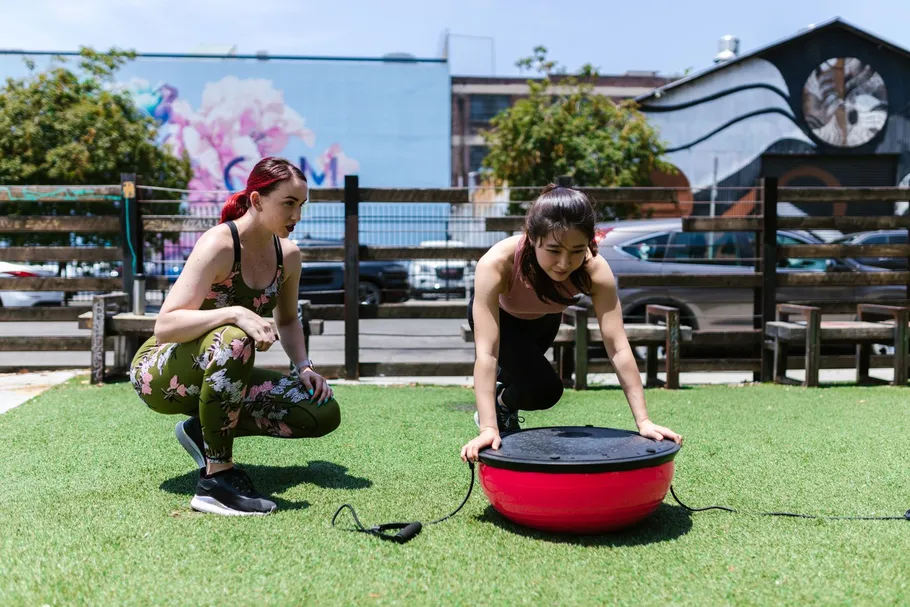
The BOSU Sport Balance Trainer is the best compact pick because it is the small half-dome: 50 cm across, a 250 lb limit, 10 lb, and about $89.99 at Target. 🎒
You pack it in a bag, take it to the park, and train on the grass — and the size is the point: it fits where a 65 cm dome does not.
The dome is burst-resistant and phthalate and latex-free, the platform carries six rubberized non-skid feet, and the recessed handles make it easy to carry.
The record carries one flag, and it is printed here. The price moves: Target lists about $89.99, TrueMed lists $109.99, and Tradeinn lists $181.99 — so the price is a range, not a settled figure.
And the limit is the lowest here at 250 lb, so a heavier user should check the limit before ordering — the Sport trades capacity for size, and the trade is the point.
The dome stands 7 to 8 inches high when inflated, the smallest height here, and the trainer is the lightest here at 10 lb — so it travels, and it stores in a cupboard.
Pros
- Best compact — 50 cm, 10 lb, and it travels.
- Burst-resistant, phthalate and latex-free dome.
- Six non-skid feet and recessed handles for carrying.
Cons
- Price moves — $89.99 to $181.99 across records.
- 250 lb limit is the lowest here.
- The smallest dome here, so two feet fit tight on the platform.
Listing check: confirm the BOSU Sport Balance Trainer (not the Home, not the Pro) before ordering, and check the 50 cm diameter, the limit and the price from that listing itself.
If the listing shows a 65 cm dome, it is not this pick, and if it shows no recessed handles, check the model name before ordering.
Best for: a buyer who wants the small dome — 50 cm, 10 lb, and a bag that fits it.
May not fit: anyone over 250 lb, anyone who wants the full 65 cm platform, or anyone who wants the highest limit.
BOSU NexGen Home Balance Trainer
The BOSU NexGen Home Balance Trainer is the best new design because it is the Home with a textured dome: 65 cm across, a 300 lb limit, four textured quadrants, and $143.55 at Power Systems. 🧭
You stand on the dome and feel where your feet are — and the texture is the point: the four quadrants give your feet a reference, so the balance work has a map.
The trainer ships with a wall chart of 12 exercises, it carries six non-slip feet, and the warranty runs 90 days — the shortest warranty here, and the only 90-day one.
The record carries two flags, and both are printed here. First, the price: Power Systems lists $143.55, but Tradeinn lists $327.49 — more than double, so the price is a range, not a settled figure.
Second, the maker is plain about the grade: this is not a commercial grade product, so it is a home-use trainer, and a commercial gym should look at the Pro or the NexGen Pro instead.
And the texture is the only difference that matters against the Home: same 65 cm, same 300 lb, same home price — so buy the NexGen Home for the quadrants, not for the size.
Pros
- Best new design — four textured quadrants for foot position.
- Same 65 cm and 300 lb as the Home, at the home price.
- Ships with a wall chart of 12 exercises.
Cons
- Price unsettled — $143.55 against $327.49.
- 90-day warranty is the shortest here.
- Not commercial grade — home use only.
Listing check: confirm the BOSU NexGen Home Balance Trainer (not the Home, not the NexGen Pro) before ordering, and check the textured quadrants, the limit and the price from that listing itself.
If the listing shows a smooth dome with no quadrants, it is the Home, not this pick, and if it shows a commercial grade, check the model name before ordering.
Best for: a buyer who wants the textured dome — 65 cm, 300 lb, and quadrants underfoot.
May not fit: anyone who wants a commercial-grade trainer, anyone who wants a long warranty, or anyone who wants the smooth dome.
BOSU Elite
The BOSU Elite is the best premium pick because it is the resistance dome: 65 cm across, a 450 lb limit, a denser and more compact dome, and $199.99 from BOSU direct. 🔥
You press against it, not just balance on it — and the density is the point: the Elite is built for resistance work, not for wobble, and the dome pushes back.
The dome carries a Power Zone, a Power Line and Positioning Indicators, it is made in the USA, and the warranty runs two years through WeckMethod — the longest warranty here.
The record carries two flags, and both are printed here. First, the price: BOSU direct lists $199.99 and Rogue lists $199.95, but Iron Company lists $246 — so the price is a range, not a settled figure.
Second, the limit: Rogue and the WeckMethod manual both print 450 lb, but one roundup prints 880 lb for the Elite — that figure belongs to third-party half-balls, not the Elite, so this guide does not trust it.
And another listing prints 1,000 kg for the Elite, which is 2,205 lb — plainly a unit error, so this guide does not print it as a limit at all.
Pros
- Best premium — 450 lb, the highest verified BOSU limit here.
- Denser dome built for resistance, with Power Zone markings.
- Two-year warranty, the longest here.
Cons
- Price moves — $199.95 to $246 across records.
- The limit is disputed in roundups — 880 lb and 1,000 kg are both wrong.
- 19 lb, the joint-heaviest here, and it does not travel light.
Listing check: confirm the BOSU Elite (not the Pro, not the NexGen Pro) before ordering, and check the Power Zone markings, the limit and the price from that listing itself.
If the listing shows no Power Zone or Positioning Indicators, it is not this pick, and if it shows 880 lb, check the model name before ordering.
Best for: a buyer who wants the premium dome — 65 cm, 450 lb, and resistance work.
May not fit: anyone on a tight budget, anyone who wants the lightest trainer, or anyone who wants a soft wobble dome.
Yes4All Half Ball Balance Trainer
The Yes4All Half Ball Balance Trainer is the best budget pick because it is the only non-BOSU half-dome here: about 24 inches across, an 880 lb stated limit, and $68.91 to $113 across the records checked. 💰
You train on it the same way as a BOSU — dome up, platform up, or both — and the price is the point: it costs about half the Home, with a band and a Pilates ball in the box.
The combo ships with an air pump, a plug, a ruler tape, a resistance band and a 10-inch Pilates ball, and the warranty runs one year with a 30-day return.
The record carries two flags, and both are printed here. First, the limit: 880 lb is Yes4All’s own stated figure, with no independent record behind it — so this guide prints it as maker-stated, not as tested.
Second, the size: the matte black model measures 23.5 inches, while the upgrade combo measures 24.4 inches — so the table prints the larger figure, and the smaller one is printed here.
And the price moves with the variant: the records checked run from $68.91 to $113, so the price is a range, not a settled figure — and the combo costs more than the plain trainer.
Pros
- Best budget — about half the Home’s price, with extras in the box.
- Band, Pilates ball, pump and ruler tape included.
- Textured non-slip surface, with recessed handles for carrying.
Cons
- 880 lb limit is maker-stated only, with no independent test.
- Price moves — $68.91 to $113 across records.
- PVC dome, not the BOSU rubber, and the long-term durability is unproven here.
Listing check: confirm the Yes4All Half Ball Balance Trainer (not the half peanut, not a wobble cushion) before ordering, and check the diameter, the limit and the price from that listing itself.
If the listing shows a peanut shape, it is a different Yes4All product, not this pick, and if it shows no band or Pilates ball, check the variant before ordering.
Best for: a buyer who wants the budget half-dome — about 24 inches, with a band and a ball in the box.
May not fit: anyone who wants a BOSU dome, anyone who wants a tested weight limit, or anyone who wants the 65 cm platform.
How to Choose

Pick the half-dome by the work you will do on it, not by the brand on the box. The size sets the floor space, the limit sets who can use it, and the dome sets how it feels underfoot.
Start with the size: five of the six picks here are 65 cm or near it, and the Sport is the only 50 cm dome — so the choice is full-size or compact, not a ladder of sizes.
Then check the limit against your own weight, with a margin: the Elite holds 450 lb, the Pro holds 350 lb, the Home and the NexGen Home hold 300 lb, the Sport holds 250 lb, and the Yes4All states 880 lb without an independent test.
Then check the dome: smooth on the Home, the Pro and the Sport, textured quadrants on the NexGen Home, and dense and resistance-focused on the Elite — so the feel is a choice, not a detail.
And check the box before ordering: the pump, the manual and the chart matter, because a dome without a pump is a dome you cannot inflate.
Choose Your Type
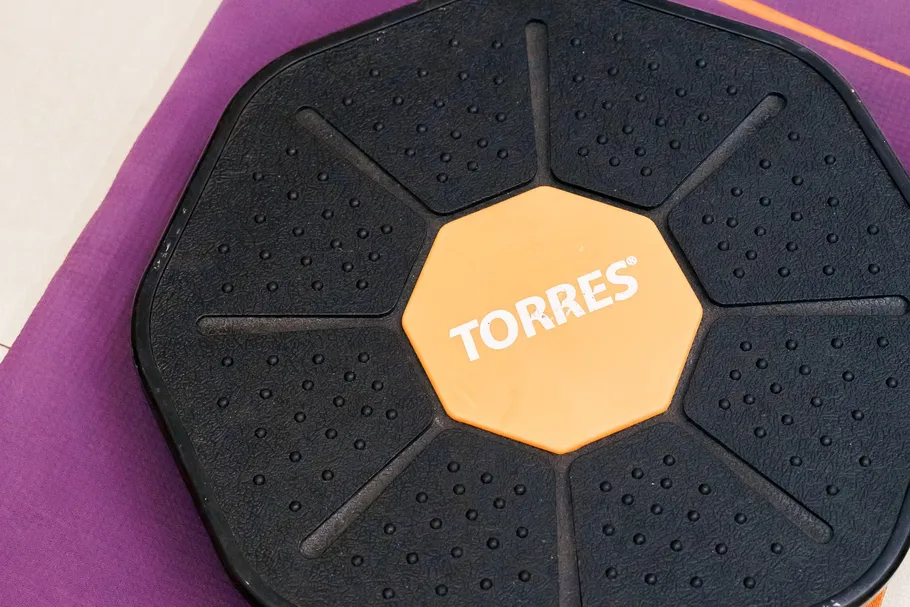
Pick the type by the shape of the work. A half-dome is a flat platform with an inflated dome, and it works both sides — dome up for balance, platform up for push-ups and planks.
A wobble cushion is a small disc that sits under one foot, and it trains the ankle only — it is not a half-dome, and it cannot hold two feet.
A balance board is a flat, rigid deck that rocks on a roller or a pivot, and it trains the same balance with a harder surface — it is not a half-dome either, and the board guide is the deeper dive.
And a full exercise ball is a sphere that rolls in every direction, while a half-dome has a flat base that stays put — so the dome is the stable cousin of the ball, not the same tool.
The mini domes are a type of their own: the Balance Pods are 6.5-inch domes for hands and feet, and they train one hand or one foot at a time — a full-size dome trains the whole body at once.
Choose Your Size
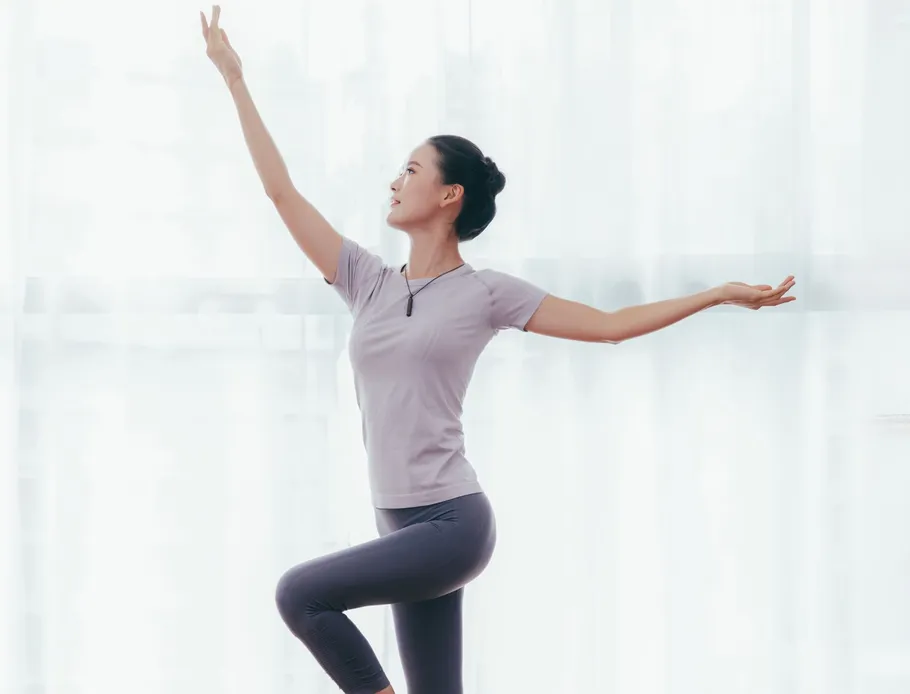
Pick the size by the floor you have and the feet you stand on. A 65 cm dome needs about two feet of floor in every direction, and a 50 cm dome needs about one and a half.
The 65 cm dome fits two feet side by side with room to spare, and it fits a sit, a squat and a plank — so it is the size for most home gyms.
The 50 cm Sport fits one foot at a time for standing work, and it fits in a bag for the park — so it is the size for travel, not for a full stance.
And the Yes4All sits between the two at about 24 inches, which is about 61 cm — so it is near-full-size, and it fits the same floor as a 65 cm dome.
Measure the floor before ordering, not after — the dome is round, and a round tool in a square corner wastes the space around it.
Choose Your Features
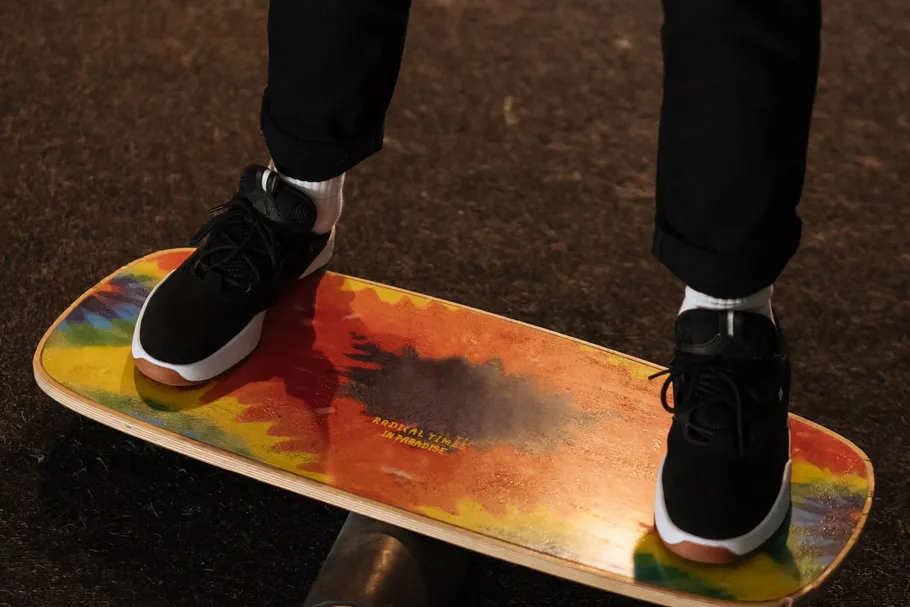
Pick the features by what you will touch every session. The dome comes first: smooth, textured quadrants, or dense and resistance-focused — and the feel underfoot is the feature you cannot change later.
The base comes second: the Pro’s rubberized base grips a hard floor, the Sport’s six non-skid feet grip a mat, and the NexGen Home’s six non-slip feet grip either — so check the feet on the listing, not from a photo.
The handles come third: the Sport’s recessed handles make it easy to carry, and the Yes4All’s recessed handles do the same — so a dome you carry needs handles, and a dome that stays home does not.
And the extras come fourth: the pump, the manual, the wall chart and the band all matter, because a dome without a pump is a dome you cannot use — so check the box contents on the listing.
Balance work pairs with core work, and the sliding discs are the other half of the core corner. Our best core sliders for home gyms covers the discs in full.
And check the small print on every feature before ordering: the grade where stated (the NexGen Home is not commercial grade), the warranty where stated (90 days to two years here), and the price where stated (every pick carries a conflict). The feature that disappoints is always the one nobody checked.
Choose Your Placement
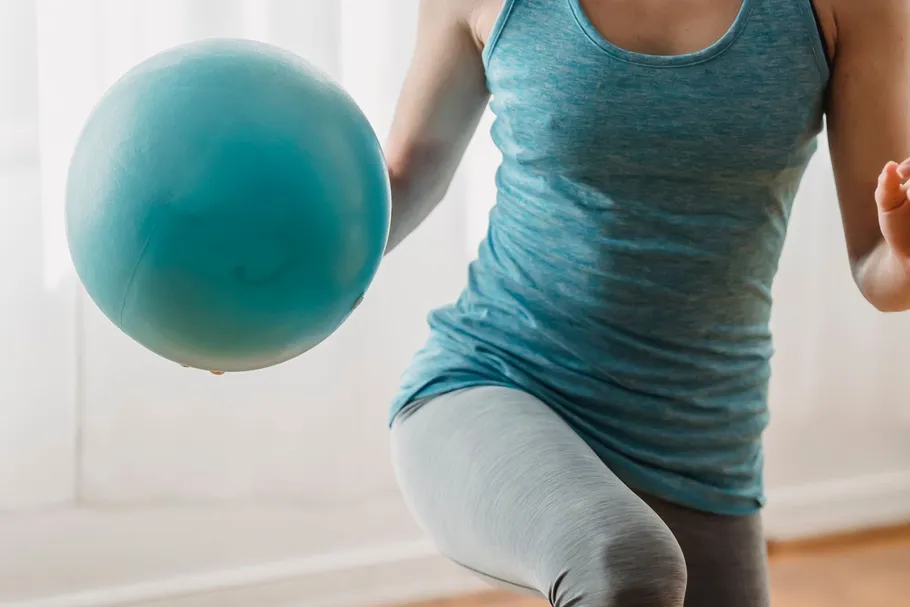
Pick the placement by where the balance work happens. A dome needs a clear floor in the room you train in, not a shelf: it sits where the session happens, and the work starts there.
And the test is whether it is out when the session starts. The dome that leans against the wall gets used every session; the dome that lives in a cupboard gets forgotten.
Put the dome where the floor is clear and the ceiling is high: a dome by the rack gets used every session, and a dome under a low shelf gets skipped.
Whatever spot you pick, keep the dome clear of the bar path and the floor clear of the cable — a dome that is blocked by the rack is a dome you will not stand on.
A dome shares its floor with a mat, and the mat is what the dome sits on. Our best ab mats for home gyms covers the mats in full — and a mat under the dome keeps the base from sliding on a hard floor.
Safety
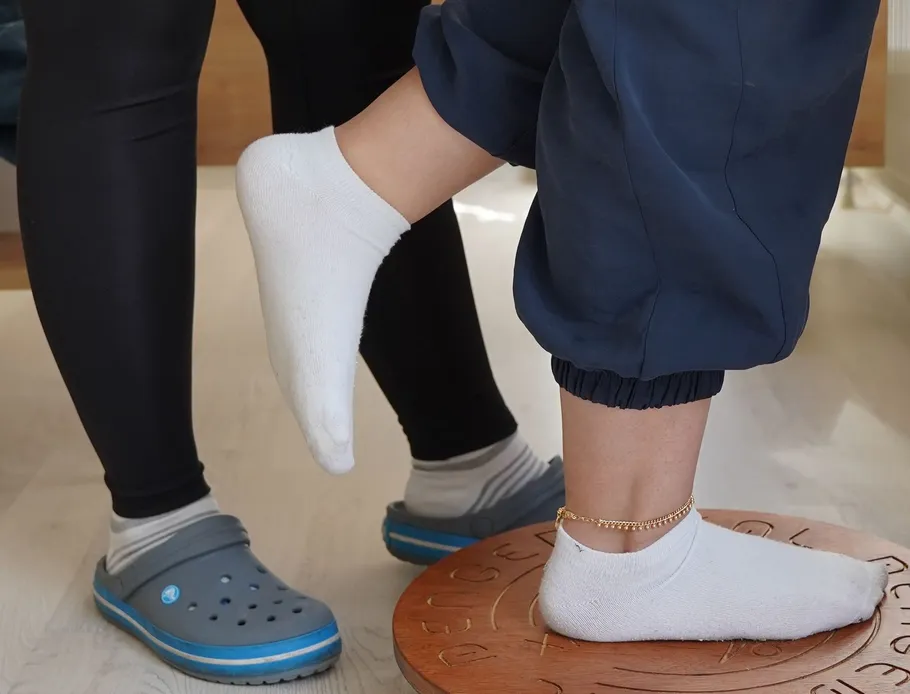
1. Inflate the dome to the maker’s height, not to the hardest feel: an over-inflated dome is a hard dome, and a hard dome is a dome that throws you off — so check the height, not the hardness.
2. Start on the floor, not on the dome: learn the move on a flat surface first, then move it onto the dome — a move you cannot do on the floor is a move you should not do on a dome.
3. Keep a wall or a rail within reach for the first sessions: the dome wobbles, and a hand on the wall is the difference between a wobble and a fall.
4. Wear shoes or grippy socks, and keep the dome clean: bare feet slip on a dusty dome, and a dusty dome slips on a hard floor — so wipe the dome and the floor before the session.
5. Stop on any sharp pain, dizziness or numbness: a wobble in the ankles is normal, a sharp pain in a joint is a stop signal — end the session, not the day, and do not push through it.
6. Keep children and pets clear of the dome while it is in use: the dome rolls, the platform flips, and no half-dome is a toy for a child or a pet.
7. A balance problem, a joint condition, or a condition that a fall could worsen is a clinician’s question: see a clinician before buying a dome to help it, and do not use any pick here as treatment for a balance, joint or other health condition.
This guide is general information only, not medical advice. BOSU balls are general fitness tools and are not intended to treat or cure any health condition. If you have a balance problem, a joint condition, or are recovering from surgery, talk to a clinician before using a dome.
Frequently Asked Questions
Will a BOSU ball fix my balance or my back?
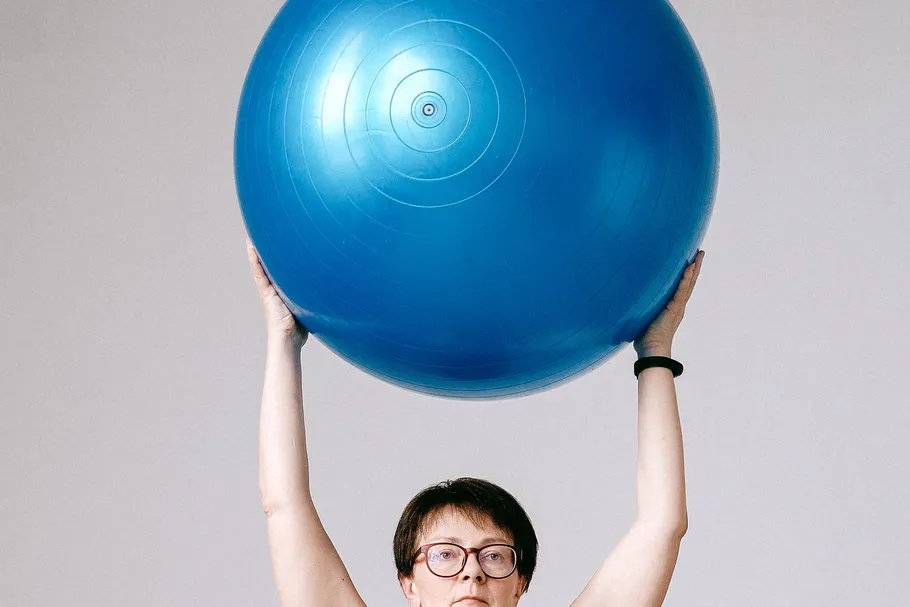
No — this guide makes no treatment claim for any pick here. A BOSU ball is a general fitness tool for healthy users, not a treatment for balance problems, back pain or any health condition.
A balance problem that keeps coming back, a back that is getting worse, or an injury that is not healing is a clinician’s question, not a shopping question. See a clinician first, and buy a dome only for general fitness, not for fixing.
Is a BOSU ball the same as an exercise ball?
No — and the shape is the difference. An exercise ball is a full sphere that rolls in every direction, while a BOSU ball is a half-dome with a flat base that stays put.
The ball is the tool for rolling and stretching, and the dome is the tool for standing and balancing — so the two are cousins, not twins.
Can I stand on the dome with weights?
Yes, with care — and the limit is the first check. The Elite holds 450 lb, the Pro holds 350 lb, and the Home holds 300 lb, so the limit sets the load, not the ambition.
Start without weights, add them slowly, and keep a wall within reach — a dome with a barbell is a dome that punishes a mistake.
How do I inflate the dome?
With the pump that ships in the box, to the maker’s stated height — the Home stands 8.5 inches high when inflated, per the maker’s own page, and the Sport stands 7 to 8 inches.
Do not over-inflate: a dome that is too hard is a dome that throws you off, and a dome that is too soft is a dome that bottoms out.
Does the dome replace a balance board?
No — and the surface is the difference. A board is a flat, rigid deck that rocks on a roller, while a dome is soft and inflated, so the two train balance in different ways.
A home gym can hold both, and the board guide is the deeper dive on boards — the dome is the soft tool, and the board is the hard one.
What goes under the dome?
A floor that protects both the dome and the room. Hard floors want a mat or tiles under a training area so a dropped weight does not crack the floor, and a rubber floor still wants a mat so the dome’s base does not slip.
Our best gym flooring for home gyms covers mats and tiles by room type in full. Whatever you put down, check it after the first week: a mat that has shifted has already told you the base is wrong.
Our Pick: Start Here
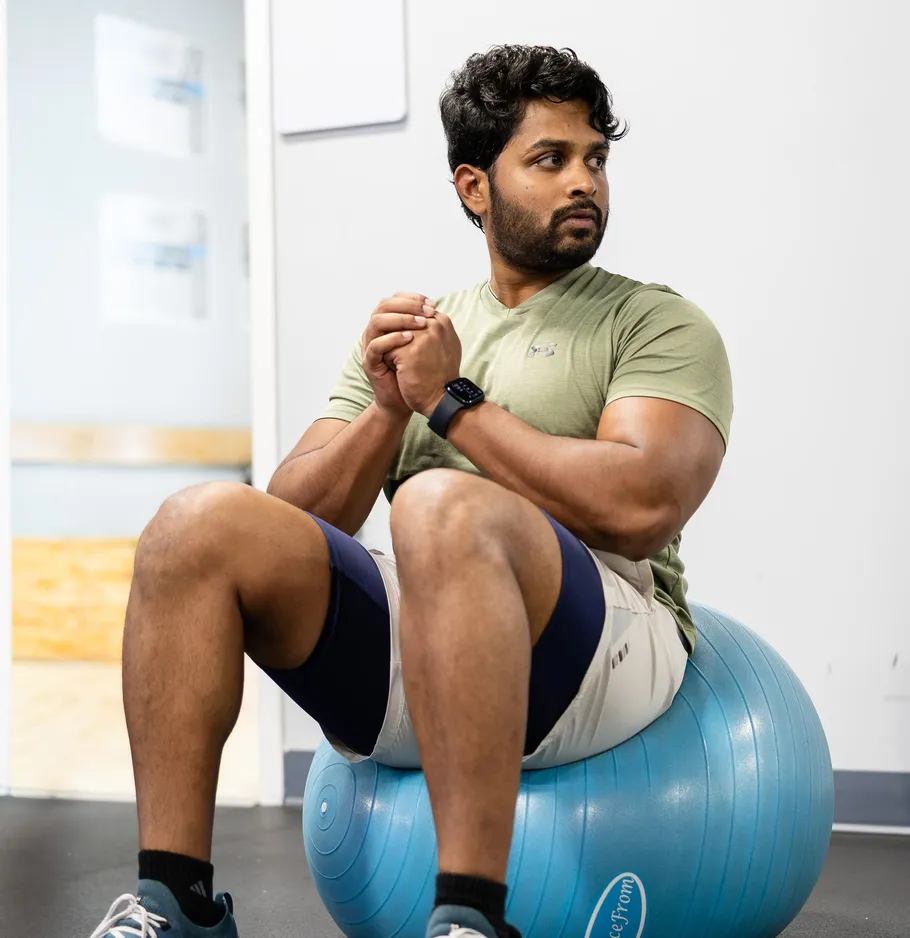
Start with the BOSU Home Balance Trainer if you want the classic half-dome — 65 cm, 300 lb, and the home price.
Start with the BOSU Pro Balance Trainer if you want the commercial dome — 65 cm, 350 lb, and a base that grips — and the BOSU Sport Balance Trainer if you want the small dome that travels.
Start with the BOSU NexGen Home Balance Trainer if you want the textured dome — 65 cm, 300 lb, and quadrants underfoot — and the BOSU Elite if you want the premium dome for resistance work.
Start with the Yes4All Half Ball Balance Trainer if you want the budget half-dome — about 24 inches, with a band and a Pilates ball in the box.
Whichever you start with, check the listing’s own diameter, limit, base and price before ordering — the conflicts in this guide are the reason, not the excuse.
Disclosure: As an Amazon Associate, we earn from qualifying purchases made through links in this guide, at no extra cost to you.
Specs in this guide come from maker and listing records checked during research; where records conflict, the conflict is printed in the guide rather than resolved by picking one figure.