

Why an Ab Mat Belongs in a Home Gym
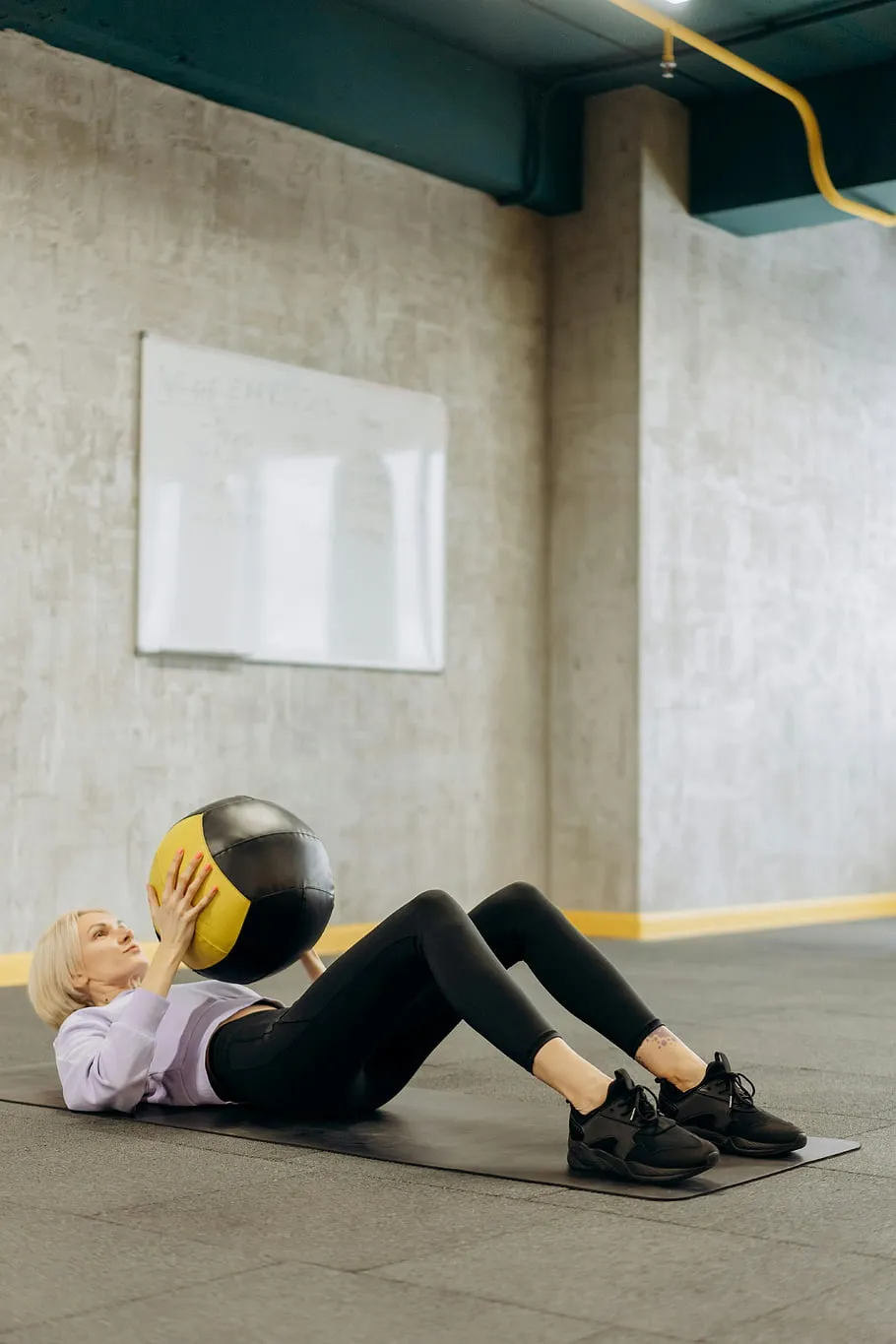
An ab mat is a curved foam pad that sits under your lower back during sit-ups. The curve fills the natural arch of the spine, so the abs work through a longer range of motion than a flat floor allows — stretching back over the curve at the bottom, then crunching up through the full contraction at the top.
For a home gym, the appeal is simple. One small pad, no assembly, no floor space to give up permanently, turns bodyweight sit-ups from a flat-floor grind into a movement with real range. It will not build visible abs on its own — that still comes down to training and diet — but it makes the sit-up itself a better exercise, and that difference shows up in every core session.
If core work is the gap in your home gym, an ab mat sits well alongside our sissy squat machines guide — a small, cheap pad for floor core work next to a small, focused frame for quad work.
How We Picked
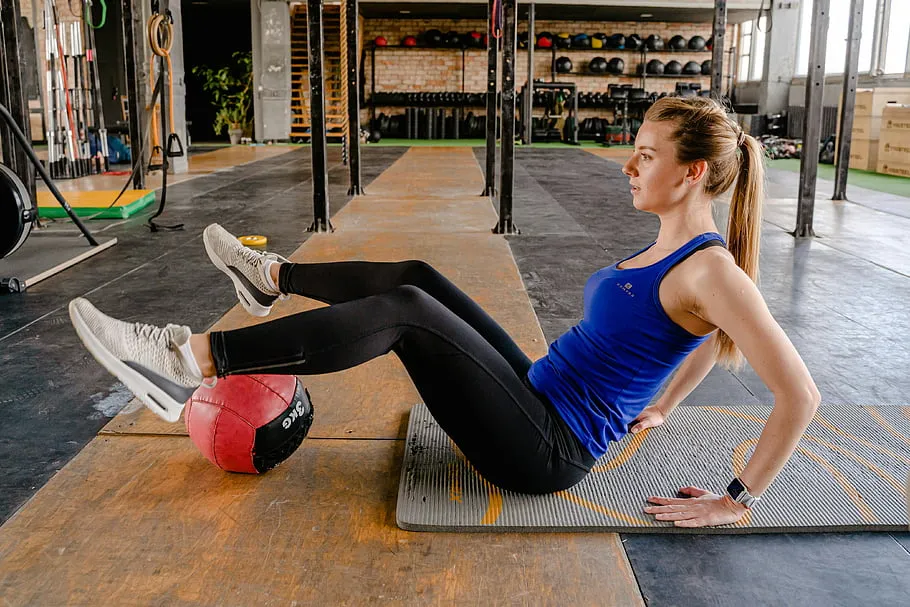
We scored each mat on the details that decide whether it actually gets trained on, not on brand name alone. A mat that does not support your lower back, fit your room or stay put on your floor is a bad buy at any thickness, and a dimension figure that no record agrees on is not a figure at all.
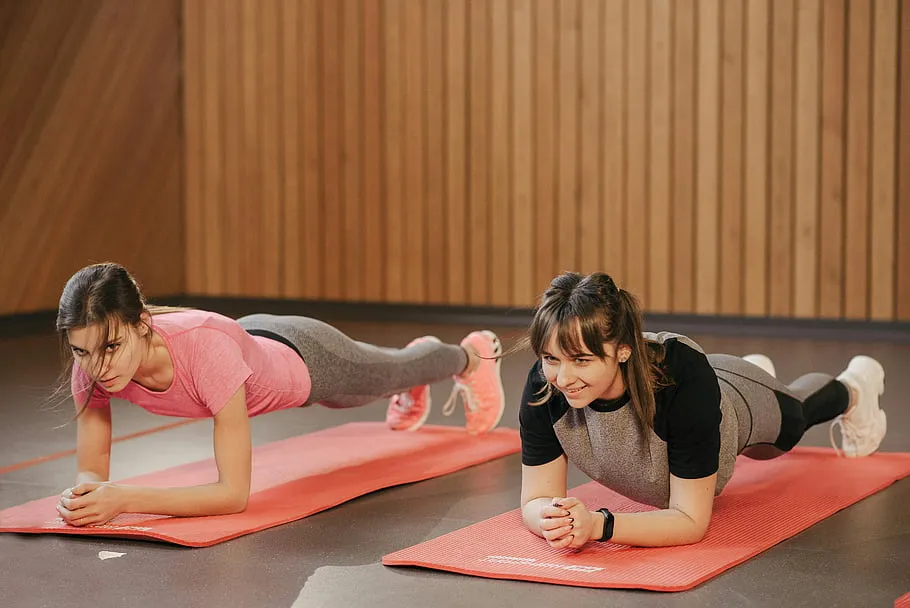
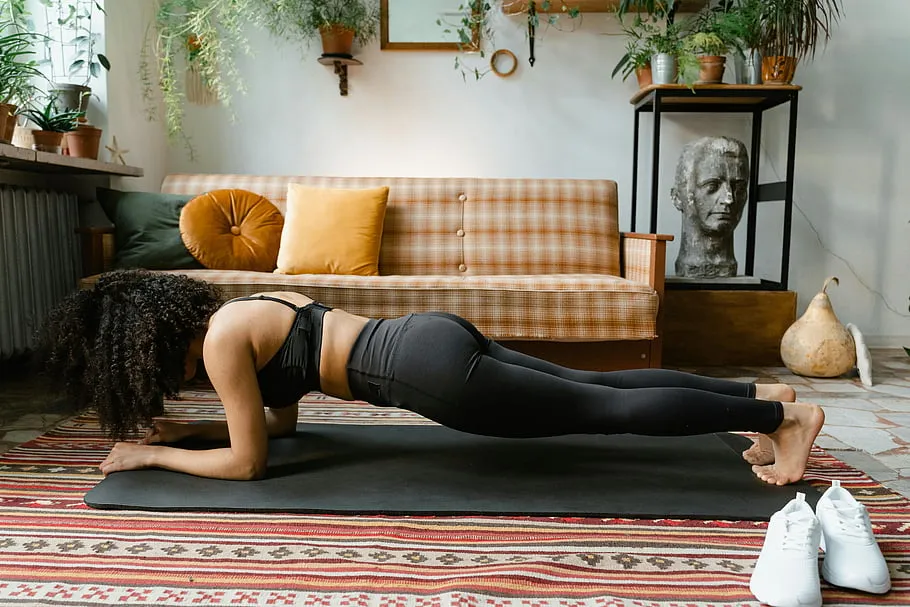
One limit applies to every photo in this guide: no free-license photo of any of the six named ab mats exists, so every figure is an honest generic scene — people doing sit-ups, crunches, planks and stretches on mats, gym interiors and home workouts — captioned as what it actually shows, never presented as a product shot.
- Curve and thickness, and whether the height figure is settled or disputed across records
- Foam and cover, and whether the surface grips, wipes clean and holds its shape
- Footprint, and whether the dimensions are settled or disputed across records
- Unit weight and portability, and whether a weight figure is stated at all
- Tailbone or standard shape, and whether the extension is worth it for your back
- Honest availability, with conflicting figures stated as conflicts, not resolved by guesswork
Rogue AbMat was also considered and set aside — it is the same Original mat sold through Rogue, not a separate pick. Fringe Sport AbMat and SPRI Abdominal Mat were considered and set aside for a tighter six, the AbMat Ab Bench Pad was set aside because it is a bench attachment, a different category, and the Yes4All standard no-tailbone version was set aside to avoid doubling a brand already picked. Our gym flooring and medicine balls guides cover the floor under your mat and the closest weighted cousin to sit-up work.
Comparison
| Mat | Best for | Size | Weight | Standout |
|---|---|---|---|---|
| AbMat Original | Classic curved sit-up mat | 15×12 in (disputed) | 2.2–3 lb (disputed) | The original 1997 design, made in USA |
| Dynamax AbMat | Smallest footprint, antibacterial foam | 14.5×11.75 in | Not stated | Single-mold closed-cell foam, integral skin |
| Eleiko Exceed AbMat | Tallest settled height | 14.57×11.81 in | 1.48 lb | Synthetic-leather cover, anti-slip bottom |
| Yes4All Abdominal Exercise Pad, Tailbone version | Tailbone support, folds away | 15×12 in (disputed) | 1.76 lb | Foldable, tailbone extension, arched shape |
| ProsourceFit Abdominal AB Mat | Joint-lightest, soft cover | 15×12 in | 1 lb | Soft PU leather, curved 2.5 in height |
| Rage Fitness Abdominal Mat CF-AB003 | Joint-lightest, workouts included | 14.75×11.5 in | 1 lb | Compact footprint, workouts included |
Read the Size and Weight columns with care, because three of their cells carry a dispute, not a plain figure, and one carries no figure at all. The AbMat Original Size cell reads 15×12 in on the maker’s figure, while the Rogue record reads 14.5×11.75 in, so the maker’s figure is shown and the dispute is stated, not resolved. The Yes4All Size cell reads 15×12 in, but its records mix folded and open figures, so the footprint is disputed and the common figure is shown. The AbMat Original Weight cell reads 2.2–3 lb because records disagree — 2.2 lb on one record, 3 lb on another — so a range is shown, not a settled figure. The Dynamax Weight cell reads Not stated because no record checked states a unit weight for it — it is left out of the weight ranking, not guessed at zero. Thickness is not a table column: heights are stated in each pick’s section and in the paragraph below, because the Rage thickness records conflict and a column would hide that.
On height, the tallest settled figure is the Eleiko at 2.76 in, and the Rage is left out of the height ranking entirely because its thickness records conflict at 1.5 in against 2.75 in. On footprint, the smallest settled figure is the Dynamax at 14.5×11.75 in, a hair under the Eleiko’s 14.57×11.81 in, and the largest footprint is a 15×12 in tie between the AbMat Original’s maker figure and the ProsourceFit, while the Yes4All is excluded from any settled footprint claim because its records conflict. On weight, the lightest settled figure is a 1 lb tie between the ProsourceFit and the Rage, and the heaviest recorded weight is the AbMat Original’s 2.2–3 lb range, stated as a conflict, so no single heaviest settled figure is declared.
AbMat Original (The Original AbMat)
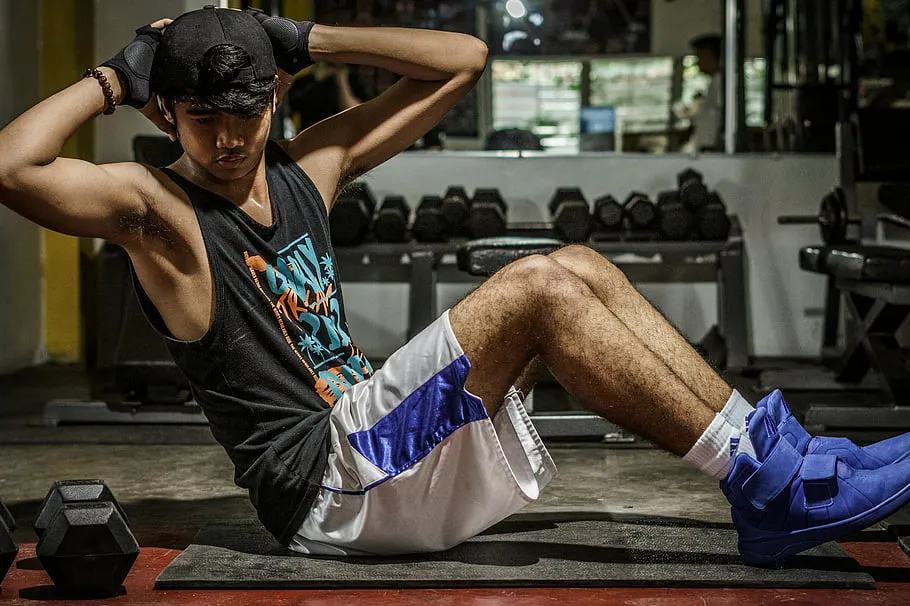
The AbMat Original is the classic pick. A one-piece molded foam pad with a vinyl-style skin, a textured top, a non-skid back, made in USA, and a design that dates to 1997, from inventor Fred Koch.
That one-piece build is the practical point. No cover to slip, no seams to split, a textured top for grip and a non-skid back to hold the floor — the mat stays where you put it while you stretch back over the curve. For a lifter who wants the original shape of the category, with nothing extra attached, this is the default.
Two flags must be stated plainly. First, the dimensions conflict: the maker, Power Systems and EliteFTS records read 15×12×2.5 in, while the Rogue record reads 14.5×11.75×2.75 in, so no single size is stated as settled. Second, the weight conflicts too — 2.2 lb on one record, 3 lb on another — so the heaviest recorded weight in this guide is a range, not a settled figure.
✅ Pros
- The original 1997 curved design, made in USA
- One-piece molded foam, no cover to slip
- Textured top and non-skid back hold position
⚠️ Cons
- Dimensions conflict across records, nothing settled
- Heaviest recorded weight, and the weight itself is disputed
- Standard shape only, no tailbone extension
Listing check: no confident listing code was found for this mat, so the link above is a tagged search — confirm the version, the dimensions and the weight on the listing before ordering.
Best for: lifters who want the original one-piece curved mat with a textured, non-skid build.
May not fit: buyers who need settled dimensions, a stated weight, or a tailbone extension.
Dynamax AbMat
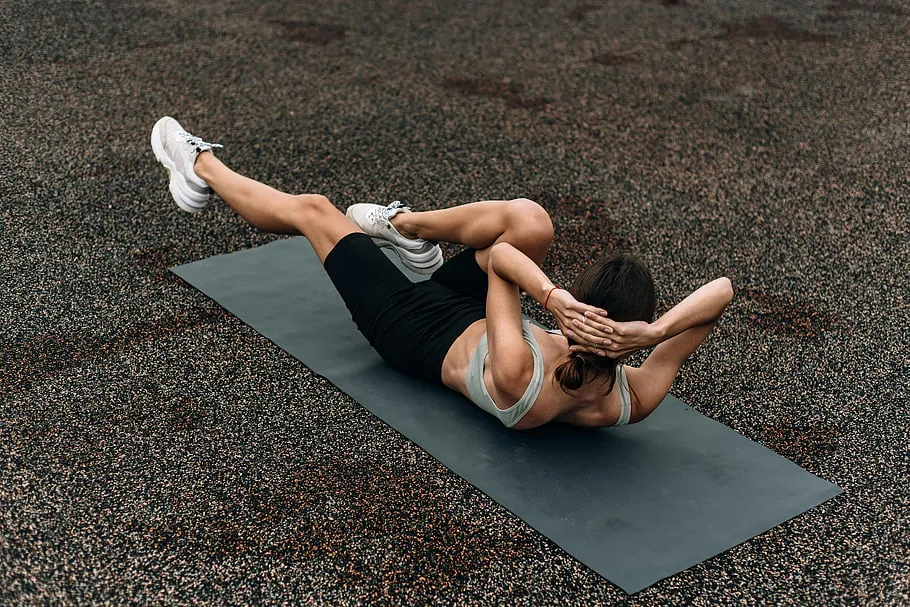
The Dynamax AbMat is the compact pick. A 14.5×11.75×2.75 in pad, single-mold closed-cell foam, antibacterial, an integral skin, made in USA, and one size fits all.
That single-mold build is the practical point. Closed-cell foam with an integral skin means no separate cover to bunch or absorb sweat, and the antibacterial property suits a mat that gets daily use. At 14.5×11.75 in it is also the smallest settled footprint here, so it fits the tightest corner of a home gym.
Two flags must be stated plainly. First, no record checked states a unit weight for it, so it sits outside the weight ranking entirely. Second, one size fits all means no larger or smaller option if the footprint does not suit you.
✅ Pros
- Smallest settled footprint in this guide
- Single-mold closed-cell foam, antibacterial
- Integral skin, no cover to slip or absorb sweat
⚠️ Cons
- Unit weight not stated in any record checked
- One size only, no larger or smaller option
- Standard shape only, no tailbone version
Listing check: no confident listing code was found for this mat, so the link above is a tagged search — confirm the version, the dimensions and the weight on the listing before ordering.
Best for: lifters who want the smallest settled footprint with an easy-clean antibacterial foam.
May not fit: buyers who need a stated weight, a choice of sizes, or a tailbone extension.
Eleiko Exceed AbMat
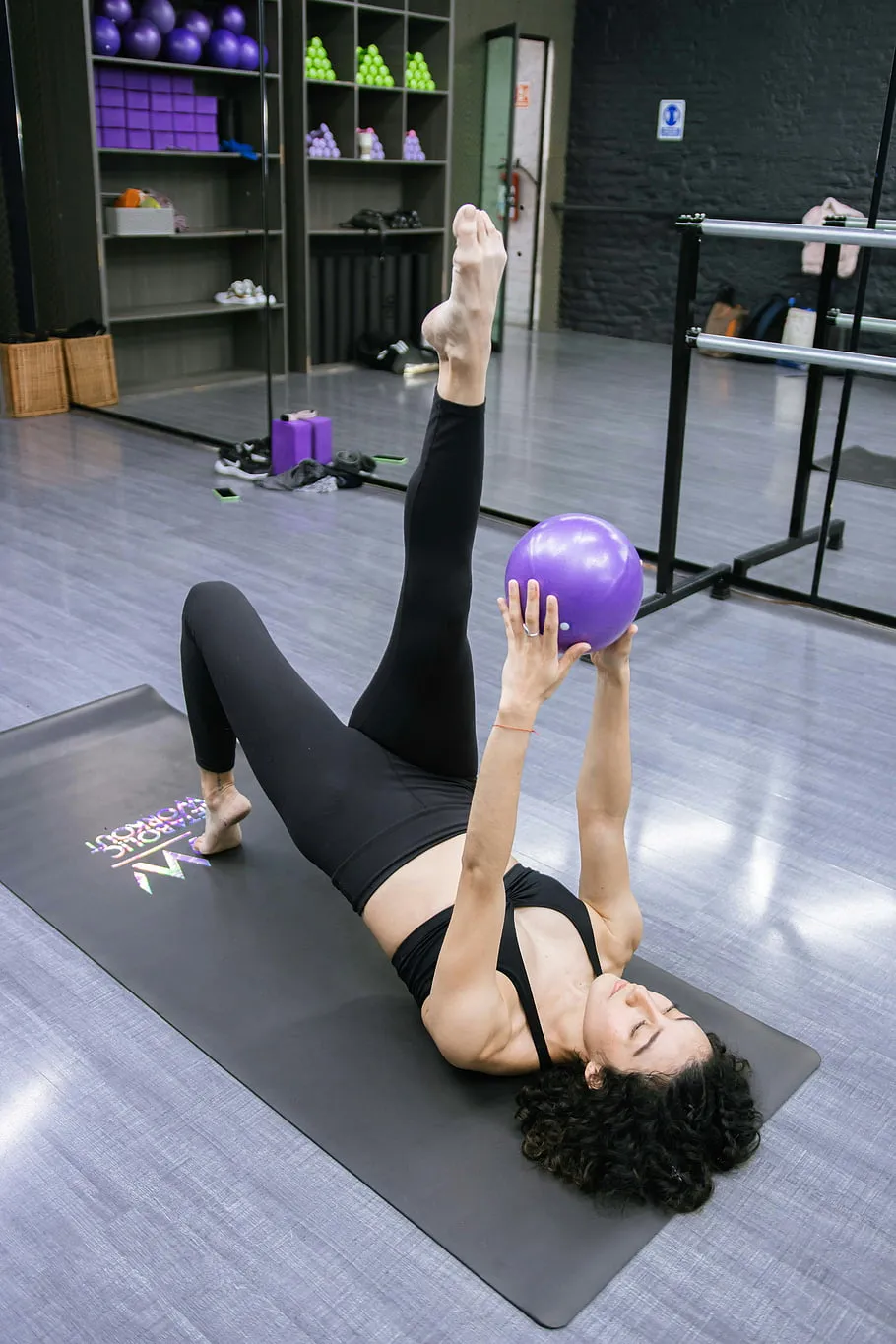
The Eleiko Exceed AbMat is the tallest pick. A 370×300×70 mm pad — 14.57×11.81×2.76 in — a 0.67 kg unit weight, 1.48 lb, a synthetic-leather cover, and an anti-slip bottom.
That height is the practical point. At 2.76 in it is the tallest settled height in this guide, so it fills the lower-back arch more than any other settled mat here, and at 1.48 lb it stays light enough to move and store easily. The anti-slip bottom keeps it planted on smooth floors.
Two flags must be stated plainly. First, the synthetic-leather cover is a separate surface, not a single-mold skin, so it needs wiping down after sweaty sessions rather than a quick rinse. Second, it is a standard shape only, with no tailbone extension.
✅ Pros
- Tallest settled height in this guide, 2.76 in
- Light at 1.48 lb, easy to move and store
- Anti-slip bottom holds smooth floors
⚠️ Cons
- Cover needs wiping down, not a single-mold skin
- Standard shape only, no tailbone extension
- One size only, no larger or smaller option
Listing check: no confident listing code was found for this mat, so the link above is a tagged search — confirm the version, the dimensions and the weight on the listing before ordering.
Best for: lifters who want the most lower-back fill from the tallest settled mat, with a light, grippy build.
May not fit: buyers who want a single-mold foam mat or a tailbone extension.
Yes4All Abdominal Exercise Pad, Tailbone version
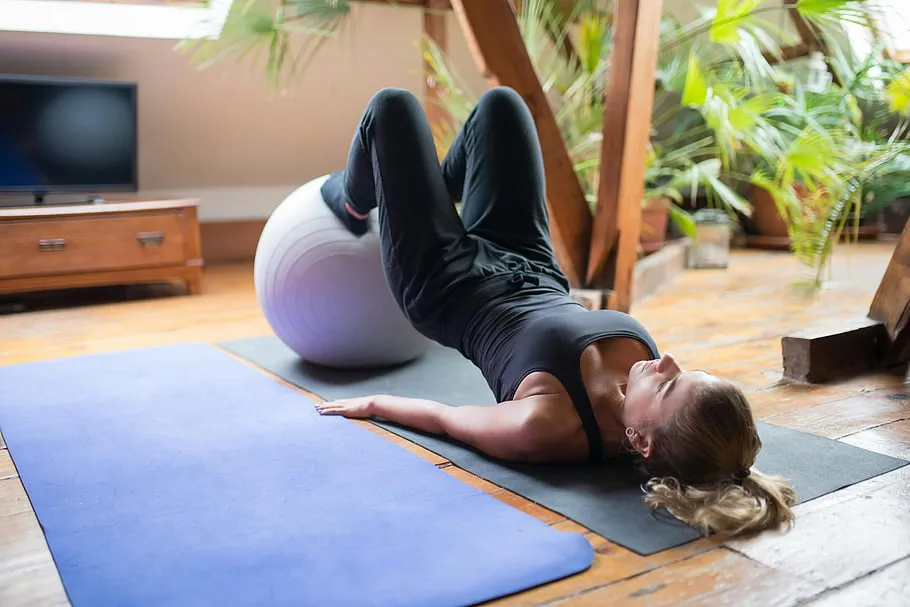
The Yes4All Abdominal Exercise Pad, Tailbone version, is the tailbone pick. A foldable pad with a tailbone extension, a high-density foam core, non-slip PVC leather, an arched design for a full range of motion, and a weight of about 1.76 lb.
That tailbone extension is the practical point. Where standard mats end at the lower back, this one extends support under the tailbone, which suits lifters whose lower back wants support further down the spine. It also folds, so it stores flatter than a fixed one-piece curve.
Two flags must be stated plainly. First, the dimension records conflict — folded and open figures are mixed across listings — so the footprint is shown as disputed, not settled. Second, the PVC leather surface is a cover material, not a single-mold skin, so it feels different from the molded-foam picks here.
✅ Pros
- Tailbone extension supports past the standard curve
- Folds for flatter storage
- Arched shape for a full range of motion
⚠️ Cons
- Dimension records conflict, folded vs open figures
- PVC leather cover, not single-mold foam
- Standard version sold separately — check you pick the tailbone one
Listing check: no confident listing code was found for this mat, so the link above is a tagged search — confirm the tailbone version, the dimensions and the weight on the listing before ordering.
Best for: lifters who want tailbone support plus a pad that folds away.
May not fit: buyers who need settled dimensions or a single-mold foam feel.
ProsourceFit Abdominal AB Mat
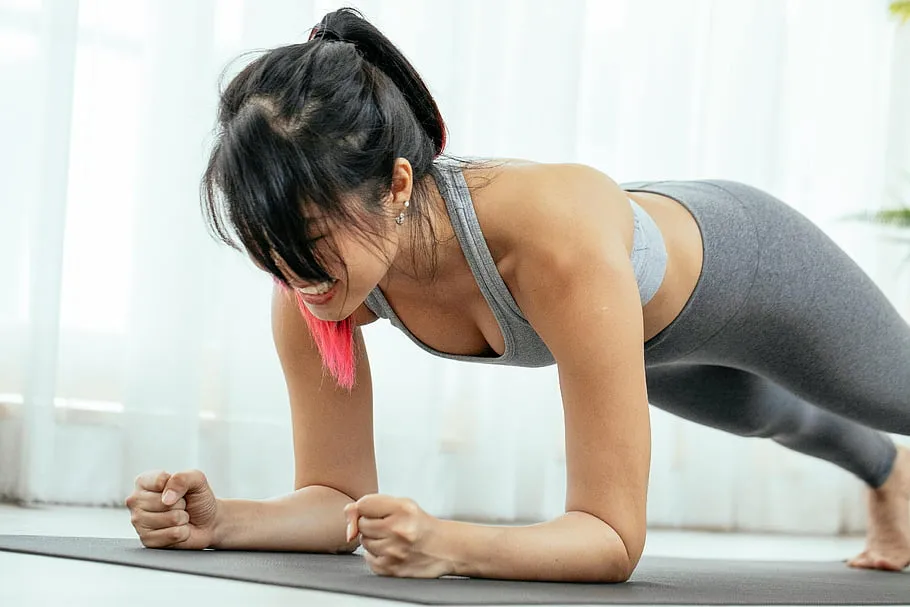
The ProsourceFit Abdominal AB Mat is the light soft-cover pick. A 15×12×2.5 in pad, 16 oz, 1 lb, soft PU leather plus EPE foam, and a curved 2.5 in height.
That weight is the practical point. At 1 lb it ties the Rage as the joint-lightest settled weight here, so it moves between rooms and into storage with no effort, while the soft PU leather surface is gentle on skin and easy to wipe down.
Two flags must be stated plainly. First, at 2.5 in it sits below the Eleiko’s tallest settled height, so lifters who want the most lower-back fill should look there instead. Second, it is a standard shape only, with no tailbone extension, and no non-slip base is stated in the records checked.
✅ Pros
- Joint-lightest settled weight, 1 lb
- Soft PU leather surface, easy to wipe down
- Settled 15×12 in footprint, no dimension dispute
⚠️ Cons
- 2.5 in height sits below the tallest settled mat
- Standard shape only, no tailbone extension
- No non-slip base stated in the records checked
Listing check: no confident listing code was found for this mat, so the link above is a tagged search — confirm the version, the dimensions and the weight on the listing before ordering.
Best for: lifters who want the lightest mat with a soft, easy-clean cover.
May not fit: buyers who want the tallest curve, a tailbone extension, or a stated non-slip base.
Rage Fitness Abdominal Mat CF-AB003
The Rage Fitness Abdominal Mat CF-AB003 is the compact value pick. A foam pad, 14.75×11.5 in, 1 lb, and workouts included.
That combination is the practical point. At 1 lb it ties the ProsourceFit as the joint-lightest settled weight here, the footprint is compact, and the included workouts give a beginner a starting routine without hunting for one elsewhere.
Two flags must be stated plainly. First, the thickness conflicts across records — 1.5 in against 2.75 in — so the Rage is left out of the height ranking entirely, and the thinner record, if true, would make it the shallowest mat here. Second, it is a standard shape only, with no tailbone extension.
✅ Pros
- Joint-lightest settled weight, 1 lb
- Compact 14.75×11.5 in footprint
- Workouts included for beginners
⚠️ Cons
- Thickness conflicts across records, 1.5 in vs 2.75 in
- Standard shape only, no tailbone extension
- Thinner record, if true, would be the shallowest here
Listing check: no confident listing code was found for this mat, so the link above is a tagged search — confirm the version, the thickness and the weight on the listing before ordering.
Best for: lifters who want a light, compact mat with a starter routine included.
May not fit: buyers who need a settled thickness or a tailbone extension.
How to Choose
Choosing an ab mat comes down to four questions: how much curve your lower back wants, what foam and cover suit your cleaning habit, how much floor space you have, and whether your tailbone needs support past the standard curve. Answer those four and the six above sort themselves quickly.
Curve and Thickness
The curve is the whole point of the mat, and thickness sets how much of it you feel. A taller curve fills a deeper lower-back arch and stretches the abs further at the bottom of each sit-up, while a shallower curve suits lifters who want support without a deep stretch.
Among settled figures, the Eleiko leads at 2.76 in, the Dynamax sits at 2.75 in, and the AbMat Original and ProsourceFit sit at 2.5 in on their maker figures. The Rage is left out of this ranking because its thickness records conflict. If your back wants the most fill, start at the top of that settled list; if it wants a gentler curve, start at the bottom.
Foam and Cover
Foam decides how the mat feels and holds up, and the cover decides how you clean it. Single-mold closed-cell foam, as on the Dynamax, has no separate cover to bunch or absorb sweat, and its antibacterial property suits daily use.
Molded foam with a vinyl-style skin, as on the AbMat Original, gives a textured, grippy top with a non-skid back. Synthetic leather, as on the Eleiko, and soft PU leather, as on the ProsourceFit, wipe down easily but are separate surfaces that need a wipe after sweaty sessions. Non-slip PVC leather, as on the Yes4All, grips well but feels different from molded foam. Pick the cleaning habit you will actually keep.
Size and Storage
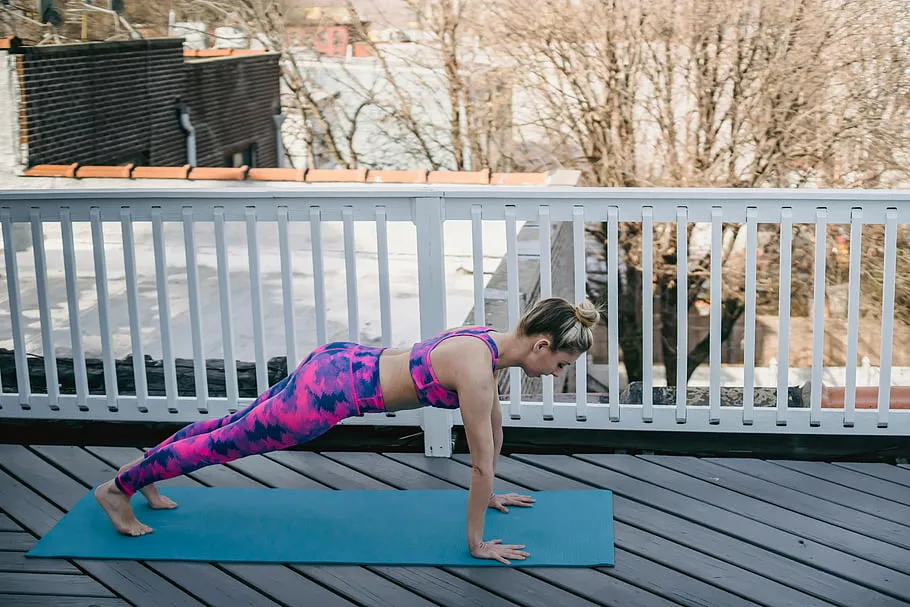
Footprints here run from the Dynamax at 14.5×11.75 in to the 15×12 in tie of the AbMat Original’s maker figure and the ProsourceFit — a small spread, but it matters in a tight corner. Measure the spot where you will actually train, not the room in general.
For storage, the Yes4All folds, the rest roll or stack, and every pick here is light enough to lean against a wall — the heaviest recorded weight is the AbMat Original’s 2.2–3 lb range. If the mat must disappear between sessions, the folding Yes4All or the smallest-footprint Dynamax make that easiest.
Tailbone or Standard
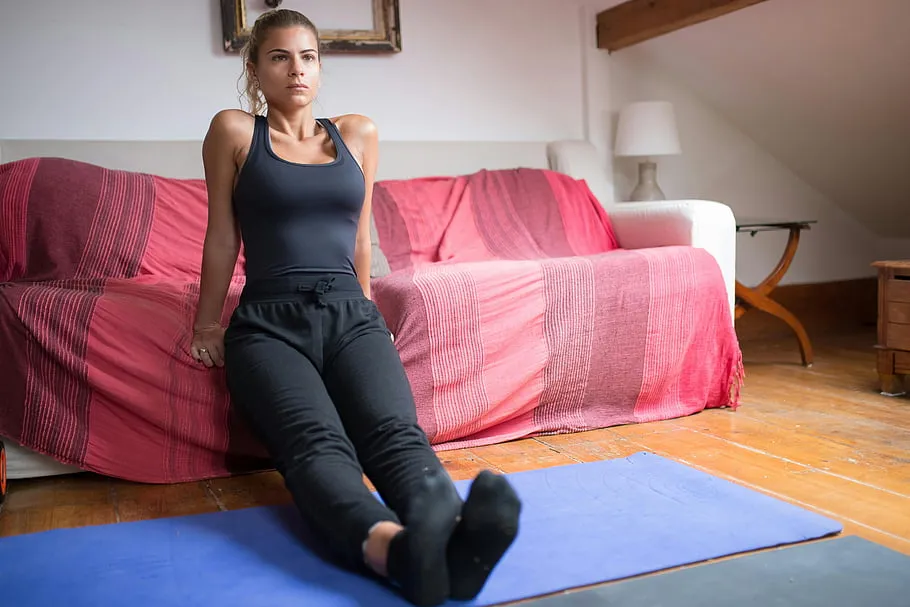
A standard mat ends at the lower back. A tailbone version extends the pad further down the spine, under the tailbone itself, which suits lifters whose discomfort sits lower than the usual arch — or who simply want support through a longer stretch at the bottom of each sit-up.
Only the Yes4All pick here carries a tailbone extension, so the choice is simple: standard if the usual curve already feels right, tailbone if your lower back wants support further down. If floor sit-ups stop working for you entirely, the hanging alternative skips the floor altogether — our hanging ab straps guide covers straps that hang from a pull-up bar for knee and leg raises.
Safety

Ab-mat work is gentle on paper and hard on the lower back in practice, so treat the setup with care. Wrist support matters less here than on bars, but the same care applies — our wrist wraps guide covers support for the heavy barbell work that usually sits next to core sessions.
1. Start with a partial range — do not stretch fully back over the curve on your first sets.
2. Keep your lower back in contact with the curve through the whole rep, never letting it gap or arch off the mat.
3. Anchor your feet under something solid, or have a partner hold them, before you lean back.
4. Stop at once on sharp lower-back pain — dull effort is normal, sharp pain is not.
5. Put the mat on a non-slip surface, and check it has not slid before each set.
6. Breathe out on the effort of each crunch, and never hold your breath through a set.
7. Stretch your hip flexors and lower back after the session, not only before it.
Ab-mat training is general fitness information, not medical advice. Stop and seek professional advice if you feel sharp lower-back pain, dizziness or shortness of breath, or if you have a back condition.
Frequently Asked Questions
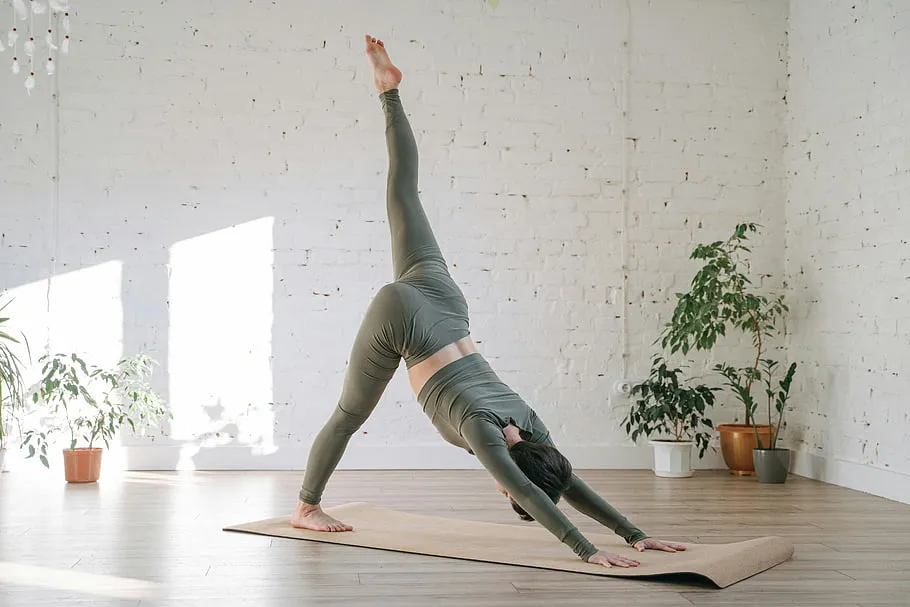
What does an ab mat actually do?
It fills the arch of your lower back during sit-ups, so your abs stretch further at the bottom and contract harder at the top than a flat floor allows. It improves the sit-up; it does not build visible abs on its own.
Do I need an ab mat for sit-ups?
No — sit-ups work on a flat floor too. A mat is worth it if flat-floor sit-ups hurt your lower back or feel too short in range, because the curve fixes both problems at once.
Tailbone or standard?
Standard if the usual curve already feels right. Tailbone if your discomfort sits lower than the usual arch, or you want support through a longer stretch — only the Yes4All pick here carries the extension.
How thick should an ab mat be?
Among settled figures, 2.5 in is the common height, 2.75 in is the Dynamax, and 2.76 in is the Eleiko, the tallest settled mat here. Taller means more lower-back fill; shallower means a gentler stretch. Avoid any mat whose thickness records conflict until the seller confirms the figure.
Can I use an ab mat on any floor?
Yes, as long as the surface grips — use a non-slip mat base or a grippy floor, and check the mat has not slid before each set. Smooth, dusty floors are the ones that let a mat travel.
What should I pair with an ab mat?
Recovery tools, because hard sit-up sessions tighten the hip flexors and lower back. After a session, easy stretching plus a roller session helps more than another set — our foam rollers guide covers the tools for that.
Our Pick: Start Here
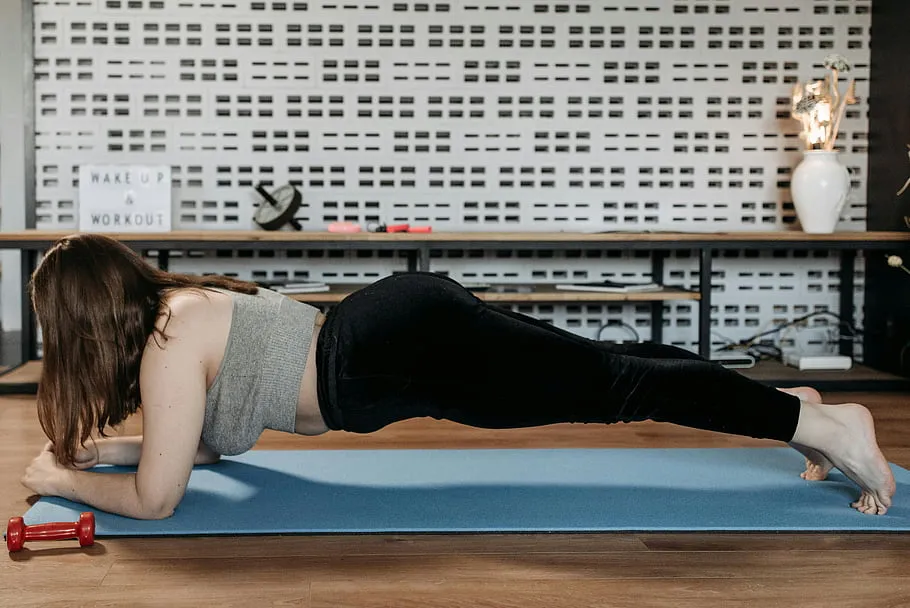
Start with the AbMat Original if you want the classic one-piece curved mat — the 1997 design, textured top and non-skid back. Choose the Dynamax AbMat if you need the smallest settled footprint with easy-clean antibacterial foam, and step to the Yes4All Abdominal Exercise Pad, Tailbone version only when tailbone support and a folding pad matter more than settled dimensions.
As an Amazon Associate, this site earns from qualifying purchases made through links in this article, at no extra cost to you.
Product details are based on manufacturer and retailer research at the time of writing, and specifications may change — confirm weights, dimensions, capacities and warranties with the seller before ordering.