

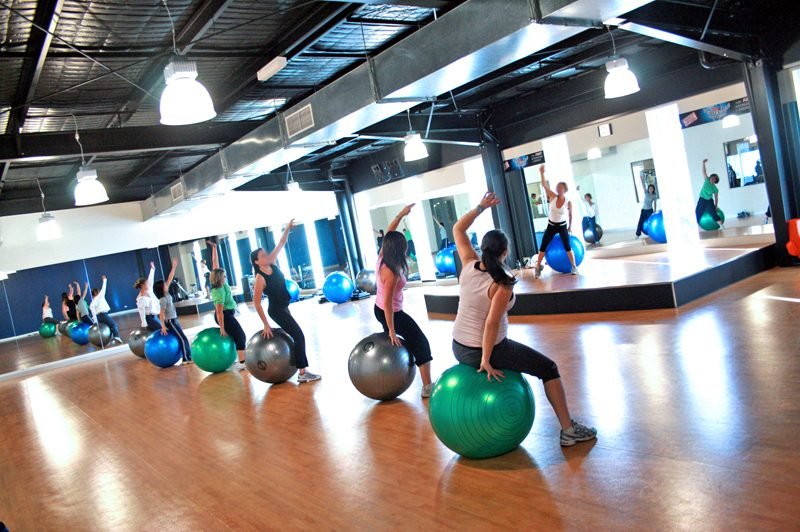
An exercise ball — also called a stability ball or Swiss ball — is a large inflatable ball you sit, lie or lean on while you train. 🏐 It makes ordinary moves harder by wobbling underneath you, so your core works to keep you steady.
It does not replace strength training, and it does not fix a bad back on its own. What it does well is add cheap, space-light core, balance and stretching work to a home gym, and double as an active seat for short spells at a desk.
This guide compares six balls that are genuinely sold for home use, with their sizes, surfaces and stated weight limits checked against listing records and roundups. Our earlier guides cover the rest of the kit: yoga wheels and yoga mats for practice, and the bolsters guide for supported rest.
How We Picked These Exercise Balls
We picked balls with a clear size range, a stated surface material, and a listing we could actually check. Roundups consulted include BarBend and Men’s Fitness, plus Amazon listing records for the six picks below.
Four of the six picks carry a dated listing record, between about 179 and 246 days old at the time of writing. The other two — Trideer and THERABAND — are sourced from price-tracking records with no day-number listing age, so they sit outside that range and are flagged as such in their sections.
No hands-on testing is claimed here. This is a research-based guide: sizes, materials and limits come from makers and roundups, and every pick carries a warning to confirm the current offer before buying.
Quick Comparison
| Ball | Size | Surface | Weight limit | Standout |
|---|---|---|---|---|
| Trideer Exercise Ball | 45–85 cm | Frosted PVC, anti-slip | 330 lb | Quick pump included |
| URBNFit Exercise Ball | 45–85 cm | Anti-burst PVC | 600 lb | Five sizes, quick pump |
| THERABAND Standard | 45–85 cm | Ribbed vinyl | 600 lb static | Colour-coded sizes |
| Retrospec Luna | 65 cm | Anti-burst PVC | 1,000 lb claimed | Pump + base included |
| Amazon Basics Anti-Burst | 23–26 in | Anti-burst PVC | Not stated | Quick-inflate pump included |
| ProBody Pilates | 45–85 cm | Anti-burst PVC | 660 lb static, 330 lb daily | Nine colours |
Four of the six picks come in the full 45–85 cm size range, so most adults can find a fit. The other two differ: one 65 cm ball with a base, and one 23–26 inch ball sold by Amazon itself.
Trideer Exercise Ball
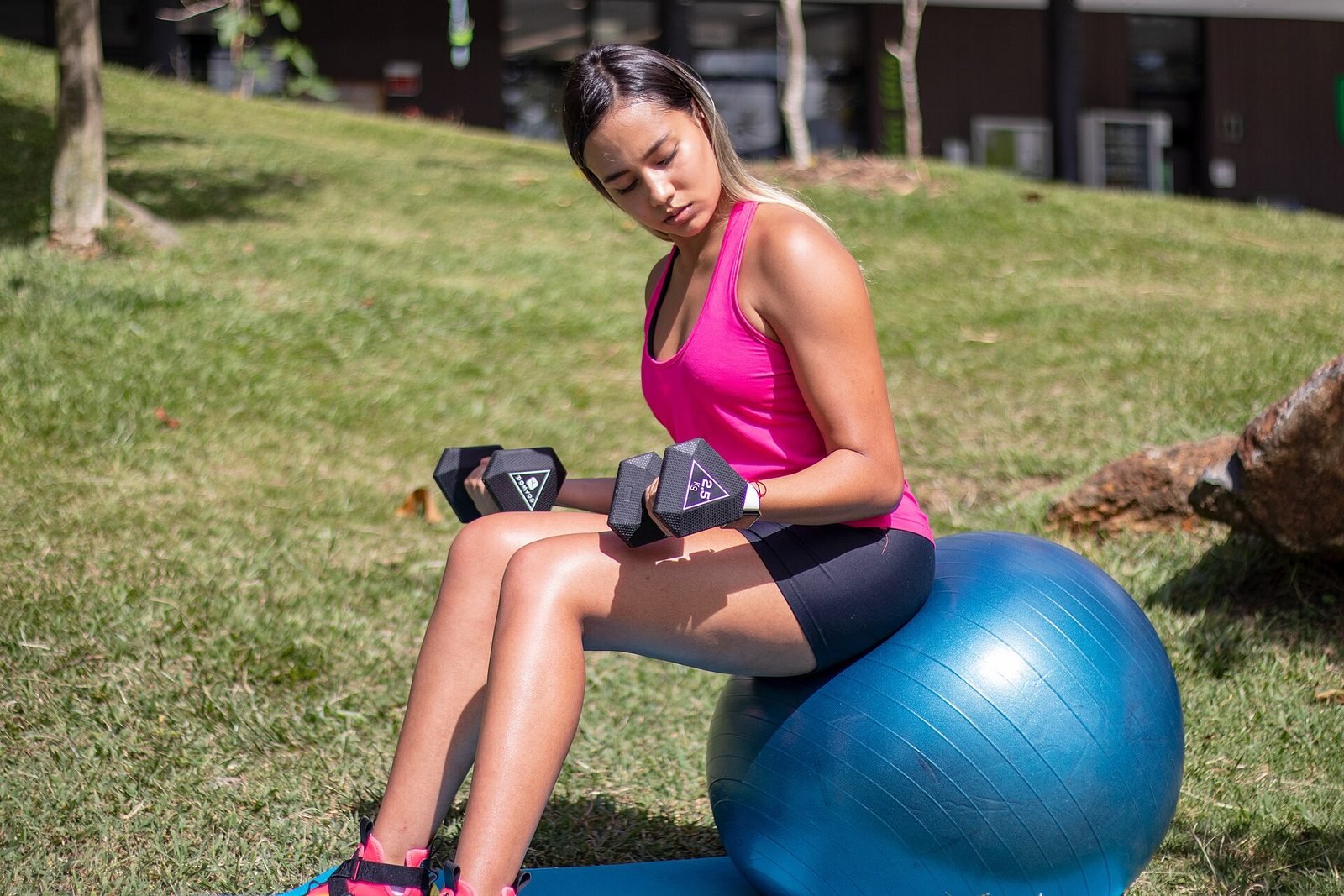
The Trideer is the classic all-round ball: five sizes from 45 to 85 cm, a frosted anti-slip PVC surface, and a stated 330 lb capacity. A quick pump comes in the box — a hand pump for the smaller sizes and a foot pump for the larger ones.
Its capacity is the joint-lowest daily figure in this guide, shared with ProBody’s 330 lb recommended daily use, so heavier users doing weighted work should look at the higher-rated picks. No day-number listing age was found for this pick, so it sits outside the guide’s 179–246-day dated range.
✅ Pros
- Five sizes from 45 to 85 cm
- Frosted anti-slip surface
- Quick pump included in the box
- Suits workouts, active sitting and therapy use
⚠️ Cons
- 330 lb capacity is the joint-lowest daily figure here
- No day-number listing age found
- Confirm the size you want — the listing covers five sizes
Check the Trideer Exercise Ball on Amazon
⚠️ Listing check: confirm the size you want and the current offer before buying, as listing details can change.
Best for: anyone who wants a plain, well-reviewed ball in any size with a pump included.
May not fit: heavier users doing weighted work, who need a higher stated limit.
URBNFit Exercise Ball
The URBNFit is a 45–85 cm anti-burst PVC ball rated to 600 lb, with a quick pump and a non-slip surface. It is a popular all-rounder for workouts, pregnancy support and active sitting, and the five sizes cover most heights.
Two flags come with this pick. First, it carries the oldest dated listing record in the guide, about 246 days old. Second, that record showed no featured offers available, so check availability first.
✅ Pros
- 600 lb anti-burst rating
- Five sizes from 45 to 85 cm
- Non-slip surface
- Quick pump included
⚠️ Cons
- Last dated record showed no featured offers — availability must be checked
- Oldest dated listing record in this guide, about 246 days
- Confirm the size you want — the listing covers five sizes
Check the URBNFit Exercise Ball on Amazon
⚠️ Listing check: the last dated record showed no featured offers — confirm the current offer and the size you want before buying.
Best for: anyone who wants a higher-rated all-round ball for workouts and active sitting.
May not fit: buyers who need a guaranteed in-stock listing, or a ball with a base.
THERABAND Standard Exercise Ball
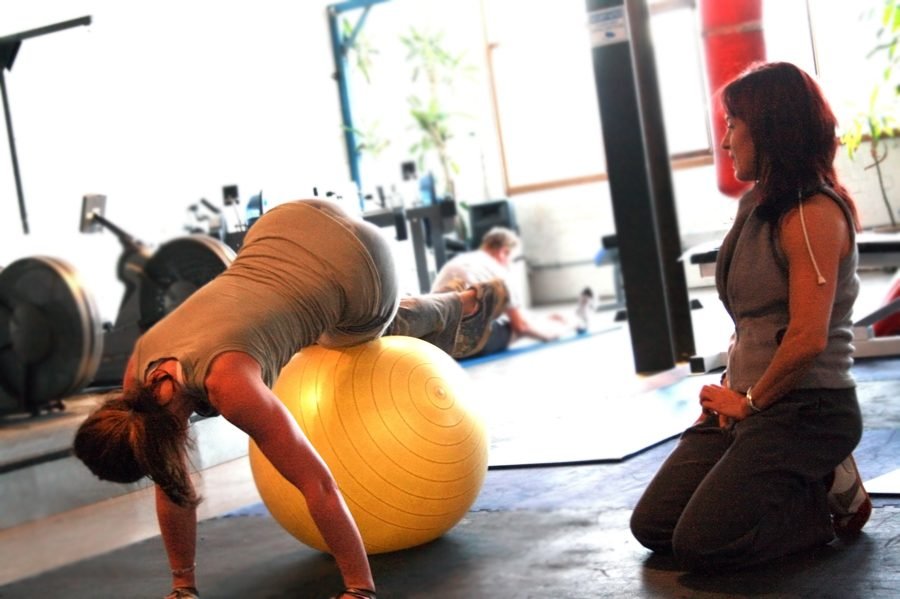
The THERABAND Standard is the clinic-style ball here: ribbed vinyl with a non-slip surface, rated to 600 lb of static weight, and colour-coded by size — yellow 45 cm, red 55 cm, green 65 cm, blue 75 cm and silver 85 cm. Physical therapists have recommended it for years.
Two honest catches. A pump is not included, so you need a hand or foot pump of your own. And no day-number listing age was found for this pick, so it sits outside the guide’s dated range like Trideer.
✅ Pros
- 600 lb static rating
- Ribbed non-slip vinyl surface
- Colour-coded sizes make sizing simple
- Exercise guide poster and plugs included
⚠️ Cons
- Pump not included — buy or borrow one separately
- No day-number listing age found
- Static rating is not the same as a daily-use rating
Check the THERABAND Standard Exercise Ball on Amazon
⚠️ Listing check: confirm the colour and size you want — each colour is a different diameter — and the current offer before buying.
Best for: rehab, posture and gentle core work, especially with a therapist’s guidance.
May not fit: anyone who wants a pump in the box, or a ball for heavy weighted work.
Retrospec Luna Exercise Ball
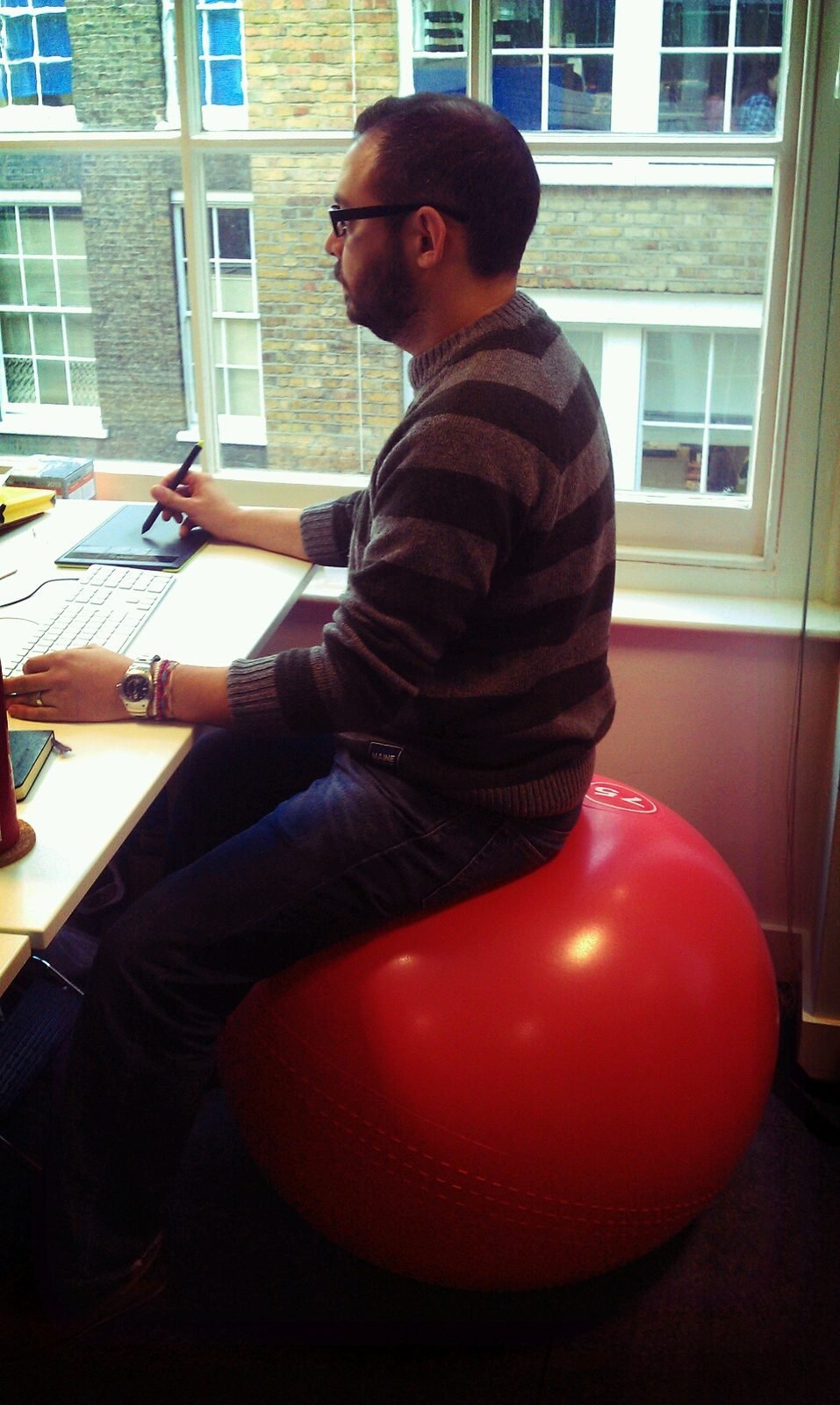
The Retrospec Luna is the only pick here with a stability base included: a 65 cm anti-burst PVC ball with a pump and a base that stops it rolling across the room. The maker claims a 1,000 lb capacity — the highest stated limit in this guide.
One size only is the trade-off: 65 cm suits most adults between about 5 feet 3 inches and 5 feet 10 inches, but taller or shorter users should pick a multi-size ball instead. The dated record, about 204 days old, shows the ball shipped from and sold by Amazon itself.
✅ Pros
- Highest stated limit here, at 1,000 lb claimed
- Stability base included — the only pick with one
- Pump included
- Shipped from and sold by Amazon on the record checked
⚠️ Cons
- Only one size — 65 cm does not suit every height
- Base adds bulk when you store the ball
- 1,000 lb is a claimed figure, not a daily-use rating
Check the Retrospec Luna Exercise Ball on Amazon
⚠️ Listing check: confirm the 65 cm size and the current offer before buying, as listing details can change.
Best for: desk use and home workouts where a ball that stays put matters most.
May not fit: taller or shorter users, or anyone who wants a choice of sizes.
Amazon Basics Anti-Burst Exercise Ball
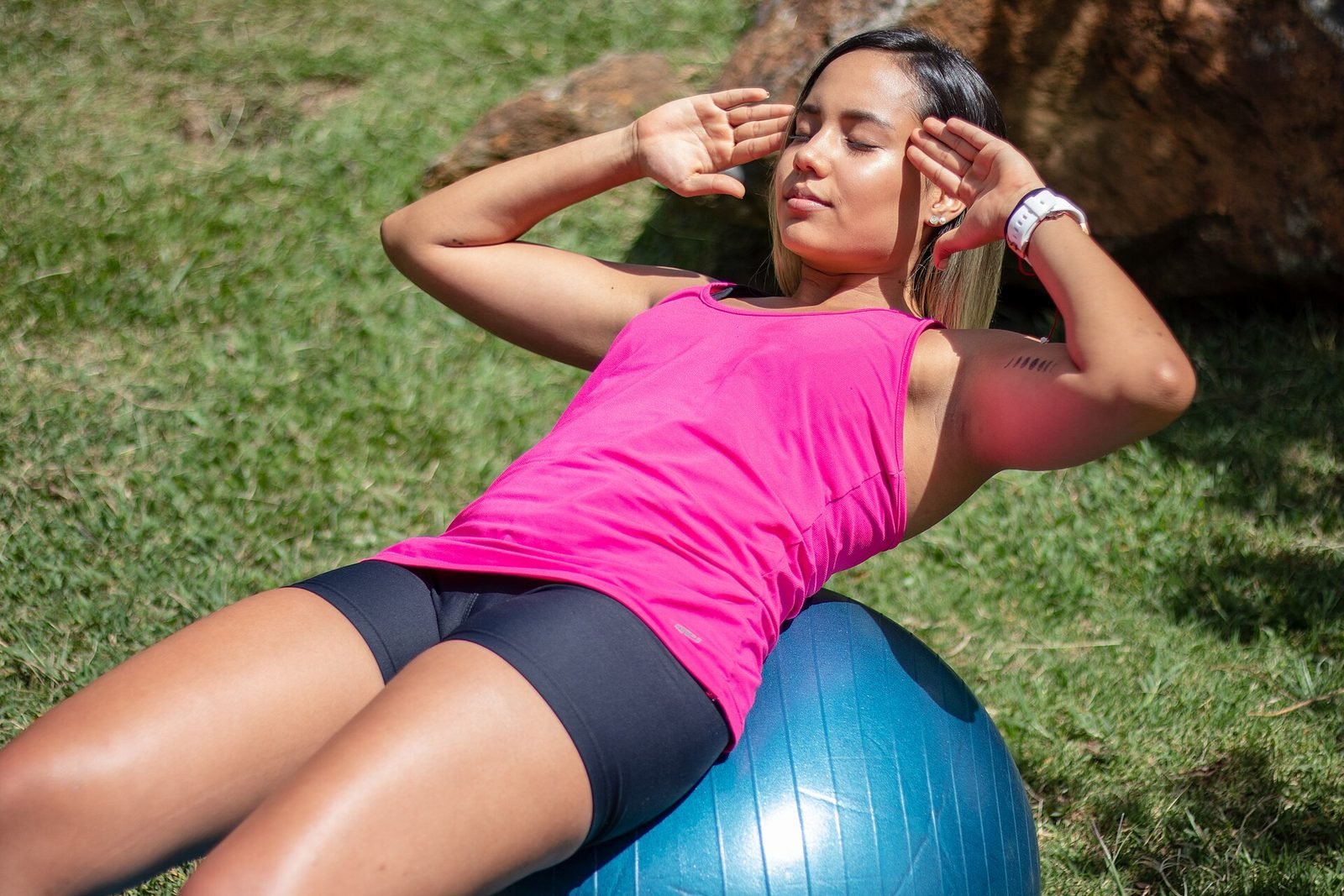
The Amazon Basics ball is the plain, no-fuss pick: a 23–26 inch anti-burst ball with a quick-inflate pump, sold and shipped by Amazon itself on the record checked, about 197 days old. There is nothing extra to learn and nothing extra to buy.
The honest gap is the missing weight limit: the record we checked states no capacity, so heavier users and anyone planning weighted work should treat that as a gap and pick a rated ball instead.
✅ Pros
- Simple anti-burst ball with nothing extra to learn
- Quick-inflate pump included
- Shipped from and sold by Amazon on the record checked
⚠️ Cons
- No weight limit stated in the record checked
- Only one size range — 23–26 inches
- No base, so it rolls if left on a hard floor
Check the Amazon Basics Anti-Burst Exercise Ball on Amazon
⚠️ Listing check: confirm the size and the current offer before buying, and note that no weight limit is stated.
Best for: light home workouts and stretching where simplicity matters more than a rated limit.
May not fit: heavier users, or anyone doing weighted work on the ball.
ProBody Pilates Exercise Ball
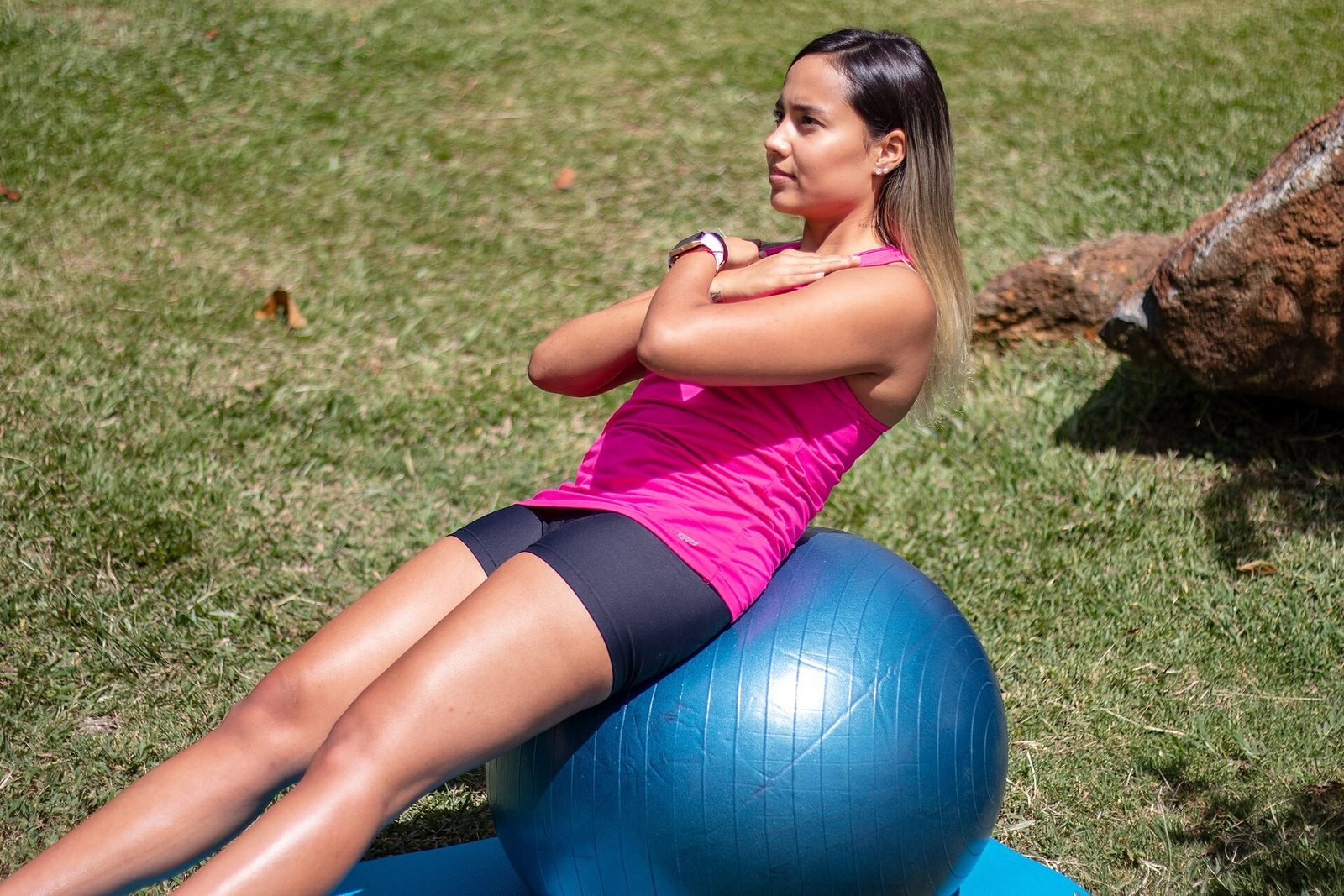
The ProBody Pilates ball comes in five sizes from 45 to 85 cm and nine colours, with a 660 lb static-load rating and a 330 lb recommended daily use figure. That two-number rating is the most honest kind: the big number is what the ball survives, the smaller number is what it is meant to carry every day.
Two flags come with this pick. It carries the most recent dated listing record in the guide, about 179 days old — but that record showed no featured offers available, so check availability first.
✅ Pros
- Five sizes from 45 to 85 cm
- Nine colours to choose from
- Honest two-number rating: 660 lb static, 330 lb daily
- Most recent dated listing record here, about 179 days
⚠️ Cons
- Last dated record showed no featured offers — availability must be checked
- 330 lb daily figure is the joint-lowest daily figure here
- Confirm the size you want — the listing covers five sizes
Check the ProBody Pilates Exercise Ball on Amazon
⚠️ Listing check: the last dated record showed no featured offers — confirm the current offer and the size you want before buying.
Best for: anyone who wants a choice of sizes and colours with an honest daily-use rating.
May not fit: buyers who need a guaranteed in-stock listing, or a ball with a base.
How to Choose an Exercise Ball
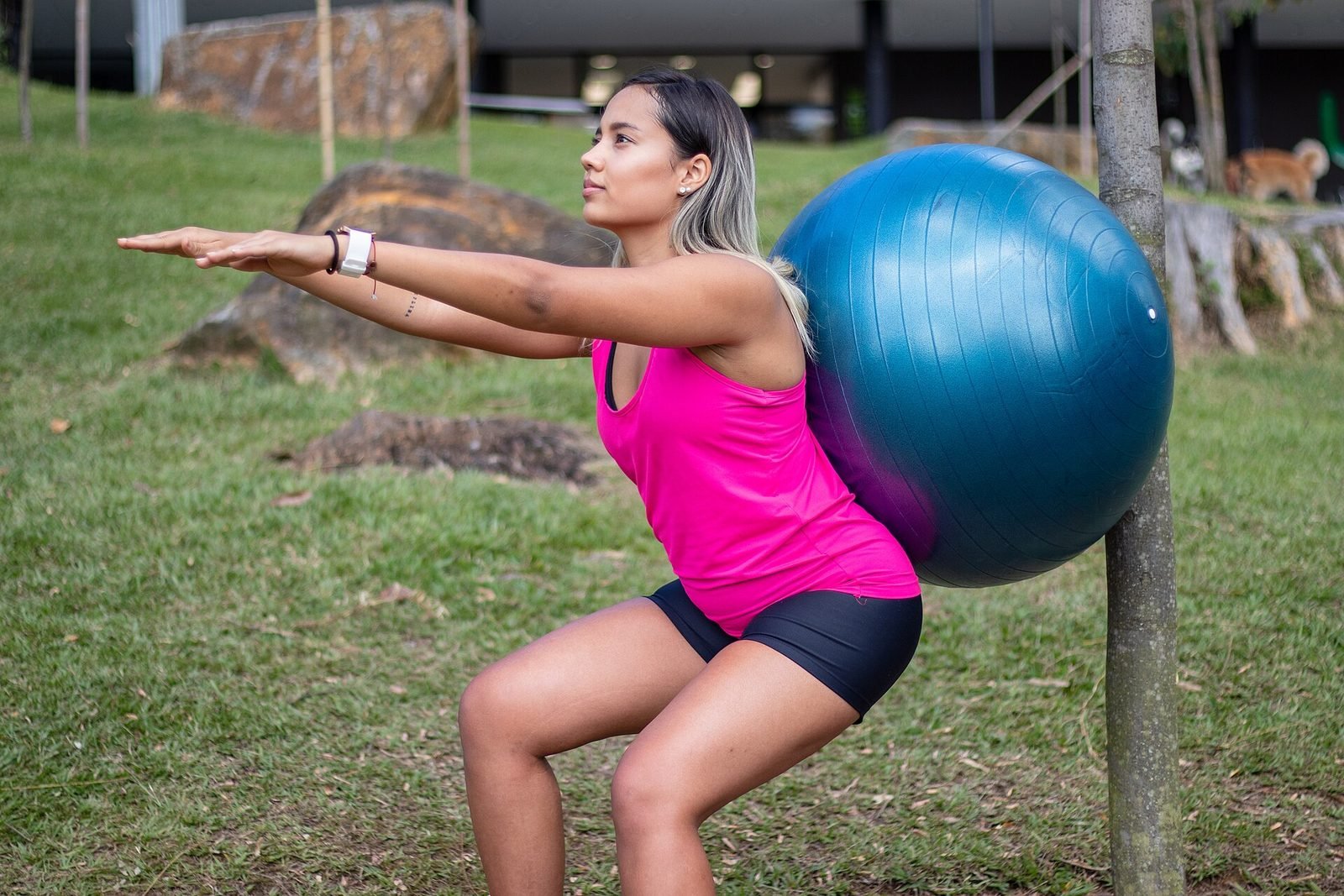
Start with your height, not the colour. As a rough guide, a 45 cm ball suits users under 5 feet, 55 cm suits 5 feet to 5 feet 4 inches, 65 cm suits 5 feet 5 inches to 5 feet 10 inches, 75 cm suits taller users, and 85 cm suits users over 6 feet 3 inches.
Then check the limit the honest way. A static rating is what the ball survives in a test; the daily-use figure is what it should carry every day. Where only a static figure is given, leave a wide margin — and where no limit is given at all, treat that as a gap, not a promise.
Finally, think about where the ball will live. A ball rolls, so a base or a corner spot matters if you have hard floors or pets. Our balance boards guide covers steadier balance training, and gym towels covers wiping gear down after practice.
Size: Picking the Right Diameter
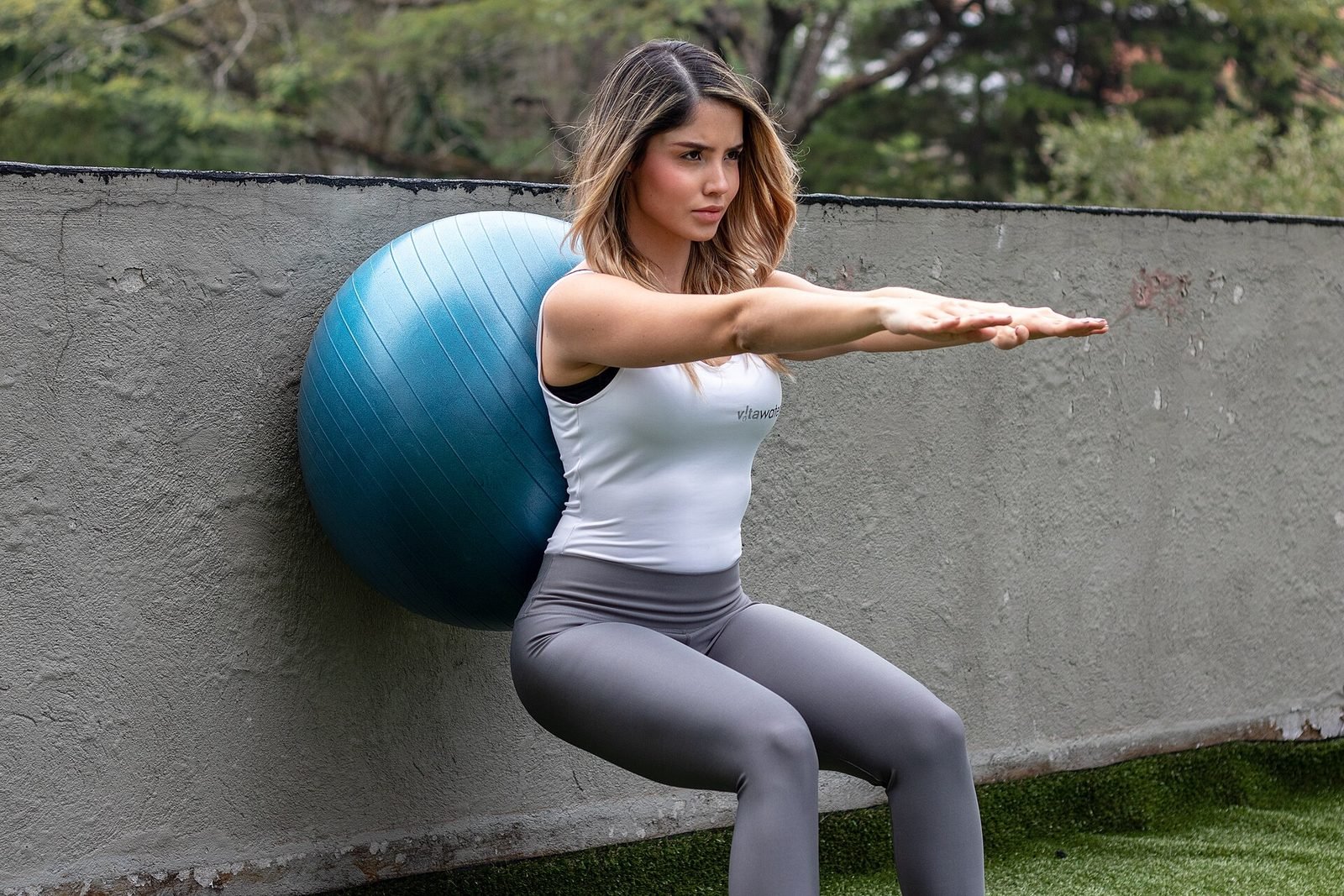
The sitting test is the quickest check: sit on the inflated ball and your thighs should sit roughly level, with your feet flat on the floor and your knees at a right angle. Too small and your knees rise above your hips; too big and your feet dangle.
Several picks here reach 85 cm, so taller users are covered, but only the multi-size balls offer that choice — the Retrospec Luna is 65 cm only. If you are between sizes, the smaller ball is usually the safer choice for workouts, since it is easier to control.
For desk use, size matters even more: a ball that is too tall lifts you above your keyboard, and one that is too small leaves you hunching. Measure your desk height before you order, and use a base if the ball will sit on a hard floor.
Materials: Anti-Burst PVC, Vinyl and Grip
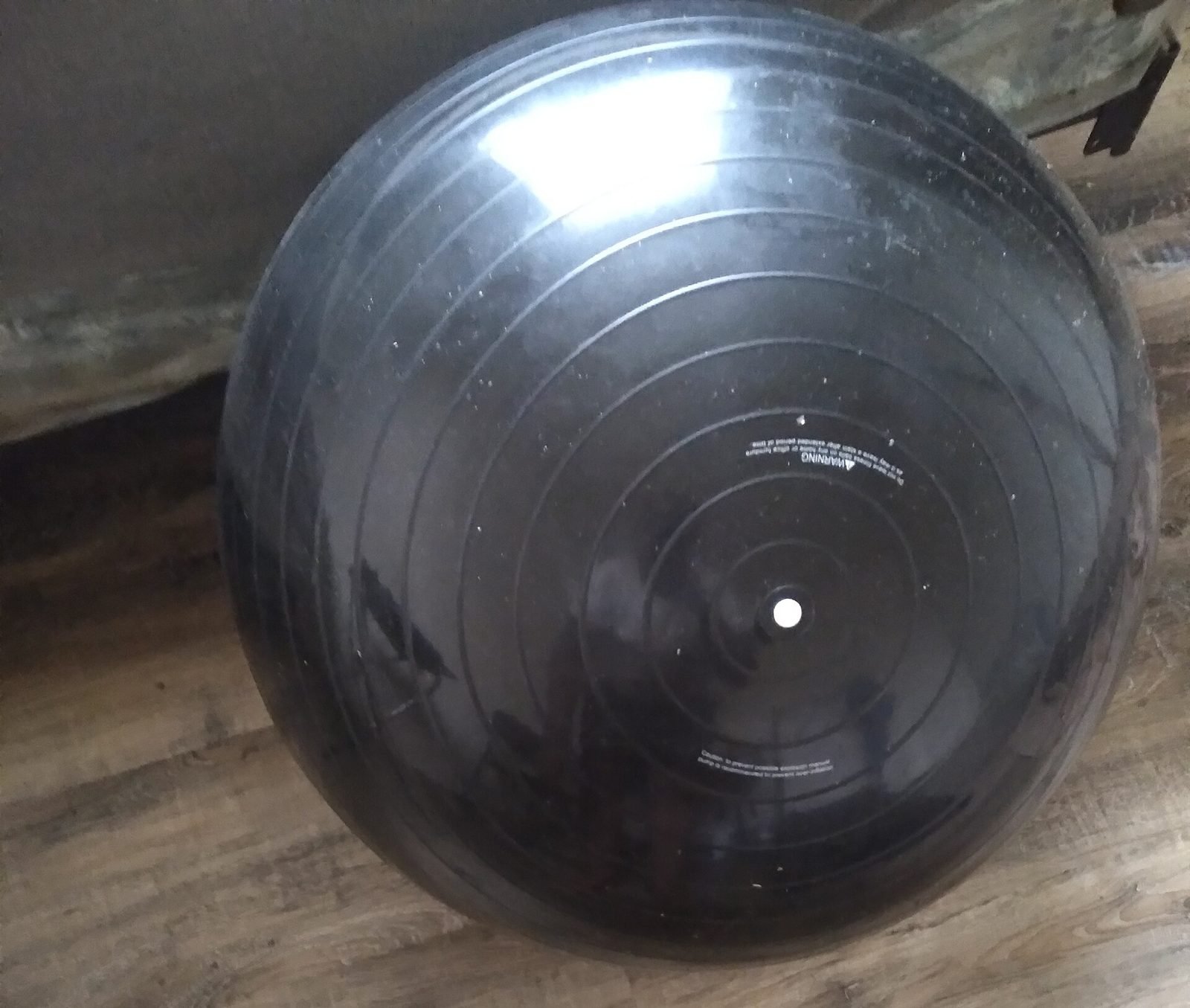
Most balls here are PVC, and “anti-burst” is the key word: if punctured, an anti-burst ball deflates slowly instead of popping. That is a safety feature, not a promise that the ball cannot be punctured — keep it away from sharp objects all the same.
Surface texture decides grip. Frosted and ribbed surfaces grip better than smooth ones, especially with damp hands or bare skin. The THERABAND’s ribs and the Trideer’s frosted finish are the grippiest surfaces in this guide; smooth PVC can feel slippery once you sweat.
Thickness is rarely stated honestly, so do not compare balls by claimed millimetres alone. Judge by the stated limit, the surface, and whether the ball holds its shape after a few weeks of use — a ball that goes soft overnight has a valve problem, not a thickness problem.
Core Work on the Ball
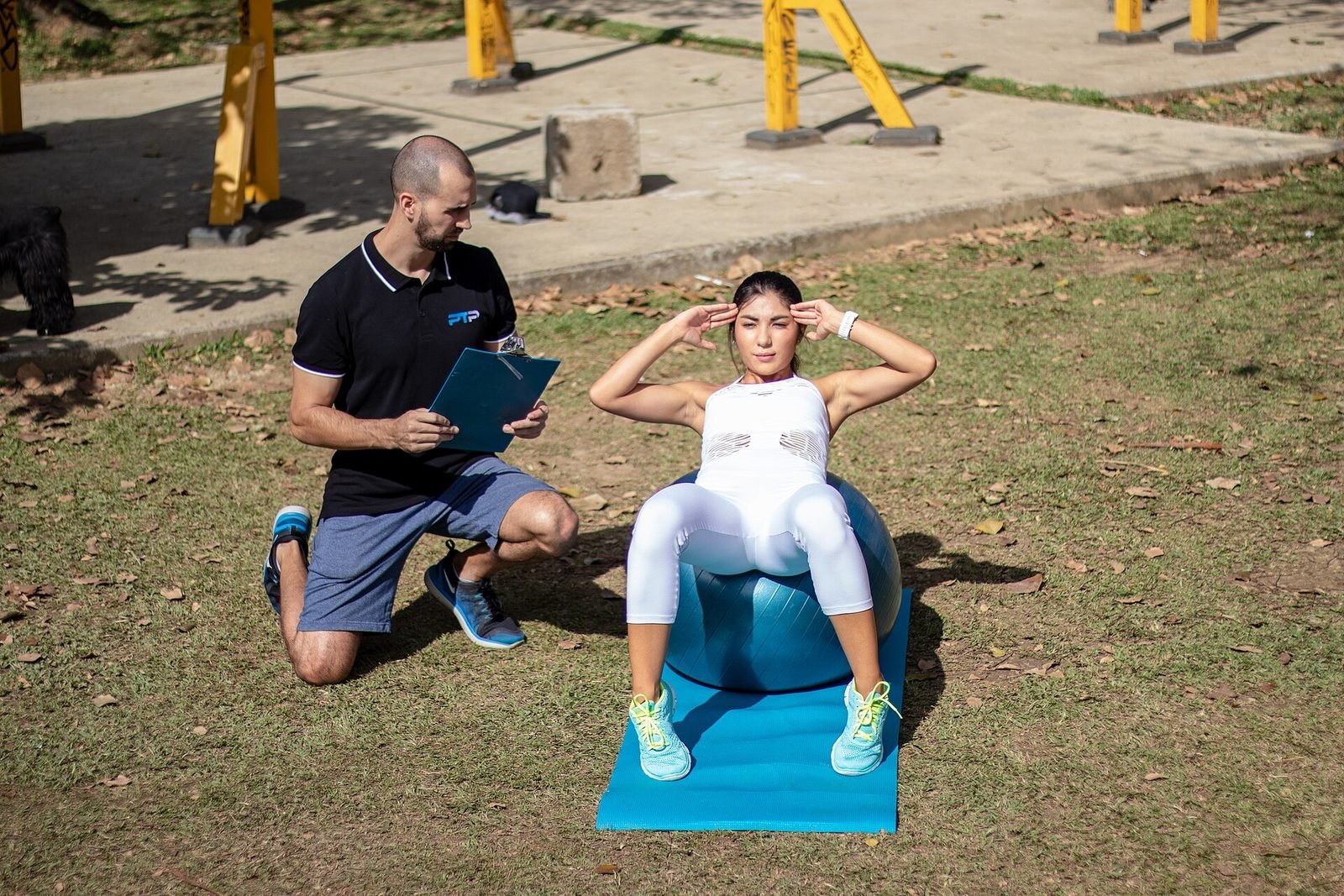
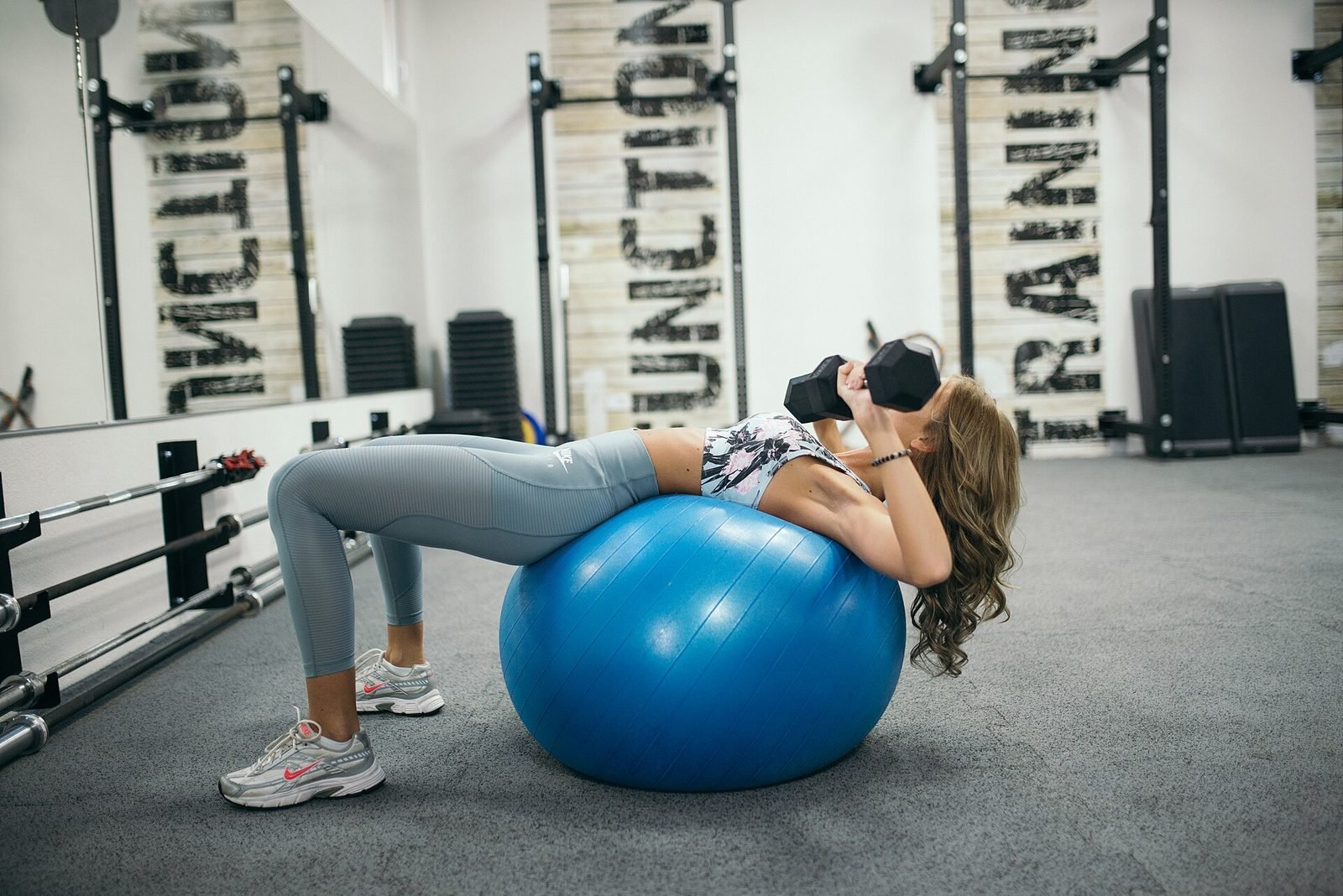
Ball crunches, planks with your shins on the ball, and rollouts are the core of ball training. The instability forces the deep core muscles to stabilise you, which is why a simple crunch feels harder on a ball than on the floor.
Start with the basics and add difficulty slowly: a plank with your shins on the ball before a rollout, and a crunch before a weighted crunch. For the same reason, pair ball work with broader core gear already covered in this series, including foam rollers for recovery work between sessions.
A ball does not build a visible six-pack by itself — that comes from diet and overall training. What it does well is teach control and stability, which carry over to every other lift you do.
Balls for Balance and Posture
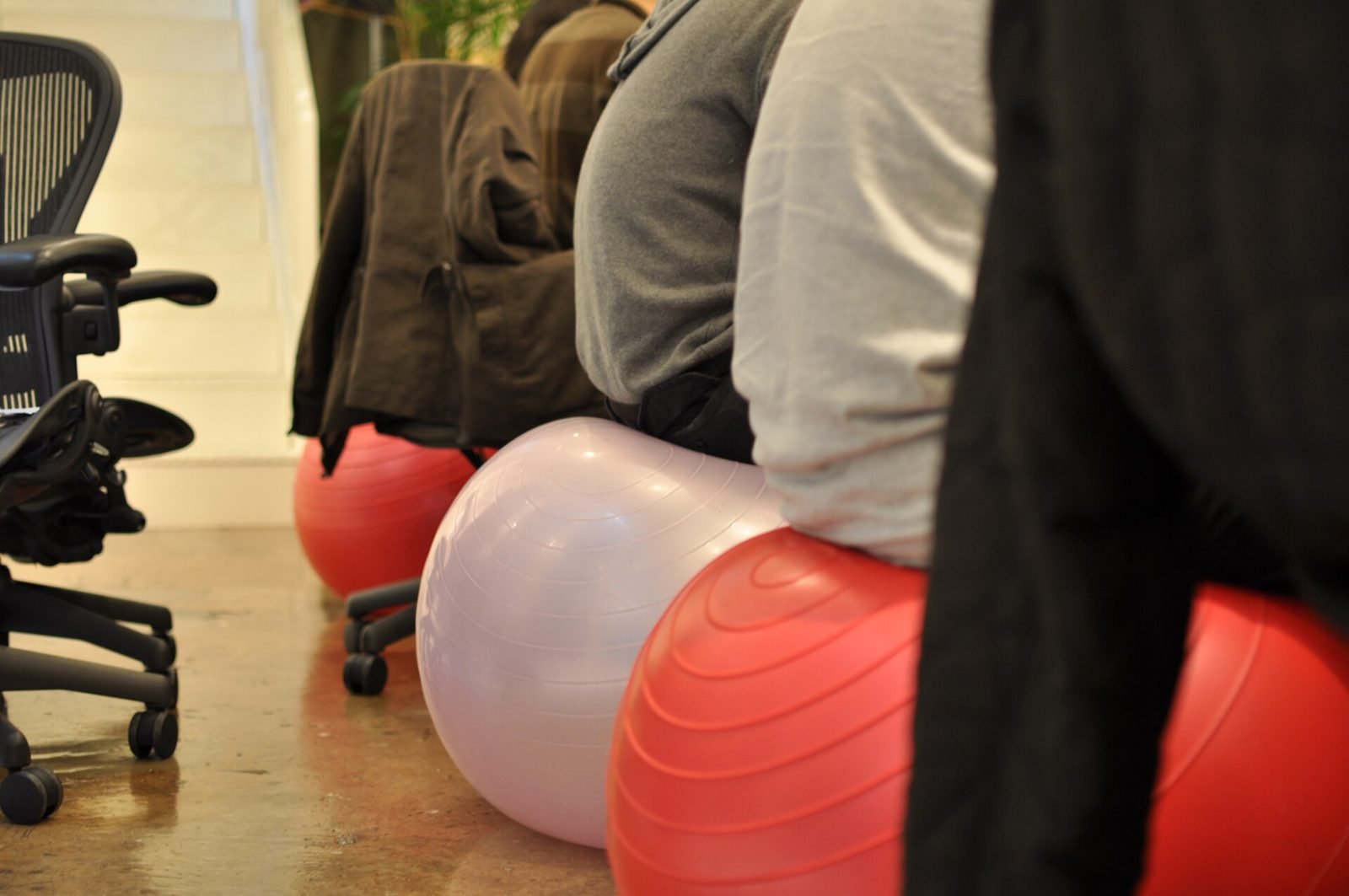
As a seat, a ball keeps you moving slightly, which some people find more comfortable than a fixed chair for short spells. The Retrospec’s base is the practical answer here: without one, the ball rolls every time you stand up.
Do not sit on a ball all day. Alternate between the ball and a proper chair, keep your feet flat and your screen at eye level, and stand up if your back or hips complain. A ball supports better posture only while you actively hold it — slump on a ball and you slump just the same.
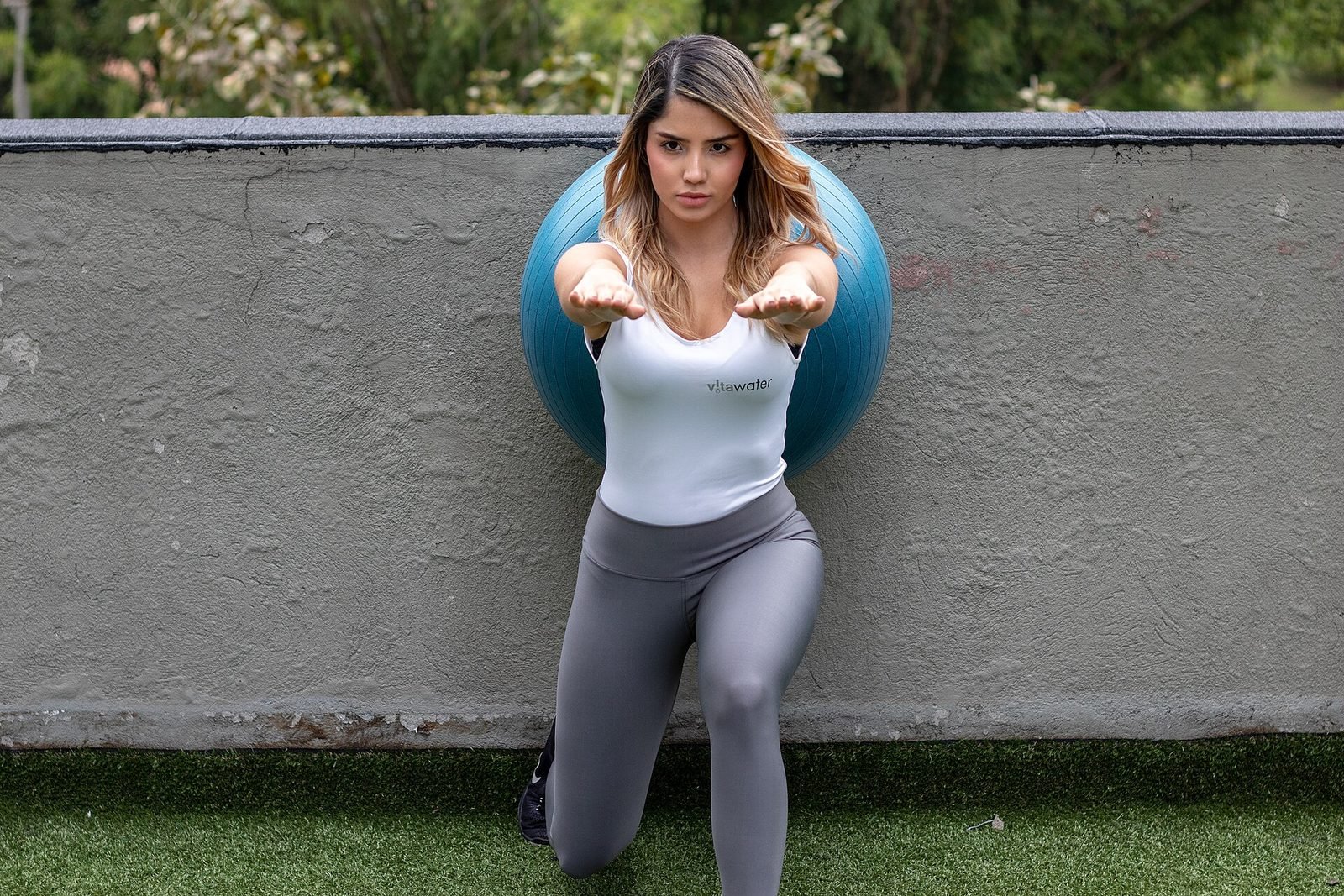
For balance training, wall squats with the ball behind your back are the safest starting move, and single-leg stands beside a wall come next. Our balance boards guide covers the steadier progression, and yoga mats give grip under the ball on hard floors.
Cleaning and Storing Your Ball
Wipe the ball with a damp cloth after practice, and let it dry before storing it. Sweat and dust build up on PVC quickly, and a dusty ball grips worse — which is exactly when it is most likely to slip under you.
Store the ball in a corner, on a base, or in a large bag — anywhere it cannot roll into walkways or under furniture. Do not store it near radiators, in direct sunlight for months, or under heavy gear: heat and weight deform PVC over time.
Check the valve plug before each use. If the plug is loose, cracked, or missing, the ball will slowly deflate mid-workout — replace the plug rather than over-inflating to compensate.
Safety Notes
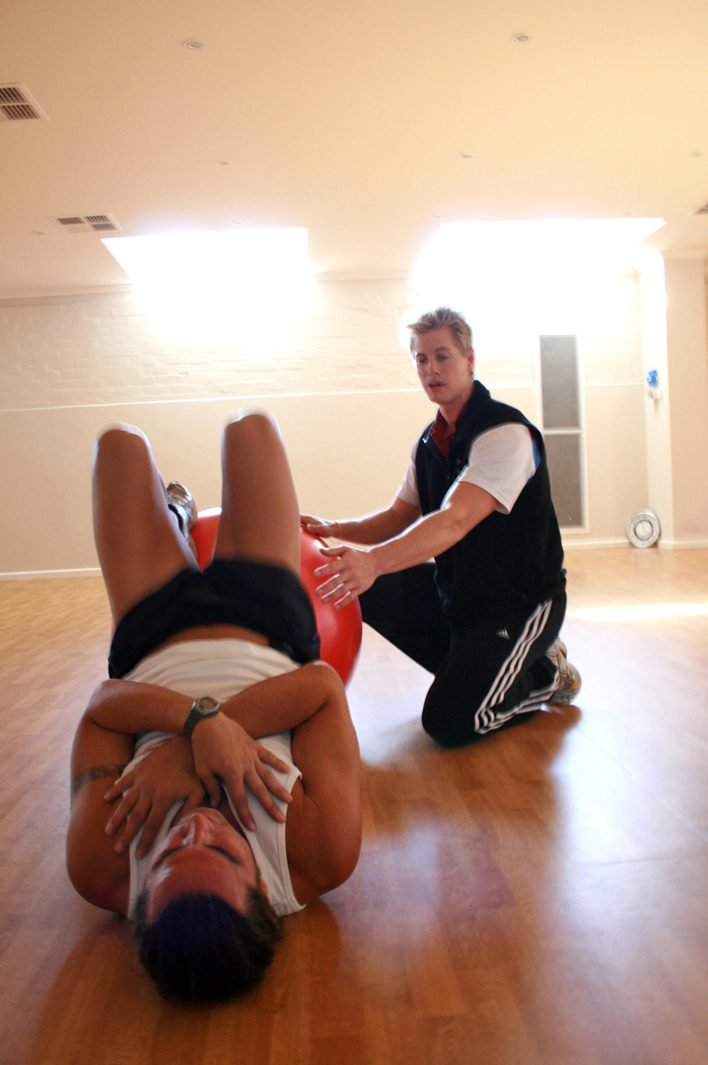
An exercise ball is safe when used slowly and within its limits. These seven steps keep it that way:
- Inflate on a clean floor, away from sharp objects, and inflate to about 80% on the first day, topping up the next day.
- Check the valve plug is fully seated before every session, and never over-inflate to compensate for a leak.
- Start near a wall or sturdy furniture, and keep the ball on a mat so it cannot slide.
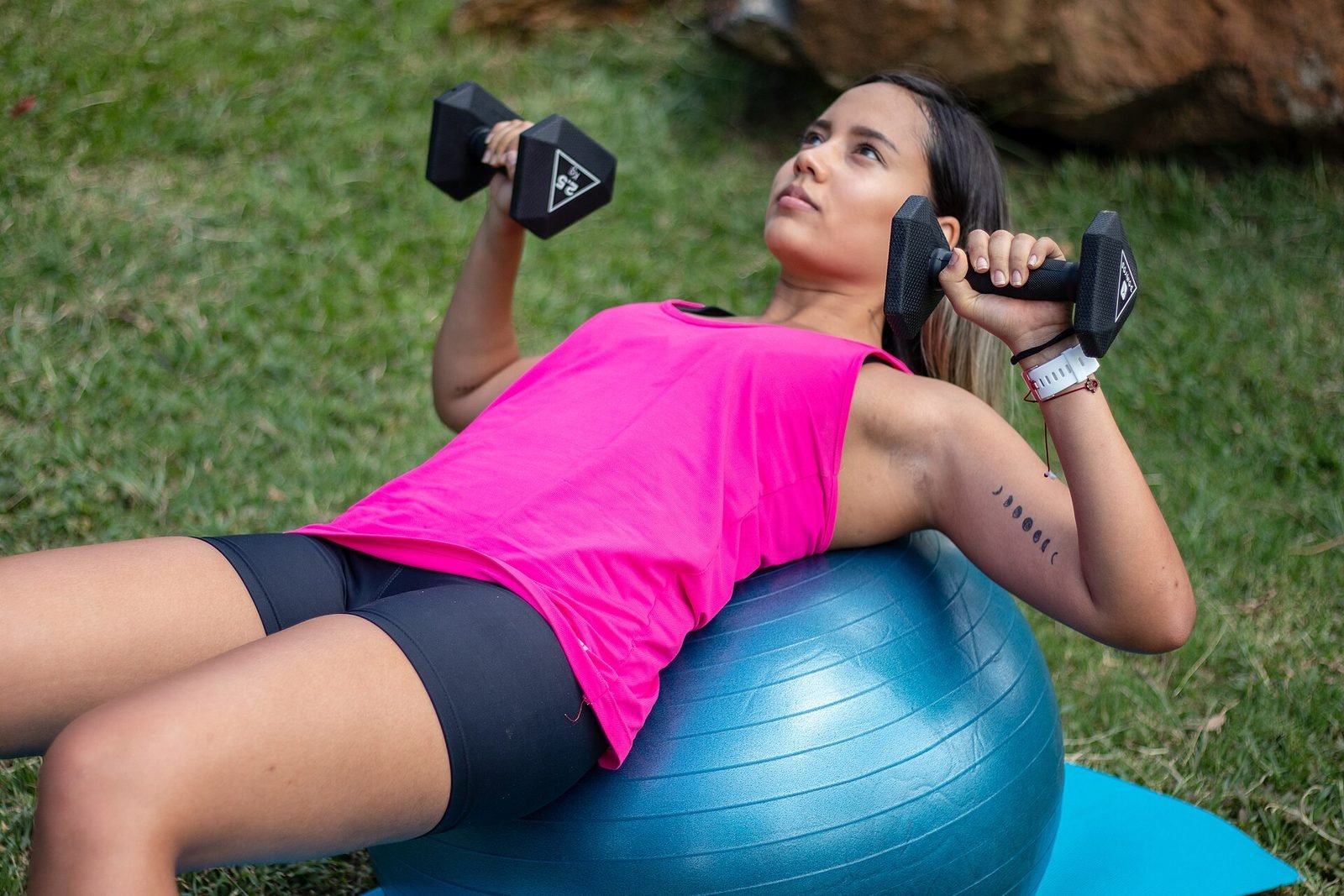
- Move slowly, and learn each new move without weights before adding any load.
- Stay within the ball’s stated limit, where one is given — and use the daily-use figure, not the static figure, as your guide.
- Stop at once if you feel sharp pain, numbness, or dizziness, or if the ball feels soft or misshapen.
- Inspect the ball before each use for cracks, thinning, or a damaged valve, and retire it if any appear.
A ball does not make an advanced move safe, does not create core strength overnight, and does not treat back pain or any medical condition. If you have a back, neck, or balance condition, are pregnant, or are recovering from an injury, check with a clinician before using a ball.
Frequently Asked Questions
What size exercise ball should I buy? Match it to your height: 45 cm under 5 feet, 55 cm for 5 feet to 5 feet 4 inches, 65 cm for 5 feet 5 inches to 5 feet 10 inches, 75 cm for taller users, and 85 cm over 6 feet 3 inches. The sitting test confirms it — thighs level, feet flat.
What does anti-burst actually mean? If punctured, an anti-burst ball deflates slowly instead of popping suddenly. It is a safety feature, not puncture-proofing — keep the ball away from sharp objects and inspect it before use.
Can I use an exercise ball as a desk chair? For short spells, yes, especially with a base — but alternate with a proper chair, keep your screen at eye level, and stop if your back complains. A ball is not an all-day chair.
How do I inflate a new ball? Inflate to about 80% on the first day, leave it for 24 hours so the material stretches, then top it up to full size. Check the valve plug is seated, and never over-inflate a leaking ball.
Static rating or daily-use rating — which counts? The daily-use figure counts. A static rating is what the ball survives in a test; the daily figure is what it should carry every day. ProBody is the clearest example here: 660 lb static, 330 lb daily.
How do I clean an exercise ball? Wipe it with a damp cloth after practice and let it dry. Do not use harsh solvents, which can damage PVC, and store the ball where it cannot roll away or sit in heat.
Our Pick: Start Here
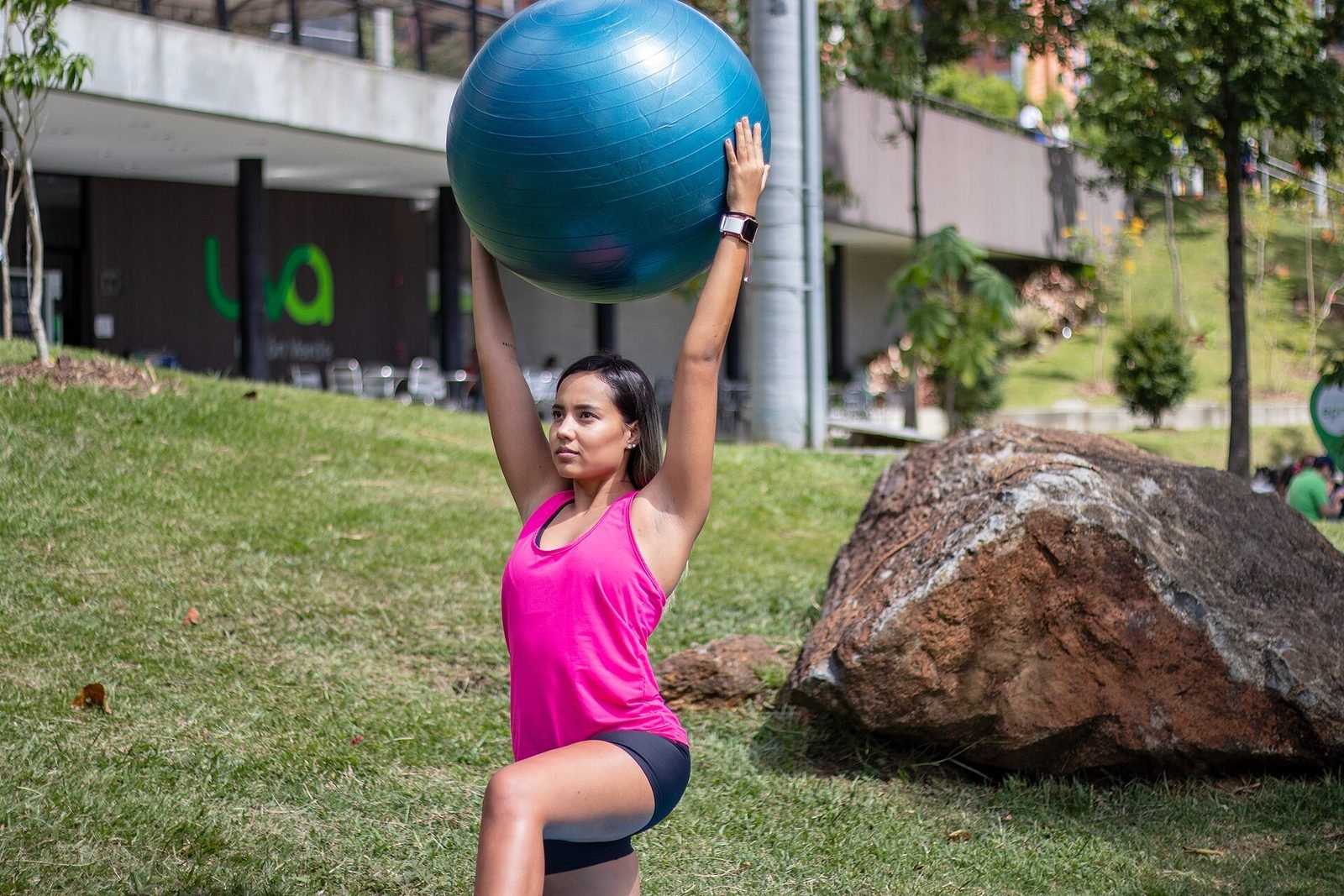
If you buy one ball, start with the Retrospec Luna: a 65 cm anti-burst ball with a pump and the only stability base in this guide, plus the highest stated limit at 1,000 lb claimed. It is the most complete all-rounder of the six for most adults.
If you need a different size, pick the Trideer Exercise Ball — but note its 330 lb limit. If rehab use matters most, the THERABAND Standard is the clinic staple, and if you want the widest choice of colours, the ProBody Pilates ball is the one to check, availability permitting.
Whichever ball you choose, confirm the size and the current offer before buying, inflate it properly on the first day, and keep the rest of your kit in step: a good yoga mat under the ball, and the yoga wheels guide for supported stretching days.
As an Amazon Associate, we earn from qualifying purchases made through links on this page, at no extra cost to you.
This guide is research-based and for general information only. Sizes, materials and limits come from makers, roundups and listing records checked at the time of writing, and offers change — please confirm the current offer before buying. Nothing here is medical advice; check with a clinician if you have a back, neck, or balance condition, are pregnant, or are recovering from an injury.