

A yoga wheel is a hollow cylinder you lean back over, roll along, or balance against. 🧘 It supports backbends, opens the chest and shoulders, and gives beginners a steadier way into deeper stretches.
It does not replace a yoga class, and it does not fix a bad back on its own. What it does well is make supported stretching more comfortable at home, on your own mat, at your own pace.
This guide compares six wheels that are genuinely sold for home use, with their sizes, surfaces and stated weight limits checked against listing records and roundups. Our earlier yoga guides cover the rest of the kit: yoga mats, yoga blocks, yoga straps, and yoga bolsters.
How We Picked These Yoga Wheels
We picked wheels with a clear size, a stated surface material, and a listing we could actually check. Roundups consulted include BestAdvisor and Garage Gym Power, plus Amazon listing records for the six picks below.
Four of the six picks carry a dated listing record, between about 180 and 319 days old at the time of writing. The other two — Shogun Sports and Risefit — are sourced from a roundup only, with no day-number listing age, so they sit outside that range and are flagged as such in their sections.
No hands-on testing is claimed here. This is a research-based guide: sizes, materials and limits come from makers and roundups, and every pick carries a warning to confirm the current offer before buying.
Quick Comparison
| Wheel | Size | Surface | Weight limit | Standout |
|---|---|---|---|---|
| UpCircleSeven Pro Series | 12 × 5 in | Dense foam padding | 550 lb claimed | 18-pose PDF guide included |
| REEHUT Strong Premium | 12.6 × 5 in | TPE, anti-slip vein pattern | Under 330 lb | Ebook guide included |
| Yoga Design Lab Cork | 12.6 × 5 in | Cork over TPE and ABS | Not stated by maker | Printed mandala pattern |
| Pete’s Choice Extra Wide | 12.6 × 7.87 in | Padded surface | Not stated | Widest stated width here |
| Risefit Cork | Diameter not stated | Natural cork, 3/4 in thick | 1,000 lb claimed | Highest stated limit here |
| Shogun Sports | 6, 10 or 12 in | ABS with TPE foam | Not stated | Choice of three diameters |
Three of the six picks measure 12.6 inches across, the standard full-size wheel diameter. The other three differ: one 12-inch wheel, one wheel with no stated diameter, and one offered in three diameters.
UpCircleSeven Pro Series Yoga Wheel
The UpCircleSeven Pro Series is the classic full-size foam wheel: 12 inches across and 5 inches wide, with 8 mm of dense performance padding over its core. The maker claims a 550 lb capacity, and the padding is sweat-resistant.
It is the only pick here with an 18-pose PDF guide included, which suits a beginner who wants a set of moves to follow rather than inventing a routine. One roundup note is worth knowing: the padding is not always glued well, so check the edges when yours arrives.
✅ Pros
- Standard 12 × 5 in size fits most adults
- 550 lb claimed capacity
- 8 mm dense, sweat-resistant padding
- 18-pose PDF guide included
⚠️ Cons
- Padding not always glued well, per roundup notes
- Only one diameter — no smaller option for targeted work
- Foam surface can feel slippery once you sweat
Check the UpCircleSeven Pro Series Yoga Wheel on Amazon
⚠️ Listing check: confirm the 12-inch variant and the current offer before buying, as listing details can change.
Best for: beginners who want a standard-size padded wheel with a pose guide to follow.
May not fit: anyone who wants a smaller wheel for deep, targeted pressure on one spot.
REEHUT Strong Premium Yoga Wheel
The REEHUT Strong Premium is a 12.6 × 5 inch wheel in TPE, with an anti-slip vein pattern on the surface and a sweat-resistant finish. It comes with an ebook guide, and the roundup limit is under 330 lb — the lowest stated limit in this guide, so heavier users should look elsewhere.
This pick carries the oldest dated listing record in the guide, about 319 days old, so the variant matters: confirm the Purple 12.6-inch listing, not another REEHUT wheel, before buying.
✅ Pros
- Anti-slip vein pattern for grip
- Sweat-resistant TPE surface
- Ebook guide included
- Standard full-size 12.6-inch diameter
⚠️ Cons
- Under-330 lb limit is the lowest stated here
- Oldest dated listing record in this guide, about 319 days
- Confirm the exact Purple variant — REEHUT sells similar wheels
Check the REEHUT Strong Premium Yoga Wheel on Amazon
⚠️ Listing check: this record is about 319 days old — confirm the current offer and the Purple 12.6-inch variant before buying.
Best for: lighter users who want a grippy, sweat-resistant TPE wheel with a guide.
May not fit: heavier users, or anyone who needs a stated limit above 330 lb.
Yoga Design Lab Cork Yoga Wheel
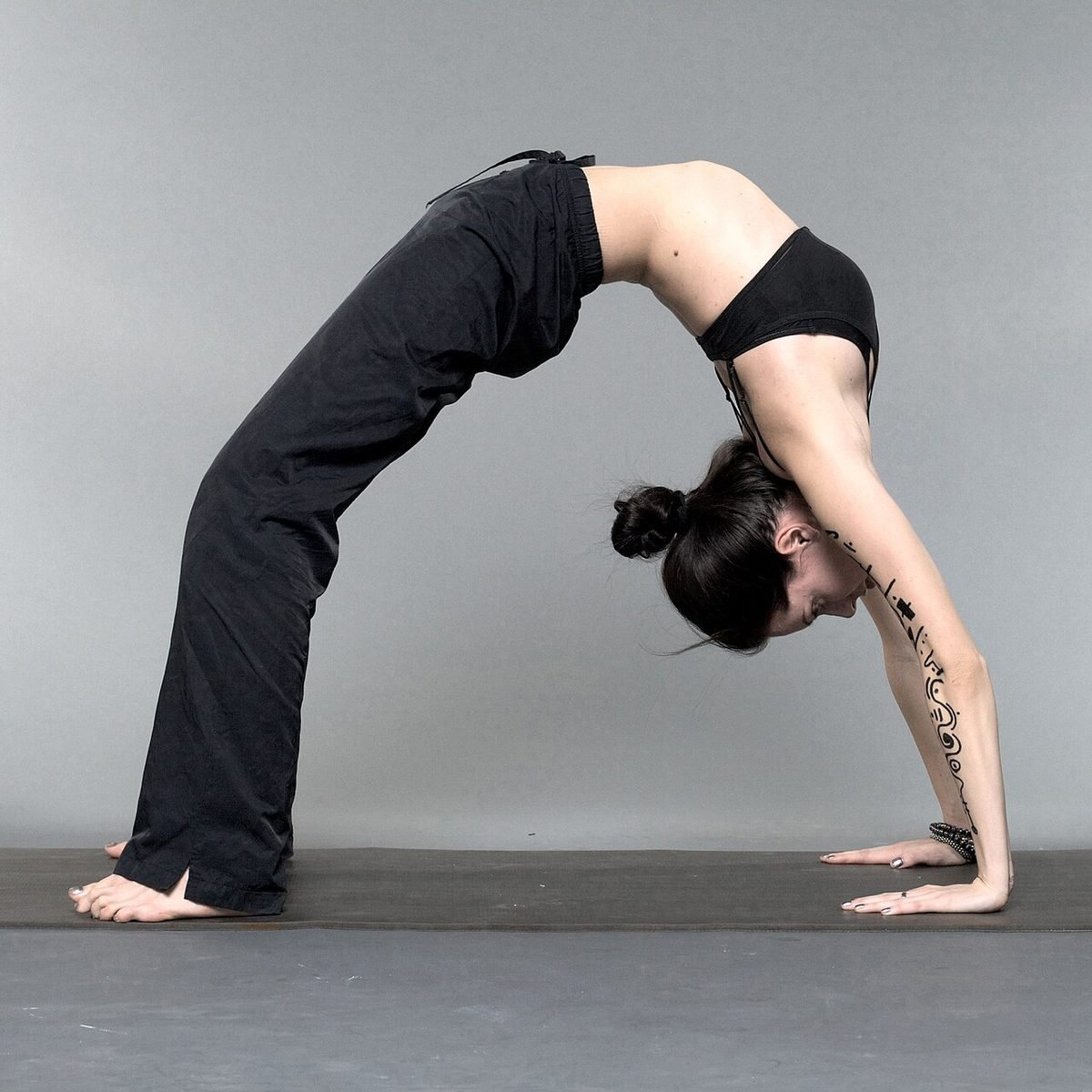
The Yoga Design Lab Cork Wheel is one of two cork picks in this guide: a 12.6 × 5 inch wheel with a cork surface over TPE and ABS, printed with a Mandala Black pattern in water-based inks. Cork grips well even with damp hands, which is its main advantage over smooth foam.
Two flags come with this pick. First, the maker’s checked page gives no weight limit, although roundups list 550 lb — we state no limit rather than pick a number. Second, the most recent dated listing record, about 180 days old, showed no featured offers available, so check availability first.
✅ Pros
- Cork surface grips well, even with damp hands
- Printed mandala pattern in water-based inks
- Standard 12.6 × 5 in size
- Most recent dated listing record here, about 180 days
⚠️ Cons
- No weight limit stated by the maker
- Last dated record showed no featured offers — availability must be checked
- Cork needs wiping down, as it is not sealed like foam
Check the Yoga Design Lab Cork Yoga Wheel on Amazon
⚠️ Listing check: the last dated record showed no featured offers — confirm the current offer and the Mandala Black variant before buying.
Best for: anyone who wants natural cork grip and a distinctive printed wheel.
May not fit: buyers who need a maker-stated weight limit, or a guaranteed in-stock listing.
Pete’s Choice Extra Wide Yoga Wheel
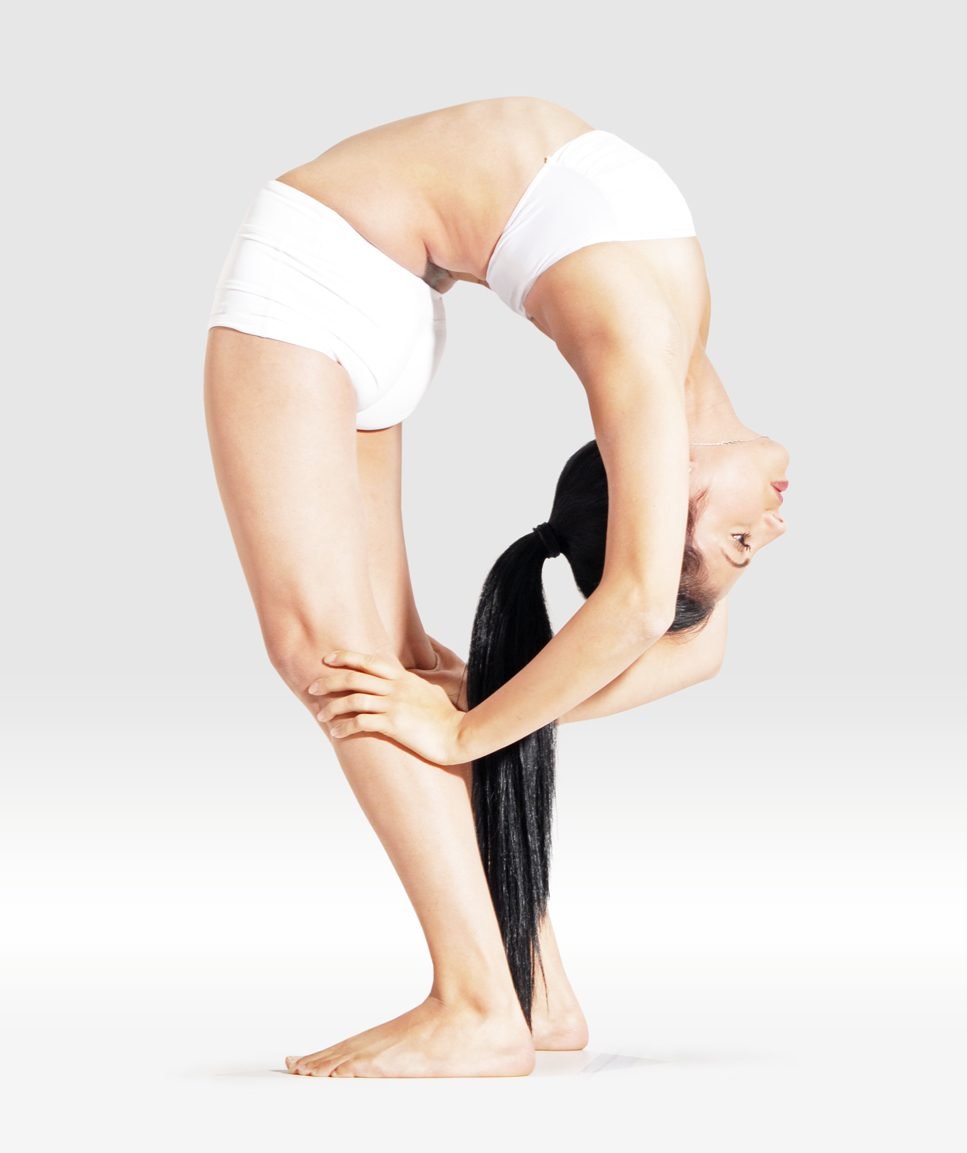
The Pete’s Choice Extra Wide wheel, also sold as the Jumbo Wheel, is the wide option in this guide: 12.6 inches across and 7.87 inches wide, against the usual 5-inch width of the other stated picks. That extra width spreads pressure across more of the back, which suits broader users and gentler, less intense backbends.
Note the variant carefully: Pete’s Choice also sells a standard-width Dharma wheel, and we could not pin a confident US listing for that standard wheel, so this guide links the extra-wide Jumbo version only. No weight limit was stated in the listing record we checked.
✅ Pros
- Widest stated width in this guide, at 7.87 in
- Gentler pressure spread across more of the back
- Standard 12.6-inch diameter
⚠️ Cons
- No weight limit stated in the record checked
- Wide size takes more storage space
- Confirm the extra-wide Jumbo variant, not the standard Dharma wheel
Check the Pete’s Choice Extra Wide Yoga Wheel on Amazon
⚠️ Listing check: confirm the extra-wide Jumbo variant and the current offer before buying.
Best for: broader users, or anyone who finds a standard 5-inch wheel too intense on the spine.
May not fit: small spaces, or anyone who wants a narrow wheel for targeted pressure.
Risefit Cork Yoga Wheel
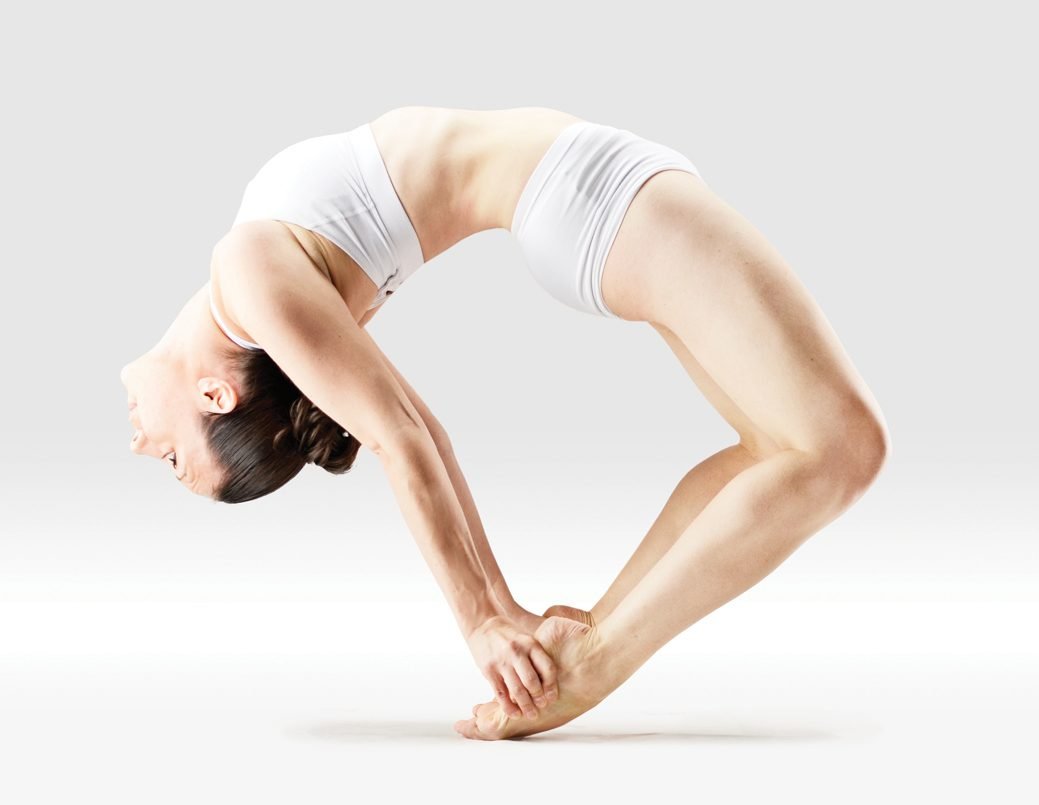
The Risefit Cork wheel is the second cork pick here, and the strongest on paper: natural cork 3/4 inch thick, with a claimed 1,000 lb capacity — the highest weight limit stated for any pick in this guide. It comes with a printed pose guide and stretching straps.
Cork is grippy, but it is not sweat-resistant, and roundups note it may pick up a smell over time if it is not wiped down. No day-number listing age was found for this pick, so it sits outside the guide’s 180–319-day dated range.
✅ Pros
- Highest stated weight limit here, at 1,000 lb claimed
- Natural cork grip, 3/4 in thick
- Printed pose guide and stretching straps included
⚠️ Cons
- Not sweat-resistant — cork may pick up a smell if not cleaned
- No diameter stated in the roundup checked
- No day-number listing age found
Check the Risefit Cork Yoga Wheel on Amazon
⚠️ Listing check: confirm the cork variant and the current offer before buying.
Best for: heavier users, or anyone who wants a cork wheel with the highest stated limit here.
May not fit: anyone who wants a wipe-clean foam surface, or a stated diameter to match a routine.
Shogun Sports Yoga Wheel
The Shogun Sports wheel is the only pick here offered in a choice of diameters: 6, 10, or 12 inches, in ABS with a sweat-resistant TPE foam surface. The smallest wheel suits deep, targeted pressure on one spot; the middle size suits back and hip work; the largest suits medium-pressure massage and full poses.
That choice is also its catch: you must pick the right size when you order, because the listing covers several diameters. No day-number listing age was found for this pick either, so it sits outside the dated range like Risefit.
✅ Pros
- Choice of 6, 10, or 12-inch diameters
- Sweat-resistant TPE foam over ABS
- Small size suits targeted pressure work
⚠️ Cons
- No weight limit stated in the roundup checked
- Easy to order the wrong diameter by mistake
- No day-number listing age found
Check the Shogun Sports Yoga Wheel on Amazon
⚠️ Listing check: confirm the diameter you want — 6, 10, or 12 inches — and the current offer before buying.
Best for: anyone who wants to choose a diameter, especially a smaller wheel for targeted work.
May not fit: buyers who want one standard size with no decision to make.
How to Choose a Yoga Wheel
Start with your goal. For gentle backbends and chest opening, a standard 12- or 12.6-inch wheel is the usual choice. For targeted pressure on the upper back or hips, a smaller wheel presses deeper into one spot.
Then check the limit. If your body weight is near a wheel’s stated limit, pick a higher-rated wheel — the Risefit’s 1,000 lb claim is the highest stated here, while the REEHUT’s under-330 lb limit rules it out for heavier users. Where no limit is stated, treat that as a gap, not a promise.
Finally, think about storage. A wheel is a bulky ring: it leans against a wall or hangs on a hook, and the extra-wide Pete’s Choice needs more room than a standard wheel. Our gym towels guide covers wiping down gear after practice, and balance boards are the next step if you enjoy the balance side of wheel work.
Size: 12 Inches or a Smaller Wheel?
Most wheels are 12 or 12.6 inches across, and that size suits most adults for backbends: the curve supports the spine without forcing it. Three picks here share the 12.6-inch diameter, and the UpCircleSeven measures 12 inches.
Smaller wheels — the 6- and 10-inch Shogun options — press into a smaller area, so the pressure feels deeper. They suit targeted upper-back and hip work, but they are less forgiving for full backbends, so beginners should start with the standard size.
Width matters too. Standard wheels are 5 inches wide; the Pete’s Choice extra-wide wheel is 7.87 inches, which spreads pressure and feels gentler. Narrower wheels feel more intense, wider wheels feel more stable.
Cork, Foam or ABS: Which Surface?
Cork grips best, especially with damp hands, and both cork picks here — Yoga Design Lab and Risefit — use it. Cork is natural and firm, but it is not sealed, so it needs wiping down and can pick up a smell if neglected.
Foam and TPE surfaces wipe clean easily and resist sweat, which suits daily use. The UpCircleSeven’s dense foam padding and the REEHUT’s TPE are the easy-care options, though foam can feel slippery once you sweat heavily.
ABS is the hard core inside most wheels, not the surface you touch. The Shogun wheel pairs an ABS core with TPE foam, giving a firm shape with a softer, sweat-resistant outside. If you practise daily, easy cleaning matters more than looks; if you want grip above all, cork wins.
Wheels for Backbends
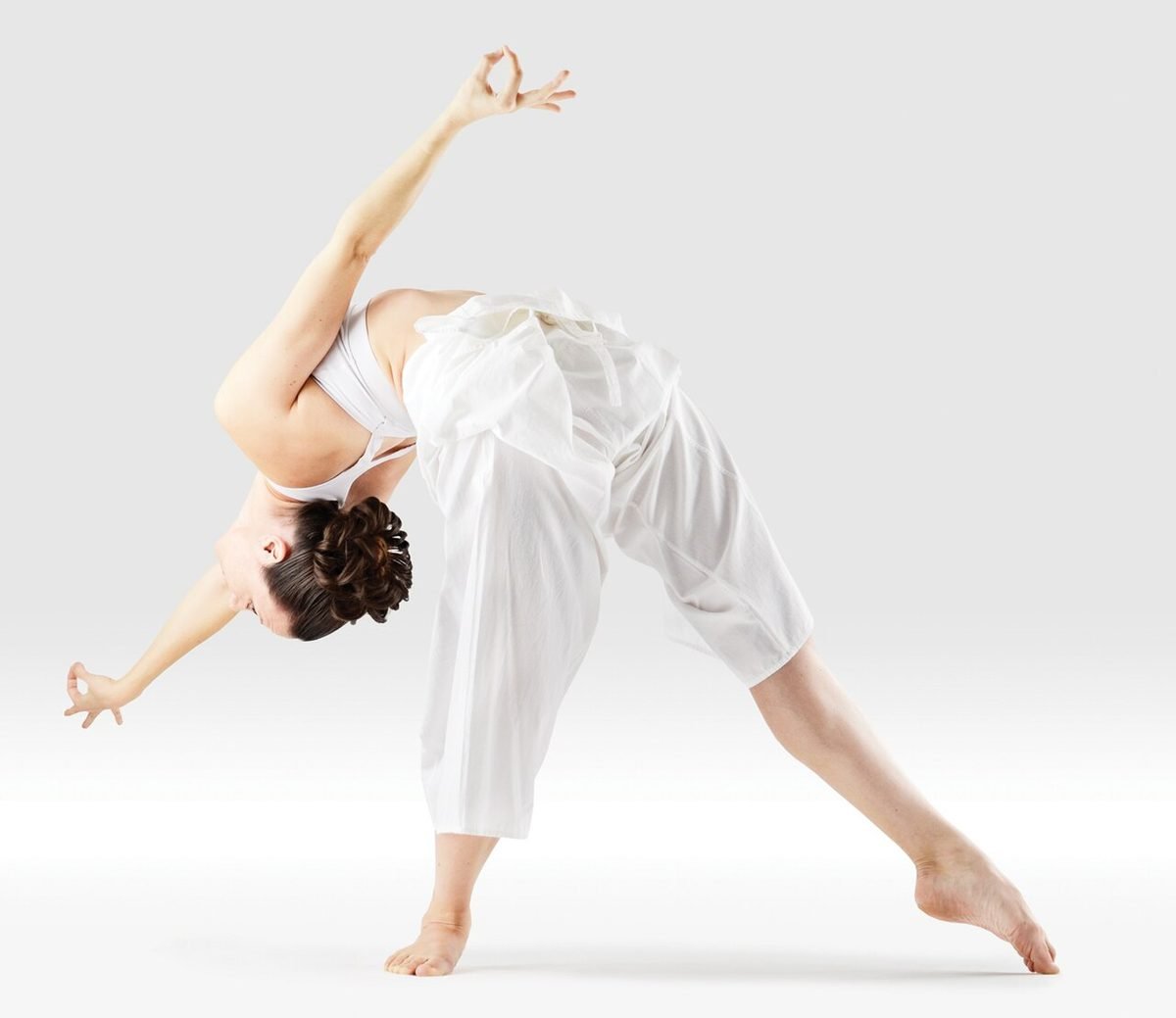
For backbends, roll the wheel slowly along the upper back, keep your feet flat on the floor, and let the curve do the work. A standard 12- or 12.6-inch wheel supports the thoracic spine — the upper and middle back — which is where most people are stiffest.
Do not drop straight into a deep bend. Warm up first, start near a wall for balance, and stop if anything feels sharp. A wheel supports a backbend; it does not create flexibility, and it does not fix back pain. Anyone with a diagnosed back condition should check with a clinician before using one.
For the same reason, pair wheel work with gentler props on other days: foam rollers cover broader muscle work, and the bolsters guide — the immediately previous guide in this series — covers supported resting poses.
Wheels for Balance and Core Work

A wheel also works as a balance tool. Standing with one foot on the wheel, or kneeling on it with hands on the floor, forces the core to stabilise — the same kind of training as a balance board, with a rolling challenge added.
Start beside a wall or a sturdy piece of furniture, and keep the wheel on a mat so it does not slide. Smaller wheels are harder to balance on, so the standard size is the safer starting point for balance work, and the wide Pete’s Choice gives the broadest base of the six.
Balance work pairs well with core gear already covered in this series, including balance boards for steadier practice and yoga mats for grip under the wheel.
Cleaning and Storing Your Wheel

Wipe a foam or TPE wheel with a damp cloth after practice, and let it dry before storing it. Cork wheels need the same wipe, plus a full air-dry — cork holds moisture, and a damp cork wheel left in a cupboard is the one that starts to smell.
Store the wheel upright against a wall, on a hook, or on a shelf. Do not stack heavy gear on it: a wheel kept under weight can flatten over time, and a flattened wheel rolls unevenly.
Check the surface before each use. If padding is peeling, cork is crumbling, or the core feels cracked, retire the wheel — a damaged wheel can fail under you mid-bend.
Safety Notes
A yoga wheel is safe when used slowly and within its limits. These seven steps keep it that way:
- Start on the floor, near a wall, with the wheel on a mat so it cannot slide.
- Warm up first — never drop into a deep backbend cold.
- Move slowly, and let the wheel’s curve support you rather than forcing depth.
- Keep your feet flat and your neck relaxed; do not let your head hang unsupported.
- Stay within the wheel’s stated weight limit, where one is given.
- Stop at once if you feel sharp pain, numbness, or dizziness.
- Check the wheel before each use for peeling padding, crumbling cork, or a cracked core.
A wheel does not make an advanced pose safe, does not create flexibility, and does not treat back pain or any medical condition. If you have a back, neck, or balance condition, or you are recovering from an injury, check with a clinician before using a wheel.
Frequently Asked Questions
What size yoga wheel should I buy? Most adults start with a standard 12- or 12.6-inch wheel for backbends. Smaller wheels suit targeted pressure work, and wider wheels feel gentler and more stable.
Do yoga wheels help back pain? A wheel can support gentle stretching and may feel good on a stiff upper back, but it does not treat back pain or any medical condition. Sharp or lasting pain needs a clinician, not a prop.
Can a beginner use a yoga wheel? Yes — start with a standard-size padded wheel, near a wall, with short, gentle sessions. The UpCircleSeven’s included pose guide is a useful starting point.
Cork or foam — which is better? Cork grips better with damp hands but needs drying after use. Foam and TPE wipe clean easily and resist sweat, but can feel slippery when you sweat heavily.
How do I clean a yoga wheel? Wipe foam and TPE with a damp cloth and let it dry. Wipe cork the same way, then air-dry it fully — cork holds moisture and can smell if stored damp.
Will a yoga wheel hold my weight? Check the stated limit: the Risefit claims 1,000 lb, the UpCircleSeven 550 lb, and the REEHUT under 330 lb. Three picks state no limit — treat that as a gap and confirm with the seller if your weight is near those figures.
Our Pick: Start Here

If you buy one wheel, start with the UpCircleSeven Pro Series: a standard 12 × 5 inch size, a 550 lb claimed capacity, sweat-resistant padding, and an 18-pose guide for beginners. It is the most complete all-rounder of the six.
If grip matters most, pick the Yoga Design Lab Cork Wheel — but check availability first, as its last dated record showed no featured offers. If you want the widest, gentlest wheel, the Pete’s Choice Extra Wide is the one to check, and if you need the highest stated limit, the Risefit Cork claims 1,000 lb.
Whichever wheel you choose, confirm the variant and the current offer before buying, start gently near a wall, and keep the rest of your kit in step: a good yoga mat under the wheel, and the bolsters guide for supported rest days.
As an Amazon Associate, we earn from qualifying purchases made through links on this page, at no extra cost to you.
This guide is research-based and for general information only. Sizes, materials and limits come from makers, roundups and listing records checked at the time of writing, and offers change — please confirm the current offer before buying. Nothing here is medical advice; check with a clinician if you have a back, neck, or balance condition.