

Why Cycling Shoes Belong in a Home Gym
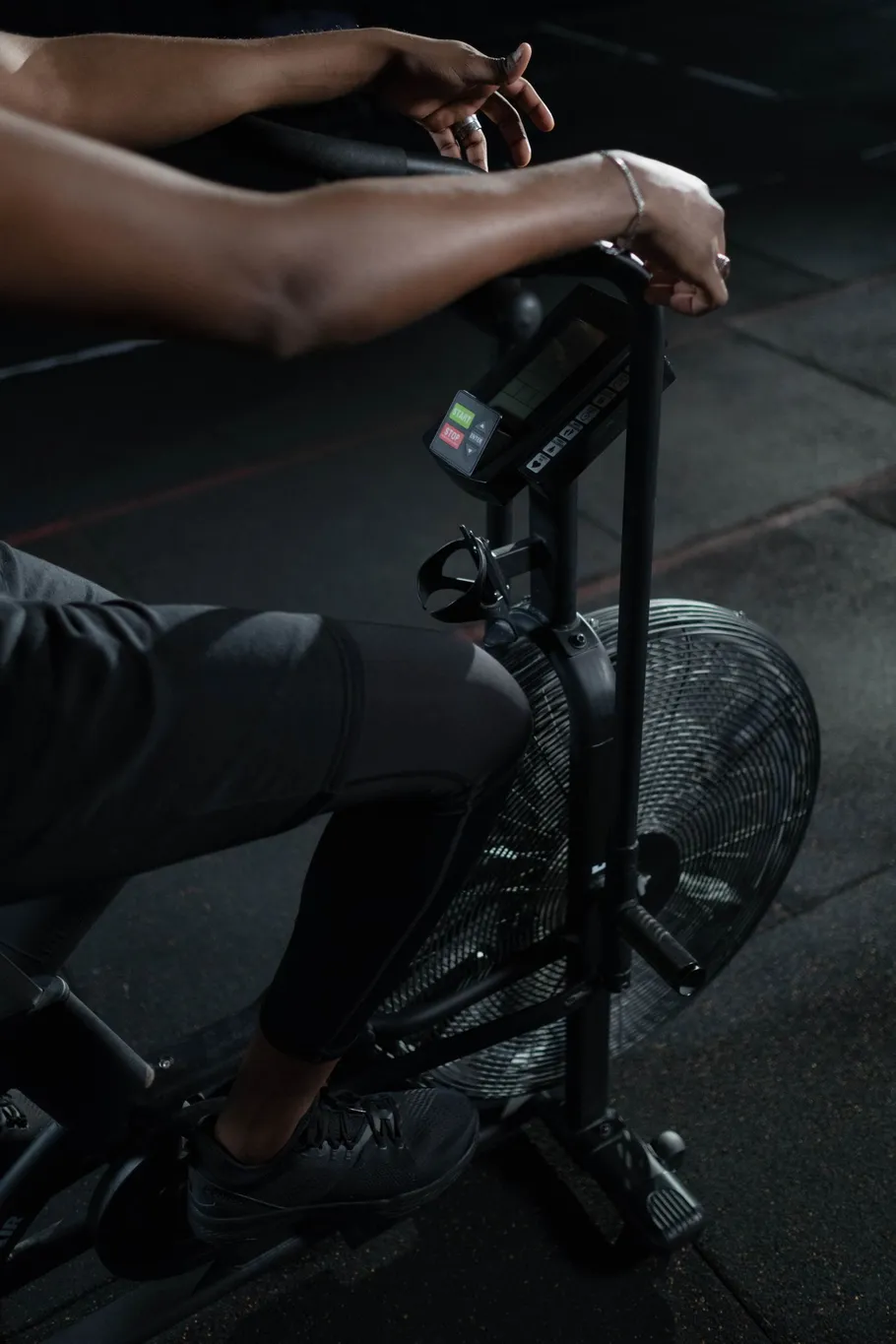
A cycling shoe is a stiff-soled shoe that clips into the bike pedal: a small metal cleat under the sole locks into the pedal, and the foot stays put for the whole ride. The stiff sole spreads the push across the foot, and the clip means the foot never slips off mid-sprint. 🚴
The shoe earns its place in a home gym because the bike is only half the ride. A spin bike with flat pedals takes any trainer, but a clipped-in shoe turns the pedal into a connection — and the connection is what the shoe is for.
Know what a cycling shoe is not. It is not a cross-training shoe, which is a flat, stable shoe for lifting — a cross-trainer grips the floor, while a cycling shoe grips the pedal, and our best cross-training shoes for home gyms covers the lifting shoe in full.
It is not a workout shoe either. A workout shoe is a general training shoe for the gym floor, built to bend and grip in every direction — and our best workout shoes for home gyms covers the general trainer in full.
It is not a weightlifting shoe, which has a raised heel for squats, and it is not a barefoot shoe, which has a thin sole for feeling the floor — and our best weightlifting shoes covers the heeled shoe in full.
It is not a running shoe either. A running shoe is cushioned for the treadmill, while a cycling shoe is stiff for the pedal — and a cushioned sole on a bike pedal bends, slips and wastes the push.
The bike itself matters as much as the shoe: the pedal decides which cleat fits, and the wrong cleat does not clip in at all. Our best exercise bikes for home gyms covers the bikes in full, and the pedal on your bike is the first thing to check.
The previous guide in this series, our best BOSU balls for home gyms, covers the half-dome trainer for balance work. The balance session ends on the dome, and the next session can start clipped into the bike.
In a home gym, the shoe earns its place beside the bike. It lives by the pedals, it clips in when the session starts, and it comes off when the ride ends.
How We Picked

We compared six indoor cycling shoes that are genuinely sold for home gyms right now, using maker records, listing records and independent roundups — not hands-on testing, and not roundup scores copied from other sites.
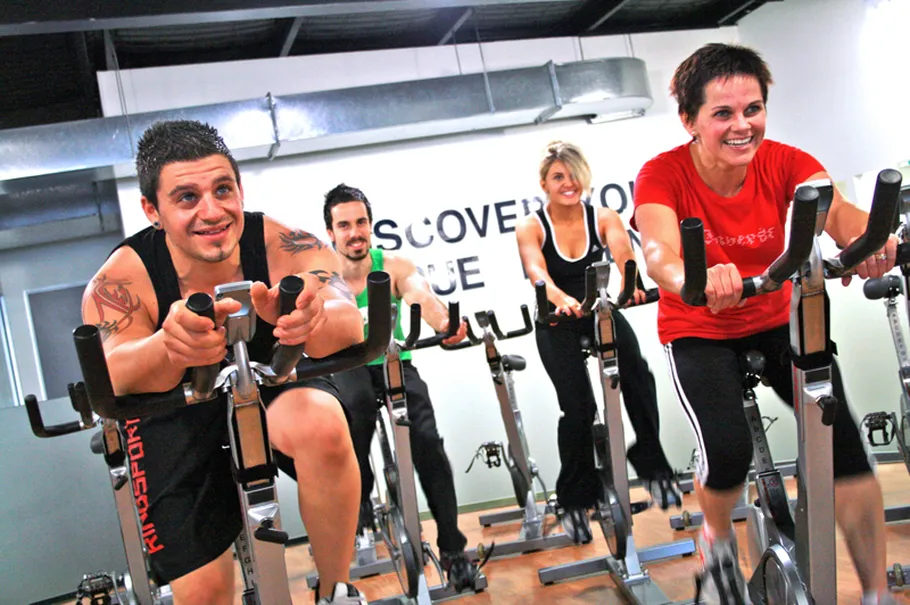
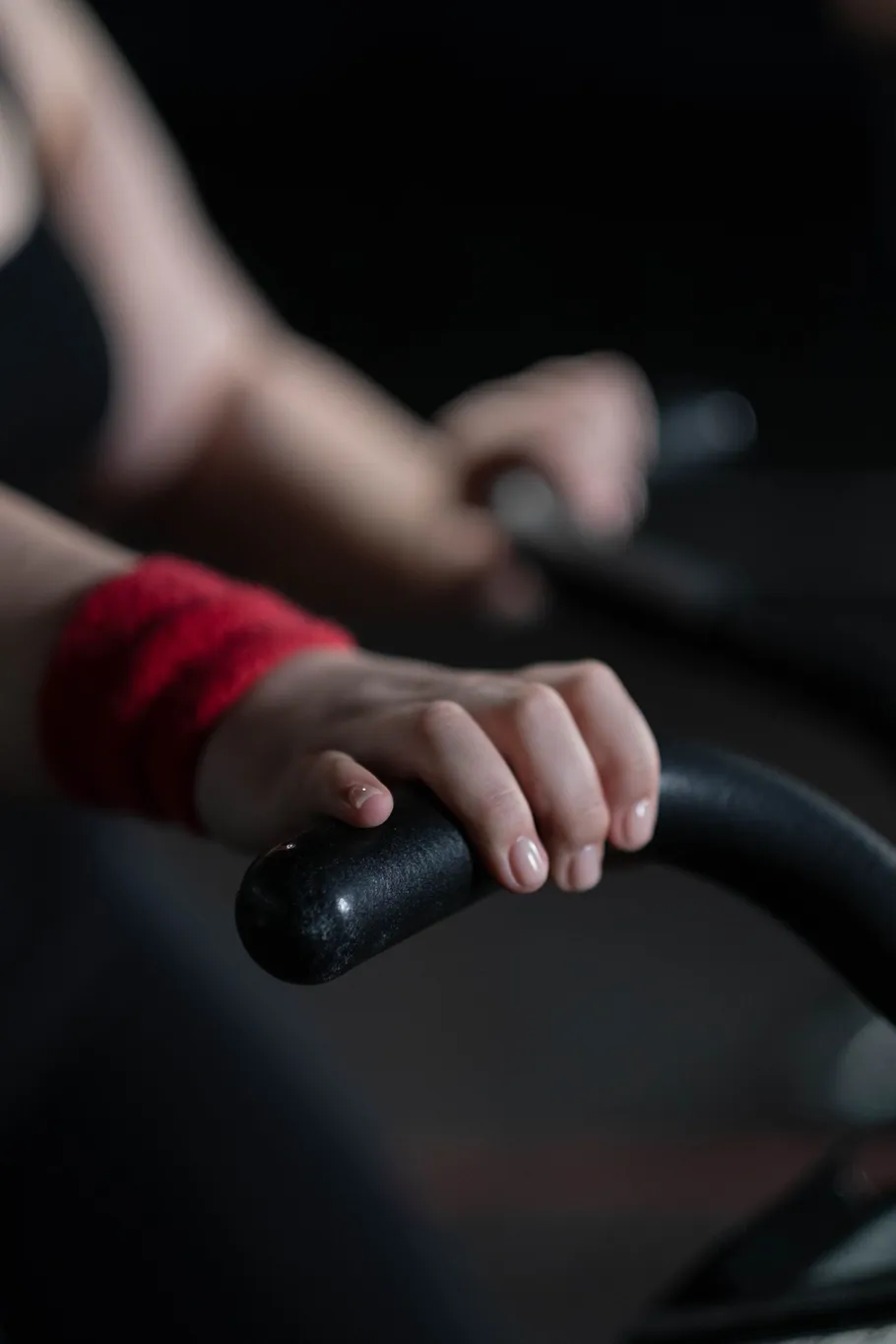
Every photo in this guide is an honest training scene, not a product shot of the named shoe. No maker photo was used anywhere, and no photo is presented as a shoe it is not.
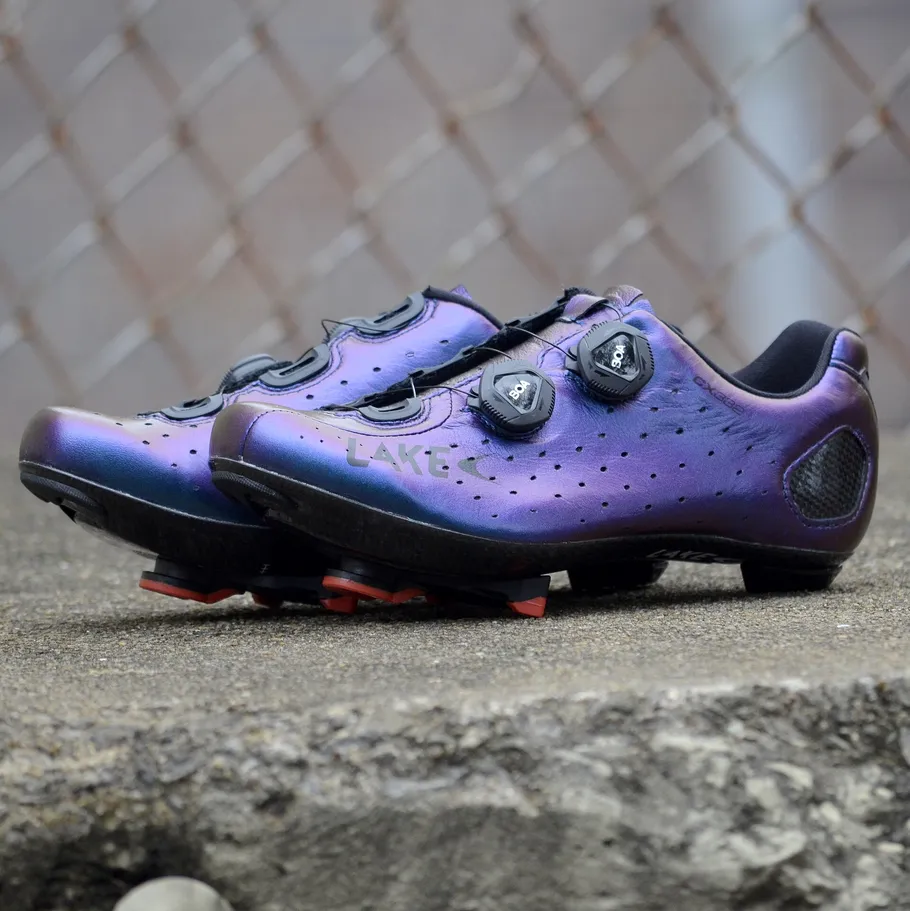
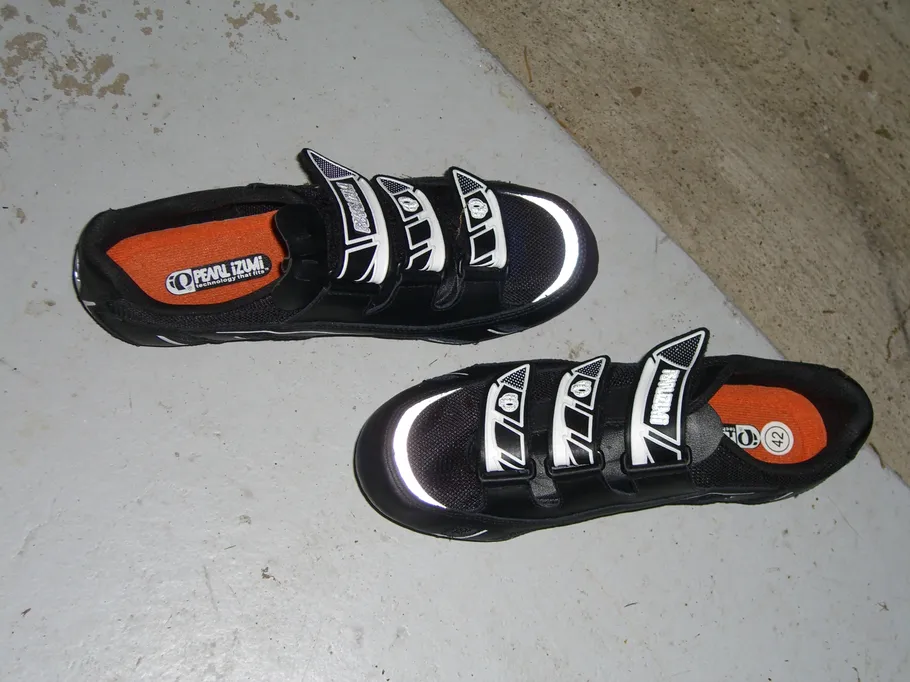
Four figures are genuine cycling shoes of other makers — a DMT Vega pair, a Lake CX332 pair, a red ratchet shoe and a Pearl Izumi pair — and each is captioned as the shoe it is, showing the closure or the cleat style of the pick it sits with, not the pick itself.
Where records disagree, the article says so instead of picking the flattering number — and this category disagrees on the basics, because prices move with every sale, and one pick’s price is a wide range, not a figure.
- Cleat system: which pedal the shoe clips into — 2-bolt SPD, 3-bolt Delta, or both — and whether the cleats come in the box.
- Closure: how the shoe fastens — a BOA dial, a ratchet clip, straps, or a slip-on — and how fast it adjusts mid-ride.
- Walkability: whether the cleat sits recessed in the sole or sticks out, and whether the shoe walks off the bike.
- Ventilation: the mesh and the vents, and whether the shoe breathes on a long ride.
- Fit: how the shoe sizes run — true, large or small — and what to do between sizes.
- Price: the stated price as sourced — direct, sale and third-party prices kept apart, never blended.
Also considered: the Peloton Altos — a real Peloton shoe at $145, with a single strap and Delta cleats included, and a lighter build than the classic Peloton shoe.
It was set aside because it is the same Delta-only shoe in a lighter, single-strap form, so it adds no distinct cleat system or use case — and the classic Peloton shoe is the first alternate’s parent.
Also considered: the Giro Cadet — the original at $175 list, with a BOA L6 dial and a strap, and a 2-bolt option. It was set aside because the Cadet II at $174.95 is 3-bolt road only, and one roundup calls it “not the best choice” for recessed SPD spin bikes.
Also considered: the Shimano RP101 — a real shoe at about $65, taking SPD and SPD-SL, with no cleats in the box. It was set aside because it adds no closure or cleat system the IC100 does not already cover, at a price between the IC100 and the Venzo.
Also considered: the Tommaso Strada 200 — a real shoe with Delta cleats included. It was set aside because it is a Delta-only road shoe in the same lane as the Peloton shoe, with no distinct fit or closure to add.
Comparison
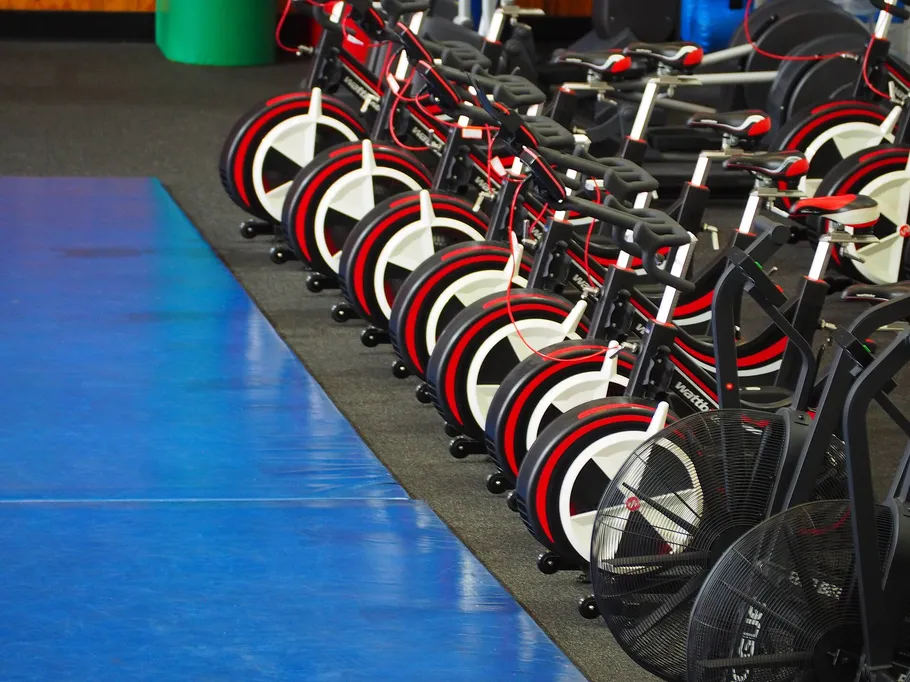
| Pick | Cleats | Closure | Standout |
|---|---|---|---|
| Peloton Cycling Shoes | Delta 3-bolt only | Ratchet + hook-and-loop | Best Classic, cleats included |
| Shimano IC501 | SPD 2-bolt only | BOA dial + strap | Best Overall, recessed cleat |
| TIEM Slipstream | SPD 2-bolt only | Slip-on + single strap | Best Walkable, runs large |
| Nike SuperRep Cycle | 2-bolt + 3-bolt via adaptor | Two hook-and-loop straps | Best Everyday, runs small |
| Shimano IC100 | 2-bolt + 3-bolt, no adaptor | Single cross-strap | Best Versatile, 5-hole sole |
| Venzo Cycling Shoes | 2-bolt + 3-bolt | Three velcro straps | Best Budget, Delta cleats included |
Read the table honestly. It carries no price column on purpose: the Venzo is a range with a conflict, and the other prices mix direct, list and sale figures — so prices sit in the pick sections as sourced, not as settled figures.
It carries no weight column and no lightest crown either: only the IC501 states a weight, so a crown would rank one stated figure against five silences.
It carries no stiffest crown either: the IC5 sole is rated 5 out of 12 and the Cadet is rated 80 N/mm, and those are unlike units that cannot be compared — so no stiffness ranking is printed.
It carries no whole-guide “most compatible” crown either: the IC100 takes both systems natively, while the SuperRep takes both through an adaptor — and those are different mechanisms, stated in their sections, not ranked.
Peloton Cycling Shoes
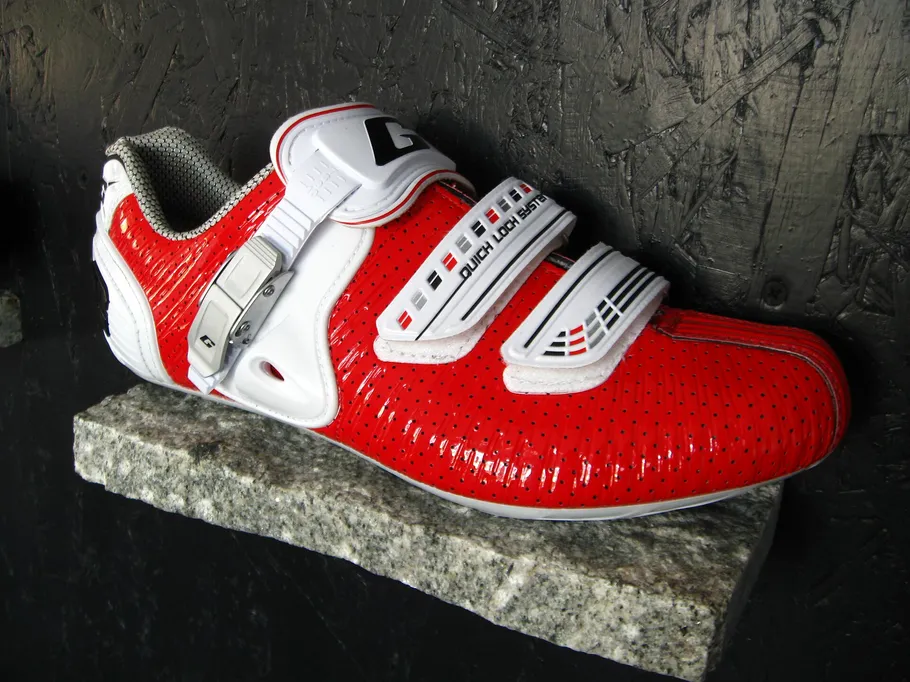
The Peloton Cycling Shoes are the best classic because they are the shoe the Peloton bike was built around: $125, Delta-compatible cleats included in the box, and a ratchet clip with hook-and-loop straps. 🎯
You clip in, ride, and unclip at the end — and the cleats are the point: they come in the box, so there is nothing extra to buy before the first ride.
The shoe takes 3-bolt Delta cleats only, and the ratchet clip tightens with one pull while the straps hold the forefoot — so the fit adjusts mid-ride without stopping.
The record carries one flag, and it is printed here. Delta does not fit 2-bolt SPD pedals, so this shoe does not clip into an SPD-only bike — and a buyer with SPD pedals needs a different pick.
And do not confuse it with the Peloton Altos, a lighter Peloton shoe with a single strap — the classic shoe is the ratchet-and-strap shoe, and the Altos is the first alternate in How We Picked.
Pros
- Best classic — the shoe built for the Peloton bike.
- Delta cleats included in the box, nothing extra to buy.
- Ratchet clip tightens with one pull, mid-ride.
Cons
- Delta 3-bolt only — does not fit SPD pedals.
- The cleat sticks out, so it does not walk like a recessed shoe.
- No BOA dial — the ratchet is the only fine adjustment.
Listing check: confirm the Peloton Cycling Shoes (not the Peloton Altos) before ordering, and check the Delta cleats, the ratchet clip and the price from that listing itself.
If the listing shows a single strap and no ratchet, it is the Altos, not this pick, and if it shows no cleats in the box, check the model name before ordering.
Best for: a buyer with a Peloton bike who wants the classic shoe — $125, with the cleats in the box.
May not fit: anyone with SPD-only pedals, anyone who wants a recessed walkable cleat, or anyone who wants a BOA dial.
Shimano IC501
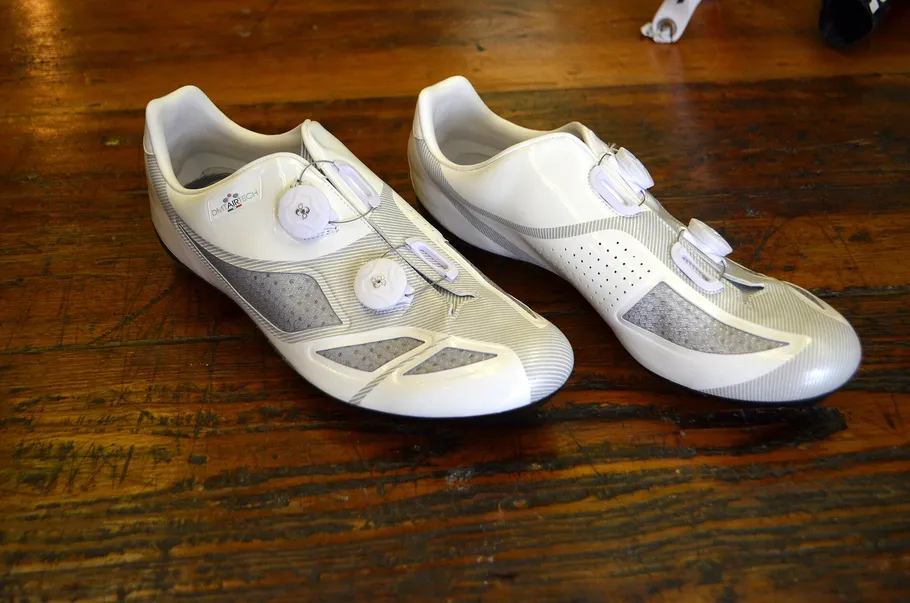
The Shimano IC501 is the best overall because it is the most complete indoor shoe here: $140, a BOA L6K dial with a wide instep strap, and a recessed SPD cleat you can walk in. 💪
You dial it tight, clip in, and ride — and the dial is the point: one twist tightens the whole shoe evenly, and the strap locks the instep down.
The shoe takes 2-bolt SPD only, the cleat sits recessed in a full-length rubber outsole, and the mesh upper breathes with a FUZE anti-odour treatment — so it walks off the bike like a trainer.
The record carries two flags, and both are printed here. First, the price: the launch price was $135 per BikeRadar, but the current figure is $140 — so the price has moved since launch.
Second, the weight: the maker claims 279 g in a size 40, and Cycling Weekly weighed a pair at 557 g in size 40 — and those two figures agree, because a pair is two shoes.
And do not confuse it with the IC100, the cheaper Shimano pick below — the IC501 is the dial shoe with the rubber outsole, and the IC100 is the strap shoe with the 5-hole sole.
Pros
- Best overall — BOA dial, recessed cleat, rubber outsole.
- Walks off the bike like a trainer.
- Mesh upper with FUZE anti-odour treatment.
Cons
- SPD 2-bolt only — does not fit Delta pedals.
- Price moved — $135 at launch, $140 now.
- Cleats not included — buy SPD cleats separately.
Listing check: confirm the Shimano IC501 (not the IC100, not the IC5) before ordering, and check the BOA dial, the recessed cleat and the price from that listing itself.
If the listing shows a single cross-strap and no dial, it is the IC100, not this pick, and if it shows a 5-hole sole, check the model name before ordering.
Best for: a buyer who wants the most complete indoor shoe — BOA dial, recessed cleat, and a sole that walks.
May not fit: anyone with Delta pedals, anyone who wants cleats in the box, or anyone who wants the cheapest Shimano.
TIEM Slipstream

The TIEM Slipstream is the best walkable pick because it is a cycling shoe you can walk in: $145, a slip-on fit with a single velcro strap, and a recessed SPD cleat that hides in the sole. 🚶
You slip it on, pull the strap, and walk to the bike — and the walk is the point: the cleat sits recessed, so the shoe walks like a trainer, not like a road shoe.
The shoe takes SPD 2-bolt only, the cleats are not included in the box, and the fit runs large — so most buyers size down half a size.
The record carries one flag, and it is printed here. SPD 2-bolt only means this shoe does not fit Delta or Peloton pedals at all — and that is the central incompatibility in this guide, so check the pedals first.
And do not confuse it with the IC501, the other recessed SPD shoe — the TIEM is the slip-on shoe with one strap, and the IC501 is the dial shoe with a rubber outsole.
Pros
- Best walkable — recessed cleat, slip-on fit.
- Walks off the bike like a trainer.
- Single strap — the fastest shoe to put on here.
Cons
- SPD only — does not fit Delta or Peloton pedals.
- Cleats not included — buy SPD cleats separately.
- Runs large — size down half a size.
Listing check: confirm the TIEM Slipstream (not another TIEM model) before ordering, and check the SPD-only cleat, the single strap and the price from that listing itself.
If the listing shows Delta cleats or a BOA dial, it is not this pick, and if it shows cleats in the box, check the model name before ordering.
Best for: a buyer who wants to walk in the shoe — slip-on, recessed cleat, and a stride off the bike.
May not fit: anyone with Delta or Peloton pedals, anyone who wants cleats in the box, or anyone who wants a dial fit.
Nike SuperRep Cycle
The Nike SuperRep Cycle is the best everyday pick because it is the training shoe that learned to clip in: $120, a mesh upper with two hook-and-loop straps, and a cleat plate that takes both systems. 👟
You strap it on, clip in, and ride — and the plate is the point: an adaptable cleat insert plate takes 2-bolt and 3-bolt cleats, so one shoe fits more pedals.
The shoe takes 2-bolt SPD through the adaptor and 3-bolt directly, the cleats are not included in the box, and the fit runs small — so most buyers size up at least half a size.
The record carries one flag, and it is printed here. SPD needs the adaptor, so the 2-bolt fit is not native — and a buyer who loses the adaptor loses the SPD fit with it.
And do not confuse it with the IC100, the other both-systems shoe — the SuperRep takes both through an adaptor, and the IC100 takes both natively on a 5-hole sole.
Pros
- Best everyday — a training shoe that clips in.
- Takes 2-bolt and 3-bolt cleats on one plate.
- Mesh upper with two simple straps.
Cons
- SPD needs the adaptor — not a native 2-bolt fit.
- Cleats not included — buy cleats separately.
- Runs small — size up at least half a size.
Listing check: confirm the Nike SuperRep Cycle (not another SuperRep model) before ordering, and check the adaptable cleat plate, the two straps and the price from that listing itself.
If the listing shows a BOA dial or a single strap, it is not this pick, and if it shows cleats in the box, check the model name before ordering.
Best for: a buyer who wants an everyday shoe — mesh, two straps, and a plate that fits more pedals.
May not fit: anyone who wants a native SPD fit, anyone who wants cleats in the box, or anyone who wants a dial fit.
Shimano IC100
The Shimano IC100 is the best versatile pick because it is the only shoe here that takes both cleat systems without an adaptor: $110, a 5-hole outsole, and a single cross-strap. 🔄
You fit the cleat, strap it once, and ride — and the sole is the point: five holes take 2-bolt SPD and 3-bolt Delta, so the shoe follows the pedals, not the other way round.
The shoe has a mesh upper and a glass-fibre reinforced nylon sole, the cleats are sold separately per Shimano, and the fit runs true — but size up if you sit between sizes.
The record carries two flags, and both are printed here. First, the price: the shoe launched at $90 in 2020, but the current figure is $110 — so the price has moved since launch.
Second, buyer reviews report the strap holes ripping — so the single strap is the weak point, and a buyer should check the strap on arrival, not after a month.
And do not confuse it with the IC501, the dearer Shimano pick — the IC100 is the strap shoe with the 5-hole sole, and the IC501 is the dial shoe with the rubber outsole.
Pros
- Best versatile — both cleat systems, no adaptor.
- 5-hole sole follows the pedals you already have.
- Mesh upper with a glass-fibre reinforced sole.
Cons
- Cleats sold separately — buy cleats with the shoe.
- Price moved — $90 at launch, $110 now.
- Buyers report the strap holes ripping.
Listing check: confirm the Shimano IC100 (not the IC501, not the IC5) before ordering, and check the 5-hole sole, the single cross-strap and the price from that listing itself.
If the listing shows a BOA dial or a rubber outsole, it is the IC501, not this pick, and if it shows a 3-hole sole only, check the model name before ordering.
Best for: a buyer who wants one shoe for two pedal systems — 5 holes, one strap, and no adaptor.
May not fit: anyone who wants cleats in the box, anyone who wants a dial fit, or anyone who wants the toughest strap.
Venzo Cycling Shoes
The Venzo Cycling Shoes are the best budget pick because they are the cheapest way into a clipped-in ride: about $51.99 to $65 in current listings, with Delta cleats included in the box. 💰
You strap it three times, clip in, and ride — and the cleats are the point: Delta cleats with 9-degree float come in the box, so there is nothing extra to buy.
The shoe takes 2-bolt and 3-bolt cleats on one sole, it closes with three velcro straps, and the warranty runs two years — the longest warranty here, on the women’s model per Volata.
The record carries two flags, and both are printed here. First, the price: an older Tom’s Guide review prints $109.99, but current listings run about $51.99 to $65 — so the price is a range with a conflict, never settled here.
Second, there is no Allen key in the box, per Tom’s Guide — so the cleat bolts need your own key, and a buyer should have one ready before the first ride.
And do not confuse it with the Peloton shoe, the other Delta-cleats-included pick — the Venzo is the budget shoe with three straps, and the Peloton shoe is the classic with a ratchet.
Pros
- Best budget — the cheapest clipped-in ride here.
- Delta cleats included, with 9-degree float.
- Two-year warranty, the longest here.
Cons
- Price unsettled — $109.99 against $51.99 to $65.
- No Allen key in the box for the cleat bolts.
- Three straps, no dial — the slowest fit to adjust.
Listing check: confirm the Venzo Cycling Shoes (not another Venzo model) before ordering, and check the Delta cleats, the three straps and the price from that listing itself.
If the listing shows a BOA dial or a single strap, it is not this pick, and if it shows no cleats in the box, check the model name before ordering.
Best for: a buyer who wants the budget shoe — about $51.99 to $65, with the cleats in the box.
May not fit: anyone who wants a dial fit, anyone who wants a settled price, or anyone who wants an Allen key in the box.
How to Choose
Pick the cycling shoe by the pedals you already have, not by the brand on the box. The cleat sets the fit, the closure sets the feel, and the sole sets whether the shoe walks.
Start with the pedals: Delta 3-bolt pedals take the Peloton shoe, the IC100 and the Venzo, while SPD 2-bolt pedals take the IC501, the TIEM and the IC100 — so the IC100 is the only shoe that fits both without an adaptor.
Then check the closure against your hands: a BOA dial tightens with one twist, a ratchet pulls tight with one clip, and straps take three pulls — so the dial is the fastest fit here, and the straps are the slowest.
Then check the sole against your walk: a recessed SPD cleat walks like a trainer, while a 3-bolt cleat sticks out and clicks on hard floors — so the walk matters as much as the ride.
And check the box before ordering: the cleats, the key and the adaptor matter, because a shoe without its cleats is a shoe you cannot clip in.
Choose Your Type
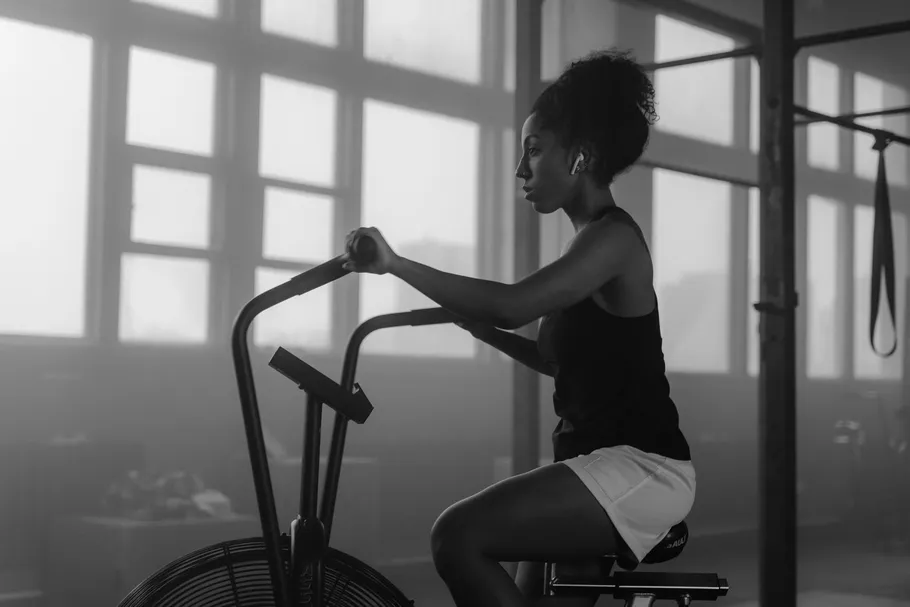
Pick the type by the pedal under your foot. A Delta 3-bolt shoe clips into a Peloton-style pedal with a wide triangular cleat, and the cleat sticks out of the sole.
An SPD 2-bolt shoe clips into a smaller recessed cleat, and the cleat hides inside the sole — so the shoe walks off the bike like a trainer.
A both-systems shoe takes either cleat, and the IC100 takes both natively while the SuperRep takes both through an adaptor — so the mechanism is the difference, not the claim.
And a road shoe is a different type again: a stiff road shoe with 3-bolt cleats is built for the road, not for a spin bike, and it walks worst of all — so a road shoe is not an indoor shoe.
An air bike is a different machine from a spin bike, with flat pedals that take any trainer — so no cycling shoe is needed there, and the air bike is the deeper dive on its own.
Choose Your Size
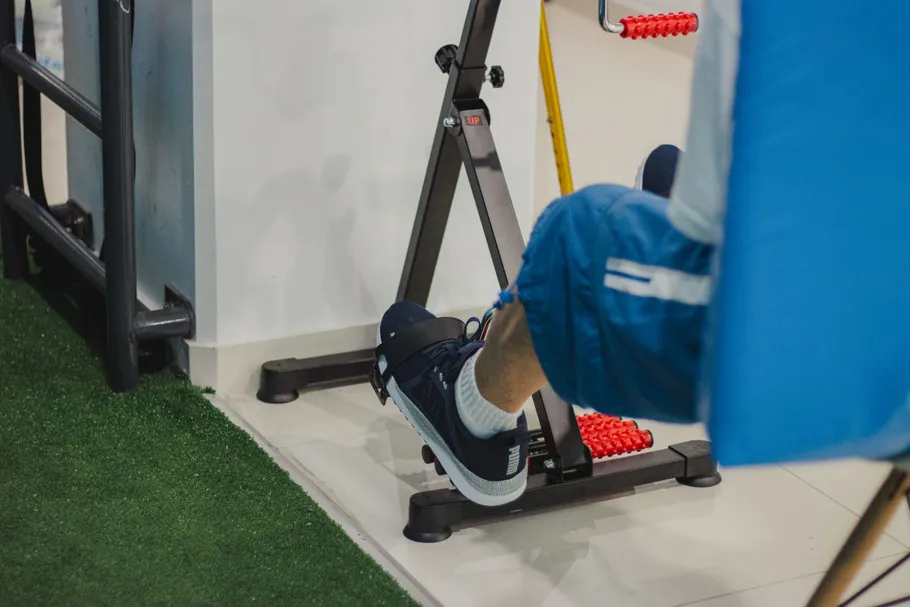
Pick the size by the maker’s own record, not by your trainer size. The TIEM runs large, so most buyers size down half a size — and the SuperRep runs small, so most buyers size up at least half a size.
The IC100 runs true, but size up if you sit between sizes — and a shoe that pinches the toes will hurt by the second song, not the second month.
A cycling shoe should fit snug, like a glove, with no heel lift and no toe pinch — and a loose shoe slides on the pedal, while a tight shoe numbs the foot.
Measure the foot before ordering, not after — the size chart on the listing is the check, and the returns policy is the safety net if the size is wrong.
And fit the cleat after the shoe fits: the cleat position sets the push, and a cleat too far forward loads the toes, while a cleat too far back loads the heel.
Choose Your Features
Pick the features by what you will touch every session. The closure comes first: a BOA dial, a ratchet clip, or straps — and the fit you adjust mid-ride is the feature you cannot change later.
The sole comes second: a full-length rubber outsole walks off the bike, a glass-fibre reinforced nylon sole spreads the push, and a recessed cleat hides inside either — so check the sole on the listing, not from a photo.
The upper comes third: a mesh upper breathes on a long ride, and the IC501 adds a FUZE anti-odour treatment — so a shoe that breathes stays fresh longer than a shoe that does not.
And the extras come fourth: the cleats in the box, the float on the cleat, and the warranty on the shoe — the Venzo’s 9-degree float and two-year warranty are the extras to beat here.
Check the small print on every feature before ordering: the cleat system where stated, the closure where stated, and the price where stated — every pick here carries a flag. The feature that disappoints is always the one nobody checked.
Choose Your Placement
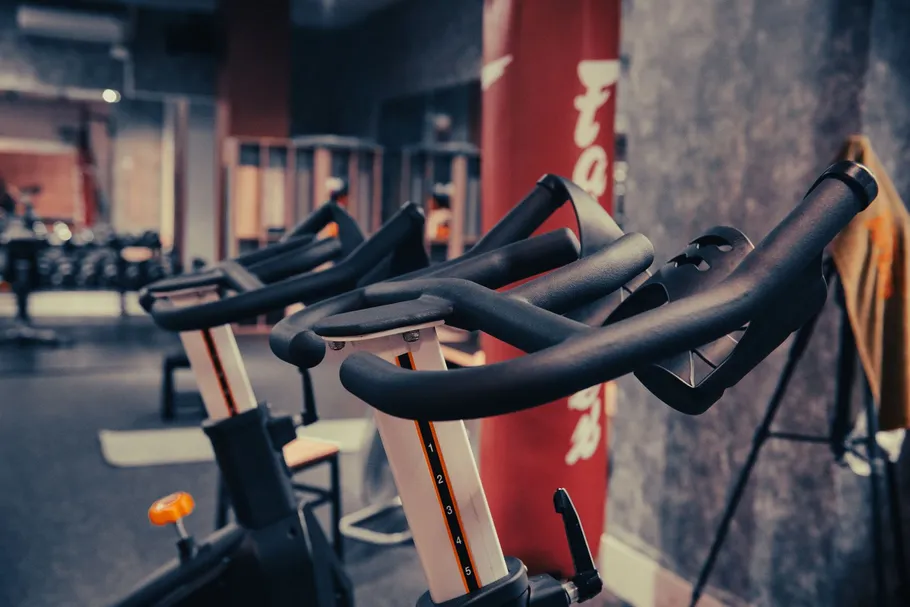
Pick the placement by where the ride happens. The shoes live by the bike, not in a hallway: they sit where the session starts, and the ride starts there.
And the test is whether they are out when the session starts. The shoes by the bike get worn every ride; the shoes in a cupboard get forgotten.
Keep the cleats off wood floors and off the hallway: a 3-bolt cleat clicks and scratches, and a recessed cleat still picks up grit — so the shoes stay by the bike, not by the door.
Whatever spot you pick, keep the shoes dry and the cleats clean: a sweaty shoe left damp smells by the next ride, and a gritty cleat clips in badly.
A bike shares its corner with a mat, and the mat is what the bike stands on — a mat under the bike keeps the floor safe from a dropped cleat, and the bike stays put on the mat.
Safety
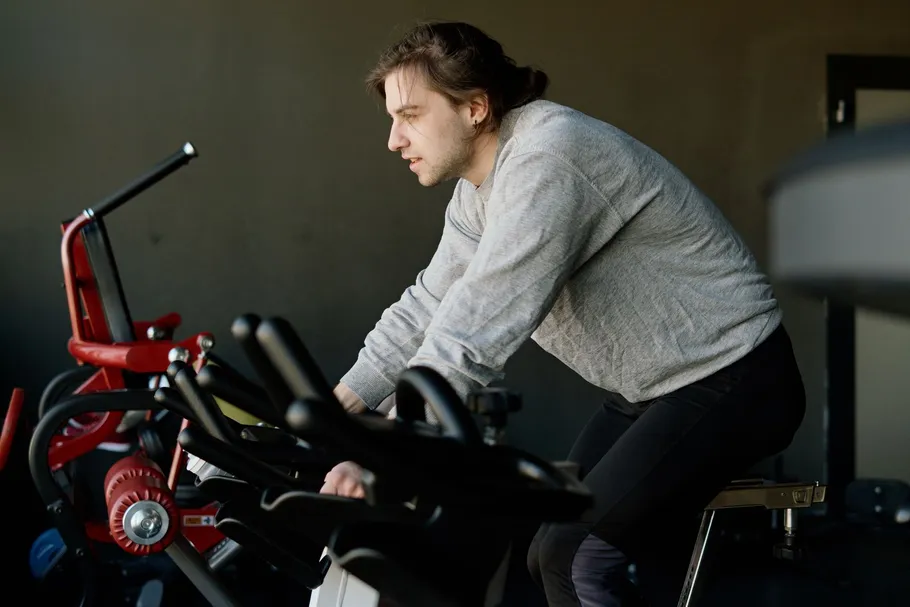
1. Check the cleat bolts before every ride: a loose cleat twists under the foot, and a cleat that twists is a foot that slips — so tighten the bolts, not the straps, first.
2. Learn to clip in and clip out before the flywheel spins: practise the twist-out on a still bike first, then ride — a foot that cannot unclip is a foot that falls with the bike.
3. Stop the flywheel before stepping off: a spinning flywheel keeps the pedals turning, and a foot on a turning pedal is a shin on a moving crank — so brake the wheel, then unclip.
4. Keep the bike stable before you clip in: the bike should sit flat and firm on the floor, and a bike that rocks is a bike that tips when the foot locks in.
5. Wear the right shoe for the pedals you have: a Delta shoe does not fit an SPD pedal, and forcing a cleat into the wrong pedal breaks the cleat, not the pedal.
6. Stop on any sharp pain, dizziness or numbness: a hot foot is normal on a long ride, a sharp pain in a joint is a stop signal — end the session, not the day, and do not push through it.
7. A foot problem, a joint condition, or a condition that a fall could worsen is a clinician’s question: see a clinician before buying cycling shoes to help it, and do not use any pick here as treatment for a foot, knee or other health condition.
This guide is general information only, not medical advice. Cycling shoes are general fitness tools and are not intended to treat or cure any health condition. If you have a foot problem, a joint condition, or are recovering from surgery, talk to a clinician before using clipped-in shoes.
Frequently Asked Questions

Will cycling shoes fix my feet or my knees?
No — this guide makes no treatment claim for any pick here. A cycling shoe is a general fitness tool for healthy users, not a treatment for foot pain, knee pain or any health condition.
A foot that keeps hurting, a knee that is getting worse, or an injury that is not healing is a clinician’s question, not a shopping question. See a clinician first, and buy shoes only for general fitness, not for fixing.
Do I need cleats, or can I ride in trainers?
You can ride in trainers on flat pedals or in toe cages — and many bikes ship with pedals that take trainers. A cycling shoe only helps once the pedal takes a cleat.
The Peloton shoe and the Venzo ship with Delta cleats in the box, while the IC501, the TIEM, the SuperRep and the IC100 do not — so check the box before ordering, not after.
Will these shoes fit my Peloton bike?
Only the Delta shoes fit a Peloton pedal: the Peloton shoe itself, the Venzo with its included Delta cleats, the IC100 on its 5-hole sole, and the SuperRep through its adaptor plate.
The TIEM and the IC501 are SPD-only, so they do not fit a Peloton pedal at all — and no adaptor in this guide changes that.
Can I walk in cycling shoes?
It depends on the cleat. A recessed SPD cleat hides in the sole, so the IC501, the TIEM and the IC100 walk off the bike like trainers — and the TIEM is the walkable pick here.
A 3-bolt Delta cleat sticks out of the sole, so the Peloton shoe clicks on hard floors and walks worst — and a road shoe with 3-bolt cleats walks worst of all.
What size should I order?
Check the maker’s own record first. The TIEM runs large, so most buyers size down half a size, while the SuperRep runs small, so most buyers size up at least half a size.
The IC100 runs true, but size up if you sit between sizes — and the size chart on the listing is the check, with the returns policy as the safety net.
What goes under the bike?
A floor that protects both the bike and the room. Hard floors want a mat or tiles under a training area so a dropped weight does not crack the floor, and a rubber floor still wants a mat so the bike does not slip.
Our best gym flooring for home gyms covers mats and tiles by room type in full. Whatever you put down, check it after the first week: a mat that has shifted has already told you the bike is wrong.
Our Pick: Start Here
Start with the Peloton Cycling Shoes if you want the classic shoe — $125, with the Delta cleats in the box.
Start with the Shimano IC501 if you want the best overall shoe — $140, a BOA dial, and a recessed cleat you can walk in.
Start with the TIEM Slipstream if you want the walkable shoe — $145, slip-on, and a stride off the bike — and the Nike SuperRep Cycle if you want the everyday shoe at $120.
Start with the Shimano IC100 if you want the versatile shoe — $110, a 5-hole sole, and both cleat systems with no adaptor.
Start with the Venzo Cycling Shoes if you want the budget shoe — about $51.99 to $65, with the Delta cleats in the box.
Whichever you start with, check the listing’s own cleat system, closure, fit and price before ordering — the conflicts in this guide are the reason, not the excuse.
Disclosure: As an Amazon Associate, we earn from qualifying purchases made through links in this guide, at no extra cost to you.
Specs in this guide come from maker and listing records checked during research; where records conflict, the conflict is printed in the guide rather than resolved by picking one figure.