

A belt squat machine moves the load from your shoulders to your hips. A belt around your waist connects to a lever, a cable or a vertical platform, so your legs do the squatting while your spine stays out of the loading path. 🏋️
That one change is the whole appeal. Lifters with beat-up shoulders, cranky lower backs or a history of barbell-squat misses can still train heavy squats — plus rows, calf raises and deadlift variations on some stations — without a bar across the traps or a spotter hovering behind them.
A belt squat is not a leg press in disguise. You stand and squat through a real hip-and-knee pattern, with your feet planted and your torso free, which is why it carries over to sport and daily strength better than a seated press. The trade-off is floor space: even the smallest station here claims a real corner of the room.
If you are building the room around leg training, our glute ham developer machines guide covers the posterior-chain station that pairs with a belt squat, and our leg press machines guide covers the seated alternative if a standing squat station is more than your room allows.
Why a Belt Squat Machine Belongs in a Home Gym
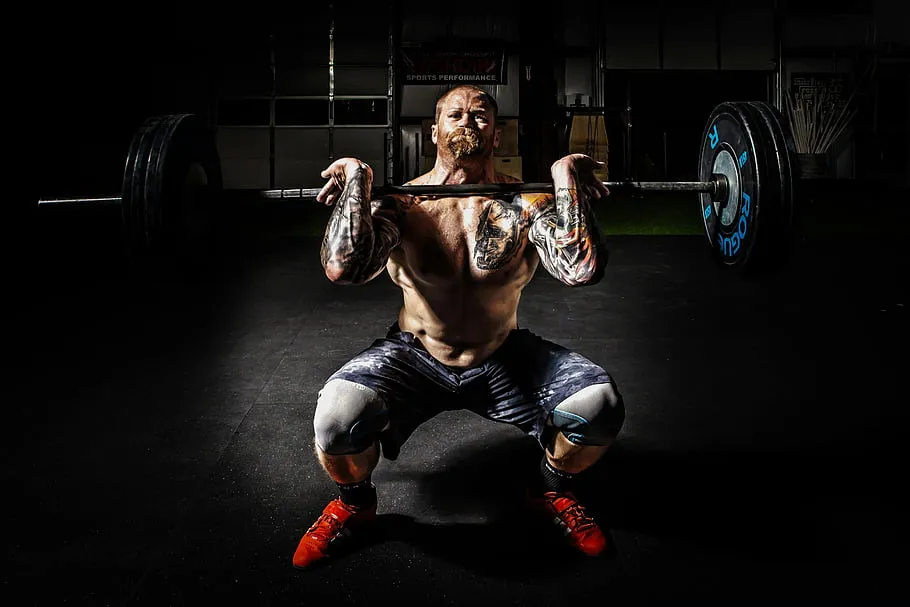
Heavy legs without a loaded spine is where a belt squat earns its floor space. The belt carries the weight at your hips, so your quads and glutes work through a full squat while your back stays comparatively unloaded. 🦵
It also keeps your training consistent when barbell squats are off the table. No spotter needed, no bar to unrack — just clip in, step onto the platform and squat. The same station then covers rows, calf work and hip-hinge variations, so one corner of the room trains a whole lower-body day.
Beginners get a safer way to learn depth and knee tracking under load, and experienced lifters get a tool for high-volume squat work and belt-squat marches that would wreck their shoulders under a bar. The trade-off is real: a belt squat never fully replaces barbell squats for competition lifters, and the best stations are big, heavy and far from cheap.
How We Picked
We compared belt squat machines that are genuinely sold for home use, with published dimensions, capacities and belt setups — not commercial club units that need a dealer quote. 🏠
Our scoring weighed five things:
- Type and loading path — cable, vertical or lever, because the mechanism decides what the load actually feels like.
- Footprint and height — the real floor space a station claims, plus ceiling clearance for the tallest frames.
- Capacity and honesty — stated ratings only, with conflicts stated plainly and unstated ratings named as unstated.
- Belt, fit and safety stops — the included belt, chain length, weight stops and how the station fits different body sizes.
- Honest limits — every pick below states its listing warnings plainly.
One honest limit up front: belt squat machines are mostly sold direct or through specialty dealers, not through Amazon storefronts, so only two picks here carry dated US Amazon records — the rest use tagged search links, and no whole-guide record range is given. Research sources named in this guide include Garage Gym Reviews tester reviews, Strong Home Gym (updated 2026-06-15), BarBend and Total Shape-style roundups, and the makers’ own pages. Where sources disagree, both figures are stated — never silently resolved.
For the plates these stations load, see our bumper plates guide, and for the wider setup they slot into, our home gym systems guide.
Comparison
| Machine | Best for | Type | Capacity | Standout |
|---|---|---|---|---|
| Rogue Monster Rhino | Cable station, 1:1 load | Cable, standalone or drop-in | Not disclosed by maker | Doubles as a cable station |
| Titan SquatMax-MD | Compact vertical station | Vertical free-weight | 1,000 lb belt, 1,300 lb pin | Most compact standalone footprint |
| Bells of Steel Belt Squat Machine 2.0 | Adjustable standalone lever | Lever, standalone | 700 lb | 13 adjustable heights |
| Mikolo Belt Squat Machine | High capacity, dated listing | Lever, standalone | 1,000 lb | 4 plate-storage pins |
| Betollo Belt Squat Attachment | Rack owners, top attachment rating | Lever, rack attachment | 1,100 lb | Fits 2×2, 2×3 and 3×3 racks |
| Fringe Sport Mammoth | Lightest, most versatile attachment | Lever, rack attachment | 900 lb | Rows, curls, calf raises, presses |
Two patterns jump out. The standalone stations claim the most floor but need no rack at all, while the two attachments cost almost no floor space and ask for a rack you already own.
Capacity figures need care here: the Betollo’s 1,100 lb is the highest-rated attachment, but the SquatMax’s loading pin alone is rated 1,300 lb — and on lever arms the felt load runs below the loaded weight, so compare the mechanism first and the number second.
Rogue Monster Rhino
The Rogue Monster Rhino is the cable pick: the only station here that loads through a cable at a true 1:1 ratio, so the weight you load is the weight your legs feel. 🎯
Its headline figures come from Rogue’s own spec sheet: a 53 × 60.5 in footprint (53 × 60.5 × 78.5 in freestanding), a 530 lb unit, 15.75 in loading horns, 3×3 in arms with a 3×6 in trolley tower, and a belt included in the box. It works as a standalone station or as a rack drop-in, and it doubles as a cable station for rows and pull-throughs.
Reviewers praise the smooth cable feel and the build quality, and the drop-in option is a genuine space saver if you already run a compatible rack — the station bolts in rather than claiming its own corner.
The limits are plain: Rogue discloses no capacity figure for the Rhino, so this guide claims none; it is also the heaviest unit here at 530 lb, and Rogue sells direct, so there is no confident US Amazon listing for it.
✅ Pros
- True 1:1 cable ratio — load equals felt load
- Standalone or rack drop-in
- Doubles as a cable station
- Belt included
⚠️ Cons
- No capacity figure disclosed by maker
- Heaviest unit here at 530 lb
- Tall freestanding height at 78.5 in
- No confident US Amazon listing
⚠️ Listing check: this is a tagged search link, not a product page — no confident US ASIN was found for this machine, and Rogue sells direct. Confirm the exact Monster Rhino model on the listing before buying.
Best for: lifters who want a true 1:1 load and a station that doubles as a cable trainer.
May not fit: low ceilings, tight budgets, or anyone who needs a stated capacity figure.
Titan SquatMax-MD
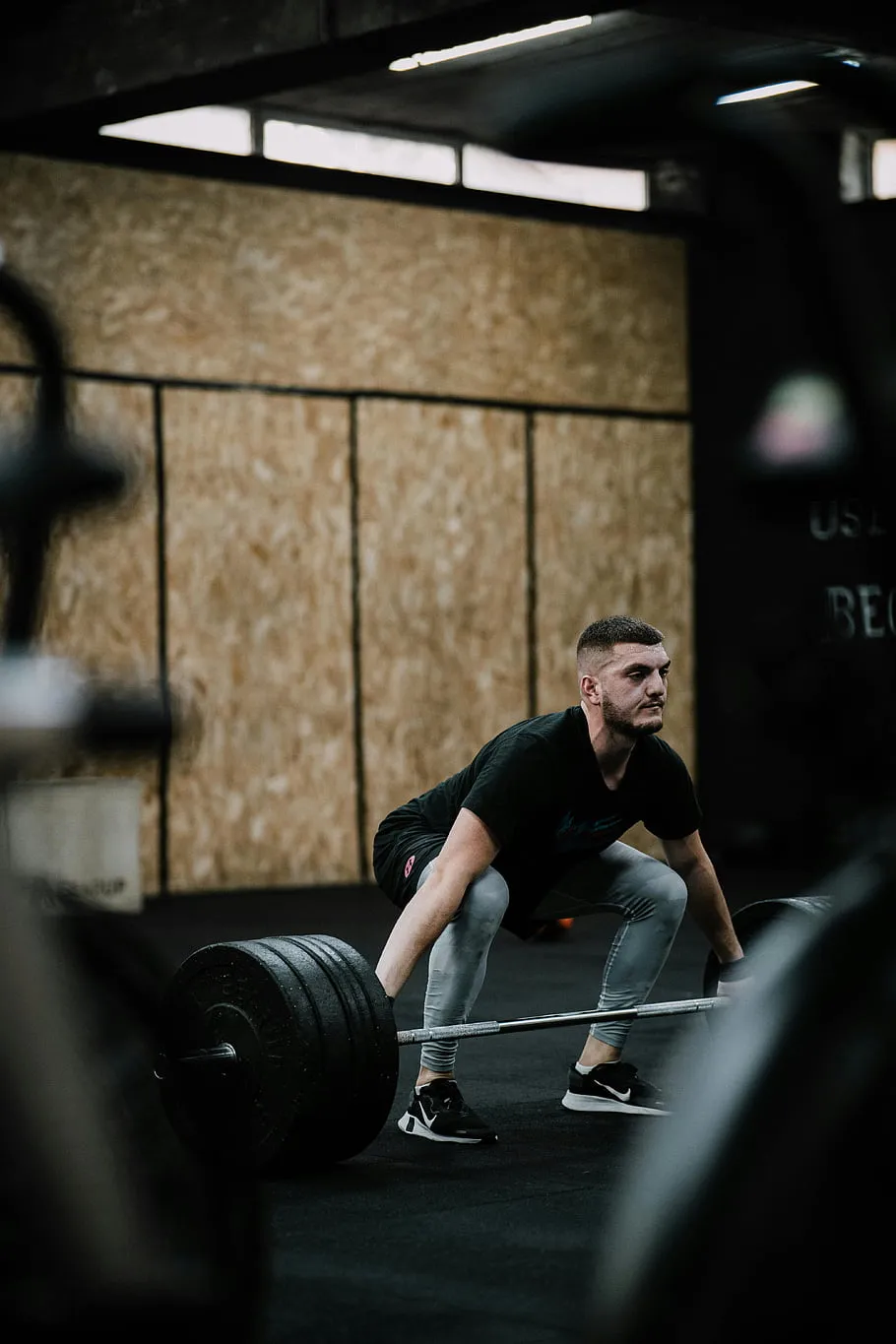
The Titan SquatMax-MD is the compact pick: a vertical free-weight station built under licence from the original designer, with the smallest standalone footprint here. 📐
Its figures are a 45 × 41 in platform standing 20 in tall, 200 lb freestanding (176 lb rack-mounted), a 1,000 lb belt capacity with a 1,300 lb loading-pin capacity, a 21 in loading bar, a 19.25 in centre cutout and 32 mm knurled handles. The freestanding version adds wheels, a handle and a padded seat. The rack version lists a 44.75 × 29 in platform at 18–24 in high and 160 lb.
That vertical design is the point: the load hangs straight down through the belt with no lever arm to change the feel, and the compact platform fits rooms where a lever station would eat the whole corner.
The honest wrinkle is the two-capacity split — belt 1,000 lb, pin 1,300 lb — so the belt, not the pin, is your real ceiling. Titan sells direct, so there is no confident US Amazon listing.
✅ Pros
- Most compact standalone footprint at 45 × 41 in
- Vertical load — no lever-arm feel change
- 1,300 lb pin capacity
- Wheels, handle and padded seat on the freestanding version
⚠️ Cons
- Belt capacity (1,000 lb) is lower than the pin rating
- Platform height needs a step-up habit
- Rack version is a different size and weight
- No confident US Amazon listing
⚠️ Listing check: this is a tagged search link, not a product page — no confident US ASIN was found for this machine, and Titan sells direct. Confirm the exact SquatMax-MD model (freestanding or rack version) on the listing before buying.
Best for: small rooms that still want a full standalone belt squat station.
May not fit: lifters who want a lever-arm feel, or anyone who needs one single capacity figure.
Bells of Steel Belt Squat Machine 2.0
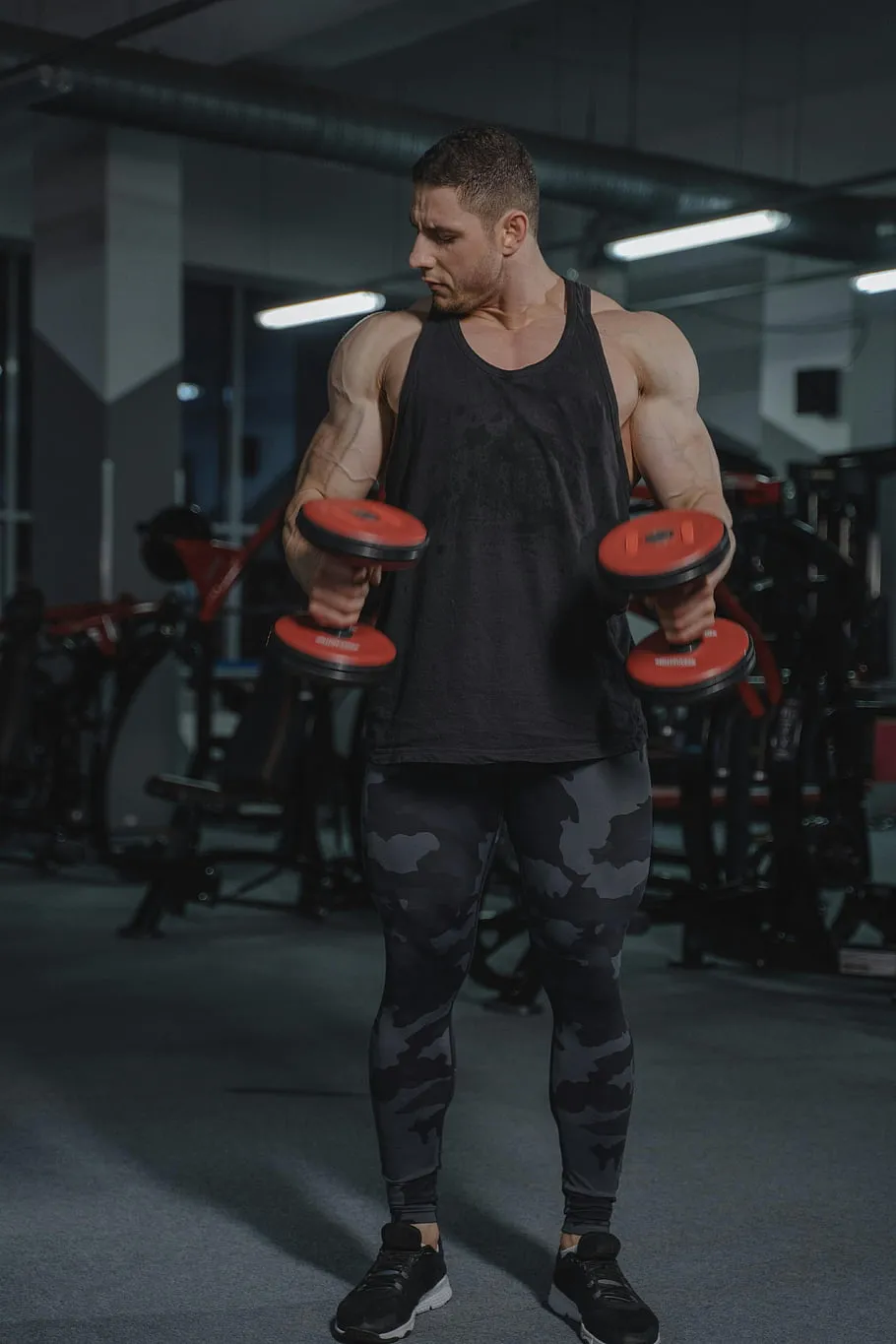
The Bells of Steel 2.0 is the adjustment pick: a standalone lever station with the most height settings here and a limited lifetime warranty. 🔧
Its figures are a 700 lb capacity, 11-gauge 2.3×2.3 in steel, commercial-grade Zerk bearings, 4 band pegs, 13 adjustable heights, J-cups, a footplate cut-out, a fixed handlebar and a limited lifetime warranty. The box includes the belt, a 2 ft chain and dual carabiners, and the starting weight is 45 lb.
That adjustment range is what sets it apart: thirteen heights fit very different body sizes on one station, and the band pegs let you add accommodating resistance for lockout work.
Two honest warnings. First, the footprint conflicts across sources: the maker page lists 51 × 81 in in use and 51 × 52.5 in with vertical storage, while older sources list 51 × 75.4 × 41.7 in or 51 × 40 × 35.5 in — plan on the maker’s larger in-use figure. Second, Strong Home Gym (2026-06) reported this machine showing as unavailable, so check availability before falling for it.
✅ Pros
- 13 adjustable heights — most here
- Limited lifetime warranty
- Belt, chain and carabiners included
- Band pegs for accommodating resistance
⚠️ Cons
- Largest in-use footprint here at 51 × 81 in
- Footprint figures conflict across sources
- Reported as unavailable in June 2026 roundups
- No confident US Amazon listing
⚠️ Listing check: this is a tagged search link, not a product page — no confident US ASIN was found for this machine, and Strong Home Gym reported it showing as unavailable in June 2026. Confirm the exact 2.0 model and current availability on the listing before buying.
Best for: lifters who share one station across different heights and want a lifetime warranty.
May not fit: small rooms, or anyone who needs guaranteed availability.
Mikolo Belt Squat Machine
The Mikolo is the value pick with the paper trail: a standalone lever station with a 1,000 lb rating and a dated US Amazon record. 💰
Its figures are a 1,000 lb capacity, 11-gauge steel, 3 weight stop positions, 4 plate-storage pins, a belt included in the box and non-slip pedals. It also covers rows and deadlifts, so the station earns its keep beyond squat day.
That storage is a real room saver: four pins hold your plates on the machine itself instead of on a separate tree, and the three stop positions let you set the bottom of the squat to your depth.
The honest wrinkle is the footprint conflict: one roundup lists 81.8 × 52.3 × 39 in, while the Amazon item dimensions list 48 × 36 × 48 in — plan on the larger figure until you confirm your exact model. The Amazon record checked did not state an offer status, so confirm availability on the listing.
✅ Pros
- Dated US Amazon record
- 1,000 lb capacity
- 4 plate-storage pins on the machine
- Also covers rows and deadlifts
⚠️ Cons
- Footprint figures conflict sharply across sources
- Offer status not stated on the record checked
- Lever feel runs below loaded weight
- Belt quality is adequate, not premium
⚠️ Listing check: the Amazon record checked for this listing was crawled about 288 days ago and did not state an offer status — confirm the exact model and current availability on the listing before buying.
Best for: buyers who want a high-capacity standalone station with a traceable Amazon listing.
May not fit: rooms measured to the smaller footprint figure, or anyone who wants a 1:1 felt load.
Betollo Belt Squat Attachment

The Betollo is the attachment pick: a lever arm that bolts onto your existing rack, with the highest attachment rating here at 1,100 lb. 🔩
Its figures are a 1,100 lb capacity, adjustable lever arms from 31.2 to 45 in, fitment for 2×2, 2×3 and 3×3 uprights with 1-in and 5/8-in pins and a 75 mm opening, a 9 mm steel plate frame, a belt included, no assembly required, 3 weight stop positions and a plate-storage rack.
No assembly is a genuine win — the arm arrives ready to pin into your rack — and the wide upright fitment covers nearly every home rack sold today. The storage rack keeps plates on the attachment instead of on the floor.
The honest limits come from buyer reports: the included belt is adequate but not premium, there are occasional missing-instructions and missing-parts reports, and the chain length may not suit users over 6 ft 2 in. No confident US ASIN could be pinned despite confirmed Amazon sales, so the link below is a tagged search link.
✅ Pros
- Highest attachment rating here at 1,100 lb
- Fits 2×2, 2×3 and 3×3 racks
- No assembly required
- Plate-storage rack included
⚠️ Cons
- Included belt is adequate, not premium
- Occasional missing-instructions and missing-parts reports
- Chain may not suit users over 6 ft 2 in
- No confident US ASIN pinned
⚠️ Listing check: this is a tagged search link, not a product page — no confident US ASIN was found for this attachment despite confirmed Amazon sales. Confirm the exact Betollo model and your rack’s upright size and pin diameter before buying.
Best for: rack owners who want belt squats without giving up another corner of the room.
May not fit: lifters without a rack, very tall lifters, or anyone who wants a premium belt in the box.
Fringe Sport Mammoth
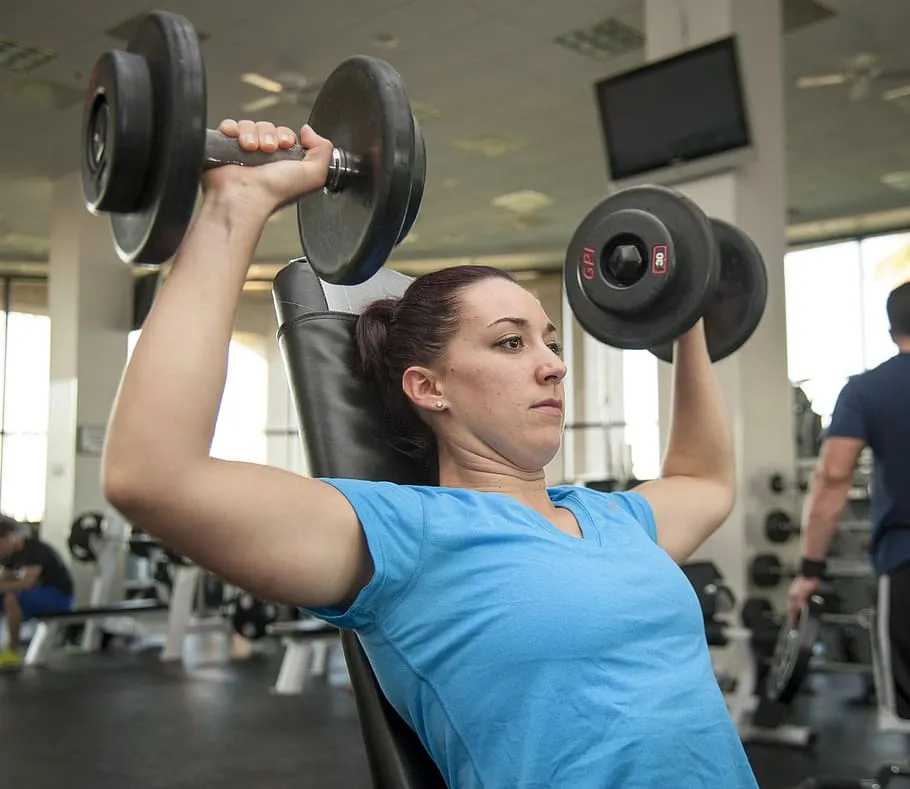
The Fringe Sport Mammoth is the light-and-versatile pick: the lightest station here, with the widest exercise menu of any attachment. 🦣
Its figures are a 900 lb capacity, a lever arm from 39 to 48.75 in, a 14 in loadable pin, a padded adjustable belt included (waist 28–48 in), fitment for all 2×2, 2×3 and 3×3 racks with 5/8-in and 1-in holes, UHMW rack protection and an optional kickstand that adds 17 in. Warranty is 1 year on the belt and lifetime on the lever arm.
Versatility is the selling point: the same arm covers belt squats, rows, curls, calf raises and presses, so a single attachment replaces several single-purpose tools. The felt load runs 65–90% of the loaded weight by setup — about 90% on a single horn at the 5th hole, 80% at the 6th hole, and 65% on dual horns — so load accordingly.
Two honest warnings. First, the weight conflicts: Garage Gym Reviews lists 18 lb while the maker page lists 32 lb — either way it is the lightest station here, but the figure itself is unsettled. Second, the Amazon record checked showed no featured offers, so confirm availability on the listing.
✅ Pros
- Lightest station here at 18–32 lb
- Widest exercise menu: rows, curls, calf raises, presses
- Lifetime lever-arm warranty
- UHMW rack protection included
⚠️ Cons
- Unit weight conflicts across sources (18 vs 32 lb)
- Record checked showed no featured offers
- Felt load runs 65–90% of loaded weight
- Kickstand is optional, not included
⚠️ Listing check: the Amazon record checked for this listing showed no featured offers available, and the most recent crawl snapshot was about 217 days old — confirm the exact model and current availability on the listing before buying.
Best for: rack owners who want one light attachment for squats plus rows, curls and presses.
May not fit: lifters who want a 1:1 felt load, or anyone without a rack.
How to Choose
Choosing a belt squat comes down to four checks: the station type, the room it needs, the load it really delivers, and the belt that connects you to it. Get those four right and the rest is detail.
Measure first, order second. Every pick here lists different dimensions, and a station that looks compact in photos can still be the biggest thing in your room.
Standalone, Drop-In or Attachment?
Standalone stations (SquatMax, Bells of Steel, Mikolo) need no rack at all — they are the answer if you train in an open room or a garage with no rack. Drop-in stations (Rhino) bolt into a compatible rack and save floor space. Attachments (Betollo, Mammoth) pin onto a rack you already own and cost almost no floor at all.
The trade is simple: standalone costs floor, attachment costs rack compatibility. Check your upright size and pin diameter before ordering any attachment — the Betollo and Mammoth both list wide fitment, but a mismatch still stops the build on day one.
Footprint and Ceiling Height
Footprints here run from the SquatMax’s compact 45 × 41 in to the Bells of Steel’s 51 × 81 in in use, and heights from the SquatMax’s 20 in platform to the Rhino’s 78.5 in freestanding frame — so the spread is large enough to decide the pick by itself. Tape the outline on your floor before ordering, and leave room to step onto the platform and clip in without hitting a wall.
Height matters most on the Rhino: at 78.5 in freestanding it needs real ceiling clearance, while the attachments add almost no height beyond your rack. If your ceiling is tight, a squat stand is the lower-profile alternative worth comparing before you commit to a tall station.
Weight matters for placement too. At 530 lb, the Rhino is not something you slide across the room — decide its spot before delivery day, and plan the route from the door to that spot.
Capacity and Felt Load
Stated capacities here run from 700 lb (Bells of Steel) to 1,100 lb (Betollo) among attachments, with the SquatMax pin rated 1,300 lb — but the Rhino states no capacity at all, so compare the mechanism, not just the number. Cable gives a 1:1 feel, vertical gives a straight-down feel, and lever arms give a felt load below the loaded weight.
On the Mammoth that gap is measured: 65–90% of loaded weight depending on setup, so a 200 lb load can feel like 130–180 lb. A power rack is the open-frame alternative if you would rather anchor your squat work to a rack than a dedicated belt station.
Belt, Fit and Safety Stops
The belt is the part that touches you, so fit matters more than branding. The Mammoth’s padded belt adjusts to waists 28–48 in, the Rhino, SquatMax, Bells of Steel, Mikolo and Betollo all include a belt — but buyer reports call the Betollo belt adequate rather than premium, so budget for an upgrade if you squat heavy.
Chain length decides who fits: the Betollo chain may not suit users over 6 ft 2 in, so tall lifters should confirm chain and carabiner length before ordering. Weight stops are your safety net — the Mikolo lists 3 positions and the Betollo 3 positions — and they should be set before the first loaded rep, not after a missed one.
Safety
A belt squat makes heavy squats safer, not risk-free. A loose belt, a missed stop or a wrong stance still hurts, and the load hangs from your hips where you cannot see it. Knee sleeves can add warmth and confidence on heavy leg days, but they never replace a correct belt setup.
- Set the belt snug on your hips before you clip in — not on your waist, and never loose enough to ride up.
- Set the weight stops to your depth before the first loaded rep, and test them unloaded.
- Step onto the platform carefully and clip in before you load — never load plates while standing on the platform edge.
- Start with partial ranges and light loads on a new station until the belt path feels natural.
- Keep your knees tracking over your toes and your torso tall — if your lower back takes over, the load is too heavy.
- Use the handles or a spotter for your first heavy sets on a new machine.
- Stop the set if anything feels wrong — a slipping belt, a rocking frame or a chain that feels short means unload and inspect.
This guide is general information, not coaching or medical advice. If you have an injury, a back condition or any doubt about a lift, ask a qualified coach or clinician before training heavy.
Frequently Asked Questions
Is a belt squat easier on the back than a barbell squat? Yes, in the usual sense: the load hangs from your hips instead of sitting across your shoulders, so your spine carries far less compressive load. Your back still works to keep you upright, so it is not a back-free exercise — just a back-friendlier one.
Do I need a rack for a belt squat machine? Not always. Standalone stations like the SquatMax, Bells of Steel and Mikolo need no rack, the Rhino works standalone or as a drop-in, and only the Betollo and Mammoth require a rack — check your upright size and pin diameter before ordering either attachment.
Why does my lever belt squat feel lighter than the plates say? Because a lever arm changes the mechanical advantage. The Mammoth measures this openly: felt load runs 65–90% of loaded weight depending on setup, so a 200 lb load can feel like 130–180 lb. Cable and vertical stations do not have this gap.
What floor space and ceiling height do I need? The most compact standalone footprint here lists 45 × 41 in and the largest in-use footprint 51 × 81 in, while the tallest freestanding frame reaches 78.5 in. Measure your room against the largest figures for your pick, and leave room to step in, clip on and step out.
Can beginners use a belt squat machine? Yes, with light loads and partial ranges. Start with the belt snug, the stops set and a comfortable depth, then add load over weeks. The fixed path makes it easier to learn depth and knee tracking than a free barbell squat.
What should I buy first alongside a belt squat machine? A spare belt if your station’s included belt feels basic, a floor mat for the platform area, and recovery tools like our foam rollers for the soreness that follows the first heavy belt squat session.
Our Pick: Start Here
If you want one answer: start with the Rogue Monster Rhino if you want a true 1:1 cable load and a station that doubles as a cable trainer, the Titan SquatMax-MD if you have a small room and want a compact vertical station, and the Bells of Steel Belt Squat Machine 2.0 if you share one station across different heights.
Value with a traceable listing points to the Mikolo Belt Squat Machine, the top attachment rating points to the Betollo Belt Squat Attachment, and the lightest, most versatile attachment points to the Fringe Sport Mammoth.
Whatever you choose, measure your room against the largest listed dimensions, confirm the exact model and availability on the listing, and test the belt setup unloaded before your first heavy set. That one habit matters more than any feature list.
As an Amazon Associate, we earn from qualifying purchases made through links on this page, at no extra cost to you.
Some links on this page are affiliate links. If you buy through them, we may earn a commission at no extra cost to you. Availability and specifications change over time, so please confirm the model, capacity and current offer on the listing before buying.