

A glute ham developer — a GHD — locks your feet in place and supports your thighs on split pads, so you can train glute-ham raises, hip extensions, back extensions and GHD sit-ups on one frame. 🍑
That fixed setup is the whole point — it lets you load the hamstrings eccentrically and train the posterior chain hard without a barbell on your back or a spotter standing by.
A GHD is not the same as a hyperextension bench. A Roman chair mainly gives you 45-degree back extensions; a true GHD adds the glute-ham raise and the GHD sit-up, with ankle rollers and a footplate that adjust to your height. This guide covers true GHDs only.
If you are building around posterior-chain training, our hack squat machines guide covers the heavy leg-day alternative, and our hyperextension benches guide covers the simpler Roman-chair option if a full GHD is more than you need.
Why a Glute Ham Developer Machine Belongs in a Home Gym
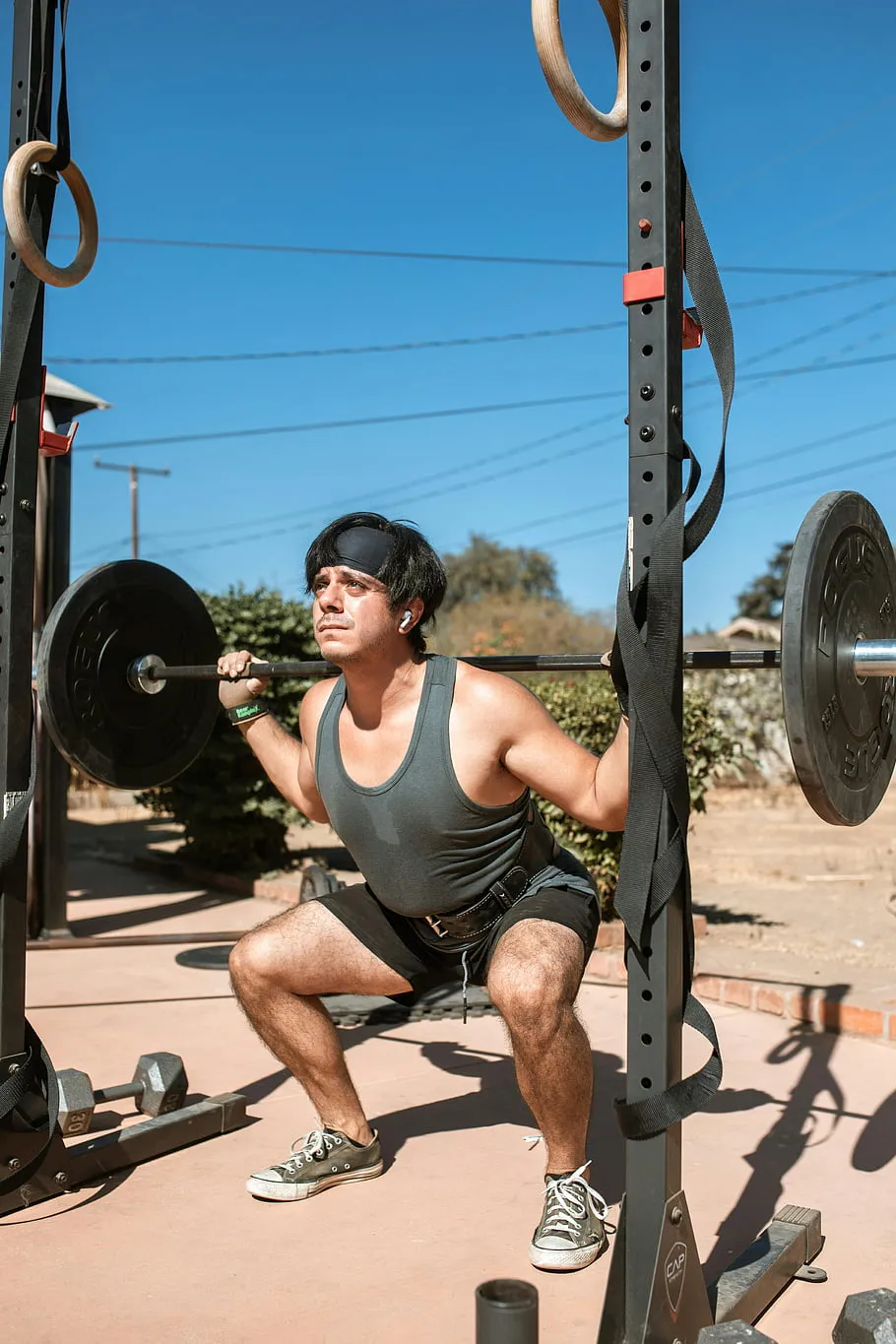
Posterior-chain strength is where a GHD earns its floor space. The glute-ham raise loads the hamstrings through their full range — strong at the top, brutally hard at the bottom — in a way no leg curl machine quite matches. 🔒
It also keeps your training consistent. No spotter needed, no bar to load — just set the roller distance, lock your feet in, and work through your sets. The same frame then covers back extensions and GHD sit-ups, so one station trains glutes, hamstrings, spinal erectors and core.
Beginners get a safer way to learn the hip-hinge pattern under control, and experienced lifters get a tool for heavy eccentric hamstring work and high-rep sit-up progressions. The trade-off is real: a GHD is a big, single-purpose station, and it never replaces squats or deadlifts — it supports them.
How We Picked
We compared glute ham developers that are genuinely sold for home use, with published dimensions, adjustment ranges and build figures — not commercial club machines that need a dealer quote. 🏠
Our scoring weighed five things:
- Stability and build — unit weight, steel gauge and base shape, because a GHD must not rock or slide during sit-ups.
- Pad fit and adjustment — roller distance, footplate travel and split-pad comfort for different body sizes.
- Footprint and height — the real floor space a full-size frame claims, plus clearance for sit-ups.
- Capacity and honesty — stated ratings only; most GHD makers publish no capacity figure at all, and this guide says so.
- Honest limits — every pick below states its listing warnings plainly.
One honest limit up front: GHDs are mostly sold direct or through dealers, not through Amazon storefronts, so only one pick here carries a dated US Amazon record — the rest use tagged search links, and no whole-guide record range is given. Research sources named in this guide include Garage Gym Reviews tester reviews, Strong Home Gym, garagegympower, FitnessVolt and setforset. Where sources disagree, both figures are stated — never silently resolved.
For the wider setup these frames slot into, see our home gym systems guide, and for the pressing station that pairs with a GHD, our weight benches guide.
Comparison
| Machine | Best for | Type | Capacity | Standout |
|---|---|---|---|---|
| Rogue Abram GHD 2.0 | Heavy-duty benchmark | Freestanding, swing-arm | Not stated by maker | USA-made 222 lb frame |
| Titan Fitness Glute & Hamstring Developer | Stated capacity, dated listing | Freestanding | 350 lb | Widest listed frame here |
| REP Fitness GHD | Adjustment range | Freestanding | Not stated | 13 adjustment points |
| CFF FIT Pro Series Elite GHD | Highest stated capacity | Freestanding, heavy-duty | 650 lb | 3×3 in steel, band pegs |
| Body-Solid Pro Clubline SGH500 | Commercial build, lifetime frame | Freestanding, commercial-style | Not stated | Longest and tallest listed frame |
| Papababe GHD Machine | Budget starter | Freestanding, budget | Not stated | True GHD at a budget tier |
Two patterns jump out. The commercial-style frames are the longest and tallest here, while the narrower home-focused frames trade a little steel for floor space.
Capacity figures are thin in this category — only two picks state one at all — so compare adjustment range, pad fit and unit weight first, and treat any unstated capacity as a question for the listing, not a selling point.
Rogue Abram GHD 2.0
The Rogue Abram GHD 2.0 is the benchmark pick: a USA-made freestanding frame that most roundups measure everything else against. 🎯
Its headline figures come from Rogue’s own spec sheet: 222 lb, a 73 × 44.5 in footprint, 48 in high (43 in to the top of the hip pad), 2×3 in 11-gauge steel, a bolt-together triangular base with rubber feet, and a 10-slot swing-arm roller assembly with a 20×14 in steel footplate. Wheels and a front handle assembly make a heavy machine movable.
Reviewers praise the stability and the swing-arm adjustment, borrowed from Rogue’s collegiate Monster model — the roller distance changes quickly, and the triangular base keeps the frame planted during sit-ups.
The limits are plain: no capacity figure is stated by the maker, so this guide claims none; older non-2.0 Abram listings show smaller figures (around 195 lb and a shorter frame) — this pick is the 2.0 only, and Rogue sells direct, so there is no confident US Amazon listing for it.
✅ Pros
- USA-made heavy-duty frame
- 10-slot swing-arm adjustment
- Triangular base stays planted
- Wheels and handles for moving it
⚠️ Cons
- No capacity figure stated by maker
- Heaviest stated unit weight here at 222 lb
- Easy to confuse with the older Abram
- No confident US Amazon listing
⚠️ Listing check: this is a tagged search link, not a product page — no confident US ASIN was found for this machine, and Rogue sells direct. Confirm the exact Abram GHD 2.0 model on the listing before buying.
Best for: lifters who want the heavy-duty benchmark and have the floor space for it.
May not fit: small rooms, tight budgets, or anyone who needs a stated capacity figure.
Titan Fitness Glute & Hamstring Developer
The Titan is the value pick with the paper trail: the only GHD here with a dated US Amazon record and a stated capacity. 💰
Its figures are 70 × 45.5 × 41 in, 190 lb, 350 lb stated capacity, 11-gauge steel, 10 adjustment settings, HeftyGrip vinyl upholstery and transport wheels — the widest listed frame in this guide.
That width is a double-edged sword: it gives a stable base for sit-ups, but it also claims the most side-to-side floor of any pick here. The 1-year warranty is the shortest stated warranty in the guide.
Availability needs checking: the Amazon record checked did not state an offer status, so confirm the exact model and current availability on the listing before buying.
✅ Pros
- Only dated US Amazon record here
- 350 lb stated capacity
- 11-gauge steel, 190 lb frame
- Transport wheels included
⚠️ Cons
- Widest listed frame here at 45.5 in
- Only a 1-year warranty
- Offer status not stated on the record checked
- Pads and finish feel basic next to premium units
⚠️ Listing check: the Amazon record checked for this listing was crawled 252 days ago and did not state an offer status — confirm the exact model and current availability on the listing before buying.
Best for: buyers who want a stated capacity and a traceable Amazon listing.
May not fit: narrow rooms, or anyone who wants a longer warranty.
REP Fitness GHD
The REP is the adjustment pick: the most adjustment points in this guide in the narrowest home-focused frame. 📐
At 70 × 36 × 42 in and 150 lb, it is 8.5 to 9.5 in narrower than the Rogue and Titan frames, with 13 adjustment points, a 21×15 in footplate with vertical and linear-bearing horizontal adjustment, band pegs, a step-up footplate, and a 40 in farthest pad distance.
Reviewers praise the smooth bearing adjustment and the grippy pads, and the partial assembly takes only 15–20 minutes — the quickest setup story in this guide.
The honest wrinkle is steel gauge: the frame is mostly 16-gauge, thinner than the 11-gauge Rogue, Titan and Body-Solid frames, and no capacity figure is stated. REP sells direct, so there is no confident US Amazon listing.
✅ Pros
- Most adjustment points here at 13
- Narrow 36 in width for a full-size GHD
- Smooth linear-bearing footplate adjustment
- Quick 15–20 minute assembly
⚠️ Cons
- Mostly 16-gauge steel, thinner than 11-gauge rivals
- No capacity figure stated
- No confident US Amazon listing
- Lighter frame needs a firm, level floor
⚠️ Listing check: this is a tagged search link, not a product page — no confident US ASIN was found for this machine, and REP sells direct. Confirm the exact GHD model on the listing before buying.
Best for: lifters who share one machine across different heights and want fast adjustment.
May not fit: anyone chasing the heaviest steel, or anyone who needs a stated capacity.
CFF FIT Pro Series Elite GHD
The CFF FIT Pro Series Elite is the capacity pick: the highest stated capacity in this guide on a heavy-duty frame. 💪
Its headline figures are a 650 lb stated capacity, a 3×3 in steel frame, vertical and horizontal adjustable sliding decks, an extra-large footplate, padded handles for mounting, and band pegs for adding resistance to extensions.
FitnessVolt named it the best overall GHD in its group for stability and adjustment range, and roundups note it is frequently sold out on Amazon — availability is the real warning here.
Dimensions and unit weight are not stated in the sources checked, so this guide gives none — and it deliberately does not borrow the standard CFF GHD’s figures, which belong to a different model.
✅ Pros
- Highest stated capacity here at 650 lb
- 3×3 in steel frame
- Vertical and horizontal sliding decks
- Band pegs for added resistance
⚠️ Cons
- Frequently sold out — check availability first
- No dimensions or unit weight stated in sources checked
- Large footprint (confirm room before ordering)
- No confident US ASIN pinned
⚠️ Listing check: this is a tagged search link, not a product page — no confident US ASIN was pinned for this machine, and roundups note it is frequently sold out. Confirm the exact Pro Series Elite model and availability before buying.
Best for: strong lifters who want the highest stated capacity and a heavy-duty frame.
May not fit: small rooms, or anyone who needs published dimensions before ordering.
Body-Solid Pro Clubline SGH500
The Body-Solid SGH500 is the commercial pick: a Pro Clubline frame with the longest warranty story in this guide. 🏭
Its figures are 79 × 33 × 51 in, 149 lb, 11-gauge 2×3 in steel, a lifetime frame-and-welds warranty, thick double-stitched DuraFirm pads, oversize 8 in foam rollers, vertical and horizontal adjustments, and band hooks.
That shape is distinctive: the longest listed length and the tallest listed height here, but also the narrowest listed width and the lightest stated unit weight — a long, tall, narrow commercial frame.
Body-Solid sells through dealers, so there is no confident US Amazon listing, and shipping can vary — confirm the exact SGH500 model and delivery terms before ordering.
✅ Pros
- Lifetime frame-and-welds warranty
- 11-gauge commercial steel build
- Narrow 33 in width despite full size
- DuraFirm pads and 8 in rollers for comfort
⚠️ Cons
- Longest listed length here at 79 in
- Tallest listed height here at 51 in
- Dealer model — no confident US Amazon listing
- Shipping terms vary by dealer
⚠️ Listing check: this is a tagged search link, not a product page — no confident US ASIN was pinned for this dealer model. Confirm the exact SGH500 model and delivery terms before buying.
Best for: lifters who want commercial build and a lifetime frame warranty.
May not fit: low ceilings, short rooms, or anyone who needs a one-click Amazon listing.
Papababe GHD Machine
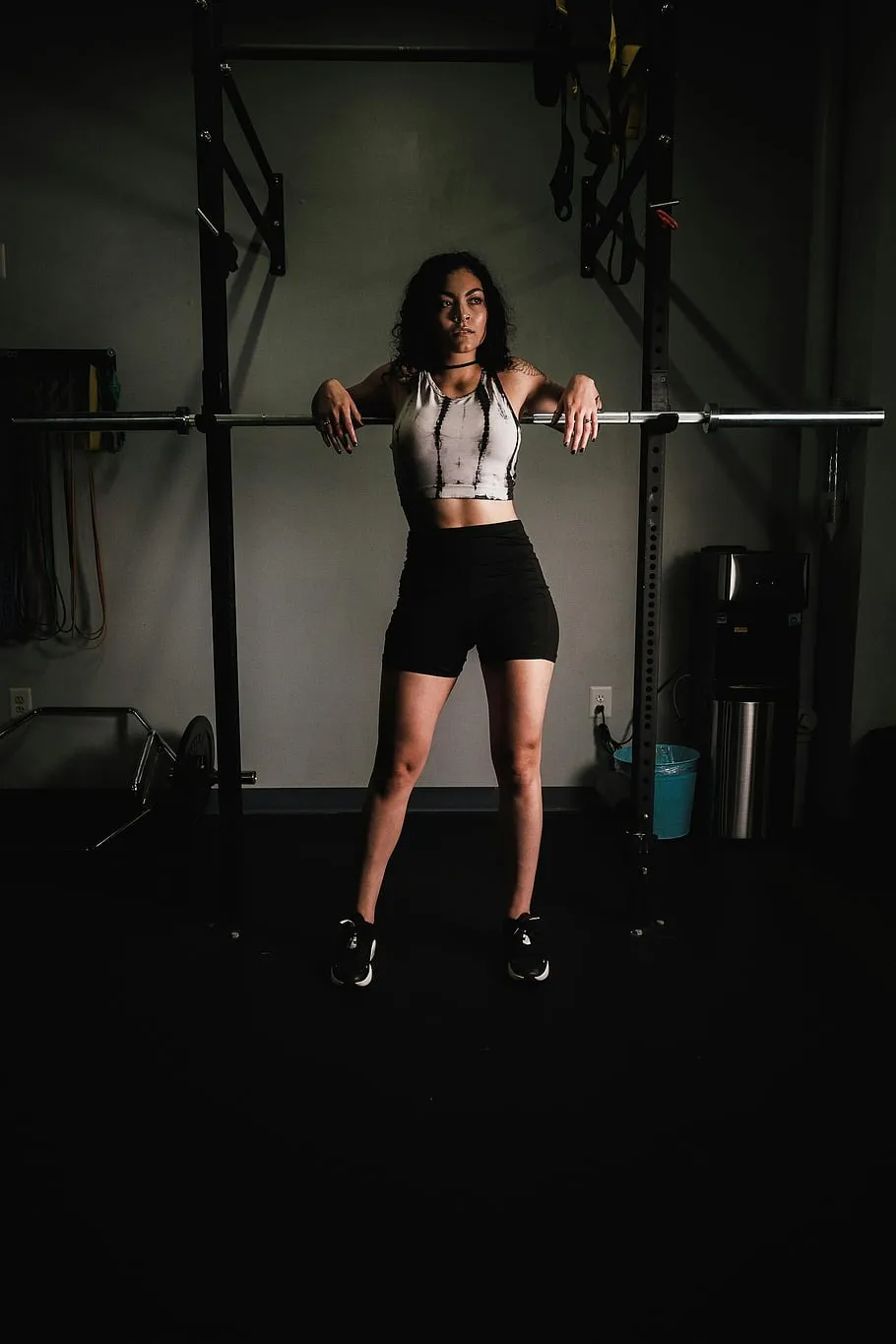
The Papababe is the budget pick: a true split-pad GHD at the lowest tier in this guide. 🐣
FitnessVolt named it the best value GHD in its group — a true glute-ham developer instead of a basic Roman chair, with an adjustable setup and direct Amazon availability.
That value has a clear limit: the build is lighter and the pads and hardware feel more basic than the premium units, and it suits controlled reps better than aggressive high-volume work.
Dimensions, unit weight and capacity are not stated in the sources checked, so this guide gives none — and no confident ASIN could be pinned for this listing despite repeated searches, so the link below is a tagged search link, not a product page.
✅ Pros
- True GHD at a budget tier
- Adjustable setup for different heights
- Direct Amazon availability
- Good starter option for learning the movement
⚠️ Cons
- Lighter build than premium units
- Pads and hardware feel more basic
- Better for controlled reps than aggressive volume
- No confident ASIN pinned
⚠️ Listing check: this is a tagged search link, not a product page — no confident ASIN could be pinned for this listing despite repeated searches. Confirm the exact Papababe GHD model on the listing before buying.
Best for: first-time GHD buyers who want the real movement at a budget tier.
May not fit: heavy daily volume, or anyone who wants published dimensions and capacity.
How to Choose
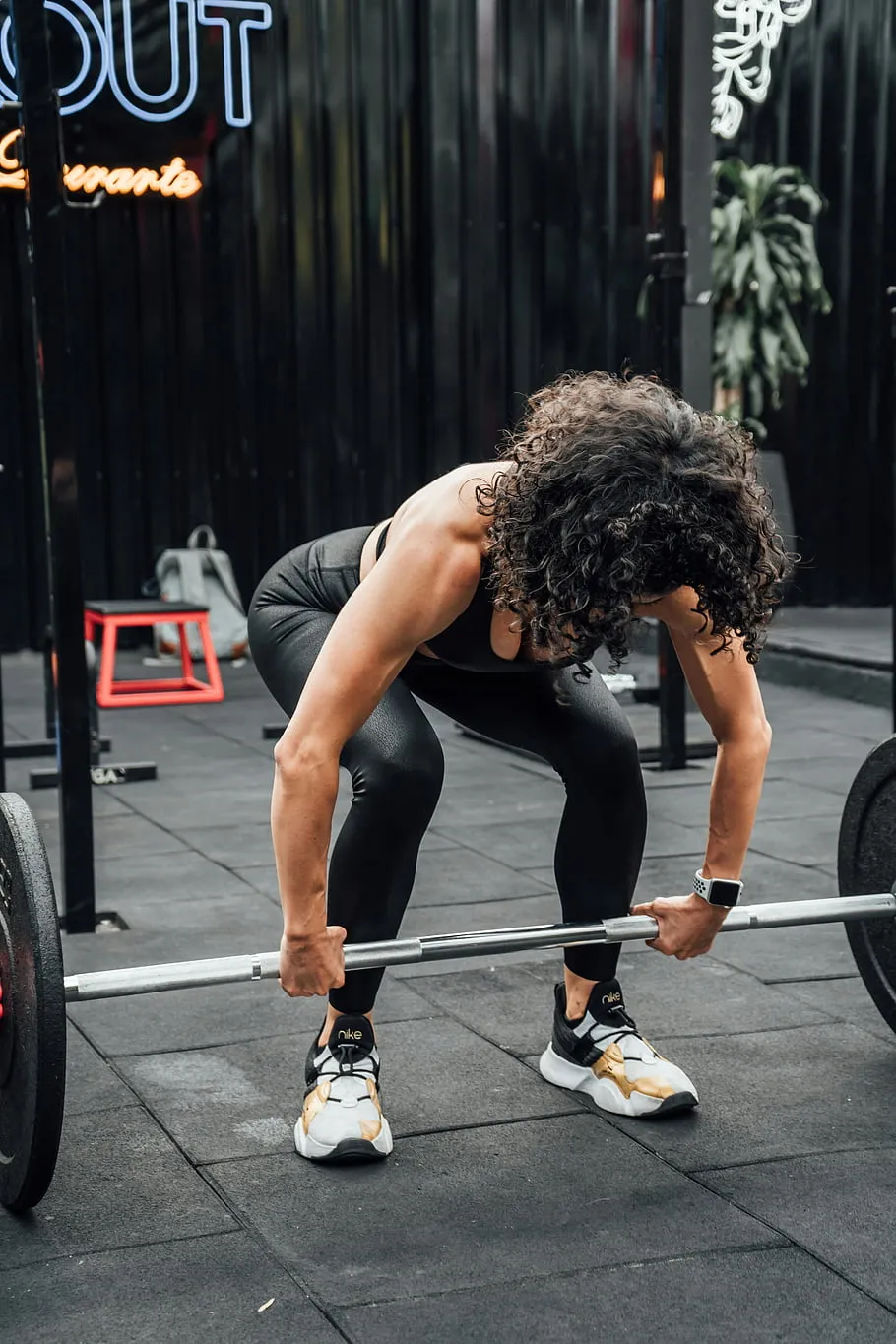
Choosing a GHD comes down to four checks: the room it needs, the fit it gives your body, the build it arrives as, and how you will progress sit-ups on it. Get those four right and the rest is detail.
Measure first, order second. Every pick here lists different dimensions, and a frame that looks compact in photos can still be the longest thing in your room.
Footprint and Ceiling Height
Footprints here run from the REP’s narrow 70 × 36 in to the SGH500’s long 79 × 33 in, and heights from the Titan’s 41 in to the SGH500’s 51 in — so the spread is large enough to decide the pick by itself. Tape the outline on your floor before ordering, and leave room to mount the machine and swing through sit-ups without hitting a wall.
Height matters twice: the frame’s own height, and the clearance your body needs above it during GHD sit-ups. If your ceiling is tight, a squat stand is the lower-profile alternative worth comparing before you commit to a full-size GHD.
Weight matters for placement too. At 222 lb, the Rogue is not something you slide across the room — decide its spot before assembly day, and use the wheels only for short moves.
Pad Fit and Adjustment
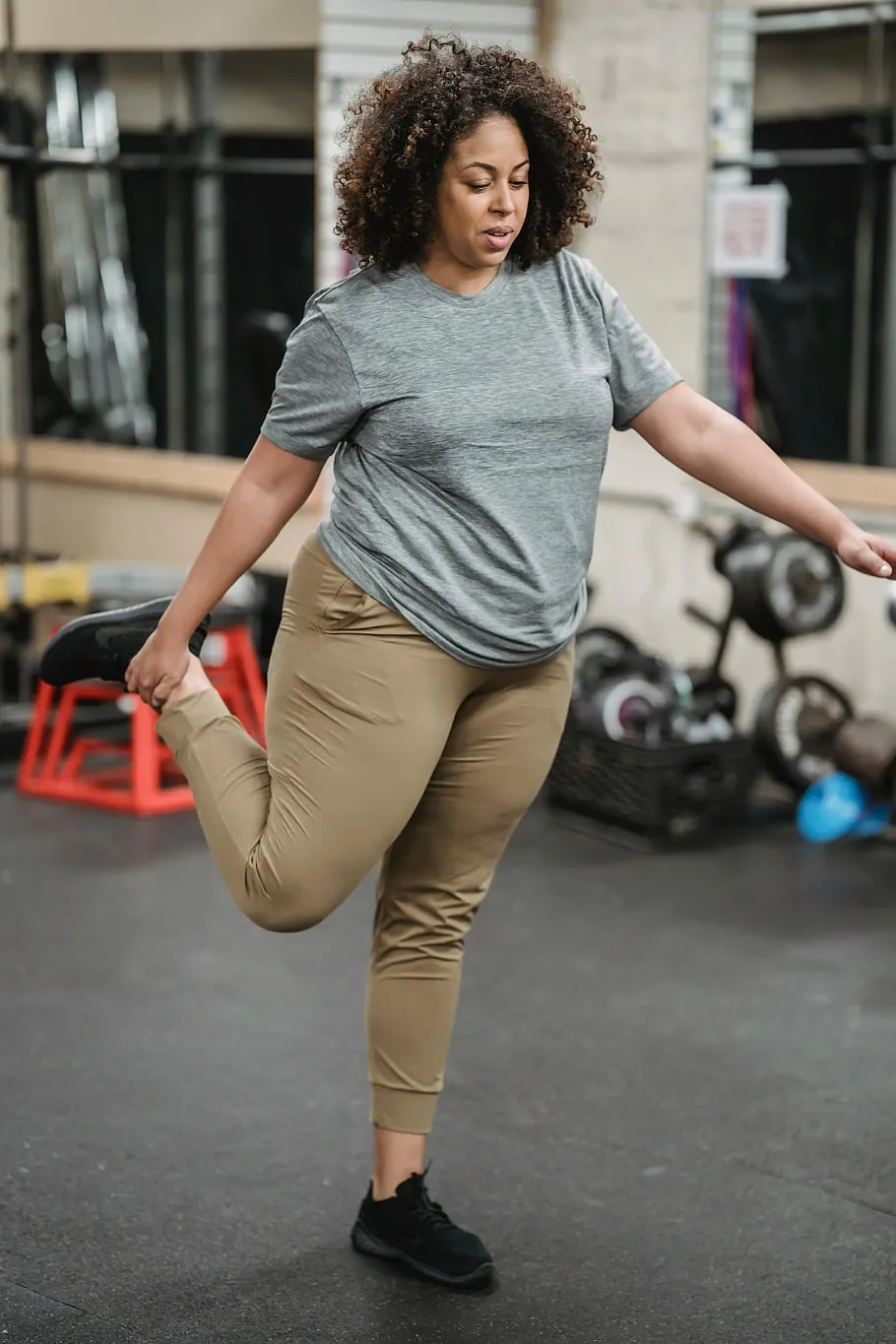
Pad fit is what makes or breaks a GHD. Your knees should sit just behind the split pads with your feet locked under the rollers — too far forward and your lower back takes over; too far back and you cannot reach full range. Count the adjustment points (REP lists 13, Rogue 10 slots, Titan 10 settings) and check the farthest pad distance against your height.
Footplate travel matters just as much: a footplate that slides smoothly on bearings (REP) or locks in clear slots (Rogue) is worth more than a longer spec list, because you will adjust it for every user who shares the machine.
Capacity and Build
Stated capacities here run from 350 lb (Titan) to 650 lb (CFF) — but four of the six picks state no capacity at all, so compare steel gauge and unit weight instead. Eleven-gauge frames (Rogue, Titan, Body-Solid) are the heavy-duty standard; the REP’s mostly 16-gauge frame is lighter and needs a firmer floor.
Unit weight is a useful proxy for stability: heavier frames rock less during sit-ups. A power rack is the open-frame alternative if you would rather anchor your posterior-chain work to a rack than a dedicated GHD station.
Assembly and Delivery
Assembly varies from the REP’s 15–20 minute partial build to the Rogue’s bolt-together frame and the SGH500’s dealer delivery, where shipping terms vary. Clear the floor, keep the manual open, and tighten everything twice before your first sit-up.
Delivery timing matters too: the CFF is frequently sold out, and dealer models ship on dealer schedules — do not plan your first GHD session until the frame is in the room and bolted down.
Safety
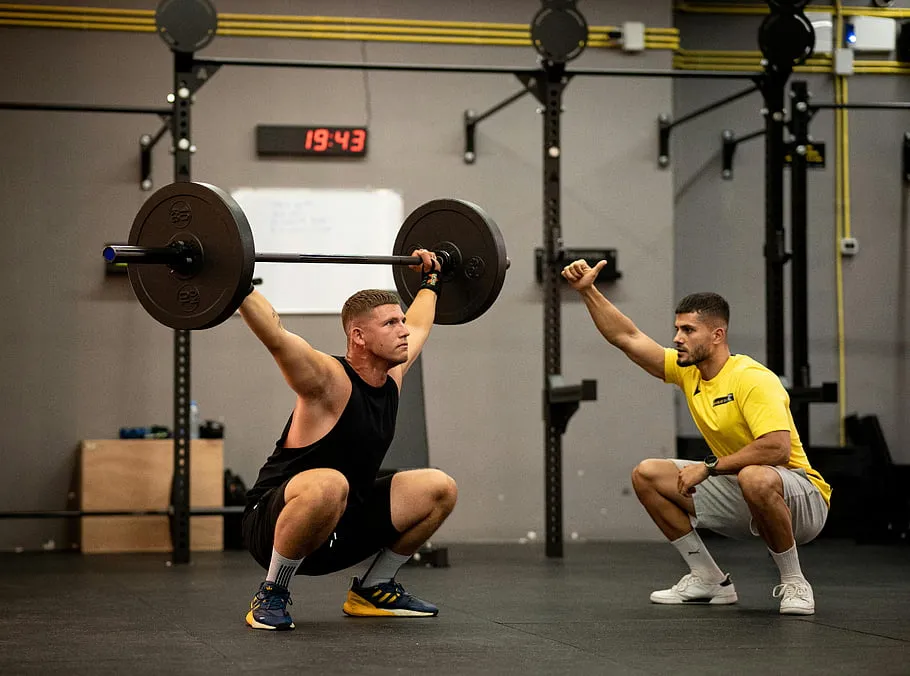
A GHD makes posterior-chain training safer, not risk-free. The fixed setup can hide bad form, and a missed roller lock still hurts. Knee sleeves can add warmth and confidence on heavy leg days, but they never replace a correct roller setup.
- Set the roller distance before you mount — knees just behind the pads, feet locked, every session.
- Learn the mount and dismount first: use the step-up footplate and handles, never jump onto the pads.
- Start with partial ranges — hip extensions and short-range raises before full glute-ham raises.
- Progress GHD sit-ups slowly — short range first, and stop if you feel dizzy or your lower back takes over.
- Keep the frame planted: check the feet and floor grip, and use a mat if the frame slides.
- Use support handles or a spotter for your first heavy sets on a new machine.
- Stop the set if anything feels wrong — a rocking frame, a loose roller or a slipping pad means unload and inspect.
This guide is general information, not coaching or medical advice. If you have an injury, a back condition or any doubt about a lift, ask a qualified coach or clinician before training heavy.
Frequently Asked Questions

Is a GHD machine the same as a hyperextension bench? No. A hyperextension bench (Roman chair) mainly gives you 45-degree back extensions, while a true GHD adds glute-ham raises and GHD sit-ups with split pads, ankle rollers and an adjustable footplate. If you only want back extensions, the simpler bench is enough.
Do I still need a GHD if I squat and deadlift? It complements them rather than replacing them. Squats and deadlifts build the posterior chain under a barbell; the glute-ham raise adds eccentric hamstring strength through a range the barbell lifts never isolate.
What floor space and ceiling height do I need? The longest frame here lists 79 in and the tallest 51 in, and you need clearance around and above the machine for mounting and sit-ups. Measure your room and compare it with the largest figures you find for your pick.
Can beginners use a GHD? Yes, with partial ranges. Start with hip extensions and short-range raises, keep the roller distance correct, and progress to full glute-ham raises and sit-ups over weeks, not days.
How do I fit a GHD to my height? Set the roller distance so your knees sit just behind the split pads with your feet locked under the rollers, then adjust the footplate until you can reach full range without your lower back taking over. Check the farthest pad distance — the REP lists 40 in — against taller users in your household.
What should I buy first alongside a GHD? A floor mat, resistance bands for the pegged frames, and recovery tools like our foam rollers for the soreness that follows the first heavy hamstring session.
Our Pick: Start Here
If you want one answer: start with the Rogue Abram GHD 2.0 if you want the heavy-duty benchmark, the Titan Fitness Glute & Hamstring Developer if you want a stated capacity and a traceable listing, and the REP Fitness GHD if you share one machine across different heights.
Capacity points to the CFF FIT Pro Series Elite GHD, commercial build and a lifetime frame warranty point to the Body-Solid Pro Clubline SGH500, and a budget first GHD points to the Papababe GHD Machine.
Whatever you choose, measure your room against the largest listed dimensions, confirm the exact model and availability on the listing, and test the roller setup unloaded before your first heavy set. That one habit matters more than any feature list.
As an Amazon Associate, we earn from qualifying purchases made through links on this page, at no extra cost to you.
Some links on this page are affiliate links. If you buy through them, we may earn a commission at no extra cost to you. Availability and specifications change over time, so please confirm the model, capacity and current offer on the listing before buying.