

Why Pendulum Squat Machines Belong in a Home Gym
A pendulum squat machine is a pivoting lever-arm machine: you stand on its footplate, rest your shoulders under its pads, and push — and the loaded arm swings through an arc like a pendulum, with a counterbalance taking weight off the start of the movement. That arc is the whole point. A barbell squat loads the spine from above and asks your balance to hold the bar steady; a pendulum squat takes the bar out of the picture, fixes the path to an arc, and lets the legs do the pushing without the spine carrying the load axially. In a home gym, where no spotter stands behind you, that fixed arc is what makes a heavy leg session honest: the machine holds the path, the counterbalance softens the start, and the set ends when the legs end, not when the balance gives out. 🏋️
Know what a pendulum squat is not. It is not a hack squat: a linear sled that runs on rails, which our best hack squat machines for home gyms covers — a sled slides straight, a pendulum swings. It is not a leg press: a seated push, which our best leg press machines for home gyms covers — a press pushes away from the body, a pendulum squat stands you up through an arc. It is not a belt squat: a load hung at the hips through a belt, which our best belt squat machines for home gyms covers — a belt pulls down at the waist, a pendulum arm pivots from a frame. And it is not a barbell squat in a rack: a free bar that needs balance, a spotter and a rack, where the pendulum machine needs none of those. A pendulum squat swings; everything else here slides, pushes, hangs or balances.
Pendulum squats are routine in serious leg rooms and garage corners, and one machine brings that swinging arc to the room beside your rack. On a leg day, the machine is what sets the path, what holds the shoulders still, and what loads the legs without a bar on the back — and on busy weeks it is the piece of kit that turns twenty minutes of leg work into twenty honest minutes, without a spotter, a class or a commute. The previous guide in this series, our best ab crunch machines for home gyms, covers what your abs curl against after the bar is racked; a pendulum squat machine is different work — it is what your legs push through an arc, not a bench you curl on.
How We Picked
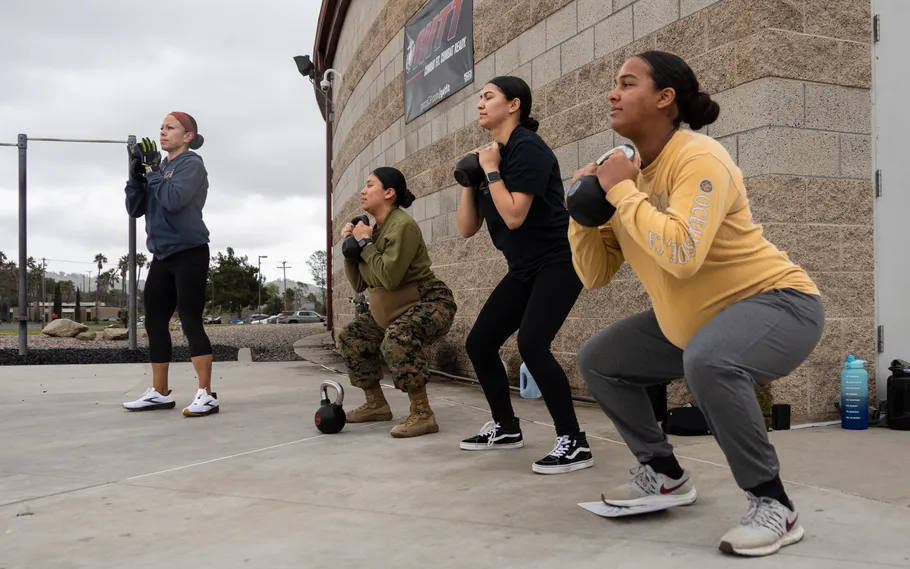
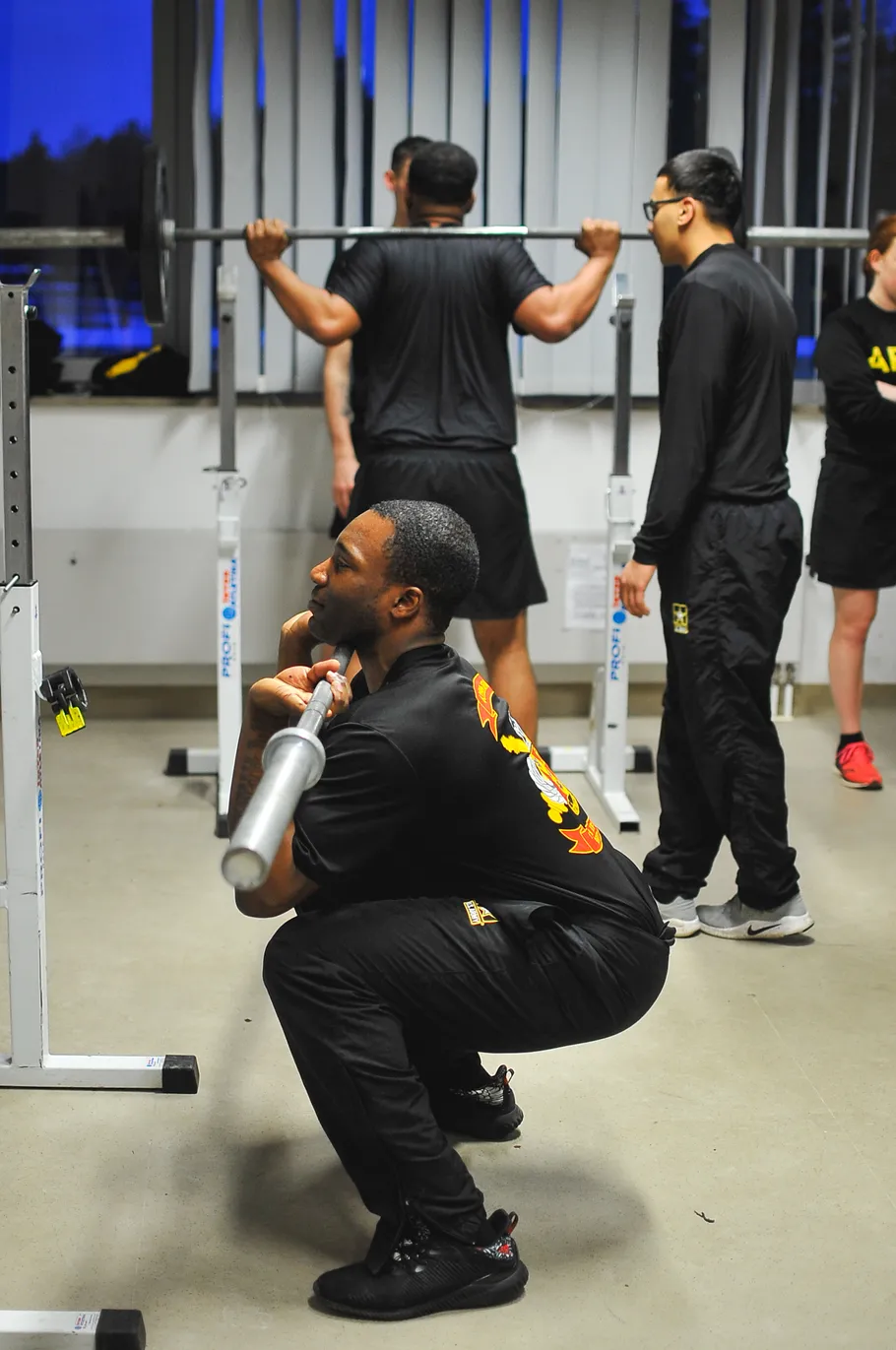
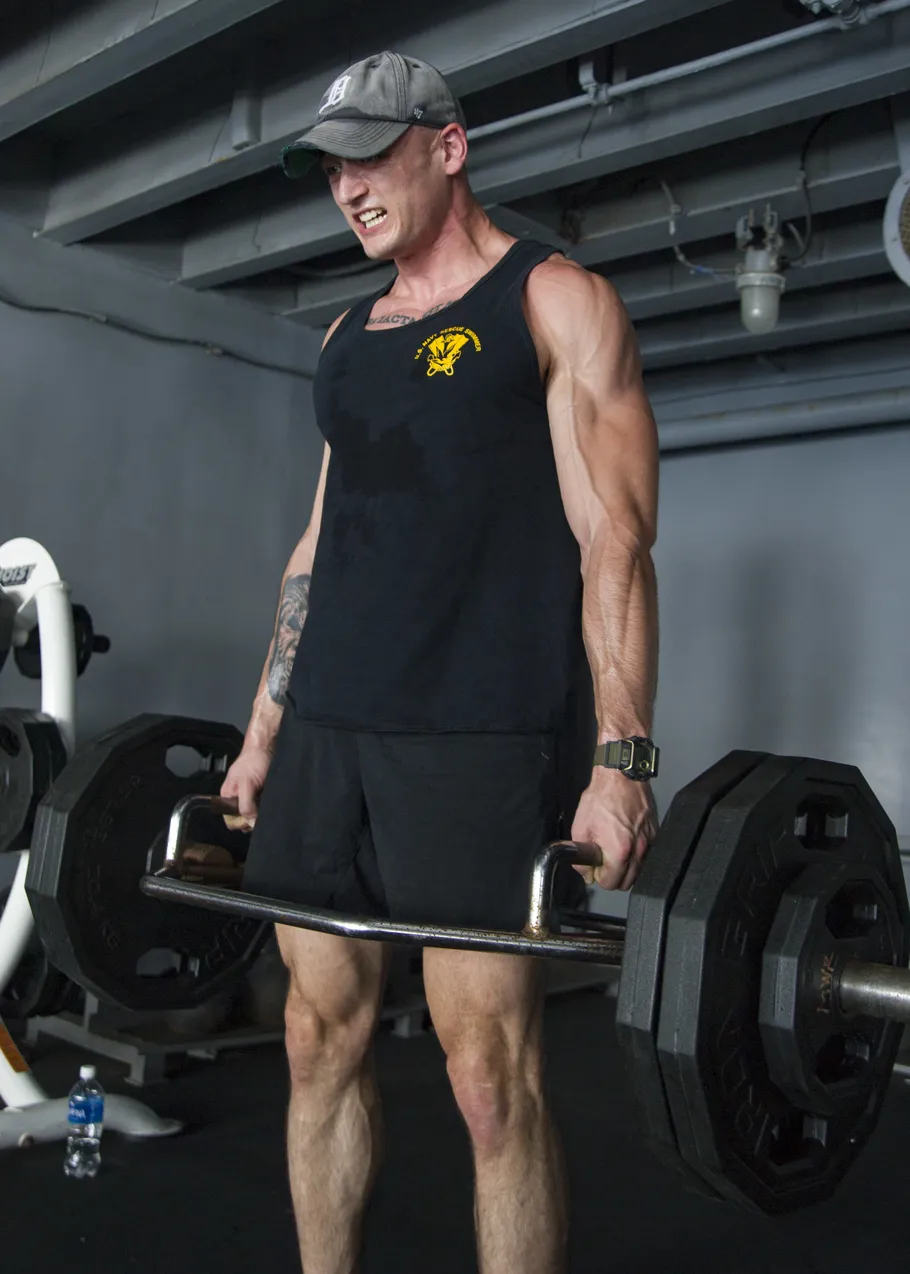
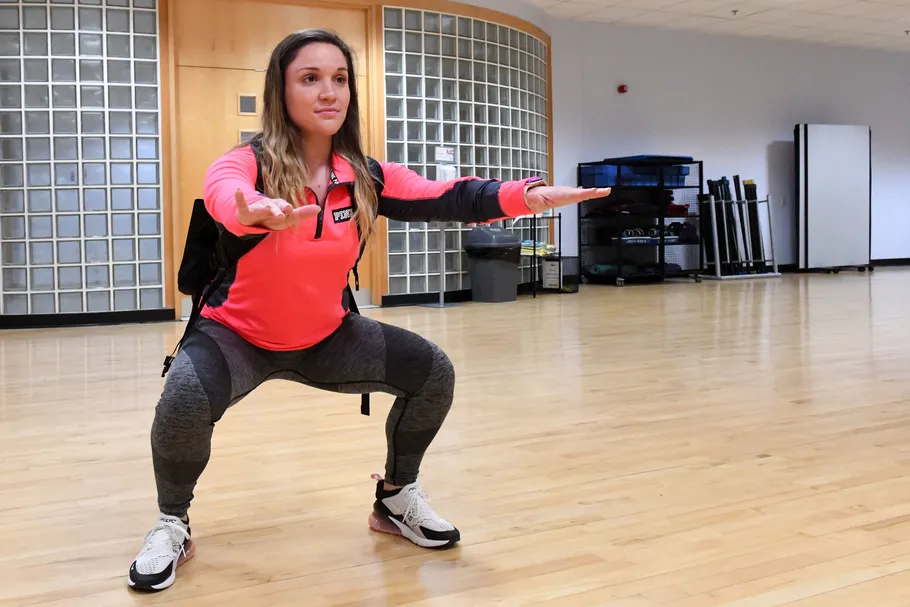
We compared six pendulum squat machines that are genuinely sold for home gyms right now, using maker records and listing records — not hands-on testing, and not roundup scores copied from other sites. Every photo in this guide is an honest training scene, not a product shot of the named machine, because free-license photos of the exact named machines do not exist for this category. Where records disagree, the article says so instead of picking the flattering number — and this category disagrees on the basics, because capacities are stated as user figures, plate figures, bilateral figures and combined user-plus-plates figures, and machine weights are stated by makers for some picks and only by manuals or roundups for others.
- Movement and counterbalance: a pivoting arm with a counterbalance, or a fixed arm with no counterbalance — and how heavy the start feels.
- Adjustability: footplate positions, safety stops and counterbalance settings, and how they lock.
- Capacity: the stated figure, and what it counts — user, plates, bilateral total or user plus plates.
- Starting resistance: the load at the lightest setting, where any record states it.
- Footprint and placement: the floor space it takes, and whether it fits a home bay or needs a commercial corner.
- Honest limits: what each machine cannot do, stated in its own section.
Also considered: the Nautilus Leverage Pendulum Squat 9NP-L1143 (named, not picked — 360 lb maximum plate-loaded capacity, 485 lb machine weight, 56 by 95 by 72 inches, rear plate loading; the lowest plate capacity figure here, and a commercial unit with limited home availability, so it stays a named alternative rather than a pick); a dedicated Titan Fitness pendulum squat (named, not picked — only low-authority guide roundups mention one, and nothing verified on Titan’s own records, so no Titan pendulum squat is picked here; Titan’s verified squat machines are leverage and belt squat types); dedicated Syedee and Major Fitness pendulum squats (named, not picked — not found in the records checked); and Mikolo (named, not picked — Mikolo makes a belt squat and a leg-press and hack-squat combination, not a pendulum squat, so it must not be conflated with this category). None of the six picks below hides a conflict like those — where a pick’s own records disagree, the disagreement is printed in its section.
Comparison
| Pick | Type | Capacity | Standout |
|---|---|---|---|
| GMWD Pendulum Squat Machine PS01 | Counterbalanced home | 800 lb (max recommendation) | Counterbalance + 2-year warranty |
| Dynasty Fitness Pendulum Squat DSH033 | Adjustable commercial | 661 lb (bilateral) | 12-position stop + 5-position footplate |
| Muscle D Power Leverage V2 PL-PV2-PS | Fixed-arm commercial | 600 lb (max load) | 50 lb starting resistance |
| Hammer Strength Pendulum-X Squat PL-XSQ | Premium commercial | 550 lb (total max resistance, manual) | Commercial build, 4 plates per arm |
| TRUE Fitness PLS1400 | Fixed-arm commercial | 895 lb (user + plates) | Largest combined figure here |
| BUILT OG Series Pendulum Squat | Fixed-arm commercial | 720 lb plates (16 × 45 lb) | 4 horns, 8 plates per horn |
Read the table honestly. It carries no whole-guide strongest crown on purpose: the capacity column mixes unlike measures — the GMWD’s 800 lb is a maximum weight recommendation from a listing, the Dynasty’s 661 lb is a bilateral capacity, the Muscle D’s 600 lb is a max load, the Hammer Strength’s 550 lb is a total max resistance from its manual, the TRUE’s 895 lb counts user plus plates together, and the BUILT’s 720 lb counts plates only — so crowning one machine the strongest would compare unlike with unlike. The TRUE’s 895 lb is the largest figure printed here, but it is a combined user-plus-plates figure, not a plate-only crown over the BUILT’s 720 lb of plates; and the GMWD’s 800 lb is a recommendation, not a tested capacity. It carries no weight column either: the GMWD’s machine weight is stated only by a roundup record, and the Hammer Strength’s machine weight is disputed between its product page and its manual, so a weight column would print a guess for one pick and a dispute for another.
GMWD Pendulum Squat Machine PS01
The GMWD Pendulum Squat Machine PS01 is the home-gym pick because it is the machine here you can actually buy for a home bay without a commercial order: a plate-loaded pendulum squat sold through Amazon, with a counterbalance that softens the start of the arc and a safety stopper to catch the arm. You step on, settle under the pads, and the counterbalance takes weight off the first inches — which is the difference between a machine a beginner can learn on and a machine only a strong lifter can start. It is the pick for a buyer who wants the pendulum arc at home, with a maker’s warranty behind it, and for a buyer who wants a compact bay here — 62 by 43 by 62 inches — without giving up the counterbalance. 🏠
The record carries two flags, and both are printed here. First, the machine weight is stated only by a roundup record at 287 lb: Amazon’s own spec table does not state a machine weight, so no maker weight claim is made for this pick at all. Second, the 800 lb figure is a maximum weight recommendation from the listing, not a tested capacity and not a maker rating — the table labels it as a recommendation, and this guide does not present it as a capacity crown over the other picks. The listing also carries Amazon’s own conflated title, calling it a plate-loaded hack squat machine as well as a pendulum squat: it is a pendulum squat, and the hack-squat wording in that title is Amazon’s, not the machine’s mechanism. The 2-year manufacturer warranty is stated on the listing, and the footprint reads 62 by 43 by 62 inches.
Pros
- Counterbalance + safety stopper — a soft start and a catch for the arm.
- Sold through Amazon — the home-buyer path, no commercial order needed.
- 2-year manufacturer warranty — a stated warranty, not an assumption.
Cons
- Machine weight stated only by a roundup (287 lb) — no maker weight claim.
- 800 lb is a listing recommendation, not a tested capacity.
- Amazon’s own title also calls it a hack squat — check the mechanism, not the title.
Listing check: confirm the GMWD Pendulum Squat Machine PS01 (not a GMWD belt squat, hack squat or leg press sold under a similar name) before ordering, and check the plate-post size and the warranty note from that listing itself. If the listing shows a different model number, it is a different machine, not this pick, and if it shows no counterbalance, it is a different version, not this pick.
Best for: a home buyer who wants the pendulum arc with a counterbalance, a safety stopper and a 2-year warranty.
May not fit: anyone who needs a settled machine weight, anyone who wants a maker-rated capacity, or anyone buying on the listing title alone.
Dynasty Fitness Pendulum Squat DSH033
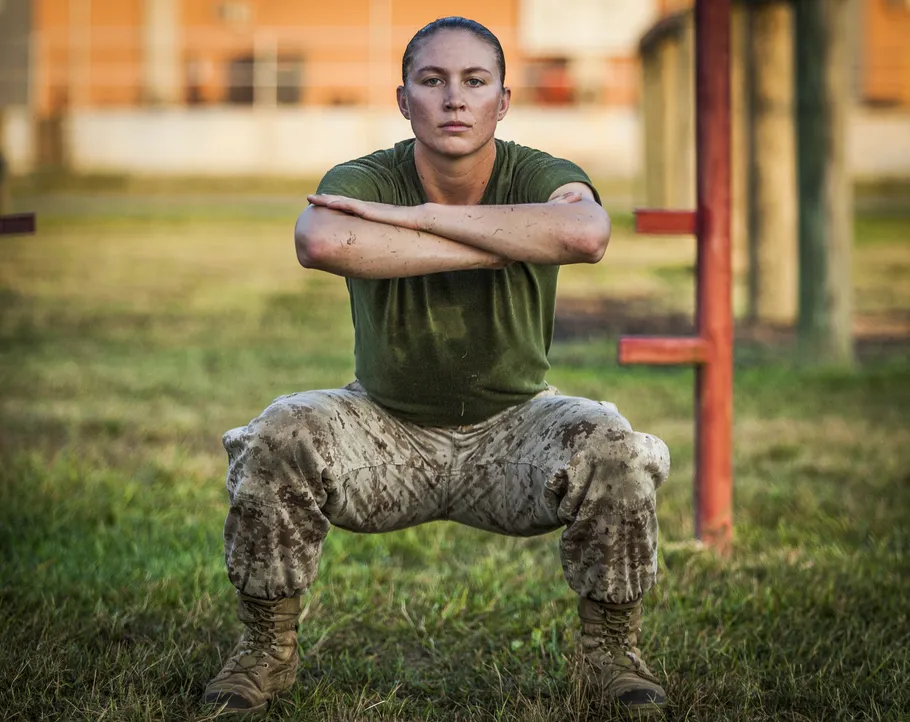
The Dynasty Fitness Pendulum Squat DSH033 is the adjustable pick because it is the machine here that changes around the lifter instead of asking the lifter to fit it: an adjustable counterbalance, a 12-position safety stop and a 5-position footplate, all on one frame. You set the counterbalance to your strength, set the stop to your depth, and set the footplate to your stance — and the same machine covers a tall lifter, a short lifter and a rehab-paced session without a second purchase. It is the pick for a buyer who wants the most settings in this guide, and for a household where more than one lifter shares the machine. 🔧
The record is unusually clean for this category, and the one flag is about scope, not conflict. The maker page states a 661 lb bilateral capacity — 330 lb per side — a 463 lb net weight, and a footprint of 93.1 by 58.1 by 70.5 inches, and it states Olympic plates, 4 weight holders plus 2 short holders, and a 12-position safety stop with a 5-position footplate. That footprint is among the largest here, so the adjustability costs floor space: measure the bay before ordering, not after. No starting resistance is stated on the maker page, so no lightest-load claim is made for this pick — the Muscle D below is the only pick here with a stated starting resistance.
Pros
- Adjustable counterbalance — the start of the arc fits the lifter.
- 12-position safety stop + 5-position footplate — depth and stance both set.
- 661 lb bilateral capacity, 330 lb per side, on a 463 lb frame.
Cons
- Footprint among the largest here at 93.1 by 58.1 inches — needs a real bay.
- No starting resistance stated — no lightest-load claim made.
- Commercial size and weight — not a machine that moves rooms easily.
Listing check: confirm the Dynasty Fitness Pendulum Squat DSH033 (not a Dynasty belt squat, hack squat or leg press sold under a similar name) before ordering, and check the counterbalance adjustment and the safety-stop positions from that listing itself. If the listing shows a different model number, it is a different machine, not this pick, and if it shows no adjustable counterbalance, it is a different version, not this pick.
Best for: a buyer who wants the most adjustments — counterbalance, safety stop and footplate all settable.
May not fit: anyone short on floor space, anyone who needs a stated starting resistance, or anyone who wants a machine that moves rooms.
Muscle D Power Leverage V2 PL-PV2-PS
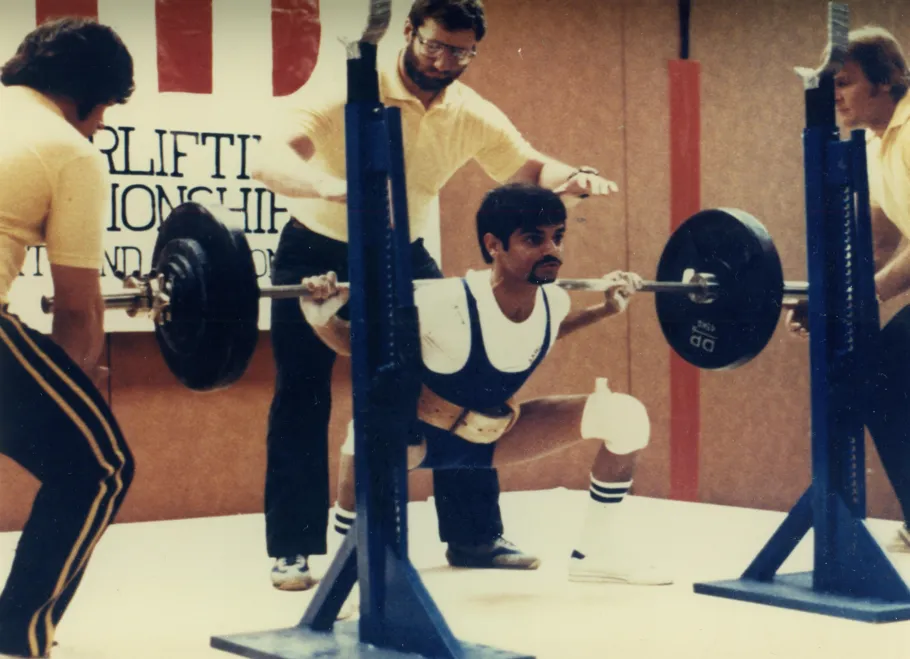
The Muscle D Power Leverage V2 PL-PV2-PS is the low-starting-resistance pick because it is the machine here that starts lightest: a 50 lb starting resistance on a plate-loaded pendulum arm, with a 600 lb max load and no stated maximum user weight — which means the machine’s limit is the load, not the lifter. You load plates, the arm starts at 50 lb before plates, and the progression runs from a genuinely light first set to a heavy last one on the same frame. It is the pick for a buyer who wants the lightest honest start here, and for a buyer who dislikes machines whose stated user limit arrives before their strength does. 🪶
The record carries one flag, and it is printed here. The 600 lb figure is a max load, and the maker record states no maximum user weight at all — so this guide does not invent one, and the table labels the figure as a max load rather than a user capacity. The footprint reads 79 by 60 by 65 inches, the machine weight reads 375 lb, and the frame carries 6 storage horns — which matters on a plate-loaded machine, because the plates have to live somewhere between sets. If your buying decision depends on a user-weight limit, confirm it from the listing itself before ordering rather than from this guide.
Pros
- 50 lb starting resistance — the lightest stated start here.
- No stated maximum user weight — the limit is the load, not the lifter.
- 6 storage horns — the plates live on the machine, not on the floor.
Cons
- No maximum user weight stated — no user-limit claim made.
- 600 lb is a max load, not a user capacity — read the table label, not the number alone.
- 79 by 60 inch footprint — a commercial bay, not a corner.
Listing check: confirm the Muscle D Power Leverage V2 PL-PV2-PS (not a Muscle D hack squat, leg press or belt squat sold under a similar name) before ordering, and check the starting resistance and the storage horns from that listing itself. If the listing shows a different model number, it is a different machine, not this pick, and if it shows no 50 lb starting resistance, it is a different version, not this pick.
Best for: a buyer who wants the lightest stated start and a load limit, not a user-weight limit.
May not fit: anyone who needs a stated user-weight limit, anyone short on floor space, or anyone who wants a counterbalance.
Hammer Strength Pendulum-X Squat PL-XSQ
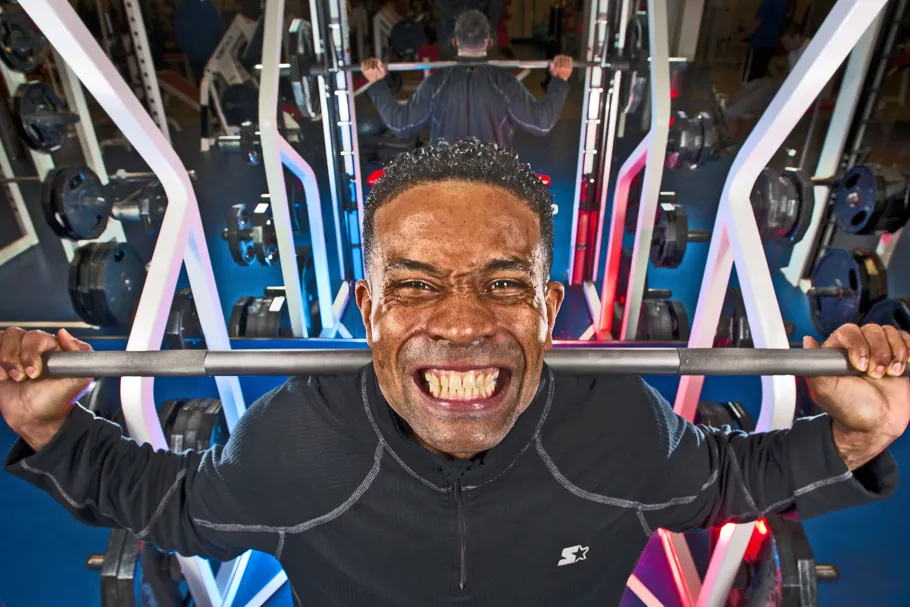
The Hammer Strength Plate Loaded Pendulum-X Squat PL-XSQ is the premium pick because it is the commercial machine here: a Life Fitness plate-loaded pendulum squat with a pivoting arm, a counterbalance-free fixed resistance path, and a plate capacity of 4 forty-five-pound plates per arm. You load the arms, step on, and the arc does the rest — no counterbalance softening the start, no adjustments to learn, just the arm and the plates. It is the pick for a buyer who wants the commercial badge and the commercial build, and for a buyer who already trains on Hammer Strength equipment and wants the same feel at home. 🏆
The record carries two flags, and both are printed here — and neither is smoothed over. First, the machine weight is disputed: the product page states 804 lb while the manual states 846 lb, a 42 lb gap between two maker documents, so neither figure is adopted here as settled. Second, the footprint width is disputed the same way: the product page states 97 by 45 by 81 inches while the manual states 97 by 56 by 81 inches, so the width is printed as a conflict, not a number. The manual’s resistance figures are printed as manual figures: 550 lb total max resistance, 82 lb starting resistance at top rack-out, and a 350 lb maximum user weight — while the product page states 81 lb starting resistance per arm, one pound apart from the manual’s figure, and the table labels the 550 lb figure as a manual figure for that reason. If the width or the weight matters to your room or your floor, confirm both from the listing itself before ordering rather than from this guide.
Pros
- Commercial Hammer Strength build — the premium badge here.
- 4 forty-five-pound plates per arm — a clear, checkable plate capacity.
- Manual resistance figures — 550 lb total, 82 lb starting, 350 lb user.
Cons
- Machine weight disputed: 804 lb product page against 846 lb manual.
- Width disputed: 45 inches product page against 56 inches manual.
- No counterbalance — the start is full weight from the first inch.
Listing check: confirm the Hammer Strength Plate Loaded Pendulum-X Squat PL-XSQ (not a Hammer Strength hack squat, leg press or belt squat sold under a similar name) before ordering, and check the machine weight, the width and the resistance figures from that listing itself. If the listing shows a different model number, it is a different machine, not this pick, and if it shows a counterbalance, it is a different version, not this pick.
Best for: a buyer who wants the commercial Hammer Strength build and a fixed, counterbalance-free arc.
May not fit: anyone who needs a settled machine weight or width, anyone who wants a counterbalance, or anyone short on floor space.
TRUE Fitness PLS1400
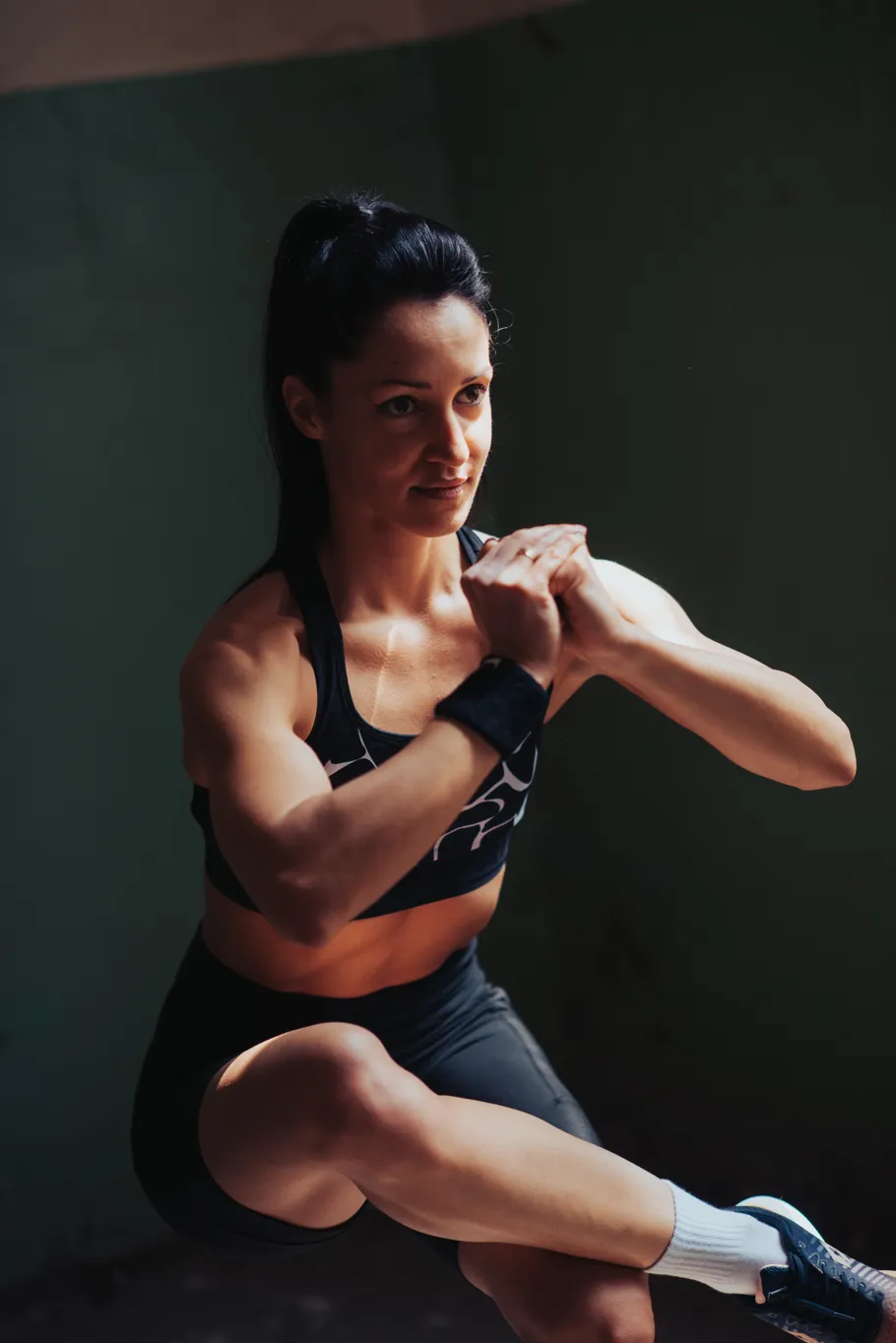
The TRUE Fitness PLS1400 is the combined-load pick because it is the machine here whose stated figure counts the most together: a maximum load of 895 lb for user plus plates, on a 620 lb frame, with a 400 lb maximum user weight. You step on, the frame takes you and your plates together up to that combined figure, and the arc stays the same from the first rep to the last. It is the pick for a buyer who wants the largest combined figure printed here stated in one place, and for a buyer who wants a commercial TRUE frame with a stated user limit to plan around. 📊
The record carries one flag, and it is printed here. The 895 lb figure counts user plus plates together — so it is not a plate-only figure, and it is not ranked against the BUILT’s 720 lb of plates or the Dynasty’s 661 lb bilateral capacity in this guide, because those count different things. The manual states Olympic 50 mm plates with a maximum of 45 lb plates, a 400 lb maximum user weight, and dimensions of 40.5 by 88.5 by 59.75 inches as printed — the manual does not label which dimension is width, depth or height, so this guide prints the three numbers without assigning them. If your buying decision depends on the plate-only portion of the 895 lb, confirm it from the listing itself before ordering rather than from this guide.
Pros
- 895 lb user-plus-plates maximum — the largest combined figure here.
- 400 lb maximum user weight — a stated limit to plan around.
- Olympic 50 mm plates, 45 lb maximum — a clear plate standard.
Cons
- 895 lb counts user plus plates — not a plate-only figure, not ranked against plates-only picks.
- Dimensions printed without width, depth or height labels — the manual does not assign them.
- 620 lb frame — a commercial weight that needs a permanent spot.
Listing check: confirm the TRUE Fitness PLS1400 (not a TRUE hack squat, leg press or belt squat sold under a similar name) before ordering, and check the combined load figure, the user limit and the plate standard from that listing itself. If the listing shows a different model number, it is a different machine, not this pick, and if it shows no 895 lb combined figure, it is a different version, not this pick.
Best for: a buyer who wants the largest combined user-plus-plates figure and a stated user limit.
May not fit: anyone who needs a plate-only capacity, anyone who needs labelled dimensions, or anyone short on floor space.
BUILT OG Series Pendulum Squat
The BUILT OG Series Pendulum Squat is the plate-horns pick because it is the machine here built around holding plates: 4 horns that take 8 forty-five-pound plates each, for 16 plates in total — 720 lb of plates stated on the frame — on 7-gauge uprights, in a 100 by 56 by 82 inch footprint, at 530 lb of machine weight. You load the horns, the uprights hold, and the arc runs the same whether the horns are empty or full. It is the pick for a buyer who already owns a plate collection and wants it on the machine, not on the floor, and for a buyer who wants the heaviest-built uprights stated here. 🧱
The record carries one flag, and it is printed here. The 720 lb figure counts plates only — 16 forty-five-pound plates across 4 horns — so it is not ranked against the TRUE’s 895 lb combined user-plus-plates figure in this guide, because those count different things, and the table labels it as plates only for that reason. The footprint reads 100 by 56 by 82 inches, which makes this the longest single dimension here at 100 inches, and the 7-gauge uprights are the heaviest gauge stated among the picks here — but gauge is a thickness statement, not a capacity rating, so this guide does not convert it into one. If your buying decision depends on the horn diameter or the plate fit, confirm both from the listing itself before ordering rather than from this guide.
Pros
- 4 horns, 8 plates per horn — 16 forty-five-pound plates, 720 lb of plates.
- 7-gauge uprights — the heaviest gauge stated here.
- 530 lb machine weight — a settled maker figure, not a dispute.
Cons
- 720 lb counts plates only — not ranked against combined figures.
- 100 inch longest dimension — the longest frame here, needs a real bay.
- Gauge is a thickness statement, not a capacity rating — not converted into one.
Listing check: confirm the BUILT OG Series Pendulum Squat (not a BUILT belt squat, hack squat or leg press sold under a similar name) before ordering, and check the horn count, the plate fit and the upright gauge from that listing itself. If the listing shows a different model number, it is a different machine, not this pick, and if it shows fewer than 4 horns, it is a different version, not this pick.
Best for: a buyer who owns a plate collection and wants it on the machine’s horns, on heavy-gauge uprights.
May not fit: anyone short on floor space, anyone who needs a combined user-plus-plates figure, or anyone who wants a counterbalance.
How to Choose
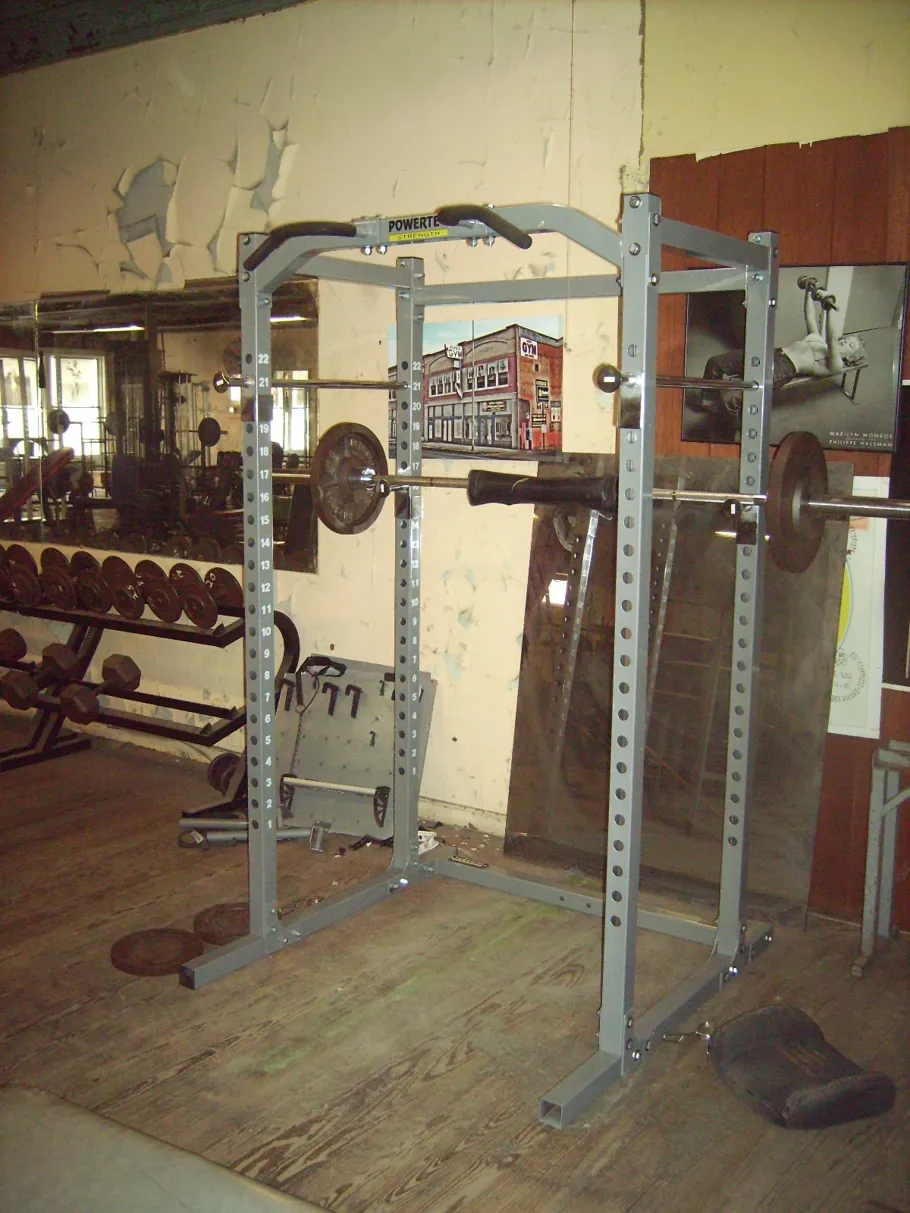
Choosing a pendulum squat is choosing the arc first and the machine second: the counterbalanced home model, the adjustable commercial frame, the low-starting-resistance unit, the premium commercial arm, the combined-load leader and the plate-horn leader all swing the same arc differently, and the right one is the one whose start, stops and footprint fit your room and your strength. Start from the squat you already do — barbell work, hack work, leg-press work — and buy the machine that guides that movement through an arc, not the machine with the longest spec sheet. The four sections below walk through type, size, features and placement in that order, and the plates question sits inside them: every pick here is plate-loaded, which our best weight plates for home gyms covers for the plates themselves, but the post size and the horn fit differ by pick, so check those on the listing, not from this guide.
Choose Your Type
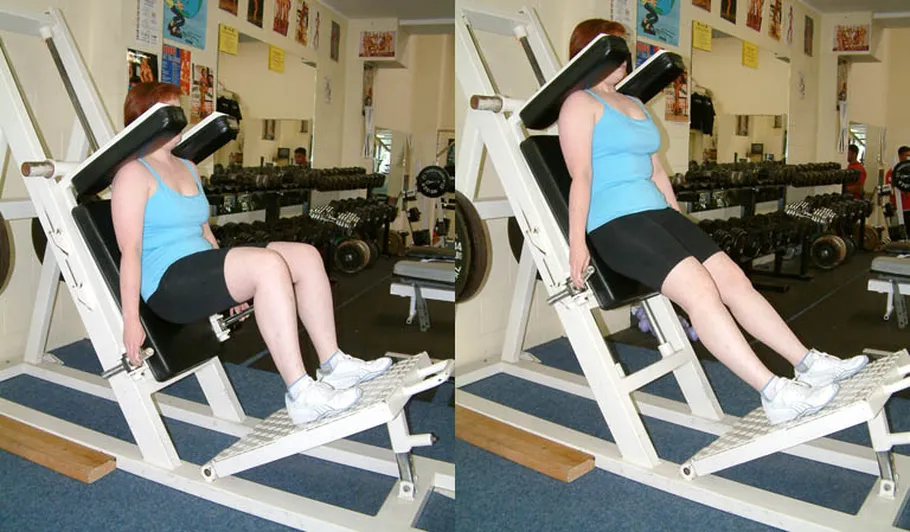
Pick the type by the arc you want. A counterbalanced pendulum squat — the GMWD and the Dynasty — softens the start of the arc, so the first inches feel lighter than the plates say; that is the type for a beginner, a returning lifter, or anyone whose knees prefer a gentle start. A fixed-arm pendulum squat — the Muscle D, the Hammer Strength, the TRUE and the BUILT — gives you the full weight from the first inch, with no counterbalance in the way; that is the type for a lifter who wants the arc without assistance and who already knows their working weight. Within the fixed-arm type, the split is by what the frame is built around: the Muscle D around a light start, the Hammer Strength around a commercial badge, the TRUE around a combined load figure, and the BUILT around plate horns. If your main work is learning the movement, the counterbalanced type is the honest lane; if your main work is loading it, the fixed-arm type is the honest lane — and neither type is a hack squat, which slides on rails instead of swinging on a pivot.
Choose Your Size
Pick the size by the working area, not the spec box. The BUILT is the longest frame here at 100 by 56 inches, the Dynasty sits at 93.1 by 58.1 inches, the Hammer Strength at 97 by 45 or 97 by 56 inches depending on which maker document you read, the Muscle D at 79 by 60 inches, the TRUE at 40.5 by 88.5 inches as printed without labels, and the GMWD is the most compact by floor area here at 62 by 43 inches — but every one of those needs room around it for the arc to swing, the plates to load from the sides, and the lifter to step on and off. Measure the floor with the machine at its longest and widest working position, add a step of clearance on the sides you load plates from, and only then compare the spec footprints.
A machine that fits the spec box but not the working area is a machine you will not use. A pendulum arm swings forward as you rise, so leave clearance in front of the footplate, not just at the sides — and leave the plate-loading sides clear, because a horn boxed in by a wall is a horn you will not load. And check the ceiling against the machine’s height plus your own height on the footplate: the Hammer Strength stands 81 inches tall before you step on, the Dynasty 70.5 inches, the BUILT 82 inches, and the footplate raises you above the floor, so a low ceiling turns a tall machine into a short session.
Choose Your Features
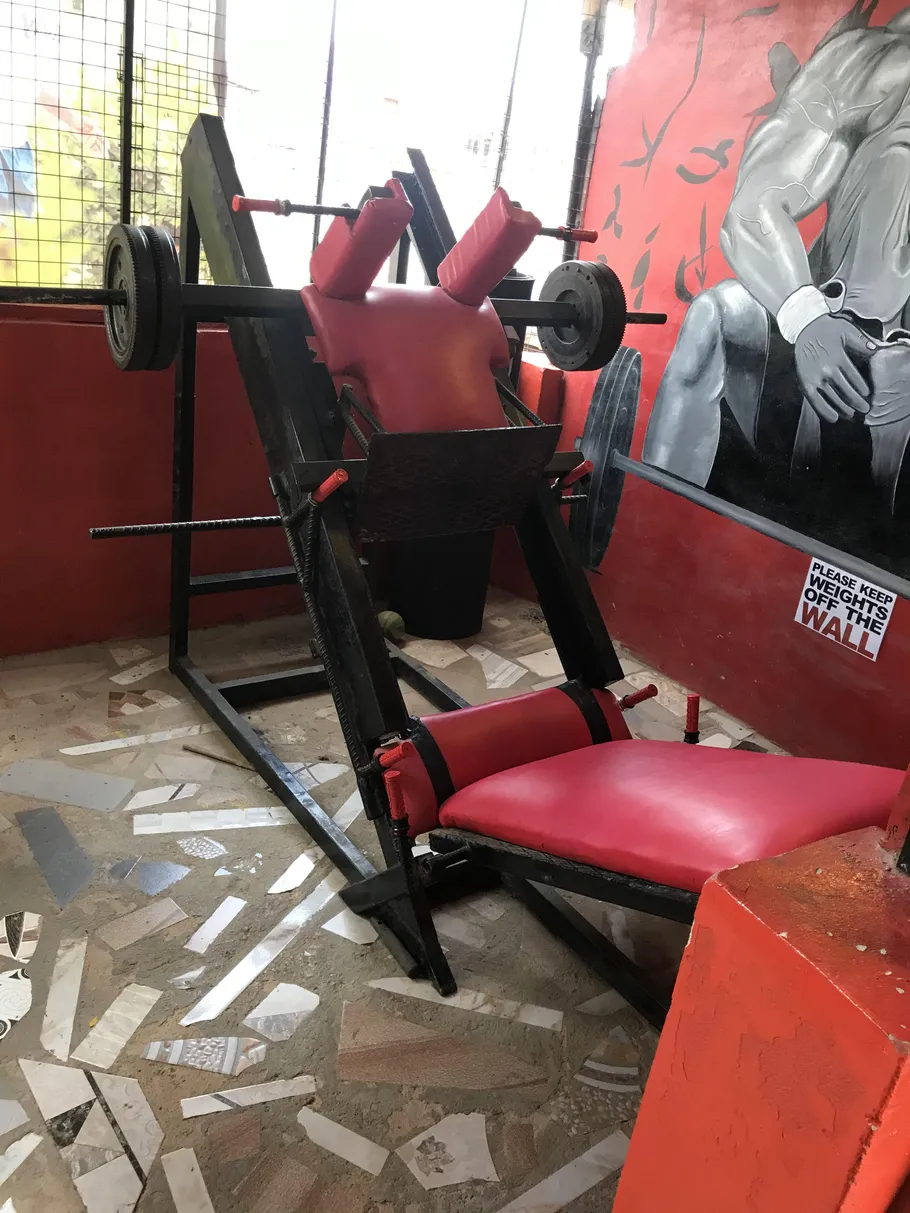
Pick the features by what you will touch every session. The counterbalance comes first: the GMWD’s counterbalance and the Dynasty’s adjustable counterbalance decide how heavy the first inches feel, and a fixed-arm machine has no answer to that question at all. The safety stops come second: the Dynasty’s 12-position stop is the most positions stated here, and a stop you can set to your depth is what lets you train alone without a spotter. The footplate comes third: the Dynasty’s 5-position footplate is the only multi-position footplate stated here, and stance width changes the whole feel of the arc — so check the footplate on the listing, not from a photo, before ordering.
And check the small print on every feature before ordering: plate-post size and horn fit on every pick (the TRUE states Olympic 50 mm plates with a 45 lb maximum, the others do not state a post size in the records checked), starting resistance where stated (the Muscle D’s 50 lb, the Hammer Strength’s 81 to 82 lb per arm depending on the document), and storage horns where stated (the Muscle D’s 6 horns, the Dynasty’s 4 holders plus 2 short holders, the BUILT’s 4 horns at 8 plates each). The feature that disappoints is always the one nobody checked.
Choose Your Placement
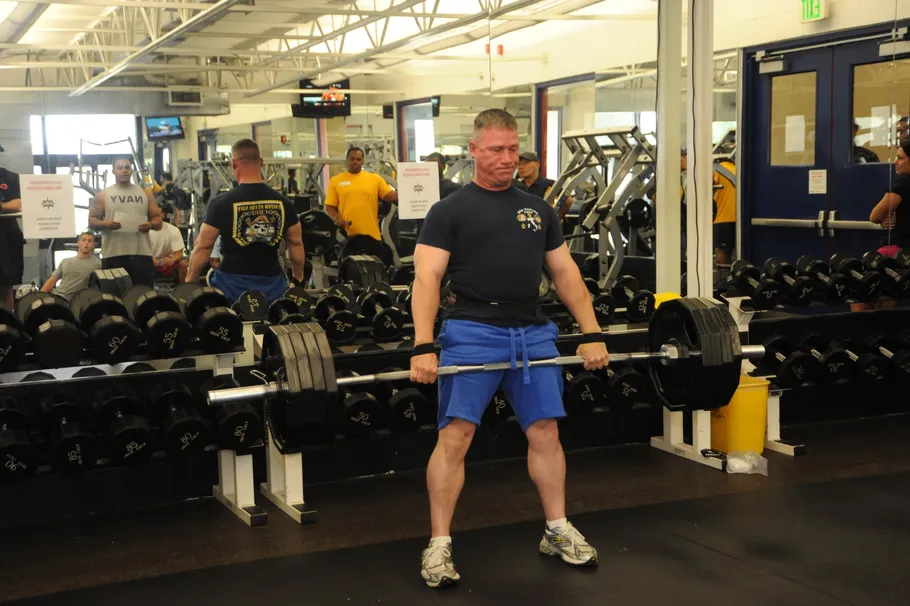
Pick the placement by what happens between workouts. None of the six picks here folds — a pendulum squat is a permanent frame, not a folding one — so every pick needs a permanent corner with clearance in front for the arc, clearance at the sides for plate loading, and headroom above the footplate. The big commercial frames — the Dynasty, the Hammer Strength and the BUILT — need a dedicated bay, and the test is whether that bay survives the rest of the room’s uses. The compact GMWD fits a home corner, and the test is whether that corner still has plate-loading room once the machine is in it.
Put the machine where the session starts, not where the room ends: a pendulum squat in a far garage corner gets used less than one in the bay you already train in, and a machine in a walkway gets moved, then left moved. Whatever spot you pick, keep the floor under it firm and level, so the frame does not rock mid-arc and the plates do not creep — and check after the first week whether the machine has shifted, because a machine that moves has already told you the base is wrong.
Safety
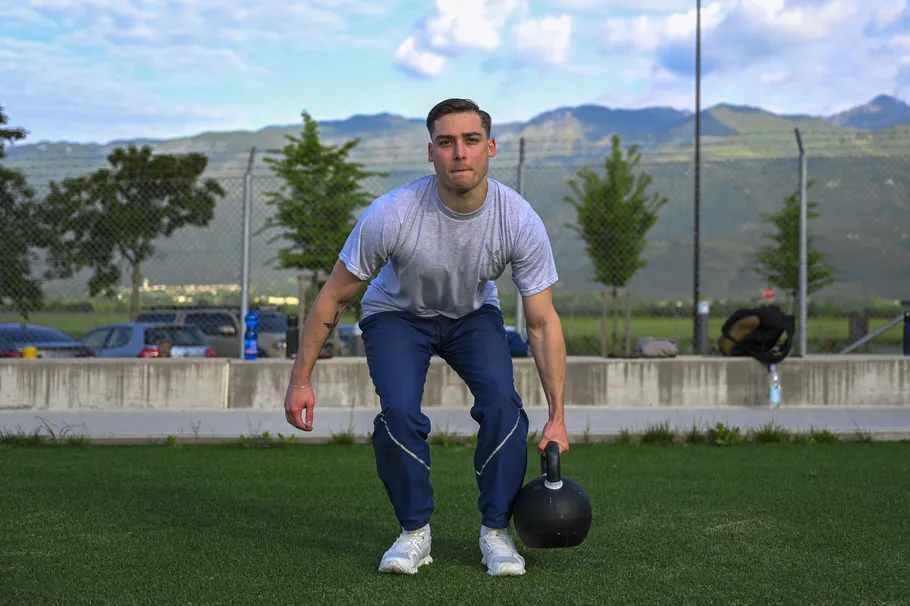
1. Warm up first: five minutes of easy movement before any loaded squat, so the legs and the knees are warm before the arc loads them.
2. Start at the lightest setting: the counterbalance on where the machine has one, the fewest plates where it does not — and only add load when the light setting feels controlled for full sets.
3. Set the safety stops before you load: the stop at your depth, the pins seated, the plates collared — a machine that moves mid-rep is a machine that was not checked.
4. Keep feet flat on the footplate and knees tracking over toes: a foot that slips or a knee that caves is a stop signal — end the set, reset the feet, and do not push through it.
5. Stop on sharp pain: a burn in the legs is training, a sharp or shooting pain in a knee, hip or back is a stop signal — end the set, not the rep, and do not push through it.
6. Keep children and pets clear of the swinging arm and the plate horns: the arm swings, the horns stick out loaded, and a frame that tips if climbed on is a frame that was not placed right.
7. Knee, hip or back pain that keeps coming back is a clinician’s question: see a clinician before buying a machine to fix it, and do not use any pick here as treatment for a knee, hip or back condition.
This guide is general information only, not medical advice. If you have a knee, hip or back condition, are recovering from surgery, or are pregnant, talk to a clinician before using a pendulum squat machine.
Frequently Asked Questions
Will a pendulum squat fix my knees or my back?
No — this guide makes no treatment claim for any pick here. A pendulum squat machine is a training tool for healthy legs, not a treatment for knee, hip or back pain, and pain that keeps coming back, shoots down a leg, or follows an injury is a clinician’s question, not a shopping question. See a clinician first, and buy a machine only for training, not for fixing.
Is a pendulum squat the same as a hack squat?
No. A hack squat runs a sled on straight rails, while a pendulum squat swings a loaded arm through an arc on a pivot — and the counterbalance on the GMWD and the Dynasty, which softens the start of the arc, has no equivalent on a rail sled. The movement feels different from the first rep: the arc changes the angle through the set, while the sled holds it. If your main work is the arc, buy the pendulum; if your main work is the sled, buy the hack squat.
Do I need Olympic plates for these machines?
For most of them, yes — but check the listing, not this guide. The TRUE states Olympic 50 mm plates with a 45 lb maximum, and the other picks are plate-loaded without a post size stated in the records checked, so the honest answer is that the plate standard is confirmed per listing. A machine whose plates you do not own is a machine whose load path is closed, so confirm the post size and the horn fit before ordering, not after.
Can a pendulum squat replace my barbell squat?
No — it complements it. A barbell squat trains balance and stabilisers that a fixed-arc machine deliberately removes, while a pendulum squat lets the legs push heavy without a bar on the back or a spotter behind you. The honest buy is the machine for the days when the bar is not the right tool — heavy leg work without balance as the limit — not a replacement that makes the bar obsolete.
How much floor space do I really need?
More than the spec box. Take the machine’s longest and widest working position — the BUILT at 100 by 56 inches, the Dynasty at 93.1 by 58.1 inches, the Hammer Strength at 97 by 45 or 97 by 56 inches depending on the document — then add clearance in front for the arc to swing, clearance at the sides for plate loading, and headroom above the footplate. A machine that fits the spec box but not the working area is a machine you will not use.
What goes under the machine?
A floor that protects both the machine and the room. Hard floors want a mat or tiles under a heavy plate-loaded frame so it does not rock or mark the floor, and carpet wants a firm base so the frame sits level through the arc — which our best gym flooring for home gyms covers in full, including mats and tiles by room type. Whatever you put down, check it after the first week: a machine that has shifted across the floor has already told you the base is wrong.
Our Pick: Start Here
Start with the GMWD Pendulum Squat Machine PS01 if you want the pendulum arc at home — counterbalance, safety stopper and a 2-year warranty, in a compact frame here. Start with the Dynasty Fitness Pendulum Squat DSH033 if you want the most adjustments — counterbalance, 12-position stop and 5-position footplate on one frame. Start with the BUILT OG Series Pendulum Squat if you own a plate collection and want it on the machine’s horns. Whichever you start with, check the listing’s own model number, plate size and capacity note before ordering — the conflicts in this guide are the reason, not the excuse.
Disclosure: As an Amazon Associate, we earn from qualifying purchases made through links in this guide, at no extra cost to you.
Specs in this guide come from maker and listing records checked during research; where records conflict, the conflict is printed in the guide rather than resolved by picking one figure.