

Why Tibialis Trainers Belong in a Home Gym
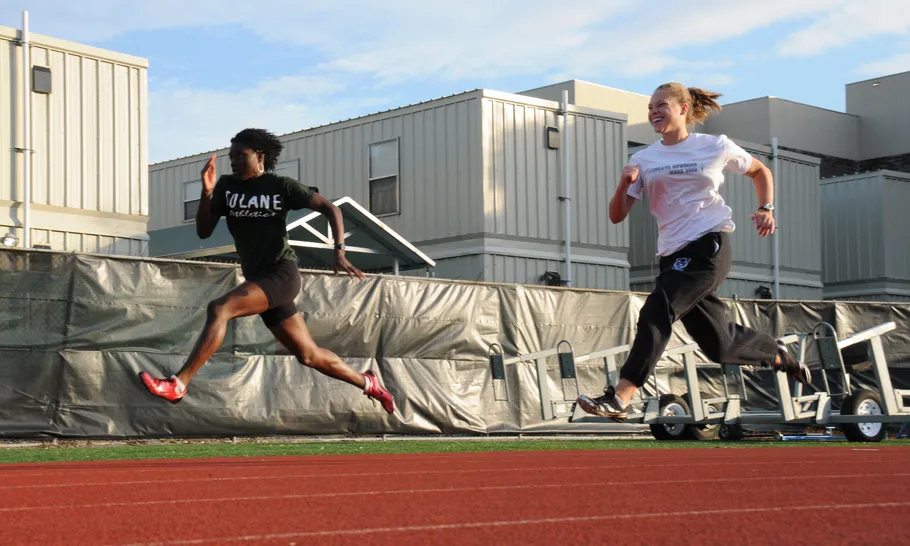
The tibialis anterior is the muscle down the front of your shin.
It lifts your toes toward your shin — the movement called dorsiflexion — and it works every time you walk, run, jump or land.
A tibialis trainer loads that movement on purpose: you hang weight from your foot and raise your toes against it, rep after rep. 💪
Know what a tibialis trainer is not. It is not a calf raise machine — that trains the back of the lower leg, not the front.
Our calf raise machines guide covers seated machines in depth, and the Titan Tibia Dorsi Calf Machine there is the only tibialis pick in that guide.
A tibialis trainer is its own category: a bar or a machine built for one job — loading the front of the shin.
If you already train legs at home, a tibialis trainer is the small add-on that balances the work.
Our previous guide covered pendulum squat machines — big, heavy quad builders.
A tib bar is the opposite end of the scale: a few pounds of steel, a couple of plates, and ten minutes at the end of a session. 🏋️
How We Picked
We compared tib bars and tib machines from the brands lifters actually buy — Apex Fitness, HGG, Fitarc and Rogue — using published specs and reviewer reports from guides.revgear.com and shreddeddad.com.
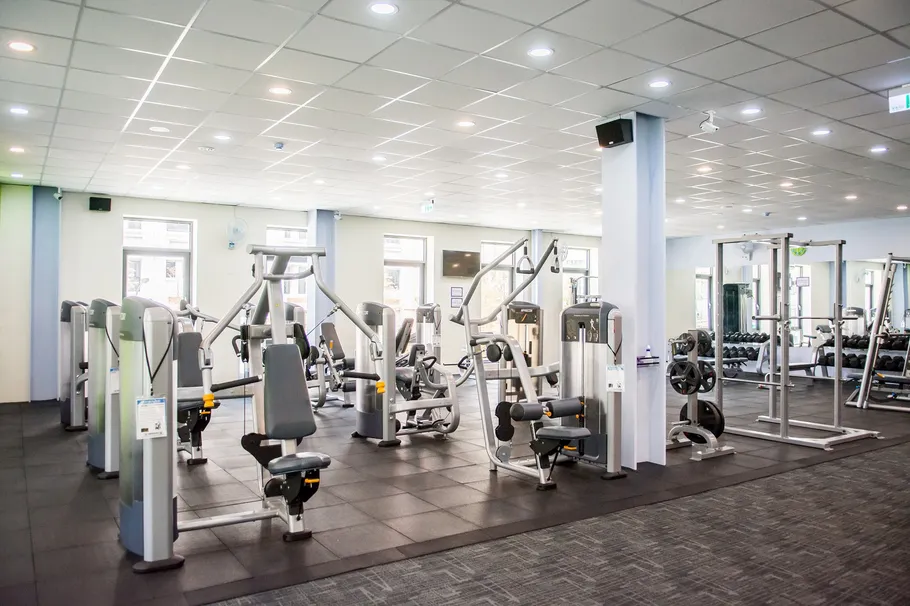
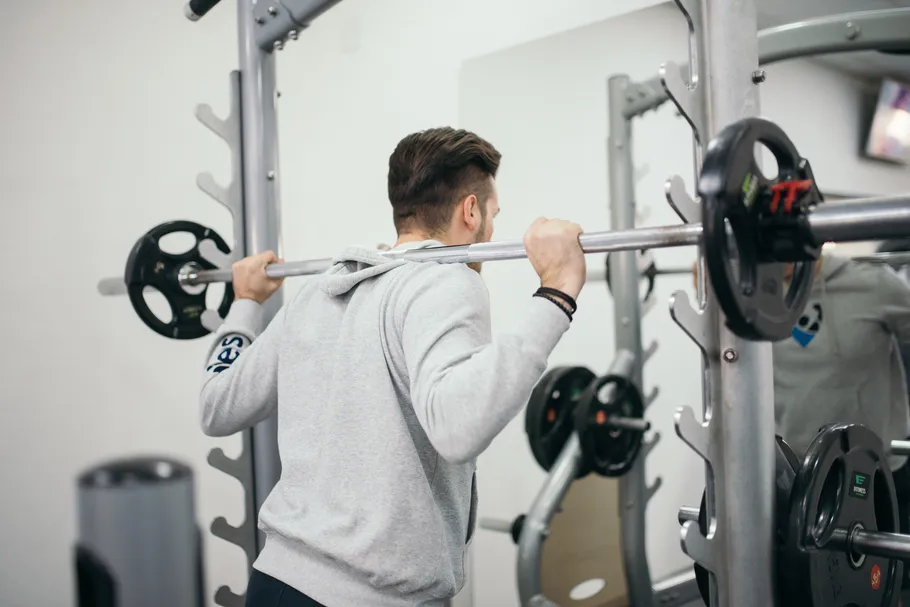
None of the photos in this guide show a named pick: real product photos of these small-brand bars are not available under a free licence, so every picture here is an honest generic training scene, captioned as such. 📸
We scored every trainer on:
- Load capacity and build quality
- Footprint and home-gym fit
- Ease of setup and use
- Comfort and ankle stability
- Versatility — single-leg work and other moves
- Value for the money
Also considered: the Titan Tibia Dorsi Calf Machine, which we did not re-pick here because it already appears as a pick in our calf raise machines guide.
Bodyweight-only tib raises cost nothing but are not a trainer, so they sit outside this guide.
And unbranded tib bars with no verifiable specs, which we dropped because a capacity claim we cannot check is not a recommendation. ✅
Comparison
| Pick | Type | Capacity | Standout |
|---|---|---|---|
| Apex Fitness Tib Bar Pro | Two-foot tib bar | 150 lb | The classic bar: strong clamp, detachable chrome sleeve, the best value here |
| HGG Tib Bar | Two-foot tib bar | 150 lb | The original: stainless sleeve and custom collar, nearly identical to the Pro for more money |
| Apex Fitness Solo Tib Bar | Single-leg tib bar | 100 lb | One foot at a time: 5-position strap, also works hips, hamstrings and glutes |
| Apex Fitness Tib Machine | Seated tib machine | Not disclosed | The most focused tib work: two pivot points, no ankle wobble |
| Fitarc Tib Bar | Two-foot tib bar | Not specified | The budget pick: 1″ and 2″ sleeves for $43.99, with weaker materials |
| Rogue TF-1P | Two-foot tib bar | Not disclosed | The premium pick: 11-gauge steel, made in USA, collars not included |
The Capacity column mixes two stated figures (150 lb twice, 100 lb once) with three not-disclosed entries, so there is no whole-guide strongest crown here — a bar that hides its limit cannot be crowned for it.
There is no weight column in this table because only one pick states a unit weight: the Apex Tib Machine at 29 lb, reported by shreddeddad.com.
Prices in this guide come from the sources named in each section; where they disagree, the article prints the disagreement instead of picking one number.
Apex Fitness Tib Bar Pro
The Apex Fitness Tib Bar Pro is our Best Classic.
It is a heavy-duty steel bar with foam padding, a detachable chrome sleeve that fits 2″ plates, and a strong clamp that holds plates tight.
Its stated capacity is 150 lb, and it sells for $79, per guides.revgear.com. Apex Fitness was formerly known as The Tib Bar Guy. 🏆
This is the bar to buy if you want the standard tib bar done well: simple, strong, and cheaper than the original it copies.
The detachable sleeve makes it easy to load and store, and the clamp is the part that matters most — a bar that lets plates slide is a bar you will not use.
Pros
- 150 lb capacity suits most lifters
- Detachable chrome sleeve fits 2″ plates
- Strong clamp holds plates tight
Cons
- Two-foot design only — no single-leg option
- Needs Olympic plates — useless without plates on hand
- No dumbbell option — plates only
Listing check: confirm the listing says Apex Fitness (formerly The Tib Bar Guy) and lists the 150 lb capacity before buying — similarly named tib bars from other sellers are not this bar.
Best for: lifters who want the standard two-foot tib bar at a fair price.
May not fit: anyone who wants single-leg work, or who has no Olympic plates yet.
HGG Tib Bar
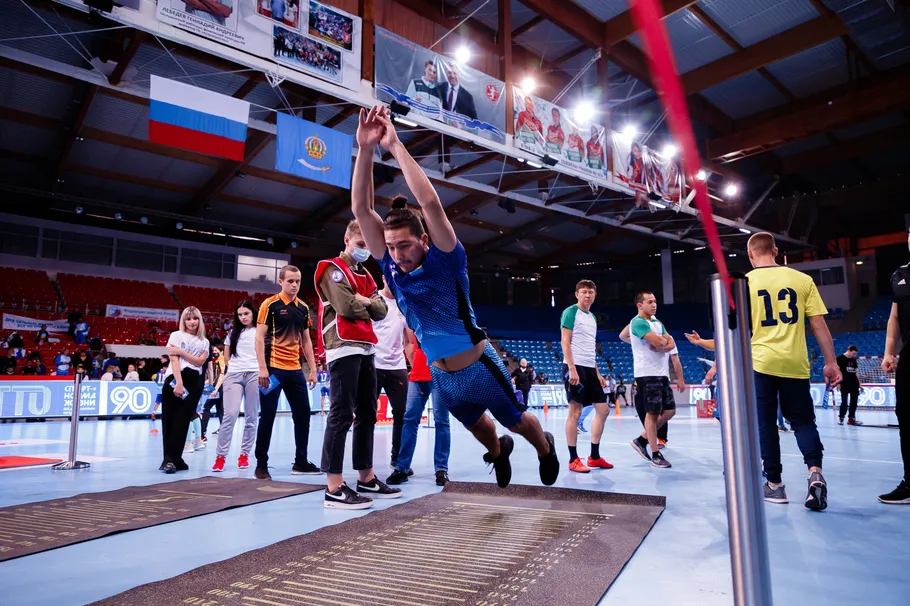
The HGG Tib Bar is our Best Runner-Up and Best Original.
HGG — the Home Gym Guys — pioneered the tib bar, and this is the bar that started the category.
It is heavy-duty steel with a stainless sleeve, a custom HGG collar, and a detachable sleeve. Its stated capacity is 150 lb, and it sells for $108, per guides.revgear.com. 🥈
Side by side with the Pro, the HGG bar is nearly identical in build and capacity — and pricier, with nothing objectively better to show for it. Buy it if you want the original from the makers who started it; buy the Pro if you want the same bar for less.
Pros
- 150 lb capacity matches the Pro
- Stainless sleeve resists wear
- The original tib bar from the makers who started the category
Cons
- $108 costs more than the Pro with nothing objectively better
- Two-foot design only — no single-leg option
- Plates sold separately
Listing check: confirm the listing says HGG and lists the 150 lb capacity before buying — the bar’s value is the original build, not a copy at the same price.
Best for: buyers who want the original tib bar from the brand that pioneered it.
May not fit: anyone shopping on value — the Pro does the same job for less.
Apex Fitness Solo Tib Bar
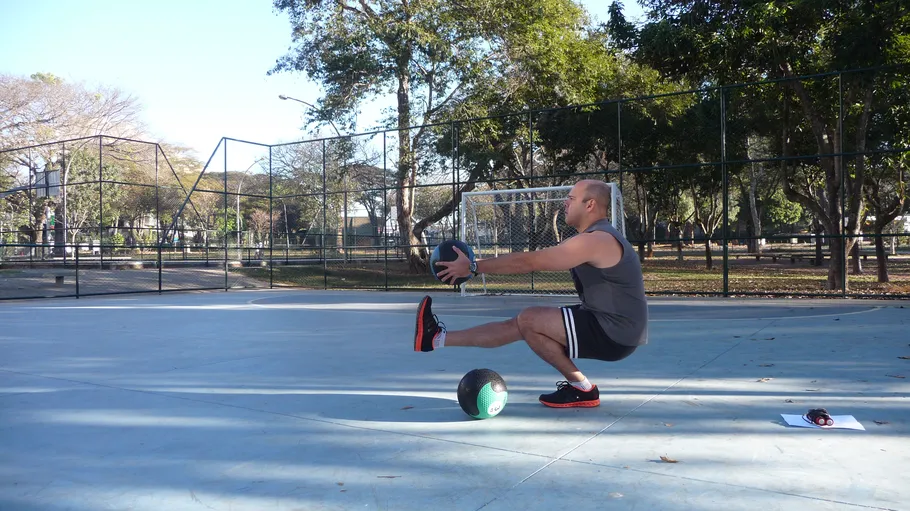
The Apex Fitness Solo Tib Bar is our Best Single-Leg pick. It trains one foot at a time, with a 5-position adjustable foot strap, a 6″ stainless loading bar, and a locking clamp. It takes plates and dumbbells, its stated capacity is 100 lb, and it sells for $119, per guides.revgear.com. 🦶
Single-leg work is the Solo’s whole point: it evens out the difference between a strong leg and a weak one, and the same bar also does hip-flexor raises, hamstring curls, glute kickbacks and leg extensions.
The trade-off is durability — the moving parts make it less tough than a fixed two-foot bar, and the 100 lb capacity is lower than the two-foot bars here.
Pros
- Trains one leg at a time — evens out imbalances
- 5-position strap fits most feet
- Also works hips, hamstrings and glutes
Cons
- 100 lb capacity is lower than the two-foot bars
- Moving parts make it less durable than a fixed bar
- Costs more than the Pro and HGG two-foot bars
Listing check: confirm the listing says Solo Tib Bar and lists the 100 lb capacity before buying — the two-foot Apex Pro is a different bar at a lower price.
Best for: anyone with one weaker leg, or who wants one tool for tib raises plus hip and hamstring work.
May not fit: heavy lifters who need more than 100 lb, or anyone who wants the simplest, toughest bar.
Apex Fitness Tib Machine
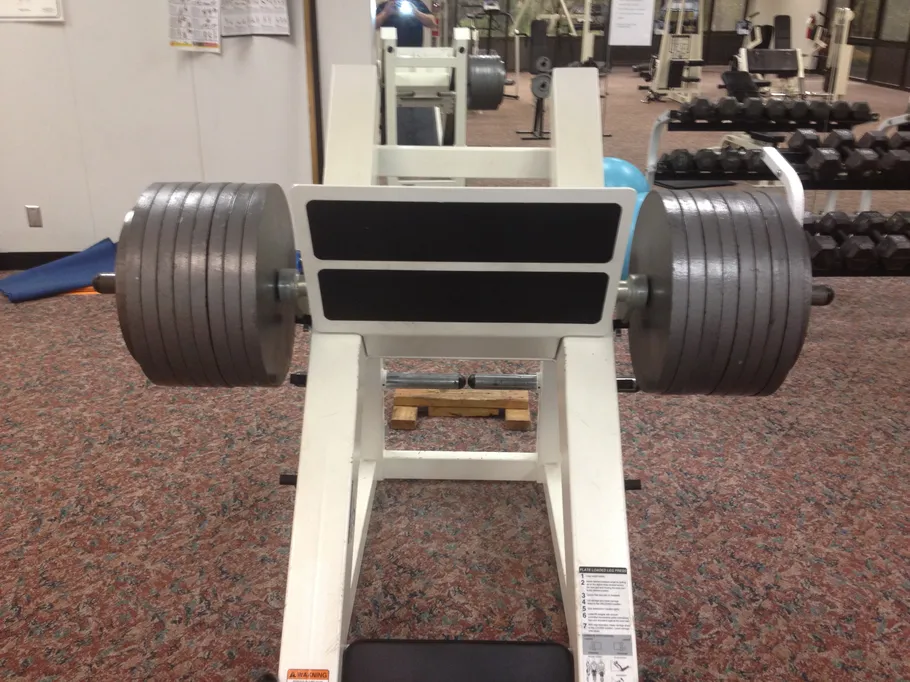
The Apex Fitness Tib Machine — also sold as the Anterior Tib Machine — is our Best Isolation Machine.
It is a heavy-duty steel seated machine with two pivot points, which remove ankle instability and make the tib work more focused than a bar can.
Its load capacity is not disclosed by the maker, and its unit weight is 29 lb, per shreddeddad.com. ⚙️
Price conflict, printed honestly: guides.revgear.com lists this machine at $129, while shreddeddad.com lists it at $149. We do not know which price is current, so check the live listing before deciding. What is not disputed is the design: two pivot points and a seated position give the most focused tib work in this guide.
Pros
- Two pivot points remove ankle instability
- The most focused tib work in the guide
- Compact 29 lb unit fits a home gym corner
Cons
- Capacity not disclosed — no stated load limit
- Price is disputed ($129 vs $149 across sources)
- A machine does one job — bars do more
Listing check: confirm the listing says Apex Fitness Tib Machine (Anterior Tib Machine) and check the live price before buying — sources disagree on whether it is $129 or $149.
Best for: anyone whose ankles wobble on a bar and who wants the most stable, focused tib work.
May not fit: anyone who wants a stated load limit, or a tool that does more than one exercise.
Fitarc Tib Bar
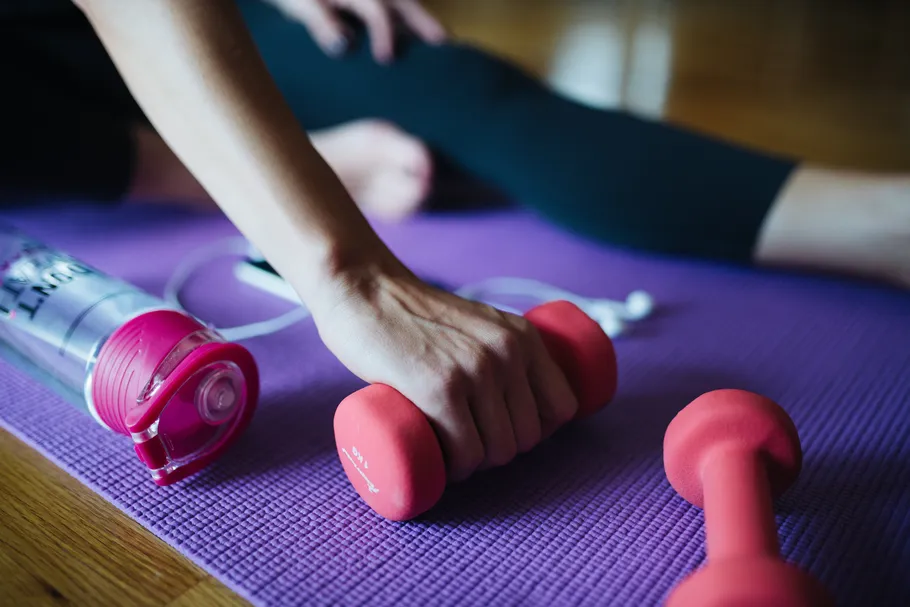
The Fitarc Tib Bar is our Best on Amazon and Best Budget pick. It is stainless steel with 1″ and 2″ sleeve options, so it fits standard and Olympic plates, and it sells for $43.99, per guides.revgear.com. Its load capacity is not specified by the maker. 💰
The price is the story here — less than half the Pro — and the trade-offs are visible: the bar needs bolt assembly before first use, and its materials, welds and clamps are noticeably inferior to the premium bars. It is a fair starter bar, not a lifetime bar.
Pros
- $43.99 — the cheapest bar in the guide
- 1″ and 2″ sleeve options fit standard and Olympic plates
- Stainless steel build at a budget price
Cons
- Capacity not specified
- Needs bolt assembly before first use
- Materials, welds and clamps are noticeably inferior to the premium bars
Listing check: confirm the listing says Fitarc and shows the sleeve size you need (1″ or 2″) before buying — the wrong sleeve will not fit your plates.
Best for: first-time buyers testing whether tib training suits them, on the smallest budget.
May not fit: anyone who wants a stated capacity, or a bar built to last for years of heavy use.
Rogue TF-1P
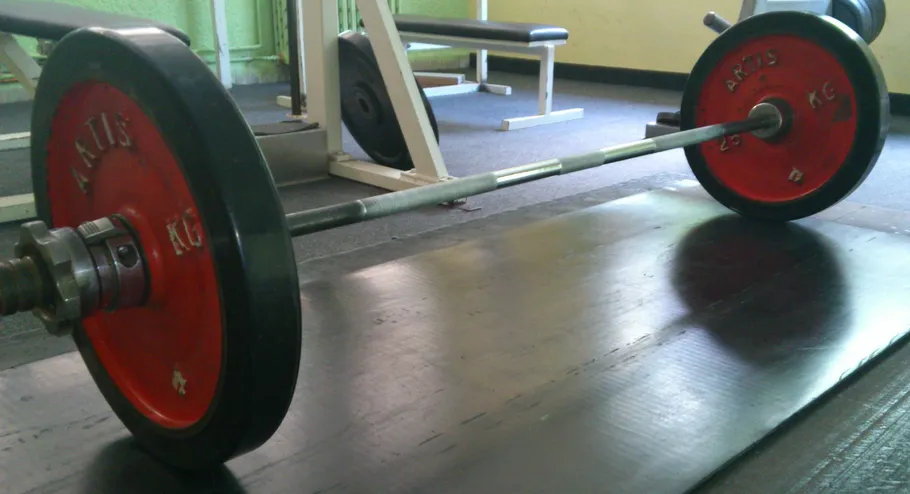
The Rogue TF-1P is our Best Premium pick. It is built from 11-gauge steel and SCH 40 pipe, made in the USA, with laser-cut logos and a machined acetal loading pin 1.96″ in diameter. It sells for $149, per guides.revgear.com. Its load capacity is not disclosed by the maker, and collars are not included. 🇺🇸
This is the heaviest-built bar in the guide, and the price shows it.
The build is the selling point, not the spec sheet — Rogue does not state a capacity, so the 150 lb figures on the cheaper bars are the only hard numbers in this guide.
Buy the Rogue for the build and the brand, and buy collars separately.
Pros
- 11-gauge steel and SCH 40 pipe — the heaviest build here
- Made in the USA with laser-cut logos
- Machined acetal loading pin fits standard plates smoothly
Cons
- Capacity not disclosed
- Collars not included — buy them separately
- $149 is the joint-highest price in the guide
Listing check: confirm the listing says Rogue TF-1P and add collars to your order — they are not included in the box.
Best for: buyers who want the heaviest-built tib bar and trust the Rogue name.
May not fit: anyone who wants a stated capacity, or who balks at paying $149 plus collars.
How to Choose
A tibialis trainer is a small, simple tool, so the choice comes down to four questions: which type, what size, which features, and where it will live. Most bars also need plates, so if you do not own any yet, our weight plates guide covers what to buy first. 🧭
Choose Your Type
There are three types.
A two-foot tib bar trains both feet at once and is the standard choice — the Pro, HGG, Fitarc and Rogue are all two-foot bars.
A single-leg tib bar, like the Solo, trains one foot at a time and is the pick if one leg is weaker than the other.
A seated tib machine, like the Apex Tib Machine, is the pick if your ankles wobble and you want the most stable, focused work.
The no-equipment alternative is bodyweight tib raises: sit on a chair, lift your toes toward your shins, and repeat.
Our ankle weights guide covers a middle step — ankle weights add load to bodyweight tib raises before you buy a bar.
If you can already do 25 slow bodyweight reps with ease, a bar will serve you better than more bodyweight sets. 👣
Choose Your Size
Size means three things on a tib bar: the sleeve diameter, the capacity, and the foot fit.
Sleeve diameter decides which plates fit — 2″ for Olympic plates, 1″ for standard plates, and the Fitarc offers both.
Capacity decides how far the bar grows with you: 150 lb covers almost everyone, 100 lb covers most beginners, and an undisclosed capacity means you are trusting the build, not a number.
Foot fit matters most on the Solo, where the 5-position strap has to hold your foot snugly without pinching.
On a two-foot bar, check that the padding sits comfortably across the top of both feet.
A tib trainer is small — every bar here stores in a corner and every machine here fits beside a bench — so room size is rarely the deciding factor. 📏
Choose Your Features
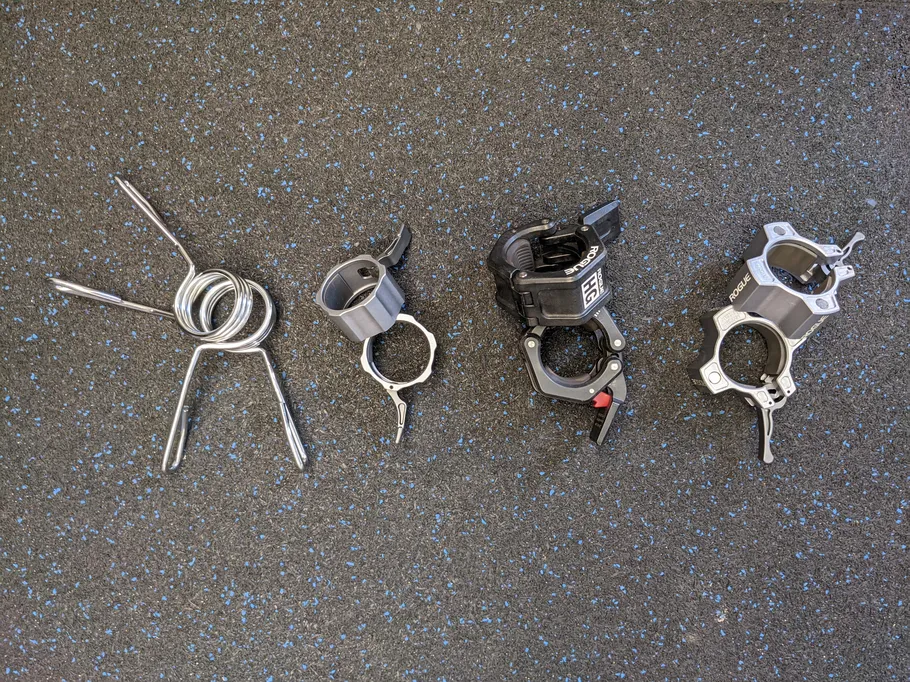
The clamp is the feature that matters most.
A strong clamp keeps plates tight against your feet; a weak one lets them slide and ruins the set.
The Pro’s strong clamp and the HGG’s custom collar are the best in this guide, and the Rogue’s collars are not included at all — budget for them.
A detachable sleeve, like the Pro’s and the HGG’s, makes loading easier and storage smaller.
Padding matters next: foam padding protects the top of your feet under load, and worn padding is the first thing to check on a second-hand bar.
On a machine, the feature to check is the pivot — the Apex Tib Machine’s two pivot points are what keep the ankle stable.
Extra moves are a bonus, not a reason to buy: the Solo’s hip, hamstring and glute work is useful, but buy the Solo for single-leg tib work first. 🔧
Choose Your Placement
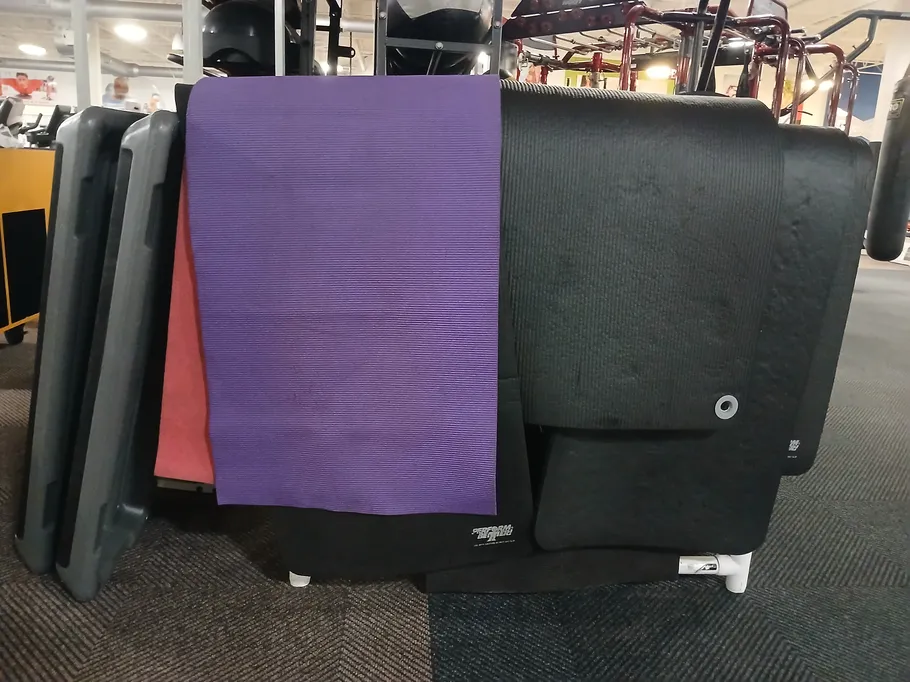
A tibialis trainer needs almost no space: a flat spot to sit, room to swing your feet, and a mat underfoot.
Sit on the edge of a bench or a sturdy chair, load the bar, and raise your toes — that is the whole setup.
A machine needs a little more room, about the footprint of a small chair, and it stays put once placed.
Store the bar where your plates live, so loading takes seconds instead of a trip across the room.
Keep a mat under the work area — plates clank on bare floor and mark it.
The whole kit — bar, a few plates, a mat — fits in the same corner as a pair of dumbbells. 🏠
Safety
1. Start with bodyweight tib raises before adding any load — learn the movement with no weight first.
2. Start light — a single 5 lb plate — and add load slowly, a few pounds at a time over weeks.
3. Keep the movement slow and controlled; never bounce or jerk the weight up.
4. Stop if you feel sharp pain in the shin or ankle; mild burn is normal, sharp pain is not.
5. Keep your ankle stable — if it wobbles, lower the weight until it stops.
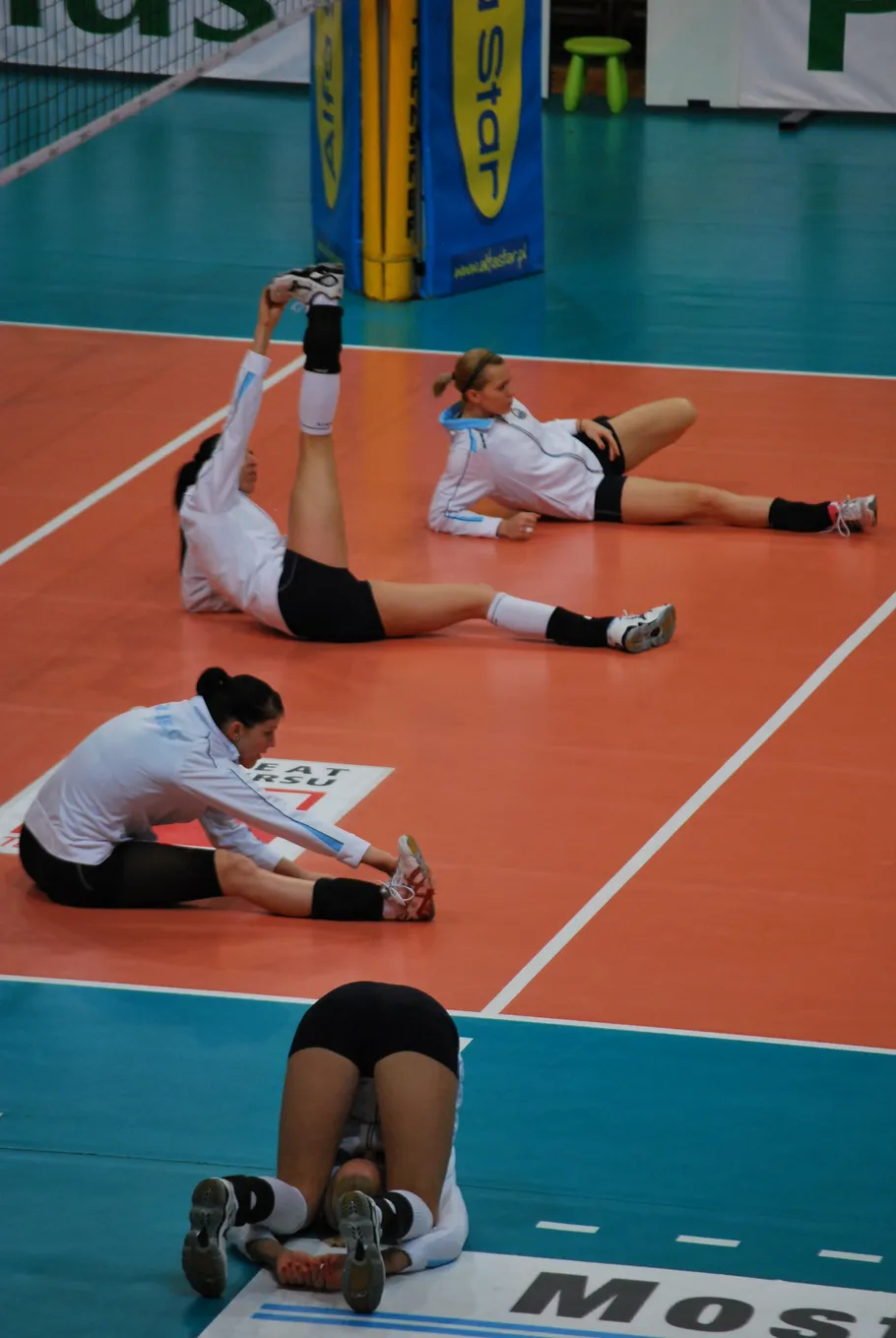
6. Warm up first — a few minutes of walking and ankle circles before loading.
7. Train tibialis 2–3 times a week, not daily — the muscle needs a day to recover.
This is general information only, not medical advice. If you have shin pain, a past ankle injury, or any medical condition, talk to a clinician before starting tibialis training.
Frequently Asked Questions
Can a tibialis trainer fix shin splints?
No — a tibialis trainer is a strengthening tool, not a treatment.
Shin pain has many causes, and only a clinician can diagnose yours.
Strengthening the tibialis may help as part of a plan a clinician sets, but do not buy a bar expecting it to cure pain on its own.
If your shins hurt, get checked first. 🩺
How often should I train my tibialis?
Two to three times a week, 2–3 sets of 15–25 slow reps, with a rest day between sessions. Many lifters pair tib work with knees-over-toes training, and our slant boards guide covers the board that goes with it. Start with bodyweight, add load only when 25 reps feel easy.
Tib bar or tib machine — which is better?
A bar is cheaper, more versatile and easier to store; a machine is more stable and more focused. Pick the bar if budget matters or you want single-leg options; pick the machine if ankle stability is your weak point and you want the most focused tib work. Either one trains the same muscle.
How much weight should I start with?
Bodyweight first, then 5–10 lb. Most lifters work up to 25–50 lb over months of steady training. The 150 lb capacities in this guide are ceilings, not targets — almost nobody needs them, and chasing them too fast is how shins get hurt.
Do I need Olympic plates for a tib bar?
It depends on the sleeve. The Pro, HGG and Rogue take 2″ Olympic plates; the Fitarc offers 1″ and 2″ sleeves; the Solo takes plates and dumbbells. Check which plates you own — or plan to buy — before ordering a bar.
Where should I use a tibialis trainer at home?
Any flat spot with room to sit and swing your feet — a mat on the floor works, and a bench edge is better. Keep the bar near your plate storage so setup takes seconds. Our gym flooring guide covers mats that protect the floor under plates.
Our Pick: Start Here
Start with the Apex Fitness Tib Bar Pro — the classic two-foot bar at $79, with a 150 lb capacity and the strongest clamp in its price range.
If one leg is weaker than the other, get the Apex Fitness Solo Tib Bar instead.
If your ankles wobble, the Apex Fitness Tib Machine is the stable choice — just check the live price first, since sources disagree on $129 vs $149.
On the tightest budget, the Fitarc Tib Bar at $43.99 gets you started. 🏆
Disclosure: As an Amazon Associate, we earn from qualifying purchases made through links on this page, at no extra cost to you.
Specs and prices in this guide come from the sources named in each section and may change; where sources disagree, the article prints the disagreement. Always check the live listing before buying.