

Why a Power Tower Belongs in a Home Gym
A power tower is a freestanding bodyweight station: a pull-up bar at the top, dip bars in the middle, a vertical knee-raise station with elbow pads and a backrest, and low push-up handles at the base. No weights, no cables, no motor — the whole upper body and core get trained on one frame that stands on its own feet, which is why a tower suits a home gym better than four separate pieces of kit.
A power tower is not a single-purpose bar, and the two must not be confused. Our pull-up bars guide covers bars alone — doorway, wall-mounted and freestanding — while this guide covers towers only, where the bar is one station among four. Nor is a power tower a cardio machine: our curved treadmills guide covers self-powered running curves, while this guide covers strength stations that stay in one place and load the arms, chest, back and core rep by rep.
For a home gym, the appeal is four exercises for one footprint and no installation. A power tower suits lifters who want pull-ups, dips and knee raises without drilling into a wall, beginners who want one station to learn all three movements on, and households that share one frame at different heights. The tower does not replace a rack or a bench, but for bodyweight upper-body work, nothing else in the guide series packs this much into one standing frame.
How We Picked
We scored each power tower on the details that decide whether it actually gets used, not on brand name alone. A tower that does not fit under the ceiling, wobbles on a narrow base, or states a capacity no record agrees on is a bad buy at any finish, and a spec figure that no record agrees on is not a figure at all.
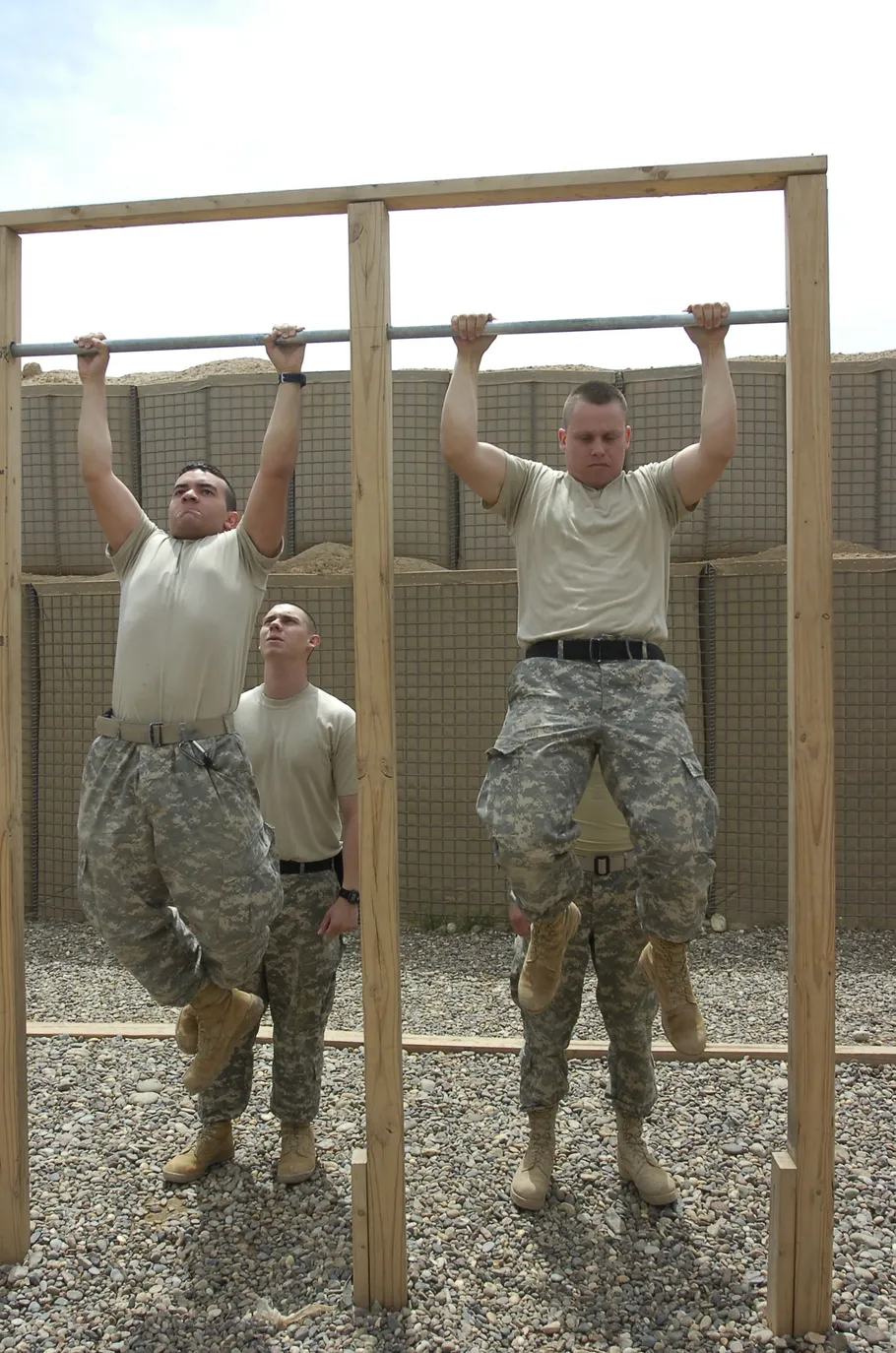
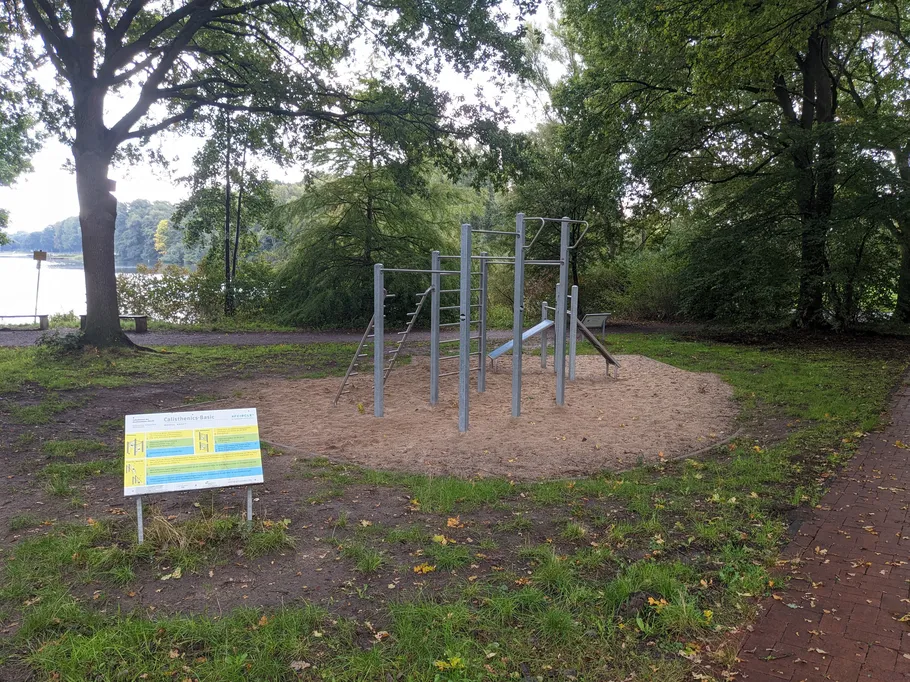
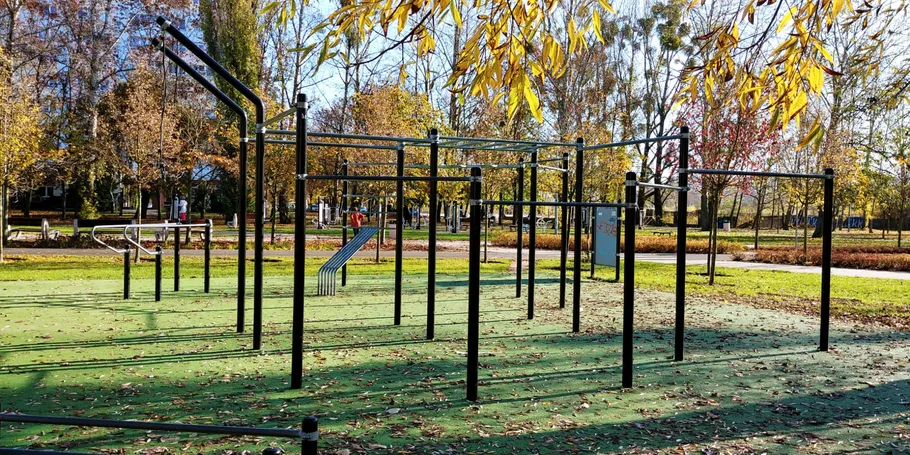
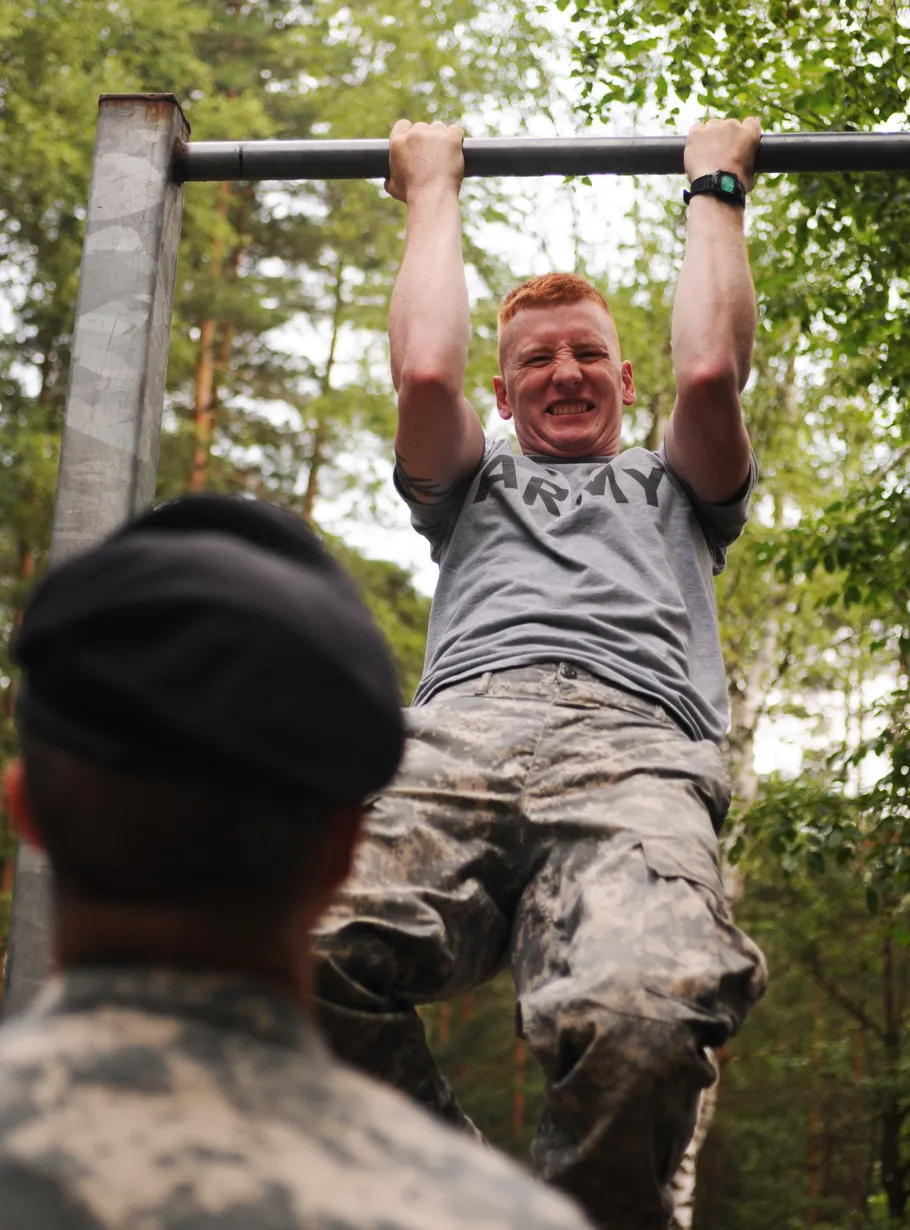
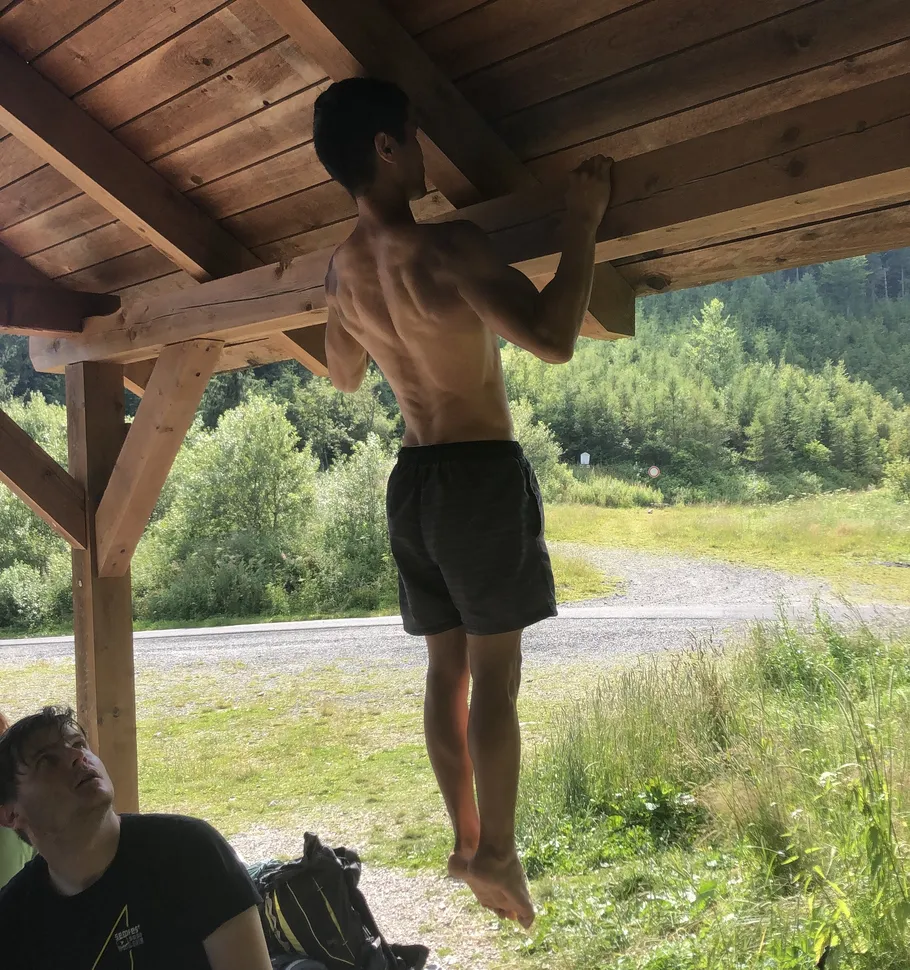
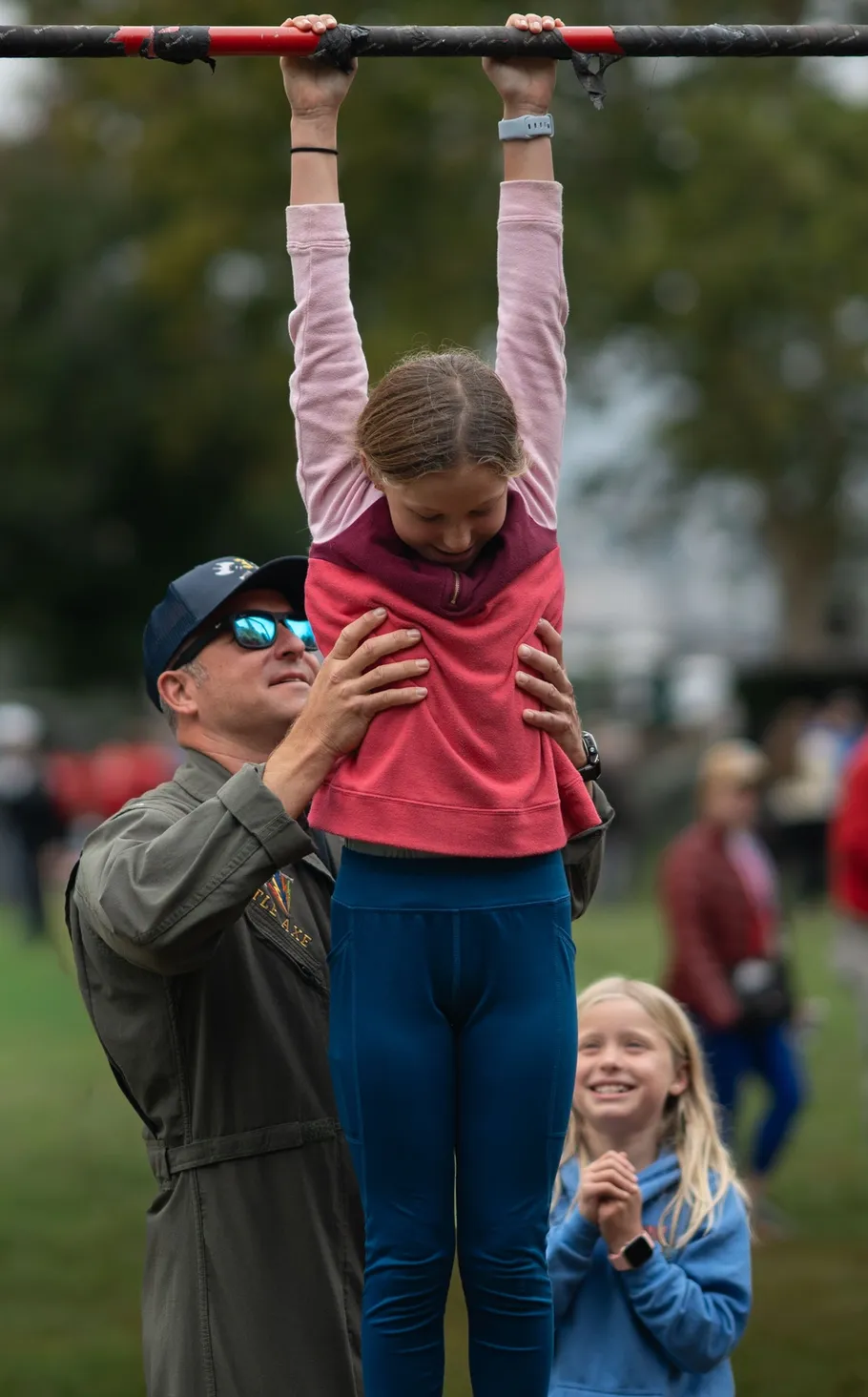
One limit applies to every photo in this guide: no free-license photo of any of the six named power towers exists, so every figure is an honest generic scene — people on bars, park stations and outdoor equipment — captioned as what it actually shows, never presented as a product shot. Two figures do show real tower-style training — the soldiers on the wooden frame above and the freestanding red frame below — but neither frame is one of the six named picks.
- Stations — pull-up bar, dip bars, knee-raise pads and push-up handles — and whether all four are genuinely present
- Height range and levels — how far the bar adjusts, and whether the level count is stated at all
- Footprint and base — length and width as recorded, plus the base shape that keeps the tower upright
- Capacity honesty, with disputed and variant-mixed figures flagged rather than averaged
- Foldable or fixed — whether the tower stores away, and what it gives up to fold
- Honest availability, with conflicting figures stated as conflicts, not resolved by guesswork
K KiNGKANG was considered and set aside on conflicting capacity records — 660 lb on one listing against 400 lb on another for the same tower shape — and this guide will not average two wildly different figures into one. Z ZHICHI foldable was considered and set aside on thin records — a 330 lb folding tower with few corroborating listings — because the foldable slot here is taken by the better-documented SogesPower. Marcy Pro Power Tower was considered and set aside as the lowest-capacity mainstream tower at 250 lb, with a 42.5×40.5 in footprint that is larger than stronger picks here. Wall-mounted and doorway towers were considered and set aside as a different category — they need a wall or a doorway, while every pick here stands on its own feet. Home gym systems were considered and set aside as a different category — multi-exercise stations combining press, pull and legs in one frame, which is a separate guide, not a tower. Our gym flooring and dip stations guides cover the floor under the tower and the dip-only cousin to a power tower.
Comparison
| Tower | Best for | Height range | Footprint | Standout |
|---|---|---|---|---|
| Sportsroyals Power Tower | Benchmark adjustable tower | 64.56–88.18 in (6 levels) | 41.2×39.7 in | Capacity disputed 400–450 lb |
| RELIFE REBUILD YOUR LIFE Power Tower (R-JL-02) | Smallest footprint, family heights | 56–86 in (9 levels) | 34×26.4 in | Suction-cup feet, 450 lb (R-JL-02) |
| Flybird Heavy Duty Power Tower (YT-J02) | Heaviest-duty claim | 71.4–84.9 in (11 levels, single record) | Not stated | 800 lb listing claim (hedged) |
| ZELUS Power Tower | Maker-spec tower | 77.2–89.1 in | 39.2×26.3 in | 441 lb, 61.7 lb |
| SogesPower Foldable Power Tower | Only foldable tower | 74.2–86.6 in (6 levels) | 39.4 in wide (depth not stated) | 500 lb manual record, folds flat |
| ProsourceFit Power Tower | Tallest stated height | Up to 90 in | Not stated | 330 lb, 7-level backrest |
Read the Height range column with care, because it mixes three different kinds of figure, not one like-for-like scale. Most picks state a full adjustable range with a level count, the Flybird range rests on a single roundup record, and the ProsourceFit figure is an open-ended “up to” maximum with no stated minimum — so the table alone does not rank height, and the pick sections carry the full records. Read the Footprint column the same way: the figures are length × width as recorded, with two Not stated rows and one partial row that states width only, so the table alone does not rank size — read the pick sections for the full figures before measuring your room.
Capacity is deliberately NOT a table column, because the capacity records conflict too much to sit in a tidy column — the sections below carry every conflict, and the superlatives here are scoped to settled figures only. On footprint, the smallest settled machine is the RELIFE at 34×26.4 in, and the largest settled is the Sportsroyals at 41.2×39.7 in — the Flybird and the ProsourceFit are excluded because no footprint is stated, and the SogesPower is excluded because only its width is stated. On height, the tallest stated maximum is the ProsourceFit at up to 90 in, and the shortest settled maximum is the SogesPower at 86.6 in — the Flybird 84.9 in figure is excluded because it rests on a single roundup record, and the RELIFE is excluded because its height records read 83 in, 85 in, 86 in and 89 in across listings. On height levels, the most settled count is the RELIFE at 9 — the Flybird 11 rests on the same single roundup record. On capacity, the highest settled figure is the SogesPower at 500 lb on its manual record, and the lowest settled is the ProsourceFit at 330 lb — the Flybird 800 lb listing claim is NOT declared settled, because it sits far above every typical tower figure here and no second record corroborates it, and the Sportsroyals is excluded because its capacity reads 400 lb, 440 lb and 450 lb across records. On unit weight, the heaviest settled machine is the ZELUS at 61.7 lb, and the lightest settled is the SogesPower at 48.5 lb on its manual record — the Sportsroyals is excluded because its weight records span 46 lb to 86 lb across variants, the RELIFE is excluded because its weight records span 43 lb to 49 lb across variants, the Flybird 104.5 lb figure is excluded because it rests on a single roundup record, and the ProsourceFit is excluded because no weight is stated. On folding, the SogesPower is the only foldable pick here.
Sportsroyals Power Tower
The Sportsroyals Power Tower is the benchmark adjustable tower here, and the pick every other tower gets measured against. The pull-up bar adjusts in 6 levels from 64.56 in to 88.18 in, the backrest adjusts through 7 holes, the frame is 14-gauge steel, and the footprint reads 41.2×39.7 in — the largest settled footprint here, so it needs a real corner, not a gap between furniture.
The adjustability is the point. Six bar heights and seven backrest positions mean the tower fits a household of different heights without tools beyond the adjustment knobs, and the H-shaped base with 8 support points is built to stay put during kipping-free, strict reps. The stations cover pull-ups, dips, knee raises and push-ups, so one frame replaces four separate pieces for a beginner-to-intermediate household.
Three flags must be stated plainly. The capacity conflicts across records: a review record reads 400 lb, while listings read 440 lb and 450 lb — so no settled capacity is claimed, and the pick is excluded from the capacity ranking. The unit weight conflicts across variant records, at 58 lb on the review record against 68 lb and 86 lb on other variant records — so no settled weight is claimed either. And the Sportsroyals line itself splits into variants — PT1 at 360 lb, PT3 at 450 lb and PT6 at 800 lb on one comparison table — so the buyer must confirm the exact variant on the listing, because this guide will not merge three variants into one pick. Note also that the assisted-pad Sportsroyals version, with 22 lb to 88 lb of band assistance, is a different model, not this pick.
✅ Pros
- 6 bar heights + 7 backrest positions — best adjustability here
- H-shaped base with 8 support points
- All four stations: pull-up, dip, knee raise, push-up
⚠️ Cons
- Capacity disputed: 400 lb vs 440 lb vs 450 lb
- Weight disputed across variants: 58 lb vs 68 lb vs 86 lb
- Largest settled footprint — needs a real corner
Listing check: no confident listing code was found for this machine, so the link above is a tagged search — confirm the exact variant, the 41.2×39.7 in footprint, the height range and the capacity before ordering.
Best for: households that share one tower at different heights and want the most adjustment.
May not fit: small rooms, or buyers who want a settled capacity and weight figure.
RELIFE REBUILD YOUR LIFE Power Tower (R-JL-02)
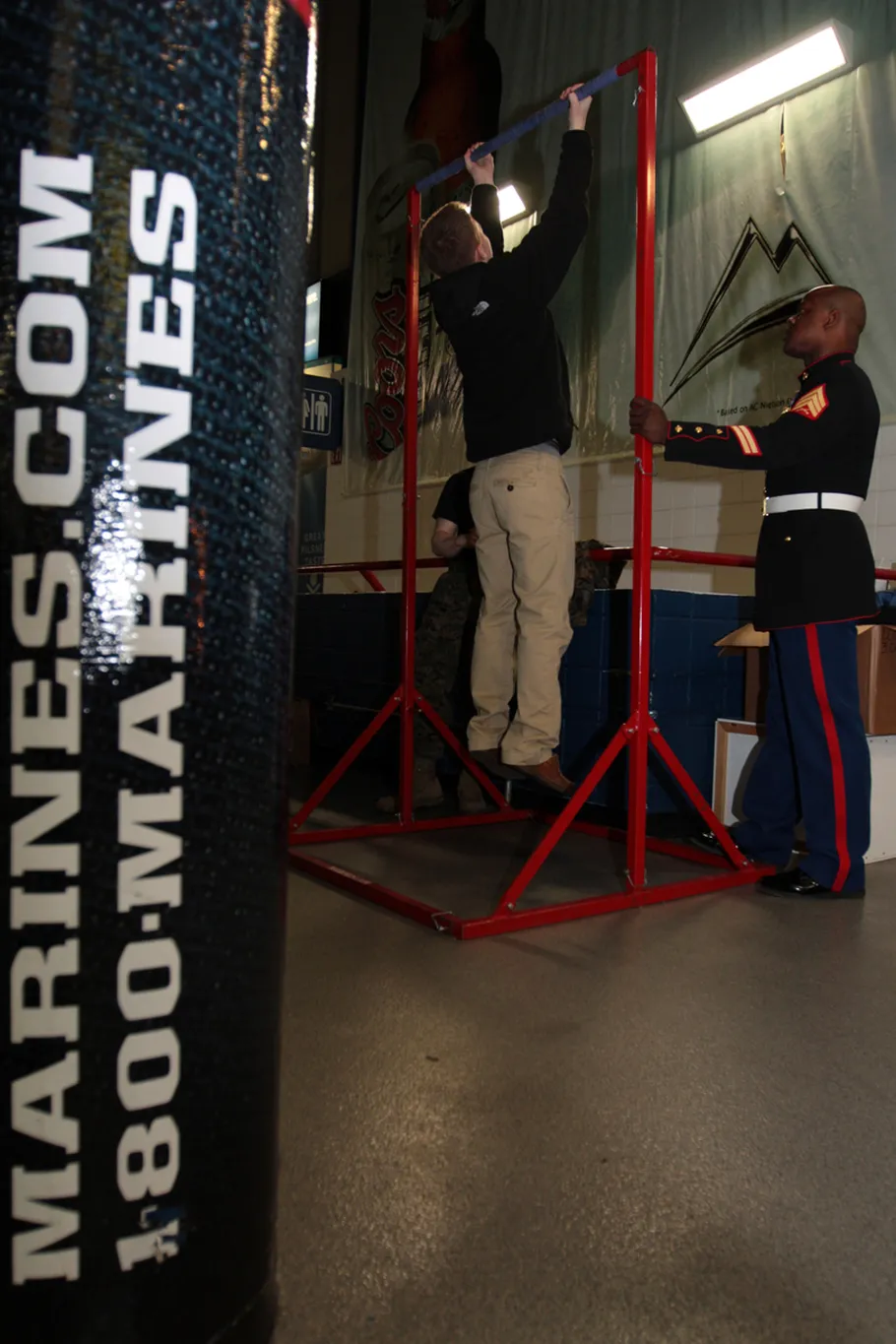
The RELIFE REBUILD YOUR LIFE Power Tower, model R-JL-02, is the small-footprint pick here: 34×26.4 in on the floor, the smallest settled footprint in the guide, with 9 bar heights from 56 in to 86 in — the most settled level count here — and a lowest setting designed for children, so the whole family can use one frame.
The compact footprint is the point. At 34 in long and 26.4 in wide, this tower fits where the Sportsroyals cannot, and the 9 heights mean a child, a shorter adult and a taller adult can each find a bar height without sharing a compromise setting. The stations cover a multi-grip pull-up bar, a dip station, a knee-raise station and a push-up station, with 4 suction-cup feet and a safety locknut for stability, plus 3 armrest levels from 15.8 in to 17.7 in and 4 backrest levels.
Three flags must be stated plainly. The capacity conflicts across variants: the R-JL-02 records read 450 lb, while the older R-JL-01 records read 400 lb — so the table uses the R-JL-02 figure with the variant flag, and the buyer must confirm the model code on the listing. The height records conflict across listings, at 83 in, 85 in, 86 in and 89 in — so the table uses the 56–86 in range with the dispute stated here, and the pick is excluded from the height ranking. And the unit weight records span 43 lb, 44 lb and 49 lb across variant listings — so no settled weight is claimed, and the pick is excluded from the weight ranking.
✅ Pros
- Smallest settled footprint here at 34×26.4 in
- 9 bar heights — most settled level count here
- Suction-cup feet + safety locknut for stability
⚠️ Cons
- Capacity variant-split: 450 lb (R-JL-02) vs 400 lb (R-JL-01)
- Height records conflict: 83 in vs 85 in vs 86 in vs 89 in
- Weight records span 43 lb to 49 lb across variants
Listing check: no confident listing code was found for this machine, so the link above is a tagged search — confirm the R-JL-02 model code, the 34×26.4 in footprint, the 56–86 in range and the 450 lb figure before ordering.
Best for: small rooms and families who need one tower at many heights.
May not fit: buyers who want a settled height and weight figure, or anyone who will not check the model code.
Flybird Heavy Duty Power Tower (YT-J02)
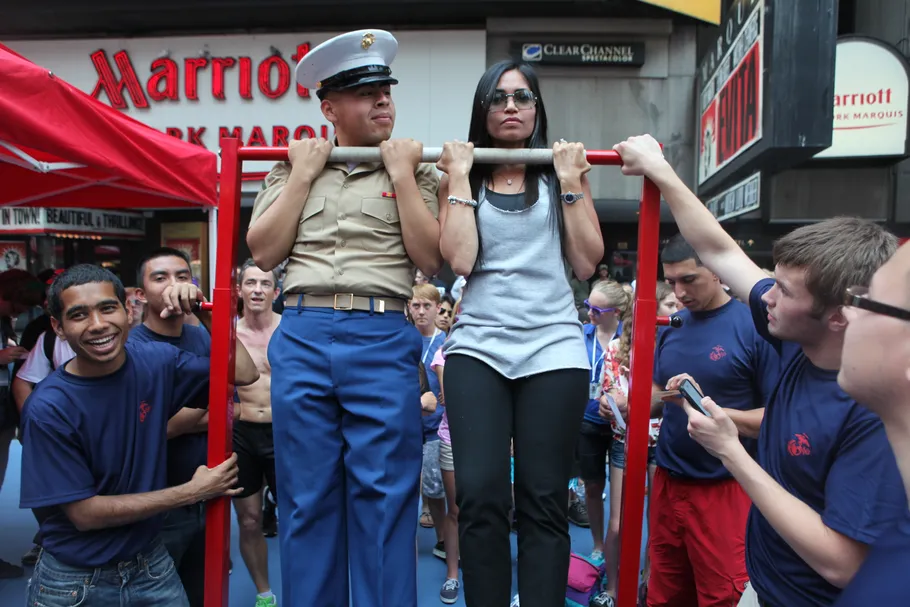
The Flybird Heavy Duty Power Tower, part YT-J02, is the heavy-duty claim here: an 800 lb maximum weight figure on its listings, a 7-position backrest, and 11 height levels from 71.4 in to 84.9 in on one roundup record — the most levels of any pick here, if the roundup record holds.
The capacity claim is the point, and it is also the problem. At 800 lb, the Flybird claim sits roughly double the typical tower figure in this guide — the next highest settled figure is 500 lb — which is why this guide hedges it rather than ranking it: a claim that far above its peers needs a second record, and none was found in the records checked. The same caution applied when this tower appeared as the freestanding pick in our pull-up bars guide, where the 800 lb figure was hedged the same way.
Three flags must be stated plainly. The footprint is not stated in the records checked, so the pick is excluded from the footprint ranking — measure the listing figures against your room before ordering, because this guide cannot do it for you. The unit weight of 104.5 lb rests on a single roundup record, and the same 104.5 lb figure also appears for a Sportsroyals variant elsewhere, so it is not corroborated for the Flybird and the pick is excluded from the weight ranking. And the 11 height levels rest on the same single roundup record, so the settled level crown stays with the RELIFE at 9 — confirm the level count on the listing before counting on it.
✅ Pros
- 800 lb listing claim — biggest figure here, if it holds
- 11 height levels on the roundup record
- 7-position backrest for knee-raise comfort
⚠️ Cons
- 800 lb claim uncorroborated — not declared settled
- Footprint not stated
- Weight and level count rest on a single roundup record
Listing check: no confident listing code was found for this machine, so the link above is a tagged search — confirm the YT-J02 model, the footprint, the weight, the level count and the 800 lb figure before ordering.
Best for: heavier users who want the biggest capacity claim and will verify it on the listing.
May not fit: buyers who want a stated footprint, or anyone who takes an 800 lb claim at face value.
ZELUS Power Tower
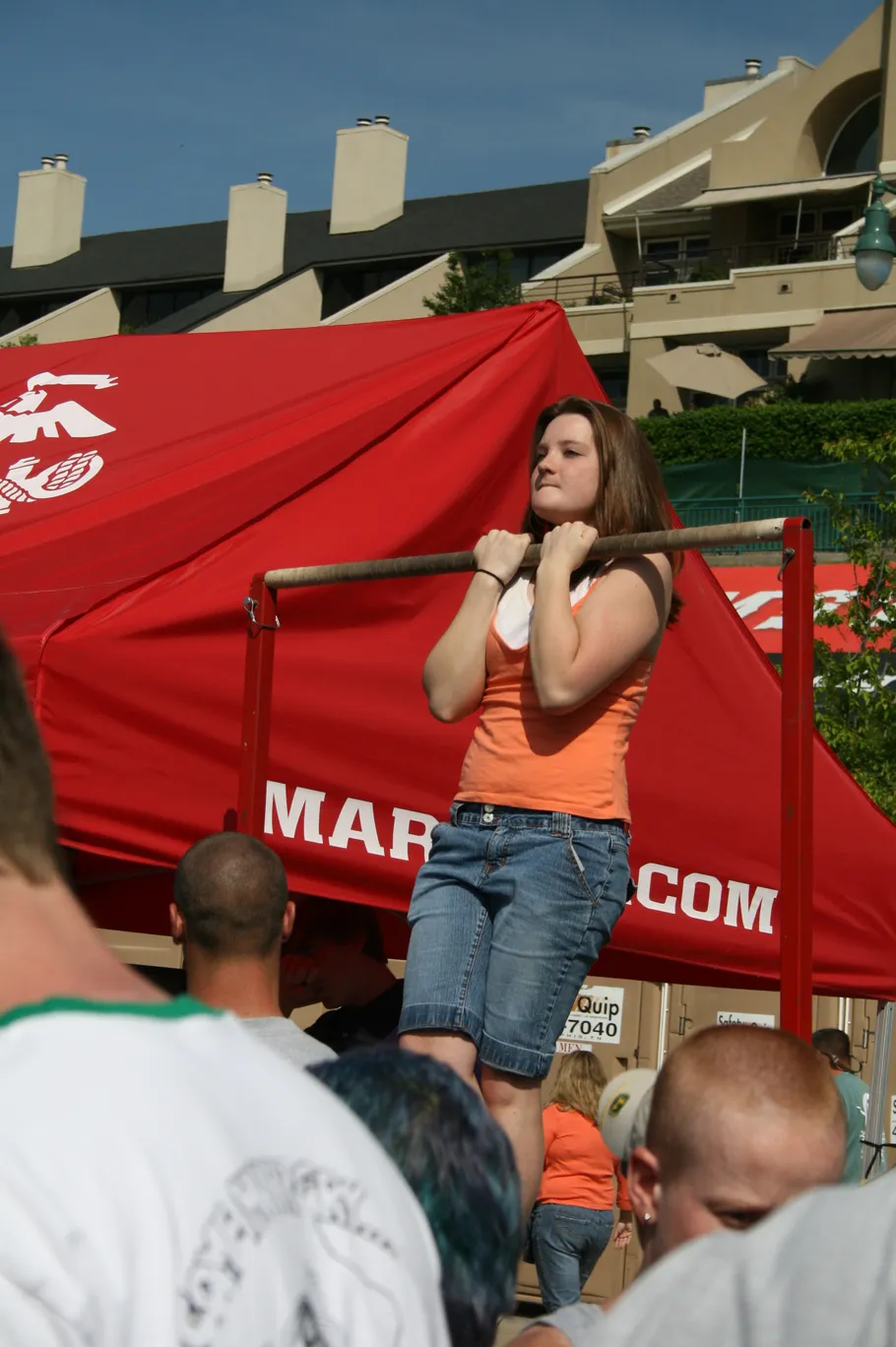
The ZELUS Power Tower is the maker-spec pick here: the maker page states the full set in one place — 39.2×26.3 in on the floor, 77.2 in to 89.1 in of adjustable height, 61.7 lb of unit weight, and a 441 lb capacity on two widened 2 in steel tubes — with a pull-up and dip bar at the top and the bar itself running about 70 in long.
The single-source clarity is the point. Where other picks here scatter their figures across variants and listings, the ZELUS figures come from one maker page that agrees with itself, which makes this the easiest pick to verify before ordering: check the maker page figures against the listing, and there is nothing to reconcile. At 61.7 lb, it is also the heaviest settled unit here, which suits a tower that must not walk across the floor during knee raises.
One flag must be stated plainly, and it cuts the other way. Most ZELUS figures rest on the maker page alone, with thin corroboration in roundups and listings — so the figures are consistent but single-sourced, and the buyer should still confirm the 441 lb capacity and the 77.2–89.1 in range on the listing before ordering, because a maker page is not a second opinion.
✅ Pros
- Full spec set on one maker page — easiest to verify
- Heaviest settled unit here at 61.7 lb
- Widened 2 in steel tubes for the base
⚠️ Cons
- Figures mostly single-sourced from the maker page
- No stated level count for the height adjustment
- Narrower top bar area than the widest towers here
Listing check: no confident listing code was found for this machine, so the link above is a tagged search — confirm the 39.2×26.3 in footprint, the 77.2–89.1 in range, the 61.7 lb weight and the 441 lb capacity before ordering.
Best for: buyers who want one consistent spec sheet and a heavier, steadier frame.
May not fit: buyers who want independent corroboration, or anyone who needs a stated level count.
SogesPower Foldable Power Tower
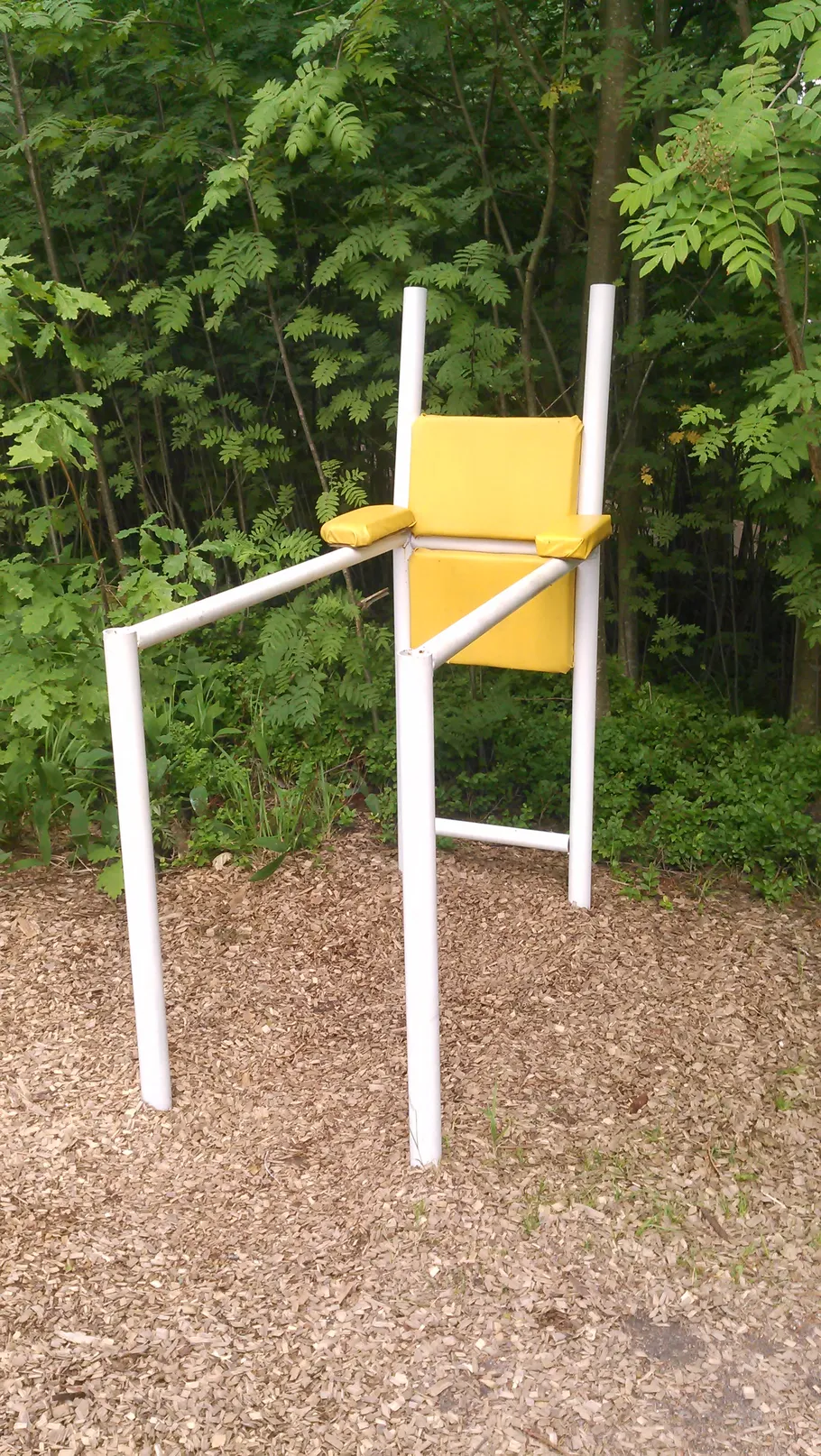
The SogesPower Foldable Power Tower, model B0FPM3344P, is the only foldable pick here — and the highest settled capacity in the guide at 500 lb on its manual record. The bar adjusts in 6 levels from 74.2 in to 86.6 in, the frame is high-carbon steel pipe on a triangular base, the unit weighs 48.5 lb, and it folds down to 39.4×7.9×22 in for storage.
The fold is the point. Every other tower here claims its floor space permanently, while the SogesPower gives it back: fold it flat against a wall when the session ends, and a spare room stays a spare room. At 48.5 lb on the manual record, it is also the lightest settled unit here, so moving it to fold it does not need two people.
Two flags must be stated plainly. The 500 lb capacity rests on the manual record alone, so it is settled by the manual standard this guide applies — the same standard that settles the Sunny 375 lb figure in our curved treadmills guide — but it has no second corroborating record, and the listing must still be checked. And the assembled footprint is only partially stated: the manual gives an assembled width of about 39.4 in but no assembled depth, so the table carries width only and the pick is excluded from the footprint ranking — measure the depth from the listing before choosing its corner.
✅ Pros
- Only foldable tower here — folds to 39.4×7.9×22 in
- Highest settled capacity here at 500 lb (manual)
- Lightest settled unit here at 48.5 lb
⚠️ Cons
- 500 lb rests on the manual record alone
- Assembled depth not stated — width only
- Triangular base needs a flat, level floor to sit right
Listing check: no confident listing code was found for this machine, so the link above is a tagged search — confirm the B0FPM3344P model, the folded size, the assembled depth and the 500 lb figure before ordering.
Best for: small homes where the tower must disappear after training.
May not fit: buyers who want a stated assembled depth, or anyone who never folds their equipment.
ProsourceFit Power Tower
The ProsourceFit Power Tower is the tallest stated tower here: the maker overview puts the pull-up bar and dip station height at up to 90 in, with a 7-level backrest in 2.75 in steps, 1.5 in thick foam cushions on the arm rests and backrest, adjustable dip handles and an adjustable back bar, all on a heavy-duty steel frame rated at 330 lb.
The height is the point. At up to 90 in, this is the tower for taller users whose knees would otherwise brush the floor on a full hang — the one case where a few extra inches of bar height matter more than any other spec. The 7-level backrest and thick cushions make the knee-raise station the most padded here, which suits longer core sessions.
Three flags must be stated plainly. Neither footprint nor unit weight is stated in the records checked, so the pick is excluded from both rankings — measure the listing figures against your room before ordering, because this guide cannot do it for you. The 90 in figure is an open-ended maximum with no stated minimum, so it cannot be ranked as a range against the other picks. And similarly named ProsourceFit dip-stand records — 400 lb, fixed bars, no height adjustment — describe a different product, a dip stand, and none of those figures is merged into this tower pick.
✅ Pros
- Tallest stated height here at up to 90 in
- 7-level backrest with 1.5 in foam cushions
- Adjustable dip handles and back bar
⚠️ Cons
- Footprint and unit weight not stated
- 90 in is a maximum, not a stated range
- Lowest settled capacity here at 330 lb
Listing check: no confident listing code was found for this machine, so the link above is a tagged search — confirm the footprint, the unit weight, the 90 in height and the 330 lb capacity before ordering, and confirm it is the tower, not the dip stand.
Best for: taller users who need the highest bar, and anyone who wants the most padded knee-raise station.
May not fit: buyers who want a stated footprint and weight, or anyone over 330 lb.
How to Choose
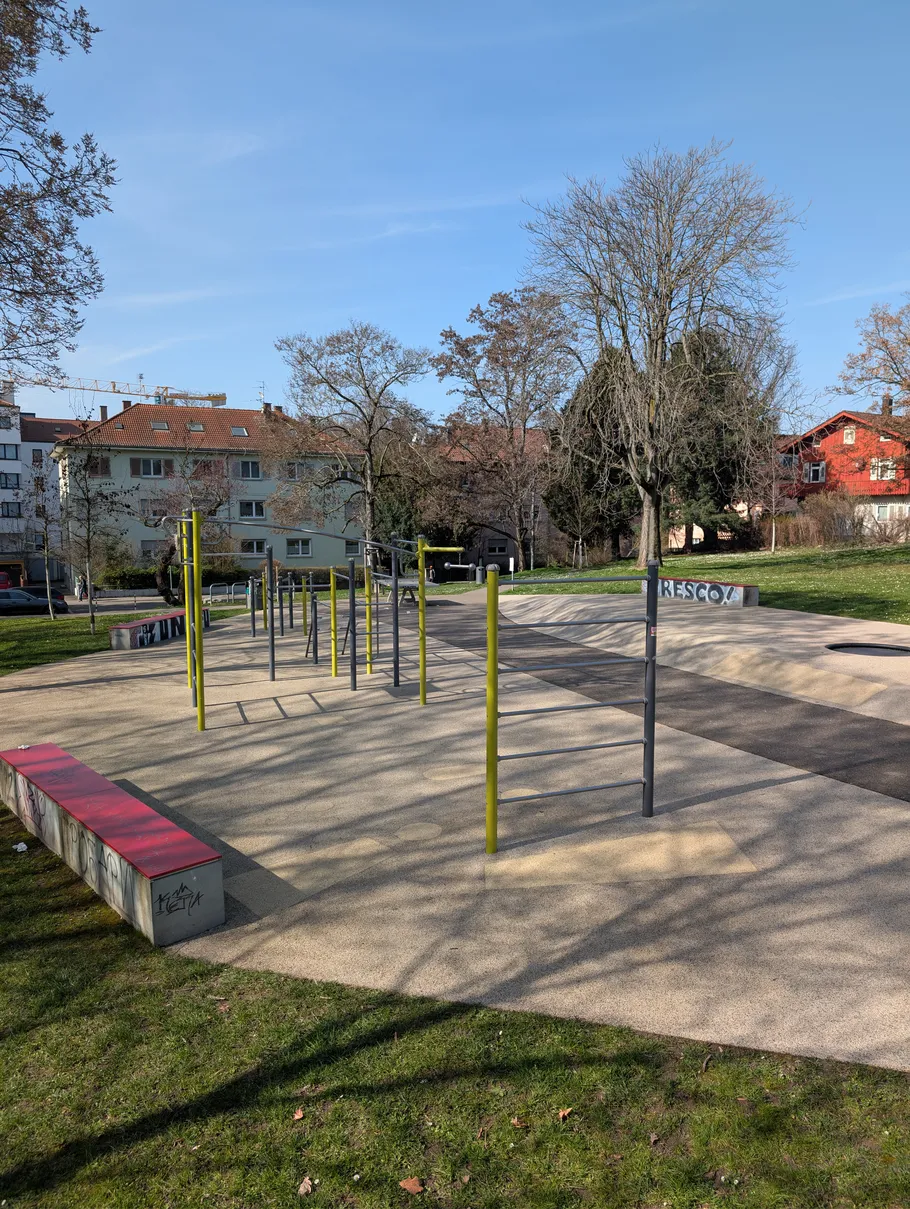
Four decisions separate a good power-tower buy from a disappointing one, and they matter in this order: whether all four stations are really present, whether the bar height fits the user and the ceiling, whether the base keeps the tower still, and whether the tower must fold away. Get the first two right and the rest is preference.
Stations: Pull-Up, Dip and Knee Raise
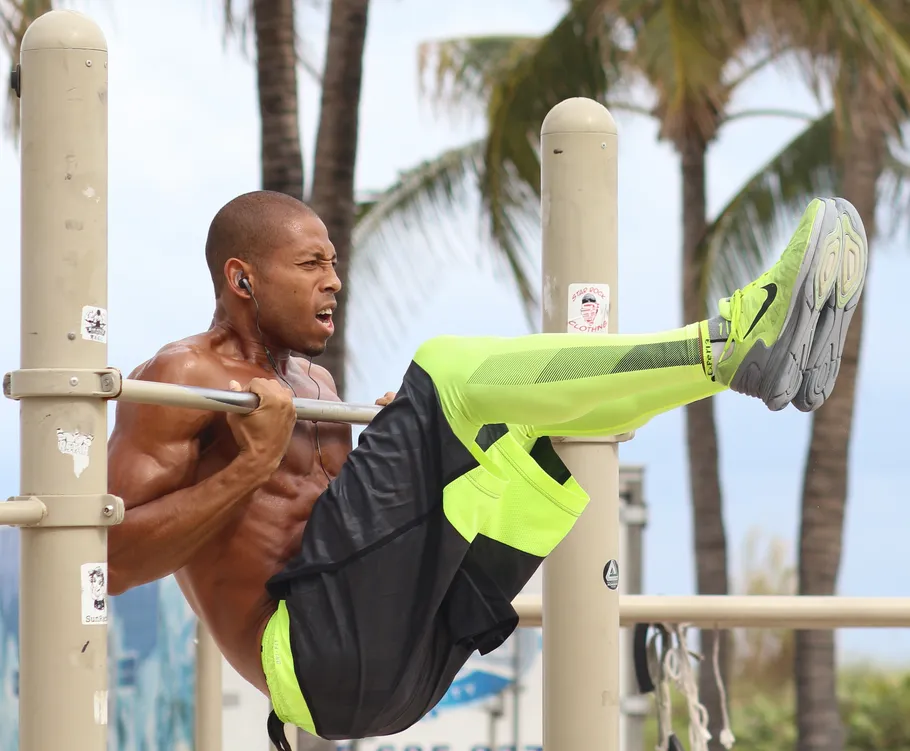
The stations decide the training. Every pick here carries a pull-up bar, dip bars and a knee-raise station, but the quality splits on the details: multi-grip bars for wide, narrow and neutral pull-ups, dip bars at a width that fits the shoulders, and elbow pads plus a backrest that actually support a knee raise instead of letting the body swing. Push-up handles at the base are a bonus, not a deciding factor — the floor does push-ups for free.
Test the stations the way you would test a pair of shoes: hang from the bar and check the grip width, hold the dip position and check the shoulder width, and sit into the knee-raise pads and check the backrest height. If the dip bars force the elbows wide or the backrest ends mid-back, the tower will fight the user on every set — and a tower that fights back does not get used.
Height and Ceiling
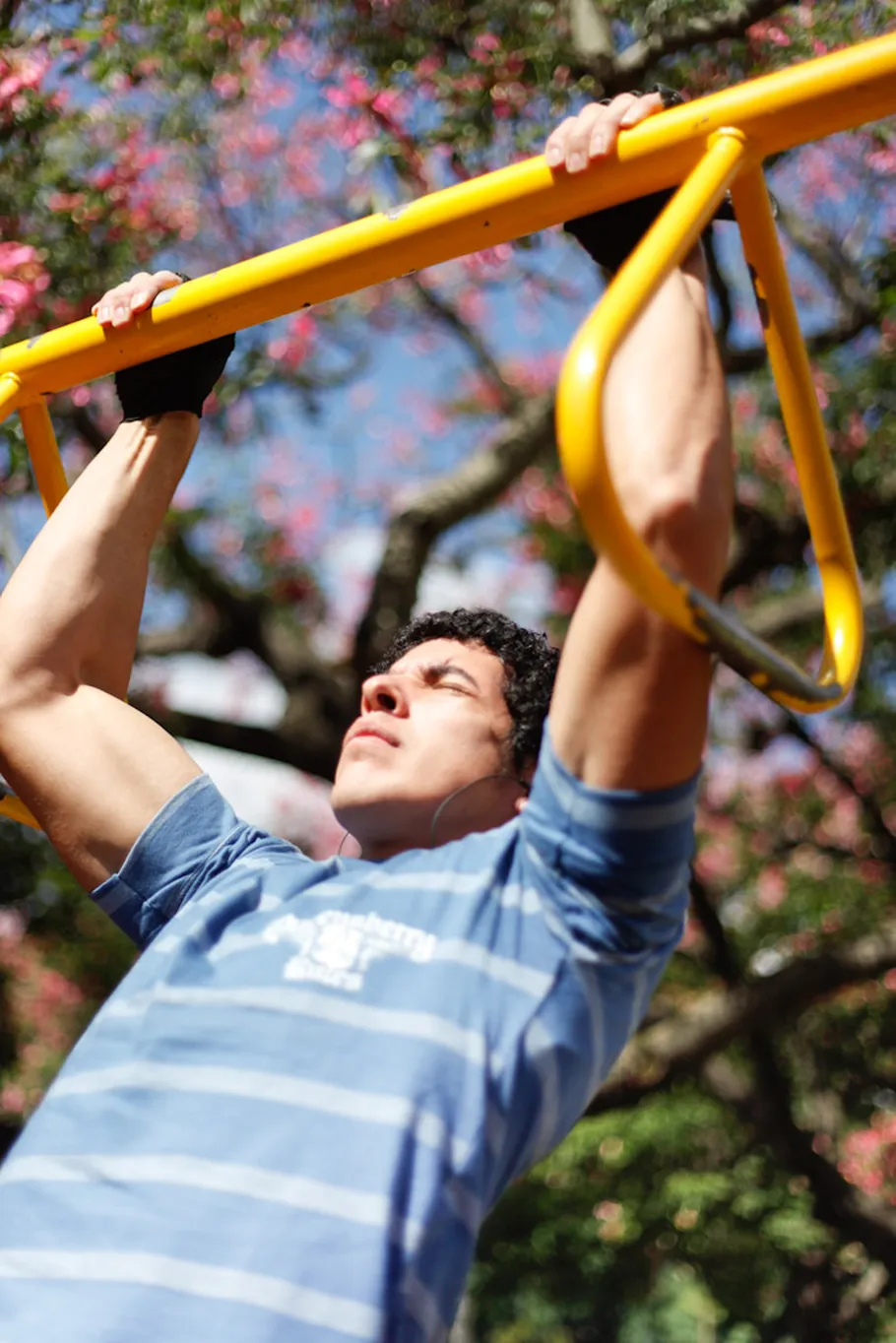
Height decides whether the tower fits the room at all. The tallest stated tower here reaches up to 90 in, the adjustable towers span from 56 in at their lowest to about 89 in at their highest, and the user still needs head clearance above the bar at the top of a pull-up — so add the head and a few inches to the table height before measuring the ceiling, not after.
The room ranking is simple once the disputed and unstated rows are set aside: the ProsourceFit states the tallest maximum at up to 90 in, the SogesPower states the shortest settled maximum at 86.6 in, and the RELIFE fits the most users with 9 heights from 56 in to 86 in. The Flybird range rests on a single roundup record and the RELIFE maximum is disputed across listings, so neither can be ranked on height — confirm both on their listings before measuring, because this guide will not guess them for you.
Base and Stability
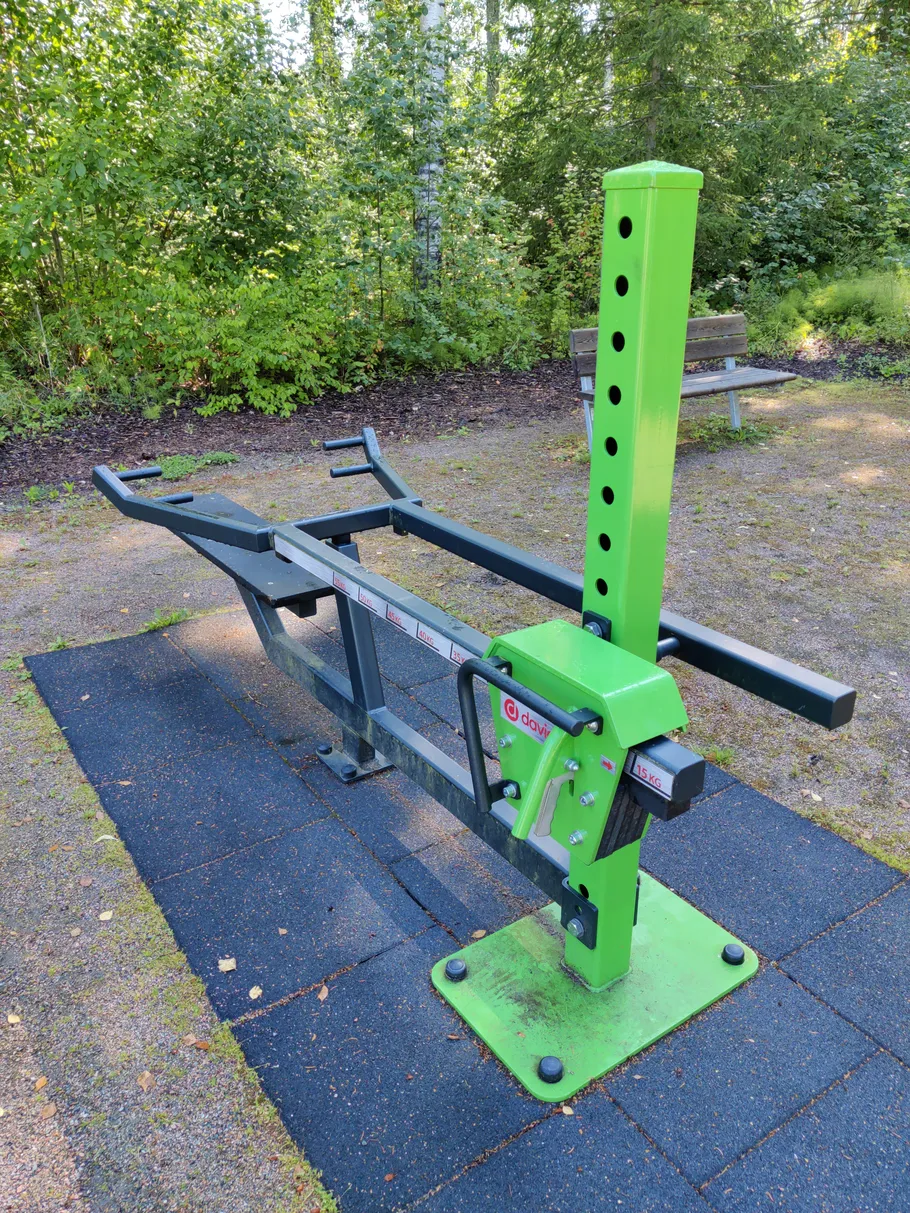
The base decides whether the tower stays put. H-shaped bases spread the load wide, triangular bases save floor space but need a level floor, suction-cup feet grip smooth floors and do nothing on carpet, and a heavier frame resists walking during knee raises better than a lighter one — the heaviest settled unit here is the ZELUS at 61.7 lb, against the lightest settled SogesPower at 48.5 lb.
Test stability before the first hard set: load the dip bars, swing gently into a knee raise, and watch the feet. If a foot lifts or the frame walks, move the tower to a harder, flatter floor, add a mat underneath, or choose a wider base — and never bolt a freestanding tower to the floor unless the maker says so, because a tower that cannot move cannot be folded away either.
Foldable or Fixed
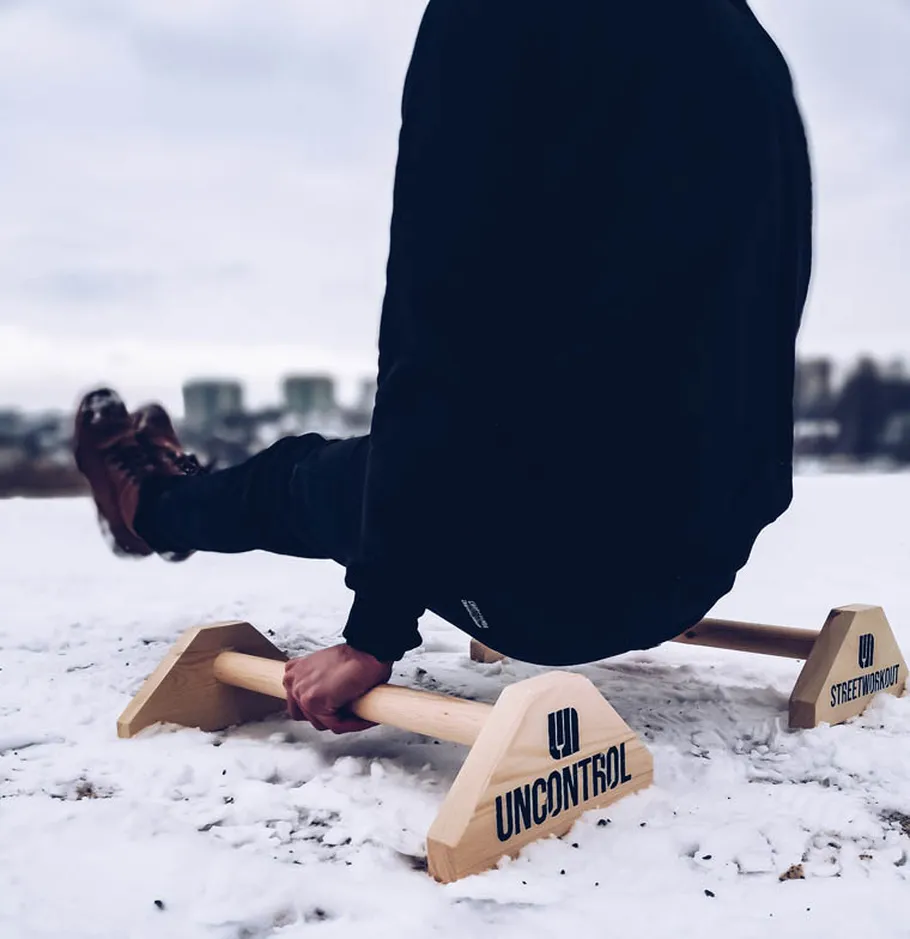
Folding decides whether the tower owns its floor space. Only the SogesPower here folds, down to 39.4×7.9×22 in, while every other pick claims its rectangle permanently — so a spare room, a garage corner or a living-room wall must be a permanent home for a fixed tower, not a borrowed one.
Choose folding if the room must serve two purposes, and choose fixed if the tower has a dedicated corner — fixed frames carry no hinge to wear and no folding joint to check before each session. Either way, measure the folded size as well as the assembled size: a tower that folds but still blocks a door has only moved the problem, not solved it.
Safety
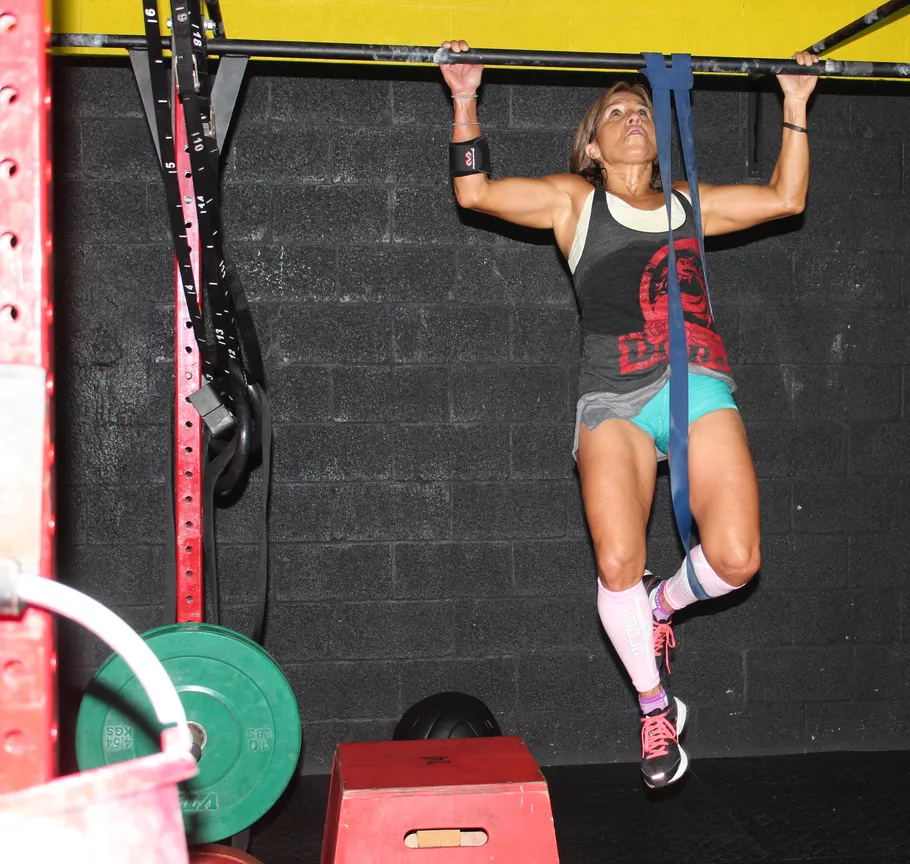
Power towers look simple and load the shoulders hard by design, so treat the first sessions with care. Added load helps here too — our dip belts guide covers belts for weighted dips and pull-ups once bodyweight sets feel easy, which add load without changing the movement.
1. Check every bolt, pin and foot before every session — a tower stands on its fasteners, and a loose pin must be fixed before training, not after.
2. Start with assisted pull-ups and bench dips before full reps — a band or a bench under the feet teaches the movement without forcing a failed rep.
3. Warm the shoulders, elbows and wrists up with hangs and easy reps — cold pull-ups stiffen faster than cold push-ups.
4. Keep the body still on knee raises — swing turns a core set into a hip-swinging contest, and the backrest is there to stop it.
5. Step off, never jump off, the dip bars — a mistimed dismount lands on the base frame, especially on narrow-based towers.
6. Keep children and pets clear of the frame — a tower looks like a climbing frame until a rep starts, and small hands reach for bars.
7. Check the floor and the walkway after training, so the tower, its feet and any folded frame do not trip anyone in the dark.
Power-tower training is general fitness information, not medical advice. Stop and seek professional advice if you feel sharp shoulder, elbow or wrist pain, dizziness or shortness of breath, or if you have a shoulder, elbow, back or heart condition.
Frequently Asked Questions
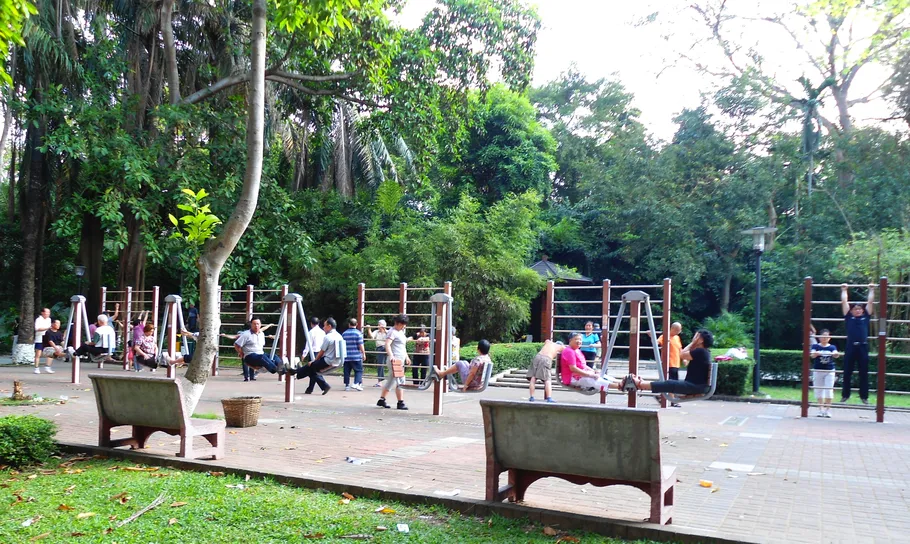
What is a power tower?
A freestanding bodyweight station with four parts: a pull-up bar at the top, dip bars in the middle, a vertical knee-raise station with elbow pads and a backrest, and low push-up handles at the base. It stands on its own feet, needs no wall or doorway, and trains the upper body and core with body weight alone.
How much floor space does a power tower need?
More than its base. Add a walkway around the frame to the table footprint, and check the ceiling — the smallest settled footprint here is the RELIFE at 34×26.4 in, the largest settled is the Sportsroyals at 41.2×39.7 in, and the tallest stated tower reaches up to 90 in before head clearance. The Flybird and ProsourceFit footprints are not stated, so measure those from their listings, not from this guide.
Can a power tower hold a heavier user?
It depends on the pick, and the records must be checked. The highest settled capacity here is the SogesPower at 500 lb on its manual record, the lowest settled is the ProsourceFit at 330 lb, and the Flybird 800 lb listing claim is not declared settled because no second record corroborates it. The Sportsroyals capacity reads 400 lb, 440 lb and 450 lb across records, so confirm the exact variant on the listing before ordering.
Do power towers fold away?
Only one pick here does. The SogesPower folds down to 39.4×7.9×22 in for storage, while every other tower here is fixed and claims its floor space permanently. If the room must serve two purposes, the folding pick is the only one that gives the space back.
Can the whole family share one power tower?
Yes, if the height adjusts far enough. The RELIFE adjusts in 9 heights from 56 in to 86 in with a lowest setting designed for children, and the Sportsroyals adjusts in 6 heights from 64.56 in to 88.18 in with 7 backrest positions. Check the lowest setting against the shortest user and the highest against the ceiling before sharing.
What pairs well with a power tower?
Assistance for the first pull-ups, floor protection for the room, and grip work for the long term — our resistance bands guide covers bands for assisted pull-ups and dips while strict reps are still building.
Our Pick: Start Here
Start with the Sportsroyals Power Tower if you want the benchmark adjustable tower for a shared household, move to the RELIFE REBUILD YOUR LIFE Power Tower (R-JL-02) if you want the smallest footprint with the most settled height levels, pick the Flybird Heavy Duty Power Tower (YT-J02) if you want the biggest capacity claim — after verifying the 800 lb figure on the listing — choose the ZELUS Power Tower if you want one consistent maker spec sheet and the heaviest settled frame, keep the SogesPower Foldable Power Tower for the only folding tower with the highest settled capacity, and save the ProsourceFit Power Tower for taller users who need the highest bar and the most padded knee-raise station.
As an Amazon Associate, we earn from qualifying purchases made through links on this page, at no extra cost to you.
Product specs, footprints and capacities in this guide come from maker and dealer records checked during research, and conflicting figures are stated as conflicts rather than settled — always confirm the size, weight and load limit on the listing before ordering.