

Why Lateral Raise Machines Belong in a Home Gym
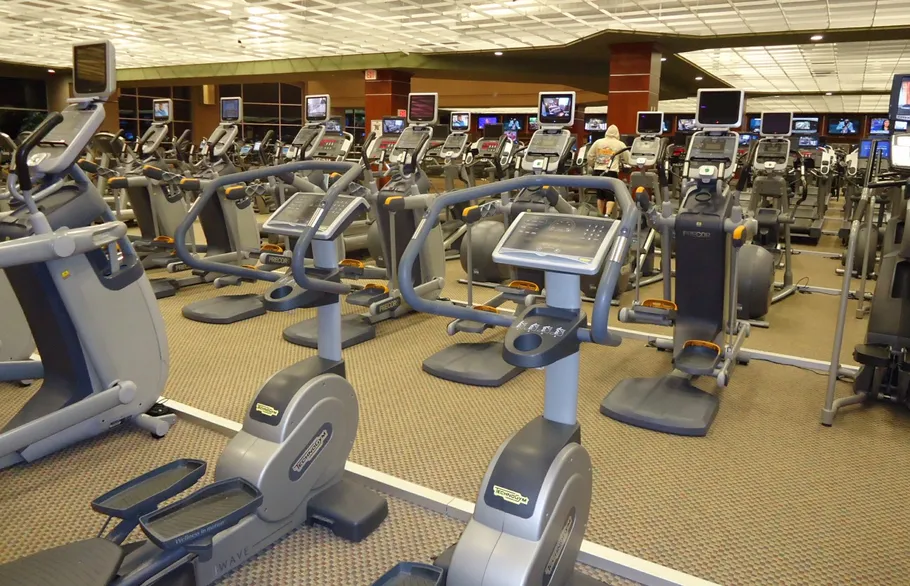
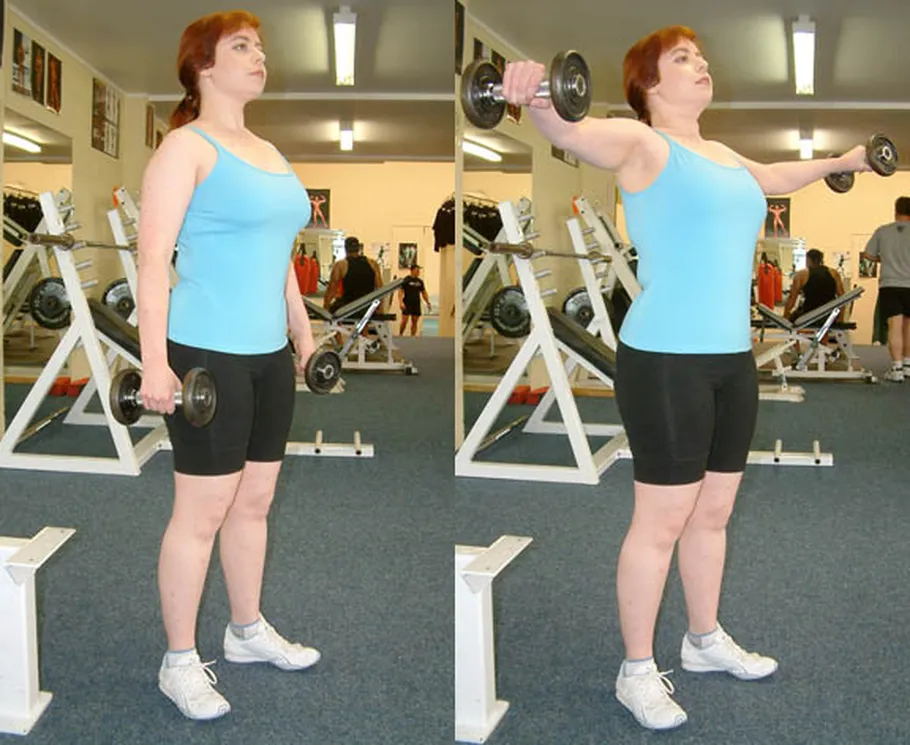
The side delts are the width muscle. Presses build the front of the shoulder, rows build the back, but the rounded cap that makes a shoulder look wide from the front comes from raising the arms out to the side — and that is exactly the movement a lateral raise machine is built to guide. A dumbbell raise works, but the weight feels heaviest only at the top and nearly weightless at the bottom, so the muscle gets an uneven ride. A machine keeps the resistance on through the whole arc, which is why people who already own dumbbells still buy one. 💪
The previous guide in this series, our under-desk ellipticals guide, covers the lightest end of the home gym — a small strider for the workday. Lateral raise machines are the opposite end: a dedicated strength station for one shoulder movement, built for a garage or a spare room rather than under a desk.
One honest scope note first. This guide covers dedicated lateral raise machines and rack-mounted raise attachments only — machines whose job is raising the arms out to the side. Our shoulder press machines guide is the companion for overhead pressing machines, including 2-in-1 press-and-raise combos that do both jobs. If you want one machine that presses and raises, read that guide; if you want a machine that does the raise properly, you are in the right place.
A second scope note matters just as much. Two of the six picks here are attachments that bolt onto a rack, not standalone machines. They cost less floor space and less money, but they only work if you already own a compatible rack — a point the attachment sections state in full, not in the small print.
How We Picked
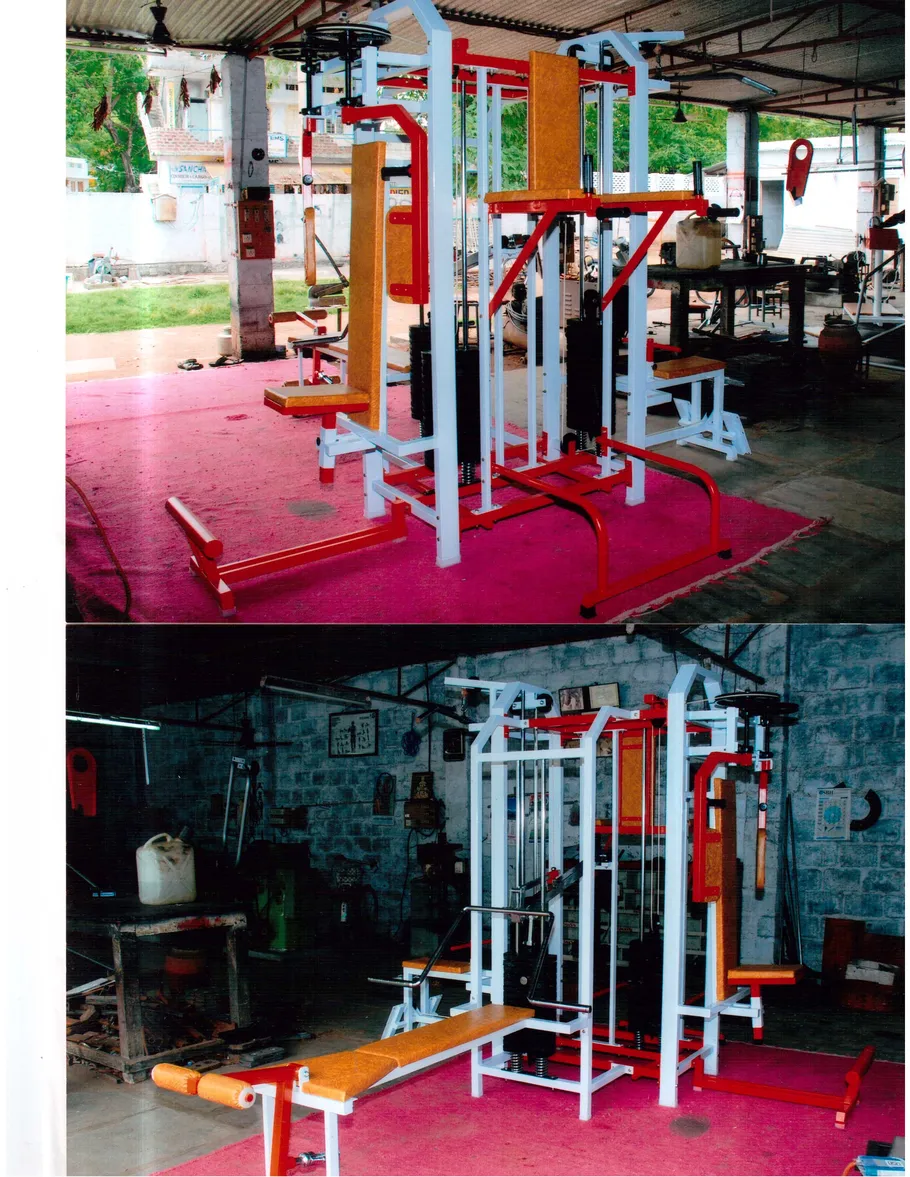
We compared six currently sold dedicated lateral raise machines and attachments: one standing plate-loaded machine, one independent-arm plate-loaded machine, two rack attachments and two selectorized machines, so the guide answers which shoulder job each unit does best instead of crowning one winner for everyone. Every spec below comes from maker pages, listings, manuals or review records, and every disagreement found is stated in the pick sections rather than averaged away.
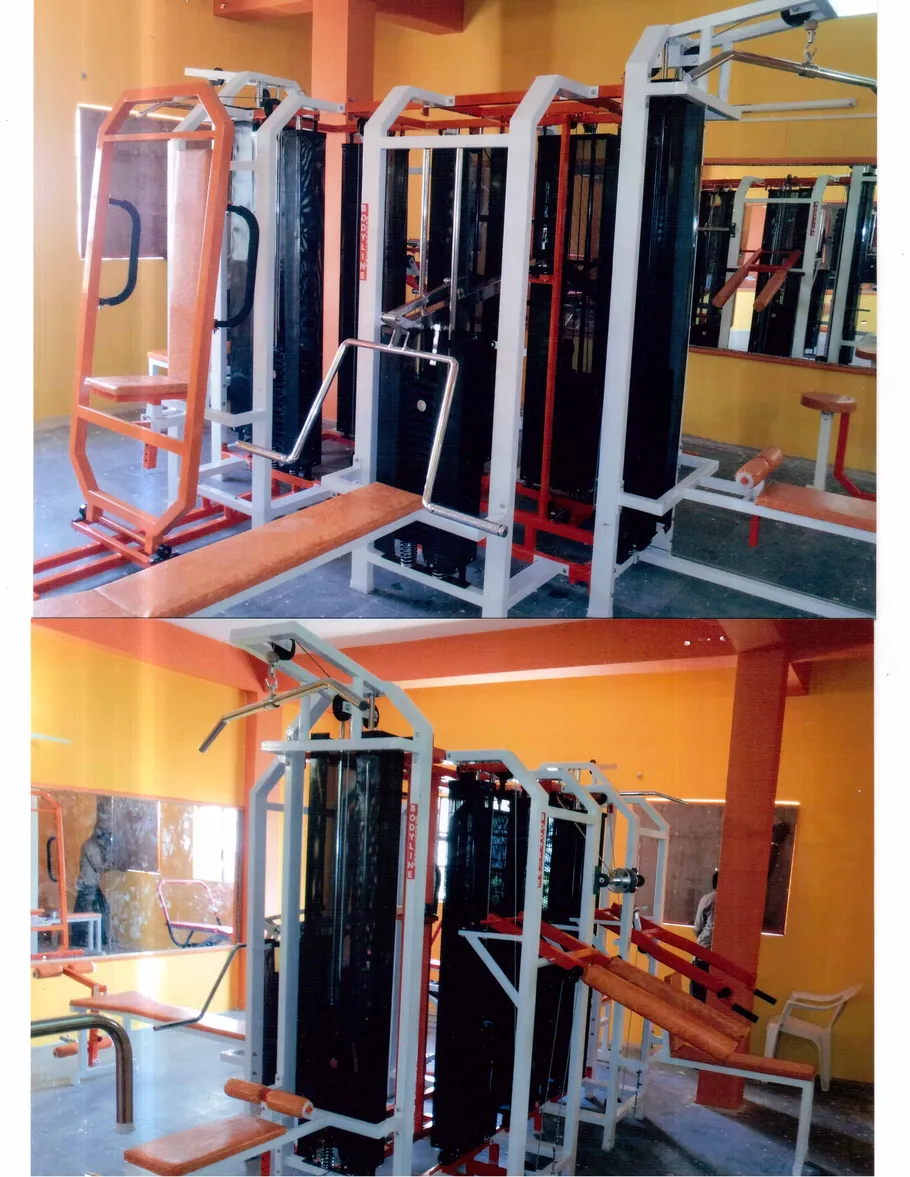
One limit applies to every photo in this guide: no free-license photo of any of the six named lateral raise machines exists, so every figure is an honest generic scene — shoulder training, racks, plates and gym rooms — captioned as what it actually shows, never presented as a photo of the named unit. No figure here is called high-definition where it is not.
- Scored on: movement path, resistance type, load honesty, rack fit, footprint and unit weight, and storage.
Also considered: Hammer Strength Plate Loaded Lateral Raise PL-LR is a commercial dealer machine with unilateral independent work arms and a back pad angled at 25 degrees, left out because it is sold through dealers, not as a home-gym Amazon pick. Precor Resolute Series Lateral Raise RSL0504 carries a 160 lb stack with a 5 lb add-on and a gas-assisted ratcheting seat, left out as a commercial machine at a commercial price. Bolt Fitness Classic Series ATOM Standing Lateral Raise has independent iso-lateral arms and an anti-slip standing platform, left out as a commercial dealer machine. Matrix Ultra Lateral Raise G7-S21 carries a 200 lb total stack with a 2.5, 5 and 7.5 lb incremental system, left out because it is a commercial machine, not a home-gym Amazon pick on current evidence. Hoist ROC-IT Lateral Raise RS-1502 carries a 255 lb stack with a rocking torso motion, left out as a commercial machine. FAGUS H Lateral Raise Attachment has adjustable arms and a maker-stated 2-year warranty, left out because its specs beyond that were not verified in the search. JFHID 3-in-1 Deltoid Press Machine combines shoulder press, lateral raise and bent-over reverse fly with a 990 lb capacity claim, left out because it is a combo, and combos belong in our shoulder press machines guide. Syedee Plate Loaded Deltoid and Shoulder Press is a 2-in-1 combo in the same class, left out for the same reason. The Titan, Mikolo, VIVITORY, RitFit Gorilla, GMWD V8 and Body-Solid 2-in-1 press-and-raise combos are all picks or also-considered items in our shoulder press machines guide, not repeated here.
Scoped superlatives: the heaviest settled unit weight here is the Muscle D at 525 lb, with the BeFitNow TY07 just behind at 522 lb — three pounds apart, and both are garage-floor propositions, not apartment ones. The lightest settled unit weight is the GMWD at 105 lb; the two attachments are kept out of the weight ranking because no unit weight is stated for either. The highest load claim is the HVO’s 880 lb roundup record, which is not verified by a maker page and is kept out of settled claims — the only settled plate-load figure is the GMWD’s 105 lb on the arms. The only standing machine is the GMWD, the only independent-arm machine is the HVO, the only rack attachments are the Mikolo and the Major Fitness, and the only selectorized machines are the TY07 and the Muscle D.
Comparison
| Pick | Job | Resistance | Load | Unit weight |
|---|---|---|---|---|
| GMWD Standing Lateral Raise RF02 | Standing plate-loaded | Plate-loaded, 4-level arms | 105 lb on arms | 105 lb |
| HVO Deltoid Lateral Raise | Independent-arm plate-loaded | Plate-loaded, independent arms | 880 lb (roundup record) | Not stated |
| Mikolo Lateral Raise Attachment FN01 | Universal rack attachment | Plate-loaded, micro-loading | Not stated | Not stated |
| Major Fitness Shoulder Lateral Raise Attachment | Major-rack attachment | Plate-loaded | Not stated | Not stated |
| BeFitNow TY07 Lateral Raise (Precision Series) | Selectorized | 176 lb stack | 176 lb stack | 522 lb |
| Muscle D Classic V2 Lateral Raise S-CV2-LR | Light-commercial selectorized | 150 lb stack, cam-driven | 150 lb stack | 525 lb |
The Load column mixes three different kinds of figure, and none of them should be read as a promise. The GMWD’s 105 lb is the maximum weight recommendation on the arms, not a machine capacity — it is the ceiling for the working load, and it is low next to seated commercial machines. The HVO’s 880 lb is a roundup record only, not a maker-stated capacity, and this guide treats it as unverified. The TY07’s and the Muscle D’s figures are their selectorized stack weights, which is the whole working load, pin-selected. The two attachments read Not stated because no load figure is published for either — an attachment’s working load depends on the plates you own and the rack it bolts to, and this guide prints no figure rather than inventing one.
The Unit weight column mixes settled figures and honest blanks for the same reason. The GMWD’s 105 lb, the TY07’s 522 lb and the Muscle D’s 525 lb are stated machine weights. The HVO and both attachments read Not stated because no unit weight is published for them — attachments ship as steel arms and brackets, far lighter than a selectorized machine, but no figure is stated and none is guessed here. Unit weight matters twice for a lateral raise machine: once when you get it through the door, and again every time you move it to clean behind it.
GMWD Standing Lateral Raise Machine RF02
The GMWD RF02 is the standing pick of this guide, and its argument is simplicity: a 14-gauge steel frame you stand inside, load with plates and raise from. Built at 33 by 42.5 by 60 inches and 105 lb, it offers 4-level arms, ball-bearing grip handles and 2 extra weight storage pins, with Olympic weight horns for the plates you already own. Standing keeps the movement honest — there is no seat to brace against, so the core does its share and the shoulders do theirs. 🏋️
The load figure needs stating plainly. The maximum weight recommendation is 105 lb on the arms — the same number as the unit weight, which is a coincidence, not a mistake in the records. That ceiling is low next to seated commercial machines, but lateral raises are a small-muscle movement: most lifters raise far less than they press, so a 105 lb ceiling covers a lot of real training before it becomes a limit.
Two flags stay open. First, the standing form is a feature and a limit at once: it trains balance and posture, but it also lets the body sway the weight up when the delts tire, so strict form is on you, not the machine. Second, the arms adjust in 4 levels only — enough to fit most heights, but a very short or very tall lifter should check the fit on the listing before ordering.
✅ Pros
- Standing form trains the raise with no seat to hide behind
- Lightest settled unit weight here at 105 lb
- Ball-bearing grip handles and 2 extra storage pins included
⚠️ Cons
- 105 lb arm load is low next to seated commercial machines
- Standing form lets the body sway the weight when tired
- Only 4 arm levels — check the fit for very short or very tall lifters
Listing check: no confident listing code was verified for this unit, so the link above is a tagged search — confirm the RF02 standing model, the 4-level arms and the 105 lb arm recommendation on the listing itself before ordering. Plate-loaded picks need plates: our weight plates guide compares bumper and iron options for exactly this job.
Best for: lifters who want a standing plate-loaded raise machine and already own Olympic plates.
May not fit: lifters who want a seated machine, a high load ceiling, or a machine that enforces strict form.
HVO Deltoid Lateral Raise Machine
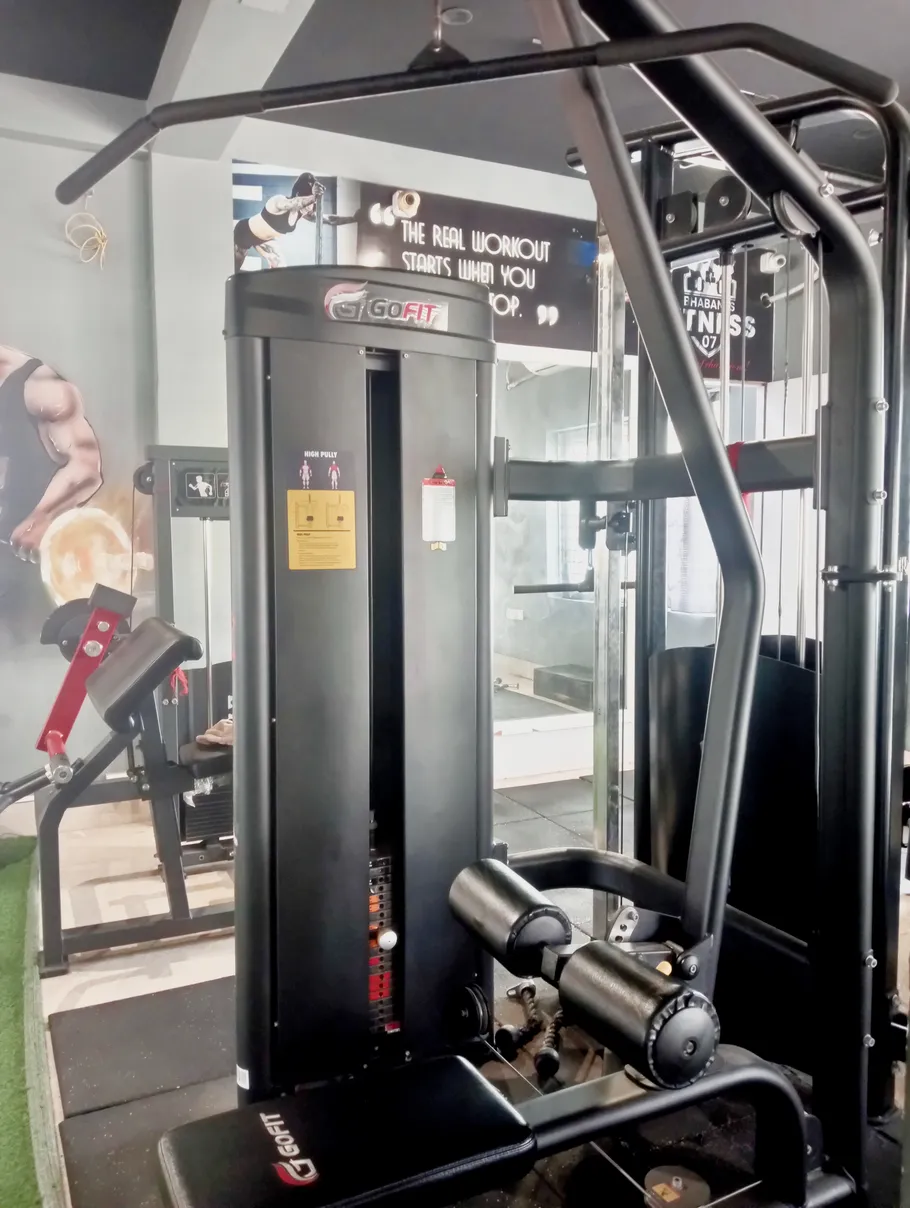
The HVO Deltoid Lateral Raise Machine is the independent-arm pick of this guide, and its argument is balance: 4 independent arms let each shoulder work on its own, so the stronger side cannot carry the weaker one. Roundup records claim an 880 lb capacity, 8-bearing motion and an adjustable seat from 20 to 23 inches, with a guided lateral raise path and smooth bearing resistance. Independent arms are the feature that separates a serious delt machine from a fixed-arm one — a weak left delt gets nowhere to hide. ⚖️
The record behind this pick needs stating plainly. Every figure in this section comes from roundup records so far — a workout-pool record and a baristi-workout record — not from a maker page or a manual, so each number carries a verification flag. Luke’s Garage Gym, an Amazon-focused list from 2026, confirms that HVO Fitness sells plate-loaded machines on Amazon, which supports the search-link approach, but it does not verify this exact model. Treat the 880 lb figure as a roundup claim, not a settled capacity, until a listing confirms it.
Two flags stay open. First, the capacity claim is the highest in this guide by a wide margin, and a claim that large from roundups alone should be read with care — a lateral raise machine rarely needs 880 lb, and the number says more about the frame’s rating than about any real training load. Second, no unit weight and no footprint is published for this machine, so delivery and floor planning have to wait for the listing.
✅ Pros
- Independent arms stop the stronger side carrying the weaker one
- Guided lateral raise path with 8-bearing motion
- Adjustable seat from 20 to 23 inches fits most lifters
⚠️ Cons
- All figures are roundup records — no maker page verified them
- 880 lb capacity claim is unverified and far above any real raise load
- No unit weight or footprint published — plan delivery from the listing
Listing check: no confident listing code was verified for this unit, so the link above is a tagged search — confirm the independent-arm deltoid model, the adjustable seat and the capacity claim on the listing itself before ordering, and do not accept a fixed-arm HVO unit unless that is what you meant to buy.
Best for: lifters who want independent arms and a guided path at a plate-loaded price.
May not fit: buyers who need maker-verified specs, or anyone who wants a settled capacity figure.
Mikolo Lateral Raise Attachment FN01
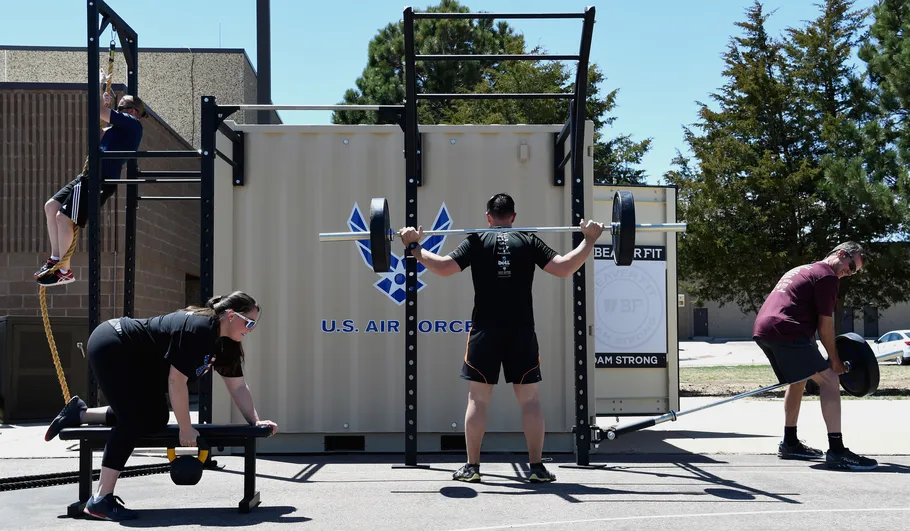
The Mikolo FN01 is the universal-attachment pick of this guide, and its argument is fit: it bolts onto 1-inch-hole racks with 4 to 7 inch hole spacing and 2 by 2, 2 by 3 and 3 by 3 inch uprights, which covers most home-gym racks sold today. Plate-loaded with micro-loading, it offers lateral raises, single-arm front raises and rear delt flies from one attachment, with detachable sleeves for standard and Olympic plates — so the plates you already own fit without buying a second set. 🔩
The rack is the price of admission, and the fit rules are exact. A rack is required — this is not a standalone machine — and there is no version for 5/8-inch-hole racks, so owners of those racks are out of luck with this unit. Our power racks guide covers the racks this attachment is designed to bolt onto, including the hole sizes that matter here.
Two flags stay open. First, the maker’s FAQ says this attachment is not recommended for chest fly, despite marketing copy that suggests wider use — trust the FAQ, not the ad copy, and keep this unit to raises and rear delt flies. Second, no load figure and no unit weight is published for the attachment, so the working load is whatever plates you load and the rack can hold.
✅ Pros
- Fits most home racks — 1-inch holes, 4 to 7 inch spacing, three upright sizes
- Three movements from one attachment — lateral raises, front raises, rear delt flies
- Detachable sleeves take standard and Olympic plates
⚠️ Cons
- A rack is required — this is not a standalone machine
- No version for 5/8-inch-hole racks
- Not recommended for chest fly despite the marketing copy
Listing check: no confident listing code was verified for this unit, so the link above is a tagged search — confirm the FN01 model, the 1-inch-hole fit and the detachable sleeves on the listing itself before ordering, and measure your rack’s hole spacing first.
Best for: rack owners who want three shoulder movements from one bolt-on attachment.
May not fit: lifters without a rack, owners of 5/8-inch-hole racks, or anyone who wants a chest fly station.
Major Fitness Shoulder Lateral Raise Attachment
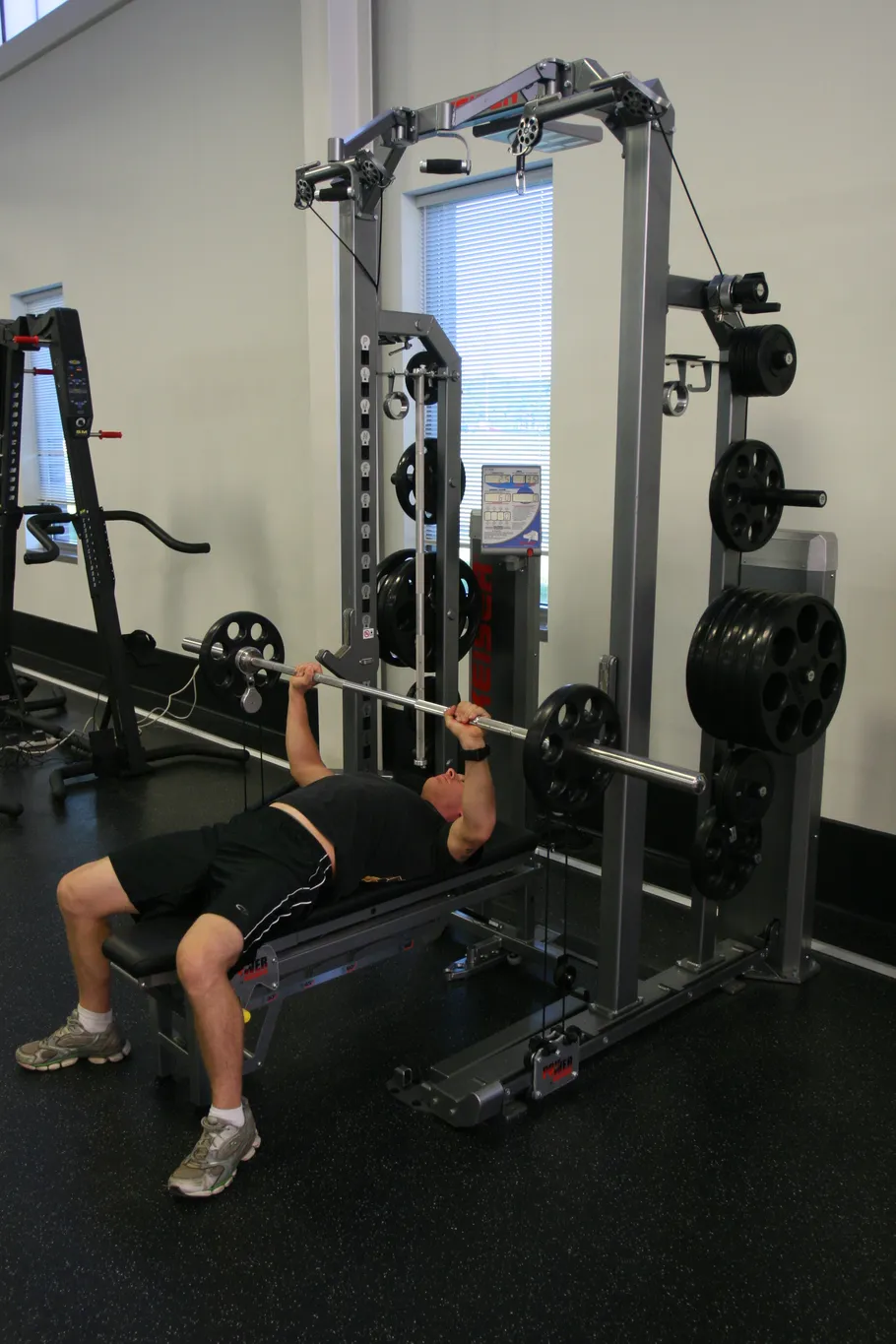
The Major Fitness Shoulder Lateral Raise Attachment is the brand-matched pick of this guide, and its argument is precision: built for Major Fitness racks, it fits the rack it was designed for without the guesswork of universal fit. The steel attachment is listed at 29.9 inches wide with a 2 inch sleeve diameter, adjustable-hole spacing of 8.7 inches, and variants by rack model — the 2 by 3 variant suits the PLM03, F22, F35, B52 and B17 racks. When the attachment and the rack come from the same maker, the holes line up the first time. 🎯
The exclusivity is the whole story. This attachment is exclusive to Major Fitness — it is incompatible with other brands’ Smith machines and power racks, so a buyer with any other rack cannot use it at all. The variant must match the buyer’s exact rack model: the 2 by 3 variant covers the five racks named above, and other Major racks take other variants. Buying the wrong variant is buying a paperweight.
Two flags stay open. First, no load figure and no unit weight is published for the attachment, so the working load is whatever plates you load and the rack can hold. Second, the listed landmine sleeve diameter of 36.6 inches reads as a listing error — a sleeve that wide does not exist on this attachment — so confirm the sleeve dimensions on the listing itself and do not plan around that number.
✅ Pros
- Built for Major Fitness racks — the holes line up the first time
- Variants by rack model cover the PLM03, F22, F35, B52 and B17
- Steel build with a 2 inch sleeve for Olympic plates
⚠️ Cons
- Exclusive to Major Fitness — incompatible with other brands’ racks
- The variant must match your exact rack model or it will not fit
- Listed 36.6 inch sleeve diameter reads as a listing error
Listing check: no confident listing code was verified for this unit, so the link above is a tagged search — confirm the variant for your exact Major Fitness rack model and the sleeve diameter on the listing itself before ordering, and do not order it for any other brand’s rack.
Best for: Major Fitness rack owners who want a brand-matched raise attachment.
May not fit: owners of any other brand’s rack, or buyers who want a universal fit.
BeFitNow TY07 Lateral Raise (Precision Series)
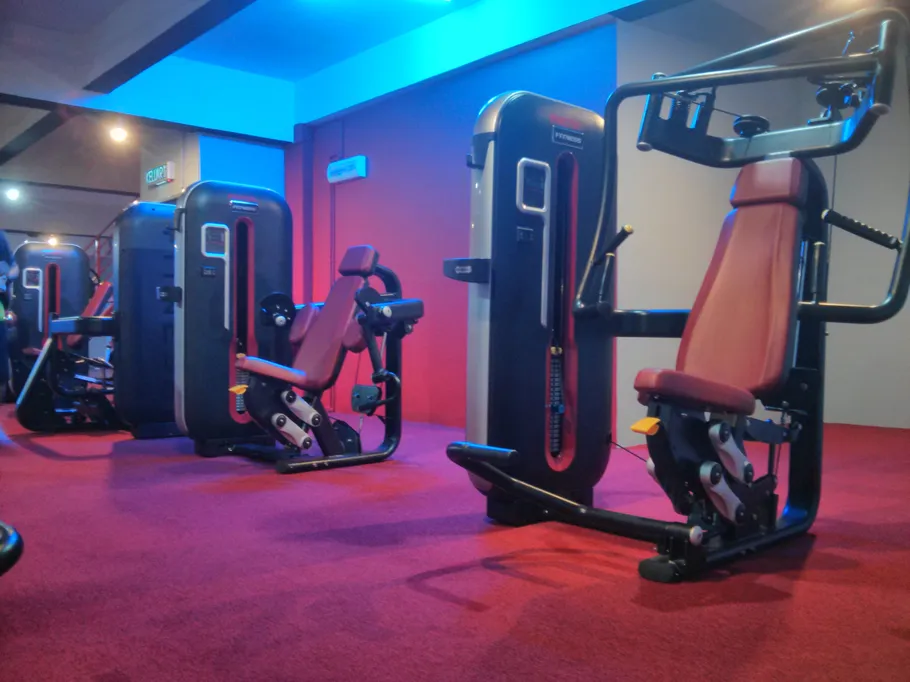
The BeFitNow TY07 is the selectorized pick of this guide, and its argument is the pin: a 176 lb weight stack with solid cast-iron plates, an adjustable seat, urethane hand grips and rubberized feet, built at 52 by 51 by 64 inches with a packing size of 72 by 44 by 28 inches. Selectorized means no plate loading and no plate changes — move the pin, sit down, raise. For a lifter who wants the raise without the plate ritual, the pin is the whole pitch. 📌
The weight is the honest trade. The machine itself weighs 522 lb — heavier than most lifters, heavier than the load it carries, and a genuine garage-floor proposition. Delivery, doorways and floor loading all need planning before the box arrives, and an upstairs room is out of the question. The maker-stated lifetime warranty softens the commitment, but it does not move the machine for you.
Two flags stay open. First, the 176 lb stack is generous for a lateral raise — most lifters will never pin the whole stack for a strict raise — so the stack size is headroom, not a target. Second, the packing size of 72 by 44 by 28 inches is larger than the assembled footprint in one dimension, so measure the delivery route, not just the final spot.
✅ Pros
- Pin-selected 176 lb stack — no plate loading, no plate changes
- Solid cast-iron stack plates with an adjustable seat
- Maker-stated lifetime warranty
⚠️ Cons
- 522 lb machine weight is a garage-floor proposition, not an apartment one
- Packing size is larger than the assembled footprint in one dimension
- 176 lb stack is headroom most lifters will never pin for a strict raise
Listing check: no confident listing code was verified for this unit, so the link above is a tagged search — confirm the TY07 Precision Series model, the 176 lb stack and the adjustable seat on the listing itself before ordering, and do not confuse it with other BeFitNow raise models.
Best for: lifters who want a pin-selected raise machine and have a garage floor to put it on.
May not fit: apartment lifters, upstairs rooms, or anyone who wants to move the machine often.
Muscle D Classic V2 Lateral Raise S-CV2-LR
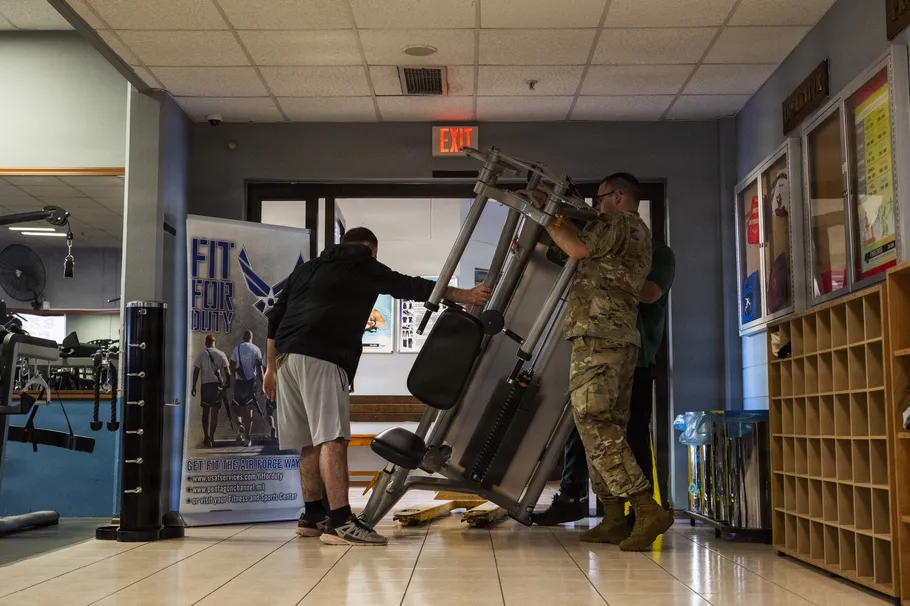
The Muscle D Classic V2 is the light-commercial pick of this guide, and its argument is the cam: a 150 lb selectorized stack with cam-driven resistance, a 10 lb starting resistance, an 11-gauge steel frame, double-stitched upholstery and lever-assisted seat adjustment, built at 43 by 40 by 64 inches with a recommended live area of 79 by 75 by 64 inches. The cam shapes the resistance through the arc instead of letting it spike at the top, which is the difference between a machine that feels smooth and one that feels like a wrestling match. 🎡
The positioning is light-commercial, and the numbers say so. The machine weighs 525 lb — the heaviest settled unit weight here, three pounds above the TY07 — and the maker states no maximum user weight limit at all, which is unusual and worth stating rather than filling in. The 10 lb starting resistance matters for the other end of the scale: a beginner or a rehab lifter can start at a genuinely light load instead of fighting the machine’s minimum.
Two flags stay open. First, the recommended live area of 79 by 75 by 64 inches is far larger than the 43 by 40 inch footprint — the machine needs room to use, not just room to stand. Second, the light-commercial positioning means dealer-style pricing and delivery in most cases, so confirm the full delivered arrangement on the listing before ordering.
✅ Pros
- Cam-driven resistance shapes the load through the whole arc
- 10 lb starting resistance suits beginners and light-load training
- 11-gauge steel frame with lever-assisted seat adjustment
⚠️ Cons
- 525 lb machine weight — the heaviest settled unit weight here
- Live area of 79 by 75 inches is far larger than the footprint
- Light-commercial positioning means dealer-style delivery in most cases
Listing check: no confident listing code was verified for this unit, so the link above is a tagged search — confirm the S-CV2-LR Classic V2 model, the 150 lb stack and the cam-driven resistance on the listing itself before ordering, and do not confuse it with other Muscle D raise models.
Best for: lifters who want a cam-driven commercial-feel machine and have the floor for it.
May not fit: small rooms, apartment lifters, or buyers who want a simple home-gym price.
How to Choose the Right Lateral Raise Machine
Choosing a lateral raise machine comes down to four questions, in order: what type of machine, what rack it fits, what load it carries, and what space it needs. Answer them in that order and the six picks sort themselves — a rack owner and a garage owner buy different machines, and neither is wrong. Our foam rollers guide covers the recovery side of shoulder training, which matters once the raises get heavy.
Choose Your Type
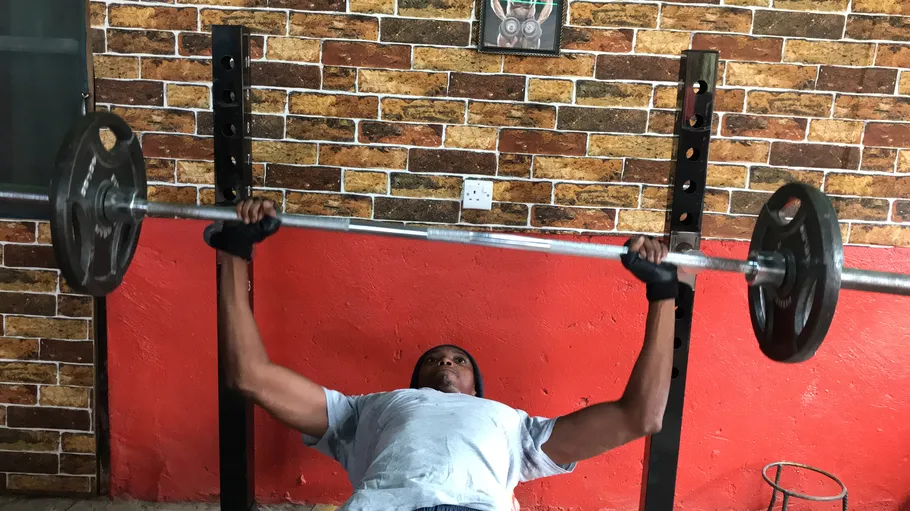
Start with the movement, not the machine. A dedicated lateral raise machine moves the arms out to the side on a fixed path; a press machine moves weight overhead; an attachment borrows a rack to do the raise. Pressing and raising are different shoulder jobs, and a machine built for one does the other badly or not at all. The GMWD stands alone, the HVO, TY07 and Muscle D sit down, and the Mikolo and Major attachments hang off a rack — pick the type that matches the room and the rack you already own.
Choose Your Rack Fit
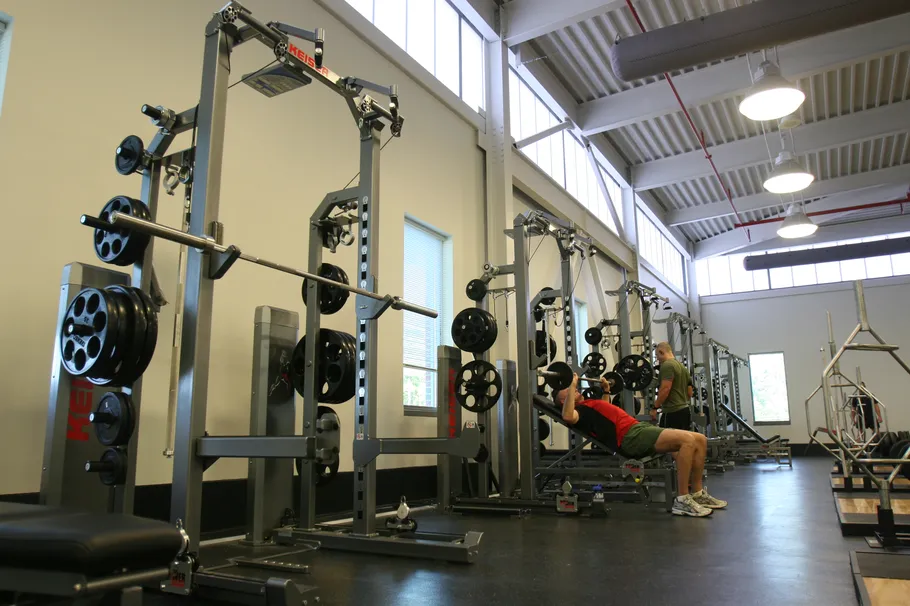
Rack fit is a measurement, not a guess. The Mikolo fits 1-inch-hole racks with 4 to 7 inch hole spacing and 2 by 2, 2 by 3 and 3 by 3 inch uprights, and has no version for 5/8-inch-hole racks. The Major Fitness attachment fits Major Fitness racks only, with variants by model. Measure your rack’s hole size, hole spacing and upright size before ordering any attachment — a wrong fit is not adjustable, it is returnable.
Choose Your Load
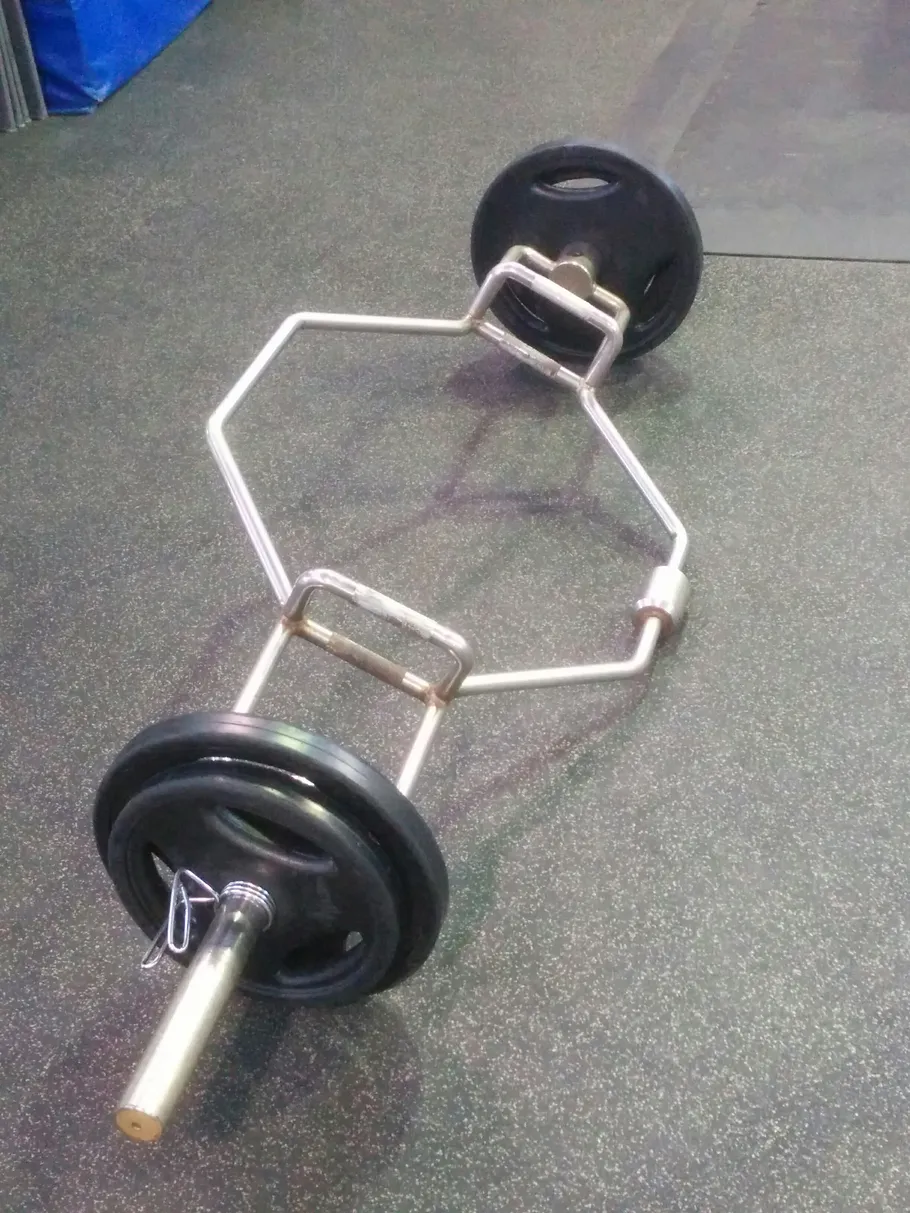
Load honesty separates this guide’s picks. Plate-loaded picks need plates you own, and the working load is whatever you load — the GMWD caps at 105 lb on the arms, the HVO claims 880 lb from roundups alone, and the attachments state no load at all. Selectorized picks state their whole load in the stack: 176 lb for the TY07, 150 lb for the Muscle D. For a lateral raise, a small honest load beats a large claimed one, because the side delts are small muscles and strict form fails long before big numbers do.
Choose Your Space
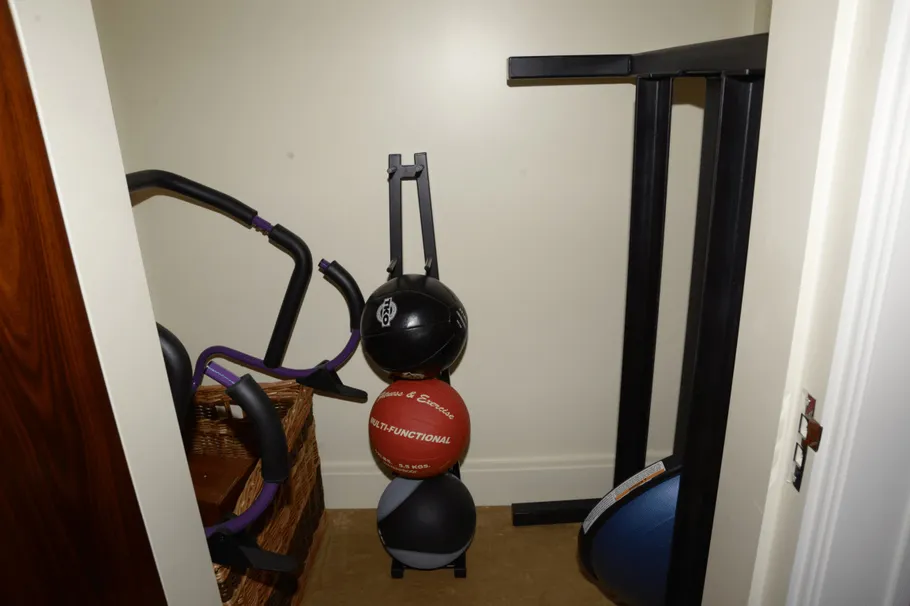
Space is the pick that surprises buyers most. The GMWD stands at 33 by 42.5 by 60 inches and 105 lb — a corner machine. The TY07 and the Muscle D weigh 522 and 525 lb and need a garage floor, a delivery route and, for the Muscle D, a live area of 79 by 75 inches. Attachments need almost no floor at all, just a rack with free upright space. Measure the delivery route as well as the final spot: the TY07’s packing size is larger than its footprint in one dimension.
Safety
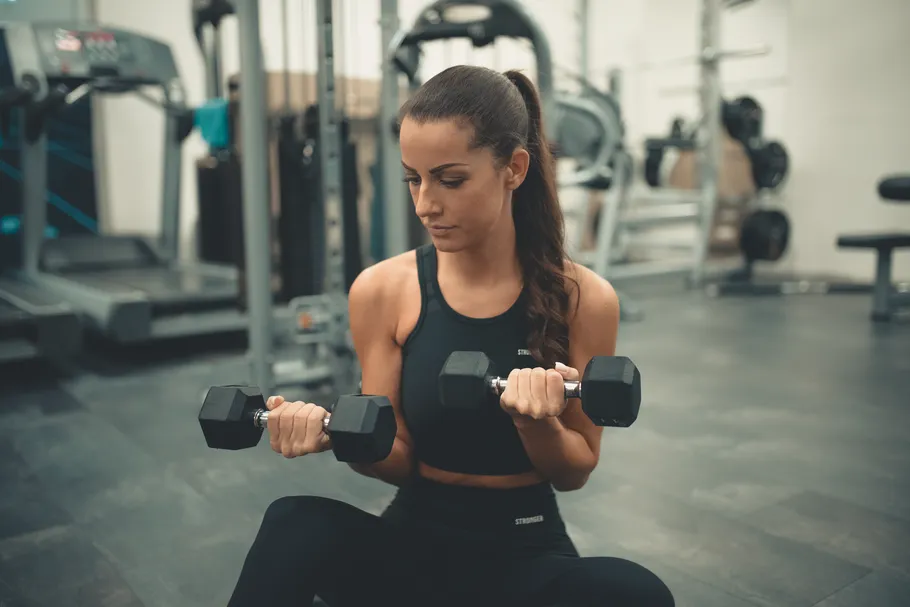
1. Start light. The side delts are small muscles, and lateral raises fail on form long before they fail on strength — a weight you can raise strictly for 12 reps beats a weight you swing for 6.
2. Keep the raise in the shoulder plane. Arms out to the side, thumbs slightly down at the top, no leaning back and no shrugging the traps into the movement — the traps will steal the rep if you let them.
3. Set the seat and arm height before you load. On seated machines, the pads should sit on the forearms, not on the elbow joints, and the arms should start just below shoulder height — a wrong start position turns a raise into a grind.
4. Check plate collars every set on plate-loaded arms. An arm that swings through an arc drops plates if the collars are loose, and a falling plate near a foot is the most common plate-loaded accident.
5. Check rack attachments before every session. Pins seated, brackets tight, hole spacing matched — a loose attachment swings under load, and a swinging attachment is a falling attachment.
6. Keep hands clear of selectorized stacks and cams. Never reach into a moving stack to adjust a pin, and never let a child near an unguarded stack — the pin moves, the plates drop, and fingers lose.
7. Stop on sharp shoulder pain. A dull burn in the side delt is training; a sharp pinch at the top of the arc can mean impingement or a rotator cuff problem, and pushing through it turns a small problem into a long one.
Safety note: this guide is general information, not medical advice. If you have a shoulder, neck or back problem, or any injury affecting the shoulder joint, speak to a clinician or physiotherapist before starting a lateral raise routine.
Frequently Asked Questions
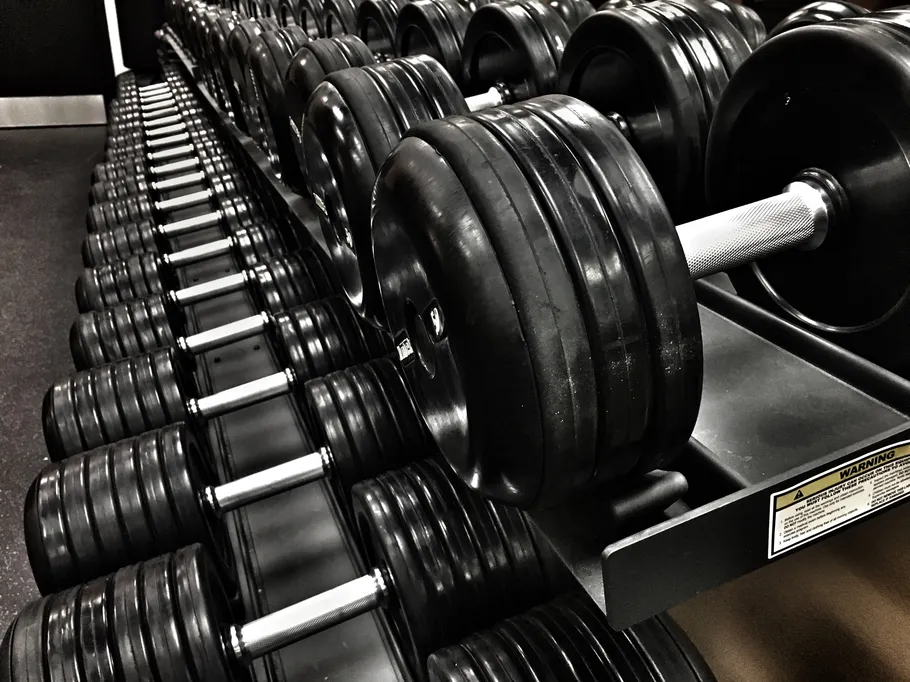
Will a lateral raise machine replace my dumbbell raises?
It replaces the uneven part of them. Dumbbells load the top of the raise and nearly unload the bottom, while a machine keeps resistance through the whole arc — but dumbbells still train control and balance that a fixed path does not. Most lifters keep both: the machine for strict volume, the dumbbells for free-weight control.
Can these machines do front raises too?
Only the Mikolo, among the six picks, lists single-arm front raises as a designed movement alongside lateral raises and rear delt flies. The dedicated machines are side-path machines — their arms move out to the side, not forward — so do not buy a dedicated lateral machine expecting a front-raise station.
What plates do the plate-loaded picks need?
The GMWD uses Olympic weight horns, the Mikolo takes standard and Olympic plates through detachable sleeves, and the Major Fitness attachment uses a 2 inch sleeve for Olympic plates. The HVO’s plate size is not published, so confirm it on the listing. In every case, the plates are yours to supply — none of the plate-loaded picks ships with a plate set.
How heavy is a selectorized unit to live with?
Very. The TY07 weighs 522 lb and the Muscle D 525 lb, and both need a garage floor, a delivery route and help on the day — neither is a one-person carry, and neither belongs upstairs. The attachments, by contrast, need almost no floor at all, just a rack with free upright space.
Do I need a rack for the attachments?
Yes — both attachments bolt onto a rack and do nothing without one. The Mikolo fits most 1-inch-hole racks with 4 to 7 inch spacing, while the Major Fitness attachment fits Major Fitness racks only, with variants by model. Measure your rack before ordering, and do not order the Major attachment for any other brand’s rack.
What floor protection do heavy machines need?
A mat under the machine and a floor that can take the load. A 525 lb machine on bare concrete is fine; the same machine on a suspended wooden floor or thin laminate is a risk, and the plates around it need a mat of their own. Our gym flooring guide compares mats and tiles for exactly this job.
Our Pick: Start Here
Start with the GMWD Standing Lateral Raise Machine RF02 if you want a standalone plate-loaded machine and already own Olympic plates — it is the lightest settled machine here and the only standing one. If you own a compatible rack, the Mikolo Lateral Raise Attachment FN01 is the smarter buy, because it gives three shoulder movements from one bolt-on unit. If you want a pin-selected machine and have a garage floor, the BeFitNow TY07 is the selectorized pick, and the Muscle D Classic V2 is the step up for a cam-driven commercial feel. The HVO Deltoid suits lifters who want independent arms and accept roundup-only specs, and the Major Fitness attachment suits Major Fitness rack owners and nobody else.
As an Amazon Associate, this site earns from qualifying purchases made through links in this guide, at no extra cost to you. The Amazon links above are tagged search links, not direct product listings, because no confident listing code was verified for these units — always confirm the exact version, capacity and dimensions on the listing before ordering.
Specifications in this guide come from maker pages, listings, manuals and review records that frequently disagree, and every disagreement found is stated in the pick sections rather than averaged away. Capacity, dimensions, weight, load and resistance figures in particular mix maker claims, review measurements and older records, so treat this guide as a comparison of published records, not as a substitute for the listing on the day of purchase.