

Why Hip Abductor Machines Belong in a Home Gym
A hip abductor machine does one job that bands and free weights do loosely: it fixes the path of the thighs and loads the outer hips (abduction, knees pushing out) and the inner thighs (adduction, knees squeezing in) through the same arc every time. A banded side-step can be strict, but it can also turn into a shuffle the moment the band fatigues — and a machine removes that escape route. The pads hold the thighs in place, the lever arms carry the load through a set range, and the rep stays honest from the first set to the last. 🦵
The previous guide in this series, our bicep curl machines guide, covers a planted station for strict arm curls. Hip abductor machines are the lower-body end of the same home-gym idea: a planted station that turns hip work into repeatable, progressive reps instead of a wobbling band walk, built for lifters who want the outer and inner thighs themselves to be the hard part.
One honest scope note first. This guide covers only standalone hip abductor and adductor machines: seated stations where the thighs push pads out or squeeze pads in (plate-loaded or selectorized), plus one standing abduction-only station, where the resistance moves on the machine’s own arms or pads. Our hip thrust machines guide covers hip extension — thrusts and bridges, driving the hips forward — which is a different movement from abduction and adduction, and our leg extension and leg curl guides cover different joints again: knees, quads and hamstrings, not hips. A thrust is not an abduction, a leg curl is not an adduction, and a cable station with an ankle strap is not a machine: if the resistance moves on the machine’s arms or pads, you are in the right place.
A second scope note matters just as much. Abduction and adduction are small, controlled movements, not power lifts — the weights here are modest beside a leg press, and that is the point. The outer hips (gluteus medius and minimus) steady the pelvis on every step, lunge and squat, and the inner thighs close the legs against load; training them on a fixed path, with a seat and pads set once, keeps the work on those muscles instead of on balance.
How We Picked
We compared six currently sold standalone hip abductor and adductor machines: three selectorized combos, two plate-loaded combos and one standing plate-loaded abduction-only station, so the guide answers which hip job each station does best instead of crowning one winner for everyone. Every spec below comes from maker pages, listings or review records, and every disagreement found is stated in the pick sections rather than averaged away.
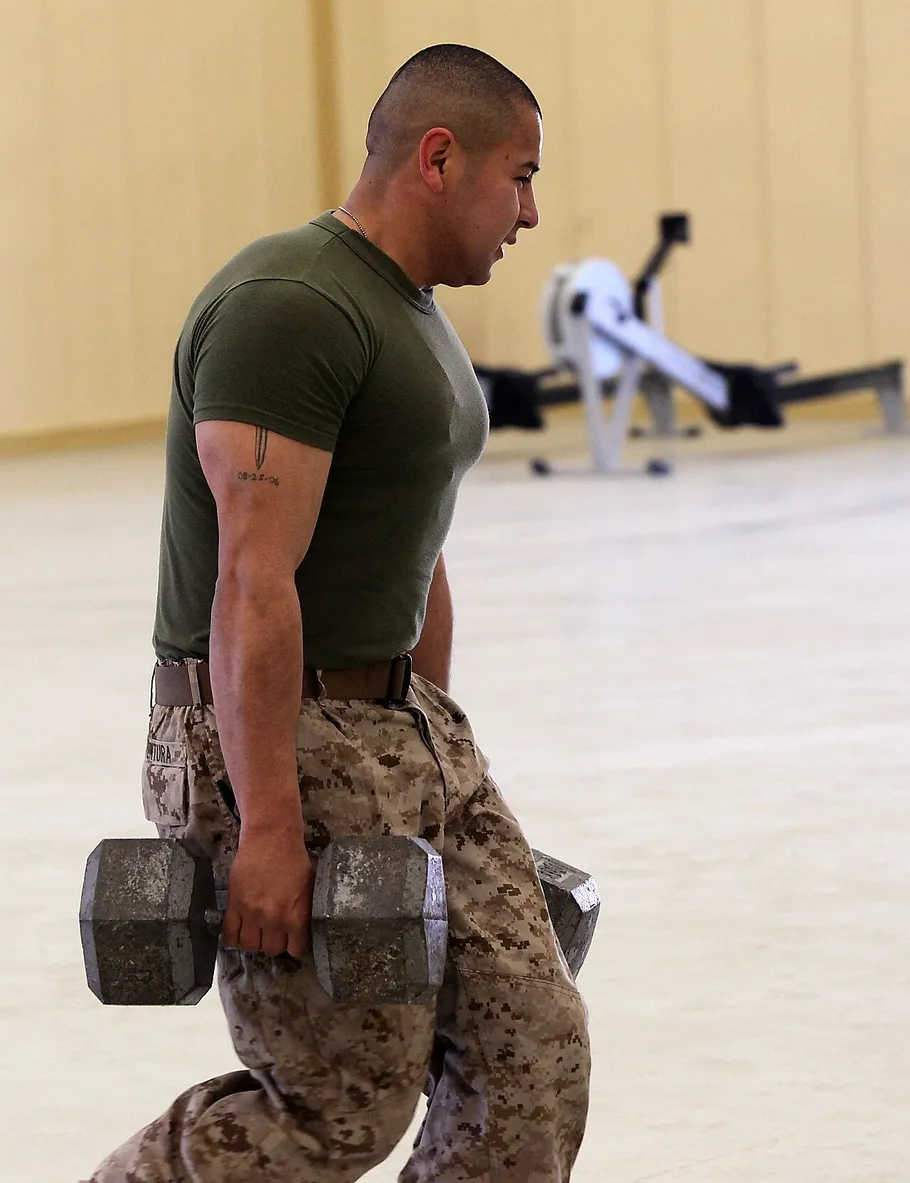
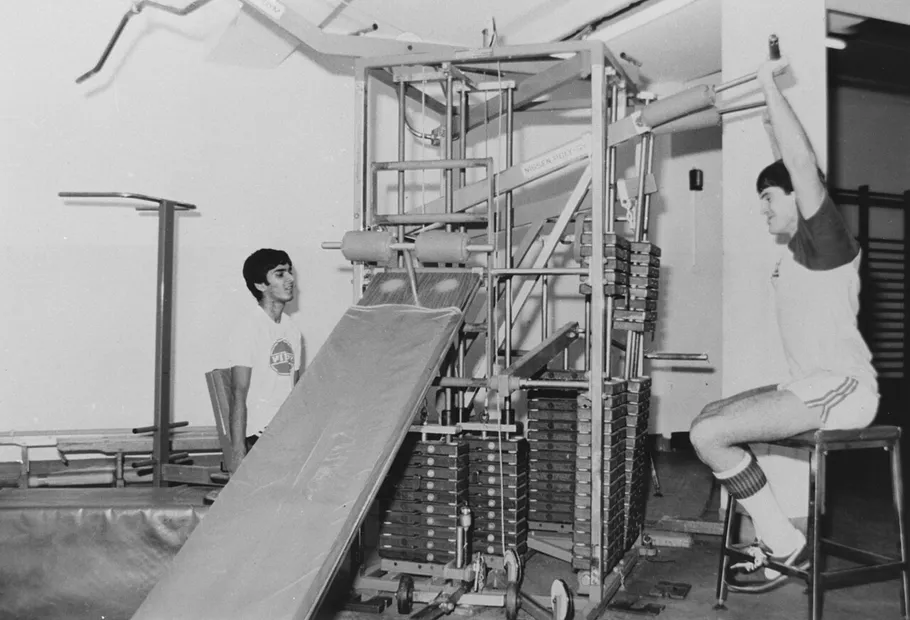
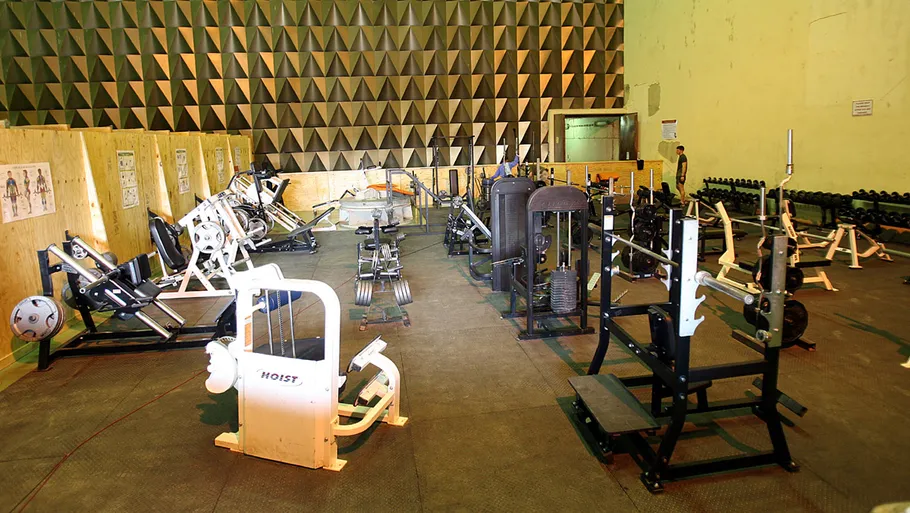
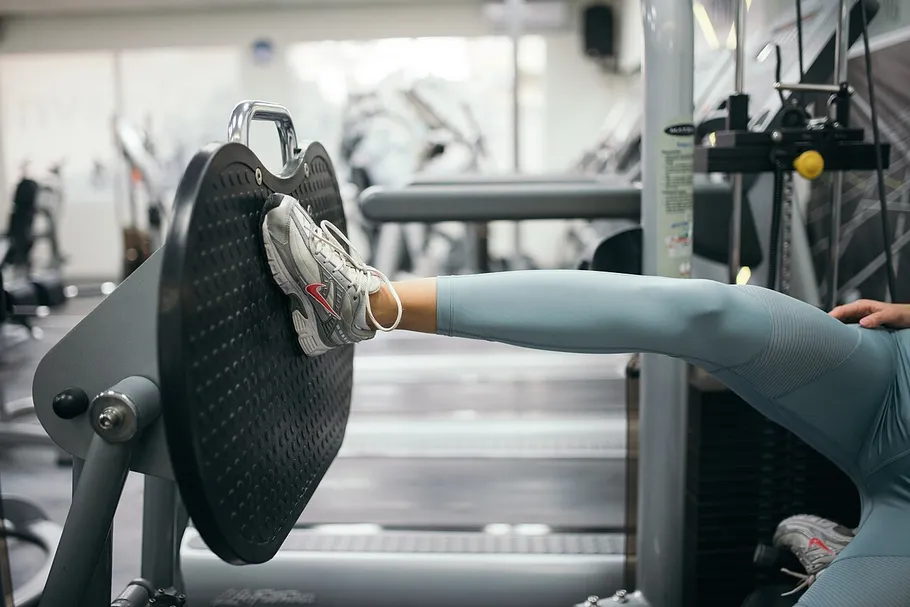
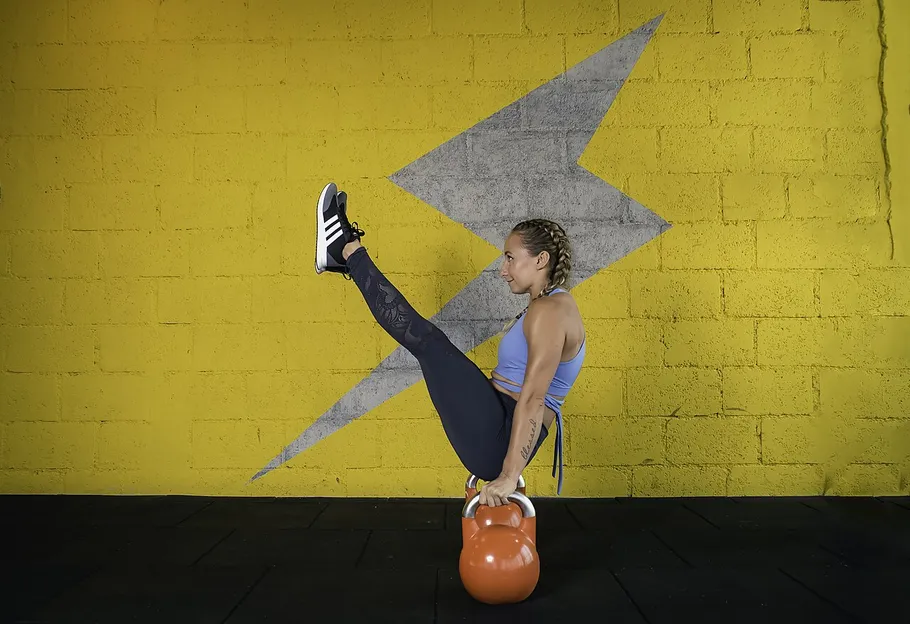
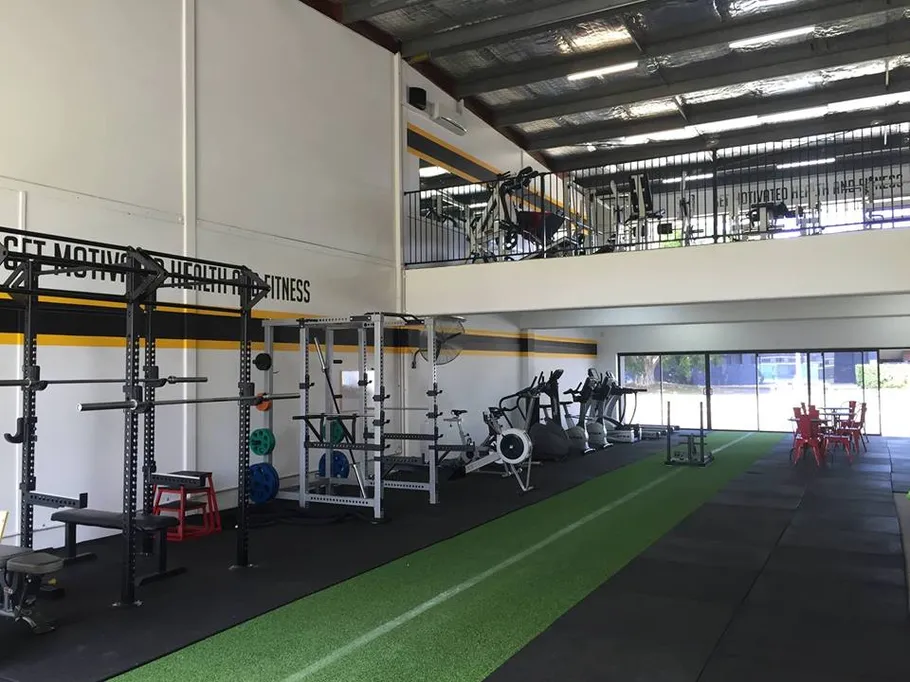
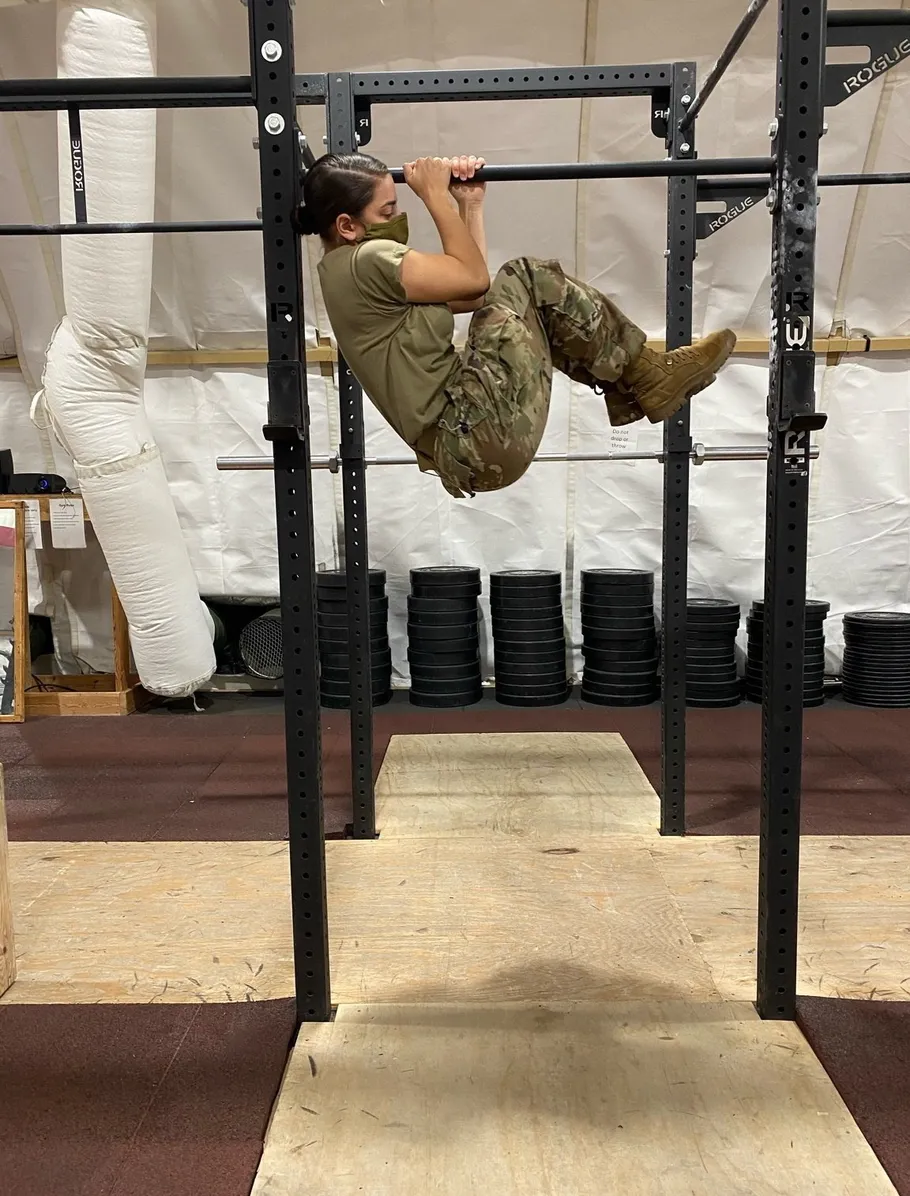
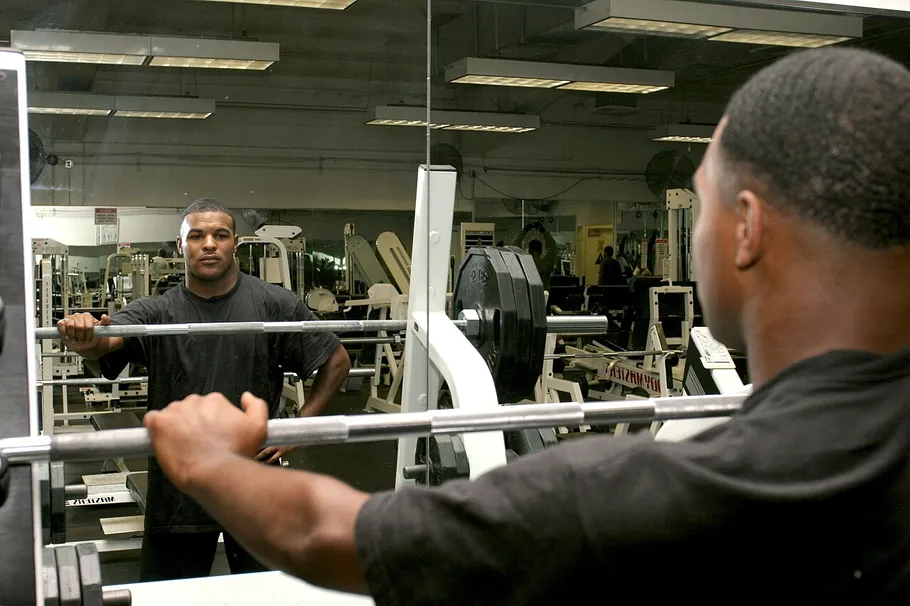
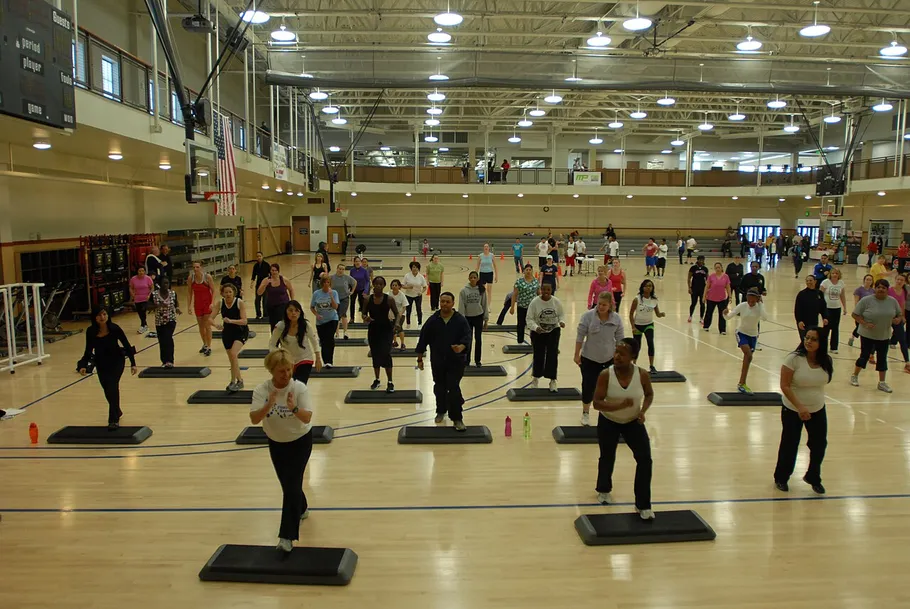
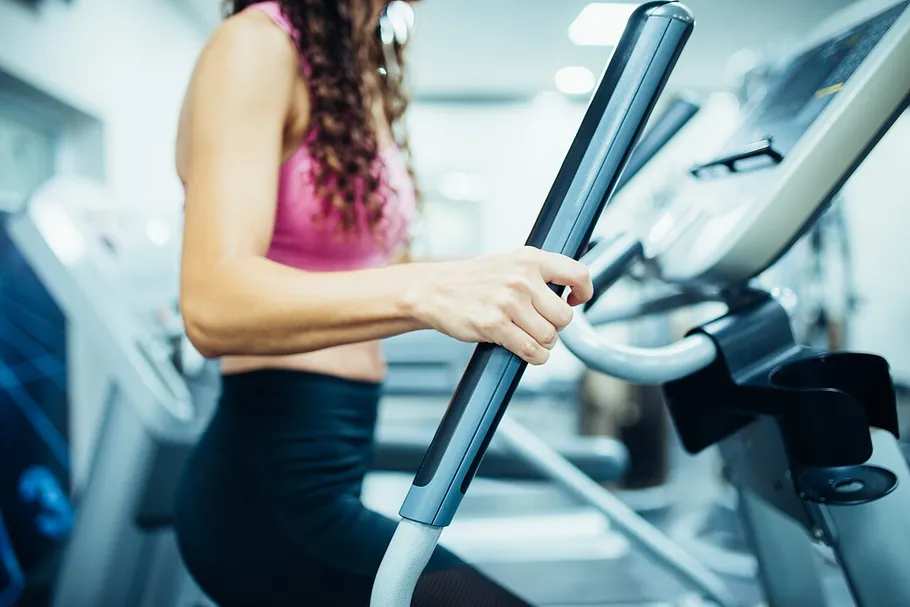
One limit applies to every photo in this guide: no free-license photo of any of the six named hip machines exists, so every figure is an honest generic scene — a lifter lunging with dumbbells, a leg pressing a machine footplate, machines on a gym floor — captioned as what it actually shows, never presented as a photo of the named unit. No figure here is called high-definition where it is not.
- Scored on: machine type, resistance honesty, seat and pad adjustment, footprint and machine weight, and floor space.
Also considered: GMWD HT02 Standing Abductor is a plate-loaded standing unit with a 400 lb max, 57 by 35 by 52 inches and 173 lb, left out to keep one GMWD pick in this guide, since the HA01 is already picked. GMWD MH01 Multi-Hip Machine is a standing multi-hip unit with a 450 lb capacity, 54 by 38 by 56 inches and 134 lb package weight, left out for the same brand-spread reason. Syedee 2-in-1 seated hip abductor shares the HA01 adjustment family — 6 starting angles, 4-position backrest, 2-position footrests, 250 lb resistance — and is left out as the same family as the GMWD pick. JELENS HA01 and Mikolo HA01 carry the same HA01 family code and are left out as the same family, and a Mikolo “1200 lb” tension figure is treated as a data error, never used. Muscle D PL-PV2-SA Standing Abductor is a commercial unit with a 500 lb max load, 540 lb and 82 by 57 by 46 inches, left out as commercial-scale. BeFitNow Dual Function Adductor/Abductor carries a 212 lb stack at 529 lb and 59 by 27 by 55 inches, left out on its made-to-order 16 to 20 week lead time and commercial positioning. Life Fitness Axiom Series Hip Abductor/Adductor carries a 142.5 lb stack at 68 by 67 by 53 inches and 432 lb, left out on an outlet and out-of-stock record. Hammer Strength Select Hip Abduction is a commercial unit with a 295 lb stack at about 575 lb and 61 by 26 by 55 inches, left out as commercial.
Scoped superlatives: no whole-guide “strongest” ranking is claimed, because stack pounds, plate capacities and felt ratios are different claims. The highest settled plate figure is the GMWD HA01 at 250 lb, and the highest selectorized stack is the Body-Solid 235 lb upgrade ordered against the RitFit 209 lb and the Titan 200 lb — but felt load differs by ratio, so no crown follows. The heaviest stated machine weight is the Body-Solid at 395 lb, and the lightest stated unit weight is the Dynasty standing unit at 282 lb, but four picks state no unit weight at all, so no full lightest-to-heaviest ranking is claimed. The only standing pick is the Dynasty, the only landmine is the HVO, and the only home-positioned unit with published felt ratios is the RitFit.
Comparison
| Pick | Type | Resistance | Size | Machine weight |
|---|---|---|---|---|
| Titan Fitness Selectorized Hip Abductor and Adductor Machine | Selectorized combo | 200 lb stack, 10 lb steps | 25–67 × 70 × 63 in (width range) | Not stated |
| GMWD HA01 Hip Abductor/Adductor | Plate-loaded combo | 250 lb loading capacity | About 44.1 × 65.2 × 42.7 in | Not stated |
| HVO HA303 | Plate-loaded combo + landmine | Plates, capacity Not stated | About 45.28 × 54.99 × 64.96 in | Not stated |
| Body-Solid Pro ClubLine S2IOT Series II Inner and Outer Thigh | Selectorized combo | 160 lb standard / 235 lb upgrade (order choice) | 37 × 77 × 57 in | 395 lb |
| Dynasty Fitness DPB403 Standing Abductor | Standing plate-loaded, abduction-only | Plates, capacity Not stated | 71.1 × 37.0 × 59.8 in | 282 lb |
| RitFit Panther Home Hip Abductor and Adductor Machine | Selectorized combo | 209 lb stack (19 plates) | 60.2 × 30.3 × 63.7 in | Not stated |
The Resistance column mixes three different kinds of figure, and none of them should be read as a single ranking. A plate-loaded capacity — 250 lb on the GMWD — is the most the machine is rated to load, while a selectorized stack — 200 lb on the Titan, 160 or 235 lb on the Body-Solid by order, 209 lb on the RitFit — is the weight in the stack itself, and the RitFit’s published felt ratios (0.88:1 for abduction, 0.66:1 for adduction) mean the felt load is lower than the stack in both directions. The HVO and Dynasty cells read Not stated because no capacity was found in the records for those units. Compare within a row, not down the column.
The Size and Machine weight columns carry honest blanks for the same reason. Four picks state no unit weight in the records found, so this guide prints Not stated rather than inventing figures — and the Titan size cell carries a width range, 25 to 67 inches, because the published size spans the closed width and the operating width with the legs open. The GMWD size cell carries a comparison-table figure whose 65.2 inch dimension is likely an operating dimension with the legs open, and the GMWD section states that caveat rather than settling it.
Titan Fitness Selectorized Hip Abductor and Adductor Machine
The Titan Fitness Selectorized Hip Abductor and Adductor Machine is the selectorized combo pick of this guide, and its argument is the pin: a 200 lb weight stack in 10 lb increments, six leg-bar positions, four seat adjustments, swivelling thigh pads, and protective stack guards. Combo here means one seated frame covers both directions — thighs pushing out against the pads, then squeezing in — with the weight changed by moving a pin, not by loading plates. 🎯
The adjustments and the guards are the details that matter. Six leg-bar positions plus four seat adjustments fit different leg lengths to the same pads, swivelling thigh pads settle against the legs instead of forcing one contact angle, and stack guards keep the plates covered while the arms move. A selectorized pin change between sets beats unloading plates, and a 10 lb step is a sensible jump for a small, controlled hip movement.
Two flags stay open. First, the published size is a width range — 25 to 67 inches wide against 70 inches long and 63 inches high — and this guide prints the range rather than settling one figure: the narrow end reads as the closed width and the wide end as the operating width with the legs open, so buyers must confirm the maximum operating footprint on the listing before ordering. Second, no unit weight is stated in the records found, so plan delivery from the listing, not from this guide.
✅ Pros
- Selectorized combo — abduction and adduction on one seated frame, pin changes between sets
- Six leg-bar positions plus four seat adjustments fit different leg lengths
- Swivelling thigh pads and protective stack guards
⚠️ Cons
- Size published as a width range — confirm the maximum operating footprint before ordering
- No unit weight stated — plan delivery from the listing
- 200 lb stack is modest beside the GMWD’s 250 lb plate capacity
Listing check: no confident listing code was verified for this unit, so the link above is a tagged search — confirm the selectorized combo model, the 200 lb stack in 10 lb steps, the six leg-bar positions, the four seat adjustments, and the maximum operating width on the listing itself before ordering.
Best for: lifters who want abduction and adduction on one selectorized frame with pin-fast changes.
May not fit: buyers who need one settled footprint figure, or a stated unit weight for delivery.
GMWD HA01 Hip Abductor/Adductor
The GMWD HA01 Hip Abductor/Adductor is the plate-loaded combo pick of this guide, and its argument is the adjustment set: six starting-angle settings in 15-degree increments, two thigh-pad positions, four backrest adjustments, and two footplate positions, with a 250 lb loading capacity. Six starting angles here means the pads start where your hips are strongest rather than where the frame happens to sit, and the backrest and footplate positions fit different bodies to the same seat. 🔩
The angles and the capacity are the details that matter. A 15-degree step between starting angles is a fine enough grid to find a comfortable start without forcing the hips to the end of their range, and 250 lb is the highest settled plate figure in this guide — plate-loaded also means the resistance grows with the plates you already own, not with a stack you must order up front.
Two flags stay open. First, the same adjustment set — 6 angles, 4 backrest positions, 2 footplate positions — appears on Syedee, JELENS, and Mikolo units under the HA01 family code, so these are rebrand lookalikes: check the model code HA01 on the listing, not just the brand name, before ordering. Second, the published size of about 44.1 by 65.2 by 42.7 inches comes from a comparison table, and the 65.2 inch figure is likely an operating dimension with the legs open — confirm the closed and open footprints on the listing, and note that no unit weight is stated in the records found.
✅ Pros
- Six starting angles in 15-degree steps plus backrest, pad and footplate adjustments
- 250 lb loading capacity — the highest settled plate figure here
- Plate-loaded — resistance grows with plates you already own
⚠️ Cons
- HA01 lookalikes under other brands — check the model code, not just the brand
- Published size likely mixes an operating dimension — confirm closed and open footprints
- No unit weight stated — plan delivery from the listing
Listing check: no confident listing code was verified for this unit, so the link above is a tagged search — confirm the HA01 model code, the six starting angles, the backrest and footplate positions, the 250 lb loading capacity, and the closed and open footprints on the listing itself before ordering.
Best for: lifters who want a plate-loaded combo with fine starting-angle adjustment and plates they already own.
May not fit: buyers who want a selectorized pin change, or one settled footprint figure.
HVO HA303
The HVO HA303 is the plate-loaded combo-plus-landmine pick of this guide, and its argument is the second exercise: a seated abductor and adductor station with an integrated landmine attachment, thigh pads rotating through 360 degrees for inner and outer thigh setup, room for 1-inch standard and 2-inch Olympic plates, and a reinforced 2.5 mm steel frame described as commercial-grade. Landmine here means a barbell pivots from the frame’s landmine sleeve, so one station covers hip work plus landmine rows, presses and rotations. 🏋️
The rotating pads and the plate fit are the details that matter. Pads that rotate a full 360 degrees set up for abduction and adduction without re-bolting anything, and taking both 1-inch and 2-inch plates means the plates you already own load the same frame. A 2.5 mm reinforced frame reads as a solid home-gym build, and the landmine turns a single-purpose hip station into a two-job corner piece.
Two flags stay open. First, no capacity and no unit weight are stated in the records found, so load and delivery both need the listing, not this guide. Second, the landmine needs a suitable barbell plus room to swing it — a buyer without a barbell, or without clear floor in front of the frame, buys half the feature. Also note: a separate, compact HVO unit circulates under a different code with a much smaller parcel size, and that unit is not this HA303 — confirm the HA303 model and the landmine sleeve on the listing before ordering.
✅ Pros
- Seated abductor and adductor combo plus an integrated landmine attachment
- Thigh pads rotating through 360 degrees for inner and outer thigh setup
- Takes 1-inch standard and 2-inch Olympic plates on a reinforced 2.5 mm frame
⚠️ Cons
- Capacity and unit weight not stated in the records found
- Landmine needs a suitable barbell plus clear floor to use it
- Do not confuse with the separate compact HVO unit — confirm the HA303 model
Listing check: no confident listing code was verified for this unit, so the link above is a tagged search — confirm the HA303 model with the landmine sleeve, the 360-degree pads, the 1-inch and 2-inch plate fit, and the capacity and unit weight on the listing itself before ordering, and confirm you own a barbell for the landmine.
Best for: lifters who want a plate-loaded hip combo plus landmine work on one frame.
May not fit: buyers who need a stated capacity or unit weight, or who have no barbell for the landmine.
Body-Solid Pro ClubLine S2IOT Series II Inner and Outer Thigh
The Body-Solid Pro ClubLine S2IOT Series II Inner and Outer Thigh is the commercial selectorized pick of this guide, and its argument is the build: a 2 by 3 inch 11-gauge frame, a 160 lb standard stack with an optional 235 lb upgrade, a 37 by 77 by 57 inch frame, and a 395 lb machine weight. Commercial here means a club-grade frame and stack in a home gym — heavier, longer and more planted than the home-positioned picks, with a pin change between sets. ⚙️
The frame and the stack choice are the details that matter. Eleven-gauge 2 by 3 inch steel is the heaviest frame stock in this guide, and a stack ordered at 160 lb or 235 lb lets the buyer match the machine to their strength on day one rather than outgrowing a fixed stack. A selectorized pin change beats unloading plates between sets, and the 77 inch length — the longest frame here — is the price of that planted, commercial feel.
Two flags stay open. First, the stack is an order choice, not a later upgrade: 160 lb standard or 235 lb upgrade, chosen at purchase and not changeable after — a lifter who outgrows the 160 lb stack cannot add to it. Second, the 395 lb machine weight and the 77 inch length are a delivery and installation consideration, not a footnote: plan the route, the doorway and the floor before ordering, and measure the working room with the legs open, not just the frame.
✅ Pros
- Commercial 2 by 3 inch 11-gauge frame with a selectorized pin change
- Stack ordered at 160 lb standard or 235 lb upgrade to match your strength
- Heaviest stated build here at 395 lb — a planted, club-grade feel
⚠️ Cons
- Stack choice is fixed at order — 160 lb cannot be upgraded later
- 77 inch length is the longest frame here, and 395 lb needs a planned delivery route
- Commercial size and weight for a home gym — measure the working room first
Listing check: no confident listing code was verified for this unit, so the link above is a tagged search — confirm the Series II S2IOT model, the stack ordered (160 lb standard or 235 lb upgrade), the 2 by 3 inch 11-gauge frame, and the 37 by 77 by 57 inch size on the listing itself before ordering, and plan for the 395 lb machine weight.
Best for: lifters who want a commercial selectorized combo with a club-grade frame.
May not fit: buyers short on floor length, or who may outgrow the 160 lb stack after ordering it.
Dynasty Fitness DPB403 Standing Abductor
The Dynasty Fitness DPB403 Standing Abductor is the standing pick of this guide, and the only abduction-only pick: a standing plate-loaded station that trains the gluteus medius and minimus with the support leg stabilising the pelvis, on dual barbell tubes for Olympic plates, with front-mounted band attachment pegs, two inward-curved leg pads, extended anti-slip handles, six 6005-2Z bearings plus four joint bearings, and a 516 by 285 by 5 mm footplate. Standing here means no seat at all — the working leg pushes the pad out while the standing leg holds the pelvis steady, which is the closest this guide gets to how the hips actually work on one leg. 🦶
The standing position and the bearings are the details that matter. A standing station trains balance alongside the abductors, because the pelvis is not fixed against a seat the way it is on the five seated picks, and band pegs on the front let a lifter add band tension to a plate load. Dual tubes take Olympic plates, curved pads meet the leg where it pushes, and the bearing count reads as a smooth, low-friction swing arm rather than a sticky pivot.
Two flags stay open. First, no capacity is stated in the records found — the maker’s own guidance is to start with one or two small plates per tube and prioritise controlled movement over load, and this guide repeats that guidance rather than inventing a figure. Second, standing balance is a real demand: a lifter who struggles to stand on one leg should build that balance first, or choose a seated pick, because the pelvis here is steadied by the lifter, not by the machine.
✅ Pros
- Standing abduction-only station — trains the gluteus medius and minimus with the pelvis self-stabilised
- Dual Olympic plate tubes plus front band pegs for added band tension
- Curved leg pads, extended anti-slip handles and a bearing-driven swing arm
⚠️ Cons
- Abduction-only — no adduction work on this station
- Capacity not stated — start with one or two small plates per tube, per the maker
- Standing balance demand — the pelvis is steadied by the lifter, not by a seat
Listing check: no confident listing code was verified for this unit, so the link above is a tagged search — confirm the DPB403 standing model, the abduction-only movement, the dual Olympic tubes, the band pegs, and the 71.1 by 37.0 by 59.8 inch size on the listing itself before ordering, and start light per the maker’s guidance.
Best for: lifters who want standing, single-leg hip work with balance trained alongside strength.
May not fit: buyers who want adduction too, or who need a seat fixing the pelvis.
RitFit Panther Home Hip Abductor and Adductor Machine
The RitFit Panther Home Hip Abductor and Adductor Machine is the home-positioned selectorized pick of this guide, and its argument is the honesty: a 19-plate stack totalling 209 lb with pin selection, a 60.2 by 30.3 inch footprint at 63.7 inches high, 70 degrees of abduction range per side and 96 degrees of adduction range per side, 360-degree rotating knee pads, eight starting positions, a Q235 steel frame, and a stated user range of about 155 to 190 cm. Home-positioned here means a footprint near 12.7 square feet that fits a spare room or garage corner, with the smallest closed footprint among the stated picks. 🏠
The published ratios and the ranges are the details that matter. RitFit is the only maker here that publishes felt-resistance ratios — 0.88:1 for abduction and 0.66:1 for adduction — so a buyer knows the felt load is lower than the stack in both directions instead of guessing. Seventy degrees out and 96 degrees in per side is a generous arc for a home unit, rotating knee pads settle against the legs, and eight starting positions fit different hip widths to the same seat.
Two flags stay open, and the first is the important one. Felt weight is not stack weight: the 209 lb stack does not mean 209 lb felt in either direction, and any comparison that reads the RitFit stack against a plate capacity or another stack without the ratios is comparing different claims. Second, availability varies by colour and variant — the maker site showed the black colourway out of stock at crawl time against broader availability wording elsewhere — so check stock for the exact variant before ordering, and check the user range against your own height.
✅ Pros
- Home-positioned selectorized combo with the smallest stated closed footprint here
- Published felt ratios (0.88:1 abduction, 0.66:1 adduction) — the honest load, not just the stack
- 360-degree rotating knee pads plus eight starting positions for different hip widths
⚠️ Cons
- Felt weight is lower than the stack in both directions — do not read 209 lb as felt load
- Availability varies by colour and variant — check stock for the exact variant first
- No unit weight stated — plan delivery from the listing
Listing check: no confident listing code was verified for this unit, so the link above is a tagged search — confirm the Panther home model, the 19-plate 209 lb stack, the published felt ratios, the 70-degree and 96-degree ranges, the rotating knee pads, and the 155 to 190 cm user range on the listing itself before ordering, and confirm stock for your colourway.
Best for: home gyms that want a selectorized combo with honest published felt ratios and a compact footprint.
May not fit: buyers who want the stack figure to equal felt load, or who need a stated unit weight.
How to Choose
Choosing a hip abductor machine comes down to four questions, in order: what type of machine, what resistance it carries, what seat and pad fit it offers, and what space it takes. Answer them in that order and the six picks sort themselves — a plate-loaded lifter and a selectorized lifter buy different stations, and neither is wrong. Our weight plates guide covers the plates the plate-loaded picks need, and our foam rollers guide covers the recovery side once hip day gets heavy.
Choose Your Type
Start with the movement, not the machine. A seated combo covers both directions — thighs out, then thighs in — on one frame and suits lifters who want the whole hip job in one station; a standing station covers abduction only and suits lifters who want single-leg balance trained alongside strength; a plate-loaded frame loads your own plates and suits lifters who want the highest capacities; a selectorized frame changes weight with a pin and suits lifters who want fast changes and no plates on the floor. The Titan, the Body-Solid and the RitFit are selectorized combos, the GMWD and the HVO are plate-loaded combos, and the Dynasty is the standing plate-loaded abduction-only station — pick the type that matches the hip training you actually do, not the training you imagine. Free work still has a place: bands, lunges and side-lying raises train the same muscles without a machine, but they do not fix the path or load it as progressively as a station does.
Choose Your Resistance
Resistance is the number to read twice, because plate capacities, stack weights and felt loads are three different claims. A plate-loaded capacity is the most the machine is rated to load — 250 lb on the GMWD — and it assumes you own the plates; a stack weight is the weight in the machine — 200 lb on the Titan, 160 or 235 lb on the Body-Solid by order, 209 lb on the RitFit — and it assumes nothing else; a felt load is what the legs actually feel, and only the RitFit publishes it, at 0.88:1 for abduction and 0.66:1 for adduction. For the unstated figures — the HVO and Dynasty capacities — read the pick sections, not just the table, and work from the maker’s guidance (start light on the Dynasty) until the listing settles it.
Choose Your Seat
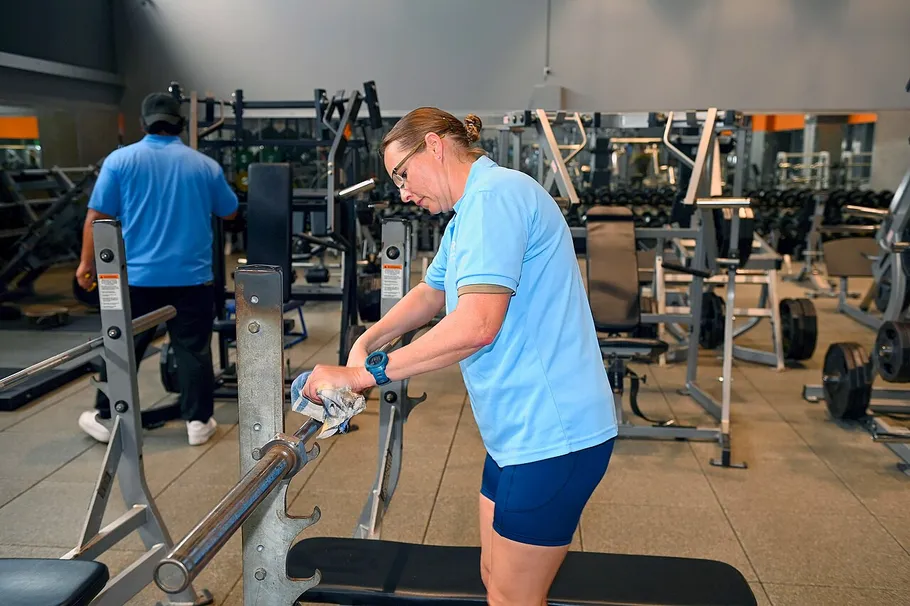
Seat and pad fit decide whether the hip work stays on the hips, because pads that sit too high, too low or too far out turn an abduction into a lower-back lean. The Titan offers six leg-bar positions plus four seat adjustments with swivelling thigh pads, the GMWD offers six starting angles with backrest, pad and footplate positions, the HVO rotates its pads a full 360 degrees, and the RitFit rotates its knee pads with eight starting positions — four different answers to the same fit question. The RitFit user range of about 155 to 190 cm is a maker range, not a guarantee, so check the seat and pad range on the listing against your own height and leg length before ordering, and sit in the machine’s geometry — knees on the pads, back against the rest, feet planted — before you judge the weight. The Dynasty has no seat at all, so its fit question is balance, not padding.
Choose Your Space
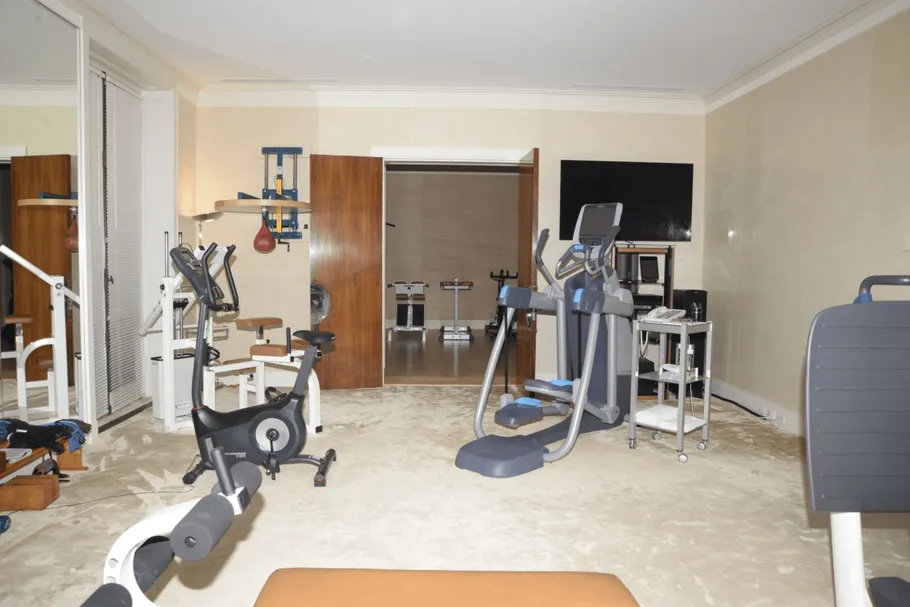
Space is the pick that surprises buyers most. A hip machine needs working room around the frame, not just the frame itself: room to step in and sit down, room to load plates onto the sleeves, and room for the legs to open wide without hitting a wall or a rack. The Body-Solid length of 77 inches is the longest stated frame here, the RitFit footprint of 60.2 by 30.3 inches the most compact stated one, and the Titan width range of 25 to 67 inches is the warning that closed and open footprints differ — measure the working circle with the legs open against the listing, not against one of these figures. If a power rack already owns the corner of your gym, measure the machine’s footprint against the rack’s — our power racks guide covers the racks that share that corner, including the sizes that matter here. Measure the delivery route as well as the final spot: a 395 lb boxed unit does not bend around a tight doorway.
Safety
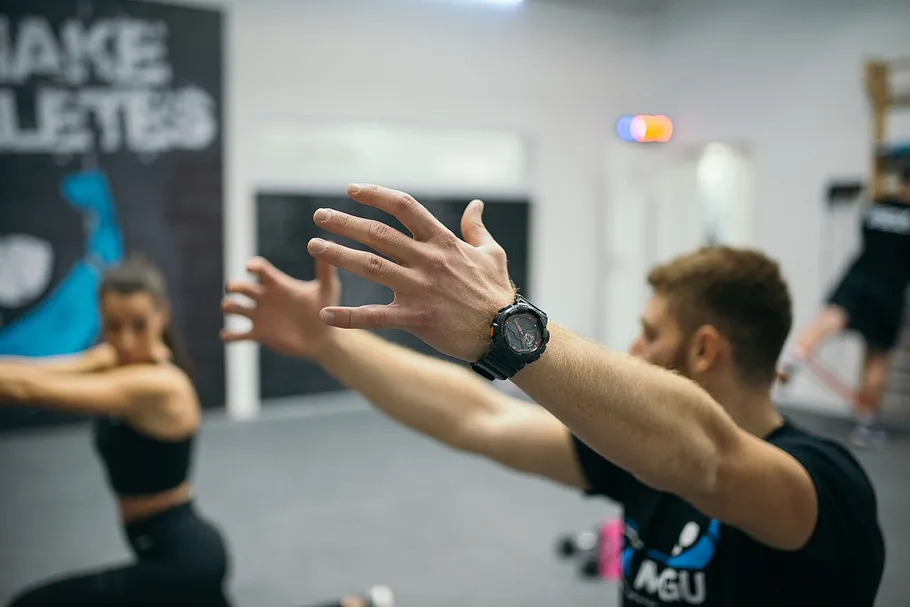
1. Set the seat and pads before loading. The pads meet the thighs where they push, the back rests against the backrest, and the feet plant flat — a pad riding on the knee, or a back arched off the rest, turns hip work into a lower-back strain.
2. Start light and learn the arc first. The first session on a new machine is a form session, not a max session: a weight you own for ten controlled reps teaches the range, and a weight you heave teaches nothing.
3. Control both directions on every rep. The legs push out under control and come back under control — a pad stack slammed shut, or legs snapped together, shocks the groin and the hips, so lower and close with the muscles, not with momentum.
4. Lock pins and collars before every set. On a plate-loaded frame, collars sit on the sleeves before the first rep; on a selectorized frame, the pin seats fully in the stack — a plate sliding off mid-rep, or a pin half-seated, unloads one side without warning.
5. Never force the end range. Hips open only as far as they open: a sharp pinch at the wide end, or knees forced past a comfortable squeeze, means stop short of that range, re-check the starting angle, and do not push through it.
6. Keep the area clear and children off the machine. Moving lever arms plus loaded plates are not playground equipment — never let a child climb the frame, swing the arms, or stand in the pads’ path.
7. Stop on sharp pain in a hip, groin or knee. A dull burn in the outer or inner thighs is training; a sharp pain in a hip joint, a groin pull sensation, a knee click that was not there before, or a frame that shifts mid-set means stop, re-check the seat, the pads and the pins, and do not push through it.
Safety note: this guide is general information, not medical advice. If you have a hip, groin, knee or back problem, or any injury affecting the hips or spine, speak to a clinician or physiotherapist before starting a hip-machine routine.
Frequently Asked Questions
Do hip abductor machines work the glutes?
Yes, in part. Abduction loads the gluteus medius and minimus — the smaller glutes that steady the pelvis — plus the tensor fasciae latae, while adduction loads the inner-thigh muscles. A hip machine is not a substitute for squats or deadlifts, which load the large gluteus maximus far more heavily, but it isolates the stabilising hip muscles that big lifts often leave undertrained.
Should I buy an abduction-only machine or a combo?
Buy a combo if you want both directions — thighs out and thighs in — on one frame, which is five of the six picks here. Buy abduction-only if your goal is specifically the outer hips and single-leg stability, which is the Dynasty standing station alone. If inner-thigh work already has its own station or band routine in your gym, the dedicated frame is the cleaner buy.
Should I buy plate-loaded or selectorized?
Buy plate-loaded if you already own plates, want the highest capacities here, and do not mind loading sleeves between sets. Buy selectorized if you want pin-fast weight changes, no plates on the floor, and a fixed path with nothing to load. Remember the numbers differ in kind: a plate capacity is the most the machine is rated to load, a stack weight is the weight inside the machine, and a felt load — published only by RitFit here — is what the legs actually feel.
How much room does a hip machine need?
More than its footprint. The table gives the stated footprints — the Body-Solid at 37 by 77 inches is the longest stated frame, the RitFit at 60.2 by 30.3 inches the most compact stated — but add working room to step in, sit down, load plates and open the legs wide, plus a delivery route the boxed unit can actually travel. The Titan width range of 25 to 67 inches is the warning: measure the working circle with the legs open against the listing, not against this guide.
Can I train my hips without a machine?
Yes. Bands, side-lying leg raises, lunges, single-leg stands and step classes all train the outer and inner thighs without a station, and they cost little and travel anywhere. What a machine adds is a fixed path and progressive load: the same arc every rep, with weight added by a pin or a plate instead of a thicker band, which suits lifters who want measurable progression on a small, controlled movement.
What floor protection does a hip machine need?
A mat under the base and a floor rated for the load. The selectorized units here run up to 395 lb before a lifter even sits down, and plate-loaded frames invite dropped plates beside the sleeves — both argue for a mat that spreads the weight and protects the floor underneath. Our gym flooring guide compares mats and tiles for exactly this job.
Our Pick: Start Here
Start with the Titan Fitness Selectorized Hip Abductor and Adductor Machine if you want abduction and adduction on one selectorized frame — it is the simplest combo here, with pin-fast changes and a wide adjustment set. If you own plates and want the highest settled capacity, the GMWD HA01 Hip Abductor/Adductor loads them all with fine starting-angle adjustment, and the HVO HA303 is the pick for lifters who also want landmine work on the same frame. If you want a commercial build, the Body-Solid Pro ClubLine S2IOT Series II Inner and Outer Thigh is the club-grade selectorized pick with a stack ordered to your strength. The Dynasty Fitness DPB403 Standing Abductor suits lifters who want standing, single-leg hip work with balance trained alongside strength. The RitFit Panther Home Hip Abductor and Adductor Machine suits home gyms that want a compact selectorized combo with honest published felt ratios.
As an Amazon Associate, this site earns from qualifying purchases made through links in this guide, at no extra cost to you. The Amazon links above are tagged search links, not direct product listings, because no confident listing code was verified for these units — always confirm the exact version, capacity and dimensions on the listing before ordering.
Specifications in this guide come from maker pages, listings, manuals and review records that frequently disagree, and every disagreement found is stated in the pick sections rather than averaged away. Capacity, dimensions, weight and height figures in particular mix maker claims, review measurements and older records, so treat this guide as a comparison of published records, not as a substitute for the listing on the day of purchase.