

Why Bicep Curl Machines Belong in a Home Gym
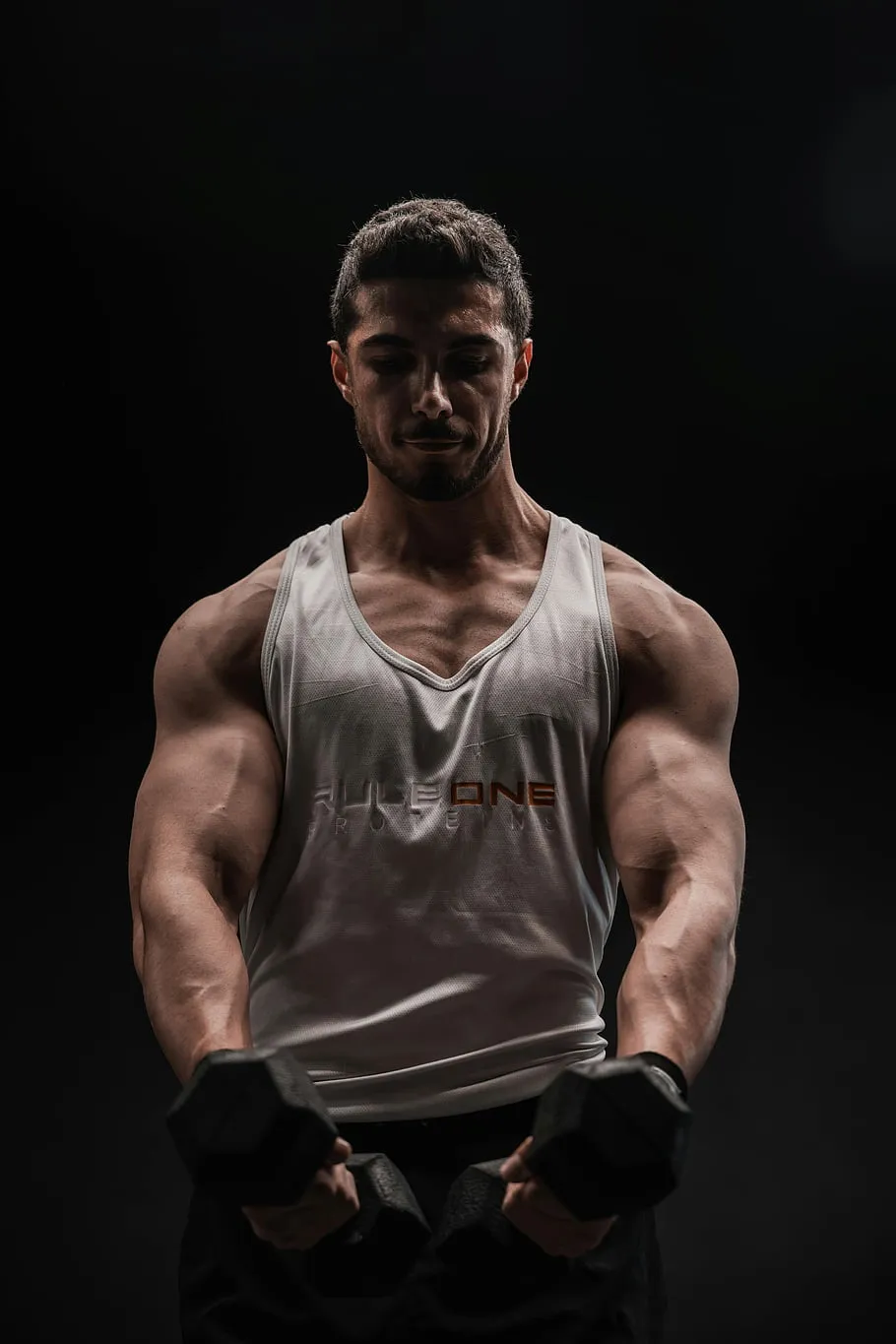
A bicep curl machine does one job that free weights do loosely: it braces the upper arm and fixes the curl path, so the biceps do the rep instead of the shoulders and the lower back. A dumbbell curl can be strict, but it can also turn into a swing the moment the weight gets heavy — and a machine removes that escape route. The pad holds the arm still, the lever arm carries the load through the same arc every time, and the rep stays honest from the first set to the last. 💪
The previous guide in this series, our heavy bag stands guide, covers a freestanding frame for hanging a bag. Bicep curl machines are the isolation end of the same home-gym idea: a planted station that turns arm day into strict, repeatable reps instead of a swinging free bar, built for lifters who want the curl itself to be the hard part.
One honest scope note first. This guide covers only standalone arm-curl machines: seated stations with a padded arm rest and a pivoting lever arm (plate-loaded) or a weight stack (selectorized), where the resistance moves on the machine’s own arm. Our preacher curl benches guide covers standalone benches for free-weight curls — barbell, dumbbell and EZ-bar curls on a bench, including bar catches — and our EZ curl bars guide covers the free-weight bars themselves. A bench with a preacher pad is not a machine, and a machine is not a bench: if the resistance moves on the machine’s arm, you are in the right place.
A second scope note matters just as much. Leg curl machines work a different joint and a different movement — knees and hamstrings, not elbows and biceps — and they are a separate guide, not a pick here. Every pick below curls at the elbow, with the upper arm braced and the forearm moving the load.
How We Picked
We compared six currently sold standalone arm-curl machines: three plate-loaded combos, one plate-loaded lever, one selectorized dedicated curl and one selectorized combo, so the guide answers which curl job each station does best instead of crowning one winner for everyone. Every spec below comes from maker pages, listings or review records, and every disagreement found is stated in the pick sections rather than averaged away.
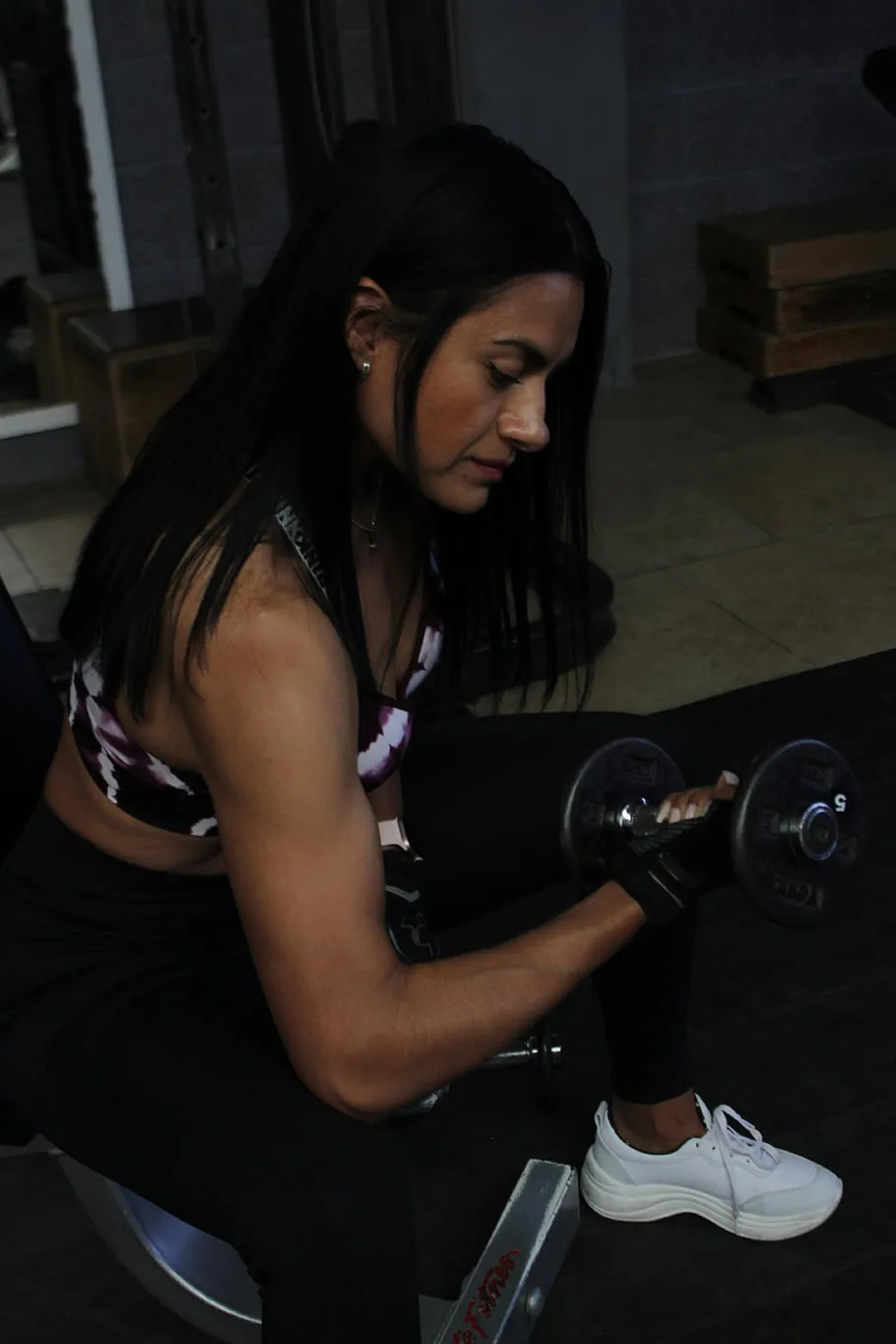
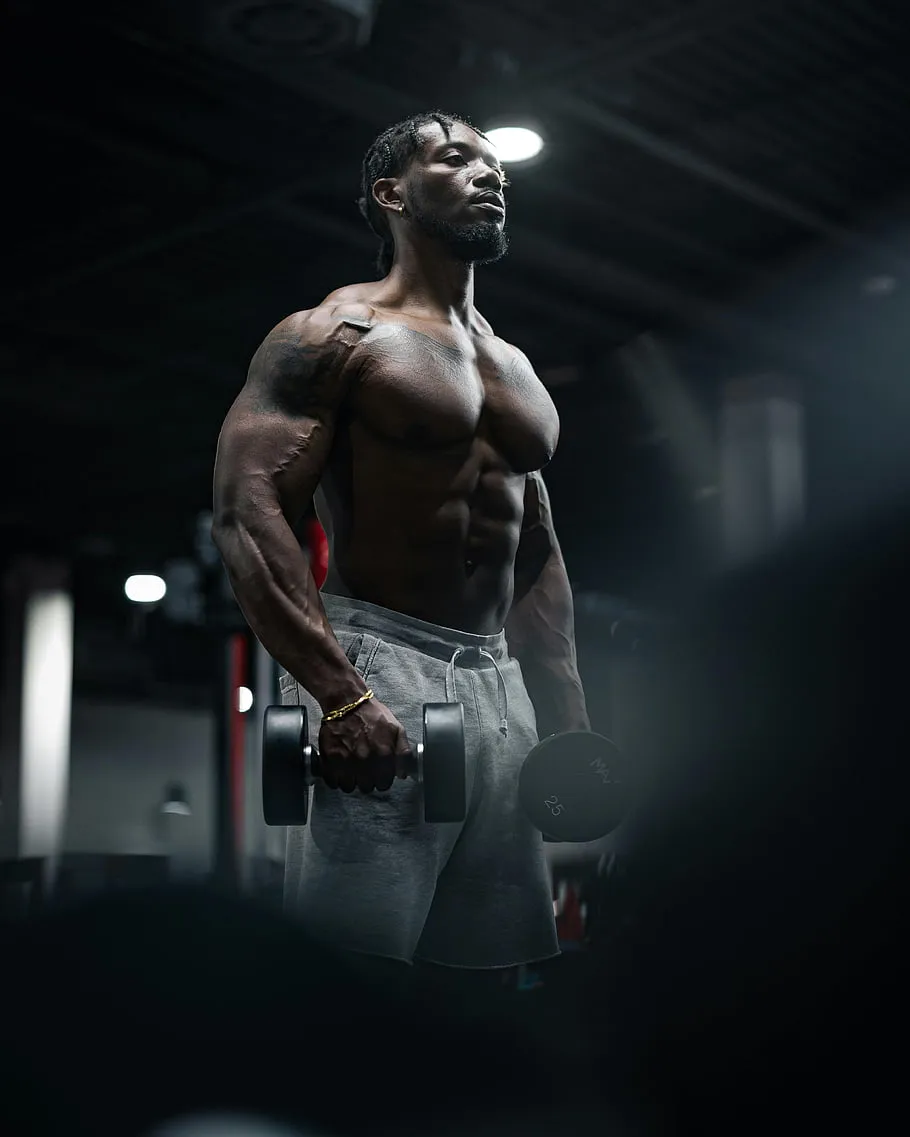
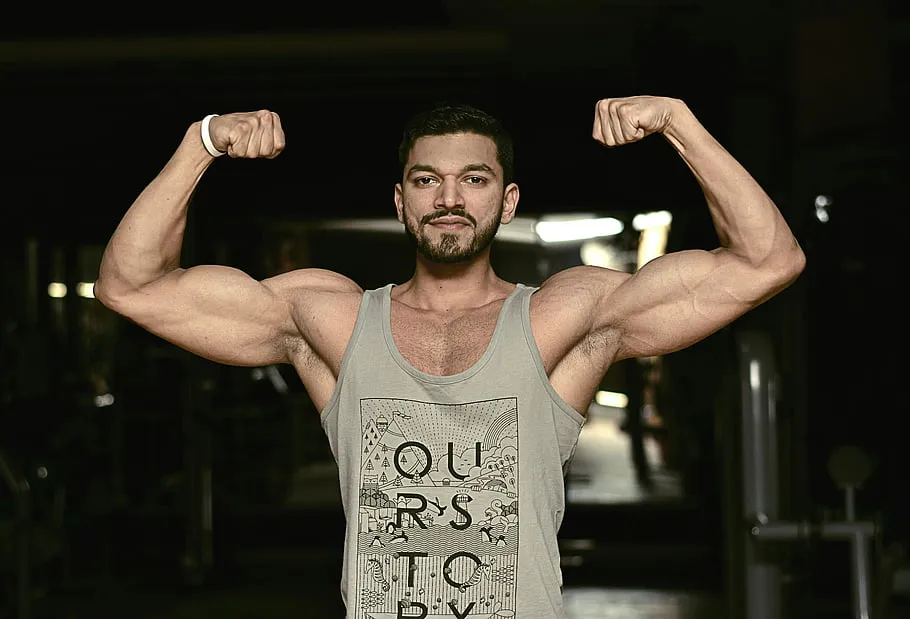
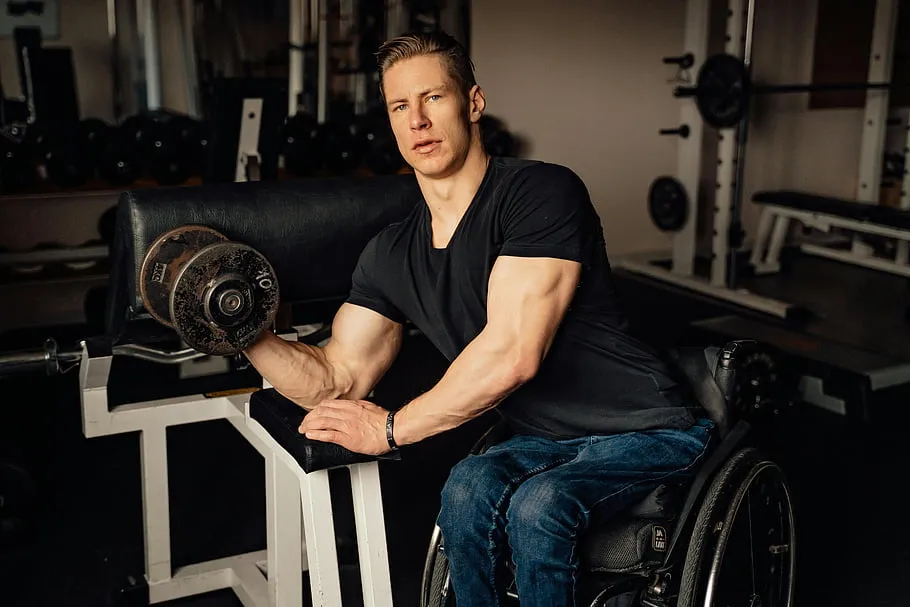
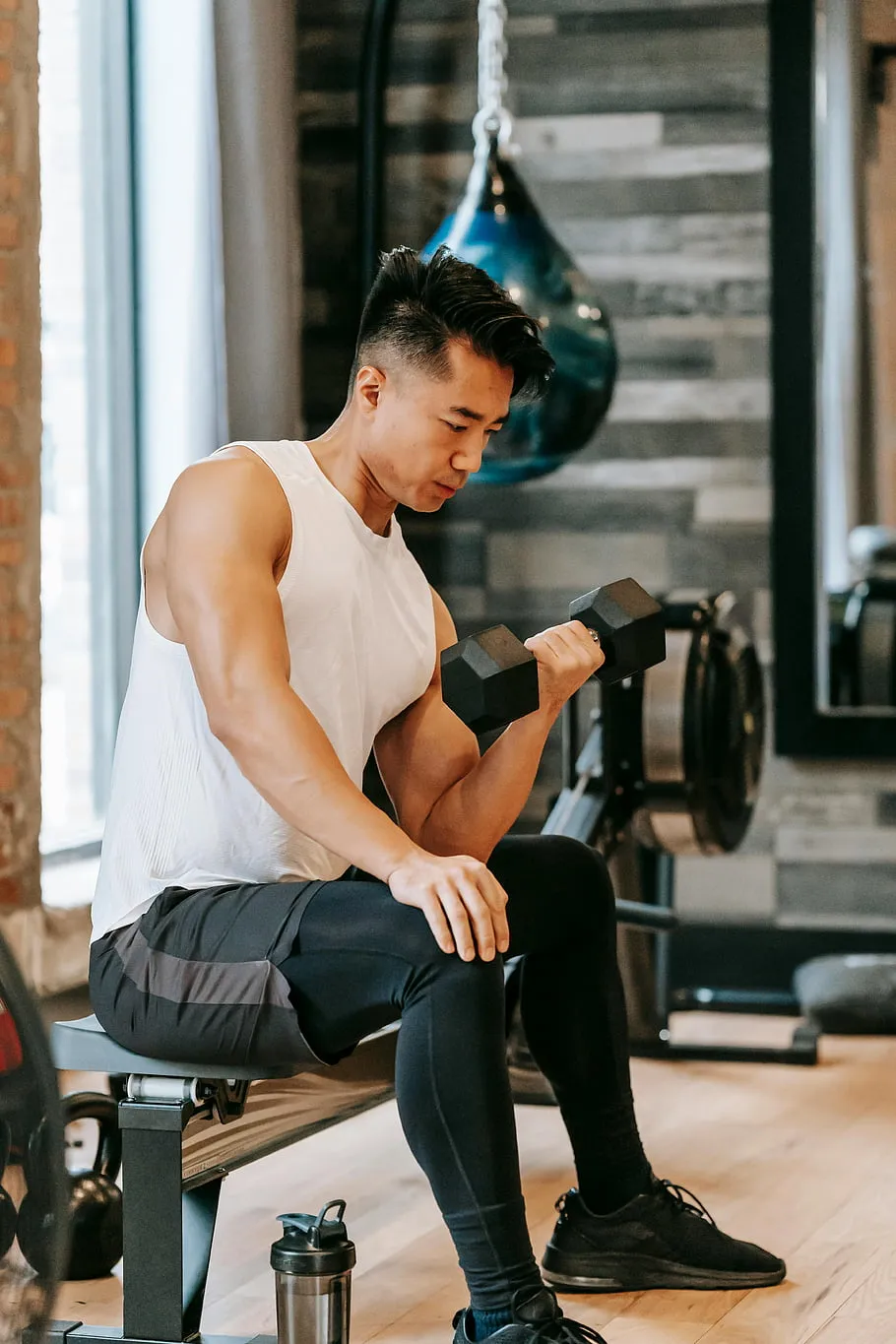
One limit applies to every photo in this guide: no free-license photo of any of the six named bicep curl machines exists, so every figure is an honest generic scene — a lifter curling a dumbbell, a braced arm on a preacher pad, machines on a gym floor — captioned as what it actually shows, never presented as a photo of the named unit. No figure here is called high-definition where it is not.
- Scored on: machine type, resistance honesty, seat and arm-rest adjustment, footprint and machine weight, and floor space.
Also considered: Body-Solid S2BTP Biceps & Triceps is a selectorized combo with a 160 lb standard stack or a 235 lb upgrade, about 42 by 52 by 83 to 84 inches and about 400 to 410 lb, left out to avoid two Body-Solid picks in one guide. Powertec Leverage V2 Biceps Curl PL-PV2-BC is a commercial lever with a 225 lb horn capacity, a 320 lb unit and a 48 by 54 by 56 inch frame, left out as a commercial-style option with weaker home-gym availability. Nautilus Leverage Biceps Curl 9NP-L5002 has independent arms at 180 lb per arm, 360 lb total, a 12 lb starting resistance per arm and a 465 lb unit, left out as a commercial lever. Hammer Strength Select Biceps Curl carries a 200 lb stack at about 45 by 41 by 55 inches and about 450 lb, left out as a commercial selectorized option. Watson plate-loaded bicep curl is a UK brand with weaker US availability, and BeFitNow TY05 carries a 176 lb stack at 485 lb and 53 by 45 by 64 inches, left out as a commercial unit.
Scoped superlatives: the highest stated capacity here is the HVO at 500 lb, a roundup record rather than a maker figure. The heaviest stated machine weight is the Body-Solid at 456 lb with the 235 lb stack ordered, against the Precor at 440 lb. The lightest stated unit weight is the Titan at 100 lb, but three picks state no unit weight at all, so no full lightest-to-heaviest ranking is claimed. The only dedicated selectorized curl is the Body-Solid, the only selectorized combo is the Precor, and four of the six picks are combos with tricep work. The lowest selectorized stack is the Body-Solid standard at 160 lb, upgradeable at order to 235 lb.
Comparison
| Pick | Type | Resistance | Size | Machine weight |
|---|---|---|---|---|
| Titan Fitness Plate-Loaded Bicep Curl and Tricep Extension Machine | Plate-loaded combo (curl + tricep) | 220 lb capacity | About 45 × 44 × 39 in (current listing) | 100 lb |
| GMWD Bicep Tricep Curl Machine (AE-01) | Plate-loaded combo (curl + tricep) | Disputed — 250 lb (title) vs 380 lb (body) | About 39.8 × 42.3 × 40.3 in | Not stated |
| HVO Plate Loaded Bicep Tricep Curl Machine | Plate-loaded combo (sundial dial) | 500 lb (roundup record) | Not stated | Not stated |
| Mikolo Plate Loaded Bicep Curl Machine (2-in-1) | Plate-loaded lever, curl-focused | 250 lb lever-arm capacity | Not stated | Not stated |
| Body-Solid Pro ClubLine S2AC Bicep Curl (Series II) | Selectorized, dedicated curl | 160 lb stack standard / 235 lb upgrade (order choice) | 41 × 51 × 57 in | 381 lb (160 lb stack) / 456 lb (235 lb stack) |
| Precor Vitality Series Bicep Curl / Tricep Extension (C025) | Selectorized combo (curl + tricep) | 170 lb stack + 5 lb add-on | 52 × 42 × 60 in | 440 lb |
The Resistance column mixes two different kinds of figure, and none of them should be read as a single ranking. A plate-loaded capacity — 220 lb on the Titan, 250 lb on the Mikolo lever arm — is the most the lever arm is rated to carry, while a selectorized stack — 160 or 235 lb on the Body-Solid, 170 lb plus a 5 lb add-on on the Precor — is the weight in the stack itself. The GMWD cell reads Disputed because its own listing disagrees with itself, 250 lb in the title against 380 lb plated in the body text, and the HVO cell carries a roundup record rather than a maker figure. Compare within a row, not down the column.
The Size and Machine weight columns carry honest blanks for the same reason. The HVO, the Mikolo and the GMWD state no footprint or no unit weight in the records found, so this guide prints Not stated rather than inventing figures — and the Body-Solid weight cell carries two figures because the machine weight depends on the stack ordered. The Titan size cell carries the current listing figure of about 45 by 44 by 39 inches; an older review record lists different dimensions, and the Titan section states that difference rather than settling it.
Titan Fitness Plate-Loaded Bicep Curl and Tricep Extension Machine
The Titan Fitness Plate-Loaded Bicep Curl and Tricep Extension Machine is the combo pick of this guide, and its argument is the second exercise: 220 lb capacity, a sundial-style pin-locking range adjustment, a V-bar handle for curls plus handlebars for preacher curls, tricep extensions and pushdowns, Olympic plates on 9.75 to 10 inch sleeves, an adjustable seat from 16.5 to 21 inches, a 100 lb unit weight, about 45 by 44 by 39 inches, and a 300 lb user capacity. Combo here means one frame covers the front and the back of the arm — curls on the V-bar, tricep work on the handlebars — with no second station. 🏋️
The sundial adjustment and the handles are the details that matter. A sundial-style pin-locking dial sets the start angle of the lever arm, so the curl starts where your arm is strongest rather than where the frame happens to sit, and separate handles for curls and tricep work mean neither movement borrows the other’s grip. The 100 lb unit weight is the lightest stated unit weight in this guide, so moving it into place is a smaller job than the selectorized units below.
Two flags stay open. First, an older review record lists different dimensions — 44.25 by 33 inches — and a different grip length — 8.5 inches each against 5 inches each on the current listing — and this guide prints the current figures as primary with the older record stated as a difference, not settled. Second, Olympic plates are the load and they are not the machine: a buyer without Olympic plates needs them before the first rep. Check the listing before ordering.
✅ Pros
- Curl plus tricep work on one plate-loaded frame
- Sundial-style pin-locking dial sets the lever arm’s start angle
- V-bar for curls plus handlebars for preacher curls, extensions and pushdowns
- 100 lb unit weight — the lightest stated unit weight here
⚠️ Cons
- Older review record lists different dimensions and grip length — confirm on the listing
- Olympic plates needed to load it — plates are not the machine
- 220 lb capacity sits below the HVO’s stated 500 lb roundup record
Listing check: no confident listing code was verified for this unit, so the link above is a tagged search — confirm the combo model, the 220 lb capacity, the sundial-style adjustment, the 16.5 to 21 inch seat range and the current dimensions on the listing itself before ordering, and confirm you own Olympic plates first.
Best for: lifters who want curls and tricep work on one plate-loaded frame.
May not fit: buyers without Olympic plates, or anyone who wants a selectorized stack instead of loading plates.
GMWD Bicep Tricep Curl Machine (AE-01)
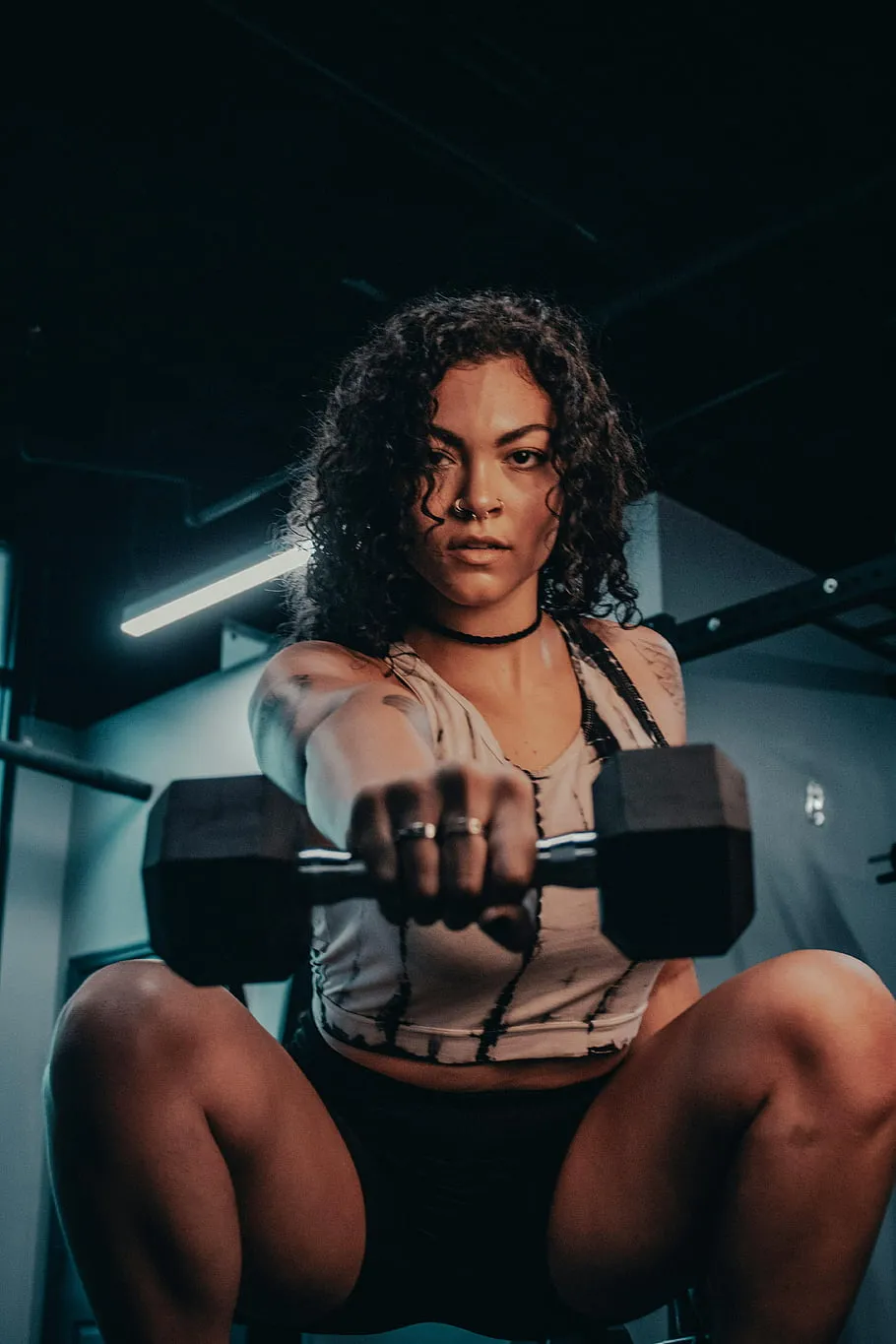
The GMWD Bicep Tricep Curl Machine (AE-01) is the mixed-plates combo pick of this guide, and its argument is the plate fit: a 12-gauge steel frame in 50 by 70 mm tubing, about 39.8 by 42.3 by 40.3 inches, that takes both 1-inch and 2-inch plates, with an Olympic adapter plus spring and Olympic collars included. Mixed plates here means the plates you already own — standard or Olympic — load the same frame, so no plate set is left out. 🔩
The adapter and the collars are the details that matter. An Olympic adapter in the box means 2-inch plates sit on the same sleeves as 1-inch plates, and included collars mean the plates are locked before the first rep rather than bought separately. The 12-gauge 50 by 70 mm frame stock reads as a solid home-gym build, and the footprint near 40 by 42 inches is the most compact stated footprint among the plate-loaded picks.
Two flags stay open, and the first is the big one. The capacity genuinely conflicts inside its own listing: the title says 250 lb while the body text says 380 lb plated, and this guide prints both figures rather than settling one — work from the lower figure until the listing is clarified. Second, no unit weight is stated in the records found, so plan delivery from the listing, not from this guide.
✅ Pros
- Takes both 1-inch and 2-inch plates, with an Olympic adapter included
- Spring and Olympic collars included in the box
- 12-gauge 50 by 70 mm steel frame on a compact stated footprint
⚠️ Cons
- Capacity disputed — 250 lb in the title vs 380 lb plated in the body text
- No unit weight stated — plan delivery from the listing
- Combo frame is bigger than a dedicated curl-only station
Listing check: no confident listing code was verified for this unit, so the link above is a tagged search — confirm the AE-01 combo model, the 1-inch and 2-inch plate fit, the included adapter and collars, and the capacity figure on the listing itself before ordering, and work from the lower 250 lb figure until the listing is clarified.
Best for: lifters with mixed 1-inch and 2-inch plates who want curl plus tricep work on one frame.
May not fit: buyers who need one settled capacity figure, or a stated unit weight for delivery.
HVO Plate Loaded Bicep Tricep Curl Machine
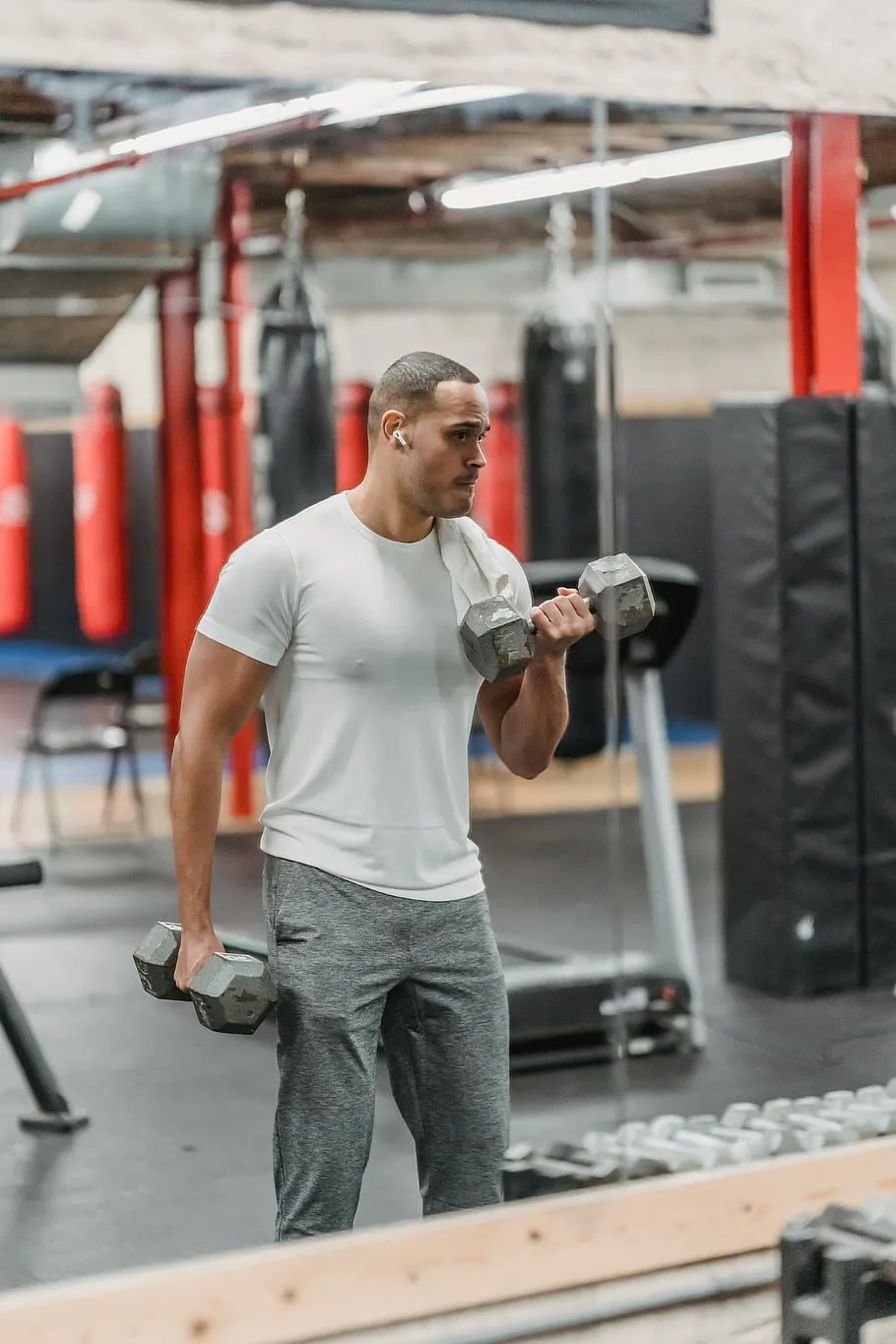
The HVO Plate Loaded Bicep Tricep Curl Machine is the high-capacity combo pick of this guide, and its argument is the dial: a 24-position sundial dial, a 500 lb capacity stated as a roundup record, room for 1-inch and 2-inch plates plus resistance bands, and a roundup user-height range of 4 feet 11 inches to 6 feet 3 inches. Twenty-four positions here means the start angle adjusts in fine steps, so lifters of different heights find a start that fits their arm rather than fighting the frame. 🎯
The dial and the band option are the details that matter. A sundial dial with 24 positions is the most granular range adjustment among the plate-loaded picks, and band pegs alongside plate sleeves mean a lifter can add band tension to a plate load — a second kind of resistance on the same lever arm. The 500 lb figure is the highest stated capacity in this guide by a clear margin, and it is stated here as a roundup record, not as a maker figure.
Two flags stay open. First, the footprint and the unit weight are not stated in the roundup record, so room and delivery both need the listing, not this guide. Second, HVO also sells a separate lever preacher bench under a similar name — a 65 lb unit with a 300 lb plate capacity at 35 by 33.1 by 41.5 inches — and that bench is a different product: this pick is the sundial combo, not that bench, so confirm the dial model before ordering.
✅ Pros
- 24-position sundial dial — the most granular range adjustment among the plate-loaded picks
- Highest stated capacity here at 500 lb, as a roundup record
- Takes 1-inch and 2-inch plates plus resistance bands
⚠️ Cons
- 500 lb is a roundup record, not a maker figure
- Footprint and unit weight not stated in the roundup record
- Do not confuse with HVO’s separate lever preacher bench — different product
Listing check: no confident listing code was verified for this unit, so the link above is a tagged search — confirm the sundial combo model with the 24-position dial, the plate and band fit, and the footprint and unit weight on the listing itself before ordering, and do not confuse it with the HVO lever preacher bench.
Best for: strong lifters who want the highest stated capacity and a dial-adjusted range.
May not fit: buyers who need a stated footprint or unit weight, or a maker-stated capacity figure.
Mikolo Plate Loaded Bicep Curl Machine (2-in-1)
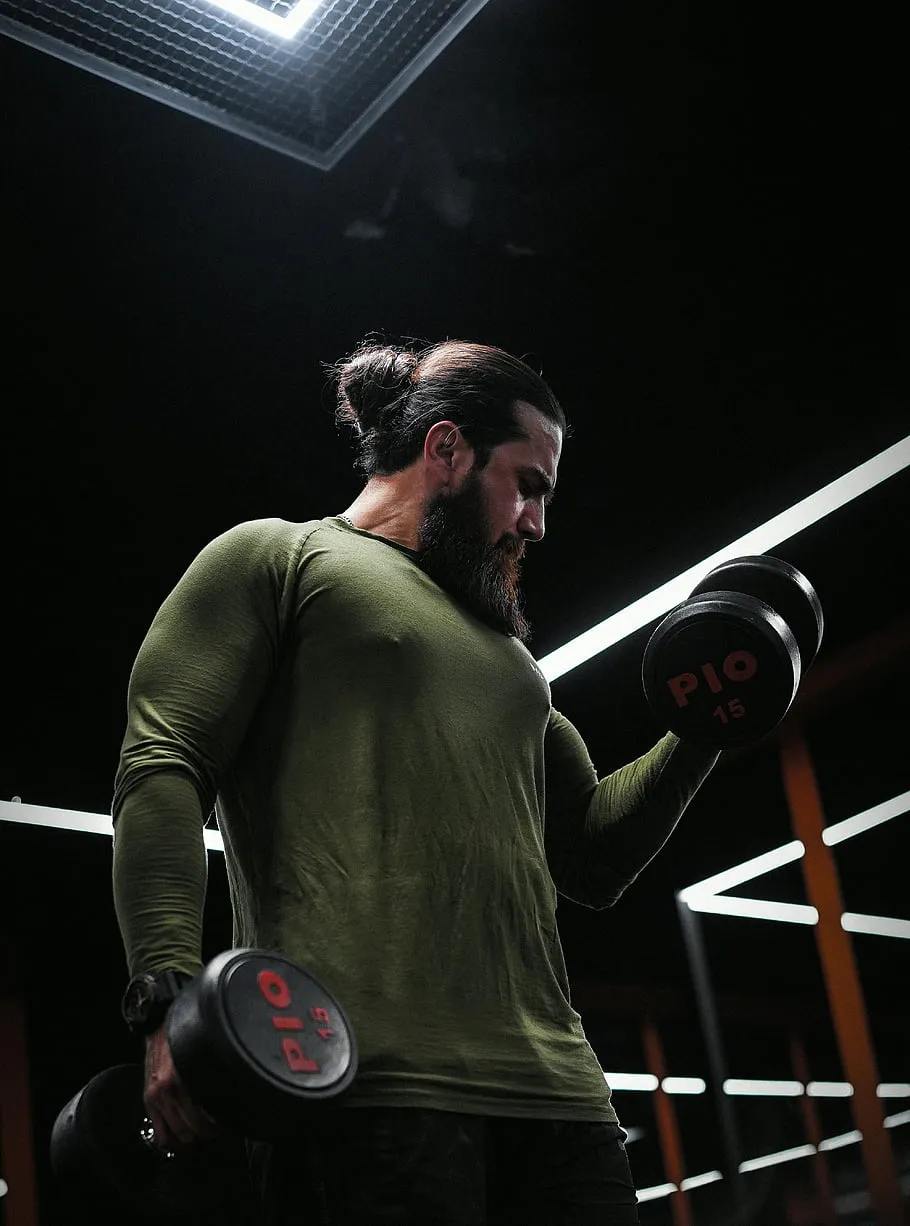
The Mikolo Plate Loaded Bicep Curl Machine (2-in-1) is the dedicated lever pick of this guide, and its argument is the simplicity: a plate-loaded lever arm in 14-gauge steel with a 250 lb lever-arm capacity, built for curls and nothing else. Dedicated here means no tricep station, no second exercise and no shared frame — one lever, one movement, done strictly. 🛠️
The lever and the steel are the details that matter. A pivoting lever arm carries the plates through a fixed arc, so the curl path stays the same on every rep without a stack, a cable or a pin to maintain, and 14-gauge steel is a solid home-gym build for a single-movement frame. Plate-loaded also means the resistance grows with the plates you already own, not with a stack you must order up front.
Two flags stay open. First, a separate “dumbbell rack capacity 250 lb” figure circulates for this unit, and it is a different figure from the 250 lb lever-arm capacity — the same number twice does not make them the same claim, and this guide does not merge them. Second, Mikolo also sells a plain preacher bench with bar catches and no lever arm, which is a different product: this pick is the lever-arm machine, not that bench. The footprint and the unit weight are not stated in the records found.
✅ Pros
- Lever-arm curl with a 250 lb capacity — simple, plate-loaded path
- 14-gauge steel frame with no stack, cable or pin to maintain
- Resistance grows with plates you already own
⚠️ Cons
- Footprint and unit weight not stated in the records found
- The 250 lb dumbbell-rack figure is a different number — do not merge them
- Curl-focused frame — no tricep work on the same unit
Listing check: no confident listing code was verified for this unit, so the link above is a tagged search — confirm the lever-arm machine model, the 250 lb lever-arm capacity, and the footprint and unit weight on the listing itself before ordering, and do not confuse it with the Mikolo plain preacher bench.
Best for: lifters who want a dedicated plate-loaded lever curl and already own plates.
May not fit: buyers who want tricep work on the same frame, or a stated footprint for the room.
Body-Solid Pro ClubLine S2AC Bicep Curl (Series II)
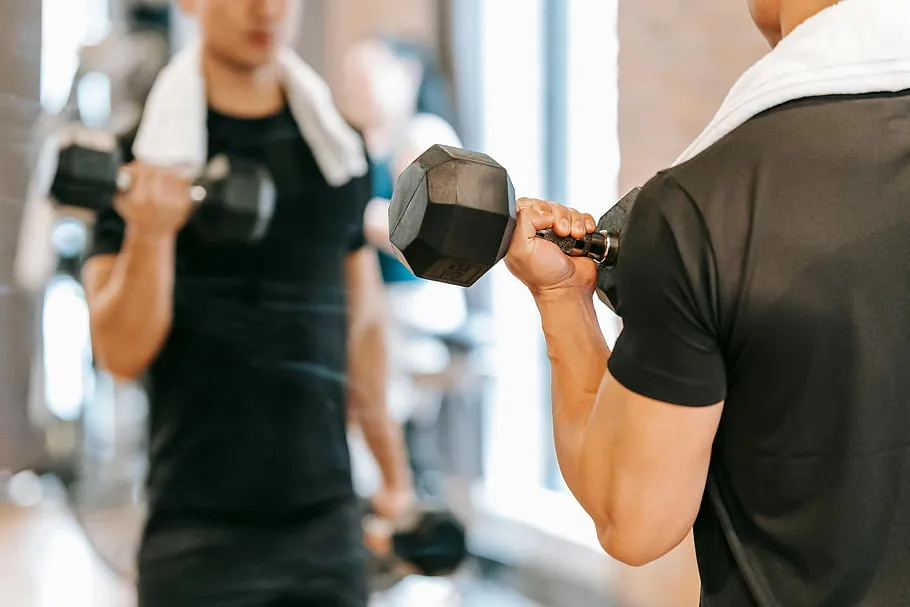
The Body-Solid Pro ClubLine S2AC Bicep Curl (Series II) is the dedicated selectorized pick of this guide, and its argument is the cam: a variable-resistance cam, a multi-grip revolving handlebar, a 6-position adjustment, a 41 by 51 by 57 inch frame, and a weight stack ordered as 160 lb standard or 235 lb upgrade. Dedicated here means the whole frame serves one movement, and the cam varies the resistance through the arc so the curl stays hard where the arm is strong and manageable where it is not. ⚙️
The cam and the handlebar are the details that matter. A variable-resistance cam shapes the load through the rep instead of letting it spike at one point, and a multi-grip revolving handlebar lets the hands settle where they are comfortable rather than forcing one grip. Six positions of adjustment fit different arm lengths to the same pad, and a selectorized pin change beats unloading plates between sets.
Two flags stay open. First, the stack is an order choice, not a later upgrade: 160 lb standard or 235 lb upgrade, chosen at purchase and not changeable after — a lifter who outgrows the 160 lb stack cannot add to it. Second, the machine weight follows the stack: 381 lb with the 160 lb stack, 456 lb with the 235 lb stack, so the delivery route and the final spot both need planning before ordering.
✅ Pros
- Variable-resistance cam shapes the load through the curl arc
- Multi-grip revolving handlebar plus 6-position adjustment
- Dedicated curl with no combo compromise — pin changes beat plate changes
⚠️ Cons
- Stack choice is fixed at order — 160 lb cannot be upgraded later
- 381 to 456 lb machine weight needs a planned spot and delivery route
- Curl-only — no tricep work on this frame
Listing check: no confident listing code was verified for this unit, so the link above is a tagged search — confirm the Series II S2AC model, the stack ordered (160 lb standard or 235 lb upgrade), the cam, the revolving handlebar and the 6-position adjustment on the listing itself before ordering, and plan for the 381 or 456 lb machine weight.
Best for: lifters who want a dedicated selectorized curl with a cam-driven path.
May not fit: buyers who want tricep work too, or who may outgrow the 160 lb stack after ordering it.
Precor Vitality Series Bicep Curl / Tricep Extension (C025)
The Precor Vitality Series Bicep Curl / Tricep Extension (C025) is the selectorized combo pick of this guide, and its argument is the adjustment: a 170 lb weight stack plus a 5 lb add-on weight, a 52 by 42 by 60 inch frame, a 440 lb equipment weight, a ratcheting adjustable seat, and a preacher-curl position with auto-adjust hand grips. Combo here means one selectorized frame covers curls and tricep extensions, with the seat and the grips adjusting to the lifter instead of the other way round. 🔧
The seat and the grips are the details that matter. A ratcheting seat moves in clicks to the right height without tools, and auto-adjust hand grips settle to the lifter’s hands in the preacher-curl position, so two lifters of different sizes share the same frame with a seat click and a grip change. The 5 lb add-on weight gives small jumps between stack plates, which matters when a 10 lb jump is too much for a strict curl.
Two flags stay open. First, the 170 lb stack is modest beside the plate-loaded capacities in this guide — 220 to 500 lb stated — so a strong lifter should weigh the stack against their curl before choosing selectorized. Second, the 440 lb equipment weight is a delivery and installation consideration, not a footnote: plan the route, the doorway and the floor before ordering.
✅ Pros
- Selectorized curl plus tricep extension on one frame
- Ratcheting seat and auto-adjust grips fit different lifters fast
- 5 lb add-on weight gives small jumps between stack plates
⚠️ Cons
- 170 lb stack is modest beside the plate-loaded capacities here
- 440 lb equipment weight — plan delivery, doorway and floor first
- 52 by 42 inch footprint is a commercial-style unit in a home gym
Listing check: no confident listing code was verified for this unit, so the link above is a tagged search — confirm the Vitality C025 combo model, the 170 lb stack plus 5 lb add-on, the ratcheting seat and the auto-adjust grips on the listing itself before ordering, and plan for the 440 lb equipment weight.
Best for: lifters who want selectorized curl plus tricep work with fast seat and grip adjustment.
May not fit: strong lifters who need over 170 lb, or anyone without a delivery plan for 440 lb.
How to Choose the Right Bicep Curl Machine
Choosing a bicep curl machine comes down to four questions, in order: what type of machine, what resistance it carries, what seat and arm-rest fit it offers, and what space it takes. Answer them in that order and the six picks sort themselves — a plate-loaded lifter and a selectorized lifter buy different stations, and neither is wrong. Our weight plates guide covers the plates the plate-loaded picks need, and our foam rollers guide covers the recovery side once arm day gets heavy.
Choose Your Type
Start with the movement, not the machine. A plate-loaded lever loads plates onto a pivoting arm and suits lifters who already own plates and want the highest capacities; a selectorized stack changes weight with a pin and suits lifters who want fast changes and no plates on the floor; a combo adds tricep work to the same frame and suits lifters who want two arm exercises in one footprint. The Titan, the GMWD and the HVO are plate-loaded combos, the Mikolo is the plate-loaded lever, the Body-Solid is the selectorized dedicated curl, and the Precor is the selectorized combo — pick the type that matches the arm training you actually do, not the training you imagine.
Choose Your Resistance
Resistance is the number to read twice, because plate capacities and stack weights are different claims. A plate-loaded capacity is the most the lever arm is rated to carry — 220 lb on the Titan, 250 lb on the Mikolo lever arm — and it assumes you own the plates; a stack weight is the weight in the machine — 160 or 235 lb on the Body-Solid by order, 170 lb plus a 5 lb add-on on the Precor — and it assumes nothing else. For the disputed figures — the GMWD’s 250 against 380 lb, the HVO’s 500 lb roundup record — read the pick sections, not just the table, and work from the lower or the better-sourced figure until the listing settles it.
Choose Your Seat
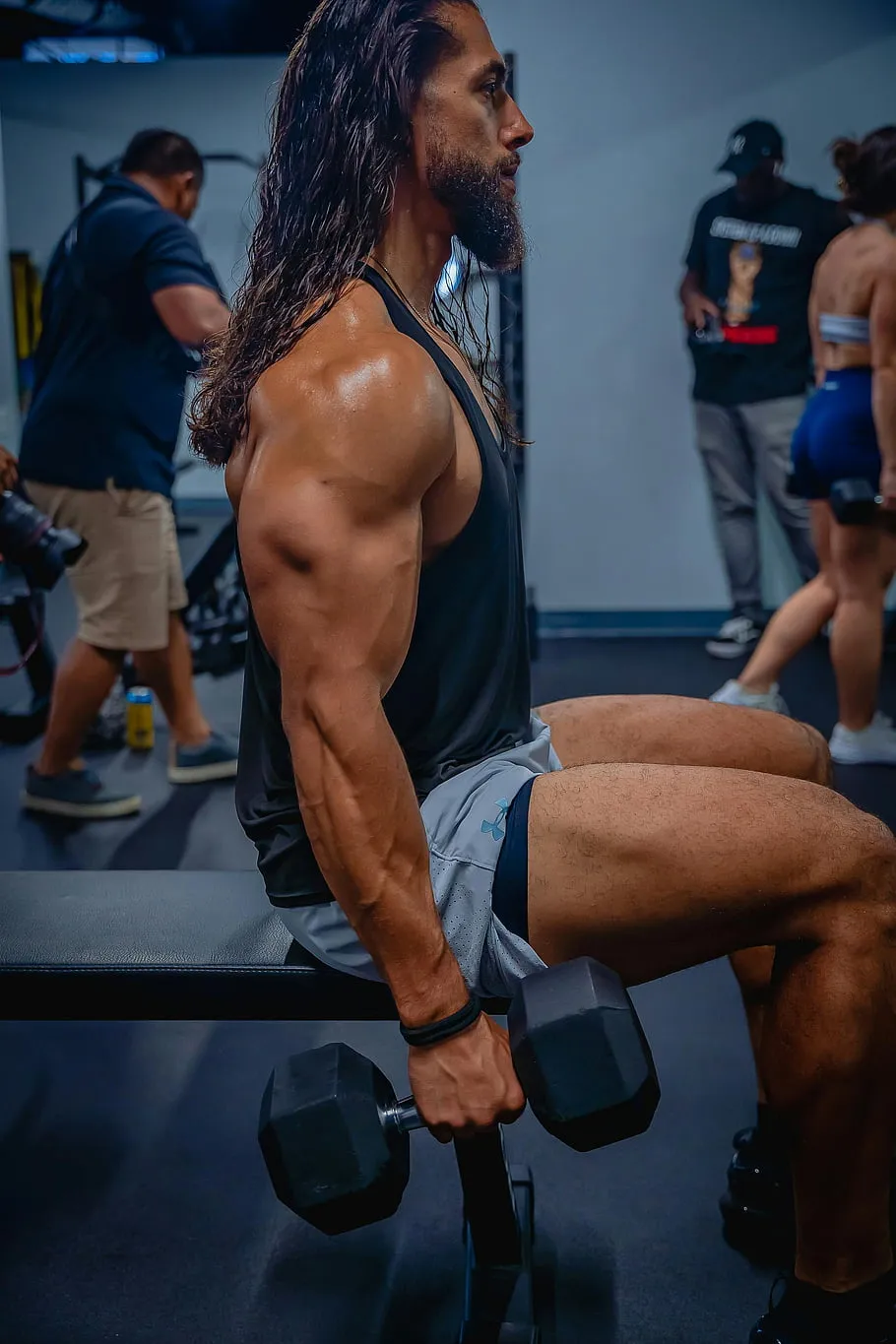
Seat and arm-rest fit decide whether the curl stays strict, because a pad that sits too high or too low turns a curl into a shoulder lift. The Titan seat adjusts from 16.5 to 21 inches, the Precor seat ratchets to height without tools, and the Body-Solid offers 6 positions of adjustment with a revolving handlebar — three different answers to the same fit question. The HVO roundup user-height range of 4 feet 11 inches to 6 feet 3 inches is a roundup record, not a maker guarantee, so check the seat range on the listing against your own height before ordering, and sit on the machine’s geometry — pad under the upper arm, elbow free to move — before you judge the weight.
Choose Your Space
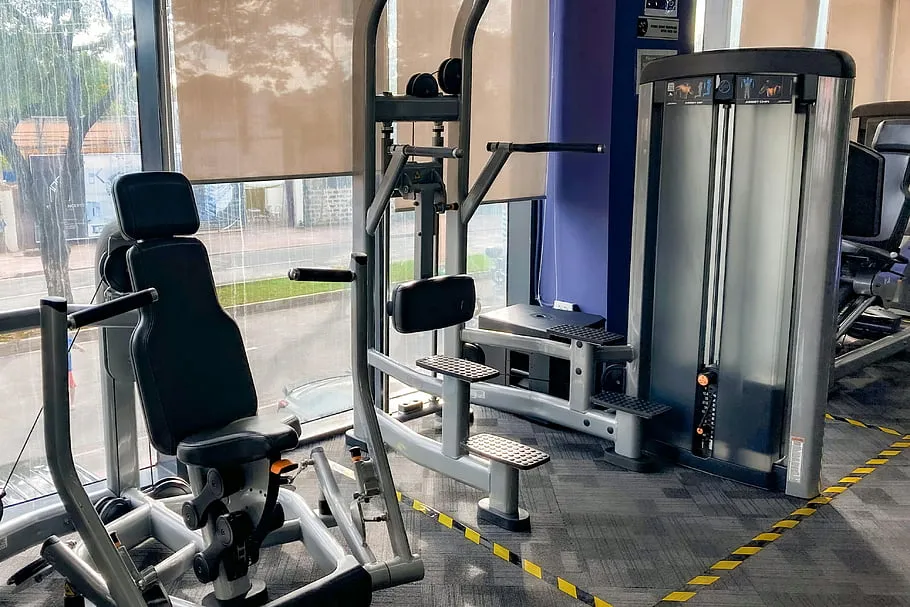
Space is the pick that surprises buyers most. A curl machine needs working room around the frame, not just the frame itself: room to step in and sit down, room to load plates onto the sleeves, and room for the lever arm to travel without hitting a wall or a rack. The Precor footprint of 52 by 42 inches is the largest stated footprint here, the GMWD near 40 by 42 inches the most compact stated one, and three picks state no footprint at all — measure the working circle against the listing, not against one of these figures. If a power rack already owns the corner of your gym, measure the machine’s footprint against the rack’s — our power racks guide covers the racks that share that corner, including the sizes that matter here. Measure the delivery route as well as the final spot: a 440 lb boxed unit does not bend around a tight doorway.
Safety
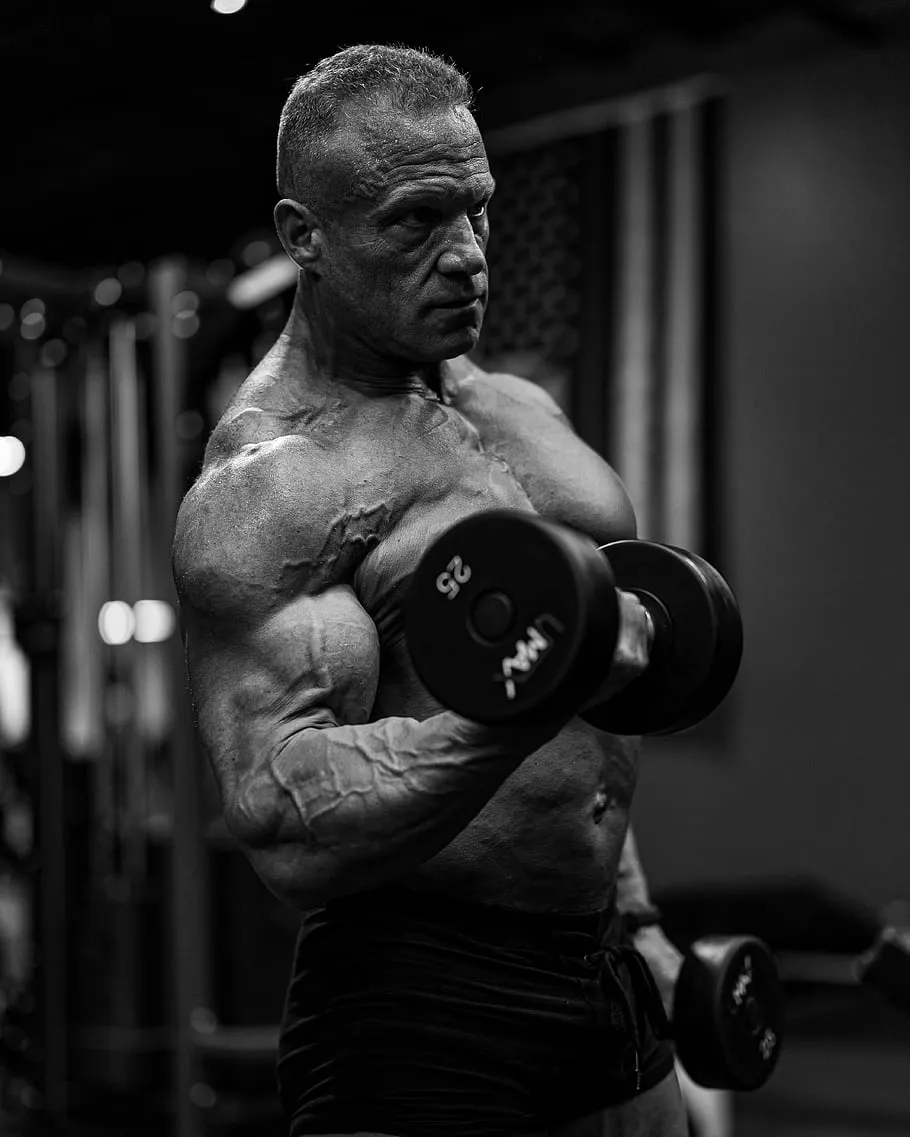
1. Brace the upper arm fully on the pad before loading. The pad holds the arm still and the forearm moves the load — an elbow hanging off the pad, or a shoulder doing the lifting, turns a curl into a joint strain.
2. Start light and learn the lever path first. The first session on a new machine is a form session, not a max session: a weight you own for ten strict reps teaches the arc, and a weight you swing teaches nothing.
3. Control the lowering on every rep. A lever arm dropped from the top slams plates or a stack to a stop, and the elbows and wrists take the shock — lower under control, even when the set gets hard.
4. Lock pins and collars before every set. On a plate-loaded frame, collars sit on the sleeves before the first rep; on a selectorized frame, the pin seats fully in the stack — a plate sliding off mid-rep, or a pin half-seated, unloads one side without warning.
5. Keep the wrists neutral and the grip comfortable. A revolving or multi-grip handle exists so the hands settle where they are comfortable — a bent wrist under load hurts before the biceps tire, so change the grip instead of pushing through it.
6. Keep the area clear and children off the machine. A moving lever arm plus loaded plates is not playground equipment — never let a child climb the frame, swing the arm, or stand in the lever’s path.
7. Stop on sharp pain in an elbow, a shoulder or a wrist. A dull burn in the biceps is training; a sharp pain in a joint, a click that was not there before, or a frame that shifts mid-set means stop, re-check the seat, the pad and the pins, and do not push through it.
Safety note: this guide is general information, not medical advice. If you have an elbow, shoulder, wrist or back problem, or any injury affecting the arm or spine, speak to a clinician or physiotherapist before starting a curl-machine routine.
Frequently Asked Questions
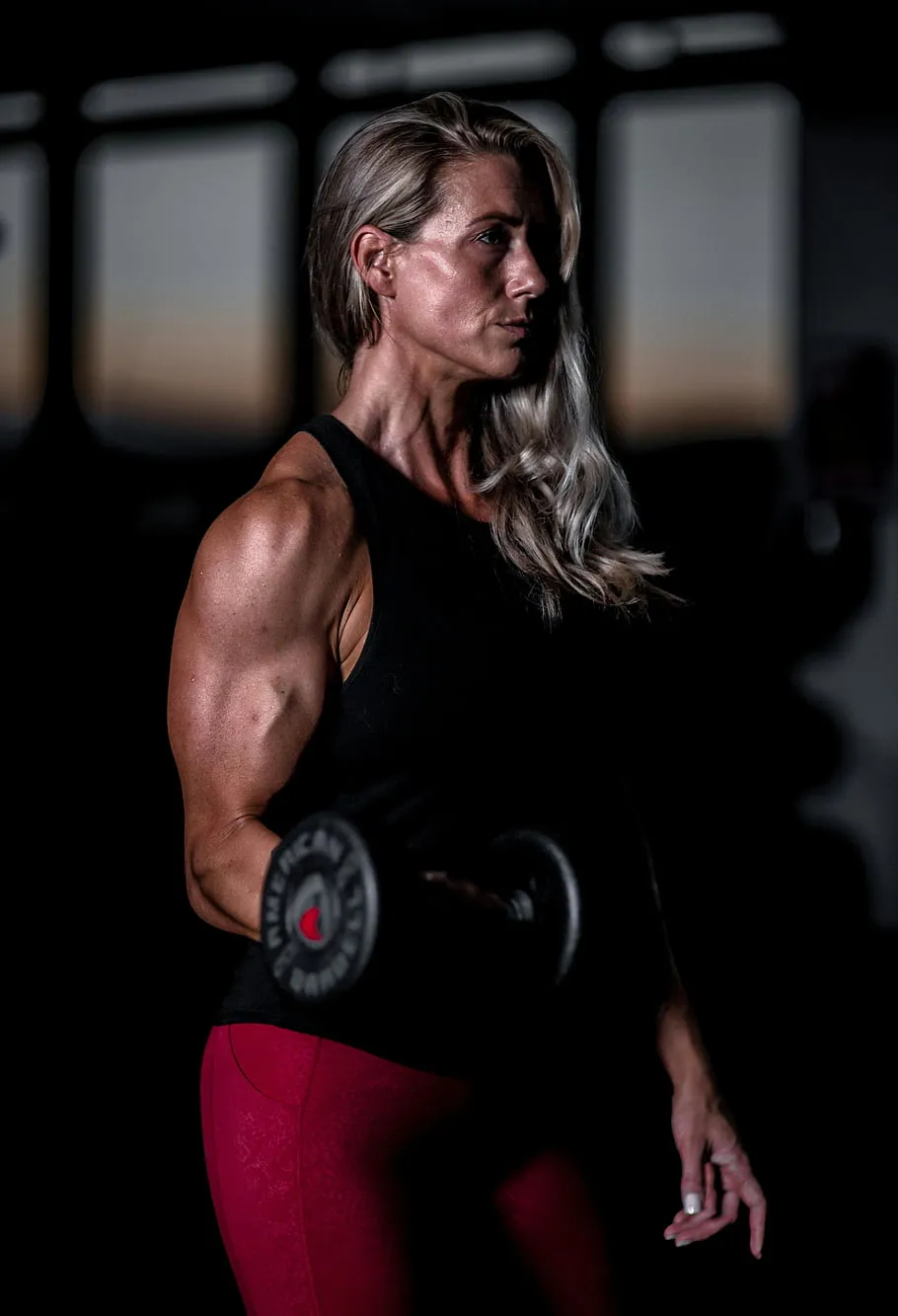
Are curl machines better than dumbbell curls?
Neither is better outright — they do different jobs. A machine braces the upper arm and fixes the path, so the rep stays strict when the weight gets heavy; a dumbbell lets the arm find its own path and works the stabilizers, with more variety in grip and angle. A lifter who swings on free curls gains from a machine’s discipline, and a lifter who wants variety keeps the dumbbells — many home gyms end up with both.
Should I buy plate-loaded or selectorized?
Buy plate-loaded if you already own plates, want the highest capacities here, and do not mind loading sleeves between sets. Buy selectorized if you want pin-fast weight changes, no plates on the floor, and a fixed path with nothing to load. Remember the numbers differ in kind: a plate capacity is the most the arm is rated to carry, while a stack weight is the weight inside the machine.
How much room does a curl machine need?
More than its footprint. The table gives the stated footprints — the Precor at 52 by 42 inches is the largest stated, the GMWD near 40 by 42 inches the most compact stated — but add working room to step in, sit down and load plates, plus a delivery route the boxed unit can actually travel. Three picks state no footprint at all, so measure the working circle against the listing, not against this guide.
Do I need a combo machine or a dedicated curl machine?
A combo — the Titan, the GMWD, the HVO or the Precor — suits lifters who want tricep work on the same frame and accept a bigger unit for it. A dedicated curl machine — the Mikolo lever or the Body-Solid — suits lifters who only curl and want the simplest path to a strict rep. If tricep work already has its own station in your gym, the dedicated frame is the cleaner buy.
Will a curl machine fit my height?
The seat and the arm-rest adjustment decide that, not the headline capacity. The Titan seat adjusts from 16.5 to 21 inches, the Precor seat ratchets without tools, and the Body-Solid offers 6 positions — check the seat range on the listing against your own height before ordering. The HVO roundup range of 4 feet 11 inches to 6 feet 3 inches is a roundup record, not a maker guarantee, so treat it as a guide rather than a promise.
What floor protection does a curl machine need?
A mat under the base and a floor rated for the load. The selectorized units here run 381 to 456 lb before a lifter even sits down, and plate-loaded frames invite dropped plates beside the sleeves — both argue for a mat that spreads the weight and protects the floor underneath. Our gym flooring guide compares mats and tiles for exactly this job.
Our Pick: Start Here
Start with the Titan Fitness Plate-Loaded Bicep Curl and Tricep Extension Machine if you want curls and tricep work on one plate-loaded frame — it is the simplest combo here, with the lightest stated unit weight. If you own mixed 1-inch and 2-inch plates, the GMWD Bicep Tricep Curl Machine (AE-01) loads them all, and the HVO Plate Loaded Bicep Tricep Curl Machine is the high-capacity pick for strong lifters who want the dial-adjusted range. If you want a dedicated curl and nothing else, the Mikolo Plate Loaded Bicep Curl Machine (2-in-1) is the plate-loaded lever pick, and the Body-Solid Pro ClubLine S2AC Bicep Curl (Series II) is the dedicated selectorized pick with a cam-driven path. The Precor Vitality Series Bicep Curl / Tricep Extension (C025) suits lifters who want selectorized curl plus tricep work with fast seat and grip adjustment.
As an Amazon Associate, this site earns from qualifying purchases made through links in this guide, at no extra cost to you. The Amazon links above are tagged search links, not direct product listings, because no confident listing code was verified for these units — always confirm the exact version, capacity and dimensions on the listing before ordering.
Specifications in this guide come from maker pages, listings, manuals and review records that frequently disagree, and every disagreement found is stated in the pick sections rather than averaged away. Capacity, dimensions, weight and height figures in particular mix maker claims, review measurements and older records, so treat this guide as a comparison of published records, not as a substitute for the listing on the day of purchase.