

Why Deadlift Shoes Belong in a Home Gym
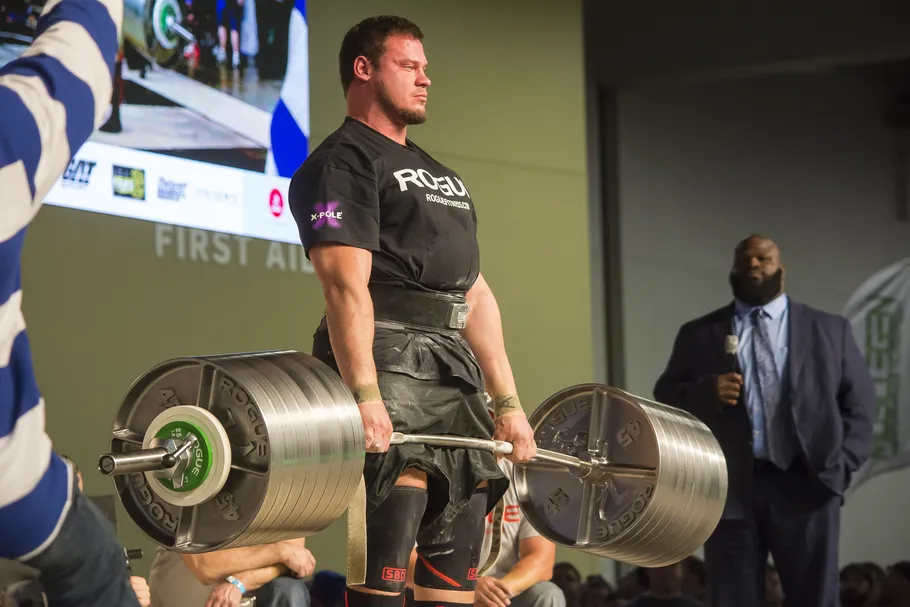
A deadlift shoe is a flat, thin-soled shoe built for one job: keeping your feet close to the floor while you pull. No heel, no cushion, no bounce — the sole is the whole idea. 🏋️
The pull starts at the floor, and every millimetre of sole is a millimetre you have to lift the bar further. A thin sole shortens the pull, and a sole that does not compress keeps the force going into the floor instead of into foam.
Know what a deadlift shoe is not. It is not a heeled weightlifting shoe, which raises the heel for the squat — our best weightlifting shoes covers that type. A heel helps you squat deep; on a deadlift it tips you forward.
It is not a cushioned cross-trainer either. A cross-trainer is built to absorb impact, and a deadlift shoe is built to refuse it — the cushion that saves your knees on a run steals your force on a pull.
And it is not a raised-heel squat shoe. A heeled shoe helps a squat and hurts a deadlift, and the heel is the whole difference between the two lifts.
It is not training barefoot either. Bare feet are the closest thing to the floor, and our best barefoot shoes for home gyms covers the protected version — a deadlift shoe is the barefoot idea with a sole between you and the platform.
The previous guide in this series, our best atlas stones for home gyms, covers the stone you lift after the shoes are on. A stone session starts with the feet planted, and a flat shoe keeps that plant honest.
In a home gym, the deadlift shoe earns its place on the floor you pull on. The bar starts on the ground, the feet start flat, and the shoe is the only thing between them.
How We Picked
We compared six deadlift shoes that are genuinely sold for home gyms right now, using maker records, listing records and roundup tests — not hands-on testing, and not roundup scores copied from other sites.
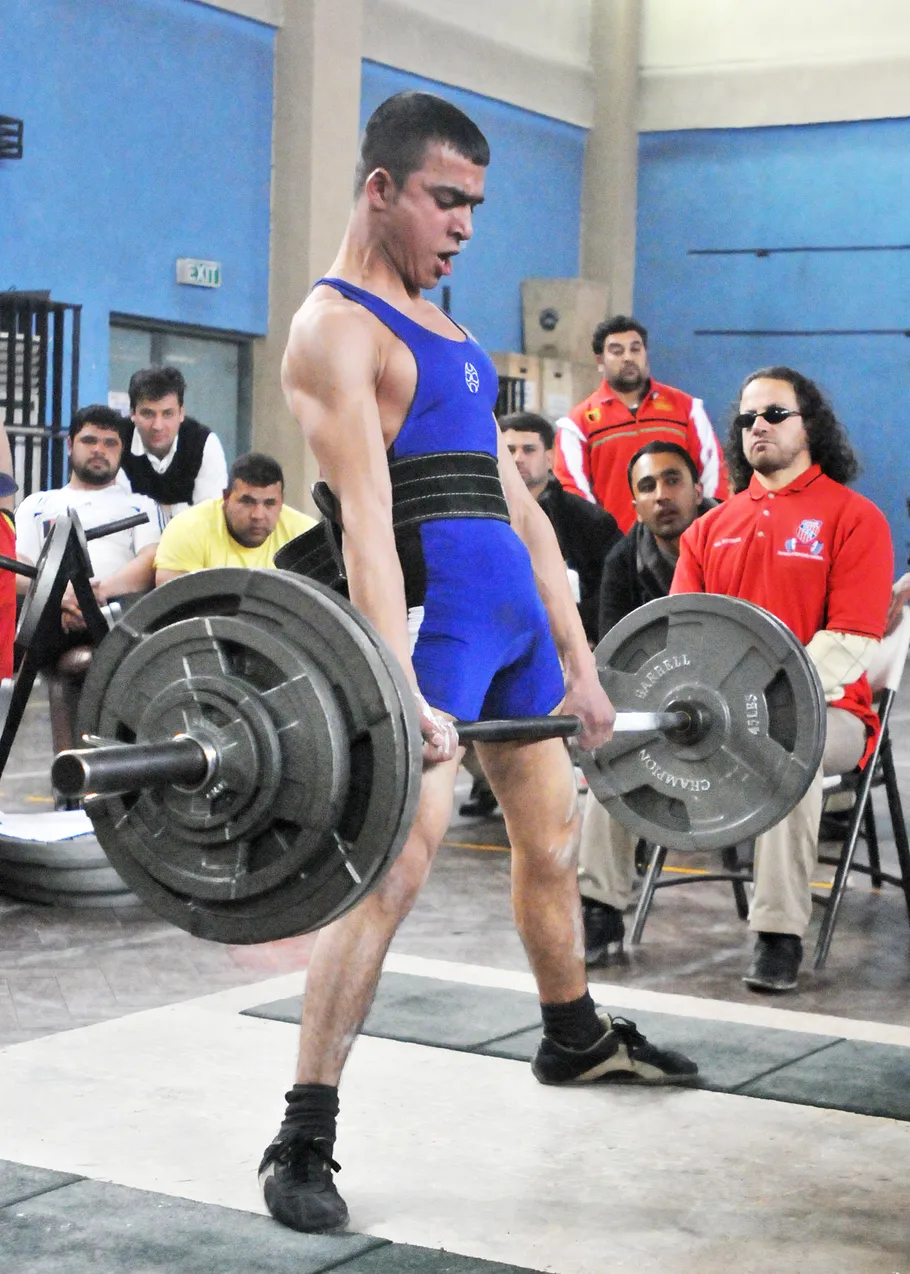
Every photo in this guide is an honest training scene, not a product shot of the named shoe, because free-license photos of the exact named shoes do not exist for this category — except the Converse pair, a genuine photo of the maker’s shoe in its low-top form, captioned as such.
Where records disagree, the article says so instead of picking the flattering number — and this category disagrees on the basics, because sole figures mix millimetres and marketing, drop figures differ between roundups, and prices move with every sale.
- Drop: the heel-to-toe difference in millimetres, and whether the figure is a maker figure or a roundup reading.
- Sole: the stated sole thickness, and whether the figure is a single number, a range, or not stated at all.
- Straps: the metatarsal and ankle straps that hold the foot, and whether the shoe relies on laces alone.
- Toe box: the width of the forefoot, and whether the toes can splay under load.
- Build: high-top or low, suede or canvas, and what survives a heavy pull.
- Price: the stated price as sourced — list, street and third-party prices kept apart, never blended.
Also considered: Vivobarefoot Primus Lite III and Xero Shoes Prio — both already picks in our barefoot-shoes guide, so not re-picked here.
Also considered: the Sabo GoodLift, a different Sabo model with a 5 mm sole and a 30 mm strap, built for squats and deadlifts — a real shoe, but the PRO is the dedicated deadlift model.
Also considered: Strength Shop Riot Deadlift Slippers ($25 per Legion Athletics — a real budget slipper, but the Notorious Lift covers the slipper lane with a stated sole and an IPF approval).
Also considered: Feiyue FE LO 1920 (a budget canvas flat in roundups, but no verified current price or sole figure found); and NOBULL High-Top Trainers (a real high-top, but the NOBULL Trainer+ is already a pick in our cross-training shoes guide, and the high-top lane is covered by the Otomix).
Comparison
| Pick | Drop | Sole | Standout |
|---|---|---|---|
| Sabo Deadlift | 0–1 mm* | 2–5 mm | Classic, straps, splayed heel |
| Notorious Lift Sumo Sole Gen 5 | 0 mm | 3.8 mm | Sumo slipper, EE wide, IPF approved |
| Otomix Stingray Escape | 0 mm | Not stated | High-top, bodybuilding flat |
| ASICS Matflex 8 | Not stated | 5 mm | Wrestling-shoe flat, narrow fit |
| Converse Chuck Taylor All-Star High Top | 0 mm | Not stated | Everyday canvas flat |
| Bearfoot Ursus | 0 mm | 1.5 mm / ~3.5 mm* | Widest toe box, suede upper |
Read the table honestly. It carries no thinnest-sole crown on purpose: the Otomix and the Converse state no sole figure at all, the Ursus carries two conflicting figures, and the Sabo is a range — so a thinnest crown would rank a guess against a range.
The asterisks are the conflicts, printed in the pick sections too. The Sabo drop is 1 mm per Legion Athletics and 0 mm per Kingofthegym — so the table shows the 0–1 mm range, not a settled figure.
The Ursus sole is 1.5 mm per BarefootBrit and about 3.5 mm per a wide-feet roundup — so the table shows both, not one.
Two more honesty notes. The Matflex states no drop figure, and the Converse drop is the roundups’ flat reading — a flat sole with no elevated heel — not a maker figure. The table shows what the records say, and nothing they do not.
It carries no price column either: prices mix list prices, street prices and third-party prices, and the Otomix and the Matflex are quoted in ranges — so prices sit in the pick sections as sourced, in their own currency.
It carries no weight column: only the Converse states a weight, about 14.3 oz in a size 10 per That Fit Friend — so a weight ranking would compare one stated figure against five silences.
Sabo Deadlift
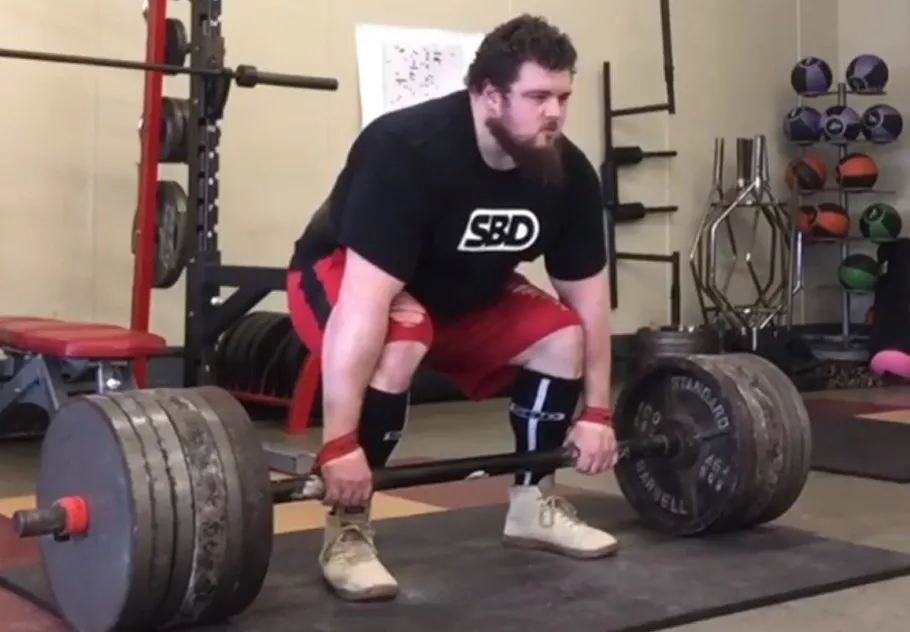
The Sabo Deadlift is the classic pick because it is the shoe this category is measured against: a dedicated deadlift shoe with a metatarsal strap, an ankle strap and a splayed heel, built to lock the foot to the floor.
You lace it up, strap it down, and pull — and the straps are the point: they hold the midfoot and the ankle so the foot cannot slide inside the shoe when the bar leaves the floor. 🥾
The sole runs 2 to 5 mm thick, per Legion Athletics, with a 1 mm drop. The price is $110, per the same roundup.
The record carries two flags, and both are printed here. First, the drop: Legion Athletics says 1 mm, while Kingofthegym says 0 mm — so the drop is unsettled, and this guide does not crown it either way.
Second, Sabo is a Russian company, and Legion Athletics notes that sourcing can be challenging — so check the seller and the shipping before ordering, not after.
And do not confuse it with the Sabo GoodLift: a different Sabo model with a 5 mm sole and a 30 mm strap, built for squats and deadlifts — the PRO is the dedicated deadlift shoe, the GoodLift is the mixed-use one.
Pros
- Dedicated deadlift shoe — metatarsal strap, ankle strap and splayed heel.
- Thin 2–5 mm sole keeps the pull short.
- The classic of the category — the reference pick.
Cons
- Drop unsettled — 1 mm per Legion Athletics, 0 mm per Kingofthegym.
- Russian maker — sourcing can be challenging per Legion Athletics.
- No stated weight — the sole is the only hard figure.
Listing check: confirm the Sabo Deadlift PRO (not the GoodLift, not a weightlifting shoe) before ordering, and check the size, the straps and the price from that listing itself.
If the listing shows a heeled shoe, it is a different product, not this pick, and if it shows no strap, check the model name before ordering.
Best for: a buyer who wants the classic dedicated deadlift shoe — straps, a thin sole and a splayed heel, built for the pull and nothing else.
May not fit: anyone who wants a settled drop figure, anyone who will not wait on sourcing, or anyone who wants one shoe for squats and deadlifts.
Notorious Lift Sumo Sole Gen 5
The Notorious Lift Sumo Sole Gen 5 is the sumo pick because it is built for the wide stance: a 3.8 mm zero-drop sole, a wide EE toe box and two straps that lock the midfoot and the forefoot without squeezing the toes.
You slip it on, strap it down, and pull sumo — and the width is the point: the EE toe box lets the toes splay fully, so the forefoot can spread across the platform and drive. 🩴
The sole is 3.8 mm with zero drop, and the Novus 3.0 Griptech outsole grips the floor with 15% more grip and 10% more durability than the previous compound, per the maker-side record. The price is $79.99, with a special-edition Limit Breaker V2 at $84.99.
The record carries one flag, and it is printed here. The 15% grip and 10% durability figures are the maker’s own comparison against the previous compound — so they are a maker claim, not an independent test.
The shoe is IPF approved, per the maker-side record — so it is legal on the platform where the federation’s rules apply, and the dual-strap lockdown is the feature that holds the foot through the pull.
Pros
- Sumo-built — 3.8 mm zero-drop sole, EE wide toe box, dual straps.
- IPF approved for competition.
- The slipper lane at $79.99 — the cheapest dedicated shoe here.
Cons
- A slipper, not a shoe — no ankle support for lifters who want it.
- Grip and durability gains are maker-stated, not independently tested.
- The special edition costs $5 more for the same sole.
Listing check: confirm the Notorious Lift Sumo Sole Gen 5 (not a Gen 4, not a Radix) before ordering, and check the size, the straps and the price from that listing itself.
If the listing shows a single strap, it is a different model, not this pick, and if it shows no EE width, check the size chart before ordering.
Best for: a sumo puller who wants the widest toe box and the thinnest stated sole — a slipper built for the platform.
May not fit: anyone who wants ankle support, anyone who pulls conventional and wants a strapped shoe, or anyone who needs a shoe for more than the deadlift.
Otomix Stingray Escape
The Otomix Stingray Escape (model M3000) is the high-top pick because it is the bodybuilding flat: a high-top, zero-drop shoe with a thin flat sole, built for lifters who want the ankle covered.
You lace it to the top and pull — and the height is the point: the high-top wraps the ankle, so the foot feels held through the pull in a way a low shoe never does. 👟
The list price is $125 for the black model, per CamelCamelCamel, with third-party prices from $109 to $149. The drop is zero, heel to toe, and the sole is thin and flat.
The record carries two flags, and both are printed here. First, there is no metatarsal strap on this shoe — so the lockdown comes from the laces alone, and a lifter who wants a strapped midfoot should look at the Sabo or the Notorious Lift instead.
Second, the price moves with the colour: the purple model lists at $119, against the black model’s $125 — so check the colour on the listing, because the price you pay depends on which one you pick.
And do not confuse the model: the Stingray Escape is the M3000, and Otomix sells other high-tops under the Stingray name — so check the model number on the listing, not just the name.
Pros
- High-top coverage — the ankle is wrapped, not bare.
- Zero drop with a thin flat sole.
- The bodybuilding flat — a gym classic.
Cons
- No metatarsal strap — the laces do all the holding.
- No stated sole thickness — thin is the only figure.
- Third-party prices spread $109 to $149 — check the seller.
Listing check: confirm the Otomix Stingray Escape M3000 (not another Otomix high-top) before ordering, and check the size, the height and the price from that listing itself.
If the listing shows a strap, it is a different shoe, not this pick, and if it shows no model number, check with the seller before ordering.
Best for: a lifter who wants a high-top flat — ankle coverage, zero drop and a bodybuilding look.
May not fit: anyone who wants a metatarsal strap, anyone who wants a stated sole figure, or anyone who pulls in a low shoe.
ASICS Matflex 8
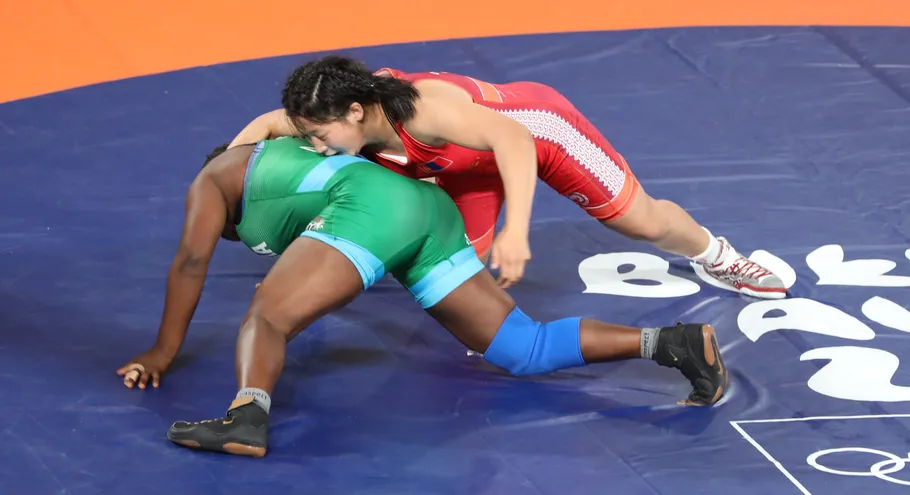
The ASICS Matflex 8 is the wrestling-shoe flat because it is a mat shoe that pulls: a 5 mm sole, a flat build and a grip that was made for a mat, at about $55 to $75 per Grapplers Graveyard’s 2026 review.
You lace it up and pull — and the mat grip is the point: a wrestling shoe is built to hold the floor under lateral force, and a deadlift asks the same of a shoe. 🤼
The sole is 5 mm, per a sole roundup, and the price is about $55 to $75 per the same 2026 review. The Matflex 6 listed at about $60, so the line has held its price across generations.
The record carries one flag, and it is printed here. The fit runs narrow — so a wide-footed lifter should size up or look at the Bearfoot Ursus instead, and a narrow shoe that pinches is a shoe that will not hold the floor.
And the traction is not settled: the same review notes inconsistent traction on sweaty mats — so the grip that holds on a dry platform can slip when the mat is wet.
Pros
- Wrestling-shoe flat — 5 mm sole, flat build, mat grip.
- The cheapest pick here at about $55 to $75.
- A real mat shoe, not a fashion flat.
Cons
- Narrow fit — wide feet should size up or look elsewhere.
- Traction can slip on sweaty mats per the review.
- No stated drop figure from the maker — flat is the roundup’s reading.
Listing check: confirm the ASICS Matflex 8 (not the Matflex 6, not another ASICS wrestling shoe) before ordering, and check the size, the sole and the price from that listing itself.
If the listing shows a different Matflex generation, it is a different shoe, not this pick, and if it shows no size chart, check the fit before ordering.
Best for: a buyer who wants the cheapest flat — a wrestling shoe that pulls, at a mat-shoe price.
May not fit: anyone with wide feet, anyone who trains on a sweaty mat, or anyone who wants a dedicated deadlift shoe.
Converse Chuck Taylor All-Star High Top
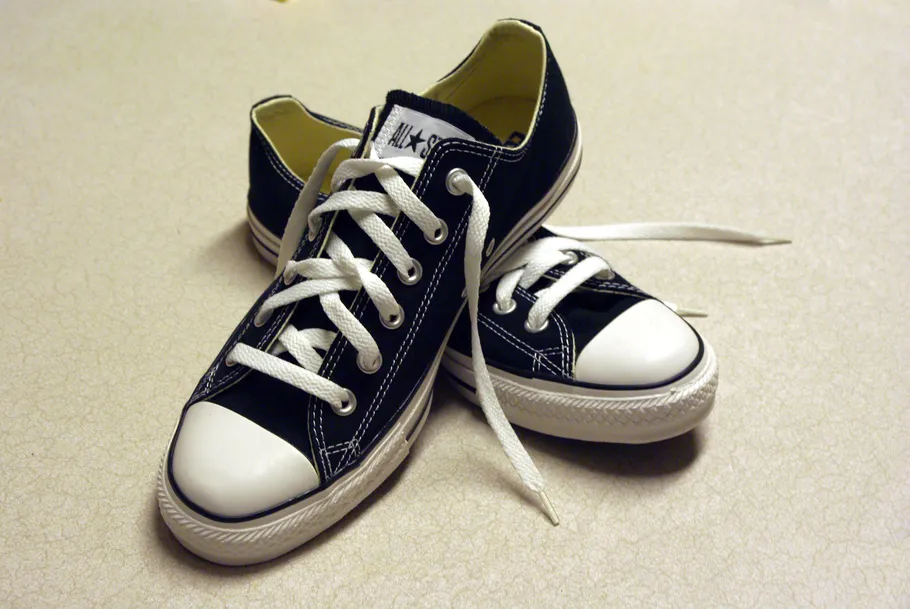
The Converse Chuck Taylor All-Star High Top is the everyday flat because it is the shoe lifters already own: a flat canvas shoe with a hard rubber sole that barely compresses, at $65 from Converse.
You lace it to the top and pull — and the flatness is the point: no heel, no cushion, no bounce, just a hard rubber sole between your foot and the floor. 👟
The list price is $65 for the high top and $60 for the low top, per Stridewise. That Fit Friend puts the street price at $40 to $60, and the weight is about 14.3 oz in a size 10.
The record carries one flag, and it is printed here. The newer models carry more cushioning than the older ones, per That Fit Friend — so a new pair is a softer shoe than the classic, and a lifter who wants the hardest sole should check the model before ordering.
And the photo is honest about the form: it shows the low-top version of the same shoe, not the high-top pick — the canvas, the laces and the flat sole are the same, and the height is the only difference.
Pros
- The everyday flat — canvas, hard rubber, no heel.
- $65 list, $40 to $60 on the street — the cheapest way in.
- The only pick here with a stated weight: 14.3 oz in a size 10.
Cons
- Newer models carry more cushioning — the classic hard sole is softening.
- No stated sole thickness — flat is the only figure.
- No strap — the laces do all the holding.
Listing check: confirm the Converse Chuck Taylor All-Star High Top (not the low top, not the Lift platform version) before ordering, and check the size, the height and the price from that listing itself.
If the listing shows a platform sole, it is a different shoe, not this pick, and if it shows no height, check the model name before ordering.
Best for: a buyer who wants the everyday flat — the shoe lifters already own, at the lowest price here.
May not fit: anyone who wants a dedicated deadlift shoe, anyone who wants a strap, or anyone who buys the platform version by mistake.
Bearfoot Ursus
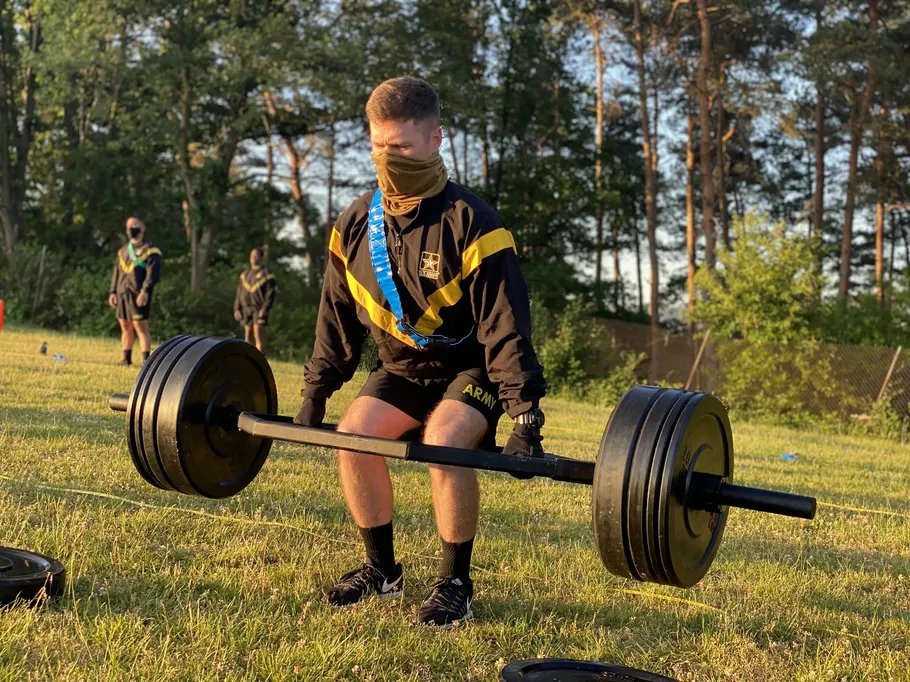
The Bearfoot Ursus is the wide-fit pick because it is built around the foot: an extra-wide anatomical toe box, a suede upper and a thin sole that lets the toes splay fully under load.
You lace it up and pull — and the width is the point: the toe box and the midfoot are wide with no aggressive taper, so the foot can spread across the platform instead of being squeezed into it. 🐻
The price is $99, per That Fit Friend. The sole is thin and flat, with a herringbone tread that grips wood platforms and rubber gym floors alike.
The record carries one flag, and it is printed here. The sole thickness is unsettled: BarefootBrit calls it a 1.5 mm rubber sole, while a wide-feet roundup puts it at about 3.5 mm — so the table shows both figures, not one.
And the generations differ: the Gen 2 has a thicker sole than the Gen 1, per a 2025 owner note, while staying flat — so check the generation on the listing, because the sole you get depends on which one ships.
Pros
- Widest toe box here — extra-wide, anatomical, no taper.
- Suede upper, built for lifting, not for running.
- Herringbone tread grips wood and rubber floors.
Cons
- Sole thickness unsettled — 1.5 mm per one source, about 3.5 mm per another.
- $99 is dear for a minimalist shoe, per That Fit Friend.
- Gen 2 is thicker-soled than Gen 1 — check the generation.
Listing check: confirm the Bearfoot Ursus (not another Bearfoot model) before ordering, and check the size, the generation and the price from that listing itself.
If the listing shows a different Bearfoot shoe, it is a different product, not this pick, and if it shows no generation, check with the seller before ordering.
Best for: a wide-footed lifter who wants the widest toe box — room to splay, a suede upper and a thin flat sole.
May not fit: anyone who wants a settled sole figure, anyone who wants the cheapest shoe, or anyone who needs ankle support.
How to Choose
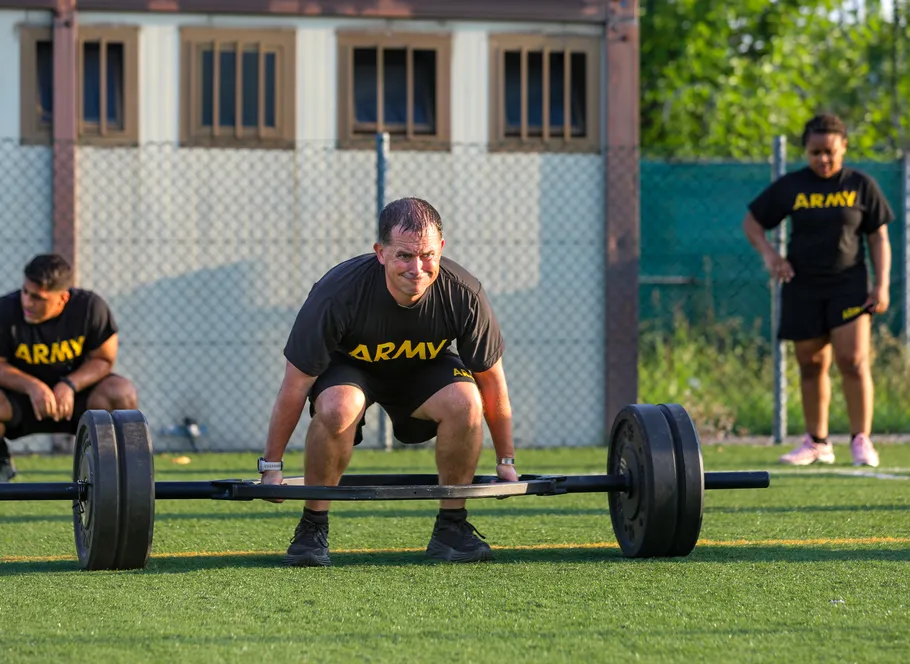
Choosing a deadlift shoe is choosing the sole first and the brand second: the classic, the sumo slipper, the high-top, the wrestling-shoe flat, the everyday canvas flat and the widest toe box all do the same job differently.
Start from the pull you already do — conventional or sumo, heavy or light — and buy the shoe that lets you do that work, not the shoe with the longest spec sheet.
The right one is the one whose drop, sole, straps and fit match your feet and your floor. The four sections below walk through type, size, features and placement in that order.
Choose Your Type
Pick the type by the pull you do most. A dedicated deadlift shoe — the Sabo and the Notorious Lift — is the strapped lane: built for the pull, with straps that hold the foot through the lift.
A high-top — the Otomix — is the covered lane: the ankle is wrapped, and the shoe feels held in a way a low shoe never does.
And a flat from another sport — the Matflex wrestling shoe and the Converse canvas shoe — is the borrowed lane: a mat shoe and a street shoe that both happen to be flat, thin and honest.
None of these types is a heeled shoe. A heeled shoe raises the heel for the squat, and a deadlift shoe keeps the heel on the floor — the heel is the whole difference. Our best squat shoes for home gyms covers heeled footwear in full.
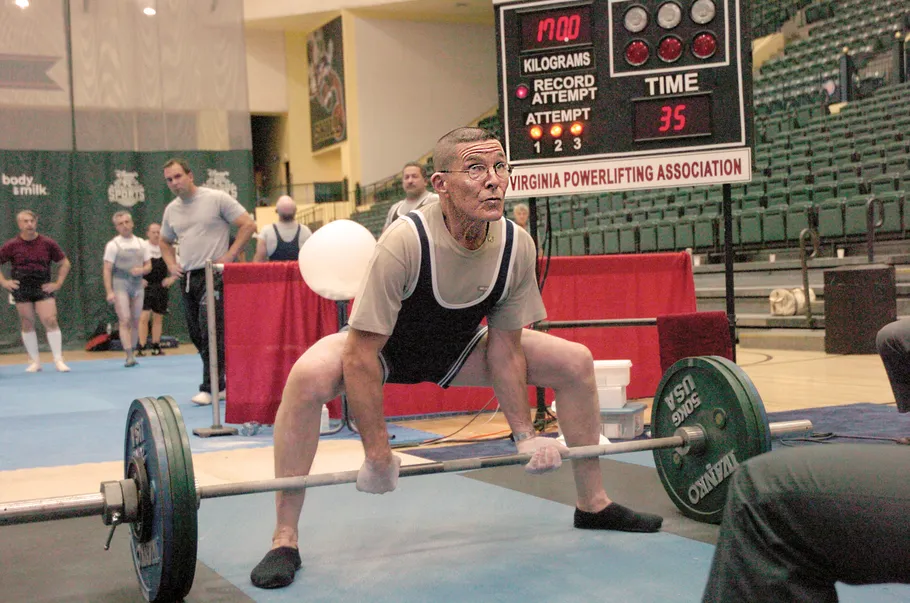
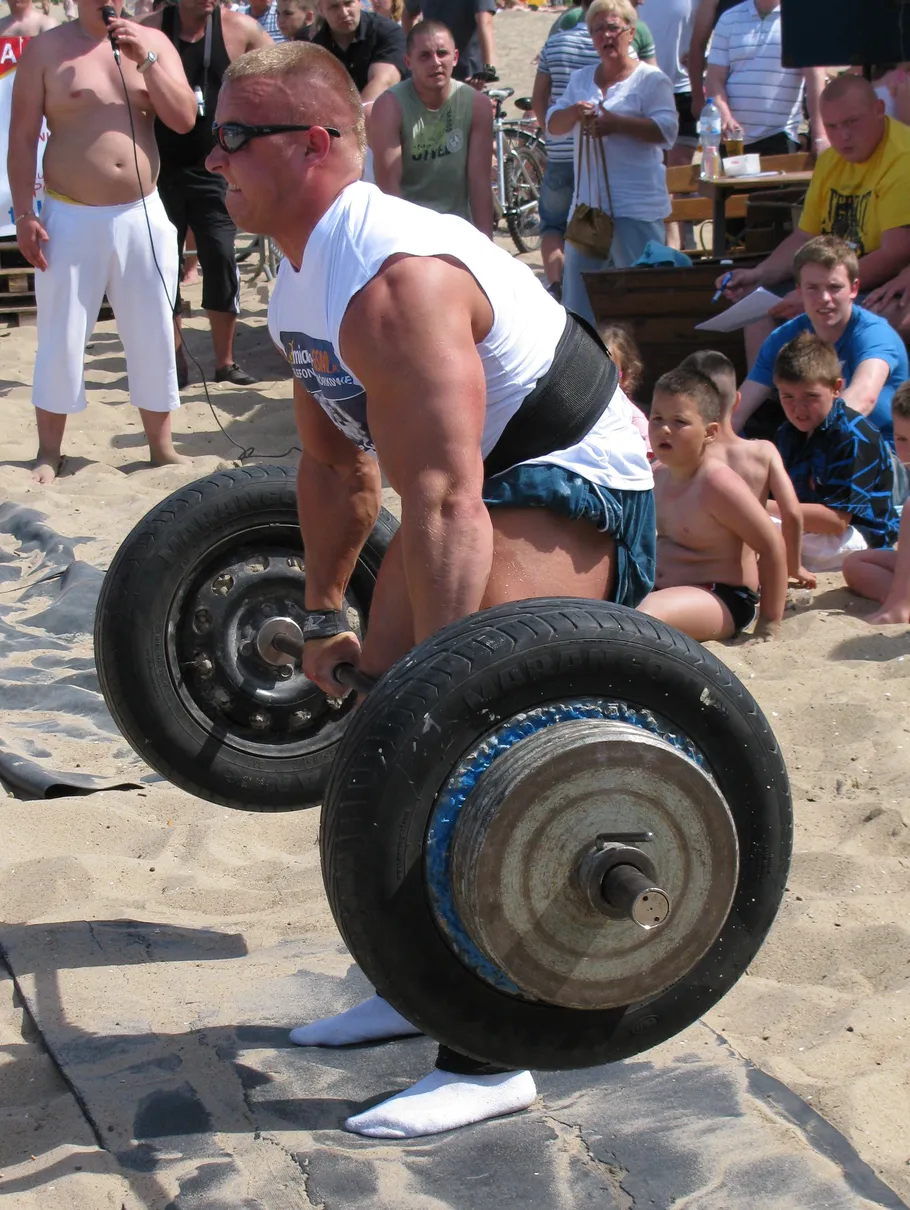
And none of them is a bare foot either. The photo shows a lifter pulling in socks on a beach — the closest thing to the floor, and the reason a deadlift shoe exists at all: the same closeness, with a sole between you and the platform.
If your main work is sumo, the slipper is the honest lane; if your main work is conventional, the strapped shoe is the honest lane — and neither type is a running shoe, which is built to bounce, not to hold.
Choose Your Size
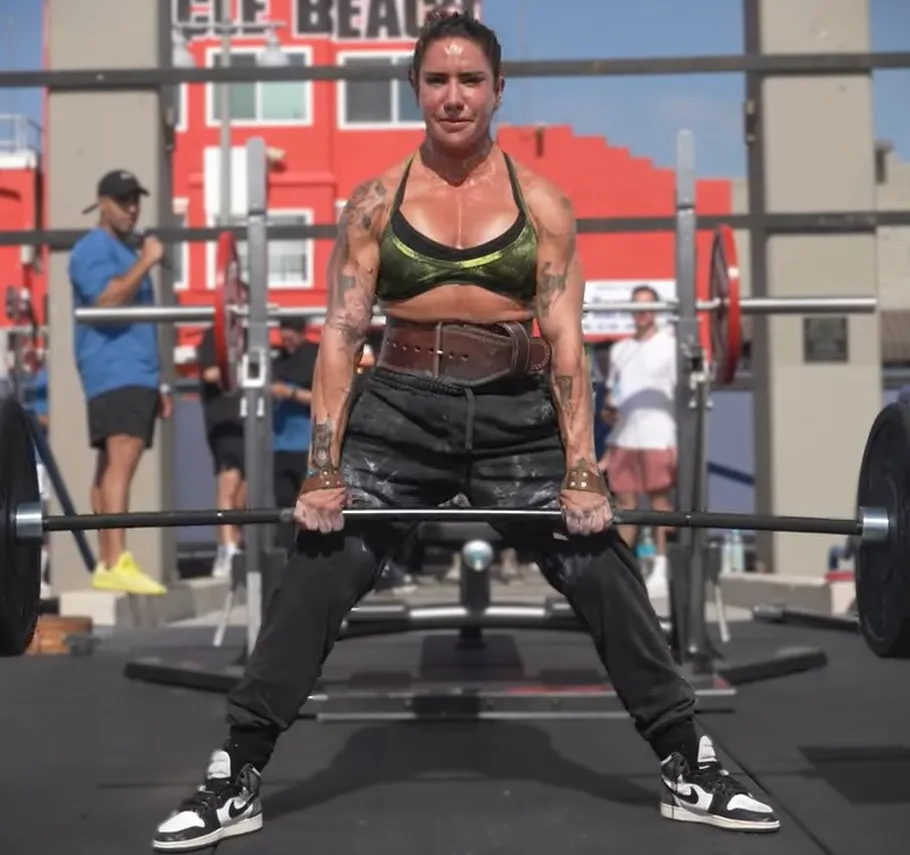
Pick the size by the shoe, not the label. Deadlift shoes are sized by the foot, and the makers do not agree on what a size means: the Sabo runs on its own chart, the Notorious Lift runs EE wide, and the Matflex runs narrow.
So check the maker’s own size chart on the listing before ordering, not after — the width sets the fit, and the length sets whether your toes can splay.
The Notorious Lift is the wide one here, with an EE toe box built for splay. The Bearfoot Ursus is the widest, with an anatomical box that fits up to 4E widths per a wide-feet roundup.
The Matflex is the narrow one: a wide-footed lifter should size up or look at the Ursus instead, and a narrow shoe that pinches is a shoe that will not hold the floor.
And check the return window before ordering, whatever the shoe: a deadlift shoe that pinches will not stretch by next week, and a size that is wrong on arrival is a size you will not pull in.
A shoe that fits is a shoe you forget — and if you are between sizes, the wider fit is the honest choice for a deadlift, because the toes need room to spread.
Choose Your Features
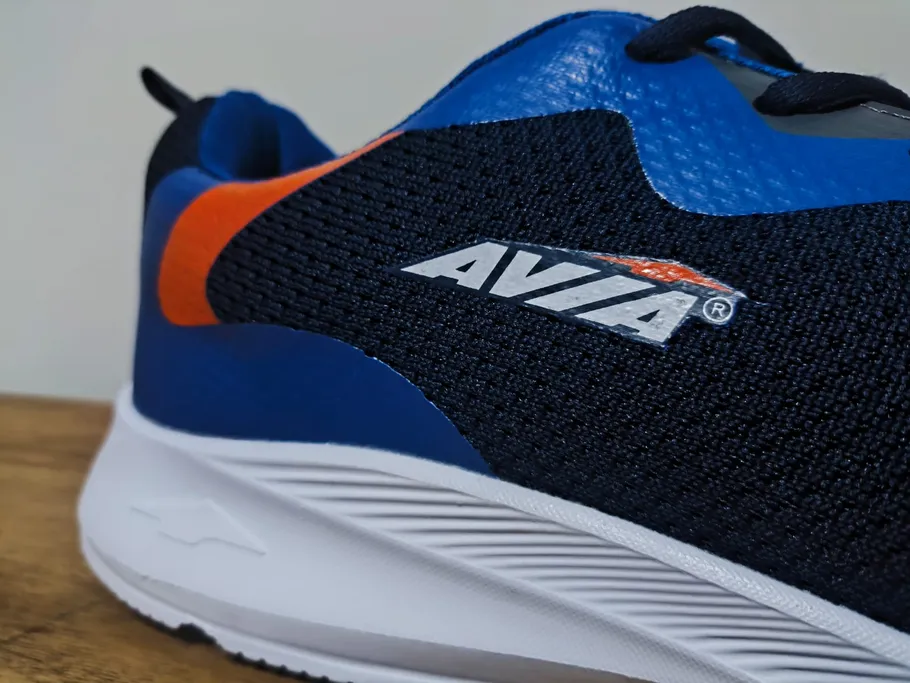
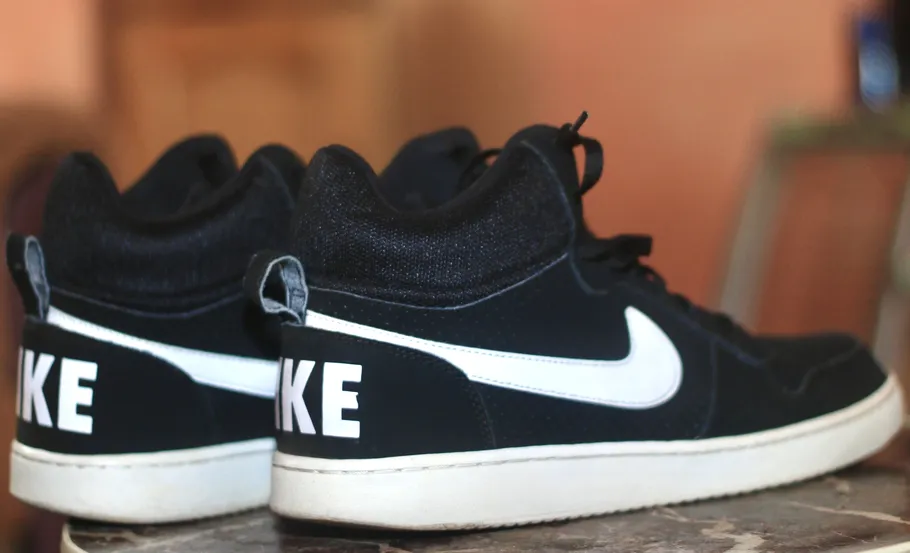
Pick the features by what you will feel every session. The sole comes first: a thin, hard sole keeps the pull short, and a soft sole steals it — the photo shows a cushioned running shoe, the soft sole a deadlift shoe avoids.
So check the sole on the listing, not from a photo, before ordering — the thickness in millimetres, not the marketing word.
The straps come second: the Sabo’s metatarsal and ankle straps and the Notorious Lift’s dual straps hold the foot through the pull, while the Otomix and the Converse rely on laces alone.
And the toe box comes third: the Ursus is the widest here, the Notorious Lift is EE wide, and the Matflex is narrow — so check the width on the listing, not the length alone.
The grip comes fourth: the Ursus herringbone tread and the Notorious Lift Novus 3.0 compound are the stated grips here, and the Matflex traction can slip on a sweaty mat — so check the floor you pull on, not just the shoe.
And check the small print on every feature before ordering: the drop where stated (the Sabo’s is unsettled), the generation where stated (the Ursus Gen 2 is thicker-soled), and the price where stated (the Otomix spreads $109 to $149). The feature that disappoints is always the one nobody checked.
Choose Your Placement
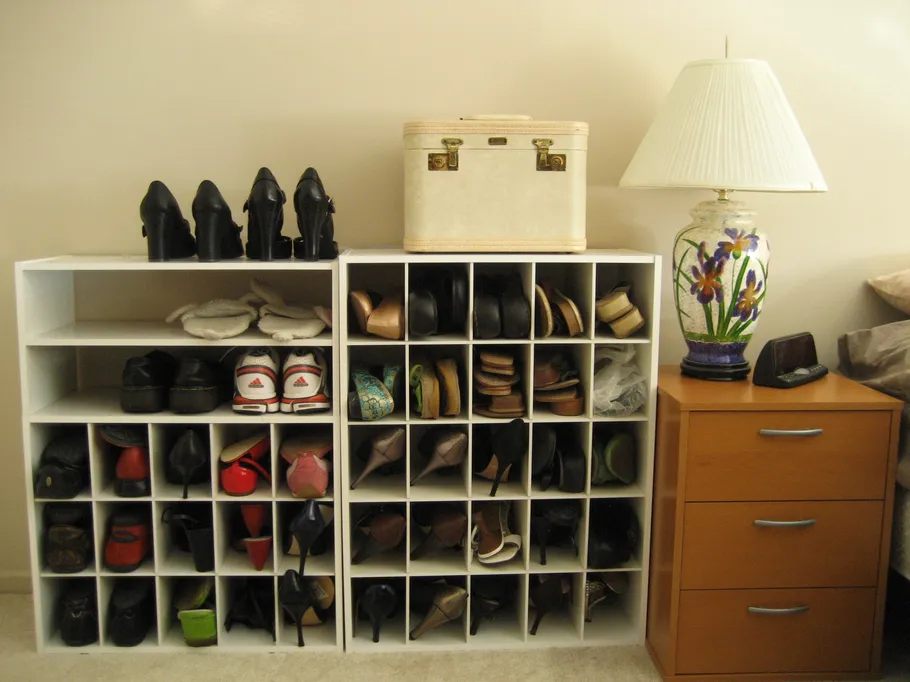
Pick the placement by where the shoes live between workouts. A deadlift shoe needs a spot by the door, not a shelf: it lives in the gym bag, on the rack by the platform, or by the door you leave through.
And the test is whether it is on your feet when the session starts. The shoe that lives in the bag gets pulled in; the shoe that lives in the wardrobe gets forgotten.
Put the shoes where the session starts, not where the room ends: a pair by the platform gets worn every session, and a pair stored in the garage gets skipped.
Whatever spot you pick, keep the pair together and the laces loose — a shoe that is ready to step into is a shoe that gets worn, and a shoe buried under the running shoes is a shoe you will skip.
A deadlift session shares its floor with the bar, and the bar is the other half of the pull. Our best deadlift bars for home gyms covers the bars in full.
Safety
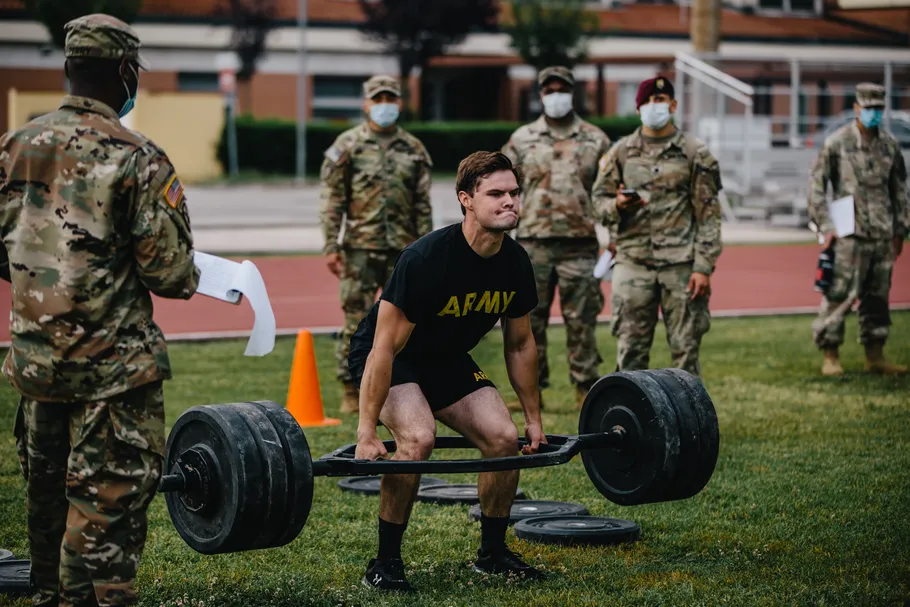
1. Warm up first: five minutes of easy movement before any heavy pull, so the hips, the back and the grip are warm before the bar loads them.
2. Start light: pull the lightest load cleanly before moving up — a bar that is too heavy to hold is a bar that will pull you forward, and the floor is not a spotter.
3. Keep the bar close: the bar stays against the shins, the hips drive through, and the lockout is one controlled move — a bar held away from the body loads the lower back, not the legs.
4. Never round the back under load: a flat back is the position, and a rounded back under a heavy bar is the injury — set the back before the bar leaves the floor, and reset it every rep.
5. Stop on sharp pain: a burn in the legs is training, a sharp or shooting pain in the back, the biceps or the knees is a stop signal — end the set, not the rep, and do not push through it.
6. Keep children and pets clear of the lifting area: a dropped bar lands the same whatever you wear, and no shoe or glove is a shield against a falling plate.
7. Back, biceps or knee pain that keeps coming back is a clinician’s question: see a clinician before buying shoes to fix it, and do not use any pick here as treatment for a back, biceps or knee condition.
This guide is general information only, not medical advice. If you have a back, biceps or knee condition, are recovering from surgery, or are pregnant, talk to a clinician before using a deadlift shoe.
Frequently Asked Questions
Will deadlift shoes fix my back or my knees?
No — this guide makes no treatment claim for any pick here. A deadlift shoe is a training tool for healthy lifters, not a treatment for back, biceps or knee pain.
Pain that keeps coming back, shoots down a leg, or follows an injury is a clinician’s question, not a shopping question. See a clinician first, and buy shoes only for training, not for fixing.
Can I deadlift in socks instead of shoes?
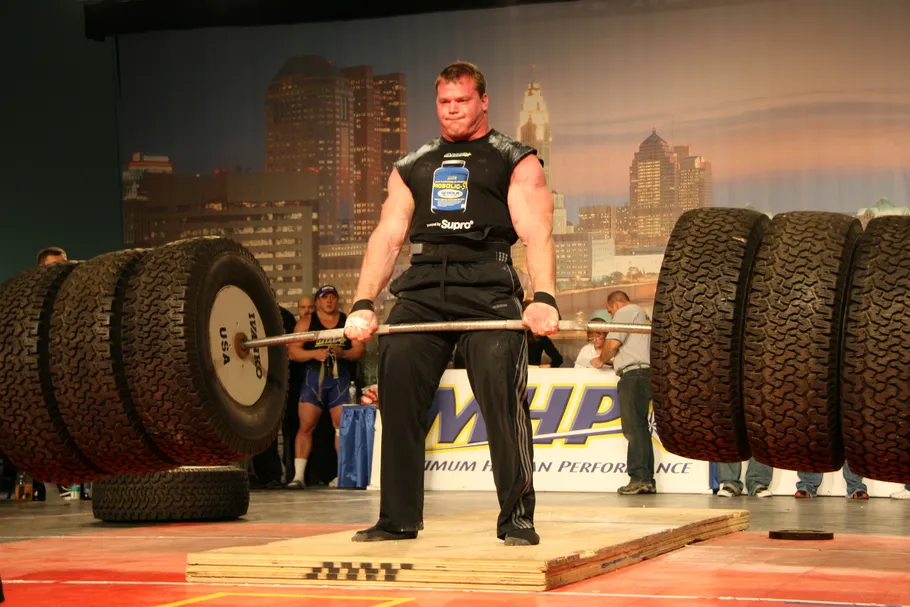
Yes — and the photo shows a strongman pulling in socks, with tyre plates on the bar. Socks are the closest thing to the floor, and many lifters pull in them.
But socks give no grip, no protection and no strap, and most gyms want shoes on the floor — so a deadlift shoe is the same closeness with a sole, a tread and a strap between you and the platform.
Is a deadlift shoe the same as a weightlifting shoe?
No. A weightlifting shoe has a raised heel for the squat, while a deadlift shoe is flat — and the heel is the whole difference: one tips you forward on a pull, the other keeps you planted.
Do I need a different shoe for sumo and conventional?
Not always. The Notorious Lift Sumo Sole Gen 5 is built for the wide stance, with an EE toe box and dual straps, while the Sabo Deadlift suits either stance.
If you pull both ways, buy the shoe that fits the stance you pull most — and if you only pull sumo, the slipper is the honest lane.
How thin should the sole be?
As thin as the shoe honestly states. The Notorious Lift states 3.8 mm, the Sabo states 2 to 5 mm, and the Matflex states 5 mm — while the Otomix and the Converse state no figure at all.
A sole that states no figure is a sole you cannot compare, so check the listing before ordering, not after.
What goes under the shoes?
A floor that protects both the shoes and the room. Hard floors want a mat or tiles under a training area so a dropped bar does not crack the floor and the shoes do not slip, and a rubber floor still wants a mat so the bar does not roll.
Our best gym flooring for home gyms covers mats and tiles by room type in full. Whatever you put down, check it after the first week: a mat that has shifted has already told you the base is wrong.
Our Pick: Start Here
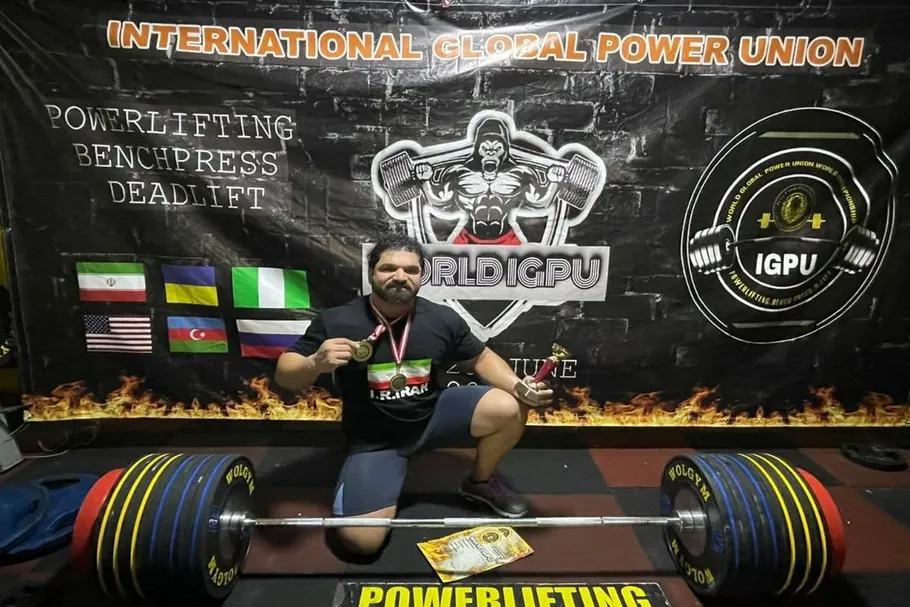
Start with the Sabo Deadlift if you want the classic dedicated deadlift shoe — straps, a thin sole and a splayed heel, built for the pull and nothing else.
Start with the Notorious Lift Sumo Sole Gen 5 if you want the sumo slipper — the widest toe box, the thinnest stated sole and an IPF approval.
Start with the Otomix Stingray Escape if you want a high-top flat — ankle coverage and zero drop — the ASICS Matflex 8 if you want the cheapest flat, and the Converse Chuck Taylor All-Star High Top if you want the everyday flat.
Start with the Bearfoot Ursus if you want the widest toe box — room to splay, a suede upper and a thin flat sole.
Whichever you start with, check the listing’s own drop, sole, straps and size before ordering — the conflicts in this guide are the reason, not the excuse.
Disclosure: As an Amazon Associate, we earn from qualifying purchases made through links in this guide, at no extra cost to you.
Specs in this guide come from maker and listing records checked during research; where records conflict, the conflict is printed in the guide rather than resolved by picking one figure.