

Why Neck Machines Belong in a Home Gym
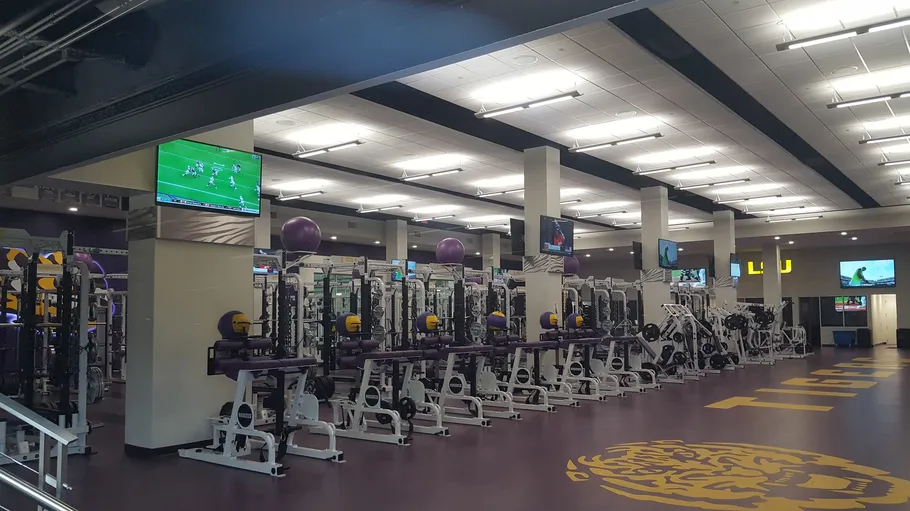
A neck machine is a station or trainer that gives the head a guided, loaded path. You sit in it, wear it or glide on it, and move your head forward, back and side to side against resistance that stays on the same track every rep — the machine holds the path steady while the neck muscles do the work. That guided path is the whole point: the neck is a small, sensitive area, and free weights near the head are awkward to load and hard to control. 💪
Know what a neck machine is not. It is not a neck harness — a strap with a chain that hangs plates off the head, where the load swings and the directions are limited to whatever the strap allows. It is not a wrestler’s bridge either, where bodyweight and balance do the managing with no guided path at all. And it is not a sport helmet: a helmet protects the head in play, it does not train the neck. A machine differs from all three because the resistance follows a track — a four-way pad, a rotating halo, a helmet frame, a gliding rail or a rack-mounted lever.
Neck training is routine for contact-sport athletes and lifters, and a home-gym neck station brings that work into a spare room or garage. If you came from our best tricep machines for home gyms, the previous guide in this series, this is the same home gym with a neck station added — a smaller, more careful job than an arm station, and one where the safety rules below matter more than the machine choice itself.
How We Picked
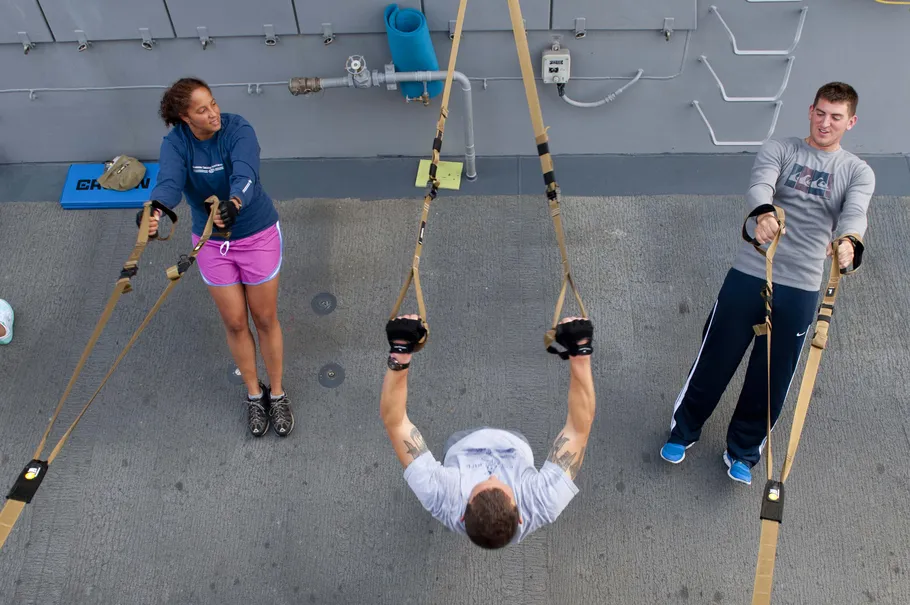
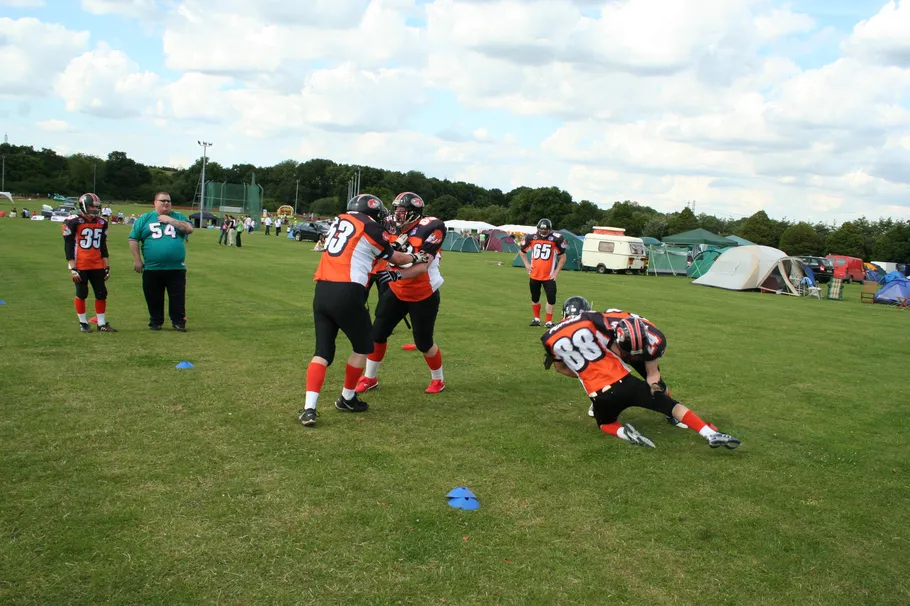
We compared six neck machines that are genuinely sold for home gyms right now, using maker pages and listing records — not hands-on testing, and not roundup scores copied from other sites. Every photo in this guide is an honest gym, clinic or field scene, not a product shot of the named machine, because free-license photos of the exact named products do not exist for this category. Where records disagree, the article says so instead of picking the flattering number.
- Type: seated 4-way station, rotating trainer, plate-loaded helmet, gliding trainer or rack-mounted lever — and what each path feels like.
- Resistance: plate sleeves, a resistance band, a gliding band set or a helmet rating — and what you already need to own to load it.
- Size: the floor space a freestanding station takes, and whether a wearable or glider needs floor space at all.
- Adjustability: seat height, head pads, band steps and glide travel, and whether they move without tools.
- Build: frame steel, pads, sleeves and anchors, read against the machine’s stated weight.
- Honest limits: what each machine cannot do, stated in its own section.
Also considered: the Neck Flex MMB Pro Series Kit (named, not picked — a harness kit of chain, band and door anchor, not a machine, so it would break the machine-versus-harness line this guide draws); the Kensui EZ-NECK MAX (named, not picked — a plate-post pad rated to 200 lb, with a thinner settled record than the EZ-HELM below); the Iron Neck 3.0 Pro (named, not picked — a variant of the 3.0 with a friction dial, not merged into the 3.0 pick); and the NecksLevel Glide base model (named, not picked — a different model from the Glide Pro, with lighter bands and shorter travel, not merged into the Pro pick). None of the six picks below hides a conflict like those — where a pick’s own records disagree, the disagreement is printed in its section.
Comparison

| Machine | Type | Resistance | Size | Standout |
|---|---|---|---|---|
| Titan Plate-Loaded 4-Way Neck Machine | Seated 4-way | Plate-loaded | 59 in tall; 38 × 26 in | Smaller seated footprint |
| Hammer Strength PL-4W | Seated 4-way | Plate-loaded | 60 × 36 × 69 in | Commercial build |
| Iron Neck 3.0 | Rotating trainer | Band, 25 lb included | Wearable; anchors included | 360° rotating track |
| Kensui EZ-HELM V2 | Plate-loaded helmet | Plate-loaded, to 100 lb | 2 lb frame | Lightest stated weight |
| NecksLevel Glide Pro | Gliding trainer | Bands, 1–8 lb | 20 × 6.5 × 2.3 in | Rehab protocols |
| Titan Rack-Mounted Neck Machine | Rack-mounted lever | Plate-loaded, 110 lb per roundup | Titan racks only; no footprint stated | Only rack-mounted pick |
Read the table honestly. It carries no capacity column on purpose: the six resistance figures are different measures, not one ranking — a plate load, a band weight, a helmet rating and a glider band range cannot be lined up against each other, so a capacity column would mislead. The Size column also mixes kinds of measurement on purpose: floor dimensions for the two freestanding seated stations, a frame weight for the helmet, a wearable form for the rotating trainer, a unit size for the glider, and a compatibility note for the rack-mounted unit — read each row on its own terms, not as a size ranking. The one whole-guide footprint claim the table does make is scoped: the Titan has the smaller footprint of the two freestanding seated machines (38 × 26 in against the Hammer’s 60 × 36 in), because the rack-mounted pick states no footprint and the wearables and the glider are not floor machines at all.
Titan Plate-Loaded 4-Way Neck Machine
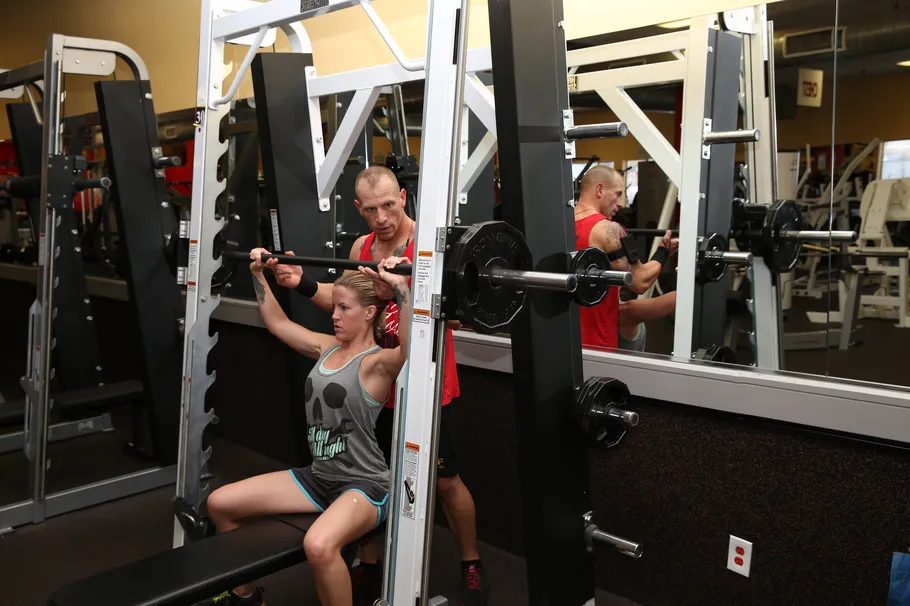
The Titan is the seated 4-way neck machine for a home gym: about 59 in tall on a 38 × 26 in footprint, built from 2 × 2 in 11-gauge steel, with a stated capacity of 175 lb and a unit weight of 86 lb. It loads plates on two 8 in sleeves, and the seat adjusts from 22 in to 34 in, so lifters of different heights can set the head pad to their own height. The four-way pad moves the head forward, back and side to side on the same station — the full neck range without changing machines.
Pros
- Smaller footprint of the two freestanding seated machines — 38 × 26 in of floor.
- Four-way pad on one station — forward, back and both sides without changing machines.
- Seat adjusts 22–34 in, with two 8 in plate sleeves for loading.
Cons
- Titan’s own listing details are thin — confirm the current model on the listing (see listing check).
- Needs plates to load — the machine alone gives you no resistance.
- 175 lb capacity comes from one review’s full spec list, not a maker page checked here.
Listing check: confirm the plate-loaded 4-way neck machine model and the 59 in height, 38 × 26 in footprint and 175 lb capacity before ordering. Titan’s own listing carries fewer details than the other makers here, so check the sleeve length, the seat adjustment range and the stated capacity on the listing itself rather than trusting a review summary.
Best for: a home gym that already owns plates and wants a seated four-way neck station in the smaller of the two seated footprints here.
May not fit: anyone without plates to load it, or anyone who wants a wearable trainer rather than a freestanding station.
Hammer Strength Plate-Loaded 4 Way Neck
The Hammer Strength is the commercial seated 4-way neck machine: model PL-4W, about 60 × 36 × 69 in in the order stated on its spec sheet, with a unit weight of 245 lb on 11-gauge steel frames. The head support is a rotating dual pad with a central gap for the ears, mouth and nose, so the face is not pressed flat against a pad, and the seat ratchets to height. It starts at just 2 lb of resistance and carries four weight horns, so small steps up from the lightest setting are possible on a machine built for a commercial floor.
Pros
- Commercial build — 11-gauge steel frames and a 245 lb unit weight.
- Rotating dual-pad head support with a central gap — the face is not pressed flat.
- Starts at 2 lb of resistance, with four weight horns and a ratcheting seat.
Cons
- Commercial price tier — expect a commercial-machine price, with no price quoted here.
- Dealer and direct availability — check the listing for how it is actually sold (see listing check).
- 60 × 36 in of floor — the larger of the two freestanding seated machines here.
Listing check: confirm model PL-4W and whether the listing is a dealer sale or a direct sale before ordering. Commercial machines are often sold through dealers with delivery and installation terms that differ from a standard retail listing, so read the delivery terms as well as the machine specs, and confirm the dimension order on the listing against the spec sheet.
Best for: a lifter who wants commercial build quality at home and has the floor space and the budget for it.
May not fit: small rooms (60 × 36 in plus working space around it), or anyone buying on a budget-machine budget.
Iron Neck 3.0

The Iron Neck 3.0 is the rotating trainer: a halo track that turns a full 360°, so the head can move through rotation as well as forward, back and side to side, with the band anchored behind you. It ships with AirFit inflatable padding, a 25 lb resistance band, three interchangeable front pads, a skull cap and anchors for home and gym use. The maker says the 3.0 line is 33% lighter and 20% smaller than the 2.0 line — a maker claim, stated as one, not a measurement taken here.
Pros
- 360° rotating track — rotation training no seated pad in this guide offers.
- AirFit inflatable padding with three front pads and a skull cap included.
- Home and gym anchors included, with a 25 lb band in the box.
Cons
- Band resistance is tuned by stepping back from the anchor — there is no numbered stack to select.
- The 3.0 Pro’s friction dial is a different model — do not expect it on the 3.0 (see listing check).
- Needs an anchor point and clear space behind you — not a sit-down-and-go station.
Listing check: confirm the Iron Neck 3.0 (not the 3.0 Pro) before ordering, and check which band weight the listing actually includes. The Pro’s friction dial is the visible difference between the two models, so if the listing shows a dial, it is the Pro, not this pick.
Best for: a combat-sport athlete or lifter who wants rotation training and already has somewhere to anchor a band.
May not fit: anyone who wants a numbered weight selection, or anyone without a solid anchor point and space to step back from it.
Kensui EZ-HELM V2
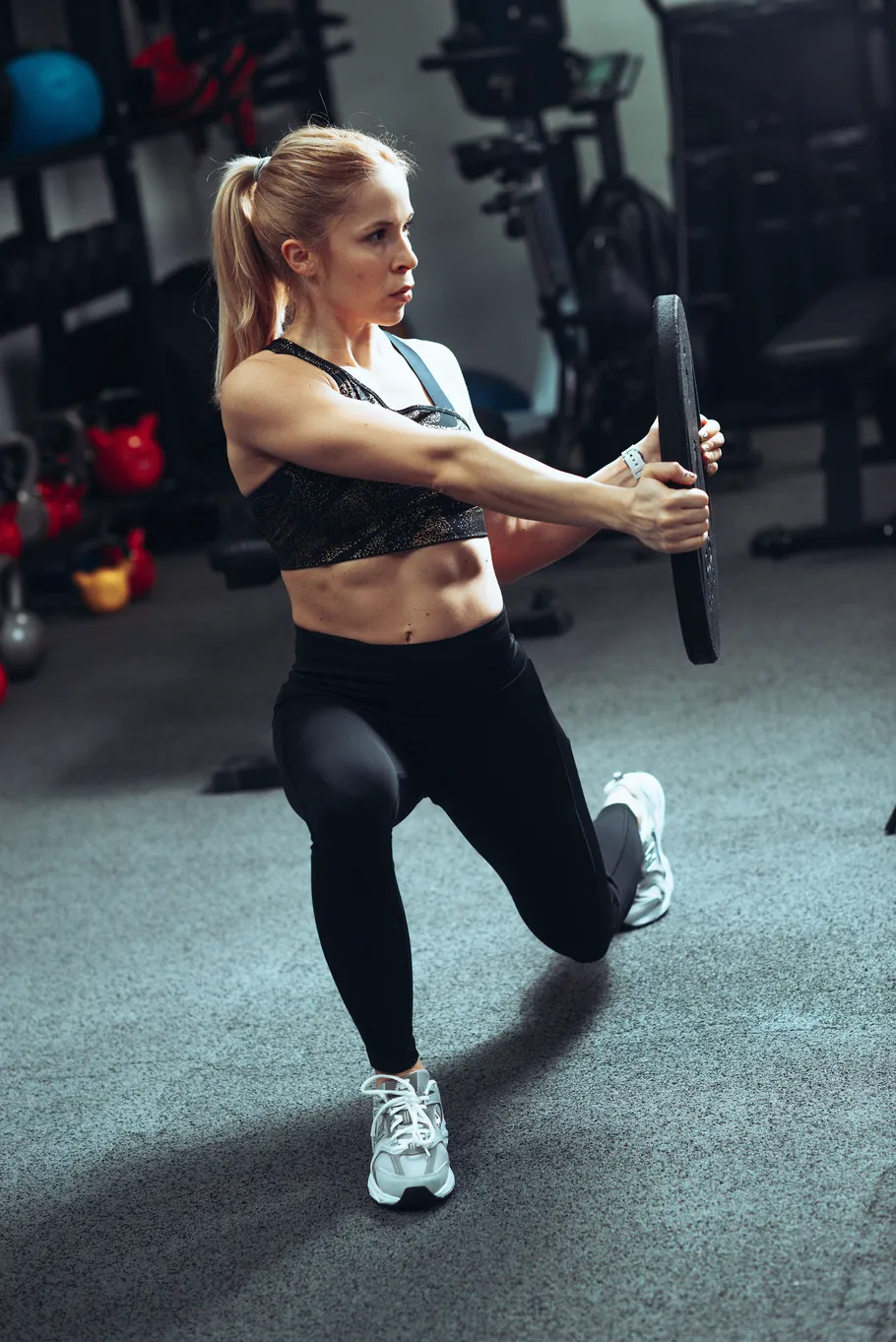
The Kensui EZ-HELM V2 is the plate-loaded helmet: a nylon-fiberglass frame weighing 2 lb (700 g), rated to 100 lb, worn on the head with plates hanging from two detachable sleeves. Each sleeve gives 3.5 in of loading space, 2 in Olympic plates fit out of the box, and 1 in plates need a separately sold adapter. The pads come in S, M and L, and a cam buckle plus a chin strap hold the frame in place while you move.
Pros
- 2 lb frame — the lightest weight stated for any pick here (see the weight note below).
- Rated to 100 lb on two detachable sleeves with 3.5 in of loading space each.
- S, M and L pads with a cam buckle and chin strap — sized, not one-size.
Cons
- Rotation needs a separately sold tube accessory per one review — it is not built in.
- 1 in plates need a separately sold adapter — only 2 in Olympic plates fit out of the box.
- Needs plates to load — the helmet alone gives you no resistance.
Listing check: confirm the EZ-HELM V2 (not the EZ-NECK MAX) before ordering, and check the pad size against the S, M and L range. If you own 1 in plates, add the adapter to the order — it is sold separately, and without it only Olympic plates fit.
Best for: a lifter who wants plate-loaded neck work without giving a room over to a station, and who already owns Olympic plates.
May not fit: anyone who wants rotation built in (it needs the extra tube), or anyone with only 1 in plates and no adapter.
Weight note: the 2 lb figure is the lightest weight stated for any pick in this guide — but the Iron Neck’s own weight was not in the records checked, so that comparison covers only the picks with a stated weight. The Glide Pro, the only other wearable with a stated weight, is 5.2 lb.
NecksLevel Glide Pro
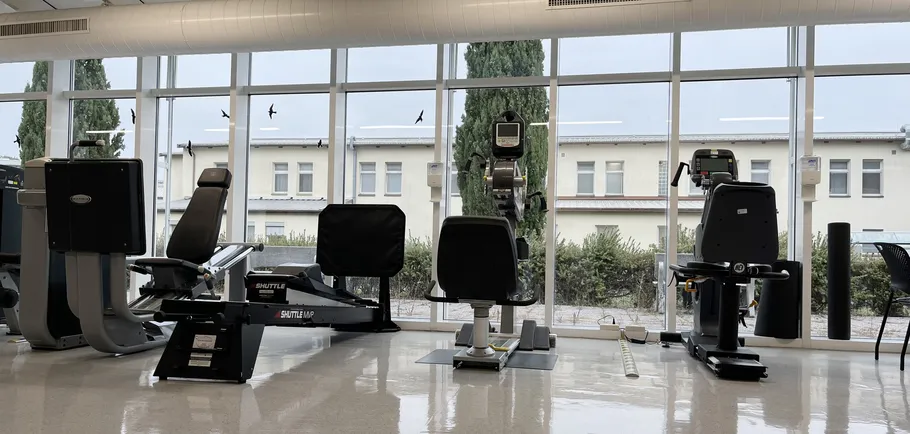
The NecksLevel Glide Pro is the gliding rehab trainer: a 20 × 6.5 × 2.3 in aluminum-alloy frame weighing 5.2 lb, on which the head glides through 11.5 in of SmoothGlide travel against six bands from 1 lb to 8 lb. A built-in MotionScale works as a goniometer, so range of motion can be read off the device itself, and the frame is wall-mount compatible. It ships with two physical-therapist-developed rehab protocols and follow-along videos — the only pick here built around a rehab program rather than a strength load.
Pros
- Gliding track with 11.5 in of travel — smooth, guided motion in a small frame.
- Built-in MotionScale goniometer — range of motion readable on the device.
- Two physical-therapist-developed rehab protocols with follow-along videos.
Cons
- 8 lb maximum is rehab-range, not strength-range — do not buy it as a heavy neck machine.
- Wall mount is an optional add-on, not included in the box.
- The base Glide is a different model — lighter bands and shorter travel (see listing check).
Listing check: confirm the Glide Pro (not the base Glide) before ordering, and check the band range on the listing: the Pro’s six bands run 1–8 lb with 11.5 in of travel, while the base model runs 1–4 lb with 10 in. If the listing shows the lighter range, it is the base model. Add the wall mount separately if you want it — it is not in the box.
Best for: someone returning to neck work carefully, or anyone who wants guided, measured, low-load gliding with a rehab program to follow.
May not fit: anyone chasing heavy neck loads — 8 lb is the ceiling here — or anyone who wants a freestanding station rather than a small gliding frame.
Titan Rack-Mounted Neck Machine
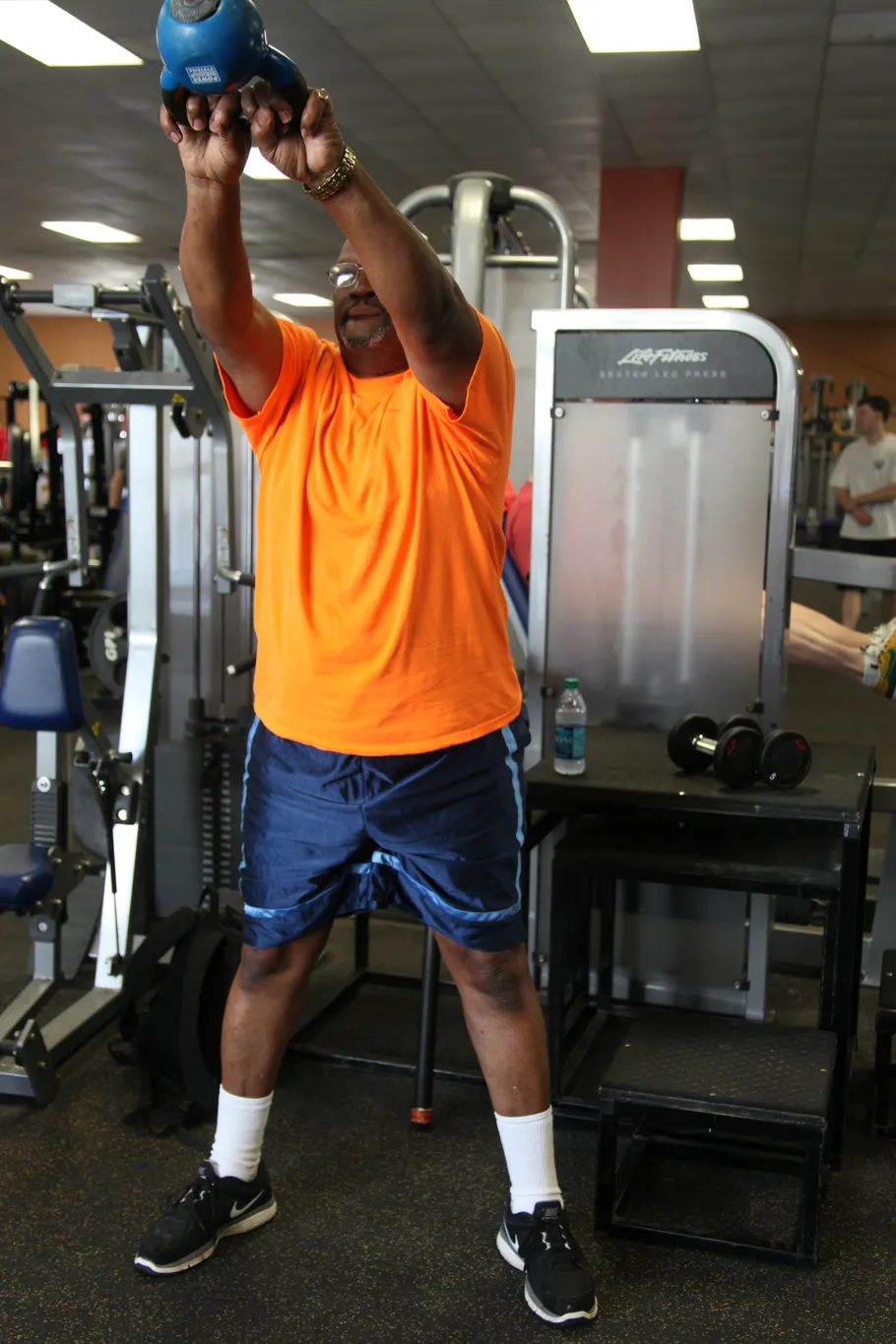
The Titan rack-mounted neck machine is the pick that bolts onto a rack instead of standing on the floor: a lever unit that fits Titan racks only, per one roundup, with a capacity of 110 lb per one roundup record. It is the same maker as the seated Titan above but a different product — the seated station stands alone, this one borrows its structure from a rack you already own. No footprint is stated for it, because it takes no floor of its own beyond the rack it hangs from.
Pros
- Only rack-mounted pick here — no extra floor footprint beyond your rack.
- Lever path on a rack you already own — no second station to place.
- 110 lb capacity per one roundup record — enough for progressive neck work.
Cons
- Fits Titan racks only per one roundup — other racks are not confirmed (see listing check).
- 110 lb capacity is a roundup record, not a maker figure checked here.
- Useless without a compatible rack — it is an attachment, not a standalone machine.
Listing check: confirm the rack-mounted neck machine model and your rack’s compatibility before ordering — Titan racks only, per one roundup, and other makers’ racks are not confirmed. Also confirm the 110 lb capacity on the listing, since it comes from a roundup record rather than a maker page checked here. Do not confuse this unit with the seated Titan above: same maker, different product, different mounting.
Best for: a Titan rack owner who wants neck work added to the rack without giving up floor space.
May not fit: anyone without a Titan rack, or anyone who wants a standalone station rather than a rack attachment.
How to Choose
Four decisions, in order: type, size, loading, placement. Get them in that order and the machine you buy is the machine you keep using. 🧭
Choose Your Type
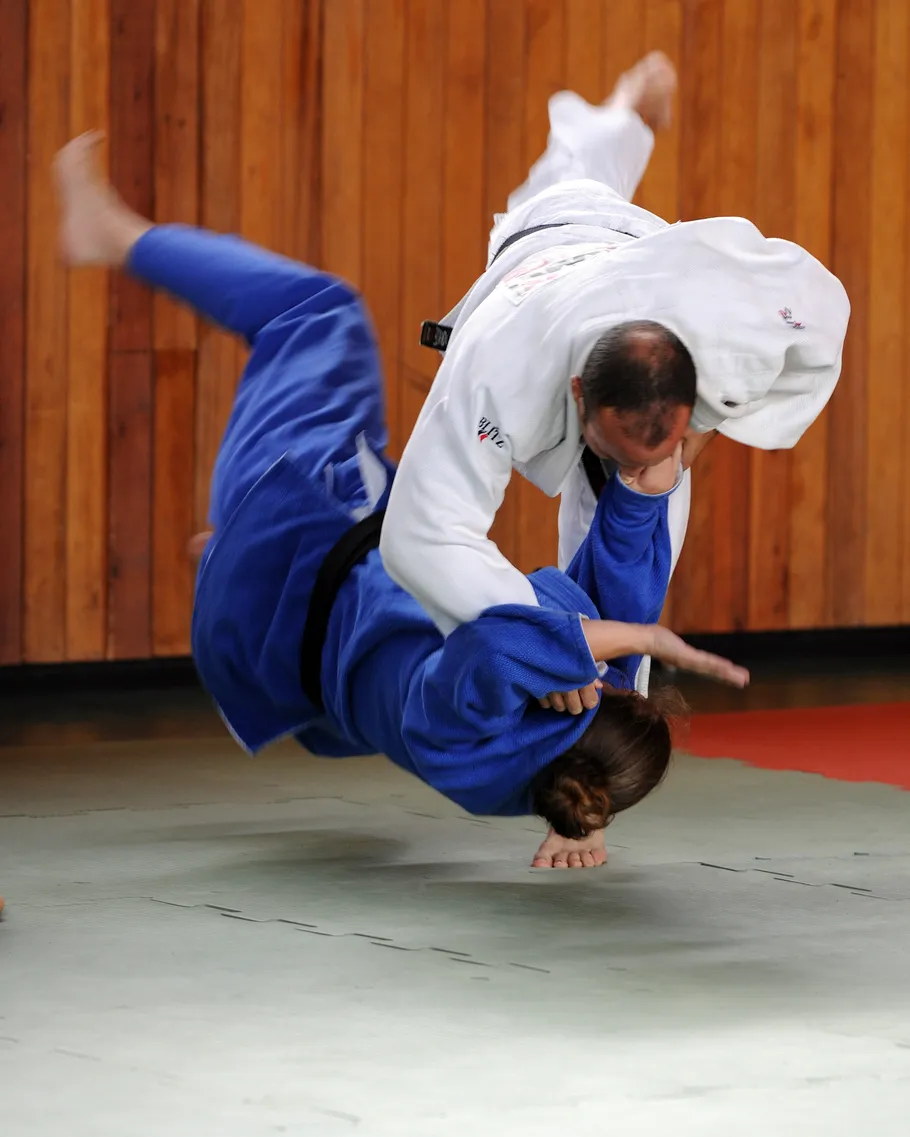
Seated 4-way stations move the head on a pad in four directions while you sit; rotating trainers follow the head through a full circle on a halo track; helmet trainers hang plates from a frame you wear; gliding trainers move the head along a short rail against light bands; rack-mounted levers borrow a rack’s structure for a guided pull. The six picks here cover all five forms: two seated stations, one rotating trainer, one helmet, one glider and one rack unit. A rotating trainer is the only form here that trains rotation as its main job — a seated pad moves side to side, but it does not turn the head through a circle.
Two links matter for the type decision. If you own a rack, the rack-mounted pick only makes sense on a compatible one — our best power racks for home gyms covers the racks themselves, and the Titan unit here fits Titan racks only. And if band resistance appeals to you, remember that bands are also the resistance in the glider and the rotating trainer — our best resistance bands for home gyms covers band training generally, though the bands on these trainers are their own sets, not general-purpose bands.
Choose Your Size
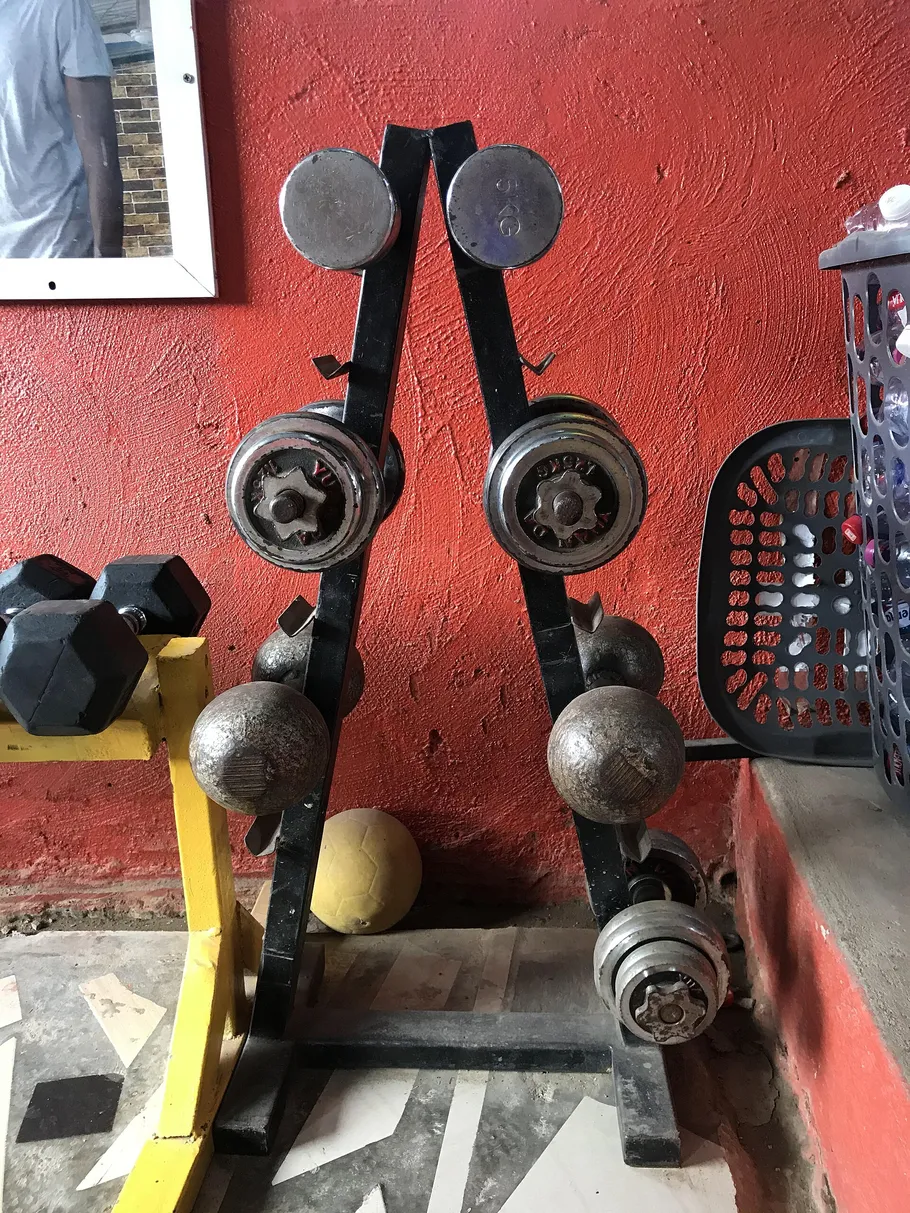
Measure twice: the footprint and the height. The freestanding seated machines here run from the Titan’s 38 × 26 in to the Hammer’s 60 × 36 in, and the Hammer stands 69 in tall while the Titan stands 59 in, so a low ceiling rules the Hammer out before anything else does. Add working space around the machine — you need room to load plates onto the sleeves or horns and to sit down and stand up, not just room for the frame itself.
Then read the size against your room, not the headline. The wearables and the glider need almost no floor: the helmet hangs on a hook, the glider is 20 in long, and the rotating trainer needs an anchor point and room to step back rather than a bay of floor. The rack-mounted unit needs no floor at all beyond the rack. If floor space is the constraint, the size decision alone pushes you toward the wearables, the glider or the rack unit — and away from both seated stations.
Choose Your Loading
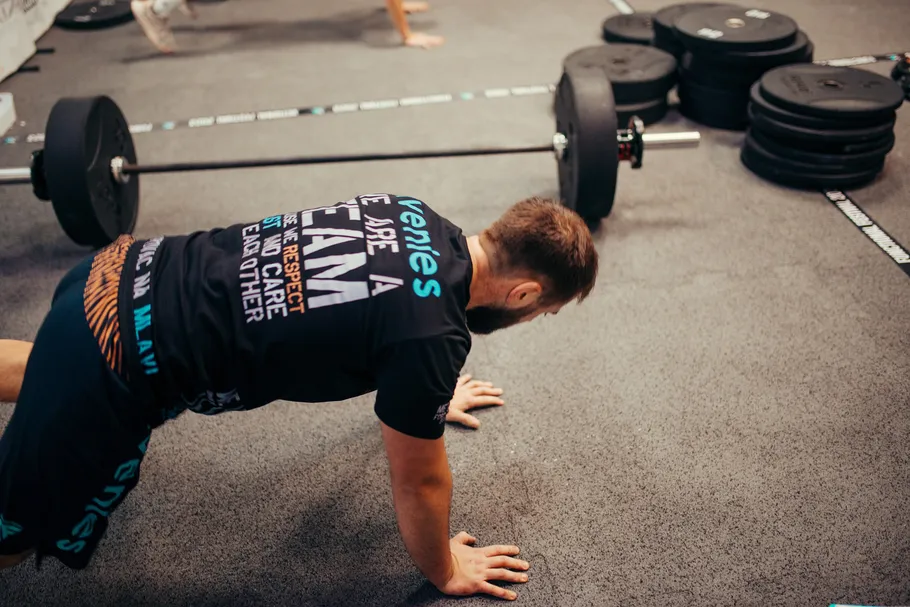
Four of these six machines load with plates, and two load with bands. The seated Titan, the Hammer and the rack-mounted unit all need plates you already own — plus the helmet, which also hangs plates, making four plate users in total. The rotating trainer and the glider come with their bands in the box, so they work on day one without a plate in the house. No pick here uses a pin-selected stack, so there is no set-and-forget weight selection in this guide at all.
Check what you already own before choosing. If you own Olympic plates, four of these six machines are ready to load — our best weight plates for home gyms covers the plates themselves if you are starting from nothing. If you own 1 in plates only, the helmet needs its adapter, and the seated stations’ sleeve sizes should be confirmed on their listings. If you own no plates and do not want to buy any, the band trainers are the only picks here that work on day one without them.
Choose Your Placement
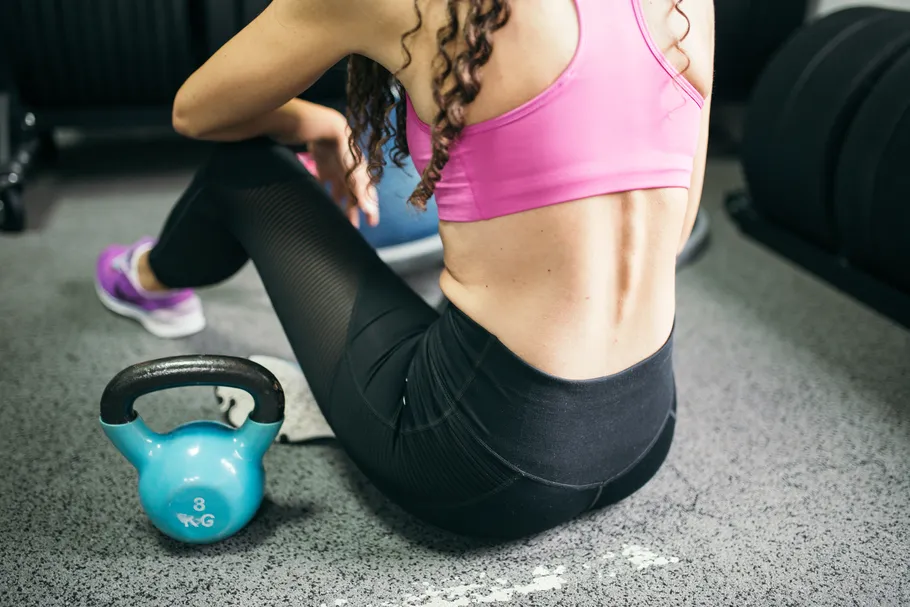
Indoor machines need three things: a level floor that can take the weight, enough ceiling height for the tallest station, and ventilation so a hard session stays bearable. A garage or a spare room works if all three are true; a damp, unventilated corner does not. The plate-loaded machines also need plate storage nearby — plates left on the floor around a seated station are a trip hazard, not a storage system.
Wall mounting is a separate question, and only one pick raises it: the Glide Pro is wall-mount compatible, but the mount is an optional add-on, not included, so a wall-mounted setup needs a second purchase. The rotating trainer needs an anchor point — a door anchor or a rack anchor — rather than a wall, and the rack-mounted unit needs the rack itself. Buy the machine for the room and the anchors you actually have, not the setup you wish you had.
Safety
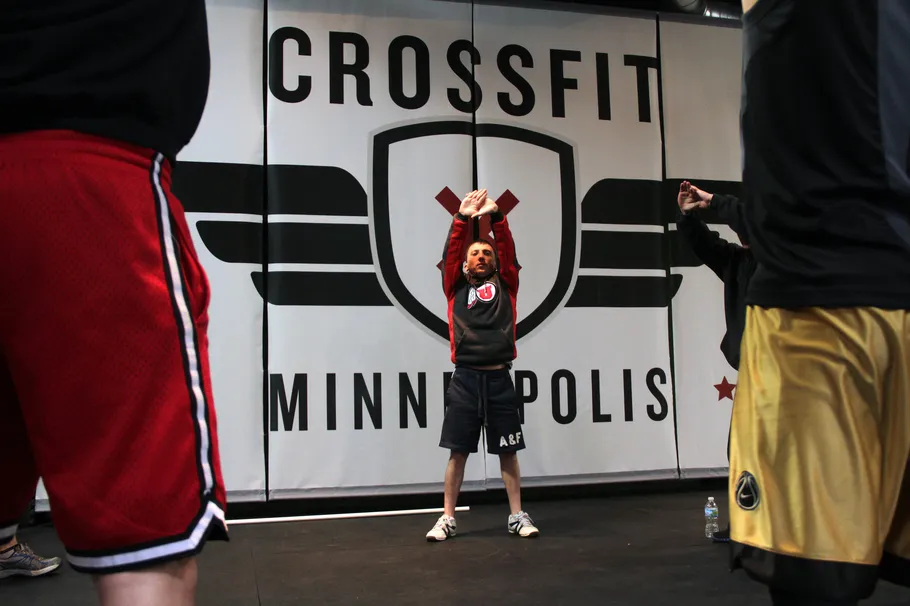
1. Check with a clinician first if you have any prior neck injury, disc problems, numbness or tingling in the arms, dizziness, or any neck pain at all — neck training is not a warm-up for a bad neck, and a machine guides the path but does not diagnose your spine.
2. Never train through neck pain: stop at once on sharp pain, numbness, tingling or dizziness, rack or unhook the resistance, and do not push through it to finish the set — a neck set finished in pain is not a set worth finishing.
3. Start at the lightest resistance the machine offers — the Hammer’s 2 lb start, the glider’s 1 lb band, the helmet with no plates at all — and learn the path unloaded before any real load goes on.
4. Warm up before loading: a few minutes of easy movement plus gentle, unloaded head movement through the full range, so the first loaded rep is never the first movement of the day.
5. Move slowly and never jerk: the head should travel under control in both directions, with no snapping, bouncing or sudden turns at the end of the range.
6. Set the machine before every session — seat height, head pad position, helmet fit, band anchor — and check that plates are collared, sleeves are seated and the band anchor is solid before the first rep.
7. Keep children clear of the machine and the plates, never climb on a machine or hang from a trainer it was not built to hold, and store plates and bands where they cannot trip anyone between sessions.
These notes are general information only, not medical advice — if pain, a neck problem or a medical condition worries you, talk to a clinician before using a neck machine.
Frequently Asked Questions
Neck machine or neck harness — which one should I buy?
Buy the machine if you want a guided path with resistance that stays on the same track every rep, in four directions or through rotation. Buy a harness if you want the cheapest possible entry and you accept a swinging load with limited directions. The two are not upgrades of each other — the machine guides, the harness hangs, and this guide covers machines only.
Can a neck machine fix my posture or prevent concussion?
No claim of that kind is made in this guide, and you should not buy any neck machine on such a promise. Neck strength is a training goal in its own right for athletes and lifters; posture and head-injury outcomes involve far more than one muscle group, and no pick here is presented as a treatment or a preventive device. If pain, posture problems or a head injury worry you, talk to a clinician, not a product page.
How much weight should a beginner start with?
The lightest resistance the machine offers — and no weight at all on the first session if the movement is new to you. The glider starts at a 1 lb band, the Hammer starts at 2 lb, and the helmet works unloaded while you learn the fit and the path. Add load only when the full range feels controlled and pain-free, and stop the progression the moment anything hurts, tingles or feels dizzy.
Do I need plates for every neck machine here?
No. Four picks need plates — both seated stations, the helmet and the rack-mounted unit — and two do not: the rotating trainer and the glider ship with their bands included. If you own no plates and do not want to buy any, those two band trainers are the only picks here that work on day one without them.
Will a neck machine fit in a small home gym?
The wearables and the glider will; the seated stations might not. The helmet hangs on a hook, the glider is 20 in long, and the rack unit takes no floor beyond your rack — but the seated Titan needs 38 × 26 in and the Hammer needs 60 × 36 in, plus working space around each. If floor space is the constraint, the size decision alone rules out both seated stations.
What floor protection does a heavy machine need?
A level, solid floor and something under the feet that spreads the load — a 245 lb commercial station will mark bare floors and slide on smooth ones, and dropped plates chip concrete. Put the machine on a proper gym floor first, and our best gym flooring for home gyms covers the floor and protection thinking that applies here too.
Our Pick: Start Here
Start with the Titan Plate-Loaded 4-Way Neck Machine if space is tight and you already own plates — and keep the Hammer Strength PL-4W as the alternate if commercial build quality matters more than floor space. If you want rotation, the Iron Neck 3.0 is the rotating route, while the Kensui EZ-HELM V2 is the wearable plate route. If you want careful, low-load work with a program to follow, the NecksLevel Glide Pro is the rehab route, and the Titan Rack-Mounted Neck Machine is the rack route if you already own a Titan rack. Whichever you pick, check with a clinician first if anything about your neck worries you, measure the room second, confirm the listing third, and start with light sets.
As an Amazon Associate, we earn from qualifying purchases made through links on this page, at no extra cost to you.
Specifications come from maker pages and listing records at the time of writing and can change without notice — the dimensions, weights, capacities and model numbers above are the settled records we found, with conflicts stated in the text, not smoothed over. Always confirm the current listing before ordering.